automotivebriefs
Filter

Worth your time

Our verdict was a straight yes.
46 briefs · 446 min
9:28

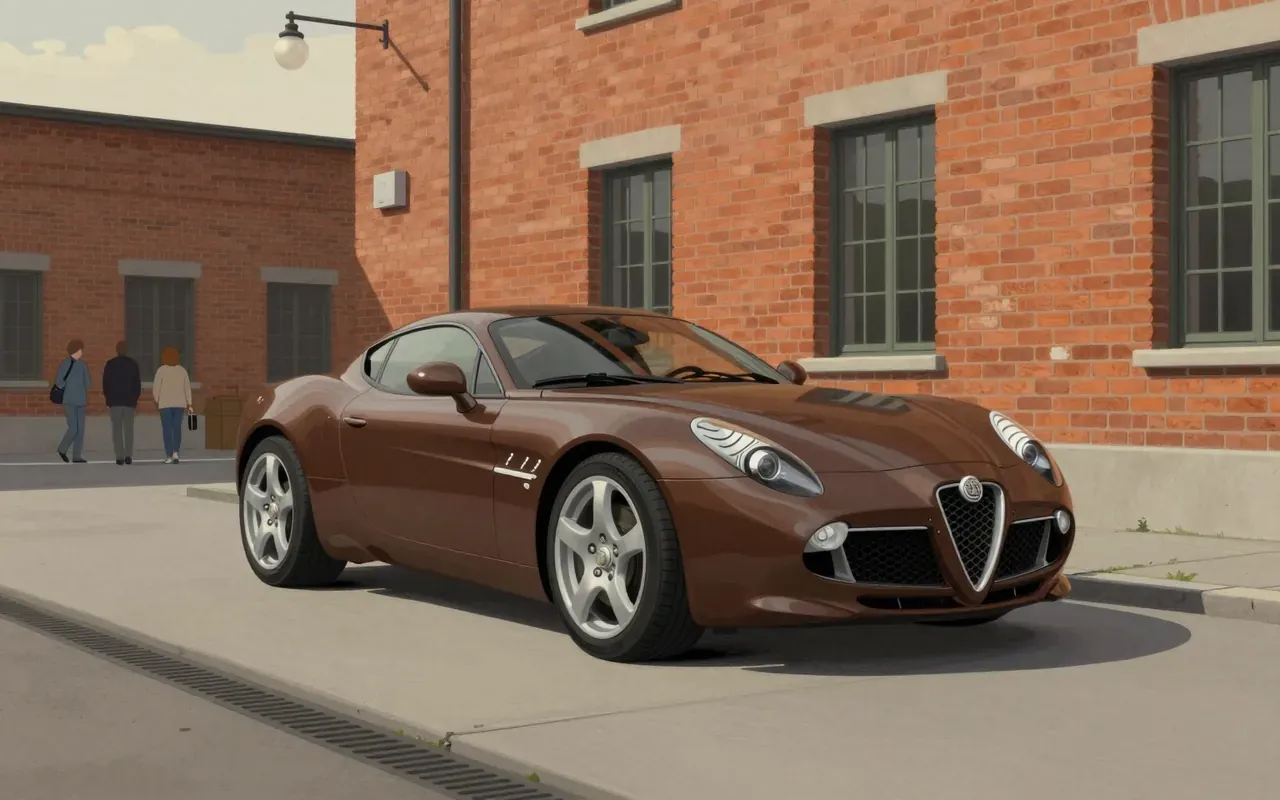
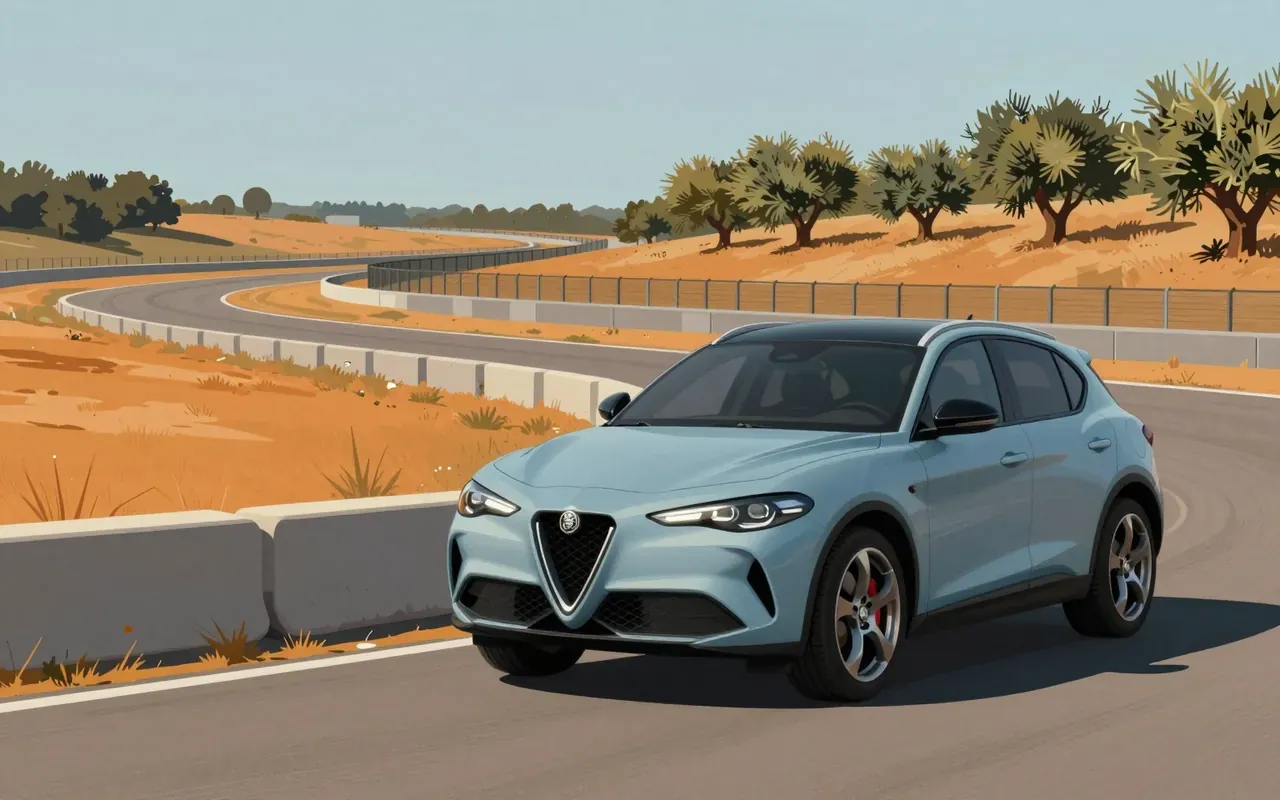
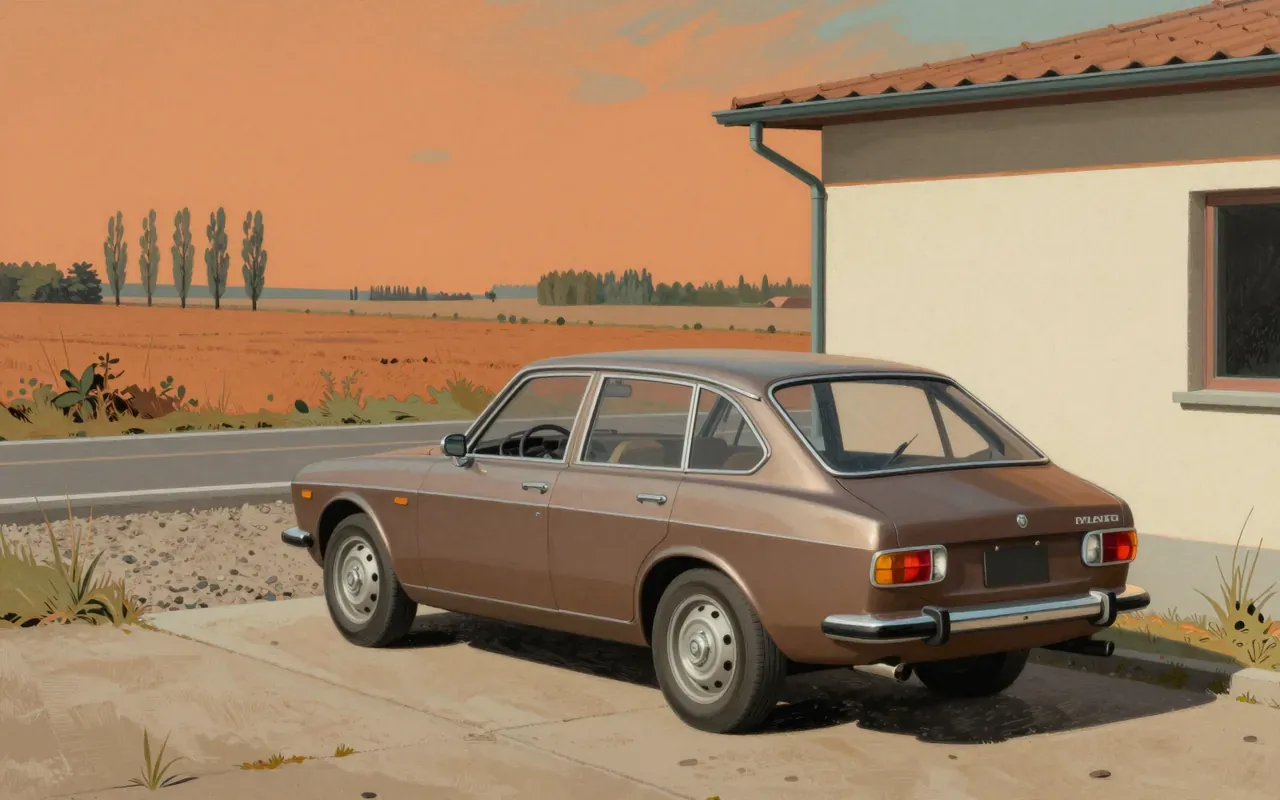
Alfa Romeo Alfetta

Alfa Romeo Centro Stile · 1972

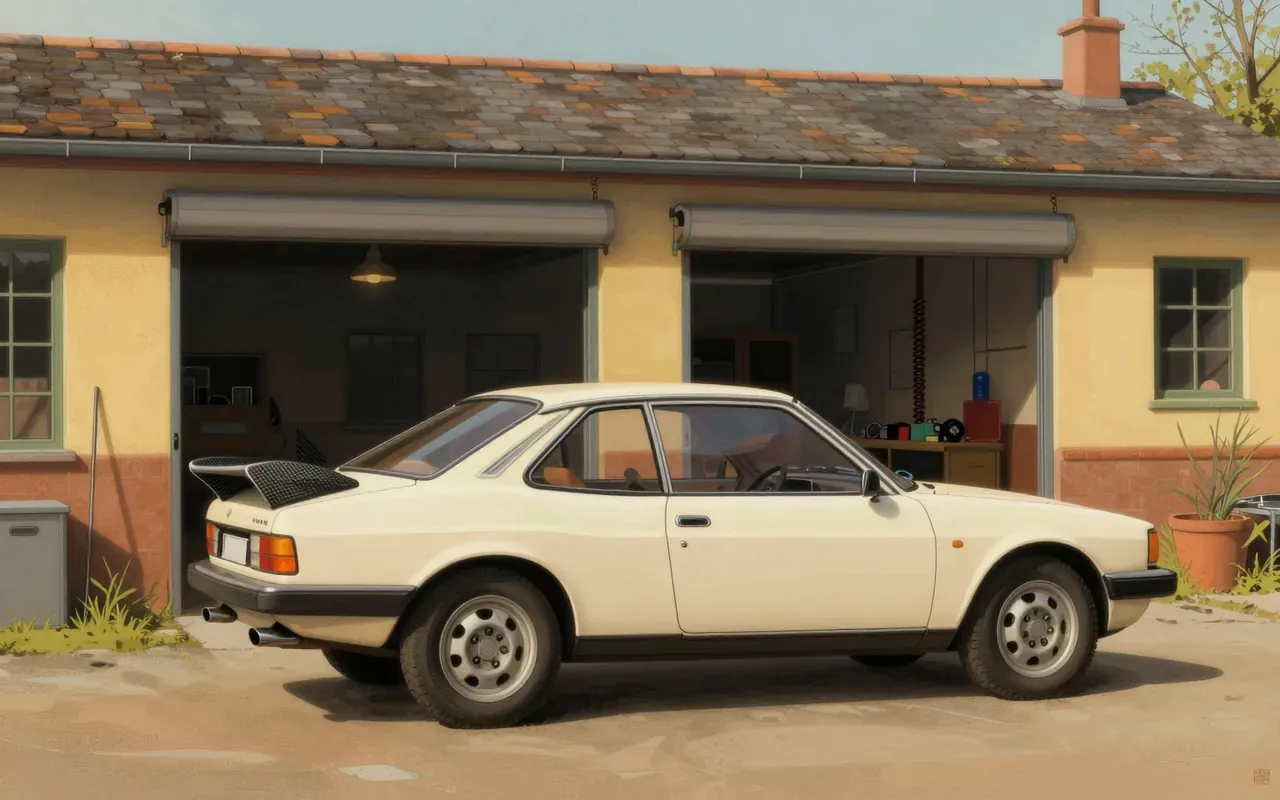
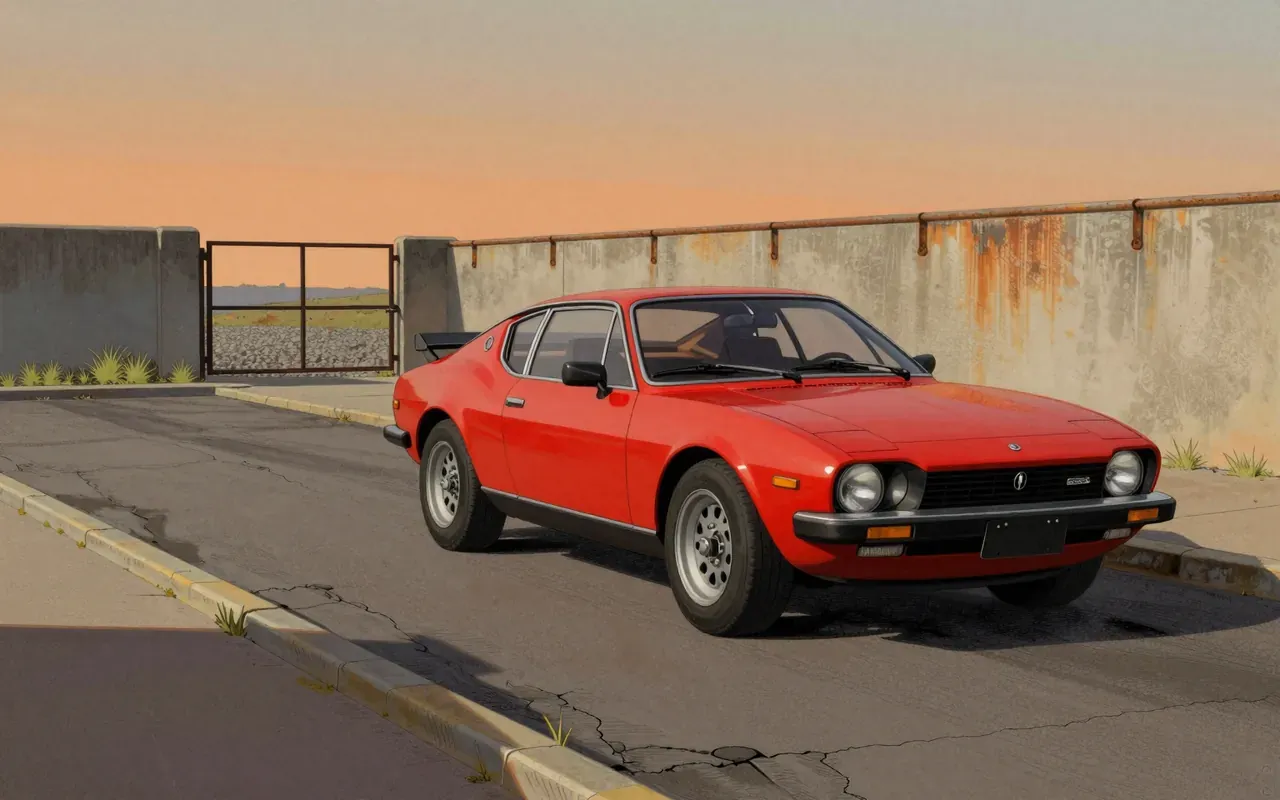
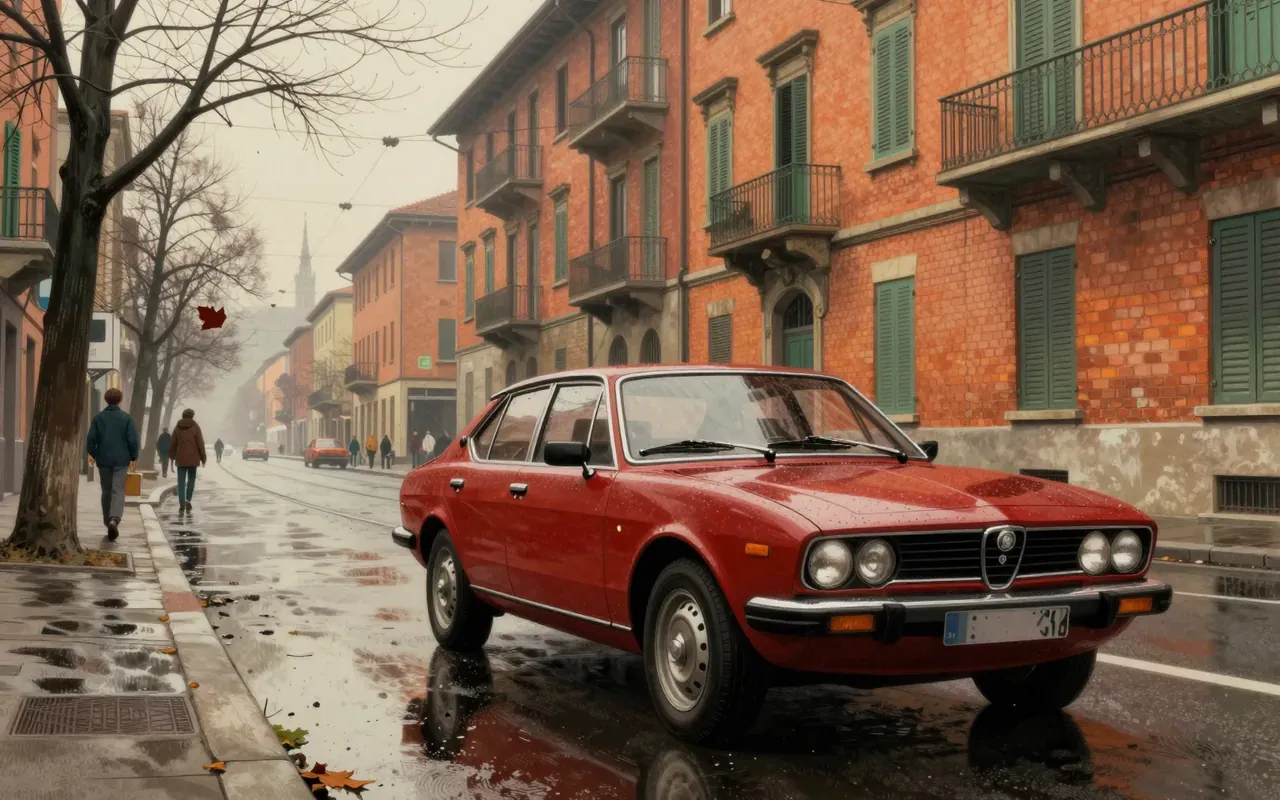
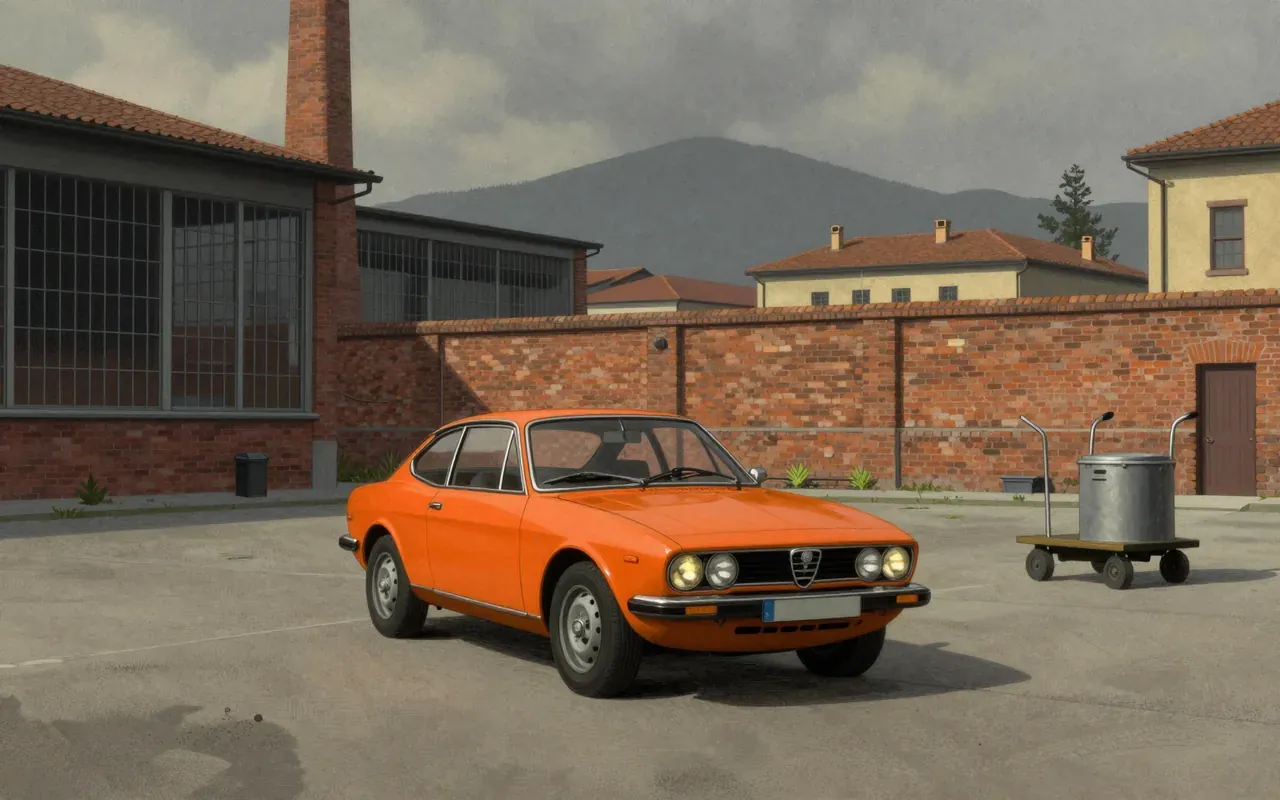
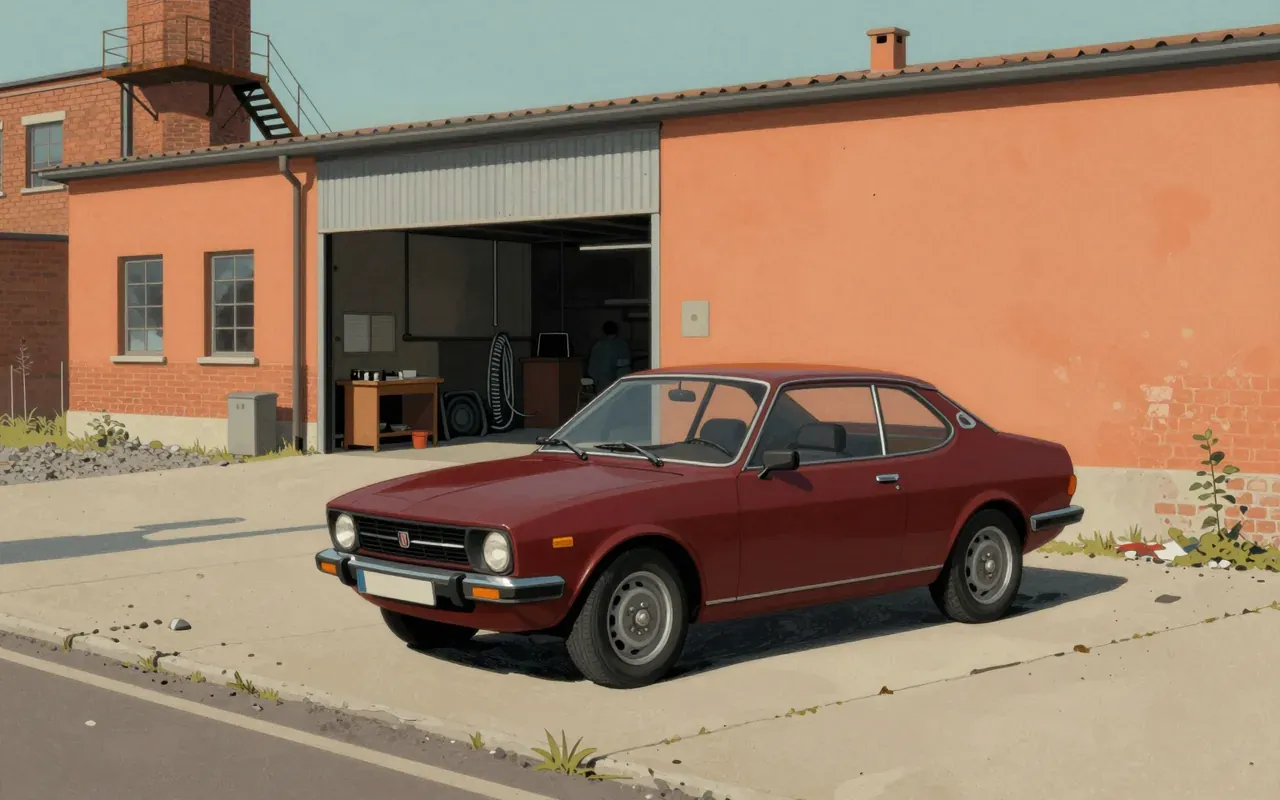
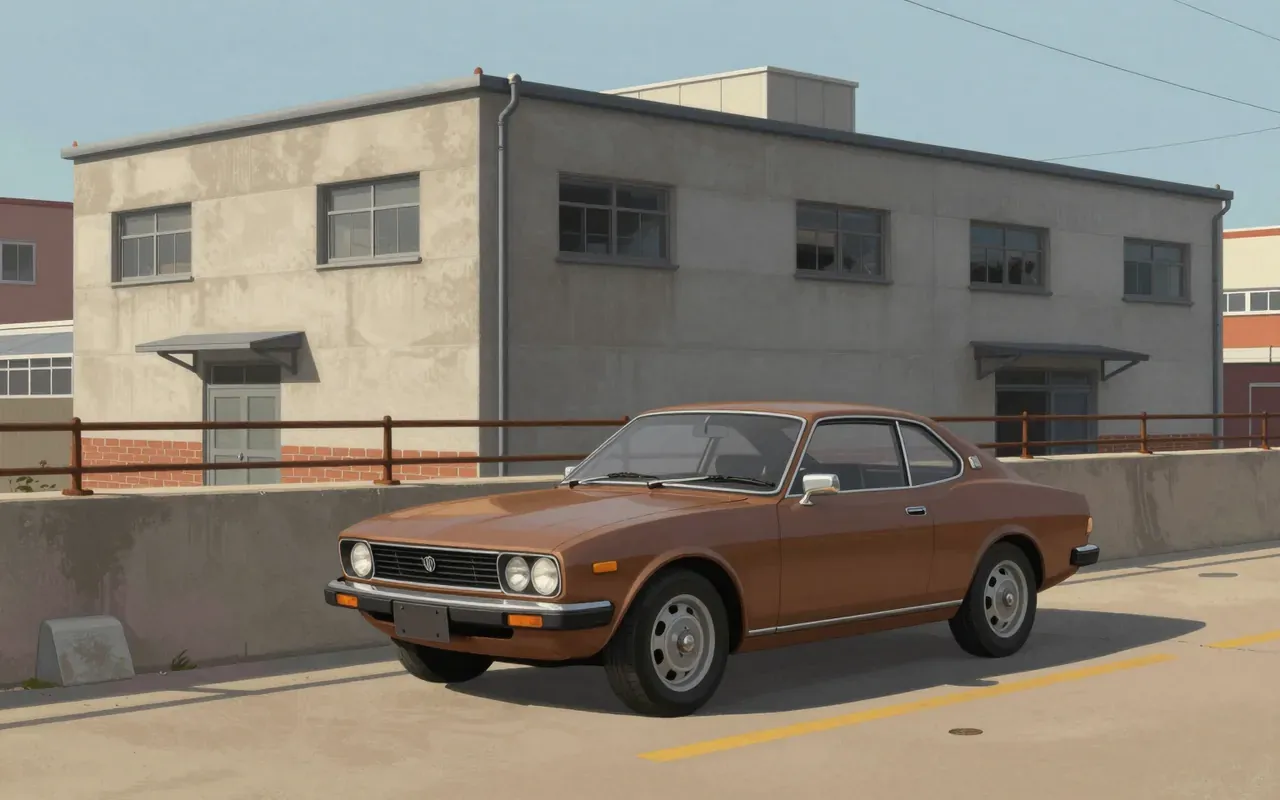
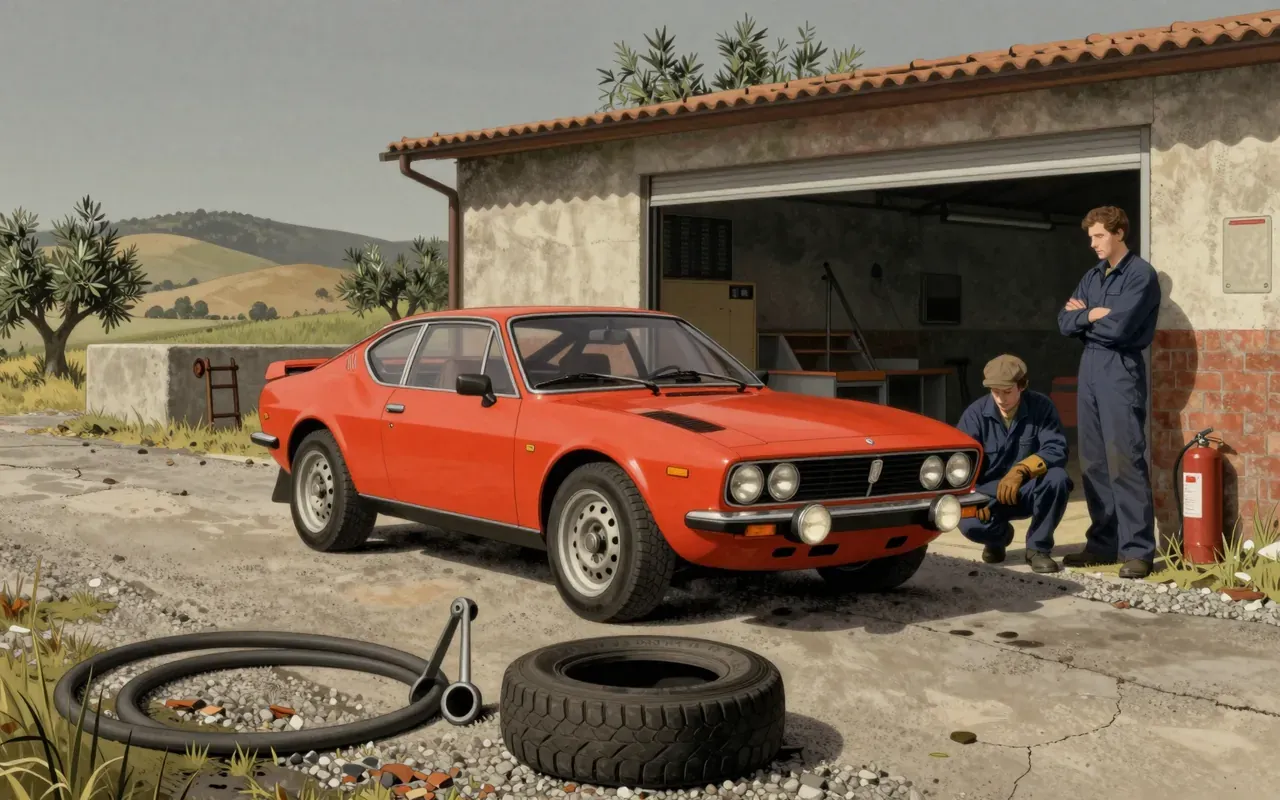
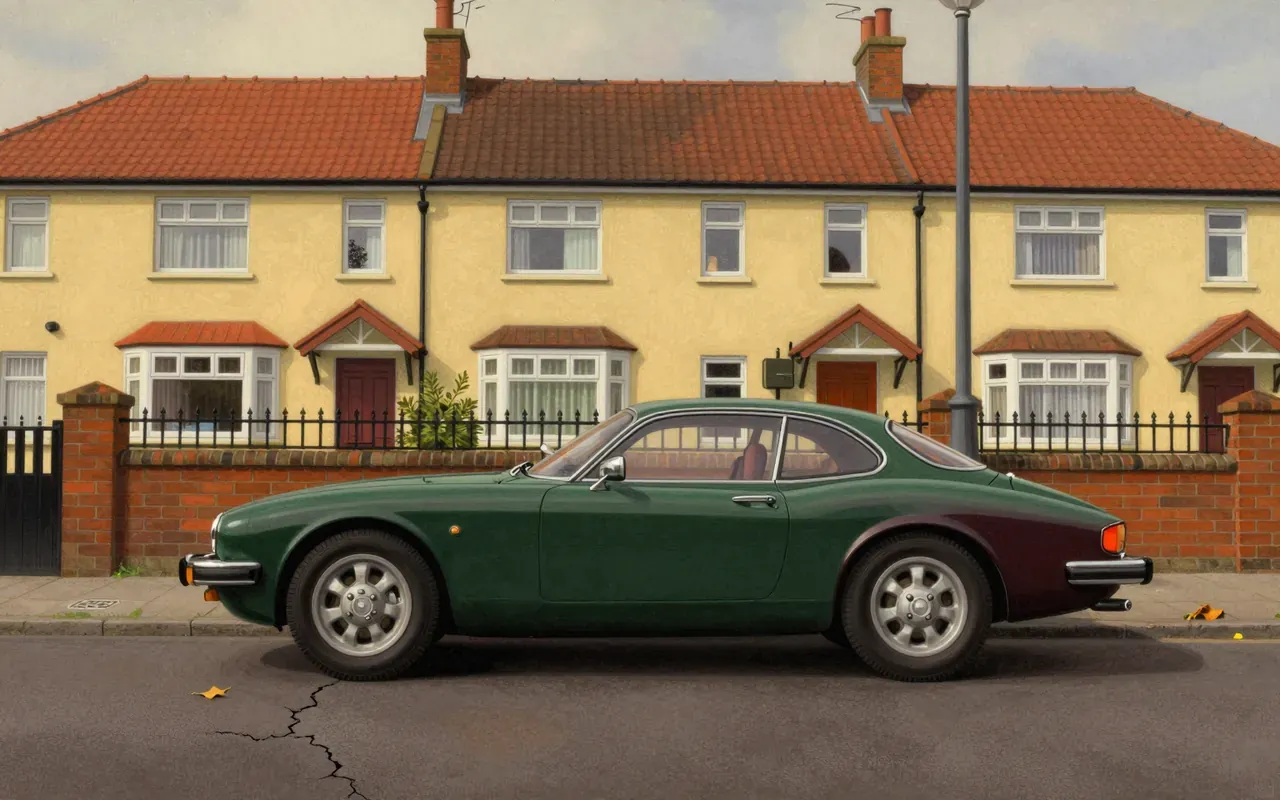
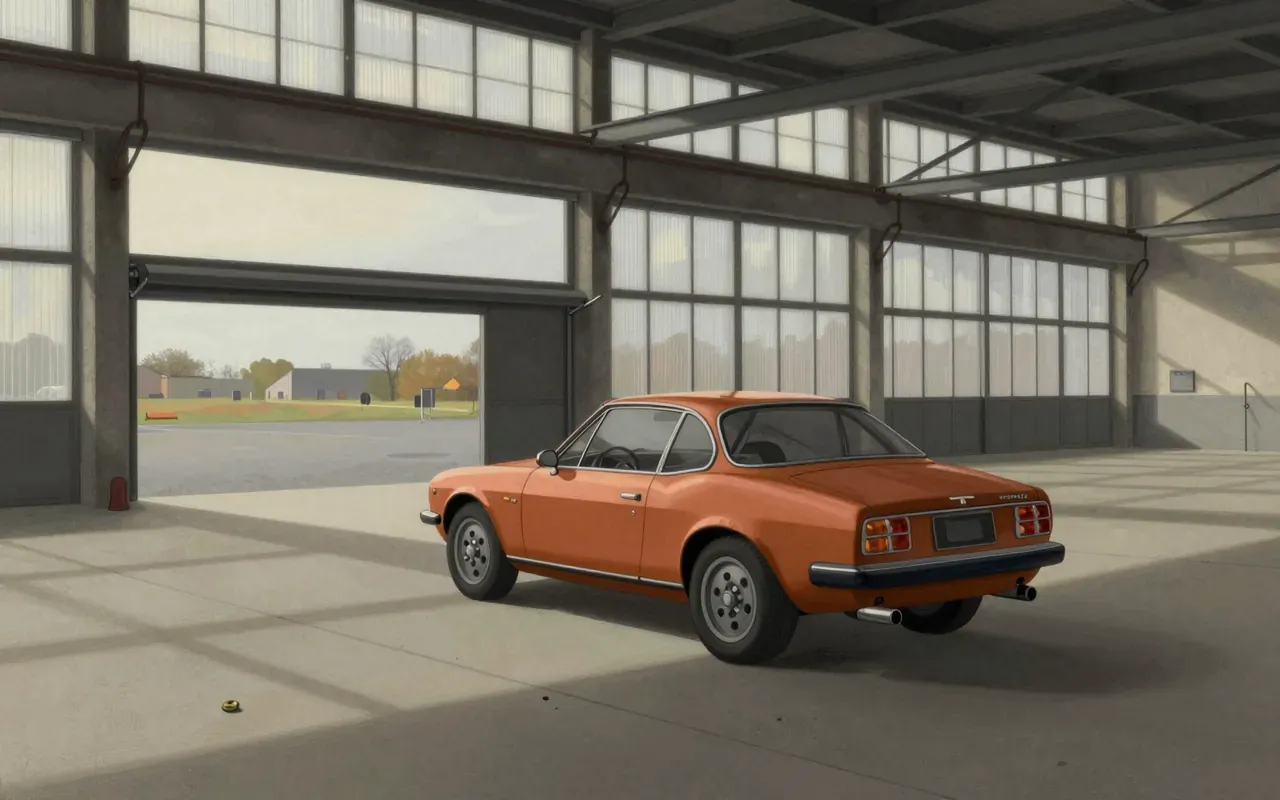
The Alfetta is a front-engine saloon and fastback coupé produced from 1972 to 1987. It used a rear transaxle and De Dion tube rear suspension to improve weight distribution and handling. Coupé models featured a central tachometer. All models left the factory with Pirelli Cinturato 165HR14 tyres.
9:02

Alfa Romeo BAT

Franco Scaglione · 1953

The BAT series is a focused, documented exercise in aerodynamic research—not styling, not engineering for power, not market readiness. It is a rare case where form follows one measurable physical constraint, iterated across three years, with no deviation from that brief.
9:22

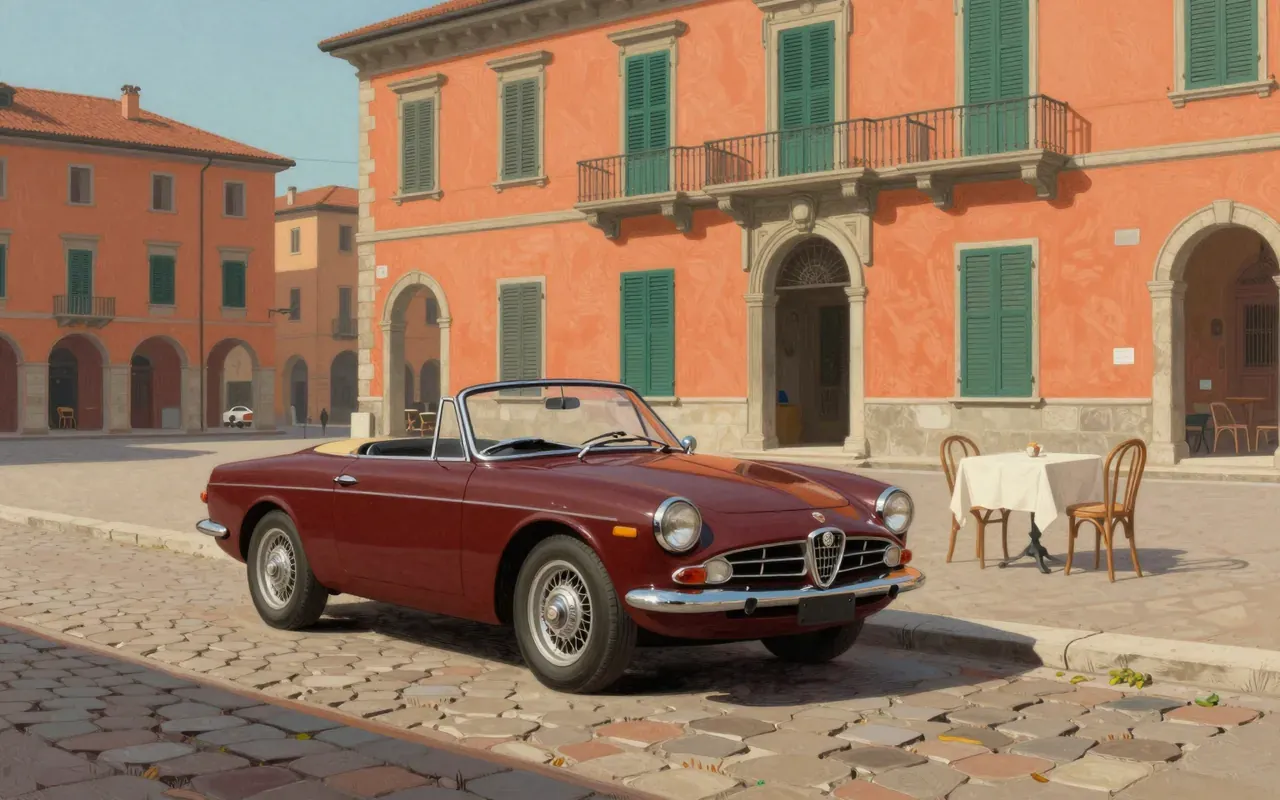
Alfa Romeo 105/115 Series Coupés

Giorgetto Giugiaro · 1963

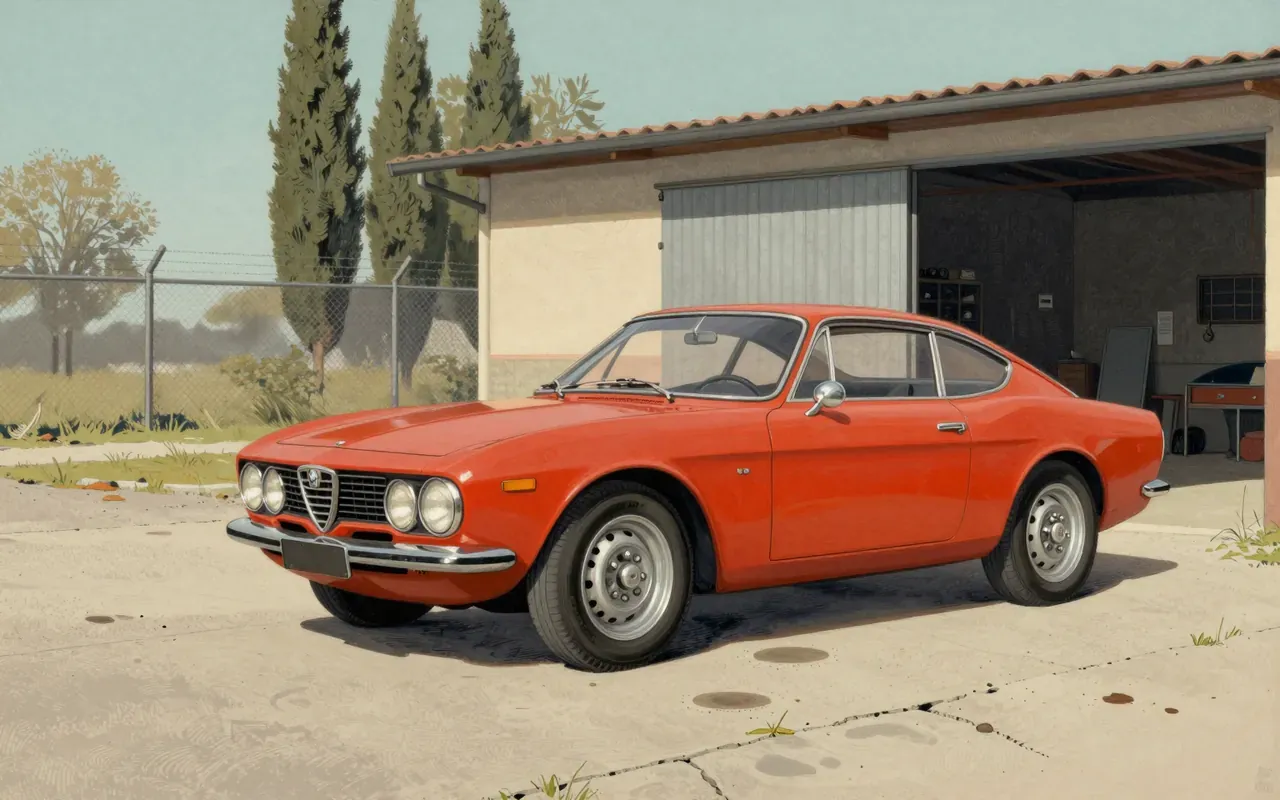
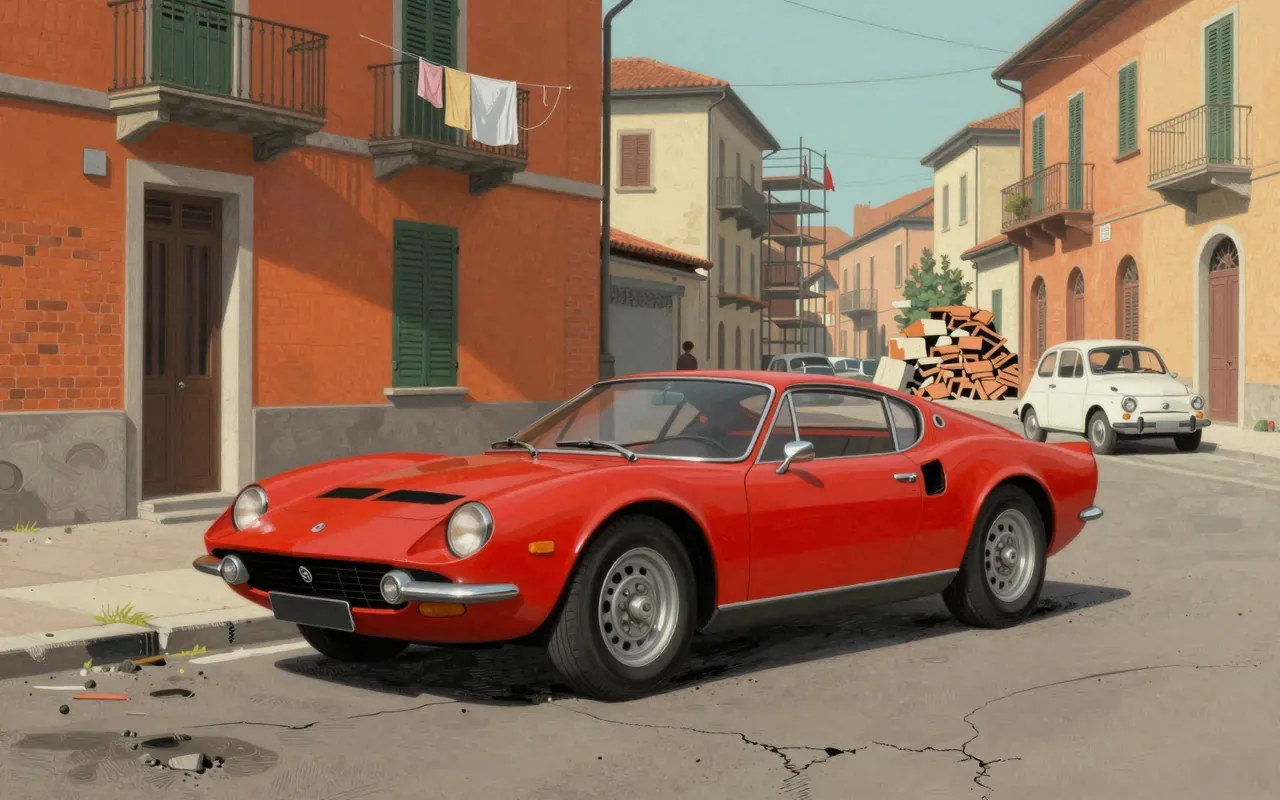
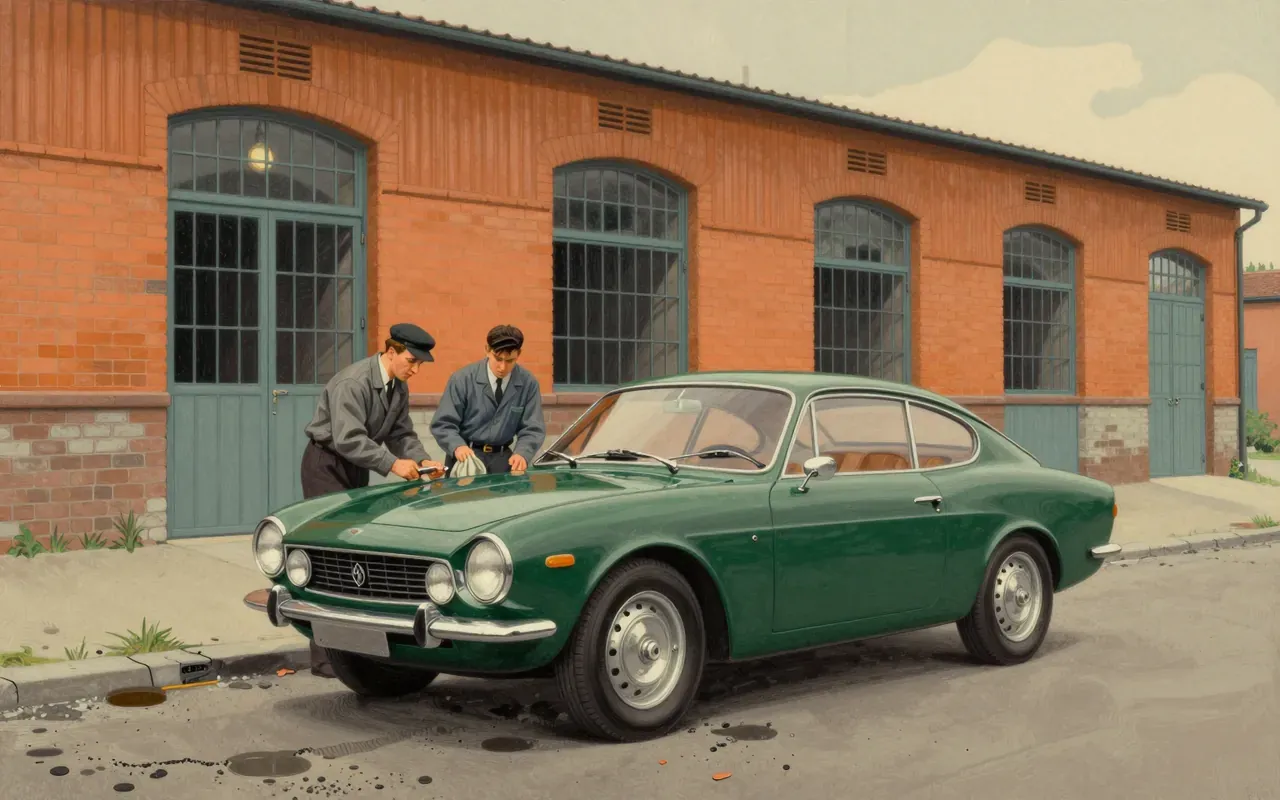
The Alfa Romeo 105/115 Series Coupés are foundational Giugiaro — not as a stylistic endpoint, but as a working method: take a proven platform, impose a strong, arched silhouette, and let coachbuilders extend it. They are compact, alloy-engined, live-axle sports coupés that prioritise form coherence over mechanical innovation. Their legacy is visual, not technical.

10:49

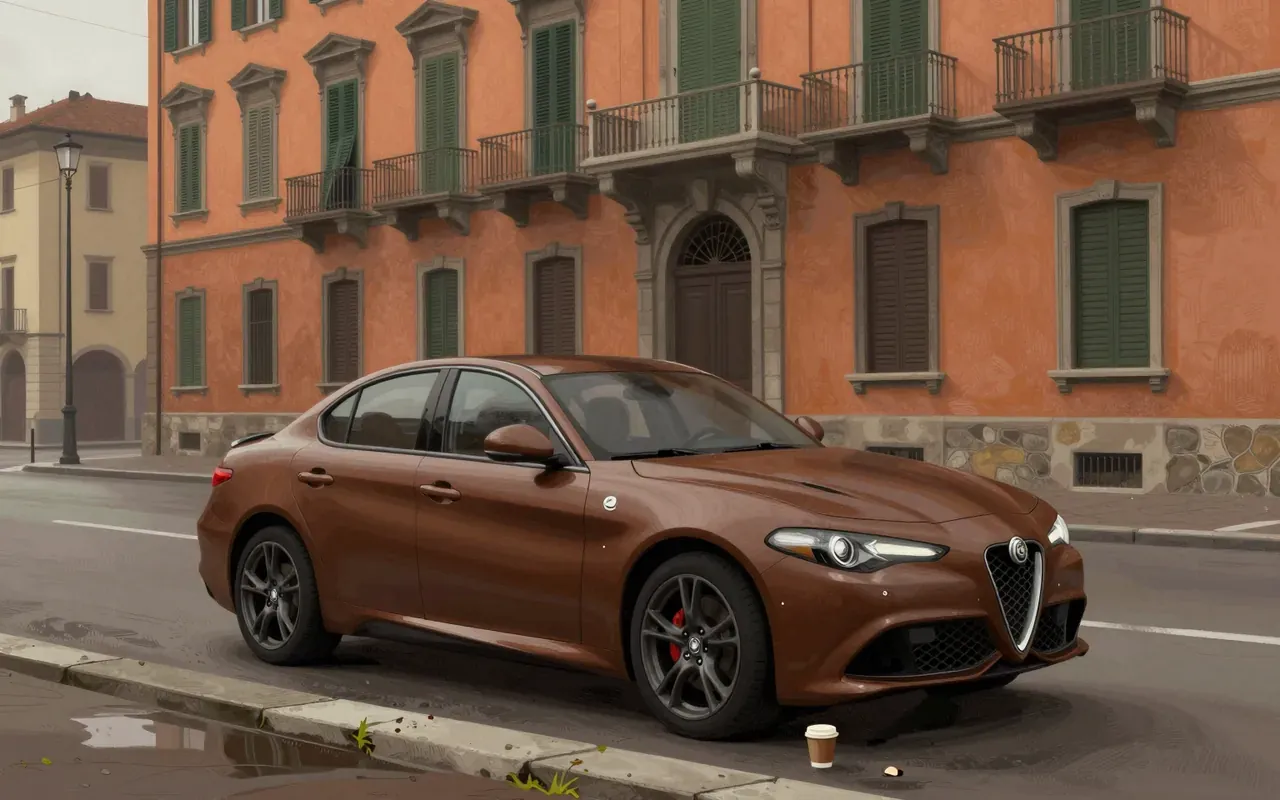
Alfa Romeo Giulia

Giuseppe Scarnati · 1965

The Alfa Romeo Giulia Type 105 redefined what a four-door saloon could do—without electronics, without weight, without apology.

10:50

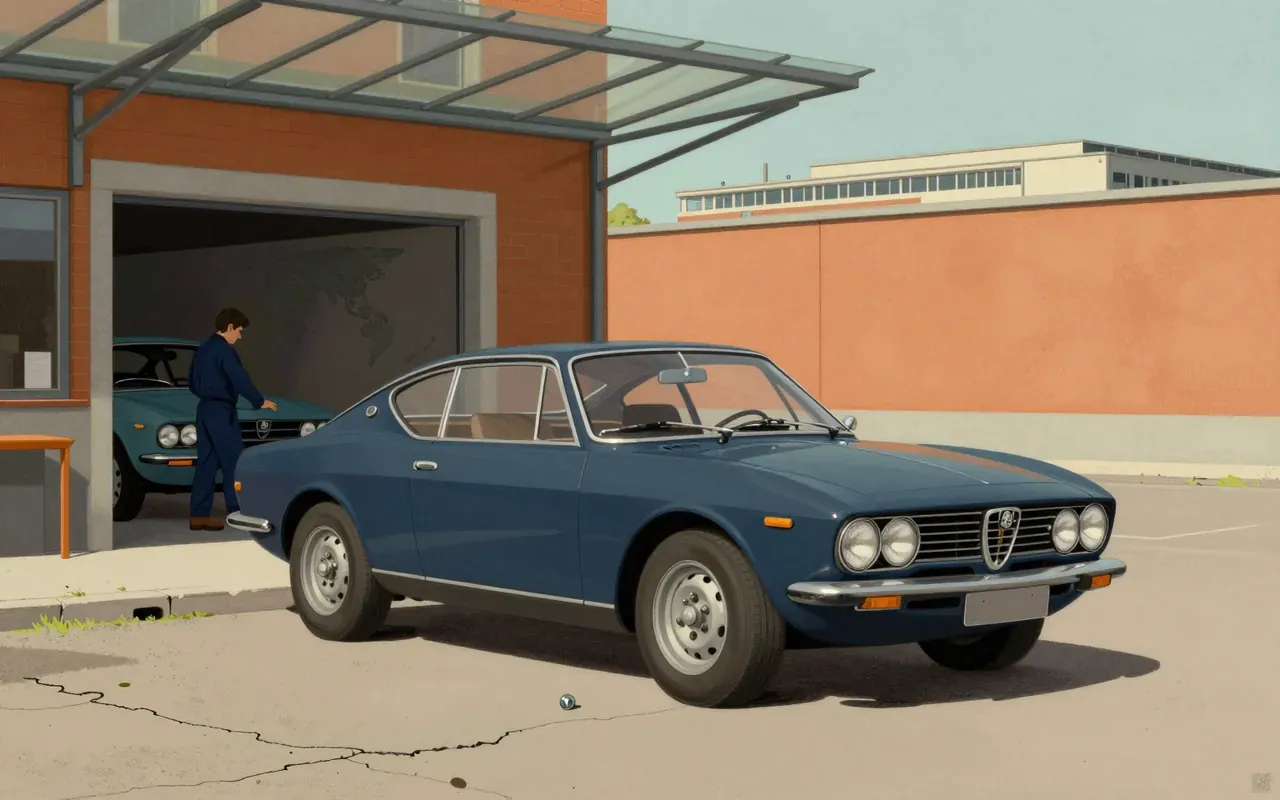
Alfa Romeo Giulia TZ

Zagato · 1965

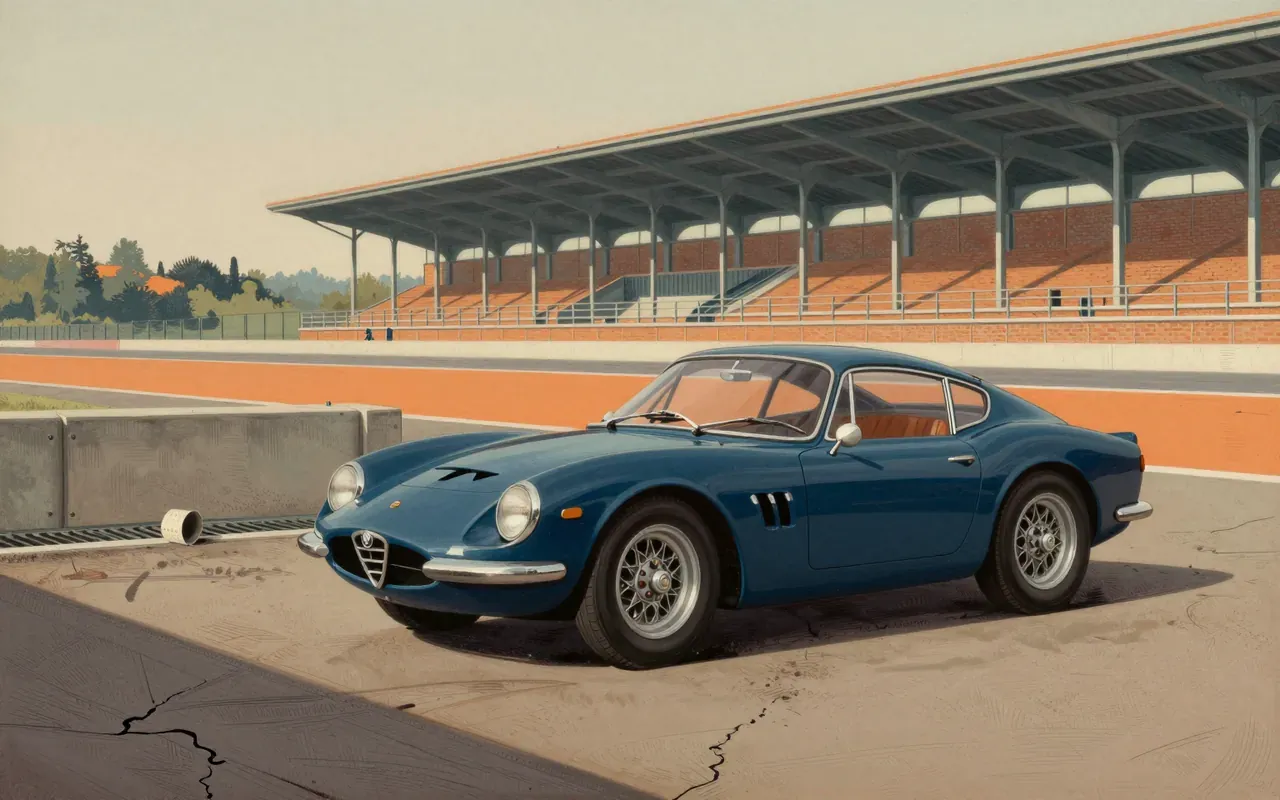
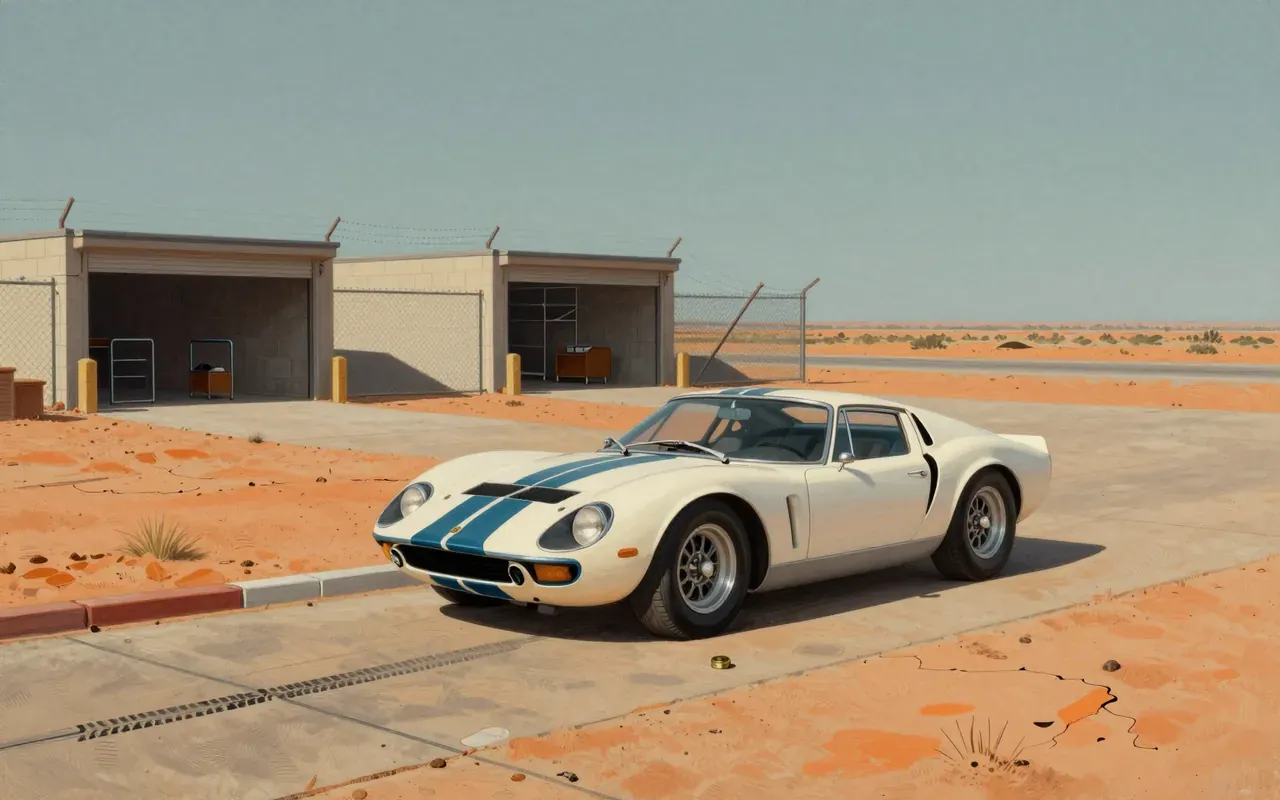
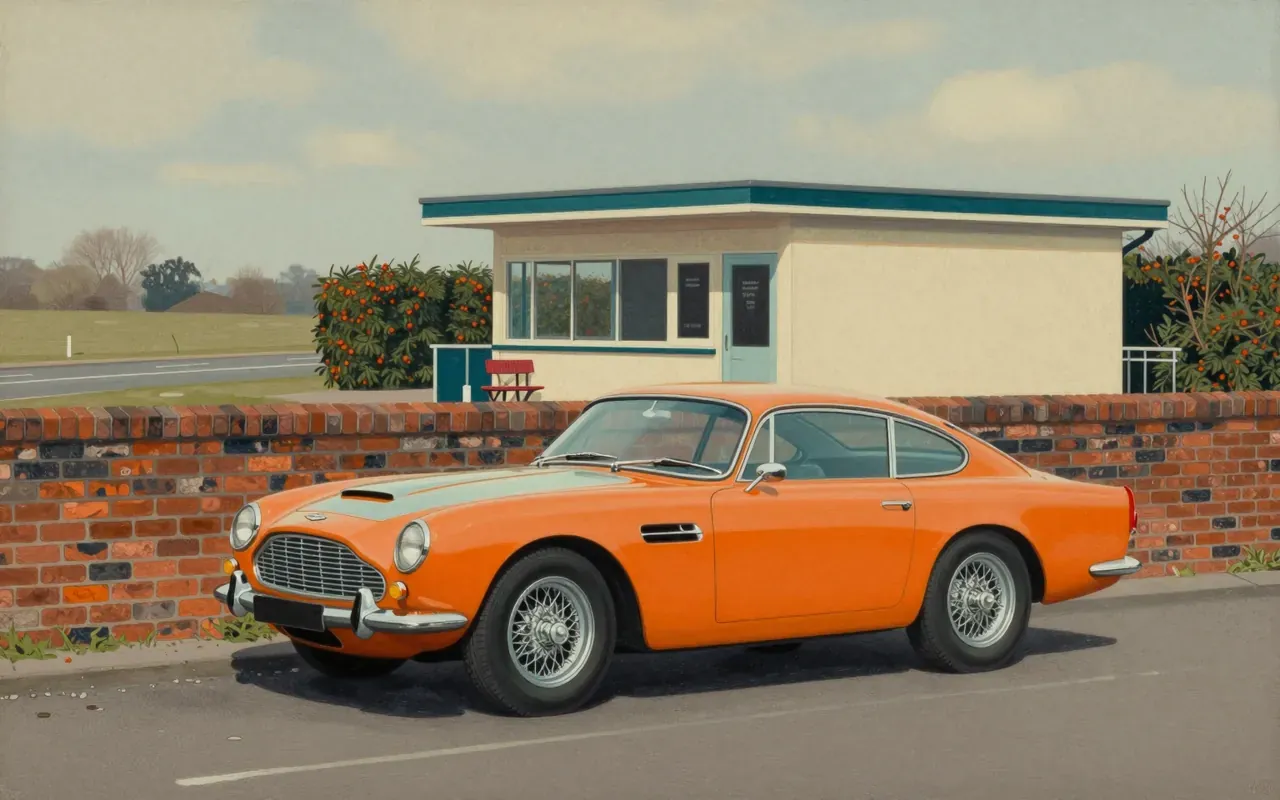
The Giulia TZ is a focused, lightweight racing coupé built to exploit Alfa’s existing engine and suspension in a new structural format. Its value lies in how it redefined what ‘lightweight’ meant for a front-engined RWD car in 1963—not through novelty, but through discipline.

9:56

Audi Quattro

Martin Smith · 1980

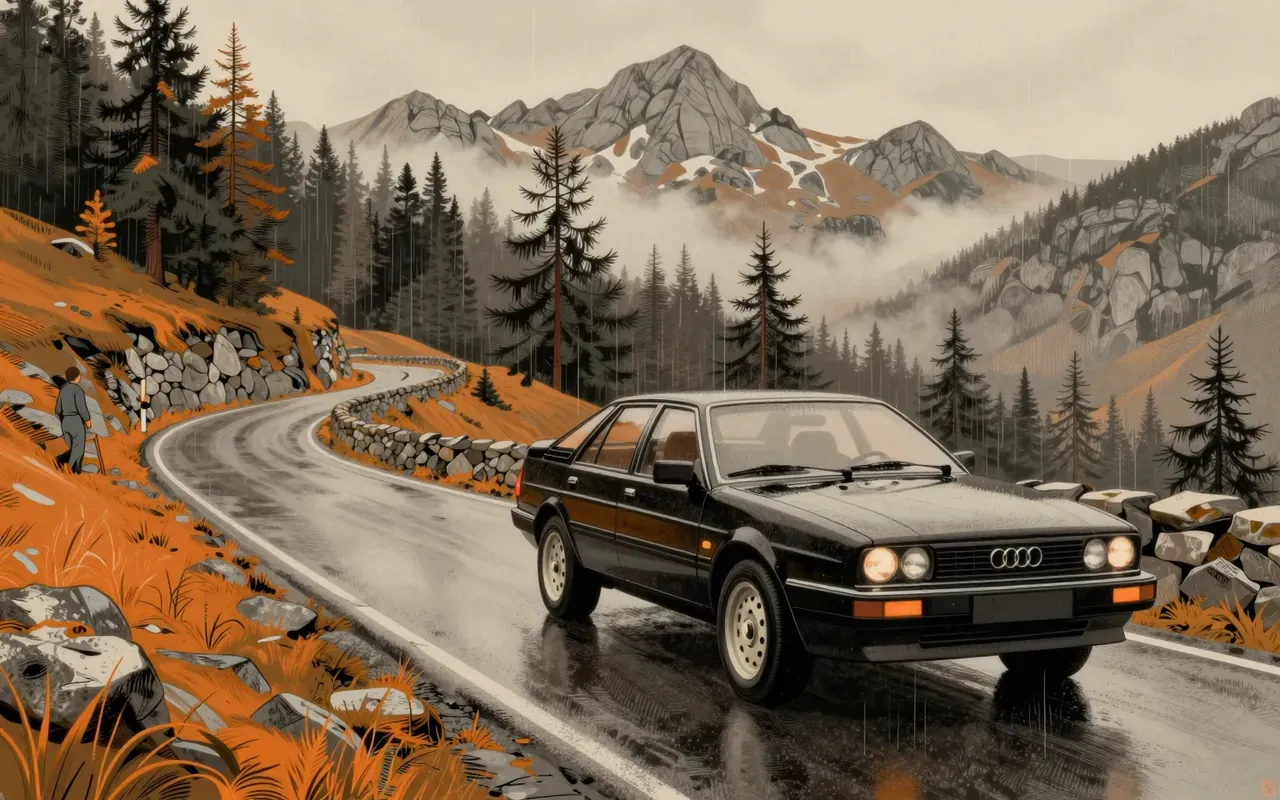
The Audi Quattro (1980) is a front-engine, four-wheel-drive coupé developed by Jörg Bensinger. First shown at the 1980 Geneva Motor Show. It was both a road car and the first rally car to use four-wheel drive under newly permitted competition rules. Its name comes from the Italian word for 'four'. Production ran until 1991. The original model is known as the Ur-Quattro.
9:02

Bizzarrini Strada

Giorgetto Giugiaro · 1965

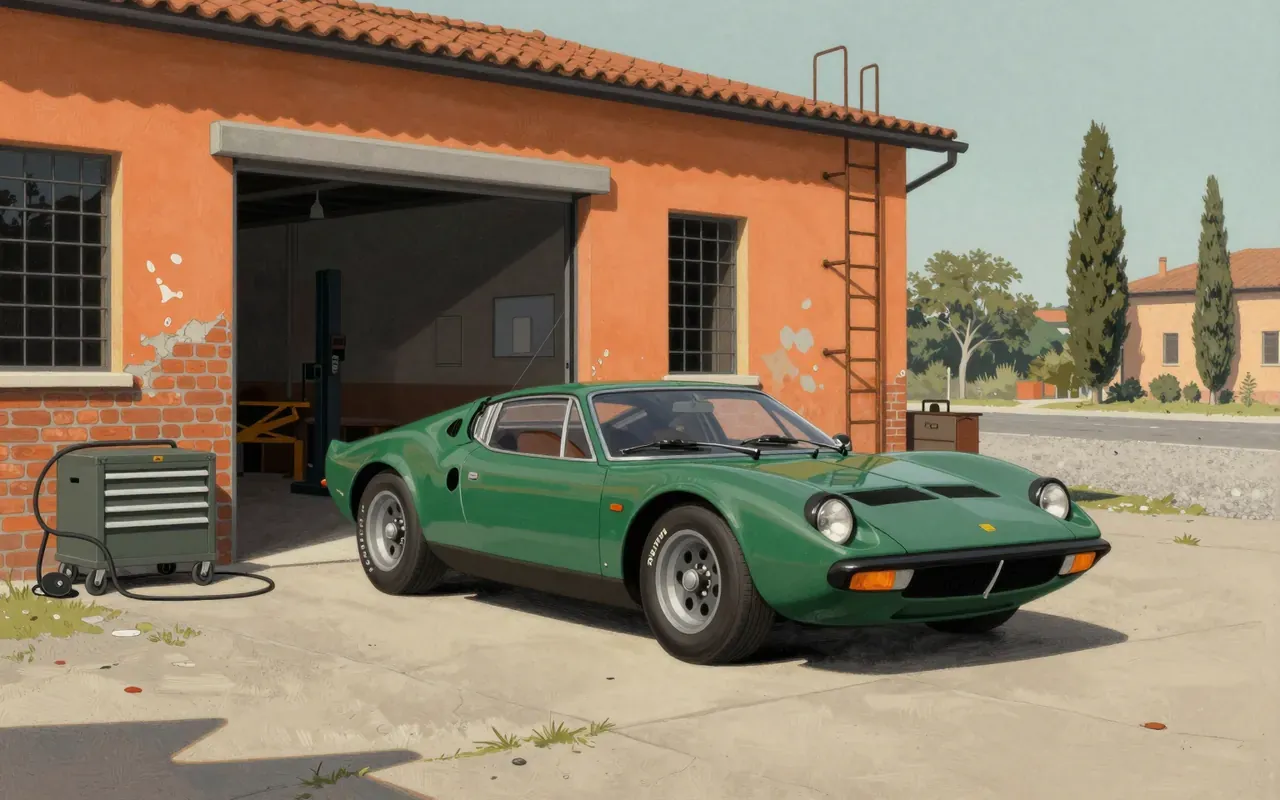
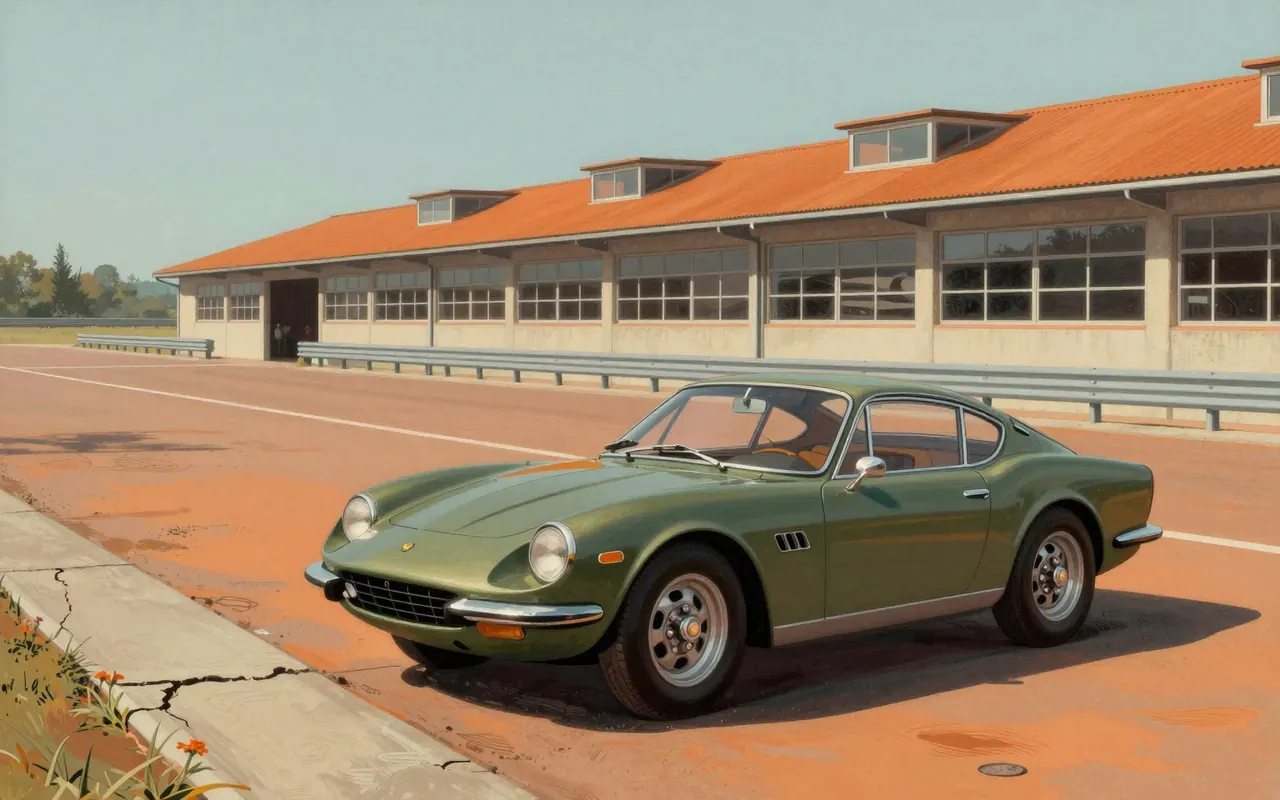
The Bizzarrini Strada is a mechanically focused, front mid-engine sports car from 1964–1968. It uses a rearward-placed Chevrolet V8 to optimise weight distribution and handling. It was never designed by Giugiaro. It exists in coupé, roadster, and Corsa forms. Its performance figures are verified: sub-7-second 0–100 km/h, 280 km/h top speed.
9:36

BMW 02 Series

Giovanni Michelotti · 1968

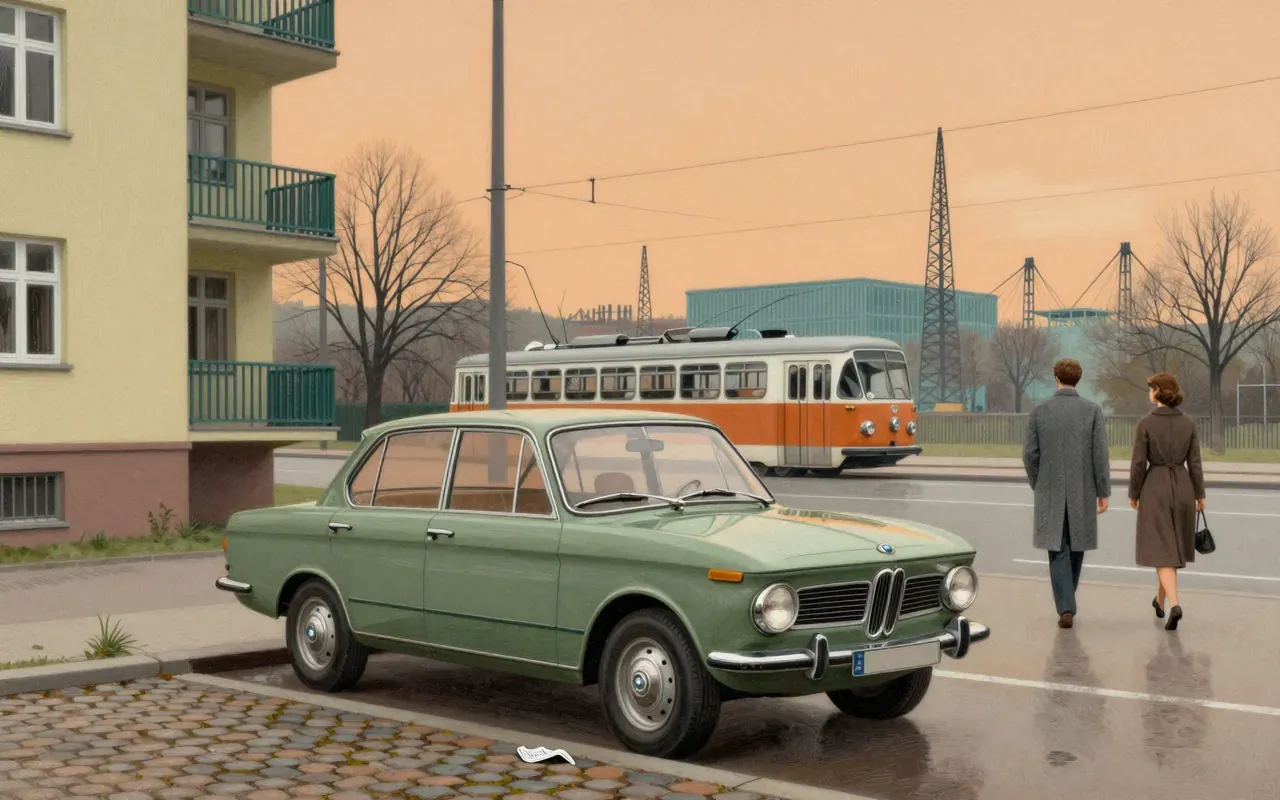
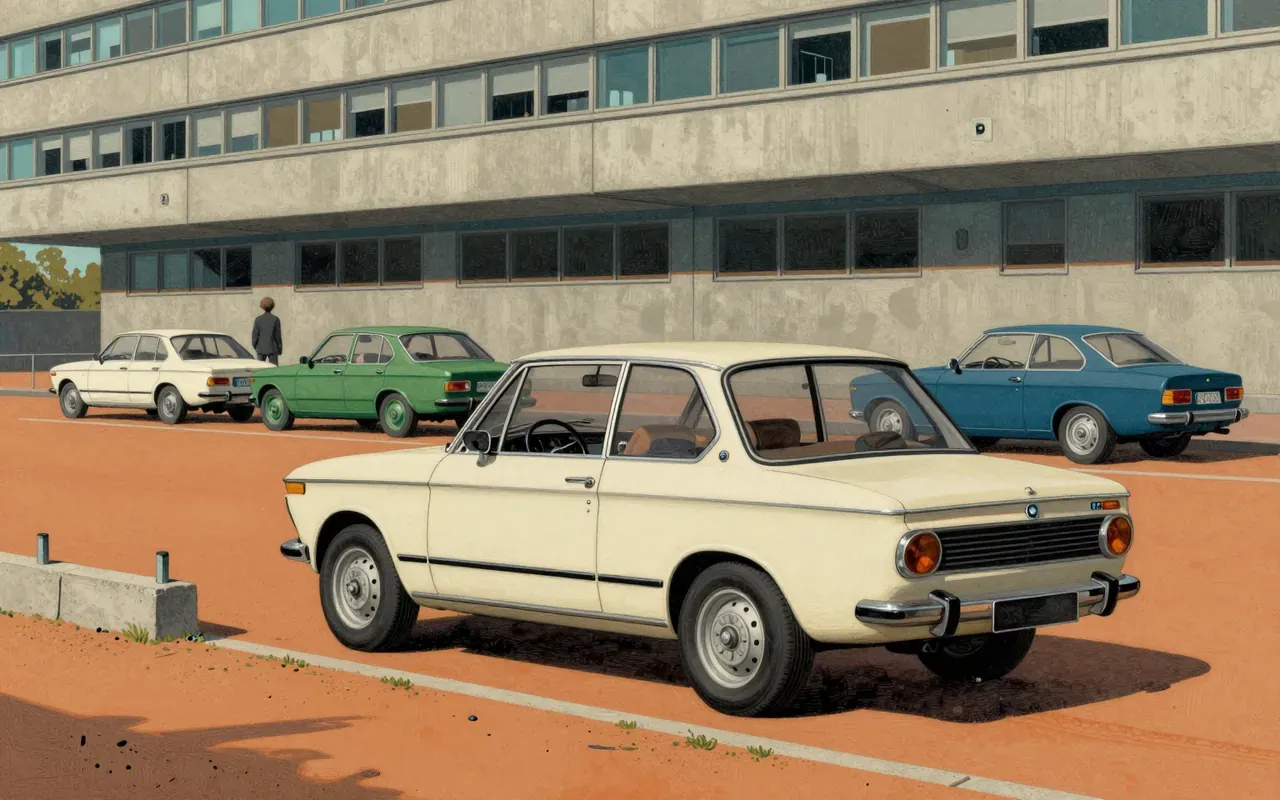
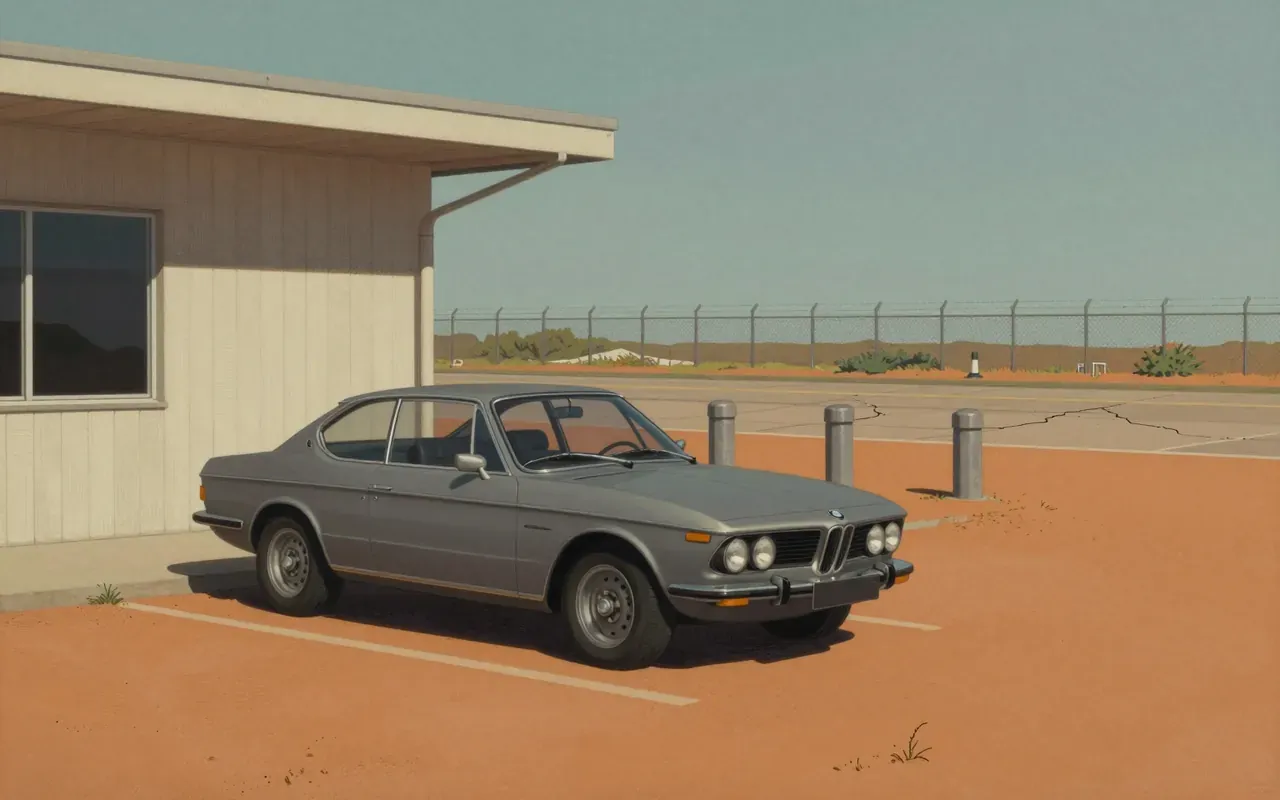
The BMW 02 Series is a foundational compact executive car range produced from 1966 to 1977. Based on a shortened New Class sedan, it debuted as the 1600-2 in 1966 and evolved into the influential 2002 in 1968. Designed by Giovanni Michelotti, it established BMW’s sport-sedan identity through proportion, rear-wheel drive dynamics, and driver engagement—not raw power. Its variants included cabriolets, targas, hatchbacks (Touring), and economy models. It was lighter and more agile than its donor, less well-appointed but more responsive. It directly enabled BMW’s reputation for affordable performance—and shaped its design language for decades.

9:22

BMW M5

Joji Nagashima · 1998

The E28 M5 is the foundational high-performance saloon — mechanically uncompromising, historically pivotal, and entirely disconnected from Joji Nagashima’s design work.

9:22

Isetta

Iso · 1955

The Isetta is a 1953 Italian microcar designed by Iso SpA. Its front-hinged door, tandem seating, and bubble-canopy shape prioritise minimalism over convention. It achieved record fuel efficiency and global licensing—but only after Iso pivoted from refrigerators and scooters.

9:03

Bugatti EB 110

Giampaolo Benedini · 1992

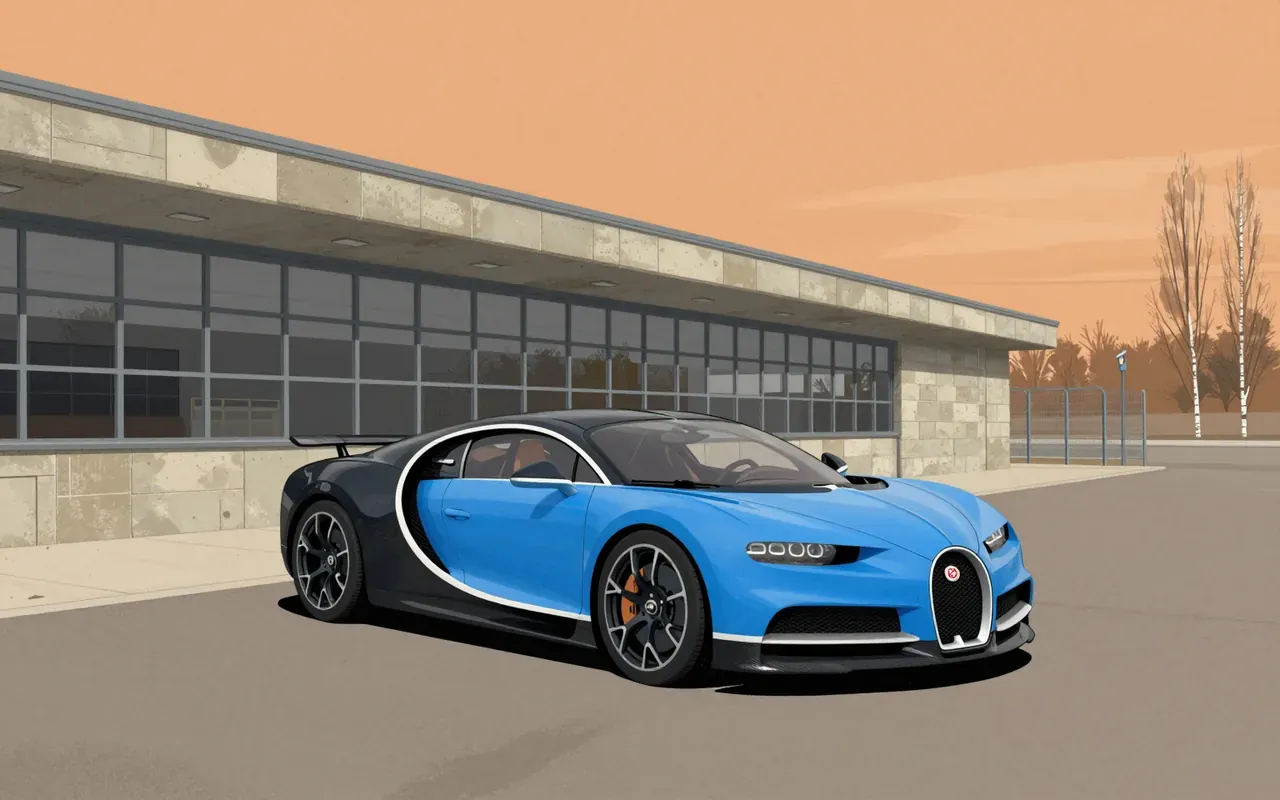
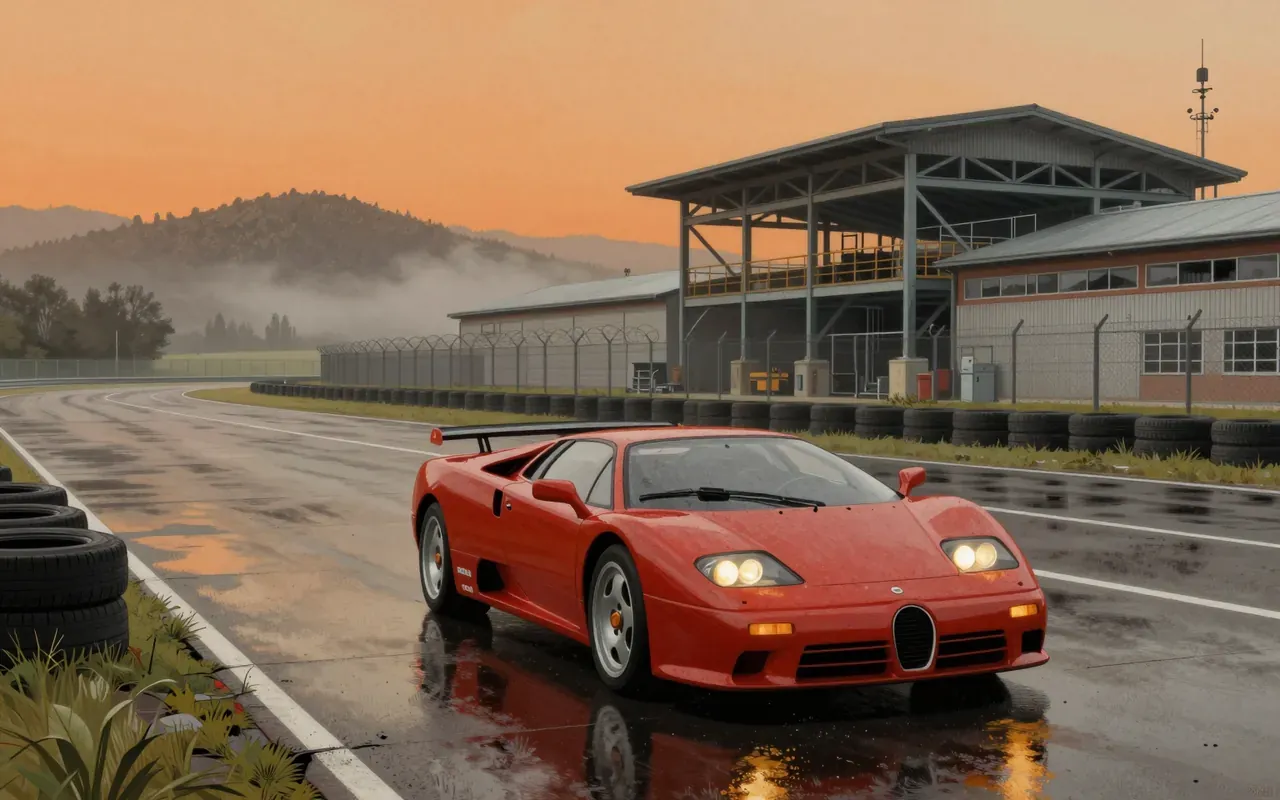
The Bugatti EB 110 is a mid-engine, all-wheel-drive supercar with a carbon fibre monocoque and active aerodynamics. It was produced from 1991 to 1995. Its name commemorates Ettore Bugatti’s 110th birthday. 139 units were built. It uses a 3.5 L quad-turbocharged V12 engine.

9:30

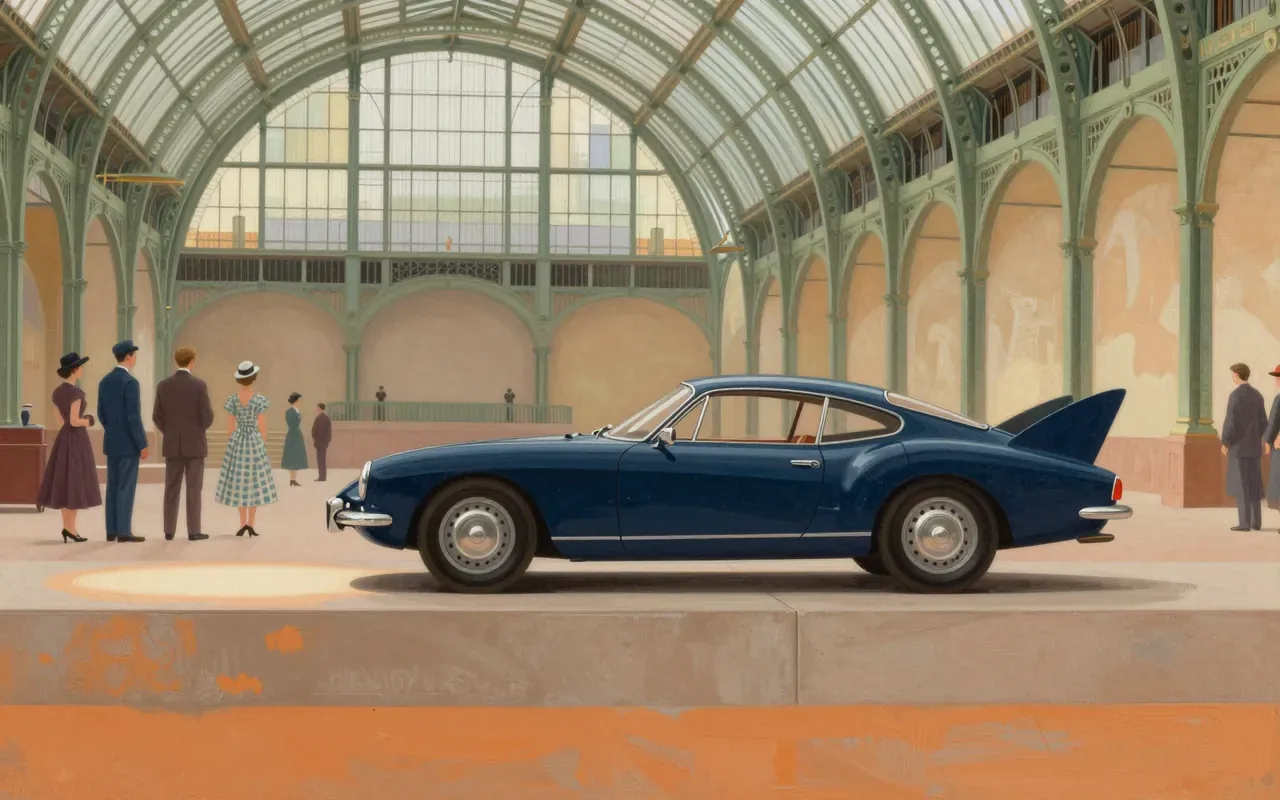
Bugatti Type 57

Jean Bugatti · 1936

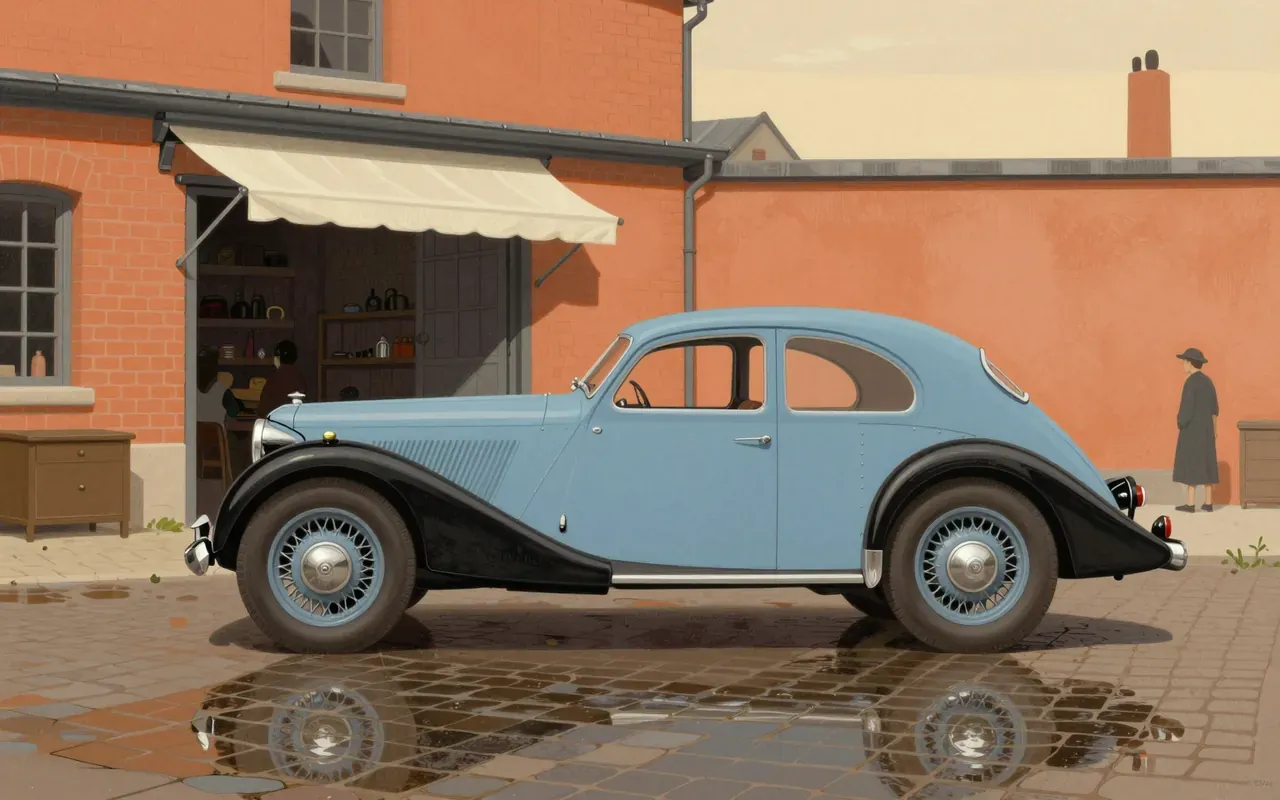
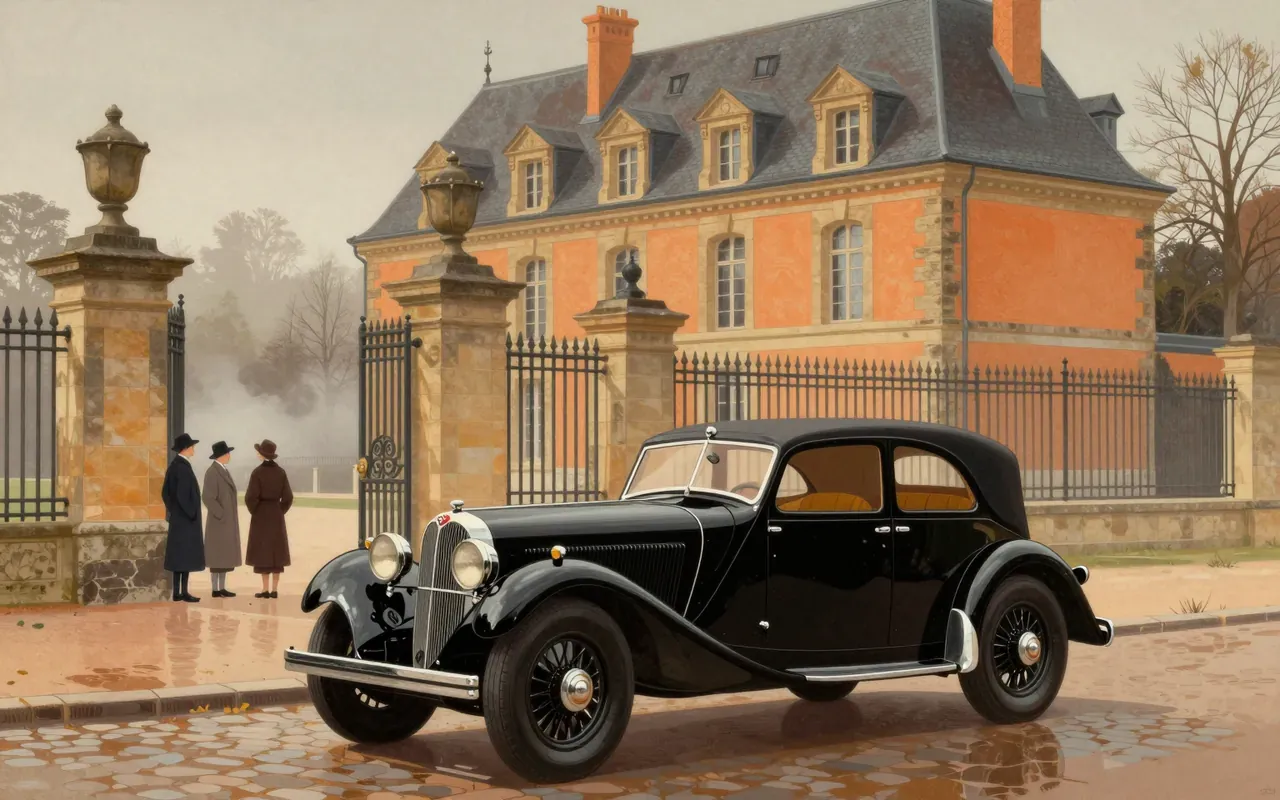
The Bugatti Type 57 is a grand tourer designed entirely by Jean Bugatti and built from 1934 to 1940. A total of 710 were made. It debuted as a supercharged model at the 1936 Paris Salon.

9:23

Buick Y-Job

Harley Earl · 1950

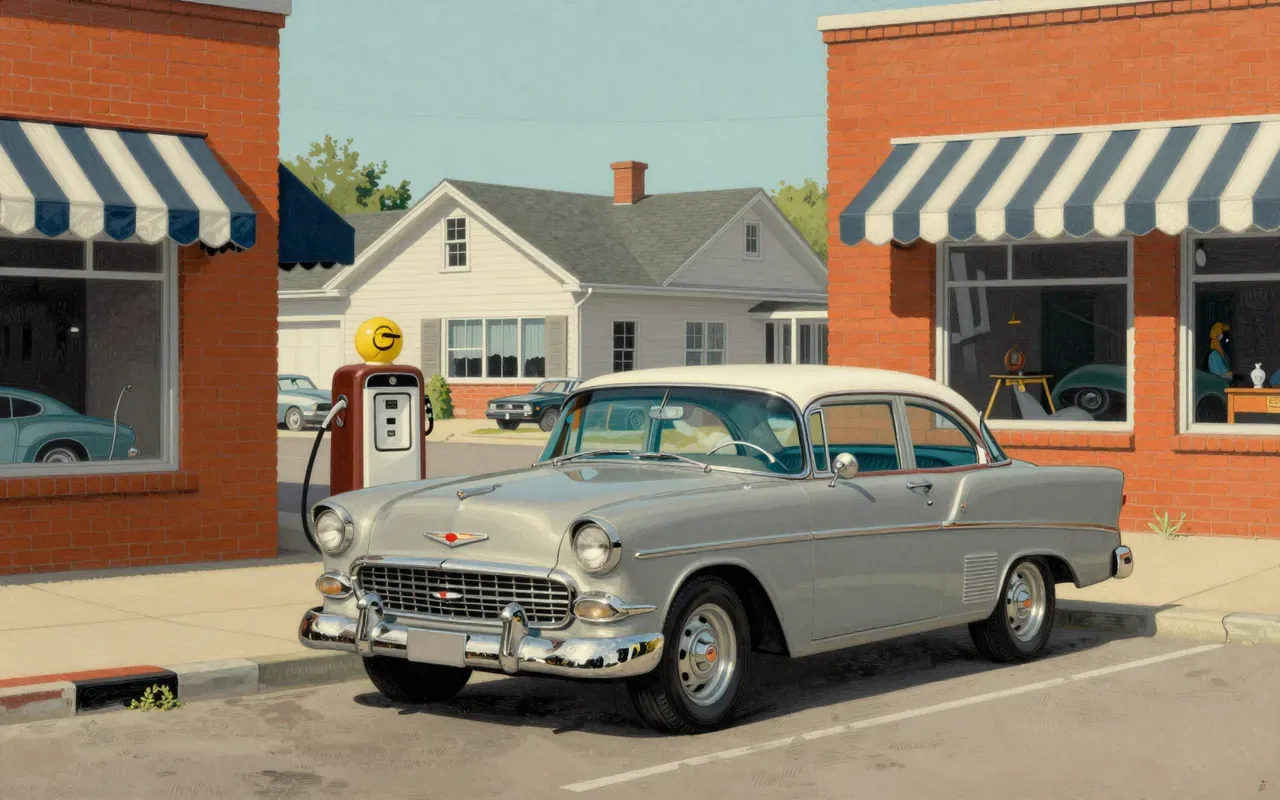
The Buick Y-Job was the auto industry's first concept car — a 1938 Buick convertible designed by Harley Earl to showcase new technology and styling, using a Buick Super chassis and featuring innovations like power-operated hidden headlamps and electric windows.

9:54

Cadillac Eldorado

Harley Earl · 1953

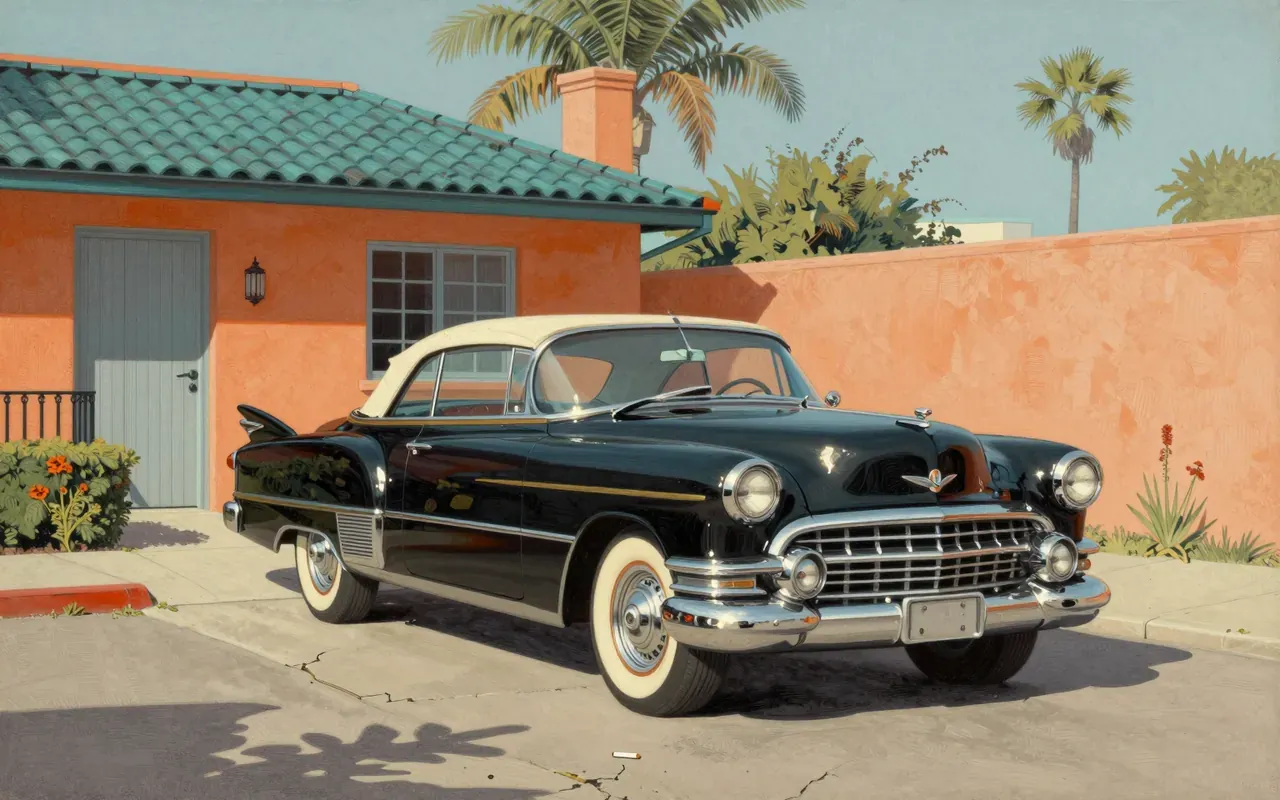
The 1953 Cadillac Eldorado is a foundational expression of postwar American automotive hierarchy: a limited-run, top-priced convertible defined by bespoke bodywork and Harley Earl’s tailfin language. It establishes no new powertrain or chassis architecture — but it does cement styling as a primary tool of luxury positioning.

10:06

Chevrolet Corvette (C2)

Bill Mitchell · 1963

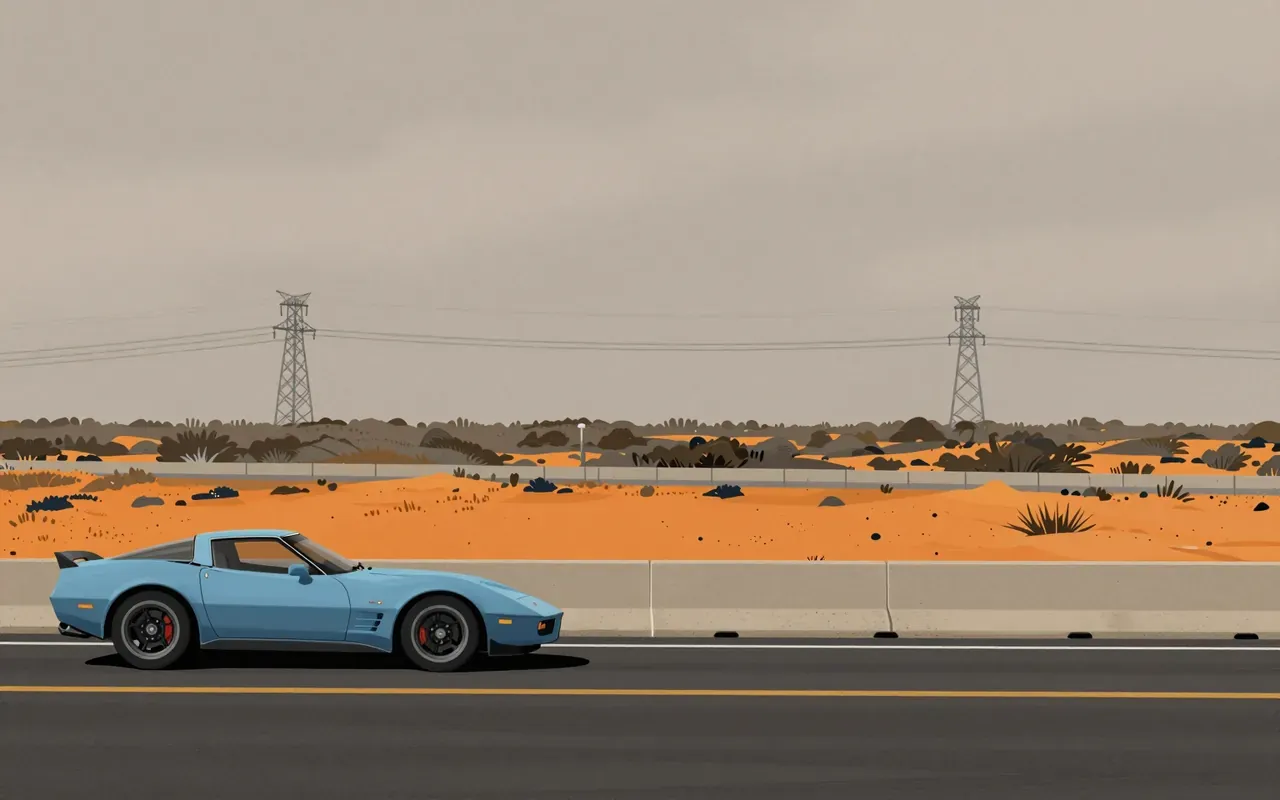
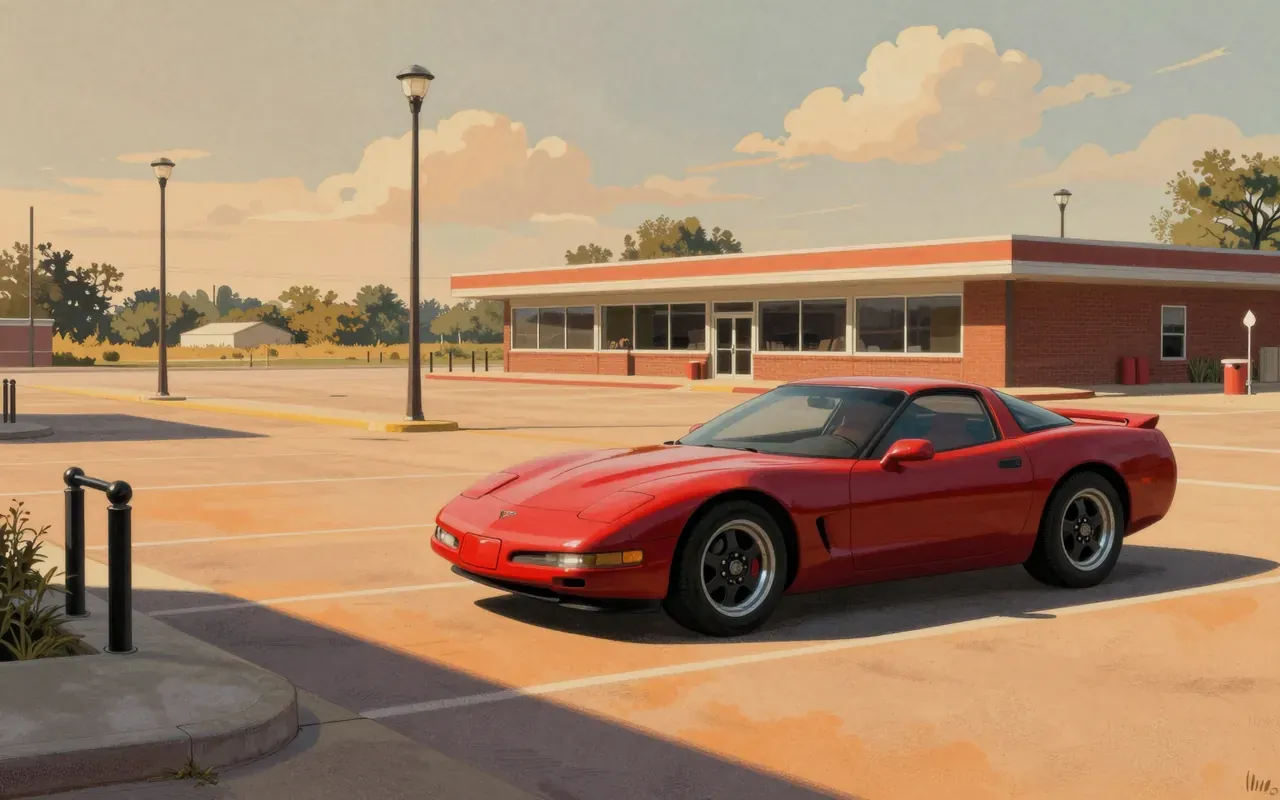
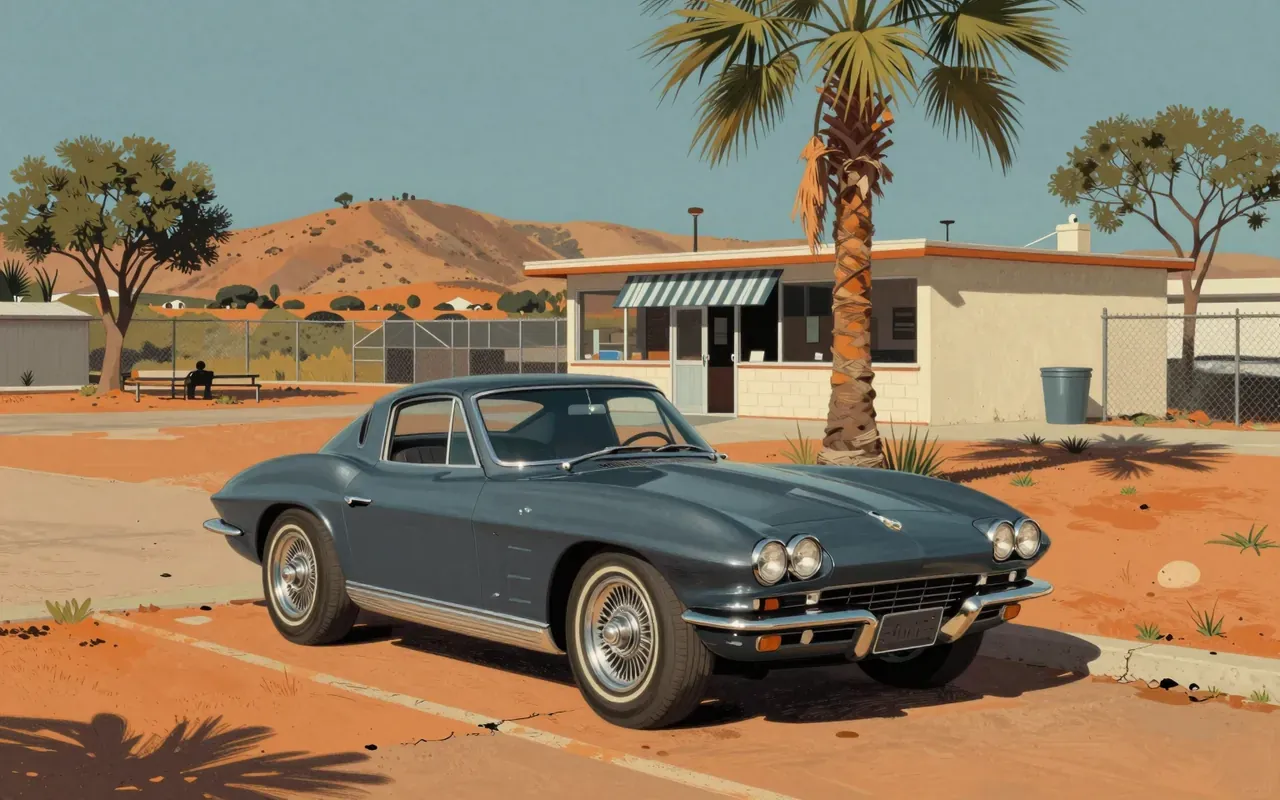
The Chevrolet Corvette (C2) redefined what a mass-market American sports car could be—not through engineering leaps, but through disciplined, wind-tunnel-informed packaging and a bold, structural fastback form.

9:25

Ford GT

Camilo Pardo · 2005

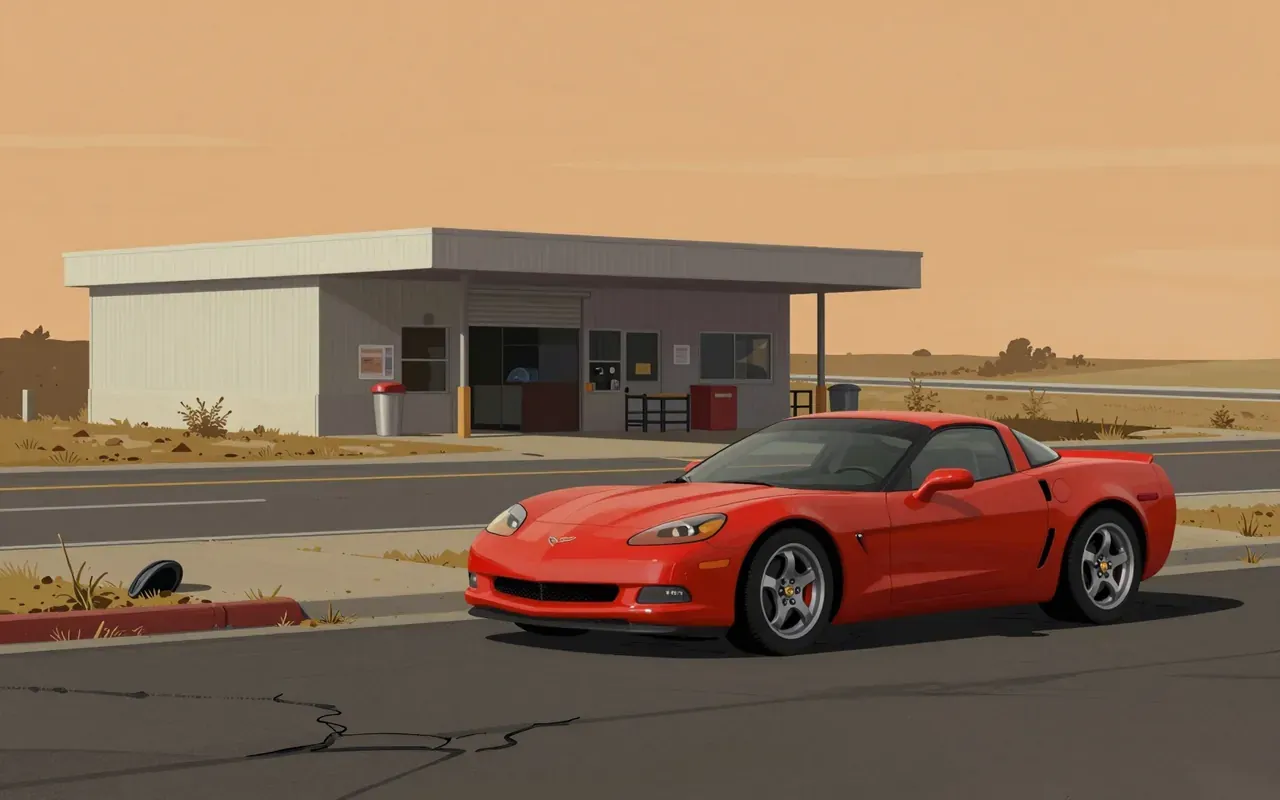
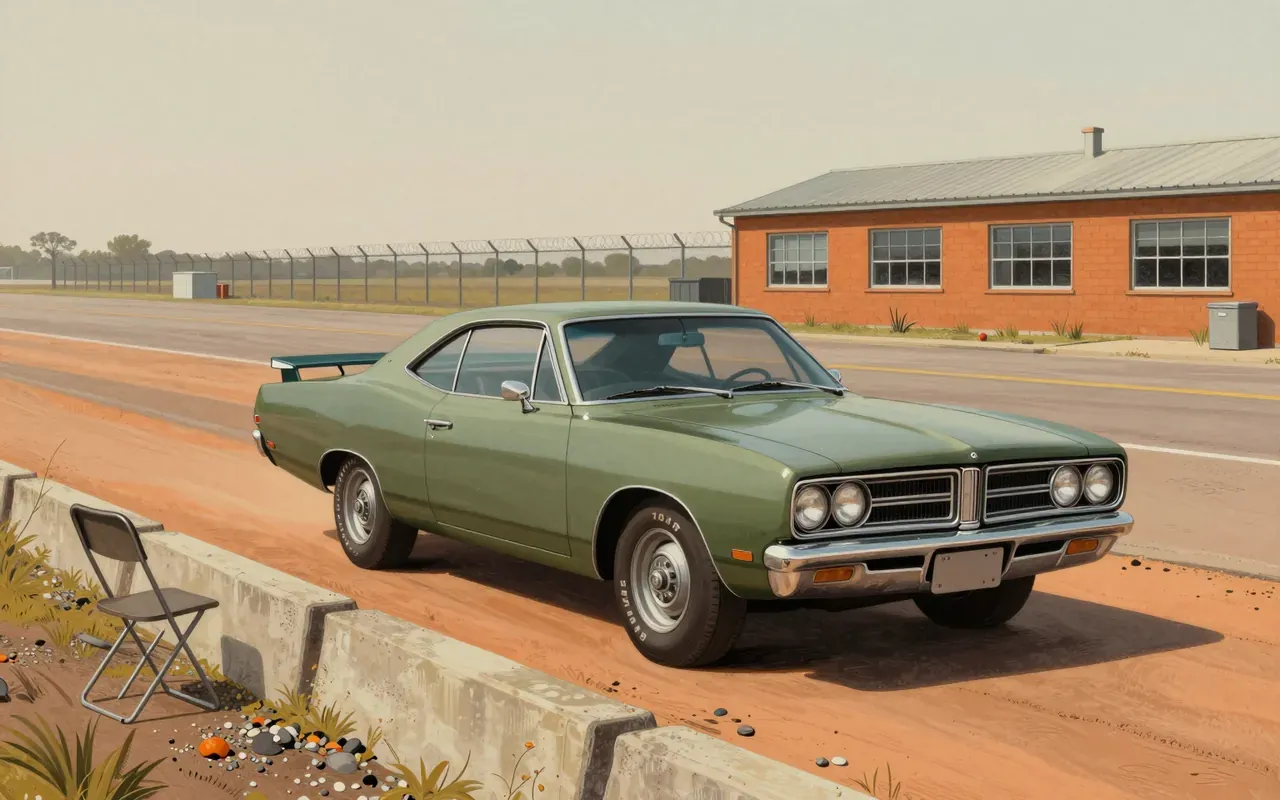
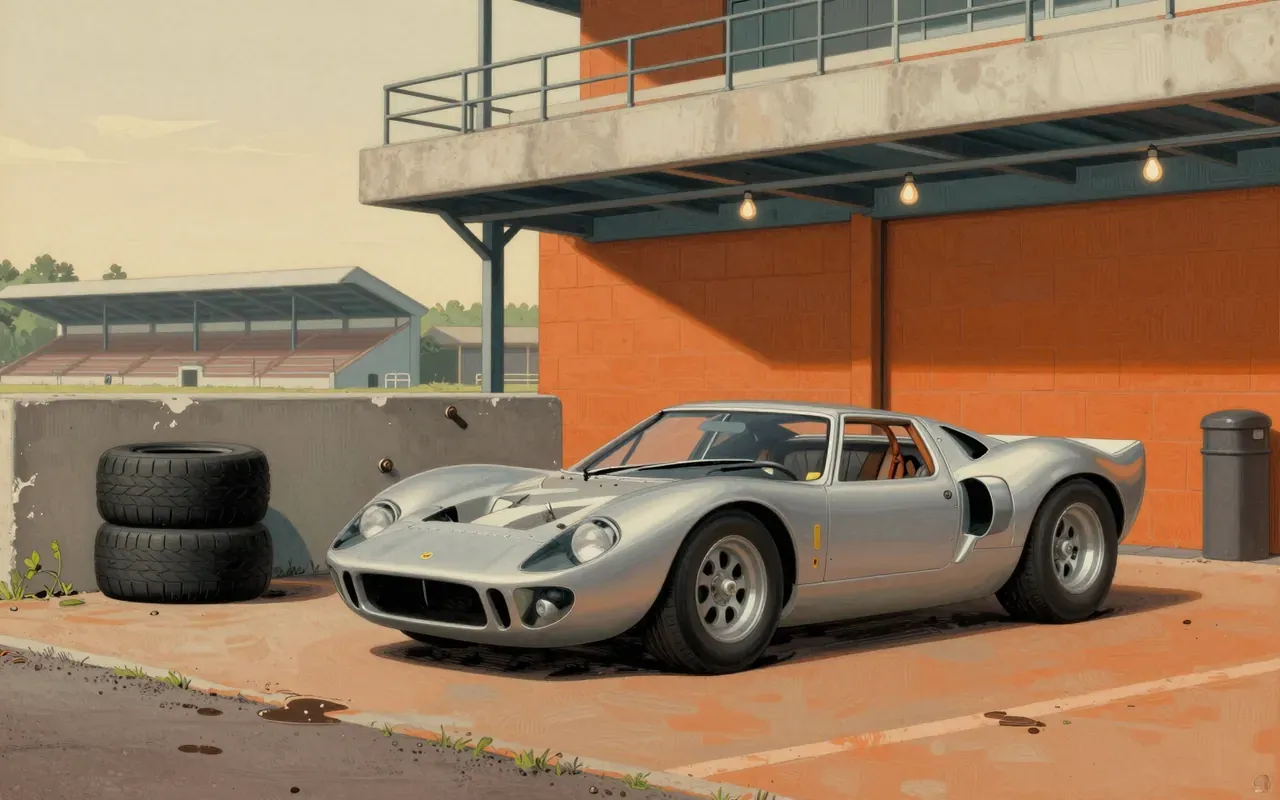
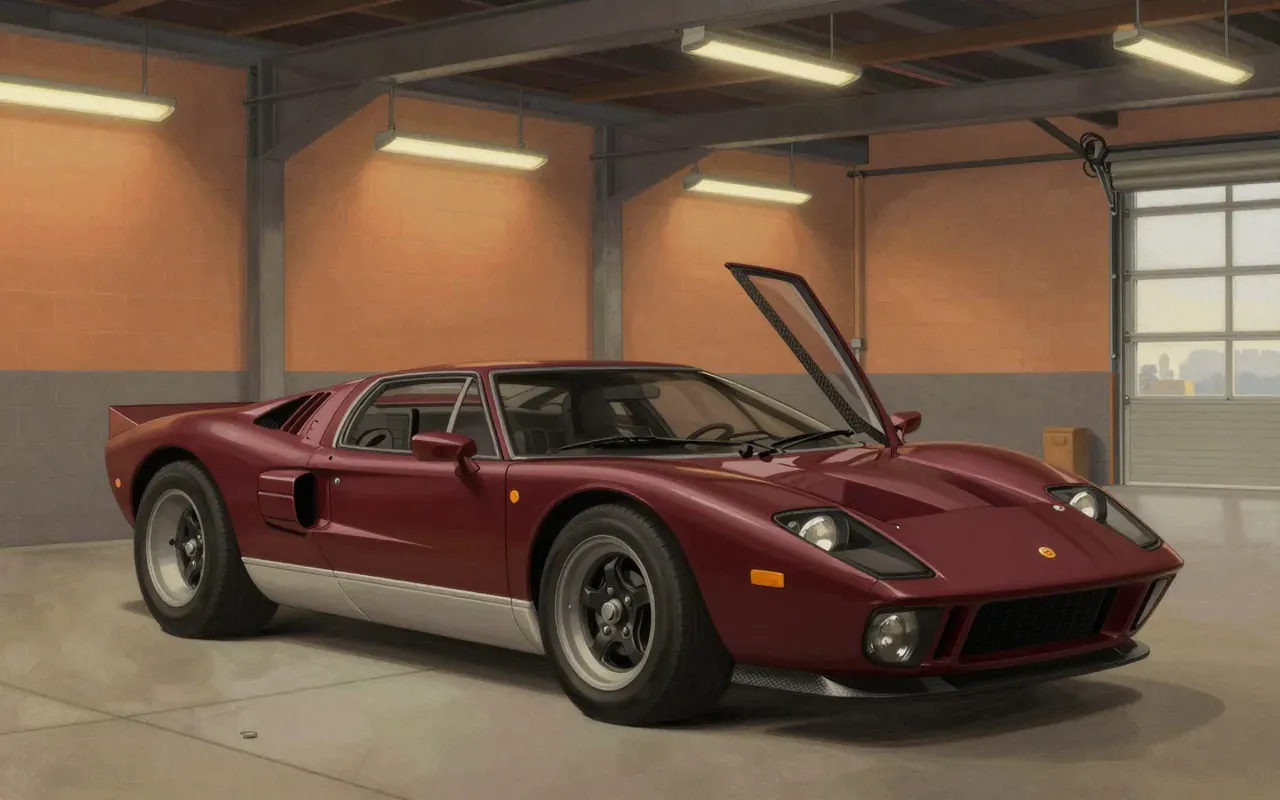
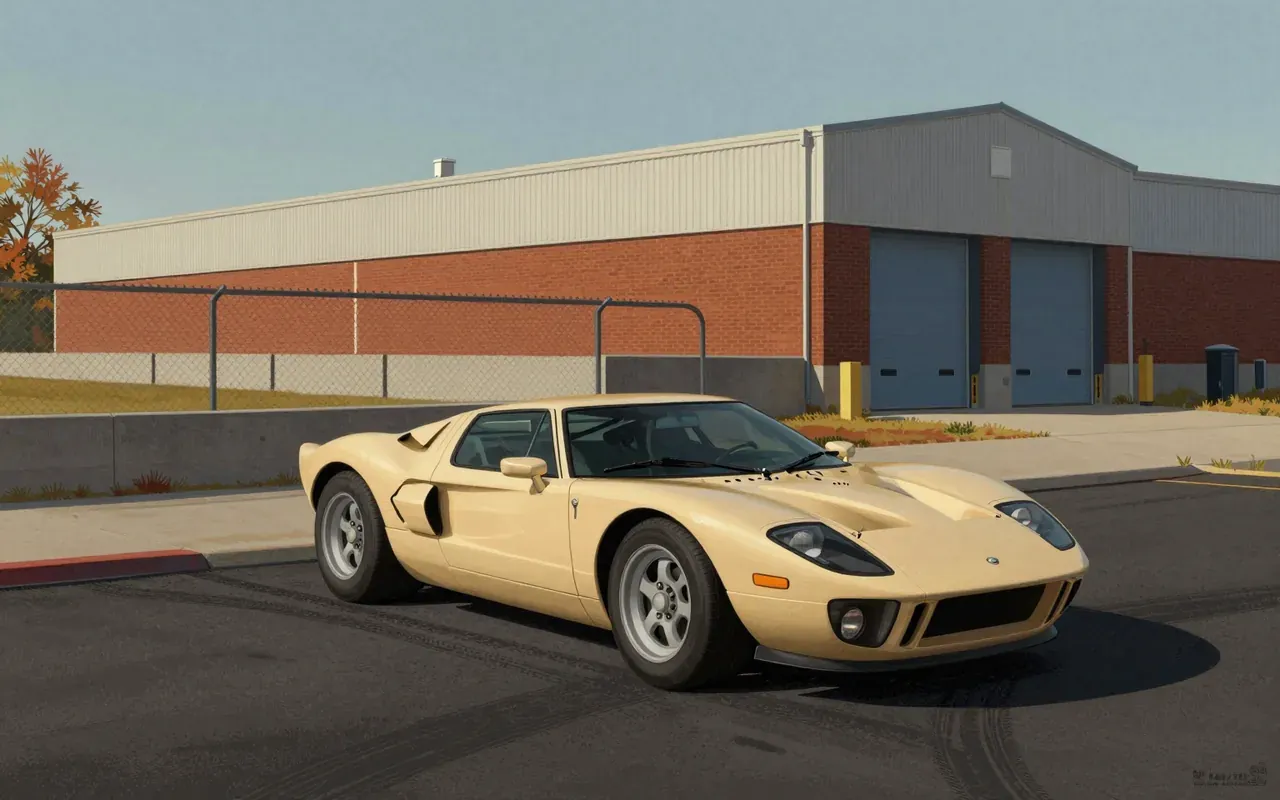
The Ford GT (2005) is a mid-engine two-seater designed by Camilo Pardo as a modern homage to the GT40, launched for Ford’s centenary. It recalls the GT40’s Le Mans legacy but shares no structural lineage. It is bigger, wider, and 4 in (100 mm) taller than the original — a deliberate recalibration, not a replication.

9:45

Ford Model A (1927–1932)

Edsel Ford · 1927

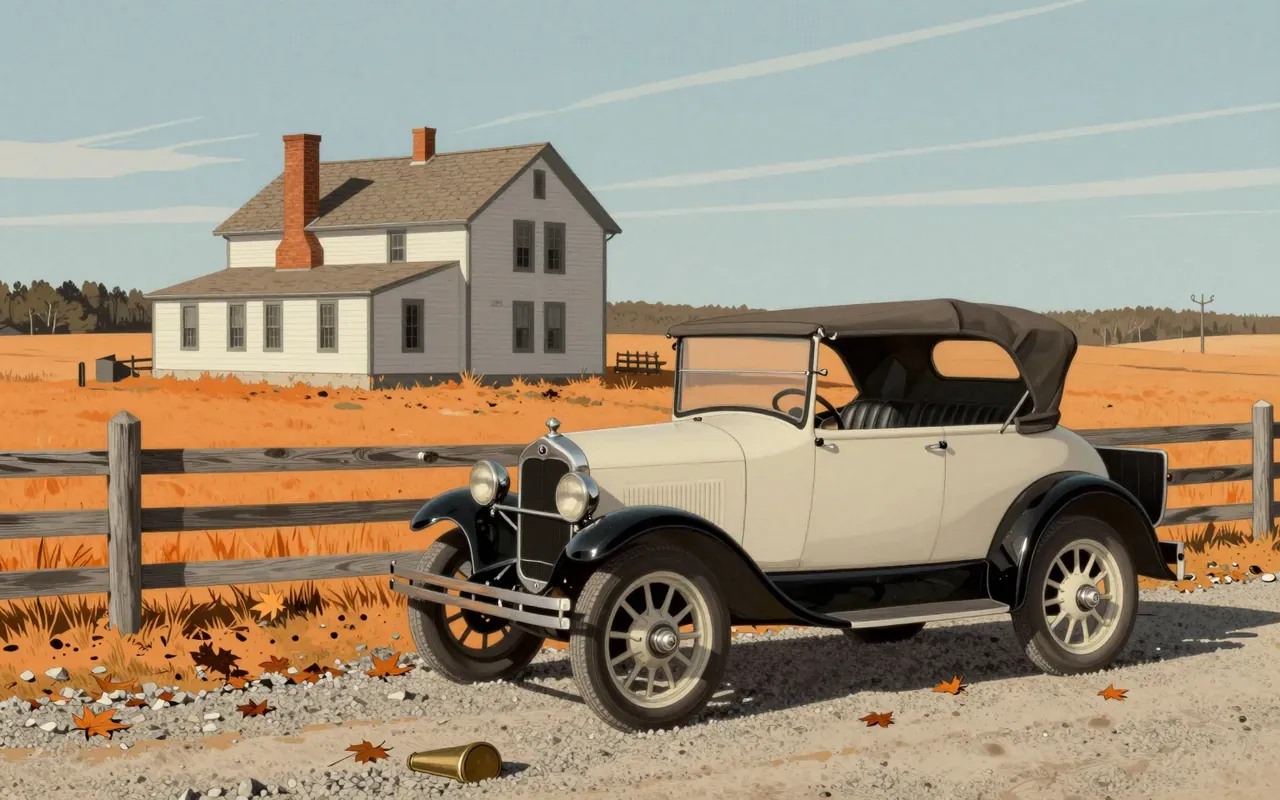
The Ford Model A (1927–1932) was Ford’s deliberate departure from the Model T. Edsel Ford led its body design with József Galamb. It introduced four-wheel mechanical brakes, a sliding-gear transmission, laminated windshields, and a water-cooled L-head inline-four. It sold 4,858,644 units between October 1927 and March 1932. It marked the end of the Model T’s dominance and the beginning of Ford’s driver-oriented era.

9:20

Ford Model T

Childe Harold Wills · 1908

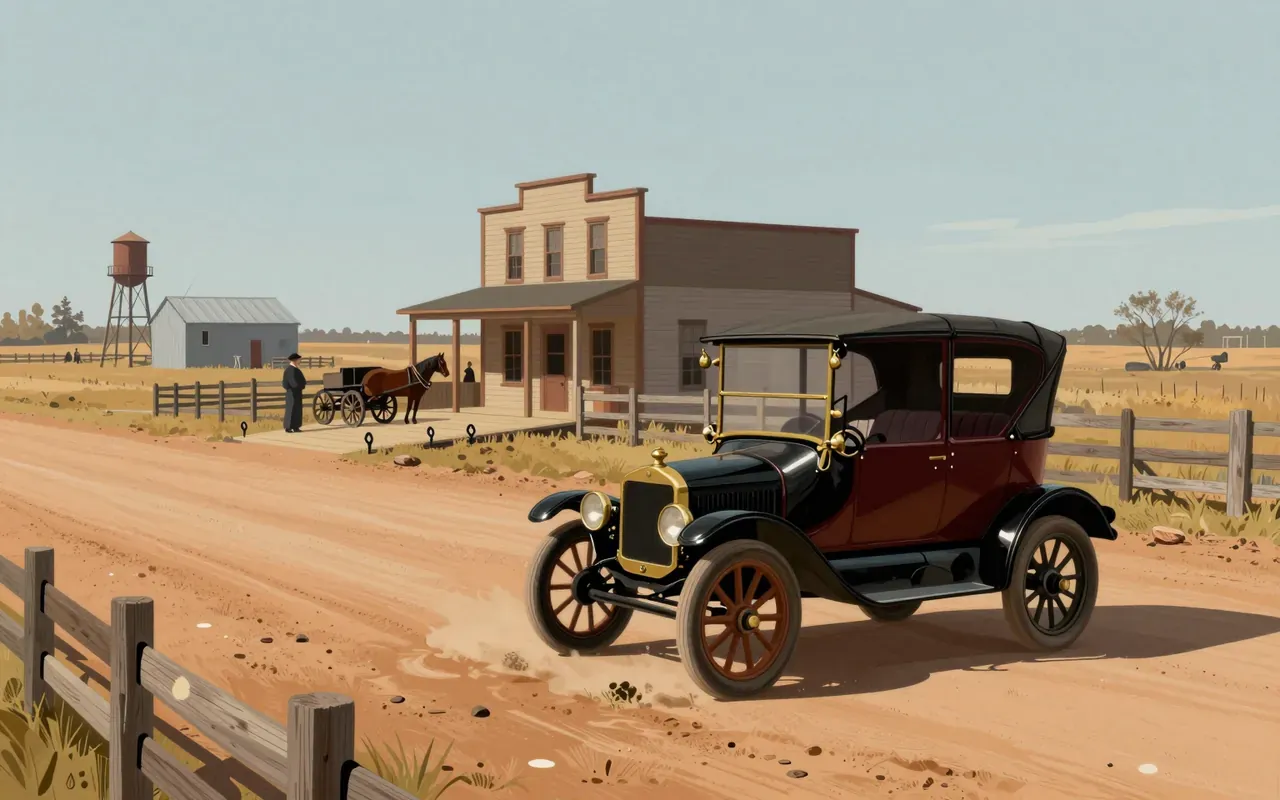
The Ford Model T is the foundational mass-market automobile—engineered for repairability, built for scale, and priced for the middle class. Its innovations were procedural (assembly line) and mechanical (planetary transmission, detachable cylinder head), not aesthetic or performance-led.

10:36

Honda S800

Honda · 1966

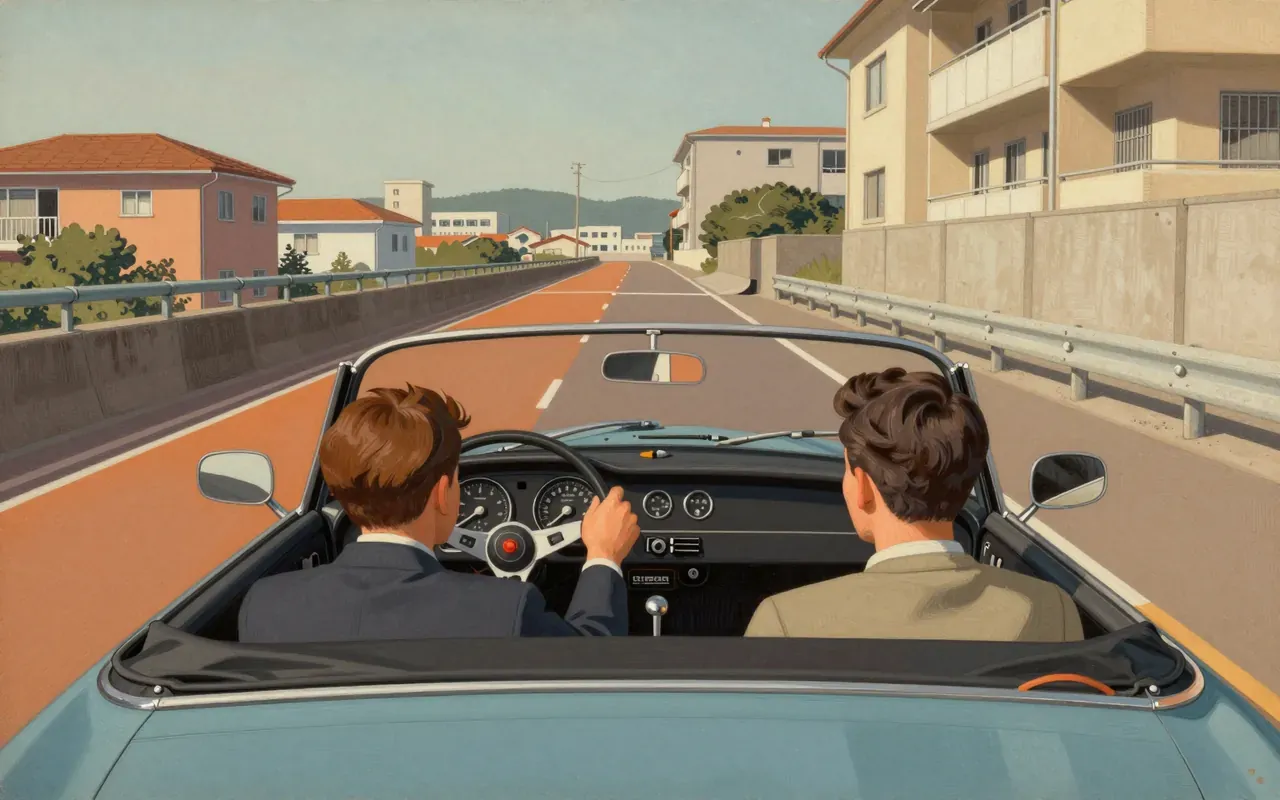
The Honda S800 is a 1965 sports car built to prove Honda could engineer a high-revving, lightweight, chain-driven automobile capable of 100 mph. It replaced the S600 as Honda’s image car. It was available as a roadster or coupe. Early units used chain drive and independent rear suspension. Just 994 chain-drive examples were built. Its 791 cc straight-4 produced 70 hp at 8,000 rpm and revved to 10,000 rpm.

8:52

Jaguar XK (X100)

Geoff Lawson · 1996

The XK (X100) is a disciplined, unflashy grand tourer that delivers cohesion over innovation. It shares architecture, not ambition, with the DB7. Its strength is execution—not invention.

9:06

VAZ-2101

Fiat · 1970

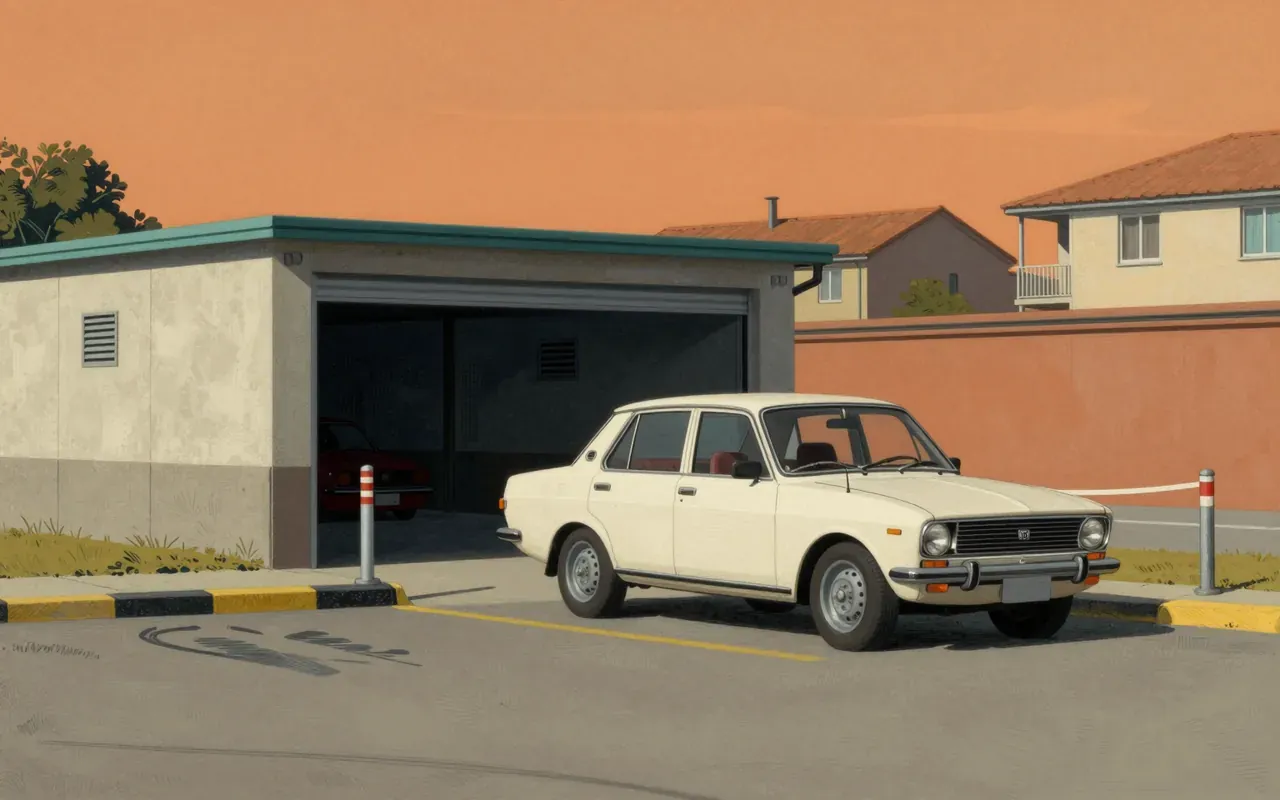
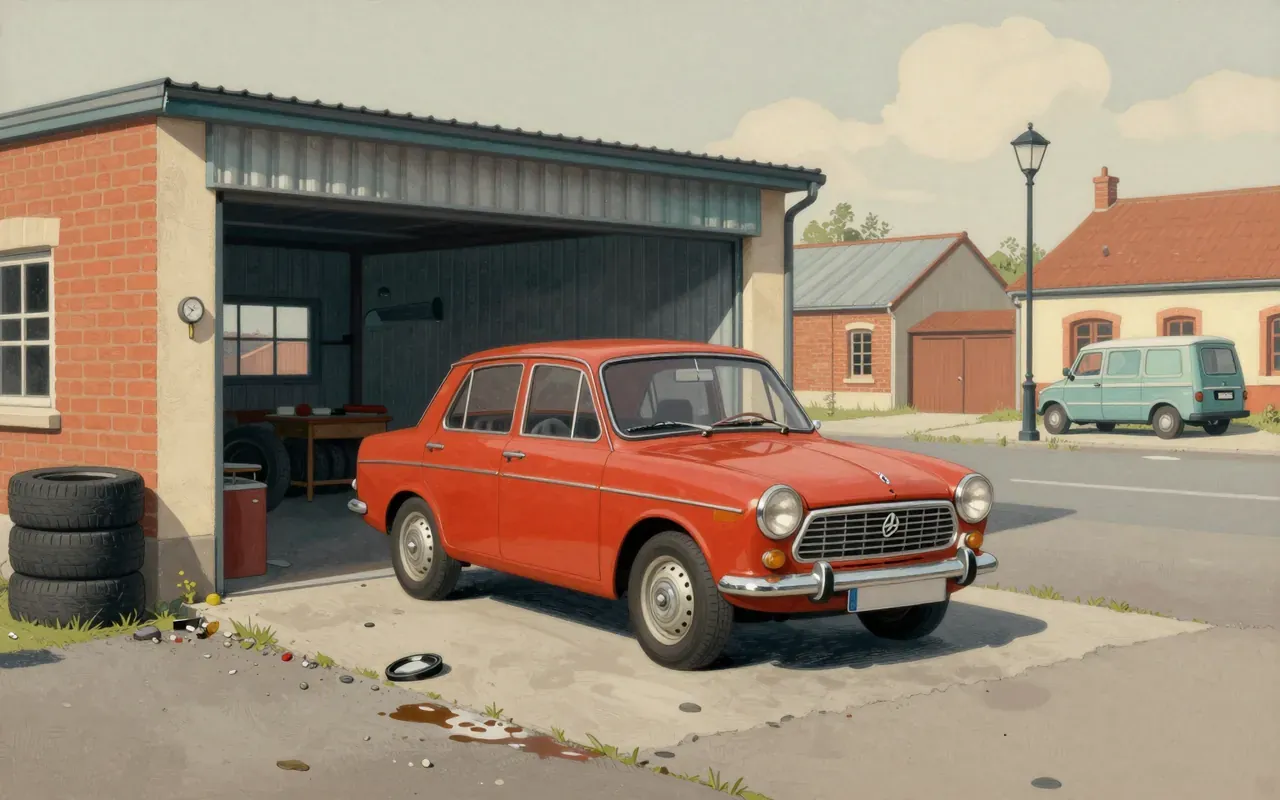
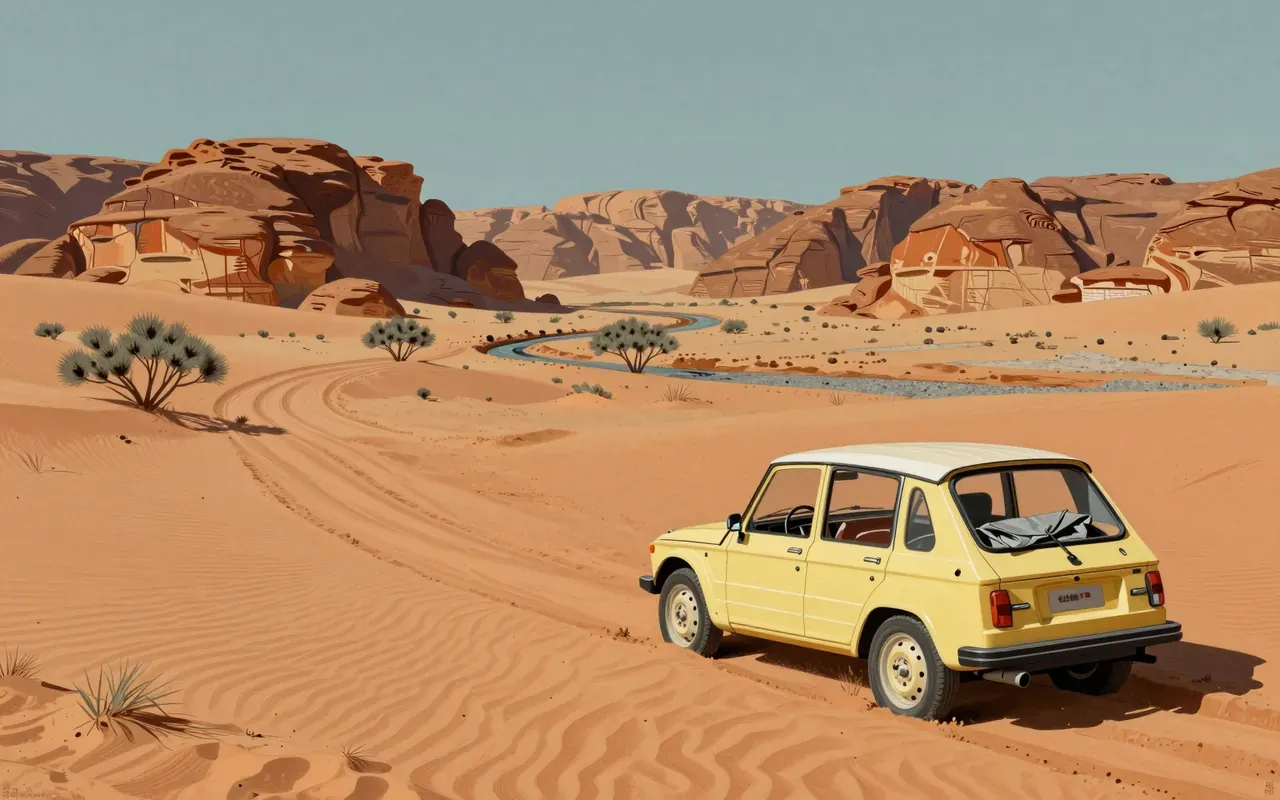
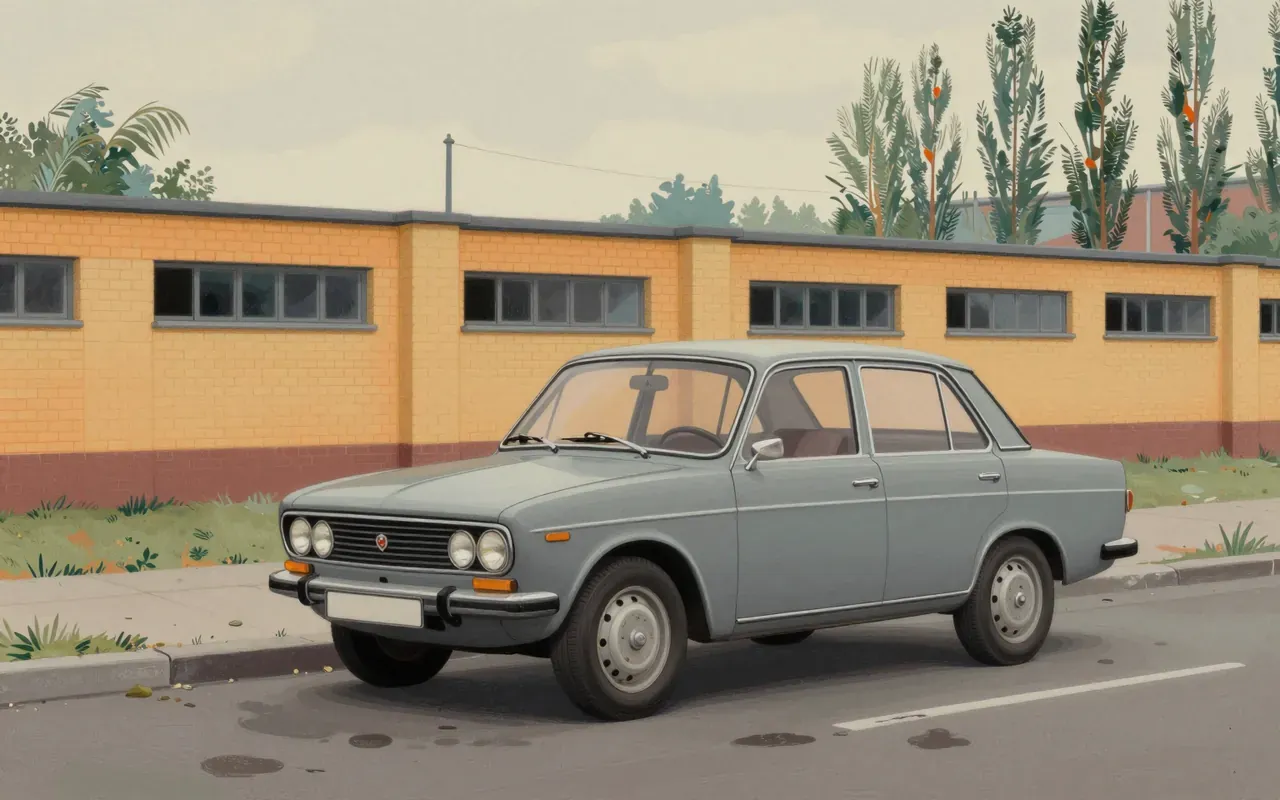
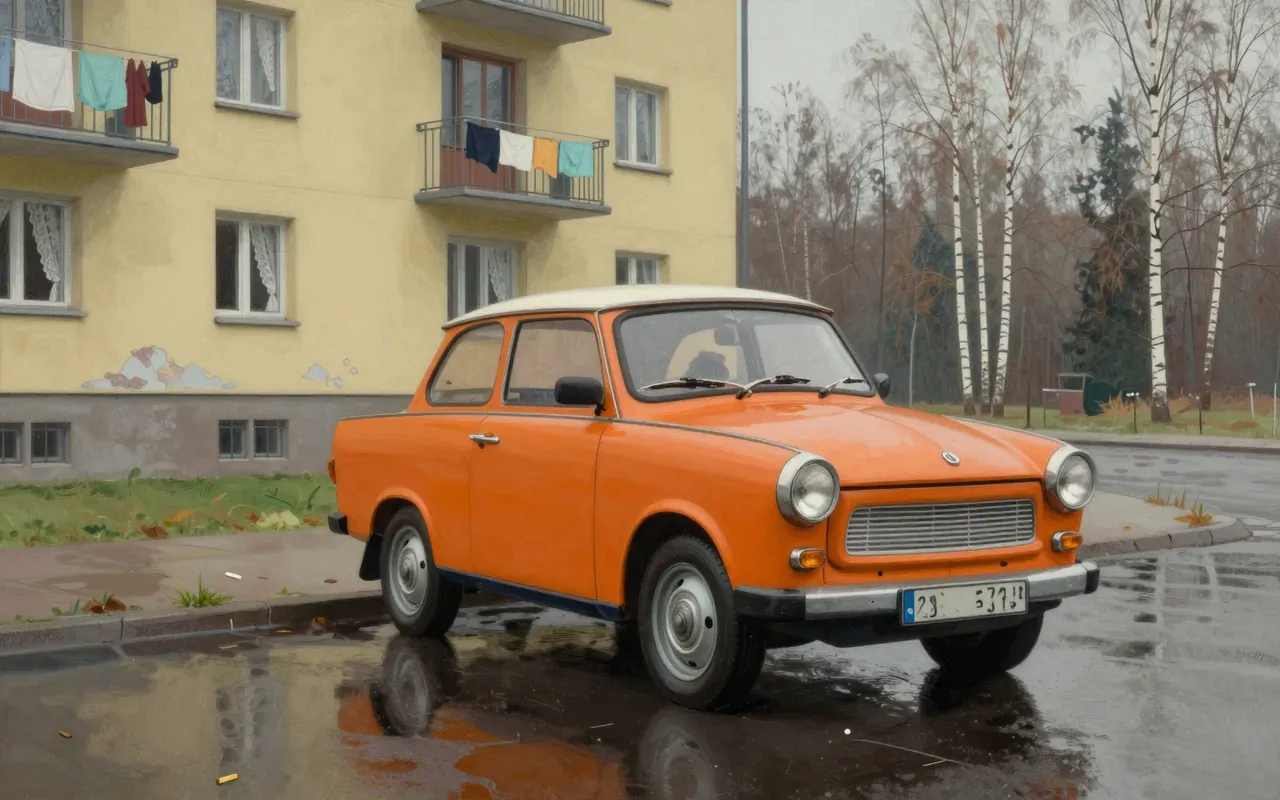
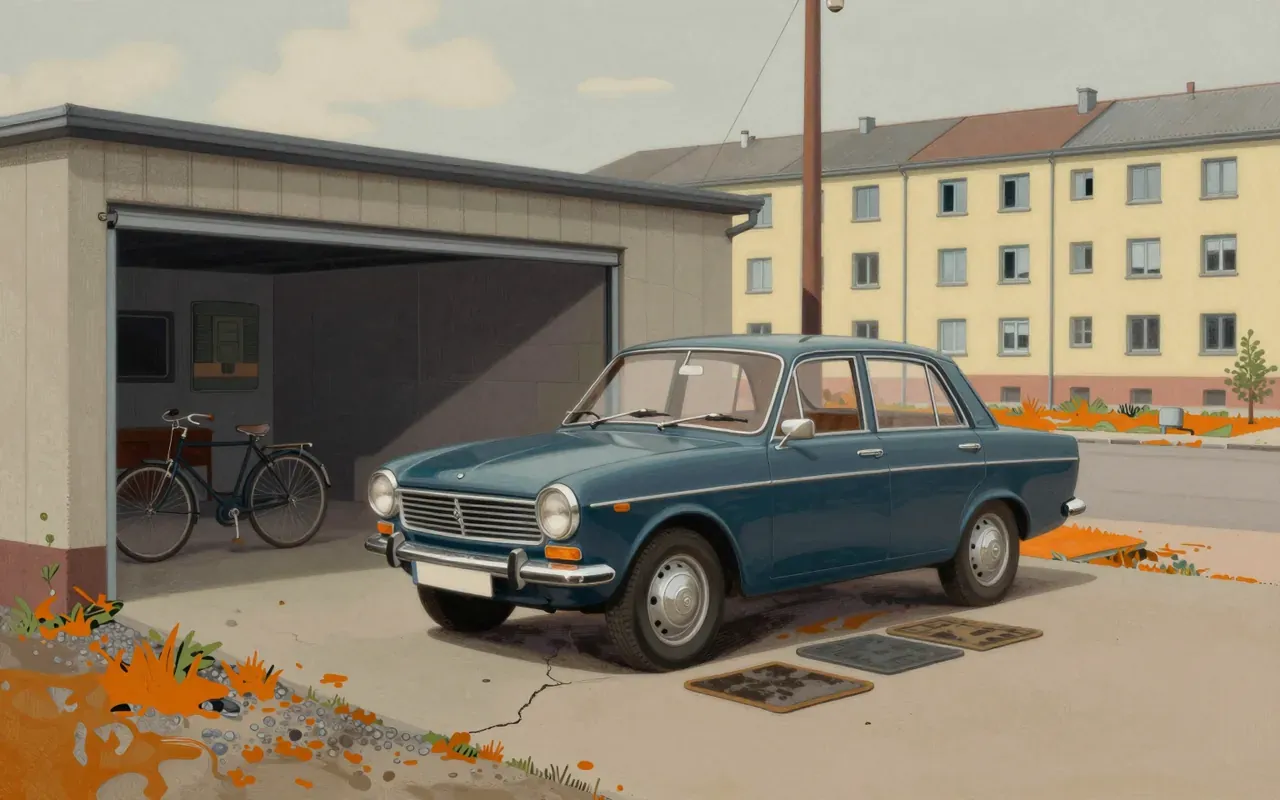
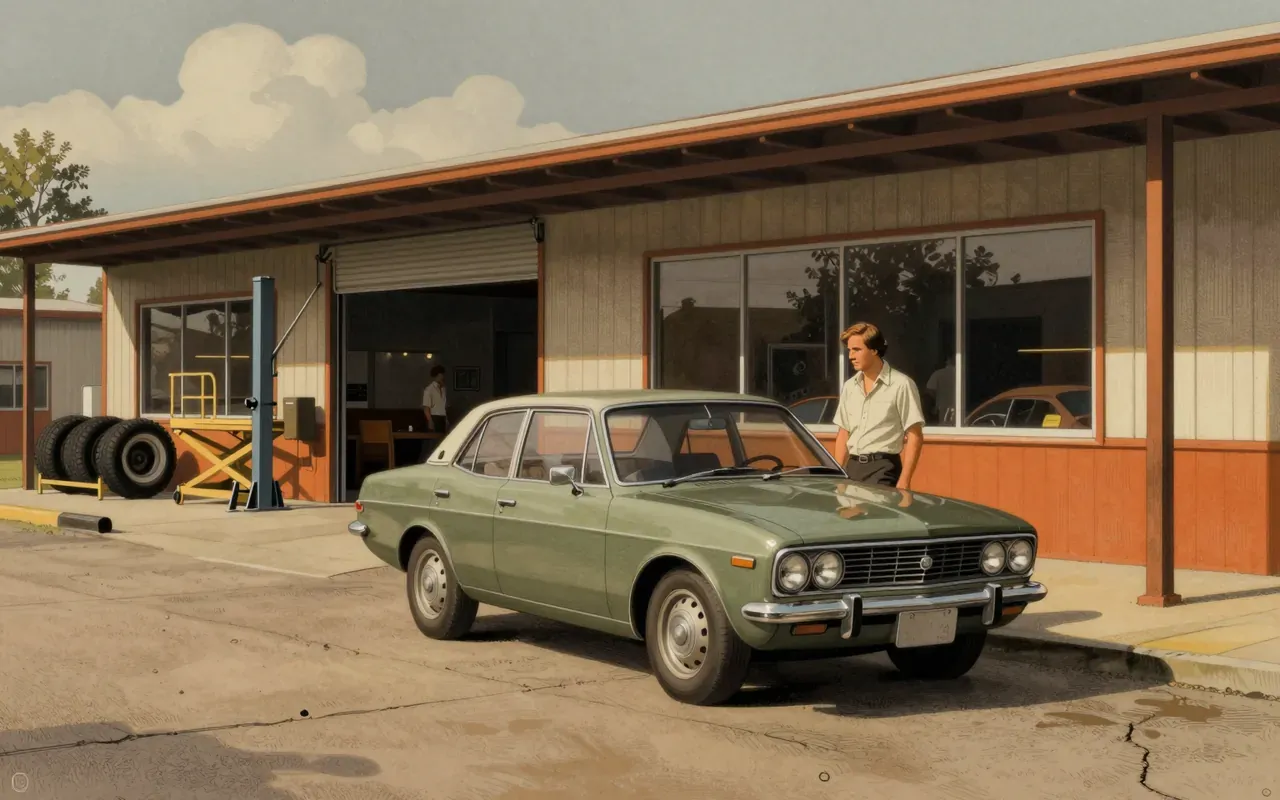
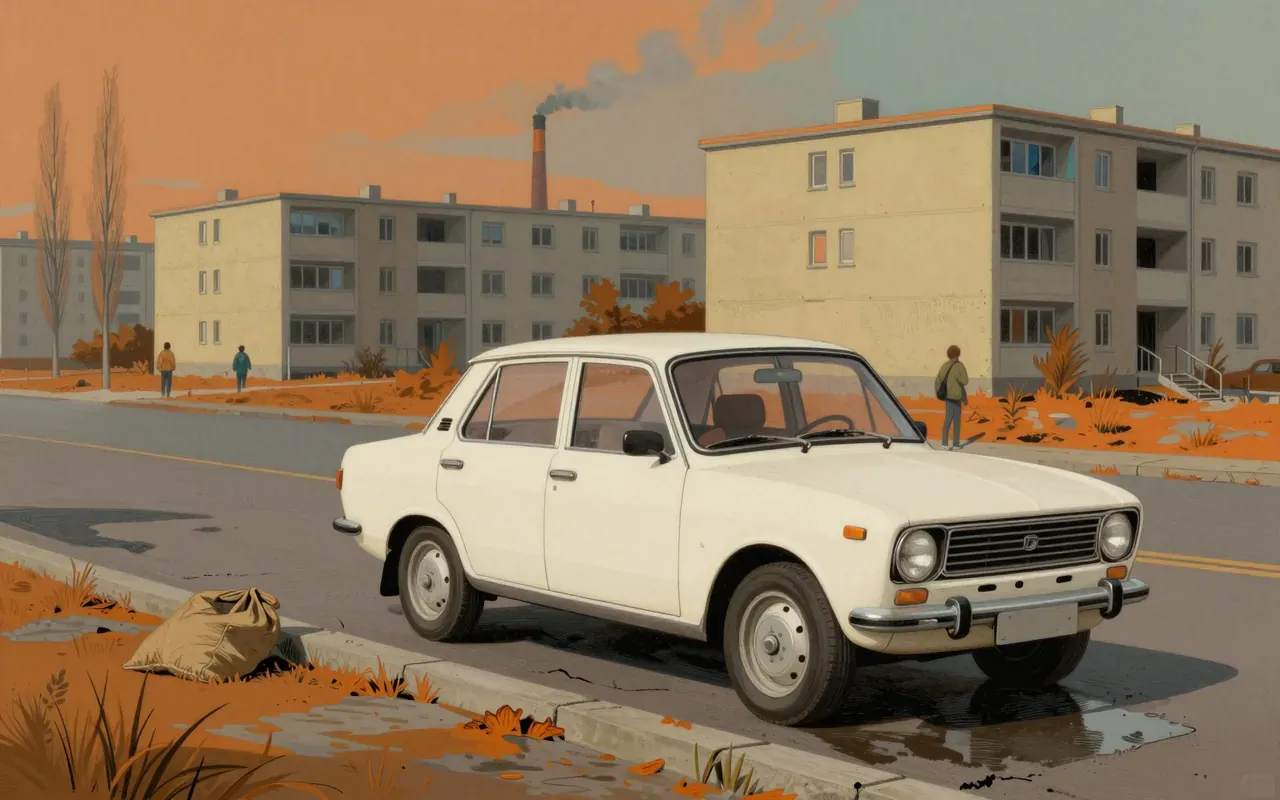
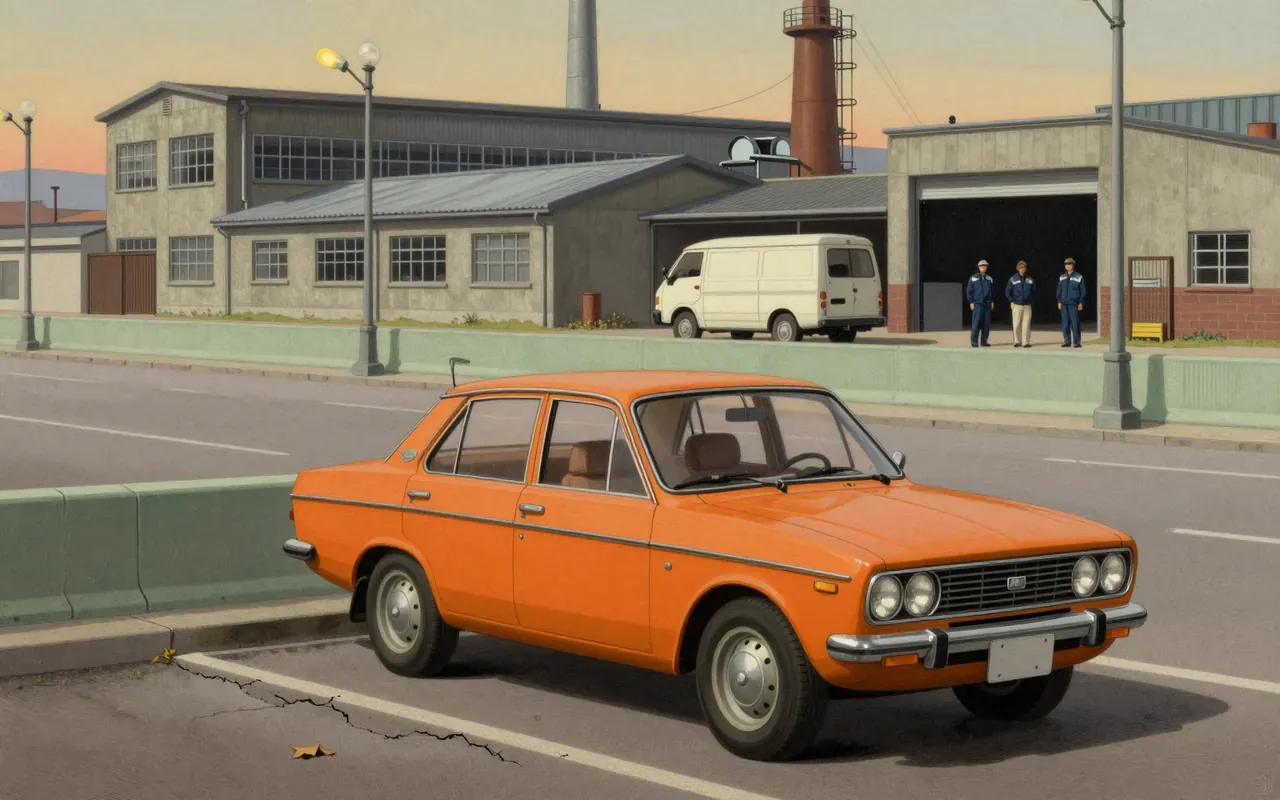
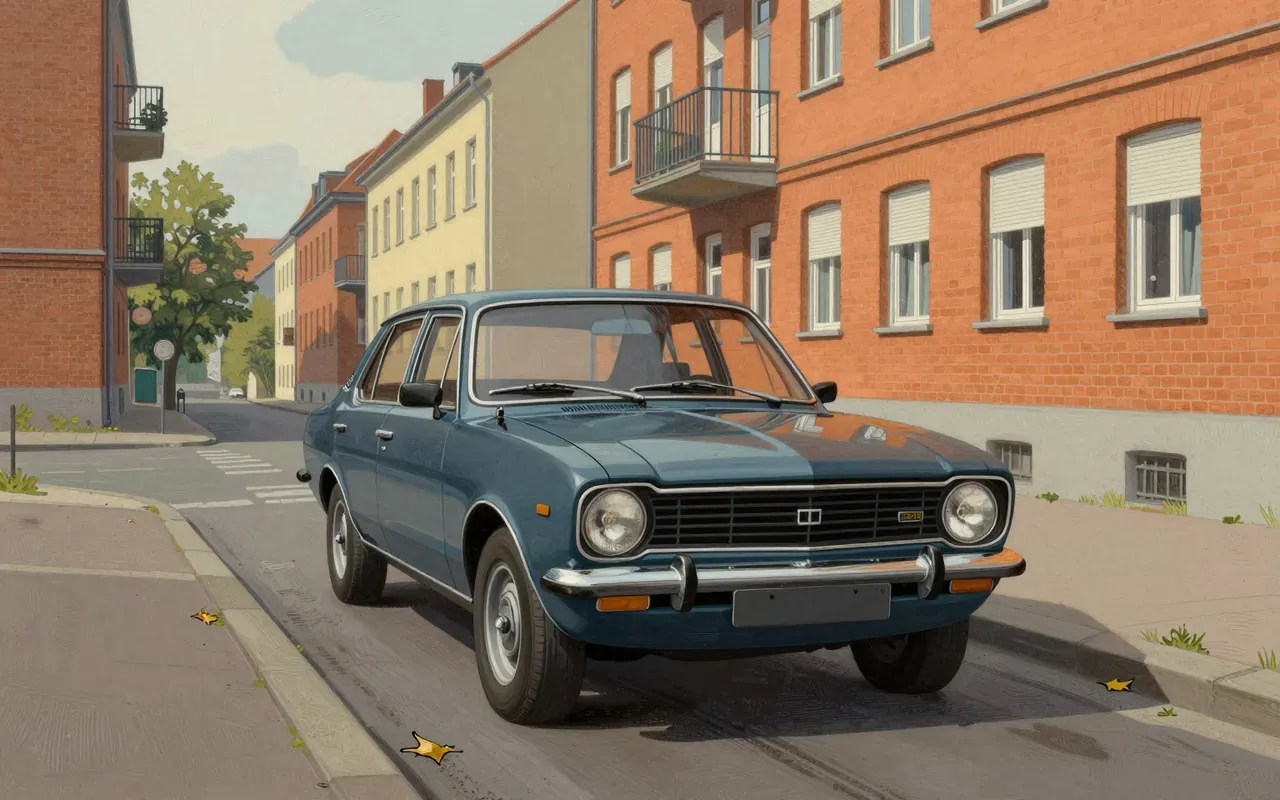
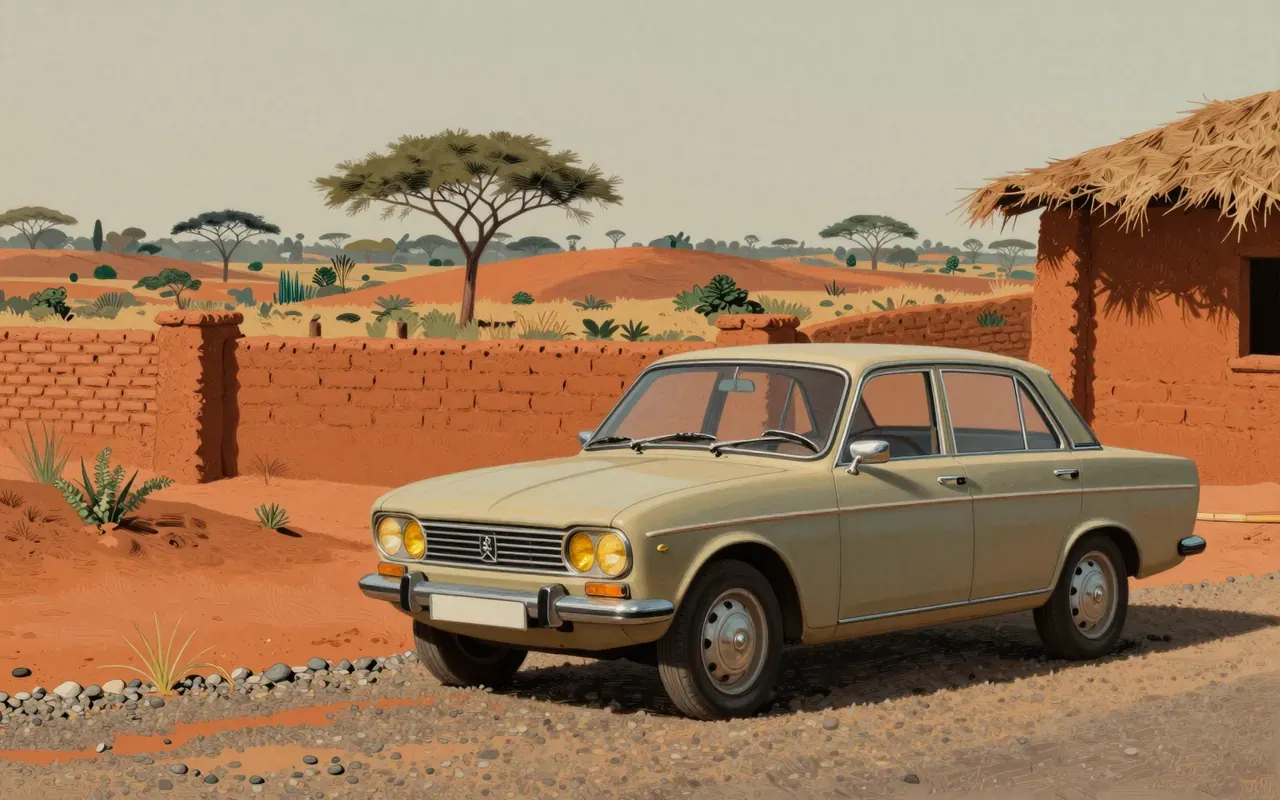
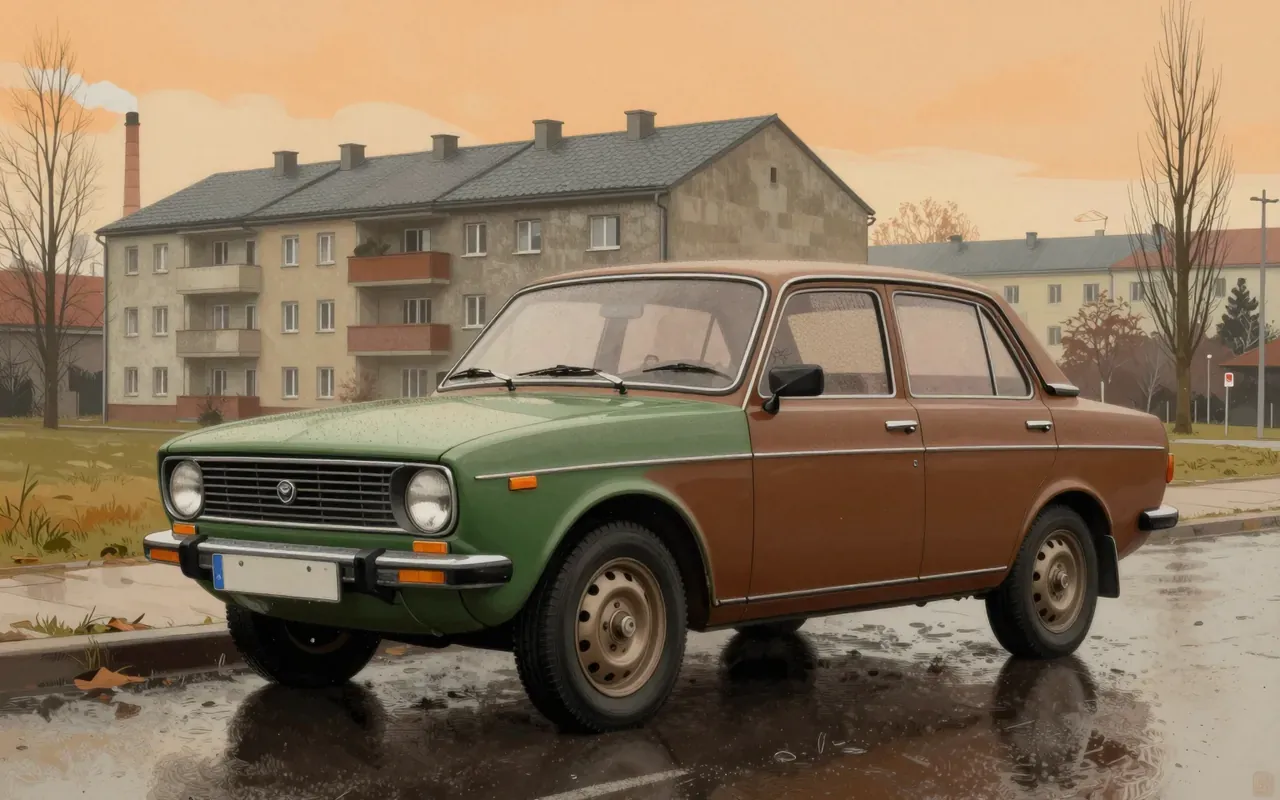
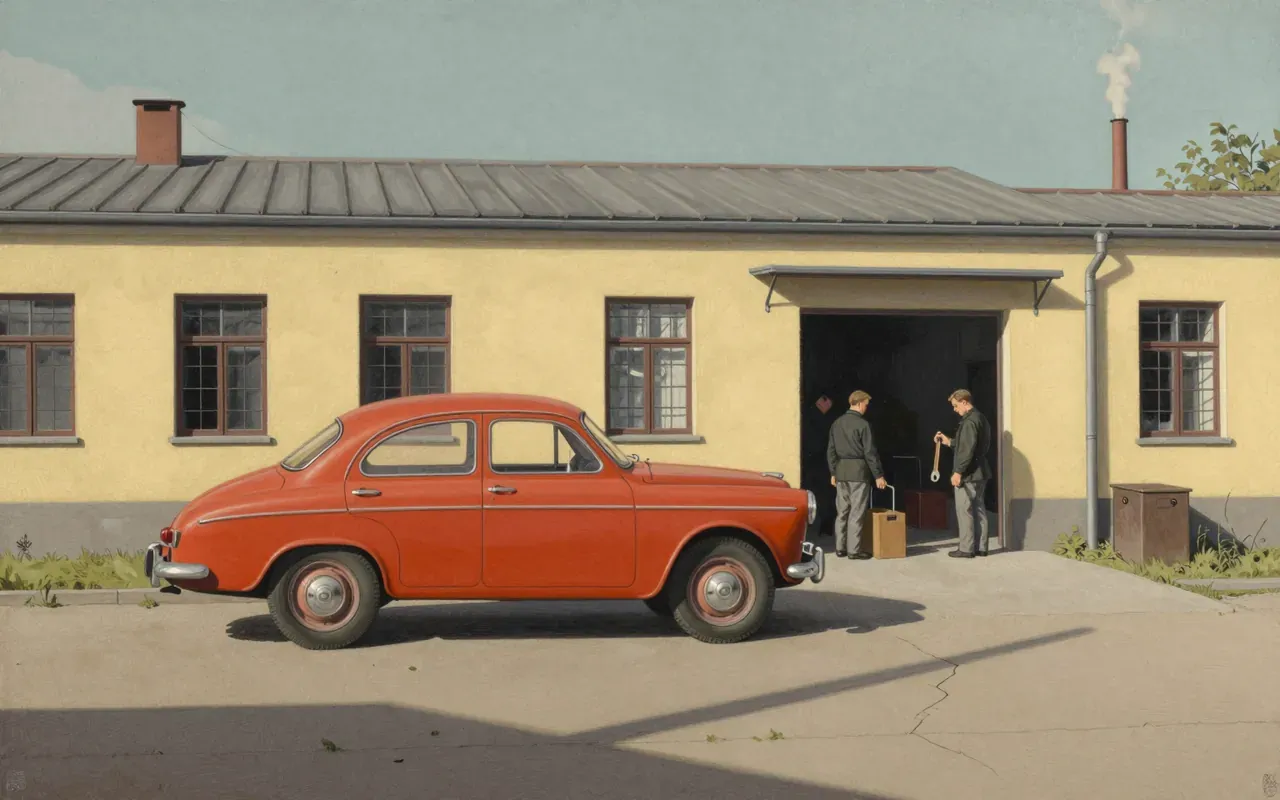
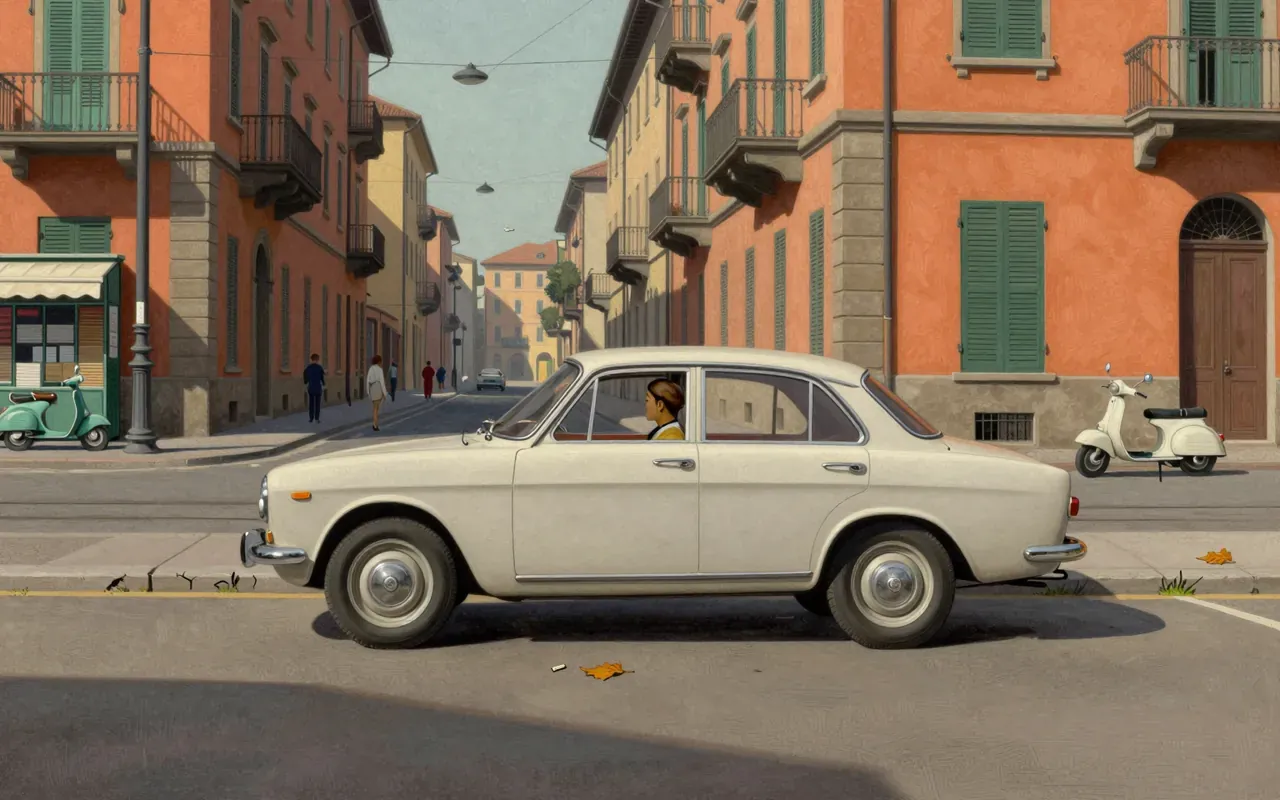
The VAZ-2101 is a compact 4-door saloon or wagon, introduced in 1970 as AvtoVAZ's first product. It is a licence-built version of the Fiat 124, heavily modified for Soviet and Eastern Bloc conditions. Among many changes, aluminium brake drums were added to the rear, and the original Fiat engine was dropped in favour of a newer design made by NAMI. This new engine had a modern overhead camshaft design but was never used in Fiat cars. The suspension was raised to clear rough Russian roads and the bodyshell was made from thicker, heavier steel with reinforcement in key chassis areas after cracking was discovered during durability testing. The first Lada models were equipped with a starting handle in case the battery went flat in Siberian conditions, though this was later dropped. Another feature specifically intended to help out in cold conditions was a manual auxiliary fuel pump. The station wagon version (correspondingly based on the Fiat 124 Familiare) was known as the VAZ-2102. Subsequently, it was widely, and successfully exported to the West under the Lada brand, for over two decades.

10:24

Lexus LS

Kunihiro Uchida · 1989

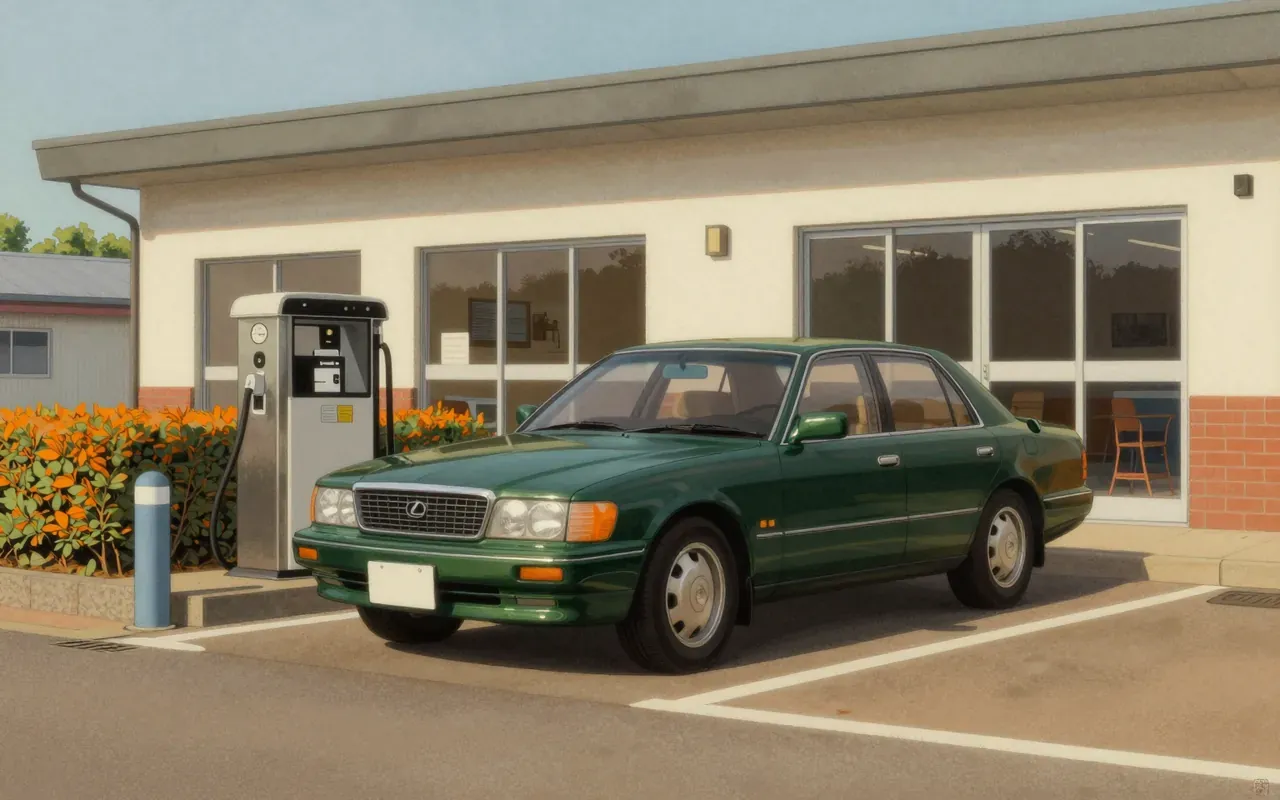
The LS 400 was not a prototype or a concept — it was a production-ready statement. Built at Tahara. Launched in January 1989. Engineered to eliminate vibration, noise, and uncertainty. Its success was in what it refused to be: flashy, experimental, or compromised.

9:33

Maserati Boomerang

Giorgetto Giugiaro · 1950

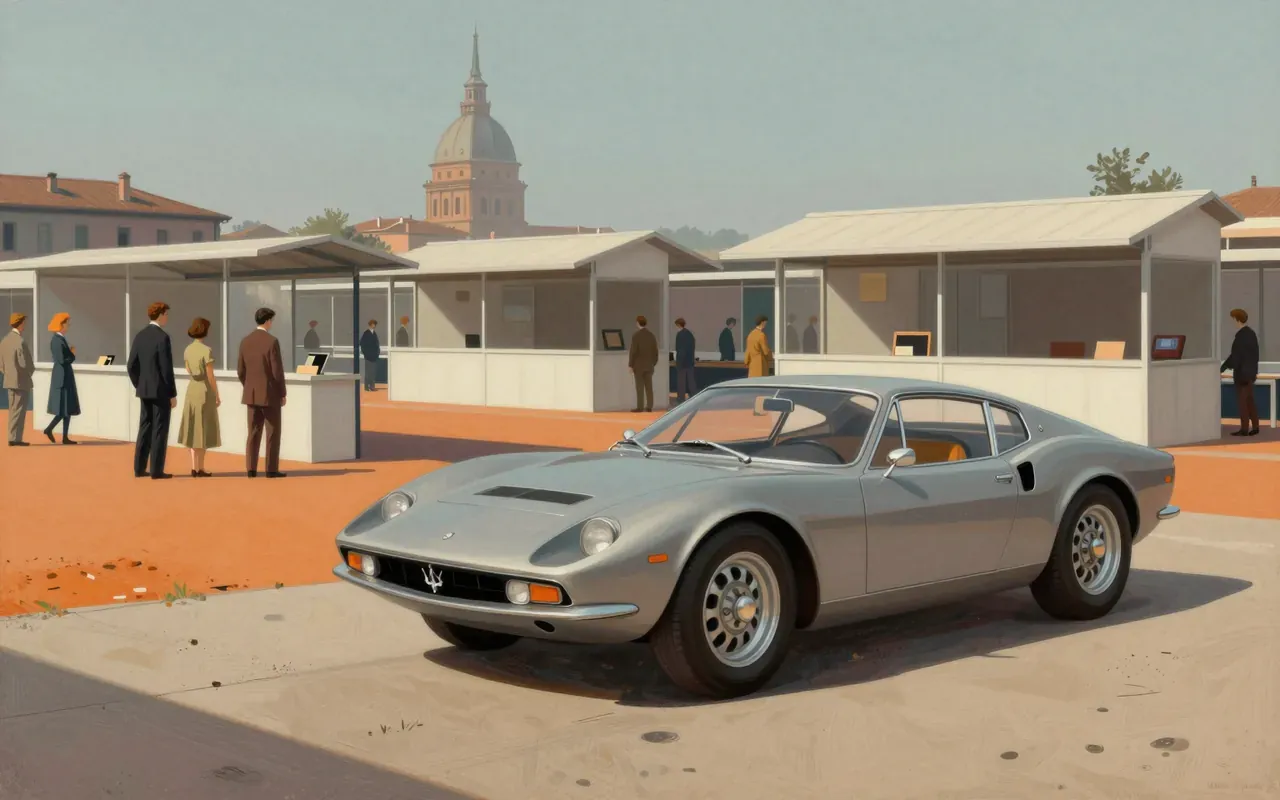
The Maserati Boomerang is a 1972 concept car designed by Giorgetto Giugiaro and produced by Italdesign. It debuted at the 1971 Turin Motor Show as a non-functional Epowood model, then reappeared at the 1972 Geneva Auto Show on a Maserati Bora chassis. It uses a 4.7L V8 engine producing 310 hp and 460 N⋅m, driving the rear wheels through a 5-speed manual. Its interior features a rotating steering wheel around stationary gauges. Though registered as a road car, it was intended solely as a one-off show car.

10:21

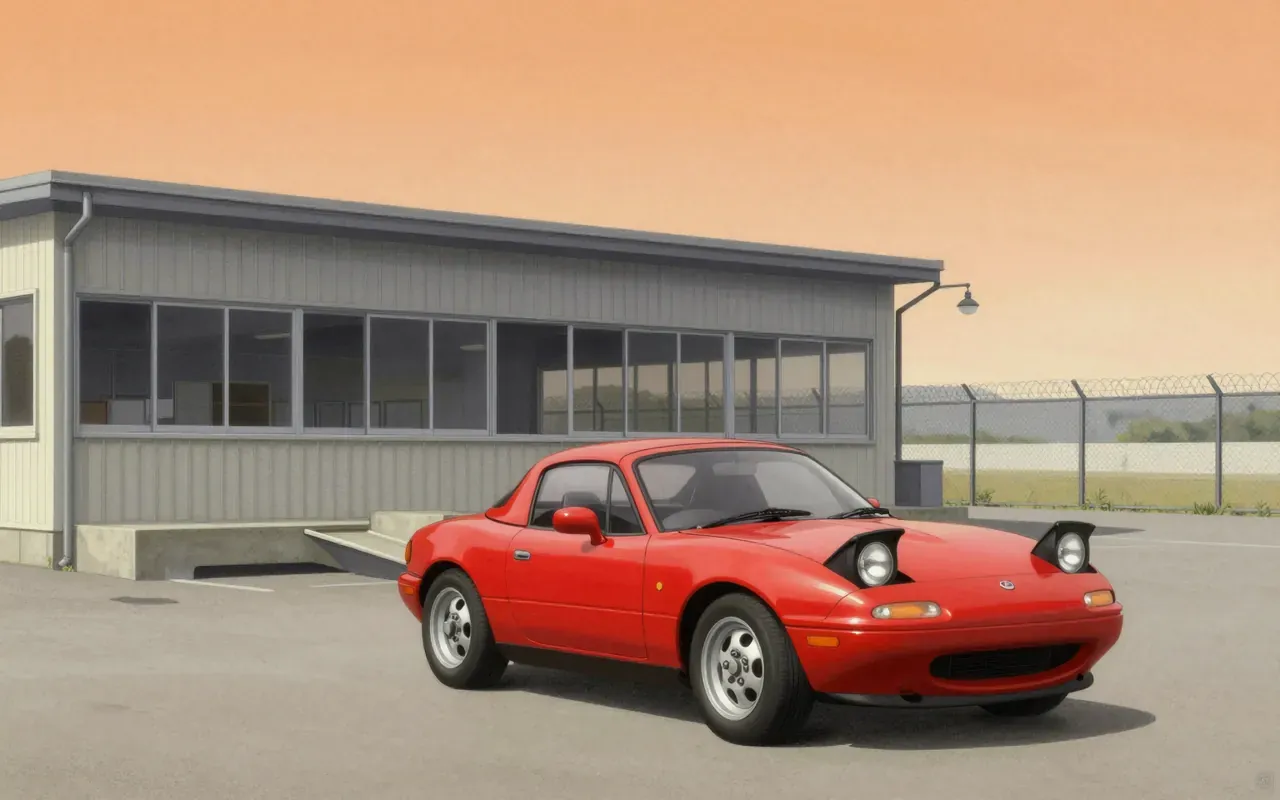
Mazda RX-7

Akio Uchiyama · 1985

The Mazda RX-7 is a Japanese sports car made by Mazda from 1978 to 2002. It uses a front mid-engine, rear-wheel-drive layout and a compact, lightweight Wankel rotary engine. The first generation is a two-seater coupé with a rear hatchback. Later generations added 2+2 and convertible options, but the core two-seater coupé remained. More than 800,000 were built, including 471,018 first-generation units.

10:20

Morgan +4

Morgan · 1950

The Morgan +4 is a sports car built across three discontinuous series (1950–1969, 1985–2000, 2005–2020), each using different 2-litre four-cylinder engines — Standard Vanguard, Triumph, Fiat Twin Cam, and Ford (Mazda) Duratec — on variations of the same ash-frame, front-engine, rear-wheel-drive layout. It is longer and more powerful than the 4/4, but shares its mechanical honesty and lack of structural modernity. It establishes Morgan’s ability to persist without standardisation. It falls short as a coherent technical proposition — no shared chassis, no unified development path, no safety or thermal upgrades across eras.

8:35

Nissan GT-R

Shiro Nakamura · 2007

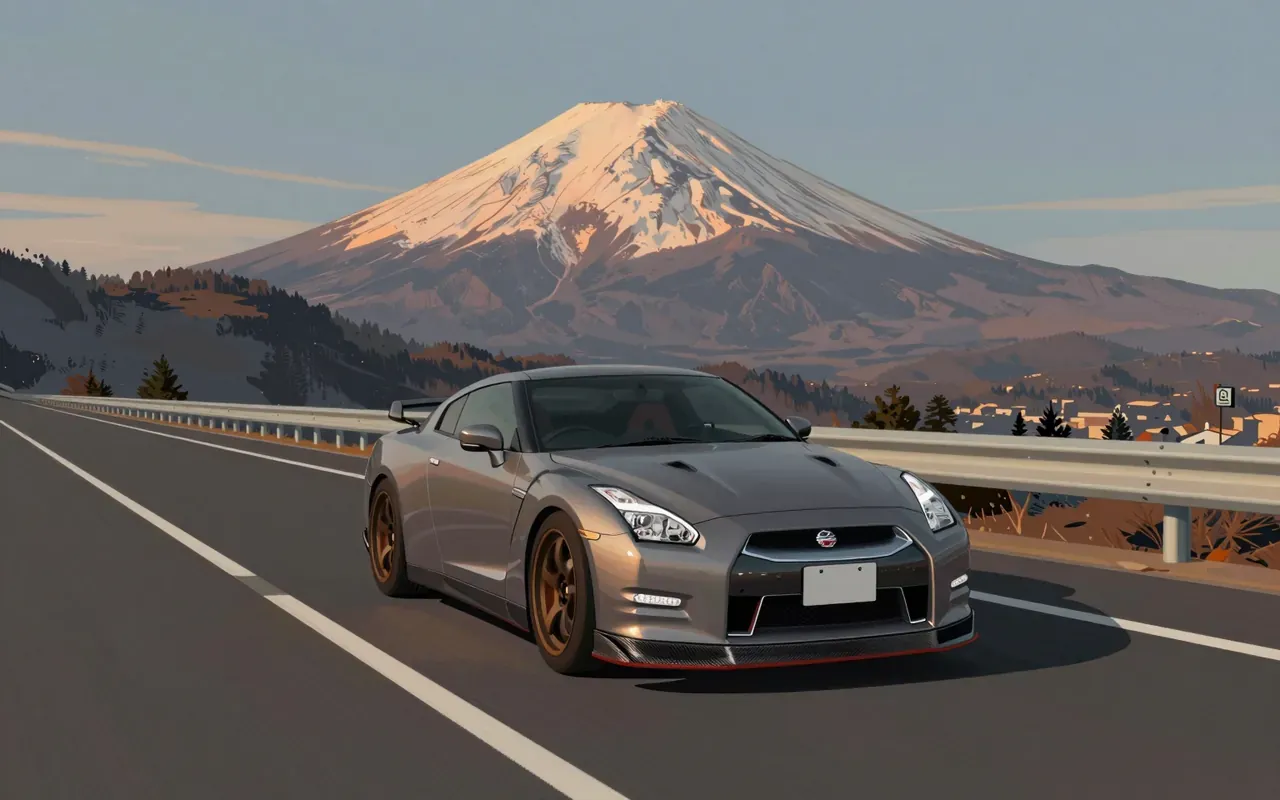
The Nissan GT-R (R35) is a Japanese sports car and grand tourer produced from 2007 to 2025. It features a front-mid mounted 3.8 L V6 engine and all-wheel drive, built on the PM platform — a derivative of the FM platform — and was developed over seven years as part of the Nissan Revival Plan to deliver world-beating performance.

9:59

Nissan Silvia

Nissan Design · 1988

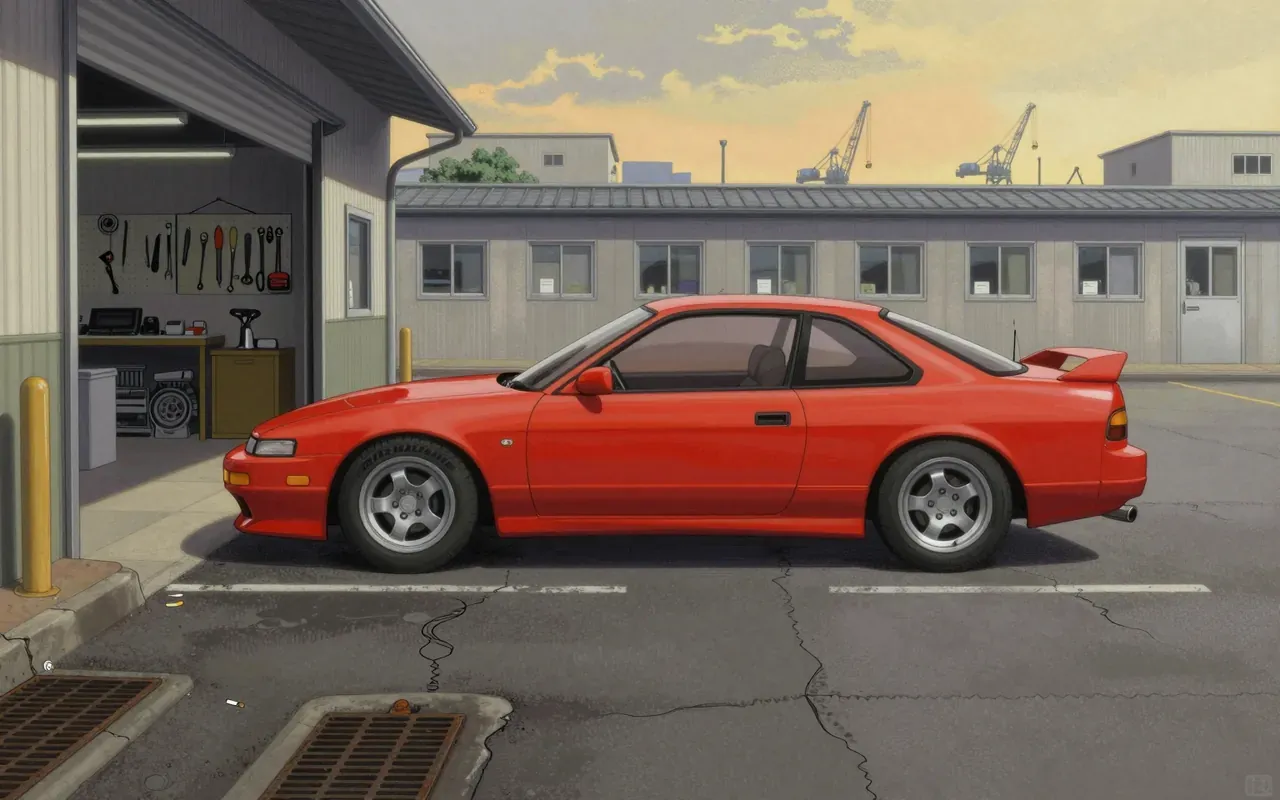
The S13 Silvia is a compact, rear-wheel-drive coupe introduced by Nissan Design in May 1988. It continues Nissan’s long-running Silvia series — a line of small sports cars built on the compact, rear-drive S platform. Its design prioritises driver feedback, predictable rear-axle behaviour, and mechanical simplicity over comfort or modern electronics. It overlaps the outgoing S12 and sets the template for drifting-focused chassis tuning in Japan’s domestic market.

8:29

Nissan Skyline GT-R

Shinichiro Sakurai · 1969

The 1969 Skyline GT-R is the original expression of Nissan’s racing-first philosophy—mechanical, purpose-built, and inseparable from its Skyline roots.

10:38

Peugeot 205

Gérard Welter · 1983

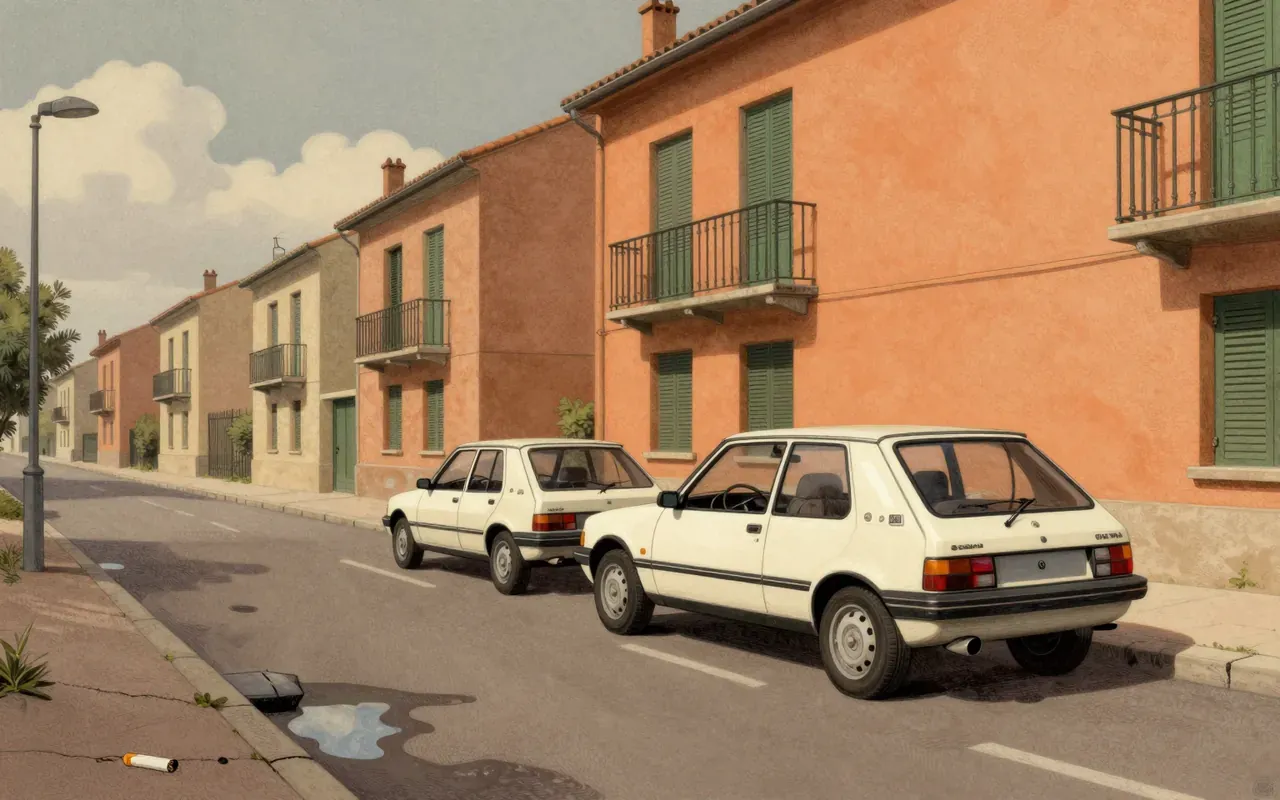
The Peugeot 205 is a supermini developed from Projet M24 and launched on 25 February 1983. It replaced the Peugeot 104 and Talbot Samba. Its styling is an in-house design by Gérard Welter — not Pininfarina, who only styled the Cabriolet. It used MacPherson struts at the front and trailing arms with torsion bars at the rear. The rear suspension was designed to minimise intrusion into the boot, giving a wide flat loadspace while providing excellent ride and handling. It won What Car?'s Car of the Year for 1984 and was declared 'car of the decade' by CAR Magazine in 1990. It is often credited as the car that turned Peugeot's fortunes around.

9:56

Peugeot Onyx

Gilles Vidal · 2012

The Peugeot Onyx is a 2012 concept car designed by Gilles Vidal. It uses a 3.7 L V8 diesel hybrid powertrain. Its body combines hand-beaten untreated copper and carbon fiber. Copper panels oxidise from mirror to blue-green. It features a double bubble roof, three-claw taillights, Cd 0.30, recycled interior materials—including felt, compressed newspaper-resin 'wood', blown crystal, and aluminum controls—and a 100 kg carbon fiber chassis in 12 parts.

9:51

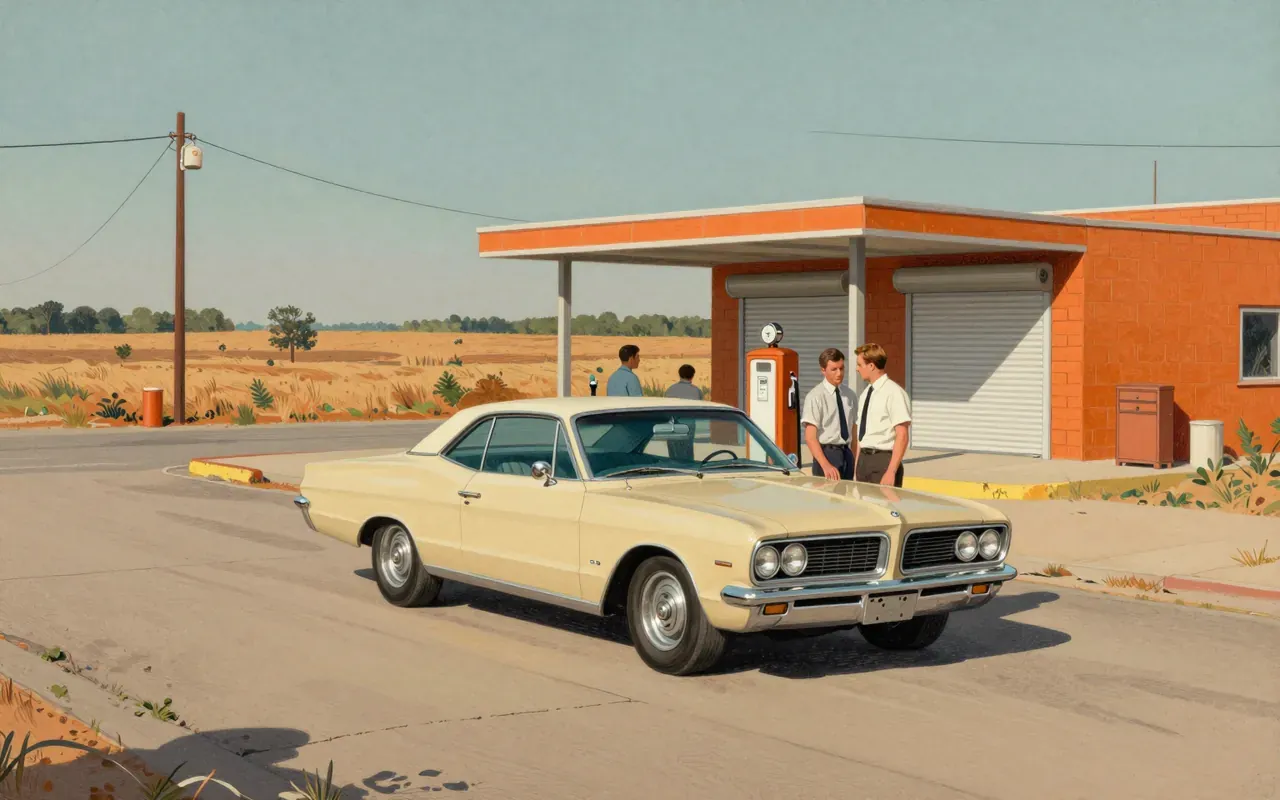
Pontiac Firebird

Jack Humbert · 1967

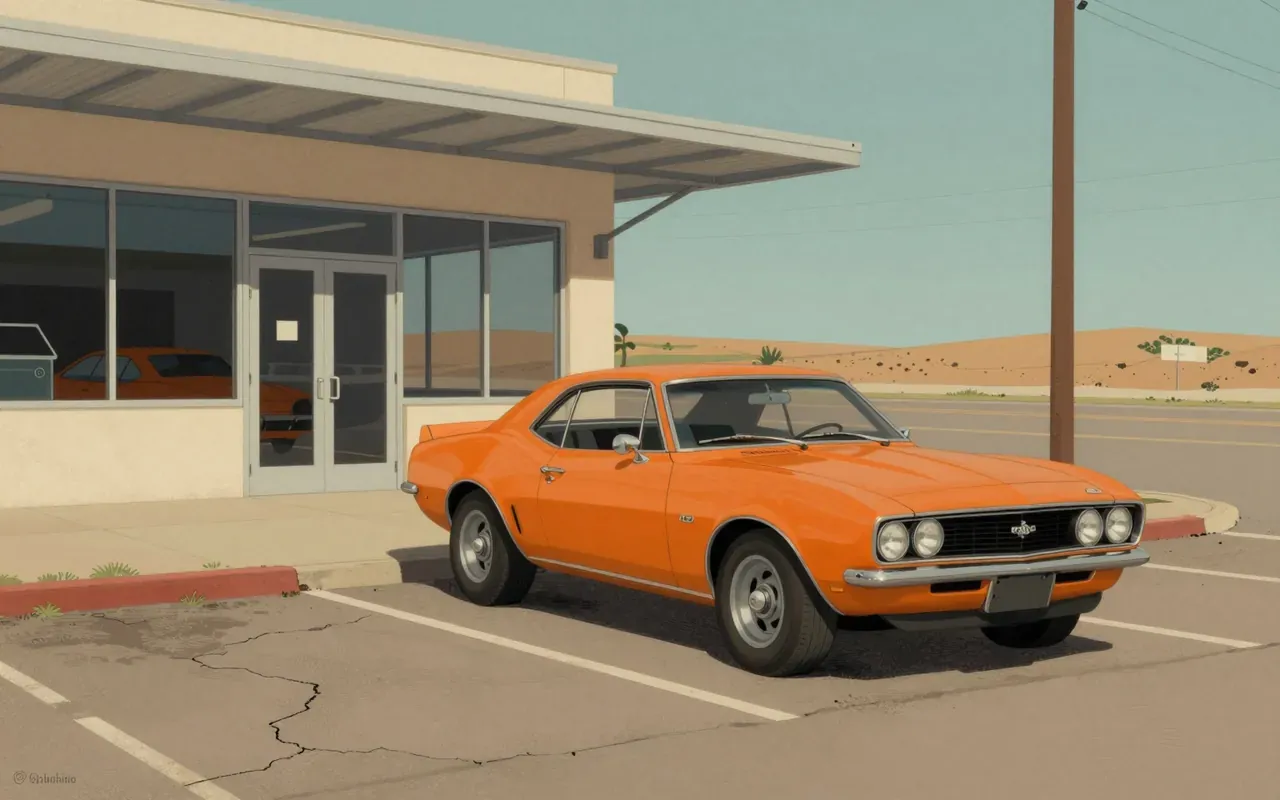
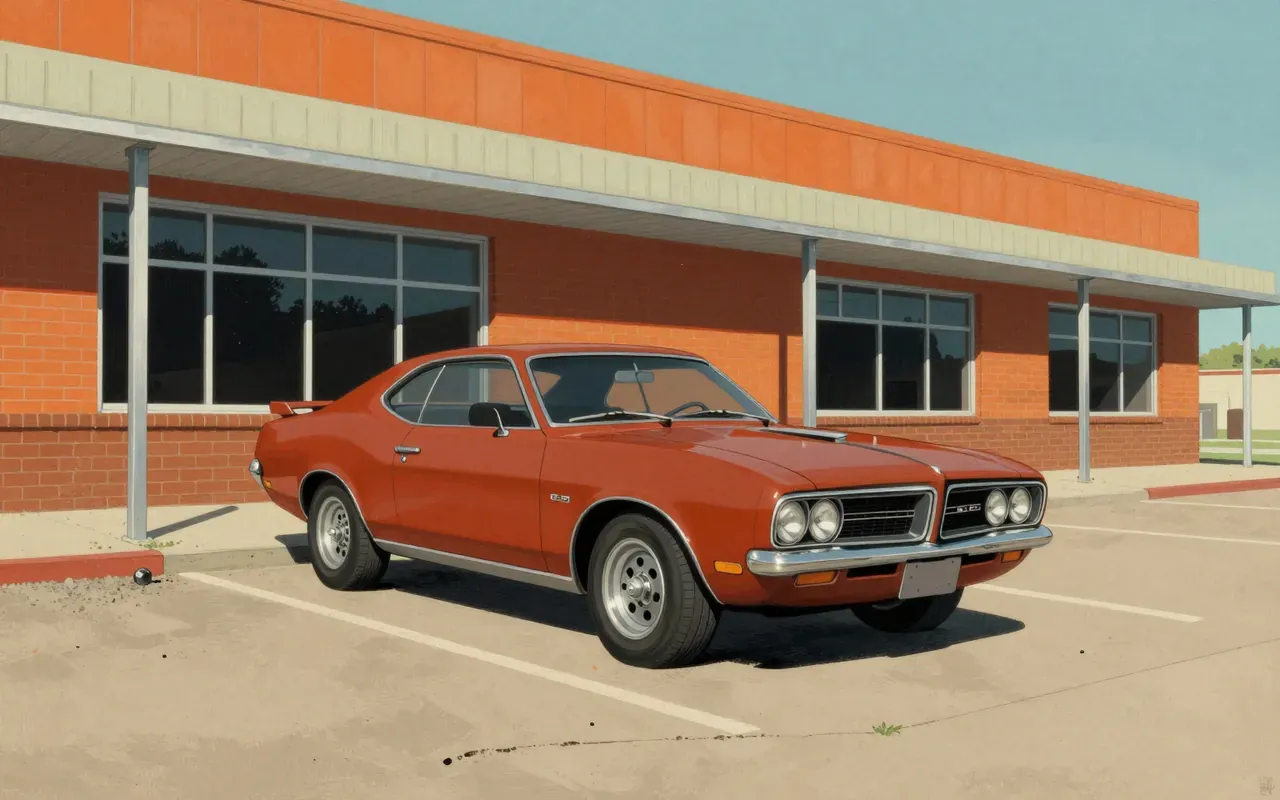
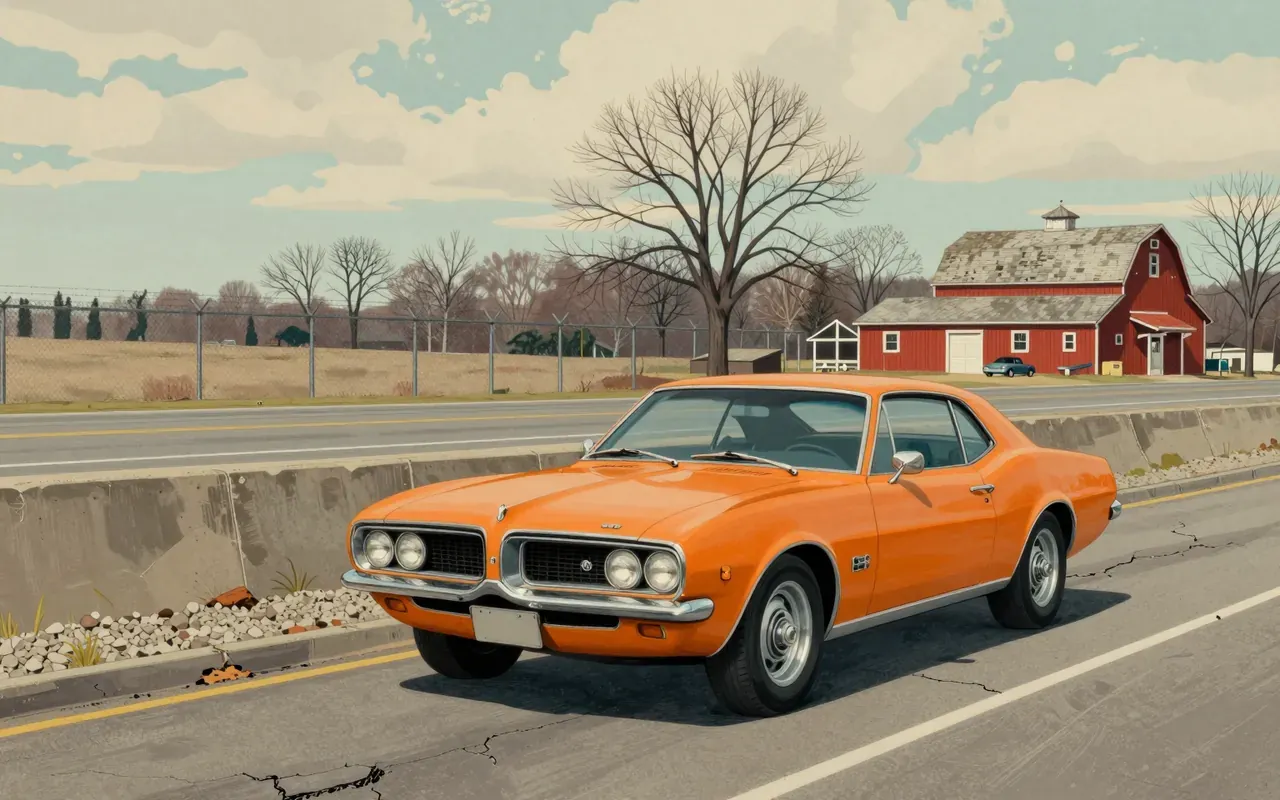
The 1967 Pontiac Firebird is a study in corporate constraint made visible. Its design solves for brand continuity—not performance. Its existence answers a veto, not a demand.

9:12

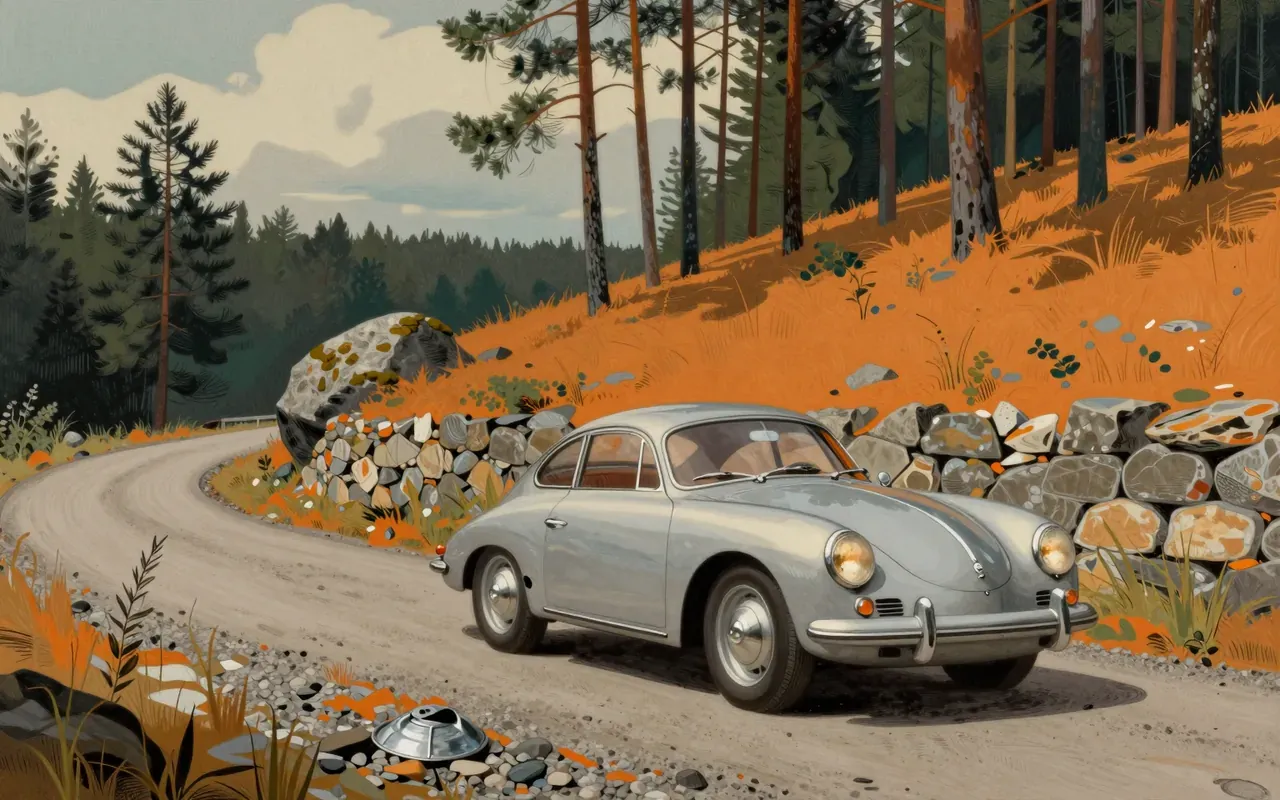
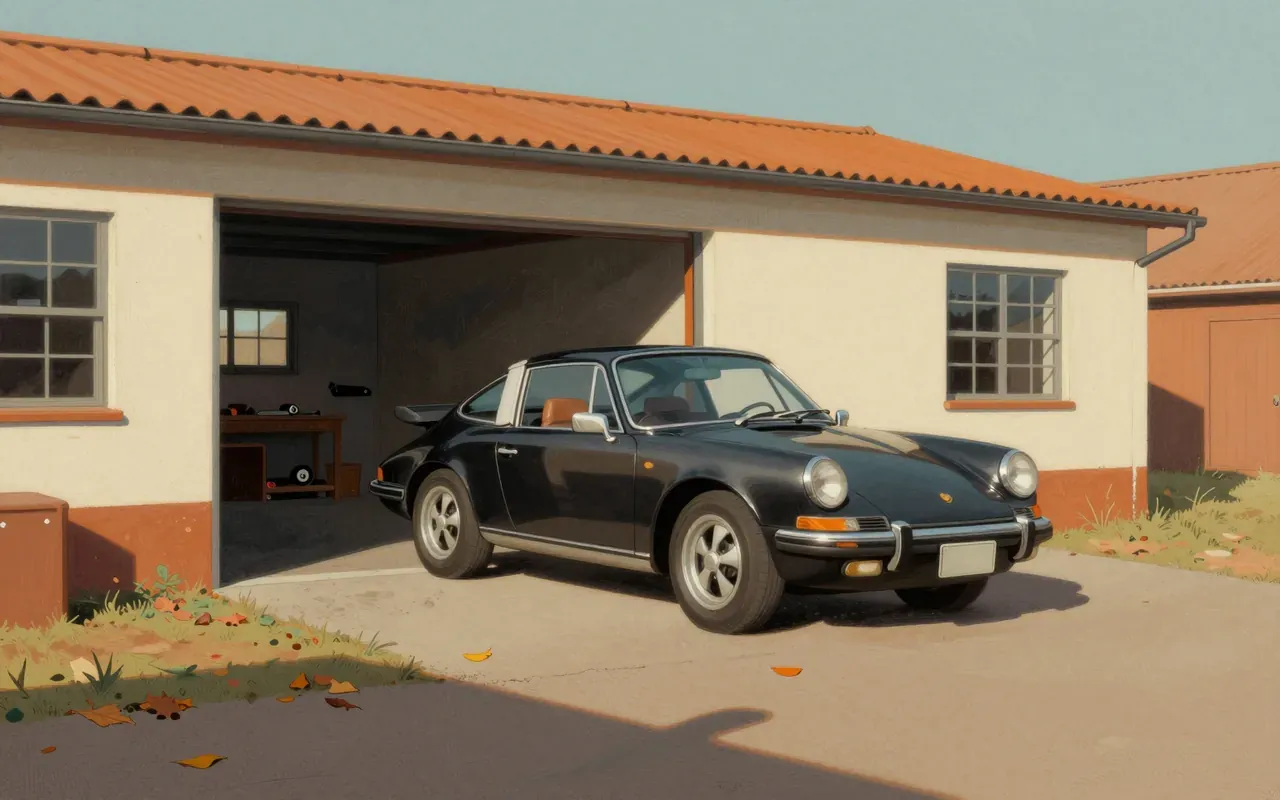
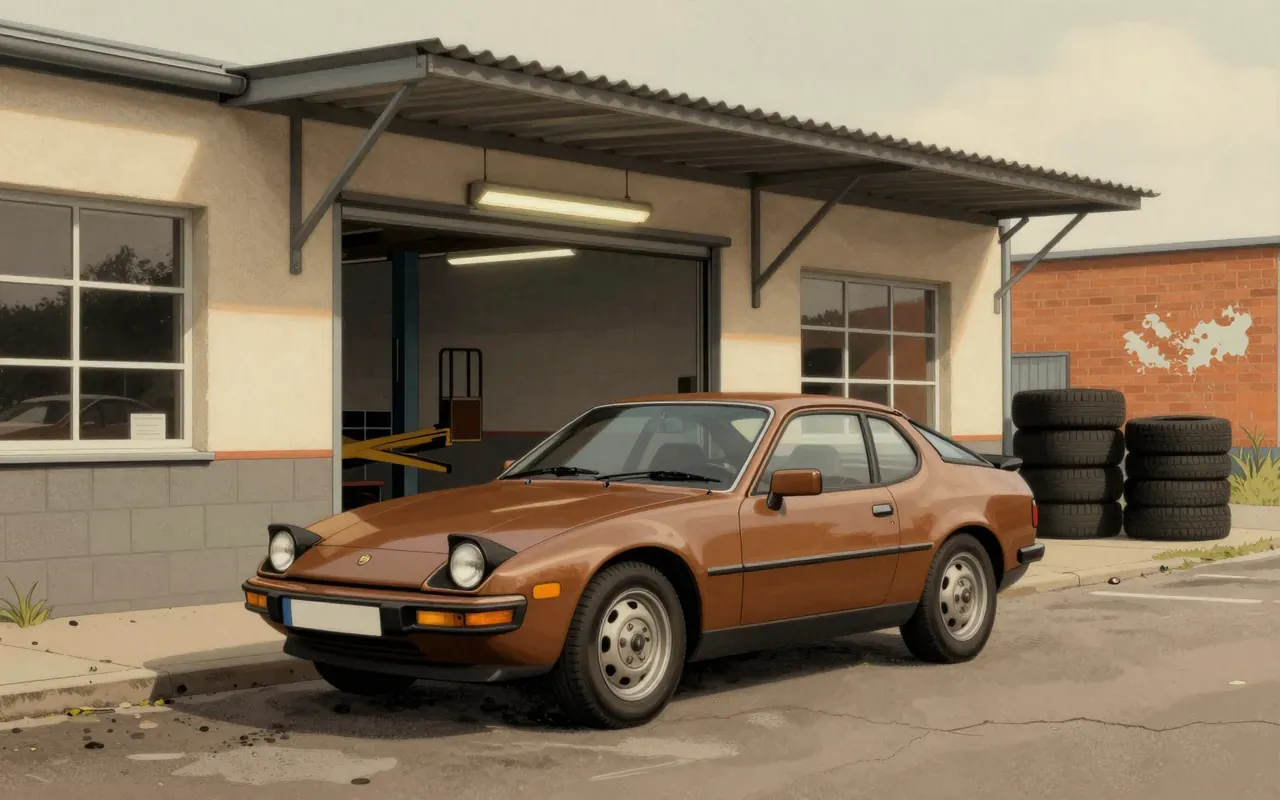
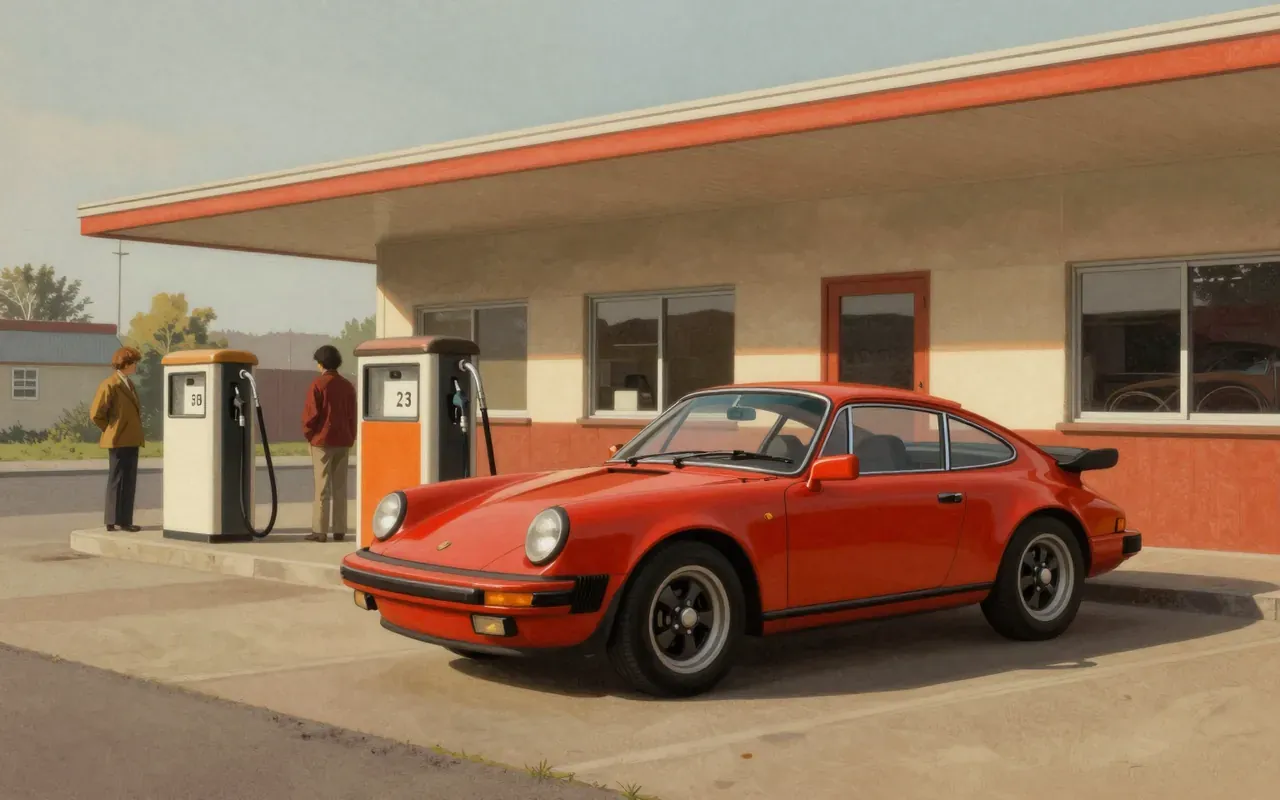
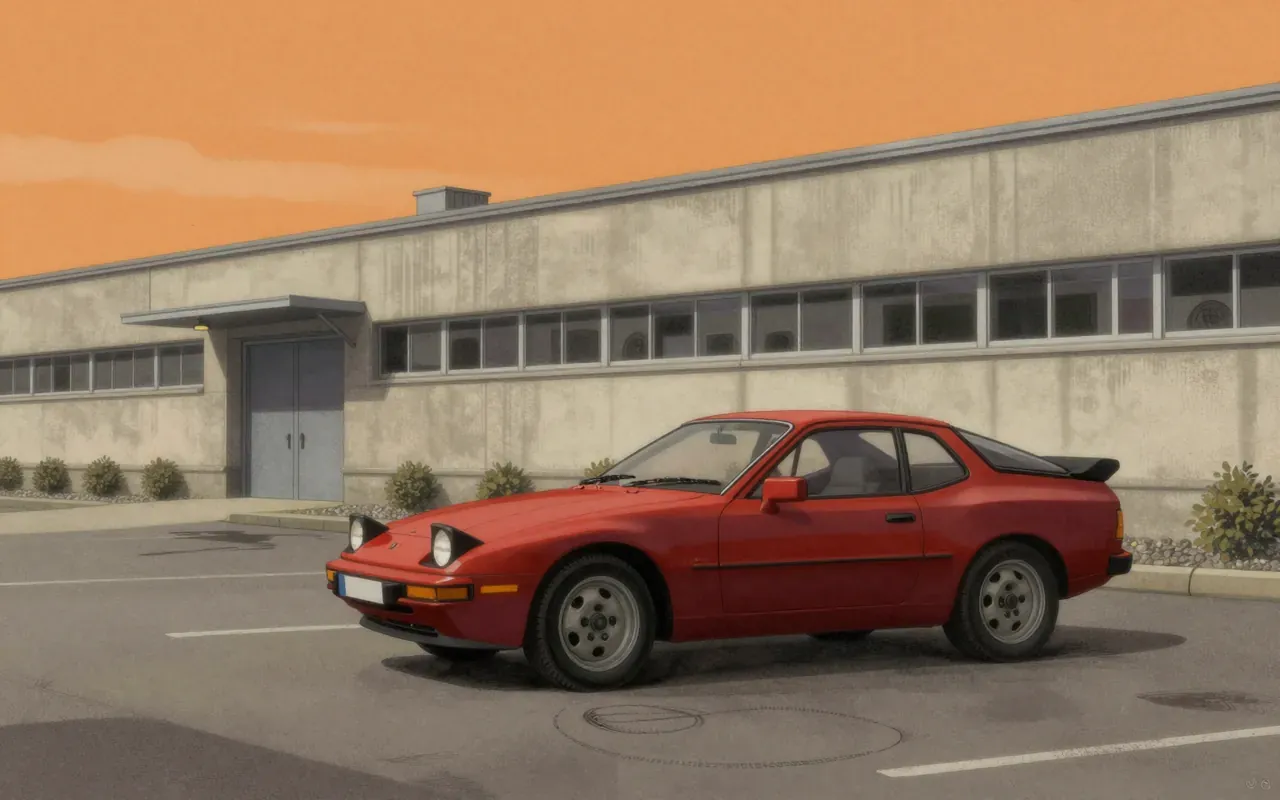
Porsche 911

Ferdinand Alexander Porsche · 1964

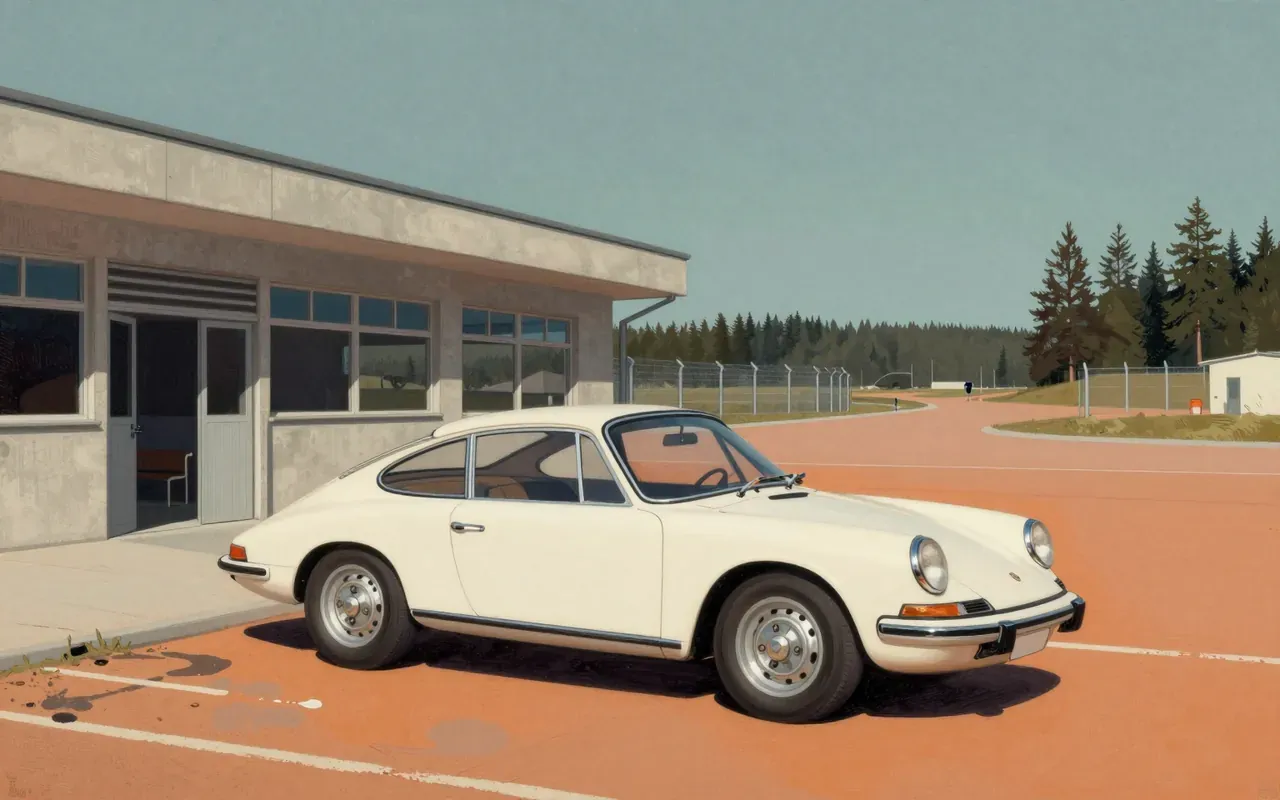
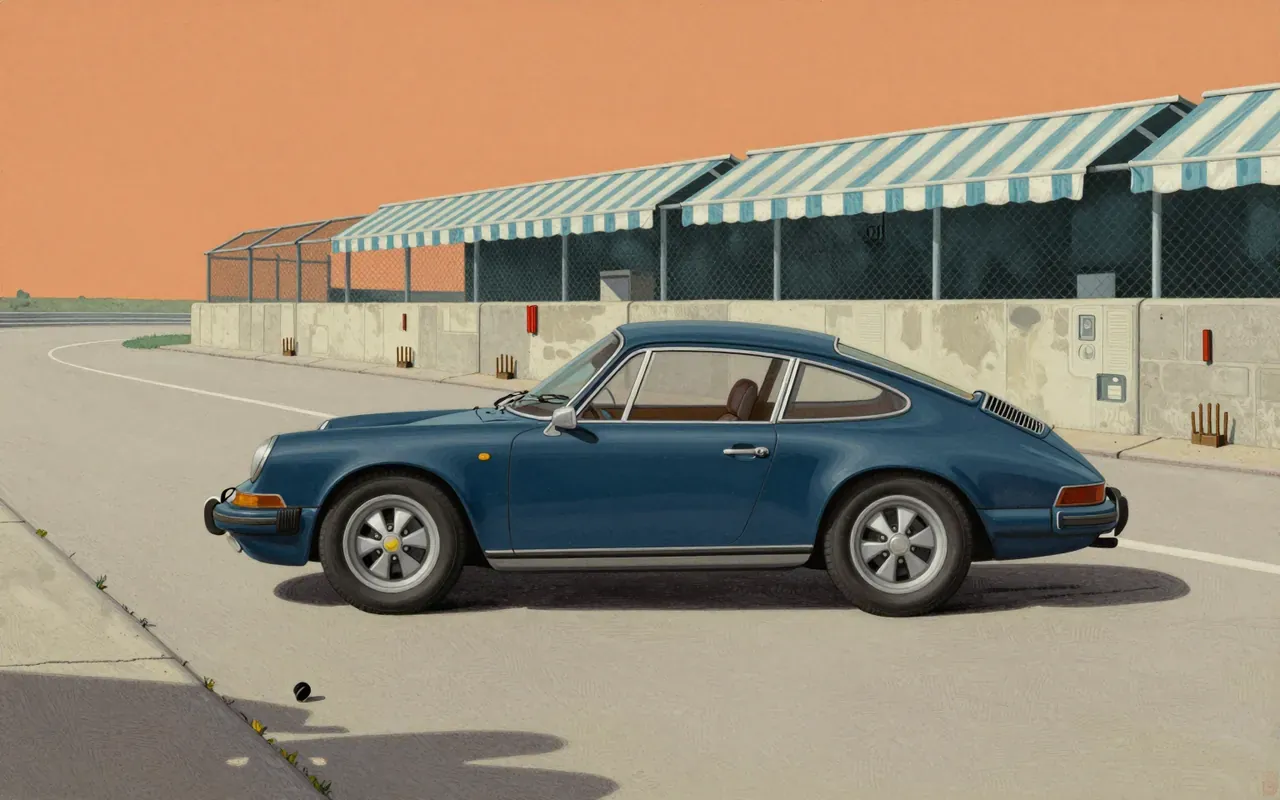
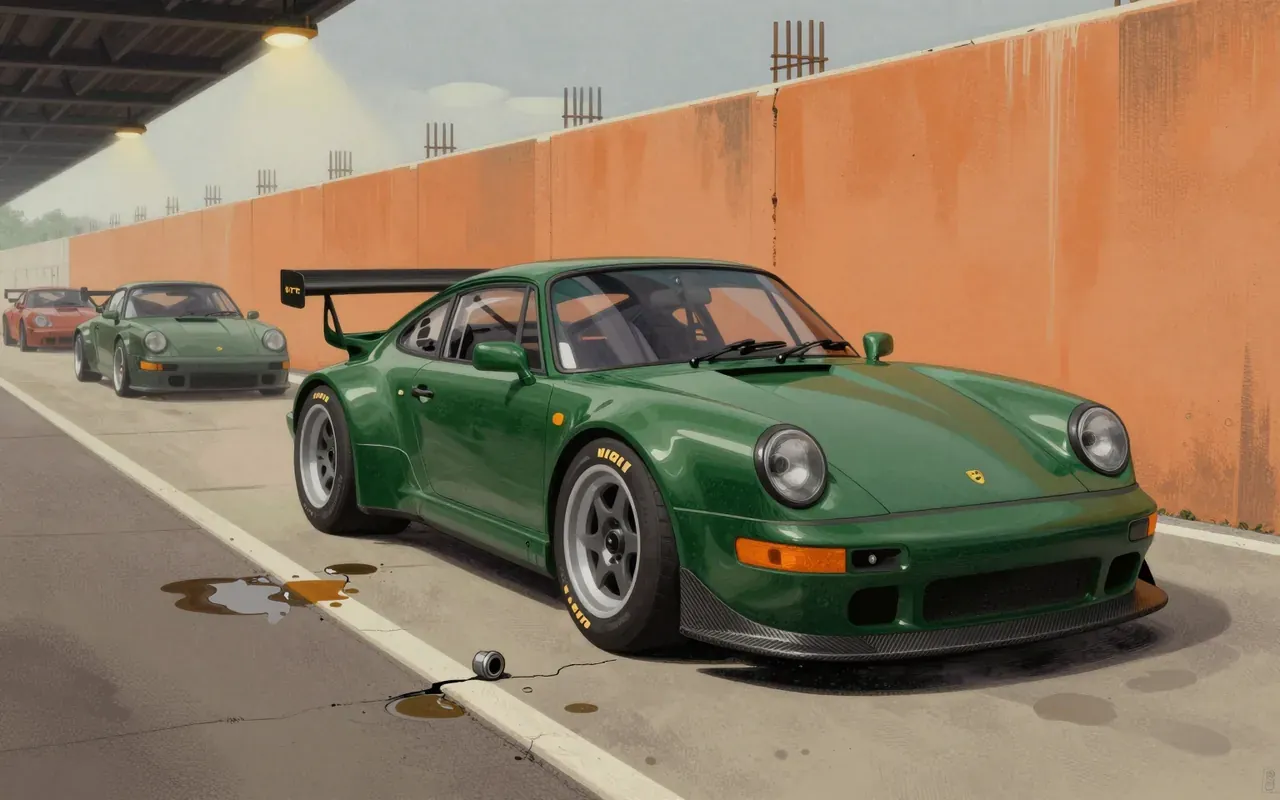
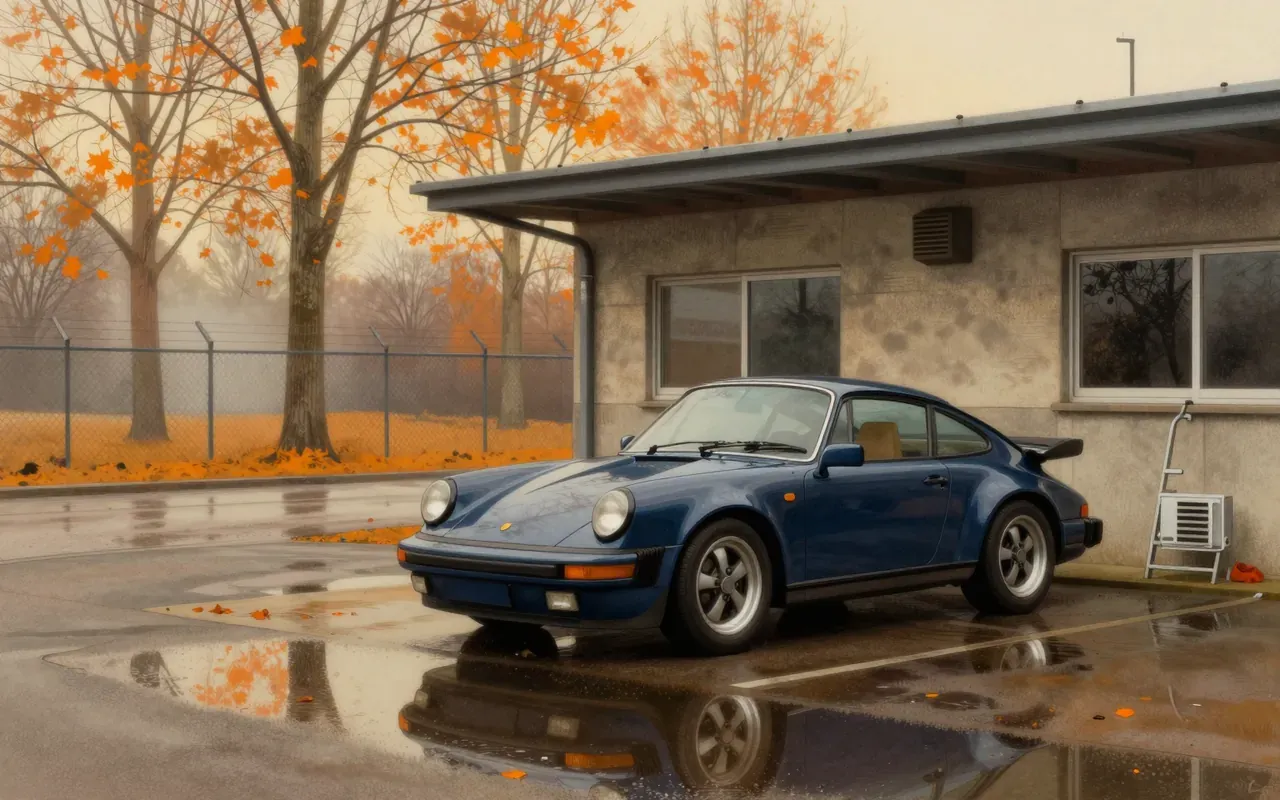
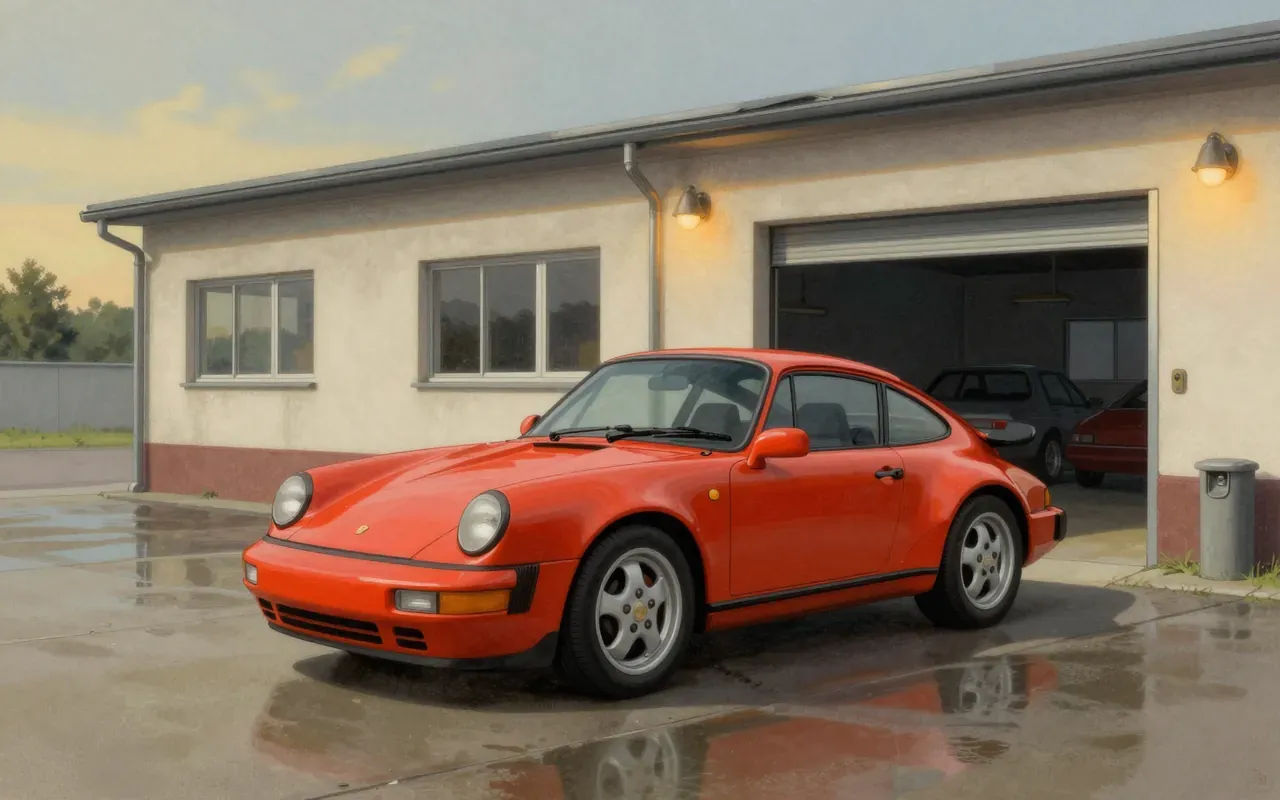
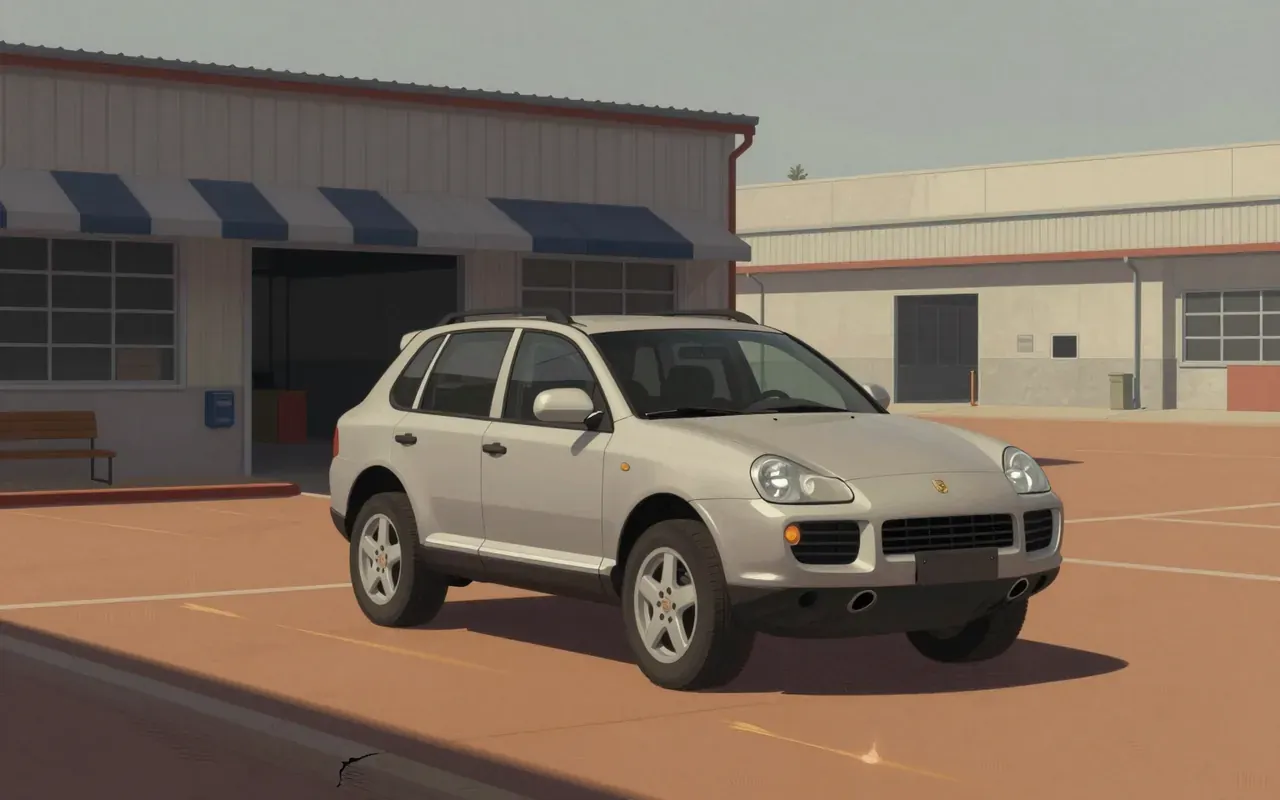
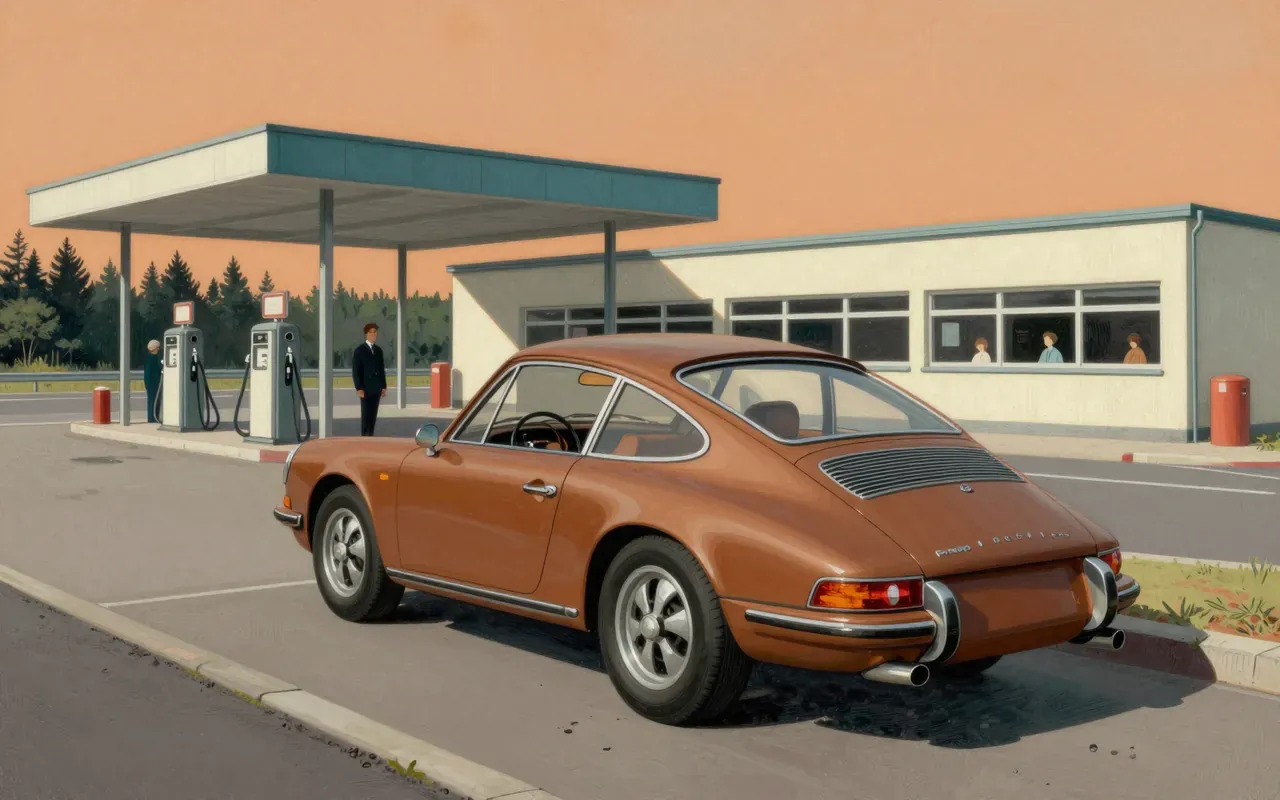
The Porsche 911 is a rear-engine sports car introduced in September 1964. Ferdinand Alexander Porsche designed its exterior. Reutter built the body from his drawings. It debuted as the 901 at the 1963 Frankfurt Motor Show. Peugeot forced the name change to 911. All 911s have a rear-mounted flat-six and usually 2+2 seating. Original models used air-cooled engines and torsion bar suspension. The 911 won the Targa Florio, Daytona, Le Mans, and four World Championships for Makes — all with 911-derived models.

9:39

Porsche 918 Spyder

Michael Mauer · 2013

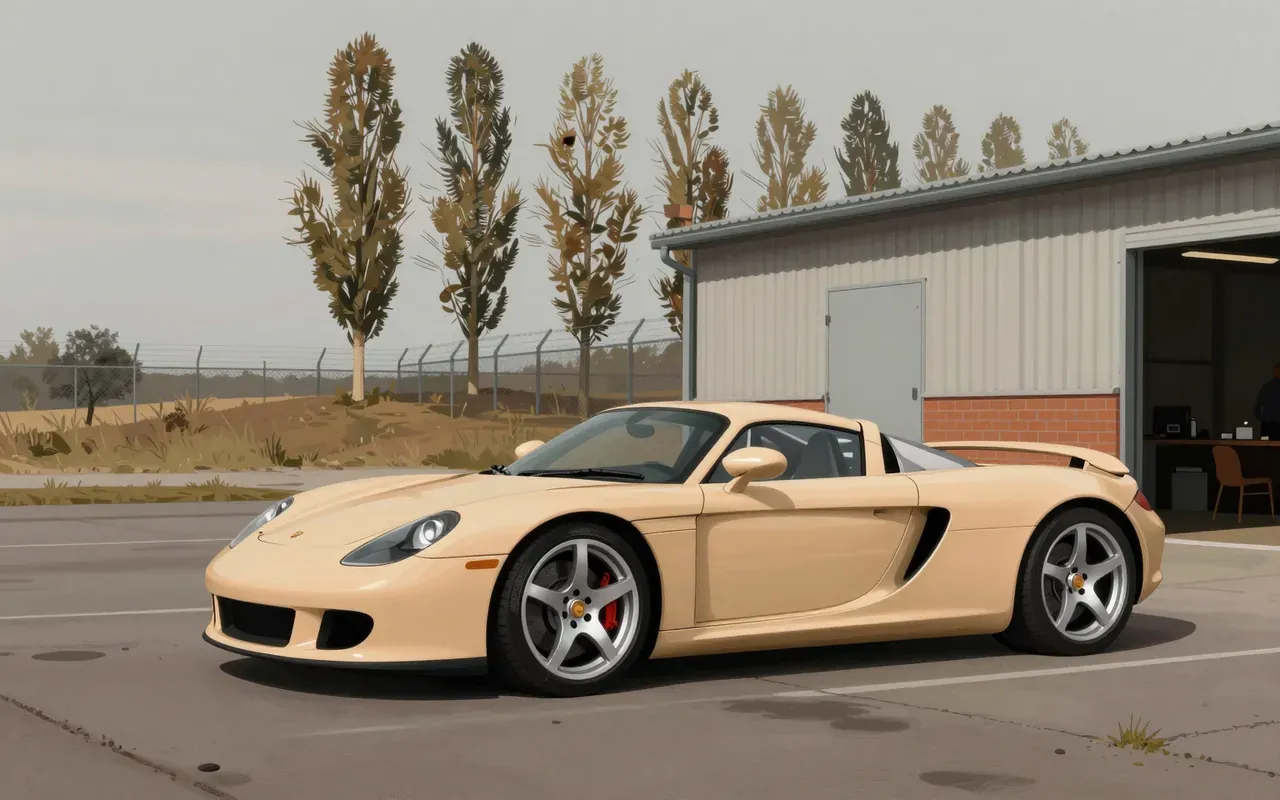
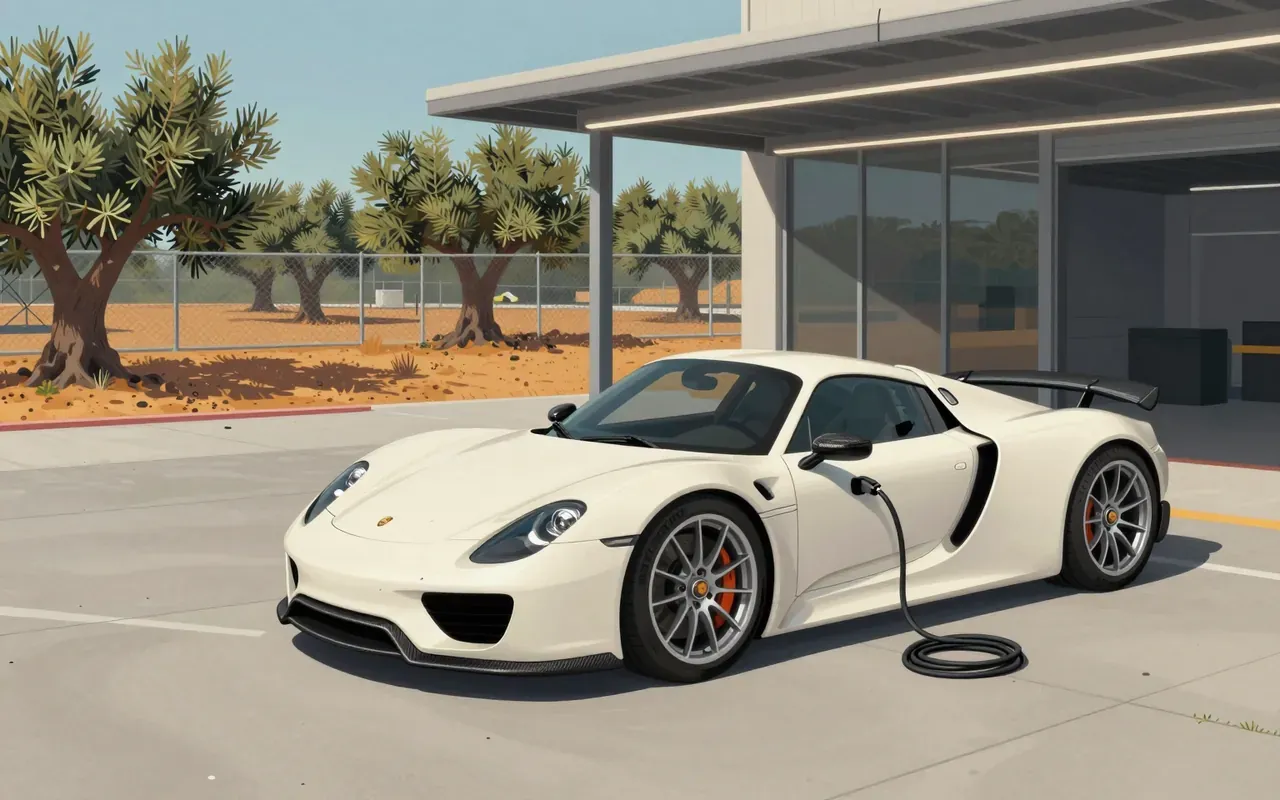
The Porsche 918 Spyder is a limited-production, mid-engine, plug-in-hybrid sports car manufactured by Porsche. It is powered by a mid-mounted naturally aspirated 4.6 L V8 engine and two electric motors. It has a 6.8 kWh lithium-ion battery pack providing 12 mi (19 km) all-electric range per EPA testing. Production began on 18 September 2013 and ended in June 2015. It was first shown as a concept at the 80th Geneva Motor Show in March 2010. The production version was unveiled at the September 2013 Frankfurt Motor Show. It was the second plug-in hybrid car manufactured by Porsche. It has been subject to half a dozen recalls for issues including front and rear control arms breaking and seat belts.

9:22

Renault 5 Turbo

Marc Deschamps · 1980

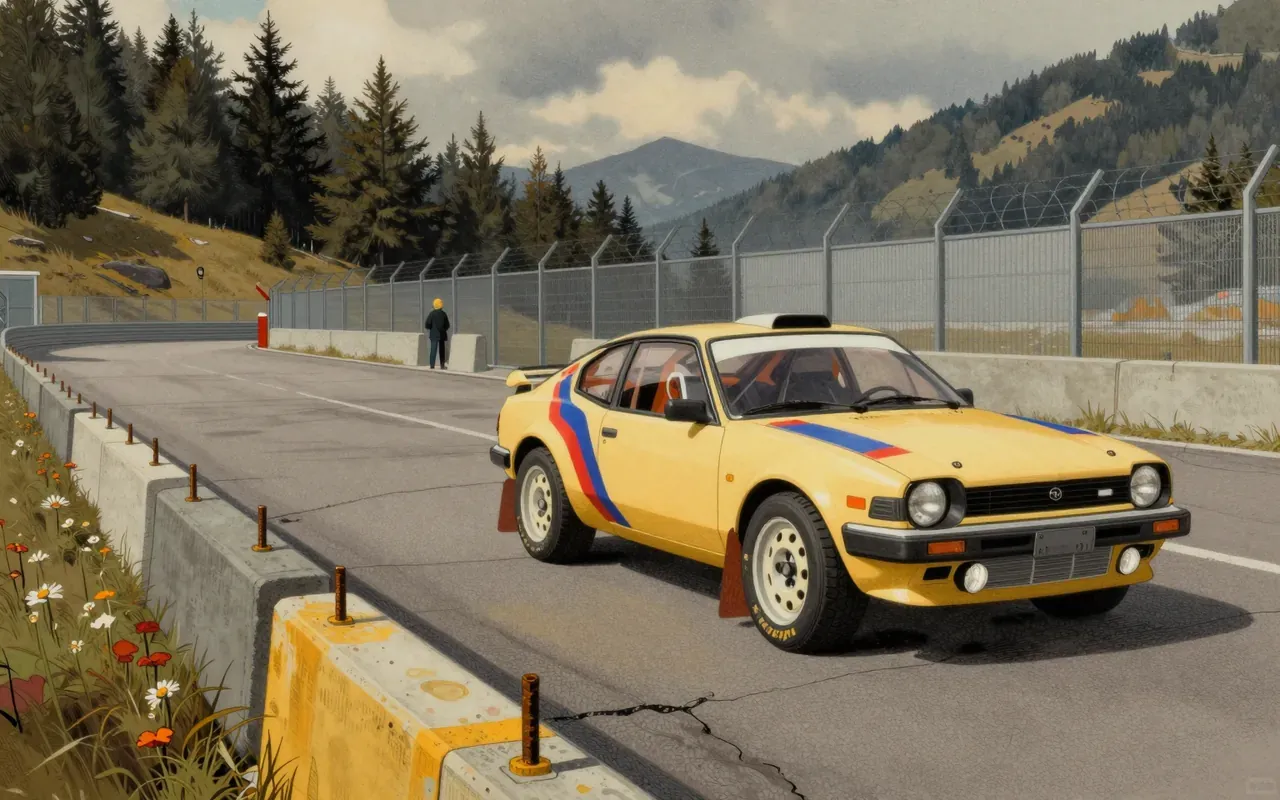
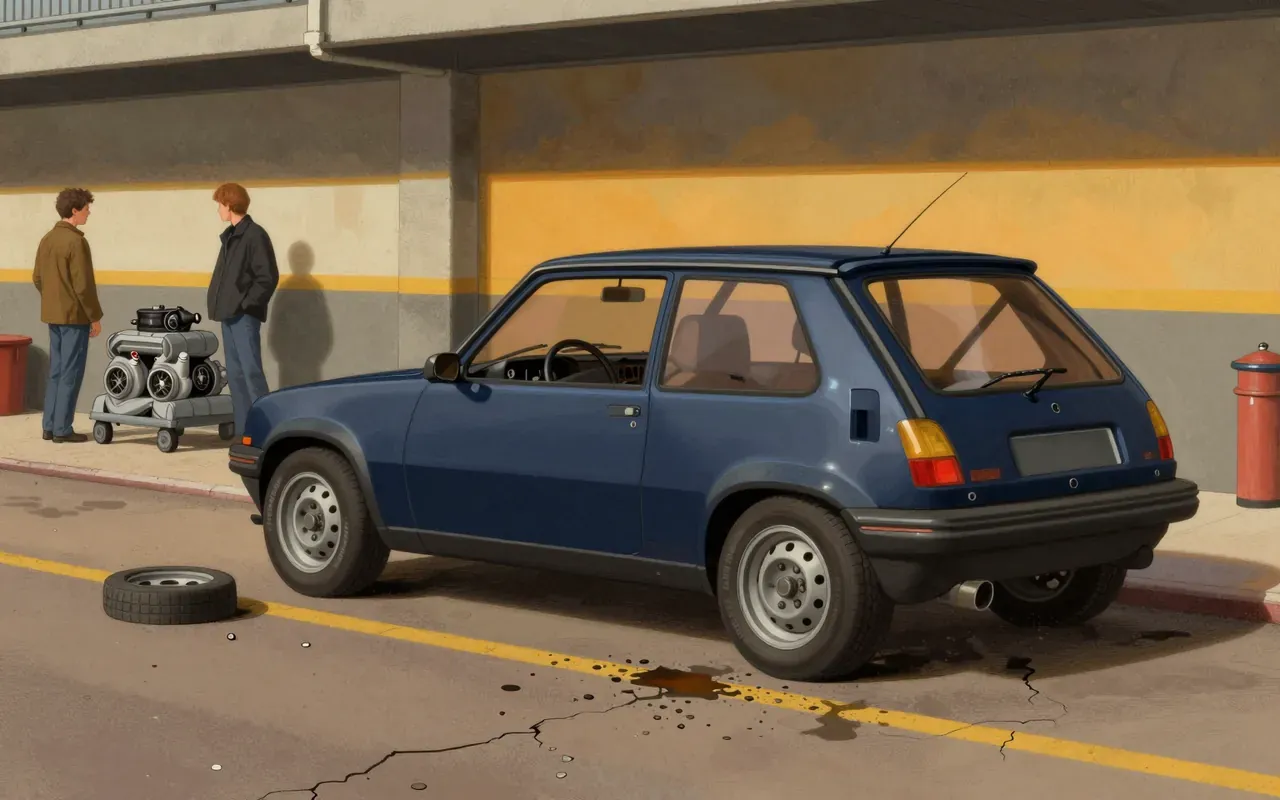
The Renault 5 Turbo is a homologation special that reimagines the Renault 5 supermini as a mid-engined rally car. Built from 1980 to 1984, it features a rear mid-engine, rear-wheel-drive layout, a 1,397 cc turbocharged Cléon-Fonte inline-four, and 4,987 total units produced. Though badged as a Renault 5, its mechanicals are radically different. It was launched at the Brussels Motor Show in January 1980 and sold in street-legal form to meet homologation requirements.

10:06

Renault 8

Philippe Charbonneaux · 1964

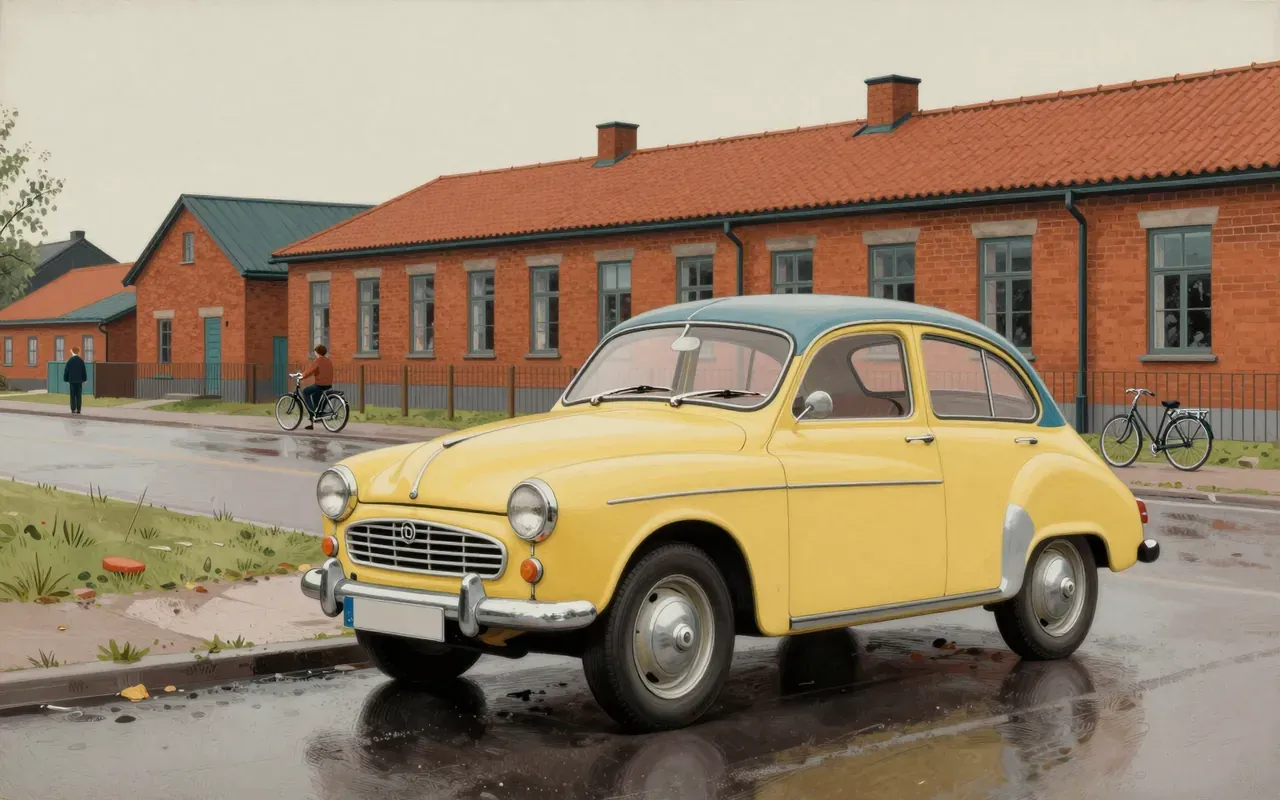
The Renault 8 is a four-door saloon car with a rear-engine, rear-wheel-drive layout, launched in June 1962 and produced until 1976 in various countries including France, Spain, Bulgaria, and Romania. It was powered by a 956 cc Cléon-Fonte engine at launch and shared its basic architecture and wheelbase with the Renault Dauphine.

9:18

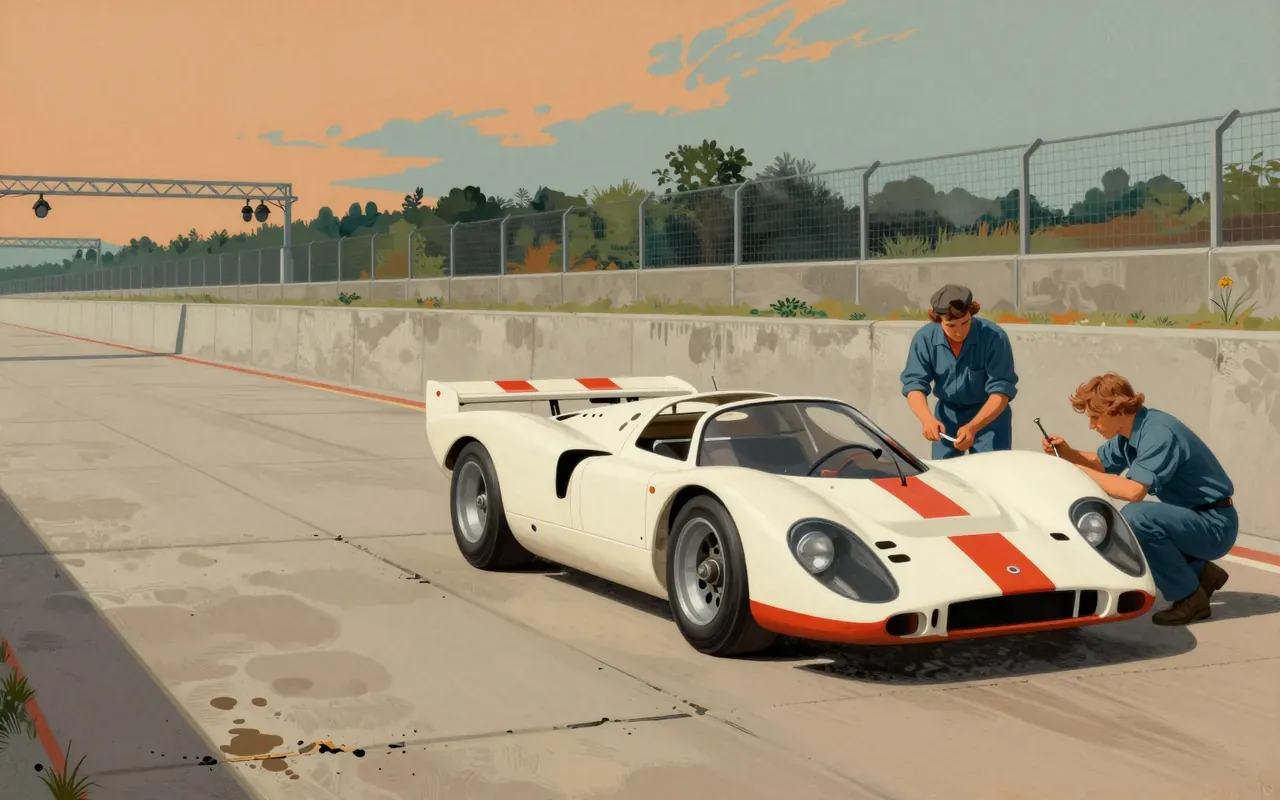
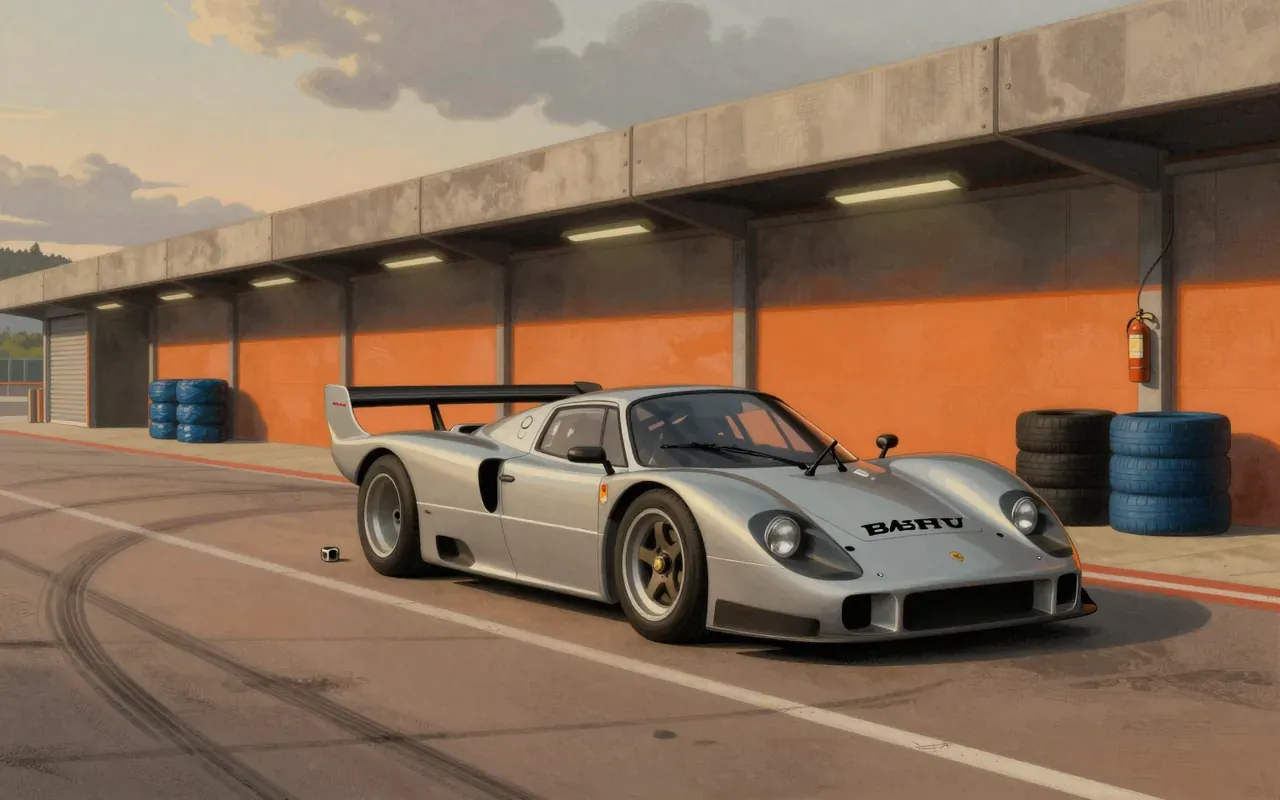
Sauber C9

Leo Ress · 1987

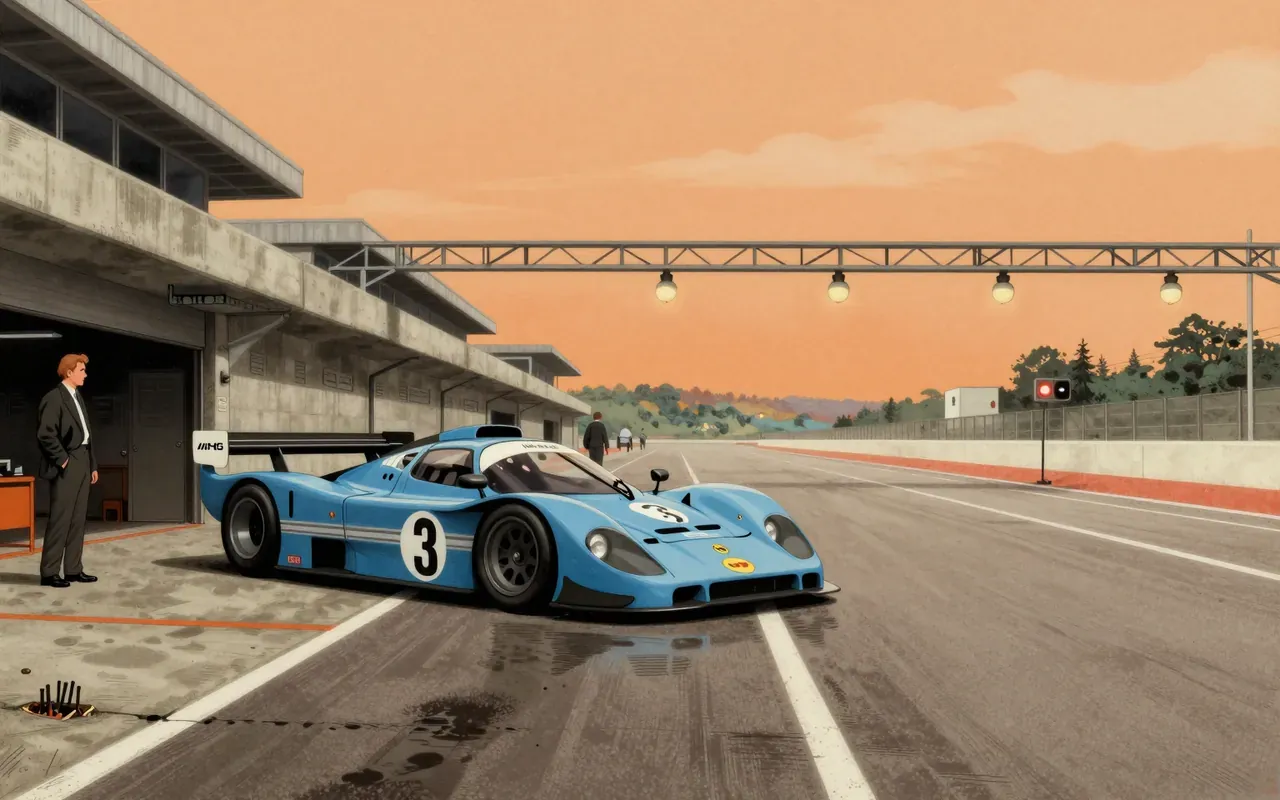
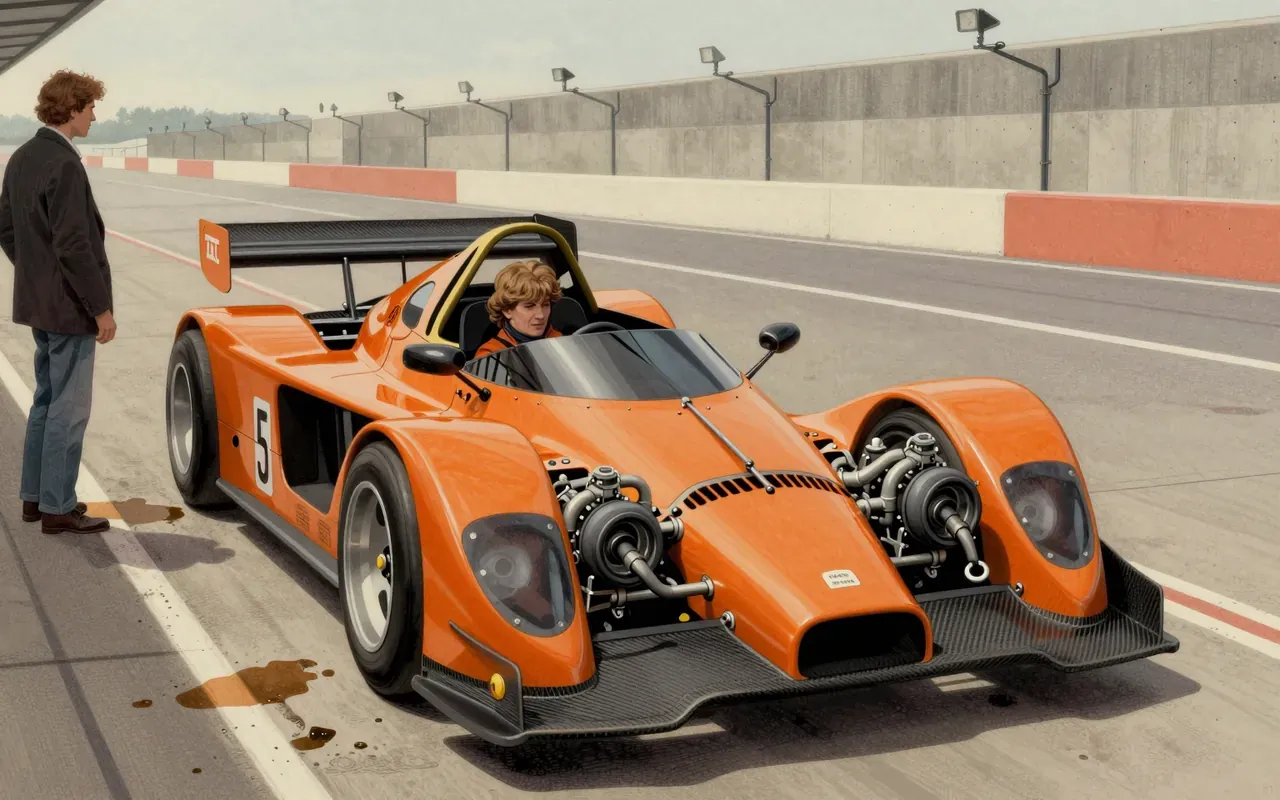
The Sauber C9 is a 1987 Group C prototype. It replaced the C8. It was a development of the C8, retaining its aluminium monocoque but making it stiffer. Six chassis were built. Early engines were prepared by Heini Mader as a cover for Mercedes’ involvement. Later engines came from Untertürkheim under Hermann Hiereth. The engine was semi-stressed and ran a dry sump. Weight reduction came from a new crankshaft, KKK turbochargers, and a liner-less block.

10:12

Subaru Impreza

Subaru · 1993

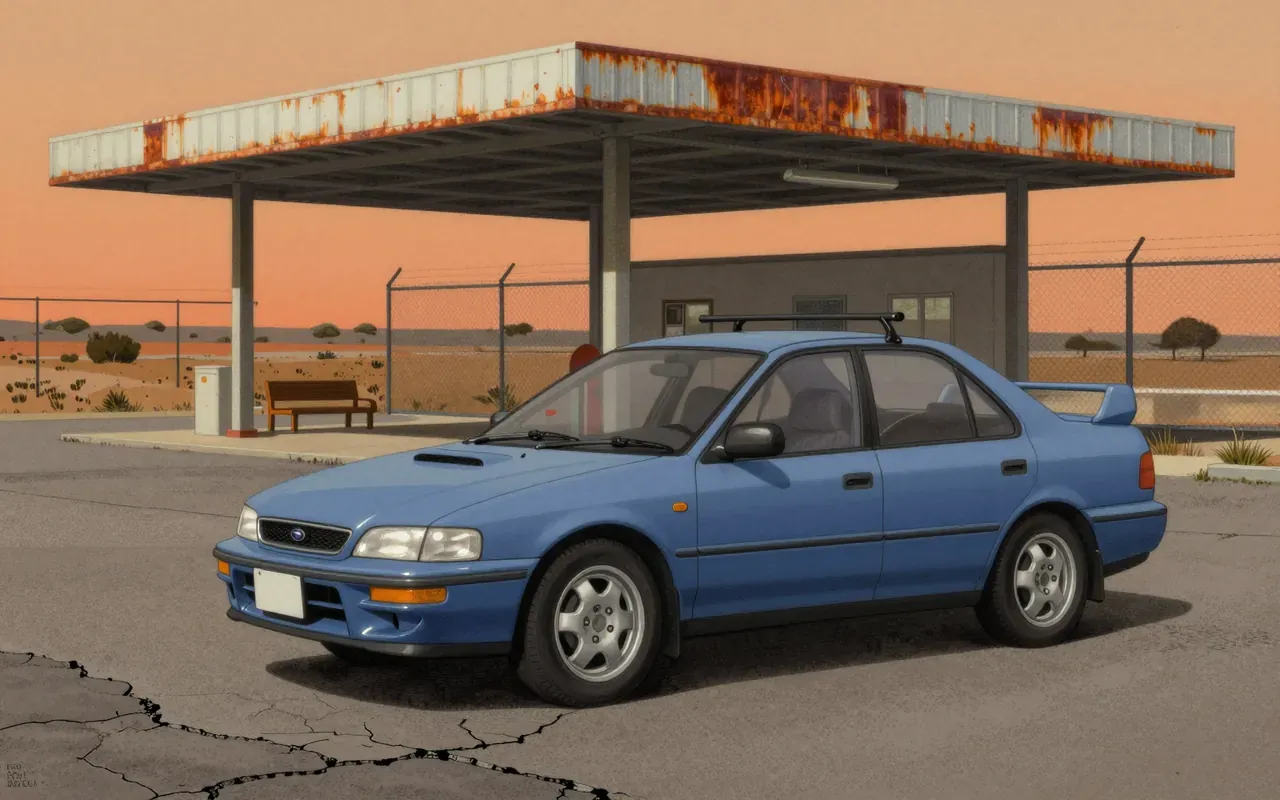
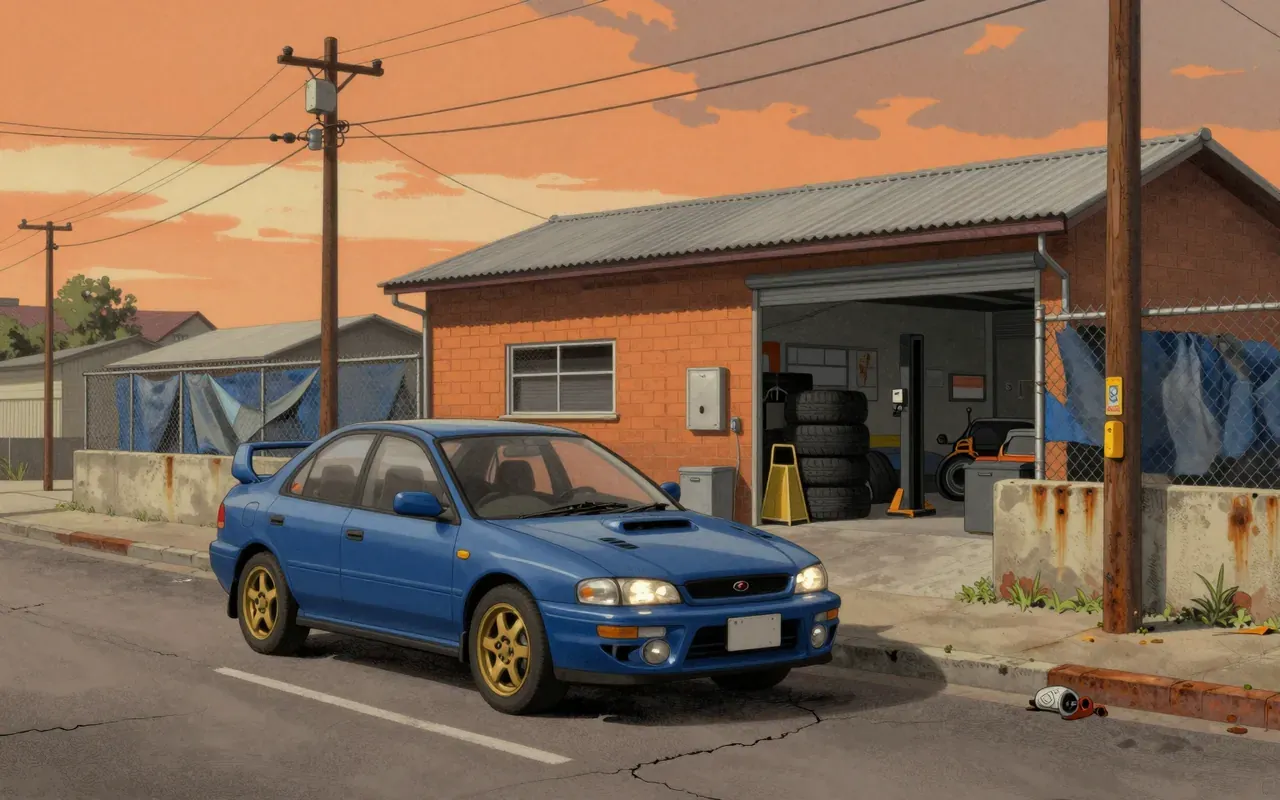
The 1993 Subaru Impreza redefined compact all-wheel drive by combining a low-slung boxer engine with rally-ready traction. It succeeded the Leone, launched with EJ-series engines, and became the foundation for WRX and STI legend.

9:48

Subaru WRX

Subaru · 1994

The 1994 Subaru WRX is the first-generation production expression of Subaru’s 1992 World Rally Championship effort. It is a turbocharged, all-wheel drive compact saloon built on the Impreza GC platform. Its blue-and-gold livery stems from a Singaporean cigarette sponsorship. It established all-wheel drive as a performance asset in the US compact segment—starting with its 2001 US launch—and forced rivals to follow.

10:06

Toyota AE86

Toyota · 1986

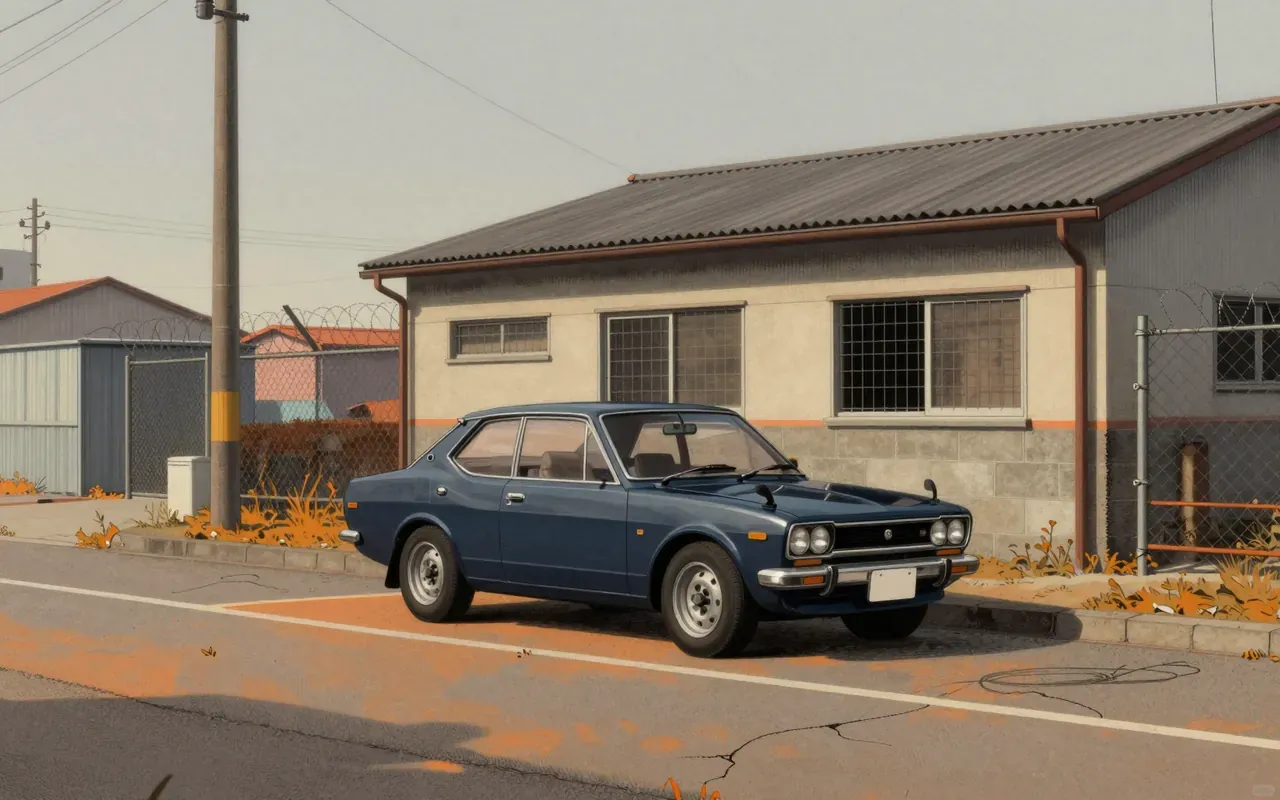
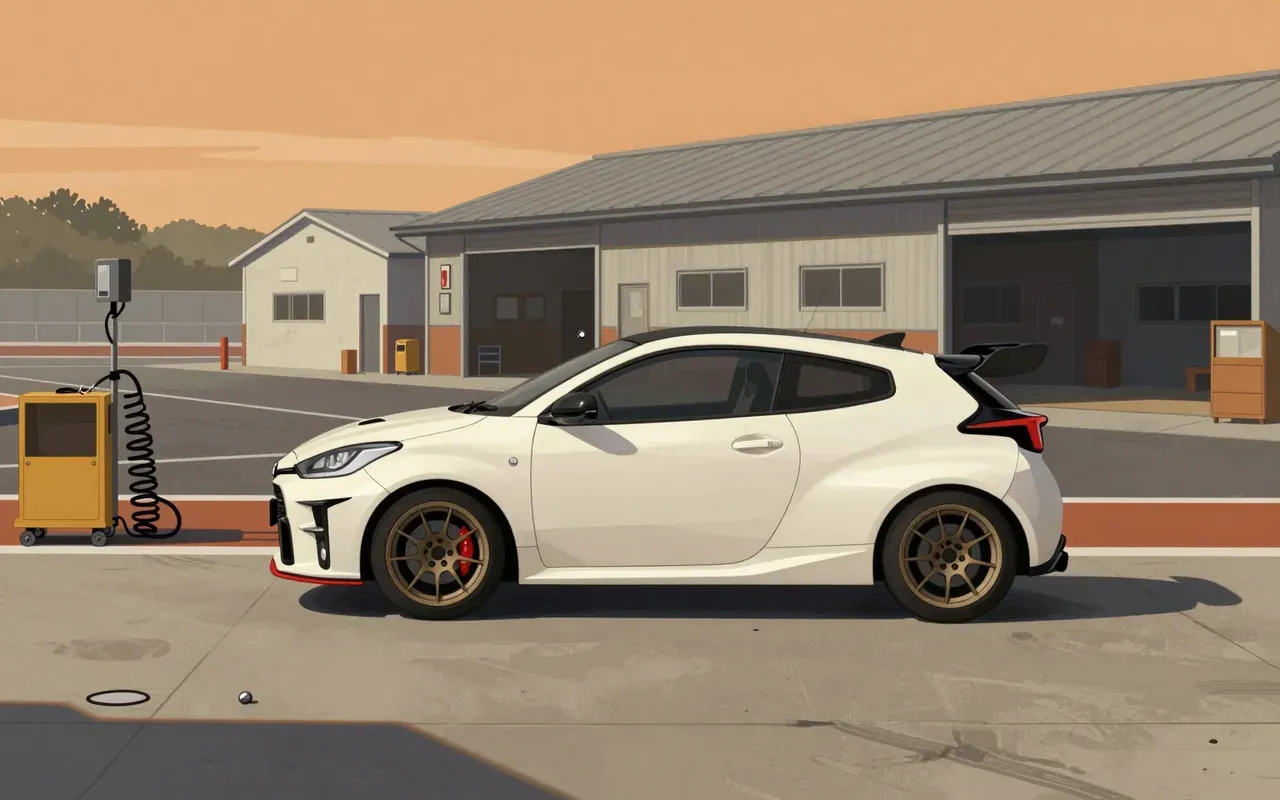
The AE86 is a small, front-engine/rear-wheel-drive compact car derived from the fifth-generation Corolla (E80) range. It was the final Corolla model produced with rear-wheel drive. Its light weight, affordability, modifiability, and balanced front-engine/rear-drive layout made it distinctive amid an industry shift away from RWD. It featured a high-revving (7800 rpm) twin-cam engine in some markets, optionally elsewhere. It achieved early and enduring international prominence in drifting due to its inherent qualities. It was central to the manga and anime series Initial D (1995–2013) as the protagonist's drift and tofu delivery car. In 2015, Road & Track described it as 'a cult icon, inextricably interwoven with the earliest days of drifting.' It inspired the Toyota 86 (2012–present), a 2+2 sports car co-developed with Subaru.

12:37

Toyota Celica GT-Four

Toyota · 1989

The Celica GT-Four is a rally-homologated liftback with full-time AWD and a turbocharged 3S-GTE engine. Built at Tahara. Prepared for rally in Cologne. Three generations shared the same foundational drivetrain. It is Toyota’s first performance AWD system.

9:29

Toyota Supra

Toyota Design · 1978

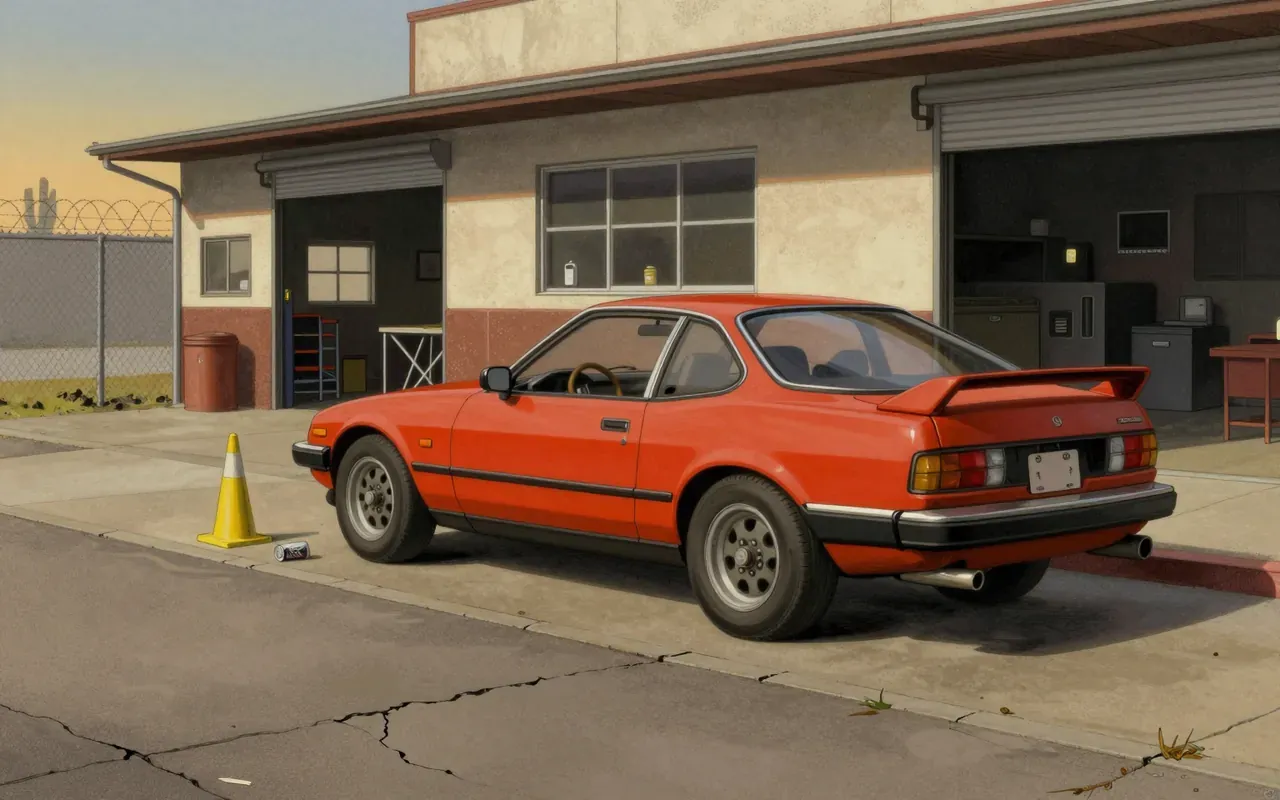
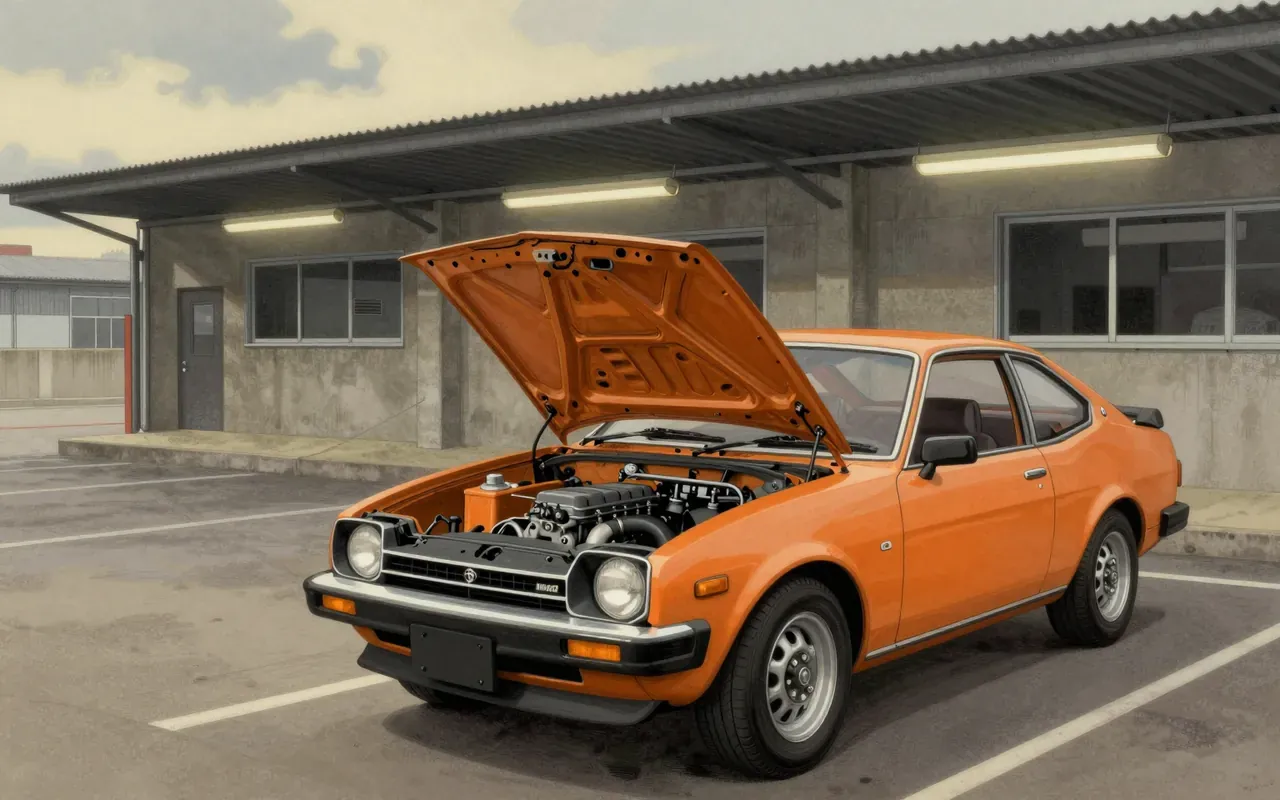
The 1978 Toyota Supra is a purpose-built response to dealer demand: a longer, six-cylinder Celica liftback engineered to match the Datsun 280Z. It is neither radical nor revolutionary—just a calibrated evolution of existing parts, packaging, and powertrain. Its value lies in continuity, not disruption.

9:54

Toyota 86

Tetsuya Tada · 2012

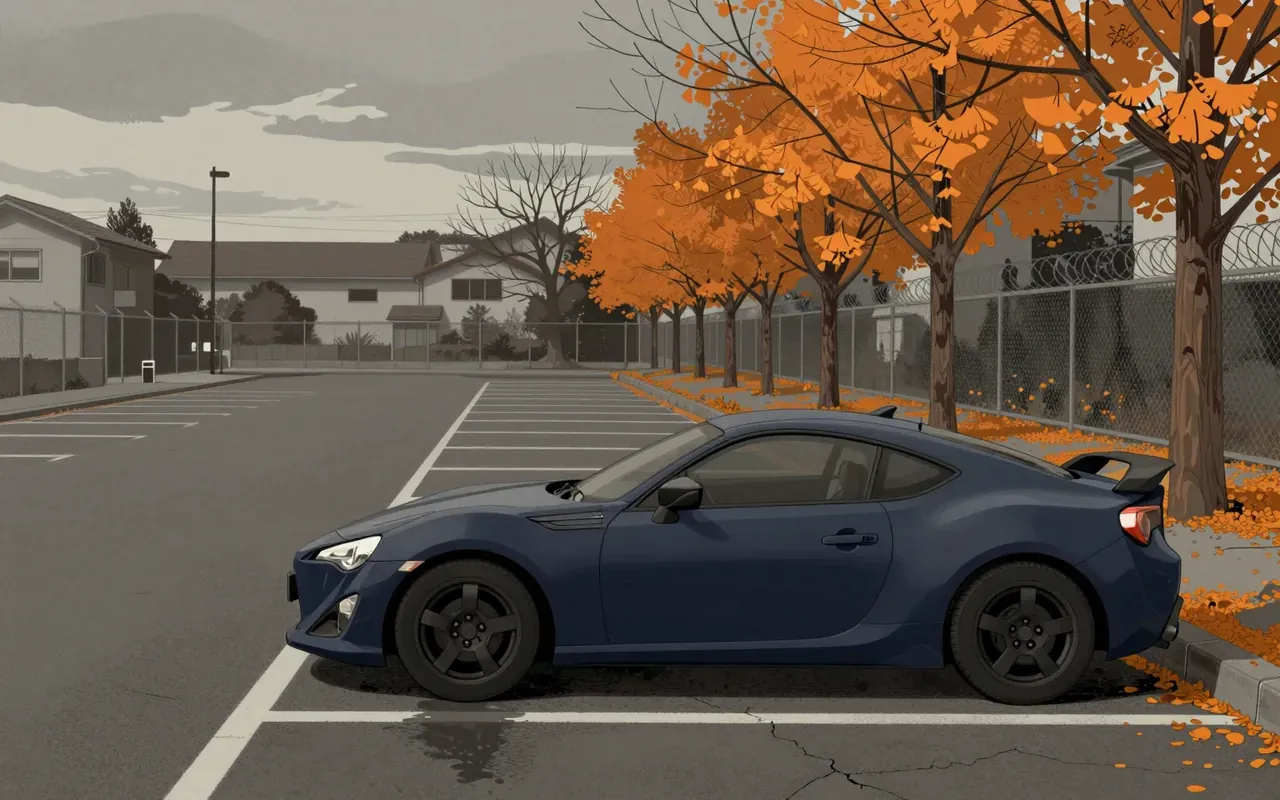
The Toyota 86 is a driver’s car defined by restraint: low weight, natural aspiration, precise weight distribution, and mechanical transparency. It trades speed for fidelity — and in doing so, redefined what an entry-level sports car could be.

9:12

Toyota MR2

Seiichi Yamauchi · 1984

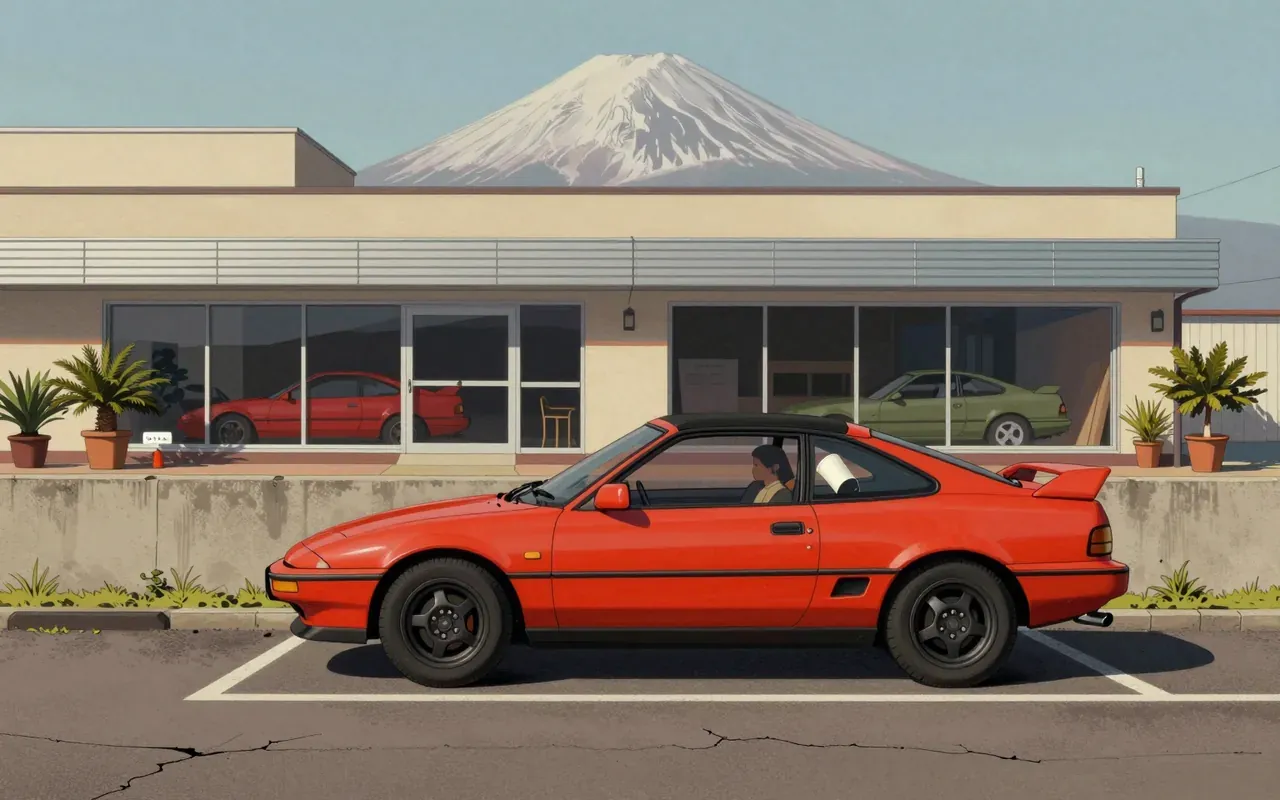
The Toyota MR2 (1984) was Toyota’s first rear-mid-engine, rear-wheel-drive production car. Developed under Seiichi Yamauchi, it used a transverse straight-four mounted ahead of the rear axle. Its suspension and handling were co-developed with Lotus engineer Roger Becker. All three generations complied with Japanese exterior dimension and engine displacement regulations. It debuted as the SV-3 concept at the 25th Tokyo Motor Show in October 1983. In French-speaking markets, it was renamed Toyota MR to avoid phonetic resemblance to 'merde'.

8:56

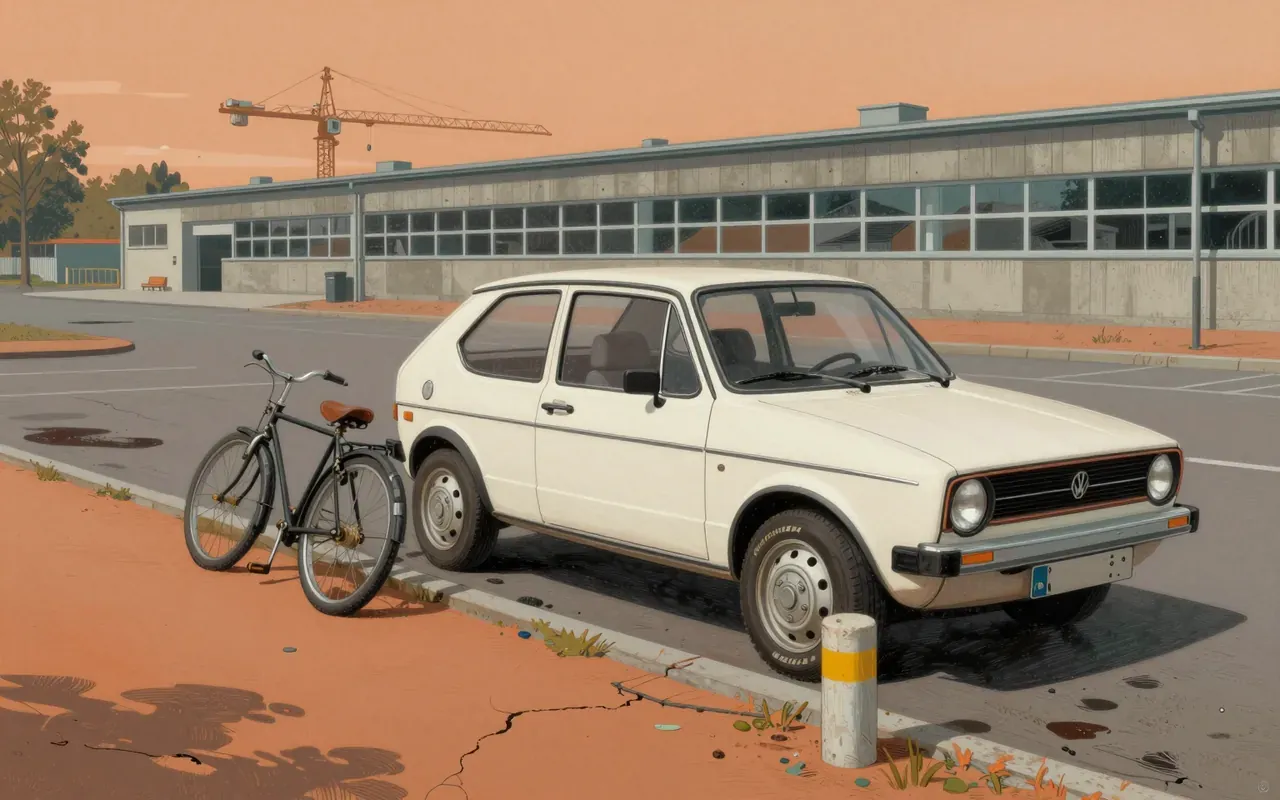
Volkswagen Golf Mk1

Giorgetto Giugiaro · 1974

The Volkswagen Golf Mk1 is the first generation of Volkswagen’s small family car. It succeeded the Beetle. It was styled by Giorgetto Giugiaro’s Italdesign and debuted in Europe in May 1974.

9:15

Volkswagen Scirocco

Giorgetto Giugiaro · 1974

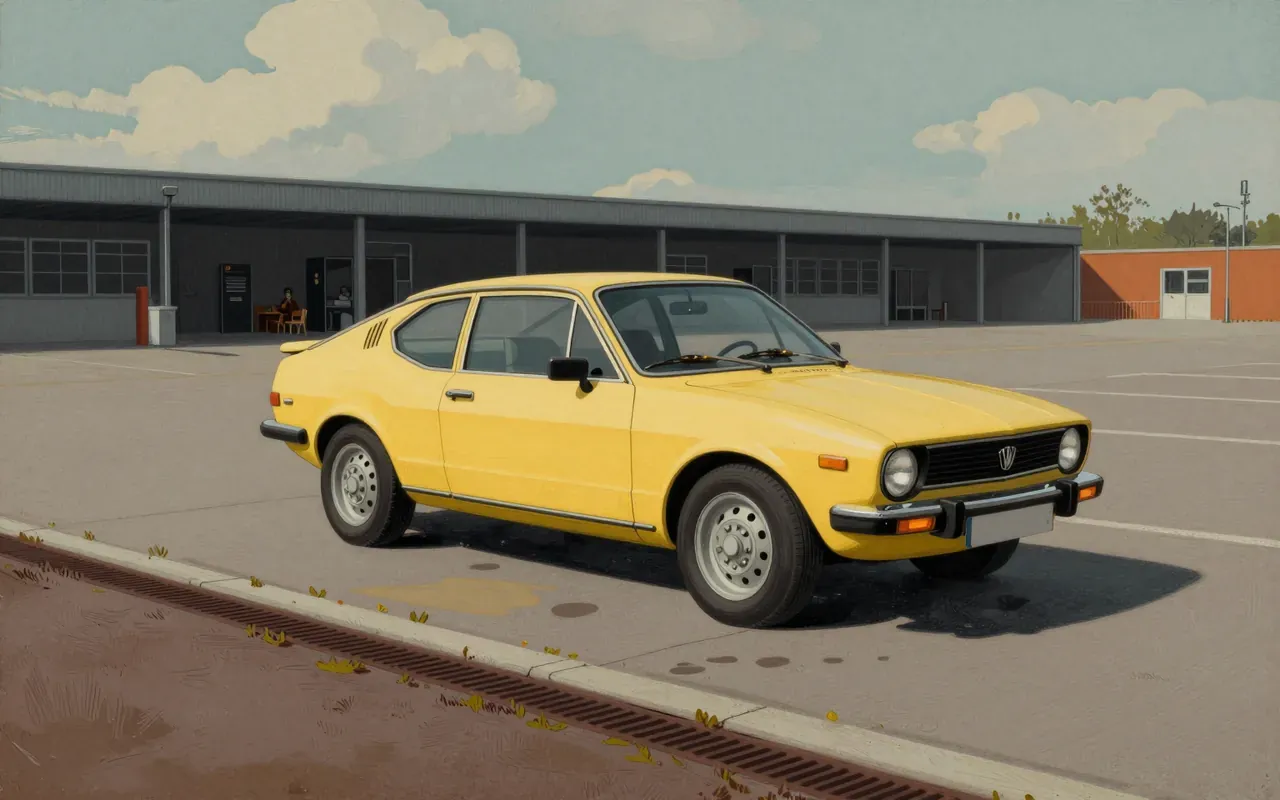
The 1974 Volkswagen Scirocco is the first mass-market front-wheel-drive sport compact styled by Giorgetto Giugiaro. It established the visual language for what a hot hatch could be — before the term existed.