Saved
Topic

Endurance

How far the body goes when the mind agrees.

23
in automotive
10:04
average
231 min
in total
49
across the network
Endurance across the network →
All briefs23
10:08

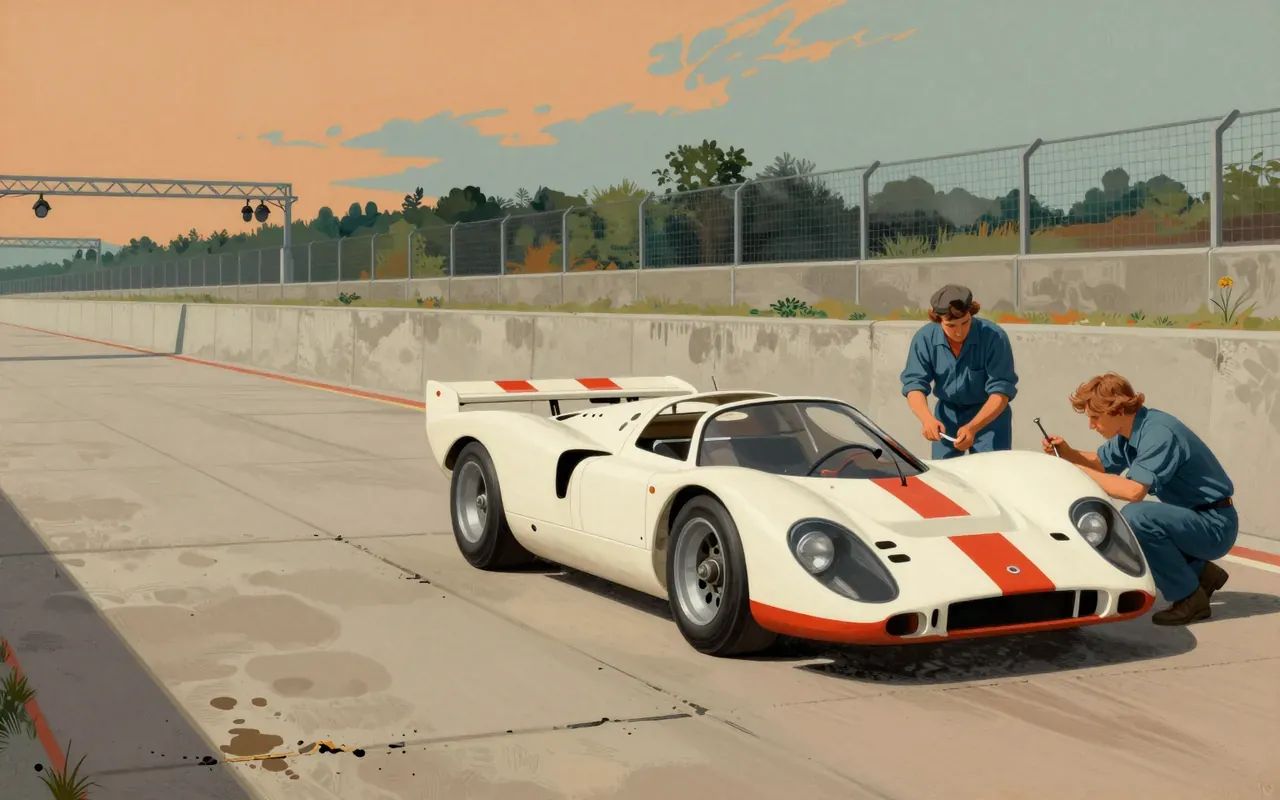
Ferrari 330 P4

Ferrari · 1967

The 330 P4 was a mid-engined V12 endurance car that replaced the 330 P3 in 1967. It kept the P3's fuel injection, added a three-valve cylinder head and produced up to 450 hp. Only four P4-engined cars were made, and it won Monza in 1967.

10:28

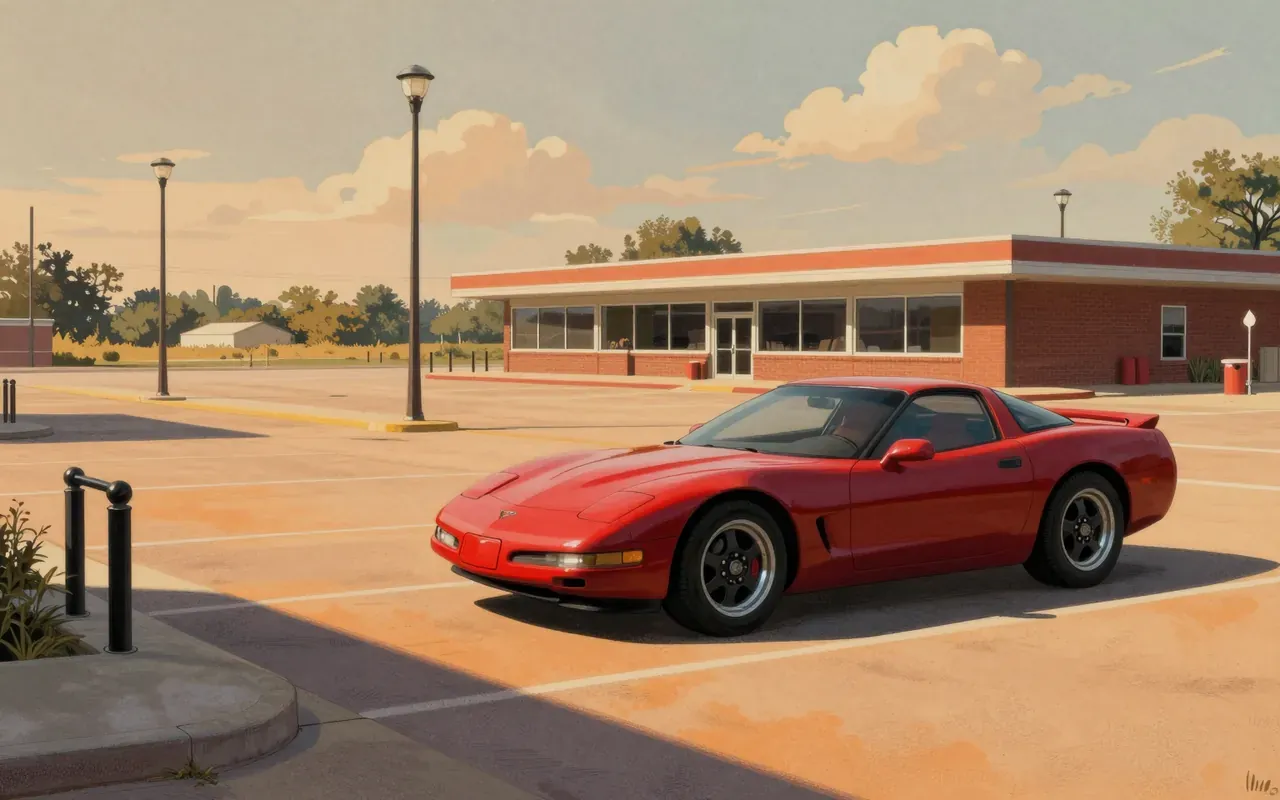
Chevrolet Corvette (C5)

John Cafaro · 1997

The Chevrolet Corvette (C5) is the fifth-generation Corvette sports car, produced from 1997 to 2004. It introduced a hydroformed box frame, rear-mounted transaxle, and the all-aluminium LS1 engine — the first GM vehicle with third-generation LS engines. It was the last Corvette with pop-up headlights. The Z06 variant launched in 2001. The C5-R racing variant won the 24 Hours of Daytona and 24 Hours of Le Mans in the GTS/GT1 class.

9:17

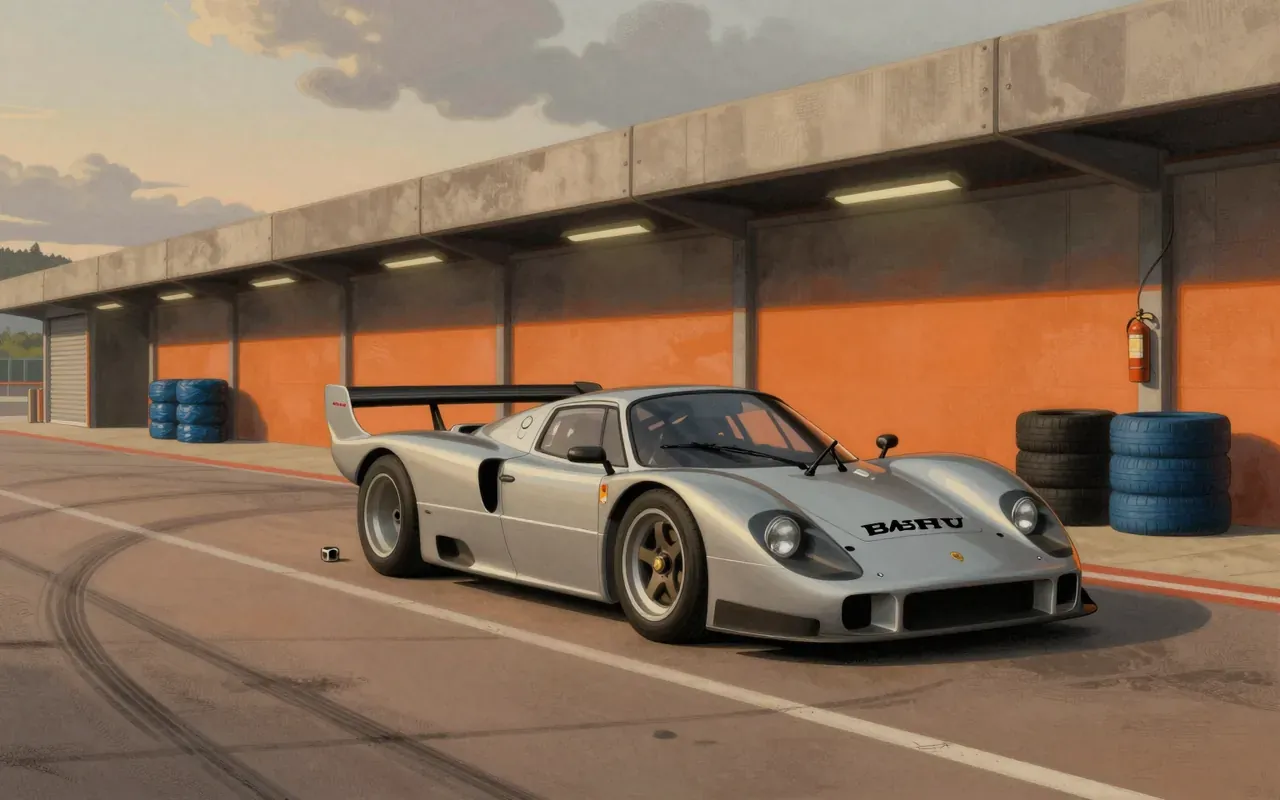
Mercedes-Benz CLK LM

AMG · 1998

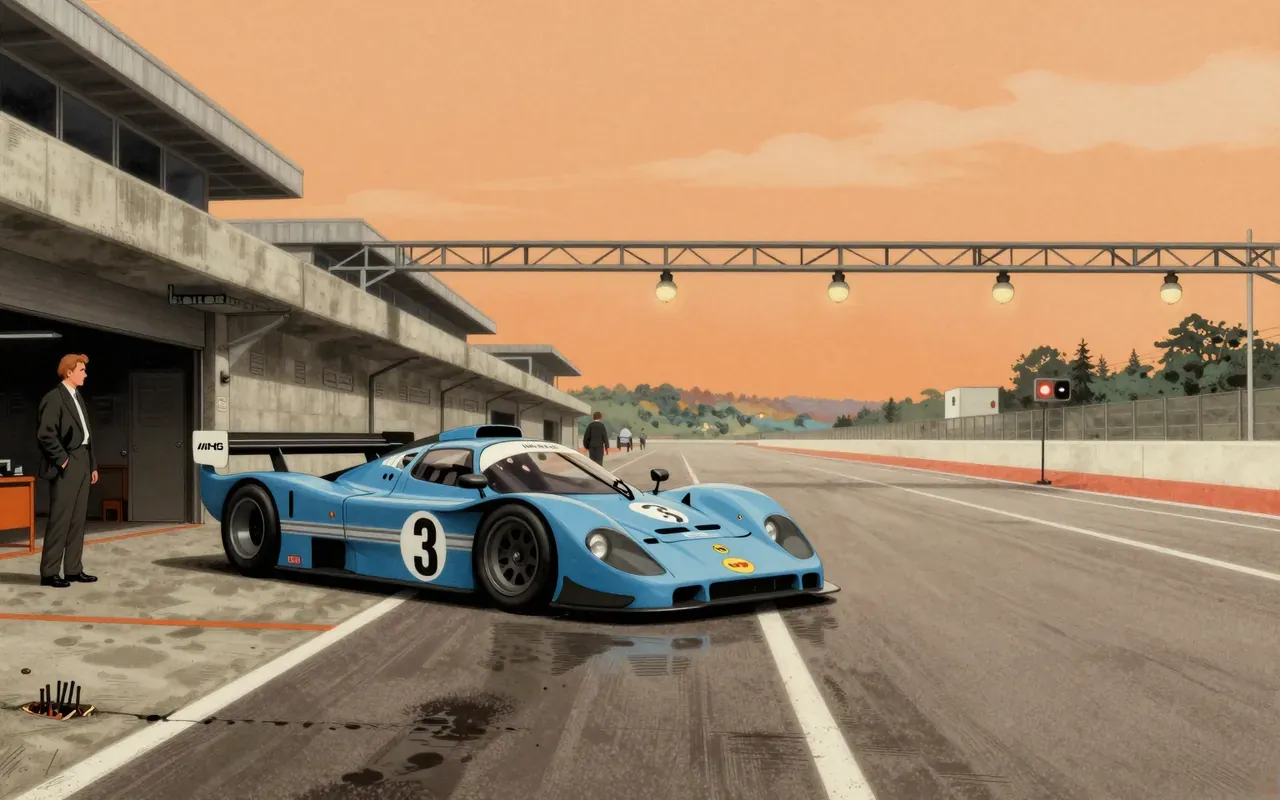
The Mercedes-Benz CLK LM is a 1998 Group GT1 racing car built by Mercedes-Benz and AMG to win the FIA GT Championship. It uses a naturally aspirated M119 V8 with a flat-plane crankshaft, replacing the CLK GTR’s V12. Two road-legal CLK LM Straßenversion chassis were built for homologation — one destroyed in crash testing. It won every 1998 FIA GT race but retired from the non-championship 1998 24 Hours of Le Mans. Five chassis were built in total: three race, two road-legal. Mercedes ended its GT1 programme after 1998 when the FIA removed the GT1 class.

9:06

Mercedes-Benz W123

Bruno Sacco · 1976

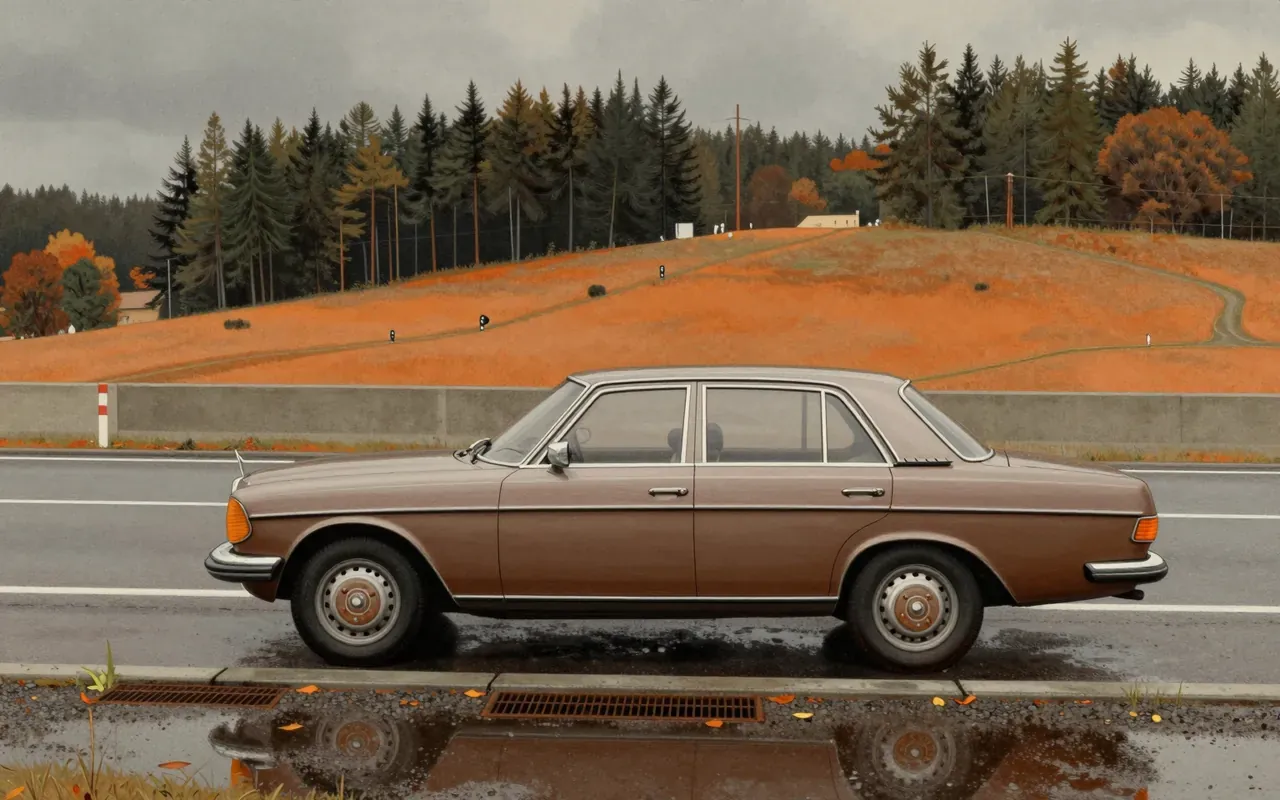
The Mercedes-Benz W123 is the best-selling Mercedes-Benz ever. Bruno Sacco made significant contributions to its design. It is a German executive car produced from November 1975 to January 1986. It sold 2.7 million units. It earned a strong reputation for build quality and reliability — especially among German taxi operators, many of whom drove it beyond 500,000 km with minimal mechanical issues. Early demand outstripped supply, leading to long waiting periods and even a black market for immediate delivery. It was offered in saloon, coupé, limousine and estate body styles — all factory-built — with the estate marking Mercedes-Benz’s first such offering.

10:06

Peugeot 905

Gérard Welter · 1990

The Peugeot 905 is a sports-prototype racing car built by Peugeot Talbot Sport. It was developed for the 1991 World Sportscar Championship’s F1-inspired regulations. It debuted in the final two races of the 1990 season. It won nine of 17 races, including Le Mans in 1992 and 1993 (905B), and secured both driver’s and team’s titles in the 1992 championship. It features a carbon-fibre monocoque and a 3499 cc naturally aspirated V10. It has no documented connection to Gérard Welter’s Welter Racing.

9:18

Peugeot 9X8

Matthias Hossann · 2022

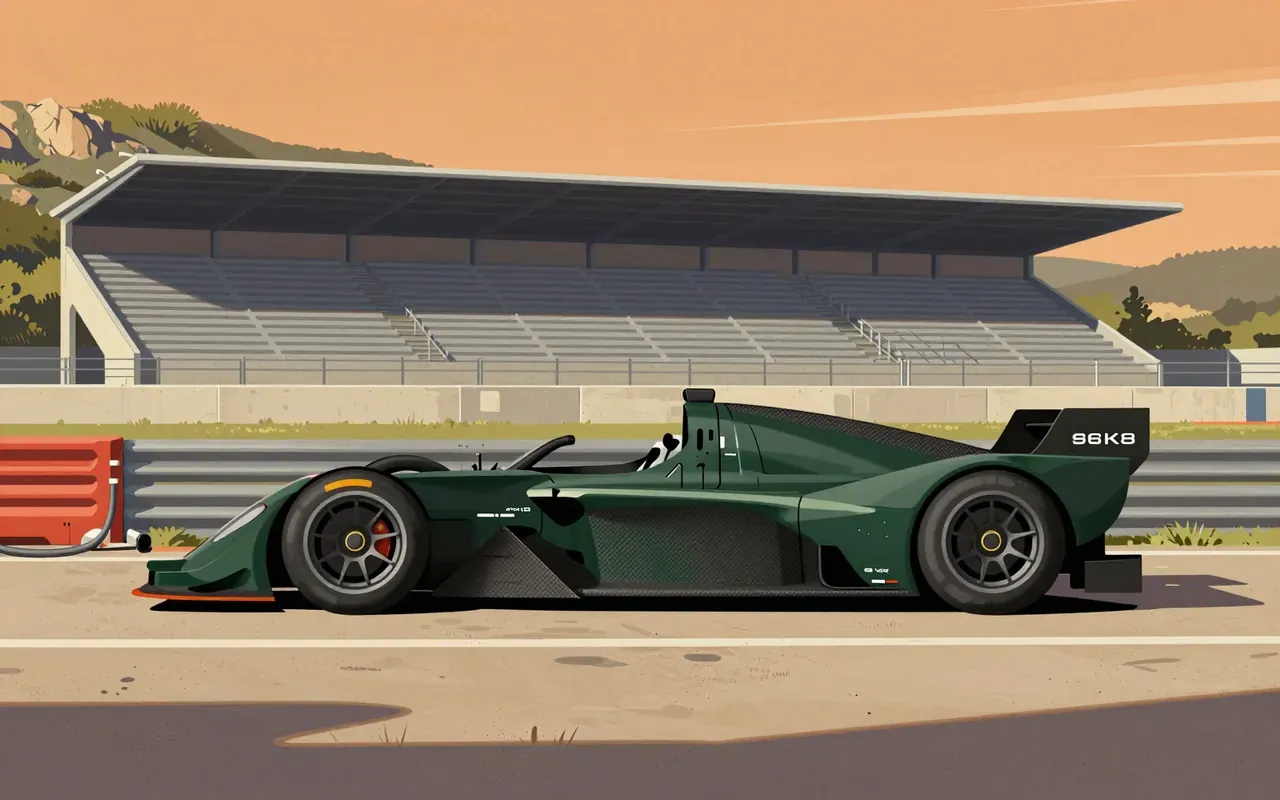
The Peugeot 9X8 is a Le Mans Hypercar-class sports prototype developed by Peugeot for the FIA World Endurance Championship. It marks their return to top-tier endurance racing after 11 years. It features a hybrid powertrain combining a twin-turbo 2.6-litre V6 engine with a front-axle electric motor. It was initially notable for its wingless aerodynamic design exploiting Hypercar regulation freedoms—though this concept was later revised with a rear wing and asymmetric tyre widths to improve competitiveness. The car debuted at the 2022 6 Hours of Monza and achieved its first podium in 2023 at Monza, followed by further podiums in 2024 and 2025.

10:37

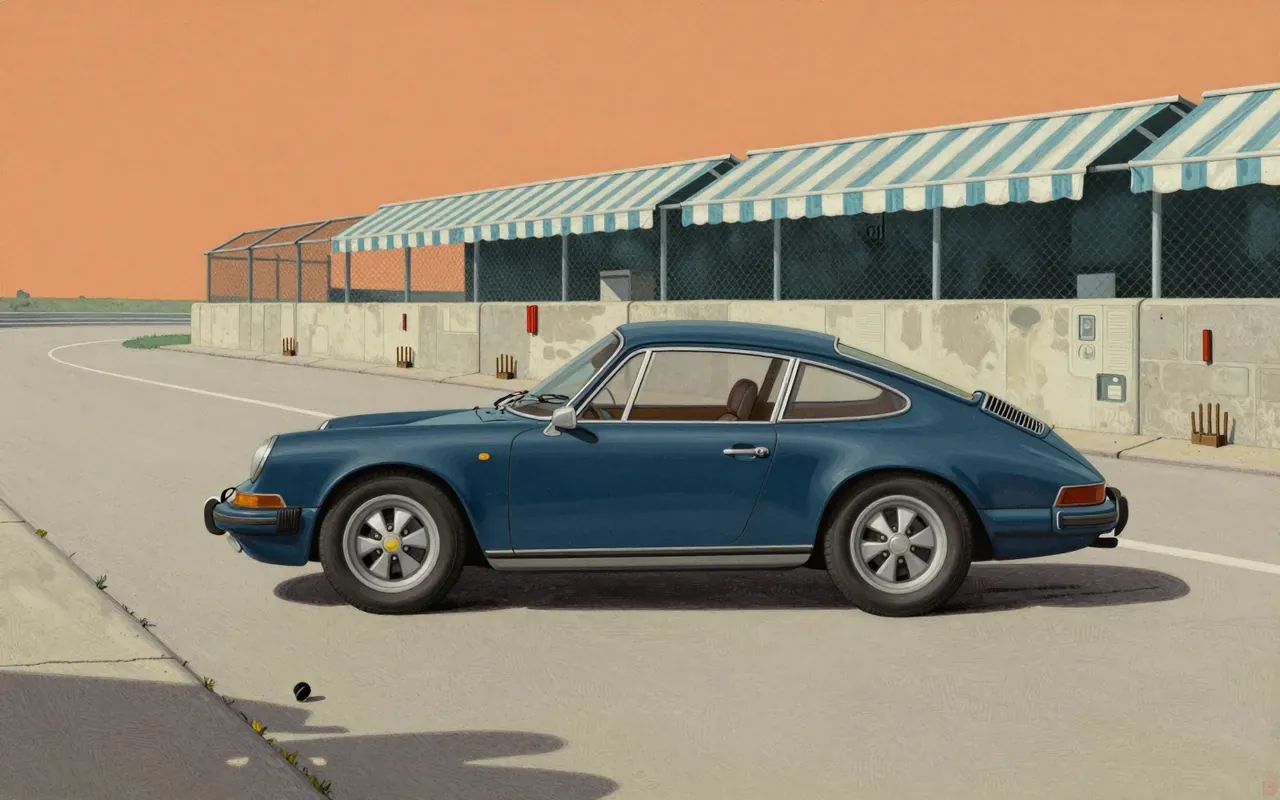
Porsche 906

Ferdinand Piëch · 1966

The Porsche 906 is a Group 4 Sports Car introduced in January 1966. Ferdinand Piëch headed Porsche’s development department during its creation. It weighed 580 kg. Its wind-tunnel-tested body reached 280 km/h at Le Mans. Sixty-five units were built to achieve homologation in May 1966. It used a modified 901 flat-six from the 911R. It featured gull-wing doors and a plexiglas engine cover.

10:14

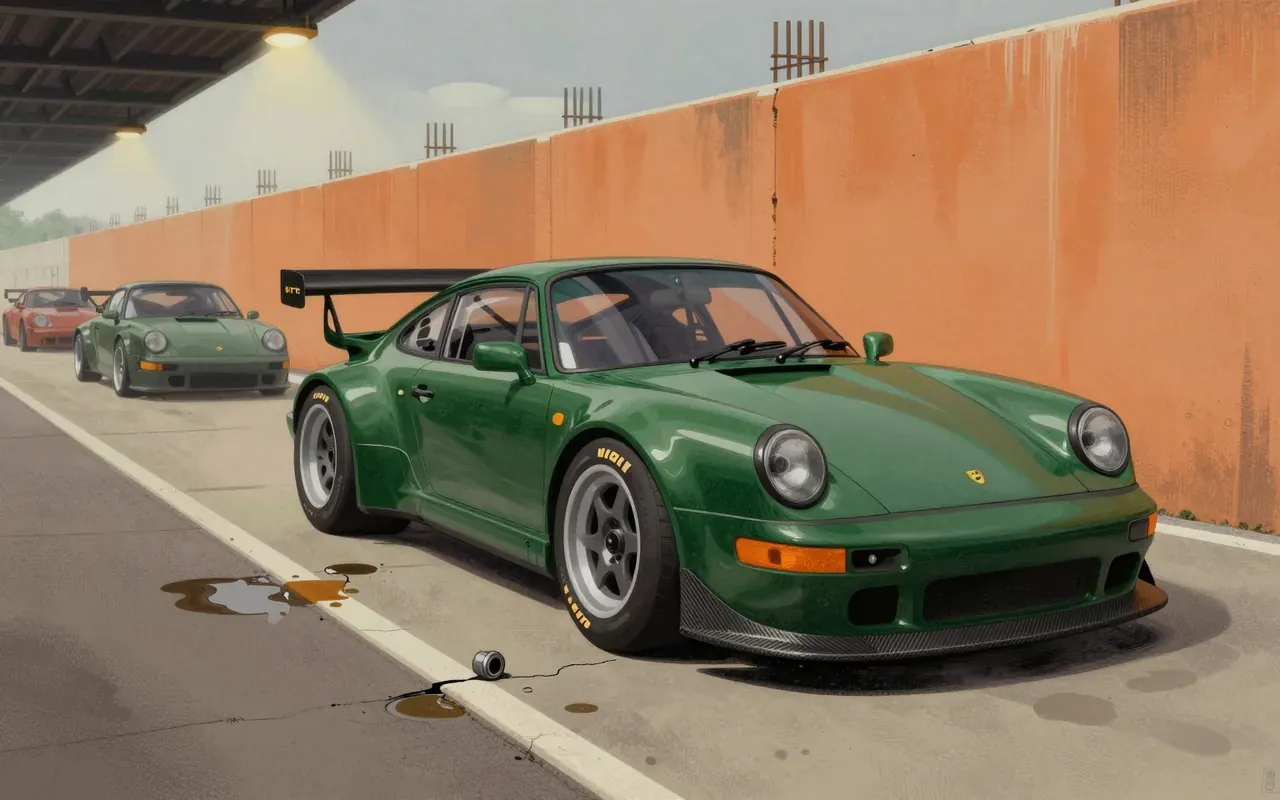
Porsche 911 GT1

Porsche Motorsport · 1996

The Porsche 911 GT1 is a race car disguised as a 911. It uses 993 front structure and 962C rear architecture. It won Le Mans in 1998 — then Porsche withdrew from factory racing for 16 years.

9:02

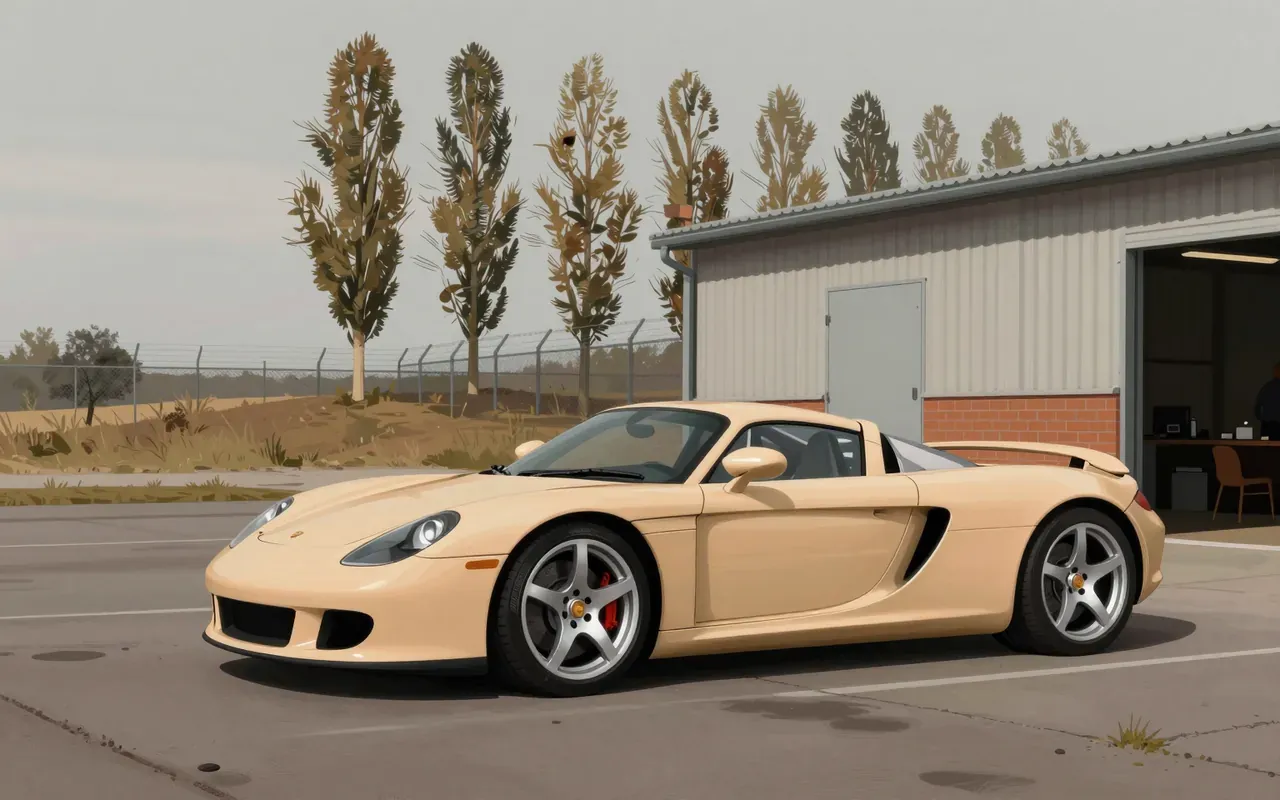
Porsche Carrera GT

Harm Lagaay · 2003

The Porsche Carrera GT is a mid-engine, rear-wheel-drive sports car manufactured by Porsche from 2003 to 2006. Its development traces back to the 911 GT1 and LMP1-98 racing cars. A concept version with a 5.5 L V10 debuted at the 2000 Paris Motor Show. Revenue from the Cayenne helped Porsche decide to produce a road-legal version in Leipzig. Production began in 2004 and ended on 6 May 2006 after 1,270 units were built. The production model uses a 5.7 L V10 engine producing 450 kW and accelerates from 0–60 mph in 3.5 seconds.

10:20

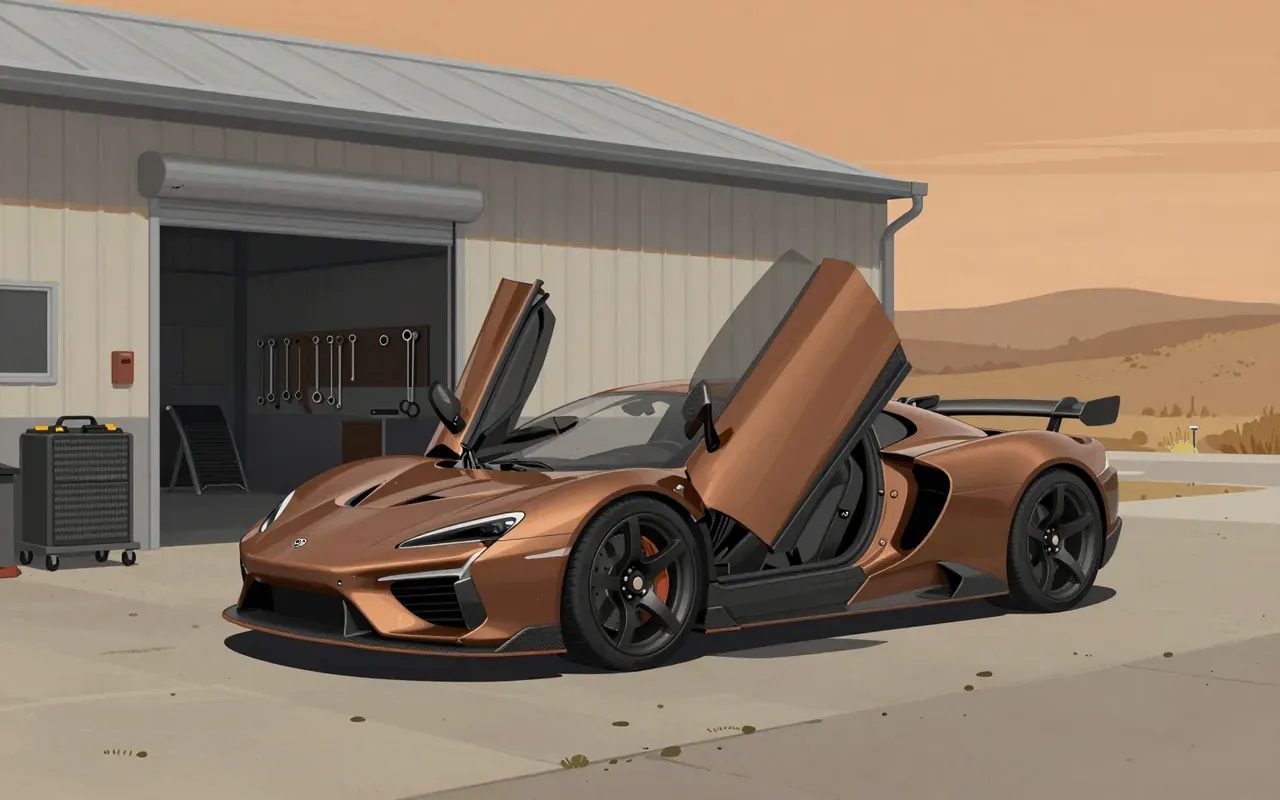
Rimac Nevera

Adriano Mudri · 2021

The Rimac Nevera is an all-electric sports car designed and manufactured by the Croatian automotive manufacturer Rimac Automobili. It uses four independently driven carbon-sleeve permanent-magnet electric motors — one per wheel — each connected via a single-speed gearbox. It features butterfly doors instead of conventional doors. It produces 1,914 PS and 2,360 N⋅m of torque. On May 17, 2023, it set 23 performance records in a single day, including 0–97 km/h in 1.74 s and 0–400–0 km/h in 29.93 s. Production is limited to 150 vehicles.

10:21

Shelby Daytona

Peter Brock · 1964

The Shelby Daytona is a closed-cockpit racing coupé derived from the Cobra roadster. Six were built between 1964 and 1965 to beat Ferrari’s 250 GTO in FIA GT-class racing. It won the 1965 International Championship for GT Manufacturers — the first American constructor to win an FIA World Championship title. Its aerodynamic body solved high-speed drag issues inherent in open-cockpit Cobras. It was not built for road use. It changed how GT racers approached bodywork — proving that focused evolution, not clean-sheet design, could deliver world-title success.

10:00

Toyota GT-One

André de Cortanze · 1998

The Toyota GT-One (TS020) is a Le Mans-specific racing car designed by André de Cortanze for Toyota Team Europe. It ran under Group GT1 and later LMGTP regulations in 1998 and 1999. Seven chassis were built. Two road-legal versions satisfied homologation. Its twin-turbo 3.6 L R36V V8 was derived from Toyota’s Group C programme. Only two cars finished Le Mans — LM804 in 1999 and LM805 in 1998. The programme ended after 1999.

9:19

Lucid Air

Derek Jenkins · 2021

The Lucid Air is a battery electric four-door luxury sedan, Lucid Motors' first production car, announced in December 2016 and launched in 2021. It highlights its record-setting EPA range (up to 520 miles for the Dream Edition), aerodynamic efficiency (Cd=0.21 pre-production, Cd=0.20 production), performance capabilities (e.g., 0–60 mph in 2.5 seconds, 235 mph top speed), and technical features including its 924-volt architecture, bidirectional charging, and DreamDrive ADAS with 32 sensors. The Air Pure, Touring, Grand Touring, and Dream Edition trims are detailed, along with battery capacities (88–112 kWh), power outputs (430–1,111 hp), and production milestones including commencement in late 2021 and deliveries beginning October 30, 2021. Design leadership is attributed to Derek Jenkins, and the vehicle is positioned against the Tesla Model S and German luxury models.
11:09

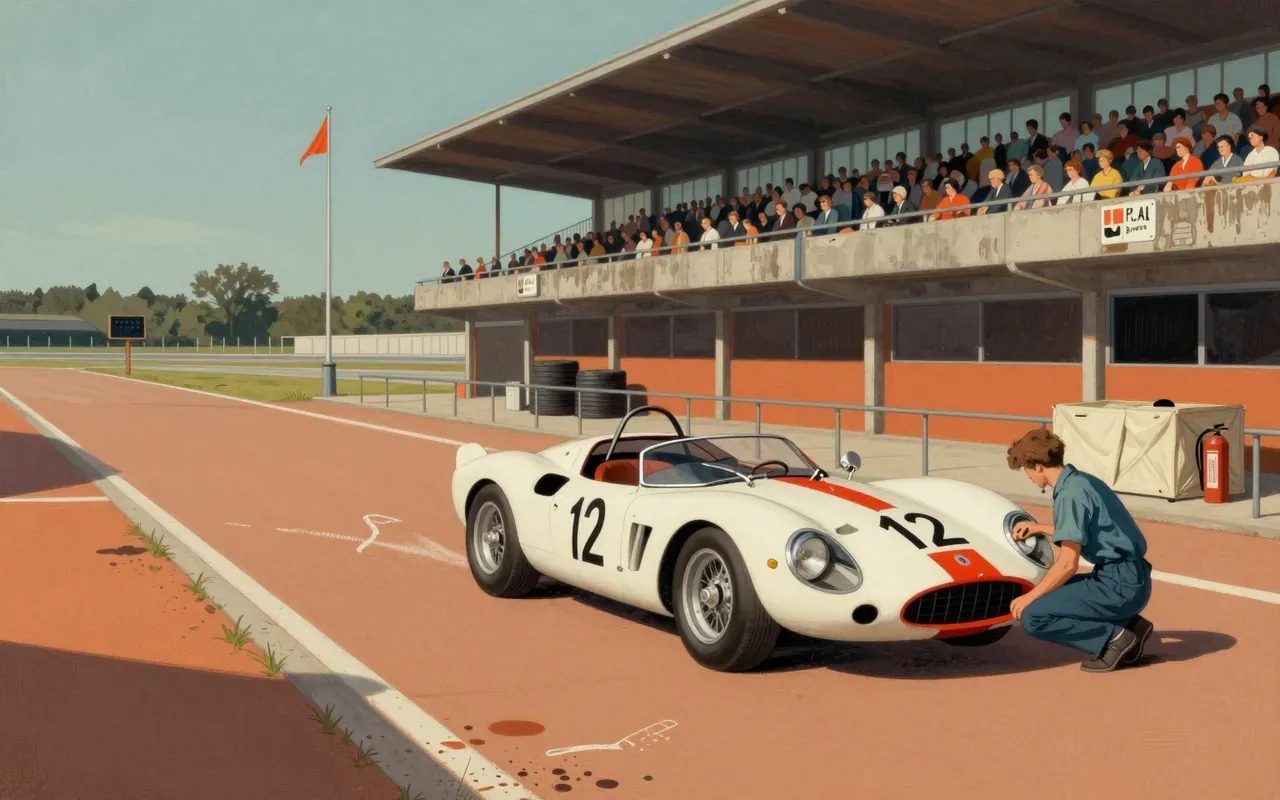
Ford GT40

Roy Lunn · 1964

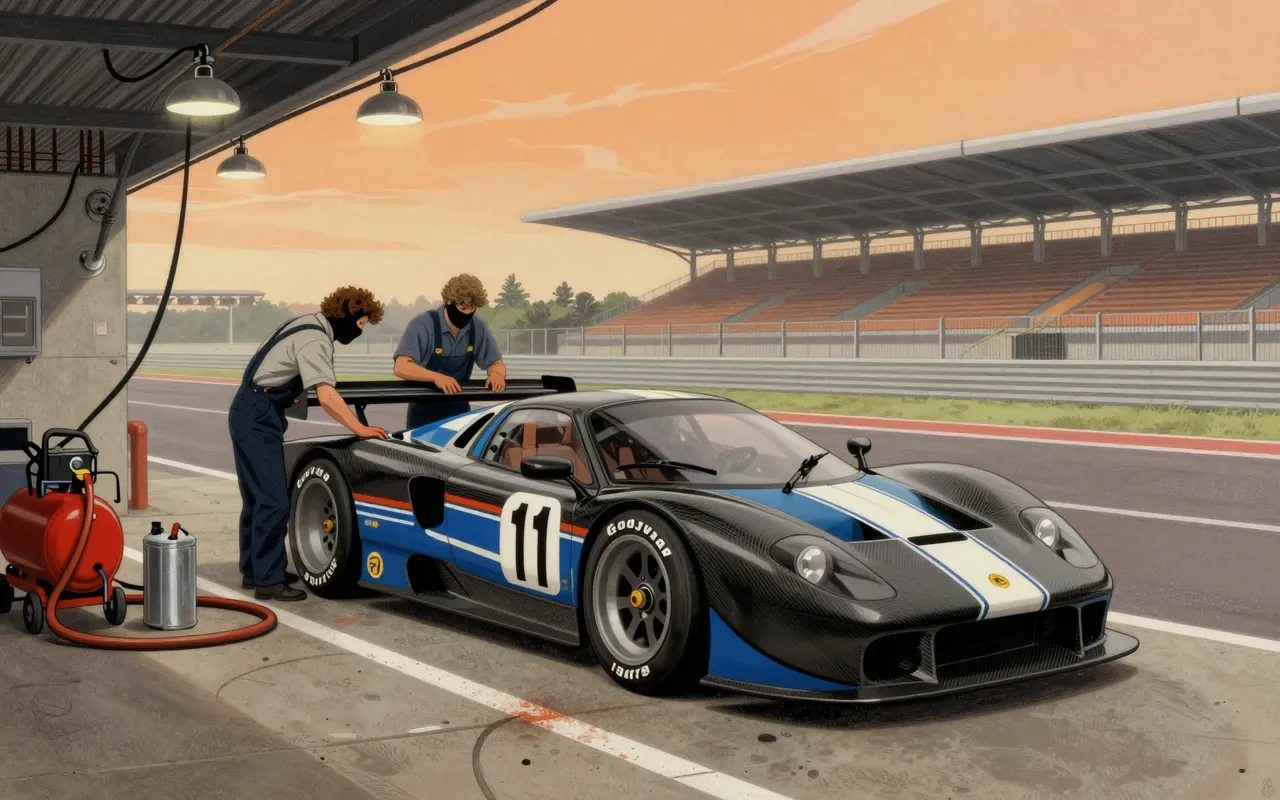
A mid-engined, rear-wheel-drive racing car developed by Ford between 1963 and 1964 under Roy Lunn’s direction, built in Slough then Dearborn, to beat Ferrari at Le Mans.

10:21

Jaguar XJ220

Keith Helfet · 1992

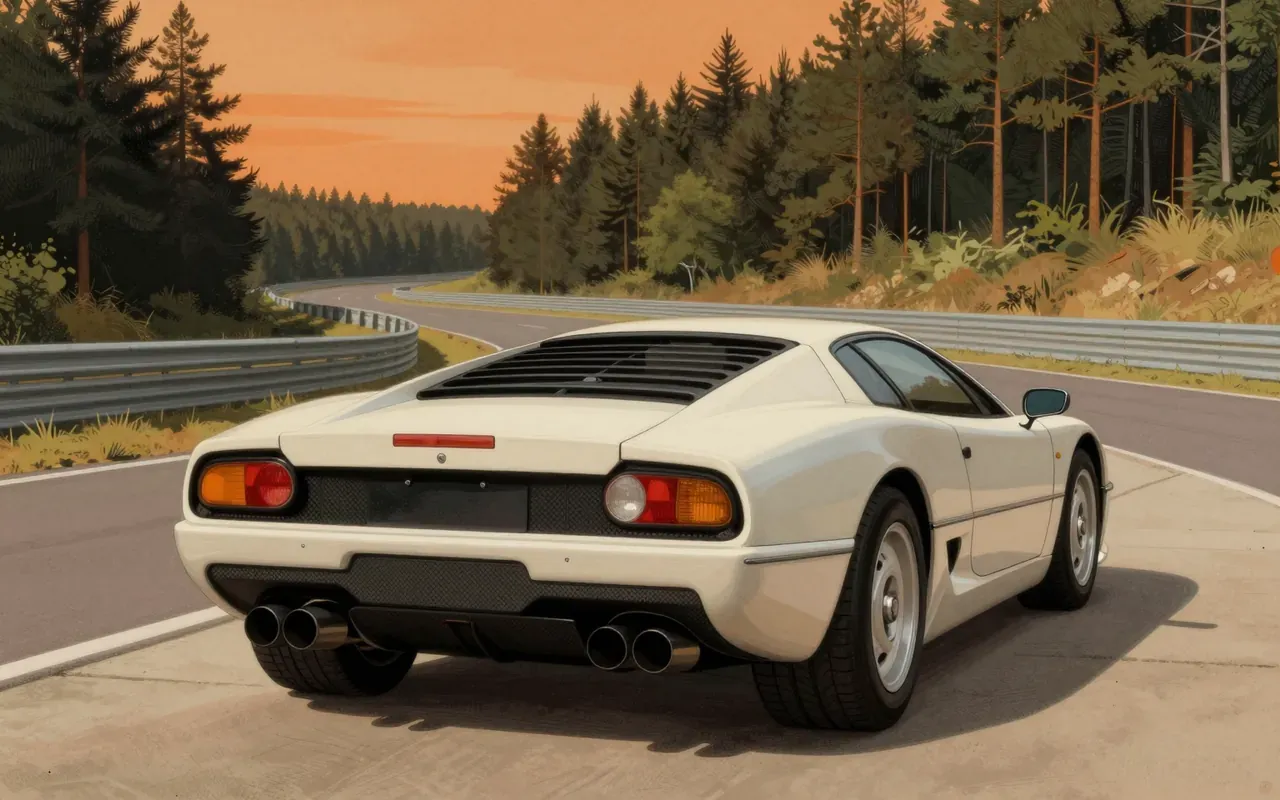
A mid-engine, rear-wheel drive two-seat supercar produced by Jaguar from 1992 to 1994 in collaboration with Tom Walkinshaw Racing. Developed from a V12, 4WD concept by Jaguar employees working in their spare time — the 'Saturday Club' — to revive Jaguar’s Le Mans legacy for FIA Group B. Final production version used a 3.5 L twin-turbo V6, achieved 217 mph at Nardo (catalytic converter removed), and set a Nürburgring lap time of 7:46.36 in 1991 — faster than any prior production car. Made use of engineering from Jaguar’s then-current racing car family. Unveiled publicly at the 1988 British International Motor Show in Birmingham.

10:26

Jaguar XJR-9

Tony Southgate · 1988

The Jaguar XJR-9 is a sports-prototype race car designed by Tony Southgate and built by Tom Walkinshaw Racing (TWR) in 1988. It features a Jaguar 7.0-litre V12 engine, carbon composite body, and mid-mounted, longitudinally oriented, rear-wheel-drive layout. A Le Mans–specific variant, the XJR-9LM, used a low-drag aerodynamic package. It won the 24 Hours of Le Mans and the 24 Hours of Daytona in 1988, and took six victories in the 1988 World Sports Prototype Championship.

11:12

Mazda 787B

Nigel Stroud · 1991

The Mazda 787B is a Group C sports prototype that won the 1991 24 Hours of Le Mans using a Wankel rotary engine — the only non-reciprocating engine car to do so as of 2026. Built between 1990 and 1991, five units were made: two 787s and three 787Bs. It prioritised reliability and fuel efficiency over outright speed, outlasting faster rivals. It marked the end of rotary power in top-tier endurance racing. It was the first Le Mans win by a Japanese manufacturer — unmatched until Toyota in 2018.

10:49

McLaren F1

Gordon Murray · 1992

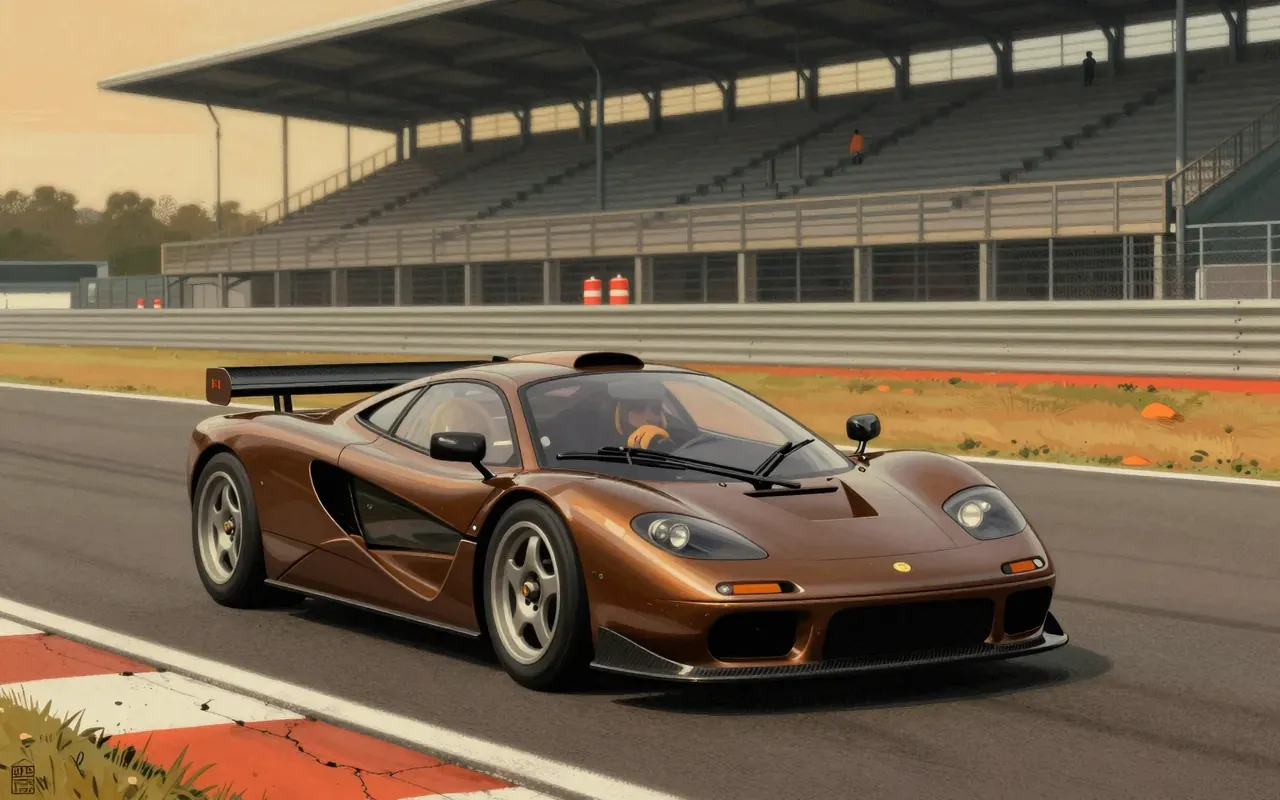
The McLaren F1 is the first road-going car manufactured by McLaren. Gordon Murray conceived it as 'the ultimate road-going sportscar'. It used a full carbon-fibre monocoque, a central driving position, and a bespoke BMW V12. It won Le Mans outright in 1995 in LM specification. Only 106 were built between 1992 and 1998.

9:27

McLaren F1 GTR

Gordon Murray · 1995

The McLaren F1 GTR is the racing variant of the McLaren F1 sports car, first produced in 1995 for grand touring style racing, such as the BPR Global GT Series, FIA GT Championship, JGTC, and British GT Championship. It was powered by the naturally aspirated BMW S70/2 V12 engine. It is most famous for its overall victory at the 1995 24 Hours of Le Mans where it won against faster purpose-built prototypes in very wet conditions. The F1 GTR raced internationally until 2005 when the final race chassis was retired. Bodywork modification saw the addition of various cooling ducts, most noticeably a large one in the center of the nose and two placed in the location of the storage lockers on the side of the car. A large adjustable fixed wing was added to the rear of the car. Even the 1995 versions of F1 GTR generated enough downforce to run along the ceiling at 100 mph. The interior was stripped of all luxuries and given a full racing cage. Carbon brakes replaced the stock units.

10:51

Nissan R390 GT1

Ian Callum · 1997

The Nissan R390 GT1 is a Le Mans GT1 race car designed in 1998 by Ian Callum at TWR Design, built jointly by Nismo and TWR in Atsugi, Japan. One road car was built for homologation; eight race cars followed.

10:07

Porsche 917

Hans Mezger · 1969

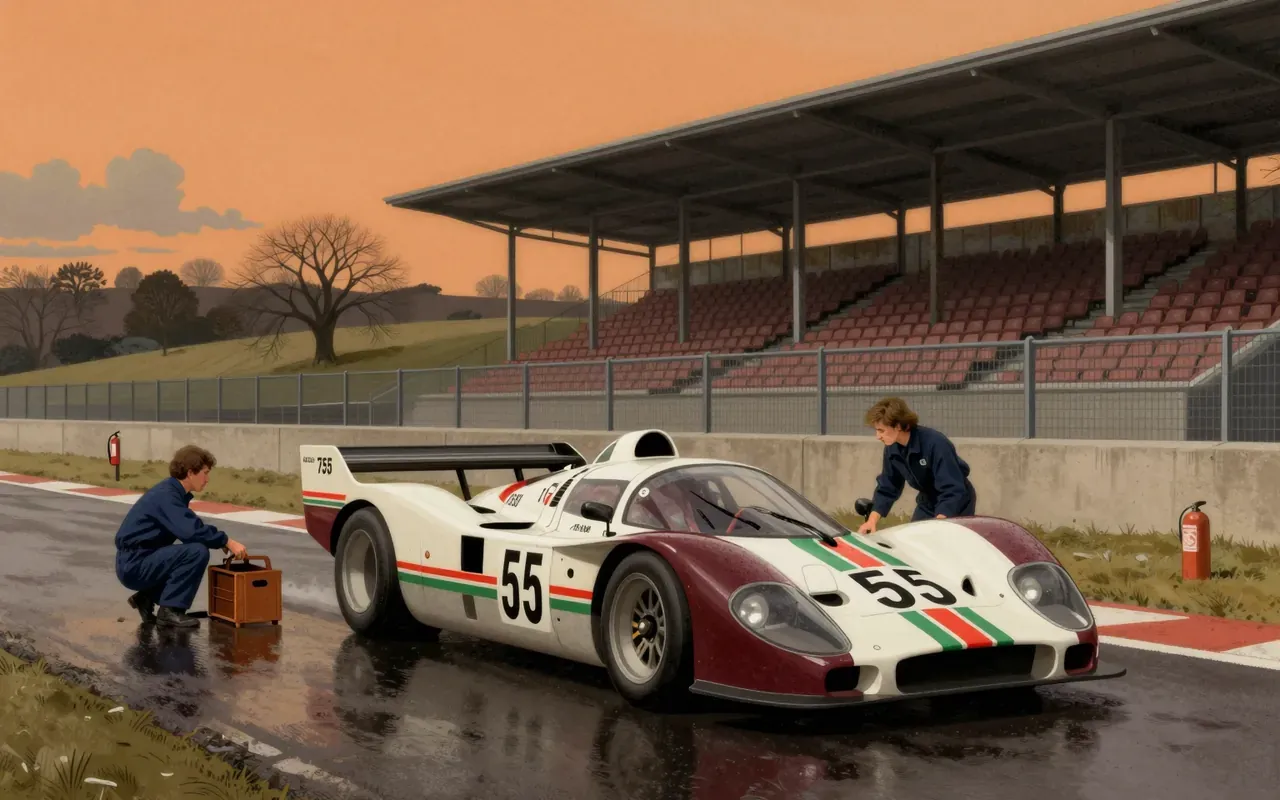
The Porsche 917 is a sports prototype race car developed by Porsche’s 1960s Race Design office under Hans Mezger’s leadership to exploit 5-litre sports car regulations. Its spaceframe chassis weighs 42 kg and is permanently pressurised with gas to detect cracks. Power comes from a new 4.5-litre air-cooled flat-12 engine designed by Mezger. It gave Porsche its first overall wins at the 24 Hours of Le Mans in 1970 and 1971, and was chiefly responsible for Porsche winning the International Championship for Makes in both years. It was initially unwieldy but improved through continuous development. Porsche later adapted it for Can-Am racing, culminating in the twin-turbocharged 917/30.

9:30

Porsche 956

Norbert Singer · 1982

The Porsche 956 is a Group C sports-prototype racing car designed by Norbert Singer and built by Porsche in 1982 to comply with new FIA Group C regulations. It replaced the 936. It features Porsche’s first aluminium monocoque chassis and first ground-effect aerodynamics. It uses a 2.65 L turbocharged Flat-6 engine derived from the 936/81. Twenty-eight units were built between 1982 and 1984, including the 956B variant introduced in 1984. It won seven Le Mans titles and contributed to three Manufacturers’ and two Teams’ World Championships between 1982 and 1986.

9:18

Sauber C9

Leo Ress · 1987

The Sauber C9 is a 1987 Group C prototype. It replaced the C8. It was a development of the C8, retaining its aluminium monocoque but making it stiffer. Six chassis were built. Early engines were prepared by Heini Mader as a cover for Mercedes’ involvement. Later engines came from Untertürkheim under Hermann Hiereth. The engine was semi-stressed and ran a dry sump. Weight reduction came from a new crankshaft, KKK turbochargers, and a liner-less block.