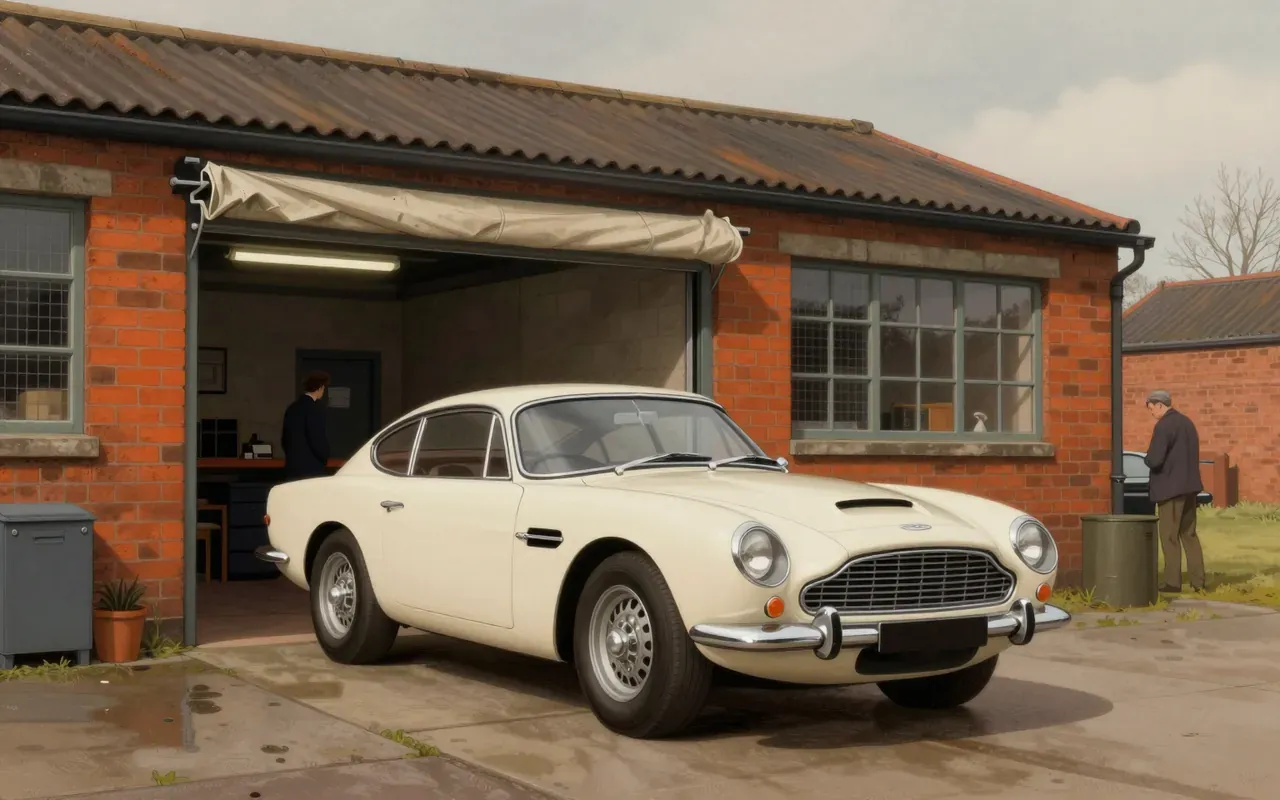
Aston Martin Bulldog
William Towns · 1979
A one-off 1979 concept built to show off Newport Pagnell—and chase a title it never claimed.
A one-off 1979 concept built to show off Newport Pagnell—and chase a title it never claimed.
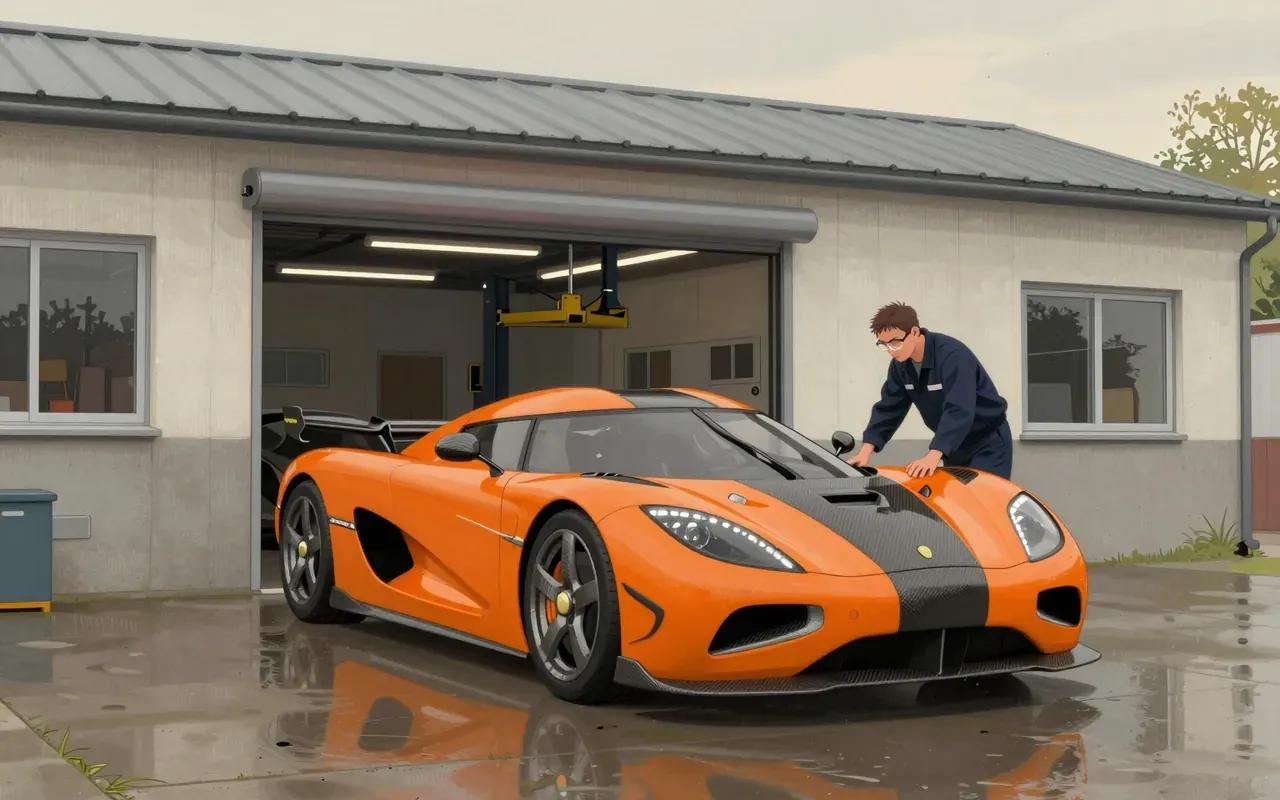
The Koenigsegg Agera is a Swedish mid-engine sports car produced by Koenigsegg Automotive AB. It succeeded the CCX/CCXR and was named Hypercar of the Year in 2010. Its Agera RS variant became the world's fastest production car in 2017. Production ceased in July 2018 and it was succeeded by the Jesko in 2019. It uses an in-house developed 5.0-litre V8 engine with twin-turbochargers and a specially developed CIMA 7-speed dual-clutch transmission with paddle shifters.
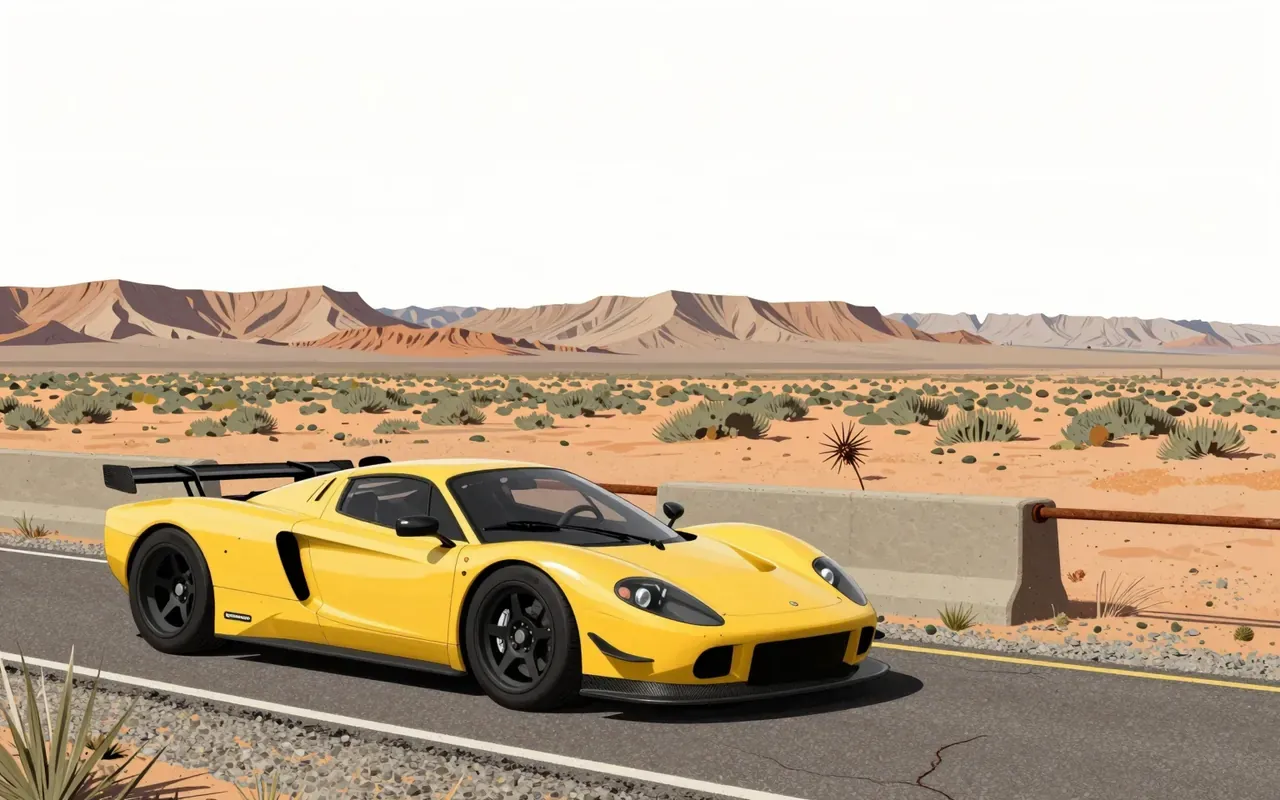
The SSC Ultimate Aero is a mid-engined sports car built by SSC North America from 2004 to 2013. It held the Guinness World Records production car speed record from 2007 until 2010. Jerod Shelby stated the early design philosophy was to make it a driver's car where throttle input could influence steering. The Aero features butterfly doors similar to those on the McLaren F1 and Ferrari Enzo. Carbon fibre and titanium are used throughout the car.
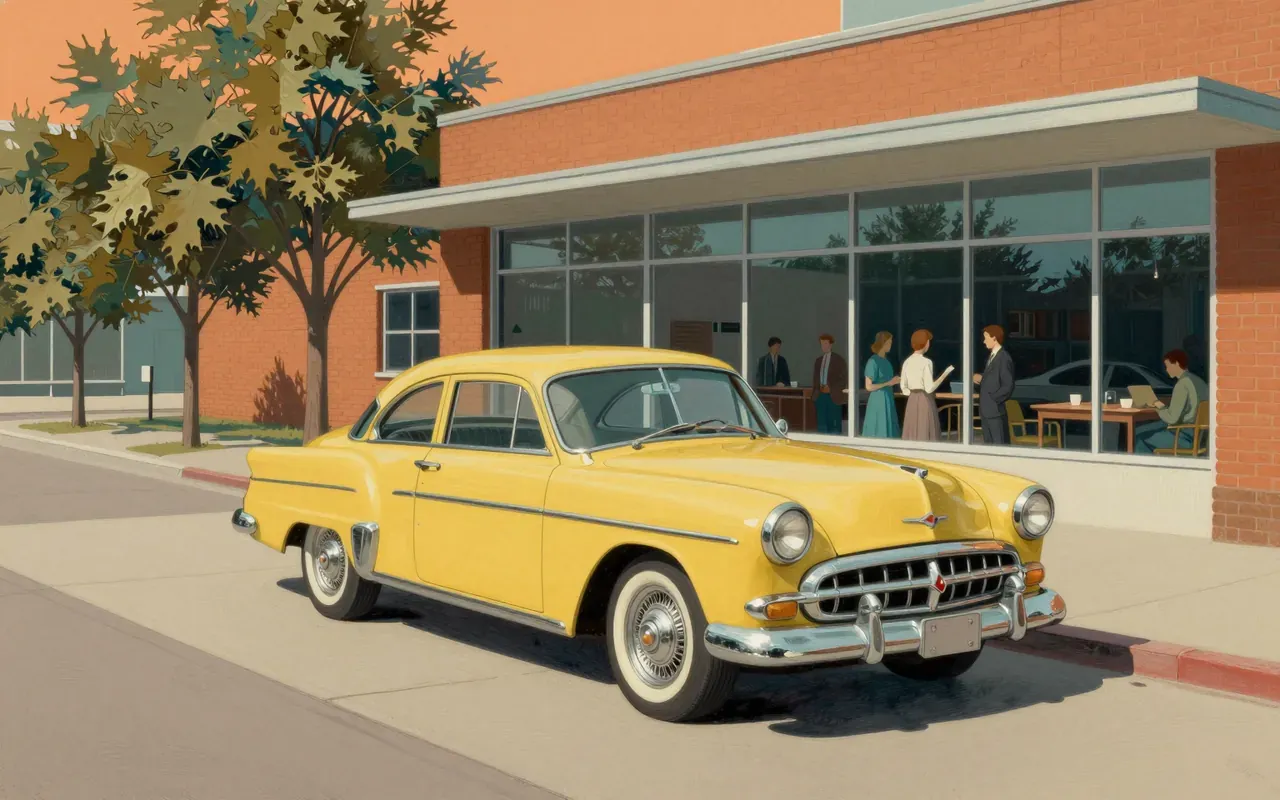
The Chrysler Turbine Car was an experimental two-door hardtop coupe designed by Elwood Engel and built by Chrysler with bodywork by Carrozzeria Ghia. It used the A-831 turbine engine, was produced in 55 units between 1963 and 1964, and featured power brakes, power steering, and a TorqueFlite transmission. All were finished in 'turbine bronze' paint.
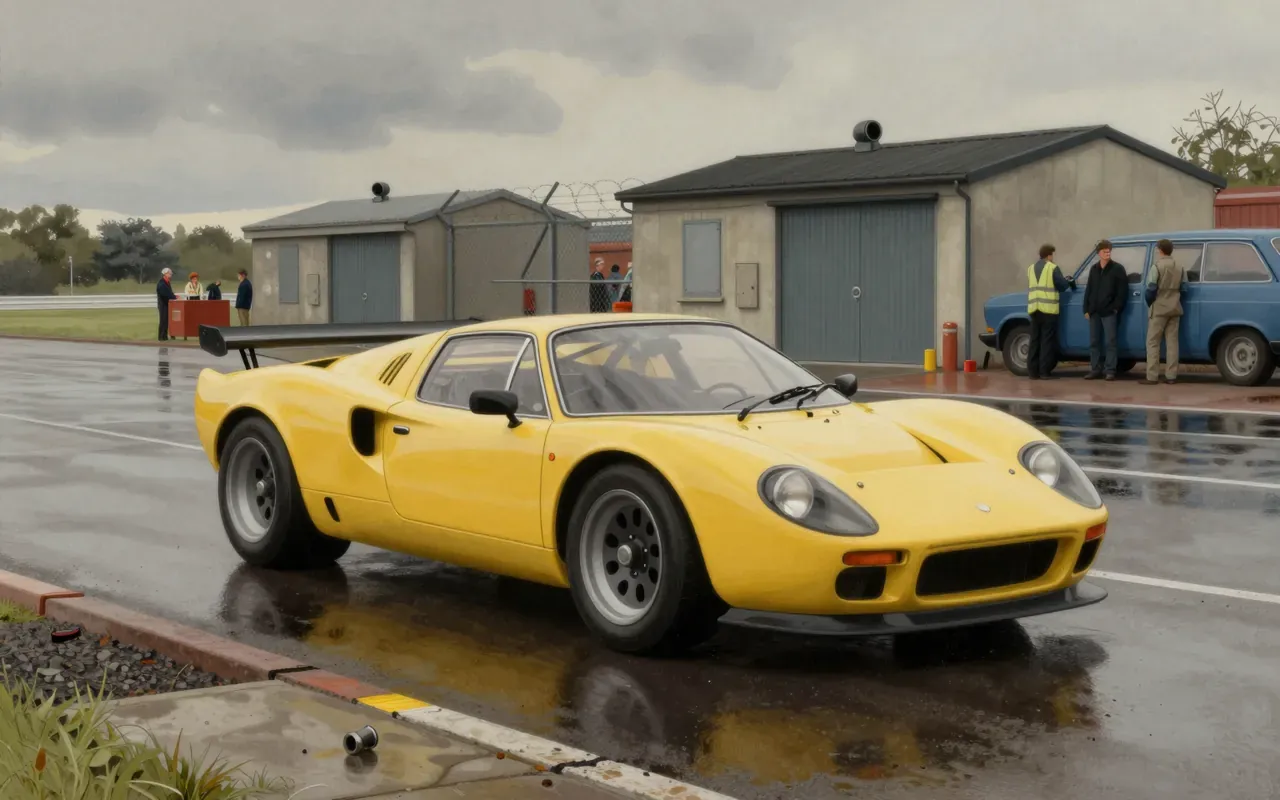
The Ford RS200 is a purpose-built homologation special: mid-engined, all-wheel drive, plastic-fiberglass body by Ghia, built by Reliant in Shenstone to meet FIA Group B’s 200-unit rule. It exists only to enable a rally car—not as a design statement, luxury product, or road-going evolution.
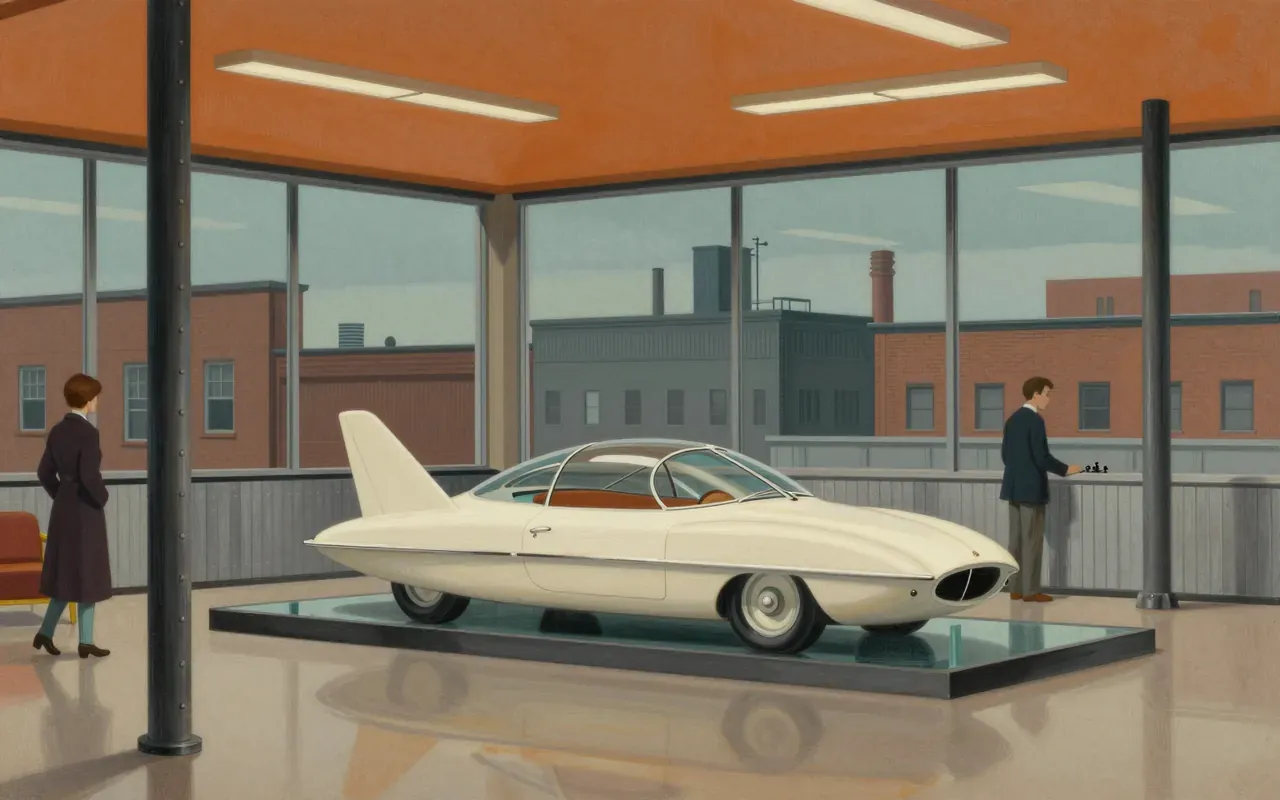
The Firebird I is a 1953 GM concept car designed by Harley Earl. It was the first gas turbine-powered car tested in the United States. It features a single-seat cockpit under a bubble canopy, a bullet-shaped fiberglass fuselage, short wings, and a vertical tail fin. It was built for the 1953 Motorama show. GM never intended it for production.
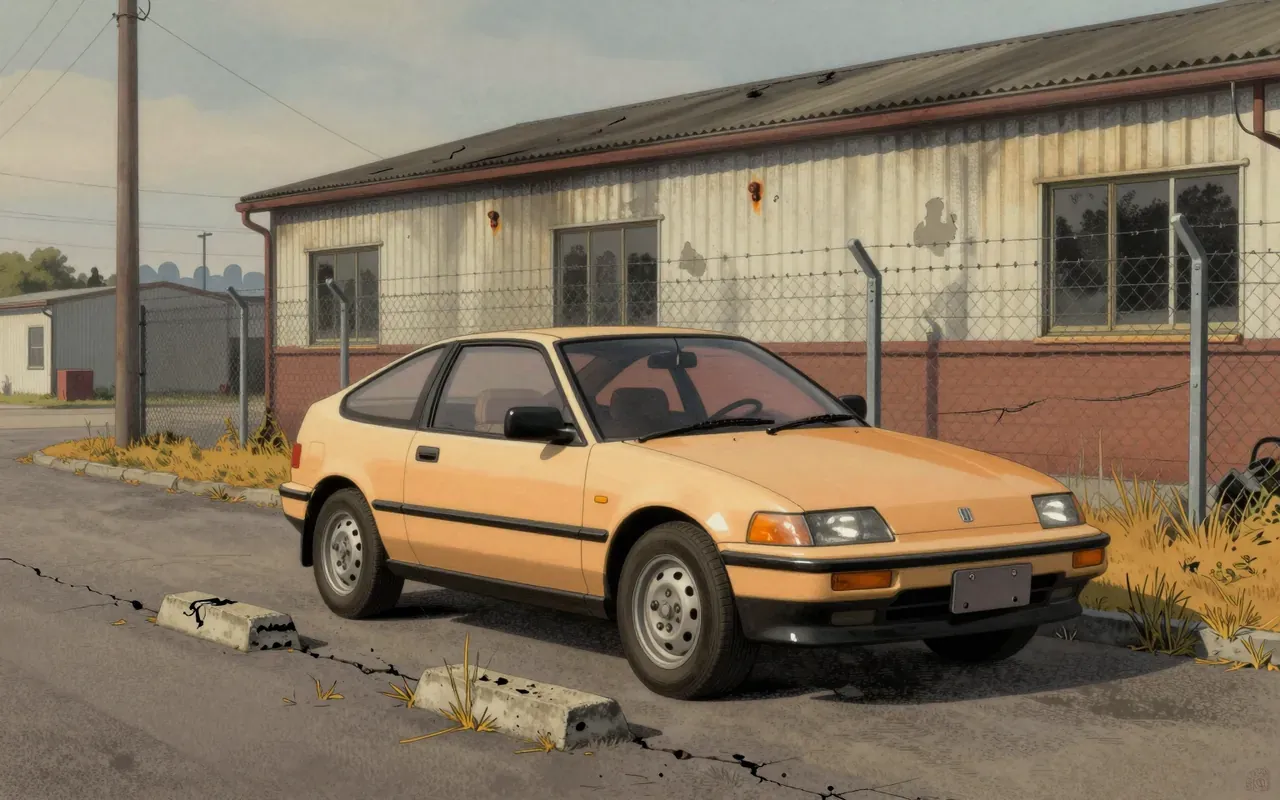
The Honda CR-X (1983) redefined what a compact front-wheel-drive car could do — not by adding power or luxury, but by removing mass and complication. It was never a sports car in form or intent. It was a Civic sharpened for feedback, visibility, and agility. Its global variations — two-seat in North America, 2+2 elsewhere — show Honda’s willingness to tailor packaging without fragmenting engineering. It changed expectations for economy cars: they could be fun to drive, not just efficient to own.