Saved
Road

Microcars

26
briefs
10:08
average
263 min
in total
22
designers
All briefs26
9:25

Audi A2

Luc Donckerwolke · 1999

The Audi A2 is a compact MPV-styled supermini produced by Audi from November 1999 to August 2005. Luc Donckerwolke designed both its 1997 Al2 concept and production form. It uses aluminium spaceframe construction, resulting in an average weight of 830 kg and class-leading efficiency — including the 3L diesel variant, Europe’s first five-door under-3 L/100 km. Built on a dedicated aluminium line in Neckarsulm, it featured advanced aerodynamics (Cd 0.25–0.29), a service hatch, and start-stop. Despite innovation and praise for design, it incurred €7,530 loss per unit and sold only 176,377 examples before discontinuation.

10:20

BMW i3 (hatchback)

Richard Kim · 2013

The BMW i3 (hatchback) is BMW’s first mass-produced zero-emissions vehicle. Styled by Richard Kim, it uses a carbon-fibre reinforced polymer passenger module on an aluminium chassis. It is rear-wheel drive. It has four doors, including rear clamshell doors. It debuted as a concept in 2011 and entered production in 2013. It was the first mass production car with most of its internal structure and body made of carbon-fibre reinforced plastic. It won the 2014 World Green Car and World Car Design of the Year awards.

8:21

Citroën Méhari

Jean-Louis Barrault · 1968

The Citroën Méhari is a lightweight recreational and utility vehicle made by Citroën from 1968 to 1988. It was designed by Roland de la Poype. It used the Dyane 6 chassis and a 602 cc flat twin engine. It was named after a fast-running dromedary camel.

9:37

Honda S500

Honda · 1963

The Honda S500 is Honda’s first passenger automobile and first production sports car. Launched in October 1963, it followed the T360 truck by four months. It used a 531 cc DOHC straight-4 engine producing 44 hp at 8000 rpm, a four-speed manual transmission, and four-wheel independent suspension with chain-driven rear wheels. It exceeded kei car regulations in dimensions and displacement. 1,363 units were built between October 1963 and September 1964. It was priced at $1,275 in 1963.

9:05

Lancia Ypsilon

Lancia Centro Stile · 2024

The Lancia Ypsilon is a supermini car. It launched in 1995 as a larger, more expensive replacement for the Y10. It is now in its fourth generation. As of 2024, it is Lancia’s only model.

8:32

Nissan Figaro

Naoki Sakai · 1991

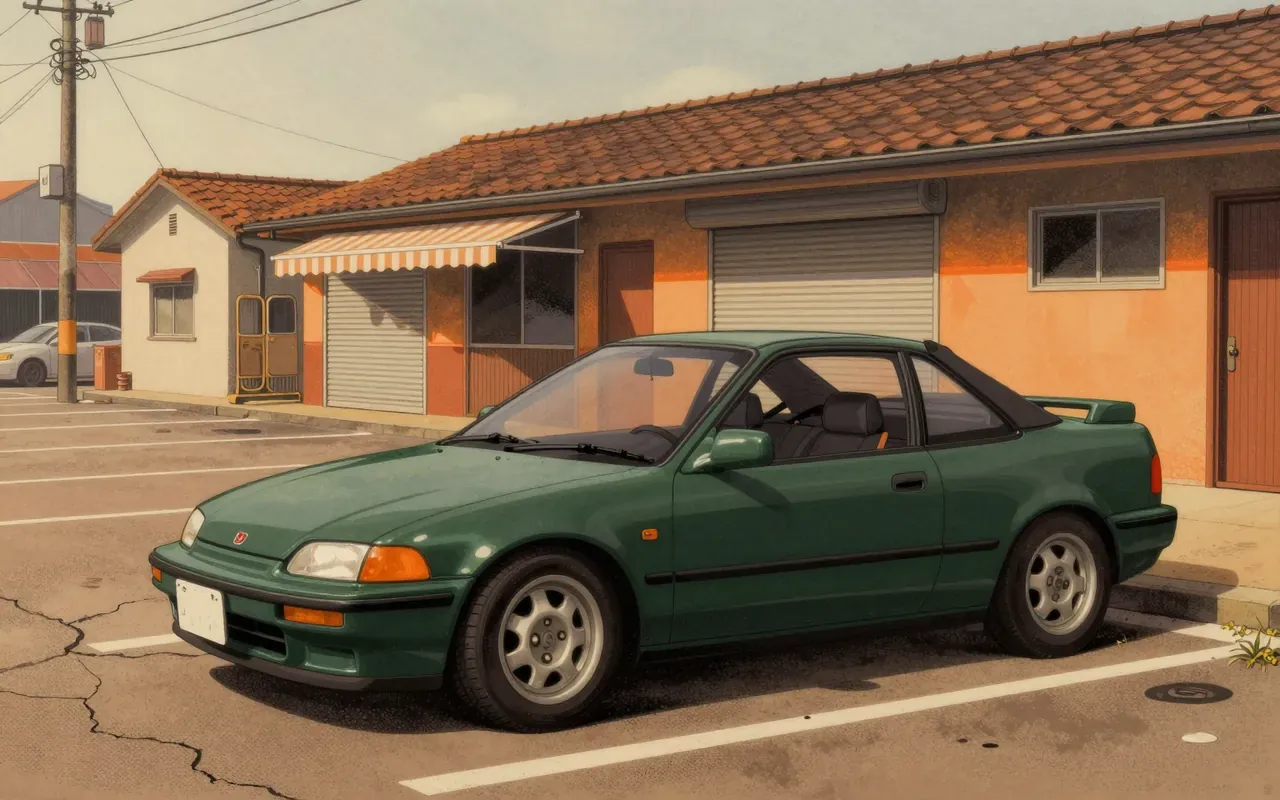
The Nissan Figaro is a 1991 Japanese-market, right-hand-drive, fixed-profile convertible built by Aichi Machine Industry (later Pike Factory) on the first-generation Nissan March/Micra platform. It is one of four Pike cars, conceived as part of a design strategy borrowed from personal electronics marketing.

11:26

Smart Fortwo

Johann Tomforde · 1998

The Smart Fortwo is a two-seater city car made by Smart, a division of Mercedes-Benz Group, from 1998 to 2024. It used a rear-engine, rear-wheel-drive layout and mono-box body across all three generations. It was manufactured in coupé and cabrio forms at Smartville in Hambach, France. It sold over two million units globally across 46 countries. Its defining features include compact length (2.5–2.69 m), the Tridion steel safety cell, interchangeable plastic panels, and offset seating.

11:08

Tata Nano

Girish Wagh team · 2008

The Tata Nano was a city car made by Tata Motors in India between 2008 and 2018. It used a rear-engine, rear-wheel-drive layout. It launched at ₹100,000 for scooter and motorcycle drivers. It had no rear cargo opening in its original saloon form. A five-door hatchback arrived in 2015. Sales peaked at 74,527 units in FY 2011–2012 and fell to 7,591 in FY 2016–2017. Production stopped in May 2018.

10:01

Trabant 601

Werner Lang · 1964

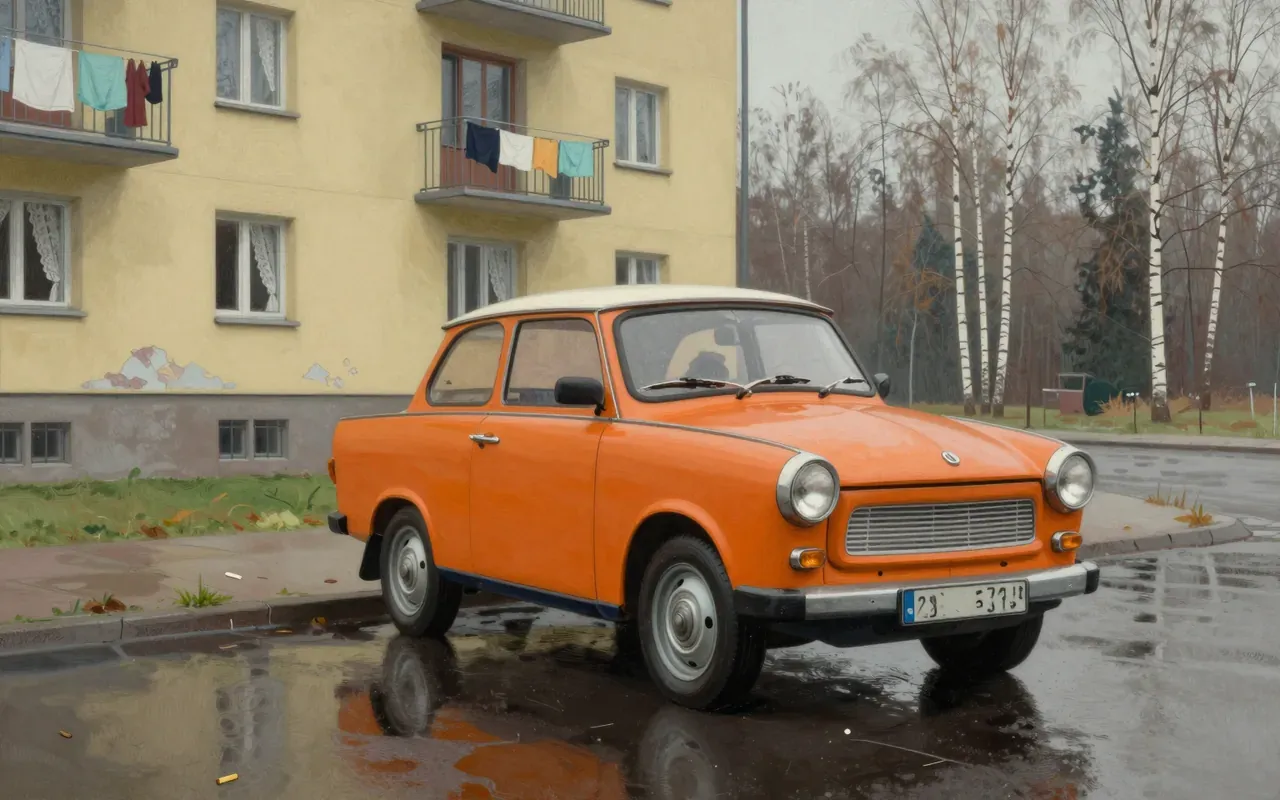
The Trabant 601 is a front-wheel-drive saloon built by VEB Sachsenring in Zwickau from 1964 to 1990. It used a transverse two-stroke engine and Duroplast body panels. It delivered on its promise of affordability and repairability — but offered no meaningful development over its 26-year run.

10:16

Volkswagen XL1

Volkswagen Design · 2013

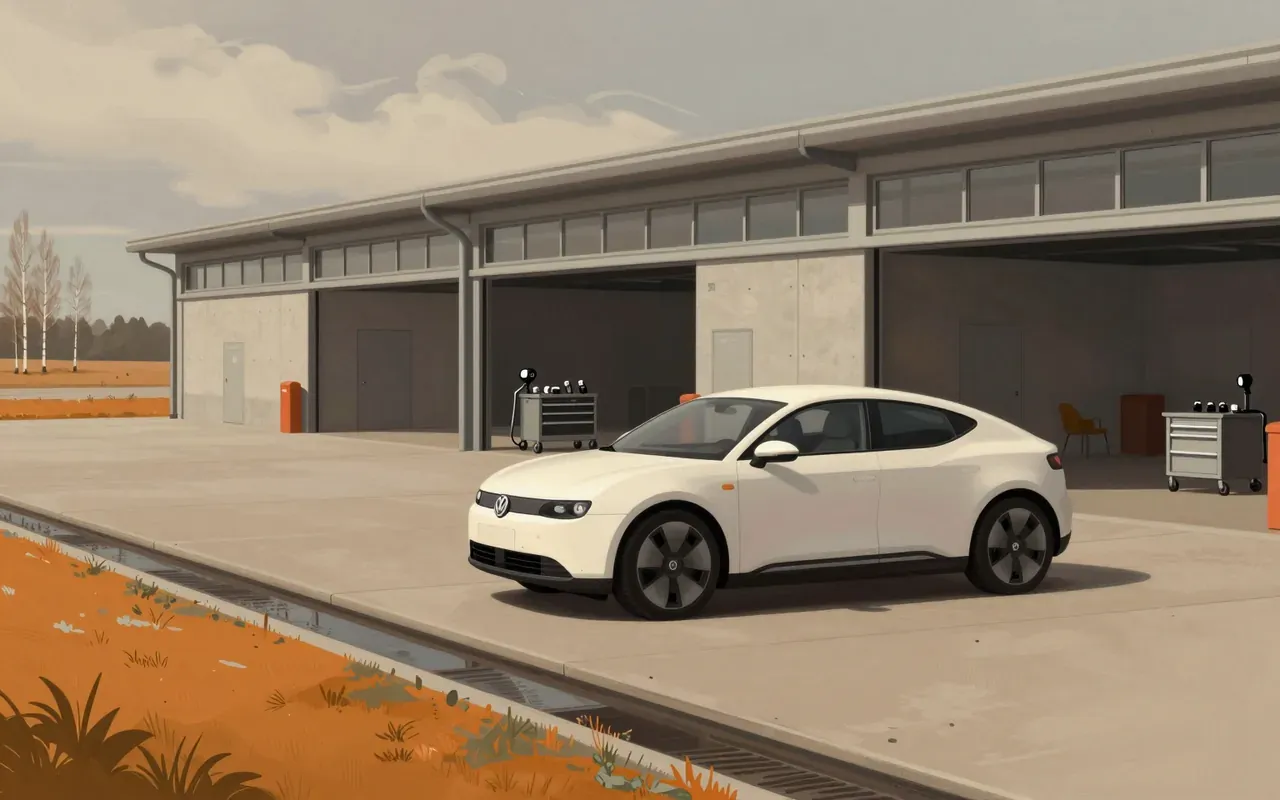
The Volkswagen XL1 is a two-seat, diesel-electric plug-in hybrid built to prove that extreme efficiency belongs on the road—not just in labs. It uses lightweight materials, a streamlined body, and an economy-optimised powertrain to achieve 0.9 L/100 km under NEDC when charged. Only 250 were made. It sells only in Europe. It starts at €111,000. Retail deliveries began in Germany in June 2014.

12:56

Yugo 45

Giorgetto Giugiaro · 1980

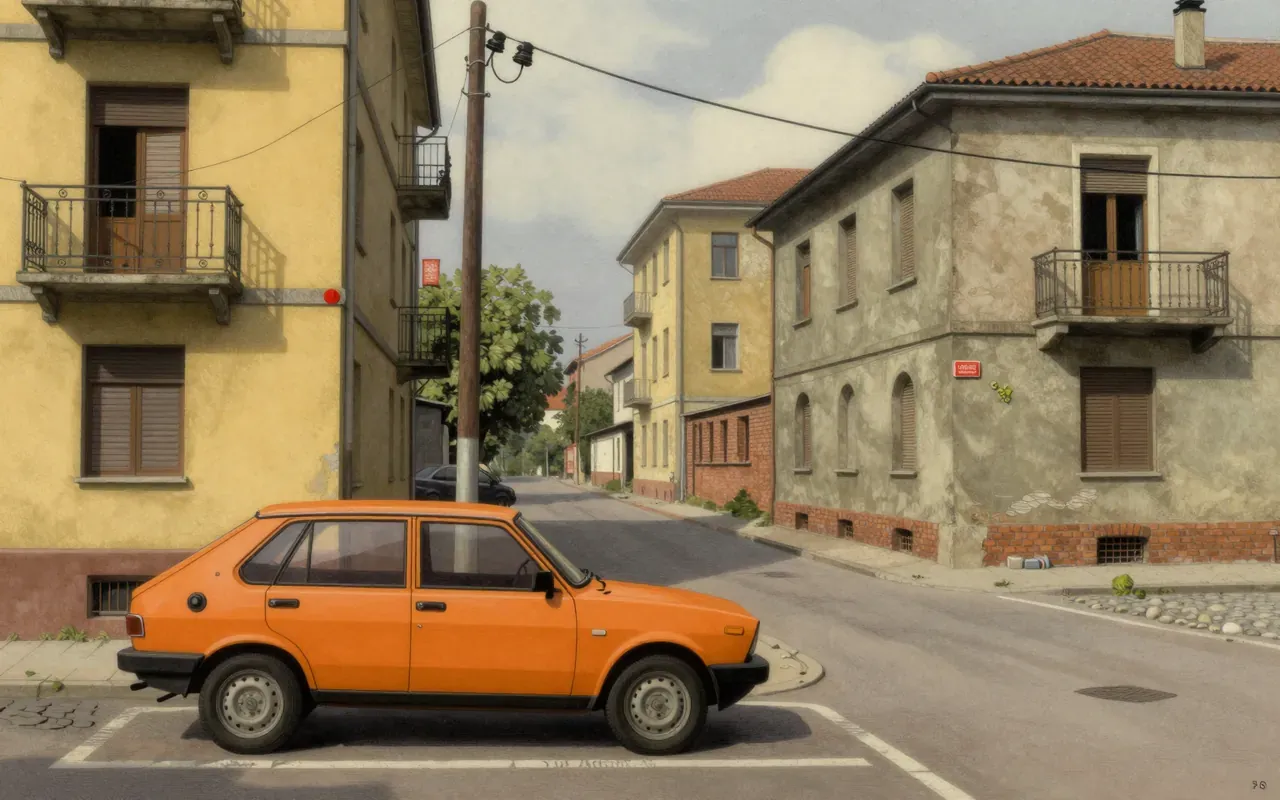
The Yugo is a subcompact hatchback manufactured by Zastava Automobiles from 1980 to 2008. It is a shortened variant of the Fiat 128. It was built in Kragujevac, Serbia, then part of Yugoslavia.

10:45

Proton Saga

Mitsubishi · 1985

The Proton Saga is a foundational Malaysian car—not a technical benchmark, but a political and industrial one.

8:50

Autozam AZ-1

Toshiko Hirai · 1992

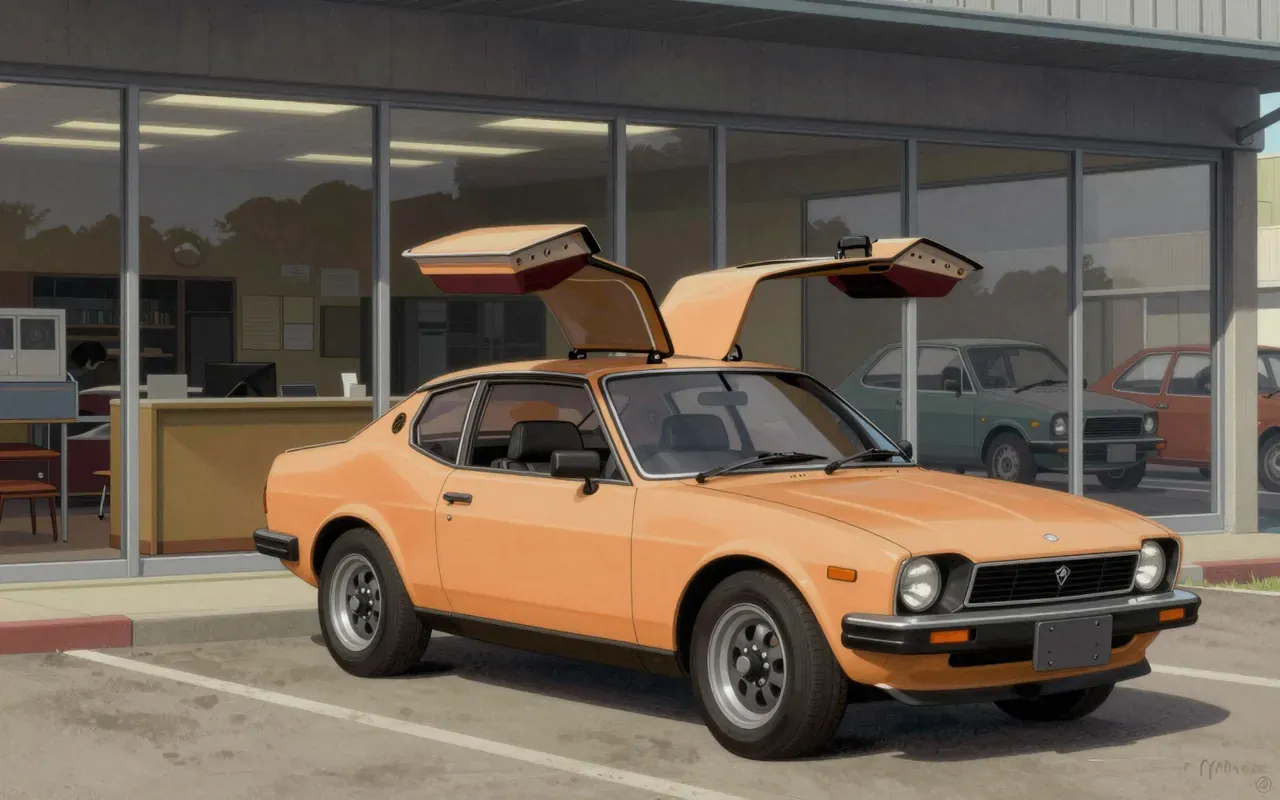
The Autozam AZ-1 is a tightly packaged, rear mid-engine kei sports car built by Mazda between October 1992 and October 1994. It uses a Suzuki-sourced 657 cc turbocharged engine and features gullwing doors. Its design prioritises driver engagement and compact agility over practicality or comfort.

11:39

Citroën 2CV

Flaminio Bertoni · 1948

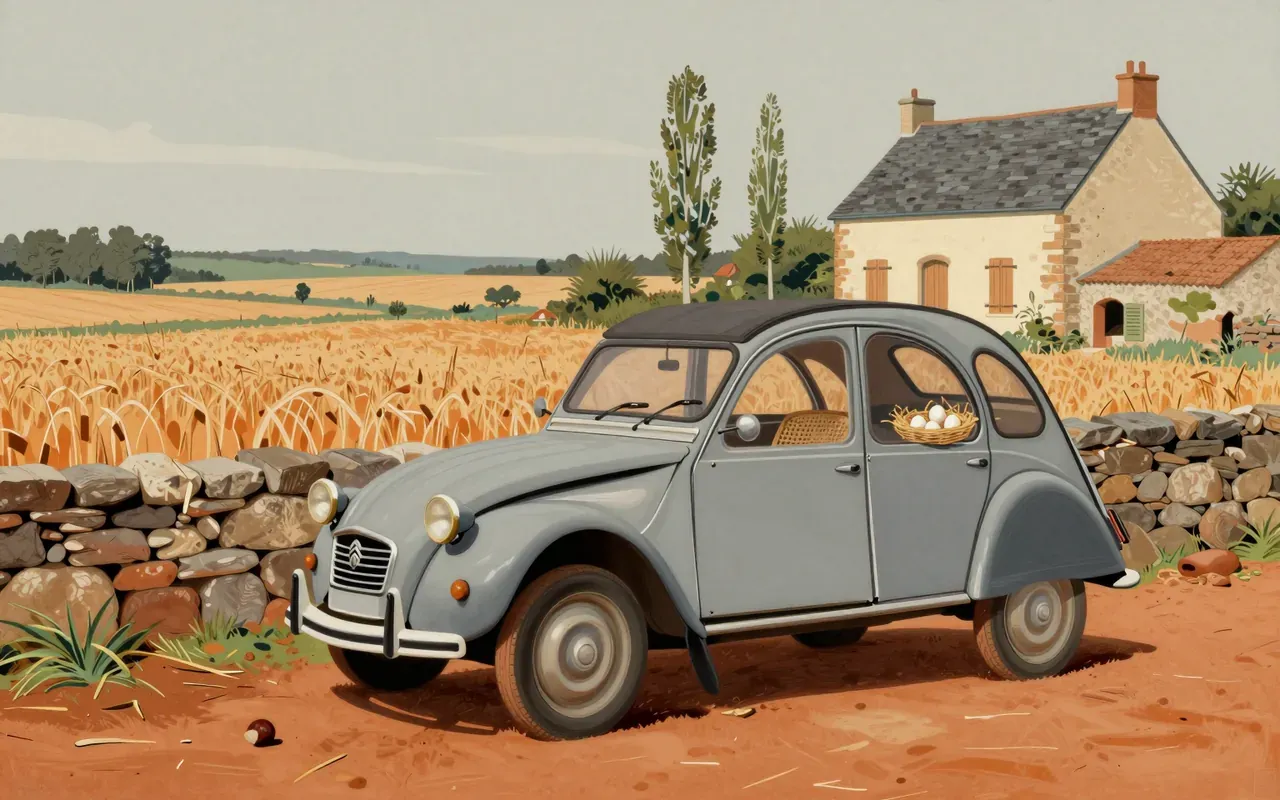
The Citroën 2CV is a French economy car conceived by Pierre Boulanger to motorise rural farmers, featuring innovative engineering, utilitarian design, low cost of ownership, minimal fuel consumption, and a long-travel suspension enabling it to cross ploughed fields without breaking eggs. It was often called 'an umbrella on wheels', introduced Michelin's radial tyres, and over 3.8 million units were produced from 1948 to 1990. Its body style is a fixed-profile convertible; it has an air-cooled engine; layout is front-engine, front-wheel drive; and production spanned 1948–1990.

10:02

Fiat 500

Dante Giacosa · 1957

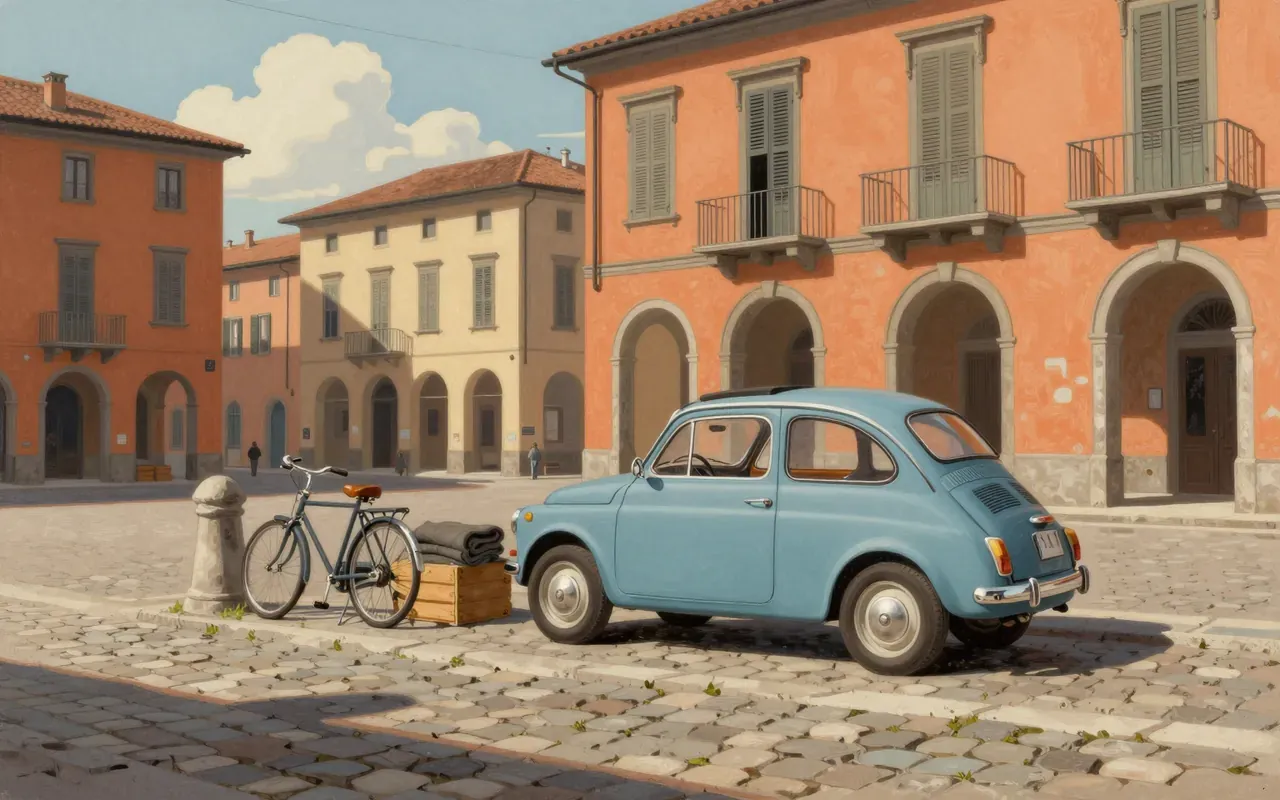
The Fiat 500 (1957) is a foundational microcar — not a scaled-down sedan, but a rethinking of mobility for postwar Italian cities. Designed by Dante Giacosa, it prioritises dimension, weight, and layout over comfort or power. Its 479 cc air-cooled twin, unsynchronised gearbox, suicide doors, and sub-500 kg mass make it physically immediate and spatially precise. It won the 1959 Compasso d’Oro for ‘courageous renunciation’ — a verdict confirmed by 181,036 units built before 1960. It is essential study for anyone interested in how constraints shape intelligent machines.

11:14

Fiat 600

Dante Giacosa · 1955

The Fiat 600 is a foundational rear-engined microcar that redefined packaging and suspension logic for mass-market mobility.

8:03

Fiat Panda

Giorgetto Giugiaro · 1980

The Fiat Panda (1980) is a two-box, three-door hatchback designed by Giorgetto Giugiaro and Aldo Mantovani. It was conceived as a utilitarian 'container' matching the Fiat 126's weight and cost, using monocoque construction, a flat floor, and high roof for upright seating. Its interior features a seven-position adjustable rear seat — inspired by a folding lounge chair — enabling multiple configurations including a flat bed or V-shaped load support. The cargo area accommodates two 50-litre wine demijohns with all passengers aboard. Giugiaro described it as 'like a pair of jeans': simple, practical, unadorned. It won the Compasso d'Oro industrial design award in 1980.

11:31

Honda Beat

Pininfarina · 1991

The Honda Beat is a kei-class, two-seater roadster with rear mid-engine, rear-wheel-drive layout, designed by Pininfarina and produced by Honda from May 1991 to February 1996; approximately 33,600 units were built. It features a 656 cc three-cylinder engine with MTREC technology, a 5-speed manual transmission, disc brakes on all four wheels, and was marketed exclusively in Japan as 'Midship Amusement'.

8:54

Nissan Be-1

Naoki Sakai · 1987

The Nissan Be-1 is a tightly edited response to urban life in late-1980s Japan. It is not fast. It is not spacious. It is not branded. It is precise, deliberate, and self-contained. It exists because Naoki Sakai solved a specific problem: how to make a small car feel like an object of intention—not utility.

10:09

Nissan Pao

Naoki Sakai · 1989

The Nissan Pao is a deliberately small, retro-styled hatchback built in Japan between 1989 and 1991. It belongs to Nissan’s Pike Factory series, conceived as a fashion object rather than a transport tool. Its design references specific European city cars—Mini, 2CV, Fiat 500, Austin A40—with functional reinterpretations of their details. It sold out in three months despite no Nissan branding and limited production of 31,352 units. It trades utility and dynamics for coherence, charm, and cultural timing.

9:40

Perodua Kancil

Daihatsu · 1994

The Perodua Kancil is a microcar defined by its origin, not its invention.

9:29

Renault 5 E-Tech

Gilles Vidal · 2024

Renault 5 E-Tech is a B-segment battery electric hatchback produced since 2024. Styled under Gilles Vidal, it draws on the original Renault 5’s form language. Built at Douai using the CMF-B EV platform, it offers 40 kWh or 52 kWh batteries, motor outputs up to 110 kW, and 130 kW DC fast charging via a bonnet-mounted port. Its range peaks at 400 km. It is front-motor, front-wheel drive only.

10:12

Renault Twingo

Patrick Le Quément · 1992

The Renault Twingo (1992) is a two-door, front-engine city car designed under Patrick Le Quément’s leadership to reverse Renault’s declining sales through bold, autonomous design. Its defining feature—the smile-shaped front end—was a deliberate assertion of styling priority over mechanical packaging. It delivered visibility, compactness, and instant recognition, but sacrificed rear access, cargo space, and dynamic refinement. It marked the moment Renault’s design department gained executive authority—and proved that a city car could be defined first by how it looked, not how it was engineered.

9:06

Suzuki Cappuccino

Suzuki · 1991

The Suzuki Cappuccino is a 1991–1998 Japanese two-seater roadster designed to meet Kei car regulations. It features a turbocharged 657 cc DOHC inline-three engine, front mid-engine layout, rear-wheel drive, and adaptable roof configurations (closed coupé, T-top, targa, full convertible). Its dimensions—3,295 mm long and 1,395 mm wide—comply with Kei limits. Front-rear weight distribution is 50/50% with both seats occupied.

11:12

Mini

Alec Issigonis · 1959

The Mini is a two-door, four-seat saloon designed by Sir Alec Issigonis for BMC in response to the 1956 Suez Crisis fuel shortage. Its front-wheel-drive, transverse-engine layout with sump gearbox and 10-inch wheels maximised interior space, delivering 80% of the floorpan to passengers and luggage. It used Alex Moulton’s rubber cone suspension — a time-driven compromise that sharpened road feedback. It influenced Honda N360, Nissan Cherry, and Fiat 127. It was voted second-most influential car of the 20th century in 1999. It remained in production from 1959 to 2000, selling 5.3 million units — the best-selling British car in history.

11:36

Volkswagen Beetle

Ferdinand Porsche · 1938

The Volkswagen Beetle is the Volkswagen Type 1. It was conceived in the early 1930s under Adolf Hitler’s directive for a 'people’s car' to serve Germany’s Reichsautobahn. Ferdinand Porsche’s team developed it from 1934, building two prototypes in 1935. Production began in 1938 but was delayed until 1945 by World War II.