automotivebriefs
11:36in productionCh. 1 · A People's Car by Decree/ 11:36 · ceiling 15 min
Microcars

Volkswagen Beetle

A car built to last longer than the regime that ordered it — and it did.

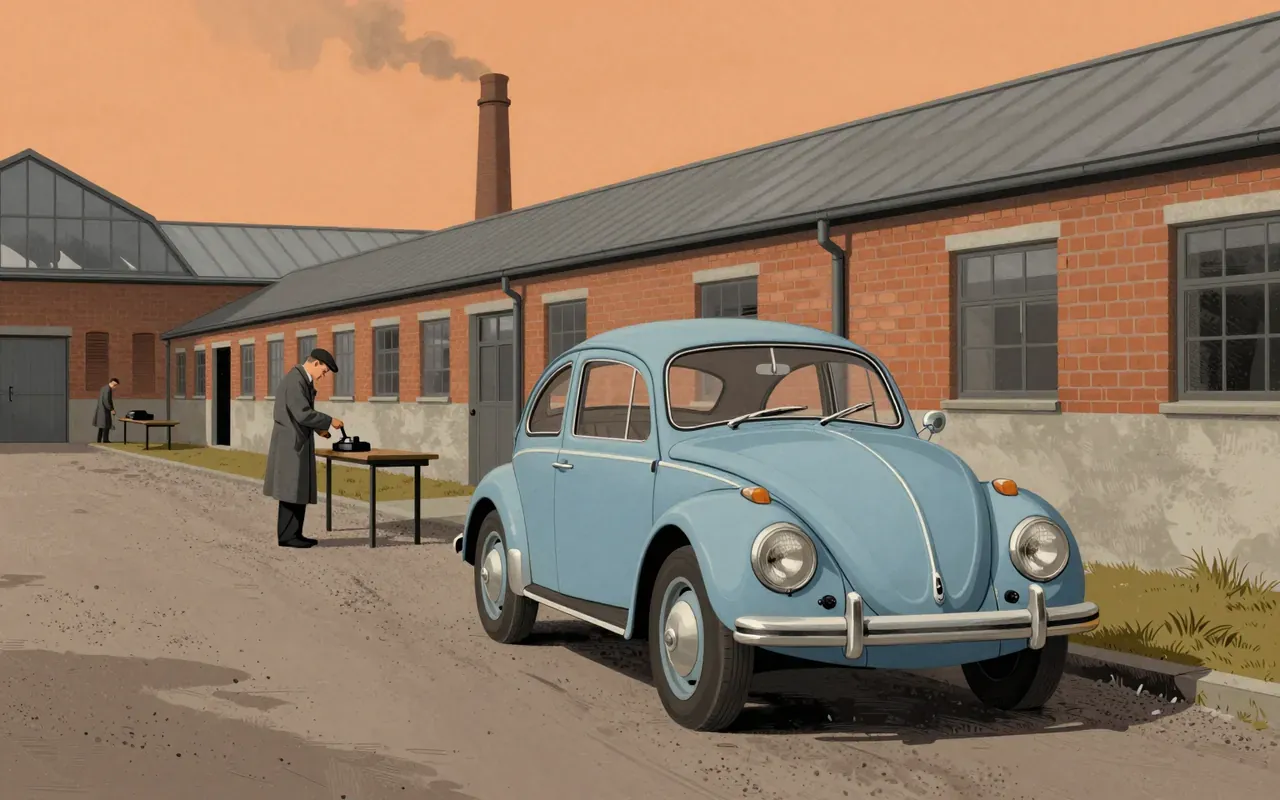
The Volkswagen Beetle is the Volkswagen Type 1. It was conceived in the early 1930s under Adolf Hitler’s directive for a 'people’s car' to serve Germany’s Reichsautobahn. Ferdinand Porsche’s team developed it from 1934, building two prototypes in 1935. Production began in 1938 but was delayed until 1945 by World War II.

Chapters & takeaways6
  1. 1:04
    A People's Car by Decree

    It was commissioned by Hitler in 1934 as a political tool: affordable motoring for the Reichsautobahn.

  2. 2:05
    Born in Peacetime, Raised in War

    Production started in 1938 but only became mass motoring after 1945 — delayed by war, then defined by peace.

  3. 3:29
    The Longest Run

    65 years and 21.5 million units: the longest-running single-generation car in history.

  4. 5:08
    Not Invented Here

    Porsche executed it, but Béla Barényi laid its conceptual foundation in 1925 — before the contract, before the brand.

  5. 6:26
    Form as Identity

    Its bug-like shape made it instantly legible — not as engineering, but as character.

  6. 7:41
    The Royalty Engine

    It launched Volkswagen as a brand and funded Porsche’s post-war independence through royalties.

Worth your time?

Yes. Drive the whole thing.

4.5/ 5
What works
  • simplicity of layout
  • service access
  • mechanical transparency
  • air-cooling eliminates radiators and hoses
What does not
  • offer modern ergonomics
  • crash protection
  • driver feedback
  • handling precision
Drive it if
  • people who value continuity over change
  • utility over expression
  • mechanical legibility over complexity
Skip it if
  • drivers who require predictable weight transfer
  • progressive braking
  • cabin isolation
The written brief1 min read

What the car is and where it came from

The Volkswagen Beetle is the Volkswagen Type 1. It was conceived in the early 1930s under Adolf Hitler’s directive for a ‘people’s car’ to serve Germany’s Reichsautobahn. Ferdinand Porsche’s team developed it from 1934, building two prototypes in 1935. Production began in 1938 but was delayed until 1945 by World War II.

How it works, in terms someone would actually use

It is a two-door car with a rear-mounted, air-cooled four-cylinder boxer engine and rear-wheel drive. It delivers motive force through the rear axle. The driver sits ahead of the engine, with weight concentrated at the back.

What it gets right

It gets right simplicity of layout, service access, and mechanical transparency. Its air-cooling eliminates radiators and hoses. Its compact drivetrain allows a flat floor and generous luggage space behind the rear axle.

What it does not

It does not offer modern ergonomics, crash protection, or driver feedback. It makes no claim to handling precision, thermal efficiency, or structural rigidity. It was never designed for speed, safety, or refinement.

What it changed

It changed how mass motoring was imagined: as a durable, low-maintenance object built for longevity over novelty. It proved that one generation could outlive empires, wars, and entire design eras.

Who it is for, and who it is not

It is for people who value continuity over change, utility over expression, and mechanical legibility over complexity. It is not for drivers who require predictable weight transfer, progressive braking, or cabin isolation.

Is it worth your time

Yes. Its production span, unit volume, and cultural reach are unmatched for a single-platform car. It is worth knowing as a case study in industrial persistence, not automotive ambition.
Same garage · Microcars4 of 15
10:45
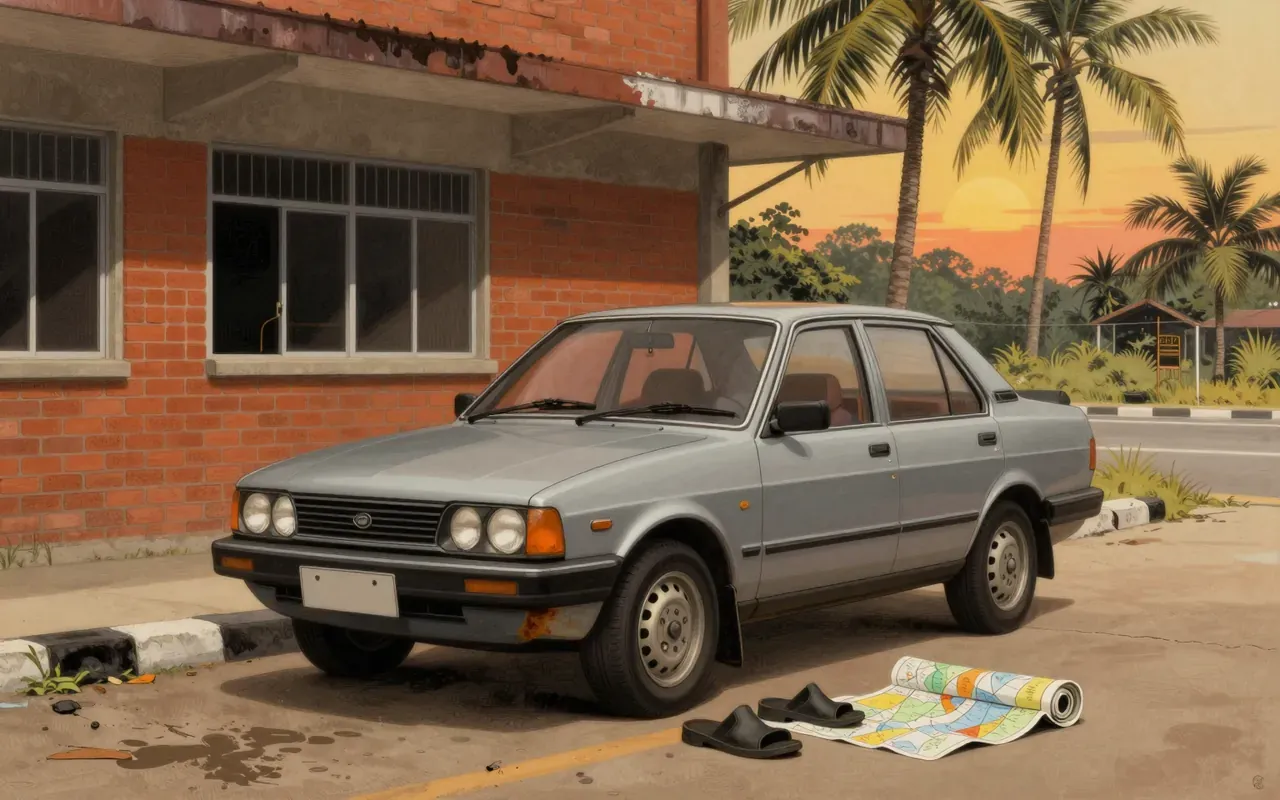
Proton SagaMitsubishi · 1985The Proton Saga is a foundational Malaysian car—not a technical benchmark, but a political and industrial one.
8:50
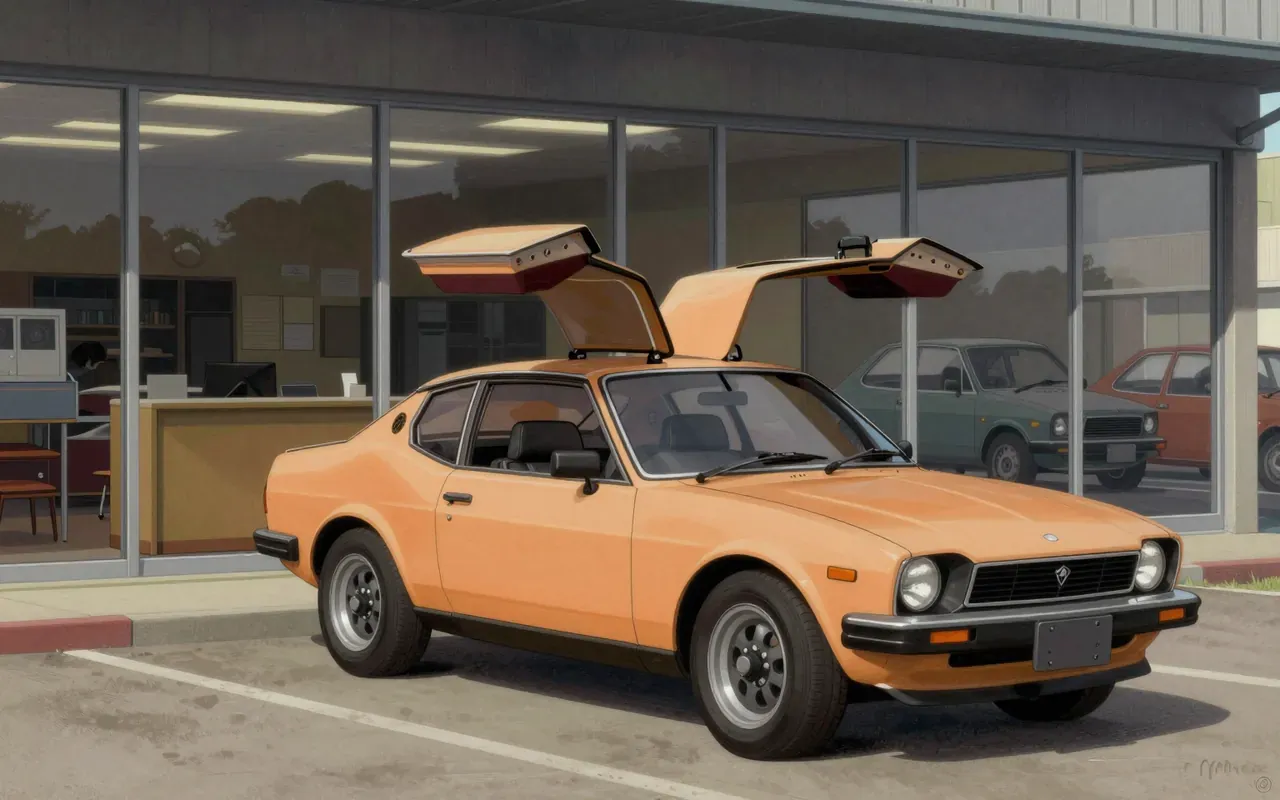
Autozam AZ-1Toshiko Hirai · 1992The Autozam AZ-1 is a tightly packaged, rear mid-engine kei sports car built by Mazda between October 1992 and October 1994. It uses a Suzuki-sourced 657 cc turbocharged engine and features gullwing doors. Its design prioritises driver engagement and compact agility over practicality or comfort.
11:39
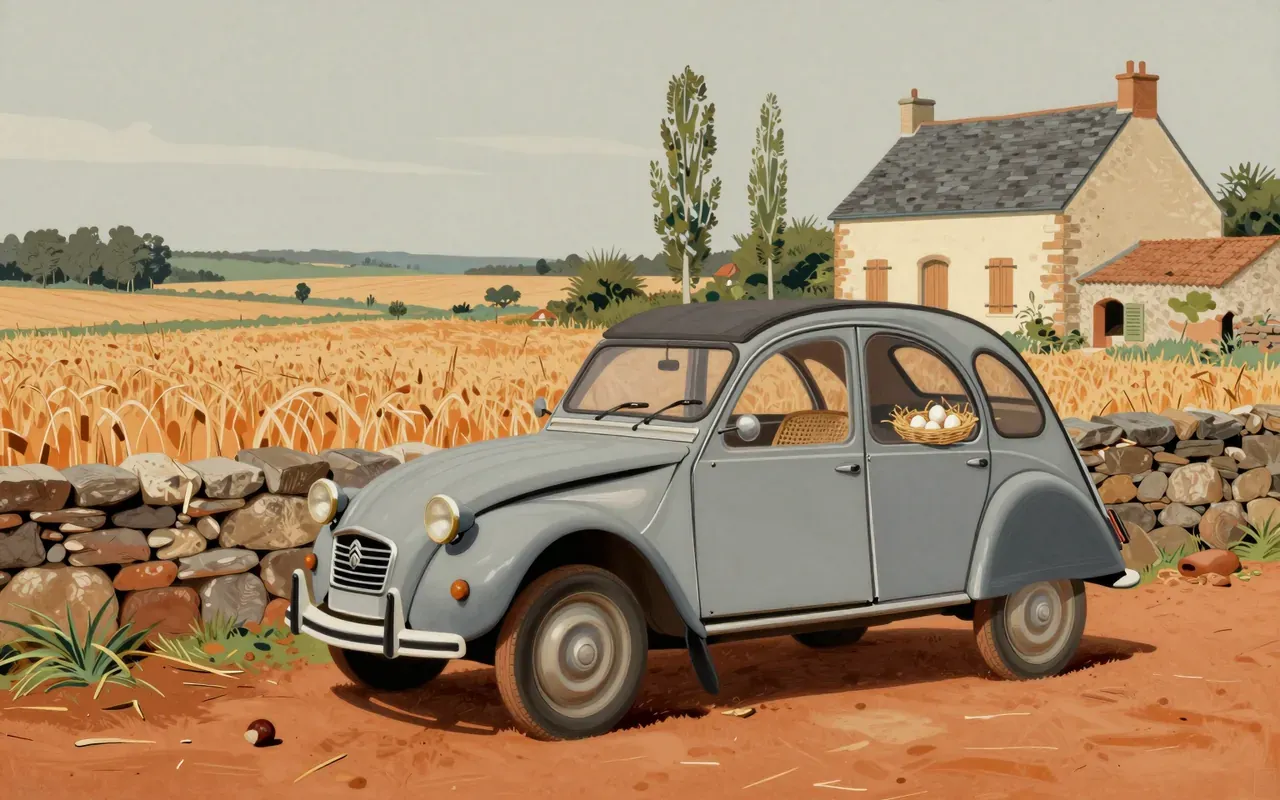
Citroën 2CVFlaminio Bertoni · 1948The Citroën 2CV is a French economy car conceived by Pierre Boulanger to motorise rural farmers, featuring innovative engineering, utilitarian design, low cost of ownership, minimal fuel consumption, and a long-travel suspension enabling it to cross ploughed fields without breaking eggs. It was often called 'an umbrella on wheels', introduced Michelin's radial tyres, and over 3.8 million units were produced from 1948 to 1990. Its body style is a fixed-profile convertible; it has an air-cooled engine; layout is front-engine, front-wheel drive; and production spanned 1948–1990.
10:02
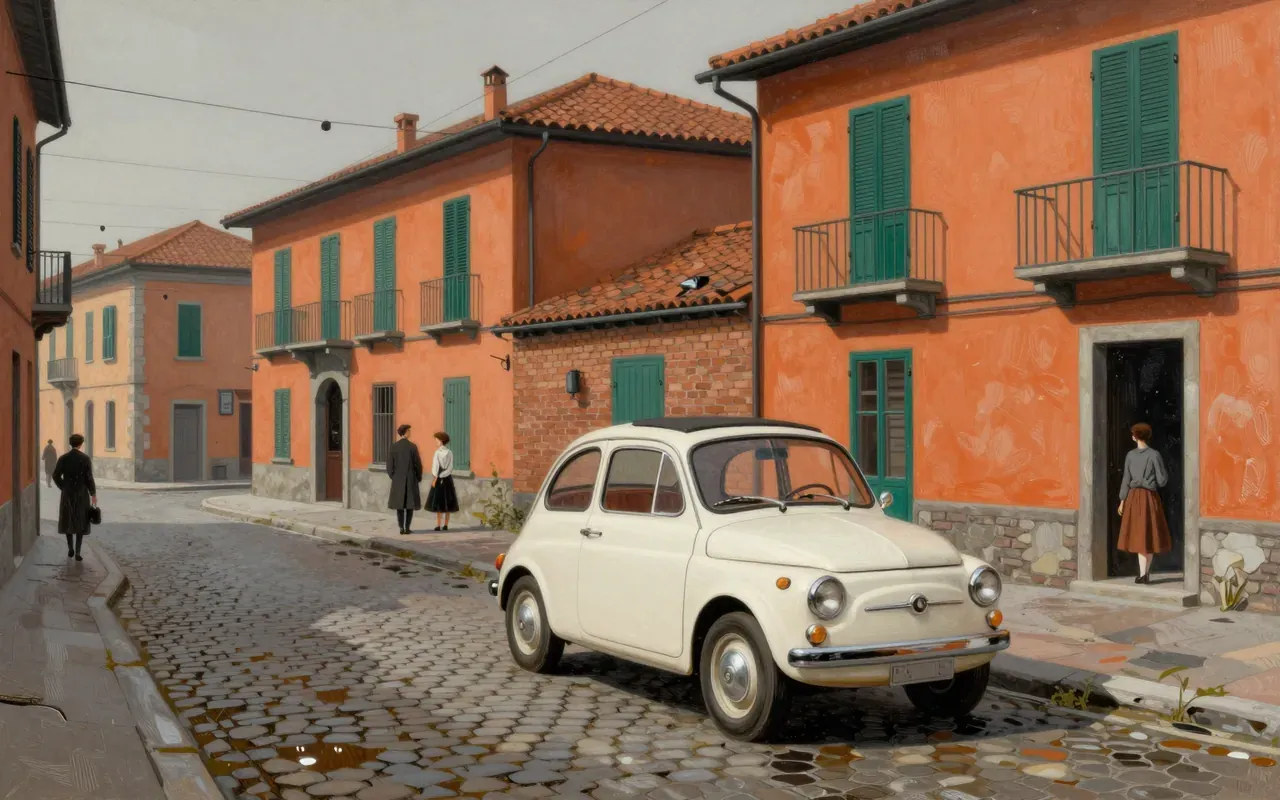
Fiat 500Dante Giacosa · 1957The Fiat 500 (1957) is a foundational microcar — not a scaled-down sedan, but a rethinking of mobility for postwar Italian cities. Designed by Dante Giacosa, it prioritises dimension, weight, and layout over comfort or power. Its 479 cc air-cooled twin, unsynchronised gearbox, suicide doors, and sub-500 kg mass make it physically immediate and spatially precise. It won the 1959 Compasso d’Oro for ‘courageous renunciation’ — a verdict confirmed by 181,036 units built before 1960. It is essential study for anyone interested in how constraints shape intelligent machines.
Up next in Automotive

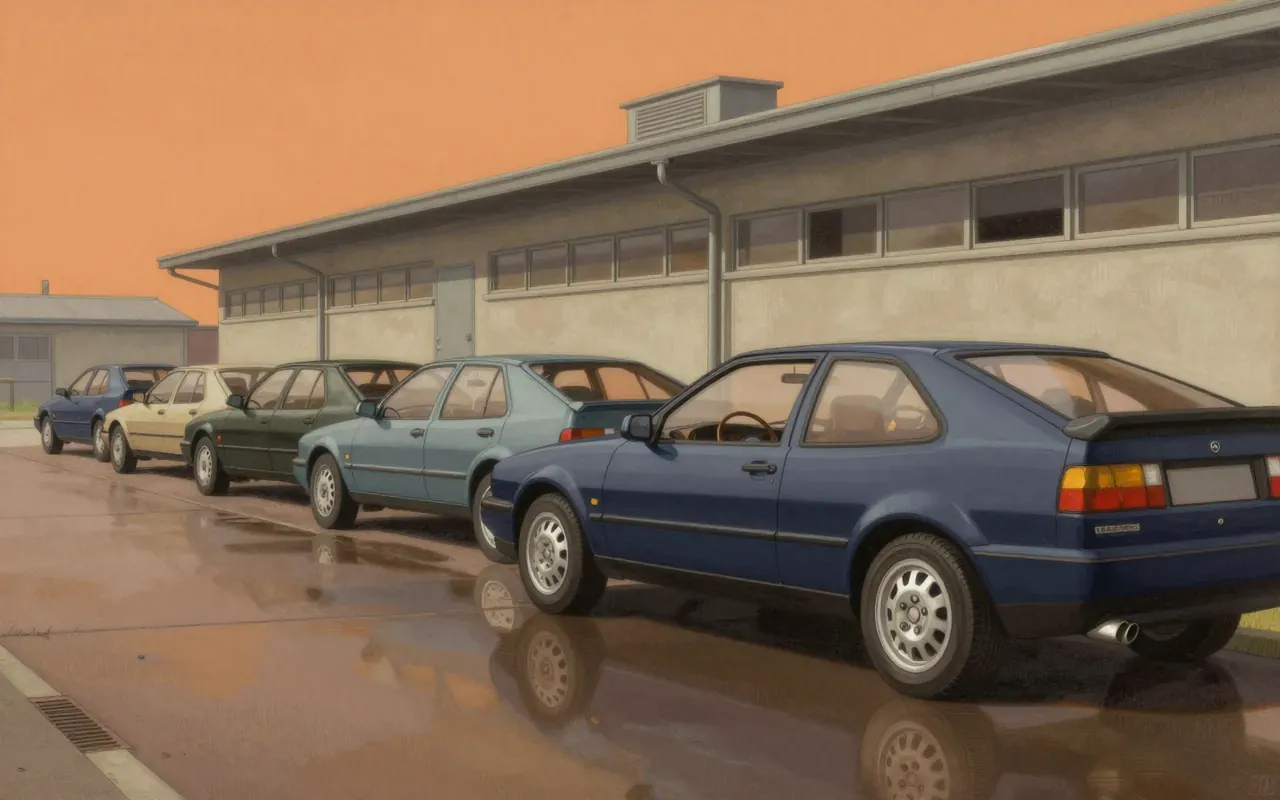
Volkswagen Corrado

Herbert Schäfer · 1988 · 8:57

Volkswagen’s attempt to make front-wheel drive feel like a choice—not a compromise.

8:57