Saved
Road

Volkswagen New Beetle

A concept car’s applause became a factory order — and changed how carmakers sell nostalgia.

Worth your time?3.5/5Yes.Drive the whole thing.What works, what does not, who it is for ↓
9:30in productionCh. 1 · Simi Valley origin/ 9:30 · ceiling 15 min
5 chapters · 9:30Ceiling 15:00

The brief is written and checked. The video joins this page when it is cut.5 chapters · 1 min read · 9:30 planned

Read the brief

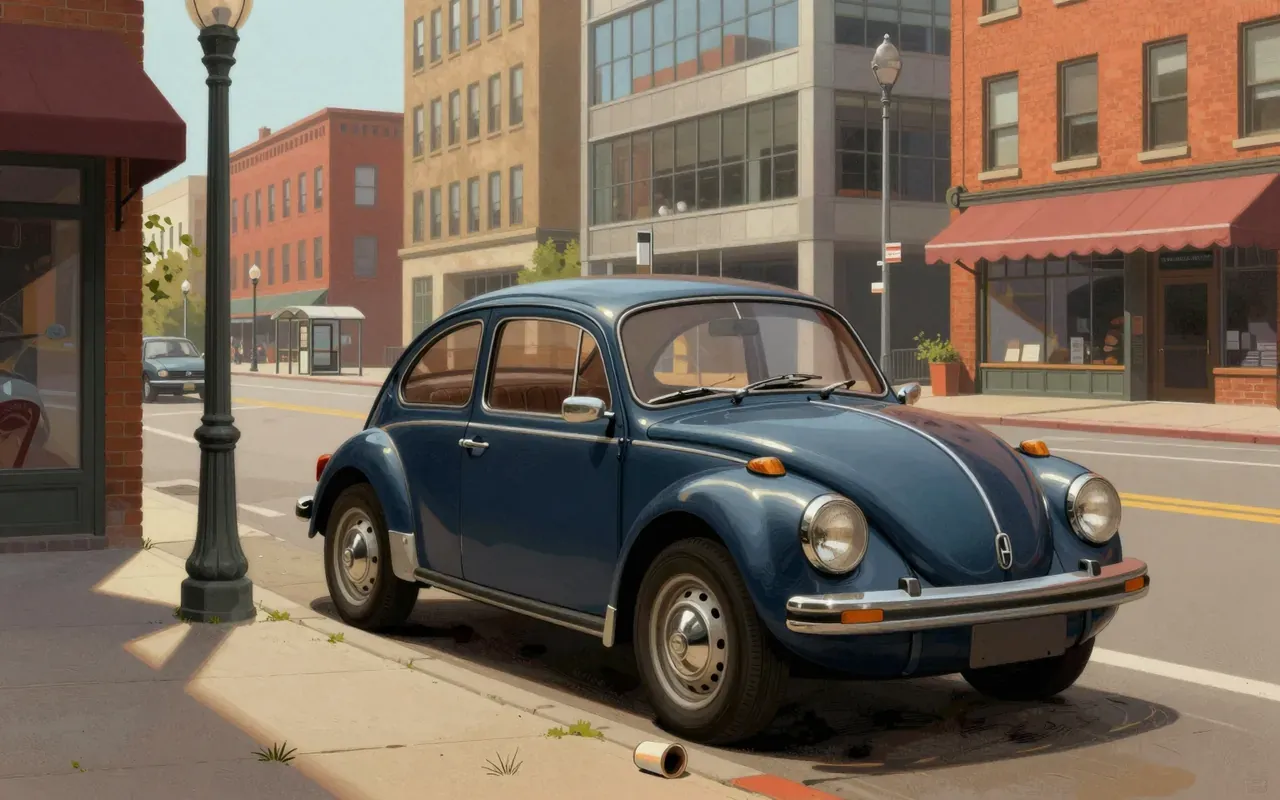
The New Beetle is a compact, front-engine, front-wheel-drive car introduced in 1998, inspired by the exterior design of the original Beetle. It was assembled in VW's Puebla factory in Mexico. It received a facelift in 2005 and remained in production until 2011. The New Beetle carries many design similarities with the original VW Beetle: separate fenders, vestigial running boards, sloping headlamps, and large round taillights, as well as a high rounded roofline. Unlike the original Beetle, the New Beetle has its engine in the front driving the front wheels, with luggage storage in the rear. The New Beetle achieved five stars in the 2011 Euro NCAP tests. The Insurance Institute for Highway Safety (IIHS) gave the New Beetle a Good overall score in their frontal crash test. However, the IIHS rated the Beetle Poor in their side impact test.

Chapters & takeaways5
  1. 0:53
    Simi Valley origin

    The New Beetle began as a concept car designed in California, not Germany.

  2. 2:08
    Retro as vocabulary, not copy

    It uses Beetle cues selectively — fenders, headlamps, taillights, roofline — not replication.

  3. 3:03
    Packaging over precedent

    Front-engine, front-wheel-drive layout puts the driver ahead of the engine and luggage behind.

  4. 4:35
    Safety: strong front, weak side

    Five-star Euro NCAP in 2011, Good in IIHS frontal tests — but Poor in side impact, even with side airbags.

  5. 6:08
    Mexican assembly, long run

    Produced from 1998 to 2011 in Puebla, Mexico, with a 2005 facelift.

2 more chaptersFewer chapters
Worth your time?

Yes. Drive the whole thing.

3.5/ 5
What works
  • retro-as-vocabulary
  • concept-to-production-pathway
What does not
  • side-impact-protection
Drive it if
  • people-who-value-clear-visual-storytelling
Skip it if
  • people-who-prioritise-crash-protection-in-side-impacts
Who should drive it, and who should skipHide who it is for
The written brief1 min read

What the car is and where it came from

The New Beetle is a 1998 production car born from the 1994 Volkswagen Concept 1, designed by J Mays at VW’s Simi Valley studio. It was assembled in Puebla, Mexico.

How it works, in terms someone would actually use

It is a front-engine, front-wheel-drive compact car. Luggage goes in the rear. The driver sits ahead of the engine, not behind it.

What it gets right

It delivers consistent visual shorthand: separate fenders, sloping headlamps, large round taillights, high rounded roofline. These cues read instantly as Beetle — without copying.

What it does not

It does not share mechanicals, layout or packaging logic with the original Beetle. It abandons rear-engine balance for front-wheel-drive practicality.

What it changed

It proved that a concept car’s emotional reception could override engineering continuity and trigger full-scale production.

Who it is for, and who it is not

It is for people who value clear visual storytelling over mechanical lineage. It is not for people who prioritise crash protection in side impacts.

Is it worth your time

Yes — if you want to understand how retro design became a production strategy, not just a styling exercise.
Same garage · Road4 of 110
8:56
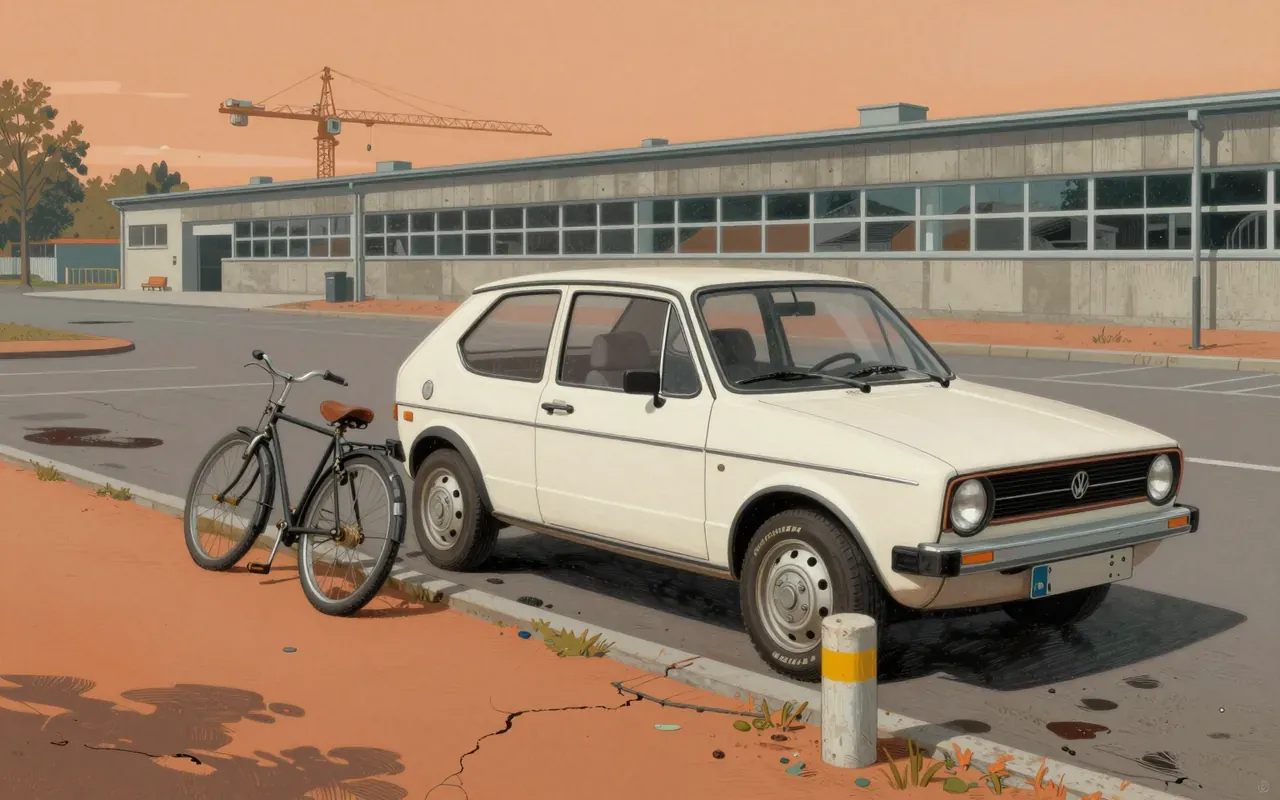
Volkswagen Golf Mk1Giorgetto Giugiaro · 1974The Volkswagen Golf Mk1 is the first generation of Volkswagen’s small family car. It succeeded the Beetle. It was styled by Giorgetto Giugiaro’s Italdesign and debuted in Europe in May 1974.
10:15
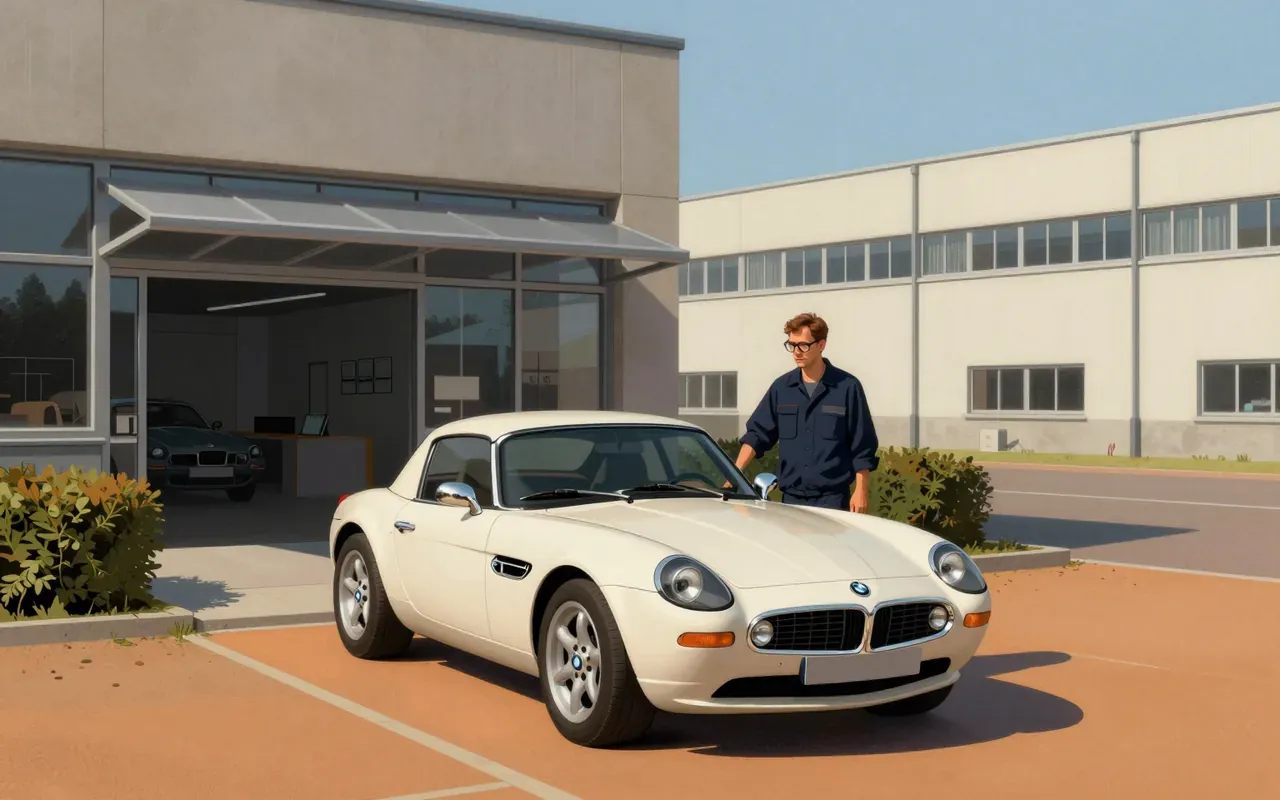
BMW Z8Henrik Fisker · 1999The BMW Z8 is a roadster designed by Henrik Fisker, produced from 1999 to 2003. It evolved from the Z07 concept shown at the October 1997 Tokyo Motor Show. Its design honours the 1956–1959 BMW 507. It uses a 4.9 L S62 V8 engine mounted behind the front axle for 50/50 weight distribution. The body and chassis are all-aluminium. It was hand-finished in Munich after spaceframe production in Dingolfing. A total of 5,703 units were built.
9:10
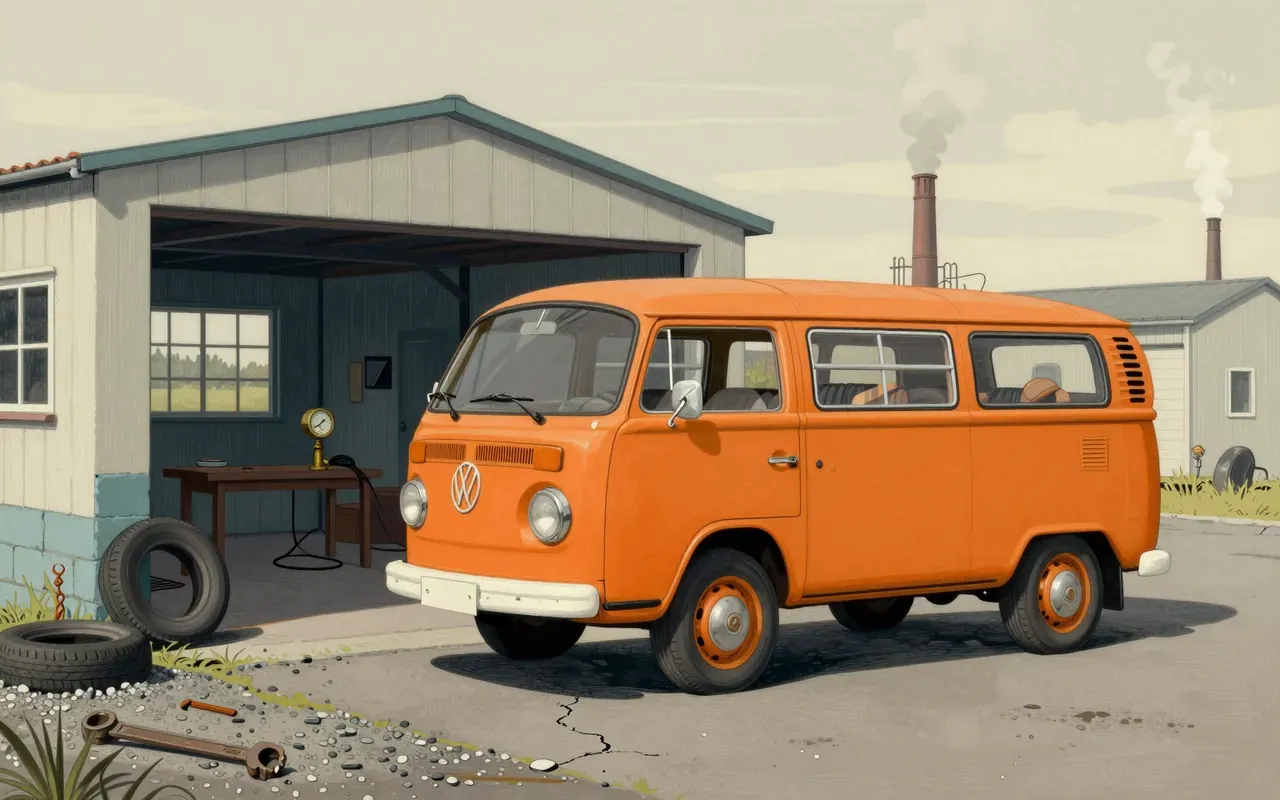
Volkswagen Type 2Ben Pon concept · 1950The Volkswagen Type 2 is a forward-control light commercial vehicle introduced in 1950. It was Volkswagen's second mass-production light motor vehicle series, inspired by Dutch importer Ben Pon. Pon conceived the design after seeing a Type 1-based Plattenwagen in Wolfsburg in 1946 and sketched it on 23 April 1947, specifying a 690 kg payload and front-placed driver. Production began in 1950, delayed only because the factory was at capacity building the Type 1. For its first 40 years, all variants used a forward-control layout with a rear-mounted flat-four engine and shared the Beetle’s wheelbase.
12:15
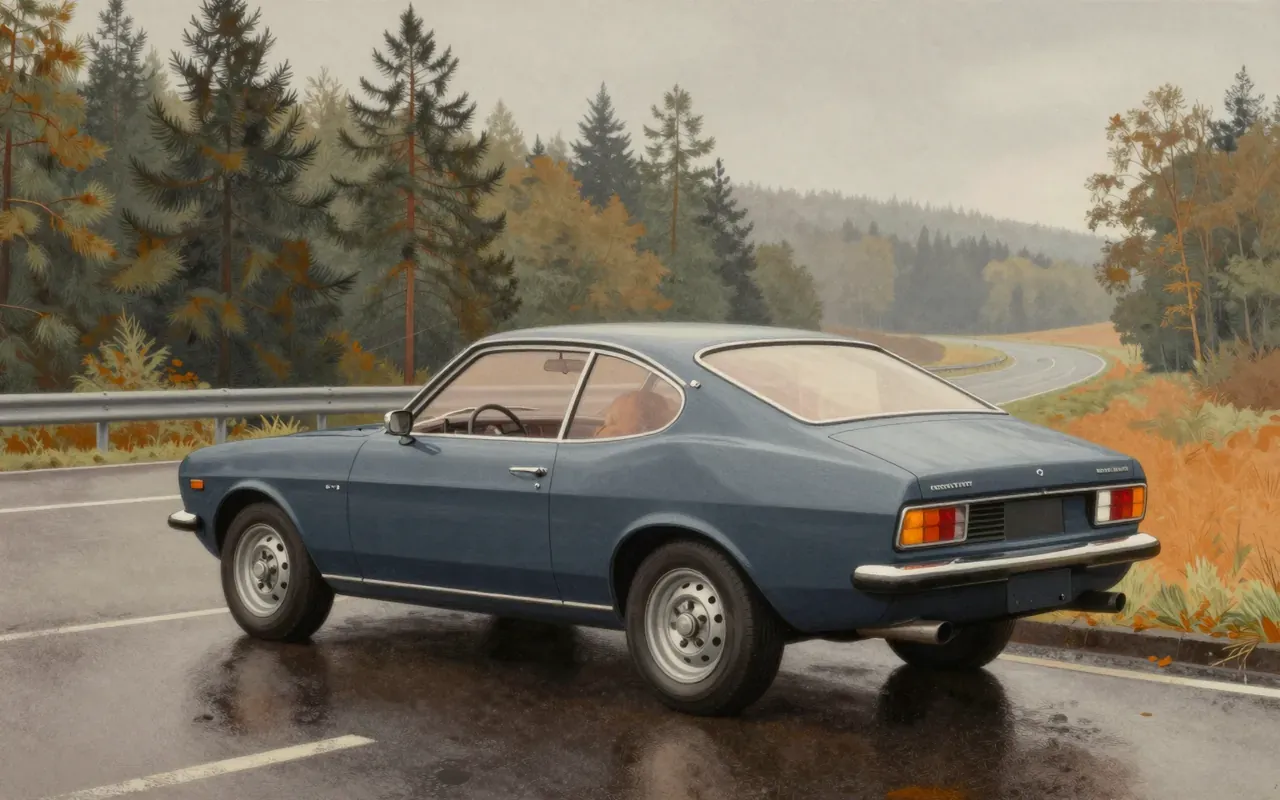
Opel MonzaGeorge Gallion · 1978The Opel Monza is an executive fastback coupe. It was built from 1977 to 1986. It replaced the Commodore Coupé. It shared its layout with the Senator A1. It used only overhead camshaft six-cylinder engines. The 3.0-litre version made it Opel’s fastest car at the time. It had no direct replacement. 43,812 were built.
Up next in Automotive

Volkswagen Type 2

Ben Pon concept · 1950 · 9:10

A van designed by looking at a parts-mover — and then refusing to look away.

9:10