automotivebriefsBrowse 419 automotive briefs

Every car that mattered, in less than a commute.

419
briefs
9:54
average
211
designers
9:12
Featured · Saloons & estates

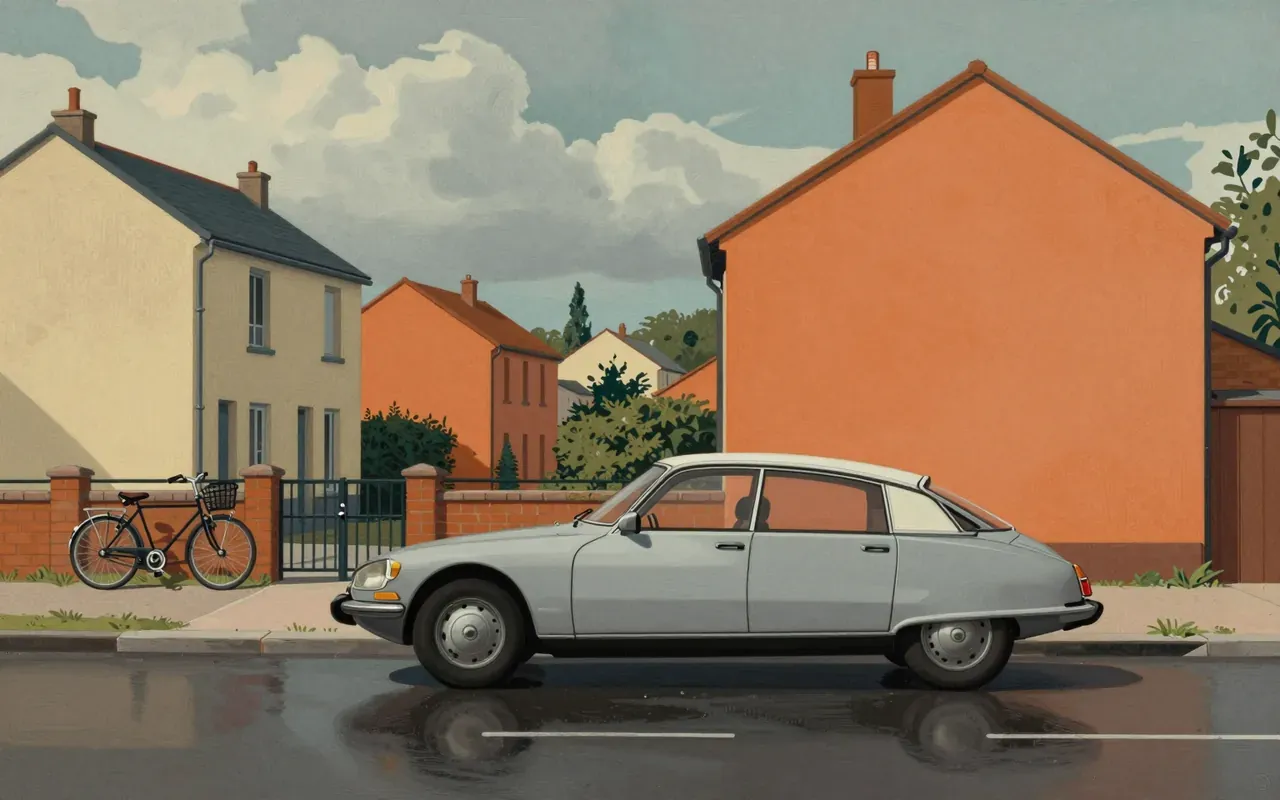
Citroën GS

Robert Opron · 1970

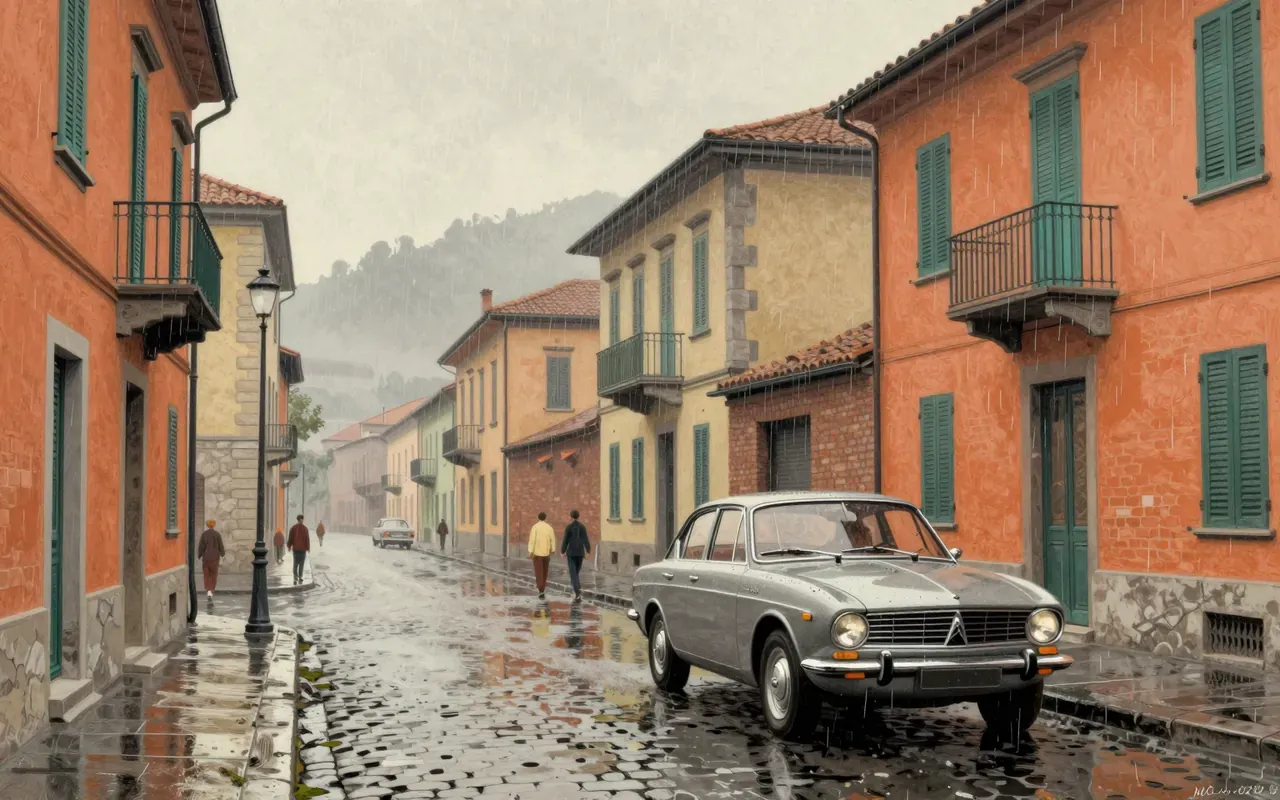
The Citroën GS is a small family car designed by Robert Opron, launched in 1970 after winning Citroën’s 1967 internal Project G competition. It was built as a fastback four-door saloon and five-door estate until 1979. A revised version, the GSA, was produced from late 1979 until 1986 in five-door hatchback or estate body styles. Combined production reached approximately 2.5 million units. It has a front-engine, front-wheel-drive layout and seating for five passengers. Noted for its aerodynamic body shape with a drag coefficient of 0.318, fully independent hydro-pneumatic brakes and self-levelling suspension, and air-cooled flat-four engine, the GS was styled by Robert Opron, with a low nose, a two-box silhouette, semi-enclosed rear wheels and a sharply vertical Kamm-tail. In 1967, having abandoned the ambitious Projet F begun by Bertoni and taken over by Opron, Citroën initiated a competition for a new mid-range model that pitted Opron and the Bureau d'Études against Giorgetto Giugiaro and Italdesign. Both teams submitted designs for front wheel drive three- and five-door cars powered by flat-four engines. Opron's proposal carried the day, and his Project G eventually became the GS released in 1970. Some have claimed that Opron based the GS' shape on the Pininfarina Austin 1800 Aerodinamica Berline of 1967. Others assert that, while it may have been influenced by the Italo-English concept car, Opron's design was an independent work, and point out that Citroën has never acknowledged any link.

9:22

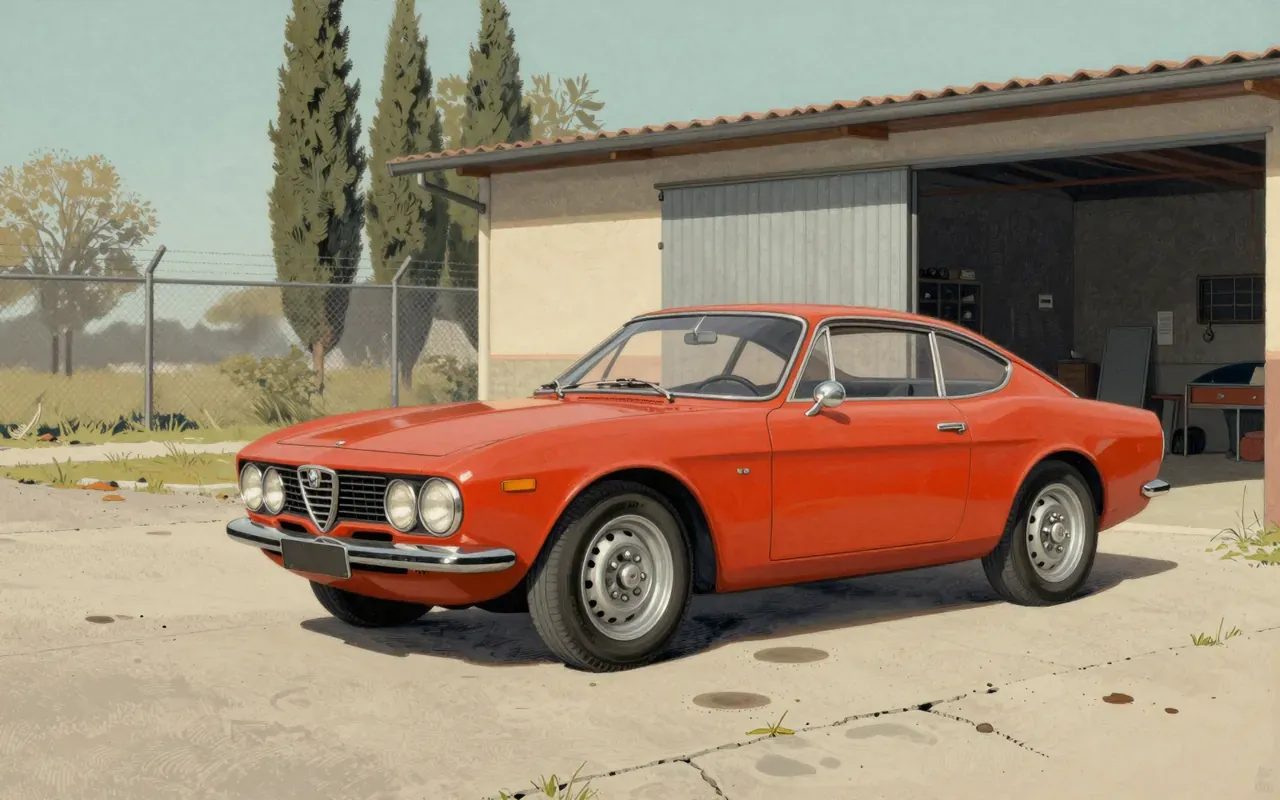
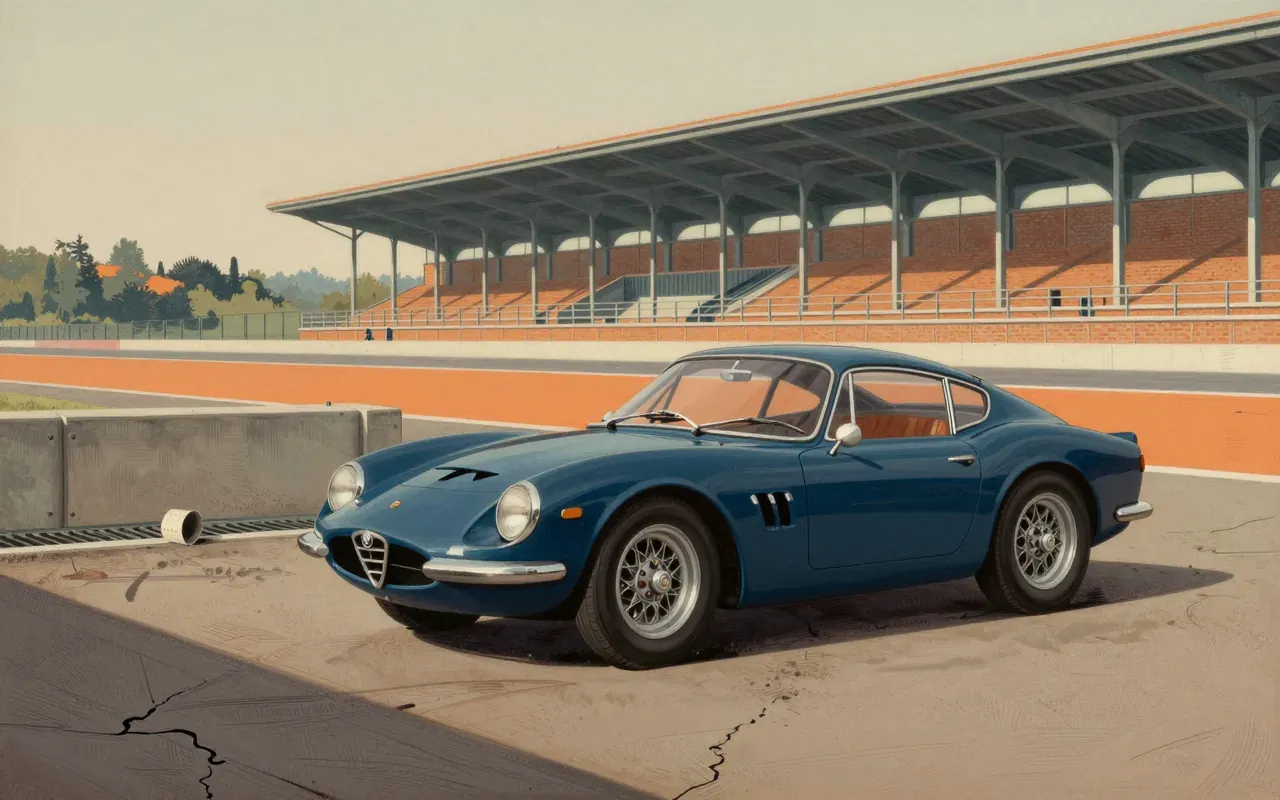
Alfa Romeo Giulia Sprint GT

Giorgetto Giugiaro · 1963

The Giulia Sprint GT was revealed at Alfa Romeo's new Arese plant on 9 September 1963 and built until 1965, when the Sprint GT Veloce replaced it. Giorgetto Giugiaro drew its Bertone body, known as the step front for the raised edge of its bonnet. It paired an all-aluminium 1570 cc twin cam four with a five-speed gearbox and four disc brakes, and 21,902 were built.
10:50

Alfa Romeo TZ2

Zagato · 1964

The TZ2 was shown at the 1964 Turin Auto Show on the Zagato stand. It swapped the TZ's light alloy body for a more streamlined fibreglass one and dropped the weight to 620 kg. It was a racing version only, with an Autodelta-prepared 1,570 cc twin plug engine, and 12 were built. Development of the TZ cars stopped at the end of 1965.
10:13

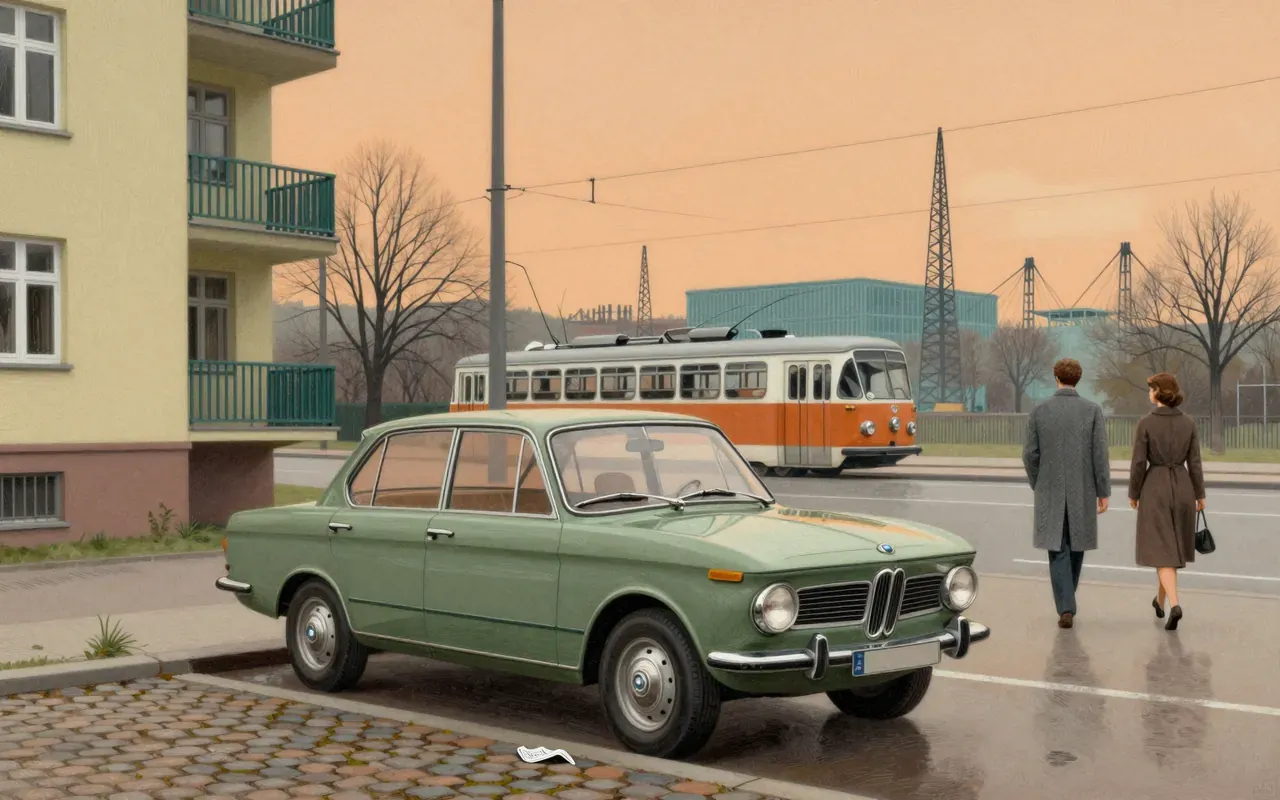
BMW 1500 Neue Klasse

Wilhelm Hofmeister · 1961

The BMW 1500 was shown at the 1961 Frankfurt Motor Show and built from October 1962 to December 1964. It was a compact four-door executive saloon with the new M10 four-cylinder engine, MacPherson strut front suspension and independent rear suspension. It was the first car of the New Class, the line that arrived as BMW broke even in 1962 after years of losses.

9:36

BMW 2002

Giovanni Michelotti · 1968

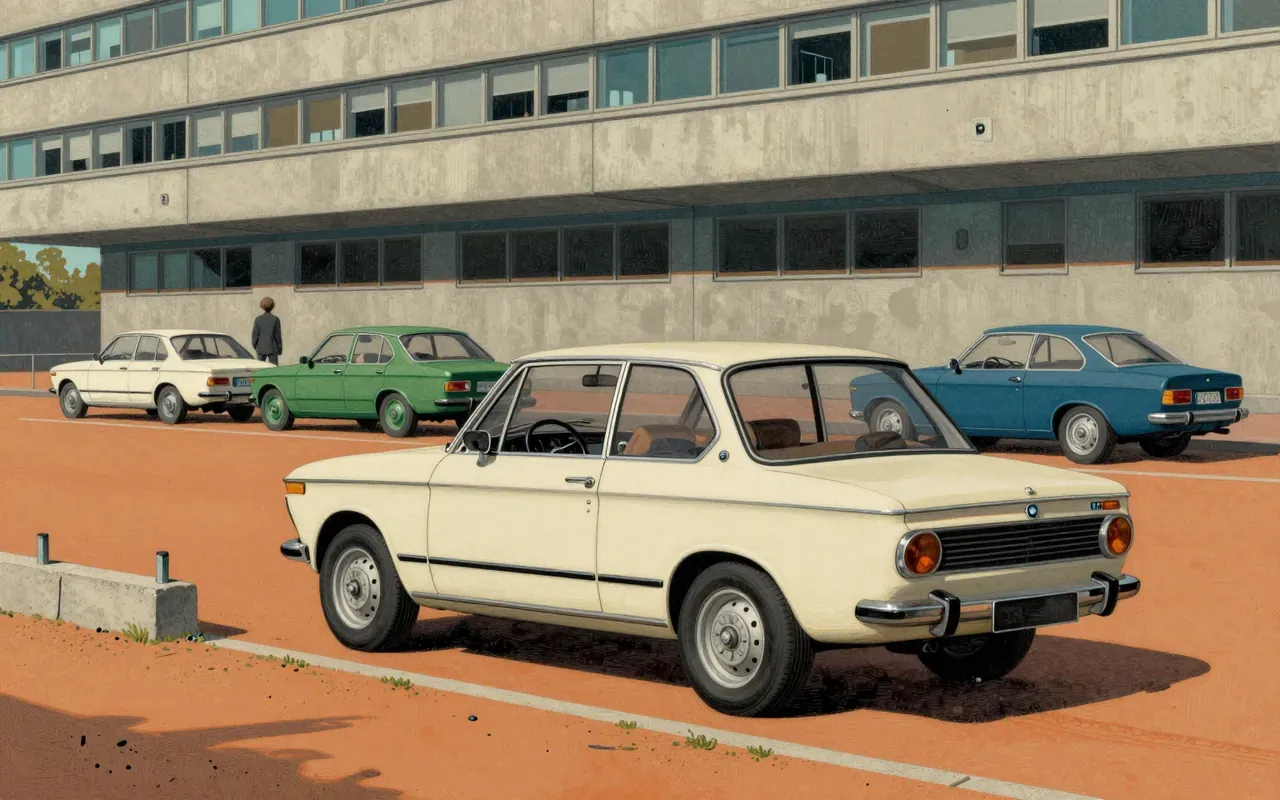
The BMW 2002 went into production in January 1968 as the larger-engined derivative of the 1966 1600-2, itself a shortened New Class saloon. It used a two-litre version of the M10 engine, and the range grew to include the fuel-injected tii, the Touring hatchback, a Baur TopCabriolet and, in 1973, Europe's first turbocharged production car.

9:58

BMW 3.0 CSL

BMW · 1972

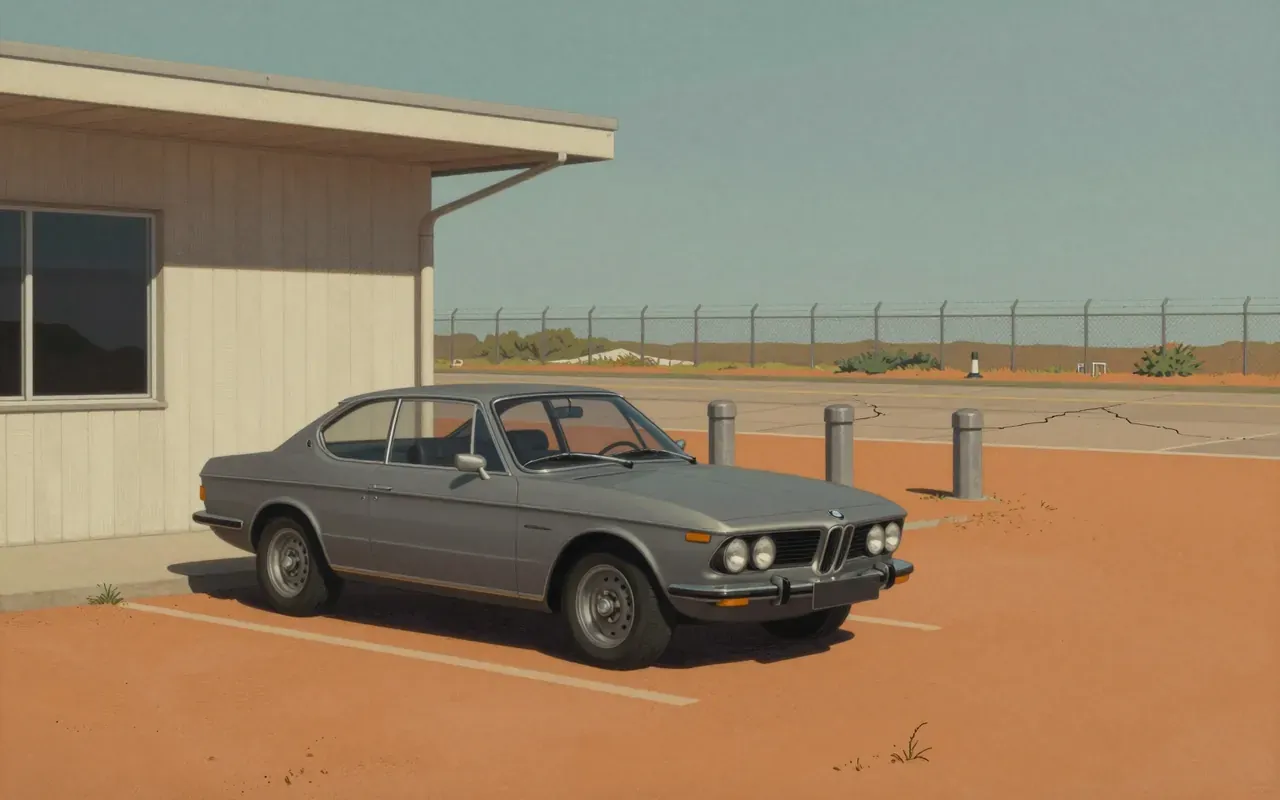
The BMW 3.0 CSL was the homologation special of the E9 coupé range: a lighter six-cylinder car built to make BMW eligible for the European Touring Car Championship. Its winged racing form earned the nickname Batmobile.

9:30

Bugatti Type 57SC Atlantic

Jean Bugatti · 1936

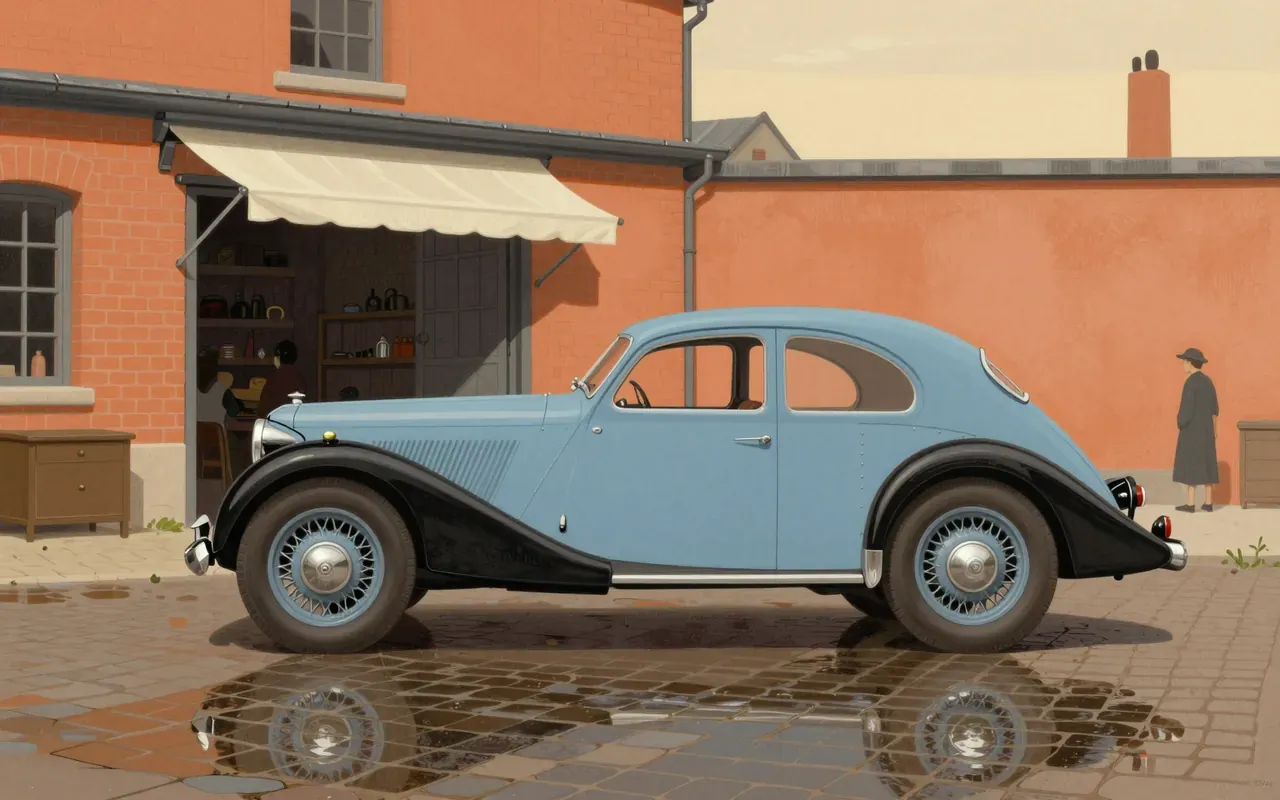
The Atlantic was one of the best-known bodies on the Bugatti Type 57S and 57SC. It was based on Jean Bugatti's 1935 Aérolithe concept, and the dorsal seam that began as a riveting method became its signature.

10:00

Chevrolet Corvette C6

Tom Peters · 2005

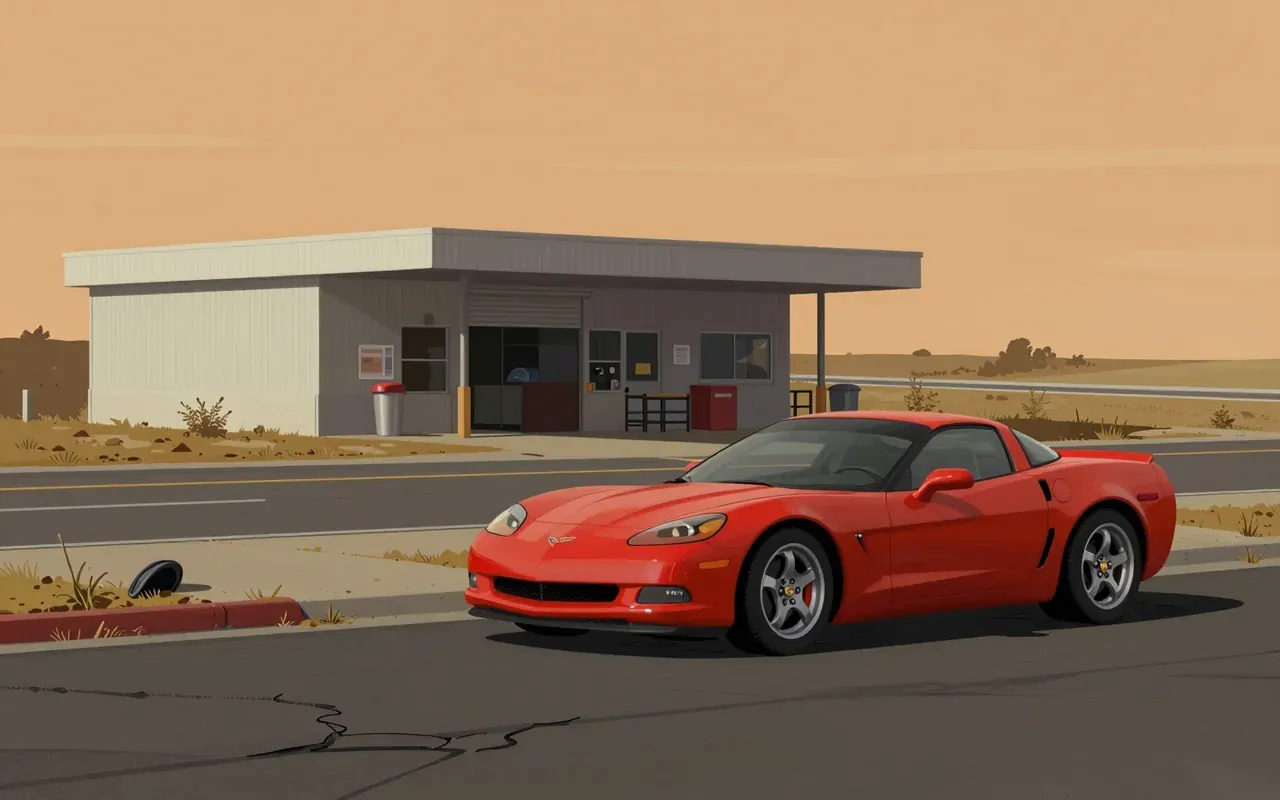
The C6 is the sixth generation of the Chevrolet Corvette, built from 2005 to 2013. It was the first Corvette since the 1962 model with exposed headlamps, and it brought a larger passenger compartment and a 6.0 L LS2 V8 rated at 400 hp, followed from 2008 by the 6.2 L LS3. Z06, ZR1, Grand Sport and 427 Convertible versions were also built.

10:08

Chevrolet Corvette C8

Tom Peters · 2020

The C8 is the eighth generation of the Chevrolet Corvette and the first with a rear mid-engine layout. The Stingray uses a 6.2 L LT2 V8 rated at 490 hp with an 8-speed dual-clutch gearbox and no manual option. Production began on 3 February 2020, and Z06, E-Ray and ZR1 versions followed.

10:40

Facel Vega HK500

Jean Daninos · 1959

The HK500 was introduced for 1959 as a renamed and upgraded FVS from the French maker Facel. It started with the 5.8 L Chrysler V8 and soon moved to a 6.3 L unit rated at 360 hp, good for 237 km/h. The Facel Vega II replaced it in 1962 after 489 were built.
11:52

Ferrari 250 GT SWB

Pininfarina · 1959

The 250 GT Berlinetta SWB is the 1959 Ferrari that shortened the 250 GT wheelbase from 2,600 mm to 2,400 mm for better handling. 176 were built, in road and racing trims, with 240 to 280 PS from the 3.0 L Colombo V12.

10:08

Ferrari 330 P4

Ferrari · 1967

The 330 P4 was a mid-engined V12 endurance car that replaced the 330 P3 in 1967. It kept the P3's fuel injection, added a three-valve cylinder head and produced up to 450 hp. Only four P4-engined cars were made, and it won Monza in 1967.

9:35

Ford Escort RS1600

Ford · 1970

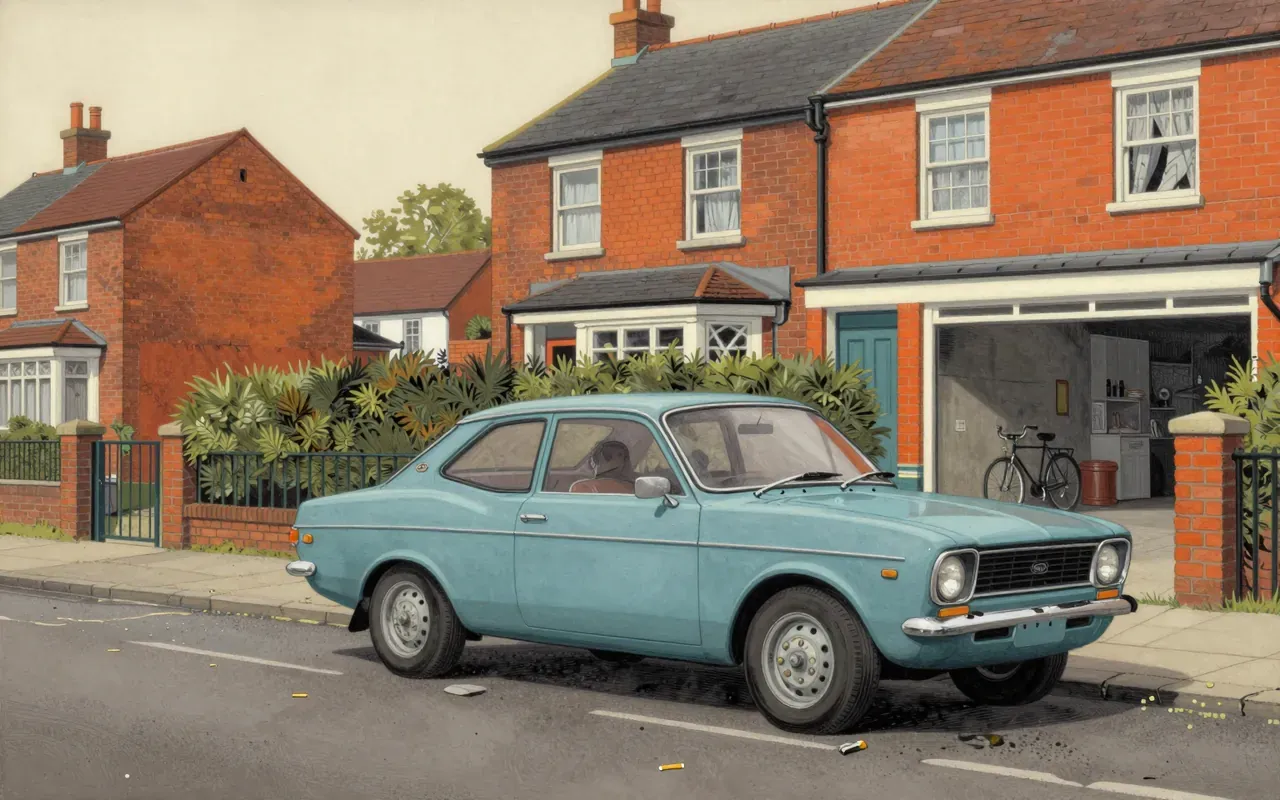
The Escort RS1600 was a performance version of the Mark I Escort, with RS standing for Rallye Sport. It used a 1,601 cc Cosworth BDA engine with a 16-valve head, a strengthened bodyshell and sports suspension, and was built at Ford's Aveley plant in South Essex.
10:32

Honda Integra Type R DC2

Honda · 1995

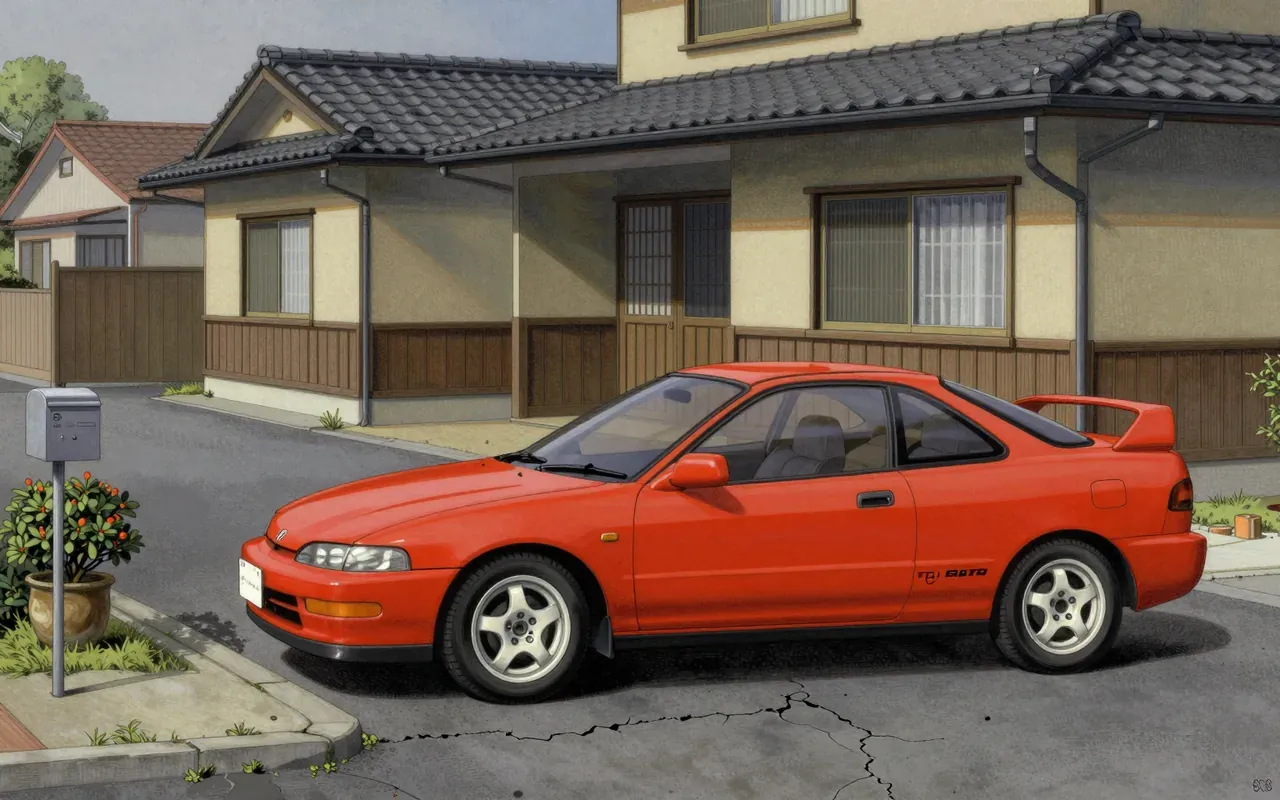
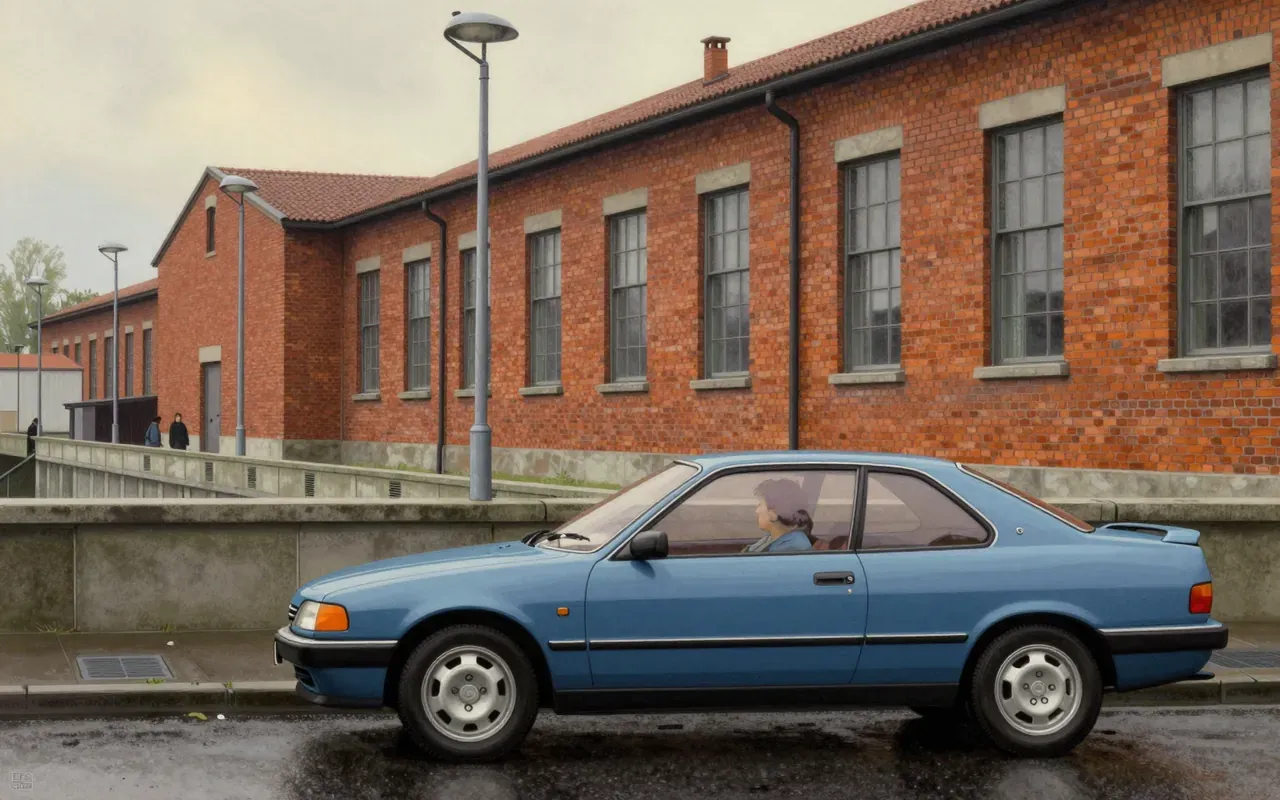
Honda introduced the first Integra Type R to the Japanese market in 1995 and built the DC2 through 2001. It took the B18C VTEC engine, a close-ratio five-speed gearbox and a limited-slip differential, then cut equipment and added chassis stiffening. Journalists rated it among the best front-wheel-drive cars made.

9:00

Jeep CJ

Willys engineering · 1945

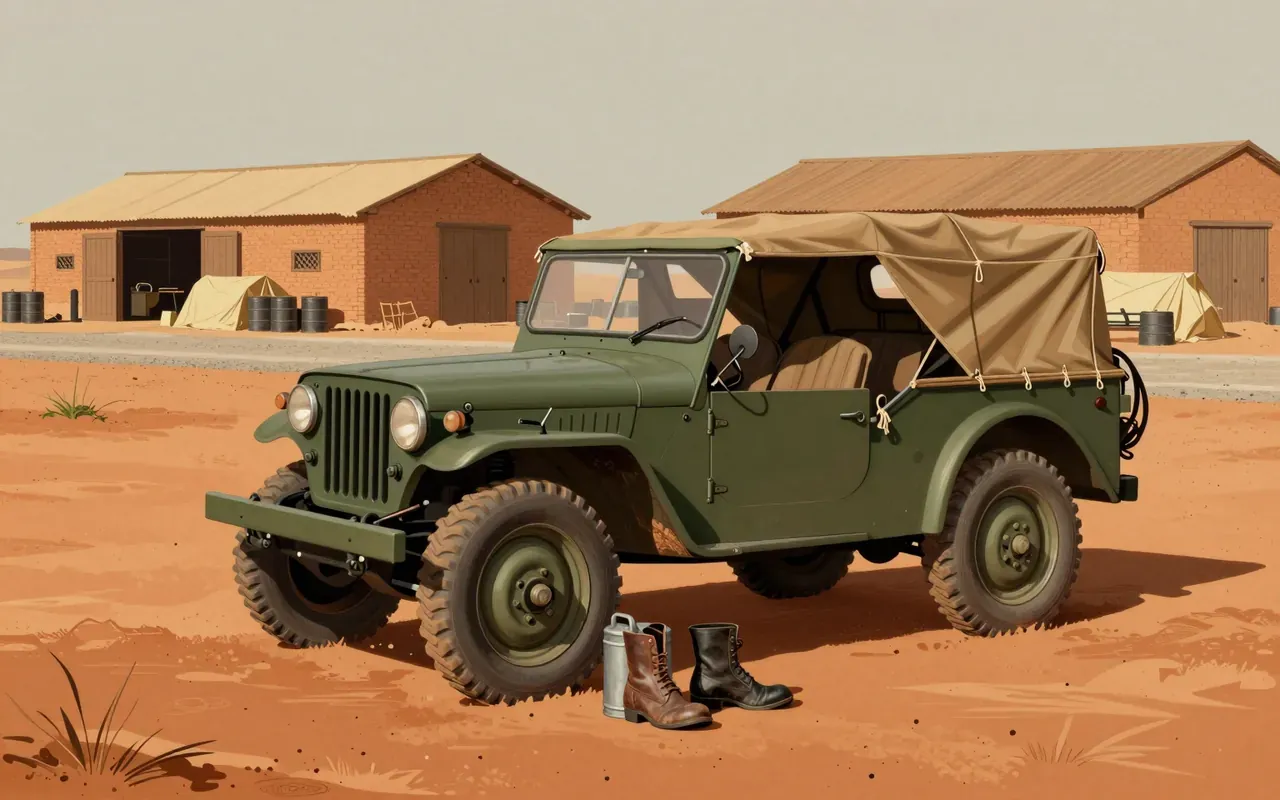
The Jeep CJ began as a 1944 Willys-Overland prototype, a civilian version of the wartime Jeep, and the 1945 Universal Jeep became the first mass-produced civilian four-wheel-drive car. Through the CJ-2A, CJ-3B, CJ-5 and CJ-7 it kept a separate body and frame and live axles, and with few exceptions part-time four-wheel drive. More than 1.5 million were built before the Wrangler replaced it.

9:07

Mazda RX-7 SA22C

Matasaburo Maeda · 1978

The SA22C is the first-generation Mazda RX-7, a two-seat hatchback coupé with a Wankel rotary engine set behind the front axle and rear-wheel drive. Matasaburo Maeda led its design. Three series ran from 1978 to 1985, and 471,018 cars were built, most of them sold in the United States.

9:57

Nissan 300ZX Z32

Toshio Yamashita · 1989

The Z32 is the second-generation Nissan 300ZX, sold in Japan as the Fairlady Z from 1989 to 2000 and in the US from 1990 to 1996. Isao Sono and Toshio Yamashita designed it, with a 3.0 L V6 offered naturally aspirated or with twin turbochargers, and Nissan drove it up-market, faster, more advanced and dearer than the Z31 it replaced. Car and Driver named it to its Ten Best list seven years running.

9:59

Nissan Silvia S13

Nissan Design · 1988

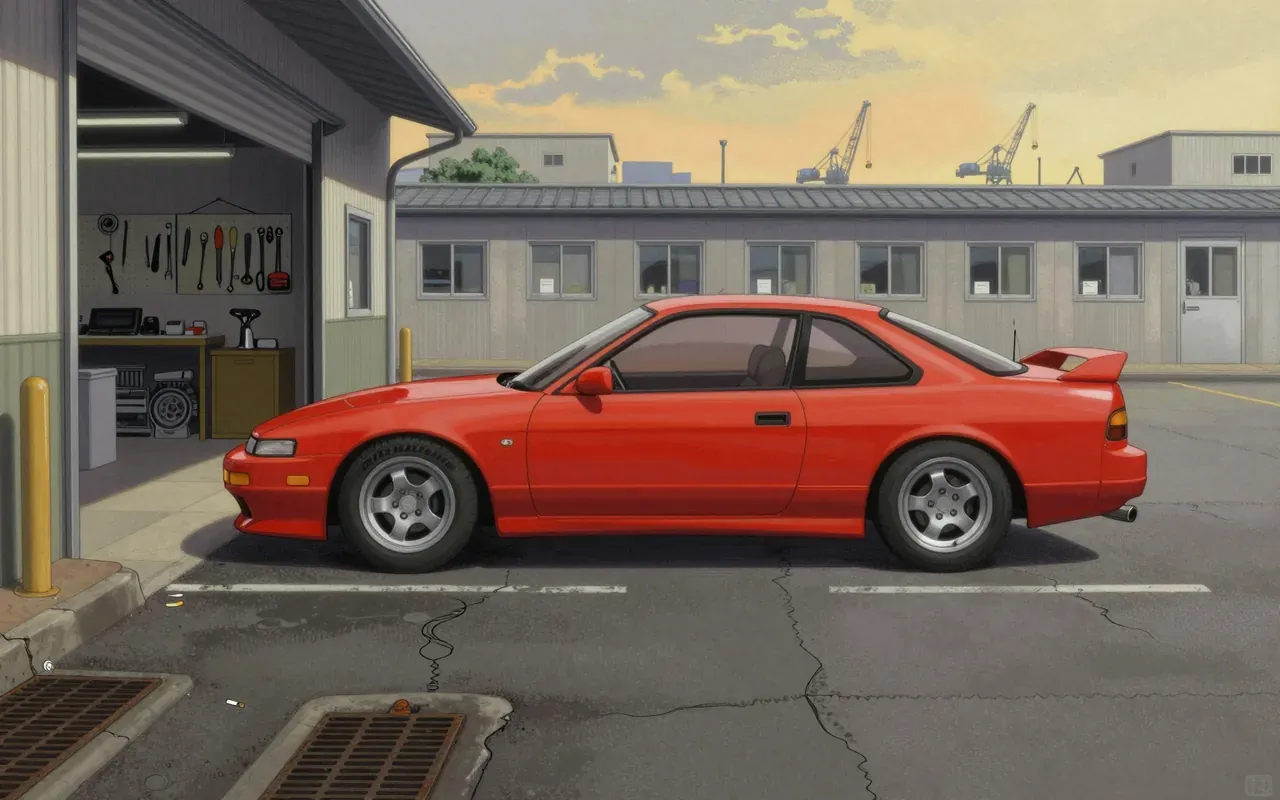
The S13 Silvia went on sale in Japan in May 1988 and won the Car of the Year Japan award in its first year. It paired a multi-link rear suspension with the HICAS four-wheel steering system, moved from the CA18 turbo four to the SR20 in 1991, and was built as a coupé until 1993. Its hatchback sister, the 180SX, carried the platform abroad as the 200SX and 240SX.

8:29

Nissan Skyline GT-R KPGC10

Shinichiro Sakurai · 1970

The KPGC10 is the two-door hardtop coupé version of the first Skyline GT-R, added in October 1970 to the four-door PGC10 that launched in 1969. It carried the same 2.0 L S20 four-valve inline-six, sat on a wheelbase 70 mm shorter, and was built in 1,197 units until 1972. Together with the PGC10 it won 49 consecutive Japanese touring car races.

10:43

Nissan Skyline R30

Nissan · 1981

The R30 Skyline launched in August 1981 on the Laurel platform as a coupé, sedan, Liftback and wagon. Its most famous version was the DR30 RS, powered by the FJ20 four-valve twin-cam four, turbocharged from 1983 and given the Tekkamen front end that year. The RS is credited with rejuvenating the Skyline brand and paved the way for the return of the GT-R badge.

9:20

Pagani Zonda C12

Horacio Pagani · 1999

The Zonda C12 was the first car from Pagani, shown at the 1999 Geneva Motor Show. It put a 6.0 L Mercedes-Benz M120 V12 behind the driver in a mainly carbon-fibre car with a five-speed manual gearbox. Only five cars were built with the 6.0 L engine before the 7.0 L C12 S arrived in 2002.

10:06

Renault 8 Gordini

Philippe Charbonneaux · 1964

The Renault 8 Gordini, model R1134, arrived in 1964 as the tuned version of Renault's rear-engine saloon, with a 1108 cc engine rated at 90 PS, a four-speed close-ratio gearbox and a blue livery with two white stripes. A 1967 facelift brought a 1255 cc engine and 100 PS.

10:12

Subaru Impreza 555

Subaru · 1993

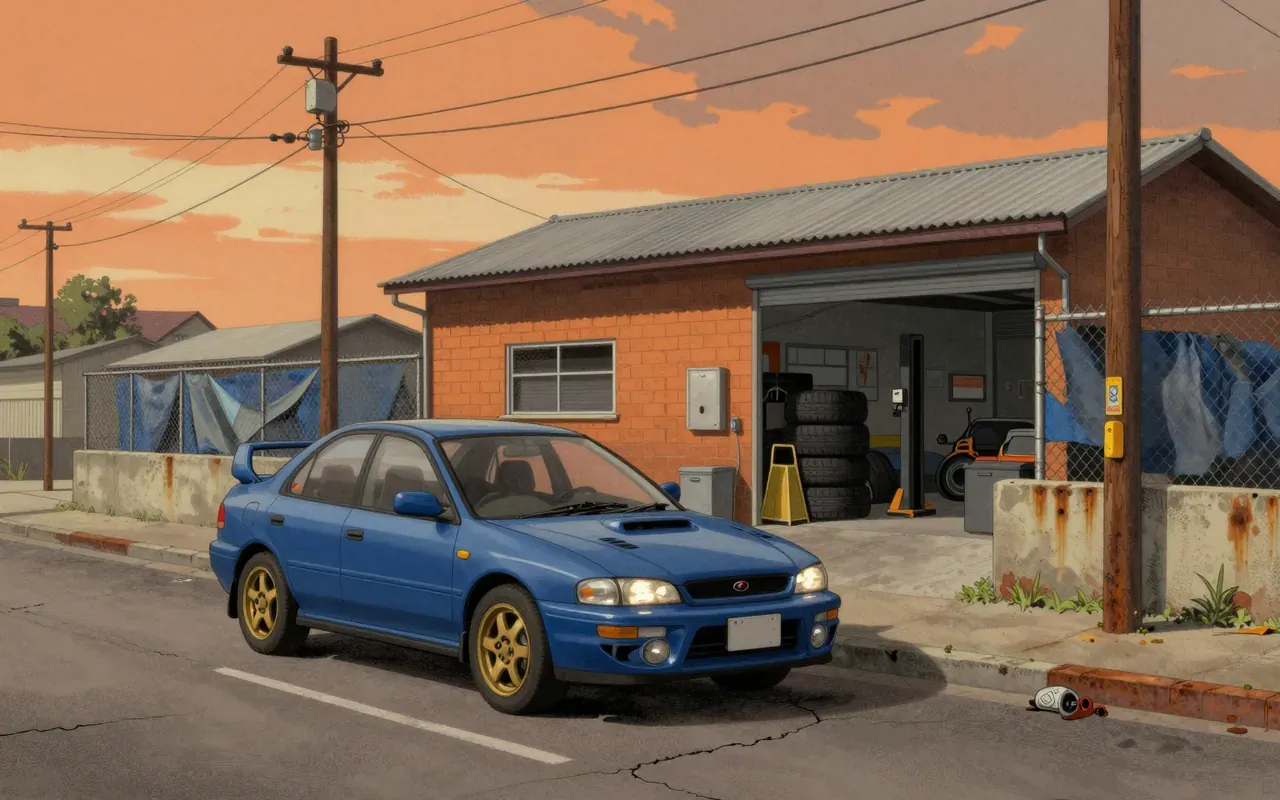
The Impreza 555 is the Prodrive-developed Group A rally car that Subaru's World Rally Team debuted at Rally Finland in 1993. Driven by Colin McRae and Carlos Sainz in 1995, it won the team its first manufacturers' title and gave McRae the drivers' championship; the Impreza went on to win the 1996 and 1997 manufacturers' titles too.

9:48

Subaru Impreza WRX STI

Subaru · 1994

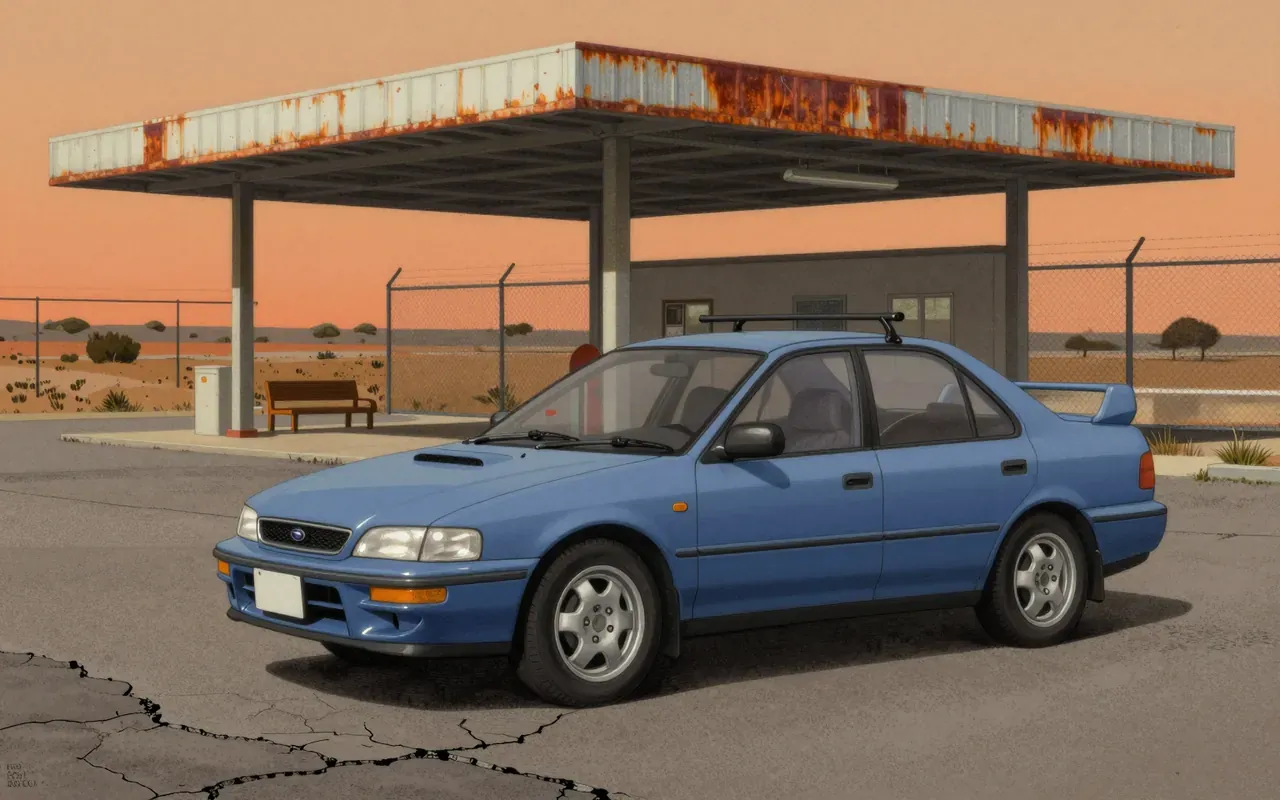
The Subaru Impreza WRX STI is the high-performance version of the turbocharged, all-wheel drive Impreza WRX, developed by Subaru Tecnica International, the company's motorsport arm. The first STi went on sale in 1994 as a homologation model for the World Rally Championship and was refined through six Versions, a lightweight Type RA and the widebody 22B. From 2015 the WRX and WRX STI left the Impreza name behind.

12:37

Toyota Celica GT-Four ST185

Toyota · 1989

The ST185 is the second generation of the Celica GT-Four, built from September 1989 to September 1993 as the road-going base for Toyota's WRC cars. It carries a turbocharged 3S-GTE engine and a full-time 4WD system, and the homologation GT-Four RC followed in 1991. In rallying it won the Drivers' Championship in 1992, and the Manufacturers' and Drivers' titles in 1993 and 1994.

9:12

Toyota MR2 AW11

Seiichi Yamauchi · 1984

The first-generation Toyota MR2 arrived in 1984 as Japan's first rear-mid-engine, rear-wheel-drive production car. It grew out of a 1976 project for an enjoyable, economical car, and handling help from Lotus engineer Roger Becker shaped how it drives. The AW11 is the 1.6-litre 4A-GE version, later joined by a supercharged model.

9:15

Volkswagen Scirocco Mk1

Giorgetto Giugiaro · 1974

The first-generation Volkswagen Scirocco, internally the Typ 53, replaced the Karmann Ghia. Giorgetto Giugiaro styled it on the Golf's platform with almost every part re-engineered. It went on sale in 1974, six months before the Golf, and its GTi entered production before the Golf GTI was unveiled.

9:09

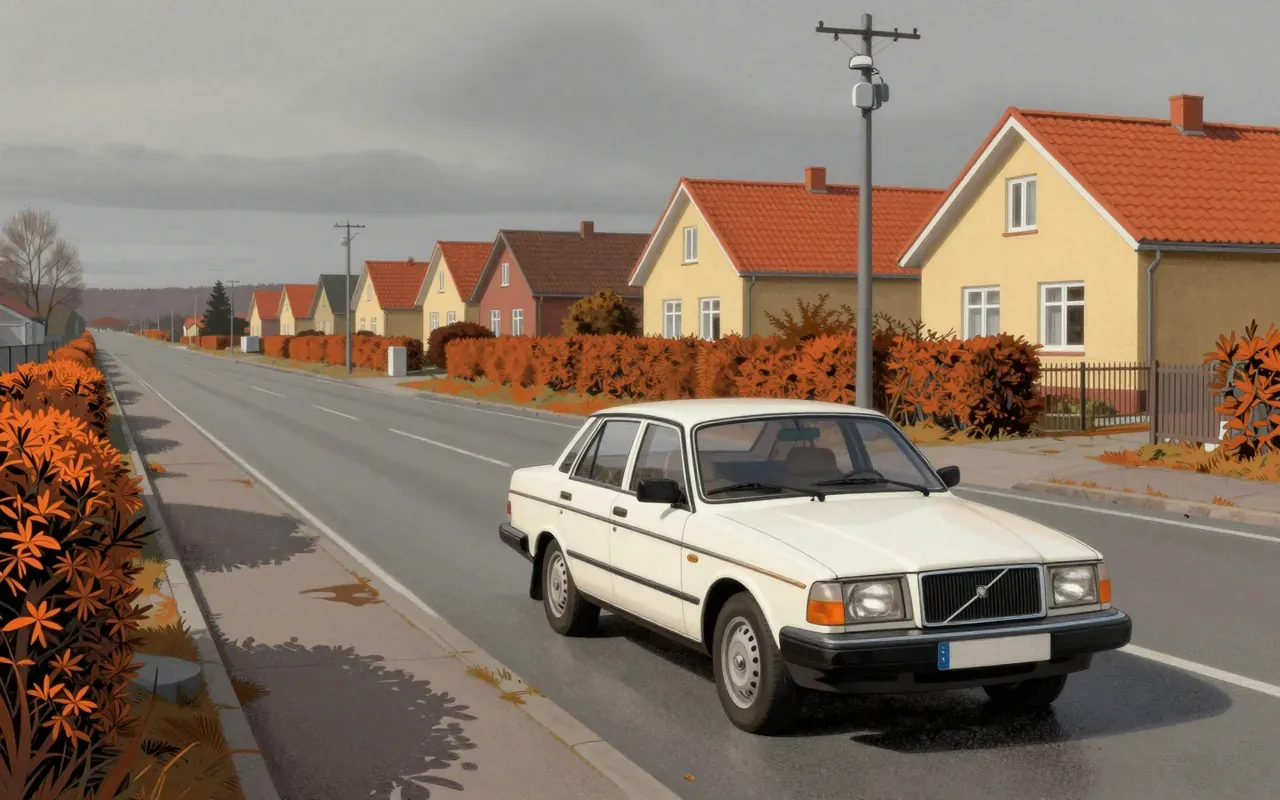
Volvo 240

Jan Wilsgaard · 1974

The Volvo 240 was one of the two models of the 200 Series, introduced in autumn 1974 as a two- or four-door saloon and an estate. Designed by Jan Wilsgaard, it kept the 140's body shell behind the cowl and added a crumple-zone nose, MacPherson strut front suspension and rack-and-pinion steering. It outlived its 260 sister and stayed in production until 14 May 1993.

9:23

Volvo 850 T-5R

Jan Wilsgaard · 1995

The 850 T-5R was a special edition of the Volvo 850 Turbo, built for 1995 and again in 1996 after it sold well. It raised the turbo's output to 243 hp, was tuned with help from Porsche, and was sold in yellow, black or green. Volvo built 6,964 of them, and the 850 R replaced it in 1996.

10:00

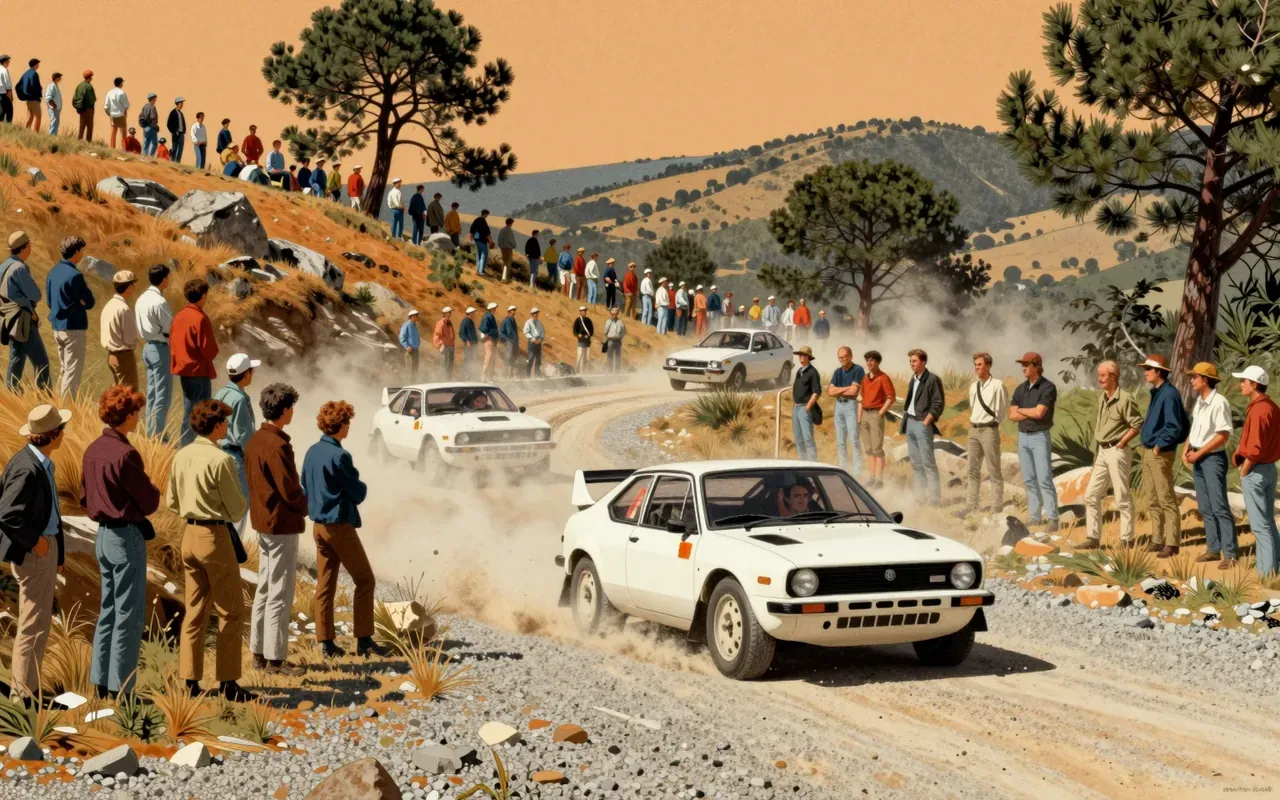
Peugeot 205 T16 Evo 2

Peugeot Talbot Sport · 1985

The Peugeot 205 Turbo 16 is the Group B rally car Peugeot Talbot Sport built on the two-door 205, with a rear-mid turbocharged engine and four-wheel drive. The Evolution 2 version arrived for the 1986 season and used a rear spaceframe made entirely of tubes. Factory cars under Jean Todt won the 1985 and 1986 world rally titles.

9:06

Nissan Pulsar GTI-R

Nissan · 1990

The Nissan Pulsar GTI-R was a homologation special, a road-going version of the N14 hatchback sold as a Pulsar in Japan and a Sunny in Europe. It paired a turbocharged 2.0-litre SR20DET with ATTESA all-wheel drive. The works rally programme never won a Group A round, but the car did well in production-class rallying.

9:50

Auto Union

Ferdinand Porsche · 1932

The Auto Union racing cars (Types A–D) were state-funded, rear mid-engine Grand Prix machines built from 1934 to 1939. Ferdinand Porsche designed the foundational P-Wagen Project, which Auto Union acquired in 1932. Their central fuel tank, forward driver position, and supercharged engines delivering up to 550 hp defined pre-war racing engineering — and established solutions still used in modern open-wheel cars.

9:13

Fiat 130

Paolo Martin · 1971

The Fiat 130 Coupé is a 1971 Pininfarina design by Paolo Martin — a production car, not a concept — built on the Fiat 130 saloon platform. It uses a front-mounted V6 engine driving the rear wheels. Its influence lies in its resolved, copied-but-never-equaled balance of sharp angles and soft curves.

11:26

Lancia Fulvia

Piero Castagnero · 1965

The Lancia Fulvia Coupé is a 1965 front-wheel-drive compact sports saloon designed by Piero Castagnero. It was built alongside the Antonio Fessia–designed Berlina, sharing no components with the outgoing Appia. It launched as part of a three-variant line — Berlina, Coupé, and Zagato Sport — all named after the Via Fulvia and debuted at the 1963 Geneva Motor Show.

11:09

Peugeot 406

Pininfarina · 1997

The Peugeot 406 Coupé is a front-wheel-drive large family car designed and built by Pininfarina. It shares its platform with the saloon and estate. Davide Arcangeli led its design. 107,633 were made. It succeeded in UK fleet sales, won 1997 What Car? Car of the Year, and set a world fuel-efficiency record in 2002.

9:12

Shelby Mustang GT350

Ford · 1965

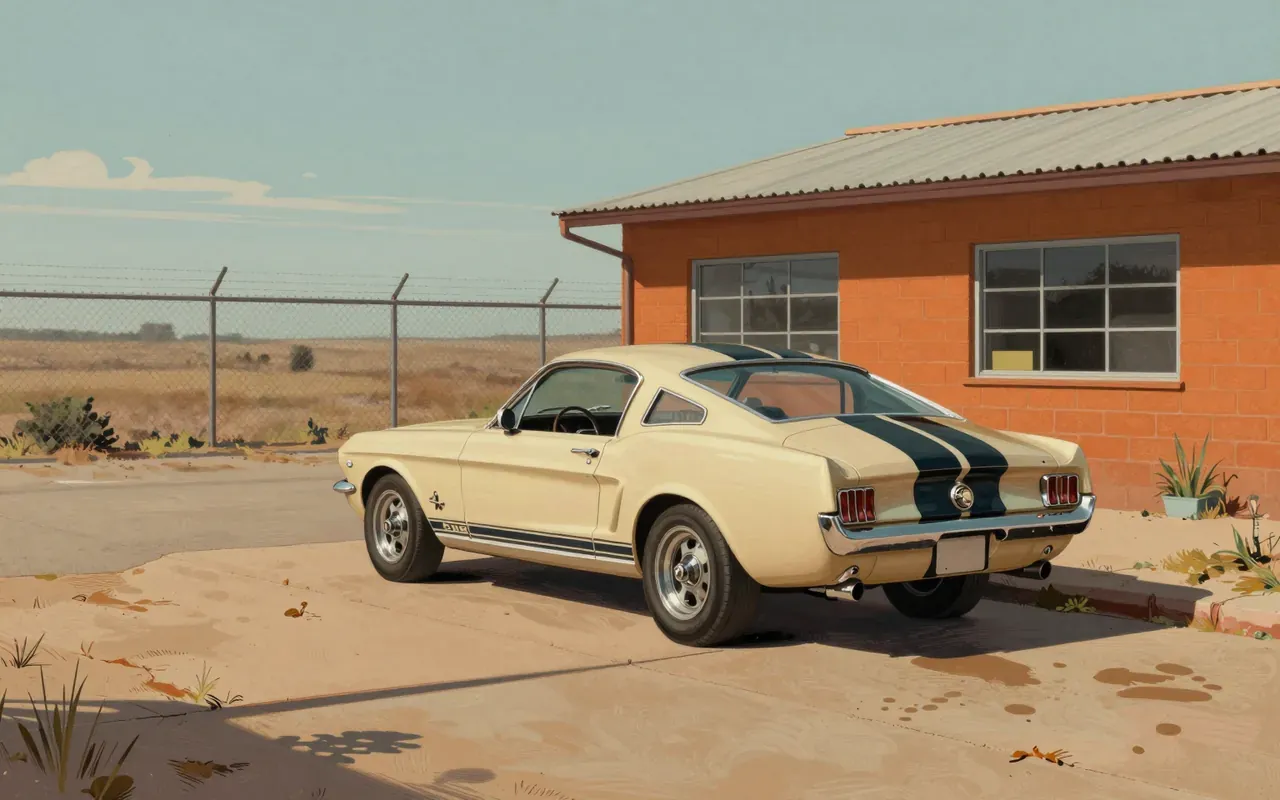
The 1965 Shelby Mustang GT350 is a race-focused fastback built by Shelby American. It uses a modified 289 cu in V8. It wins SCCA B-Production for three years. It abandons comfort entirely. After 1967, Shelby’s involvement ends and Ford reduces later models to styling upgrades.

10:20

Talbot-Lago T150-C SS

Figoni & Falaschi · 1936

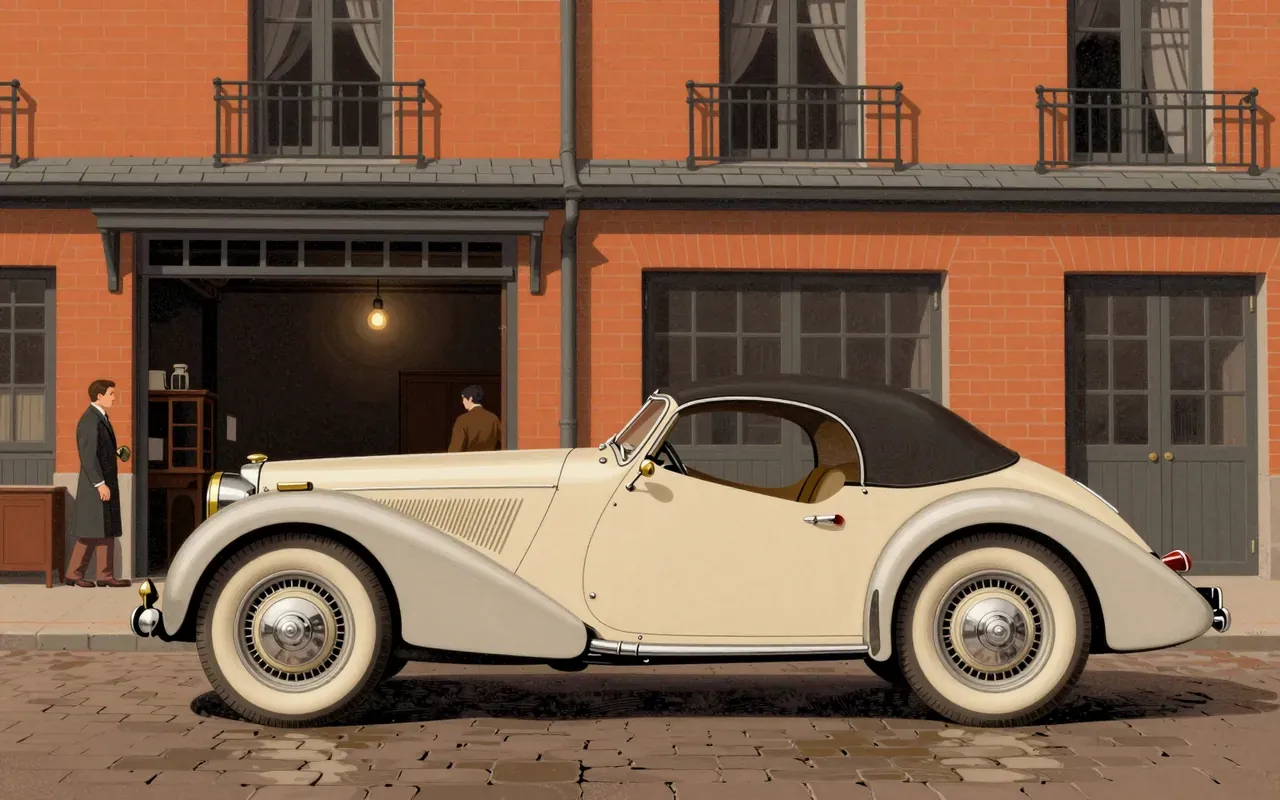
The Talbot-Lago T150C SS Teardrop Coupe is a 1936 Figoni & Falaschi-bodied car commissioned by Antonio Lago to revive the Talbot marque. Its teardrop form was among the most aerodynamic of its era—and the most frequently specified for the Lago-SS. It established no new chassis or engine architecture, but it did establish a visual language for speed that resonated at concours and auction alike.

11:02

Alfa Romeo Carabo

Marcello Gandini · 1950

The Alfa Romeo Carabo is a 1968 concept car designed by Marcello Gandini at Bertone. It debuted at the 1968 Paris Motor Show. It used the chassis of an Alfa Romeo 33 Stradale with a mid-mounted 2.0 L V8 engine and 6-speed Colotti manual transmission. It featured scissor doors — the first known use — and iridescent green-orange colouring inspired by Carabidae beetles. Built in ten weeks using fiberglass, it was never intended for production but was fully functional. It helped establish the wedge shape trend in 1970s supercars and concept cars. Gandini’s design philosophy prioritised vehicle architecture and mechanics over styling.

13:50

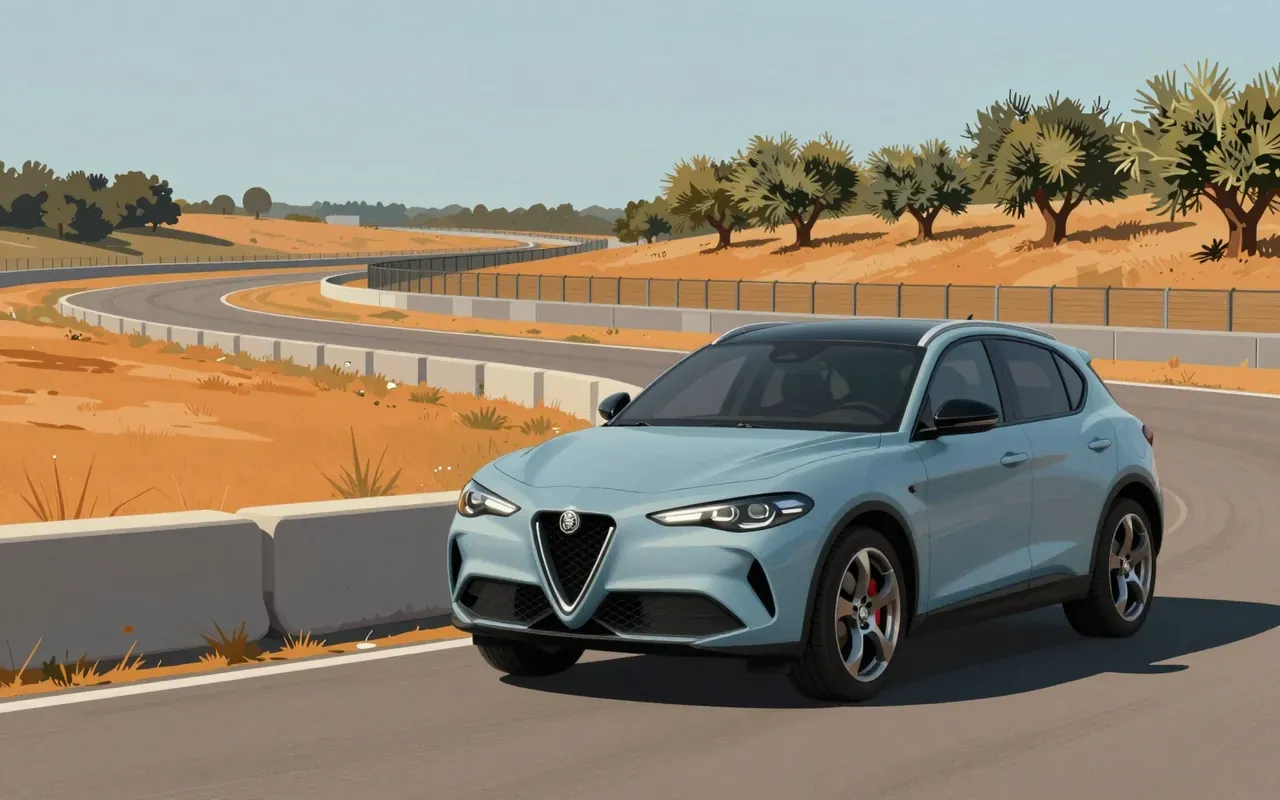
Alfa Romeo Tonale

Alfa Romeo Centro Stile · 2022

The Alfa Romeo Tonale is a compact luxury crossover SUV launched in February 2022. It is Alfa Romeo’s first hybrid vehicle and first new model in six years. It sits between the Junior and Stelvio in the SUV lineup. It uses a modified SCCS platform shared with the Jeep Compass. It offers mild-hybrid and plug-in hybrid variants, the latter with a 15.5 kWh battery and 48 km electric range. It was delayed from 2021 to 2022 due to semiconductor shortages and drivetrain requirements. A rebadged version, the Dodge Hornet, launched in North America in August 2022.

10:20

Alfa Romeo Alfasud

Giorgetto Giugiaro · 1971

The Alfasud was Alfa Romeo’s first front-wheel-drive, boxer-engined, mass-market car — conceived in Turin, built in Pomigliano d’Arco, styled by Giugiaro, engineered by Hruska. It prioritised low centre of gravity and aerodynamic efficiency over corrosion resistance. Its legacy is mechanical clarity, not durability.

8:12

Alpine A110 (2017)

Antony Villain · 2017

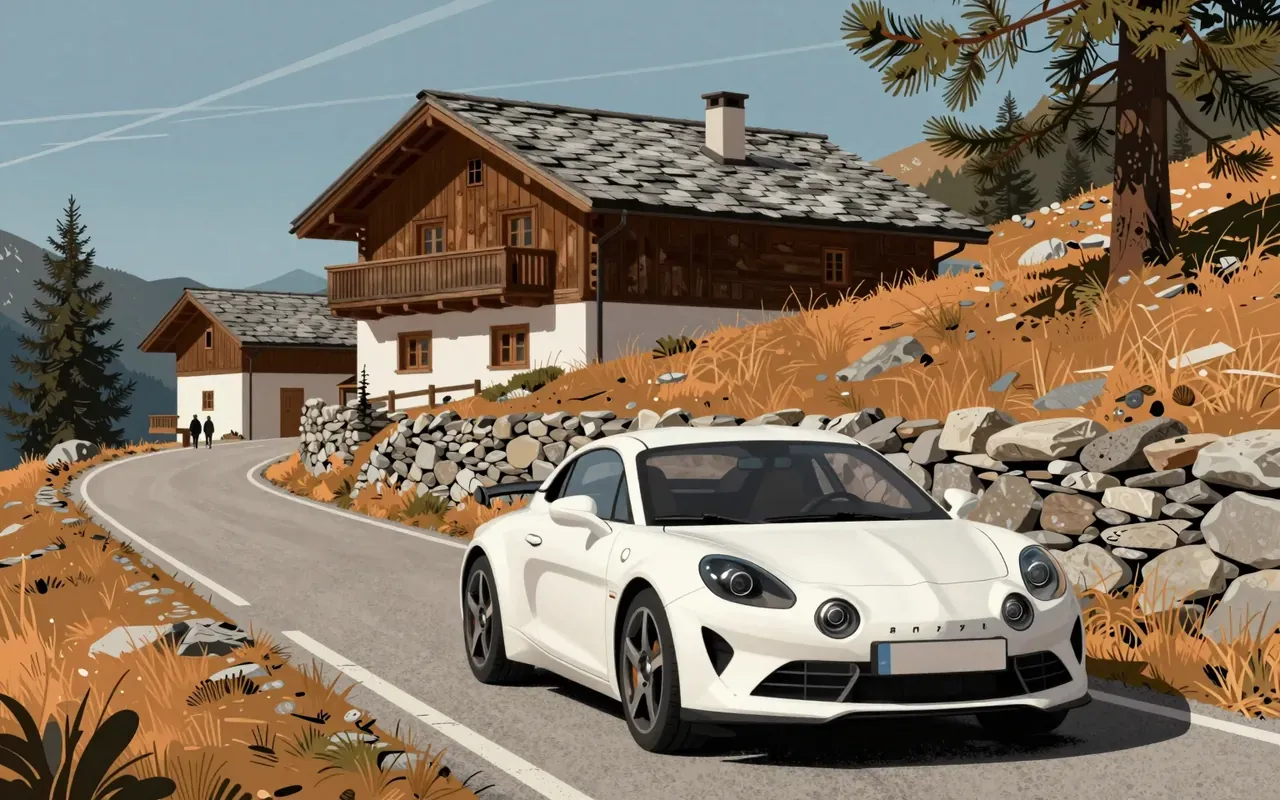
The Alpine A110 (2017) is a rear mid-engine, rear-wheel-drive sports car built on an all-aluminium chassis and powered by a Nissan-derived 1.8-litre turbocharged inline-four engine. It debuted at the 2017 Geneva Motor Show. Production ended in June 2026.

8:32

Alpine A310

Michel Beligond · 1971

The Alpine A310 is a French sports car, launched in 1971 as Jean Rédélé’s final Alpine model. It debuted at the 1971 Geneva Motor Show. It used a tubular steel backbone chassis and a one-piece fiberglass body. Its engine was mounted longitudinally in the rear and drove the rear wheels via a five-speed manual gearbox. The driving position was low and sporty, with footwells angled toward the car’s centre.

9:14

Renault Alpine GTA/A610

Heuliez · 1984

The Renault Alpine GTA is a rear-engined sports coupé launched in 1985 by Alpine under full Renault ownership. It replaced the A310, sharing its layout and V6 PRV engine. Marketed as the Alpine V6 GT or V6 Turbo in Europe—and as the Renault GTA in Britain—it featured aerodynamic design (Cx 0.28–0.30), lightweight composite body panels, and a steel backbone chassis. Production spanned 1984–1995, totalling ~7,300 units across both GTA and A610 models.

10:20

Aston Martin V8 Vantage (1977)

William Towns · 1977

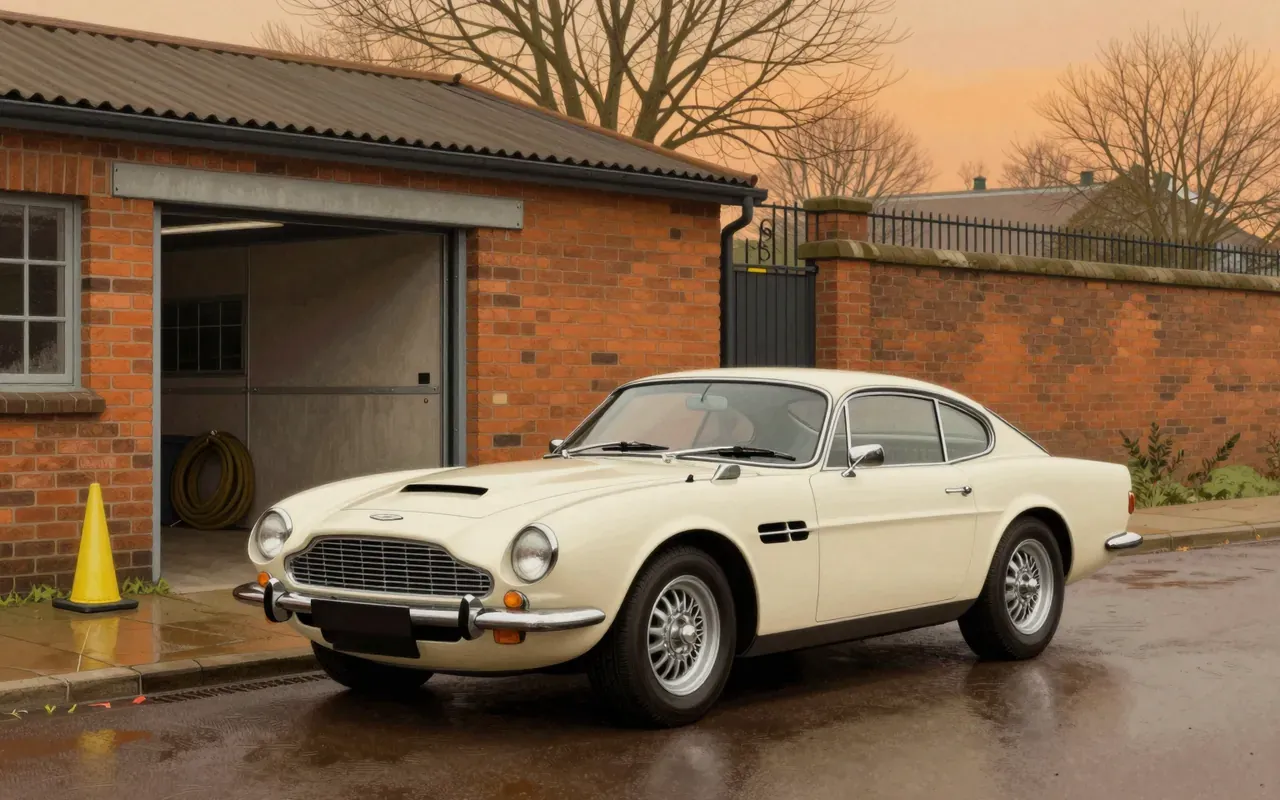
The Aston Martin V8 Vantage (1977) is a British grand tourer and high-performance variant of the Aston Martin V8. It was launched as 'Britain's First Supercar', citing 170 mph top speed and 0–60 mph in 5.3 seconds. Its engine shares architecture with the Lagonda but adds high-performance camshafts, increased compression, larger inlet valves, and bigger Weber carburettors. Early models produced 380 bhp. William Towns did not design it — he left Aston Martin in 1977.

9:25

Audi A2

Luc Donckerwolke · 1999

The Audi A2 is a compact MPV-styled supermini produced by Audi from November 1999 to August 2005. Luc Donckerwolke designed both its 1997 Al2 concept and production form. It uses aluminium spaceframe construction, resulting in an average weight of 830 kg and class-leading efficiency — including the 3L diesel variant, Europe’s first five-door under-3 L/100 km. Built on a dedicated aluminium line in Neckarsulm, it featured advanced aerodynamics (Cd 0.25–0.29), a service hatch, and start-stop. Despite innovation and praise for design, it incurred €7,530 loss per unit and sold only 176,377 examples before discontinuation.

9:18

Audi e-tron GT

Marc Lichte · 2021

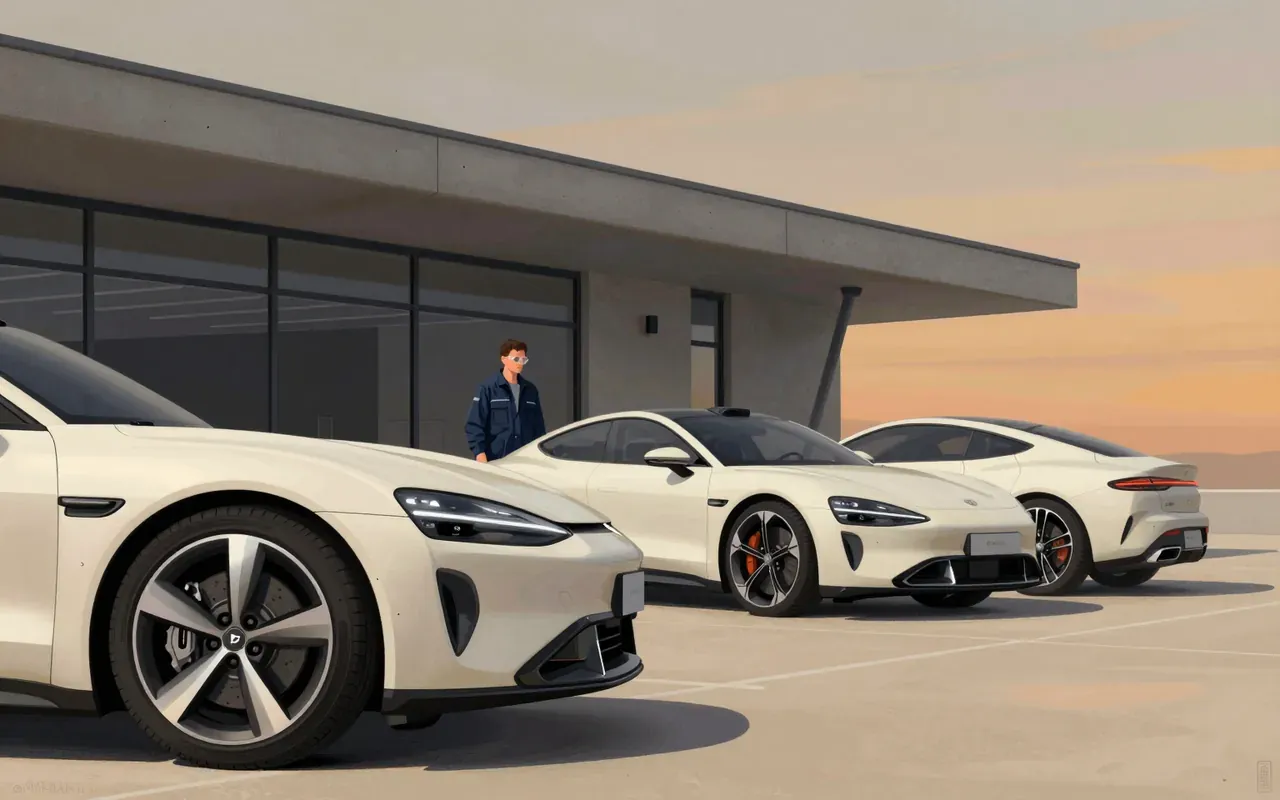
The Audi e-tron GT is a battery electric executive car produced by Audi since late 2020. It is Audi’s first full-sized electric sedan. It is based on the J1 platform shared with the Porsche Taycan. The production car extensively recreates the 2018 concept design. It is a 4-door sedan with a sporty coupé-style silhouette. Its driveline uses an 84 kWh net battery and two electric motors for all-wheel drive. It accelerates from 0–100 km/h in 4.1 seconds and has a top speed of 245 km/h.

9:38

Audi R8

Walter de Silva · 2006

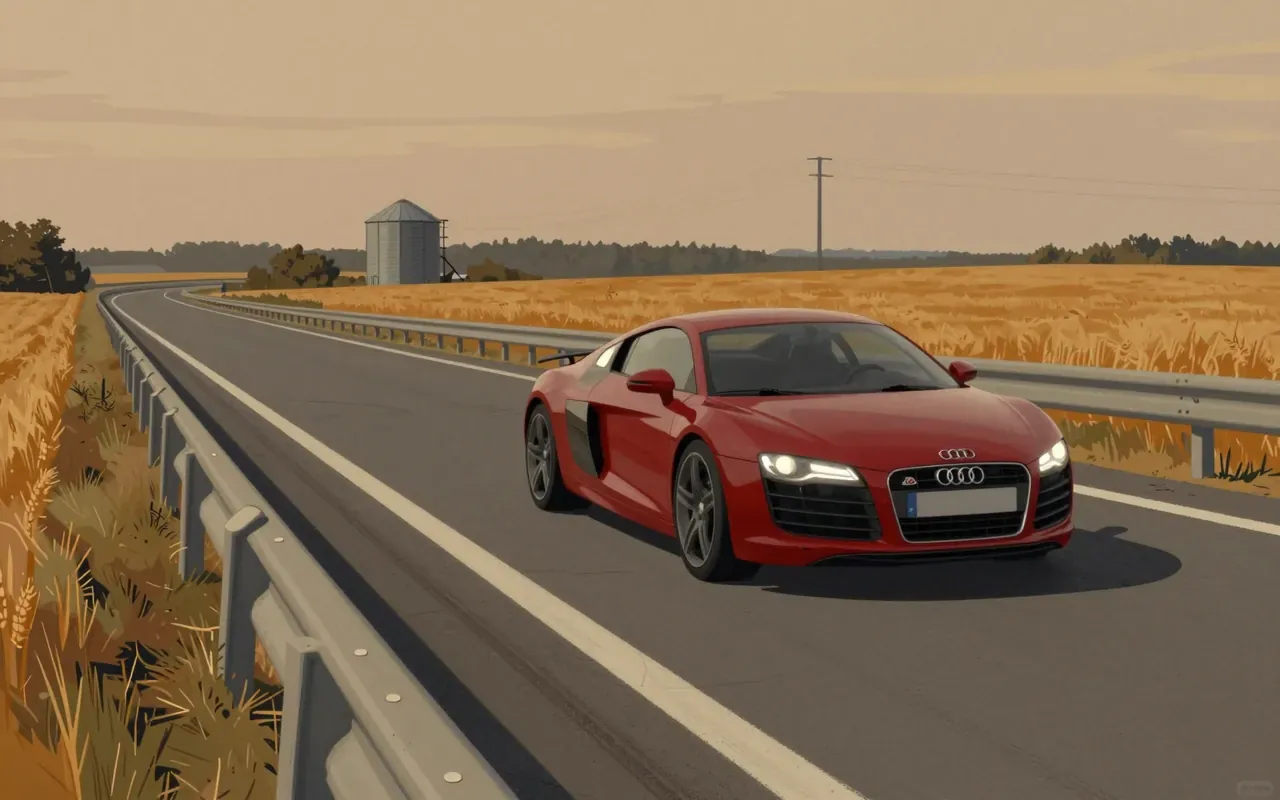
The Audi R8 is a mid-engine, two-seater sports car with quattro all-wheel drive. Introduced by Audi AG in 2006, it was built exclusively by Audi Sport GmbH at Neckarsulm, Germany, using an aluminium monocoque based on the Audi Space Frame. At launch, it was the first production car with full-LED headlamps.

9:46

Pininfarina Battista

Pininfarina · 2022

The Pininfarina Battista is not a revival—it is a declaration. It replaces combustion with four wheel-mounted motors. It replaces tradition with a carbon monocoque built for mass reduction. It replaces volume with 150 units. It is the first Pininfarina-branded car. And it arrives not as a concept, but as a production machine built in Cambiano.

11:27

Bentley Continental GT

Dirk van Braeckel · 2003

The 2003 Bentley Continental GT is a grand touring car. It launched after Volkswagen AG acquired Bentley in 1998. It was the first Bentley built using mass production techniques. It uses a 6.0 litre twin-turbocharged W12 engine and Torsen-based permanent four-wheel drive. The coupé has no B-pillar and fixed front quarter glass. Dirk van Braeckel designed it to outsell the Arnage. It sold 5,983 units in 2004 — 62% above forecast.

All 419 briefs →
Browse the garages

419 cars, 2 garages.

Every garage carries the hue of this subject, so a brief says where it belongs before you read the title.

Under 5:00

2 briefs
Designers