What the car is and where it came from
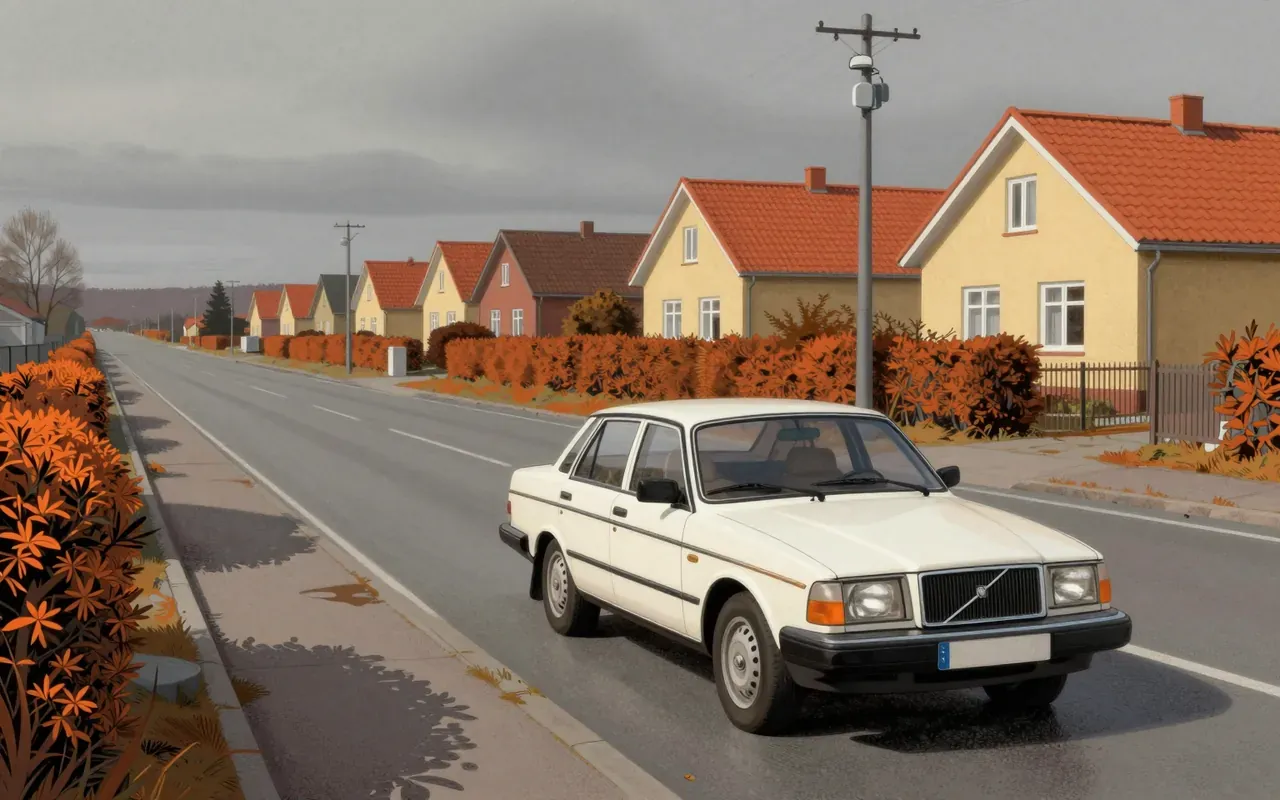
The Volvo 850 is a compact executive car produced by Volvo Cars from 1991 to 1997. Jan Wilsgaard designed it as saloon and estate variants during his tenure as Chief Designer.
How it works, in terms someone would actually use
The Volvo 850 places a transverse 5-cylinder engine ahead of the front axle, driving the front wheels. Its Delta-link rear axle connects the wheels to the body with multiple lateral links, aiming for controlled wheel movement. The side impact protection system reinforces the door structure and sills. The self-adjusting front seat belt mechanism tightens automatically when the door closes.
What it gets right
It integrates safety systems into the architecture: side impact protection is built into the bodyshell, not bolted on. The self-adjusting seat belt works without driver input. The estate version extends practicality without compromising the saloon’s proportions.
What it does not
It does not offer rear-wheel drive. It does not use a multi-link or double-wishbone rear suspension. It does not feature airbags in the verified claims. It does not include all-wheel drive or turbocharging in the verified claims.
What it changed
It marked Volvo’s first use of a transverse 5-cylinder engine, a Delta-link rear axle, and integrated side impact protection in a compact executive car. It cemented the estate as a core Volvo body style, not an afterthought.
Who it is for, and who it is not
It is for buyers who prioritise occupant protection, predictable handling, and pragmatic load space. It is not for drivers seeking mechanical feedback, agility, or powertrain variety.
Is it worth your time
Yes — if you want to understand how Volvo redefined compact executive car safety and packaging in the early 1990s. No — if you seek performance engineering, rear-wheel drive, or design that prioritises driver engagement over structural integrity.