automotivebriefs
Road

Saloons & estates

81
briefs
9:59
average
808 min
in total
64
designers
All briefs81
10:13

BMW 1500 Neue Klasse

Wilhelm Hofmeister · 1961

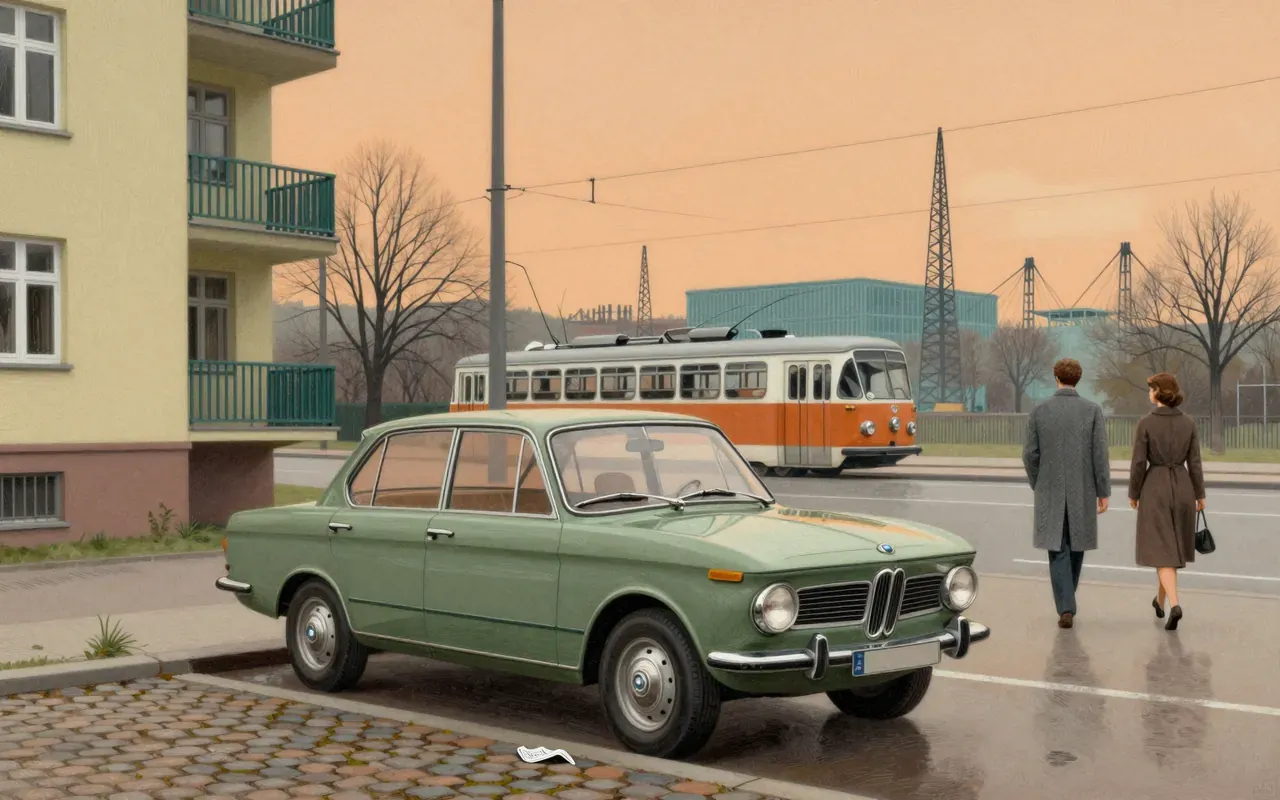
The BMW 1500 was shown at the 1961 Frankfurt Motor Show and built from October 1962 to December 1964. It was a compact four-door executive saloon with the new M10 four-cylinder engine, MacPherson strut front suspension and independent rear suspension. It was the first car of the New Class, the line that arrived as BMW broke even in 1962 after years of losses.

9:36

BMW 2002

Giovanni Michelotti · 1968

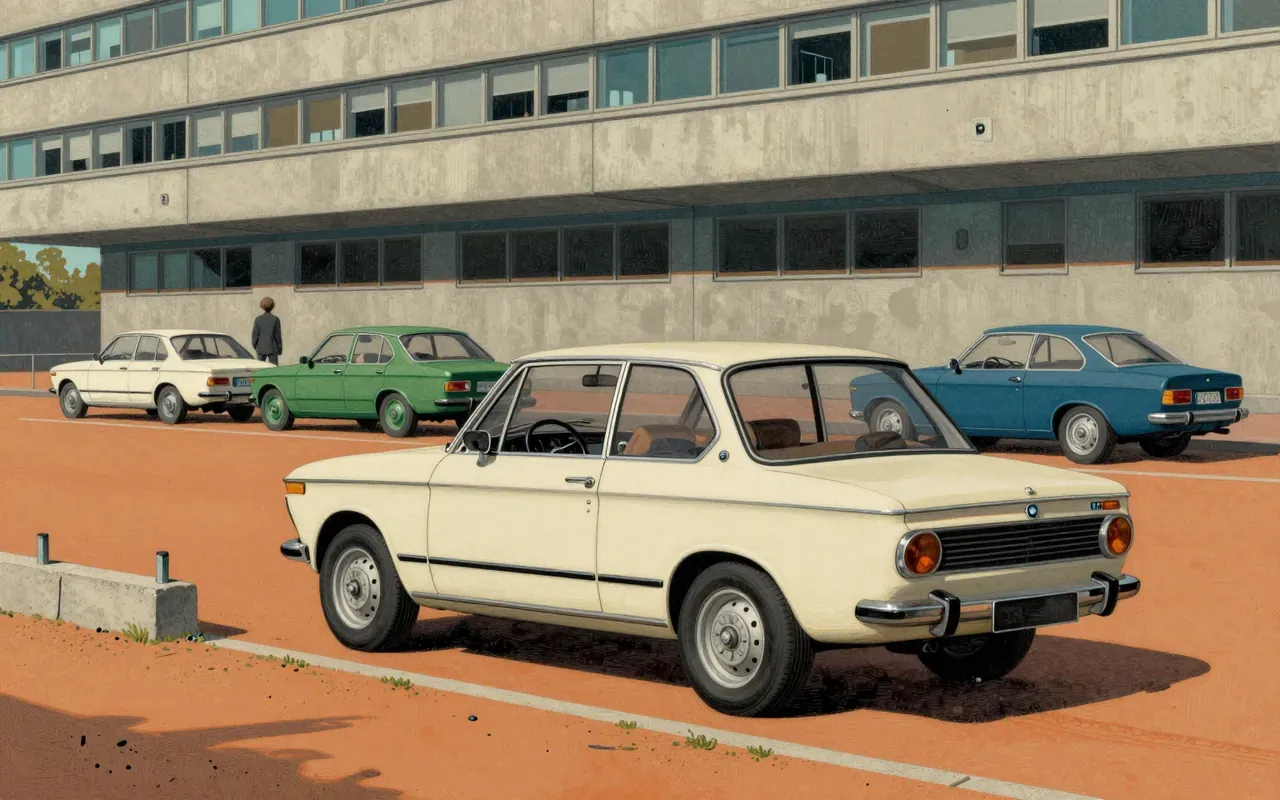
The BMW 2002 went into production in January 1968 as the larger-engined derivative of the 1966 1600-2, itself a shortened New Class saloon. It used a two-litre version of the M10 engine, and the range grew to include the fuel-injected tii, the Touring hatchback, a Baur TopCabriolet and, in 1973, Europe's first turbocharged production car.

10:43

Nissan Skyline R30

Nissan · 1981

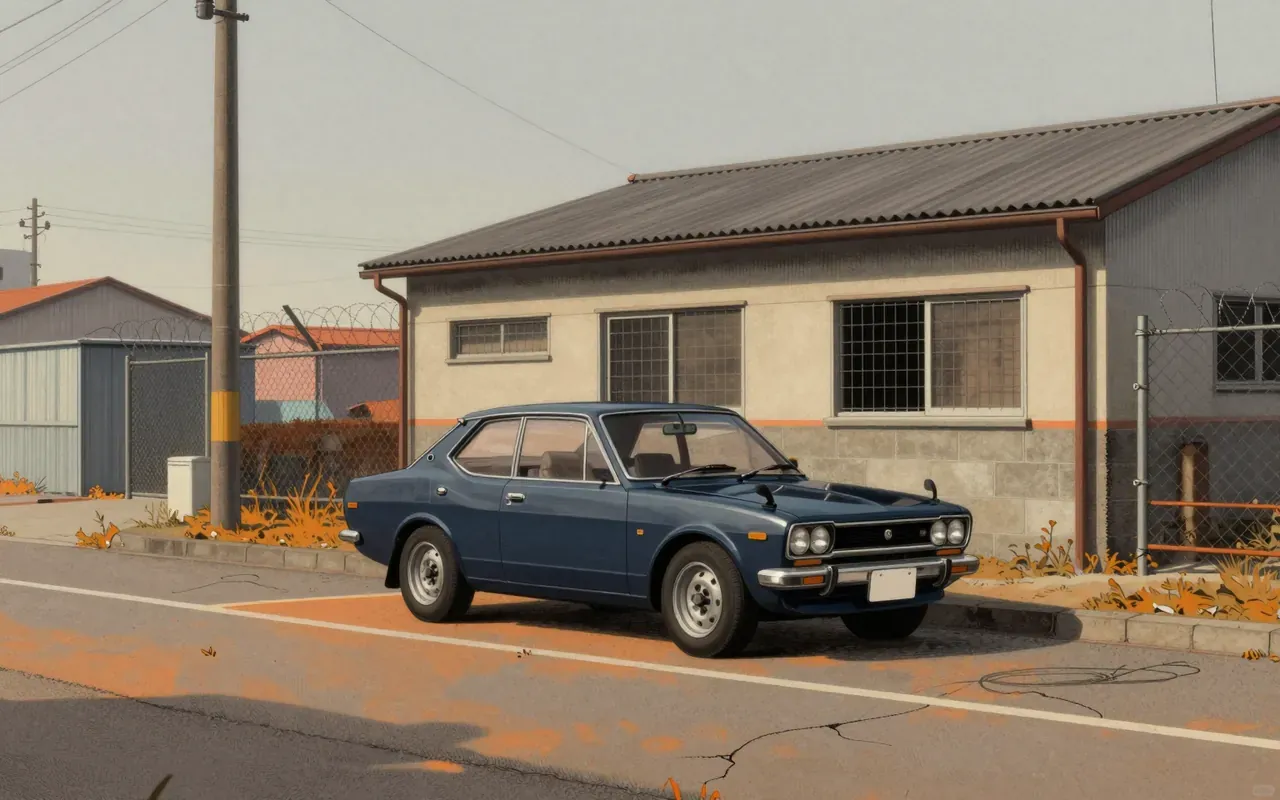
The R30 Skyline launched in August 1981 on the Laurel platform as a coupé, sedan, Liftback and wagon. Its most famous version was the DR30 RS, powered by the FJ20 four-valve twin-cam four, turbocharged from 1983 and given the Tekkamen front end that year. The RS is credited with rejuvenating the Skyline brand and paved the way for the return of the GT-R badge.

10:06

Renault 8 Gordini

Philippe Charbonneaux · 1964

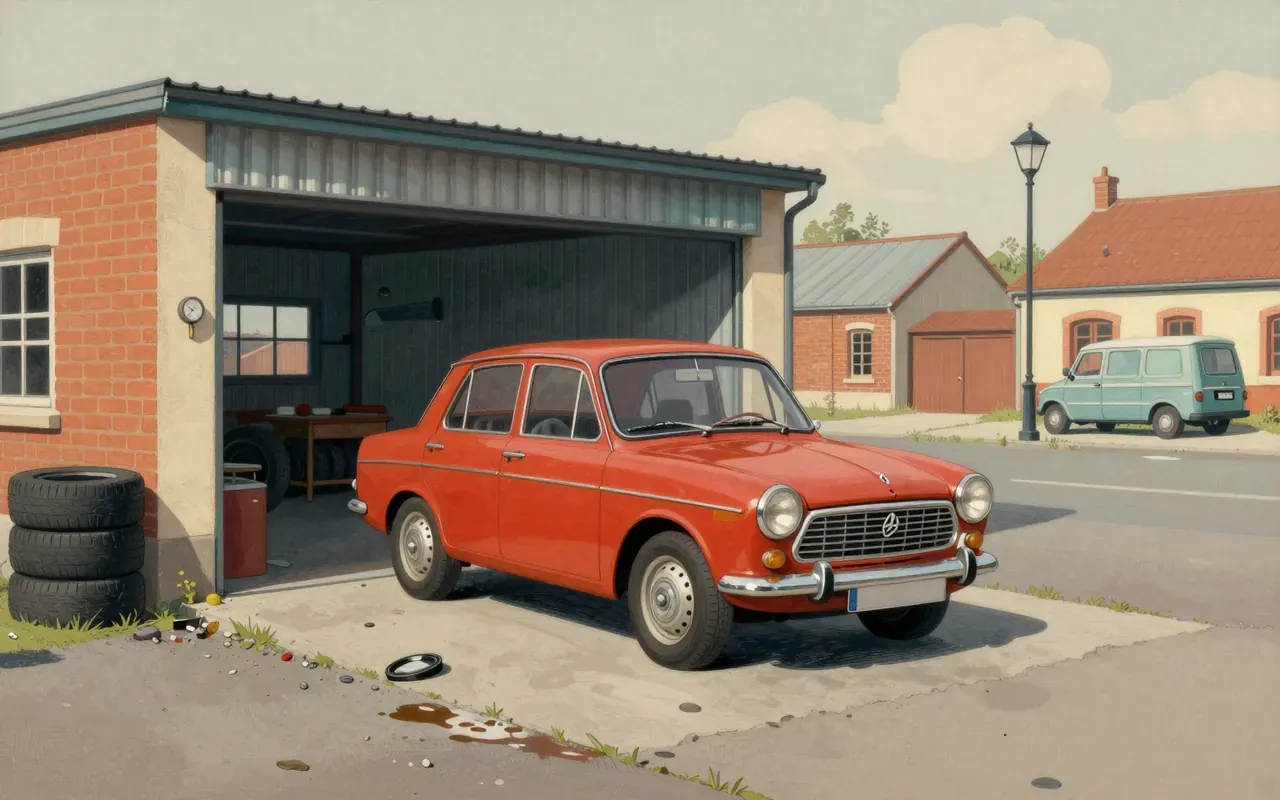
The Renault 8 Gordini, model R1134, arrived in 1964 as the tuned version of Renault's rear-engine saloon, with a 1108 cc engine rated at 90 PS, a four-speed close-ratio gearbox and a blue livery with two white stripes. A 1967 facelift brought a 1255 cc engine and 100 PS.

9:09

Volvo 240

Jan Wilsgaard · 1974

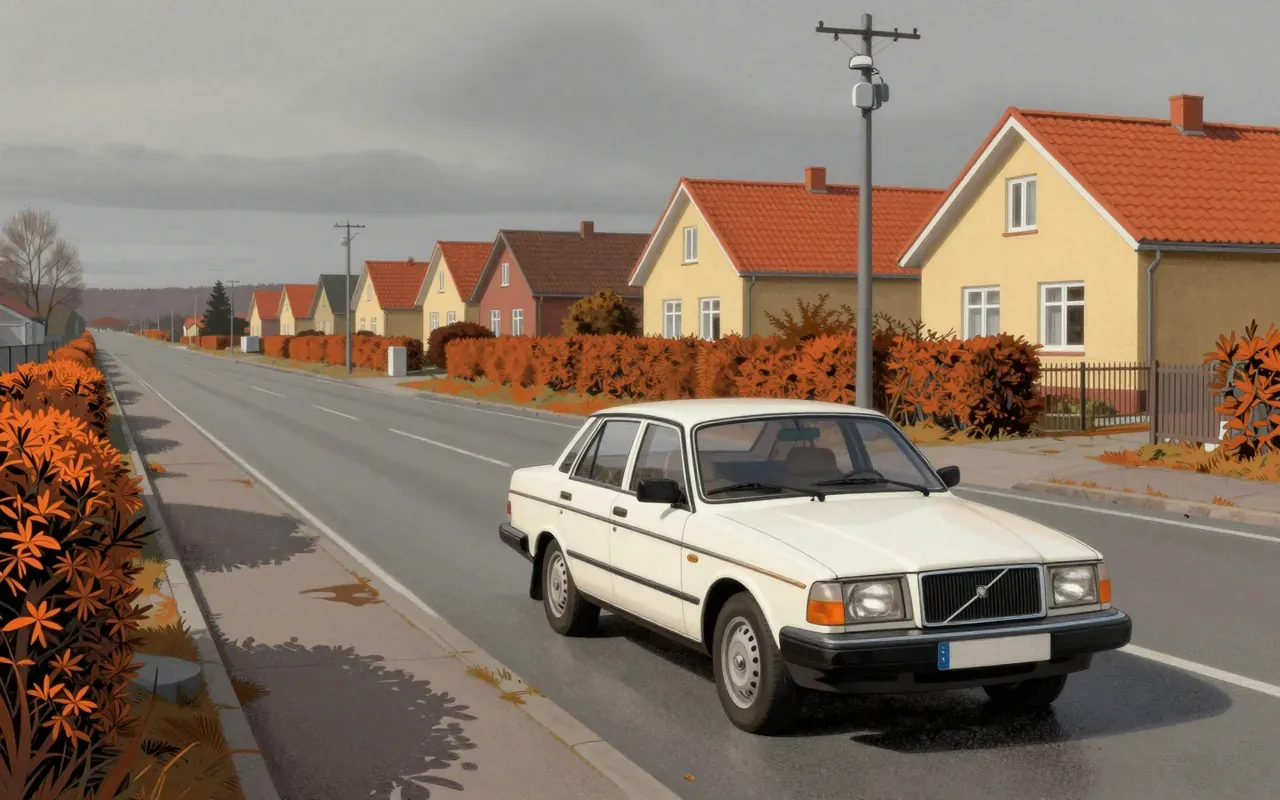
The Volvo 240 was one of the two models of the 200 Series, introduced in autumn 1974 as a two- or four-door saloon and an estate. Designed by Jan Wilsgaard, it kept the 140's body shell behind the cowl and added a crumple-zone nose, MacPherson strut front suspension and rack-and-pinion steering. It outlived its 260 sister and stayed in production until 14 May 1993.

9:23

Volvo 850 T-5R

Jan Wilsgaard · 1995

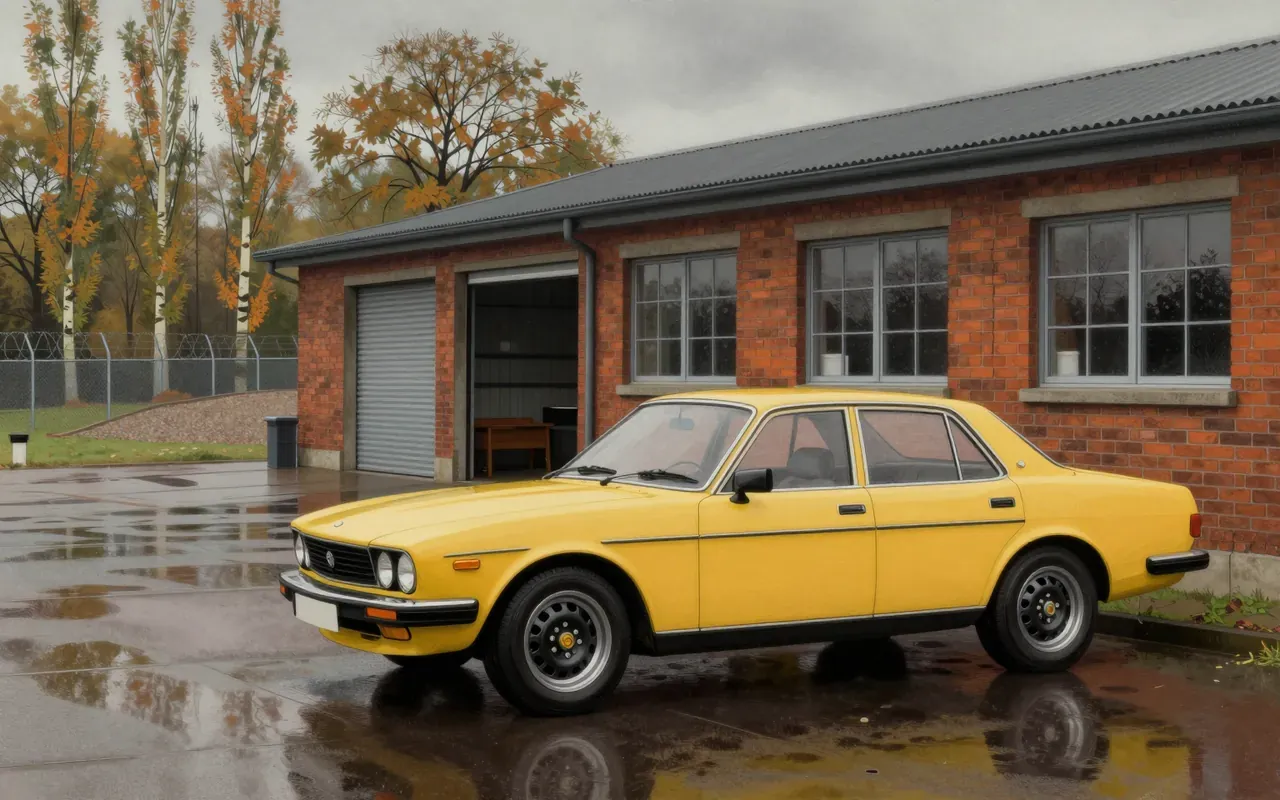
The 850 T-5R was a special edition of the Volvo 850 Turbo, built for 1995 and again in 1996 after it sold well. It raised the turbo's output to 243 hp, was tuned with help from Porsche, and was sold in yellow, black or green. Volvo built 6,964 of them, and the 850 R replaced it in 1996.

11:09

Peugeot 406

Pininfarina · 1997

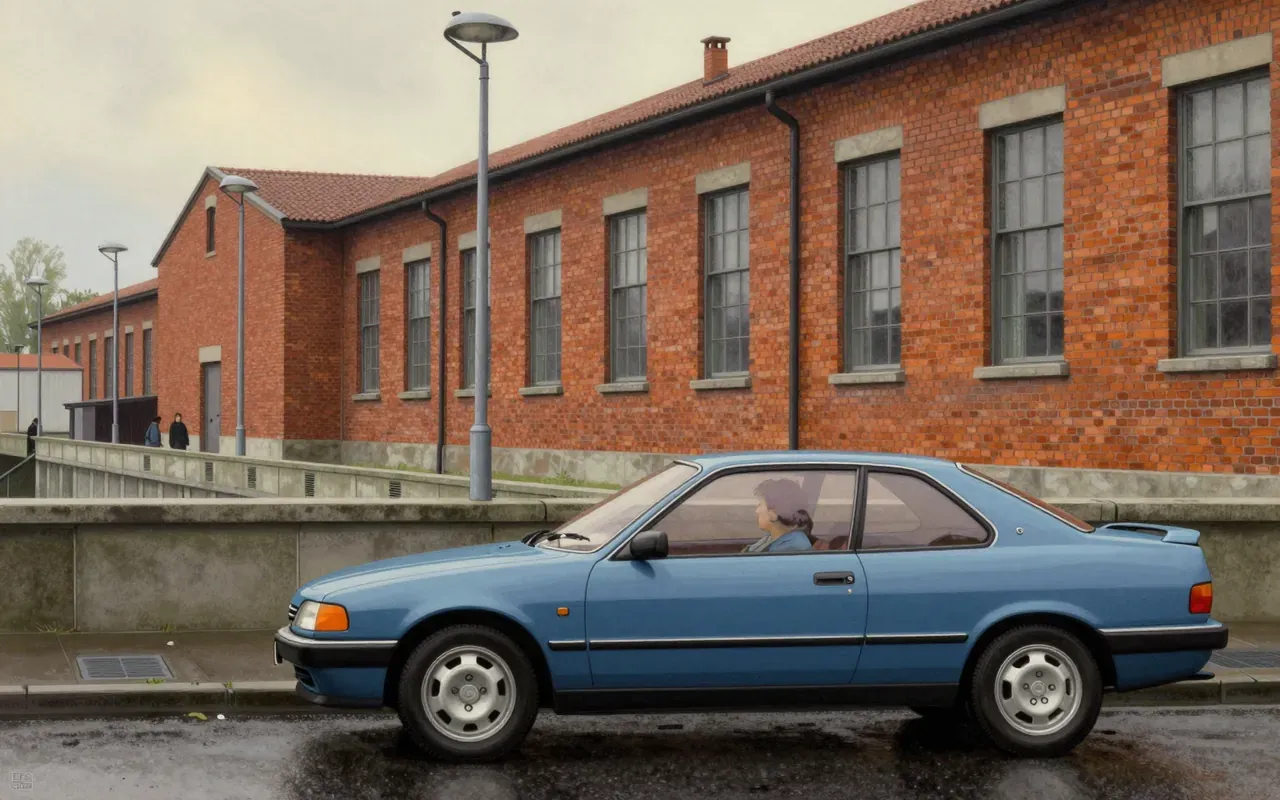
The Peugeot 406 Coupé is a front-wheel-drive large family car designed and built by Pininfarina. It shares its platform with the saloon and estate. Davide Arcangeli led its design. 107,633 were made. It succeeded in UK fleet sales, won 1997 What Car? Car of the Year, and set a world fuel-efficiency record in 2002.

10:20

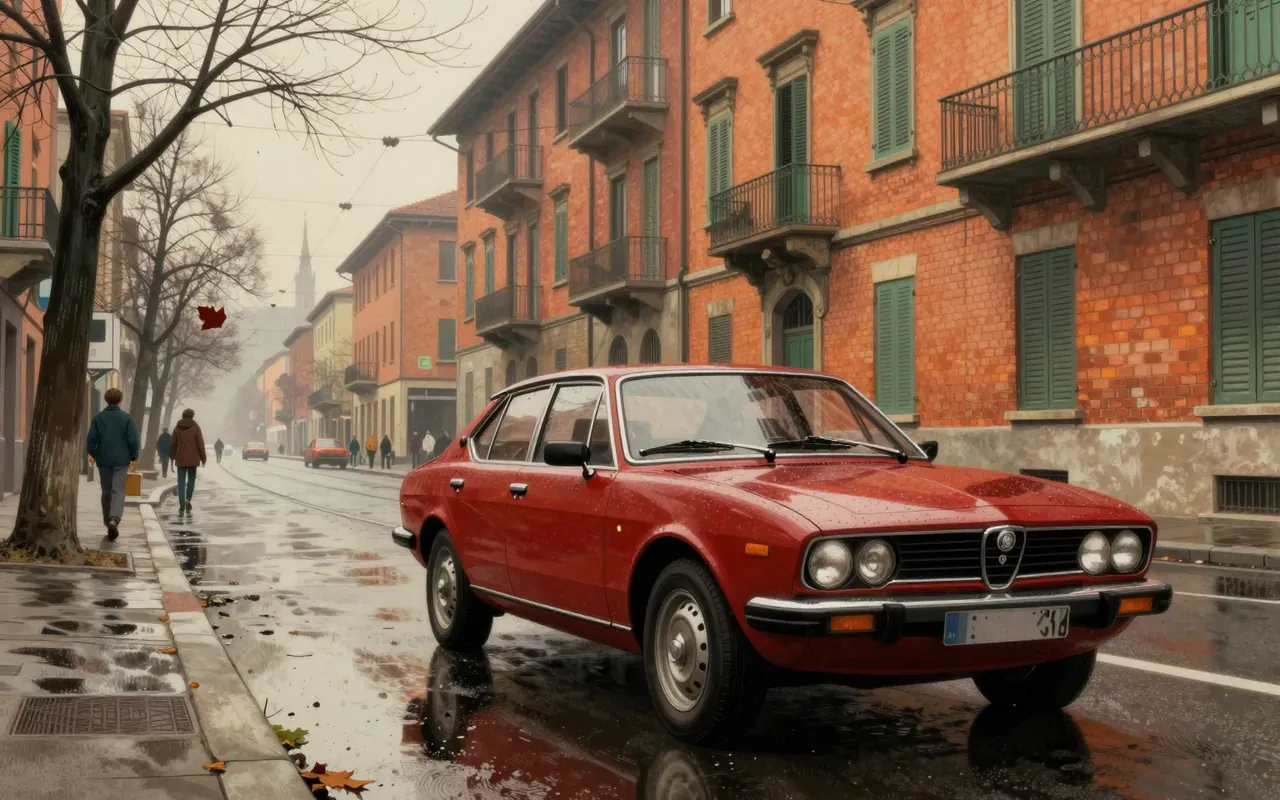
Alfa Romeo Alfasud

Giorgetto Giugiaro · 1971

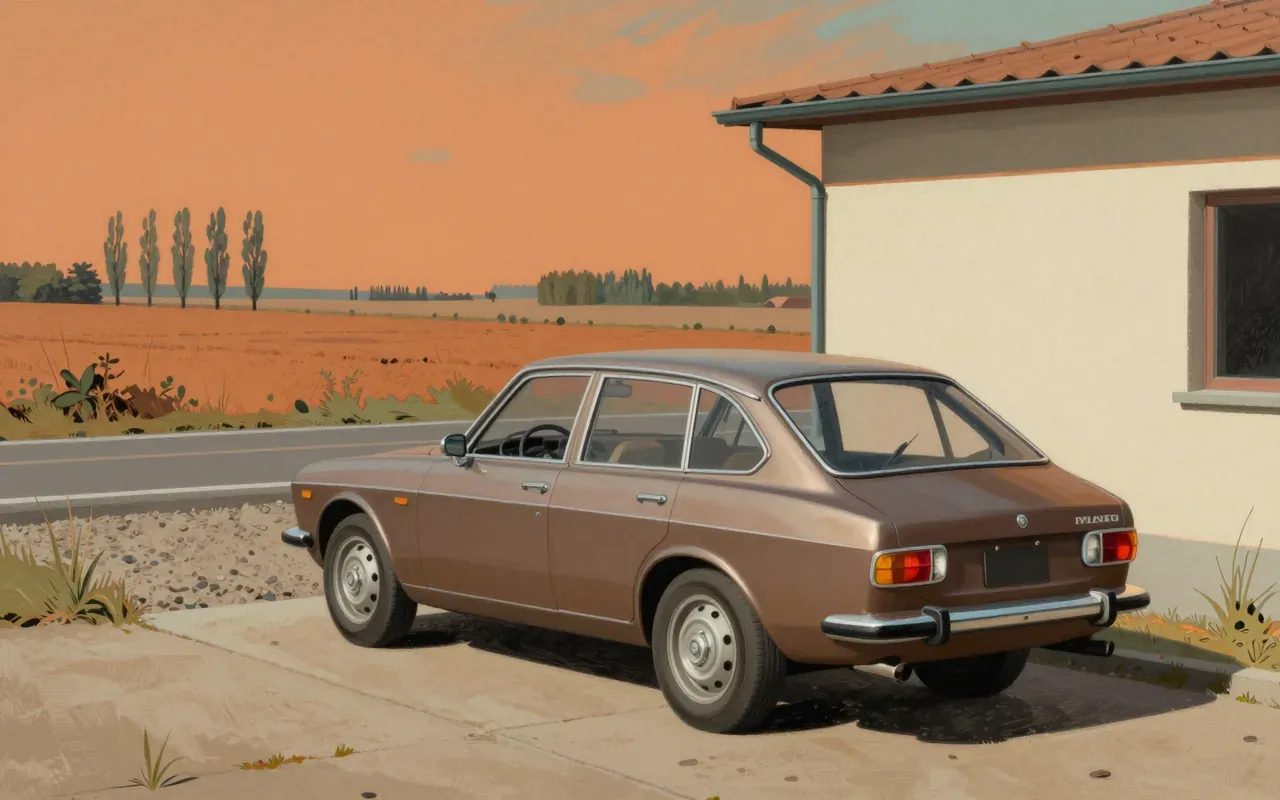
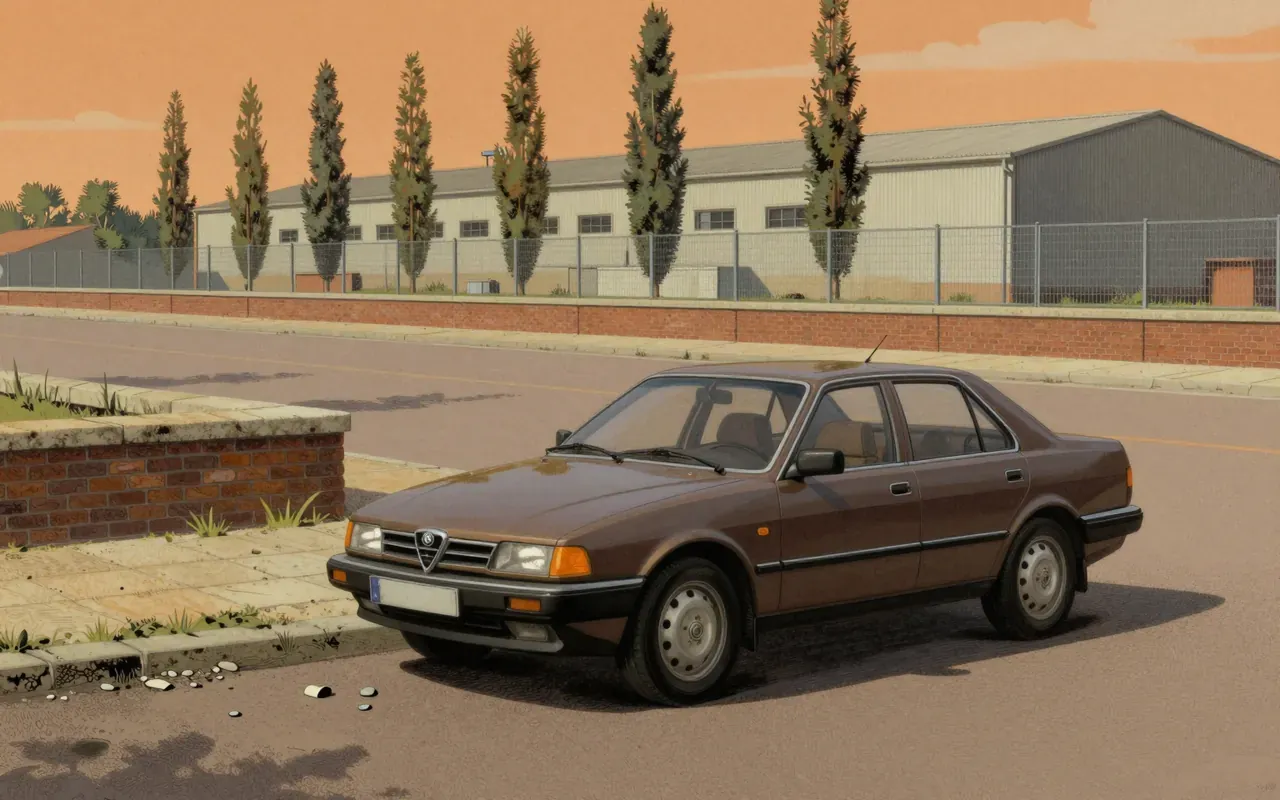
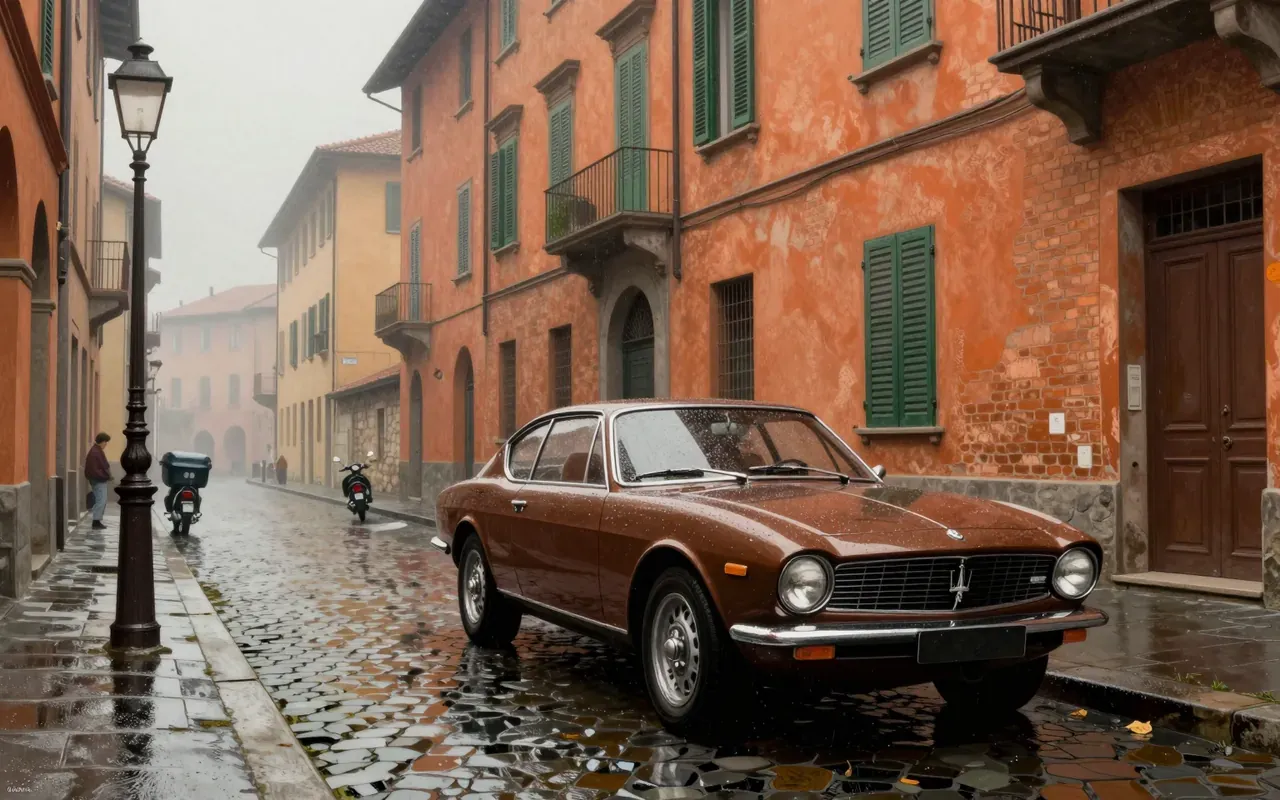
The Alfasud was Alfa Romeo’s first front-wheel-drive, boxer-engined, mass-market car — conceived in Turin, built in Pomigliano d’Arco, styled by Giugiaro, engineered by Hruska. It prioritised low centre of gravity and aerodynamic efficiency over corrosion resistance. Its legacy is mechanical clarity, not durability.

9:18

Audi e-tron GT

Marc Lichte · 2021

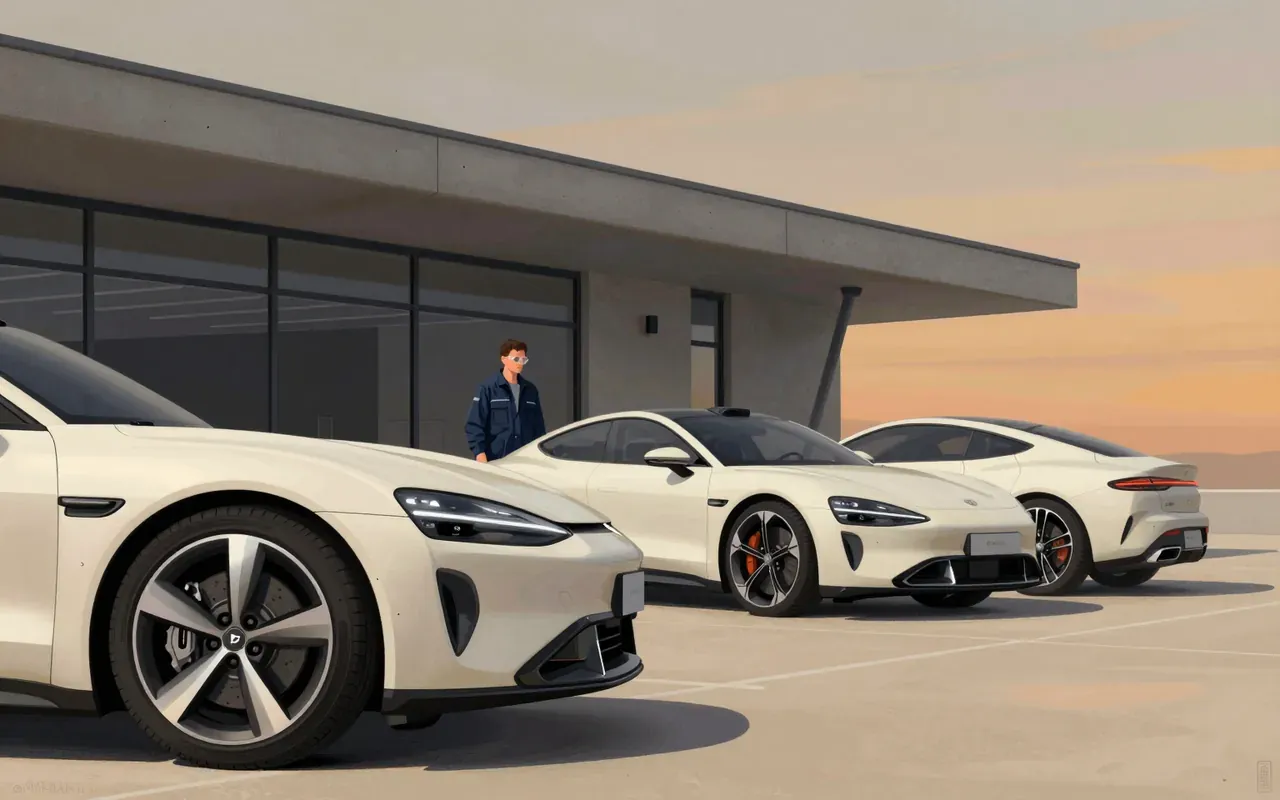
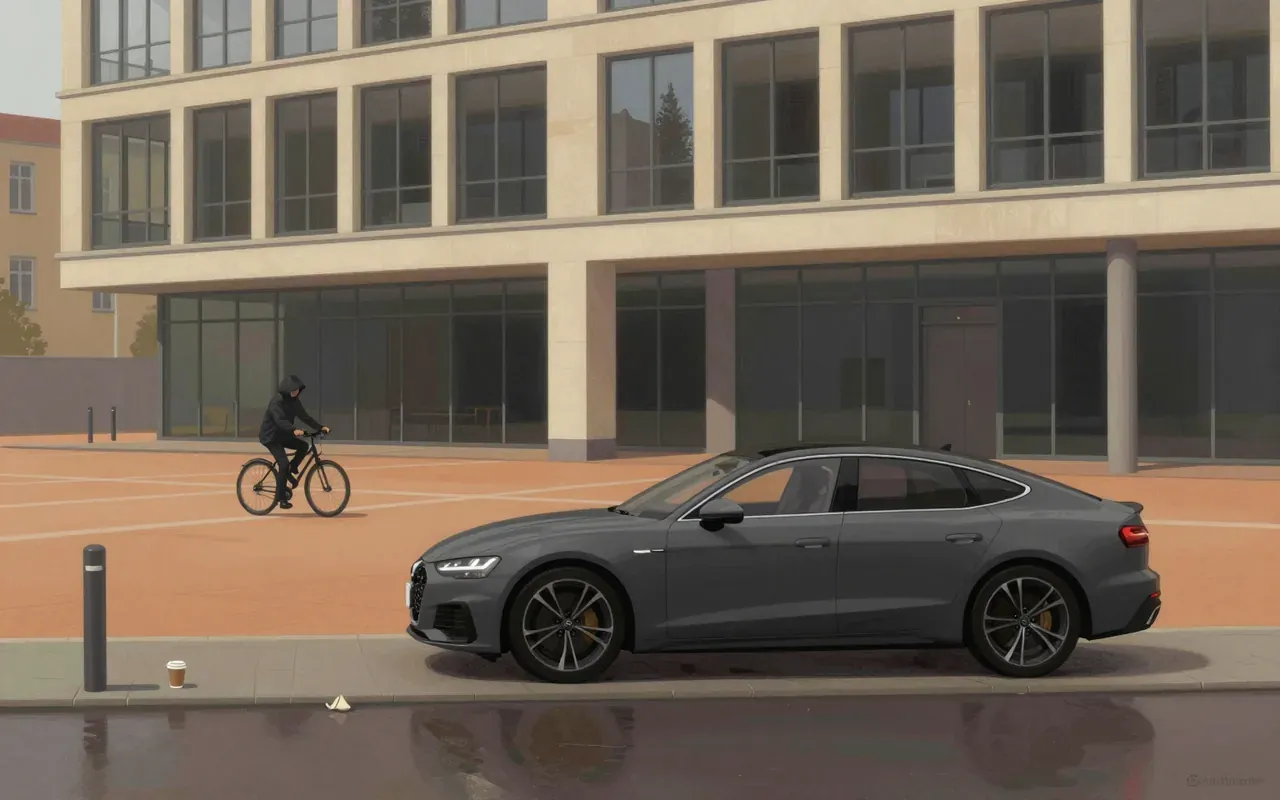
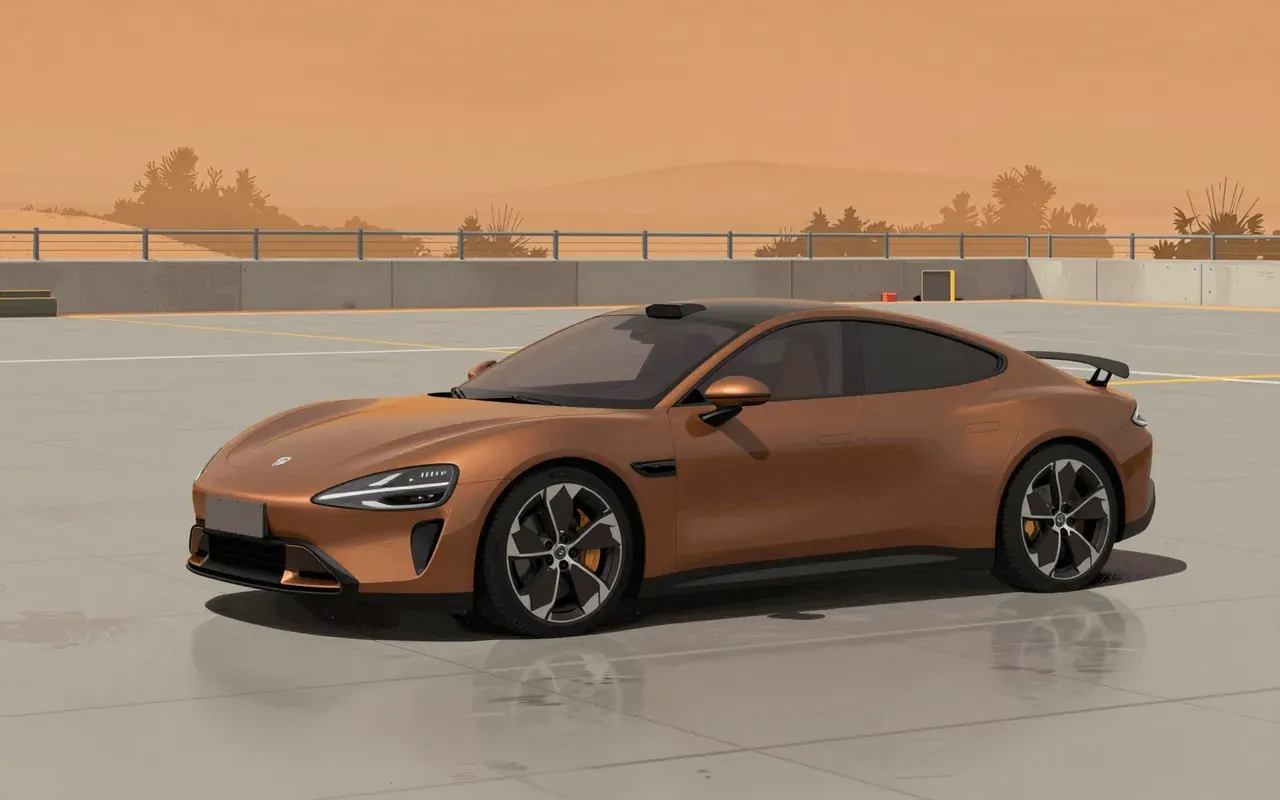
The Audi e-tron GT is a battery electric executive car produced by Audi since late 2020. It is Audi’s first full-sized electric sedan. It is based on the J1 platform shared with the Porsche Taycan. The production car extensively recreates the 2018 concept design. It is a 4-door sedan with a sporty coupé-style silhouette. Its driveline uses an 84 kWh net battery and two electric motors for all-wheel drive. It accelerates from 0–100 km/h in 4.1 seconds and has a top speed of 245 km/h.

10:42

Bugatti Royale

Ettore Bugatti · 1927

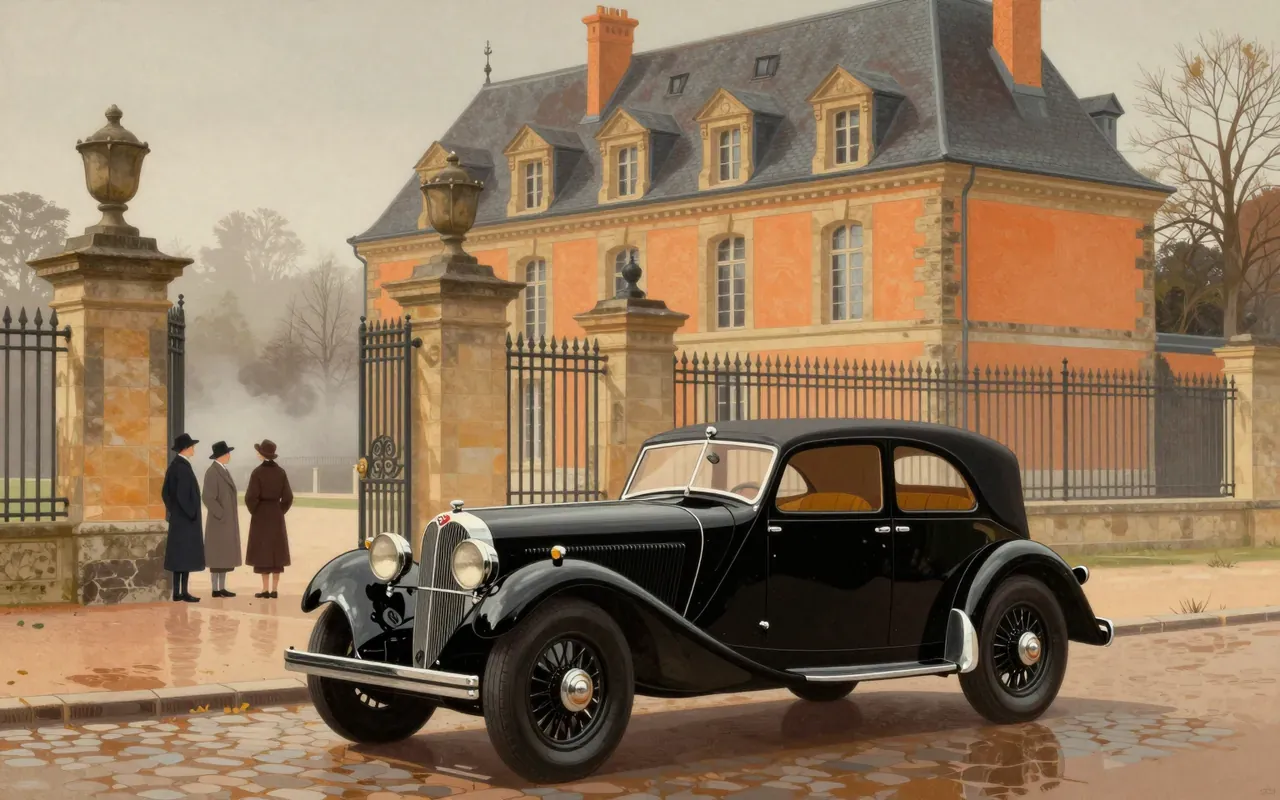
The Bugatti Royale is a large luxury automobile built by Bugatti from 1927 to 1933. Ettore Bugatti conceived it as a royal conveyance. It has a straight-eight engine derived from an unrealised French Air Ministry aero design.

11:04

Cadillac Seville

Bill Mitchell team · 1975

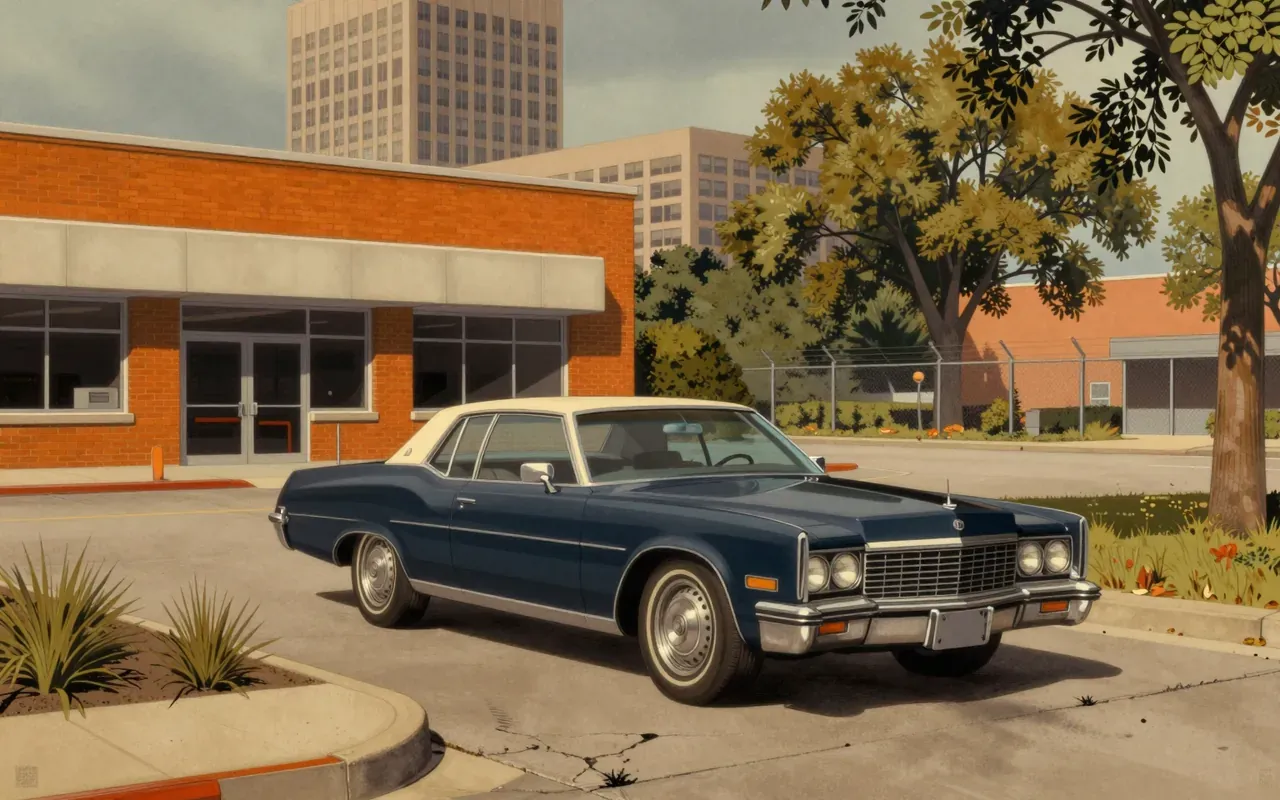
The Cadillac Seville redefined American luxury scale and electronics. It was not a sports sedan. It was not a technology showcase for its own sake. It was a calibrated response: smaller, smarter, and feature-dense — built to hold ground against Europe, not chase it.

8:52

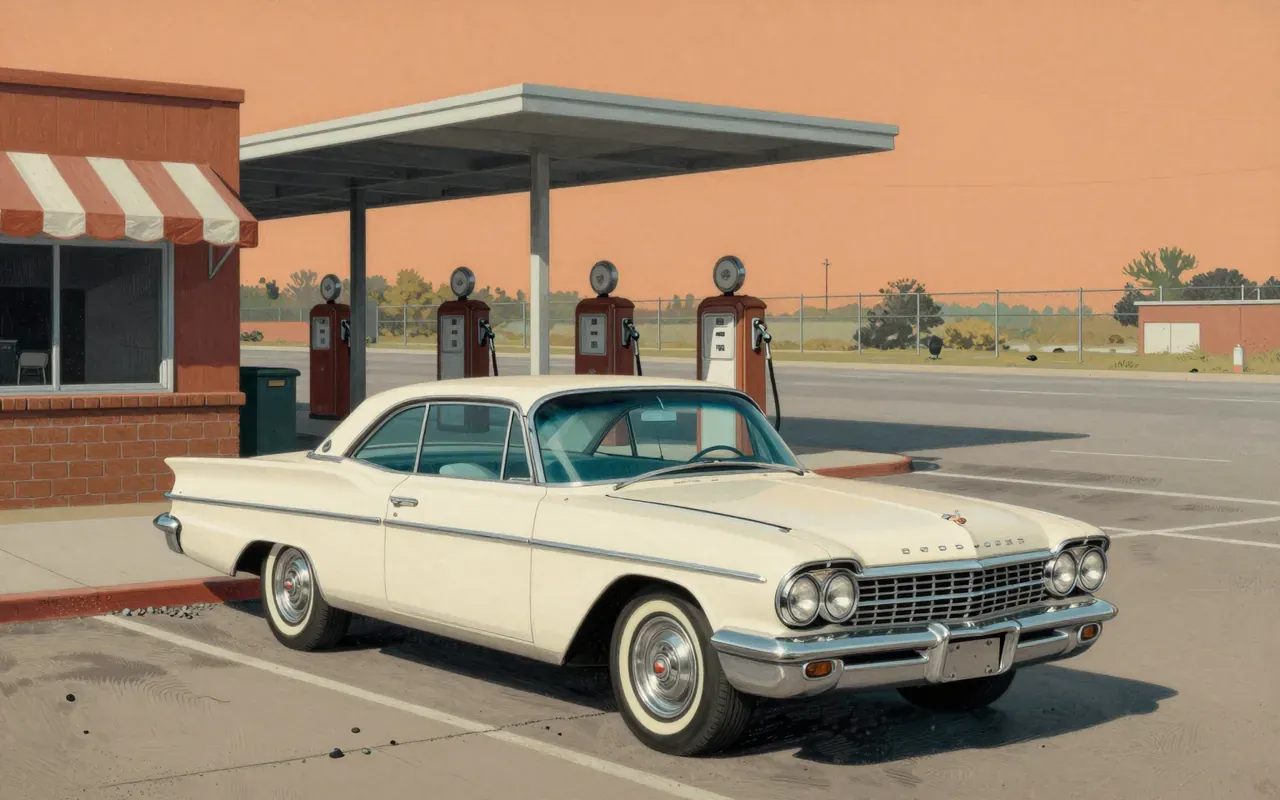
Chevrolet Bel Air

Harley Earl team · 1955

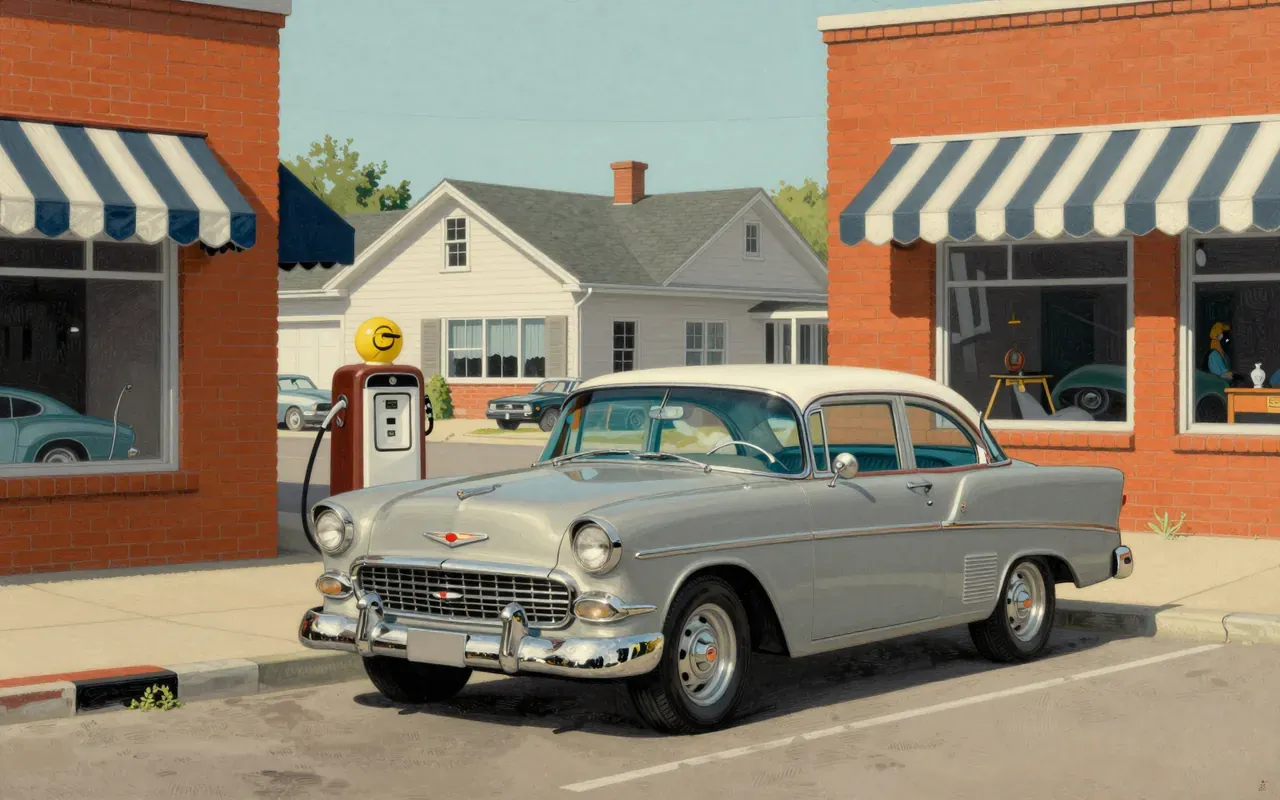
The 1955 Chevrolet Bel Air is a full-size car. It began as a two-door hardtop designation in 1950. It is named after the Bel Air neighbourhood in Los Angeles. From 1953, it became a premium trim level across body styles. By 1975, it had become a budget fleet sedan in the US. Canadian production continued through 1981. First-year production was 76,662 units.

10:23

Citroën C6

Jean-Pierre Ploué · 2005

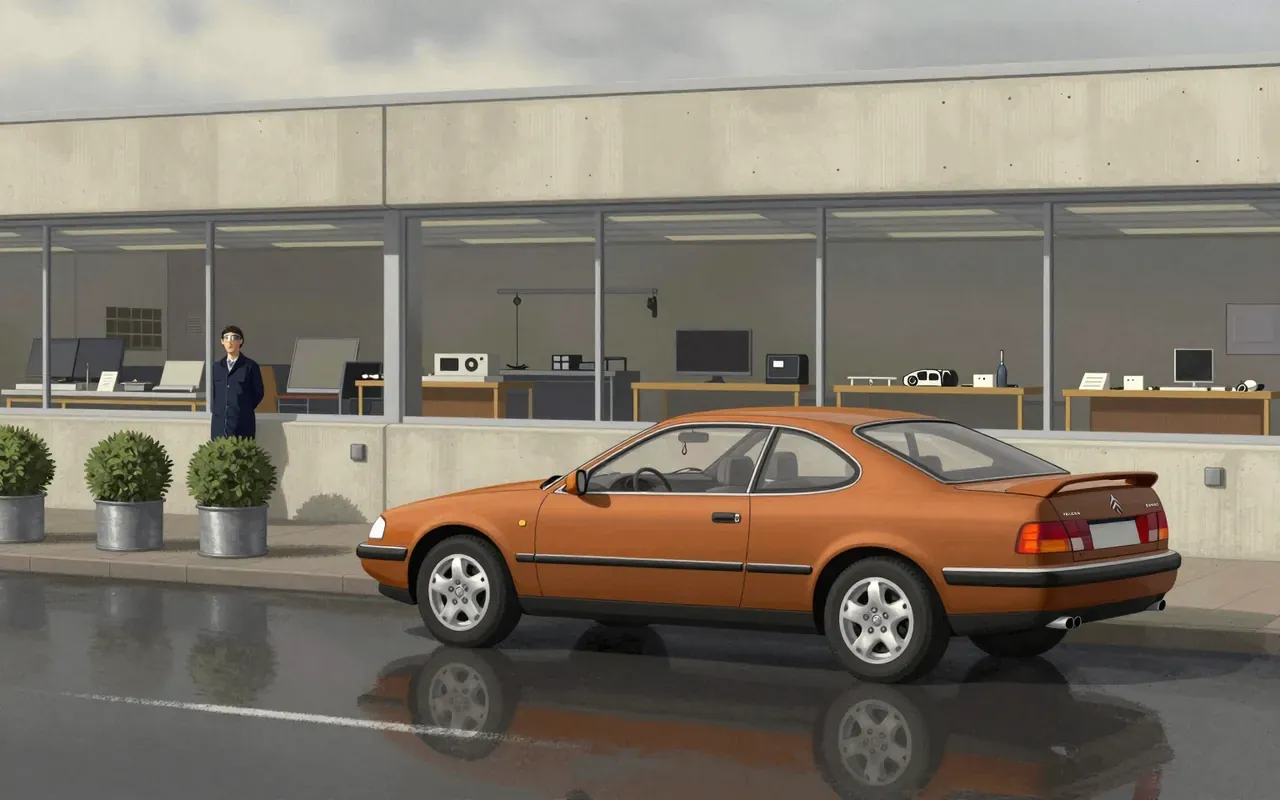
The Citroën C6 is an executive saloon launched in November 2005. It was designed by Jean-Pierre Ploué’s team to replace the XM, six years after the XM ceased production in June 2000. It draws directly from the C6 Lignage concept shown at Geneva in spring 1999.

10:42

Boss 429 Mustang

Larry Shinoda · 1969

The Boss 429 Mustang is a 1969–1970 homologation special built solely to qualify Ford’s semi-hemispherical 429 cu in V8 for NASCAR. Its engine was too wide for the Mustang’s engine bay—requiring Kar Kraft to widen the front end. Priced at nearly $5,000 and limited to 1,359 units, it sacrificed usability, cost, and serviceability for one purpose: counting toward NASCAR’s 500-car rule. Larry Shinoda, who named the Boss line as a homage to Bunkie Knudsen, did not design this car—but its existence follows directly from the logic he established with the Boss 302.

10:22

Genesis G80

Luc Donckerwolke · 2016

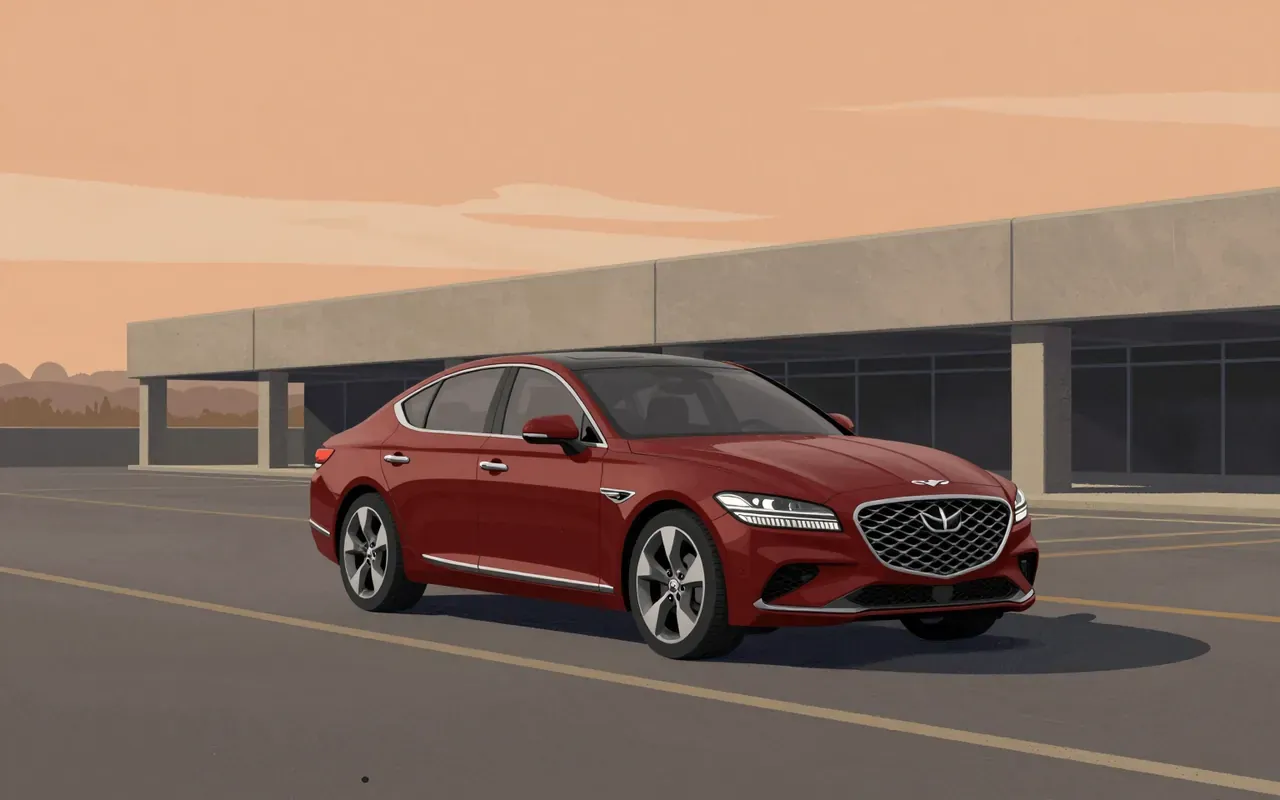
The Genesis G80 is the 2016 rebrand of the Hyundai Genesis DH. It launched Genesis Motor as a standalone luxury division. It uses existing architecture, powertrains, and production in Ulsan. Its significance lies in corporate positioning—not mechanical departure.

11:04

Genesis G90

Peter Schreyer · 2015

The Genesis G90 is Genesis’ first flagship sedan — a full-size, four-door replacement for the Hyundai Equus. It launched in December 2015 and went on sale globally in late 2016. Development spanned four years with ~1,200 researchers. The second generation arrived in 2021 with new powertrain and chassis technology. Peter Schreyer’s design legacy is well documented at Audi and Kia — but the sources make no connection to the G90.

10:45

Mercedes-Benz 600

Paul Bracq · 1963

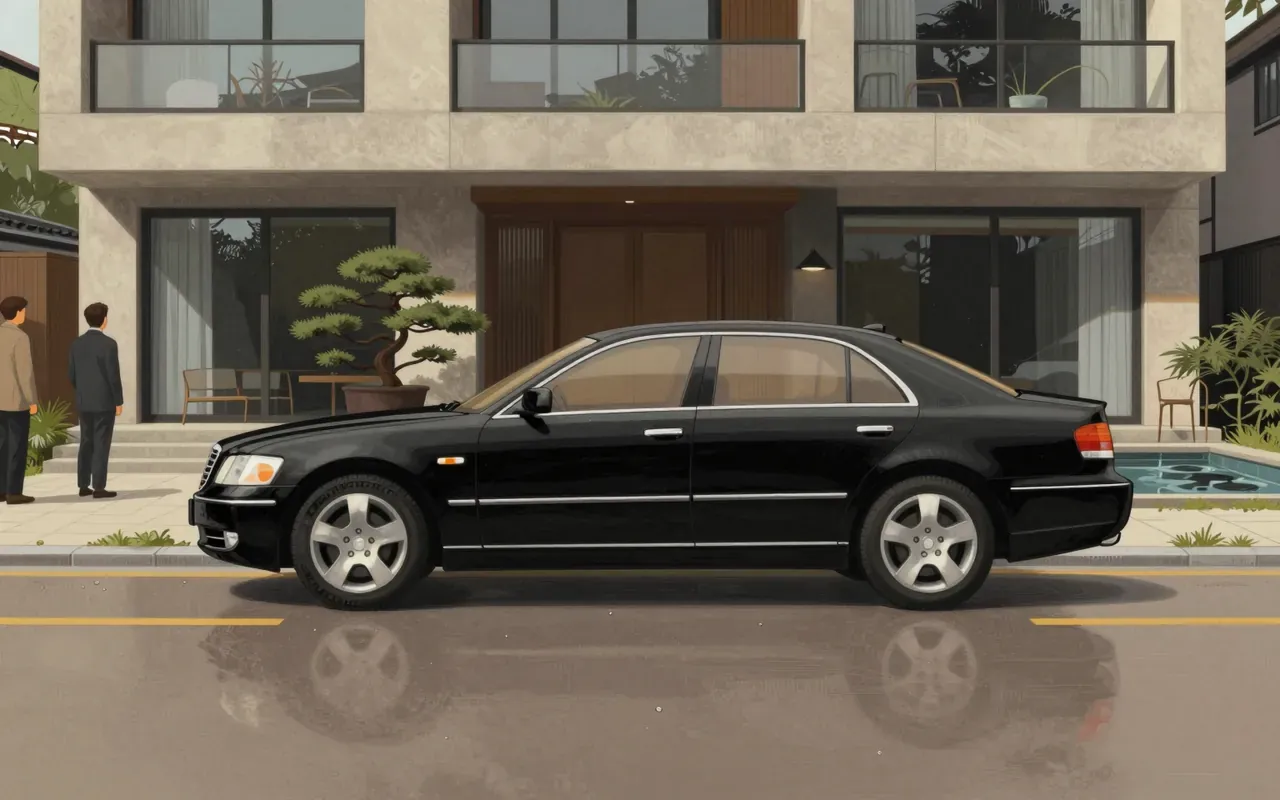
The Mercedes-Benz 600 is a full-size ultra-luxury limousine line, styled by Paul Bracq in the 1960s, built from 1963 to 1981. It succeeded the Adenauer as Mercedes’ flagship. Its pneumatic self-levelling suspension and hydraulic amenities demanded a bespoke 6.3 L V8. Only 2,677 were built. Short-wheelbase models were owner-driven; long-wheelbase and limousine variants were for chauffeurs. At launch in 1963, it was the most expensive car in the world.

9:10

Mercedes-Benz EQS

Robert Lešnik · 2021

The Mercedes-Benz EQS is a full-size luxury battery-electric liftback, launched in September 2021 in Germany and Q4 2021 in the US. It is the first model built on Mercedes-Benz’s MEA electric-dedicated platform. Its 0.20 drag coefficient was the lowest in production at launch. It uses one or two Valeo Siemens water-cooled permanent magnet synchronous motors, sending torque to the wheels via a single-speed reduction gearbox.

8:41

Mercedes-Benz W116

Friedrich Geiger · 1972

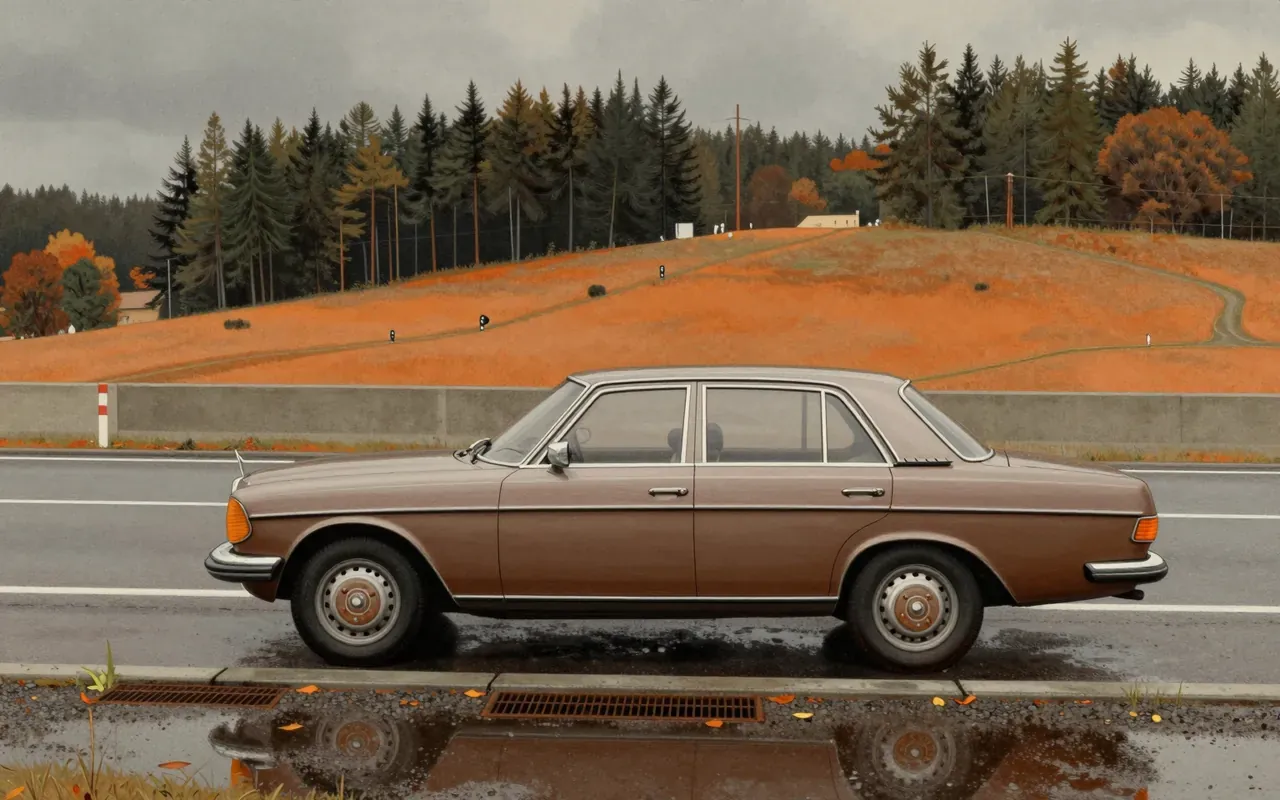
The W116 is the first official S-Class: a flagship luxury sedan built on a larger, separate platform, with independent suspension and four-wheel disc brakes. Designed by Friedrich Geiger and finalised in December 1969, it launched in 1972 and introduced Mercedes-Benz’s enduring corporate styling theme. It pioneered safety features including crumple zones and optional four-wheel anti-lock brakes. It won European Car of the Year in 1974. It established the S-Class as a benchmark for engineering integrity, not just opulence.

9:06

Mercedes-Benz W123

Bruno Sacco · 1976

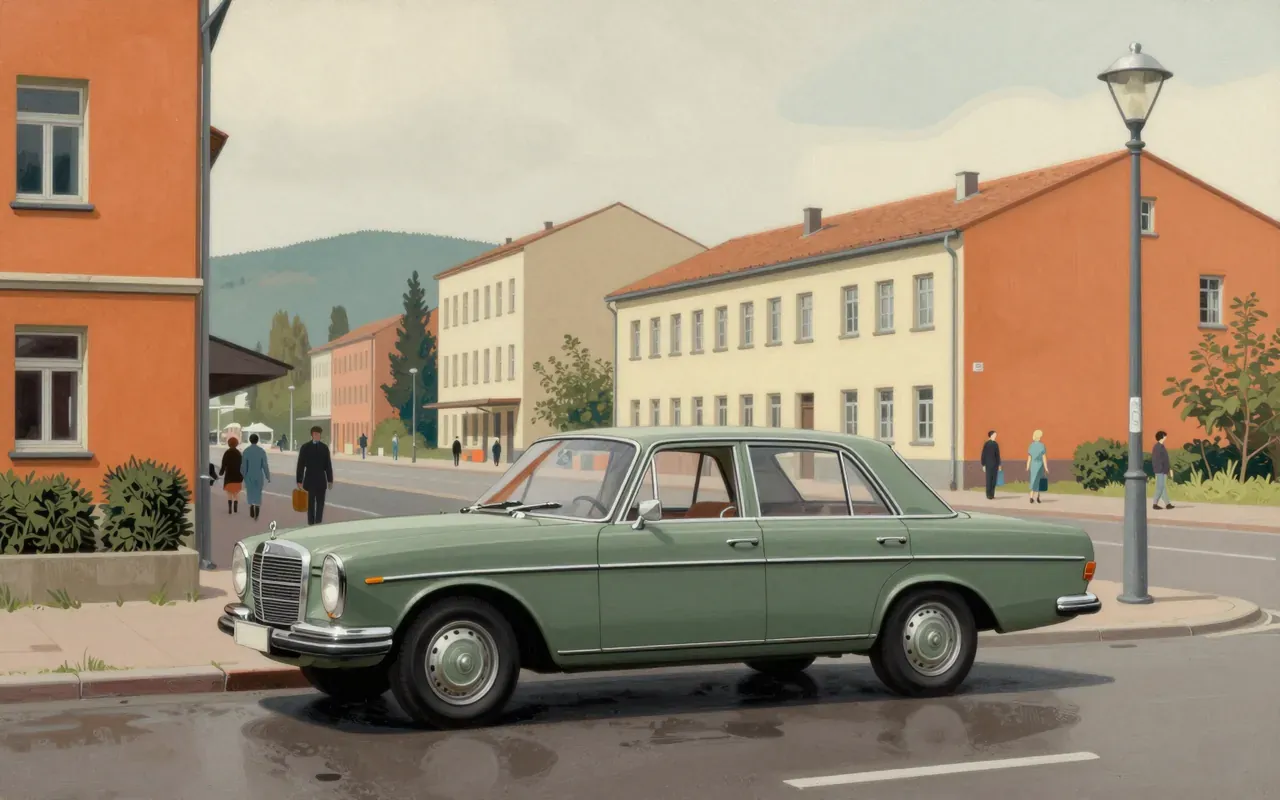
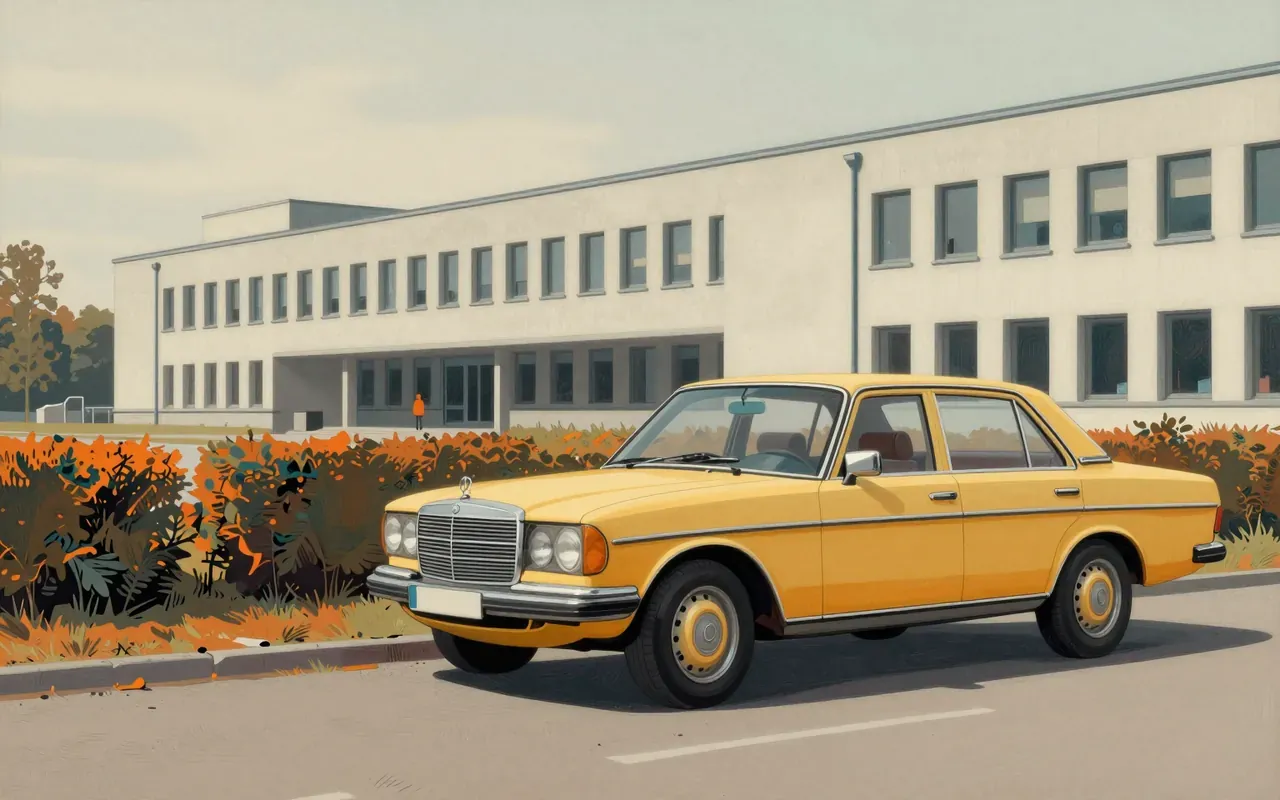
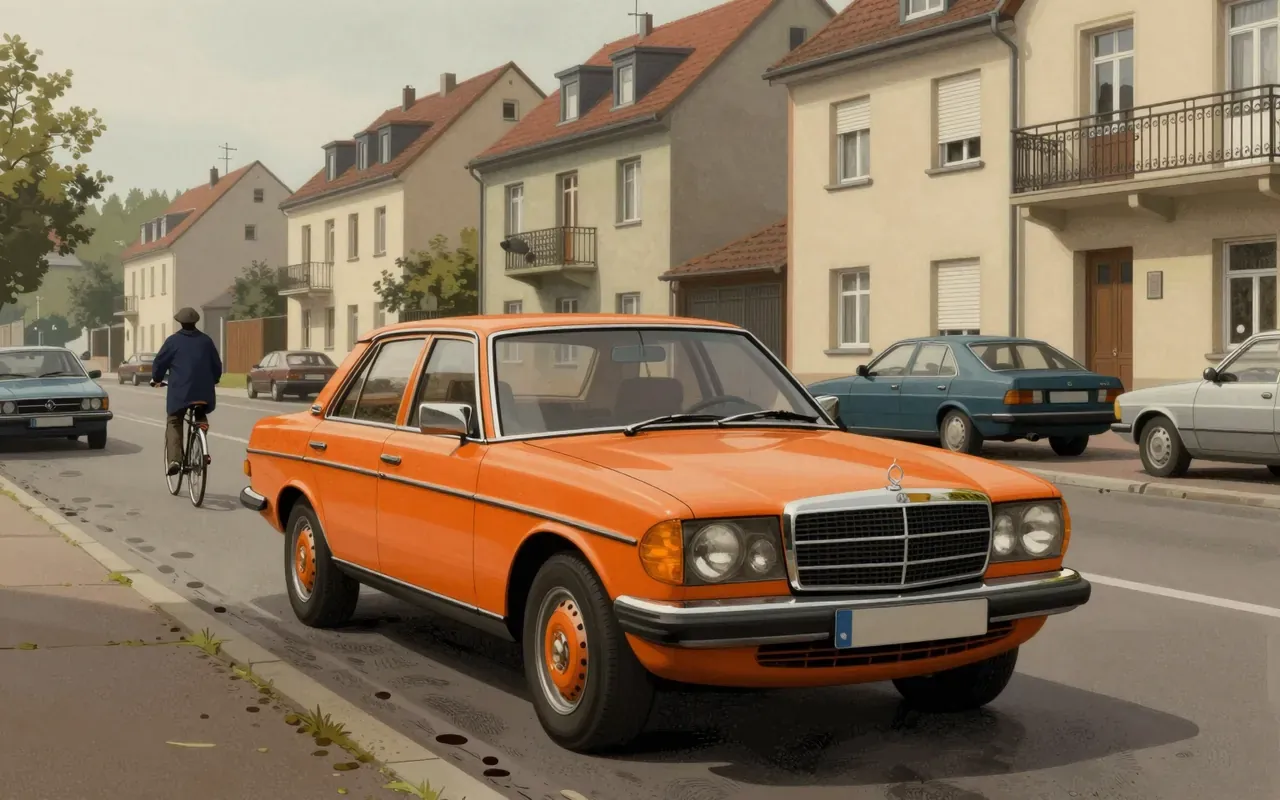
The Mercedes-Benz W123 is the best-selling Mercedes-Benz ever. Bruno Sacco made significant contributions to its design. It is a German executive car produced from November 1975 to January 1986. It sold 2.7 million units. It earned a strong reputation for build quality and reliability — especially among German taxi operators, many of whom drove it beyond 500,000 km with minimal mechanical issues. Early demand outstripped supply, leading to long waiting periods and even a black market for immediate delivery. It was offered in saloon, coupé, limousine and estate body styles — all factory-built — with the estate marking Mercedes-Benz’s first such offering.

9:40

Peugeot 403

Pininfarina · 1955

The Peugeot 403 is a mid-size saloon launched by Peugeot in April 1955 and styled by Pininfarina. It used a front-engine, rear-wheel drive layout and a 4-speed manual transmission. Its 1468 cc pushrod straight-four engine produced 58 hp, later increased to 65 hp. It featured ponton, three-box styling and a metal sunroof on most models. Over 1.2 million were built — the first Peugeot to exceed one million sales. The collaboration with Pininfarina marked the start of a fifty-year design partnership. A diesel estate debuted in autumn 1958.

9:29

Rolls-Royce Phantom V

John Blatchley · 1959

The Phantom V is a large four-door limousine produced from 1959 to 1968. It shares its V8 engine and Hydramatic automatic gearbox with the Silver Cloud II. Rolls-Royce built the chassis and drivetrains; Park Ward, Mulliner Park Ward and James Young supplied most bodies. Its 6,230 cc V8 has twin SU carburettors. It has massive drum brakes and a 3,683 mm wheelbase. Power-assisted steering was standard. A low final drive ratio enabled walking-speed procession use. From 1963, it used the Silver Cloud III’s more powerful engine and quad-headlamp front wings.

9:46

Saab 92

Sixten Sason · 1949

The Saab 92 is Saab’s first production car. It launched on 12 December 1949, derived from the Ursaab prototype. It is a front-wheel-drive saloon with a water-cooled, two-stroke, 764 cc engine.

8:19

Toyota Century

Kenya Nakamura · 1967

The Toyota Century is not a luxury car designed for global appeal. It is a domestic instrument — engineered for quiet authority, rear-seat sovereignty, and continuity. Its 1967 debut marked a deliberate departure from export logic. Its design solves for discretion, not dynamism. Its powertrain — a V8 — was one of only three post-war Japanese-built sedans so equipped. Its users are institutions, not individuals. Its branding omits Toyota’s oval entirely. Its value lies in what it refuses.

9:36

Volkswagen Phaeton

Hartmut Warkuß · 2002

The Volkswagen Phaeton was a full-size saloon and Volkswagen’s ‘premium class’ vehicle. Introduced at the 2002 Geneva Motor Show, it was conceived by Ferdinand Piëch to surpass Mercedes-Benz and BMW in comfort and engineering excellence—not performance. It used a bespoke all-steel D1 platform shared with Bentleys, diverging from Audi’s aluminium A8. It featured radar adaptive cruise control, the first V10 TDI in a production sedan, and hand assembly at Dresden’s Transparent Factory. Sales in North America ended in 2006; global sales ended in 2016 after 84,253 units. Production ceased in March 2016.

8:46

Wartburg 353

Hans Fleischer · 1966

The Wartburg 353 is a medium-sized family car from East German manufacturer AWE, launched in 1966 and built until 1988. Over a million units were produced. It uses a 1-litre, 3-cylinder two-stroke engine, front-wheel drive, and a transmission with a freewheel.

9:19

Lucid Air

Derek Jenkins · 2021

The Lucid Air is a battery electric four-door luxury sedan, Lucid Motors' first production car, announced in December 2016 and launched in 2021. It highlights its record-setting EPA range (up to 520 miles for the Dream Edition), aerodynamic efficiency (Cd=0.21 pre-production, Cd=0.20 production), performance capabilities (e.g., 0–60 mph in 2.5 seconds, 235 mph top speed), and technical features including its 924-volt architecture, bidirectional charging, and DreamDrive ADAS with 32 sensors. The Air Pure, Touring, Grand Touring, and Dream Edition trims are detailed, along with battery capacities (88–112 kWh), power outputs (430–1,111 hp), and production milestones including commencement in late 2021 and deliveries beginning October 30, 2021. Design leadership is attributed to Derek Jenkins, and the vehicle is positioned against the Tesla Model S and German luxury models.
9:14

Mitsubishi Galant VR-4

Mitsubishi · 1987

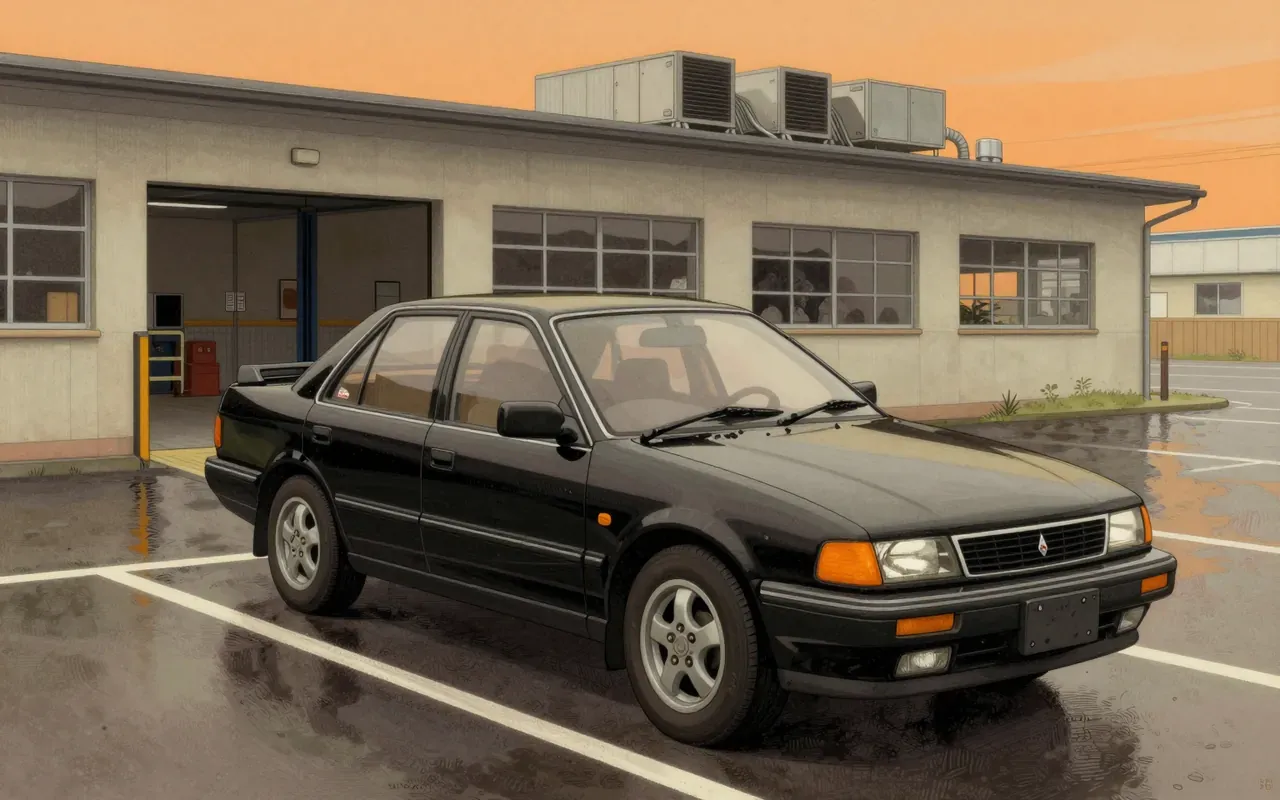
The Galant VR-4 is Mitsubishi’s first high-performance all-wheel-drive sedan, developed for Group A rallying and launched in 1987. It introduced the Dynamic Four AWC system — a full-time four-wheel drive setup with viscous coupling, plus four-wheel steering and four-wheel ABS. It was sold globally to meet homologation requirements, including 2,000 units in the US in 1991 and 1,000 in 1992. Later generations added liftback (Eterna ZR-4) and station wagon (Legnum) variants. The eighth generation was initially JDM-only but gained overseas cult status via grey imports. In 2000, Ralliart officially imported 200 units to the UK. Production ended in 2002 due to revised Japanese emissions standards.

7:56

Mitsubishi Lancer Evolution

Mitsubishi · 1999

The Mitsubishi Lancer Evolution is a rally-bred sports sedan built on the Lancer platform. Ten generations were produced from 1992 to 2016. All used a two-litre intercooled turbo inline-four engine and all-wheel drive. It launched in Japan only, then reached the UK and Europe around 1997 via Ralliart dealers—starting with the Evolution IV.

10:45

Proton Saga

Mitsubishi · 1985

The Proton Saga is a foundational Malaysian car—not a technical benchmark, but a political and industrial one.

10:57

Alfa Romeo 156

Walter de Silva · 1997

The Alfa Romeo 156 is a compact executive car introduced at the 1997 Frankfurt Motor Show to replace the 155. Designed by Walter de Silva, it won the 1998 European Car of the Year award. It was produced from 1996 to 2007 in saloon, Sportwagon, and Crosswagon bodystyles. Assembly occurred in Pomigliano d'Arco, Italy and Rayong, Thailand. 673,435 units were built.

9:27

Alfa Romeo 75

Ermanno Cressoni · 1985

The Alfa Romeo 75 is a compact executive saloon produced between 1985 and 1992. Designed by Ermanno Cressoni, it features a striking wedge shape and a transaxle layout that achieves near-perfect front-to-rear balance. Its suspension combines torsion bars at the front with a de Dion tube at the rear, and rear brake discs are located centrally near the gearbox-differential group. A prototype estate was shown in 1986 but never entered production.

11:34

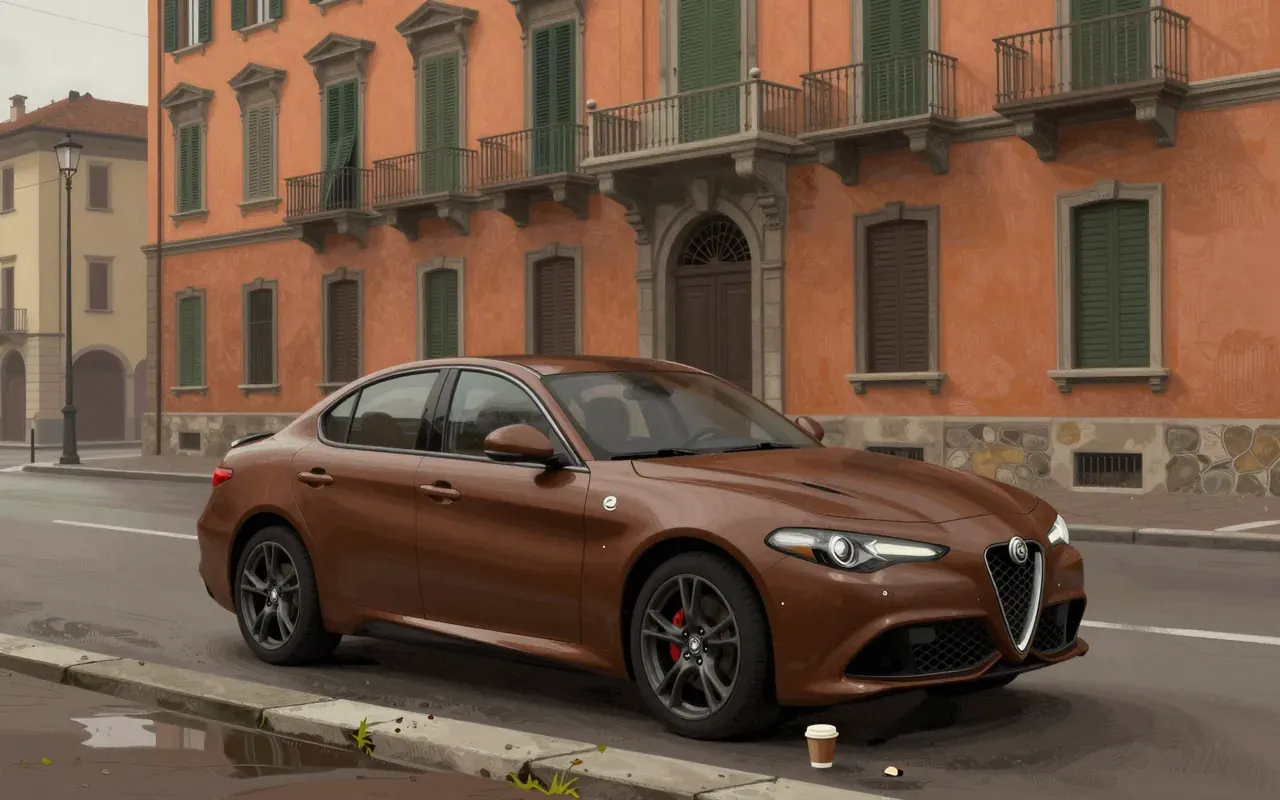
Alfa Romeo Giulia (2015)

Marco Tencone · 2015

The Alfa Romeo Giulia (2015) is a compact executive saloon. It marks Alfa Romeo’s return to the saloon segment after 2011 and to longitudinal rear-wheel drive after 1992. It uses a front-engine, rear-wheel-drive layout targeting 50/50 weight distribution. Unveiled 24 June 2015, it entered production on 19 April 2016 at FCA Italy’s Cassino Plant. It is the first model in Alfa Romeo’s €5 billion relaunch plan.

11:58

AMC Pacer

Dick Teague · 1975

The AMC Pacer is a design document in motion: a cab-forward, wide-small compact that prioritised interior volume and visibility over mechanical convention or market realism. It succeeded as a statement of spatial logic—not as a viable economy car.

9:46

Aston Martin Lagonda

William Towns · 1976

The 1976 Aston Martin Lagonda Series 2 is a full-size luxury four-door saloon designed from the ground up by William Towns. It introduced the first digital instrument panel in a production car — an LED array whose development cost four times the car’s total budget. Later Series 3 used cathode-ray tubes, worsening reliability. Only 645 units were built across all generations. Its wedge shape defined 1970s automotive avant-garde. Its electronics were a warning, not a promise.

9:06

BMW 3 Series (E21)

Paul Bracq · 1975

The E21 is the first-generation BMW 3 Series. Paul Bracq designed it. It launched in June 1975. It ended production in December 1983. It replaced the 02 Series. It was built exclusively as a two-door sedan or coupé. It did not offer a Touring variant. Six-cylinder models used quad round headlights. Initial engines were carburetted four-cylinders (1.6 L, 1.8 L, 2.0 L). Fuel injection debuted on the 320i in late 1975. The 323i introduced fuel-injected six-cylinders in 1978.

8:21

Borgward Isabella

Carl Borgward · 1954

The Borgward Isabella is a 1954–1962 two-door saloon built in Bremen. It uses a 1493 cc four-cylinder engine, front-engine rear-wheel-drive layout, monocoque construction, and swing axle rear suspension. It was originally planned as the Hansa 1500 but renamed Isabella due to internal and media preference. Though smaller and less powerful than its predecessor, it became Borgward’s largest commercial success—11,150 units were built in its first year, and 202,862 total by end of production. Its launch price was DM 7,265—higher than Opel Rekord and Ford Taunus, but lower than Mercedes-Benz 180. A launch road test recorded 130 km/h top speed and 8.4 L/100 km fuel consumption. Testers praised its wide cabin, large windows, effective brakes, cigarette lighter, and clock. Carl Borgward participated in detail in its design. It embodied American-type styling and chrome decoration with European compact dimensions.

9:26

Buick Wildcat

Buick Design · 1963

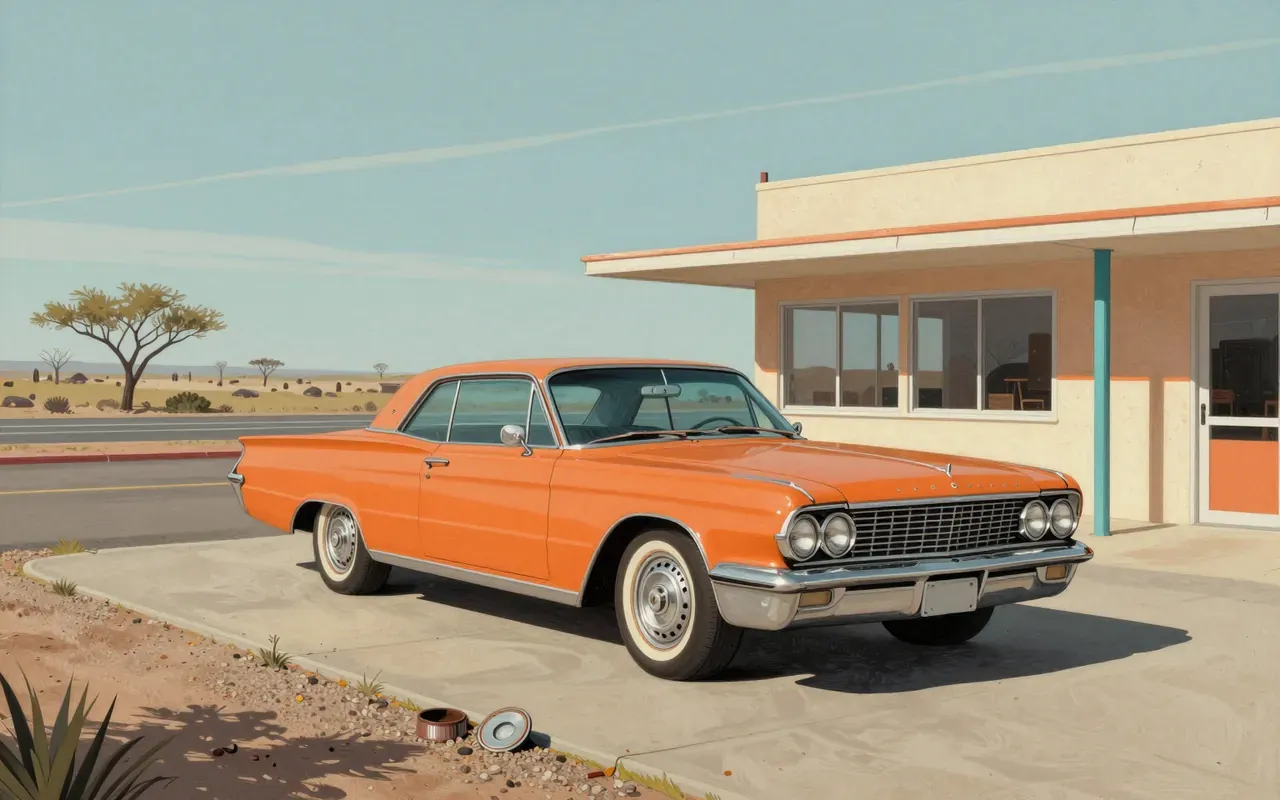
The Buick Wildcat is a full-size car produced from 1963 to 1970. It was positioned between the LeSabre and the larger C-body Electra. It offered two-door hardtop, convertible, and four-door hardtop sedan body styles. It replaced the 1962 Invicta subseries and was itself replaced by the Centurion in 1971.

9:38

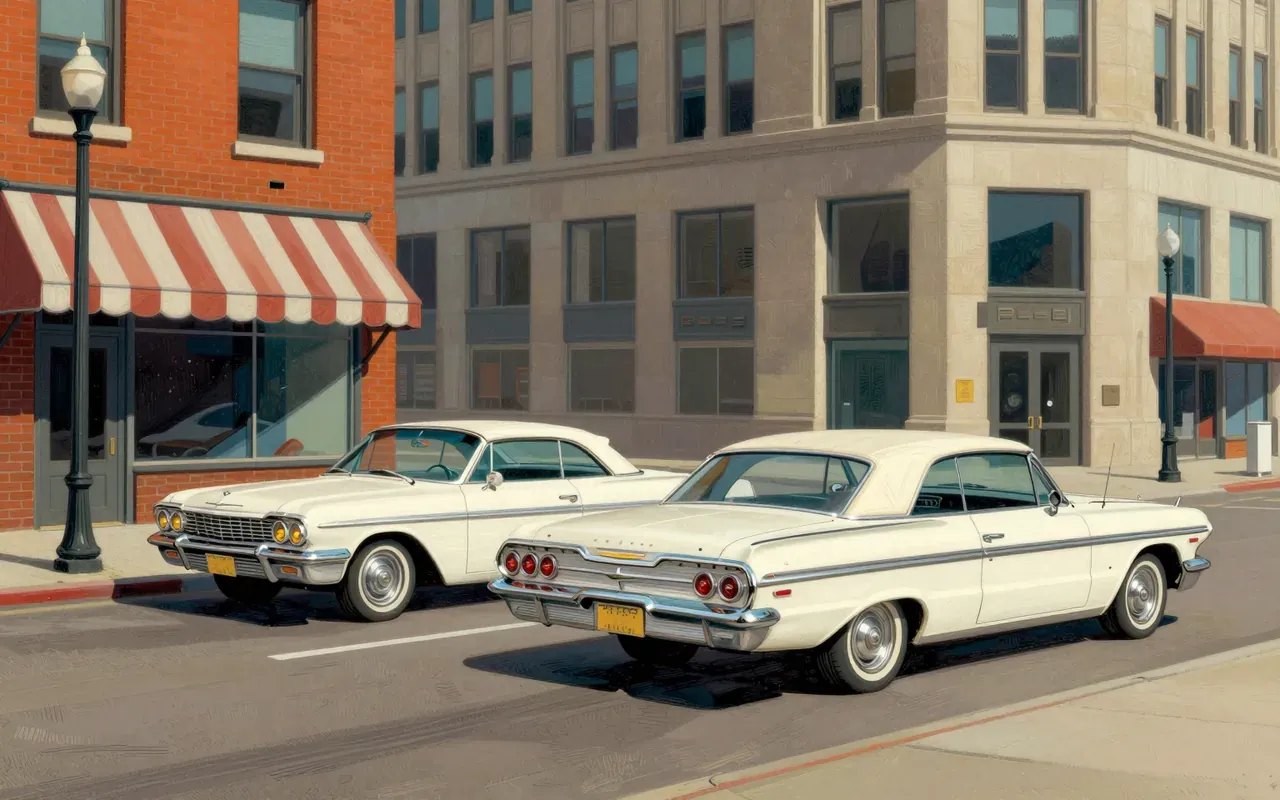
Chevrolet Impala

Harley Earl team · 1959

The 1958 Chevrolet Impala is a full-size car, launched as a top-tier Bel Air variant without Bel Air badging, distinguished by symmetrical triple taillights, named after the African antelope, and developed from a 1956 GM Motorama concept car. It rides on GM’s shared 'A' body platform. Harley Earl personally reviewed the foundational styling sketch. Production spanned discontinuous periods: 1958–1985, 1994–1996, and 2000–2020.

10:58

Chrysler Airflow

Carl Breer · 1934

The Chrysler Airflow is a full-size car produced by Chrysler from 1934 to 1937. It pioneered streamlining, unibody construction, full-steel body between the wheels, and innovative weight distribution for improved handling and ride. Despite its engineering breakthroughs, it failed commercially due to controversial styling and poor market acceptance.

10:44

Citroën CX

Robert Opron · 1974

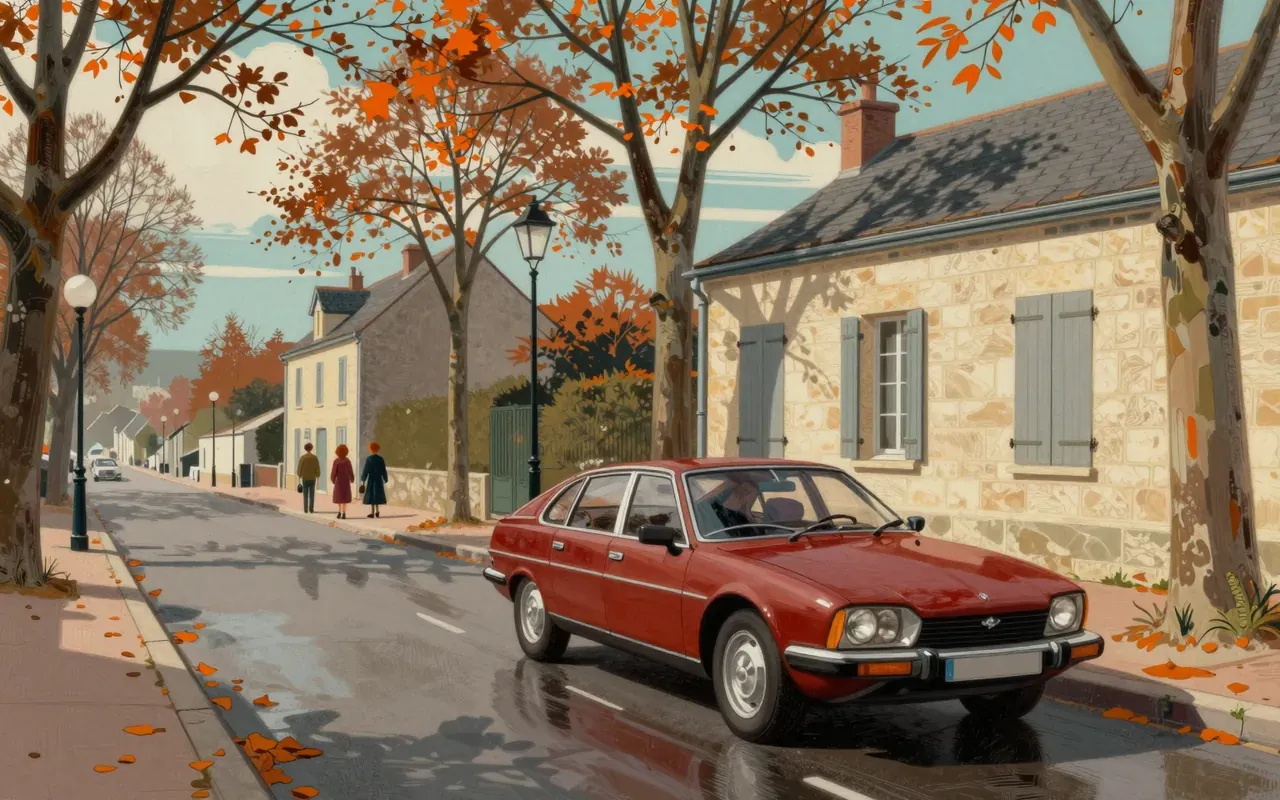
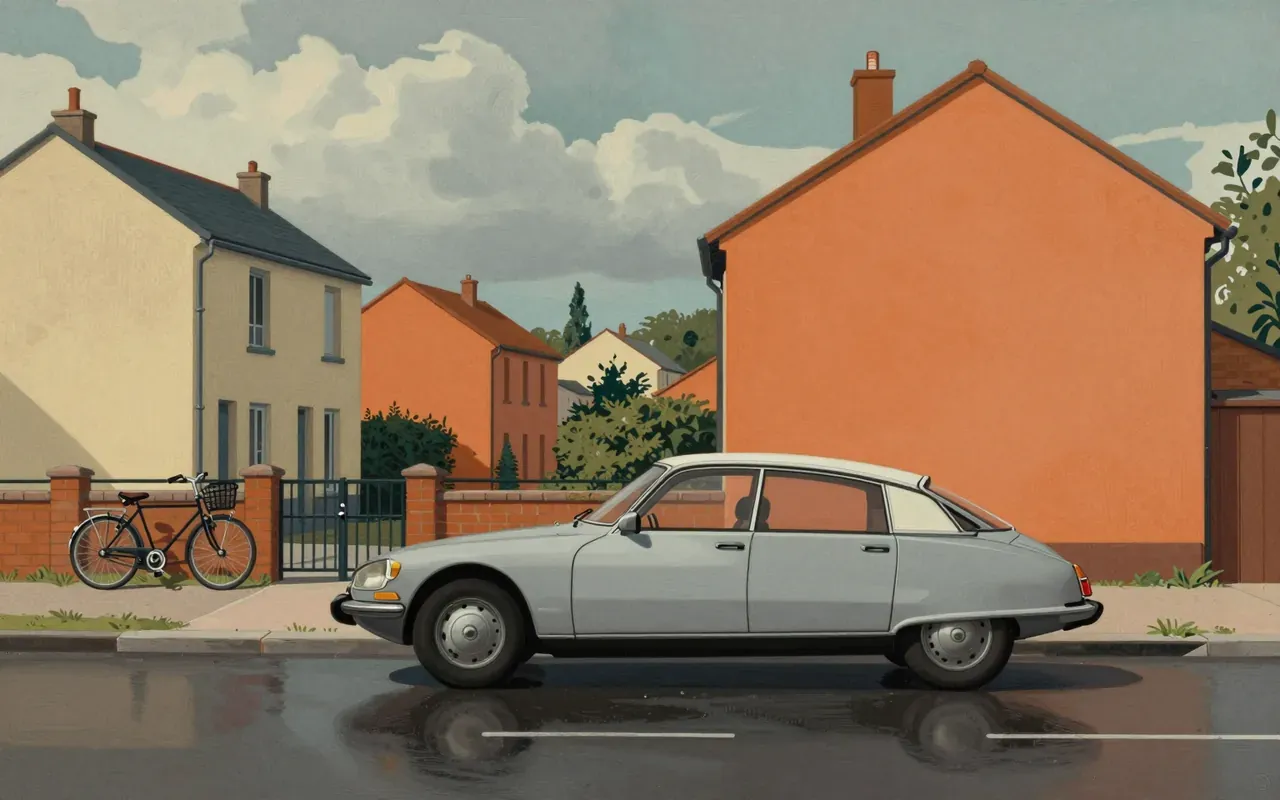
The CX is the last complete expression of Citroën’s pre-merger philosophy: hydropneumatic suspension, front-wheel drive, fastback form, and aerodynamic discipline. It succeeded the DS without imitating it. It won European Car of the Year in 1975. It was Robert Opron’s final and favourite design. It marked the end of the 'big Citroën' era that began in 1934.

9:12

Citroën GS

Robert Opron · 1970

The Citroën GS is a small family car designed by Robert Opron, launched in 1970 after winning Citroën’s 1967 internal Project G competition. It was built as a fastback four-door saloon and five-door estate until 1979. A revised version, the GSA, was produced from late 1979 until 1986 in five-door hatchback or estate body styles. Combined production reached approximately 2.5 million units. It has a front-engine, front-wheel-drive layout and seating for five passengers. Noted for its aerodynamic body shape with a drag coefficient of 0.318, fully independent hydro-pneumatic brakes and self-levelling suspension, and air-cooled flat-four engine, the GS was styled by Robert Opron, with a low nose, a two-box silhouette, semi-enclosed rear wheels and a sharply vertical Kamm-tail. In 1967, having abandoned the ambitious Projet F begun by Bertoni and taken over by Opron, Citroën initiated a competition for a new mid-range model that pitted Opron and the Bureau d'Études against Giorgetto Giugiaro and Italdesign. Both teams submitted designs for front wheel drive three- and five-door cars powered by flat-four engines. Opron's proposal carried the day, and his Project G eventually became the GS released in 1970. Some have claimed that Opron based the GS' shape on the Pininfarina Austin 1800 Aerodinamica Berline of 1967. Others assert that, while it may have been influenced by the Italo-English concept car, Opron's design was an independent work, and point out that Citroën has never acknowledged any link.

10:57

Citroën Traction Avant

Flaminio Bertoni · 1934

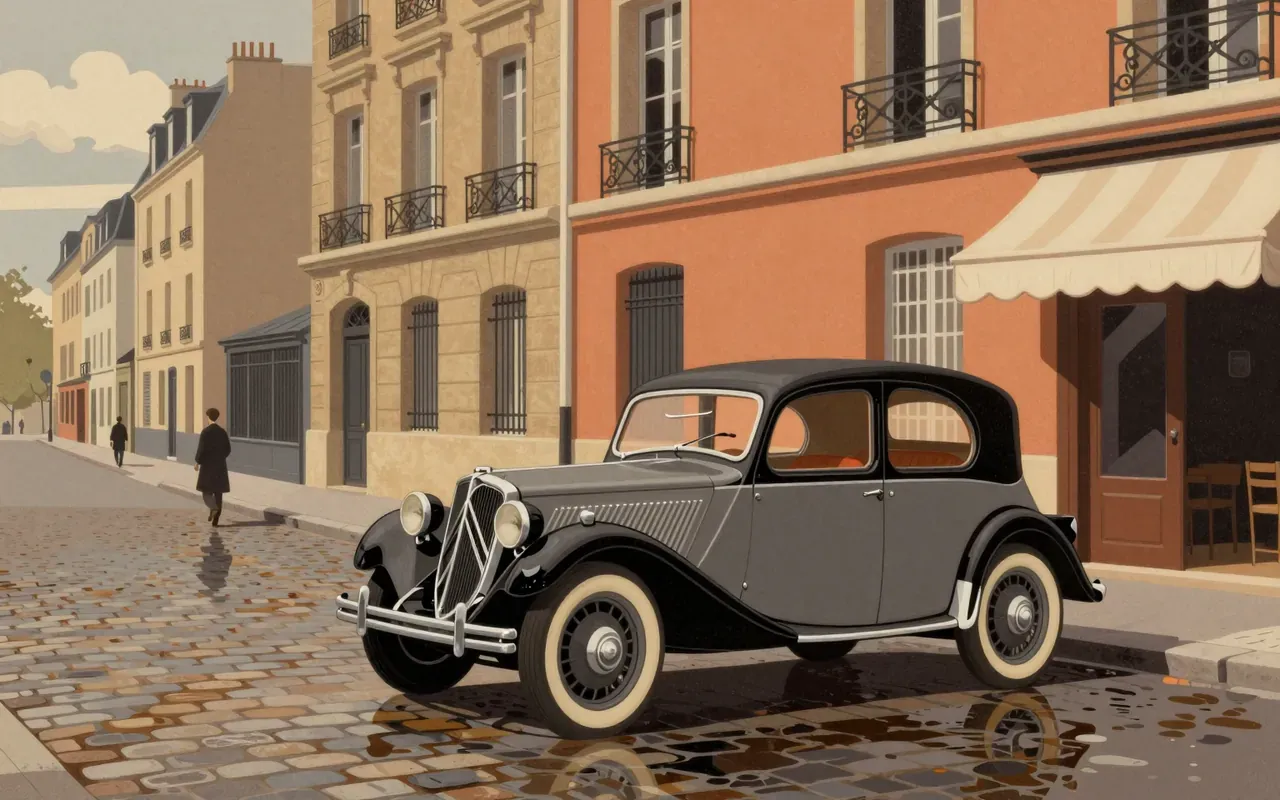
The Citroën Traction Avant redefined what a production car could be — not through novelty, but through integration. Its welded unitary body, front-wheel drive, and four-wheel independent suspension formed a coherent system. It did not chase speed or luxury. It solved for lightness, space, and real-world composure. Its influence is structural, not stylistic.

10:06

Citroën XM

Bertone · 1989

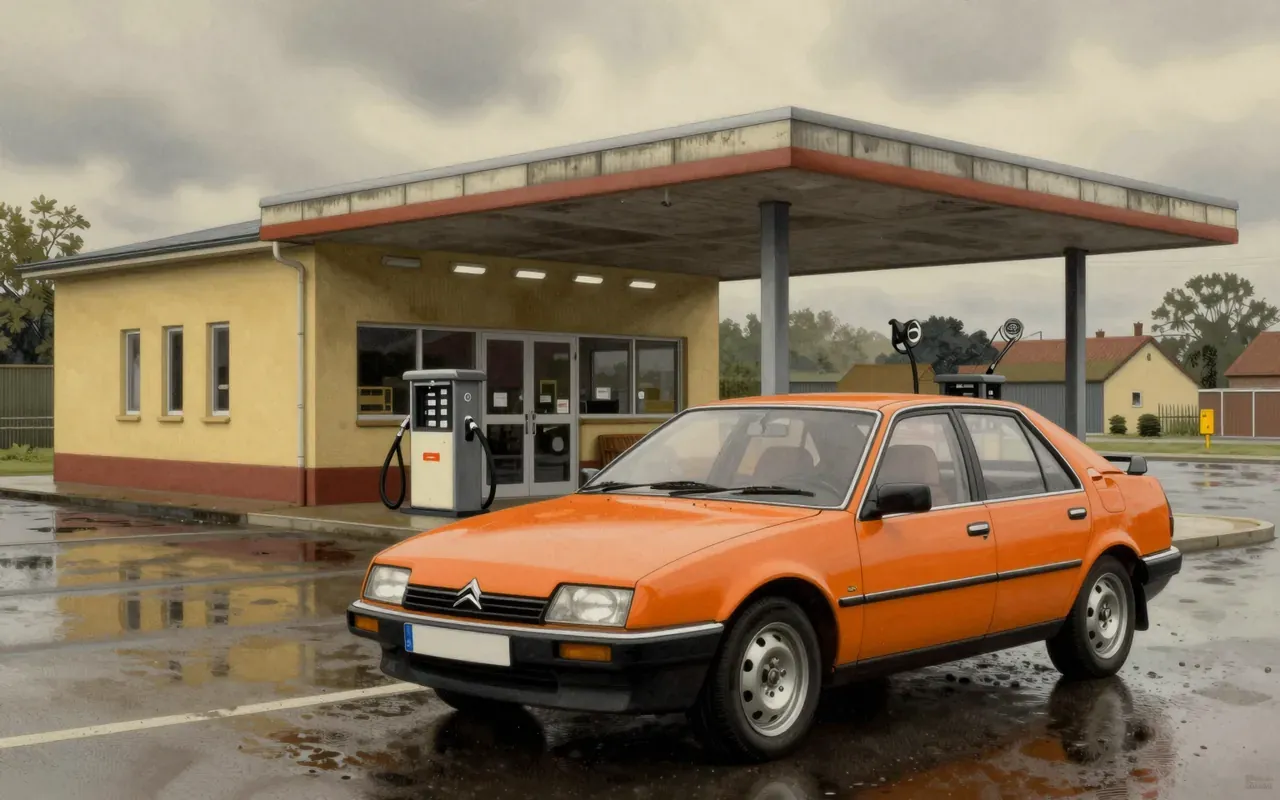
The Citroën XM is a pivotal failure: technically audacious, commercially inert, and stylistically isolated. It advanced hydropneumatic suspension into the electronic age — but lost the emotional and mechanical connection that made Citroën’s earlier flagships endure.

9:26

Dacia 1300

Renault · 1969

The Dacia 1300 is a Romanian-built, Renault 12–based medium-sized family car launched in 1969 under a state-directed initiative to reduce import dependence; it was required to be inexpensive, family-sized, and equipped with ≤1.3 L engine; Renault 12 was chosen over rivals for technical and political reasons; body styles included sedan, estate, and pickup truck; the name '1300' denotes engine displacement.

11:14

Fiat 600

Dante Giacosa · 1955

The Fiat 600 is a foundational rear-engined microcar that redefined packaging and suspension logic for mass-market mobility.

10:43

Fisker Karma

Henrik Fisker · 2011

The Fisker Karma is a luxury plug-in range-extended electric sports sedan produced by Fisker Automotive between 2011 and 2012. It was manufactured by Valmet Automotive in Finland. The EPA rated its all-electric range at 32 mi (51 km), and its fuel economy at 52 mpg‑US equivalent in all-electric mode and 20 mpg‑US in gasoline-only mode. It was priced from US$102,000 in the U.S., and around 1,800 units were delivered in North America and Europe through December 2012. Approximately 2,450 Karmas were built before production ceased in November 2012.

10:52

Hindustan Ambassador

Morris · 1957

The Hindustan Ambassador is a saloon built in India from 1957 to 2014, based directly on the Morris Oxford Series III. It used a fully enclosed monocoque chassis and remained almost unchanged across its entire production run. It was not designed in India, nor did it evolve with changing global standards—but it endured as a functional, spatially generous, mechanically simple vehicle embedded in India’s administrative and transport systems.

9:45

Holden Monaro

Joe Schemansky team · 1968

The Holden Monaro is an Australian-built, front-engine, rear-wheel-drive two-door coupé produced across three generations: 1968–1971 (HK/HT/HG), 1971–1979 (HQ/HJ/HX/HZ), and 2001–2006 (VX/VY/VZ). It was also assembled in South Africa (1970–1973) and exported globally under multiple badges including Chevrolet Lumina Coupe, Vauxhall Monaro, and Pontiac GTO. The third generation was also remanufactured by HSV as high-performance variants without the Monaro nameplate.

11:10

Hyundai Pony

Giorgetto Giugiaro · 1975

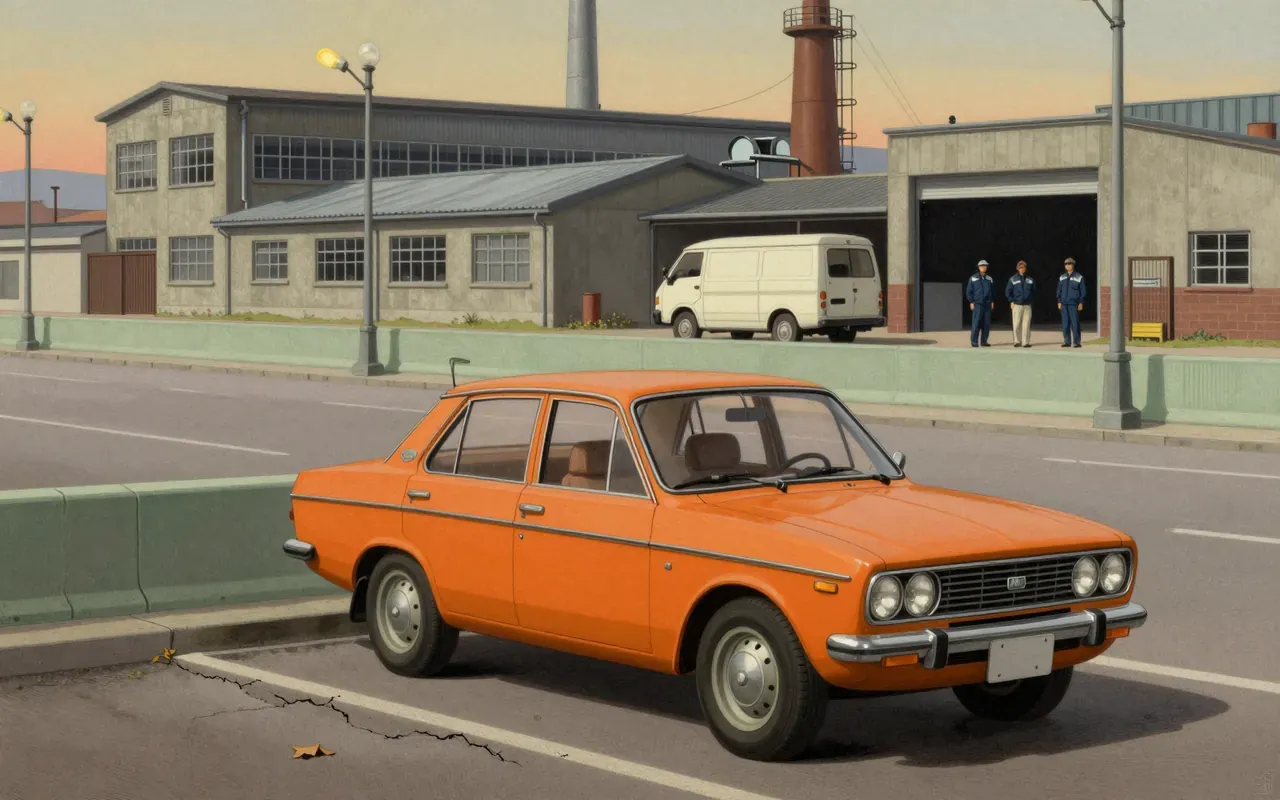
The Hyundai Pony is South Korea’s first mass-produced and exported car. It is a small rear-wheel-drive automobile produced from 1975 to 1990 in saloon, liftback, coupé utility, and estate body styles. Giorgetto Giugiaro designed both the 1974 Pony Coupé Concept — shown at Turin, uncommissioned by Hyundai — and the 1975 production Pony. The concept influenced domestic advertising and reverse engineering at Ulsan, but never entered mass production.

10:00

Jaguar XJ

William Lyons · 1968

The 1968 Jaguar XJ6 is the last saloon designed under Sir William Lyons’ leadership. It is a full-size luxury car, front-engine, rear-wheel drive, launched as a four-door straight-six on a 2.76 m wheelbase. It uses the 4.2 litre XK engine. From 1970, it served as Jaguar’s flagship four-door model. It did not gain a long-wheelbase option or V12 engine until 1972. Lyons considered it his last and proudest achievement.

12:17

Kia Stinger

Gregory Guillaume · 2017

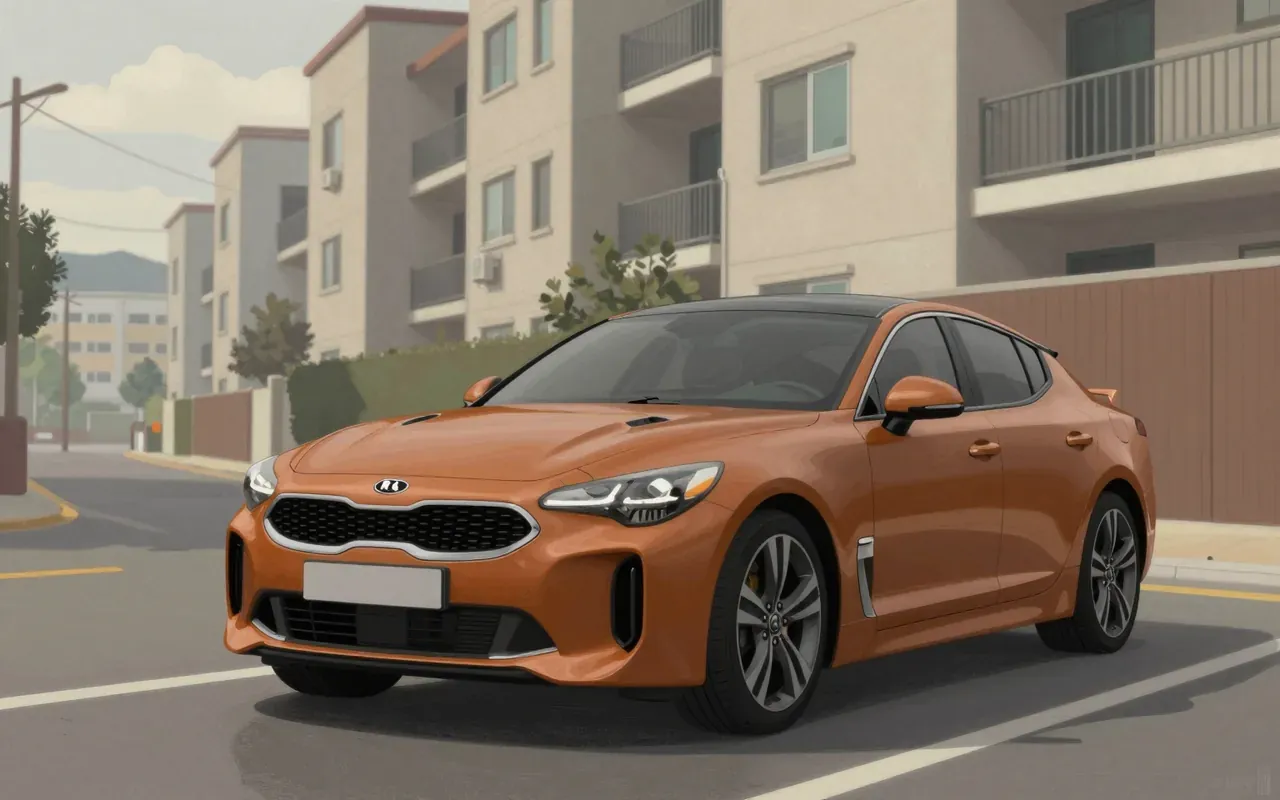
The Kia Stinger is a mid-size liftback/fastback built from 2017 to 2023. It evolved from the 2011 GT Concept in Frankfurt and the 2014 GT4 Stinger in Detroit. Design was led by Peter Schreyer and Gregory Guillaume at Kia’s Frankfurt studio. It uses a shortened version of the Hyundai Genesis' front-engine, rear-wheel-drive platform with additional steel reinforcement. The sole transmission is an 8-speed automatic with five driving modes plus paddle-shifters. GT variants are equipped with Brembo brakes and Michelin tires. For the European and Korean markets, the Stinger is offered with a base 2.2-liter CRDi diesel I4. Kia claims that the Stinger accelerates from zero to 100 km/h (62 mph) in 7.7, 6 and 4.9 seconds for the 2.2-liter diesel, 2.0-liter gasoline and 3.3-liter gasoline respectively.

8:29

Lancia Flaminia

Pininfarina · 1957

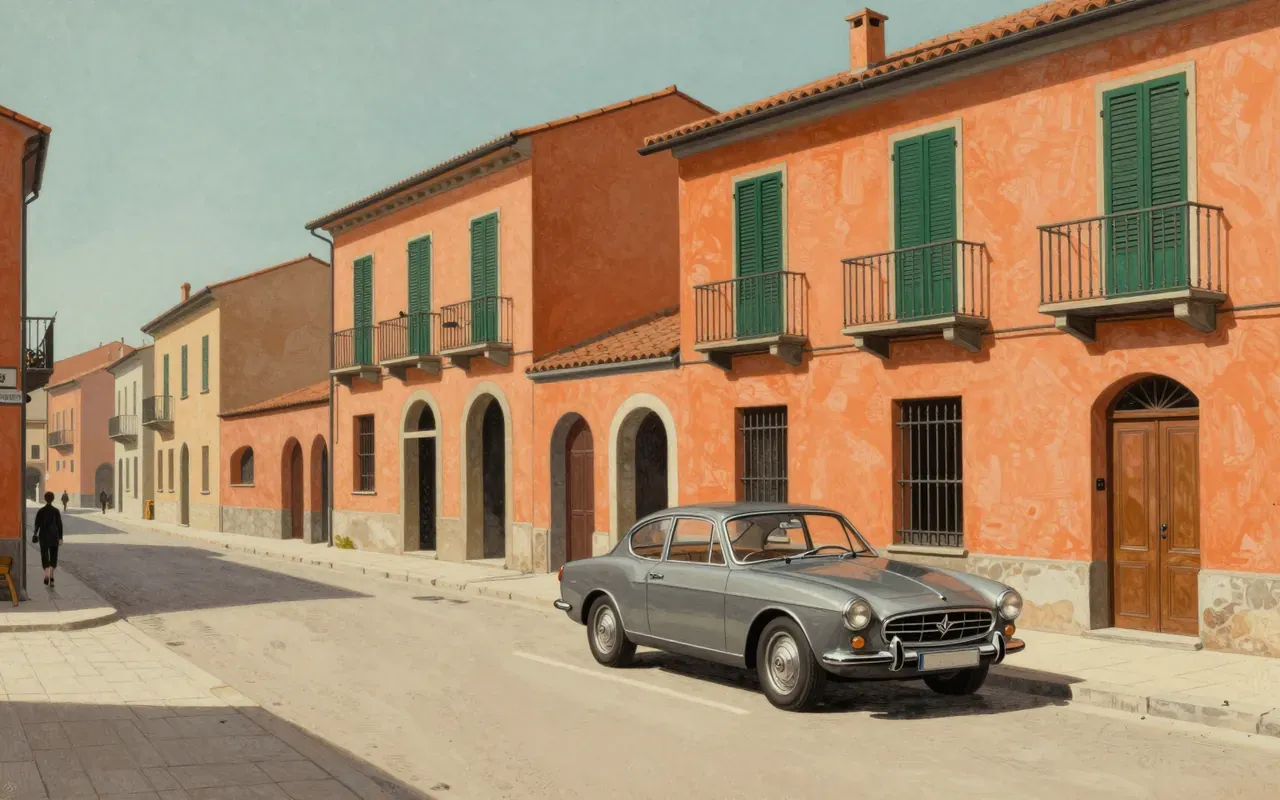
A 1957–1970 Italian luxury car, Lancia’s flagship successor to the Aurelia. Built in saloon, coupé, and cabriolet forms — with the two open-top variants exclusively coachbuilt by firms including Pininfarina.

9:12

Lincoln Continental

Elwood Engel · 1961

The 1961 Lincoln Continental is a four-door saloon styled by Elwood Engel. It originated as a rejected 1961 Ford Thunderbird proposal in 1958. Ford executives redirected it into a four-door, four-seat Lincoln. Its success convinced Ford President Robert S. McNamara to retain the Lincoln brand after considering its termination. Engel focused specifically on Lincoln vehicles during his time at Ford.

9:49

Lotus Carlton

Lotus · 1990

The Lotus Carlton is a high-performance sports saloon developed by Lotus from the Vauxhall Carlton/Opel Omega A, designated Type 104. Its engine was enlarged to 3.6 L and fitted with twin Garrett T25 turbochargers; it uses a ZF 6-speed manual transmission driving the rear wheels via a limited-slip differential. Exterior upgrades include a rear spoiler, bonnet cooling vents, Lotus badges, a body kit, and widened wheel arches. Rear suspension was modified with a new arm and revised bushings, and self-leveling suspension and Servotronic power steering were borrowed from the Opel Senator. It was sold only as a saloon, with a front-engine, rear-wheel-drive layout, and 950 units were produced between 1990 and 1992.

9:24

Maserati Biturbo

Pierangelo Andreani · 1981

The Maserati Biturbo is a foundational but flawed machine: a compact, turbocharged executive coupé that reshaped Maserati’s entire output for sixteen years — yet failed to deliver on durability, credibility, or track results.

10:08

Mazda RX-3

Mazda · 1971

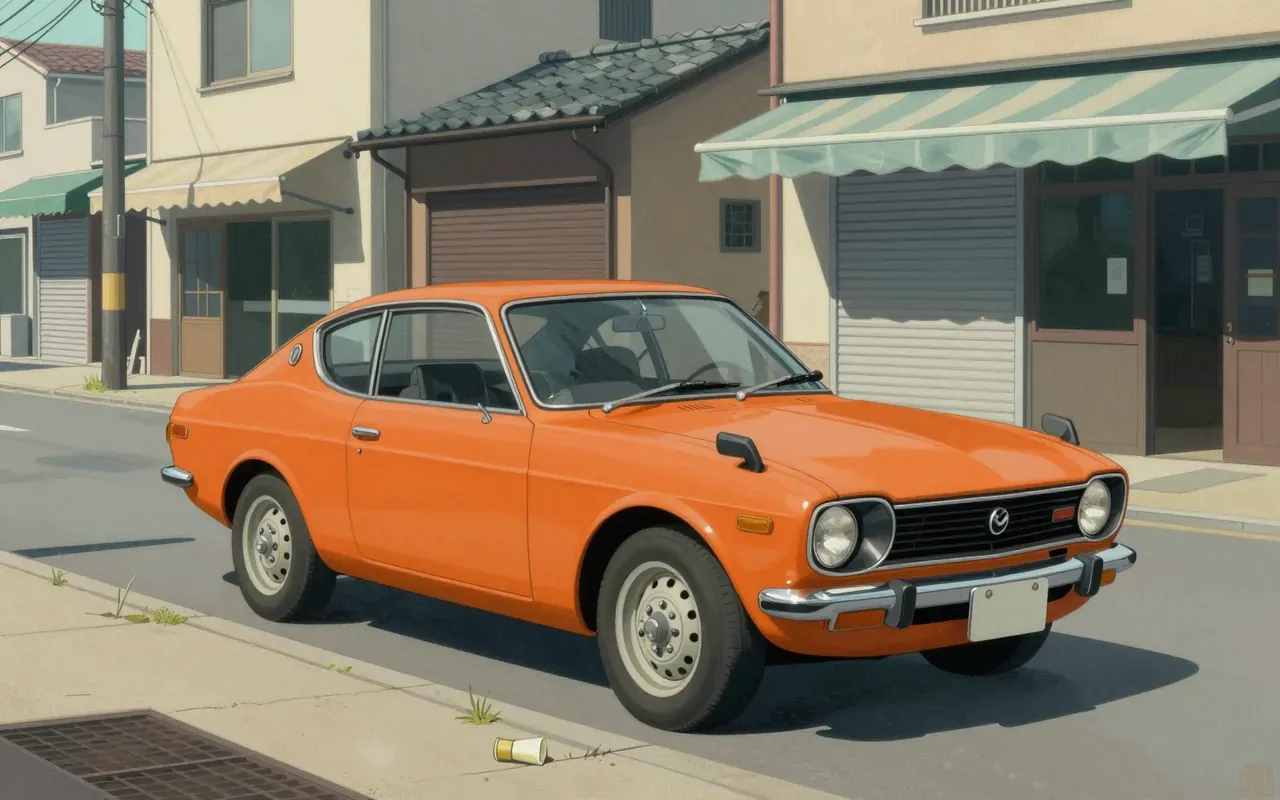
The RX-3 is what the world outside Japan called the Mazda Savanna, the rotary version of the Grand Familia. It came as a coupé, sedan and station wagon, started on the 10A rotary and moved to the larger 12A. It was the most popular of the rotary cars Mazda built before the RX-7, and it raced successfully in Japan, Australia, New Zealand and North America.

9:44

Mercedes-Benz W201

Bruno Sacco · 1982

The W201 redefined what a compact luxury sedan could be—not by shrinking the S-Class, but by building a new class with structural integrity, scalable safety tech, and unambiguous engineering intent.

10:26

Mercedes-Benz W126

Bruno Sacco · 1979

The W126 is the second-generation S-Class, designed under Bruno Sacco at Daimler-Benz AG. It launched in 1979, added the C126 coupé in 1981, and ran until 1991 — the longest and highest-volume S-Class generation. It introduced ABS as standard, early airbags, hydropneumatic suspension, and distinct chassis coding. Its aerodynamic refinement (Cd 0.36 saloon, 0.34 coupé) served durability and presence over agility. It anchors Sacco’s S-Class trilogy — W126, W140, W220.

8:54

Nissan Be-1

Naoki Sakai · 1987

The Nissan Be-1 is a tightly edited response to urban life in late-1980s Japan. It is not fast. It is not spacious. It is not branded. It is precise, deliberate, and self-contained. It exists because Naoki Sakai solved a specific problem: how to make a small car feel like an object of intention—not utility.

9:35

NSU Ro 80

Claus Luthe · 1967

The NSU Ro 80 is a four-door, front-engine executive sedan manufactured and marketed by the West German firm NSU from 1967 until 1977. It was developed as a mid-sized front-wheel drive sedan to serve Germany’s growing middle class. Claus Luthe designed its clean wedge shape and large glasshouse. It achieved a drag coefficient of 0.35 at design freeze and 0.34 in final production — without modifying the outer body after wind tunnel testing. It featured inboard front brakes, four-wheel ATE Dunlop disc brakes, fully independent suspension (MacPherson struts front, semi-trailing arms rear), and power-assisted ZF rack and pinion steering. Its twin-rotor Wankel engine delivered 84 kW (113 bhp) from 995 cc but suffered early unreliability and poor fuel economy. It won Car of the Year in 1968. Total production was 37,204 units.

9:02

Opel Kadett C

Opel Design · 1973

The Opel Kadett C is a small family car produced by Opel from 1973 to 1979. It is the fourth-generation Kadett and Opel’s version of General Motors’ T-Car platform. It was the last small Opel to feature rear-wheel drive. Most customers opted for the two-door 'Limousine' saloon. A four-door variant was produced mostly for export. The Limousine accounted for just under 63% of production. Eleven percent were three-door estate-bodied Kadett Caravans. Slightly under 10% were two-door coupés. The Kadett City, a three-door hatchback, was added in May 1975 to compete on price with the Ford Fiesta.

9:52

Peugeot 203

Peugeot · 1948

The Peugeot 203 is a foundational post-war saloon. Its monocoque structure, coil-sprung chassis and rack-and-pinion steering set new internal benchmarks. It carried Peugeot alone for six years. It sold nearly 700,000 units. It offered three body variants on two wheelbases. It used one engine, one drivetrain, one brake system. It was rational, not revolutionary.

9:12

Peugeot 404

Pininfarina · 1960

The Peugeot 404 is a large family car produced by Peugeot from 1960 to 1975. Styled by Pininfarina, it launched as a saloon, estate, and pickup. A convertible arrived in 1962; a coupé in 1963. It used a 1.6 litre petrol engine (Solex carburetor or Kugelfischer fuel injection) or a 1.9 litre diesel. A 3-speed ZF automatic was optional. It gained fame as a taxicab and earned a reputation for durability and value. Its bodyshell closely resembles that of the 1959 Austin Westminster.

9:12

Peugeot 405

Pininfarina · 1987

The Peugeot 405 is a large family car designed by Peugeot and styled by Pininfarina, produced from 1987 to 1997 in Europe and under license in Iran until 2020. It shares its floorpan with the Citroën BX but lacks hydropneumatic suspension except on 4x4 variants. It was voted European Car of the Year for 1988 by the largest number of votes in the history of the contest. About 2.5 million vehicles have been sold worldwide, both in left and right drive versions, as a saloon and estate. In early 2020, the 33-year production run of the Peugeot 405 was counted as the 'twentieth most long-lived single generation car in history'. Its appearance is similar to the Alfa Romeo 164, launched the same year and also styled by Pininfarina.

10:24

Peugeot 504

Pininfarina · 1968

The Peugeot 504 is a durable, mechanically coherent saloon built for longevity over novelty. Its design solves for resilience — not agility, comfort or style.

10:32

Porsche Taycan

Mitja Borkert · 2019

The Taycan redefines Porsche’s electric identity—not by chasing range alone, but by engineering for responsiveness, thermal resilience, and driver feedback. It is not a stopgap. It is the first proof that Porsche’s steering, weight distribution, and longitudinal control could translate to battery power without mimicry.

10:54

Renault Vel Satis

Patrick Le Quément · 2001

The Renault Vel Satis is an executive hatchback manufactured by Renault from 2001 to 2009. It was launched at the 2001 Geneva Motor Show to replace the Safrane. Designed by Patrick Le Quément’s team, it formed part of Renault’s effort to develop an independent formal language. It is noted for its height — 13 cm higher than the Safrane — which benefits interior space. It was Renault’s flagship model and the company’s first car offered with adaptive cruise control. It was the second car ever to receive a five-star Euro NCAP safety rating. Approximately 62,000 units were manufactured over eight years. The name Vel Satis is a portmanteau of Velocity and Satisfaction. It shared its platform with the Laguna II and Espace IV and was manufactured in Sandouville, France.

9:37

Rolls-Royce Silver Cloud

John Blatchley · 1955

The Silver Cloud is Rolls-Royce’s decisive post-war statement: a large, rigid, body-on-frame saloon that abandoned pre-war cues and shared its architecture with Bentley for the first time. It prioritises presence, coachbuilding flexibility, and dimensional authority over agility or innovation.

9:49

Saab 9000

Giorgetto Giugiaro · 1984

The Saab 9000 is a formally resolved, transversely engineered executive car that delivered space, visibility, and quiet competence — at the cost of driving drama and mechanical distinctiveness.

9:30

Tatra 603

František Kardaus · 1956

The Tatra 603 is a large rear-engined luxury saloon produced by Tatra from 1956 to 1975. It continues the streamlined sedan lineage begun with the Tatra 77. In Socialist Czechoslovakia, only high-ranking party officials and factory heads were driven in 603s; the car was also exported to allied countries. Three successive versions—the T603, 2-603, and unofficial -3—were manufactured, distinguished by headlamp arrangements and progressive updates including disc brakes and contactless thyristor ignition. Its V8 overhead valve hemi engine was air-cooled and derived from earlier Tatra models. A total of 20,422 units were built, mostly by hand.
10:06

Tatra 87

Hans Ledwinka · 1936

The Tatra 87 is a Czechoslovak-built, rear-engine, streamlined saloon produced from 1936 to 1950. Designed by Hans Ledwinka, Erich Ledwinka, and Erich Übelacker. Based on Paul Jaray’s aerodynamic proposals.

10:46

Tesla Model 3

Franz von Holzhausen · 2017

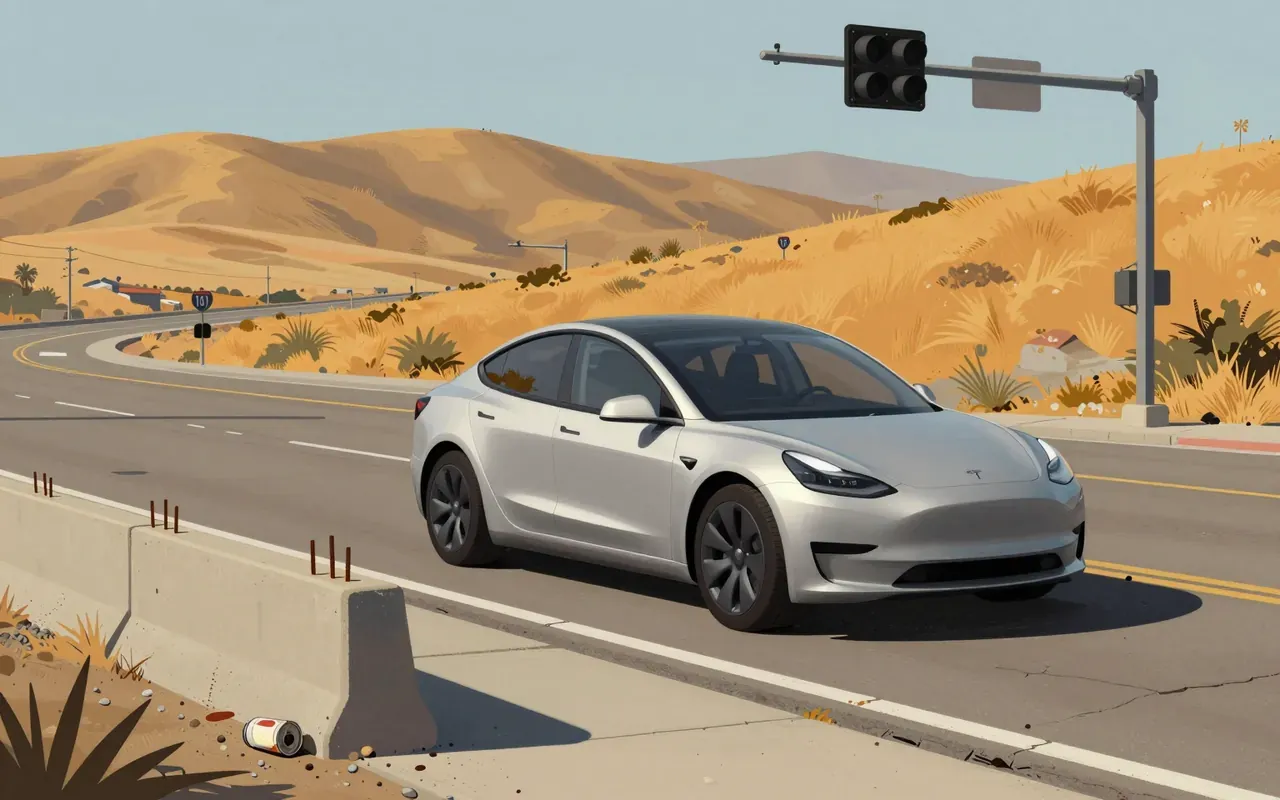
The Tesla Model 3 is a battery electric mid-size sedan with a fastback body style introduced in 2017. Franz von Holzhausen led its design. It was marketed as a more affordable, mass-market family car relative to earlier Tesla models. It became the world’s top-selling plug-in electric car from 2018–2020 and the first electric car to reach 1 million global sales in June 2021. It features a five-passenger capacity, front and rear trunks, EPA-rated range of 215 miles for the Standard Range version, sports-car acceleration, and a drag coefficient of Cd=0.225 (later improved to 0.219). A major design refresh — codenamed 'Project Highland' — was introduced in late 2023/early 2024, bringing revised styling, improved range, new hardware (including HW4), and structural changes. The car was designed under Franz von Holzhausen and described as targeting the Audi A4/BMW 3 Series/Mercedes-Benz C-Class segment.
10:49

Tesla Model S

Franz von Holzhausen · 2012

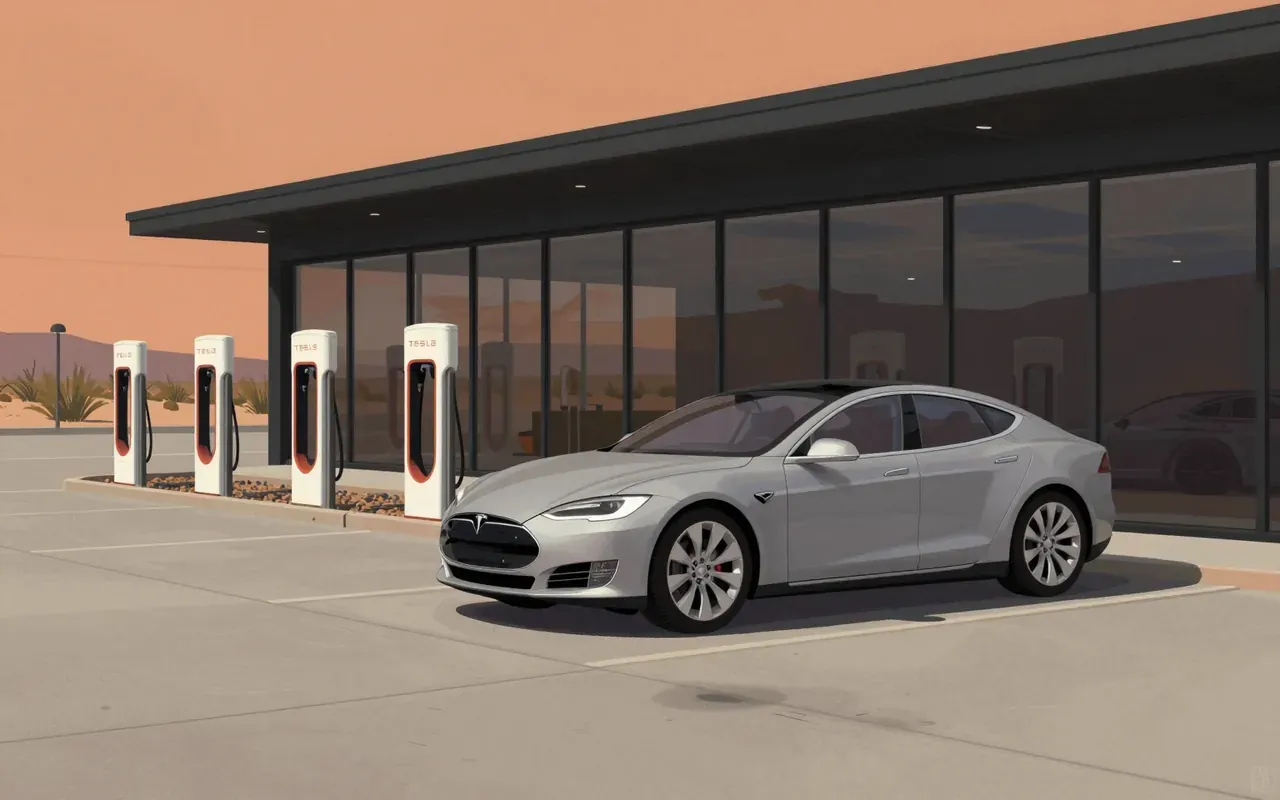
The Tesla Model S (2012) is a battery-electric, four-door full-size sedan — Tesla’s second vehicle — designed by Franz von Holzhausen and produced from 2012 to 2026. It established electric propulsion as viable for mainstream saloons, winning Motor Trend Car of the Year in 2013.

11:12

Mini

Alec Issigonis · 1959

The Mini is a two-door, four-seat saloon designed by Sir Alec Issigonis for BMC in response to the 1956 Suez Crisis fuel shortage. Its front-wheel-drive, transverse-engine layout with sump gearbox and 10-inch wheels maximised interior space, delivering 80% of the floorpan to passengers and luggage. It used Alex Moulton’s rubber cone suspension — a time-driven compromise that sharpened road feedback. It influenced Honda N360, Nissan Cherry, and Fiat 127. It was voted second-most influential car of the 20th century in 1999. It remained in production from 1959 to 2000, selling 5.3 million units — the best-selling British car in history.

11:12

Tucker 48

Alex Tremulis · 1948

The Tucker 48 is a saloon defined by unmet promise and tangible innovation. It established safety and driver-centred layout as non-negotiables—before Detroit accepted them. It failed to deliver its own engine or prove its systems in volume. Its legacy is procedural, not mechanical.

9:28

Alfa Romeo Alfetta

Alfa Romeo Centro Stile · 1972

The Alfetta is a front-engine saloon and fastback coupé produced from 1972 to 1987. It used a rear transaxle and De Dion tube rear suspension to improve weight distribution and handling. Coupé models featured a central tachometer. All models left the factory with Pirelli Cinturato 165HR14 tyres.

10:49

Alfa Romeo Giulia

Giuseppe Scarnati · 1965

The Alfa Romeo Giulia Type 105 redefined what a four-door saloon could do—without electronics, without weight, without apology.

9:06

VAZ-2101

Fiat · 1970

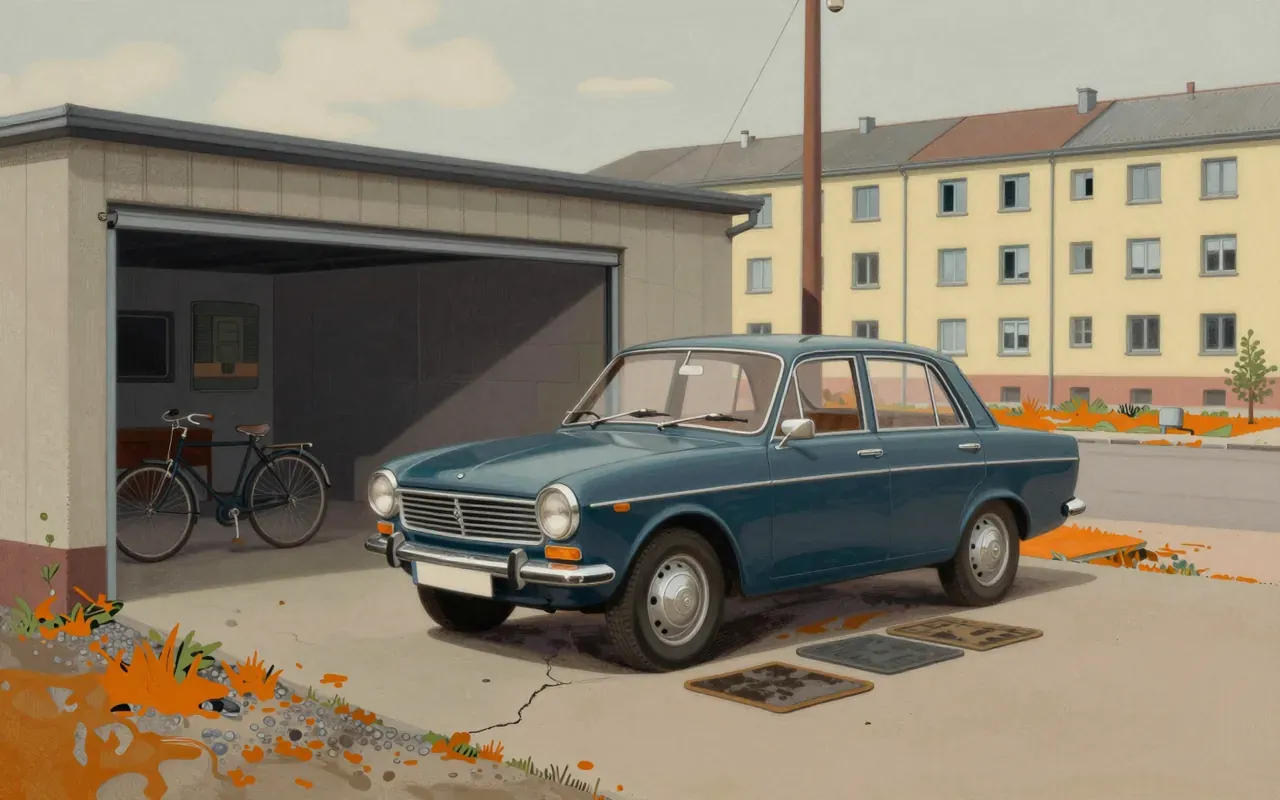
The VAZ-2101 is a compact 4-door saloon or wagon, introduced in 1970 as AvtoVAZ's first product. It is a licence-built version of the Fiat 124, heavily modified for Soviet and Eastern Bloc conditions. Among many changes, aluminium brake drums were added to the rear, and the original Fiat engine was dropped in favour of a newer design made by NAMI. This new engine had a modern overhead camshaft design but was never used in Fiat cars. The suspension was raised to clear rough Russian roads and the bodyshell was made from thicker, heavier steel with reinforcement in key chassis areas after cracking was discovered during durability testing. The first Lada models were equipped with a starting handle in case the battery went flat in Siberian conditions, though this was later dropped. Another feature specifically intended to help out in cold conditions was a manual auxiliary fuel pump. The station wagon version (correspondingly based on the Fiat 124 Familiare) was known as the VAZ-2102. Subsequently, it was widely, and successfully exported to the West under the Lada brand, for over two decades.

9:17

Lamborghini Estoque

Filippo Perini · 2005

The Estoque is a speculative, non-production sedan that tested whether Lamborghini could stretch its brand into four-door territory without abandoning its core engine layout or visual aggression.

10:24

Lexus LS400

Kunihiro Uchida · 1989

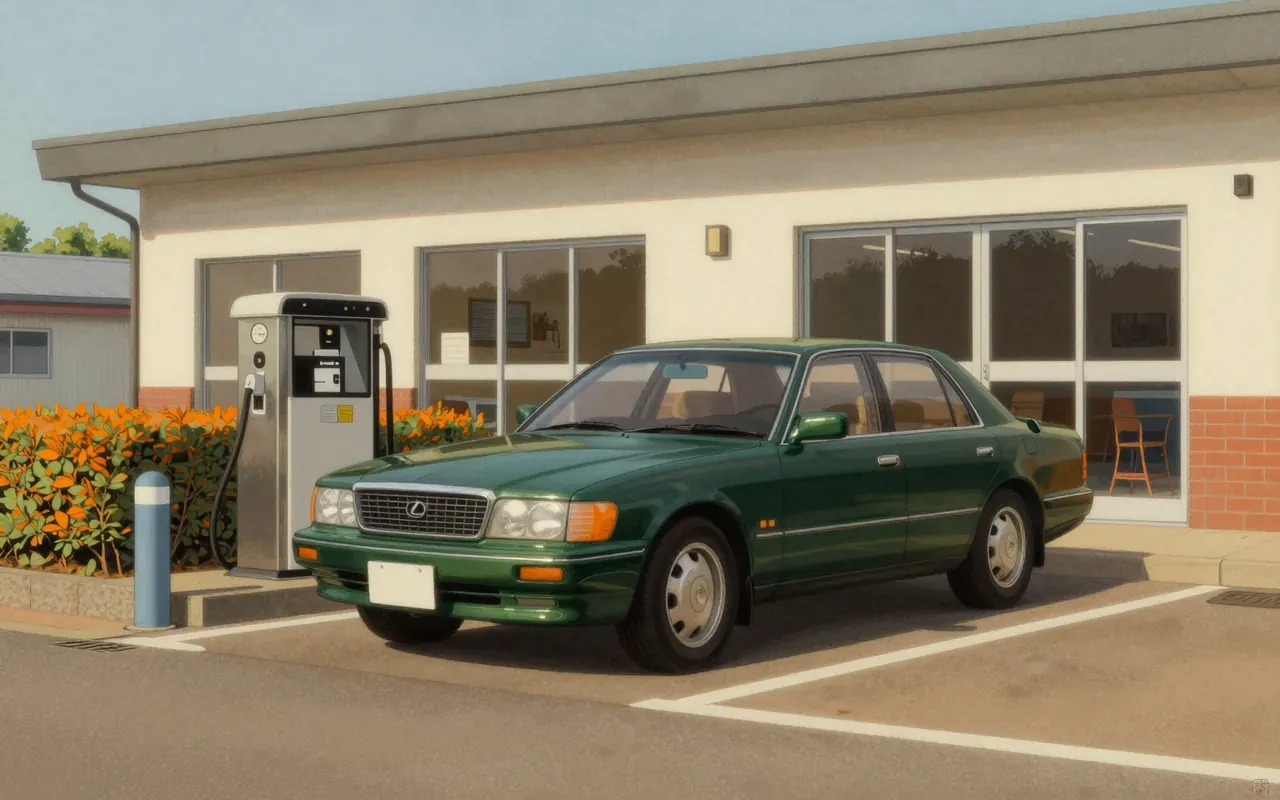
The LS 400 was the first model Lexus ever made. It grew out of the F1 project, started in 1983 with no set budget and no existing Toyota parts, and it cost over US$1 billion to develop. It debuted in January 1989 with a new V8, a quiet cabin and a low drag figure, and it was largely responsible for the successful launch of the Lexus marque.