What the car is and where it came from
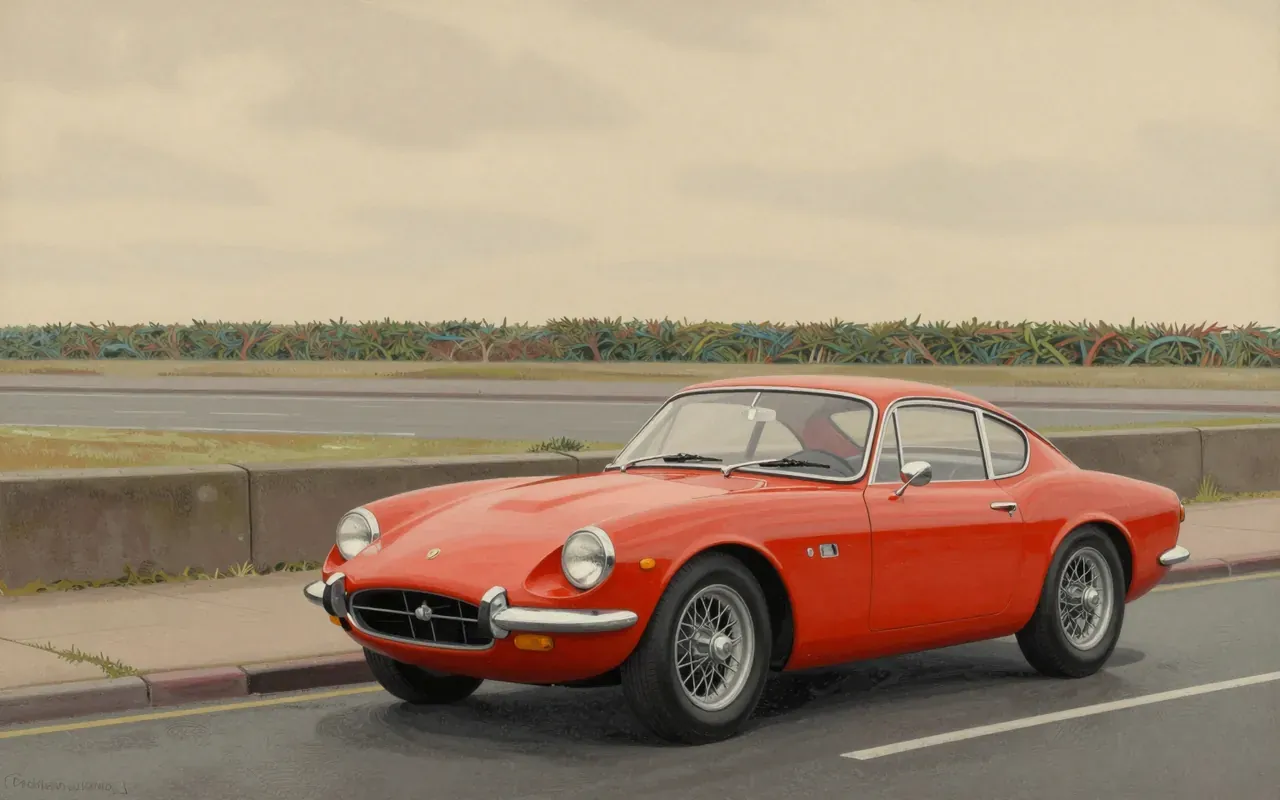
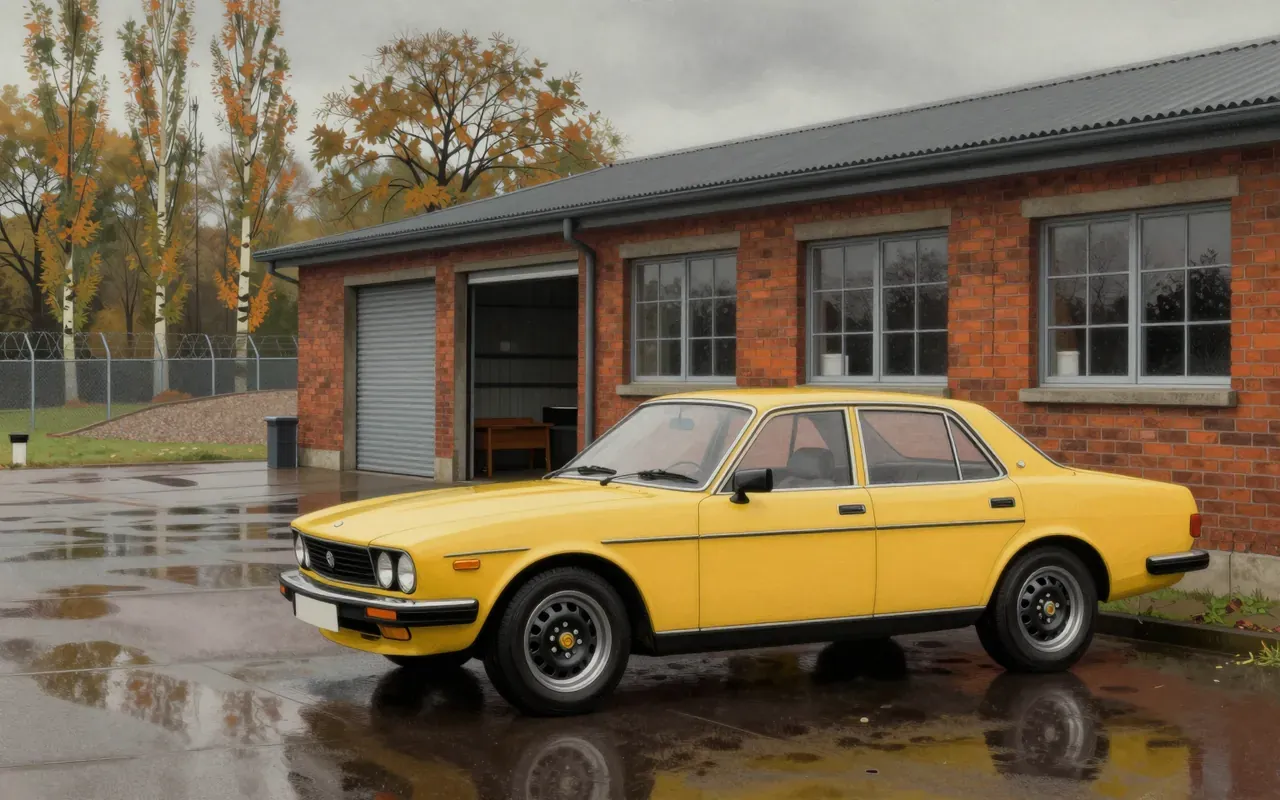
It is the Lotus Carlton Type 104: a high-performance sports saloon built by Lotus on the Vauxhall Carlton/Opel Omega A platform between 1990 and 1992. Ninety-five units were produced.
How it works, in terms someone would actually use
It is a front-engine, rear-wheel-drive saloon. The driver shifts a ZF 6-speed manual. Power goes to the rear wheels through a limited-slip differential. Steering uses Servotronic assistance — full at low speed, reduced as speed rises. Self-leveling suspension maintains camber under load and at high speed.
What it gets right
It gets right the balance between aggression and usability. The twin-turbo straight-six delivers torque where it matters — from 2,500 rpm onward. The rear suspension arm and bushing revisions sharpen turn-in without sacrificing stability. The body kit and spoiler manage airflow without theatricality.
What it does not
It does not offer modern driver aids, traction control, or adaptive damping. It does not soften its ride for comfort. It does not hide its mechanical compromises — the turbo lag is real, the steering weight varies sharply, and the widened arches demand constant visual calibration.
What it changed
It proved a mainstream European saloon could out-accelerate contemporary supercars while retaining four doors, luggage space, and rear seats. It forced Vauxhall, Opel, and Lotus to confront what ‘performance’ meant outside the sports-car brief.
Who it is for, and who it is not
It is for drivers who value mechanical honesty over polish. It is not for those who expect seamless integration, quiet refinement, or digital mediation. It assumes competence, rewards attention, and refuses to flatter.
Is it worth your time
Yes — if you want to understand how a saloon can be re-engineered for ballistic performance without abandoning daily usability. It is not a relic. It is a working thesis on forced induction, chassis tuning, and restraint in packaging.