automotivebriefs
Topic

The eighties

Deregulation, synthesisers and the arrival of the modern consumer.

30
in automotive
9:34
average
287 min
in total
268
across the network
The eighties across the network →
All briefs30
9:57

Nissan 300ZX Z32

Toshio Yamashita · 1989

The Z32 is the second-generation Nissan 300ZX, sold in Japan as the Fairlady Z from 1989 to 2000 and in the US from 1990 to 1996. Isao Sono and Toshio Yamashita designed it, with a 3.0 L V6 offered naturally aspirated or with twin turbochargers, and Nissan drove it up-market, faster, more advanced and dearer than the Z31 it replaced. Car and Driver named it to its Ten Best list seven years running.
9:59

Nissan Silvia S13

Nissan Design · 1988

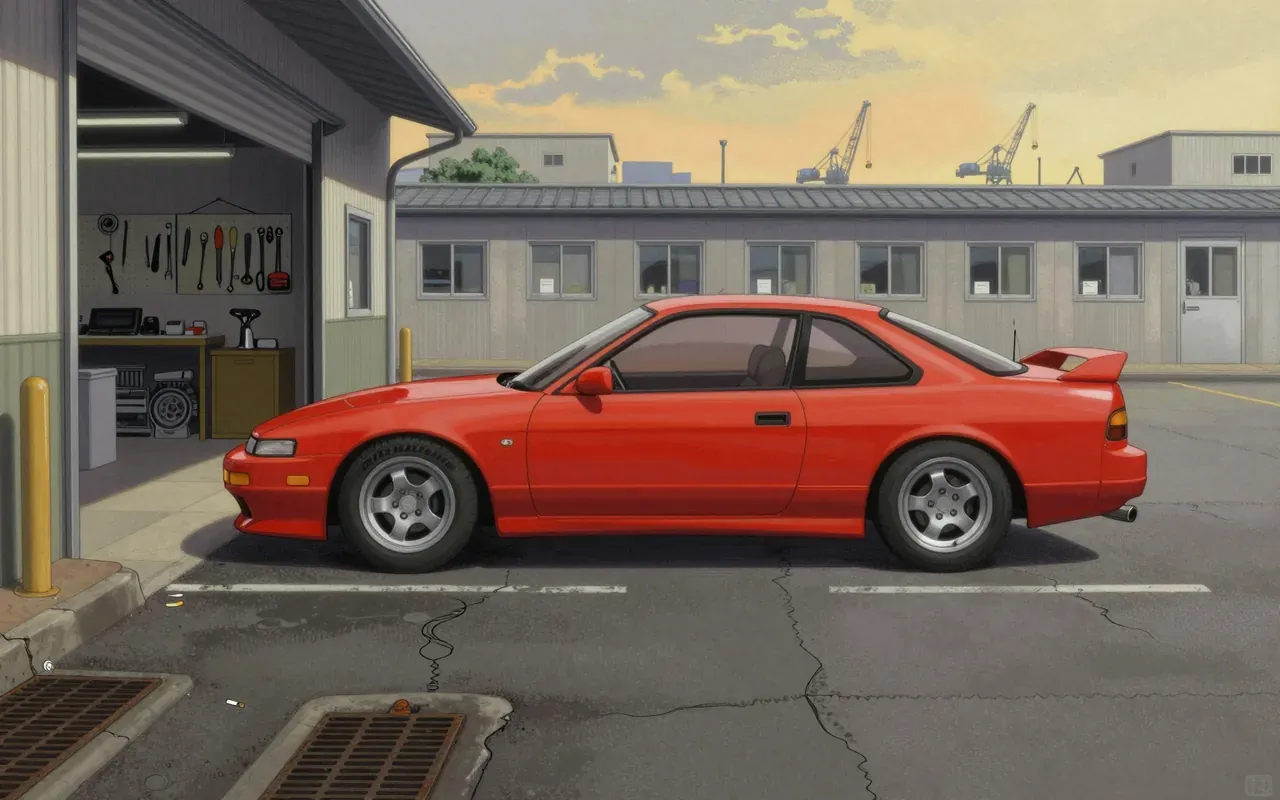
The S13 Silvia went on sale in Japan in May 1988 and won the Car of the Year Japan award in its first year. It paired a multi-link rear suspension with the HICAS four-wheel steering system, moved from the CA18 turbo four to the SR20 in 1991, and was built as a coupé until 1993. Its hatchback sister, the 180SX, carried the platform abroad as the 200SX and 240SX.

9:14

Renault Alpine GTA/A610

Heuliez · 1984

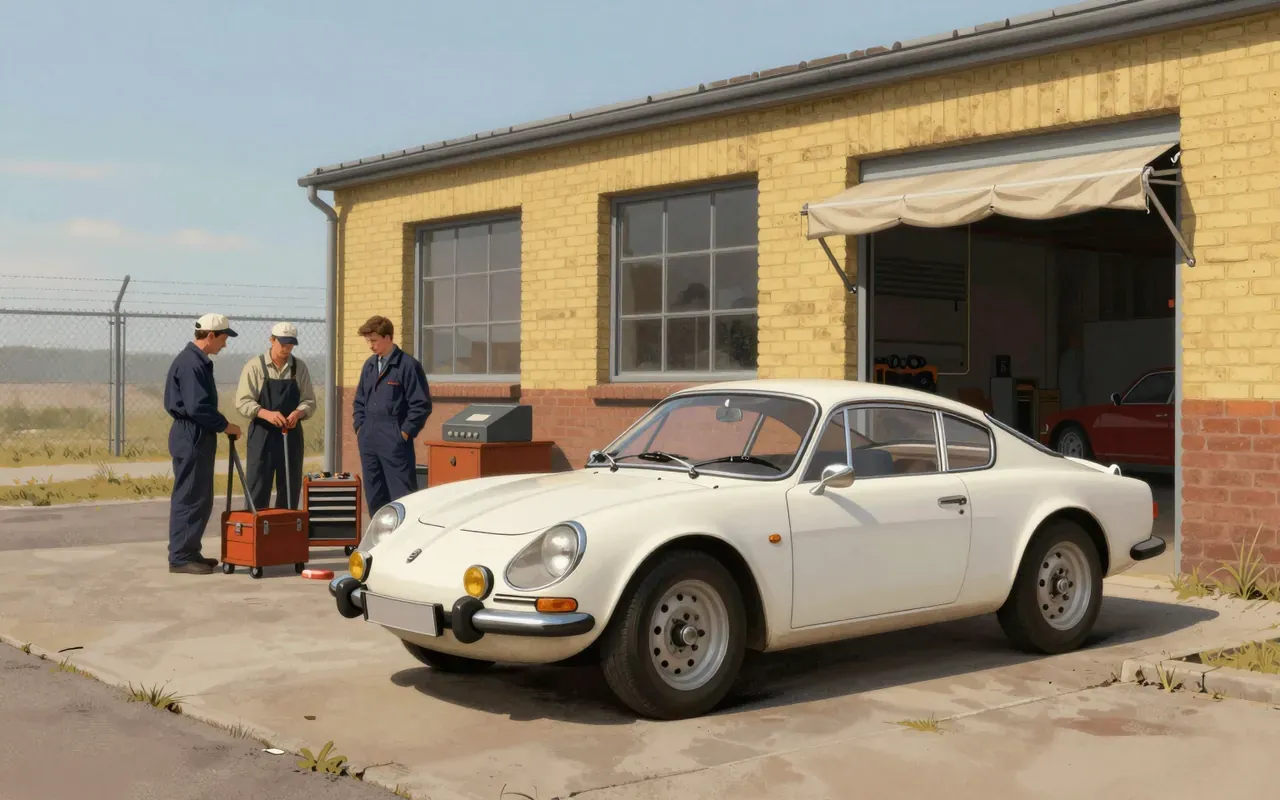
The Renault Alpine GTA is a rear-engined sports coupé launched in 1985 by Alpine under full Renault ownership. It replaced the A310, sharing its layout and V6 PRV engine. Marketed as the Alpine V6 GT or V6 Turbo in Europe—and as the Renault GTA in Britain—it featured aerodynamic design (Cx 0.28–0.30), lightweight composite body panels, and a steel backbone chassis. Production spanned 1984–1995, totalling ~7,300 units across both GTA and A610 models.

9:11

Chevrolet Corvette (C4)

Jerry Palmer · 1984

The C4 redefined the Corvette as a structurally coherent, driver-focused machine—not through power, but through chassis discipline. Its legacy rests on endurance records, not lap times. Its sole 1983 survivor is a museum artifact, not a driver’s car. It is the first Corvette that feels engineered, not assembled.

9:24

DeLorean DMC-12

Giorgetto Giugiaro · 1981

The DMC DeLorean is a rear-engine, two-seat sports car designed by Giorgetto Giugiaro and produced by the DeLorean Motor Company from 1981 to 1983. It features gull-wing doors, unpainted brushed stainless-steel body panels, and a 2.85 L PRV V6 engine shared with Peugeot, Renault, and Volvo. Approximately 9,000 units were built before the company’s bankruptcy. Though criticized for modest performance and build quality, it gained iconic status through the Back to the Future films.

8:38

Ferrari 288 GTO

Leonardo Fioravanti · 1984

The Ferrari 288 GTO is a homologation-special berlinetta, developed from the 308 GTB between 1984 and 1987 in Maranello. Its name stands for Gran Turismo Omologata. It was built to satisfy FIA Group B requirements.

9:07

Italdesign Aztec

Giorgetto Giugiaro · 1988

The Italdesign Aztec is a 1988 concept car built to mark Italdesign’s 20th anniversary. It features driver-passenger separation enforced by physical barriers and electronic communication. Its speedster body uses removable gull-wing visor sections. A turbocharged Audi engine and Lancia Delta HF Integrale–derived four-wheel-drive system power it. Compact srl licensed it for Japan; Carrozzeria Savio built 18 units. It was never a production car — it was a demonstration of interface-first automotive thinking.

9:21

Lancia Delta HF

Giorgetto Giugiaro · 1985

The Lancia Delta HF is a Group A rally car built by Lancia for Martini Lancia to compete in the World Rally Championship from 1987 to 1993. Based on the Lancia Delta road car and replacing the Delta S4, it featured a front-mounted two-litre turbocharged engine and four-wheel-drive. It evolved through four versions and achieved extraordinary success: 46 WRC victories and six consecutive manufacturers’ titles (1987–1992), the most in WRC history.

8:32

Nissan Figaro

Naoki Sakai · 1991

The Nissan Figaro is a 1991 Japanese-market, right-hand-drive, fixed-profile convertible built by Aichi Machine Industry (later Pike Factory) on the first-generation Nissan March/Micra platform. It is one of four Pike cars, conceived as part of a design strategy borrowed from personal electronics marketing.

12:15

Opel Monza

George Gallion · 1978

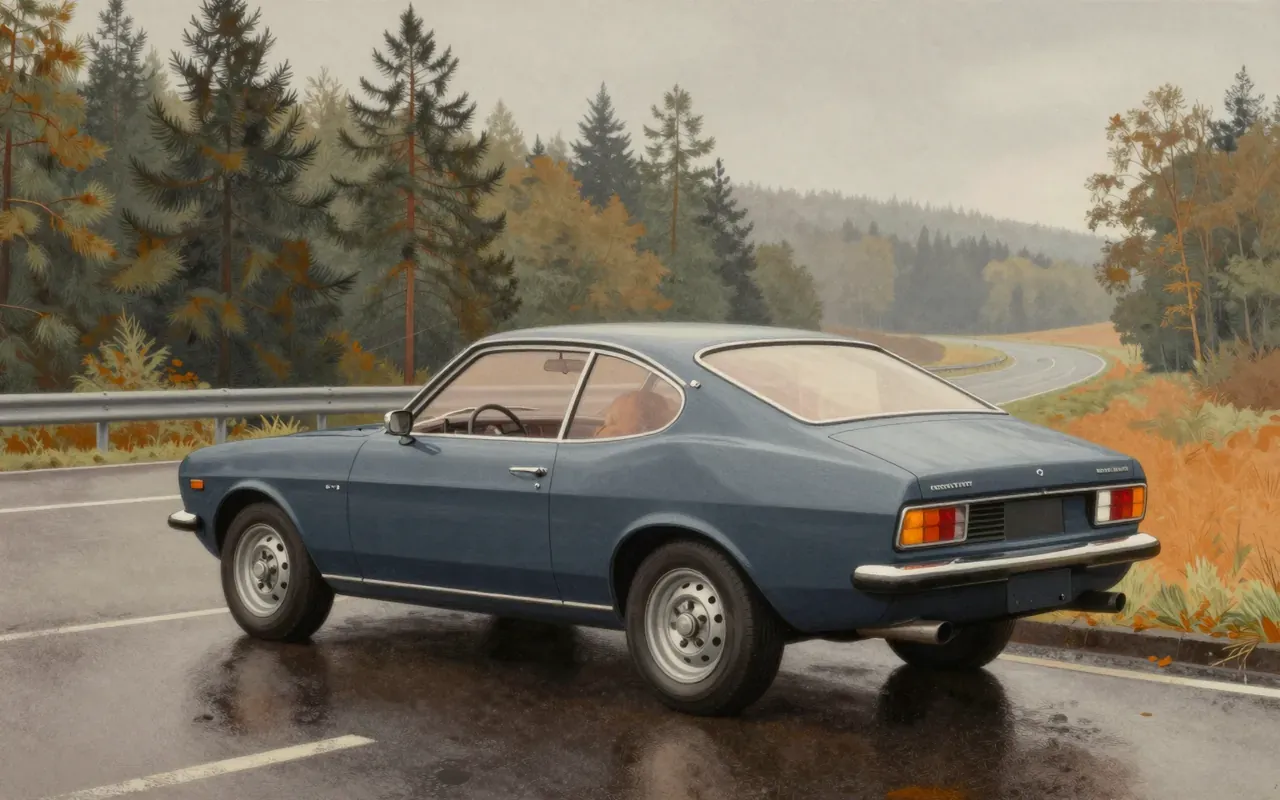
The Opel Monza is an executive fastback coupe. It was built from 1977 to 1986. It replaced the Commodore Coupé. It shared its layout with the Senator A1. It used only overhead camshaft six-cylinder engines. The 3.0-litre version made it Opel’s fastest car at the time. It had no direct replacement. 43,812 were built.

9:10

Porsche 911 (964)

Benjamin Dimson · 1989

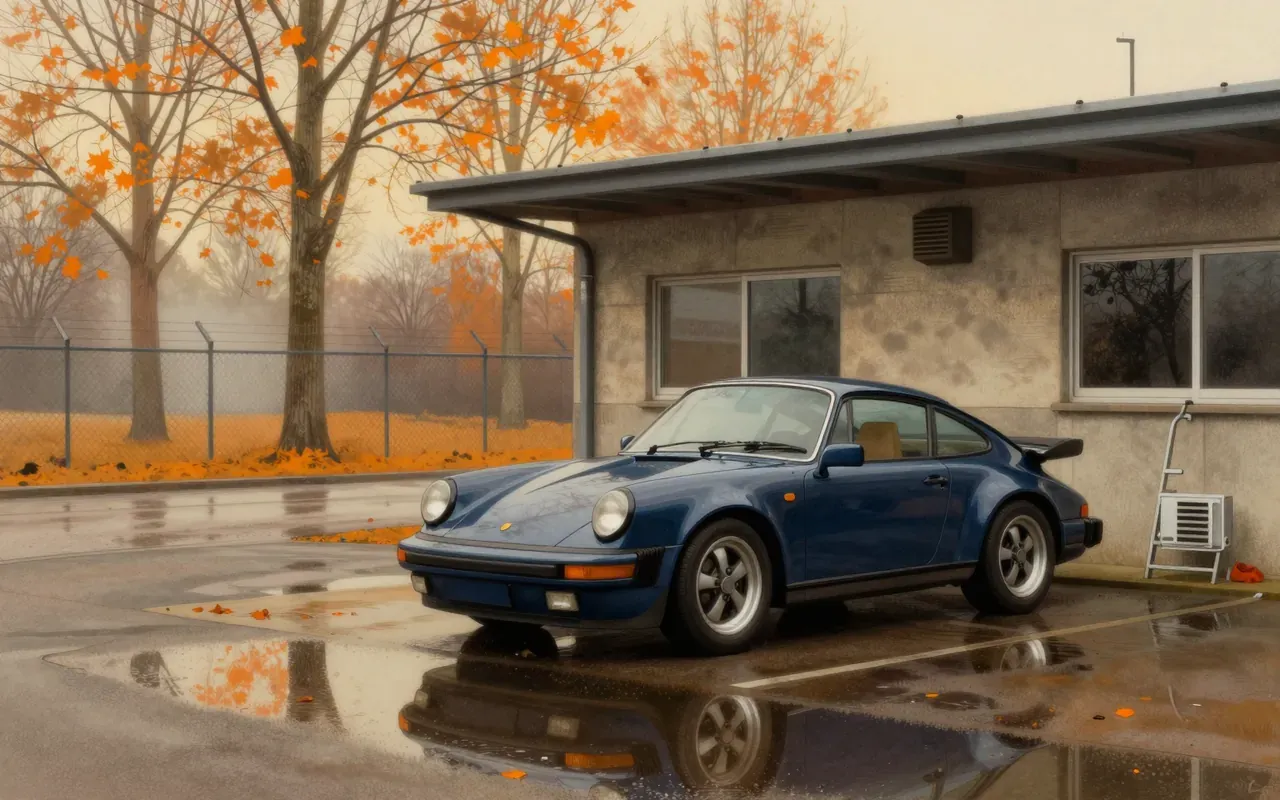
The Porsche 911 (964) is the 1989–1994 generation designed by Benjamin Dimson through January 1986. It introduced all-wheel drive and Tiptronic as options. It was 85% new versus the Carrera 3.2. It brought back the removable Targa roof—the last until the 2011 991. It offered Carrera 2 and Carrera 4 in coupé, targa, and cabriolet forms. Its flush bumpers and fog lamps improved aerodynamics.

8:58

Volvo 480

John de Vries · 1986

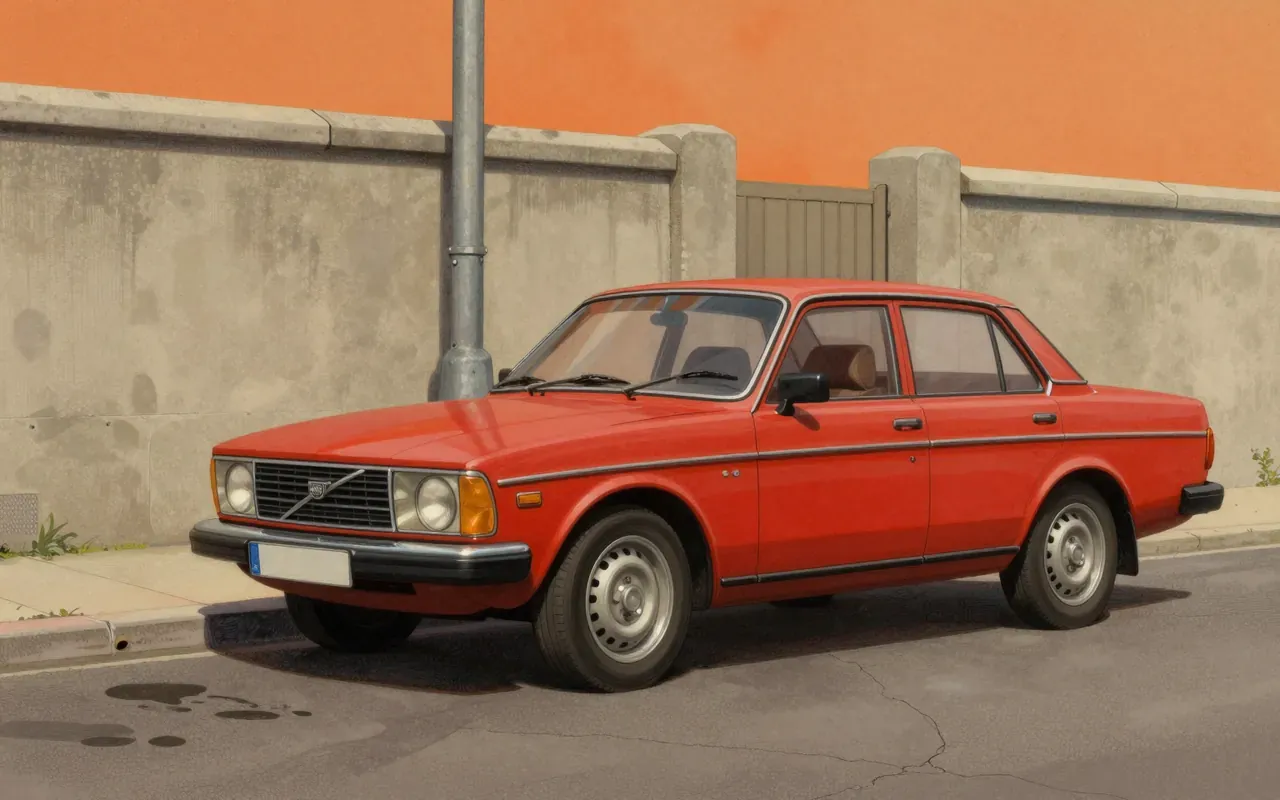
The Volvo 480 was Volvo’s first front-wheel drive car and the only one with pop-up headlights. Produced in Born, Netherlands, from 1986 to 1995, it was a three-door, four-seat hatchback coupé marketed in Europe. Its form fused liftback and estate cues. It was intended for the US as a 'sports wagon', but that plan was scrapped. It established Volvo’s move into compact, front-drive architecture — without sacrificing structural integrity or electronic innovation.

9:37

Ford RS200

Ghia · 1984

The Ford RS200 is a purpose-built homologation special: mid-engined, all-wheel drive, plastic-fiberglass body by Ghia, built by Reliant in Shenstone to meet FIA Group B’s 200-unit rule. It exists only to enable a rally car—not as a design statement, luxury product, or road-going evolution.

10:10

Honda CR-X

Honda · 1983

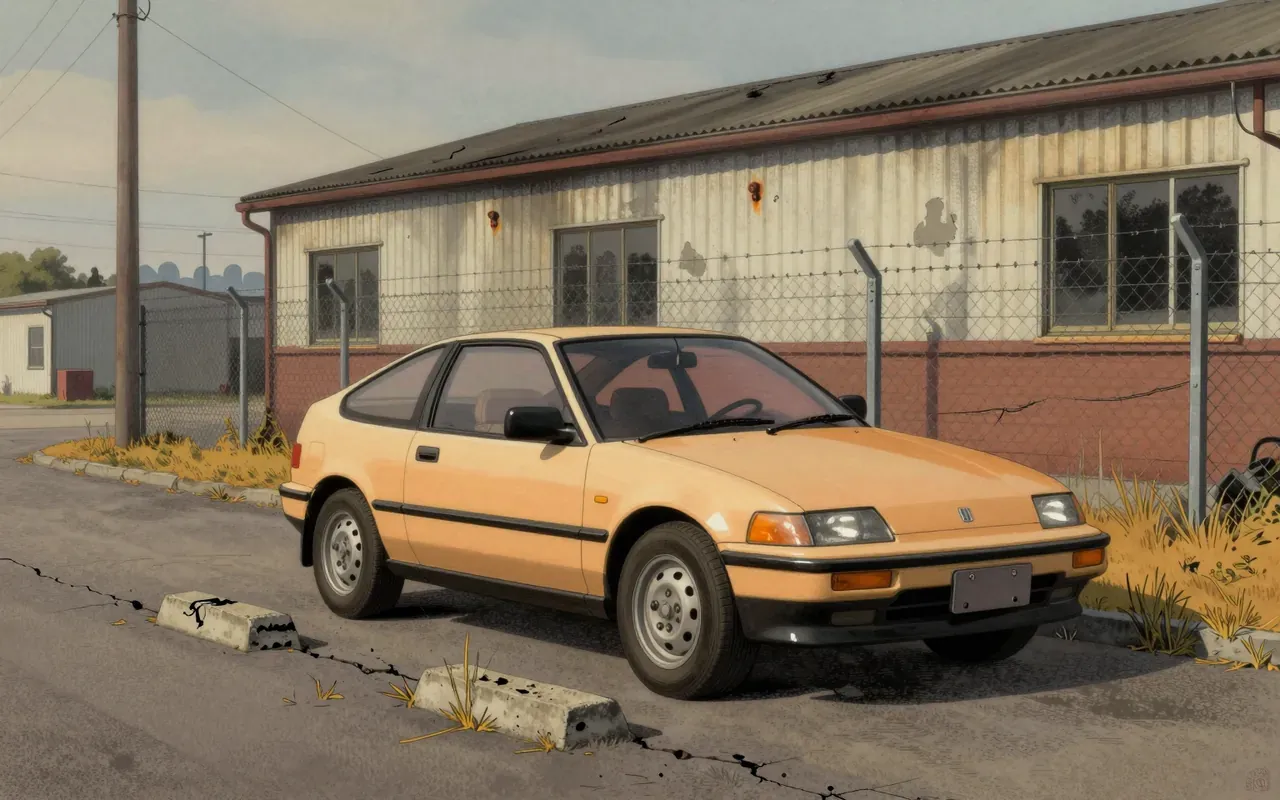
The Honda CR-X (1983) redefined what a compact front-wheel-drive car could do — not by adding power or luxury, but by removing mass and complication. It was never a sports car in form or intent. It was a Civic sharpened for feedback, visibility, and agility. Its global variations — two-seat in North America, 2+2 elsewhere — show Honda’s willingness to tailor packaging without fragmenting engineering. It changed expectations for economy cars: they could be fun to drive, not just efficient to own.

10:11

Nissan 180SX

Nissan · 1989

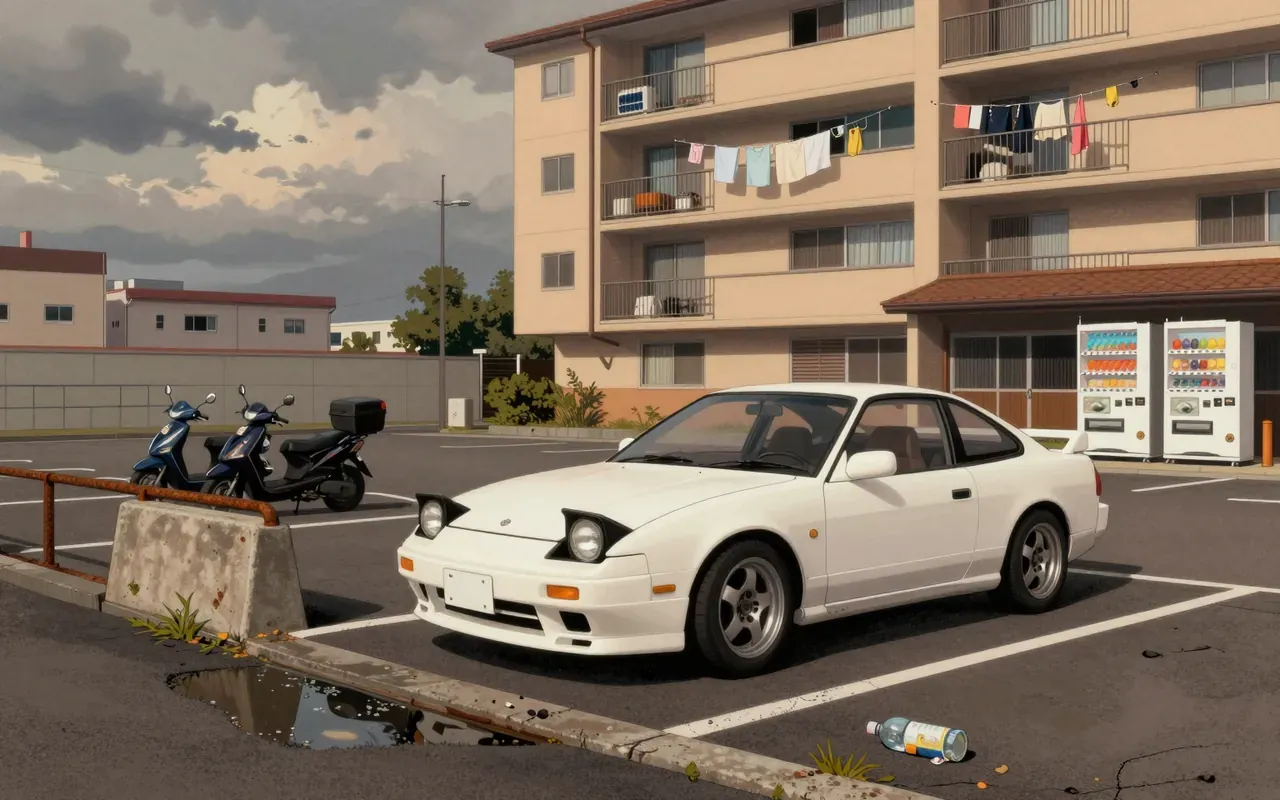
The Nissan 180SX is a Japanese-market fastback built from 1988 to 1998 on the S13 platform. It featured pop-up headlights and a liftgate. It launched in March 1989 and was sold exclusively through Nissan Prince Stores alongside the Skyline and Silvia. It used the CA18DET turbo engine initially, then upgraded to the SR20DET in 1991 and added the SR20DE in 1996.

9:27

Alfa Romeo 75

Ermanno Cressoni · 1985

The Alfa Romeo 75 is a compact executive saloon produced between 1985 and 1992. Designed by Ermanno Cressoni, it features a striking wedge shape and a transaxle layout that achieves near-perfect front-to-rear balance. Its suspension combines torsion bars at the front with a de Dion tube at the rear, and rear brake discs are located centrally near the gearbox-differential group. A prototype estate was shown in 1986 but never entered production.

9:07

Ferrari F40

Pietro Camardella · 1987

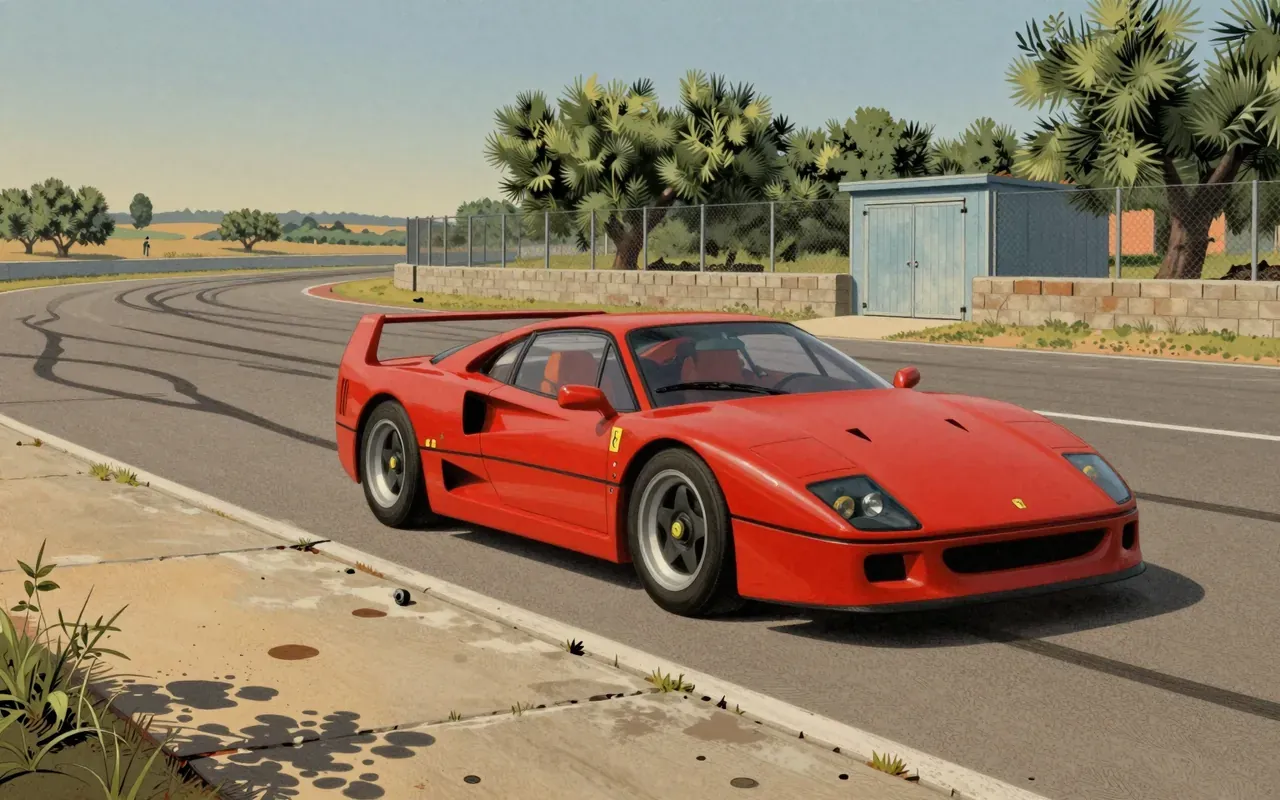
The Ferrari F40 is a mid-engine, rear-wheel drive sports car designed by Pietro Camardella under Pininfarina, powered by a 2.9 L twin-turbocharged and intercooled V8, produced from 1987 to 1993 in 1,311–1,315 units, all originally in Rosso Corsa and left-hand drive, and that it was Ferrari's final forced induction engine until 2014.

10:25

Ferrari Testarossa

Pininfarina · 1984

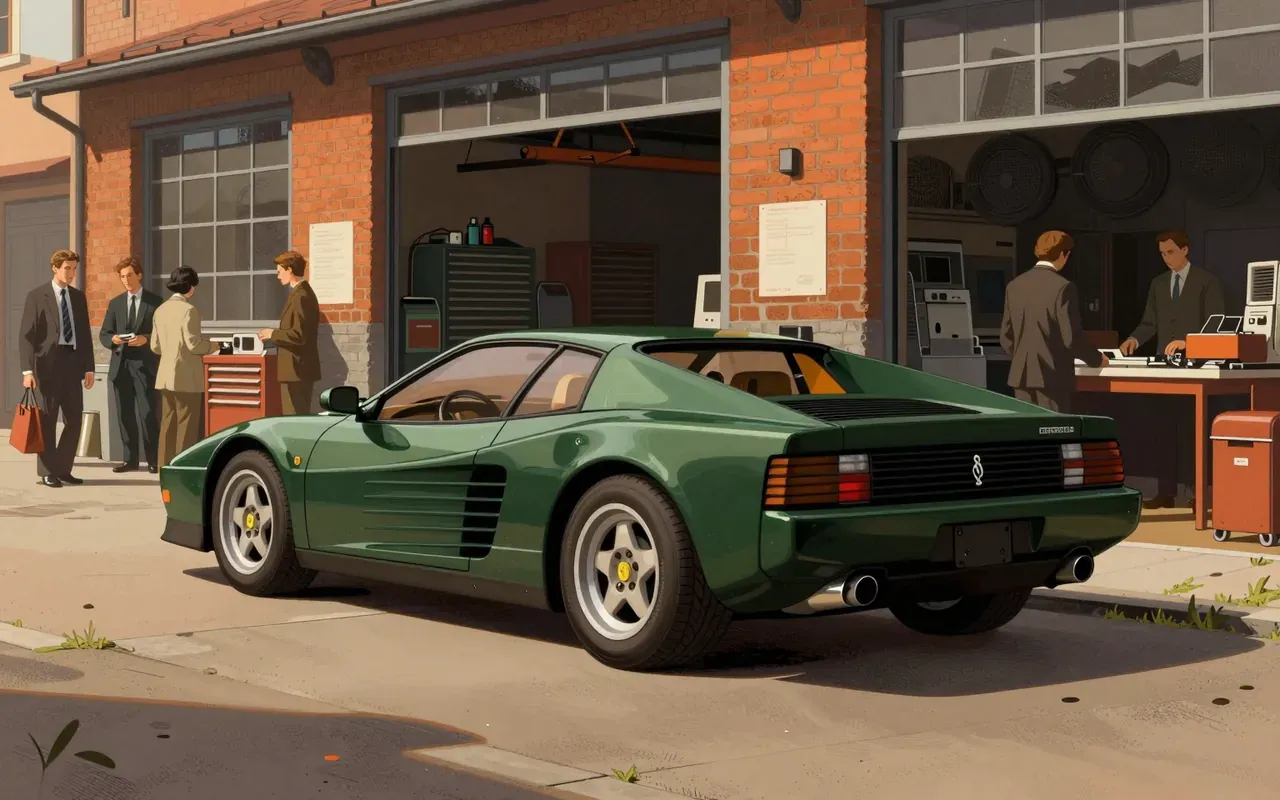
The Testarossa is a Pininfarina-designed, two-door coupé introduced in 1984 as the successor to the Berlinetta Boxer. It features a 4.9 L flat-12 engine and rear mid-engine/RWD layout. Production ran from 1984 to 1991, followed by the 512 TR and F512 M until 1996. Nearly 10,000 Testarossa-series cars were produced. It was developed to resolve thermal and packaging issues of the 512 BBi and is distinguished by its side strakes, twin rear radiators, and aerodynamic efficiency. Designers included Diego Ottina, Guido Campoli, Ian Cameron, and Emanuele Nicosia. It is a cultural icon of the 1980s, popularised by Miami Vice and Out Run.

9:41

Ford Sierra RS Cosworth

Uwe Bahnsen team · 1986

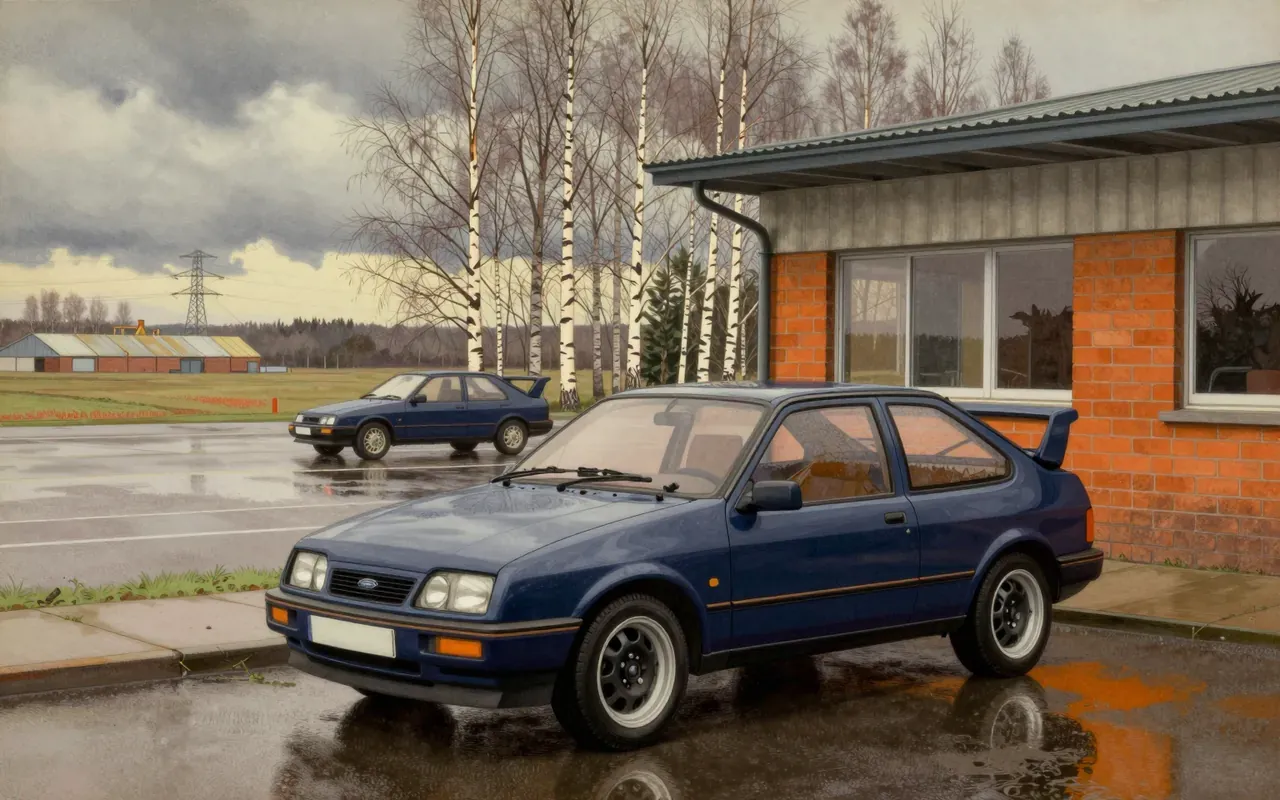
A purpose-built Group A weapon disguised as a saloon — engineered for stability, not style.

9:49

Lotus Carlton

Lotus · 1990

The Lotus Carlton is a high-performance sports saloon developed by Lotus from the Vauxhall Carlton/Opel Omega A, designated Type 104. Its engine was enlarged to 3.6 L and fitted with twin Garrett T25 turbochargers; it uses a ZF 6-speed manual transmission driving the rear wheels via a limited-slip differential. Exterior upgrades include a rear spoiler, bonnet cooling vents, Lotus badges, a body kit, and widened wheel arches. Rear suspension was modified with a new arm and revised bushings, and self-leveling suspension and Servotronic power steering were borrowed from the Opel Senator. It was sold only as a saloon, with a front-engine, rear-wheel-drive layout, and 950 units were produced between 1990 and 1992.

9:44

Mercedes-Benz W201

Bruno Sacco · 1982

The W201 redefined what a compact luxury sedan could be—not by shrinking the S-Class, but by building a new class with structural integrity, scalable safety tech, and unambiguous engineering intent.

10:23

Mitsubishi Starion

Mitsubishi · 1982

The Mitsubishi Starion (1982–1989) is a Japanese rear-wheel-drive fastback coupé with a front-mounted turbocharged straight-four engine. Sold globally under multiple names—including Colt Starion in the UK and Conquest in North America—it pioneered electronic fuel injection in turbocharged Japanese performance cars. Offered in narrowbody and widebody forms, it split into non-intercooled narrow and intercooled wide variants after 1985.5. It prioritised drivetrain integration and regulatory compliance over raw output or chassis novelty.

8:54

Nissan Be-1

Naoki Sakai · 1987

The Nissan Be-1 is a tightly edited response to urban life in late-1980s Japan. It is not fast. It is not spacious. It is not branded. It is precise, deliberate, and self-contained. It exists because Naoki Sakai solved a specific problem: how to make a small car feel like an object of intention—not utility.

10:09

Nissan Pao

Naoki Sakai · 1989

The Nissan Pao is a deliberately small, retro-styled hatchback built in Japan between 1989 and 1991. It belongs to Nissan’s Pike Factory series, conceived as a fashion object rather than a transport tool. Its design references specific European city cars—Mini, 2CV, Fiat 500, Austin A40—with functional reinterpretations of their details. It sold out in three months despite no Nissan branding and limited production of 31,352 units. It trades utility and dynamics for coherence, charm, and cultural timing.

8:15

Porsche 944

Anatole Lapine · 1982

The Porsche 944 is a front-engine, rear-wheel drive two-door sports car developed from the 924 under Anatole Lapine’s leadership. It used water-cooled, all-alloy inline-four engines ranging from 2.5 L to 3.0 L across its 1982–1991 production run. Over 163,000 units were built — the highest volume for any Porsche sports car up to that point. It was offered as a coupé or cabriolet. The nameplate ended after 1991, replaced by the 968 for 1992.

10:36

Porsche 959

Helmuth Bott · 1986

The Porsche 959 is a homologation special turned benchmark: the first pure high-performance sports car with all-wheel drive and sequential twin-turbos. It redefined what a street-legal performance car could do—and forced Porsche to adopt those systems across its turbo range.

8:57

Volkswagen Corrado

Herbert Schäfer · 1988

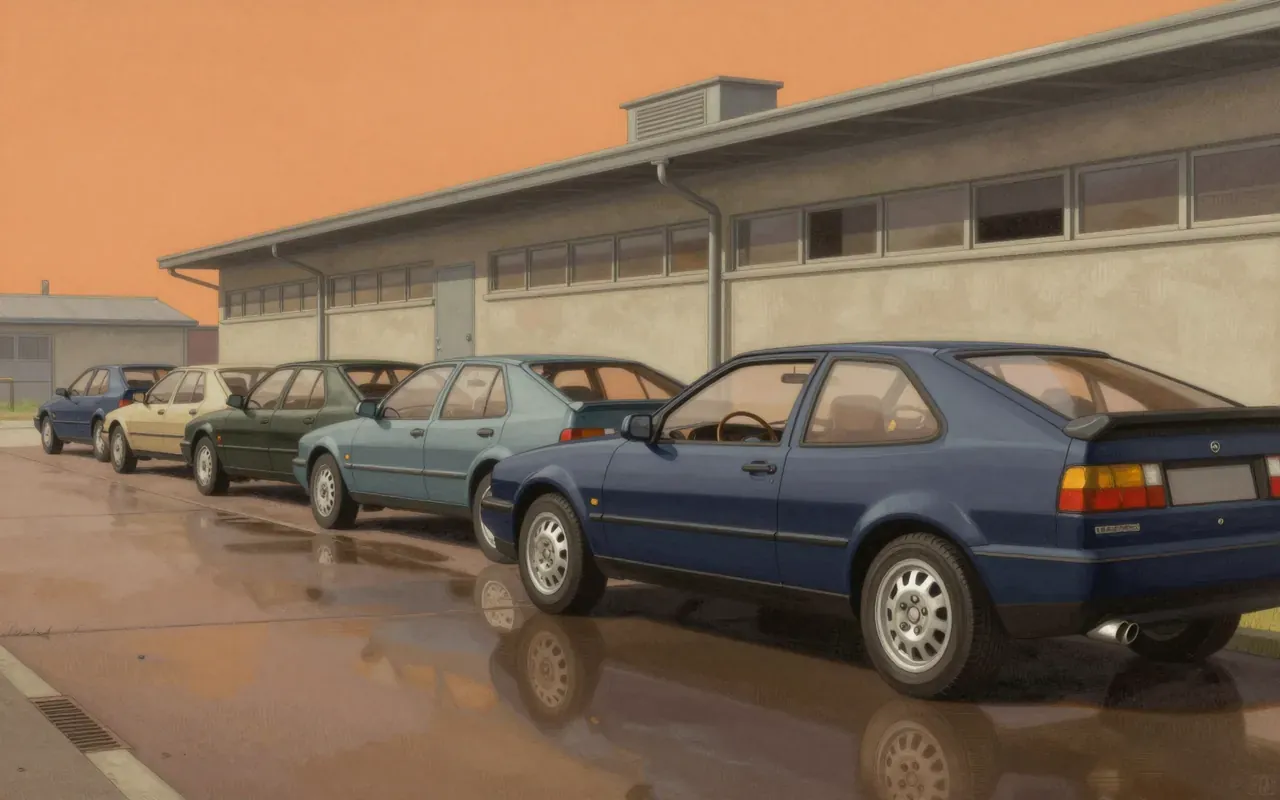
The Corrado is a front-wheel-drive sport compact coupé designed by Herbert Schäfer and built by Karmann in Osnabrück from 1988 to 1995. It uses the Volkswagen Group A2 platform—the same as the Golf Mk2—with flush-mounted windows and an active rear spoiler that deploys above 100 km/h. It seats four in a 2+2 layout and is a three-door liftback. 97,521 units were produced.

8:30

Volkswagen Golf Mk2

Herbert Schäfer · 1983

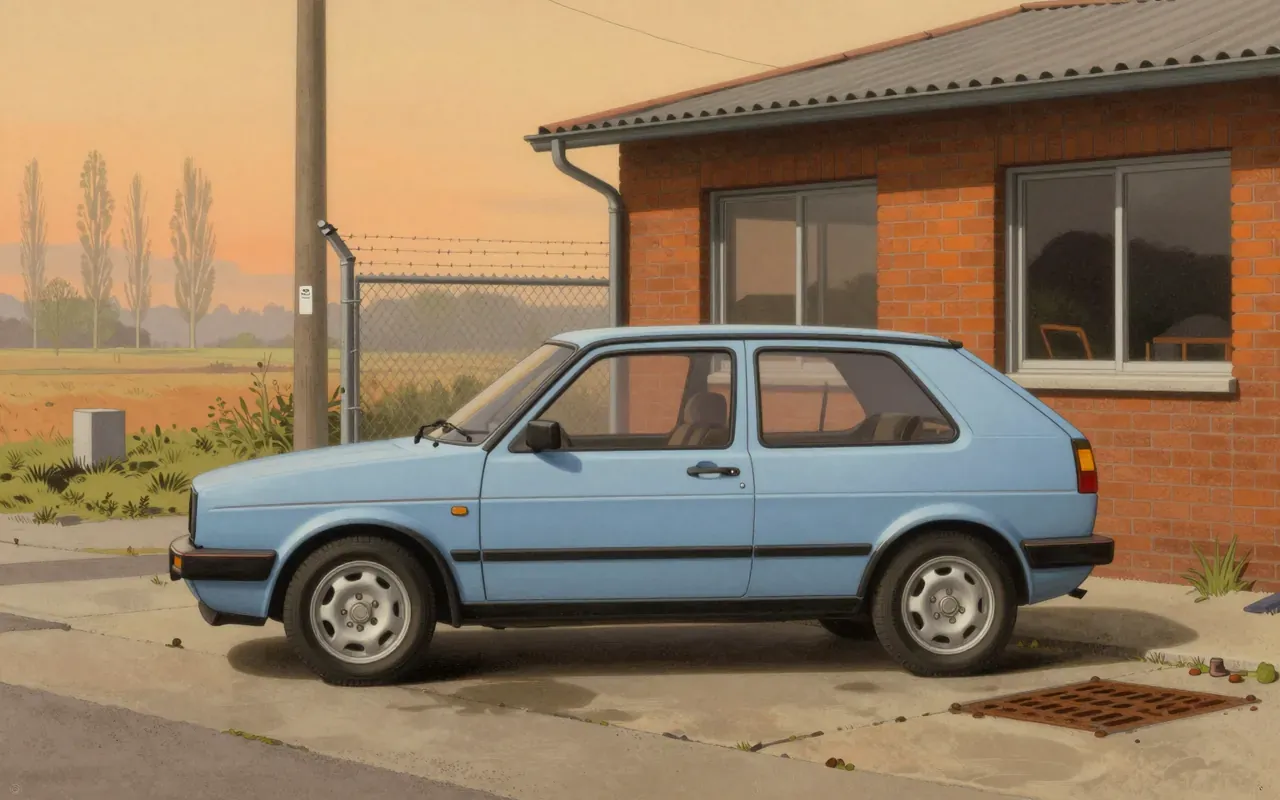
The Volkswagen Golf Mk2 is the second-generation hatchback successor to the Mk1, launched in Europe in September 1983, Britain in March 1984, and the US as a 1985 model. It was Volkswagen’s highest-volume seller from 1983, with German production ending in late 1992 and approximately 6.3 million units built. It was offered as a 3- and 5-door hatchback, with inline-four petrol and diesel engines ranging from 1.05 L to 1.8 L.

9:22

Renault 5 Turbo

Marc Deschamps · 1980

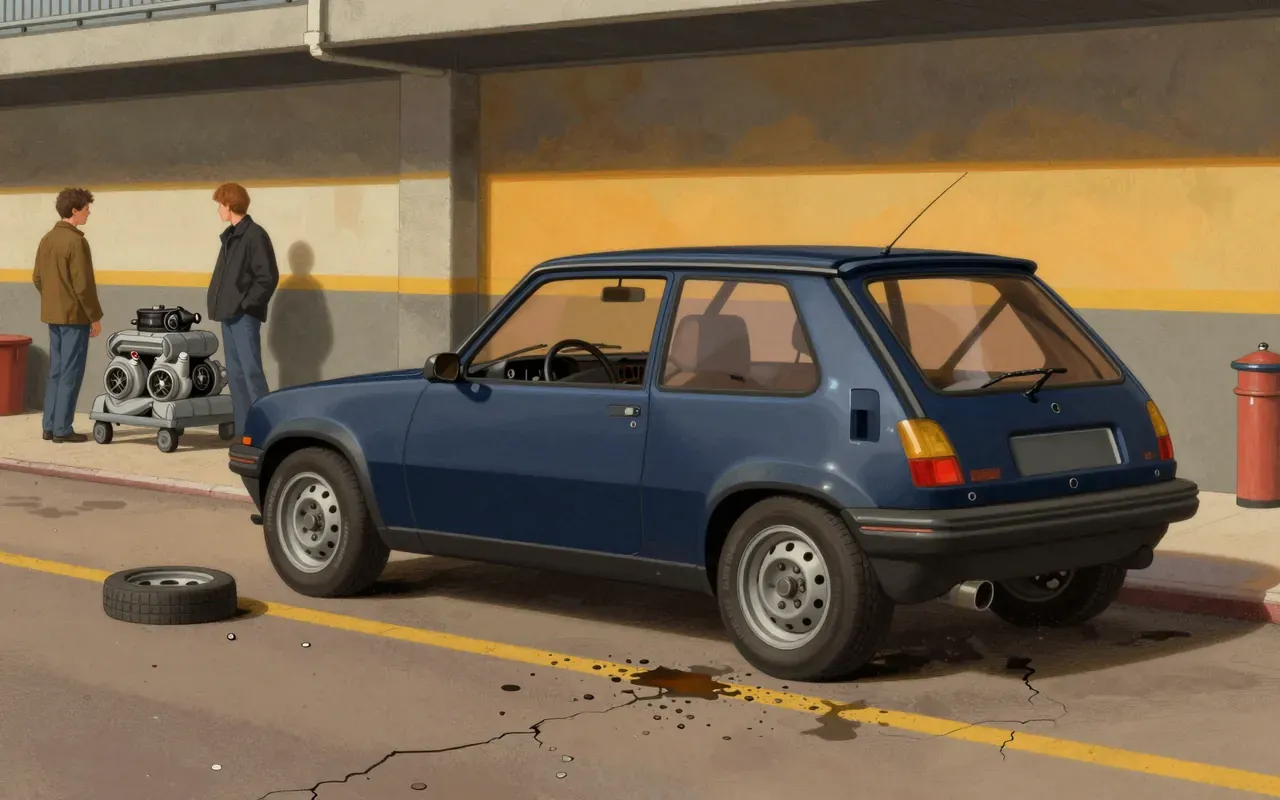
The Renault 5 Turbo is a homologation special that reimagines the Renault 5 supermini as a mid-engined rally car. Built from 1980 to 1984, it features a rear mid-engine, rear-wheel-drive layout, a 1,397 cc turbocharged Cléon-Fonte inline-four, and 4,987 total units produced. Though badged as a Renault 5, its mechanicals are radically different. It was launched at the Brussels Motor Show in January 1980 and sold in street-legal form to meet homologation requirements.

10:06

Toyota AE86 Corolla Levin

Toyota · 1986

The AE86 is a small, front-engine/rear-wheel-drive compact car derived from the fifth-generation Corolla (E80) range. It was the final Corolla model produced with rear-wheel drive. Its light weight, affordability, modifiability, and balanced front-engine/rear-drive layout made it distinctive amid an industry shift away from RWD. It featured a high-revving (7800 rpm) twin-cam engine in some markets, optionally elsewhere. It achieved early and enduring international prominence in drifting due to its inherent qualities. It was central to the manga and anime series Initial D (1995–2013) as the protagonist's drift and tofu delivery car. In 2015, Road & Track described it as 'a cult icon, inextricably interwoven with the earliest days of drifting.' It inspired the Toyota 86 (2012–present), a 2+2 sports car co-developed with Subaru.