automotivebriefs
9:14in productionCh. 1 · A new owner, a new Alpine/ 9:14 · ceiling 15 min
Sports cars · Road

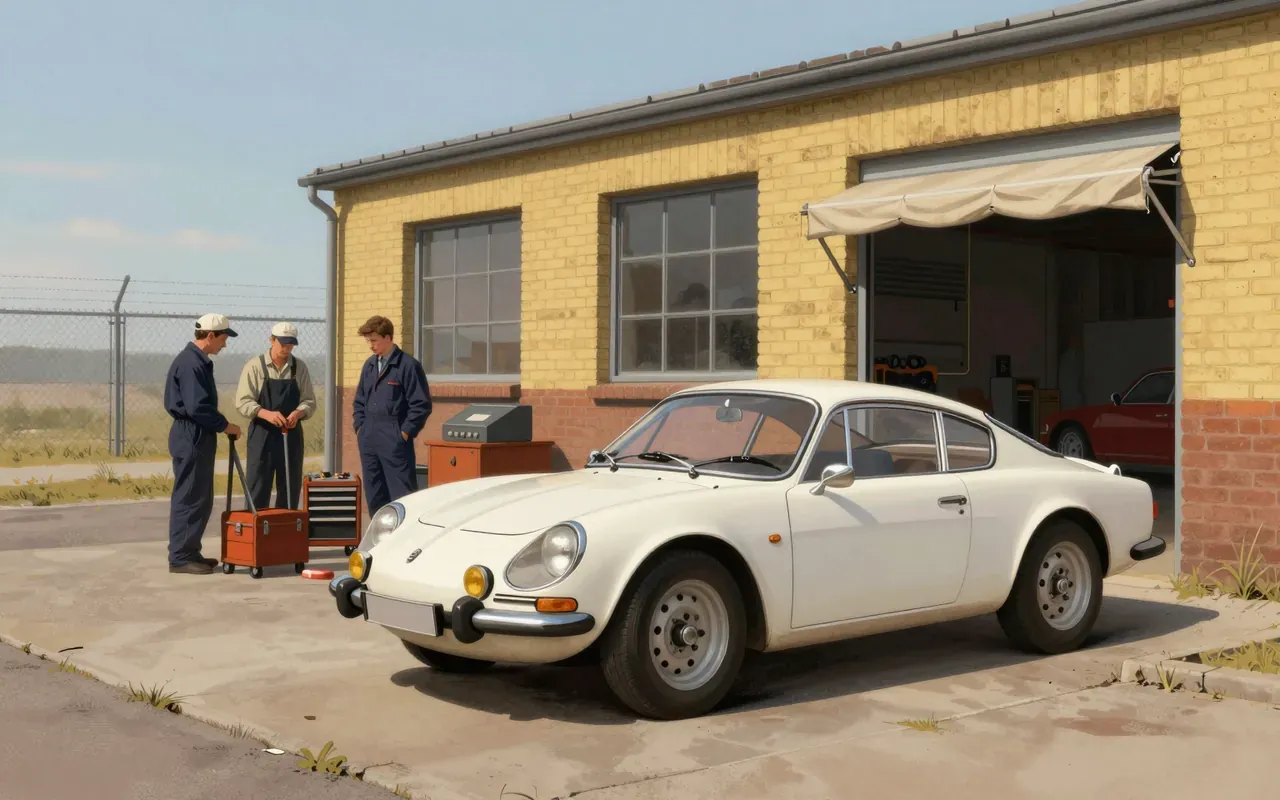
Renault Alpine GTA/A610

Renault didn’t reinvent Alpine—it absorbed it, then launched the GTA as proof.

The Renault Alpine GTA is a rear-engined sports coupé launched in 1985 by Alpine under full Renault ownership. It replaced the A310, sharing its layout and V6 PRV engine. Marketed as the Alpine V6 GT or V6 Turbo in Europe—and as the Renault GTA in Britain—it featured aerodynamic design (Cx 0.28–0.30), lightweight composite body panels, and a steel backbone chassis. Production spanned 1984–1995, totalling ~7,300 units across both GTA and A610 models.

Chapters & takeaways4
  1. 1:02
    A new owner, a new Alpine

    The GTA was Alpine’s first car launched under full Renault ownership—and the first built entirely by Renault.

  2. 2:28
    Same engine, new skin

    It kept the A310’s rear-engined layout and PRV V6—but added aerodynamics and composites to sharpen its identity.

  3. 3:55
    Names, not numbers

    GTA was an internal code name used only in Britain; the A610 replaced it in 1991.

  4. 5:43
    What it’s made of

    Lightweight polyester and fibreglass panels sat on a steel backbone chassis—no mention of weight savings, just material choice.

Worth your time?

Yes. Drive the whole thing.

3.5/ 5
What works
  • establishes Alpine as a Renault-owned marque with coherent engineering language
  • uses aerodynamics and composites to differentiate itself visually and materially
What does not
  • Heuliez produced the GTA or A610
Drive it if
  • someone studying Renault’s consolidation of Alpine
Skip it if
  • someone seeking verified performance data or driving impressions
The written brief1 min read

What the car is and where it came from

The Renault Alpine GTA is a rear-engined sports coupé launched in 1985 by Alpine, a Renault-owned French manufacturer. It replaced the A310 and shared its layout and V6 PRV engine. Production began in late 1984 and ran until 1995 across both GTA and A610 models.

How it works, in terms someone would actually use

It places the V6 PRV engine behind the rear axle, driving the rear wheels. The steel backbone chassis supports lightweight composite body panels. It is a two-seat sports coupé with a fixed roof and no structural concessions for daily practicality.

What it gets right

It gets right the integration of aerodynamic form (Cx 0.28–0.30) with a lightweight, rear-engined layout. It delivers a clear identity: a French-built, Renault-owned sports coupé with visual cohesion and mechanical continuity from the A310.

What it does not

It does not offer front-engine balance, all-wheel drive, turbocharged variants in all markets, or production numbers that suggest broad commercial ambition. It does not claim innovation in materials beyond polyester plastics and fibreglass, nor does it cite weight, power, or speed figures.

What it changed

It changed Alpine from a semi-independent constructor using Renault components into a fully owned, vertically integrated marque—its first car launched under full Renault ownership and its first built entirely by Renault.

Who it is for, and who it is not

It is for someone interested in the institutional transition of Alpine under Renault—how a historic name was rebranded, engineered, and marketed as a coherent product line. It is not for someone seeking technical novelty, racing pedigree, or documented dynamic benchmarks.

Is it worth your time

Yes—if you want to understand how Renault reasserted Alpine as a maker of purpose-built, rear-engined sports cars after decades of shared parts and partial control. No—if you expect modern dynamics, driver aids, or verified performance figures.
Same garage · Sports cars4 of 140
8:12
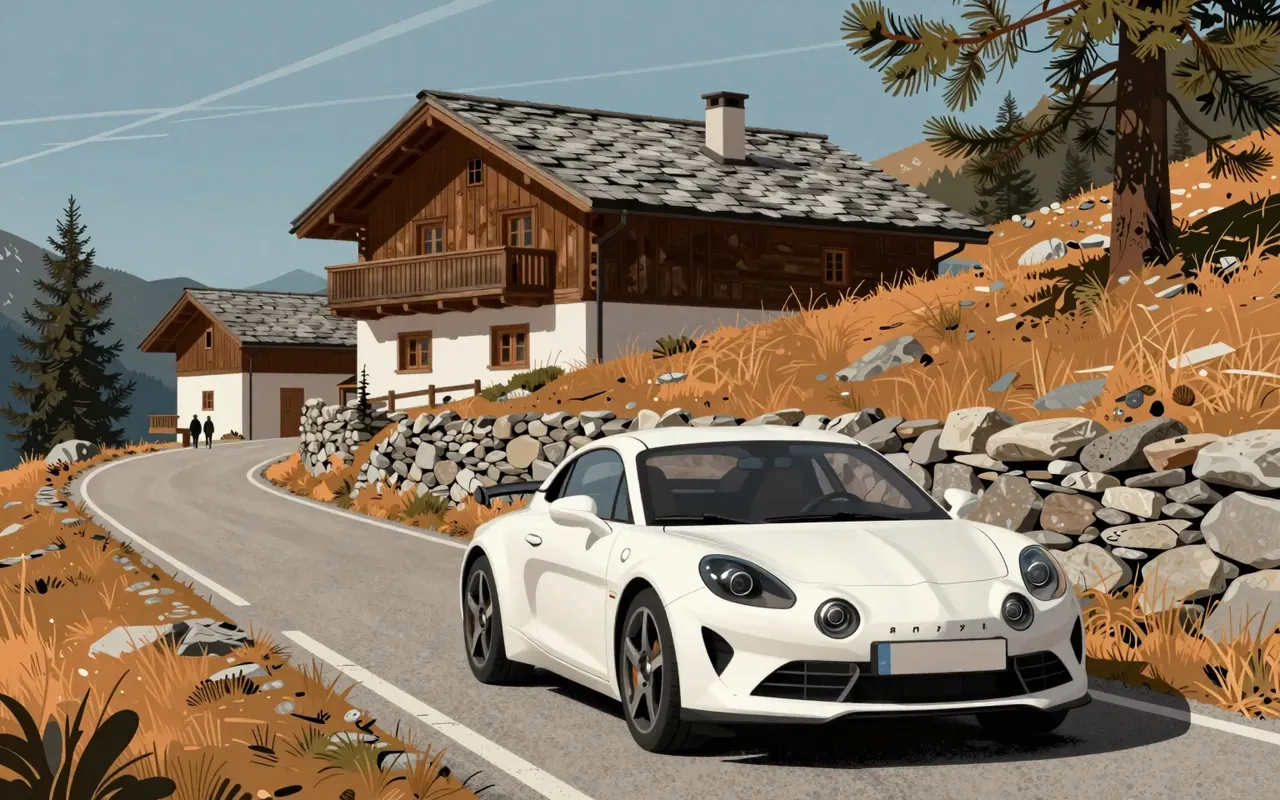
Alpine A110 (2017)Antony Villain · 2017The Alpine A110 (2017) is a rear mid-engine, rear-wheel-drive sports car built on an all-aluminium chassis and powered by a Nissan-derived 1.8-litre turbocharged inline-four engine. It debuted at the 2017 Geneva Motor Show. Production ended in June 2026.
8:32
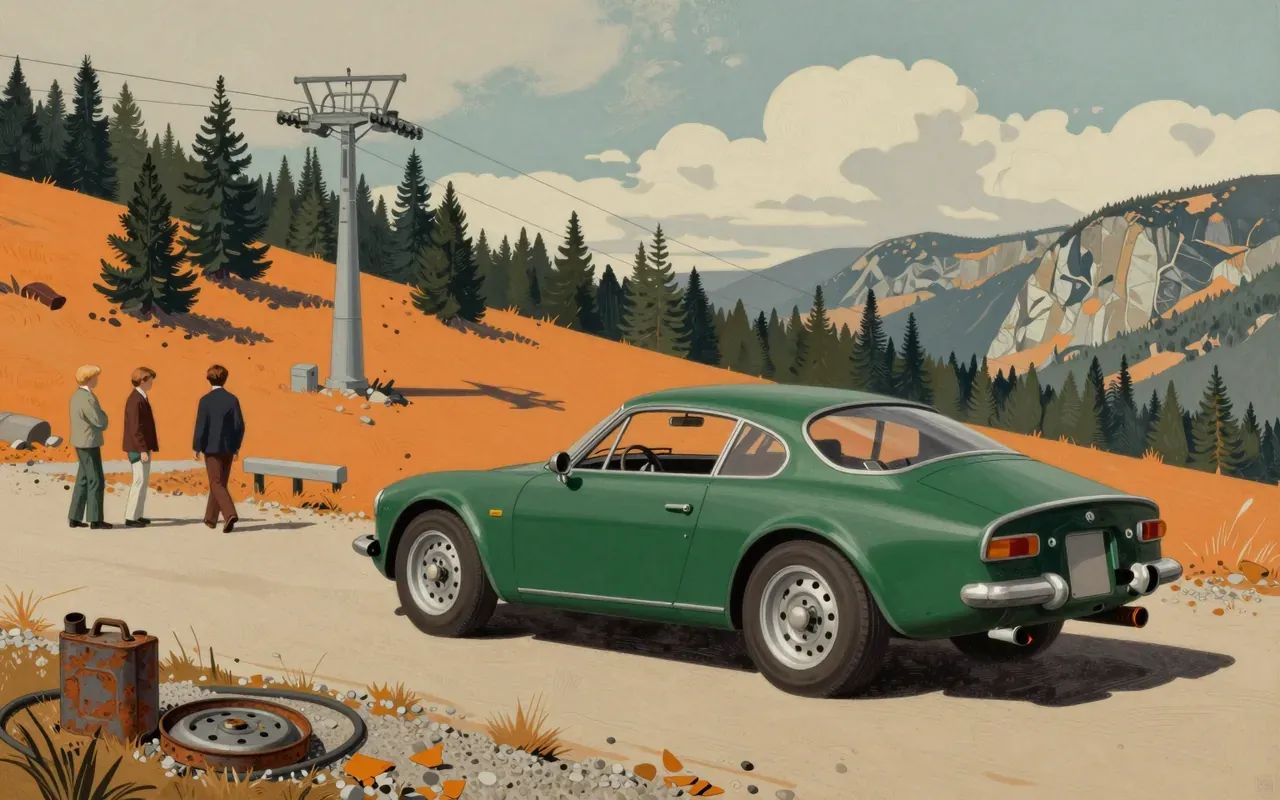
Alpine A310Michel Beligond · 1971The Alpine A310 is a French sports car, launched in 1971 as Jean Rédélé’s final Alpine model. It debuted at the 1971 Geneva Motor Show. It used a tubular steel backbone chassis and a one-piece fiberglass body. Its engine was mounted longitudinally in the rear and drove the rear wheels via a five-speed manual gearbox. The driving position was low and sporty, with footwells angled toward the car’s centre.
9:40
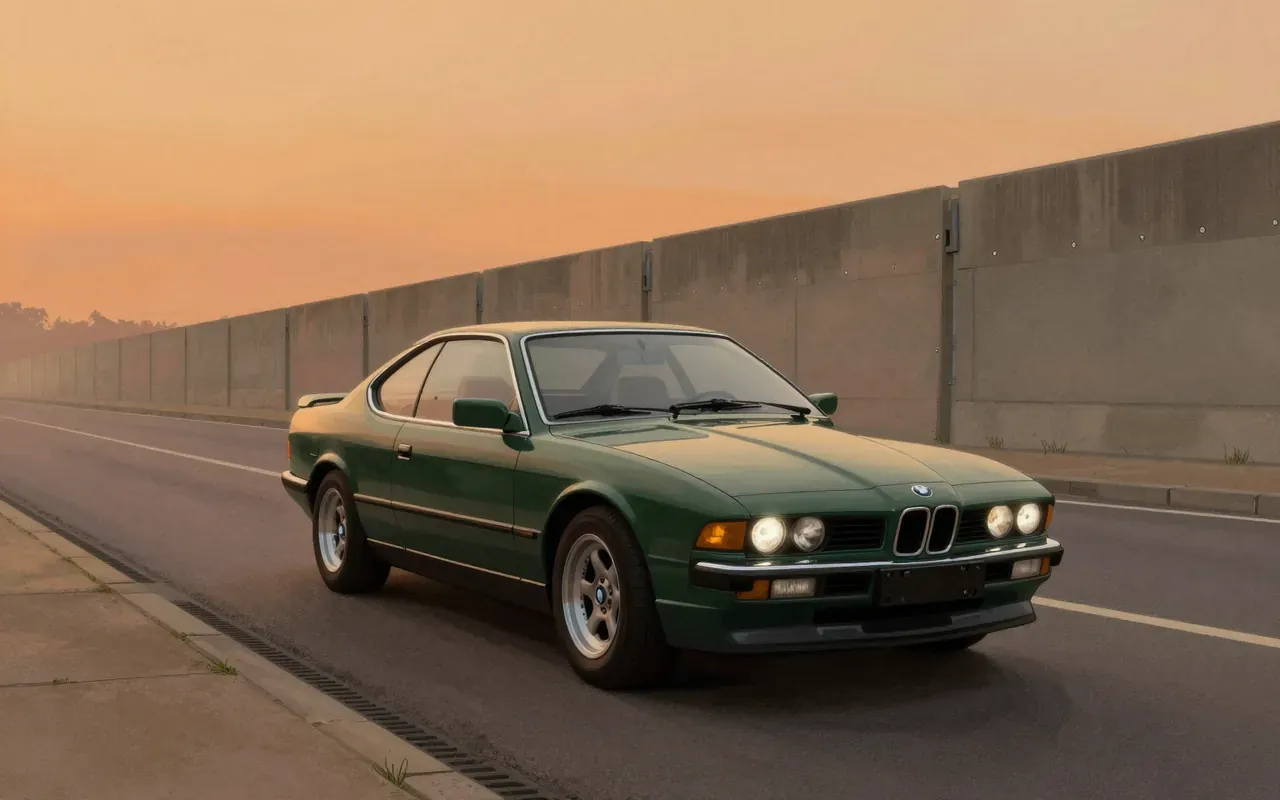
BMW 8 Series (E31)Klaus Kapitza · 1989The BMW 8 Series (E31) is a two-door grand tourer built by BMW from 1990 to 1999. It uses a front-engine, rear-wheel-drive layout. It is powered by either a V8 or V12 engine. Development began in July 1981 and concluded in 1986. It debuted at the Frankfurt Motor Show in early September 1989. BMW used CAD tools to design its all-new body. Its drag coefficient is Cd=0.29. It replaced the E24 6 Series but was not a direct successor. Total production was 30,609 units.
9:00
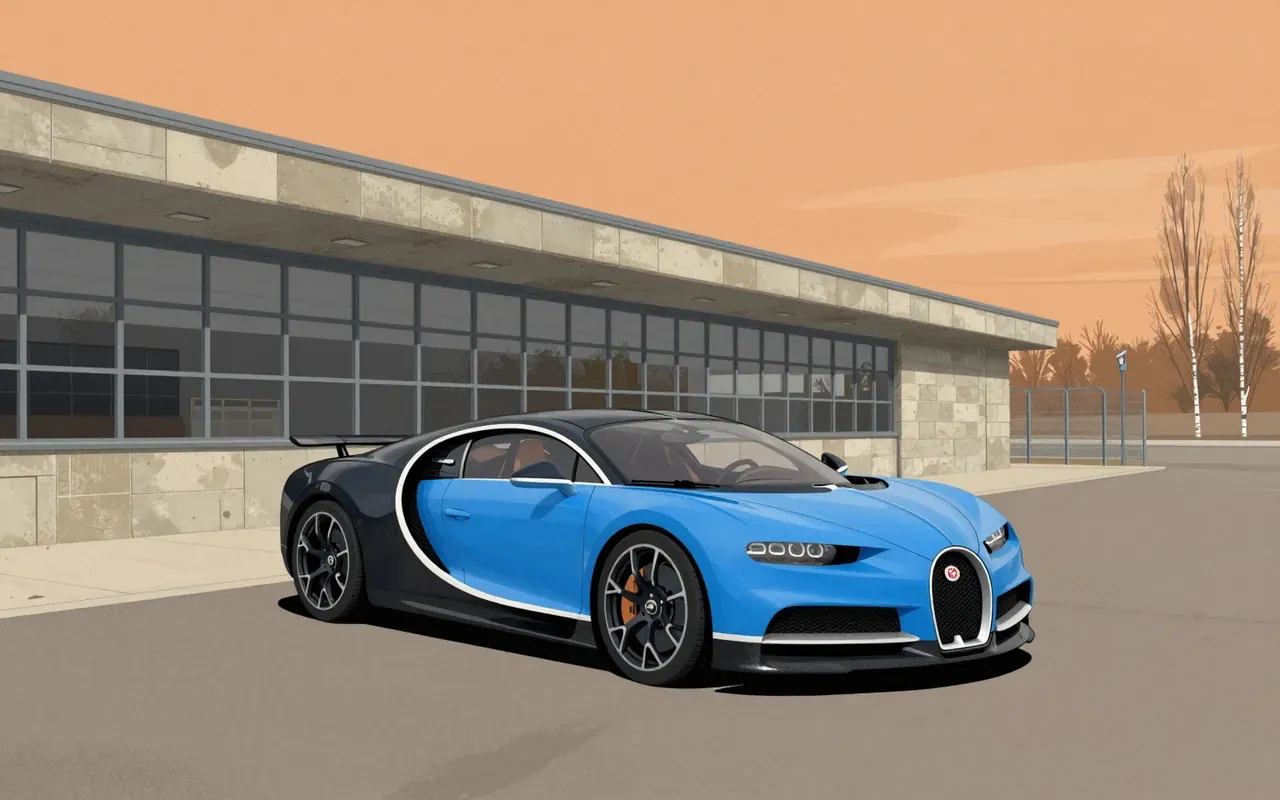
Bugatti ChironAchim Anscheidt · 2016The Bugatti Chiron is a mid-engine, two-seater sports car designed and developed in Germany. It was manufactured in Molsheim, France. It succeeded the Veyron. It debuted at the 2016 Geneva Motor Show. Its design was previewed with the Vision Gran Turismo concept. It is named after Louis Chiron. It uses a heavily updated 8.0 L quad-turbocharged W16 engine producing 1,103 kW and 1,600 N⋅m. It has a carbon fibre body, independent suspension, and Haldex all-wheel drive.
Up next in Automotive

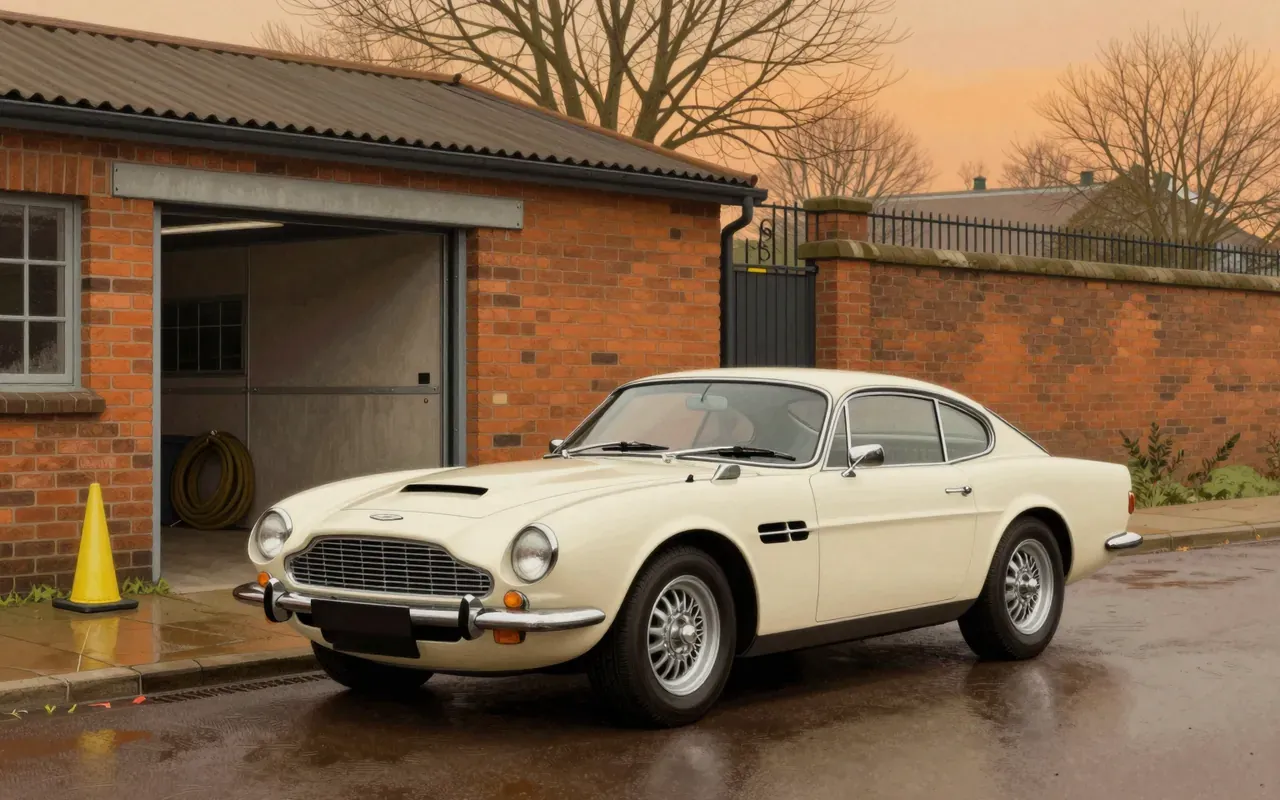
Aston Martin V8 Vantage (1977)

William Towns · 1977 · 10:20

Britain’s first supercar wasn’t designed by William Towns — he’d already left.

10:20