Saved
Marque · Designer

Renault

15
briefs
9:34
average
144 min
in total
On automotive.briefs15
10:06

Renault 8 Gordini

Philippe Charbonneaux · 1964

The Renault 8 Gordini, model R1134, arrived in 1964 as the tuned version of Renault's rear-engine saloon, with a 1108 cc engine rated at 90 PS, a four-speed close-ratio gearbox and a blue livery with two white stripes. A 1967 facelift brought a 1255 cc engine and 100 PS.
8:32

Alpine A310

Michel Beligond · 1971

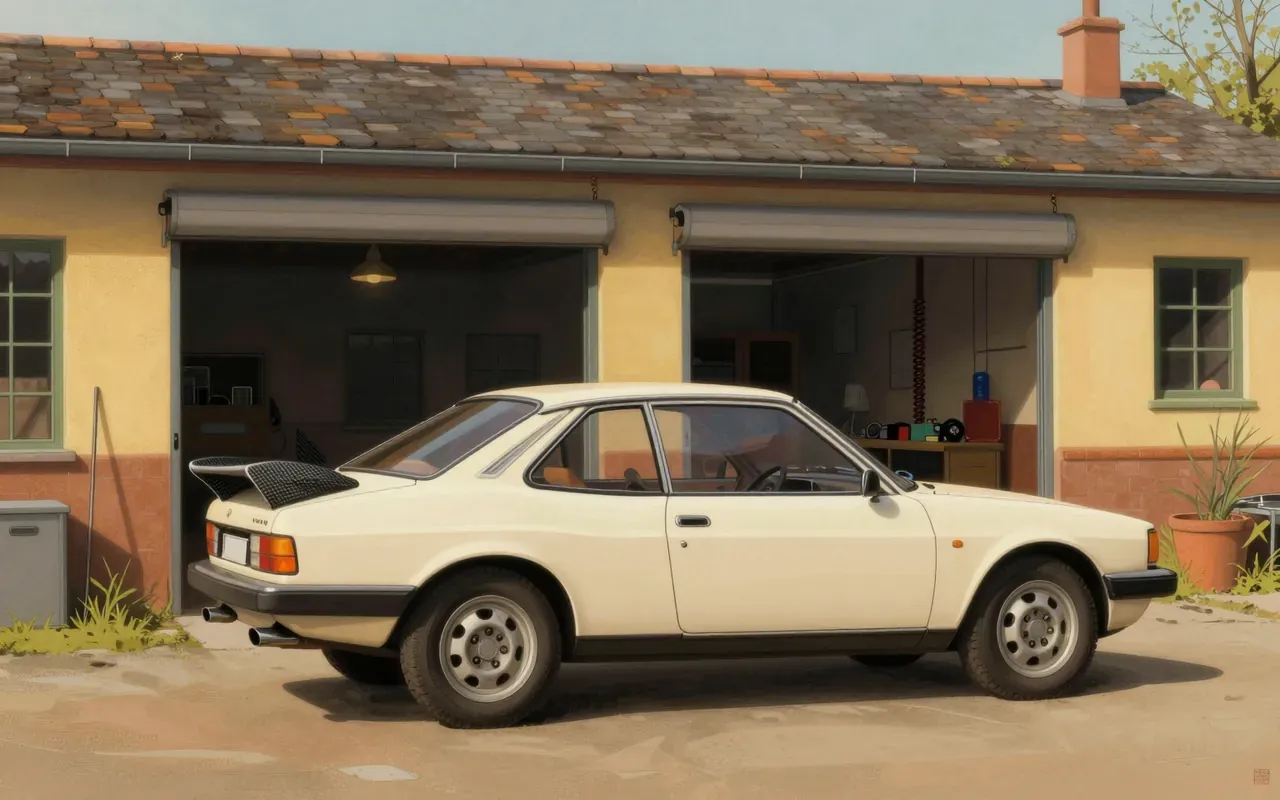
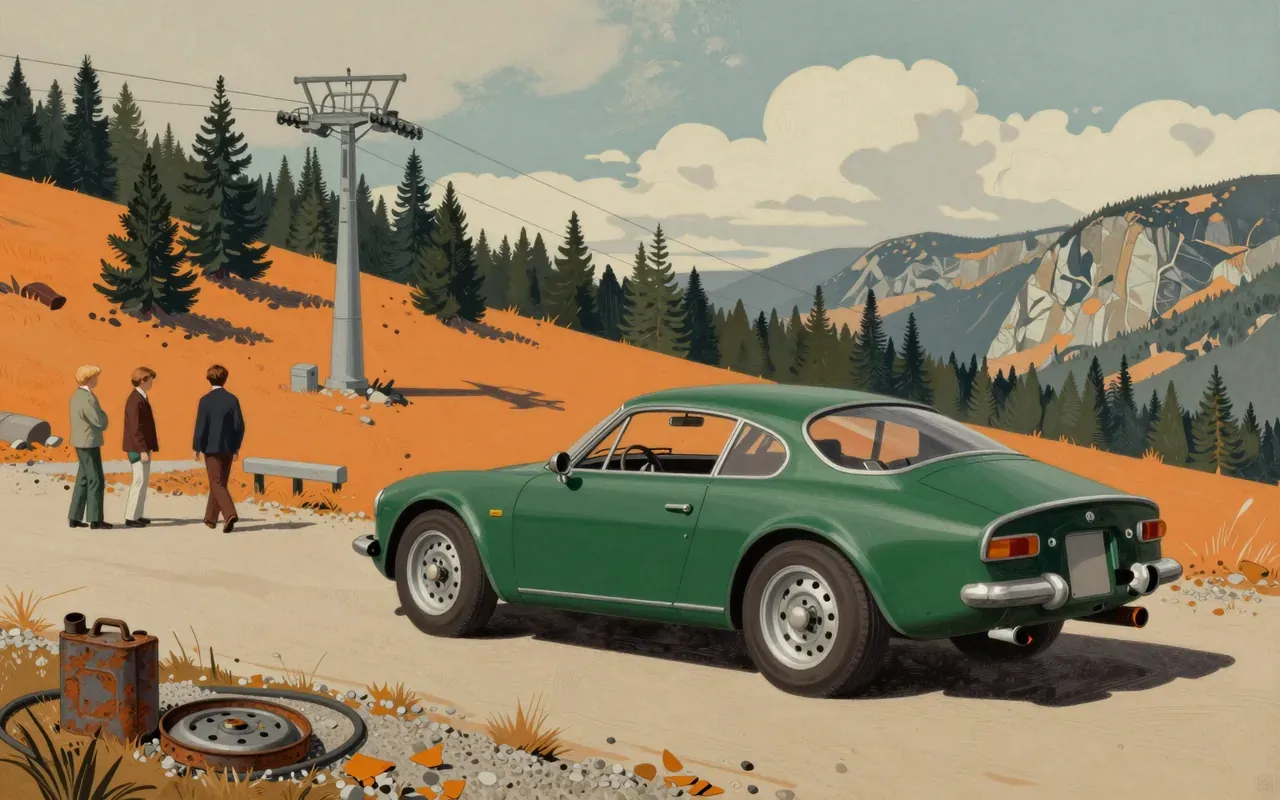
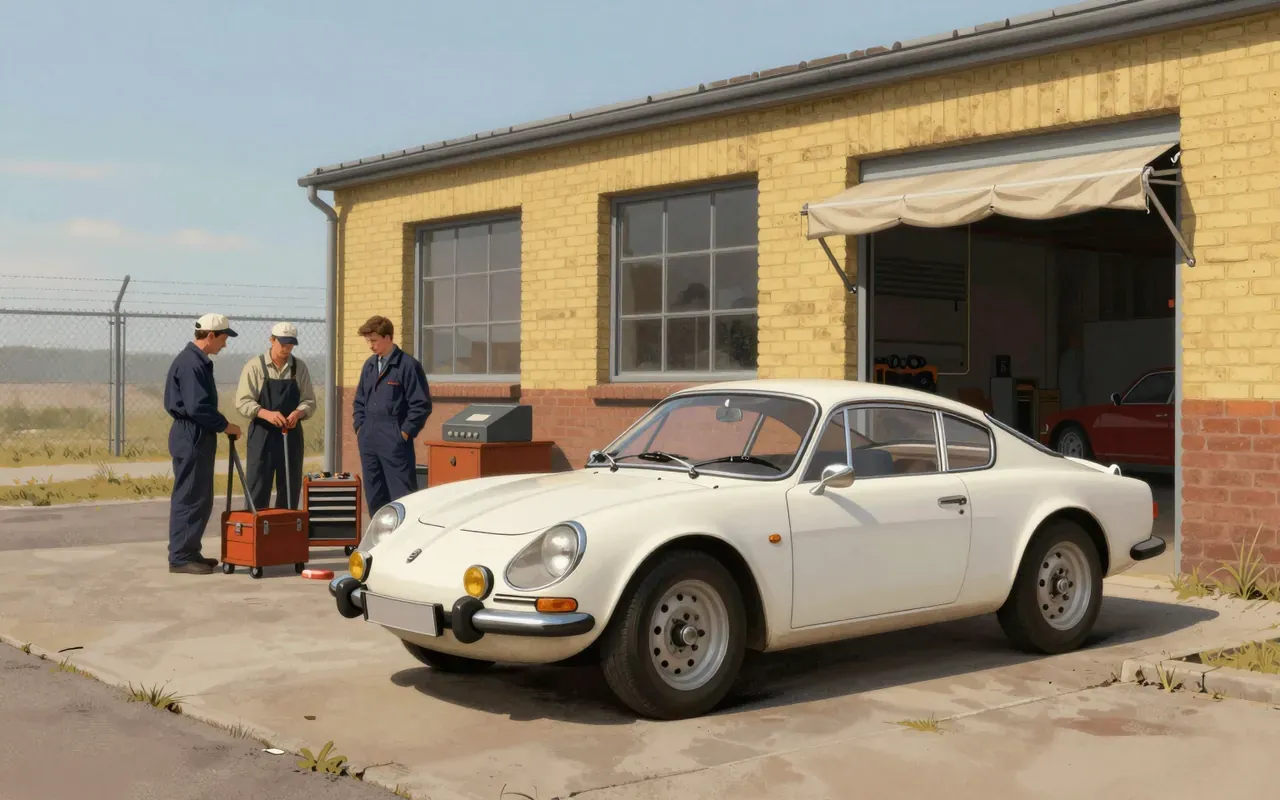
The Alpine A310 is a French sports car, launched in 1971 as Jean Rédélé’s final Alpine model. It debuted at the 1971 Geneva Motor Show. It used a tubular steel backbone chassis and a one-piece fiberglass body. Its engine was mounted longitudinally in the rear and drove the rear wheels via a five-speed manual gearbox. The driving position was low and sporty, with footwells angled toward the car’s centre.

9:14

Renault Alpine GTA/A610

Heuliez · 1984

The Renault Alpine GTA is a rear-engined sports coupé launched in 1985 by Alpine under full Renault ownership. It replaced the A310, sharing its layout and V6 PRV engine. Marketed as the Alpine V6 GT or V6 Turbo in Europe—and as the Renault GTA in Britain—it featured aerodynamic design (Cx 0.28–0.30), lightweight composite body panels, and a steel backbone chassis. Production spanned 1984–1995, totalling ~7,300 units across both GTA and A610 models.

9:22

Renault 4

Robert Barthaud · 1961

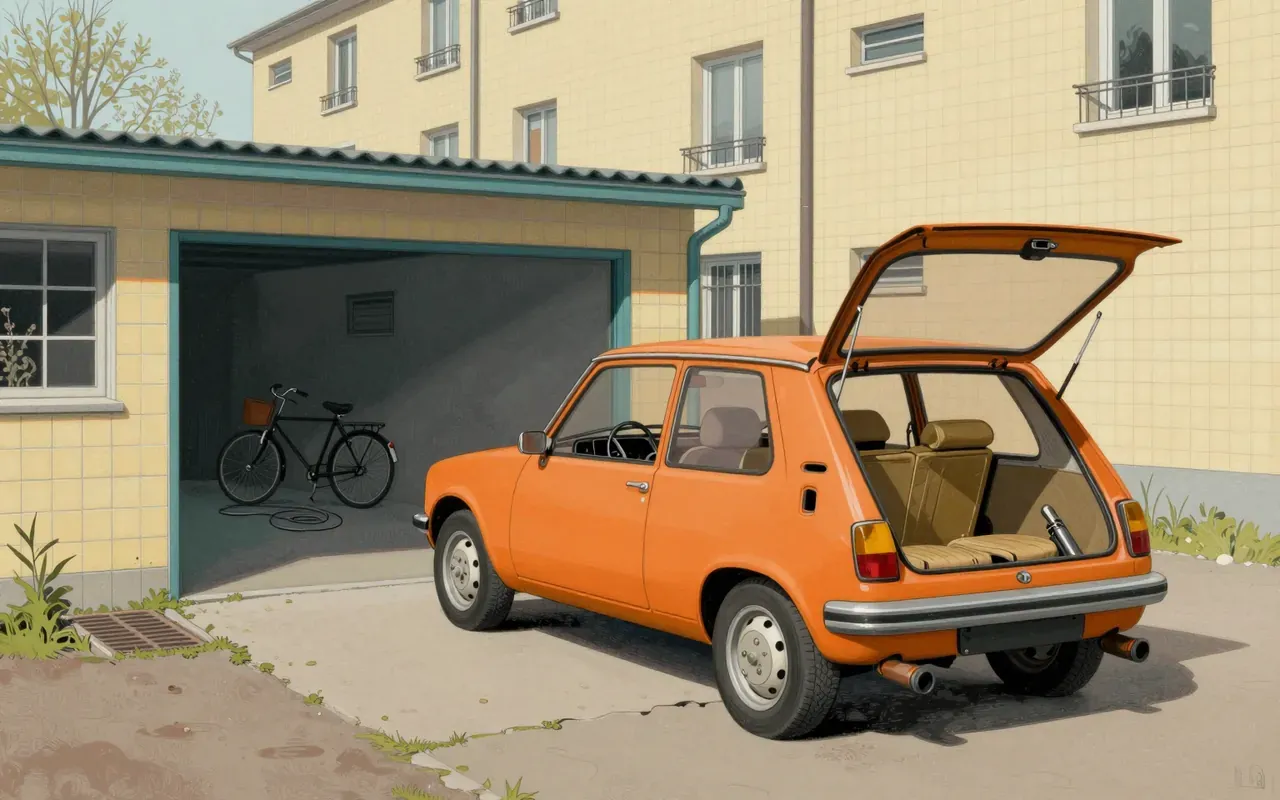
The Renault 4 is an economy car built by Renault from 1961 to 1994. It is the world’s first mass-produced hatchback. It is Renault’s first front-wheel drive family car with longitudinal engine placement.

9:28

Renault DeZir

Laurens van den Acker · 2010

The Renault DeZir is a 2010 electric concept coupe unveiled at the Paris Motor Show. It has two seats, butterfly doors on the driver’s side and suicide doors on the passenger’s side, and a red leather interior. It uses a mid-mounted electric motor driving the rear wheels via automatic transmission. Renault claims 0–60 mph in 5 seconds, a top speed of 112 mph, and a range of 99 miles. It served as the design basis for the petrol-powered Renault Sport R.S. 01 race car. It was Laurens van den Acker’s foundational design statement for Renault’s new direction. The same team that developed it also revamped the Renault Clio IV. It is categorised among Renault’s concept vehicles.

8:38

Renault Fiftie

Benoit Jacob · 1996

The Renault Fiftie is a 1996 concept car, designed by Benoît Jacob under Patrick le Quément, to mark the 4CV’s 50th anniversary. It used the Renault Sport Spider’s aluminium frame and D7F 1.2L engine, placed mid-ship. Its body was carbon fibre. Front styling referenced the 4CV’s 'mustache bars' and added apostrophe-shaped headlights. The targa roof had four removable panels that stowed beneath the rear window. Interior materials included cotton, linen and rattan; a picnic basket sat in the boot. Renault did not develop it further.

9:26

Renault Clio V6 RS

Renault Sport · 2001

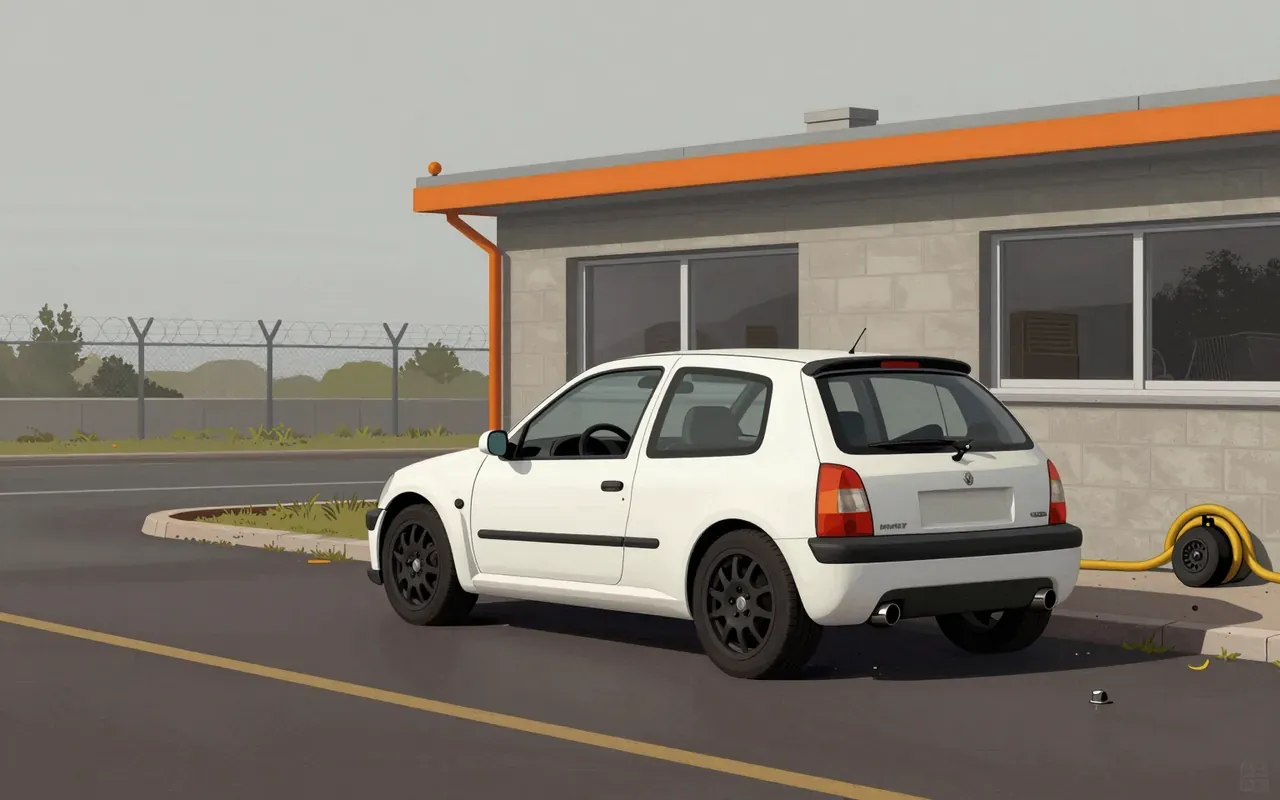
The Renault Clio V6 RS is a radical departure from the hot hatch formula: mid-engined, rear-wheel drive, hand-built, and deliberately impractical. It exists as a mechanical argument—against front-drive orthodoxy, against shared-platform economics, against the idea that a ‘hatch’ must behave like one. Its legacy is not volume or versatility, but velocity of idea.

9:26

Dacia 1300

Renault · 1969

The Dacia 1300 is a Romanian-built, Renault 12–based medium-sized family car launched in 1969 under a state-directed initiative to reduce import dependence; it was required to be inexpensive, family-sized, and equipped with ≤1.3 L engine; Renault 12 was chosen over rivals for technical and political reasons; body styles included sedan, estate, and pickup truck; the name '1300' denotes engine displacement.

8:41

Renault 5

Michel Boué · 1972

The Renault 5 is a foundational supermini: compact, practical, and relentlessly focused on interior usability. Its longitudinal front-wheel-drive layout and torsion bar suspension prioritise simplicity and space over handling sophistication. Michel Boué designed it outside his regular duties — and died before seeing its 15-year dominance as France’s best-selling car. It changed expectations of what a small car could carry, how it could be serviced, and who it could serve.

9:29

Renault 5 E-Tech

Gilles Vidal · 2024

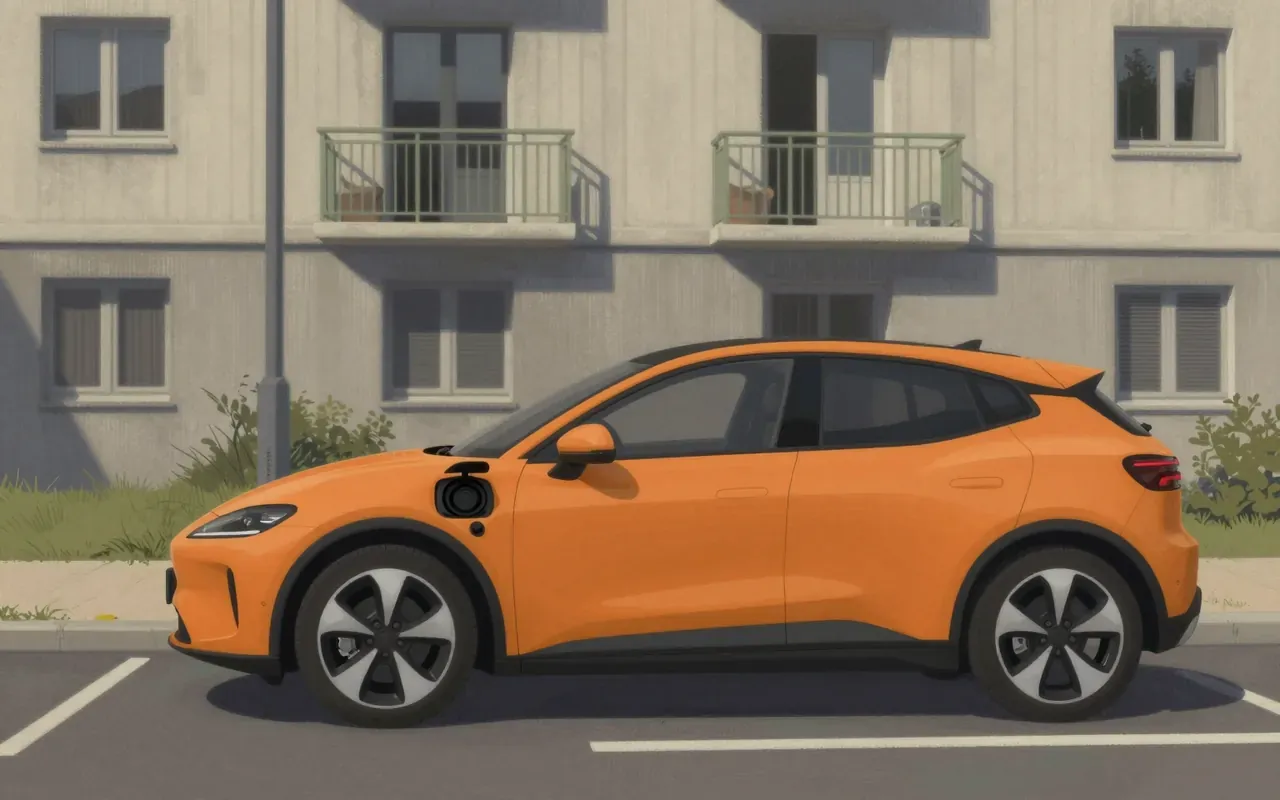
Renault 5 E-Tech is a B-segment battery electric hatchback produced since 2024. Styled under Gilles Vidal, it draws on the original Renault 5’s form language. Built at Douai using the CMF-B EV platform, it offers 40 kWh or 52 kWh batteries, motor outputs up to 110 kW, and 130 kW DC fast charging via a bonnet-mounted port. Its range peaks at 400 km. It is front-motor, front-wheel drive only.

10:08

Renault Avantime

Patrick Le Quément · 2001

The Renault Avantime is a 2001 one-box grand tourer marketed by Renault and designed and manufactured by Matra. Patrick Le Quément led its design. It combines estate space with four-place pillarless coupé qualities. It features an aluminium structure, aluminium panels for the greenhouse, and a full sunroof of strengthened heat-reflecting glass. As a one-box design without B-pillars, it blends MPV, estate, or shooting brake elements with 2+2 coupé style and convertible elements. Renault self-described it as a grand tourer.

10:32

Renault Espace

Fergus Pollock · 1984

The Renault Espace is a long-running series launched in 1984, evolving from a pioneering MPV—first built by Matra—through successive generations to a modern SUV. Its design origins trace to British designer Fergus Pollock in the 1970s, later developed by Matra and adopted by Renault. Early generations featured innovative construction (fibreglass body on galvanised steel spaceframe), longitudinal engine layout, and flat-floor interiors. Later generations shifted to transverse engines, Renault-led development, and increasingly crossover styling—culminating in the sixth-generation SUV launched in 2023.

10:12

Renault Twingo

Patrick Le Quément · 1992

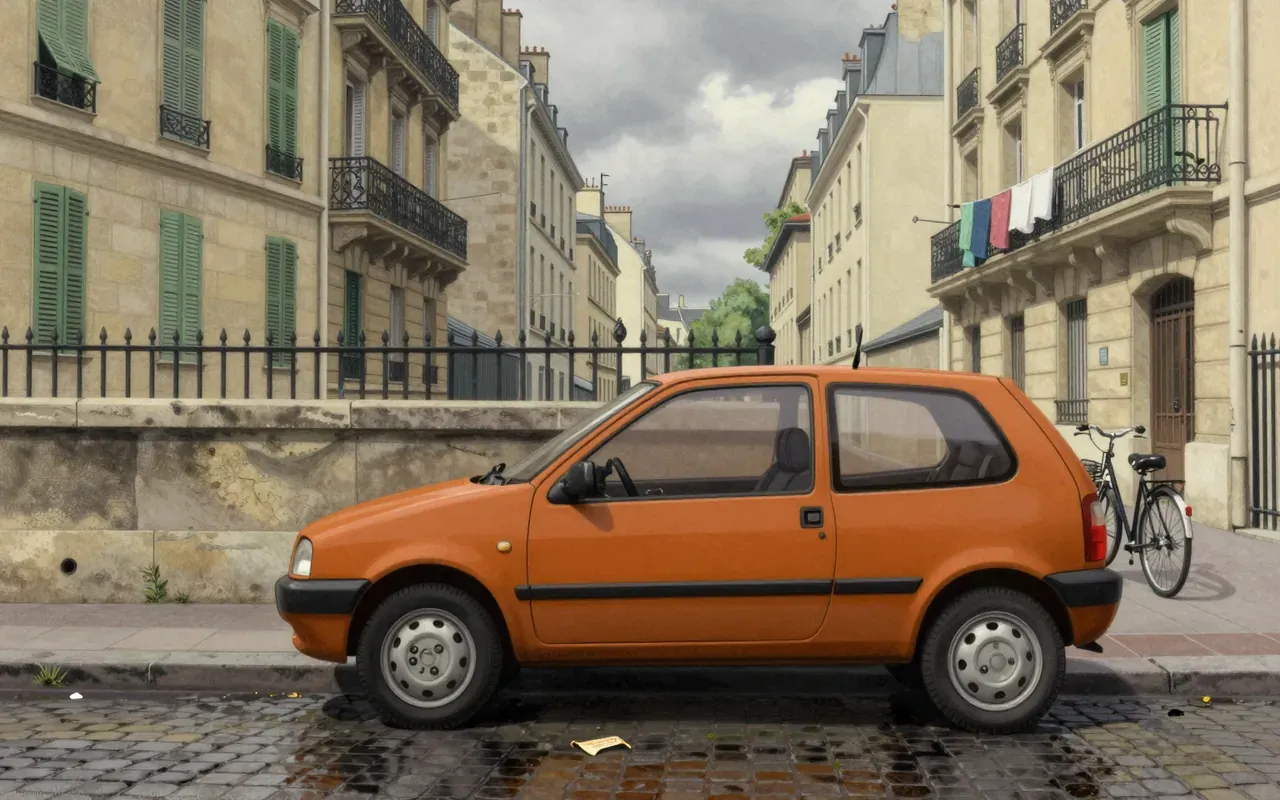
The Renault Twingo (1992) is a two-door, front-engine city car designed under Patrick Le Quément’s leadership to reverse Renault’s declining sales through bold, autonomous design. Its defining feature—the smile-shaped front end—was a deliberate assertion of styling priority over mechanical packaging. It delivered visibility, compactness, and instant recognition, but sacrificed rear access, cargo space, and dynamic refinement. It marked the moment Renault’s design department gained executive authority—and proved that a city car could be defined first by how it looked, not how it was engineered.

10:54

Renault Vel Satis

Patrick Le Quément · 2001

The Renault Vel Satis is an executive hatchback manufactured by Renault from 2001 to 2009. It was launched at the 2001 Geneva Motor Show to replace the Safrane. Designed by Patrick Le Quément’s team, it formed part of Renault’s effort to develop an independent formal language. It is noted for its height — 13 cm higher than the Safrane — which benefits interior space. It was Renault’s flagship model and the company’s first car offered with adaptive cruise control. It was the second car ever to receive a five-star Euro NCAP safety rating. Approximately 62,000 units were manufactured over eight years. The name Vel Satis is a portmanteau of Velocity and Satisfaction. It shared its platform with the Laguna II and Espace IV and was manufactured in Sandouville, France.

9:22

Renault 5 Turbo

Marc Deschamps · 1980

The Renault 5 Turbo is a homologation special that reimagines the Renault 5 supermini as a mid-engined rally car. Built from 1980 to 1984, it features a rear mid-engine, rear-wheel-drive layout, a 1,397 cc turbocharged Cléon-Fonte inline-four, and 4,987 total units produced. Though badged as a Renault 5, its mechanicals are radically different. It was launched at the Brussels Motor Show in January 1980 and sold in street-legal form to meet homologation requirements.