Saved
Sports cars · Hot hatches

Volkswagen Corrado

Volkswagen’s attempt to make front-wheel drive feel like a choice—not a compromise.

Worth your time?3.5/5Yes.Drive the whole thing.What works, what does not, who it is for ↓
8:57in productionCh. 1 · Who made it, and why it exists/ 8:57 · ceiling 15 min
4 chapters · 8:57Ceiling 15:00

The brief is written and checked. The video joins this page when it is cut.4 chapters · 1 min read · 8:57 planned

Read the brief

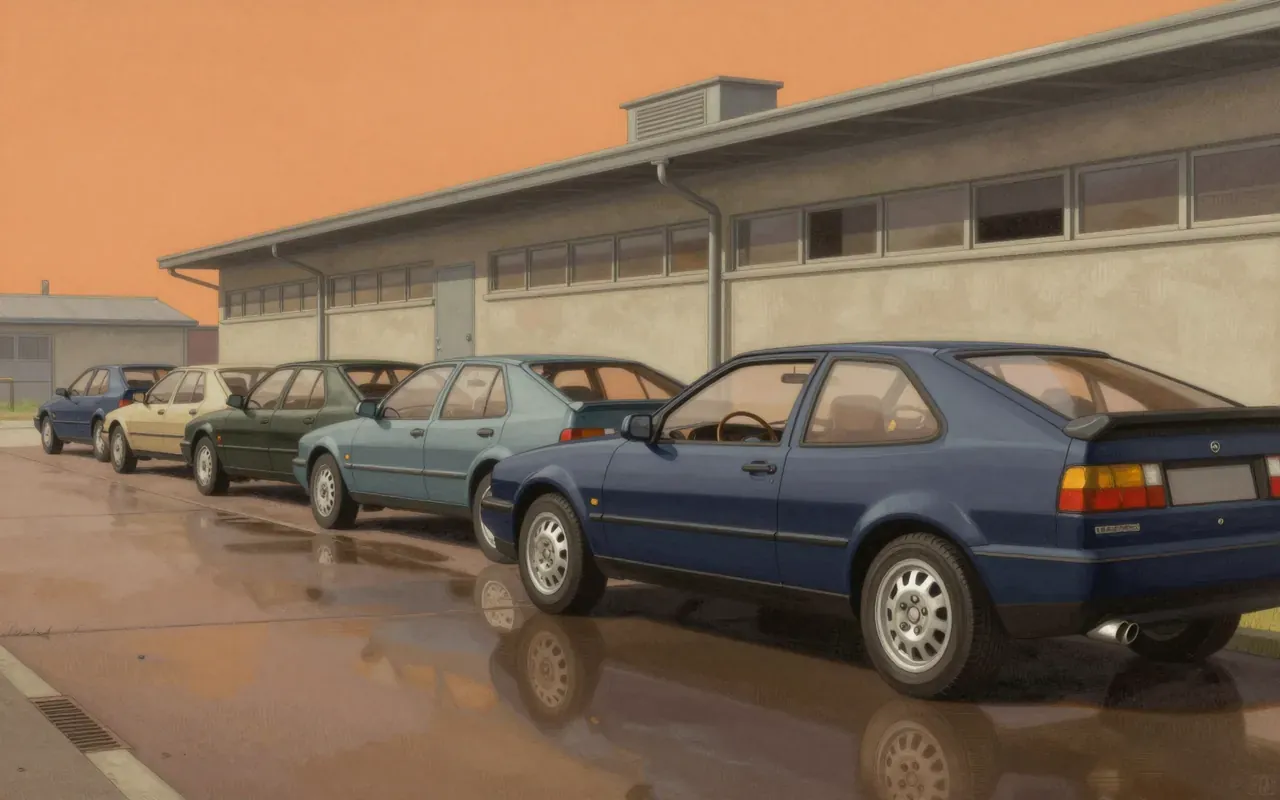
The Corrado is a front-wheel-drive sport compact coupé designed by Herbert Schäfer and built by Karmann in Osnabrück from 1988 to 1995. It uses the Volkswagen Group A2 platform—the same as the Golf Mk2—with flush-mounted windows and an active rear spoiler that deploys above 100 km/h. It seats four in a 2+2 layout and is a three-door liftback. 97,521 units were produced.

Chapters & takeaways4
  1. 0:49
    Who made it, and why it exists

    Herbert Schäfer designed a coupé that replaced the Scirocco—and was built entirely by Karmann in Osnabrück.

  2. 2:25
    How it’s put together

    It is front-wheel drive, three-door, and uses the same platform as the Golf Mk2—no structural departure, just packaging discipline.

  3. 3:55
    What it shows on the outside

    Flush windows and an active spoiler define its surface logic—form follows function, not flair.

  4. 5:20
    How many mattered

    Just under 98,000 were built—enough to matter, not enough to rewrite the rules.

1 more chapterFewer chapters
Worth your time?

Yes. Drive the whole thing.

3.5/ 5
What works
  • delivers clean, taut body lines
  • gives practicality without breaking the coupé silhouette
  • active spoiler works as advertised
What does not
  • decouple front-wheel drive from steering
  • introduce a new platform
  • offer rear-wheel drive
Drive it if
  • drivers wanting a compact, hatch-backed coupé with German engineering cues and active aerodynamics
  • those seeking mechanical innovation, weight reduction, or drivetrain variety
Skip it if
  • those seeking mechanical innovation, weight reduction, or drivetrain variety
Who should drive it, and who should skipHide who it is for
The written brief1 min read

What the car is and where it came from

A sport compact coupé designed by Herbert Schäfer. Built by Karmann in Osnabrück, Germany. Marketed by Volkswagen from 1988 to 1995. Based on the A2 platform.

How it works, in terms someone would actually use

It is a front-wheel-drive, three-door liftback with 2+2 seating. The driver sits behind flush-mounted windows. At speed, the rear spoiler rises automatically. It shares its platform with the Golf Mk2.

What it gets right

It delivers clean, taut body lines. The liftback gives practicality without breaking the coupé silhouette. The active spoiler works as advertised: it deploys at 100 km/h in most markets, retracts below 25 km/h.

What it does not

It does not decouple the front wheels from steering and drive duties. It does not offer rear-wheel drive. It does not use a new platform—it reuses the A2.

What it changed

It replaced the Scirocco as Volkswagen’s front-wheel-drive coupé. It introduced active aerodynamics to a mass-market VW model.

Who it is for, and who it is not

It is for drivers who want a compact, hatch-backed coupé with German engineering cues and active aerodynamics. It is not for those seeking mechanical innovation, weight reduction, or drivetrain variety.

Is it worth your time

Yes—if you want to understand how Volkswagen tried to stretch front-wheel drive into sporty territory without changing the layout. No—if you expect rear-wheel-drive dynamics or structural novelty.

Same garage · Sports cars4 of 157
9:24
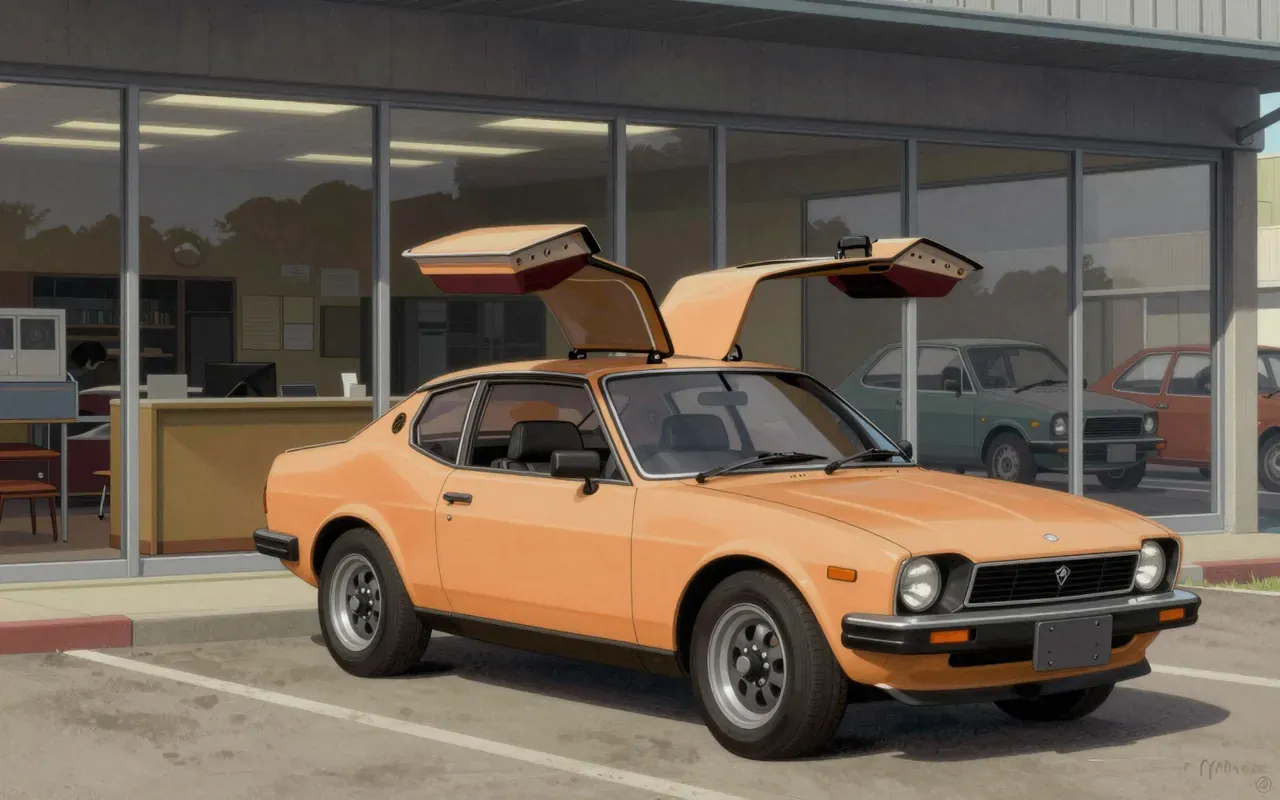
DeLorean DMC-12Giorgetto Giugiaro · 1981The DMC DeLorean is a rear-engine, two-seat sports car designed by Giorgetto Giugiaro and produced by the DeLorean Motor Company from 1981 to 1983. It features gull-wing doors, unpainted brushed stainless-steel body panels, and a 2.85 L PRV V6 engine shared with Peugeot, Renault, and Volvo. Approximately 9,000 units were built before the company’s bankruptcy. Though criticized for modest performance and build quality, it gained iconic status through the Back to the Future films.
10:25
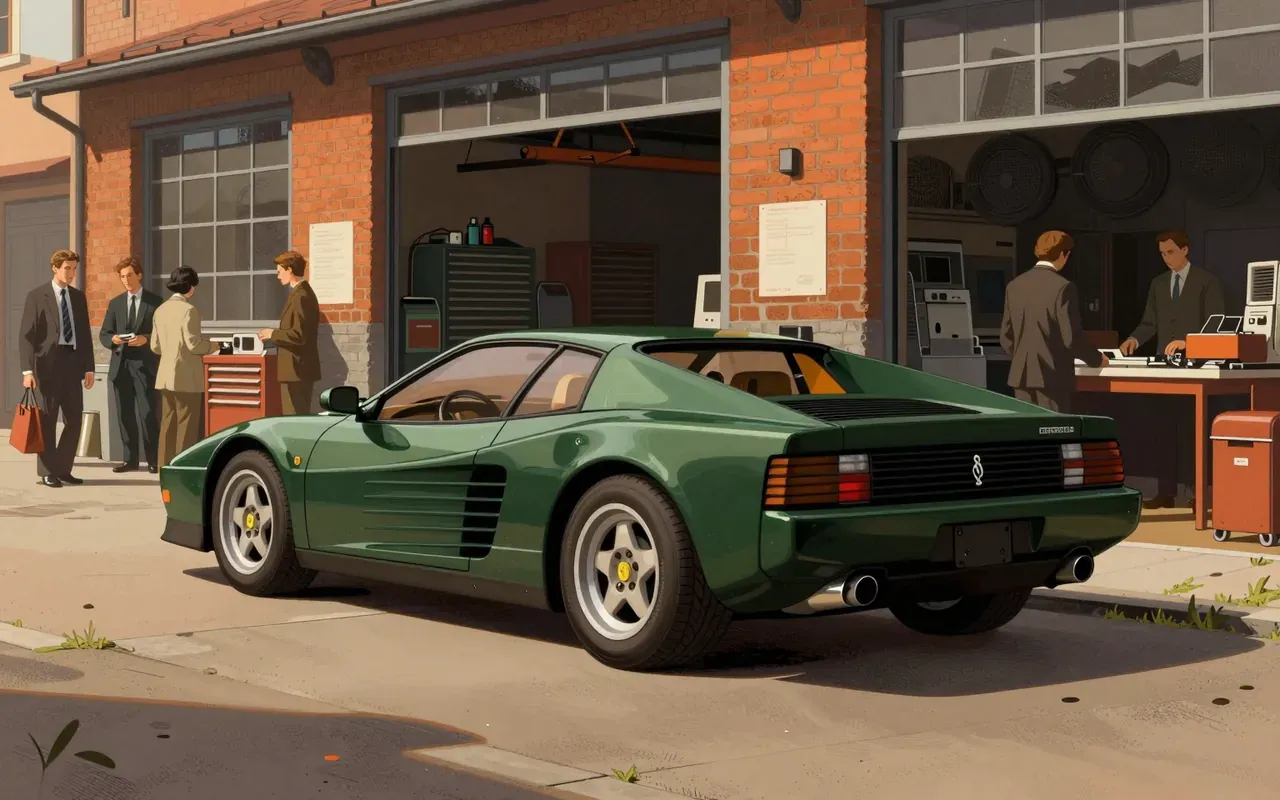
Ferrari TestarossaPininfarina · 1984The Testarossa is a Pininfarina-designed, two-door coupé introduced in 1984 as the successor to the Berlinetta Boxer. It features a 4.9 L flat-12 engine and rear mid-engine/RWD layout. Production ran from 1984 to 1991, followed by the 512 TR and F512 M until 1996. Nearly 10,000 Testarossa-series cars were produced. It was developed to resolve thermal and packaging issues of the 512 BBi and is distinguished by its side strakes, twin rear radiators, and aerodynamic efficiency. Designers included Diego Ottina, Guido Campoli, Ian Cameron, and Emanuele Nicosia. It is a cultural icon of the 1980s, popularised by Miami Vice and Out Run.
9:36
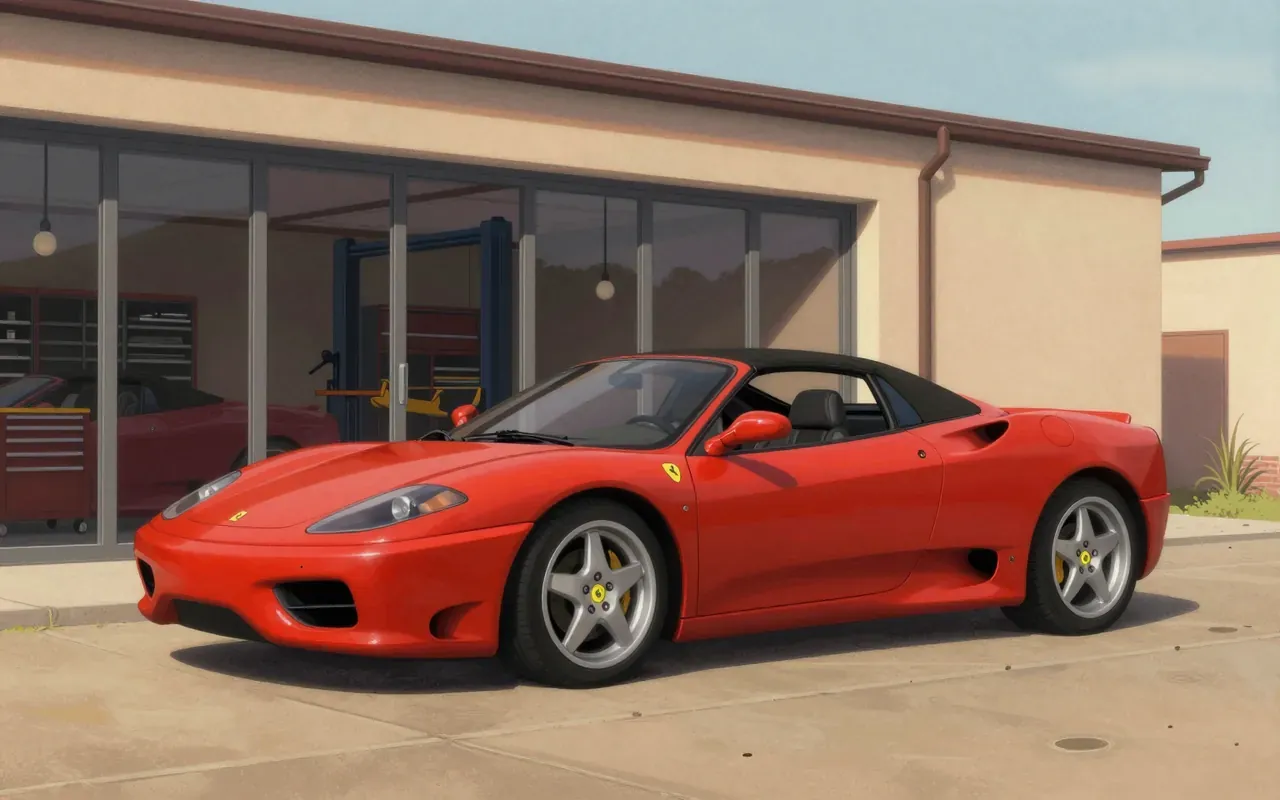
Ferrari 360Goran Popović · 1999The Ferrari 360 redefined Ferrari’s mid-engined formula with an all-aluminium space-frame and Pininfarina’s curvilinear language — trading the F355’s emotional sharpness for structural precision and visual calm.
8:50
Autozam AZ-1Toshiko Hirai · 1992The Autozam AZ-1 is a tightly packaged, rear mid-engine kei sports car built by Mazda between October 1992 and October 1994. It uses a Suzuki-sourced 657 cc turbocharged engine and features gullwing doors. Its design prioritises driver engagement and compact agility over practicality or comfort.
Up next in Automotive

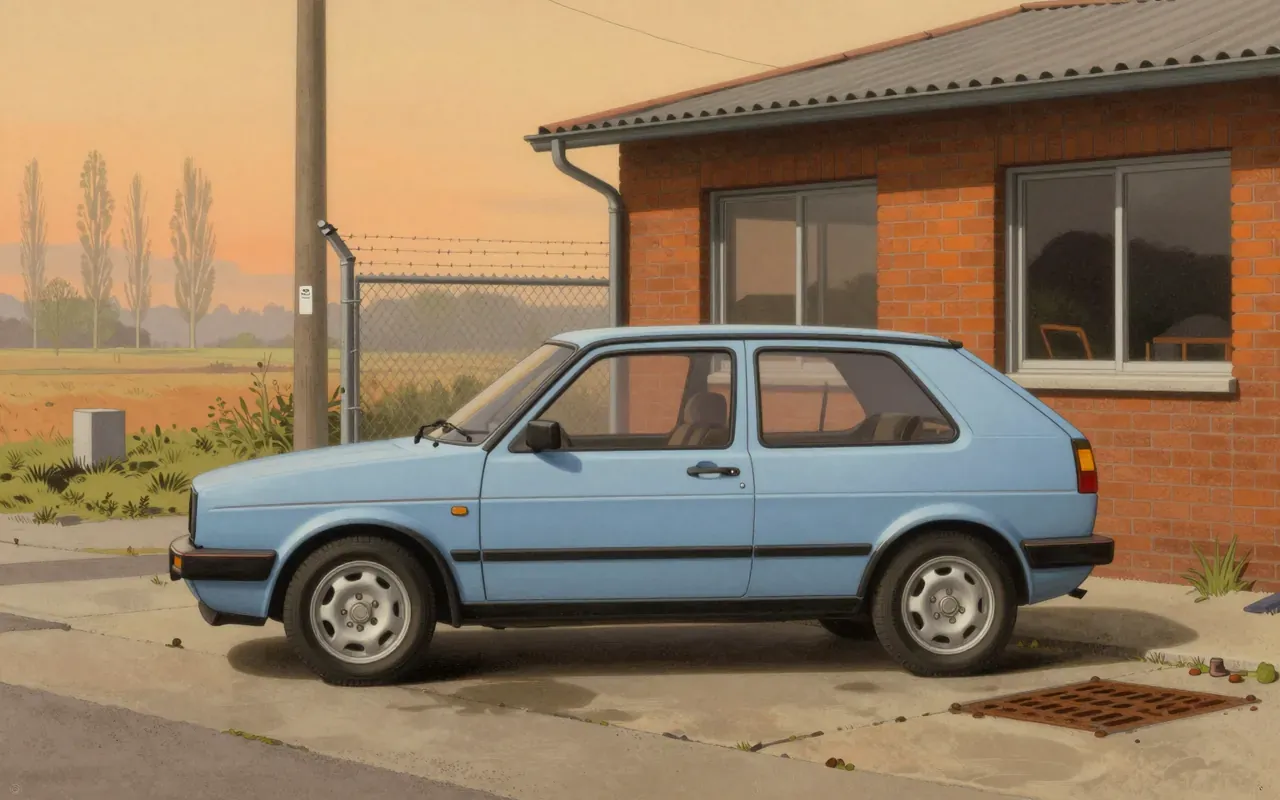
Volkswagen Golf Mk2

Herbert Schäfer · 1983 · 8:30

The Mk2 Golf didn’t reinvent the hatchback — it proved the formula could scale without breaking.

8:30