automotivebriefs
9:24in productionCh. 1 · One car, one designer/ 9:24 · ceiling 15 min
Sports cars · Concepts & prototypes

DMC DeLorean

A stainless-steel sculpture with an engine—designed to be seen, not driven.

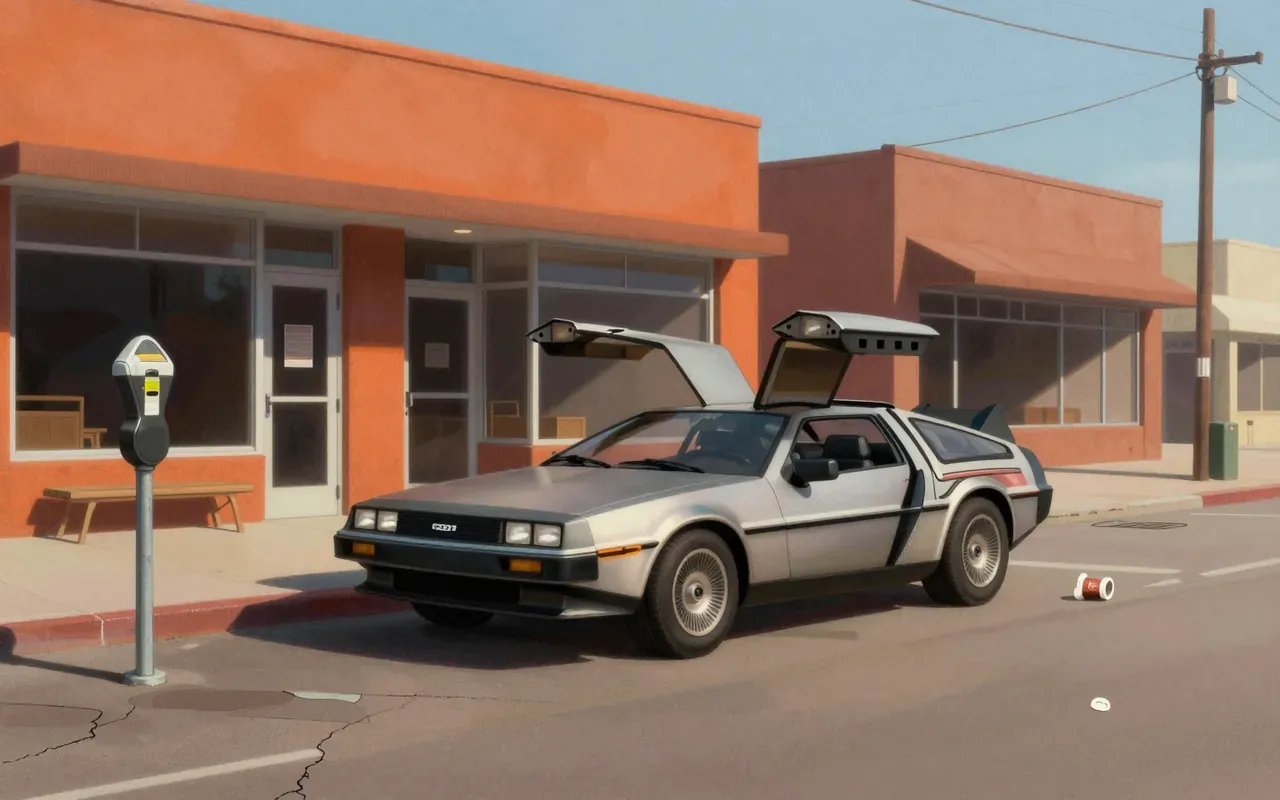
The DMC DeLorean is a rear-engine, two-seat sports car designed by Giorgetto Giugiaro and produced by the DeLorean Motor Company from 1981 to 1983. It features gull-wing doors, unpainted brushed stainless-steel body panels, and a 2.85 L PRV V6 engine shared with Peugeot, Renault, and Volvo. Approximately 9,000 units were built before the company’s bankruptcy. Though criticized for modest performance and build quality, it gained iconic status through the Back to the Future films.

Chapters & takeaways4
  1. 0:54
    One car, one designer

    It was the only car John DeLorean’s company ever built—and its shape came entirely from Giugiaro’s Italdesign studio.

  2. 2:19
    Form as statement

    Its 'folded paper' angles and unpainted stainless-steel skin were deliberate rejections of organic curves and painted finishes.

  3. 4:15
    Engine by committee

    It used a mass-produced PRV V6 engine—shared across Peugeot, Renault, and Volvo—not a bespoke powerplant.

  4. 5:47
    Nine thousand cars, one movie

    Fewer than 9,000 were made before bankruptcy—but Back to the Future made it immortal.

Worth your time?

Yes. Drive the whole thing.

3.5/ 5
What works
  • its geometry: sharp creases, flat planes, and taut surfaces define its silhouette
  • material honesty: unpainted stainless steel requires no paint shop, no rust protection, no colour choice
  • presence: it looks like nothing else on the road
What does not
  • deliver sports-car performance
  • offer build quality consistent with its price or ambition
  • function as a practical daily driver
Drive it if
  • those who value sculptural clarity over dynamic feedback
  • collectors of automotive syntax
Skip it if
  • drivers who prioritise responsiveness, refinement, or reliability
The written brief1 min read

What the car is and where it came from

The DMC DeLorean is a rear-engine, two-seat sports car. It was the sole production vehicle of the DeLorean Motor Company. Giorgetto Giugiaro of Italdesign designed its body. It was built from 1981 to 1983.

How it works, in terms someone would actually use

The DeLorean sits low. Its gull-wing doors open upward, requiring clear overhead space. The driver sits ahead of a rear-mounted engine. The stainless-steel body panels are unpainted and do not corrode. The PRV V6 engine is shared with Peugeot, Renault, and Volvo Cars.

What it gets right

It gets the geometry right: sharp creases, flat planes, and taut surfaces define its silhouette. It gets material honesty right: unpainted stainless steel requires no paint shop, no rust protection, no colour choice. It gets presence right: it looks like nothing else on the road.

What it does not

It does not deliver sports-car performance. It does not offer build quality consistent with its price or ambition. It does not function as a practical daily driver due to gull-wing access constraints and rear-engine packaging.

What it changed

It cemented Giugiaro’s ‘folded paper’ aesthetic in mainstream consciousness. It turned a commercially failed car into a durable cinematic prop—proving that narrative weight can override mechanical merit.

Who it is for, and who it is not

It is for those who value sculptural clarity over dynamic feedback. It is for collectors of automotive syntax—cars that speak in lines and materials, not lap times. It is not for drivers who prioritise responsiveness, refinement, or reliability.

Is it worth your time

Yes—if you care about angular industrial design as cultural artefact, or how film reshapes perception of machinery. No—if you seek driving engagement, engineering novelty, or functional distinction beyond its form.
Same garage · Sports cars4 of 140
8:12
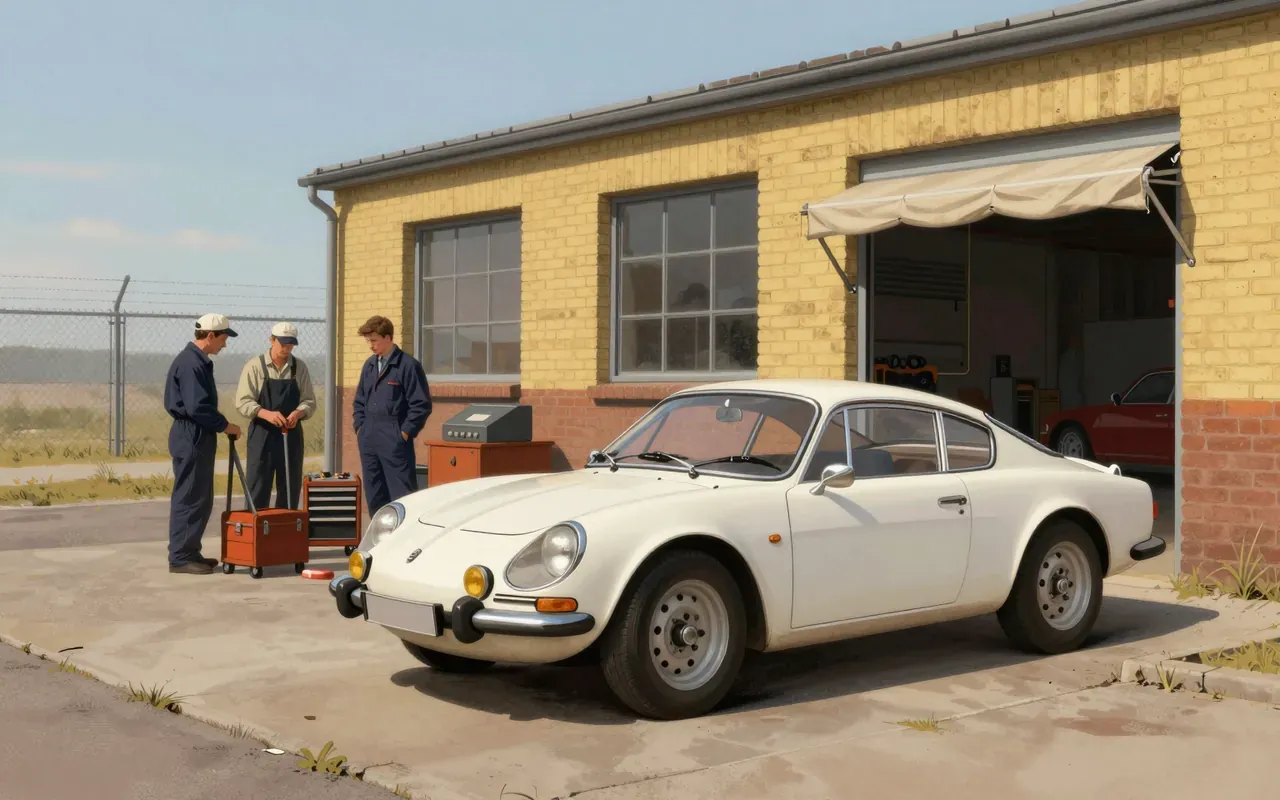
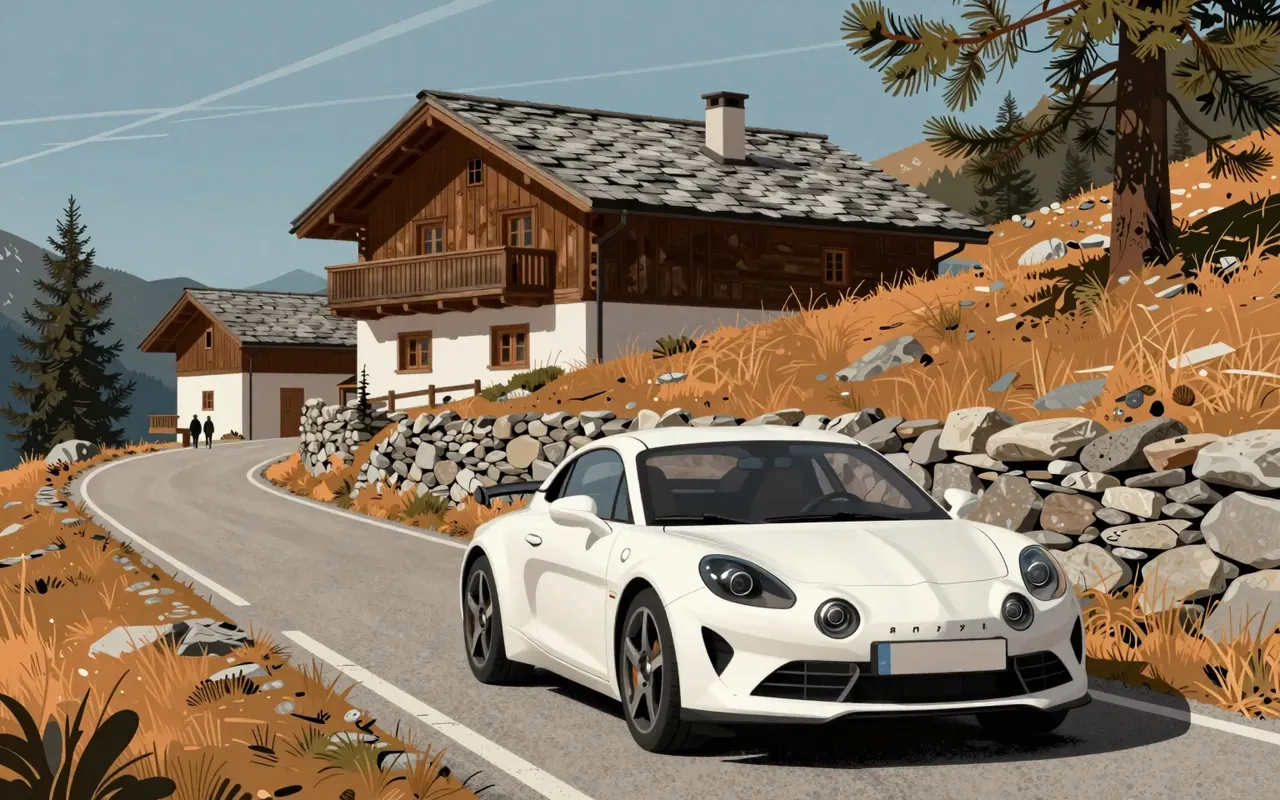
Alpine A110 (2017)Antony Villain · 2017The Alpine A110 (2017) is a rear mid-engine, rear-wheel-drive sports car built on an all-aluminium chassis and powered by a Nissan-derived 1.8-litre turbocharged inline-four engine. It debuted at the 2017 Geneva Motor Show. Production ended in June 2026.
8:32
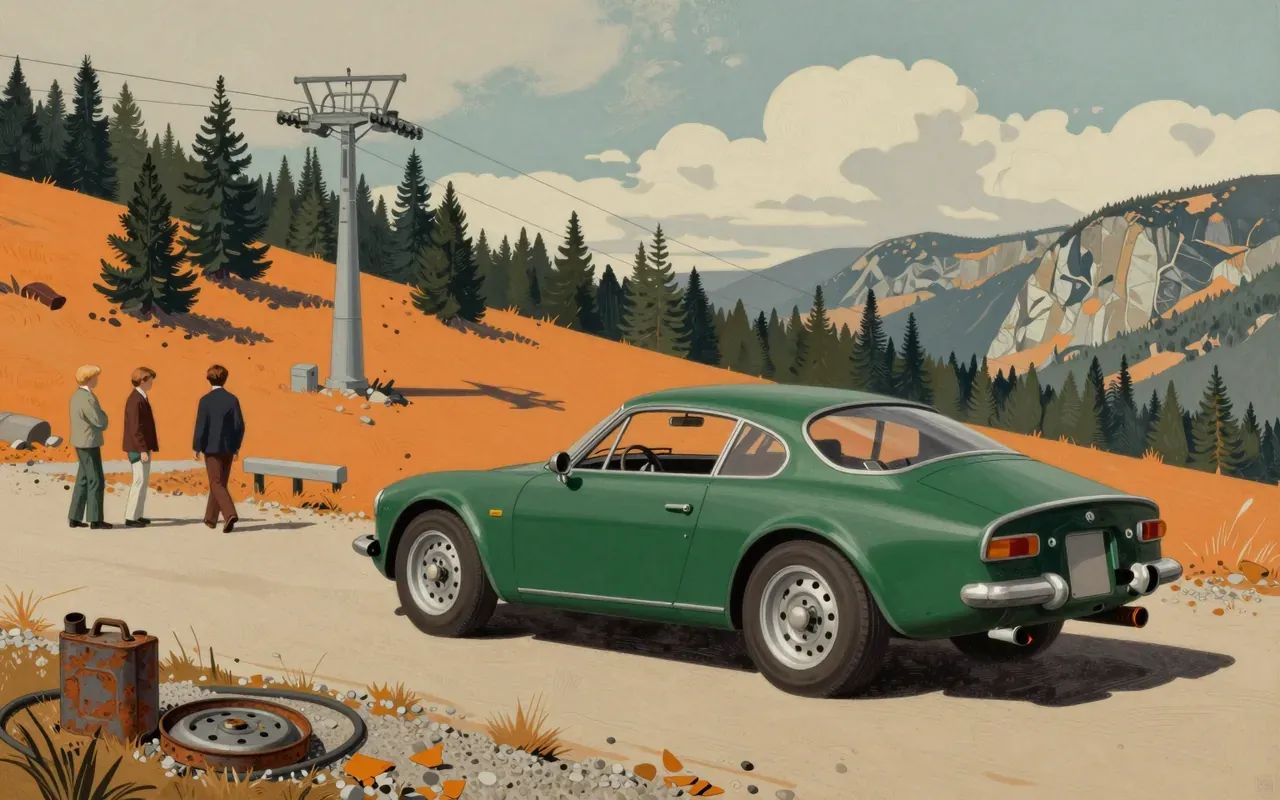
Alpine A310Michel Beligond · 1971The Alpine A310 is a French sports car, launched in 1971 as Jean Rédélé’s final Alpine model. It debuted at the 1971 Geneva Motor Show. It used a tubular steel backbone chassis and a one-piece fiberglass body. Its engine was mounted longitudinally in the rear and drove the rear wheels via a five-speed manual gearbox. The driving position was low and sporty, with footwells angled toward the car’s centre.
9:14
Renault Alpine GTA/A610Heuliez · 1984The Renault Alpine GTA is a rear-engined sports coupé launched in 1985 by Alpine under full Renault ownership. It replaced the A310, sharing its layout and V6 PRV engine. Marketed as the Alpine V6 GT or V6 Turbo in Europe—and as the Renault GTA in Britain—it featured aerodynamic design (Cx 0.28–0.30), lightweight composite body panels, and a steel backbone chassis. Production spanned 1984–1995, totalling ~7,300 units across both GTA and A610 models.
9:40
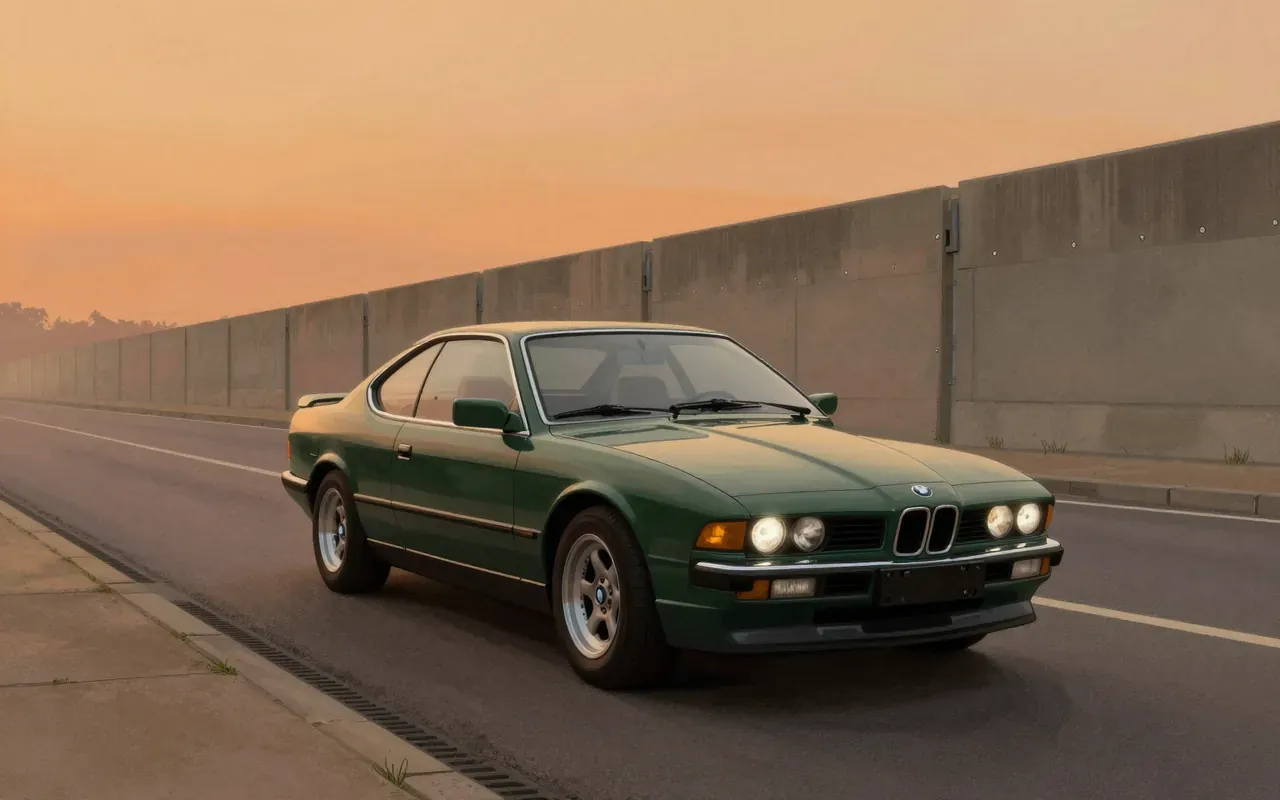
BMW 8 Series (E31)Klaus Kapitza · 1989The BMW 8 Series (E31) is a two-door grand tourer built by BMW from 1990 to 1999. It uses a front-engine, rear-wheel-drive layout. It is powered by either a V8 or V12 engine. Development began in July 1981 and concluded in 1986. It debuted at the Frankfurt Motor Show in early September 1989. BMW used CAD tools to design its all-new body. Its drag coefficient is Cd=0.29. It replaced the E24 6 Series but was not a direct successor. Total production was 30,609 units.
Up next in Automotive

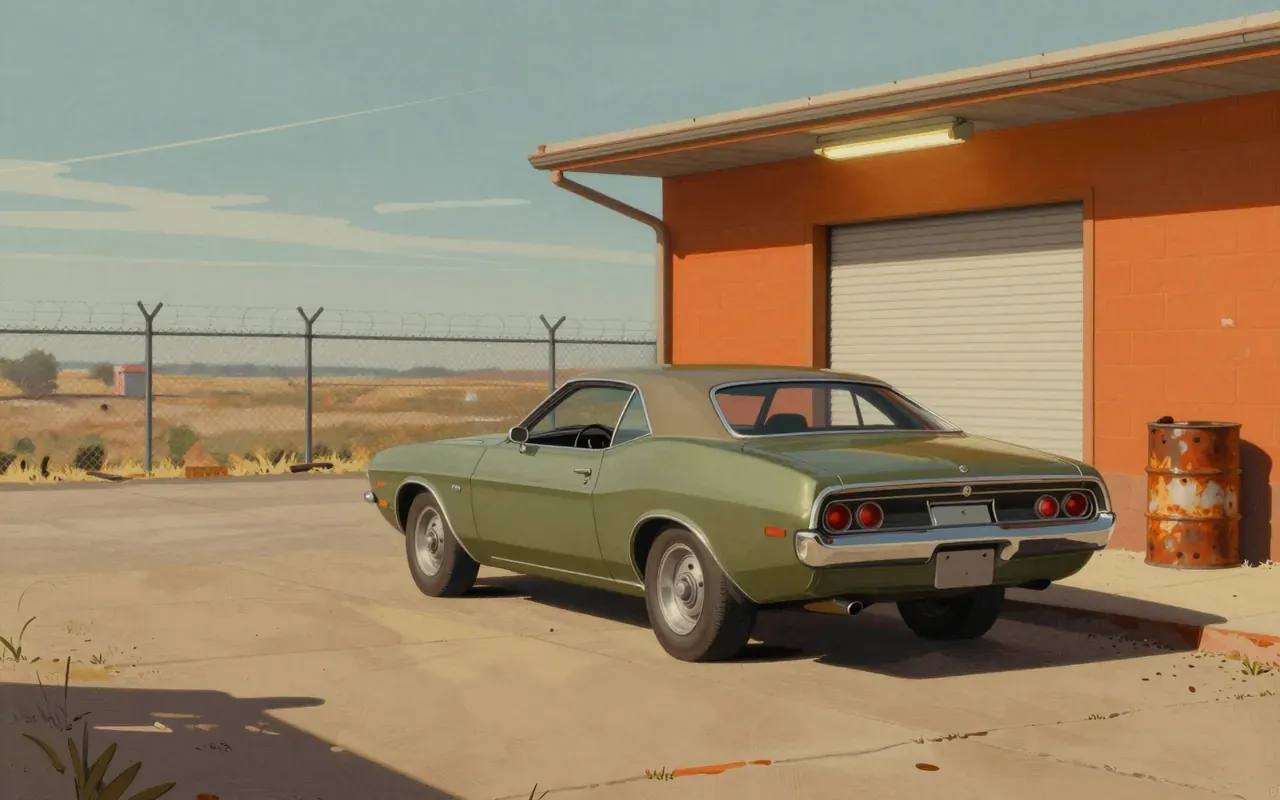
Dodge Challenger (1970)

Carl Cameron · 1970 · 10:06

Chrysler didn’t build a new car — it stretched the Barracuda and called it a challenger.

10:06