automotivebriefs
9:03in productionCh. 1 · A new kind of BMW/ 9:03 · ceiling 15 min
Sports cars · Racing

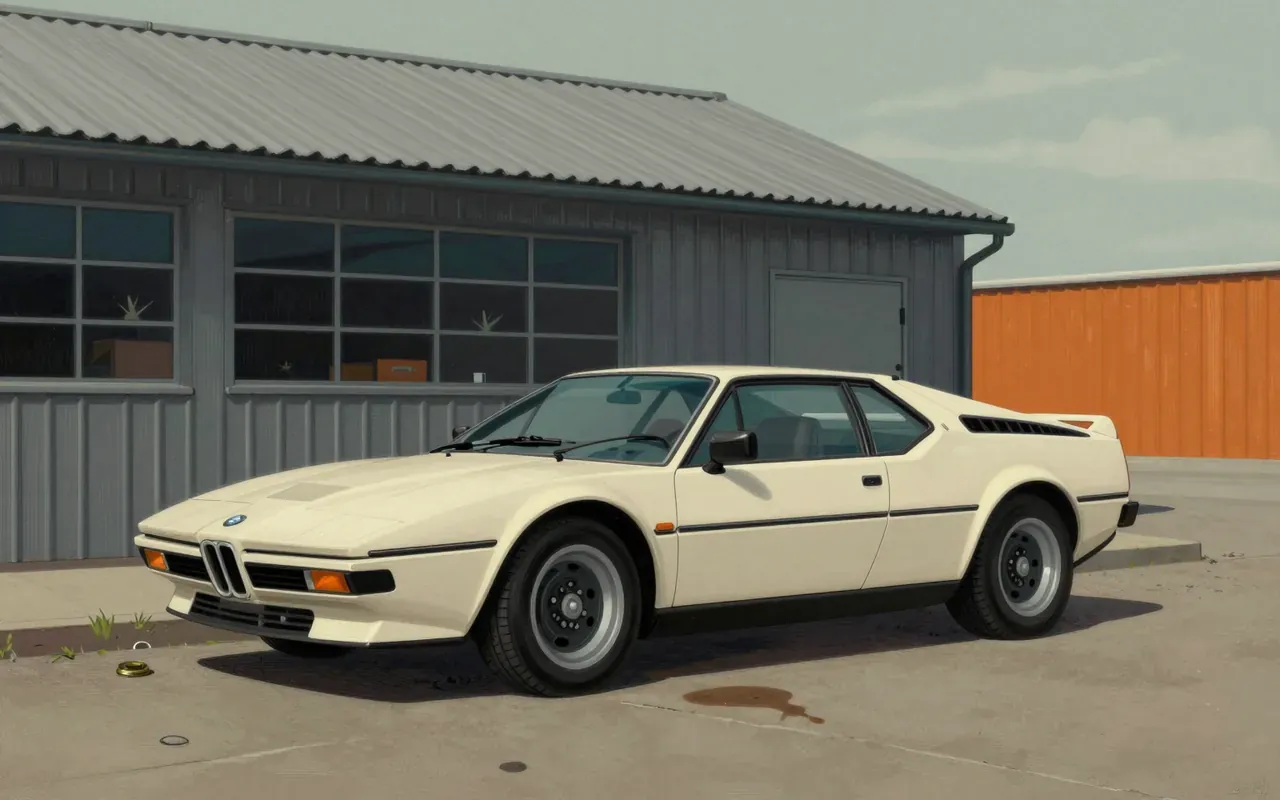
BMW M1

BMW’s first mid-engine car wasn’t born from ambition—it was forged for racing, then dressed in Giugiaro’s sharpest paper fold.

The BMW M1 is a mid-engined, rear-wheel-drive coupé designed by Giorgetto Giugiaro in 1977. Hand-built from 1978 to 1981 as a homologation special, it was the first car developed solely by BMW M and the first mass-produced mid-engine BMW. Its fibreglass body reflects Giugiaro’s angular 'folded paper' design language. Only 453 units were produced.

Chapters & takeaways4
  1. 1:00
    A new kind of BMW

    It was BMW’s first mass-produced mid-engine car—and the first car developed solely by BMW M.

  2. 2:42
    Made for the track first

    Built by hand between 1978 and 1981 to meet homologation rules for sports car racing.

  3. 4:45
    A shape cut from paper

    Giugiaro’s fibreglass body belongs to his angular 'folded paper' era—sharp, planar, and resolved from the 1972 Turbo concept.

  4. 6:17
    Rarity by necessity

    Only 453 units were built—making it one of BMW’s rarest production models.

Worth your time?

Yes. Drive the whole thing.

4/ 5
What works
  • places the driver centrally in BMW’s performance hierarchy
  • gives form to a racing mandate without disguising its purpose
  • resolves function into sharp, unbroken surfaces
What does not
  • offer modern driver aids
  • prioritise daily usability
  • provide cabin space
Drive it if
  • historians of BMW
  • students of 1970s industrial design
  • collectors who value rarity and lineage
Skip it if
  • drivers seeking refinement
  • drivers seeking ease of access
  • drivers seeking contemporary dynamics
The written brief1 min read

What the car is and where it came from

A mid-engined, rear-wheel-drive coupé designed by Giorgetto Giugiaro in 1977. Hand-built from 1978 to 1981 as BMW M’s first sole project and a homologation special.

How it works, in terms someone would actually use

The driver sits ahead of a mid-mounted straight-six engine. The car is rear-wheel drive. The body is fibreglass. It was built by hand.

What it gets right

It places the driver centrally in BMW’s performance hierarchy. It gives form to a racing mandate without disguising its purpose. Its folded-paper lines resolve function into sharp, unbroken surfaces.

What it does not

It does not offer modern driver aids, adjustable suspension, or packaging flexibility. It does not prioritise daily usability or cabin space.

What it changed

It established BMW M as a standalone division with its own car. It proved BMW could build a mid-engined road car for homologation, not just front- or rear-engined saloons and coupés.

Who it is for, and who it is not

It is for historians of BMW, students of 1970s industrial design, and collectors who value rarity and lineage. It is not for drivers seeking refinement, ease of access, or contemporary dynamics.

Is it worth your time

Yes—if you need to understand how BMW M began, or how Giugiaro’s angular language entered German engineering. No—if you’re looking for a drivable benchmark or technical reference.
Same garage · Sports cars4 of 93
9:37
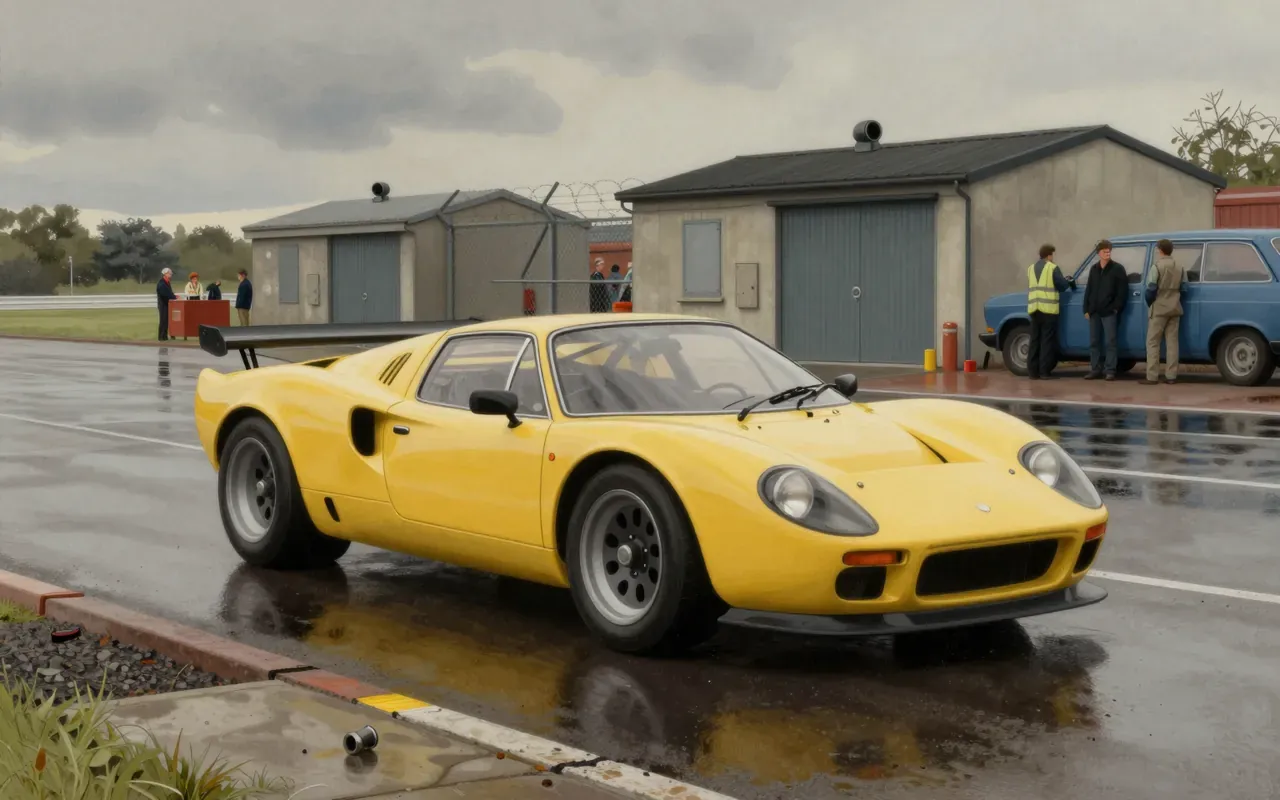
Ford RS200Ghia · 1984The Ford RS200 is a purpose-built homologation special: mid-engined, all-wheel drive, plastic-fiberglass body by Ghia, built by Reliant in Shenstone to meet FIA Group B’s 200-unit rule. It exists only to enable a rally car—not as a design statement, luxury product, or road-going evolution.
10:11
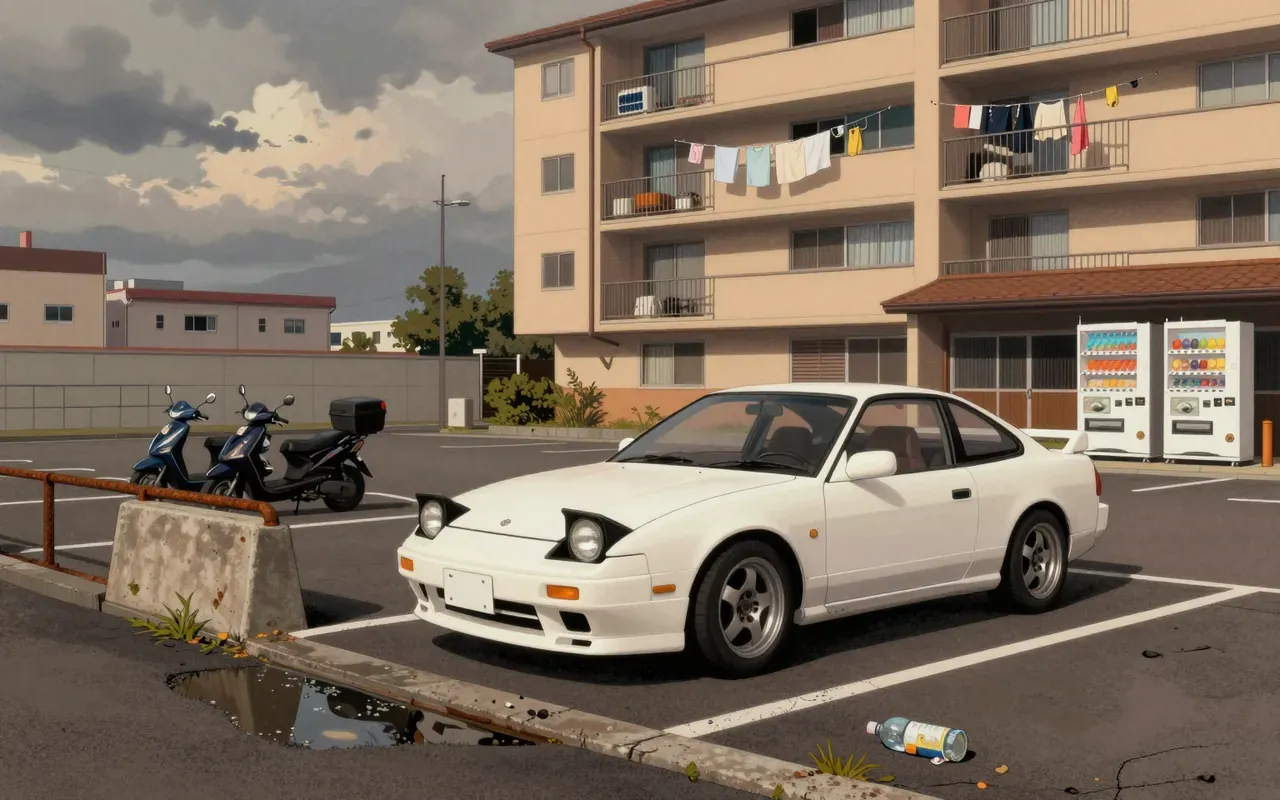
Nissan 180SXNissan · 1989The Nissan 180SX is a Japanese-market fastback built from 1988 to 1998 on the S13 platform. It featured pop-up headlights and a liftgate. It launched in March 1989 and was sold exclusively through Nissan Prince Stores alongside the Skyline and Silvia. It used the CA18DET turbo engine initially, then upgraded to the SR20DET in 1991 and added the SR20DE in 1996.
9:26
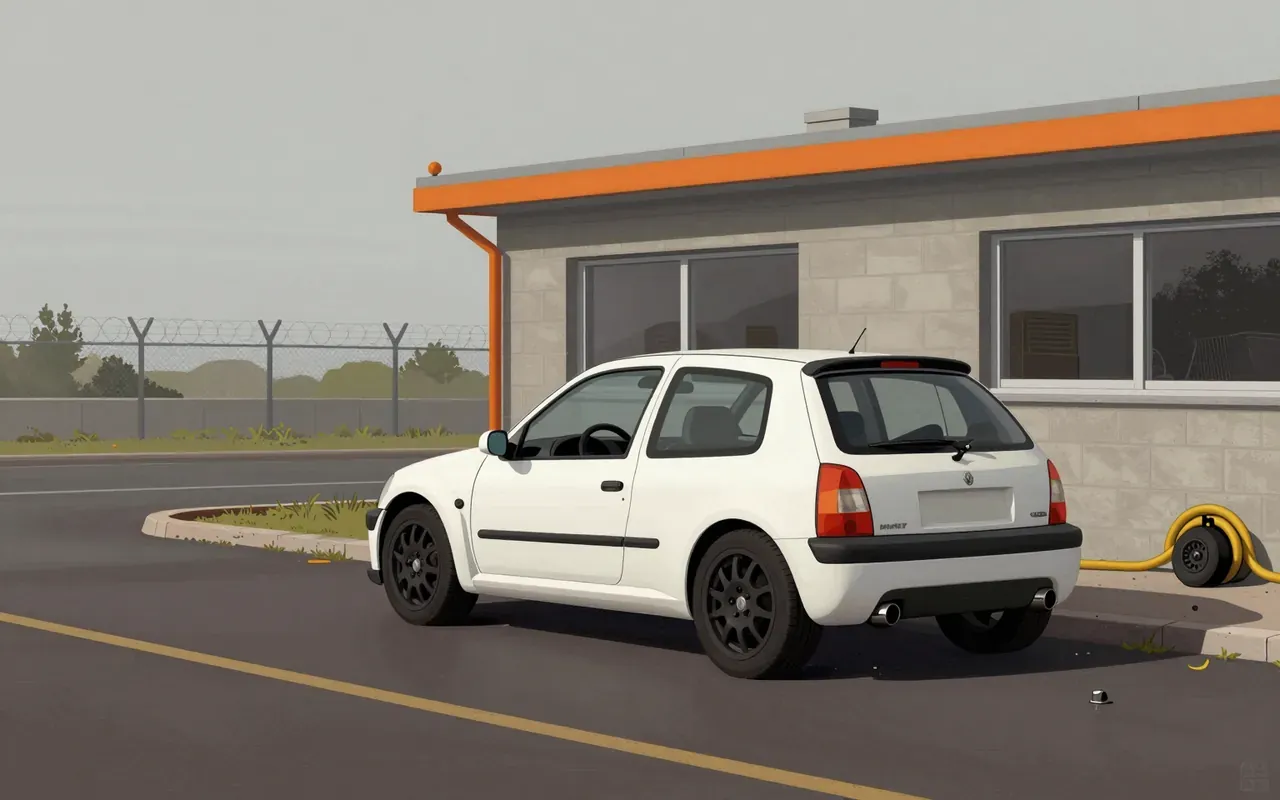
Renault Clio V6 RSRenault Sport · 2001The Renault Clio V6 RS is a radical departure from the hot hatch formula: mid-engined, rear-wheel drive, hand-built, and deliberately impractical. It exists as a mechanical argument—against front-drive orthodoxy, against shared-platform economics, against the idea that a ‘hatch’ must behave like one. Its legacy is not volume or versatility, but velocity of idea.
8:58
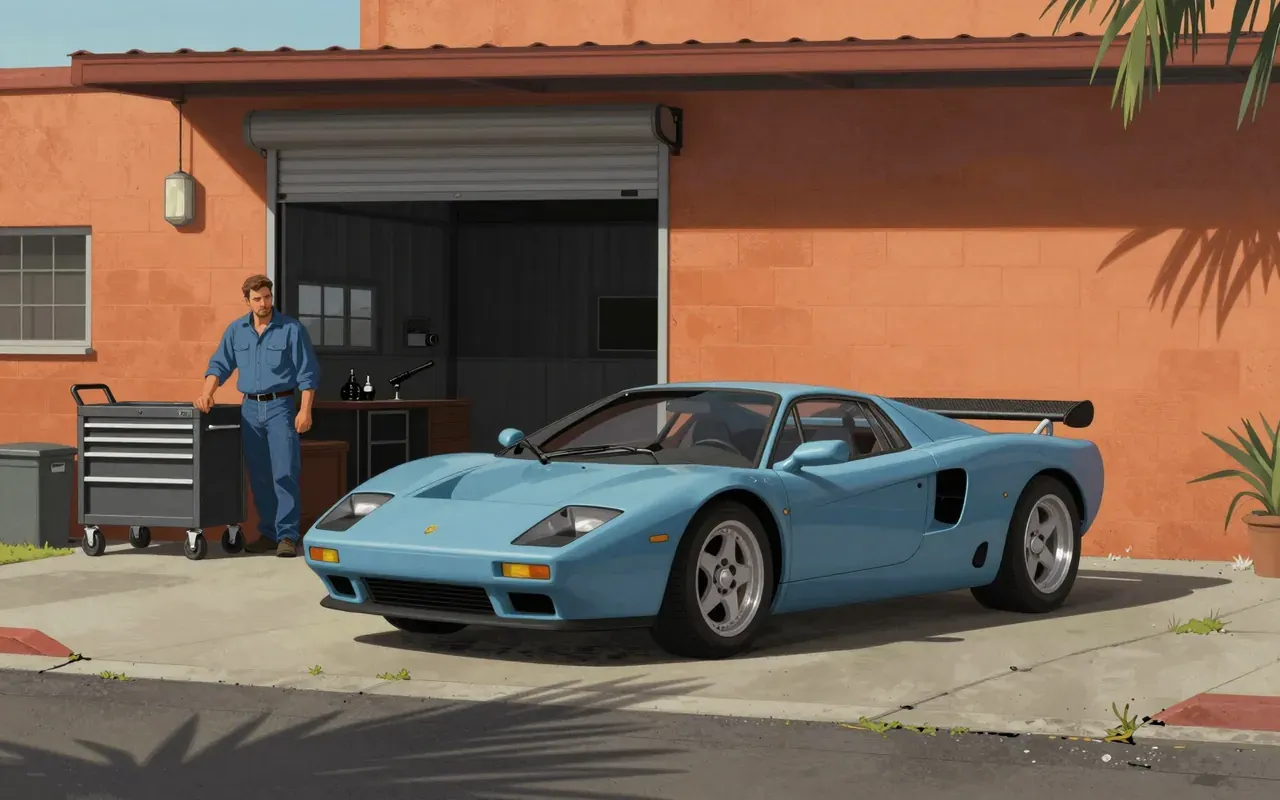
Saleen S7Phil Frank · 2000The Saleen S7 is an American hand-built, high-performance sports car. It debuted on August 19, 2000, at the Monterey Historic Races. It was the first fully proprietary car produced by Saleen. Phil Frank contributed the body and interior CAD design and development. Its all-aluminium engine is a bored-and-stroked derivative of Ford's 351 Windsor small block with Cleveland-style canted valve heads. It is not based on the FE big-block. It produces 550 hp (410 kW) at 6,400 rpm.
Up next in Automotive

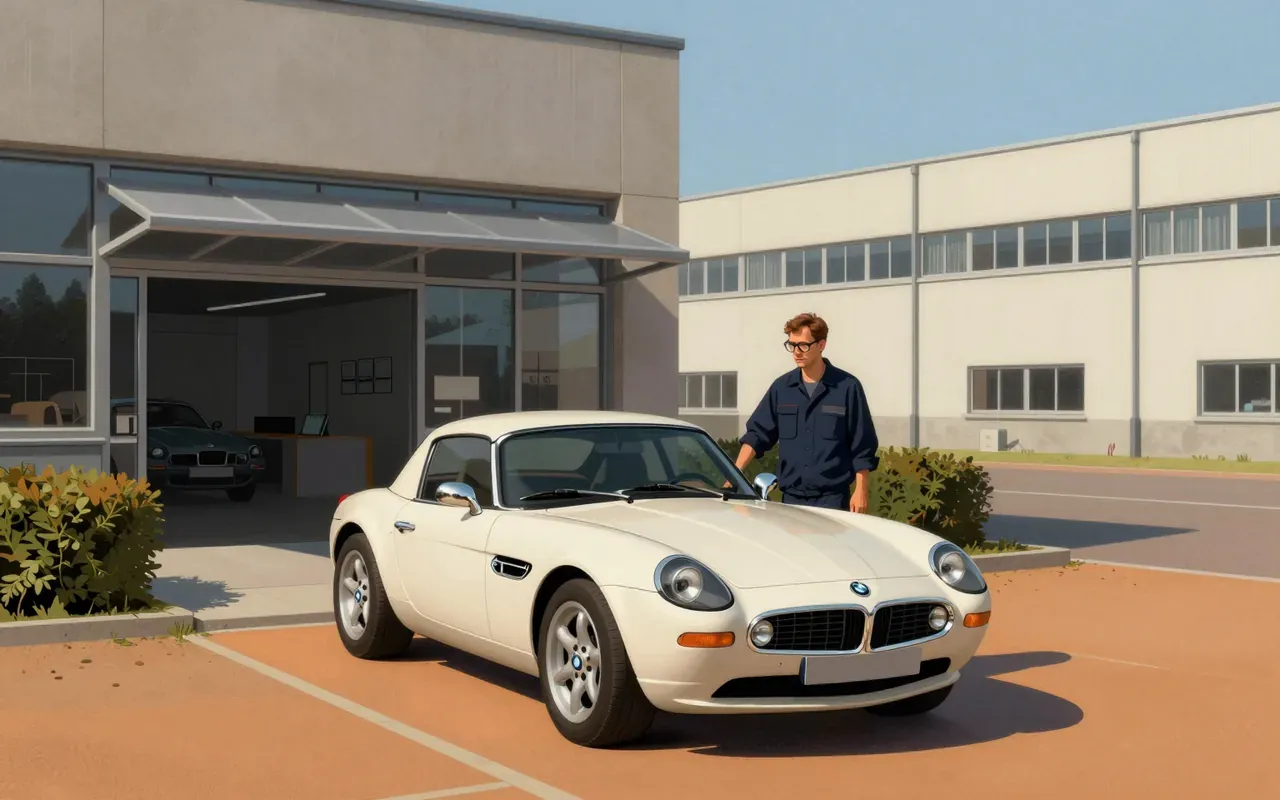
BMW Z8

Henrik Fisker · 1999 · 10:15

A 50/50 aluminium roadster that treats the 507 not as a relic but as a design contract — signed, sealed, and driven hard.

10:15