Saved
Garage

Racing

86
briefs
9:59
average
859 min
in total
69
designers
Garages under Racing5
All briefs86
10:50

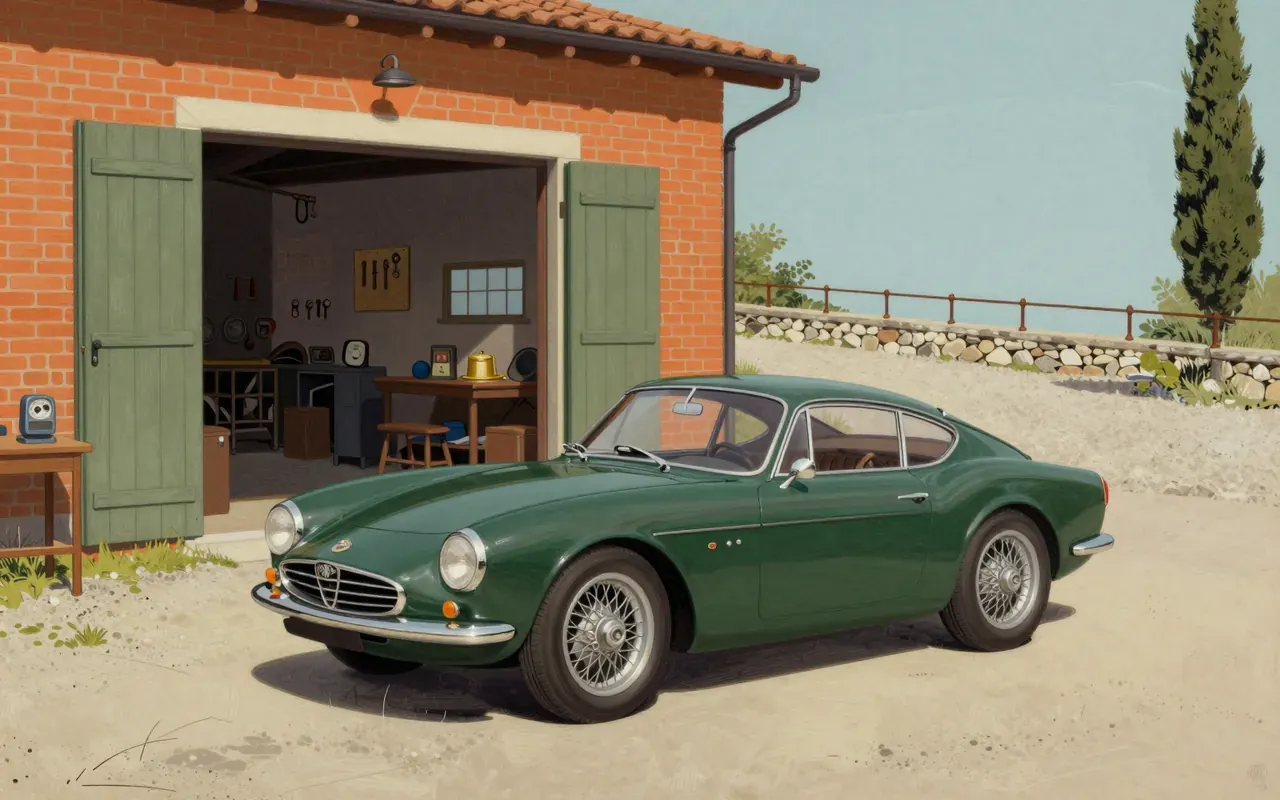
Alfa Romeo TZ2

Zagato · 1964

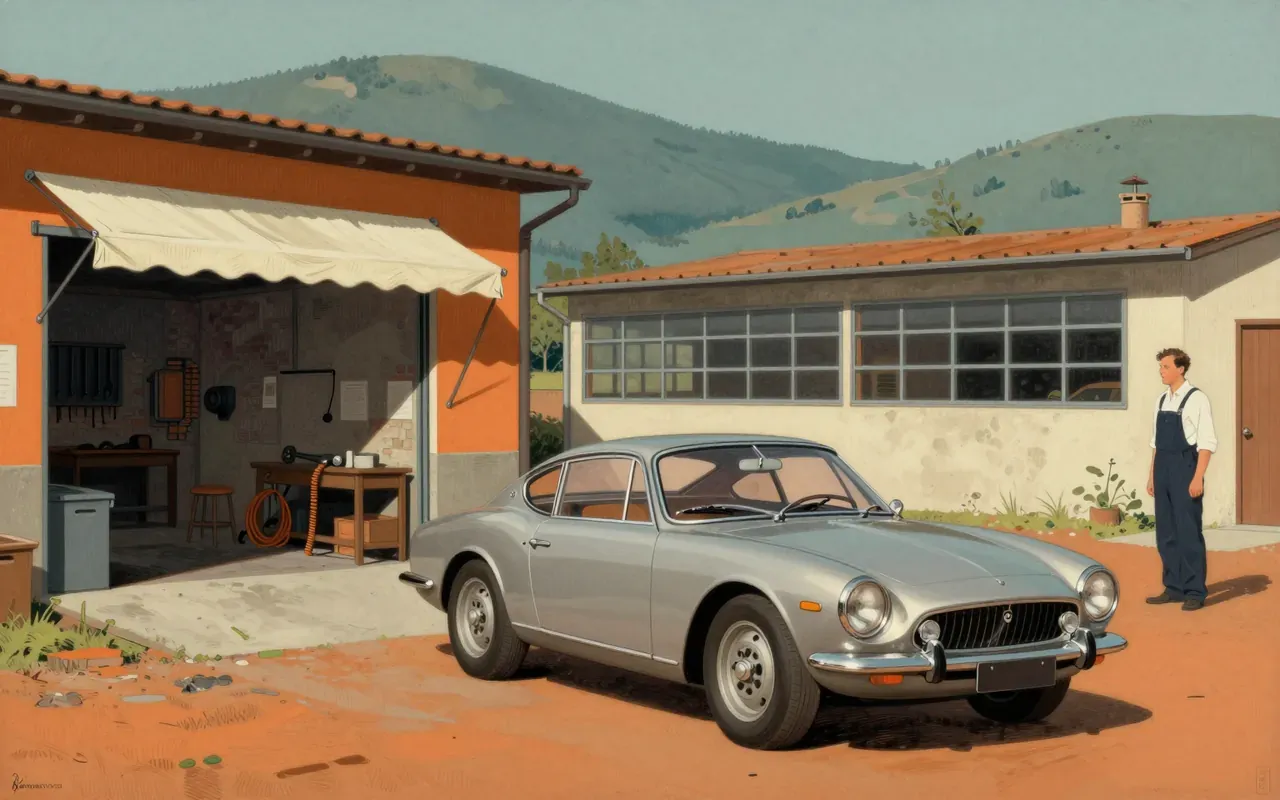
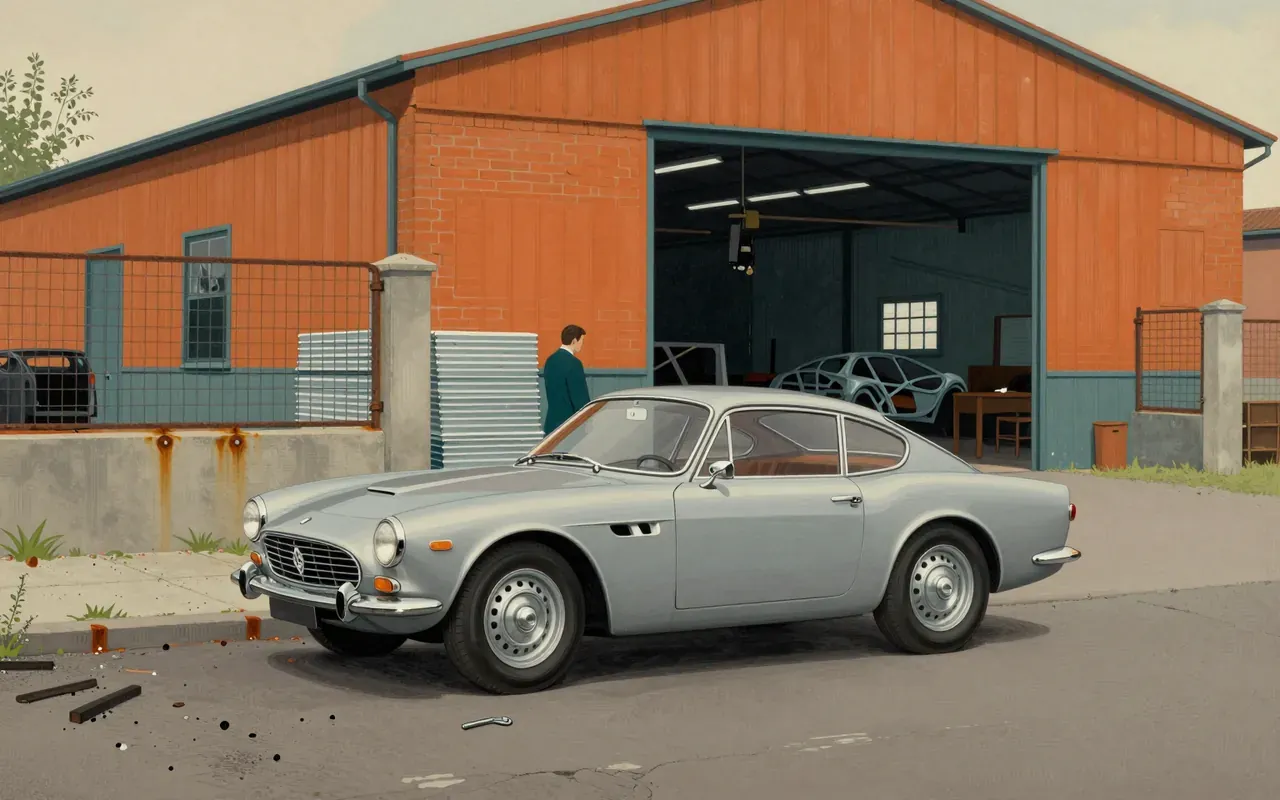
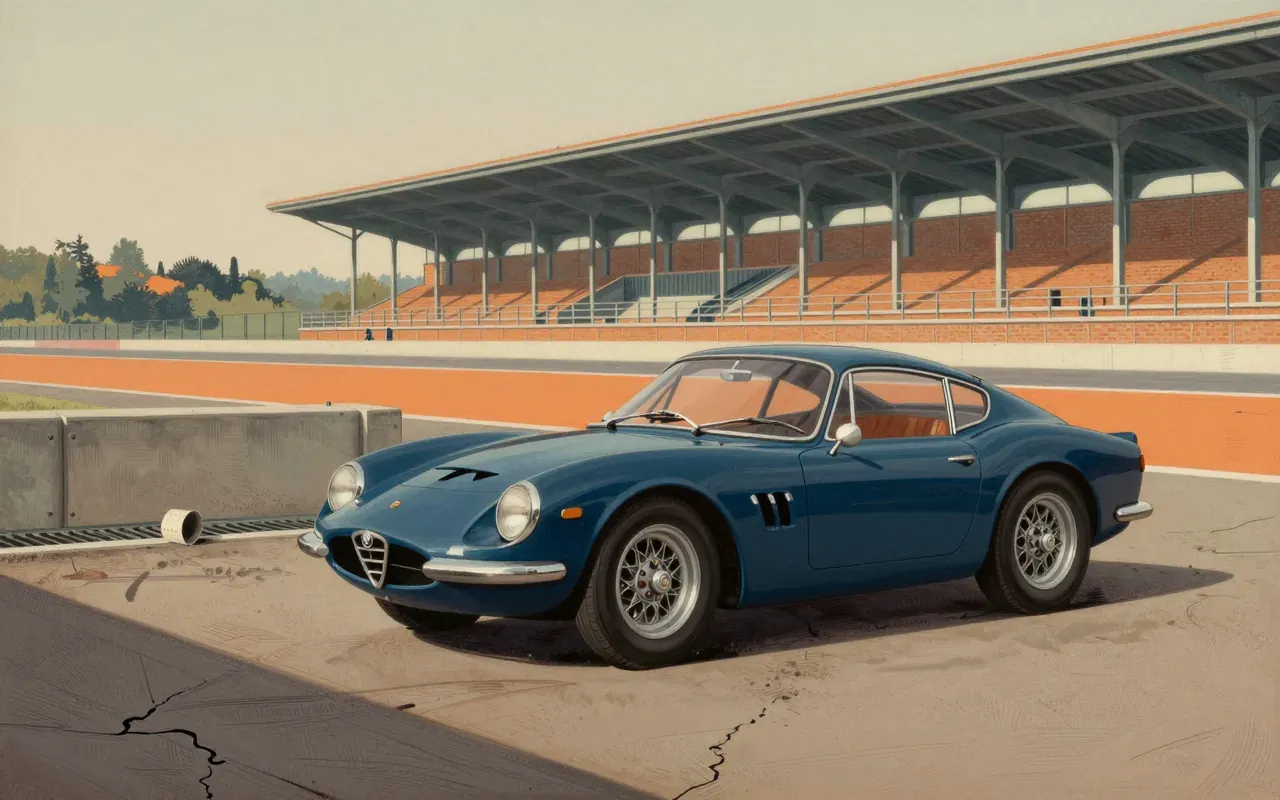
The TZ2 was shown at the 1964 Turin Auto Show on the Zagato stand. It swapped the TZ's light alloy body for a more streamlined fibreglass one and dropped the weight to 620 kg. It was a racing version only, with an Autodelta-prepared 1,570 cc twin plug engine, and 12 were built. Development of the TZ cars stopped at the end of 1965.
11:52

Ferrari 250 GT SWB

Pininfarina · 1959

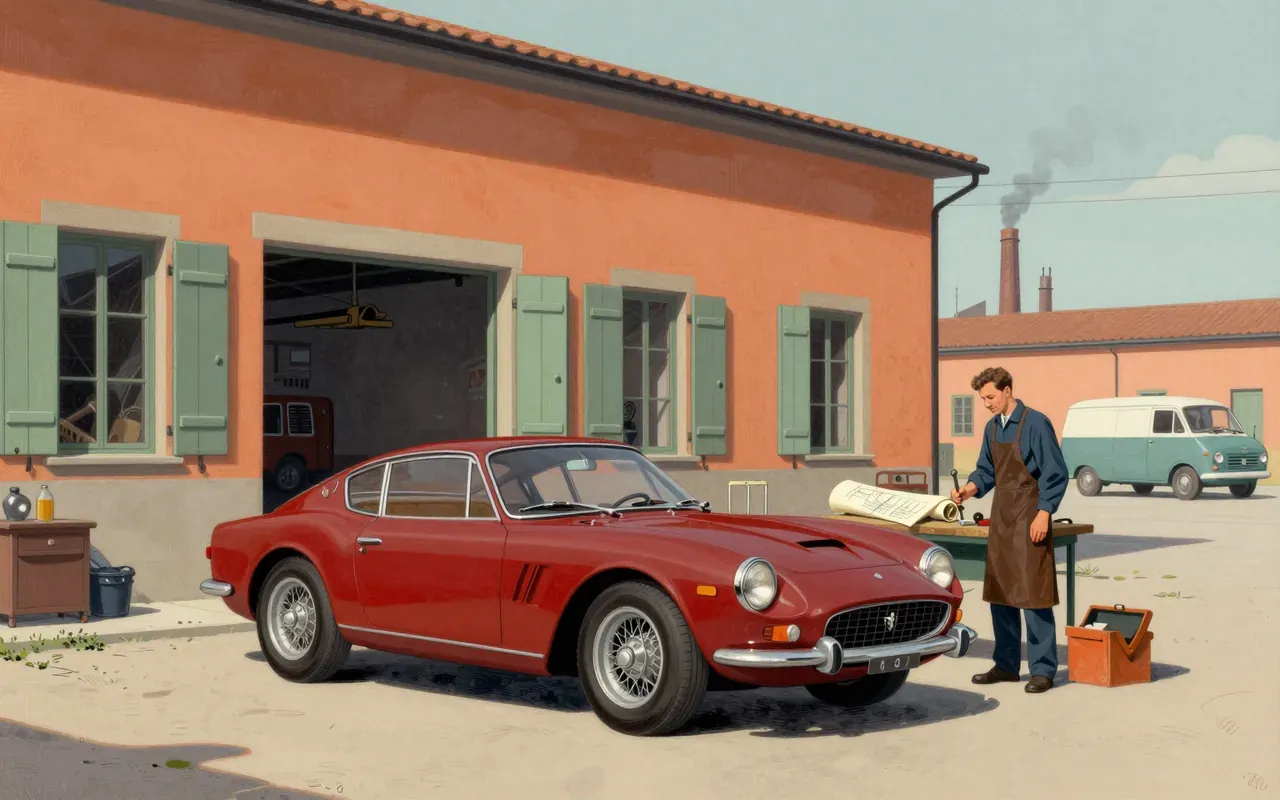
The 250 GT Berlinetta SWB is the 1959 Ferrari that shortened the 250 GT wheelbase from 2,600 mm to 2,400 mm for better handling. 176 were built, in road and racing trims, with 240 to 280 PS from the 3.0 L Colombo V12.

10:08

Ferrari 330 P4

Ferrari · 1967

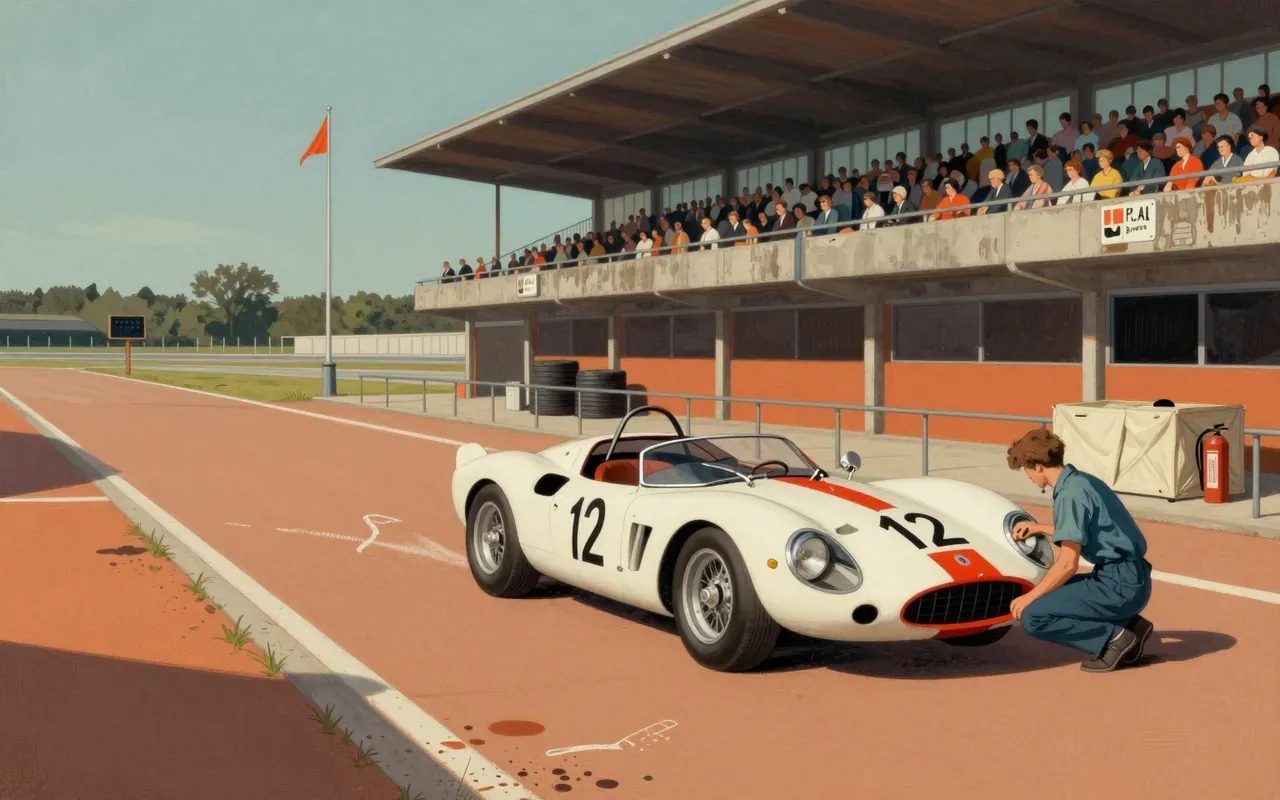
The 330 P4 was a mid-engined V12 endurance car that replaced the 330 P3 in 1967. It kept the P3's fuel injection, added a three-valve cylinder head and produced up to 450 hp. Only four P4-engined cars were made, and it won Monza in 1967.

9:59

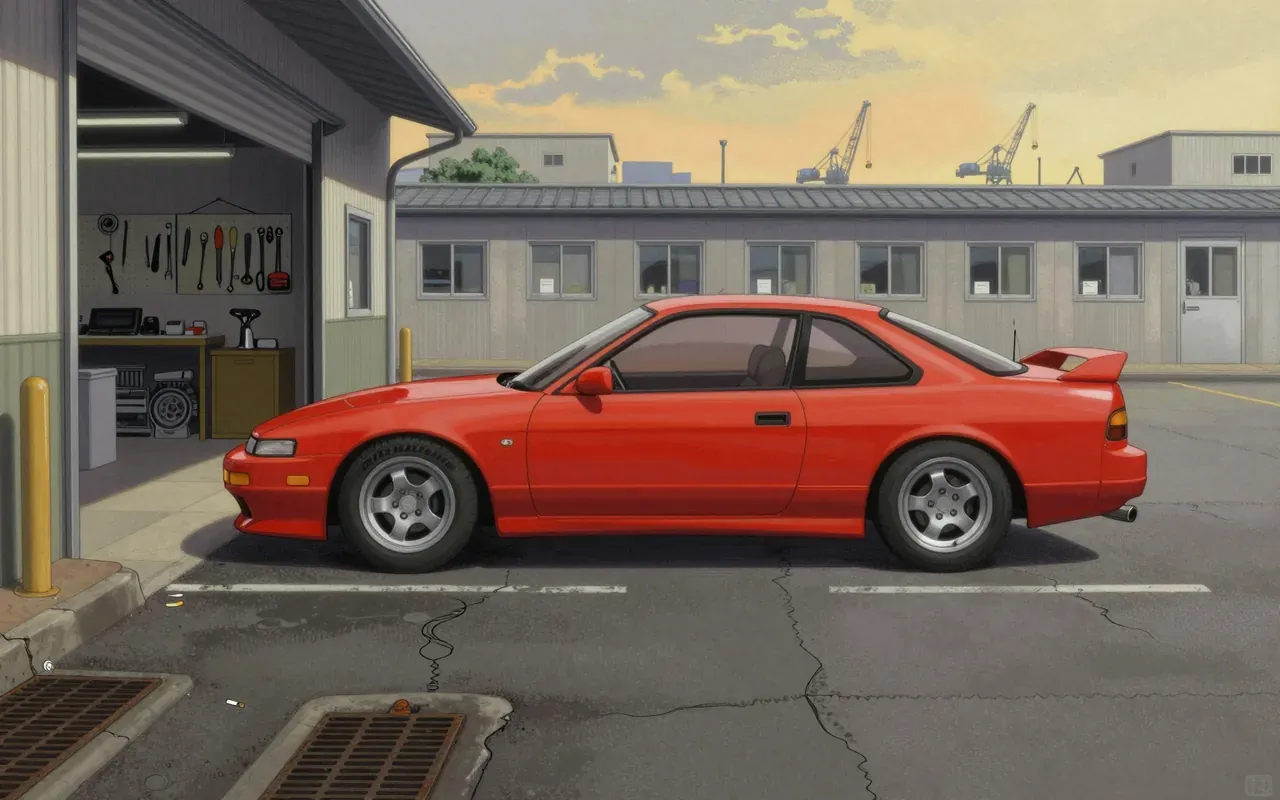
Nissan Silvia S13

Nissan Design · 1988

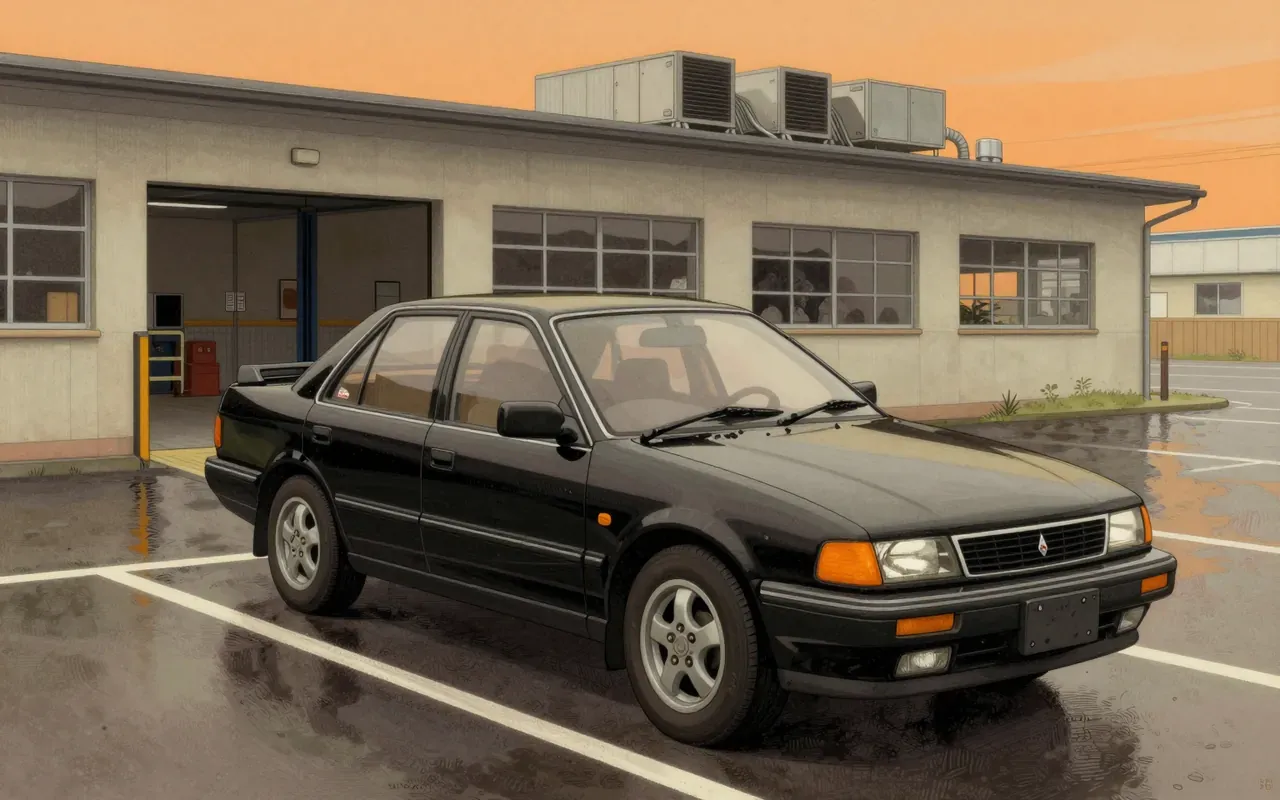
The S13 Silvia went on sale in Japan in May 1988 and won the Car of the Year Japan award in its first year. It paired a multi-link rear suspension with the HICAS four-wheel steering system, moved from the CA18 turbo four to the SR20 in 1991, and was built as a coupé until 1993. Its hatchback sister, the 180SX, carried the platform abroad as the 200SX and 240SX.

9:35

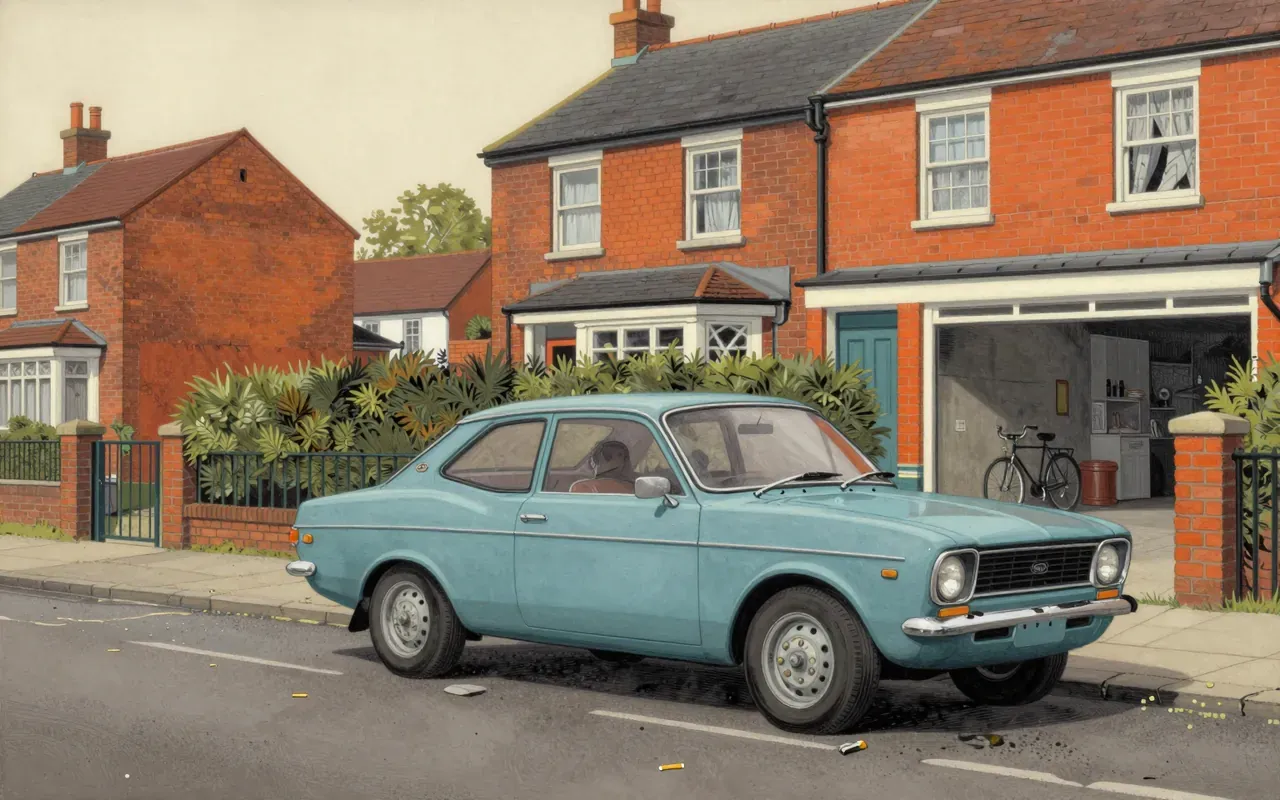
Ford Escort RS1600

Ford · 1970

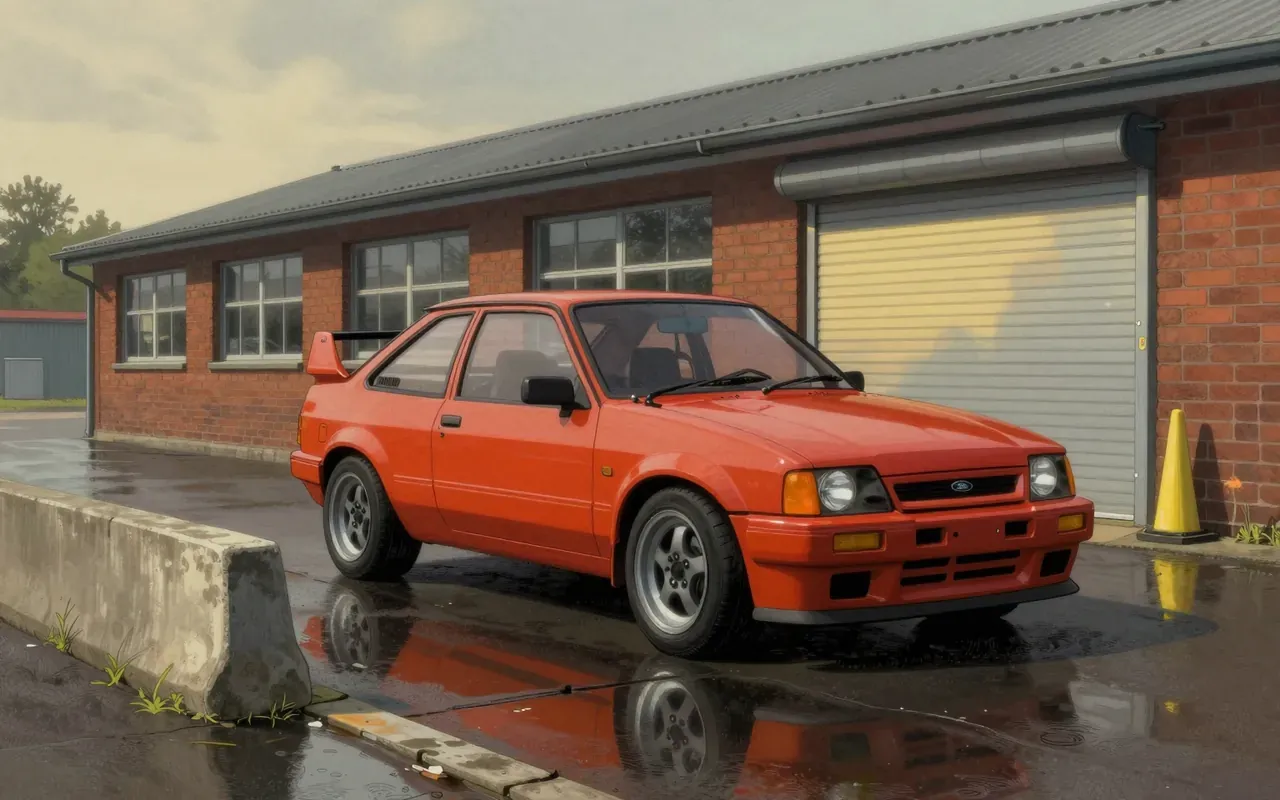
The Escort RS1600 was a performance version of the Mark I Escort, with RS standing for Rallye Sport. It used a 1,601 cc Cosworth BDA engine with a 16-valve head, a strengthened bodyshell and sports suspension, and was built at Ford's Aveley plant in South Essex.

10:06

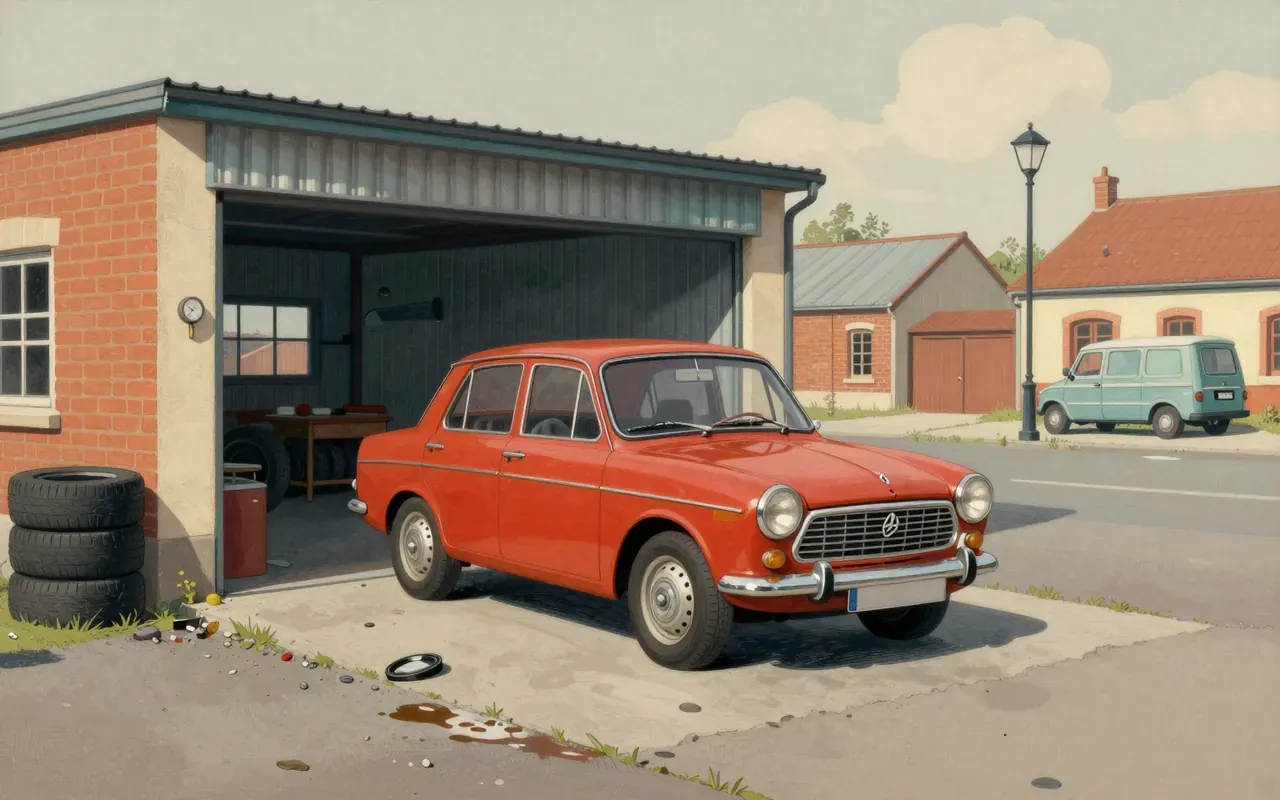
Renault 8 Gordini

Philippe Charbonneaux · 1964

The Renault 8 Gordini, model R1134, arrived in 1964 as the tuned version of Renault's rear-engine saloon, with a 1108 cc engine rated at 90 PS, a four-speed close-ratio gearbox and a blue livery with two white stripes. A 1967 facelift brought a 1255 cc engine and 100 PS.

10:12

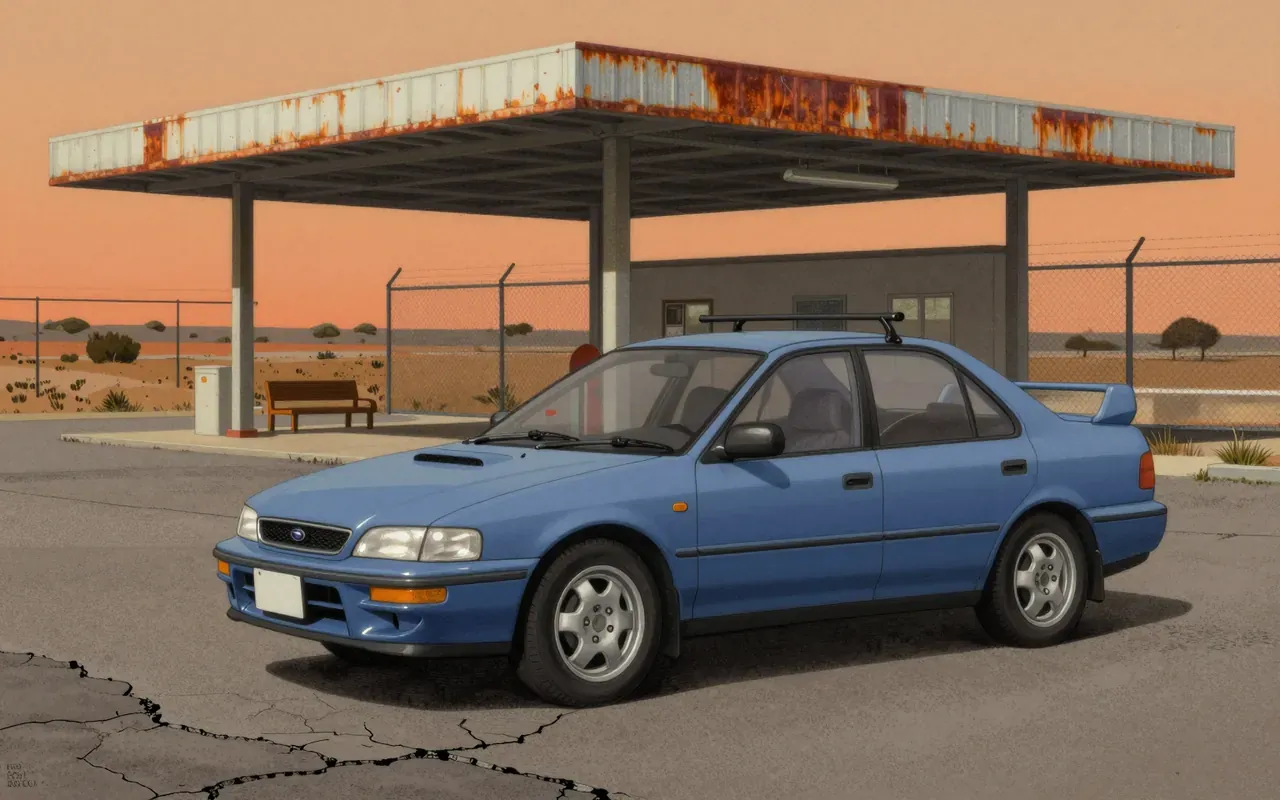
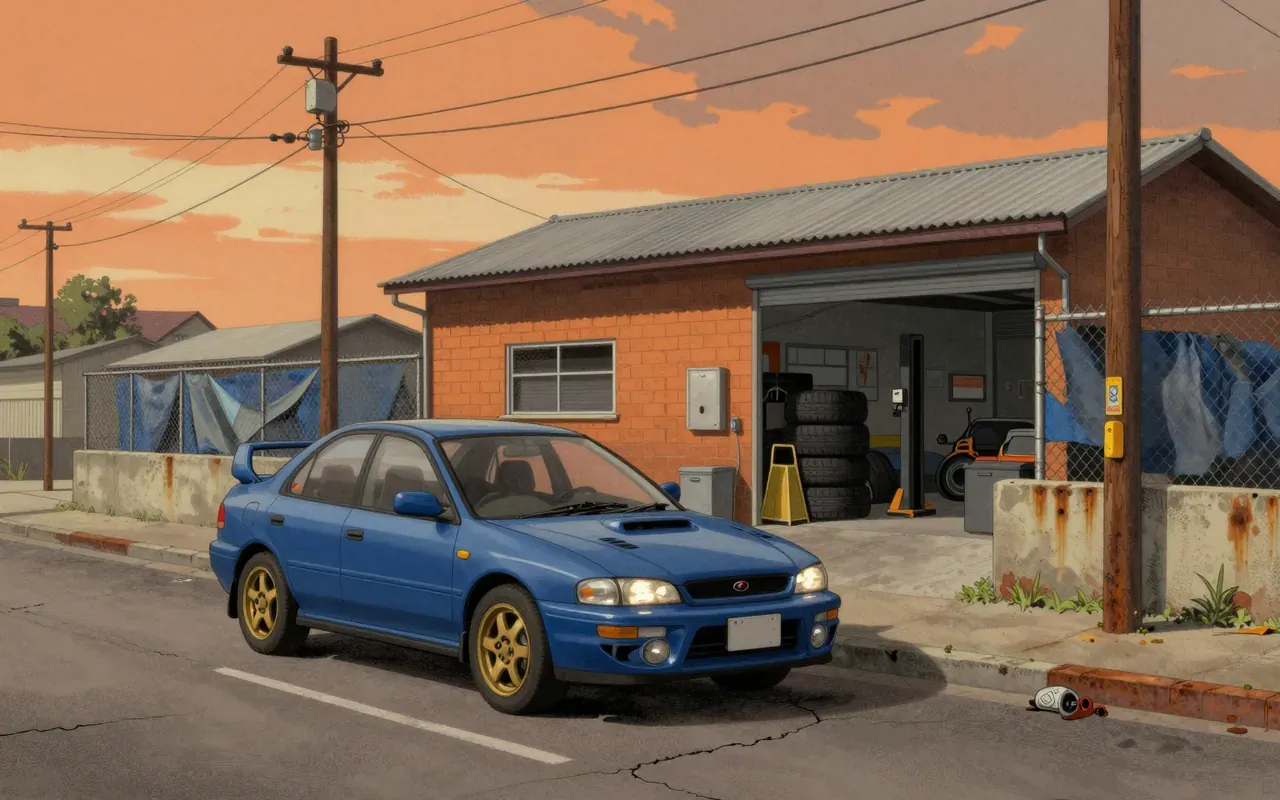
Subaru Impreza 555

Subaru · 1993

The Impreza 555 is the Prodrive-developed Group A rally car that Subaru's World Rally Team debuted at Rally Finland in 1993. Driven by Colin McRae and Carlos Sainz in 1995, it won the team its first manufacturers' title and gave McRae the drivers' championship; the Impreza went on to win the 1996 and 1997 manufacturers' titles too.

9:48

Subaru Impreza WRX STI

Subaru · 1994

The Subaru Impreza WRX STI is the high-performance version of the turbocharged, all-wheel drive Impreza WRX, developed by Subaru Tecnica International, the company's motorsport arm. The first STi went on sale in 1994 as a homologation model for the World Rally Championship and was refined through six Versions, a lightweight Type RA and the widebody 22B. From 2015 the WRX and WRX STI left the Impreza name behind.

12:37

Toyota Celica GT-Four ST185

Toyota · 1989

The ST185 is the second generation of the Celica GT-Four, built from September 1989 to September 1993 as the road-going base for Toyota's WRC cars. It carries a turbocharged 3S-GTE engine and a full-time 4WD system, and the homologation GT-Four RC followed in 1991. In rallying it won the Drivers' Championship in 1992, and the Manufacturers' and Drivers' titles in 1993 and 1994.

9:58

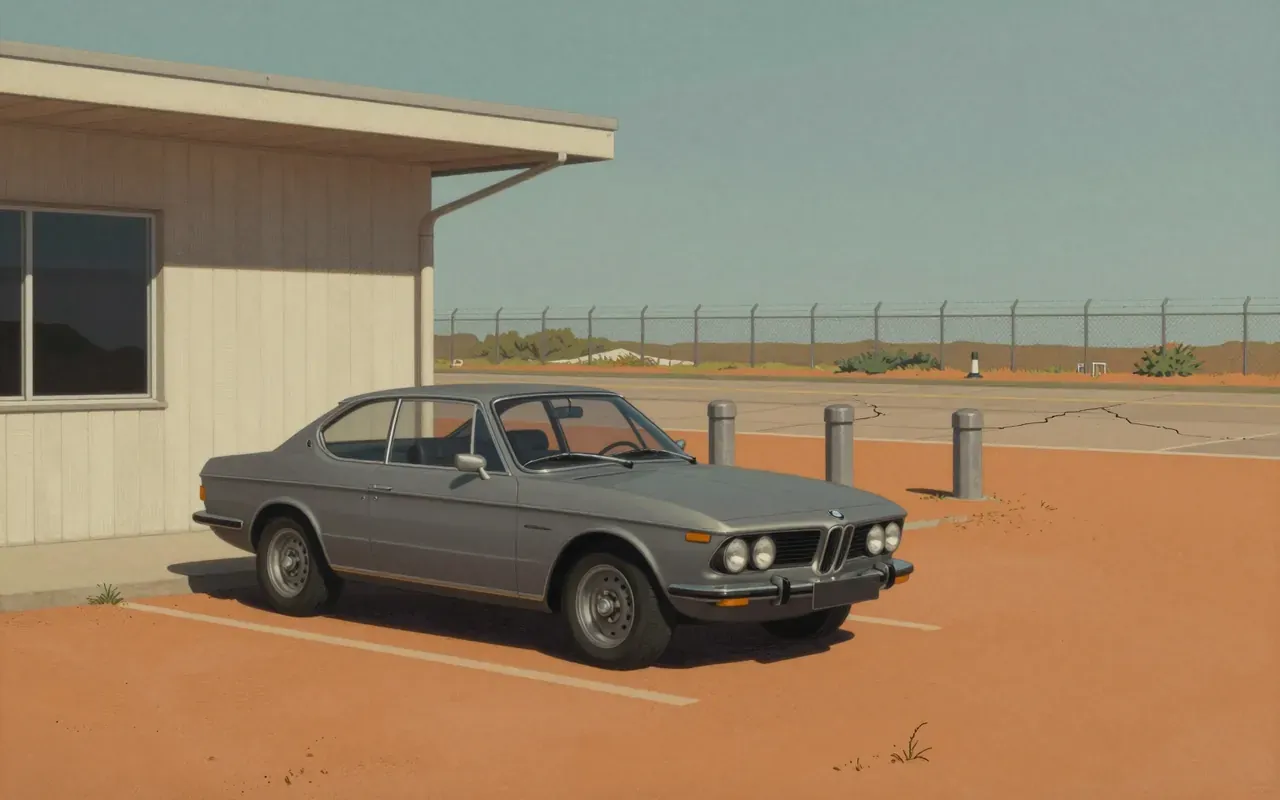
BMW 3.0 CSL

BMW · 1972

The BMW 3.0 CSL was the homologation special of the E9 coupé range: a lighter six-cylinder car built to make BMW eligible for the European Touring Car Championship. Its winged racing form earned the nickname Batmobile.

9:30

Bugatti Type 57SC Atlantic

Jean Bugatti · 1936

The Atlantic was one of the best-known bodies on the Bugatti Type 57S and 57SC. It was based on Jean Bugatti's 1935 Aérolithe concept, and the dorsal seam that began as a riveting method became its signature.

10:40

Facel Vega HK500

Jean Daninos · 1959

The HK500 was introduced for 1959 as a renamed and upgraded FVS from the French maker Facel. It started with the 5.8 L Chrysler V8 and soon moved to a 6.3 L unit rated at 360 hp, good for 237 km/h. The Facel Vega II replaced it in 1962 after 489 were built.

8:29

Nissan Skyline GT-R KPGC10

Shinichiro Sakurai · 1970

The KPGC10 is the two-door hardtop coupé version of the first Skyline GT-R, added in October 1970 to the four-door PGC10 that launched in 1969. It carried the same 2.0 L S20 four-valve inline-six, sat on a wheelbase 70 mm shorter, and was built in 1,197 units until 1972. Together with the PGC10 it won 49 consecutive Japanese touring car races.

10:00

Peugeot 205 T16 Evo 2

Peugeot Talbot Sport · 1985

The Peugeot 205 Turbo 16 is the Group B rally car Peugeot Talbot Sport built on the two-door 205, with a rear-mid turbocharged engine and four-wheel drive. The Evolution 2 version arrived for the 1986 season and used a rear spaceframe made entirely of tubes. Factory cars under Jean Todt won the 1985 and 1986 world rally titles.

9:06

Nissan Pulsar GTI-R

Nissan · 1990

The Nissan Pulsar GTI-R was a homologation special, a road-going version of the N14 hatchback sold as a Pulsar in Japan and a Sunny in Europe. It paired a turbocharged 2.0-litre SR20DET with ATTESA all-wheel drive. The works rally programme never won a Group A round, but the car did well in production-class rallying.

9:50

Auto Union

Ferdinand Porsche · 1932

The Auto Union racing cars (Types A–D) were state-funded, rear mid-engine Grand Prix machines built from 1934 to 1939. Ferdinand Porsche designed the foundational P-Wagen Project, which Auto Union acquired in 1932. Their central fuel tank, forward driver position, and supercharged engines delivering up to 550 hp defined pre-war racing engineering — and established solutions still used in modern open-wheel cars.

9:12

Shelby Mustang GT350

Ford · 1965

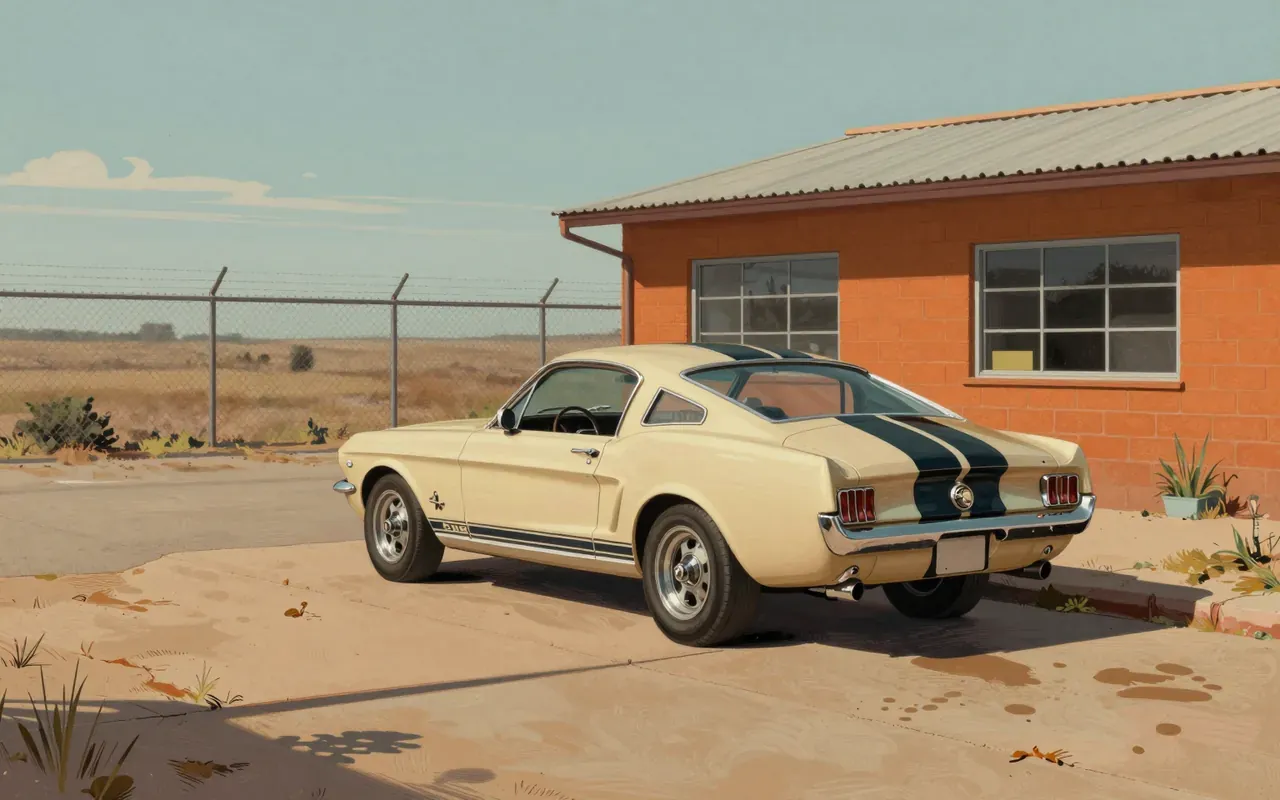
The 1965 Shelby Mustang GT350 is a race-focused fastback built by Shelby American. It uses a modified 289 cu in V8. It wins SCCA B-Production for three years. It abandons comfort entirely. After 1967, Shelby’s involvement ends and Ford reduces later models to styling upgrades.

11:26

Lancia Fulvia

Piero Castagnero · 1965

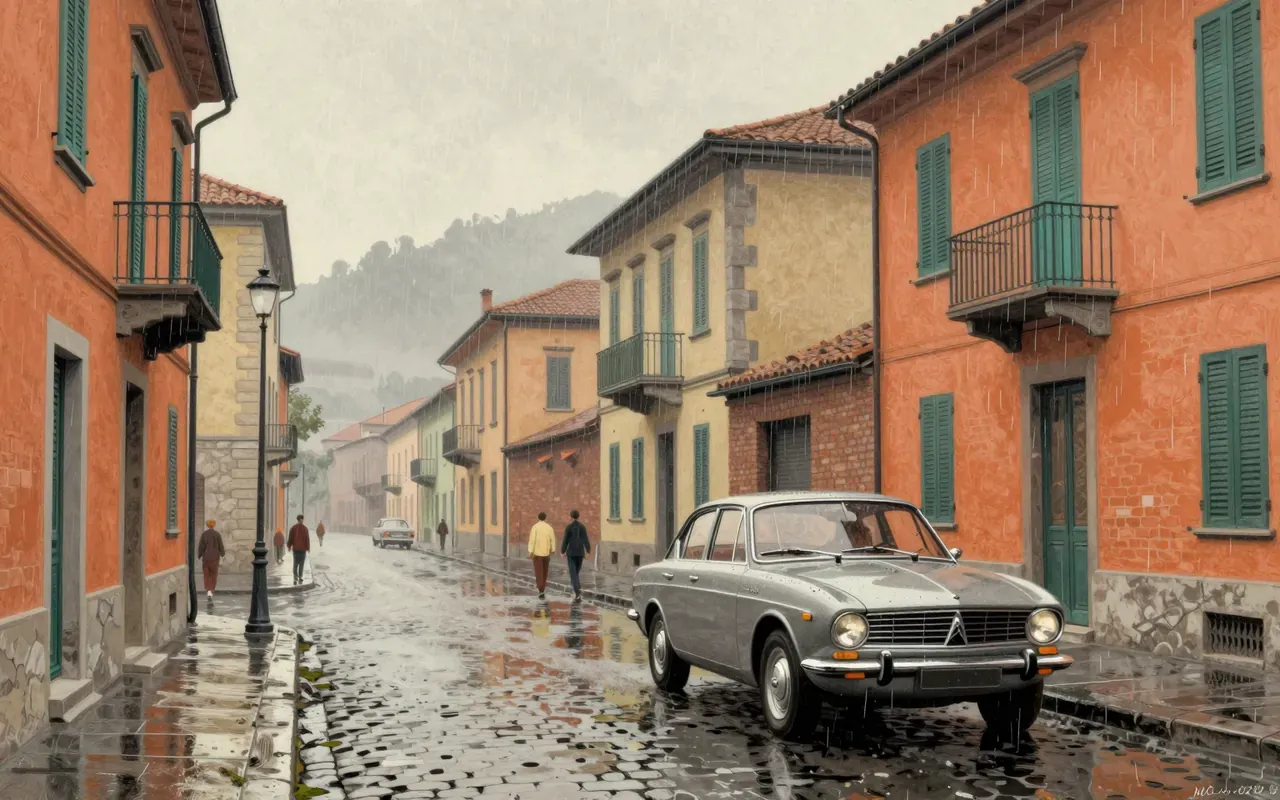
The Lancia Fulvia Coupé is a 1965 front-wheel-drive compact sports saloon designed by Piero Castagnero. It was built alongside the Antonio Fessia–designed Berlina, sharing no components with the outgoing Appia. It launched as part of a three-variant line — Berlina, Coupé, and Zagato Sport — all named after the Via Fulvia and debuted at the 1963 Geneva Motor Show.

10:28

Chevrolet Corvette (C5)

John Cafaro · 1997

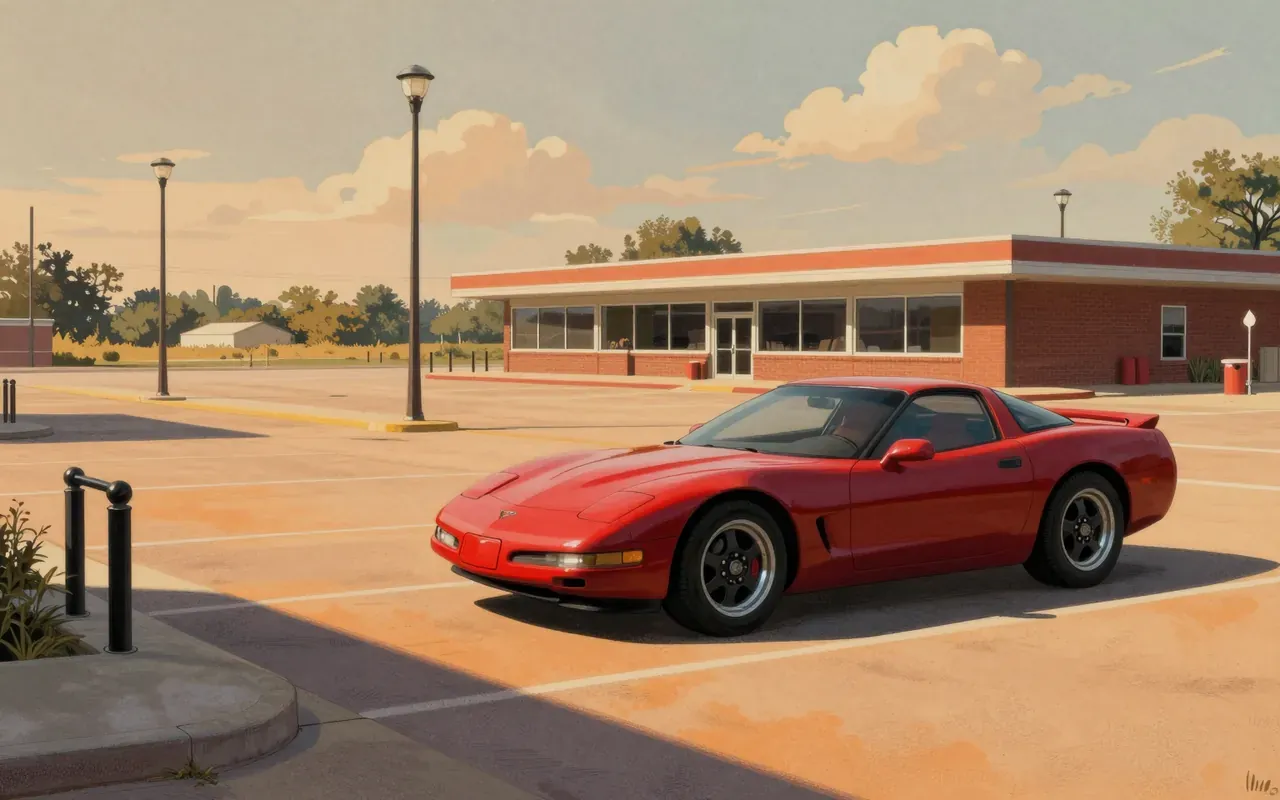
The Chevrolet Corvette (C5) is the fifth-generation Corvette sports car, produced from 1997 to 2004. It introduced a hydroformed box frame, rear-mounted transaxle, and the all-aluminium LS1 engine — the first GM vehicle with third-generation LS engines. It was the last Corvette with pop-up headlights. The Z06 variant launched in 2001. The C5-R racing variant won the 24 Hours of Daytona and 24 Hours of Le Mans in the GTS/GT1 class.

8:30

Ferrari F50

Lorenzo Ramaciotti · 1995

The Ferrari F50 is a 1995–1997 limited-run targa-top supercar. Its 4.7 L V12 came from Formula One. Its shape grew from the 1989 Mythos concept and borrowed F1 front-end cues. It uses a rear mid-engine, rear-wheel-drive layout. Only 349 were built.

10:42

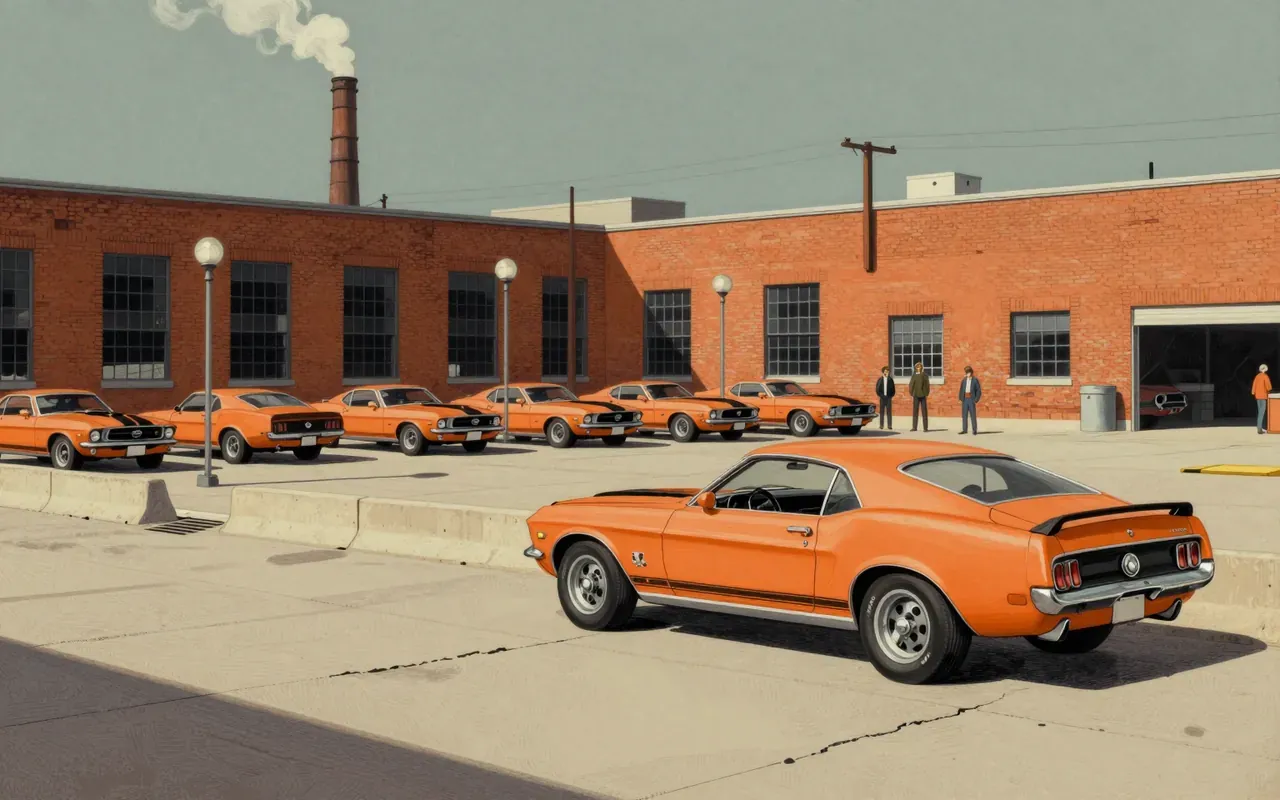
Boss 429 Mustang

Larry Shinoda · 1969

The Boss 429 Mustang is a 1969–1970 homologation special built solely to qualify Ford’s semi-hemispherical 429 cu in V8 for NASCAR. Its engine was too wide for the Mustang’s engine bay—requiring Kar Kraft to widen the front end. Priced at nearly $5,000 and limited to 1,359 units, it sacrificed usability, cost, and serviceability for one purpose: counting toward NASCAR’s 500-car rule. Larry Shinoda, who named the Boss line as a homage to Bunkie Knudsen, did not design this car—but its existence follows directly from the logic he established with the Boss 302.

8:32

Lotus Exige

Russell Carr · 2000

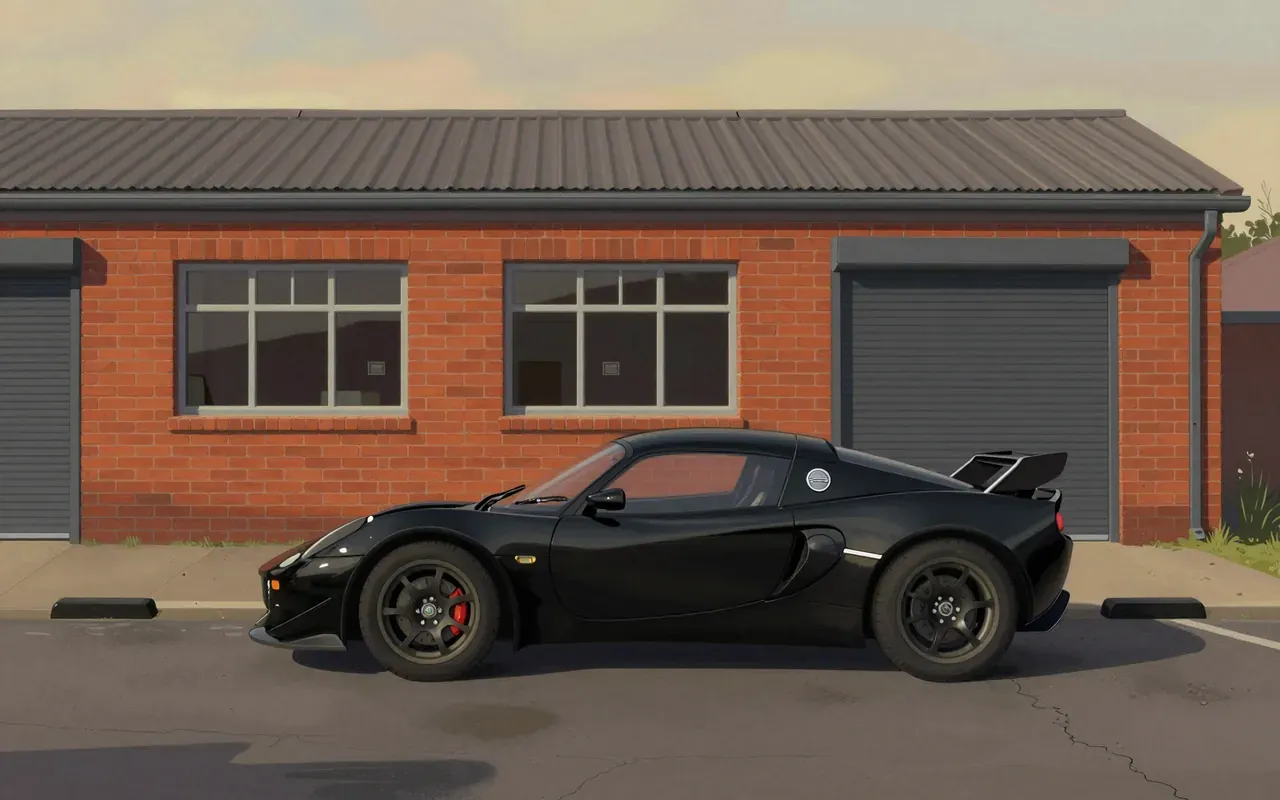
The Lotus Exige is a British sports car produced from 2000 to 2021. It began as a hardtop coupé derivative of the Elise roadster. Its name means 'demand' or 'require' in French. The original 2000 model used a naturally aspirated 1.8 L Rover K-Series inline-four. Series 2 (2004) switched to a naturally aspirated 1.8 L Toyota/Yamaha 2ZZ-GE. Series 3 (2012) adopted a supercharged 3.5 L V6 from the Evora S. All generations featured mid-engine, rear-wheel-drive layout, non-removable hardtop, kamm-tail rear bodywork, and a pylon-mounted rear wing.

9:17

Mercedes-Benz CLK LM

AMG · 1998

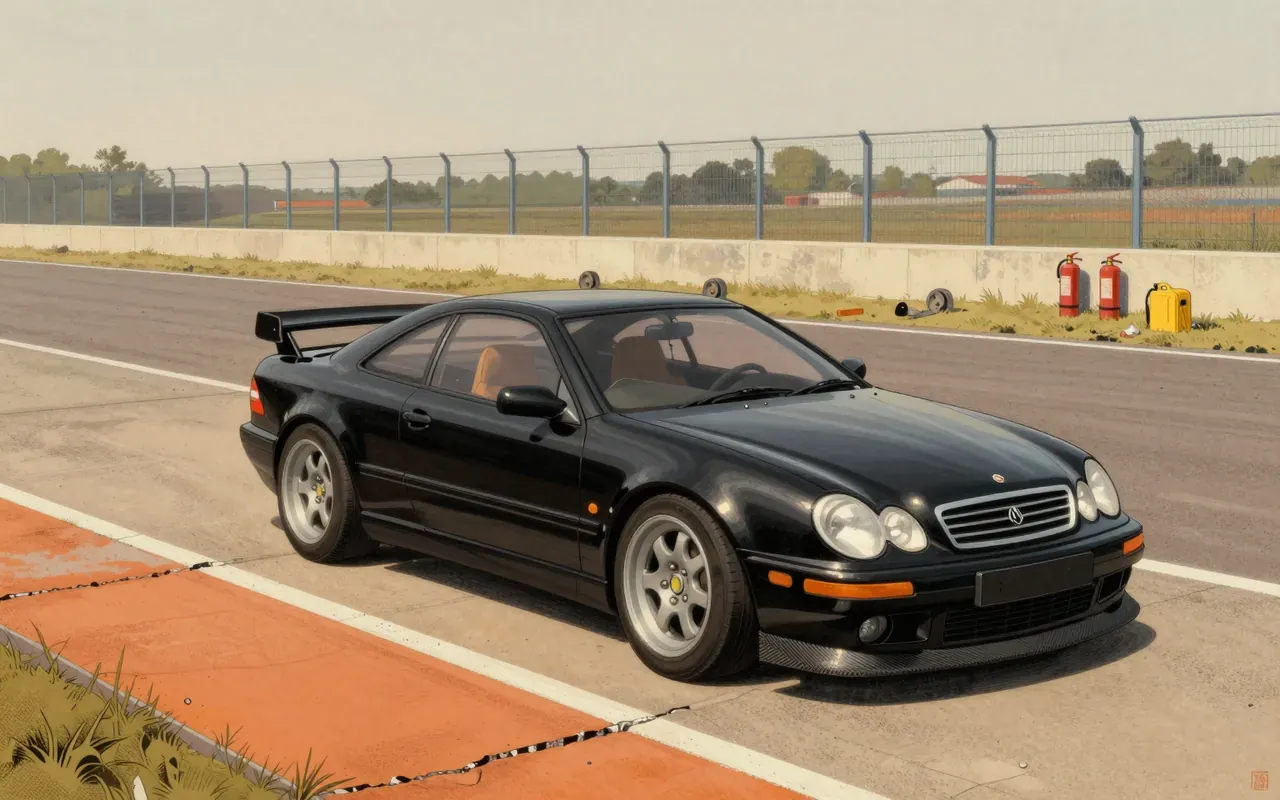
The Mercedes-Benz CLK LM is a 1998 Group GT1 racing car built by Mercedes-Benz and AMG to win the FIA GT Championship. It uses a naturally aspirated M119 V8 with a flat-plane crankshaft, replacing the CLK GTR’s V12. Two road-legal CLK LM Straßenversion chassis were built for homologation — one destroyed in crash testing. It won every 1998 FIA GT race but retired from the non-championship 1998 24 Hours of Le Mans. Five chassis were built in total: three race, two road-legal. Mercedes ended its GT1 programme after 1998 when the FIA removed the GT1 class.

11:53

Mercedes-Benz 300 SL

Friedrich Geiger · 1954

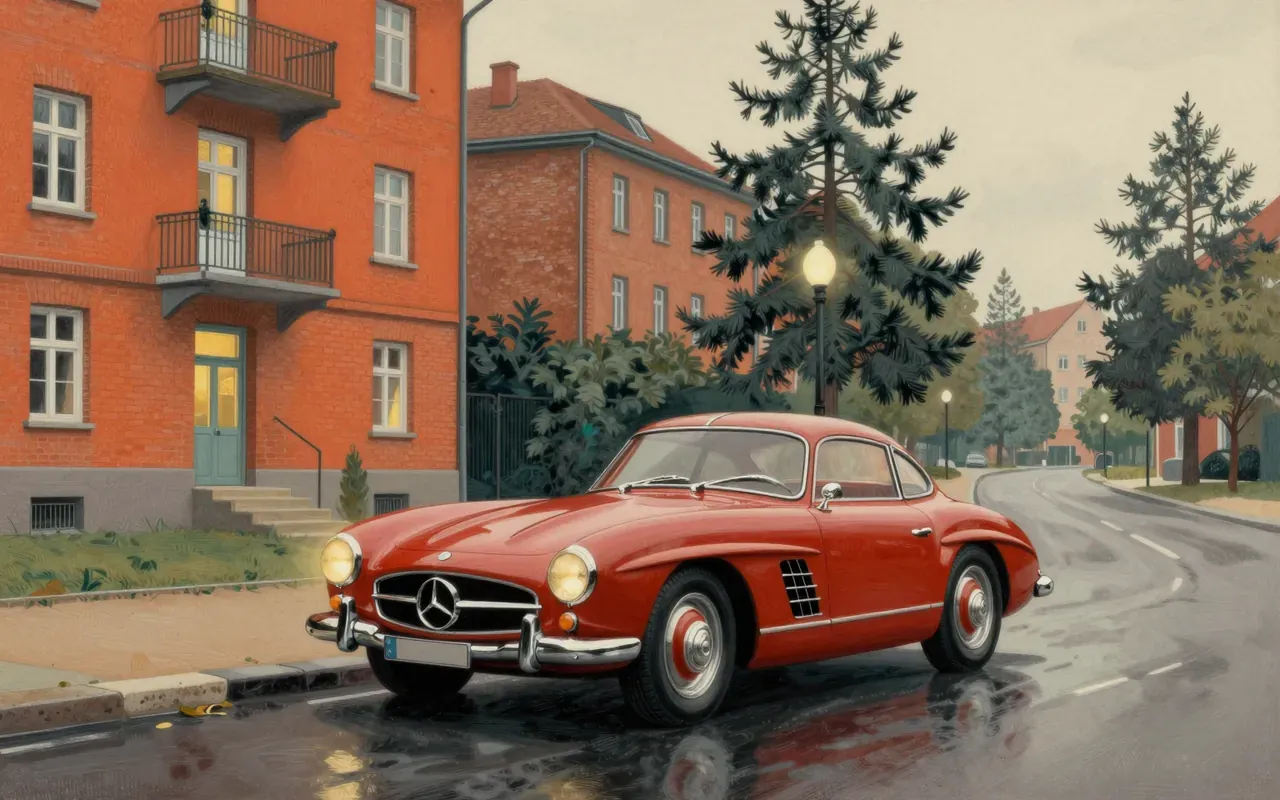
The Mercedes-Benz 300 SL (W198) is a two-seat sports car produced from 1954 to 1957 as a gullwing coupé and from 1957 to 1963 as a roadster. Developed from the 1952 W194 racing car, it introduced mechanical direct gasoline fuel injection to production vehicles, achieved 260 km/h — the highest speed of any production car at the time — and featured groundbreaking gullwing doors and a lightweight tubular-frame construction. Its ‘L’ stands for ‘leicht’, meaning light, reflecting its racing-bred minimalism. Max Hoffman proposed the car to Mercedes-Benz after the 1952 racing successes, and Fritz Konecke approved an order for 1,000 units ahead of its February 1954 debut at the New York Auto Show.

9:39

Mercedes-Benz CLK GTR

Gerhard Leiska · 1997

The CLK GTR is a 1997 Mercedes-Benz and AMG GT1 homologation special built for the FIA GT Championship. It uses a Lola Composites carbon-fibre monocoque and a modified M120 V12 engine. Road-car production was secondary to racing eligibility. Twenty-eight units were built between 1997 and 1999.

10:06

Peugeot 905

Gérard Welter · 1990

The Peugeot 905 is a sports-prototype racing car built by Peugeot Talbot Sport. It was developed for the 1991 World Sportscar Championship’s F1-inspired regulations. It debuted in the final two races of the 1990 season. It won nine of 17 races, including Le Mans in 1992 and 1993 (905B), and secured both driver’s and team’s titles in the 1992 championship. It features a carbon-fibre monocoque and a 3499 cc naturally aspirated V10. It has no documented connection to Gérard Welter’s Welter Racing.

9:18

Peugeot 9X8

Matthias Hossann · 2022

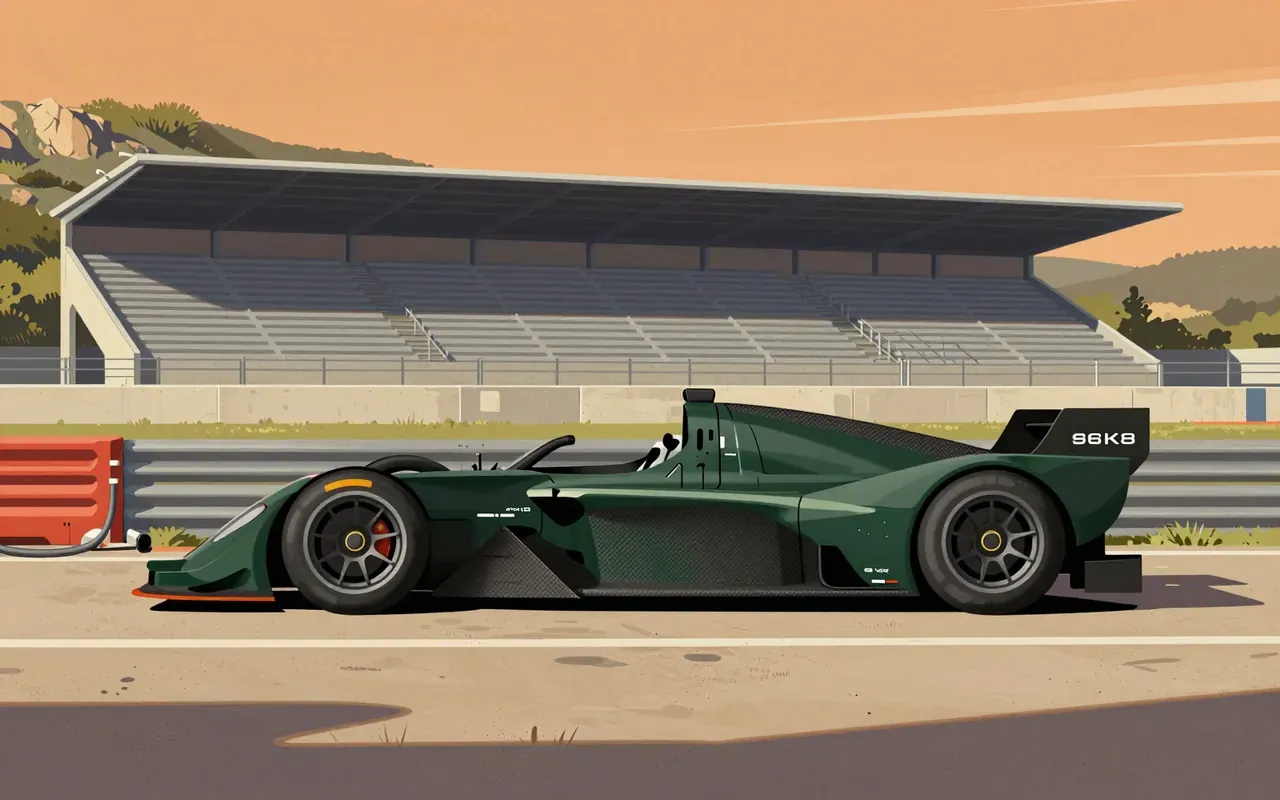
The Peugeot 9X8 is a Le Mans Hypercar-class sports prototype developed by Peugeot for the FIA World Endurance Championship. It marks their return to top-tier endurance racing after 11 years. It features a hybrid powertrain combining a twin-turbo 2.6-litre V6 engine with a front-axle electric motor. It was initially notable for its wingless aerodynamic design exploiting Hypercar regulation freedoms—though this concept was later revised with a rear wing and asymmetric tyre widths to improve competitiveness. The car debuted at the 2022 6 Hours of Monza and achieved its first podium in 2023 at Monza, followed by further podiums in 2024 and 2025.

8:57

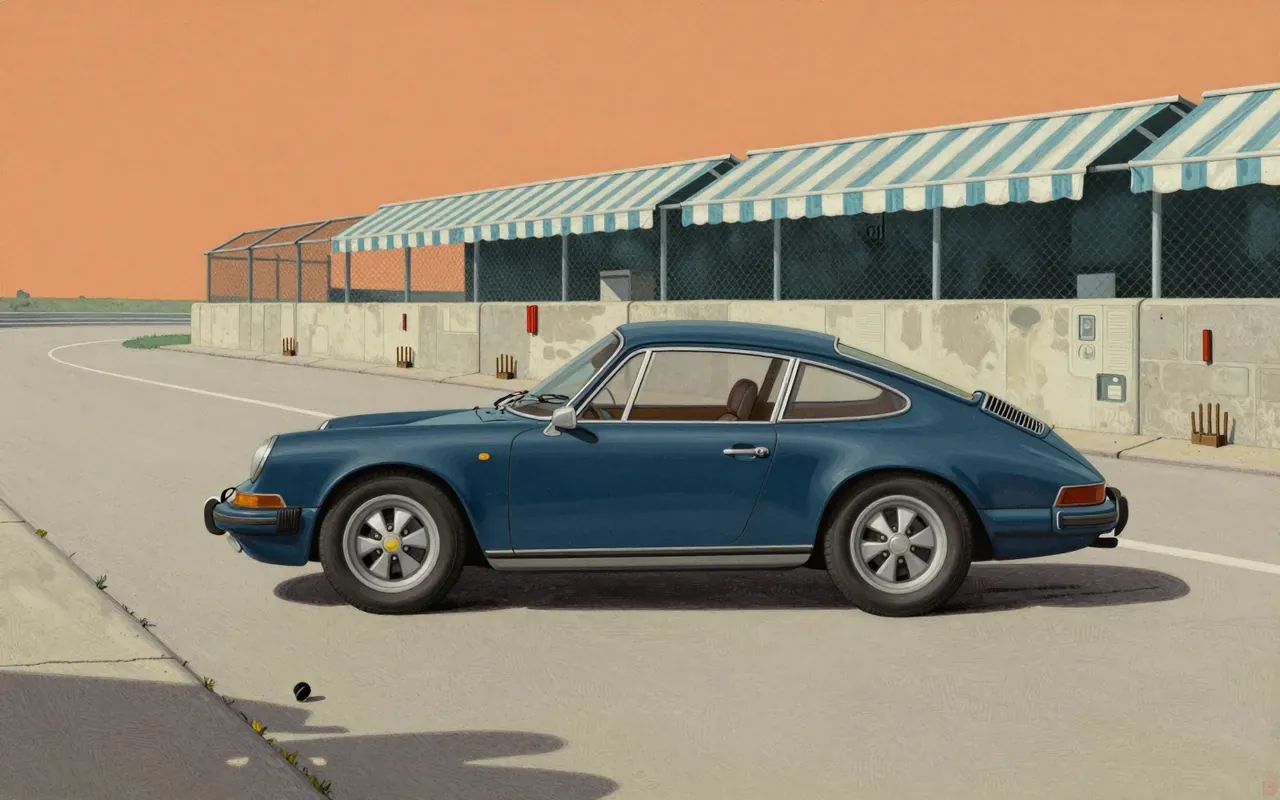
Porsche 550

Wilhelm Hild · 1953

The Porsche 550 is a mid-engine racing sports car built by Porsche from 1953 to 1956. Only 90 were made. It used an air-cooled 1.5 L flat-four engine with double overhead camshafts. It won consistently in its class across major races. Each unit was customised for racing.

10:16

Porsche 904 Carrera GTS

Ferdinand Alexander Porsche · 1964

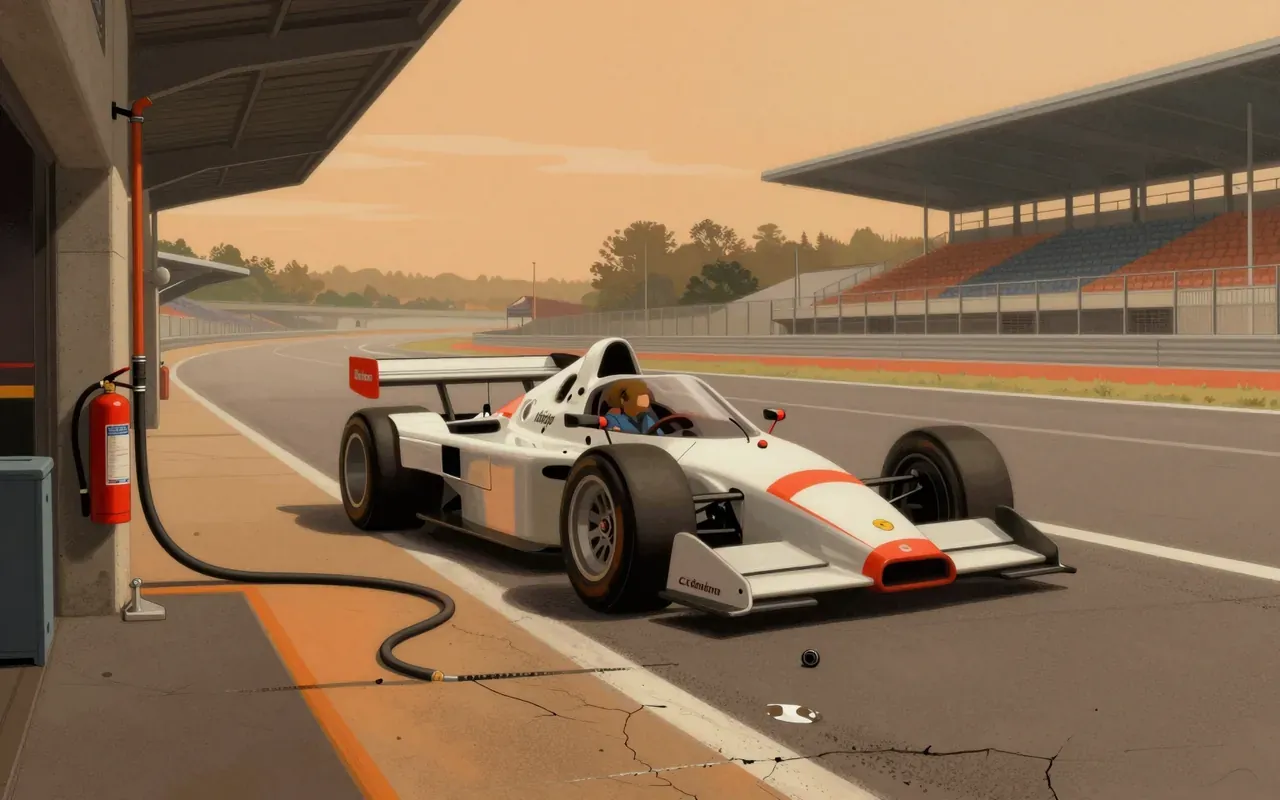
The Porsche 904 is a homologation-mandated, mid-engined GT sportscar built in Germany from 1963 to 1965. It was the first Porsche with a ladder chassis and bonded fibreglass body. Ferdinand Alexander Porsche designed it under extreme time pressure — and called it his favourite, most original work.
10:37

Porsche 906

Ferdinand Piëch · 1966

The Porsche 906 is a Group 4 Sports Car introduced in January 1966. Ferdinand Piëch headed Porsche’s development department during its creation. It weighed 580 kg. Its wind-tunnel-tested body reached 280 km/h at Le Mans. Sixty-five units were built to achieve homologation in May 1966. It used a modified 901 flat-six from the 911R. It featured gull-wing doors and a plexiglas engine cover.

9:02

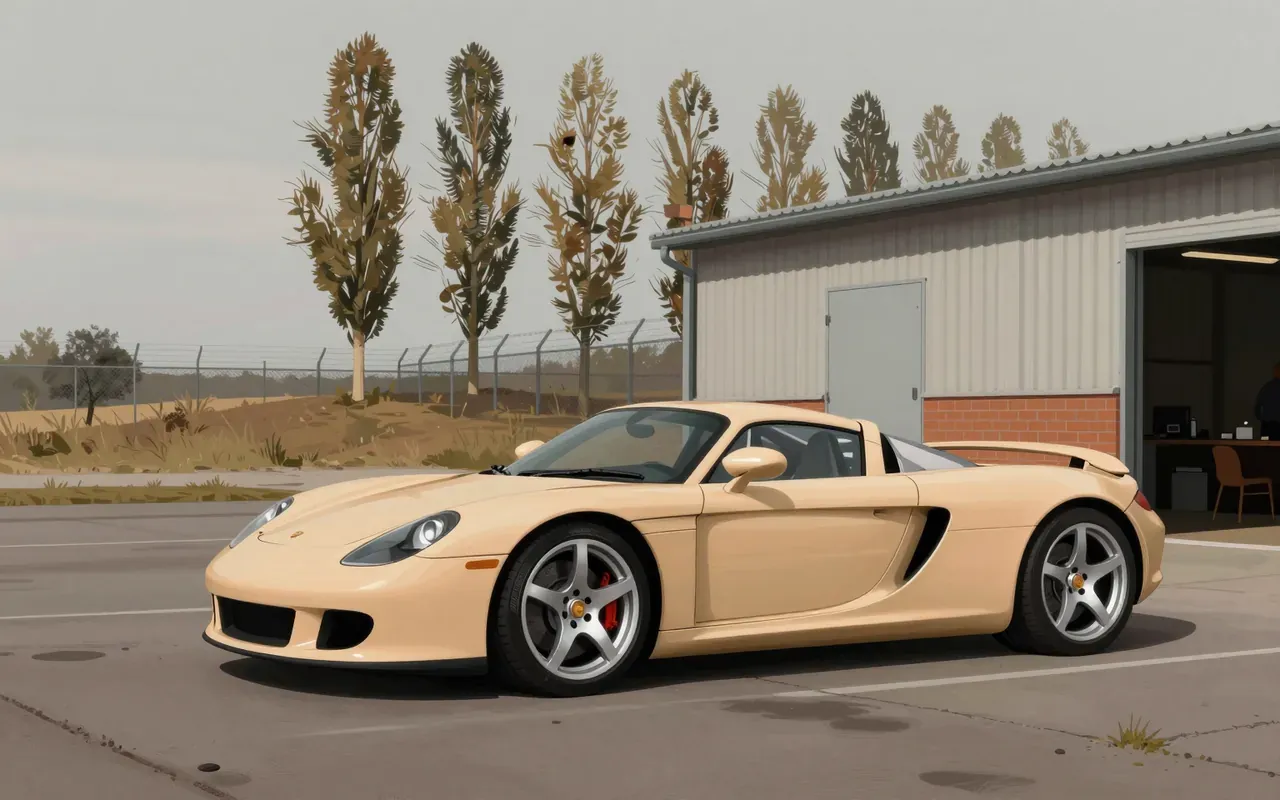
Porsche Carrera GT

Harm Lagaay · 2003

The Porsche Carrera GT is a mid-engine, rear-wheel-drive sports car manufactured by Porsche from 2003 to 2006. Its development traces back to the 911 GT1 and LMP1-98 racing cars. A concept version with a 5.5 L V10 debuted at the 2000 Paris Motor Show. Revenue from the Cayenne helped Porsche decide to produce a road-legal version in Leipzig. Production began in 2004 and ended on 6 May 2006 after 1,270 units were built. The production model uses a 5.7 L V10 engine producing 450 kW and accelerates from 0–60 mph in 3.5 seconds.

10:21

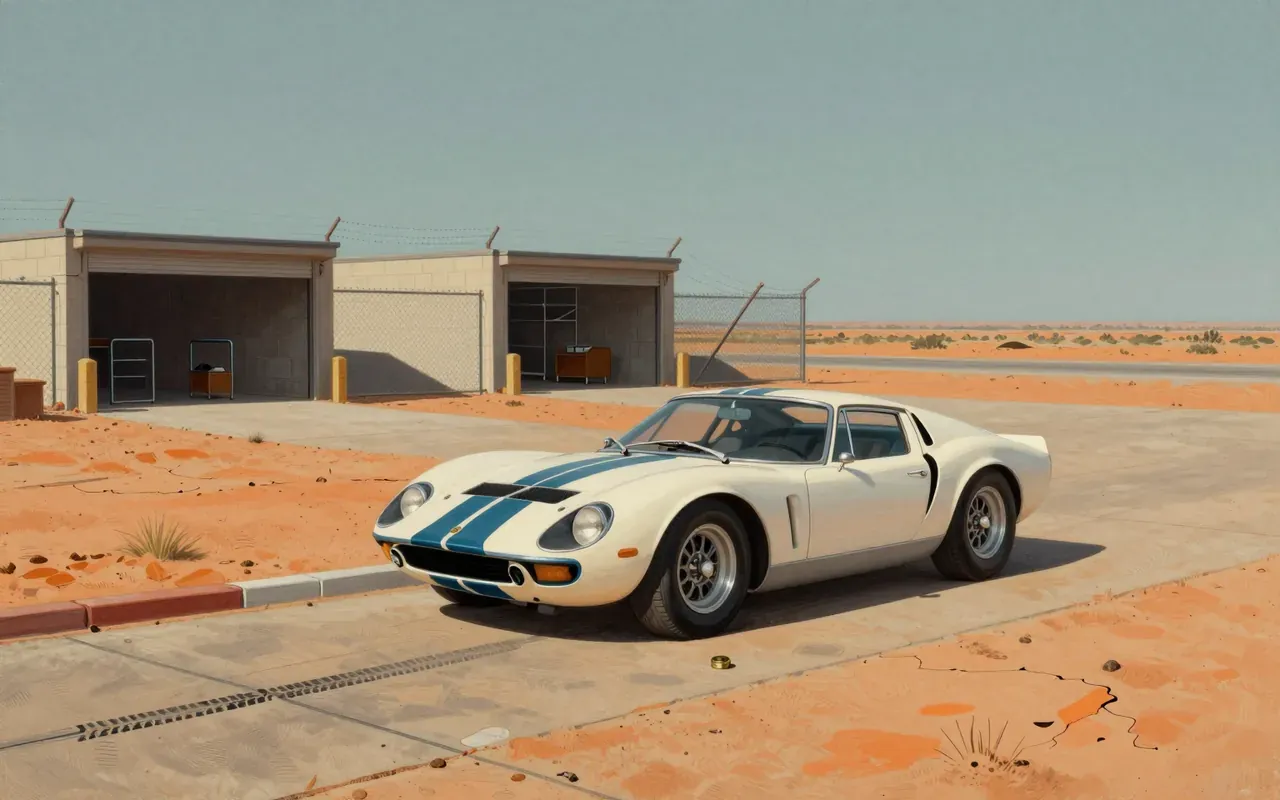
Shelby Daytona

Peter Brock · 1964

The Shelby Daytona is a closed-cockpit racing coupé derived from the Cobra roadster. Six were built between 1964 and 1965 to beat Ferrari’s 250 GTO in FIA GT-class racing. It won the 1965 International Championship for GT Manufacturers — the first American constructor to win an FIA World Championship title. Its aerodynamic body solved high-speed drag issues inherent in open-cockpit Cobras. It was not built for road use. It changed how GT racers approached bodywork — proving that focused evolution, not clean-sheet design, could deliver world-title success.

9:11

Chevrolet Corvette (C4)

Jerry Palmer · 1984

The C4 redefined the Corvette as a structurally coherent, driver-focused machine—not through power, but through chassis discipline. Its legacy rests on endurance records, not lap times. Its sole 1983 survivor is a museum artifact, not a driver’s car. It is the first Corvette that feels engineered, not assembled.

10:14

Porsche 911 GT1

Porsche Motorsport · 1996

The Porsche 911 GT1 is a race car disguised as a 911. It uses 993 front structure and 962C rear architecture. It won Le Mans in 1998 — then Porsche withdrew from factory racing for 16 years.

10:00

Toyota GT-One

André de Cortanze · 1998

The Toyota GT-One (TS020) is a Le Mans-specific racing car designed by André de Cortanze for Toyota Team Europe. It ran under Group GT1 and later LMGTP regulations in 1998 and 1999. Seven chassis were built. Two road-legal versions satisfied homologation. Its twin-turbo 3.6 L R36V V8 was derived from Toyota’s Group C programme. Only two cars finished Le Mans — LM804 in 1999 and LM805 in 1998. The programme ended after 1999.

9:21

Lancia Delta HF

Giorgetto Giugiaro · 1985

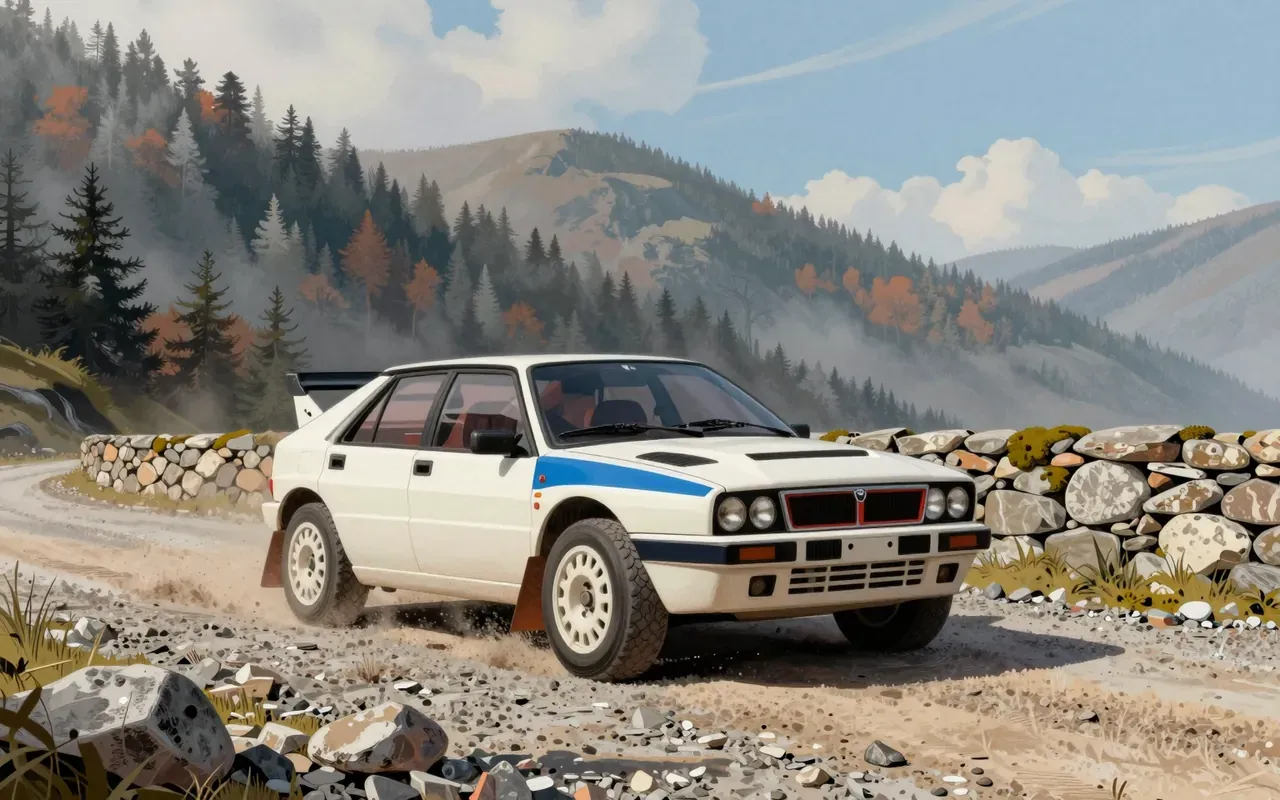
The Lancia Delta HF is a Group A rally car built by Lancia for Martini Lancia to compete in the World Rally Championship from 1987 to 1993. Based on the Lancia Delta road car and replacing the Delta S4, it featured a front-mounted two-litre turbocharged engine and four-wheel-drive. It evolved through four versions and achieved extraordinary success: 46 WRC victories and six consecutive manufacturers’ titles (1987–1992), the most in WRC history.

8:24

Opel Manta

George Gallion · 1970

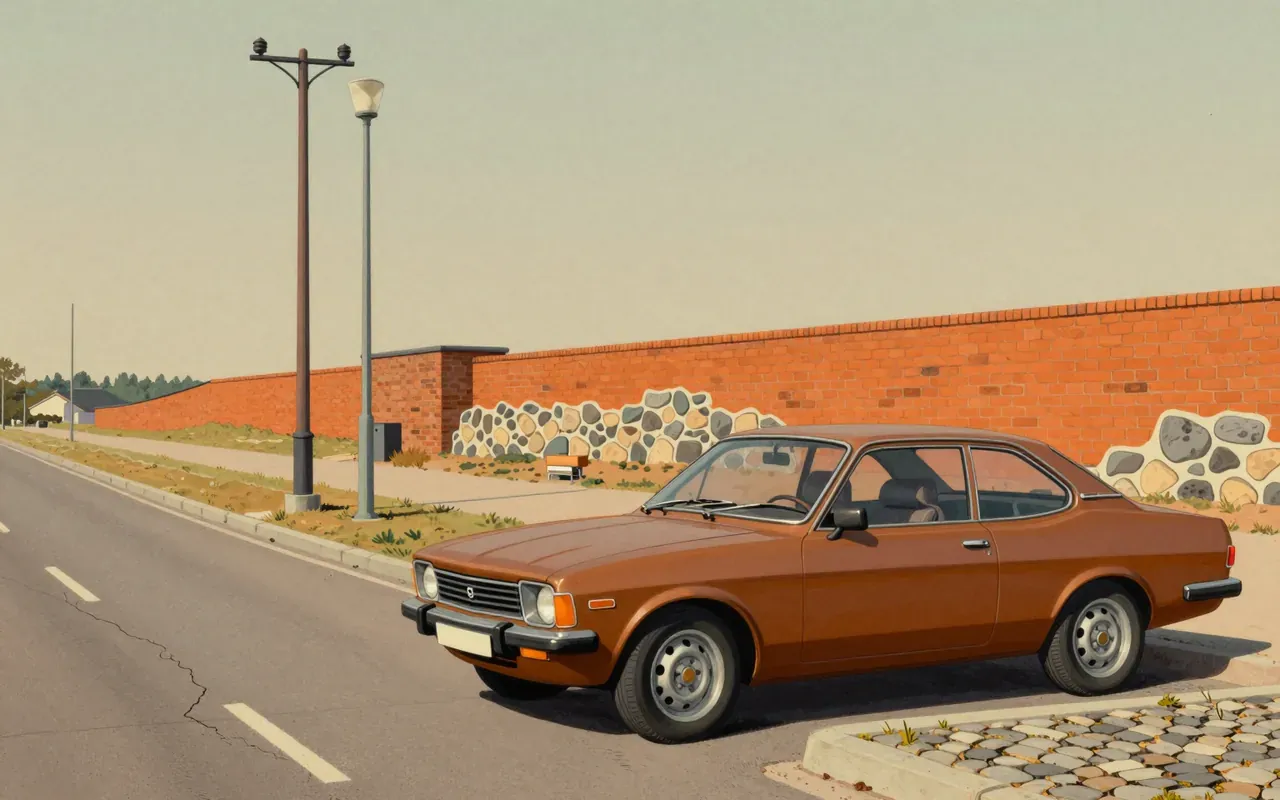
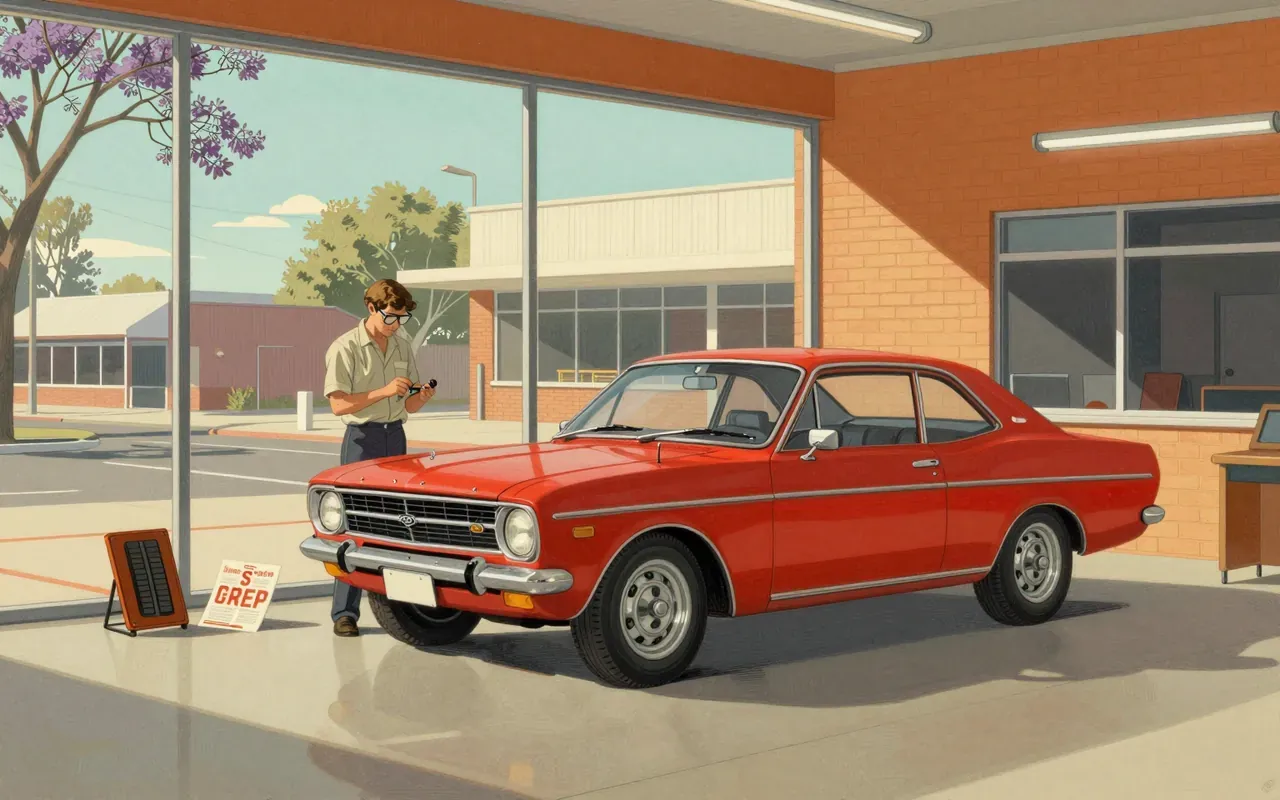
The Opel Manta A is a rear-wheel-drive German coupé launched in September 1970. Built by Opel on the Ascona A platform, it offered a clean two-door, three-box silhouette and competed directly with the Ford Capri. It was never sold in the UK under Vauxhall until the Manta B. Its name comes from the manta ray. 498,553 were built before 1975.
11:20

Facel Vega Facel II

Jean Daninos · 1962

The Facel Vega Facel II is a French grand touring car produced from 1962 to 1964. It was Facel Vega’s final attempt to build a luxury GT in the French tradition. Jean Daninos considered it the best car the company ever made and described it as 'totally elegant'. Facel S.A. marketed it as 'The Fastest 4-seater Coupé in the World'. Sports Car Graphic called it a 'luxurious brute'. Bernard Cahier observed that its Chrysler engine made wheel-spin easy at light throttle. It used a Chrysler 6.3 L 'Typhoon' engine producing 355 hp with automatic transmission or 390 hp with manual transmission. With automatic transmission, it exceeded 217 km/h. Only 180 units were built before the company collapsed.
11:26

Ford XY Falcon GT

Ford · 1971

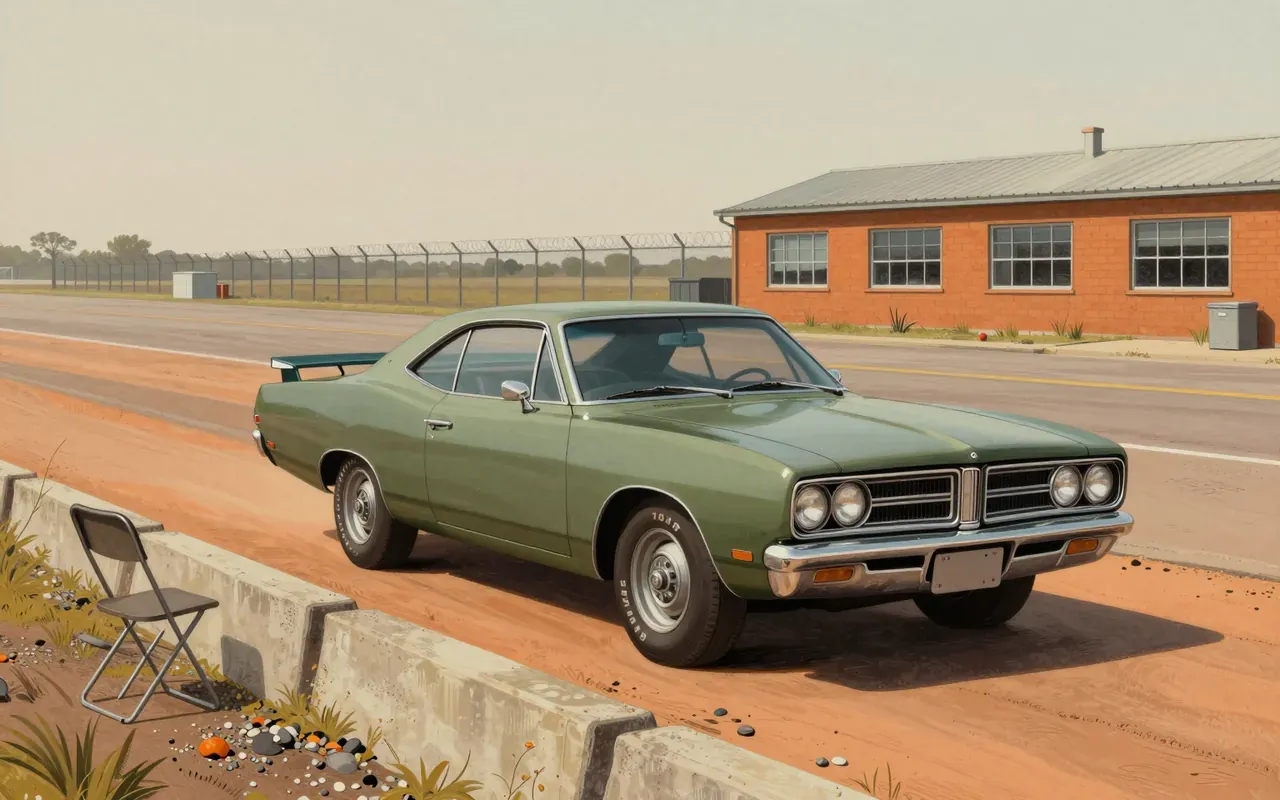
The Ford XY Falcon GT is a 1970–1971 Australian sports sedan built by Ford Australia on the Falcon XY platform. Its GTHO Phase III variant — 300 units built May–November 1971 — won the 1971 Bathurst 500 outright. It used a 351 Cleveland V8 rated at 224 kW (300 bhp) at 5400 rpm. Total production was 1,557 units. A limited number were exported to South Africa with Fairmont GT badging.

10:59

Plymouth Superbird

Chrysler Engineering · 1970

The Plymouth Superbird is a 1970-only, NASCAR-focused, aerodynamically enhanced variant of the Plymouth Road Runner, developed as Plymouth's response to the 1969 Dodge Charger Daytona and designed to lure Richard Petty back from Ford; it featured a distinctive nosecone, high rear wing, and 'beep, beep' horn, with three engine options — most notably the rare 426 Hemi — and was built in limited numbers (around 1,935 units) to meet NASCAR homologation rules.

9:37

Ford RS200

Ghia · 1984

The Ford RS200 is a purpose-built homologation special: mid-engined, all-wheel drive, plastic-fiberglass body by Ghia, built by Reliant in Shenstone to meet FIA Group B’s 200-unit rule. It exists only to enable a rally car—not as a design statement, luxury product, or road-going evolution.

9:14

Mitsubishi Galant VR-4

Mitsubishi · 1987

The Galant VR-4 is Mitsubishi’s first high-performance all-wheel-drive sedan, developed for Group A rallying and launched in 1987. It introduced the Dynamic Four AWC system — a full-time four-wheel drive setup with viscous coupling, plus four-wheel steering and four-wheel ABS. It was sold globally to meet homologation requirements, including 2,000 units in the US in 1991 and 1,000 in 1992. Later generations added liftback (Eterna ZR-4) and station wagon (Legnum) variants. The eighth generation was initially JDM-only but gained overseas cult status via grey imports. In 2000, Ralliart officially imported 200 units to the UK. Production ended in 2002 due to revised Japanese emissions standards.

7:56

Mitsubishi Lancer Evolution

Mitsubishi · 1999

The Mitsubishi Lancer Evolution is a rally-bred sports sedan built on the Lancer platform. Ten generations were produced from 1992 to 2016. All used a two-litre intercooled turbo inline-four engine and all-wheel drive. It launched in Japan only, then reached the UK and Europe around 1997 via Ralliart dealers—starting with the Evolution IV.

9:15

Aston Martin Bulldog

William Towns · 1979

A one-off 1979 concept built to show off Newport Pagnell—and chase a title it never claimed.

11:01

Alfa Romeo 33 Stradale

Franco Scaglione · 1967

The Alfa Romeo 33 Stradale is a mid-engine sports car derived from the Tipo 33 racing prototype, designed by Franco Scaglione and built by Carrozzeria Marazzi. Eighteen units were produced between 1967 and 1969. It featured a 2.0 L V8 engine and was the fastest commercially available car for the standing kilometer upon its introduction.

9:03

BMW M1

Giorgetto Giugiaro · 1974

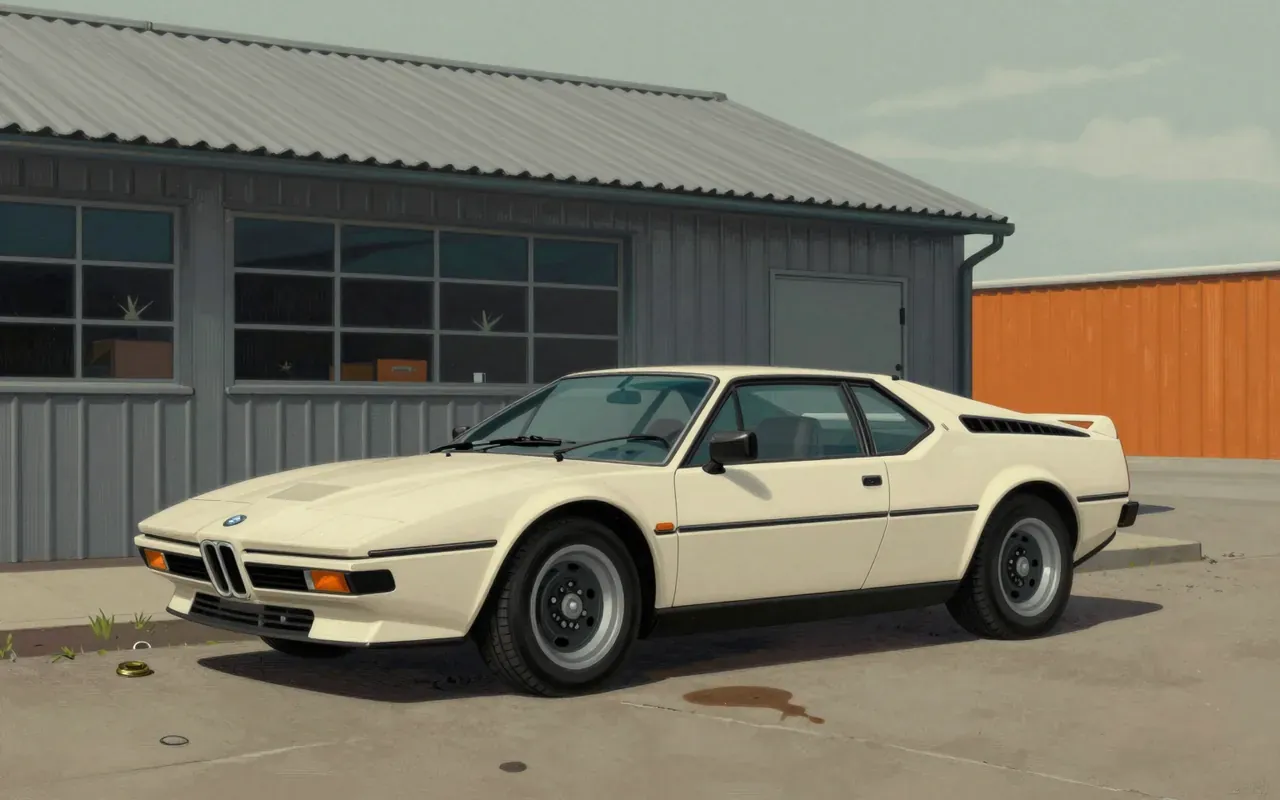
The BMW M1 is a mid-engined, rear-wheel-drive coupé designed by Giorgetto Giugiaro in 1977. Hand-built from 1978 to 1981 as a homologation special, it was the first car developed solely by BMW M and the first mass-produced mid-engine BMW. Its fibreglass body reflects Giugiaro’s angular 'folded paper' design language. Only 453 units were produced.

10:24

Bugatti Type 35

Ettore Bugatti · 1924

The Bugatti Type 35 is the first holistically conceived, race-ready car sold as a complete system. It pioneered cast alloy wheels and won over 1,000 races between 1924 and 1930. Its design prioritised integration over adaptation—and succeeded globally, with factory and privateer teams alike.

10:29

Dodge Charger Daytona

Chrysler Engineering · 1969

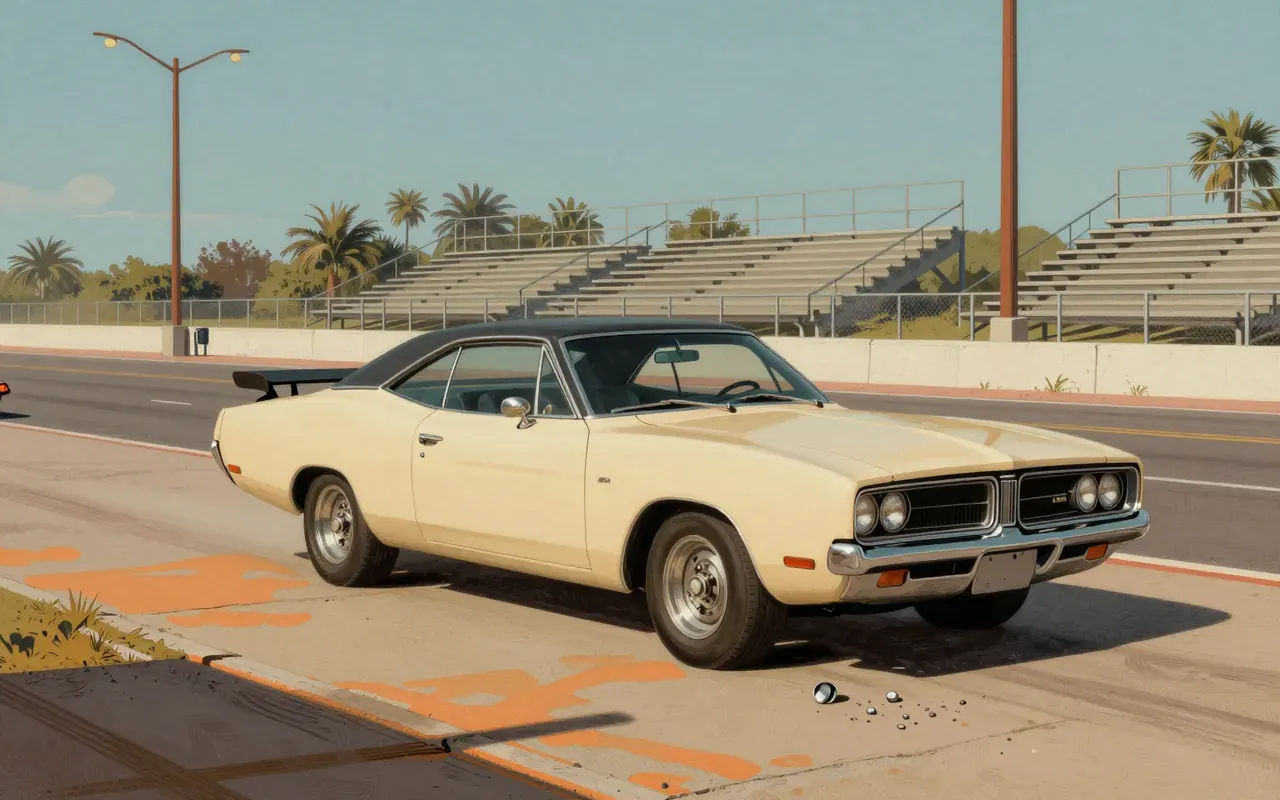
The 1969 Dodge Charger Daytona is a purpose-built NASCAR racer derived from the Charger R/T. It introduced radical aerodynamics — nose cone and rear wing — to achieve stability at 200 mph. It won six races and changed how American manufacturers approached superspeedway competition. It is not a grand tourer, not a collector’s lounge piece, and not a design exercise — it is a documented response to a specific racing problem.

10:18

Ferrari 250 GTO

Giotto Bizzarrini · 1962

The Ferrari 250 GTO is a front-engine, RWD grand tourer built between 1962 and 1964. Giotto Bizzarrini led its development from 1960 to improve aerodynamics over the 250 GT SWB. It used wind tunnel testing at Pisa University, a hand-welded oval tube frame, all-aluminium bodywork by Scaglietti, and a dry-sumped Tipo 168/62 Comp. 3.0 L V12. Only 36 were built after Ferrari counted earlier 250 GT SWB units toward FIA Group 3 homologation. It features a belly pan and underbody spoiler formed by the fuel tank cover.

11:09

Ford GT40

Roy Lunn · 1964

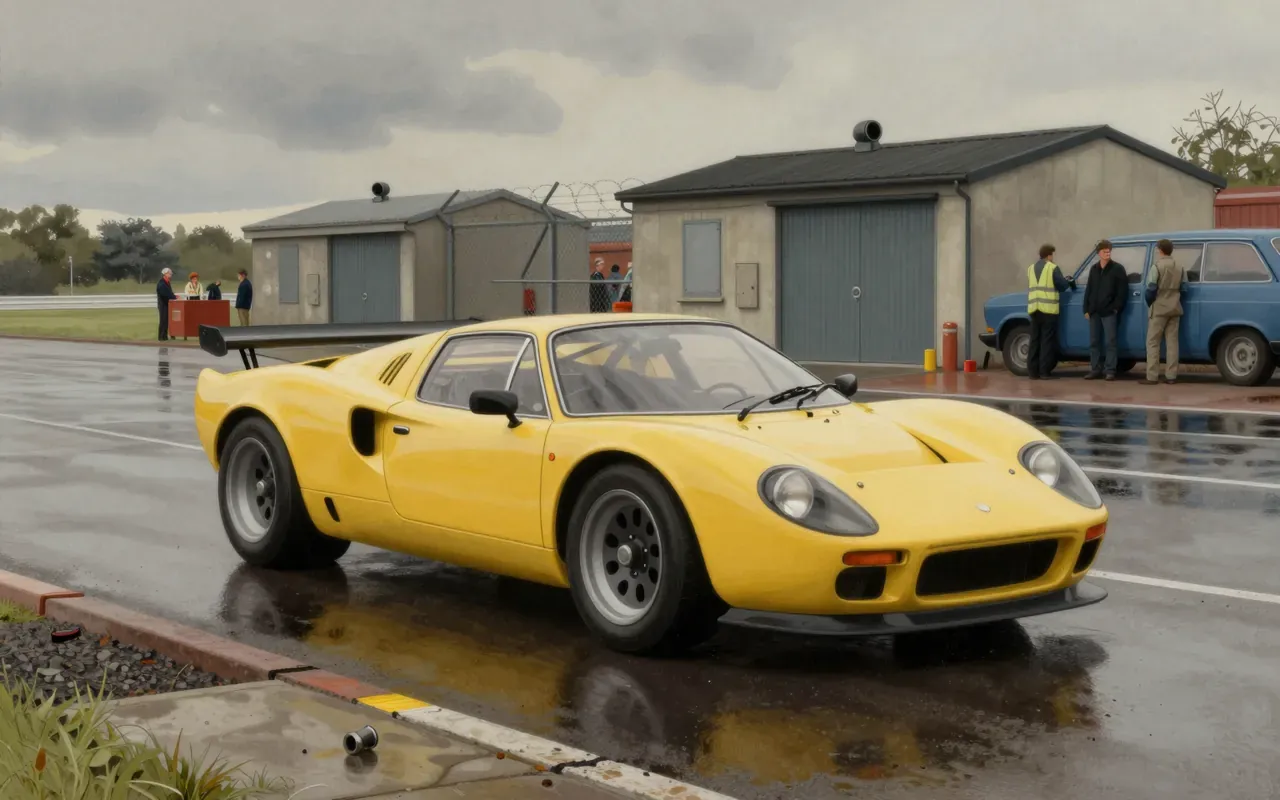
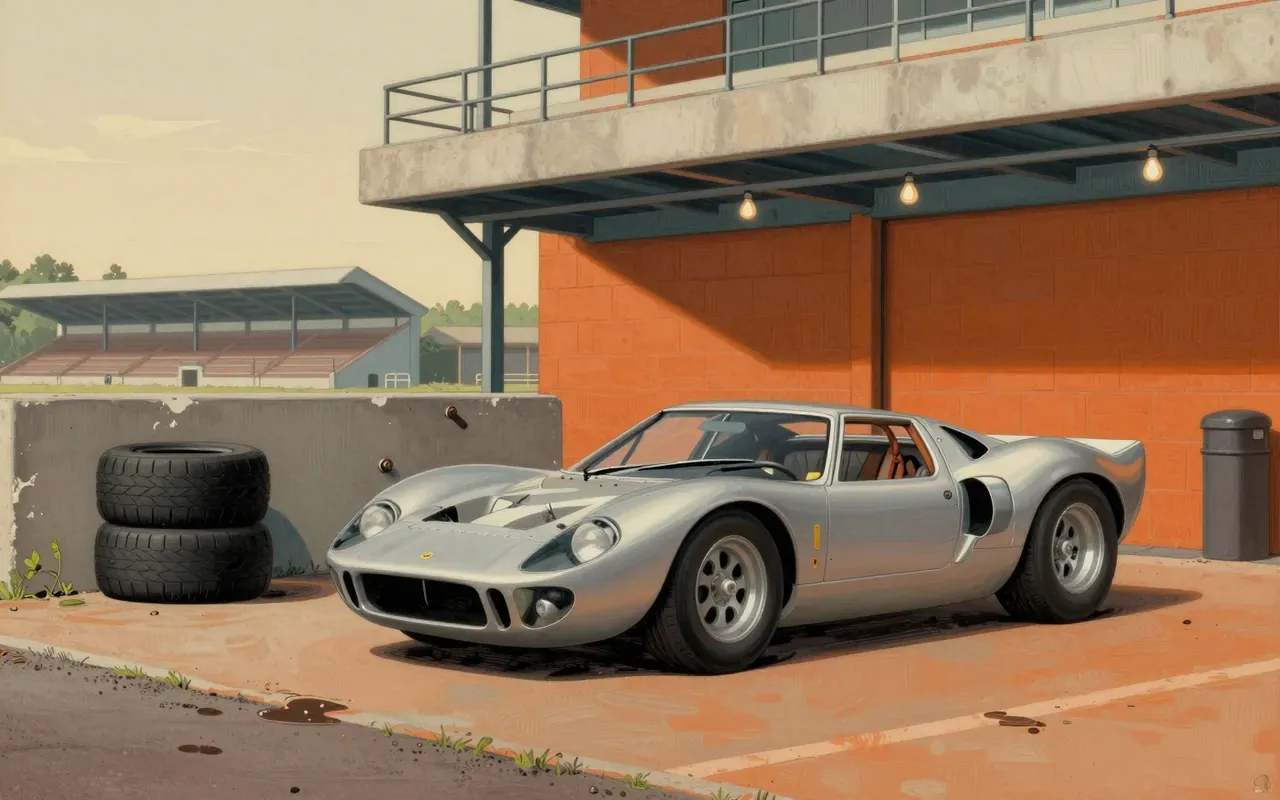
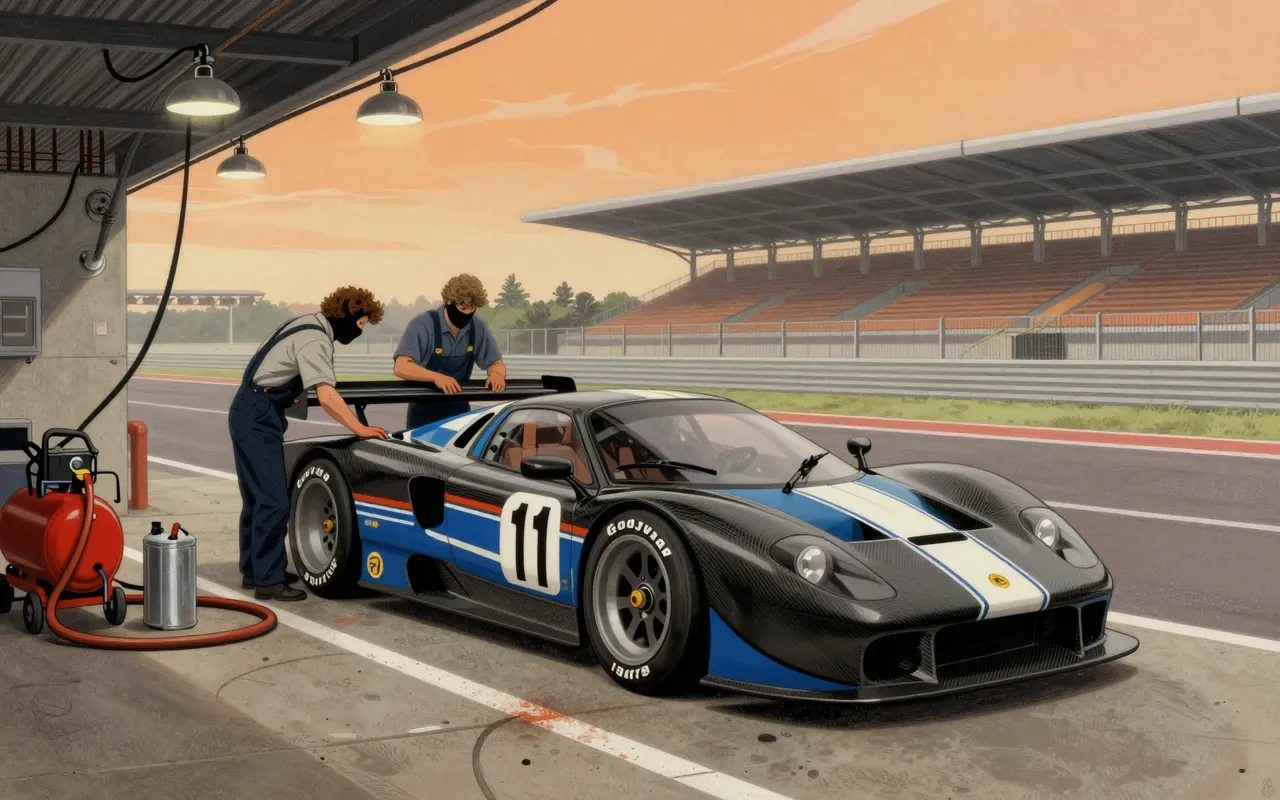
A mid-engined, rear-wheel-drive racing car developed by Ford between 1963 and 1964 under Roy Lunn’s direction, built in Slough then Dearborn, to beat Ferrari at Le Mans.

9:46

Lotus Seven

Colin Chapman · 1957

The Lotus Seven is a British-built, open-wheel, two-seat, open-top sports car designed by Colin Chapman to embody performance through low weight and simplicity. It was produced from 1957 to 1973, originally by Lotus Cars (Lotus Engineering), and featured a front-engine, rear-wheel-drive layout with a tubular spaceframe and lightweight aluminium/fibreglass bodywork. The Series 1 used a 1,172 cc Ford Sidevalve straight-four engine and was used both on road and in club racing. Over 2,500 original Lotuses were sold. After 1973, Caterham acquired the rights and continued production as the Caterham 7. The design inspired widespread imitation in the kit car market.

9:48

Maserati MC12

Frank Stephenson · 2004

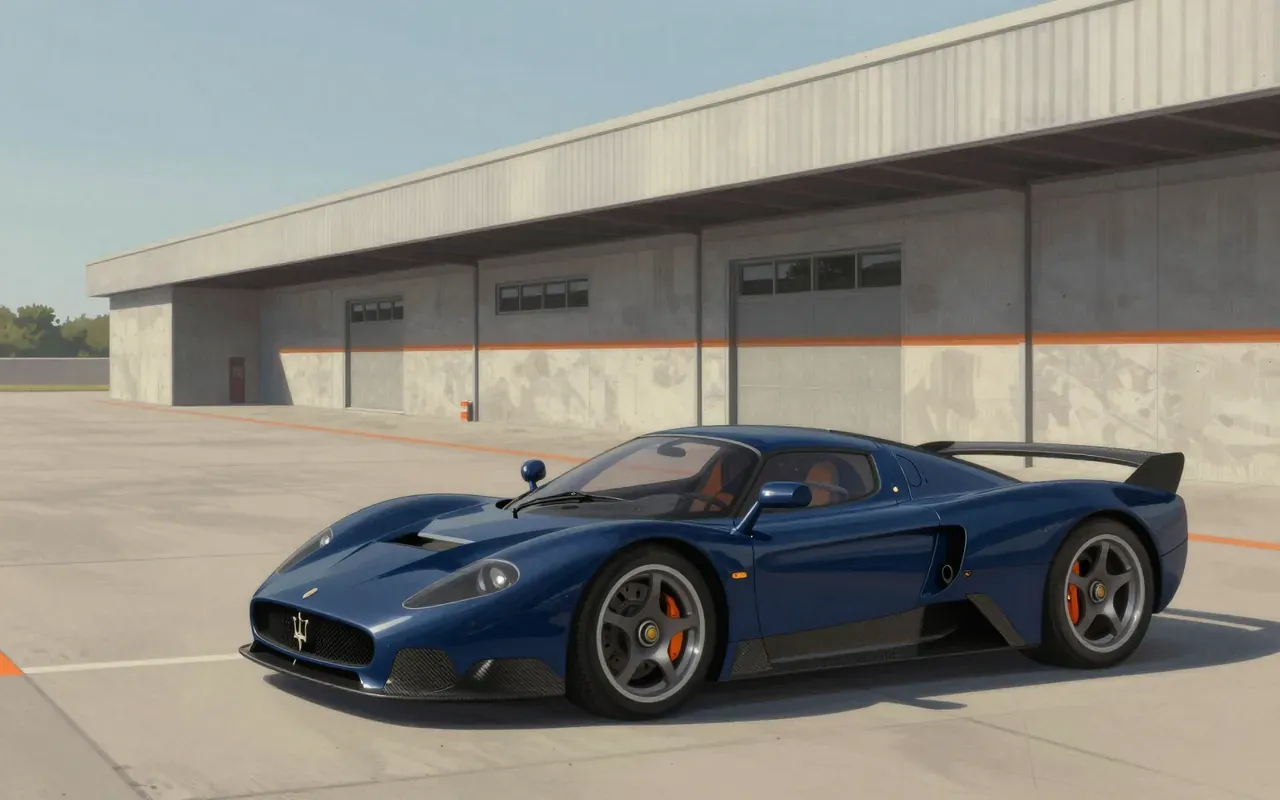
The Maserati MC12 is a homologation special built to return Maserati to FIA GT racing. Designed by Frank Stephenson on the Ferrari Enzo’s chassis, it is longer, wider, taller, and more aerodynamically efficient. Its mid-rear V12 layout prioritises balance over packaging. Only 62 were built: 50 road cars and 12 racers. It is uncompromising, specific, and historically consequential — but not versatile.

11:12

Mazda 787B

Nigel Stroud · 1991

The Mazda 787B is a Group C sports prototype that won the 1991 24 Hours of Le Mans using a Wankel rotary engine — the only non-reciprocating engine car to do so as of 2026. Built between 1990 and 1991, five units were made: two 787s and three 787Bs. It prioritised reliability and fuel efficiency over outright speed, outlasting faster rivals. It marked the end of rotary power in top-tier endurance racing. It was the first Le Mans win by a Japanese manufacturer — unmatched until Toyota in 2018.

9:27

McLaren F1 GTR

Gordon Murray · 1995

The McLaren F1 GTR is the racing variant of the McLaren F1 sports car, first produced in 1995 for grand touring style racing, such as the BPR Global GT Series, FIA GT Championship, JGTC, and British GT Championship. It was powered by the naturally aspirated BMW S70/2 V12 engine. It is most famous for its overall victory at the 1995 24 Hours of Le Mans where it won against faster purpose-built prototypes in very wet conditions. The F1 GTR raced internationally until 2005 when the final race chassis was retired. Bodywork modification saw the addition of various cooling ducts, most noticeably a large one in the center of the nose and two placed in the location of the storage lockers on the side of the car. A large adjustable fixed wing was added to the rear of the car. Even the 1995 versions of F1 GTR generated enough downforce to run along the ceiling at 100 mph. The interior was stripped of all luxuries and given a full racing cage. Carbon brakes replaced the stock units.

10:51

Nissan R390 GT1

Ian Callum · 1997

The Nissan R390 GT1 is a Le Mans GT1 race car designed in 1998 by Ian Callum at TWR Design, built jointly by Nismo and TWR in Atsugi, Japan. One road car was built for homologation; eight race cars followed.

10:07

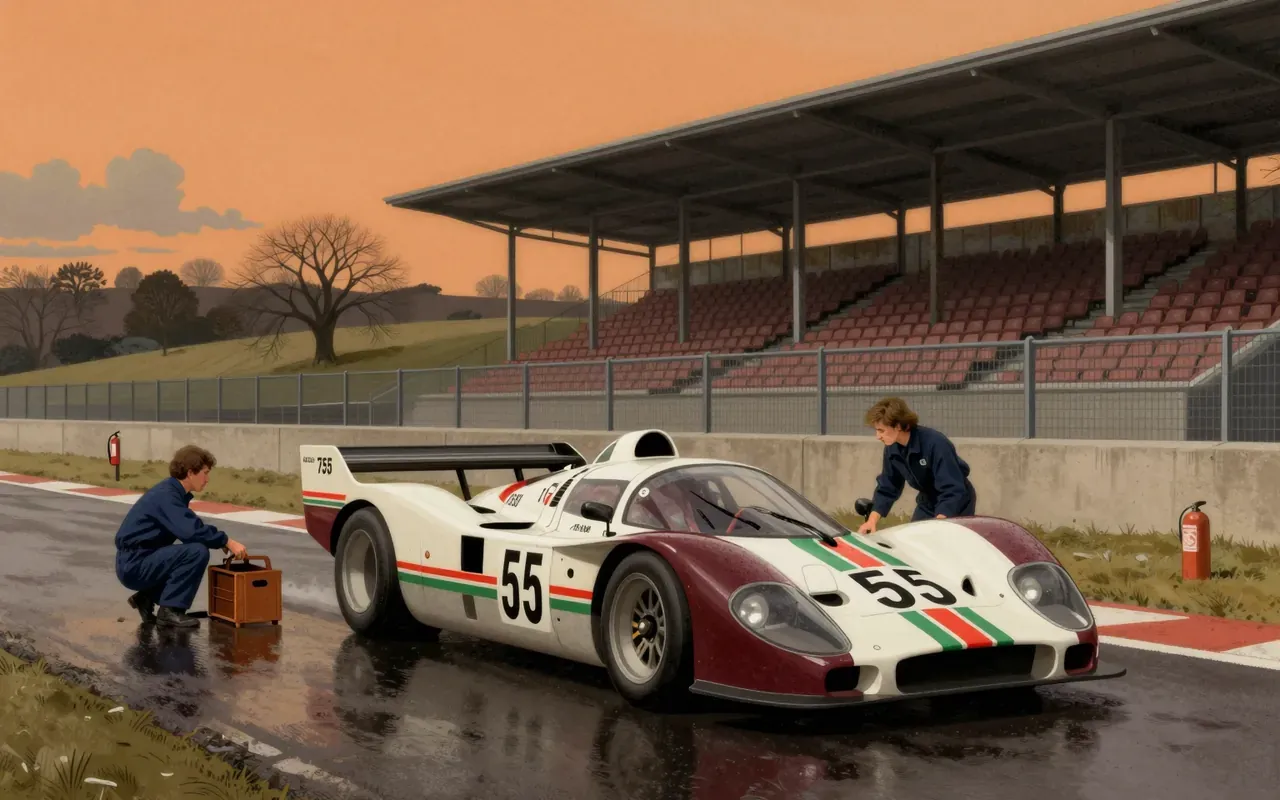
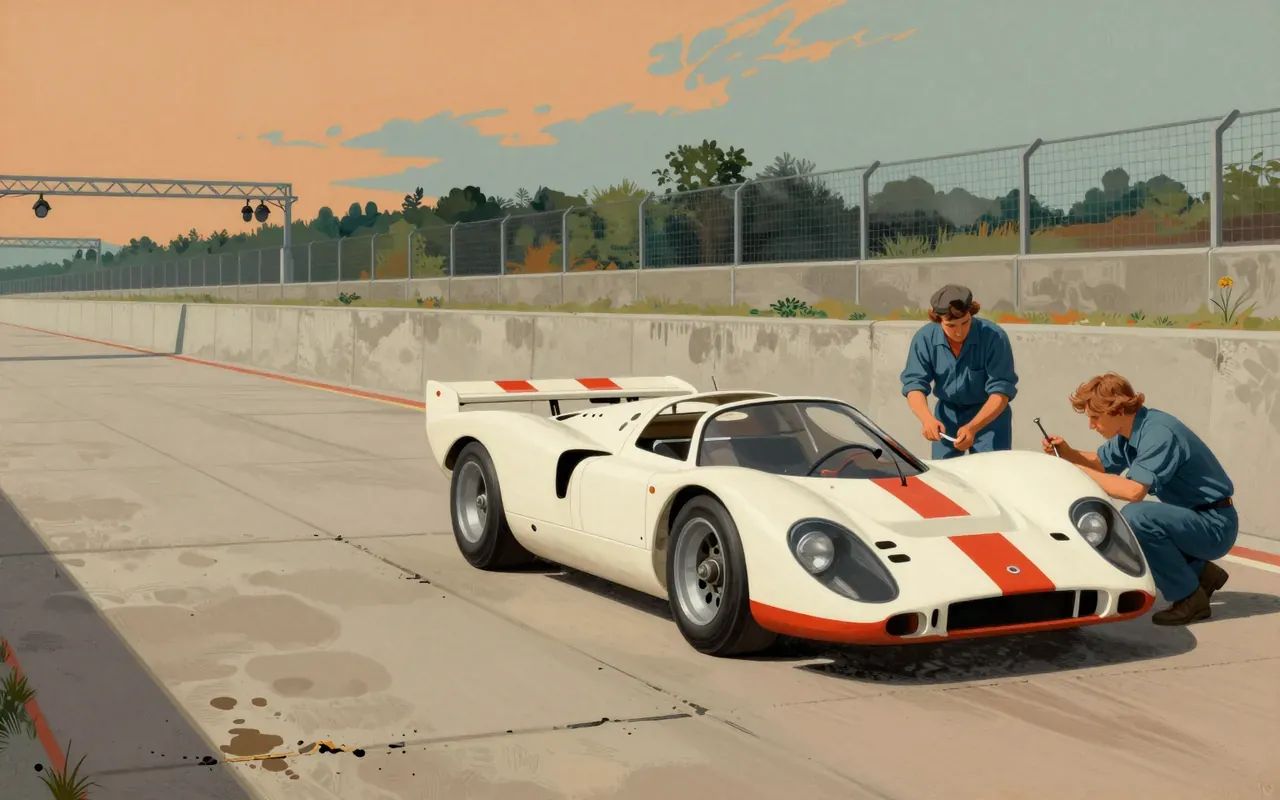
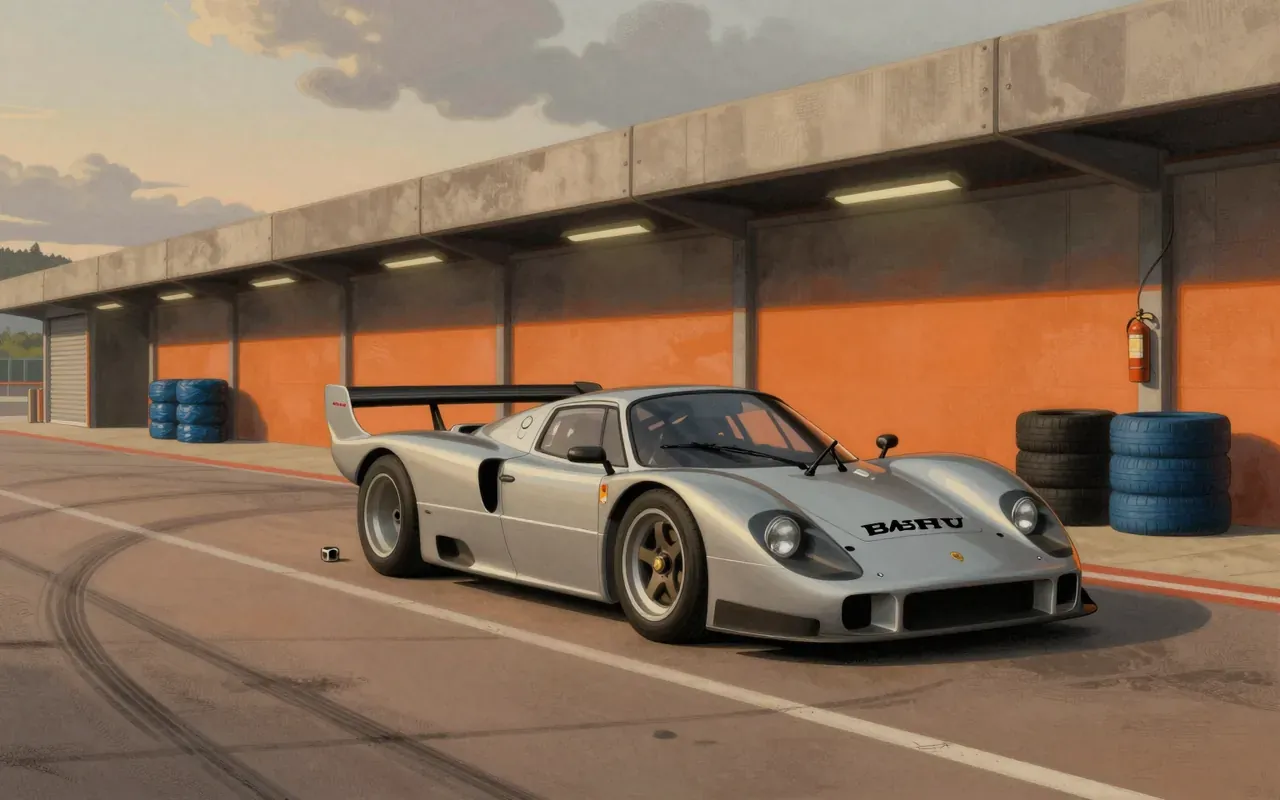
Porsche 917

Hans Mezger · 1969

The Porsche 917 is a sports prototype race car developed by Porsche’s 1960s Race Design office under Hans Mezger’s leadership to exploit 5-litre sports car regulations. Its spaceframe chassis weighs 42 kg and is permanently pressurised with gas to detect cracks. Power comes from a new 4.5-litre air-cooled flat-12 engine designed by Mezger. It gave Porsche its first overall wins at the 24 Hours of Le Mans in 1970 and 1971, and was chiefly responsible for Porsche winning the International Championship for Makes in both years. It was initially unwieldy but improved through continuous development. Porsche later adapted it for Can-Am racing, culminating in the twin-turbocharged 917/30.

9:30

Porsche 956

Norbert Singer · 1982

The Porsche 956 is a Group C sports-prototype racing car designed by Norbert Singer and built by Porsche in 1982 to comply with new FIA Group C regulations. It replaced the 936. It features Porsche’s first aluminium monocoque chassis and first ground-effect aerodynamics. It uses a 2.65 L turbocharged Flat-6 engine derived from the 936/81. Twenty-eight units were built between 1982 and 1984, including the 956B variant introduced in 1984. It won seven Le Mans titles and contributed to three Manufacturers’ and two Teams’ World Championships between 1982 and 1986.

9:59

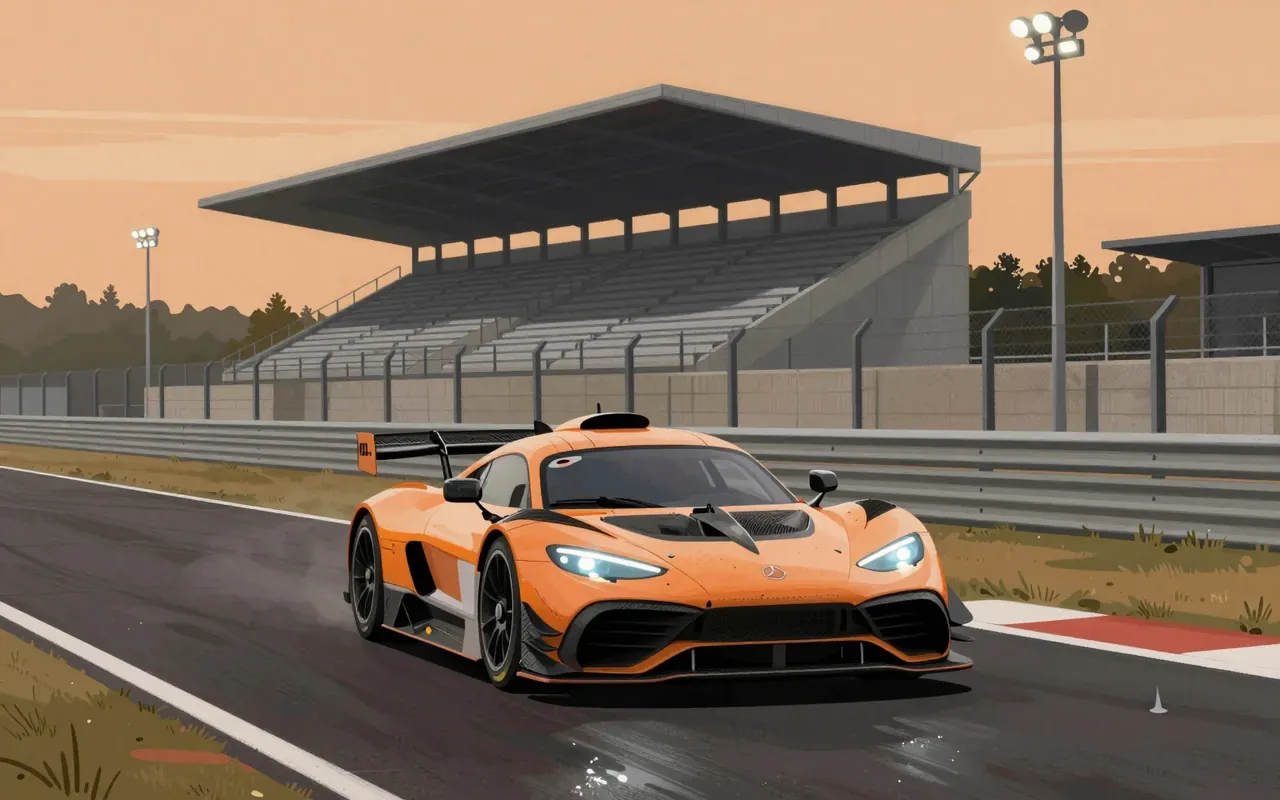
Mercedes-AMG One

Gorden Wagener team · 2022

The Mercedes-AMG One is a production reality — not a show car — built to prove F1 hybrid technology can function on public roads. Its layout, powertrain and aerodynamics are derived directly from contemporary Formula One. It sacrifices usability for fidelity. It is not a supercar for driving. It is a rolling validation of a racing specification.

10:52

Hindustan Ambassador

Morris · 1957

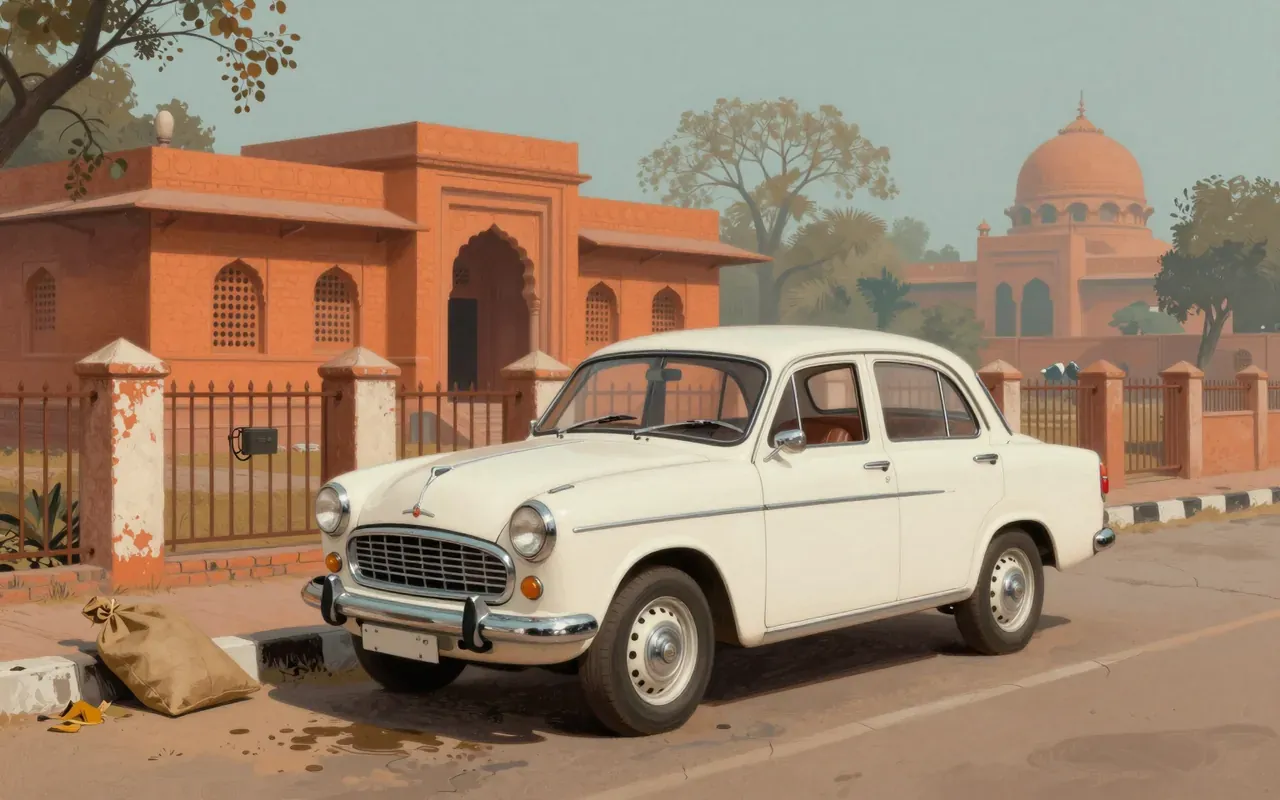
The Hindustan Ambassador is a saloon built in India from 1957 to 2014, based directly on the Morris Oxford Series III. It used a fully enclosed monocoque chassis and remained almost unchanged across its entire production run. It was not designed in India, nor did it evolve with changing global standards—but it endured as a functional, spatially generous, mechanically simple vehicle embedded in India’s administrative and transport systems.

10:26

Jaguar XJR-9

Tony Southgate · 1988

The Jaguar XJR-9 is a sports-prototype race car designed by Tony Southgate and built by Tom Walkinshaw Racing (TWR) in 1988. It features a Jaguar 7.0-litre V12 engine, carbon composite body, and mid-mounted, longitudinally oriented, rear-wheel-drive layout. A Le Mans–specific variant, the XJR-9LM, used a low-drag aerodynamic package. It won the 24 Hours of Le Mans and the 24 Hours of Daytona in 1988, and took six victories in the 1988 World Sports Prototype Championship.

8:35

Mercedes-Benz G-Class

Mercedes-Benz · 1979

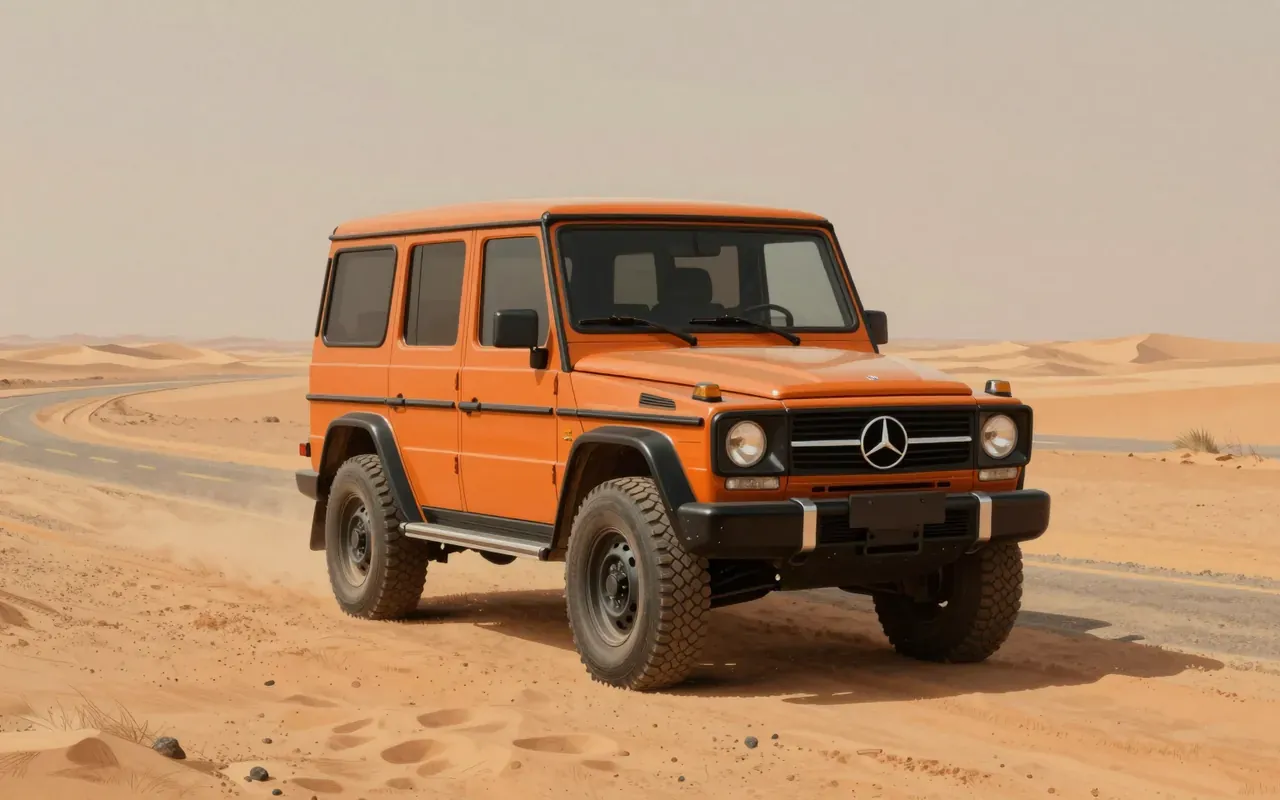
The G-Class is a body-on-frame, four-wheel drive luxury SUV originally developed as a military off-roader. It features boxy styling dictated by its ladder chassis and three fully locking differentials — a hardware configuration retained across 46–47 years of production. It remains one of Daimler’s longest-produced vehicles, with the second-generation W463 launched in 2018 and a smaller 'little G' announced in 2023. It was sold as the Puch G in some markets until 2000.

9:22

Lancia Rally 037

Pininfarina · 1982

The Lancia Rally 037 is a mid-engine, rear-wheel-drive rally car built by Lancia in the early 1980s for FIA Group B competition. It won the 1983 World Rally Championship Manufacturers' title and remains the last rear-wheel-drive car to do so. To meet homologation rules, 200 road-going examples — later confirmed as 207 units — were built between 1982 and 1984. Its engine is a longitudinally mounted 2.0-litre (later 2.1-litre) supercharged straight-four, developed by Abarth. The car debuted in 1982 and was succeeded by the Delta S4 in 1985.

10:04

Lancia Delta S4

Abarth · 1985

The Lancia Delta S4 is a Group B rally car built by Lancia in 1985 and 1986. Abarth helped engineer its twincharged engine. It replaced the 037. It used a tubular space frame chassis.

10:57

Lancia Stratos

Marcello Gandini · 1973

The Lancia Stratos is a rear mid-engined rally car designed by Marcello Gandini for Lancia and Bertone. It debuted as a fluorescent red prototype at the 1971 Turin Motor Show with a crescent-shaped wrap-around windshield and a mid-mounted Dino Ferrari V6. Its final production form, the Stratos HF Stradale, featured a 2.4 L V6 and was built from 1973 to 1975 in 492 units. It won the World Rally Championship in 1974, 1975 and 1976.

10:47

Peugeot Quasar

Gérard Welter · 1950

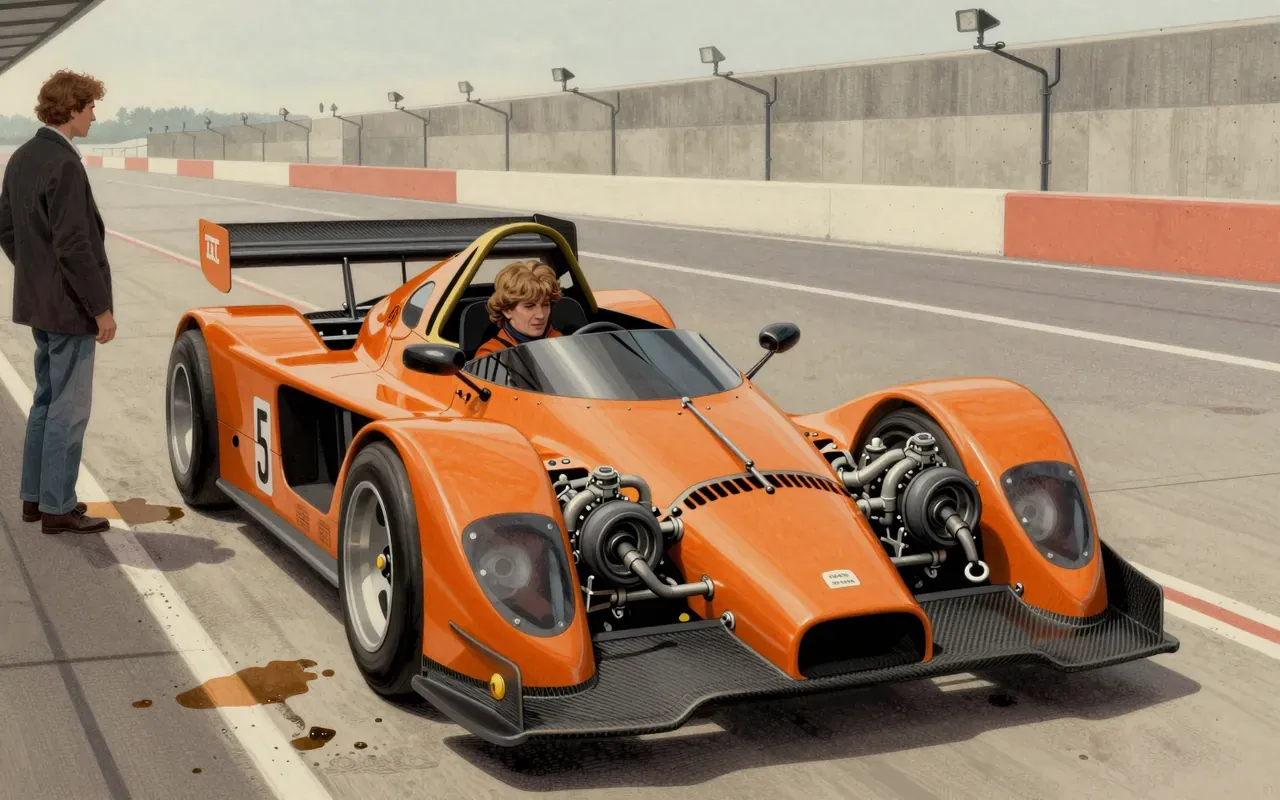
The Peugeot Quasar is a 1984 in-house concept built on the 205 T16’s chassis and engine. It features scissor doors and an exposed engine bay. Its interior draws from science fiction. It never entered production. It now resides at the Peugeot Adventure Museum.

10:36

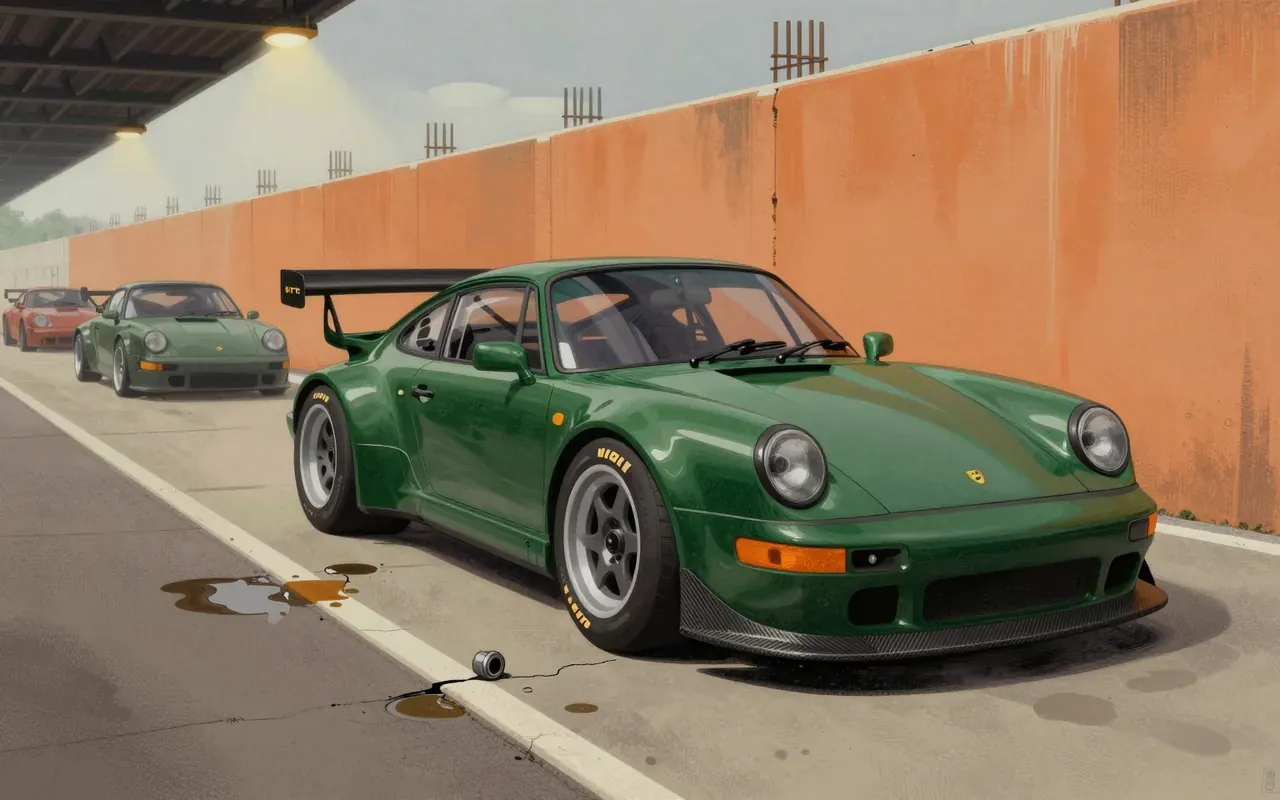
Porsche 959

Helmuth Bott · 1986

The Porsche 959 is a homologation special turned benchmark: the first pure high-performance sports car with all-wheel drive and sequential twin-turbos. It redefined what a street-legal performance car could do—and forced Porsche to adopt those systems across its turbo range.

9:44

Toyota GR Yaris

Toyota Gazoo Racing · 2020

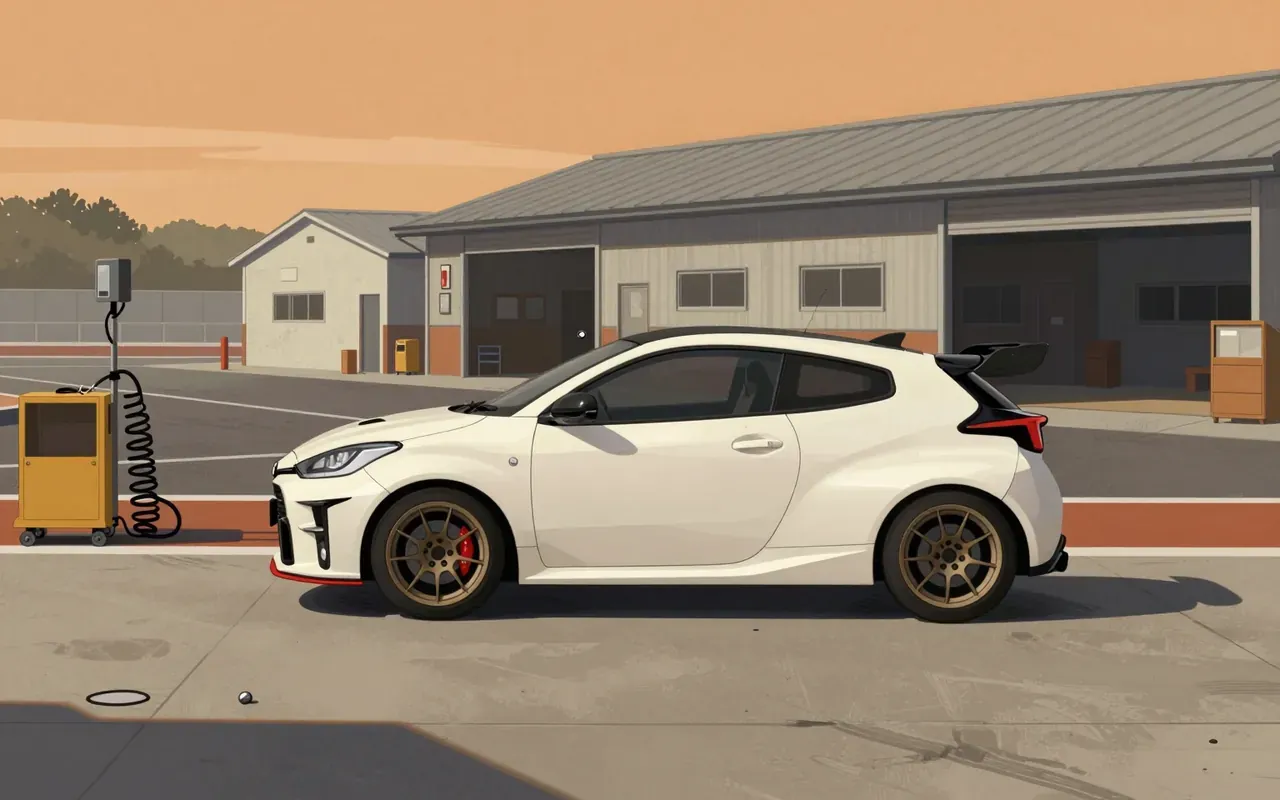
The GR Yaris is a rally-homologated, three-door hatchback built by hand at Toyota’s GR Factory in Motomachi since September 2020. It uses a bespoke 1.6L turbo three-cylinder engine and was produced in volumes exceeding WRC requirements. It is sold globally except in North America.

10:24

Aston Martin DB4

Touring · 1958

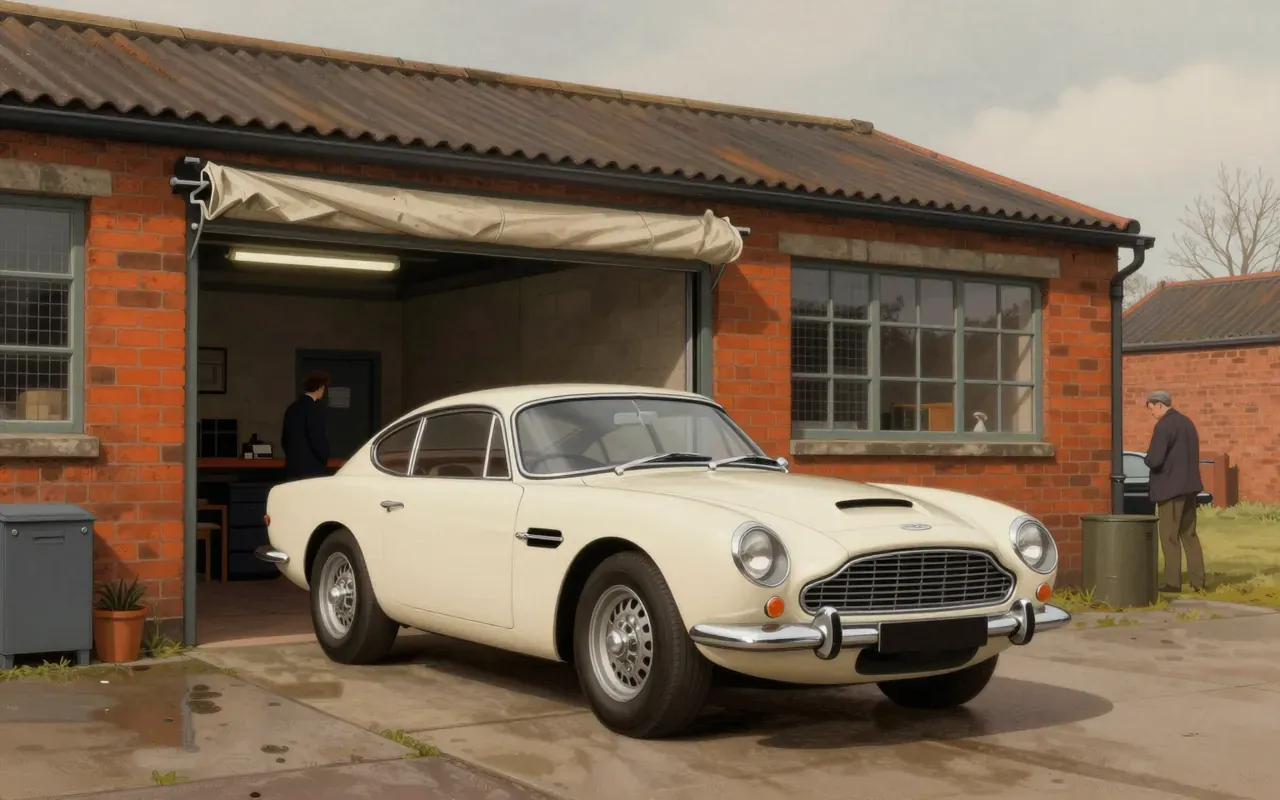
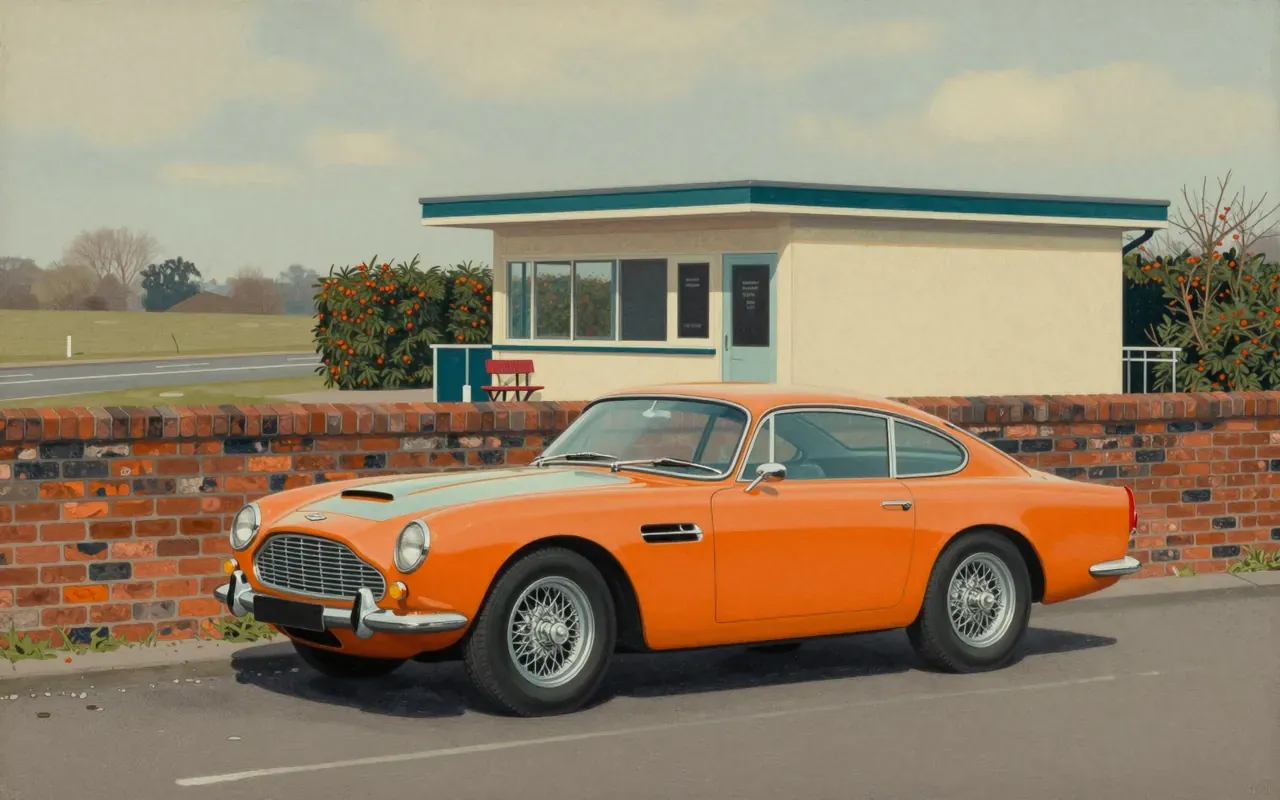
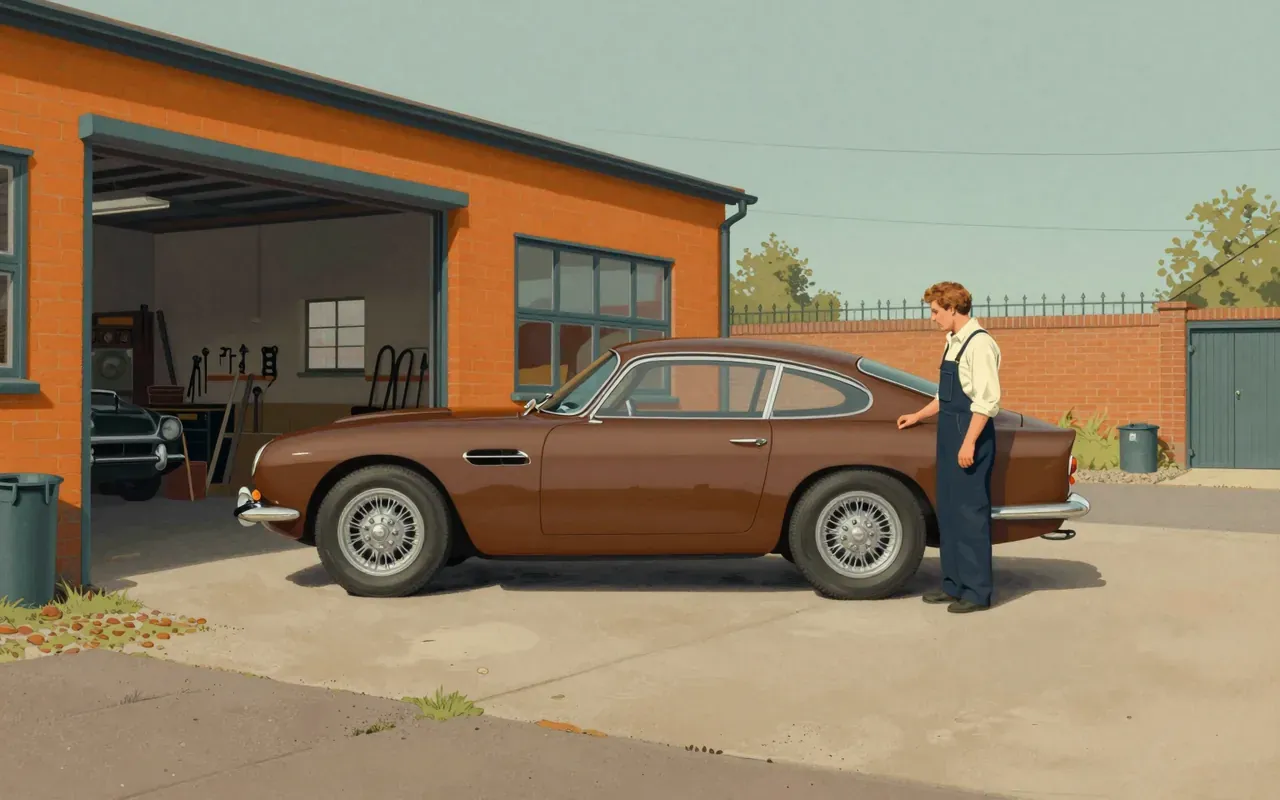
The DB4 is a grand tourer designed by Carrozzeria Touring, built at Newport Pagnell, and powered by a Tadek Marek–designed 3.7 L DOHC straight-6. It features servo-assisted disc brakes, independent front suspension with rack-and-pinion steering, and a live rear axle with Watt's linkage. Its design influenced later models including the DB4 GT Zagato and Lagonda Rapide. Technically distinct from both predecessor and successor, it was produced from 1958 to 1963.

9:43

Aston Martin DB5

Touring · 1963

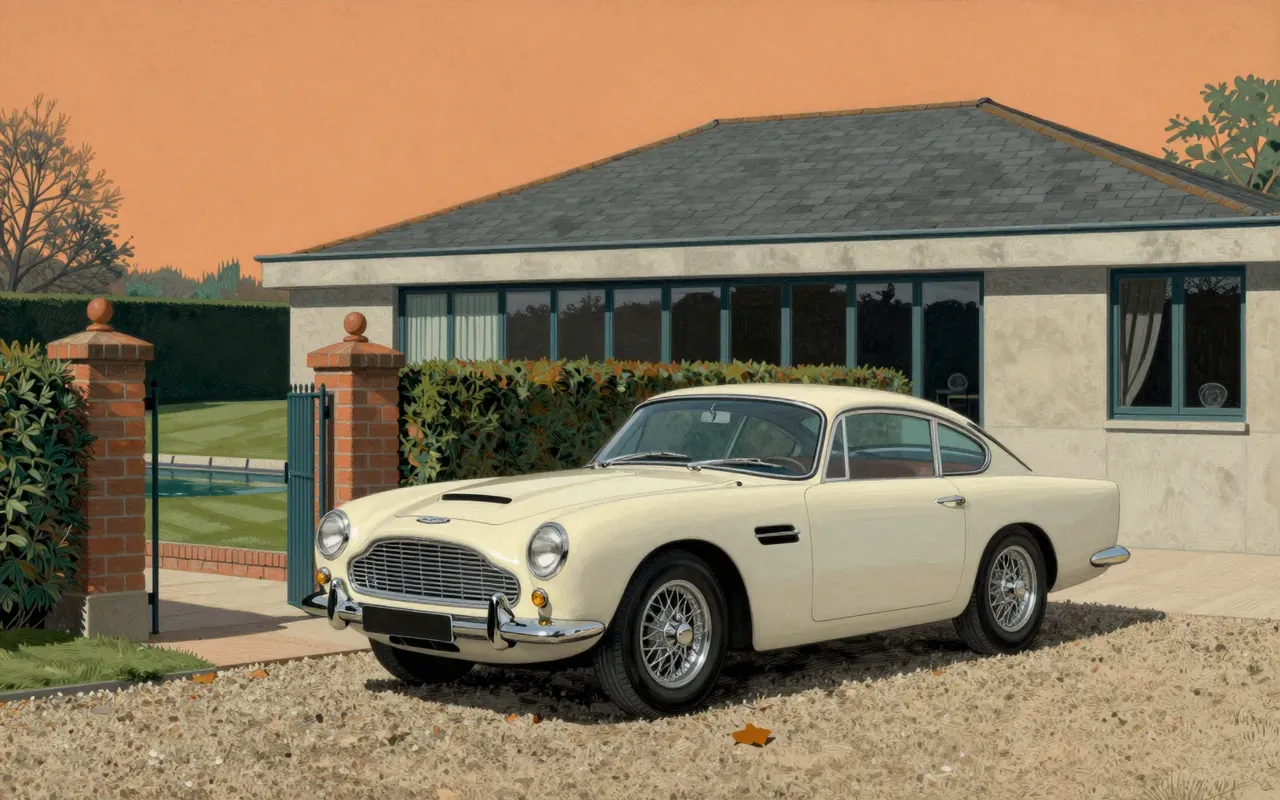
The DB5 is a tightly specified British grand tourer, designed by Touring, built by Aston Martin, and defined by disciplined evolution — not revolution.

10:03

Aston Martin DB6

Touring · 1965

The DB6 is a functional evolution — not a revolution — in Aston Martin’s grand touring line. Its Kammback tail and lengthened wheelbase directly address aerodynamic lift identified in wind tunnel testing. It retains the live-axle layout, rejecting the more complex de Dion prototype to prioritise production readiness. It is recognisable, stable, and rooted in continuity — not novelty.

11:18

Citroën SM

Robert Opron · 1970

The Citroën SM is a high-performance coupé produced by Citroën from 1970 to 1975, featuring a 2.7 L V6 engine and front-engine, front-wheel-drive layout. It was developed as a Gran Tourer using Maserati's engine technology and Citroën's suspension, debuted at the 1970 Geneva Motor Show, and sold initially in France in September 1970. All factory-produced units were left-hand-drive, and its design was constrained by French puissance fiscale taxation.

9:42

Boss 302 Mustang

Larry Shinoda · 1969

The 1969–1970 Boss 302 Mustang is a Trans-Am homologation special designed by Larry Shinoda. It used a unique thin-wall, high-nickel 302 cu in (4.9 L) H.O. V8 with solid lifters, 4-bolt main bearings, threaded freeze plugs, and canted-valve heads. It was sold only in a complete package including a four-speed manual, upgraded suspension, brakes, and aerodynamic aids. A total of 7,013 units were sold.

9:09

Iso Rivolta IR 300

Giorgetto Giugiaro · 1962

The Iso Rivolta IR 300 is a 1962 Italian grand tourer designed for long journeys. It was Iso's first luxury car. Giorgetto Giugiaro styled it at Bertone. It used a Chevrolet 327 V8 and BorgWarner 4-speed manual. 797 units were made between 1962 and 1970.

9:48

Lamborghini Espada

Marcello Gandini · 1968

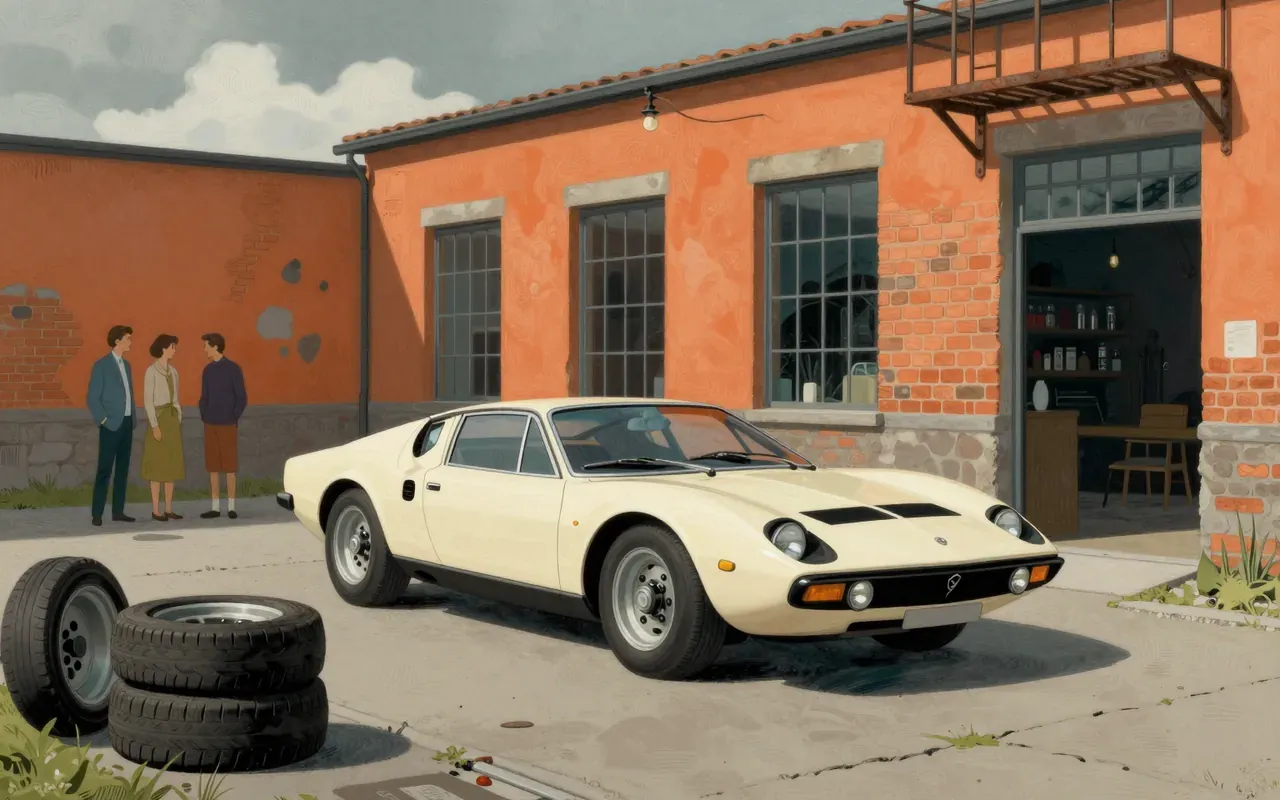
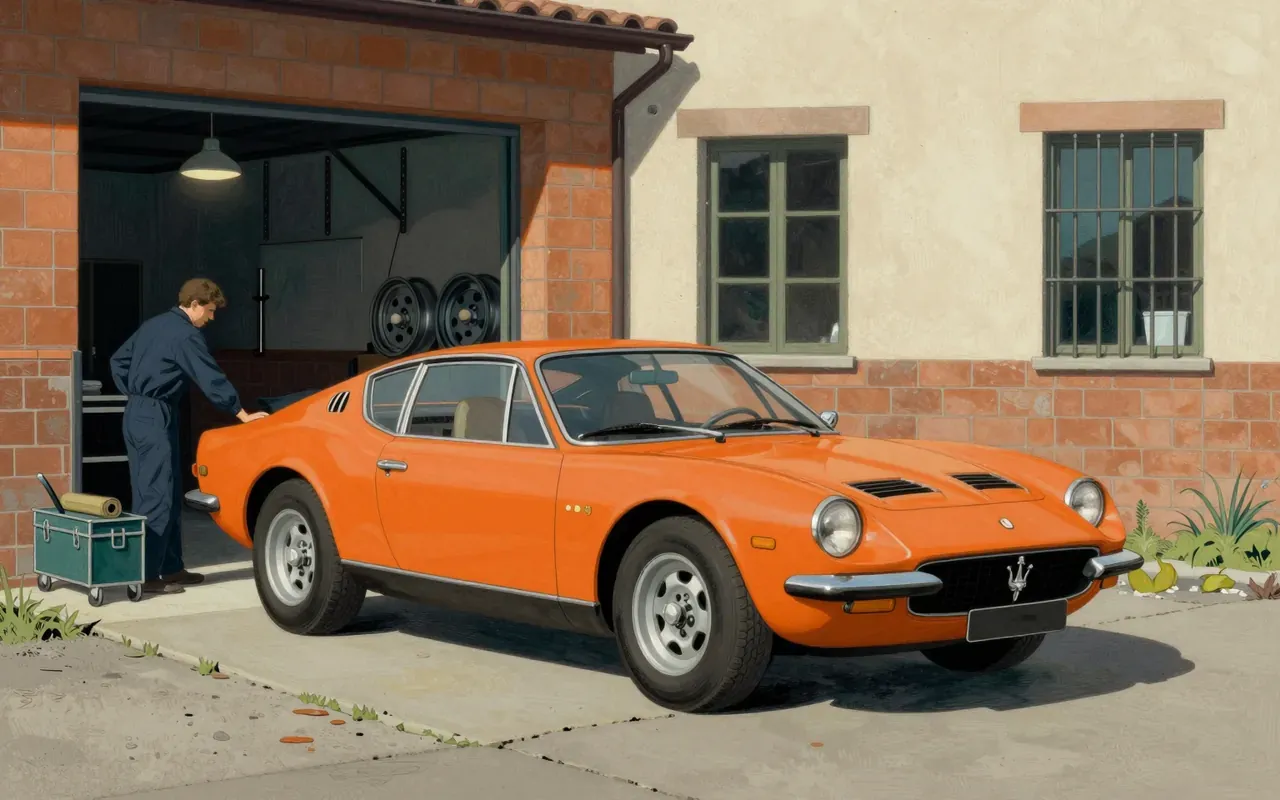
The Lamborghini Espada is a Gandini-designed, Bertone-bodied, front-engine, rear-wheel-drive grand touring coupé built between 1968 and 1978. It replaced the 400 GT 2+2 and shared mechanical underpinnings with the Islero. Three series were produced: S1 (1968–1970), S2 (1970–1972), and S3 (1972–1978). Gandini drew inspiration from the Marzal and Pirana show cars and prioritised vehicle architecture, construction, assembly, and mechanisms over styling.

9:25

Maserati 3500 GT

Touring · 1957

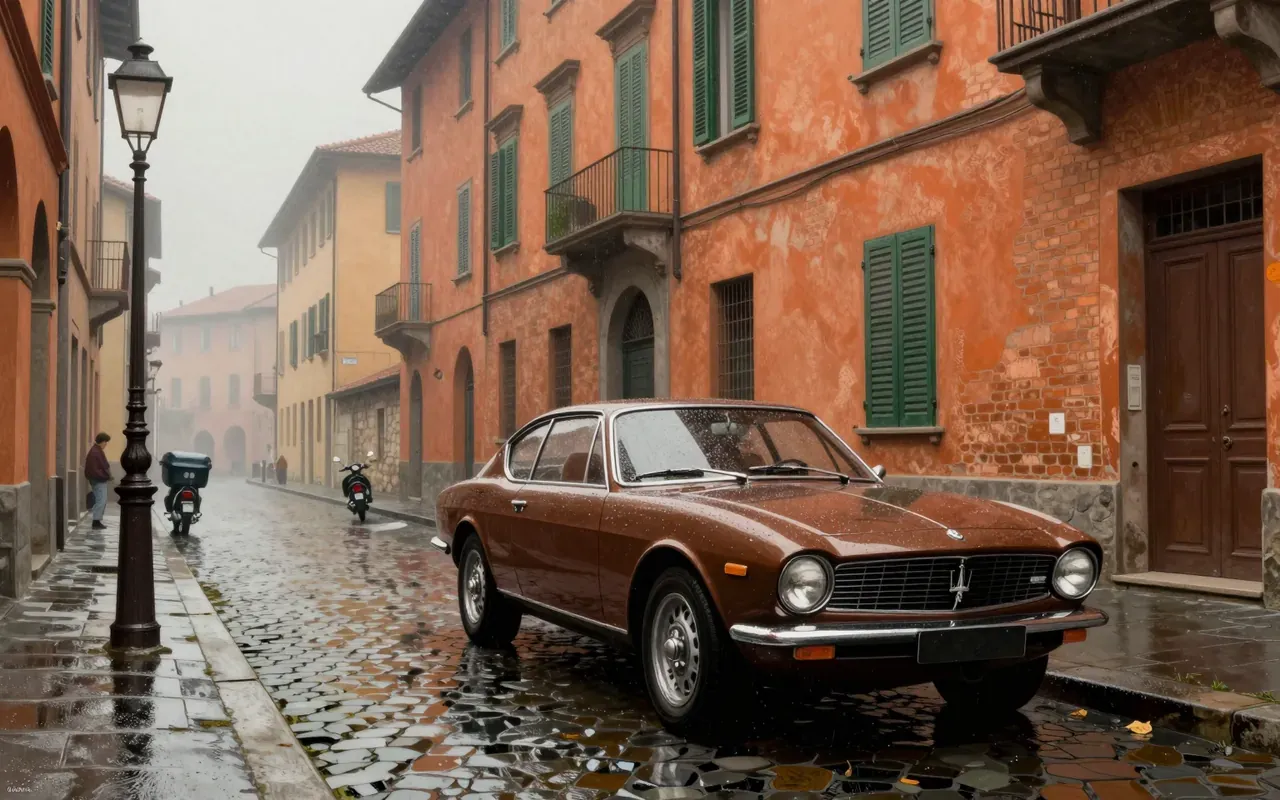
The Maserati 3500 GT was Maserati's first successful Gran Turismo and series production vehicle, developed 1956–57 and launched in late 1957. Its bodywork was designed by Carrozzeria Touring following an introduction by Franco Cornacchia; Touring's 2+2, superleggera 'Dama Bianca' prototype was selected for series production after being shown alongside an Allemano prototype at the March 1957 Geneva Salon. It featured a front-mounted 3.5 L straight-six engine and rear-wheel drive, and 2,226 units were built between 1957 and 1964.

9:24

Maserati Biturbo

Pierangelo Andreani · 1981

The Maserati Biturbo is a foundational but flawed machine: a compact, turbocharged executive coupé that reshaped Maserati’s entire output for sixteen years — yet failed to deliver on durability, credibility, or track results.

8:55

Maserati Khamsin

Marcello Gandini · 1974

The Maserati Khamsin is a Gandini-designed, Bertone-built grand tourer produced by Maserati between 1974 and 1982. It debuted as a concept at the 1972 Turin Auto Show, entered production after being shown at the 1973 Paris Motor Show, and was developed under Citroën ownership as a front-engined alternative to the mid-engined Bora.

10:08

Volvo P1800

Pelle Petterson · 1961

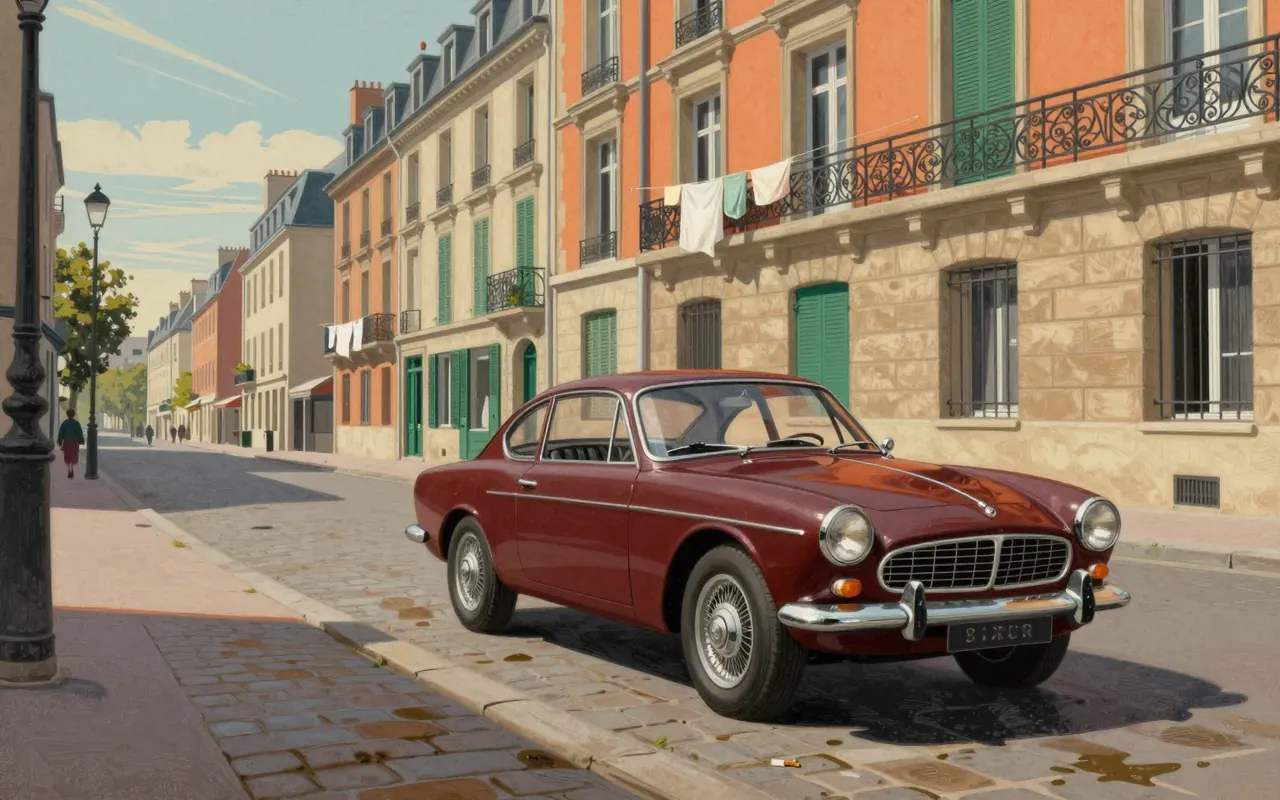
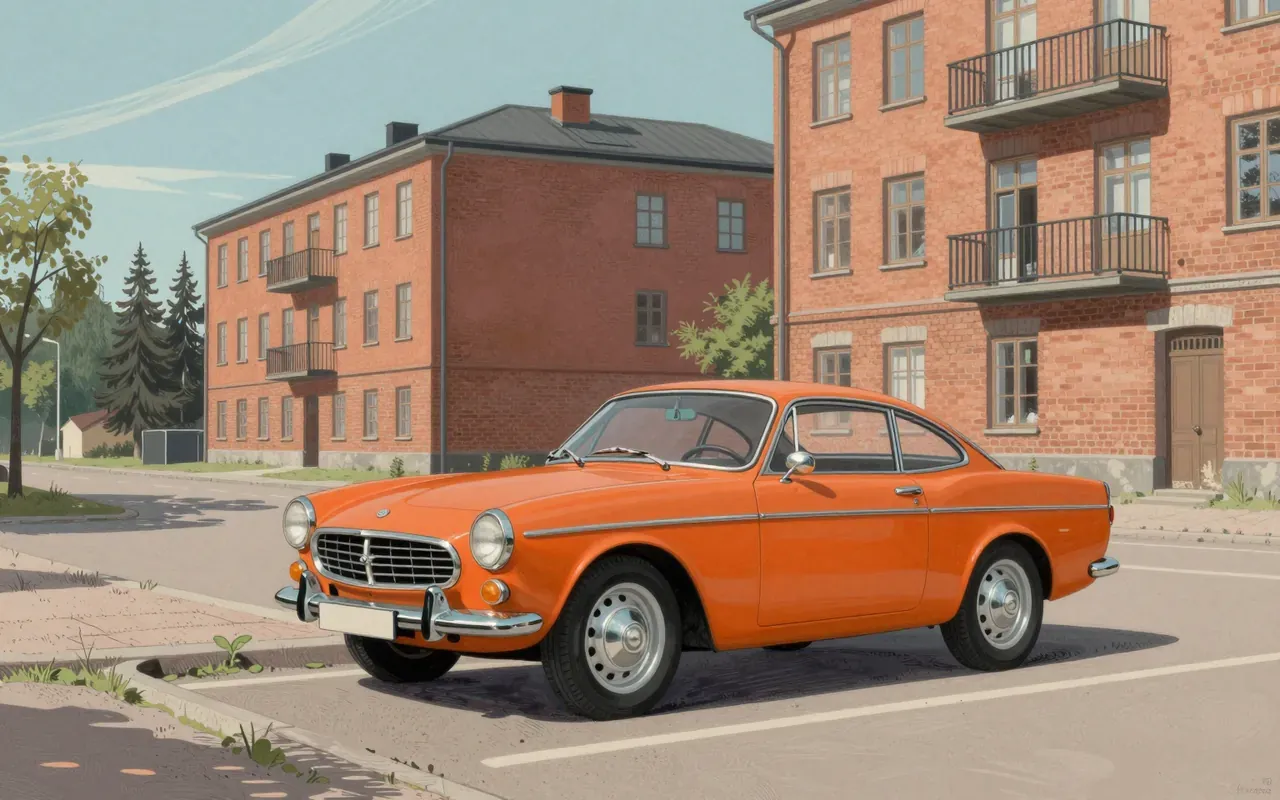
The Volvo P1800 is a 2+2, front-engine, rear-drive touring car introduced in 1961. Styled by Pelle Petterson under Pietro Frua, it was marketed as a touring car—not a sports car—despite later being called one. It sold 47,492 units between 1961 and 1973, offered first as a coupé and later as a shooting brake. Its mechanicals came from the Amazon/122 series. Volvo denied Petterson’s authorship until 2009. An 1800S owned by Irv Gordon reached 3.25 million miles. The project began in 1957 to replace the failed P1900 and target US and European markets.

9:10

Koenigsegg Agera

Christian von Koenigsegg · 2010

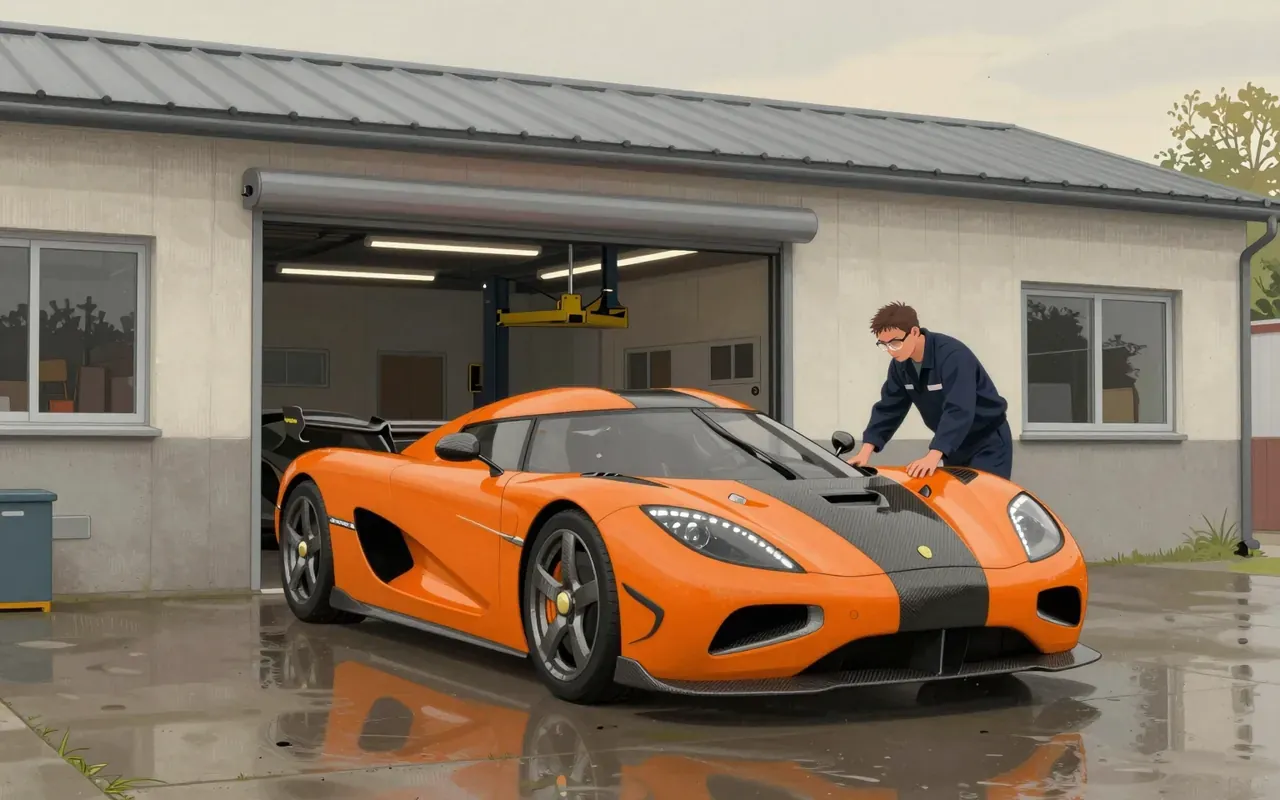
The Koenigsegg Agera is a Swedish mid-engine sports car produced by Koenigsegg Automotive AB. It succeeded the CCX/CCXR and was named Hypercar of the Year in 2010. Its Agera RS variant became the world's fastest production car in 2017. Production ceased in July 2018 and it was succeeded by the Jesko in 2019. It uses an in-house developed 5.0-litre V8 engine with twin-turbochargers and a specially developed CIMA 7-speed dual-clutch transmission with paddle shifters.

9:45

SSC Ultimate Aero

Jerod Shelby · 2006

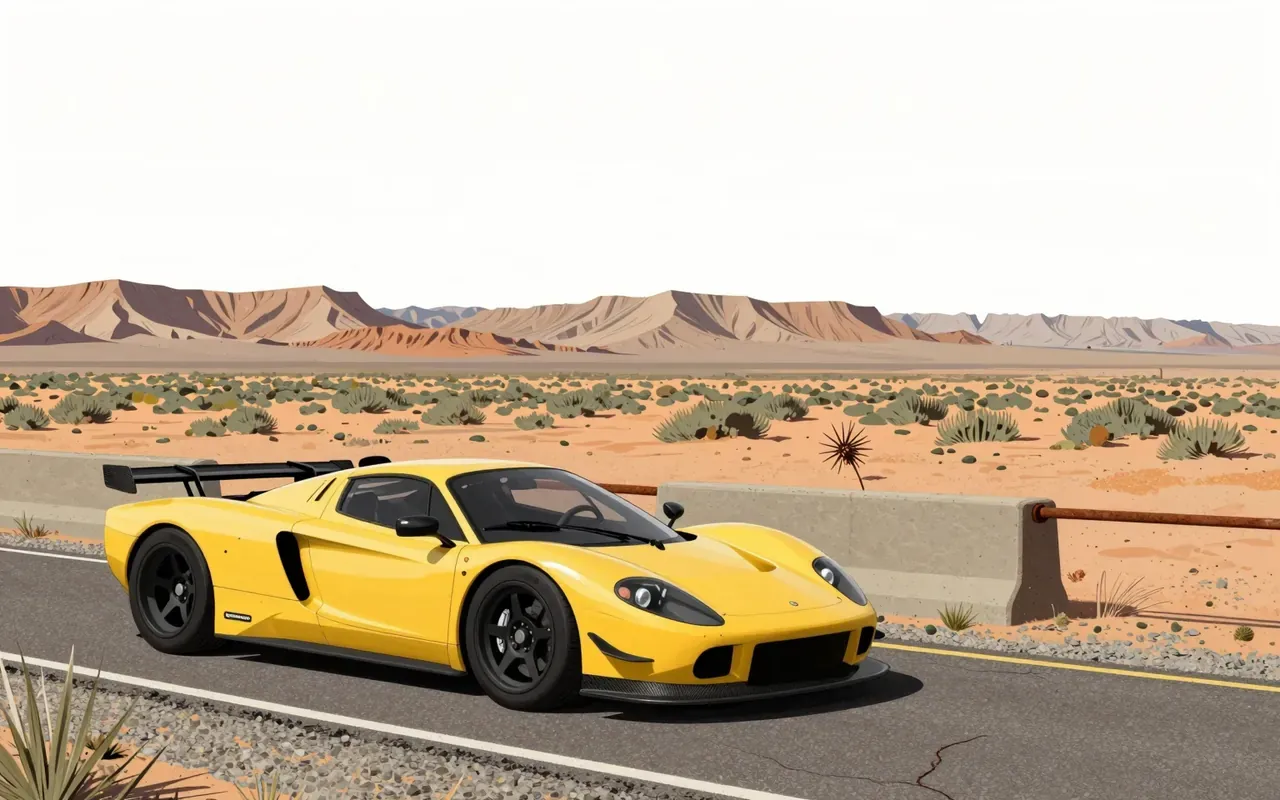
The SSC Ultimate Aero is a mid-engined sports car built by SSC North America from 2004 to 2013. It held the Guinness World Records production car speed record from 2007 until 2010. Jerod Shelby stated the early design philosophy was to make it a driver's car where throttle input could influence steering. The Aero features butterfly doors similar to those on the McLaren F1 and Ferrari Enzo. Carbon fibre and titanium are used throughout the car.

9:18

Sauber C9

Leo Ress · 1987

The Sauber C9 is a 1987 Group C prototype. It replaced the C8. It was a development of the C8, retaining its aluminium monocoque but making it stiffer. Six chassis were built. Early engines were prepared by Heini Mader as a cover for Mercedes’ involvement. Later engines came from Untertürkheim under Hermann Hiereth. The engine was semi-stressed and ran a dry sump. Weight reduction came from a new crankshaft, KKK turbochargers, and a liner-less block.

10:06

Toyota AE86 Corolla Levin

Toyota · 1986

The AE86 is a small, front-engine/rear-wheel-drive compact car derived from the fifth-generation Corolla (E80) range. It was the final Corolla model produced with rear-wheel drive. Its light weight, affordability, modifiability, and balanced front-engine/rear-drive layout made it distinctive amid an industry shift away from RWD. It featured a high-revving (7800 rpm) twin-cam engine in some markets, optionally elsewhere. It achieved early and enduring international prominence in drifting due to its inherent qualities. It was central to the manga and anime series Initial D (1995–2013) as the protagonist's drift and tofu delivery car. In 2015, Road & Track described it as 'a cult icon, inextricably interwoven with the earliest days of drifting.' It inspired the Toyota 86 (2012–present), a 2+2 sports car co-developed with Subaru.

9:56

Audi Quattro

Martin Smith · 1980

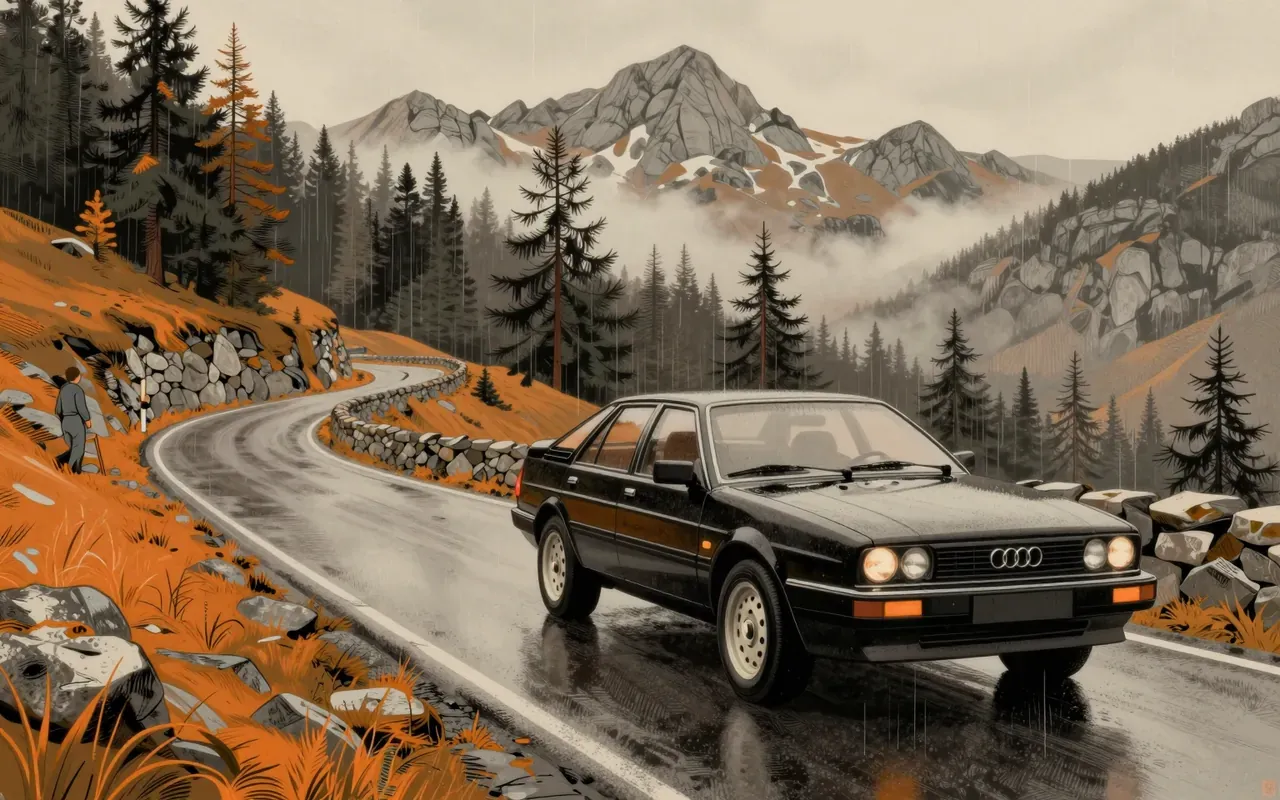
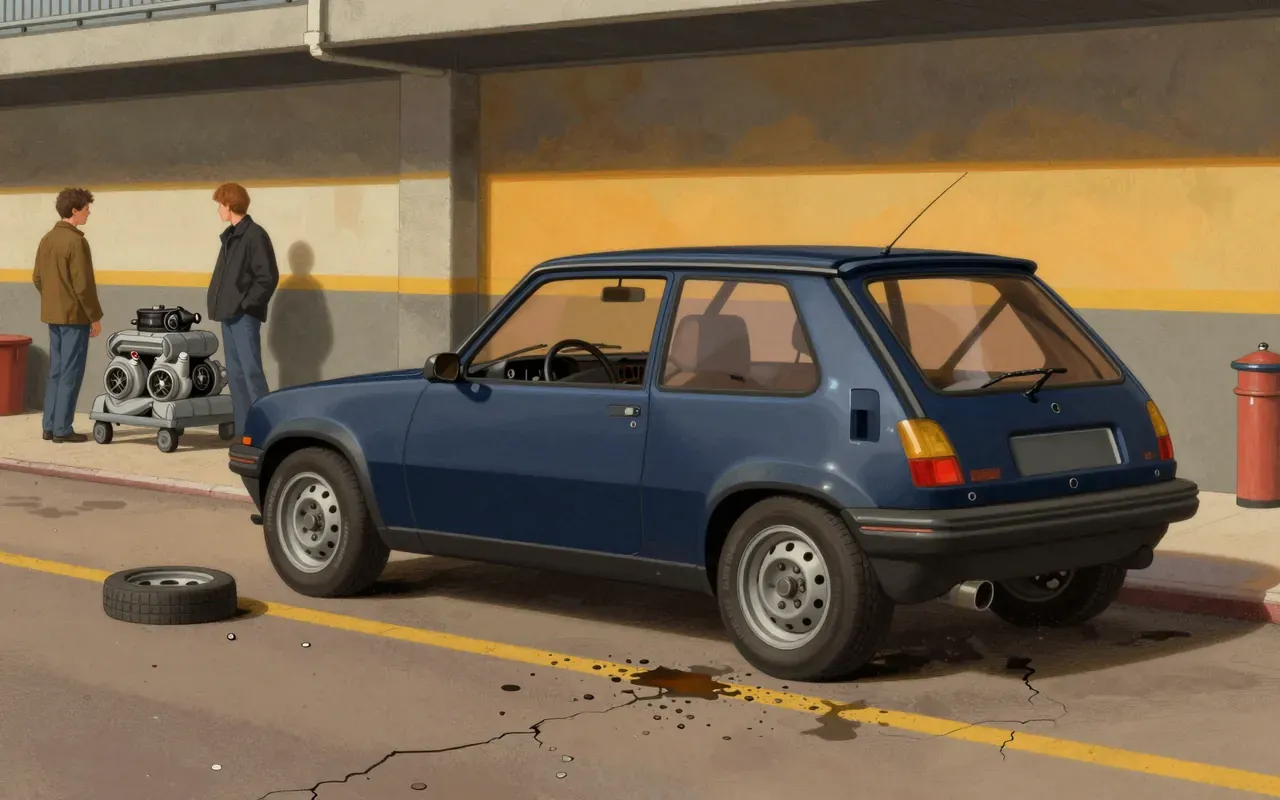
The Audi Quattro (1980) is a front-engine, four-wheel-drive coupé developed by Jörg Bensinger. First shown at the 1980 Geneva Motor Show. It was both a road car and the first rally car to use four-wheel drive under newly permitted competition rules. Its name comes from the Italian word for 'four'. Production ran until 1991. The original model is known as the Ur-Quattro.

9:22

Renault 5 Turbo

Marc Deschamps · 1980

The Renault 5 Turbo is a homologation special that reimagines the Renault 5 supermini as a mid-engined rally car. Built from 1980 to 1984, it features a rear mid-engine, rear-wheel-drive layout, a 1,397 cc turbocharged Cléon-Fonte inline-four, and 4,987 total units produced. Though badged as a Renault 5, its mechanicals are radically different. It was launched at the Brussels Motor Show in January 1980 and sold in street-legal form to meet homologation requirements.