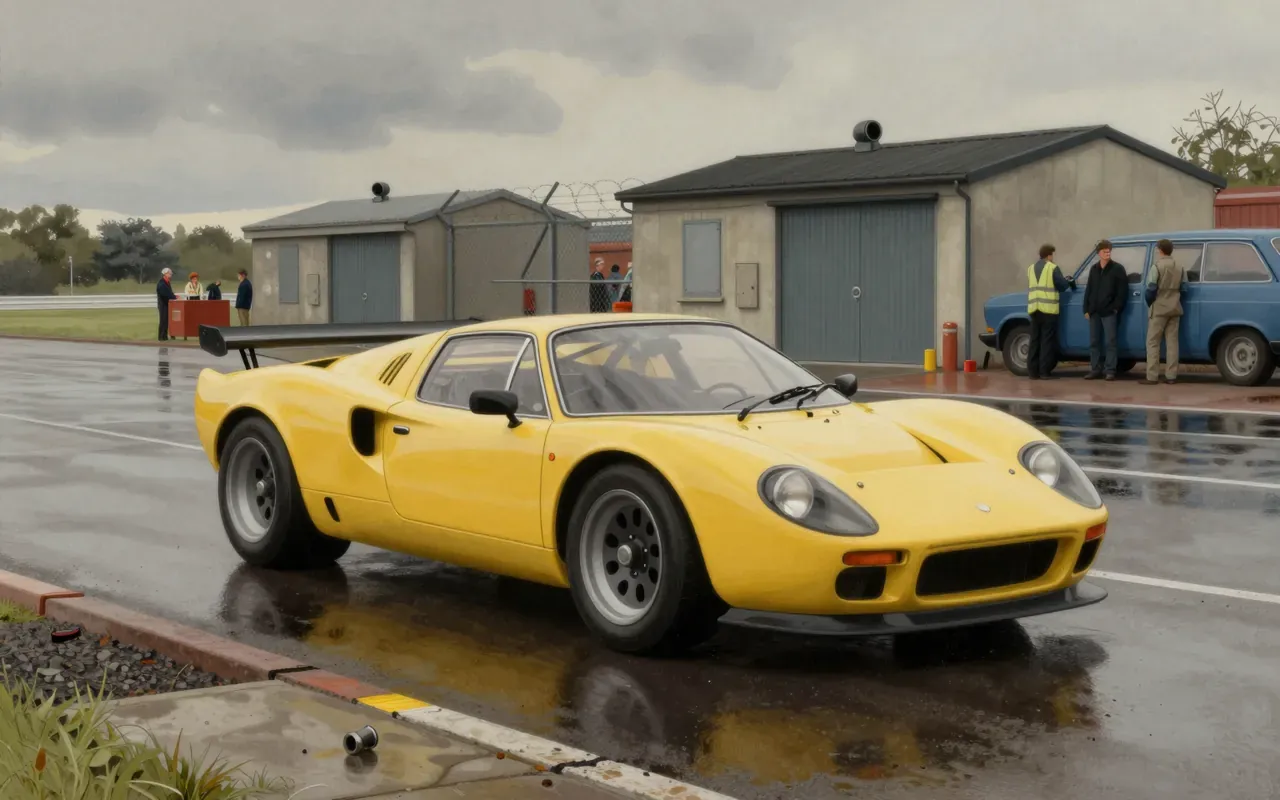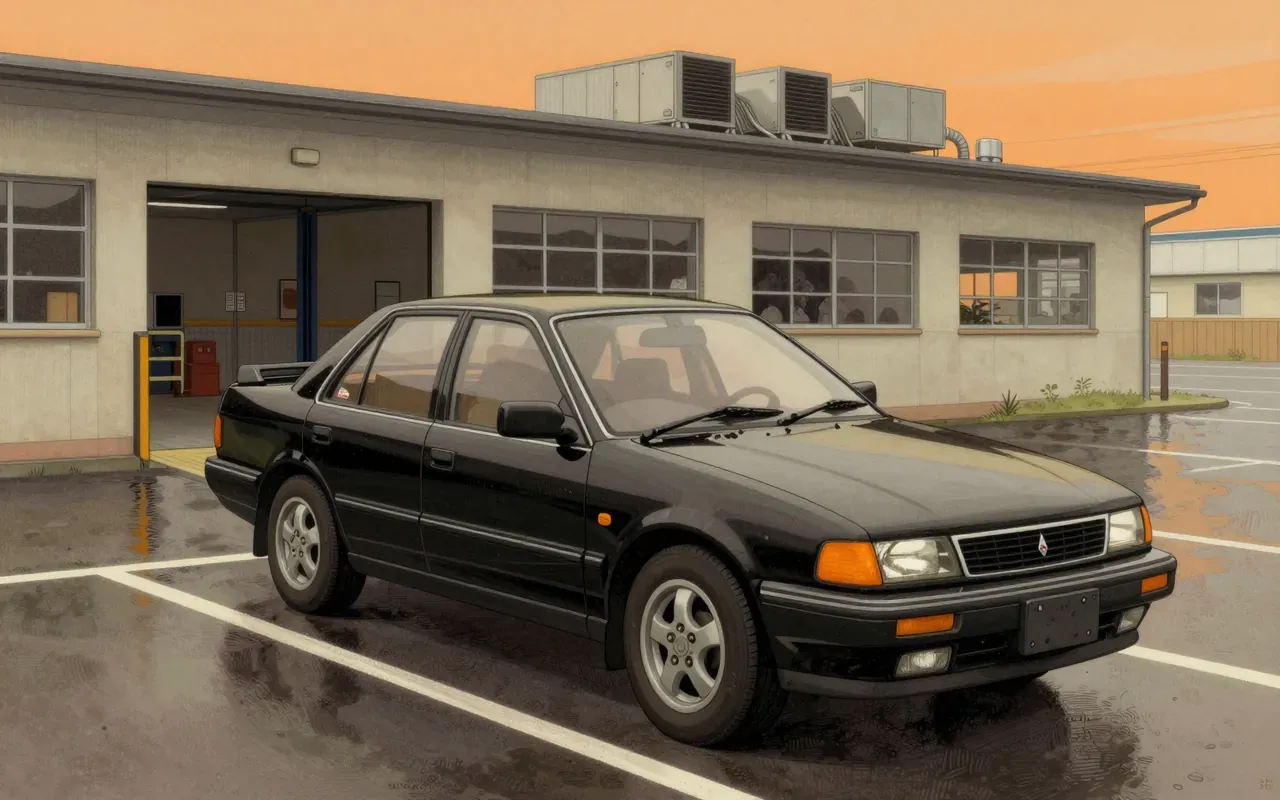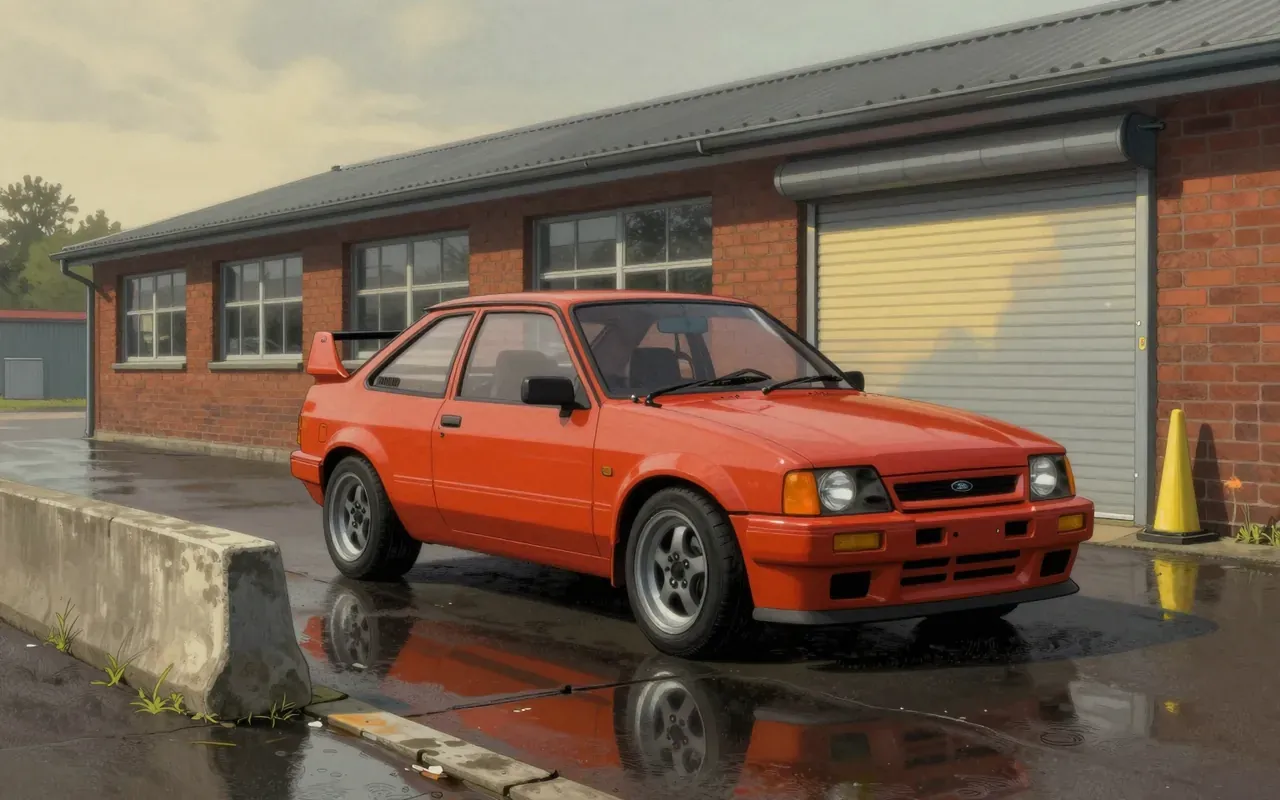
What the car is and where it came from
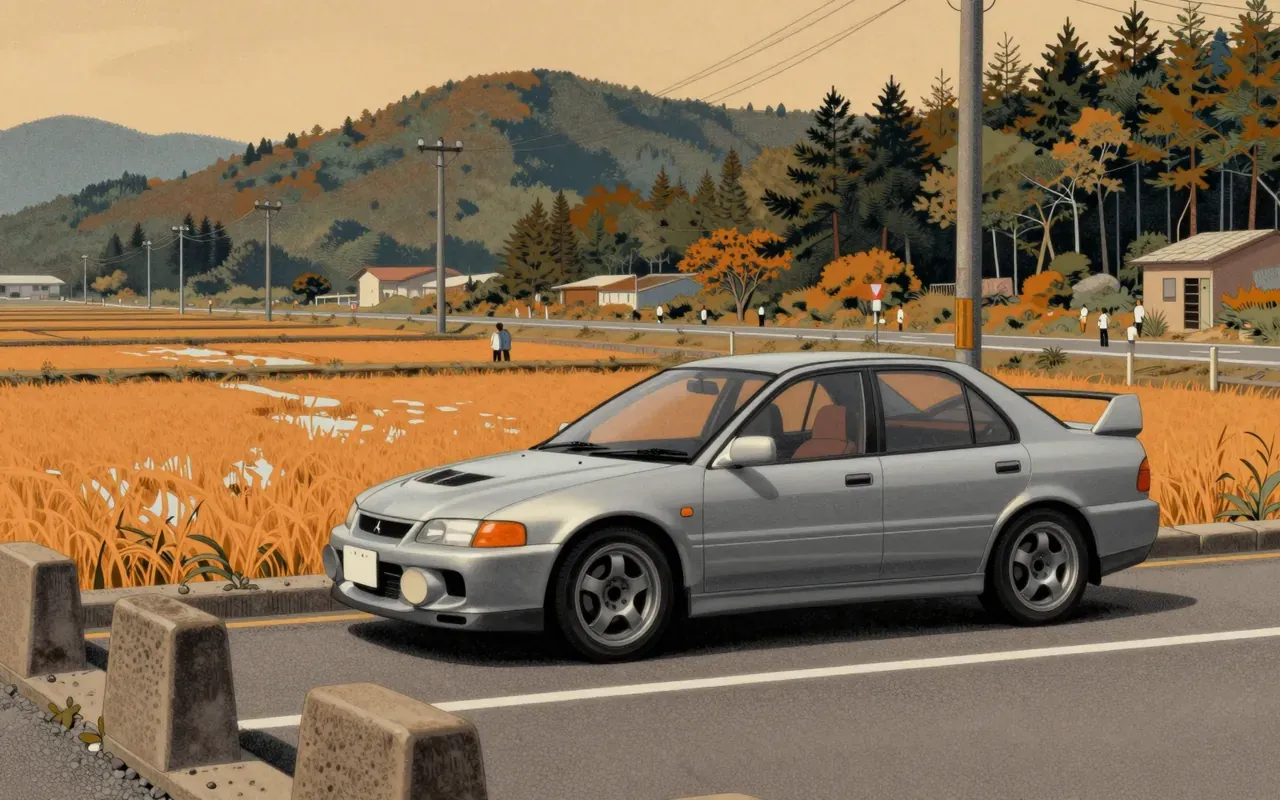
A sports sedan and rally car based on the Lancer. Built by Mitsubishi Motors. Produced from 1992 to 2016. Ten generations, each marked by Roman numeral.
How it works, in terms someone would actually use
It sends power to all four wheels. It uses a turbocharged two-litre inline-four engine. It is built as a sports sedan and rally car.
What it gets right
It commits fully to the rally-derived formula: turbo-four power, all-wheel drive, sedan body, Japanese-market origins expanded globally via Ralliart.
What it does not
It does not offer rear-wheel drive. It does not use a V6, V8, or electric powertrain. It does not exist outside the 1992–2016 production window.
What it changed
It established all-wheel drive as standard for high-performance sedans in its segment. It shifted perception of the Lancer from economy car to competition tool.
Who it is for, and who it is not
It is for drivers who prioritise mechanical cohesion between turbo engine and all-wheel drive over luxury, refinement, or hybrid systems. It is not for those seeking rear-wheel bias, electric propulsion, or non-sedan body styles.
Is it worth your time
Yes—if you need a machine defined by its rally-bred all-wheel-drive system and tightly focused evolution across ten generations. No—if you expect context beyond what the Lancer platform and turbo-four layout deliver.