What the car is and where it came from
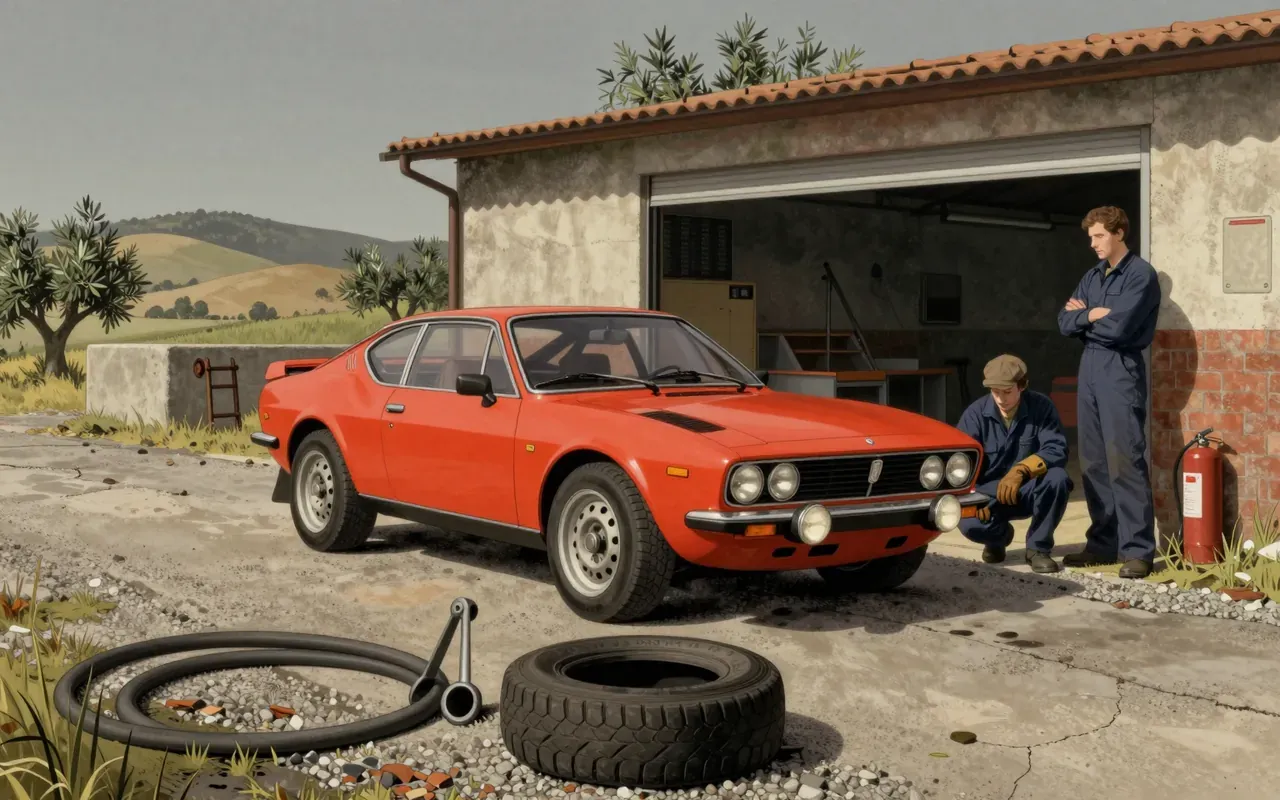
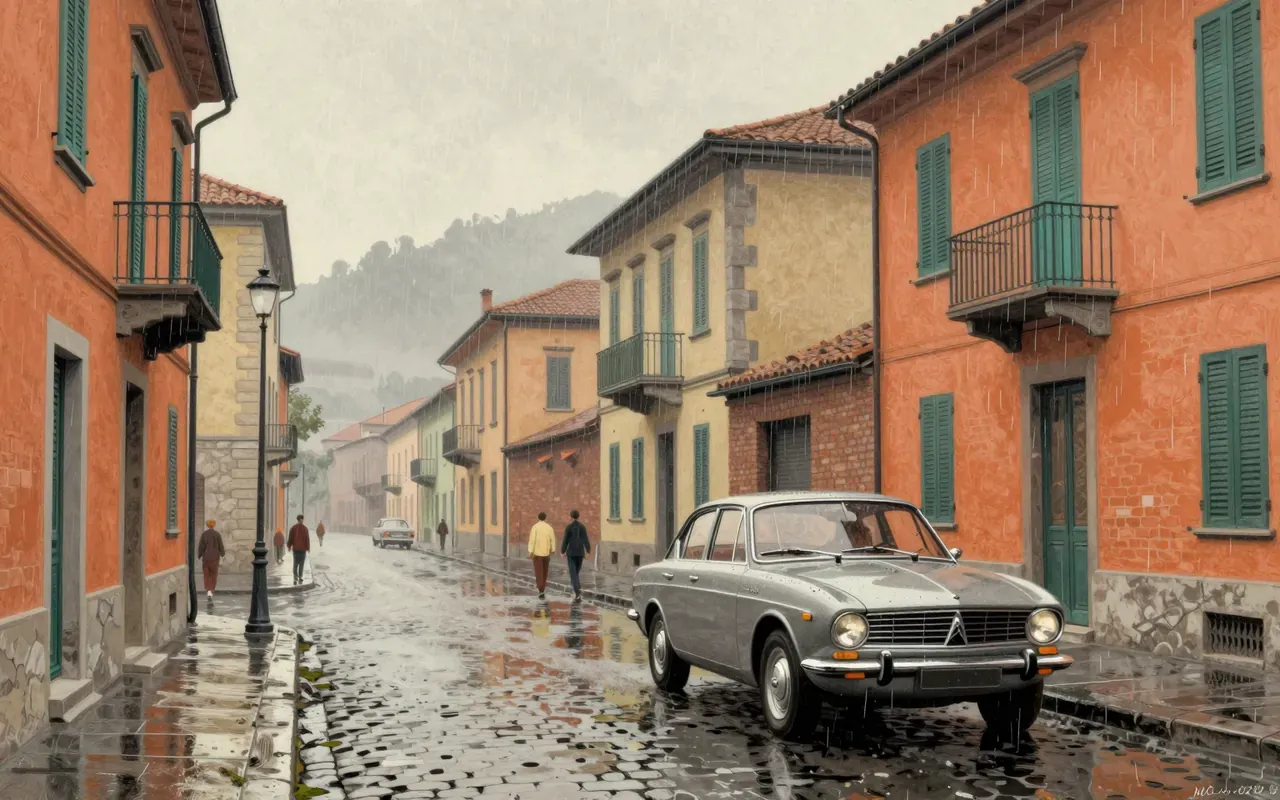
The Lancia Fulvia Coupé is a 1965 front-wheel-drive compact sports saloon designed by Piero Castagnero. It was built alongside the Antonio Fessia–designed Berlina, sharing no components with the outgoing Appia. It launched as part of a three-variant line — Berlina, Coupé, and Zagato Sport — all named after the Via Fulvia and debuted at the 1963 Geneva Motor Show.
How it works, in terms someone would actually use
The Fulvia places its narrow-angle V4 engine longitudinally, tilted 45°, ahead of a front-wheel-drive transaxle. This layout concentrates mass low and forward, sharpening turn-in response but loading the front tyres heavily under acceleration.
What it gets right
It gets the relationship between steering feedback and suspension geometry right. The narrow V4’s compact width allows tight packaging without sacrificing rigidity. The Coupé’s low roofline and wide track give it visual and dynamic purpose.
What it does not
It does not isolate the driver from road shocks. It does not offer rear-seat space comparable to contemporaries. It does not decouple steering from torque steer at full throttle.
What it changed
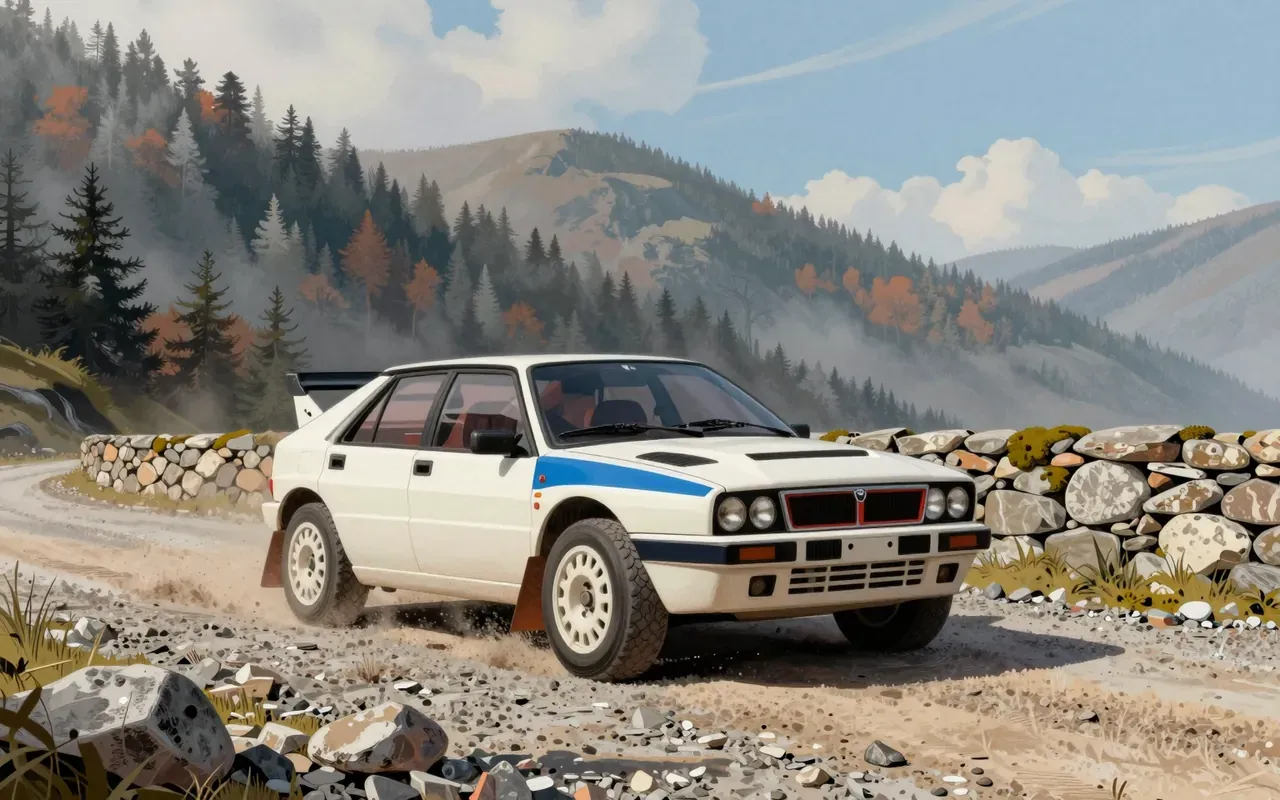
It proved longitudinal front-wheel drive could deliver precise, responsive dynamics in a compact saloon and coupé — influencing later Lancia and Fiat Group layouts, including the Beta and Delta.
Who it is for, and who it is not
It is for drivers who value mechanical honesty over comfort, and rally pedigree over showroom polish. It is not for those who prioritise ease of entry, visibility, or passive safety.
Is it worth your time
Yes — if you care about how engineering choices shape steering feel, weight distribution, and rally-bred chassis logic. It is not worth your time if you seek modern ergonomics, safety systems, or neutral handling.