What the car is and where it came from
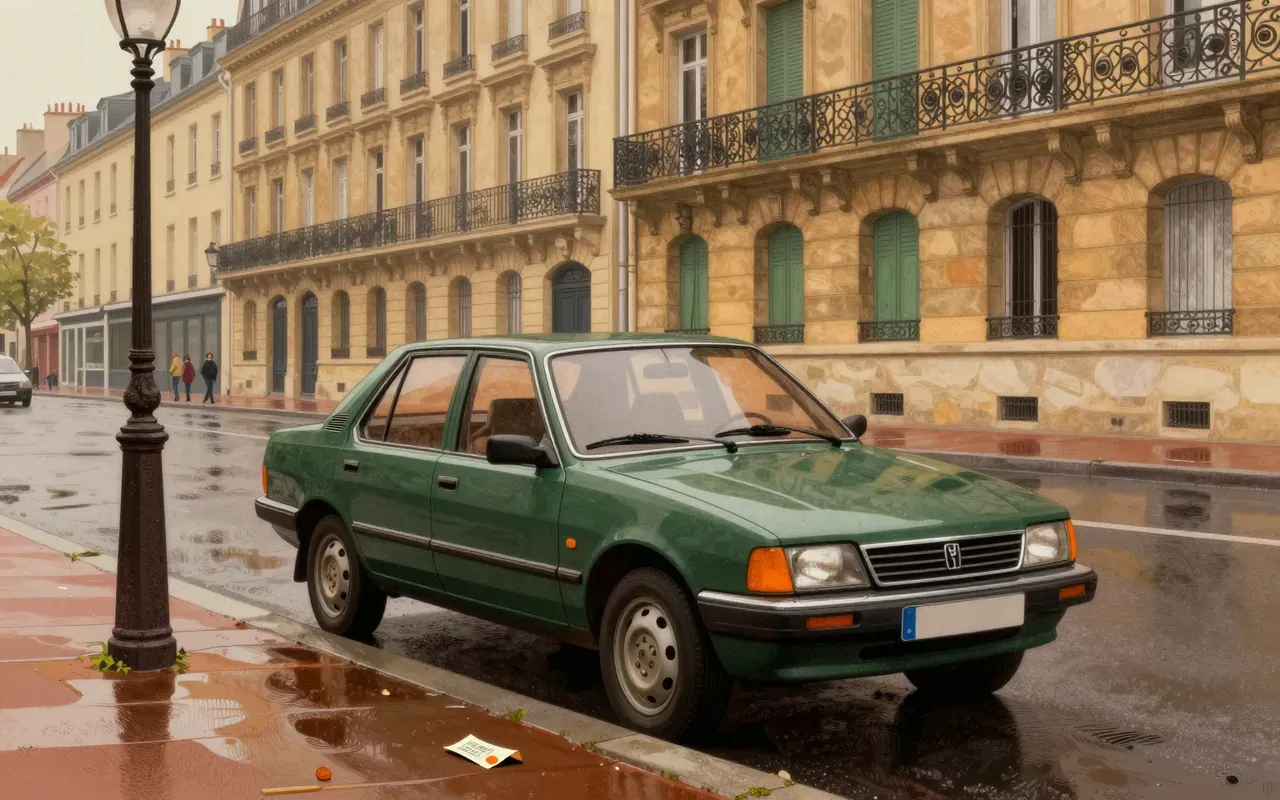
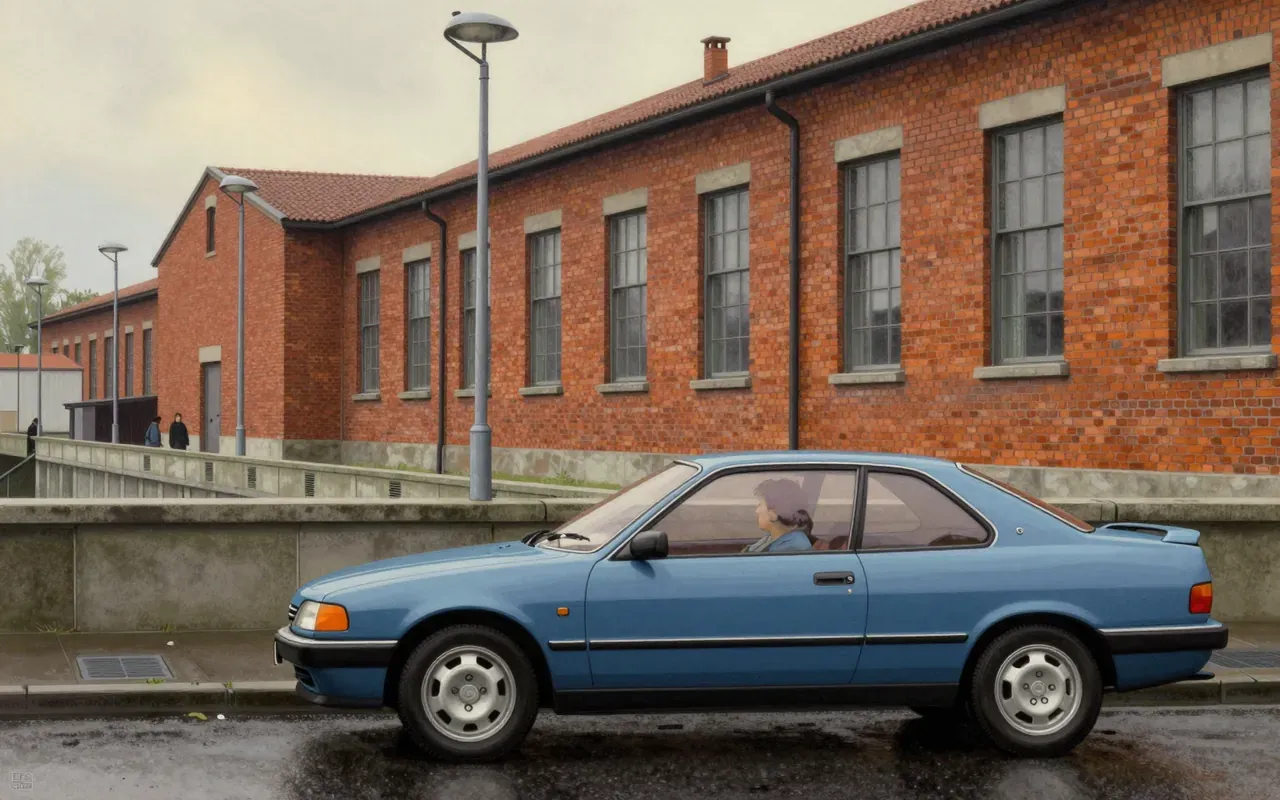
The Peugeot 406 is a large family car made by Peugeot from 1995 to 2004. The coupé version was designed and built by Pininfarina, launched at the 1996 Paris Motor Show, and credited to designer Davide Arcangeli.
How it works, in terms someone would actually use
The 406 coupé is a two-door, front-engined, front-wheel-drive large family car. It uses conventional petrol or turbodiesel engines — 2.0 L four-cylinder, 3.0 L V6, or 2.2 L HDi — and was built by Pininfarina in Italy. It shares its platform and core engineering with the saloon and estate versions.
What it gets right
The coupé’s proportions are resolved: long bonnet, short overhangs, fast roofline, and taut rear haunches. It delivers real-world efficiency — proven by a world fuel-distance record — and broad usability, from UK taxi fleets to Caravan Club towcar awards.
What it does not
It does not offer rear-wheel drive. It does not have a lightweight aluminium chassis. It does not use a bespoke body structure — the coupé shares its floorpan and suspension layout with the saloon and estate.
What it changed
It showed that a mainstream European manufacturer could outsource a full-bodied variant to an Italian design house — and sell over 107,000 units of it. It shifted expectations for what a family-car coupé could be: not a niche indulgence, but a viable, award-winning, high-volume proposition.
Who it is for, and who it is not
It is for drivers who want a practical, front-wheel-drive family car with sculpted presence — not raw performance or exclusivity. It is not for enthusiasts seeking driver engagement, mechanical novelty, or low-volume rarity.
Is it worth your time
Yes — if you care about how a mass-market car’s shape can be elevated by a design studio without compromising function. Its success in fleet sales, motorsport, and fuel-efficiency records proves it worked as both tool and statement.