automotivebriefs
9:12in productionCh. 1 · Born at the track/ 9:12 · ceiling 15 min
Racing · Sports cars

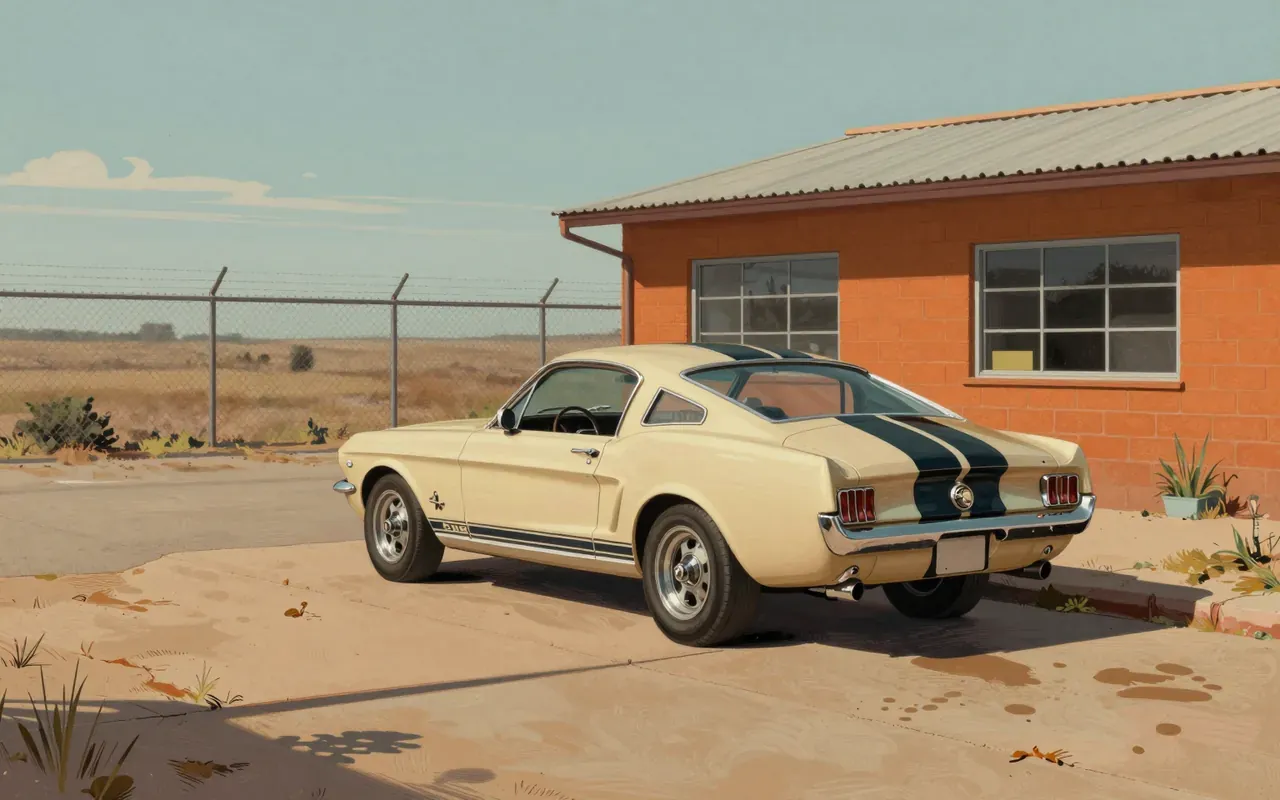
Shelby Mustang GT350

The 1965 Shelby Mustang GT350 wasn’t a muscle car — it was a race car that happened to have headlights.

The 1965 Shelby Mustang GT350 is a race-focused fastback built by Shelby American. It uses a modified 289 cu in V8. It wins SCCA B-Production for three years. It abandons comfort entirely. After 1967, Shelby’s involvement ends and Ford reduces later models to styling upgrades.

Chapters & takeaways5
  1. 0:48
    Born at the track

    It began as a Shelby American project, not a Ford factory effort — and it launched in the fastback body only.

  2. 2:05
    Power without compromise

    Its 289 V8 was tuned for 306 bhp and 329 lb⋅ft — but only because it sacrificed comfort, noise control, and rear seating.

  3. 3:17
    Race-bred, race-proven

    Thirty-four GT350R cars won three straight SCCA B-Production titles — proof it worked where it mattered.

  4. 4:25
    The comfort creep begins

    By 1966, Ford added rear seats and automatics — diluting its original mission before Shelby even left.

  5. 5:19
    Shelby’s exit, Ford’s badge

    After 1967, Shelby’s name stayed on the car — but his engineering input did not.

Worth your time?

Yes. Drive the whole thing.

4.5/ 5
What works
  • race readiness
  • mechanical honesty
  • SCCA championship record
What does not
  • comfort
  • daily usability
  • post-1967 authenticity
Drive it if
  • SCCA history enthusiasts
  • early pony car engineers
  • track-day purists
Skip it if
  • grand tourer buyers
  • modern performance expectations
  • Ford brand historians focused on 1968–1970
The written brief1 min read

What the car is and where it came from

The 1965 Shelby Mustang GT350 is a race-focused variant of the first-generation Ford Mustang, developed and built by Shelby American. It is a sportsroof fastback with a modified 289 cu in (4.7 L) V8 engine, built exclusively for track use in its first year.

How it works, in terms someone would actually use

It is a modified first-generation Ford Mustang sportsroof fastback, built by Shelby American in 1965 as a race-ready machine. It uses a tuned 289 cu in (4.7 L) V8 engine with a Holley 725 CFM carburetor. The driver feels raw mechanical feedback through the steering and a stripped-out cabin with no rear seat, no sound deadening, and minimal trim.

What it gets right

It gets right the balance of lightweight focus, engine responsiveness, and chassis readiness for circuit use. It delivers direct throttle response, sharp steering, and a rigid fastback structure suited to high-g cornering — all within the constraints of 1965 production tooling.

What it does not

It does not offer daily drivability as standard. It does not retain Carroll Shelby’s involvement beyond 1967. It does not sustain its original purpose after 1968, when Ford reduced later models to styling exercises.

What it changed

It proved a mass-market pony car could be re-engineered into a legitimate track weapon without changing its fundamental layout or body shell. It shifted Ford’s thinking from showroom appeal to sanctioned competition credibility.

Who it is for, and who it is not

It is for enthusiasts who value proven SCCA competition pedigree and unfiltered mechanical engagement. It is not for buyers seeking luxury, comfort, automatic transmission, or post-1967 authenticity.

Is it worth your time

Yes — if you want to understand how a factory-based American performance car was engineered for SCCA racing before comfort or branding took priority. No — if you expect modern usability, refinement, or continuity beyond 1967.

Same garage · Racing4 of 37
8:57
Porsche 550Wilhelm Hild · 1953The Porsche 550 is a mid-engine racing sports car built by Porsche from 1953 to 1956. Only 90 were made. It used an air-cooled 1.5 L flat-four engine with double overhead camshafts. It won consistently in its class across major races. Each unit was customised for racing.
8:30
Ferrari F50Lorenzo Ramaciotti · 1995The Ferrari F50 is a 1995–1997 limited-run targa-top supercar. Its 4.7 L V12 came from Formula One. Its shape grew from the 1989 Mythos concept and borrowed F1 front-end cues. It uses a rear mid-engine, rear-wheel-drive layout. Only 349 were built.
9:02
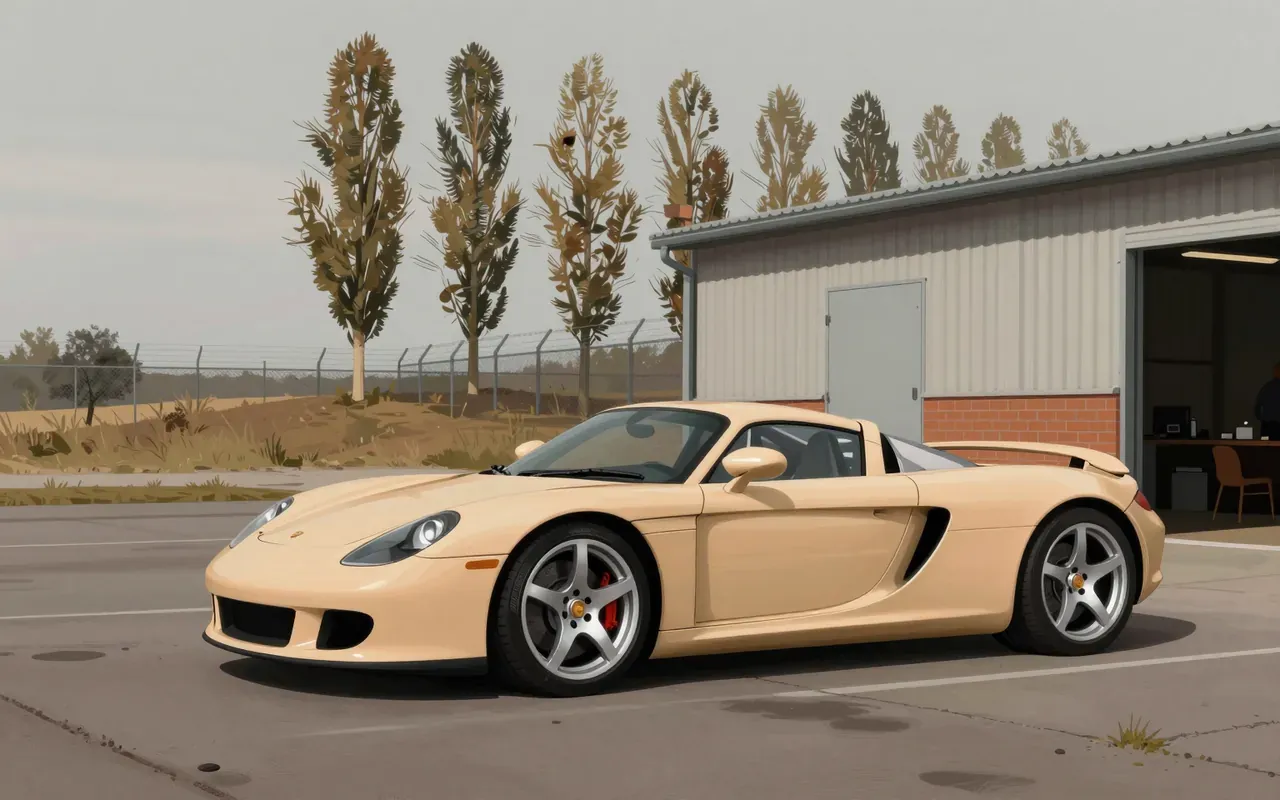
Porsche Carrera GTHarm Lagaay · 2003The Porsche Carrera GT is a mid-engine, rear-wheel-drive sports car manufactured by Porsche from 2003 to 2006. Its development traces back to the 911 GT1 and LMP1-98 racing cars. A concept version with a 5.5 L V10 debuted at the 2000 Paris Motor Show. Revenue from the Cayenne helped Porsche decide to produce a road-legal version in Leipzig. Production began in 2004 and ended on 6 May 2006 after 1,270 units were built. The production model uses a 5.7 L V10 engine producing 450 kW and accelerates from 0–60 mph in 3.5 seconds.
10:29
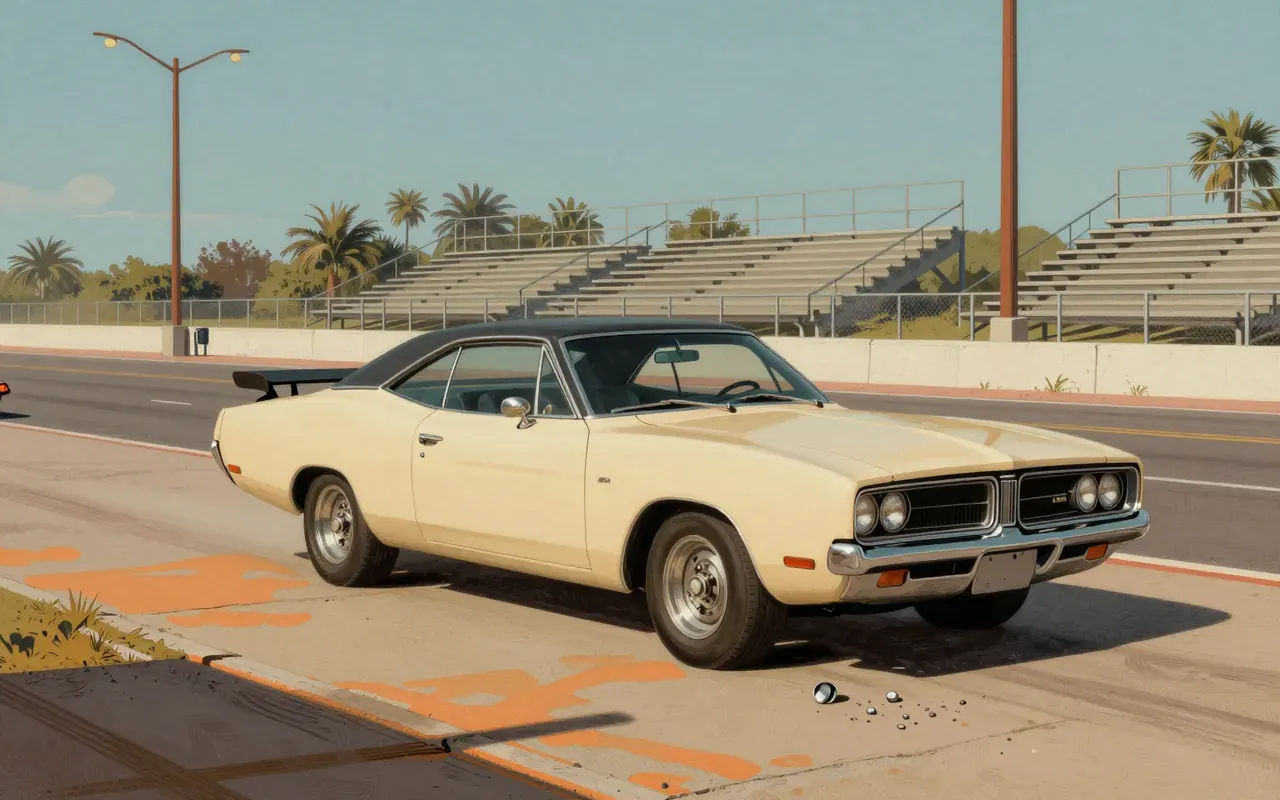
Dodge Charger DaytonaChrysler Engineering · 1969The 1969 Dodge Charger Daytona is a purpose-built NASCAR racer derived from the Charger R/T. It introduced radical aerodynamics — nose cone and rear wing — to achieve stability at 200 mph. It won six races and changed how American manufacturers approached superspeedway competition. It is not a grand tourer, not a collector’s lounge piece, and not a design exercise — it is a documented response to a specific racing problem.
Up next in Automotive

Talbot-Lago T150-C SS

Figoni & Falaschi · 1936 · 10:20

Aerodynamic theatre on wheels—designed to win eyes before it won races.

10:20