automotivebriefs
10:29in productionCh. 1 · Not a car. A weapon./ 10:29 · ceiling 15 min
Racing

Dodge Charger Daytona

Aerodynamics broke the muscle car’s rules — and the Daytona was the first to weaponise it.

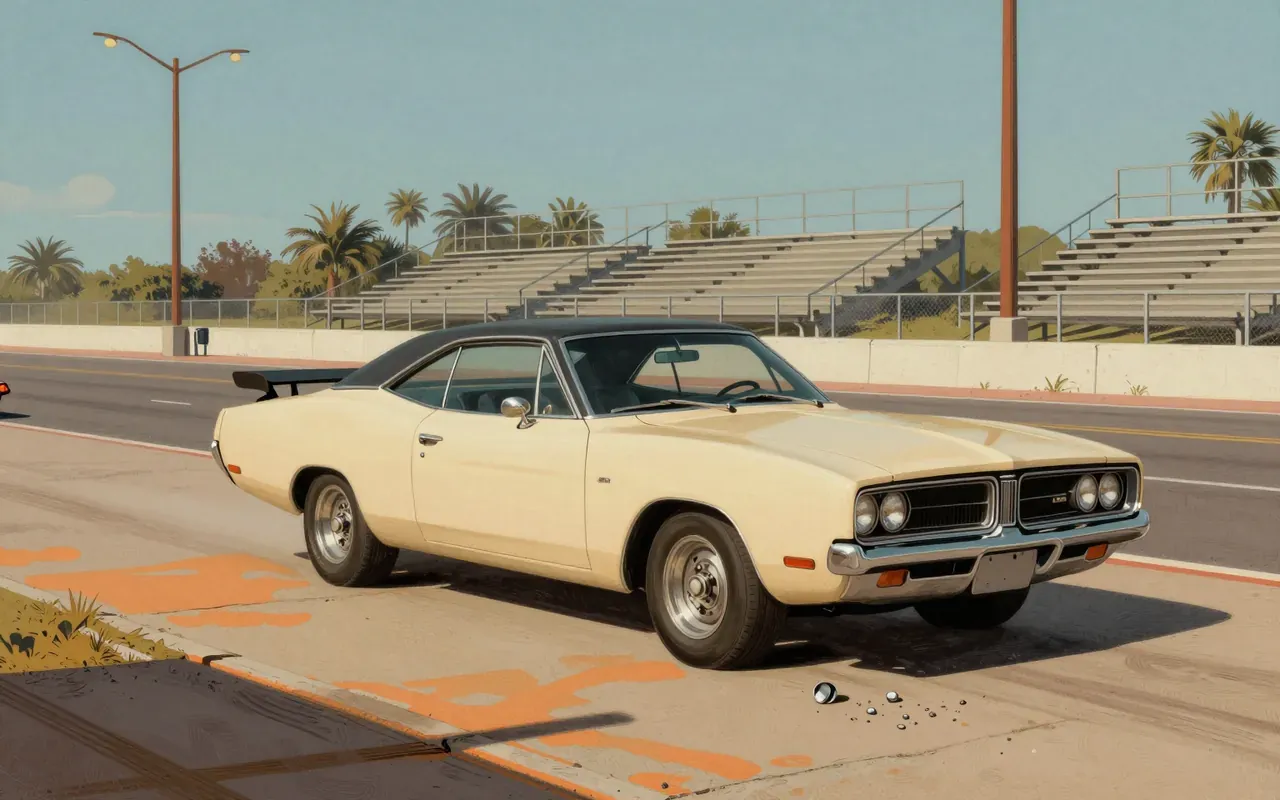
The 1969 Dodge Charger Daytona is a purpose-built NASCAR racer derived from the Charger R/T. It introduced radical aerodynamics — nose cone and rear wing — to achieve stability at 200 mph. It won six races and changed how American manufacturers approached superspeedway competition. It is not a grand tourer, not a collector’s lounge piece, and not a design exercise — it is a documented response to a specific racing problem.

Chapters & takeaways6
  1. 1:15
    Not a car. A weapon.

    It was not a new model — it was a race-modified Charger, built for one job only.

  2. 2:24
    Where the air goes, the car follows

    The 440 Magnum engine and heavy-duty R/T suspension were baseline — the nose cone and wing were the real upgrades.

  3. 3:27
    The 200 mph proof

    Buddy Baker hit 200 mph in it — the first NASCAR car ever to do so — proving its aero worked.

  4. 4:39
    Six races. Zero compromises.

    Six wins in two seasons confirmed it wasn’t just fast — it was race-winning reliable.

  5. 5:42
    Built for two tracks only

    It existed solely to win at Talladega and Daytona — no showroom appeal, no comfort, no compromise.

  6. 6:58
    Charger, sharpened

    Every Daytona was a modified Charger — no standalone platform, no bespoke chassis, just urgent engineering.

Worth your time?

Yes. Drive the whole thing.

4.5/ 5
What works
  • high-speed stability
  • driver confidence at 200 mph
  • mechanical simplicity tuned for endurance
What does not
  • handle like a modern sports car
  • prioritise cornering balance
  • offer refined braking
Drive it if
  • people who study how engineering constraints produce radical design
Skip it if
  • collectors seeking daily-drivable muscle cars
  • those drawn to aesthetic nostalgia
The written brief1 min read

What the car is and where it came from

The 1969 Dodge Charger Daytona is a limited-edition, NASCAR-spec version of the Dodge Charger, developed by Chrysler Engineering. It was built in summer 1969. Only 503 were made.

How it works, in terms someone would actually use

It is a rear-wheel-drive saloon built on the Charger R/T trim. It uses a 440 cu in Magnum engine. Its nose cone and rear wing alter airflow to reduce drag and increase downforce at speed.

What it gets right

It gets right the singular focus of a race-bred machine: high-speed stability, driver confidence at 200 mph, and mechanical simplicity tuned for endurance on superspeedways.

What it does not

It does not handle like a modern sports car. It does not prioritise cornering balance or braking refinement. It sacrifices road manners for straight-line stability.

What it changed

It proved NASCAR could be won with purpose-built aero, not just engine power. It forced competitors to follow with their own winged coupes within two years.

Who it is for, and who it is not

It is for people who study how engineering constraints produce radical design. It is not for collectors seeking daily-drivable muscle cars or aesthetic nostalgia.

Is it worth your time

Yes — if you care about how aerodynamic necessity reshaped American muscle cars for racing, not styling.

Same garage · Racing4 of 16
10:59
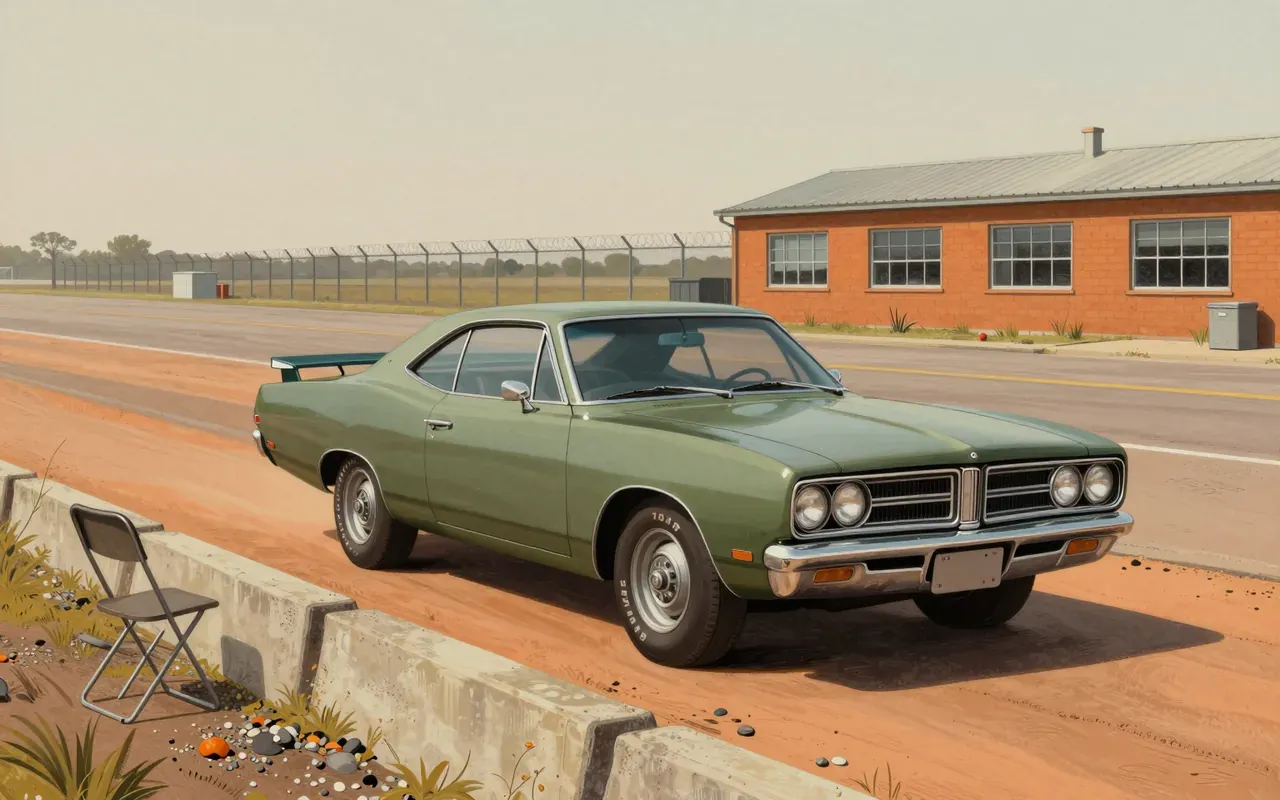
Plymouth SuperbirdChrysler Engineering · 1970The Plymouth Superbird is a 1970-only, NASCAR-focused, aerodynamically enhanced variant of the Plymouth Road Runner, developed as Plymouth's response to the 1969 Dodge Charger Daytona and designed to lure Richard Petty back from Ford; it featured a distinctive nosecone, high rear wing, and 'beep, beep' horn, with three engine options — most notably the rare 426 Hemi — and was built in limited numbers (around 1,935 units) to meet NASCAR homologation rules.
11:01
Alfa Romeo 33 StradaleFranco Scaglione · 1967The Alfa Romeo 33 Stradale is a mid-engine sports car derived from the Tipo 33 racing prototype, designed by Franco Scaglione and built by Carrozzeria Marazzi. Eighteen units were produced between 1967 and 1969. It featured a 2.0 L V8 engine and was the fastest commercially available car for the standing kilometer upon its introduction.
9:03
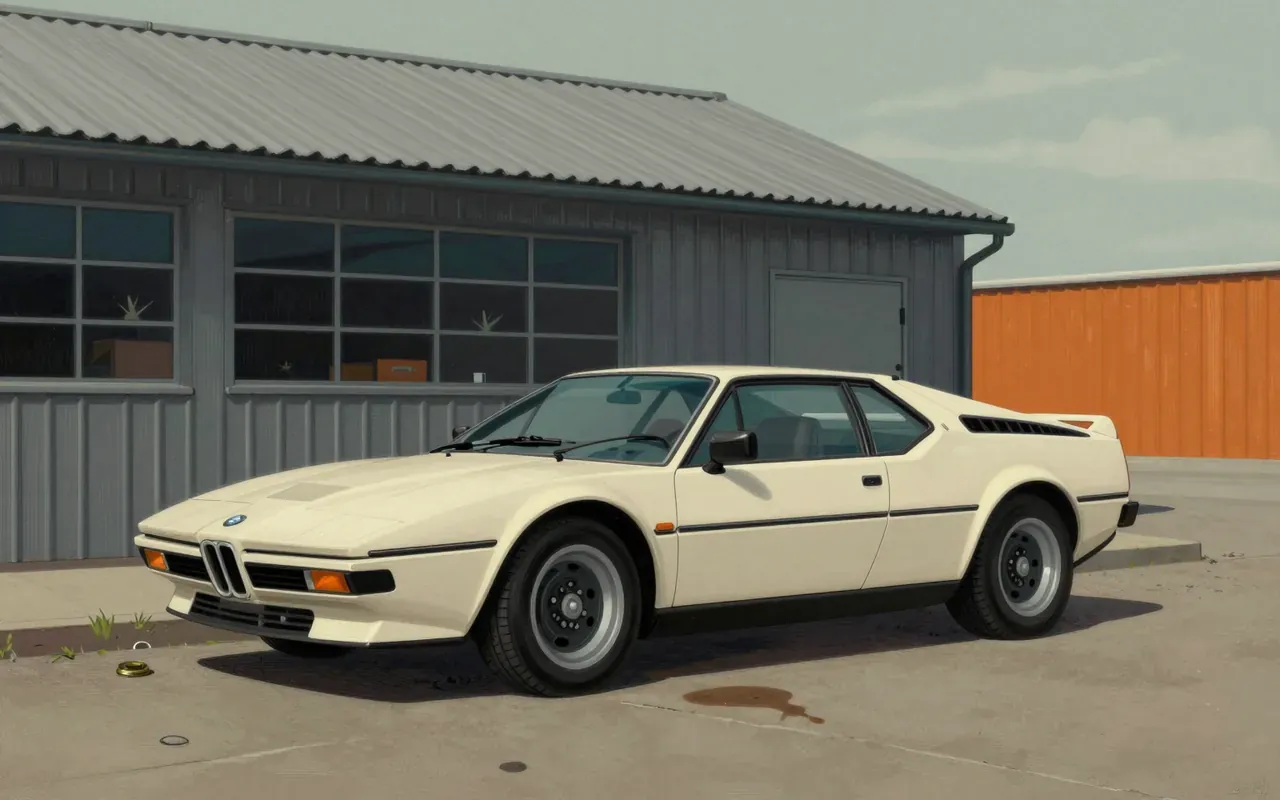
BMW M1Giorgetto Giugiaro · 1974The BMW M1 is a mid-engined, rear-wheel-drive coupé designed by Giorgetto Giugiaro in 1977. Hand-built from 1978 to 1981 as a homologation special, it was the first car developed solely by BMW M and the first mass-produced mid-engine BMW. Its fibreglass body reflects Giugiaro’s angular 'folded paper' design language. Only 453 units were produced.
10:24
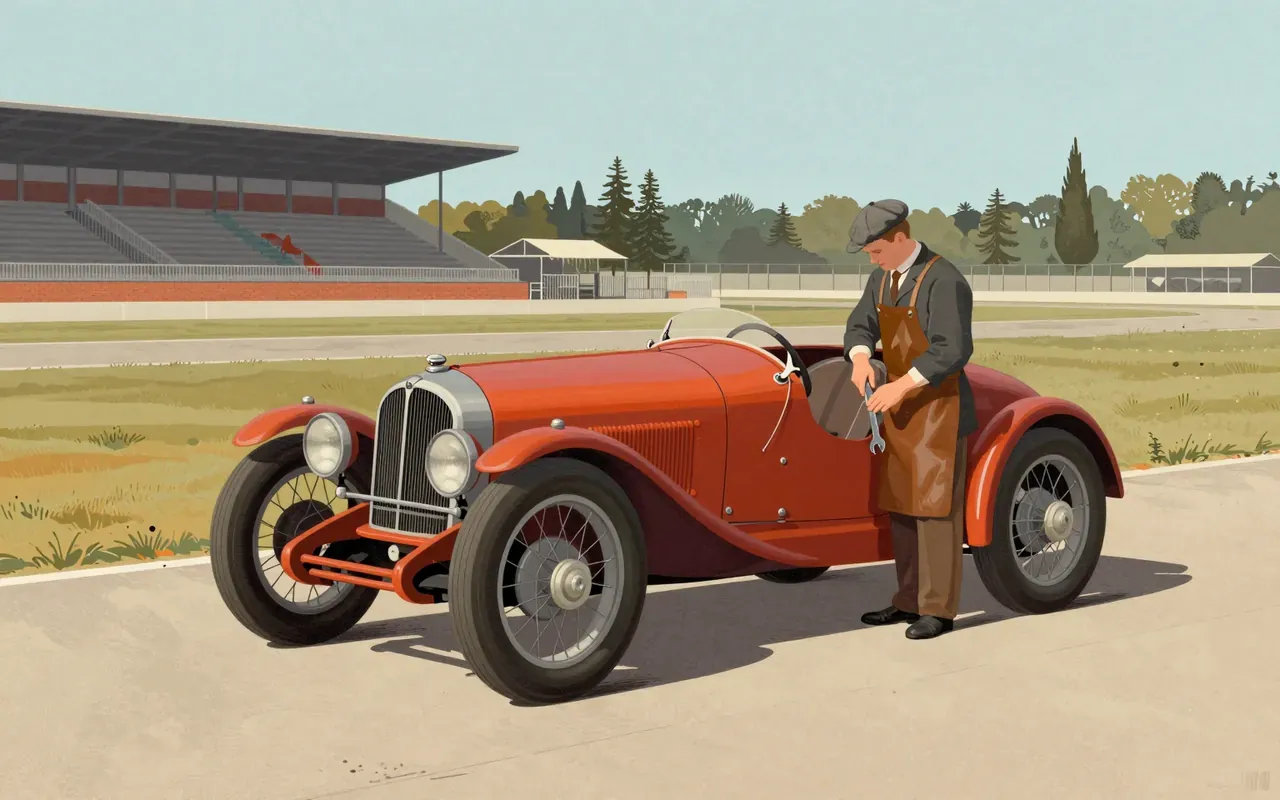
Bugatti Type 35Ettore Bugatti · 1924The Bugatti Type 35 is the first holistically conceived, race-ready car sold as a complete system. It pioneered cast alloy wheels and won over 1,000 races between 1924 and 1930. Its design prioritised integration over adaptation—and succeeded globally, with factory and privateer teams alike.
Up next in Automotive

Duesenberg Model J

Gordon Buehrig · 1928 · 10:16

The fastest, most expensive American car of 1928 — built to win a race against prestige, not lap times.

10:16