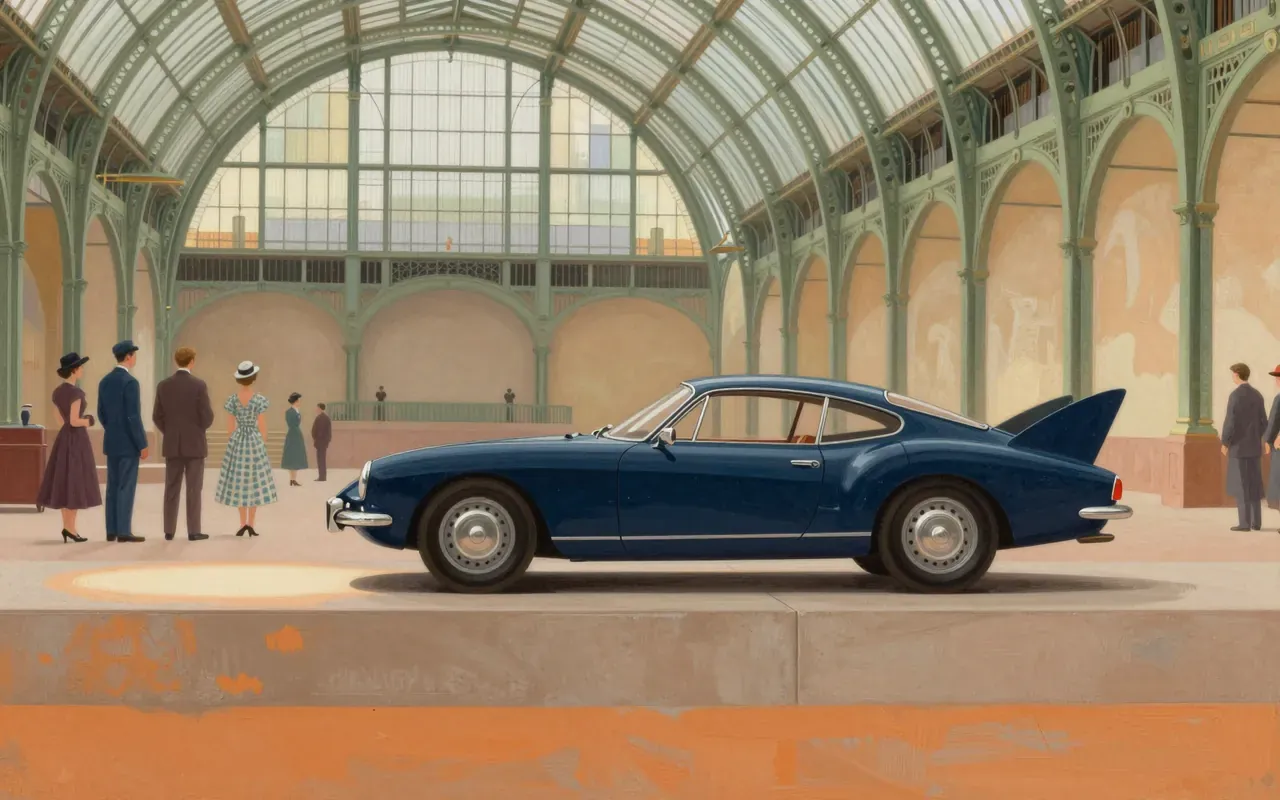
Aerodynamic theatre on wheels—designed to win eyes before it won races.
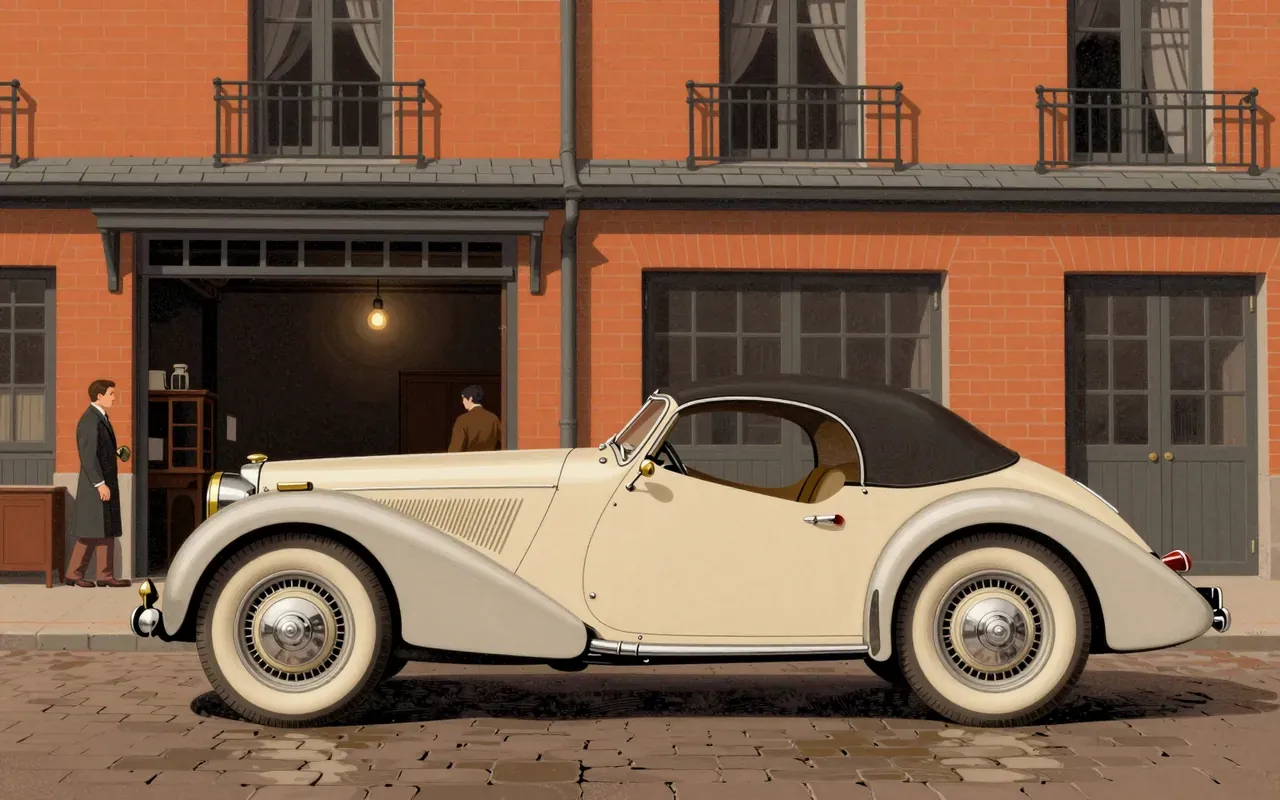
The Talbot-Lago T150C SS Teardrop Coupe is a 1936 Figoni & Falaschi-bodied car commissioned by Antonio Lago to revive the Talbot marque. Its teardrop form was among the most aerodynamic of its era—and the most frequently specified for the Lago-SS. It established no new chassis or engine architecture, but it did establish a visual language for speed that resonated at concours and auction alike.
Antonio Lago commissioned this car to resurrect Talbot—and Figoni & Falaschi delivered the statement piece.
2:17
The Body That Defined the Line
Figoni & Falaschi’s body was the most frequently specified for the Lago-SS—and its aerodynamic form set the visual standard.
4:14
The Auction Benchmark
The T150C SS Teardrop Coupe became one of the most valuable pre-war cars—proving desirability was baked into its shape.
6:00
The Repeat Partnership
This was not a one-off experiment—it was part of a pattern: Figoni & Falaschi bodied multiple Talbot-Lago T150 coupés in the mid-1930s.
Worth your time?
Yes. Drive the whole thing.
4.5/ 5
What works
aerodynamic expression
coachbuilding authority
marque revival symbolism
What does not
engine
layout
production run
power figure
Drive it if
design historians
pre-war automotive collectors
aerodynamics students
Skip it if
performance specifiers
mass-production analysts
electric vehicle researchers
The written brief1 min read
What the car is and where it came from
The Talbot-Lago T150C SS Teardrop Coupe is a 1936 coachbuilt automobile. Figoni & Falaschi designed and built it. Antonio Lago commissioned it to revive the Talbot marque.
How it works, in terms someone would actually use
It is a coachbuilt car. The chassis and mechanicals came from Talbot-Lago. Figoni & Falaschi shaped its body. It was built to be driven fast and shown with pride.
What it gets right
It gets right the synthesis of speed and sculpture. Its teardrop form answered real airflow questions while asserting visual authority on the road and at concours.
What it does not
It does not establish technical specifications. It does not define a new chassis layout or powertrain architecture. It does not claim production numbers or performance figures.
What it changed
It helped reposition Talbot as a serious sporting marque. Its shape influenced how aerodynamics were expressed in road-going competition cars.
Who it is for, and who it is not
It is for people who study automotive design as applied physics and theatre. It is not for those seeking documented engineering innovation or mass-market relevance.
Is it worth your time
Yes—if you care about how aerodynamic form emerged in pre-war racing machinery, and how coachbuilding served both function and spectacle.