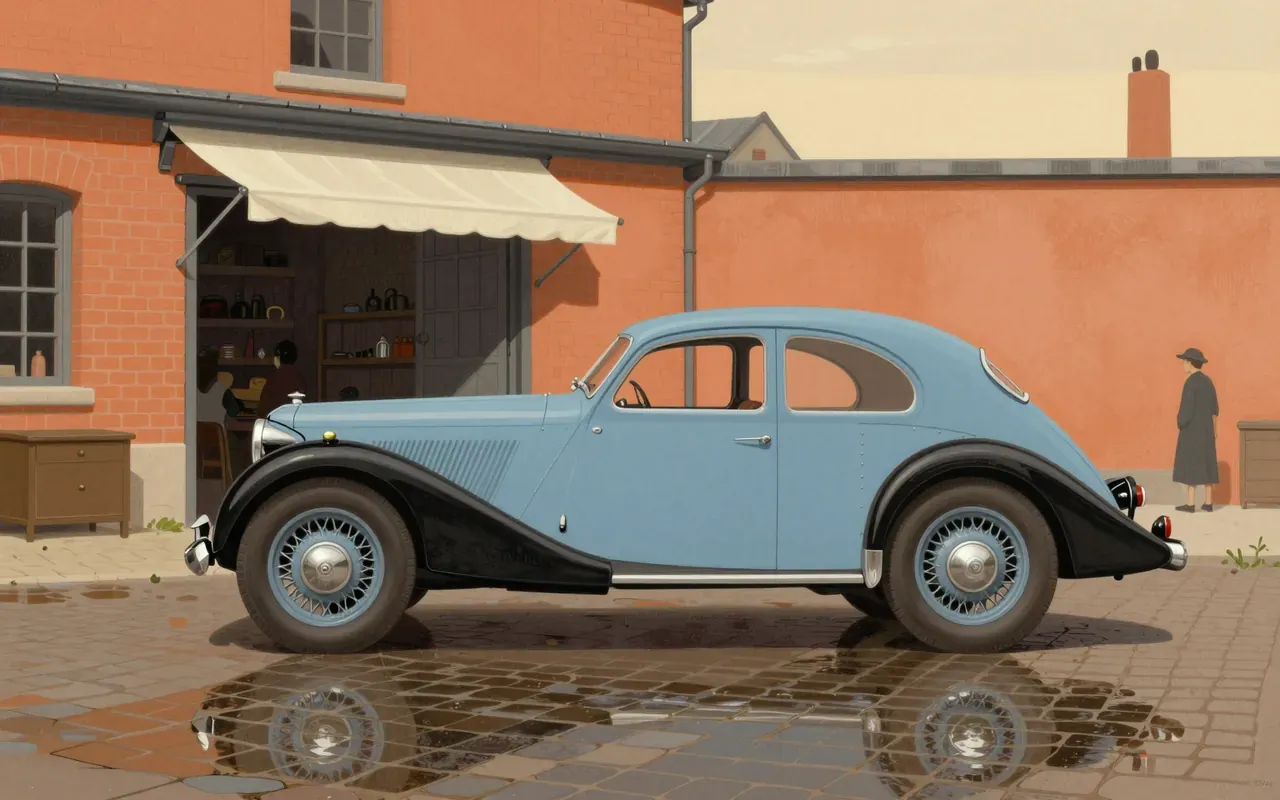
Bugatti Type 57SC Atlantic
The Atlantic was one of the best-known bodies on the Bugatti Type 57S and 57SC. It was based on Jean Bugatti's 1935 Aérolithe concept, and the dorsal seam that began as a riveting method became its signature.
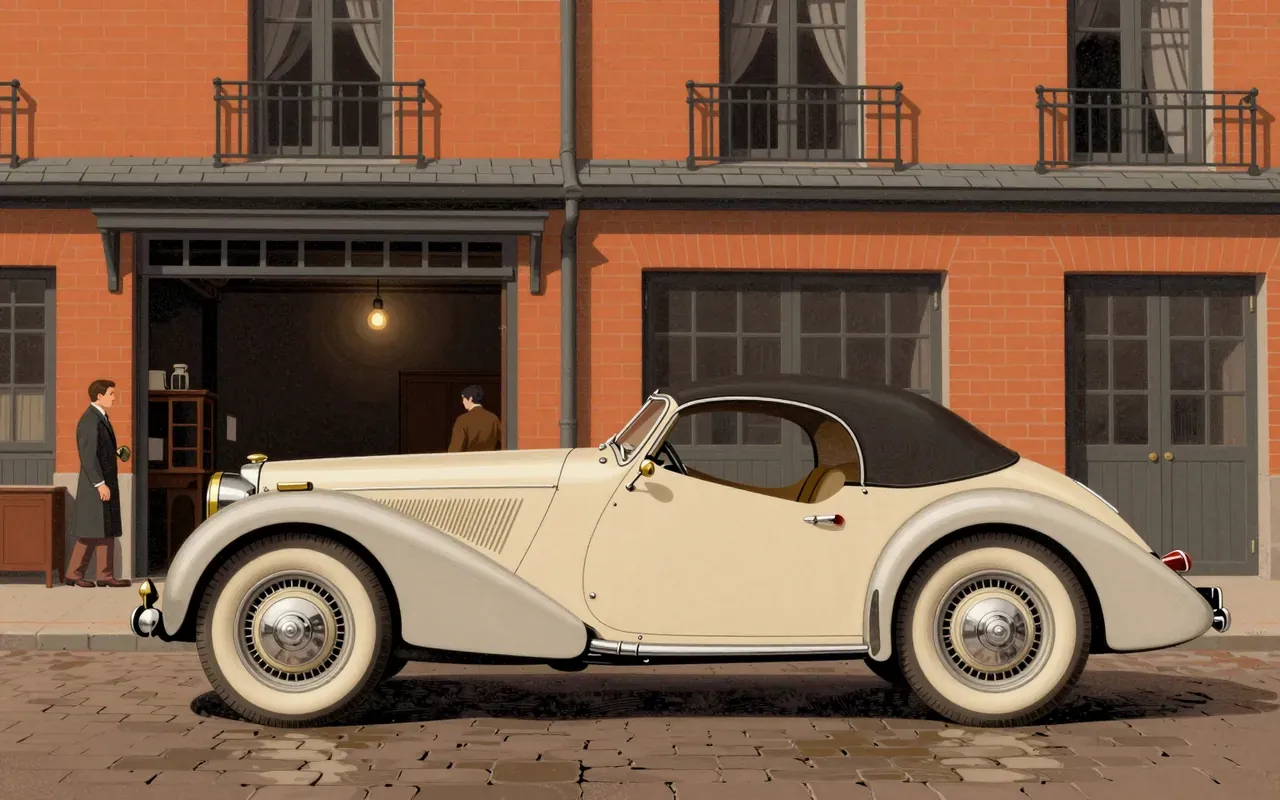
Machine-age luxury, applied to everything that would hold it.

The Atlantic was one of the best-known bodies on the Bugatti Type 57S and 57SC. It was based on Jean Bugatti's 1935 Aérolithe concept, and the dorsal seam that began as a riveting method became its signature.

The Talbot-Lago T150C SS Teardrop Coupe is a 1936 Figoni & Falaschi-bodied car commissioned by Antonio Lago to revive the Talbot marque. Its teardrop form was among the most aerodynamic of its era—and the most frequently specified for the Lago-SS. It established no new chassis or engine architecture, but it did establish a visual language for speed that resonated at concours and auction alike.

The Nissan Figaro is a 1991 Japanese-market, right-hand-drive, fixed-profile convertible built by Aichi Machine Industry (later Pike Factory) on the first-generation Nissan March/Micra platform. It is one of four Pike cars, conceived as part of a design strategy borrowed from personal electronics marketing.

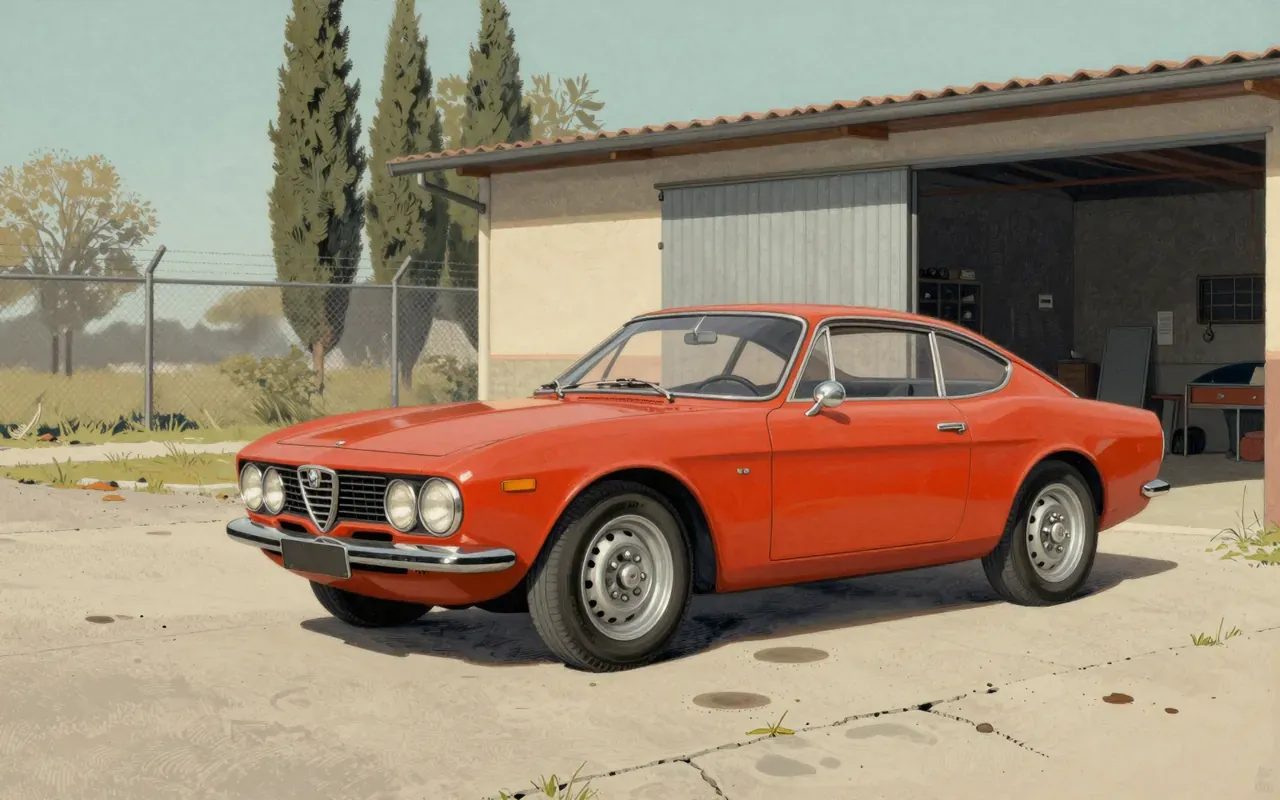
The Giulia Sprint GT was revealed at Alfa Romeo's new Arese plant on 9 September 1963 and built until 1965, when the Sprint GT Veloce replaced it. Giorgetto Giugiaro drew its Bertone body, known as the step front for the raised edge of its bonnet. It paired an all-aluminium 1570 cc twin cam four with a five-speed gearbox and four disc brakes, and 21,902 were built.

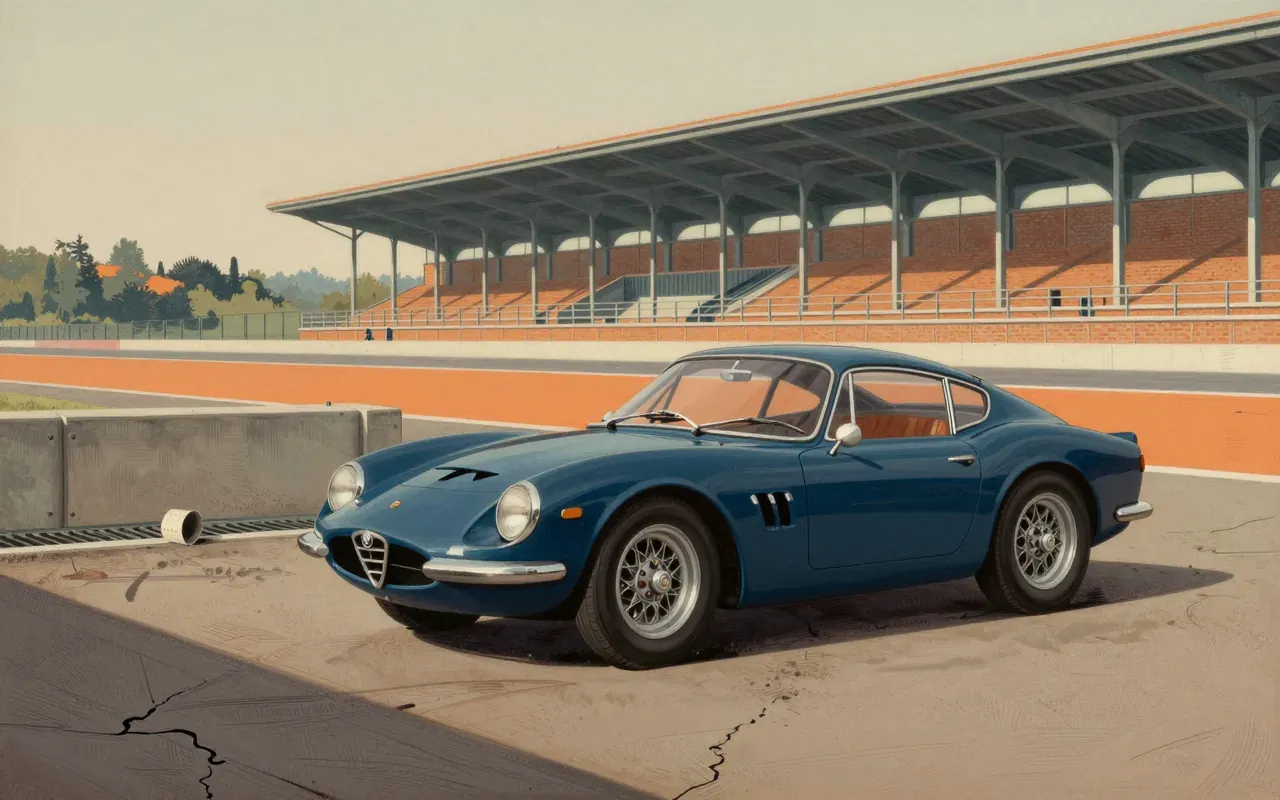
The TZ2 was shown at the 1964 Turin Auto Show on the Zagato stand. It swapped the TZ's light alloy body for a more streamlined fibreglass one and dropped the weight to 620 kg. It was a racing version only, with an Autodelta-prepared 1,570 cc twin plug engine, and 12 were built. Development of the TZ cars stopped at the end of 1965.

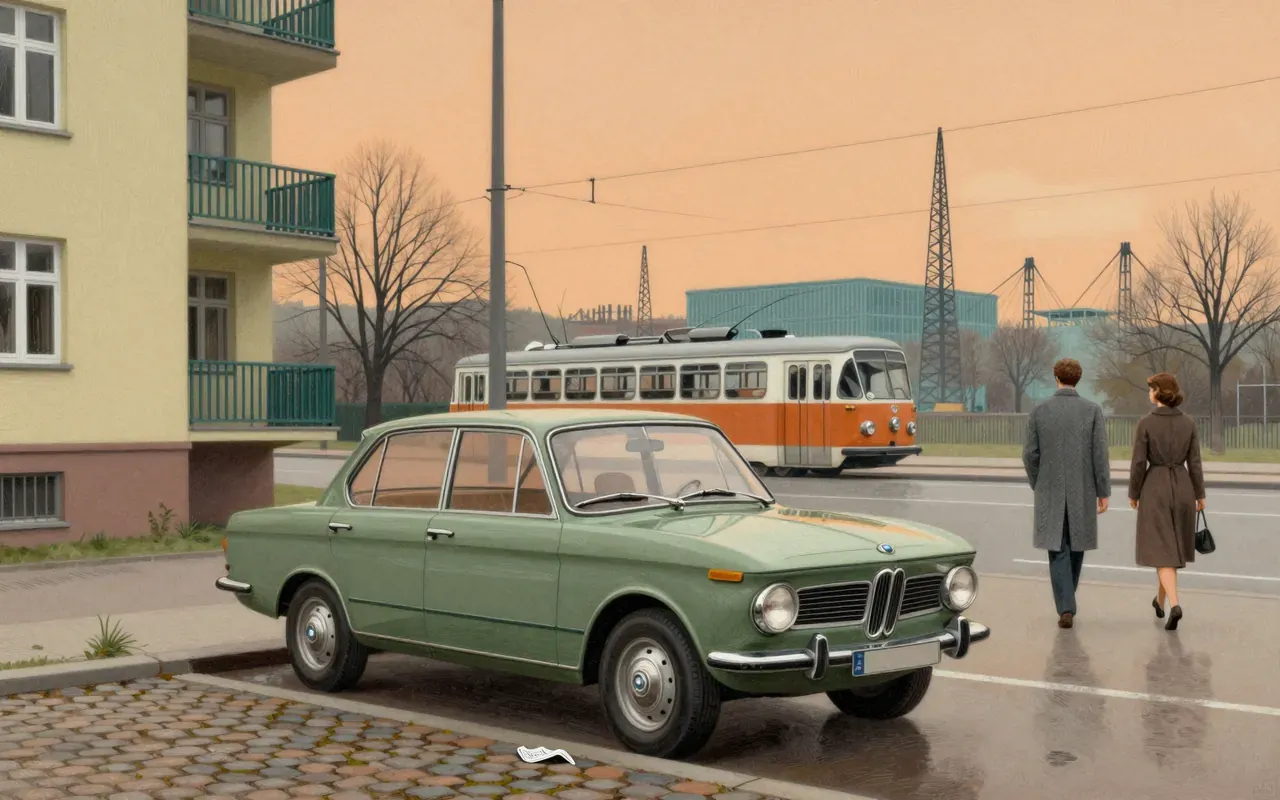
The BMW 1500 was shown at the 1961 Frankfurt Motor Show and built from October 1962 to December 1964. It was a compact four-door executive saloon with the new M10 four-cylinder engine, MacPherson strut front suspension and independent rear suspension. It was the first car of the New Class, the line that arrived as BMW broke even in 1962 after years of losses.

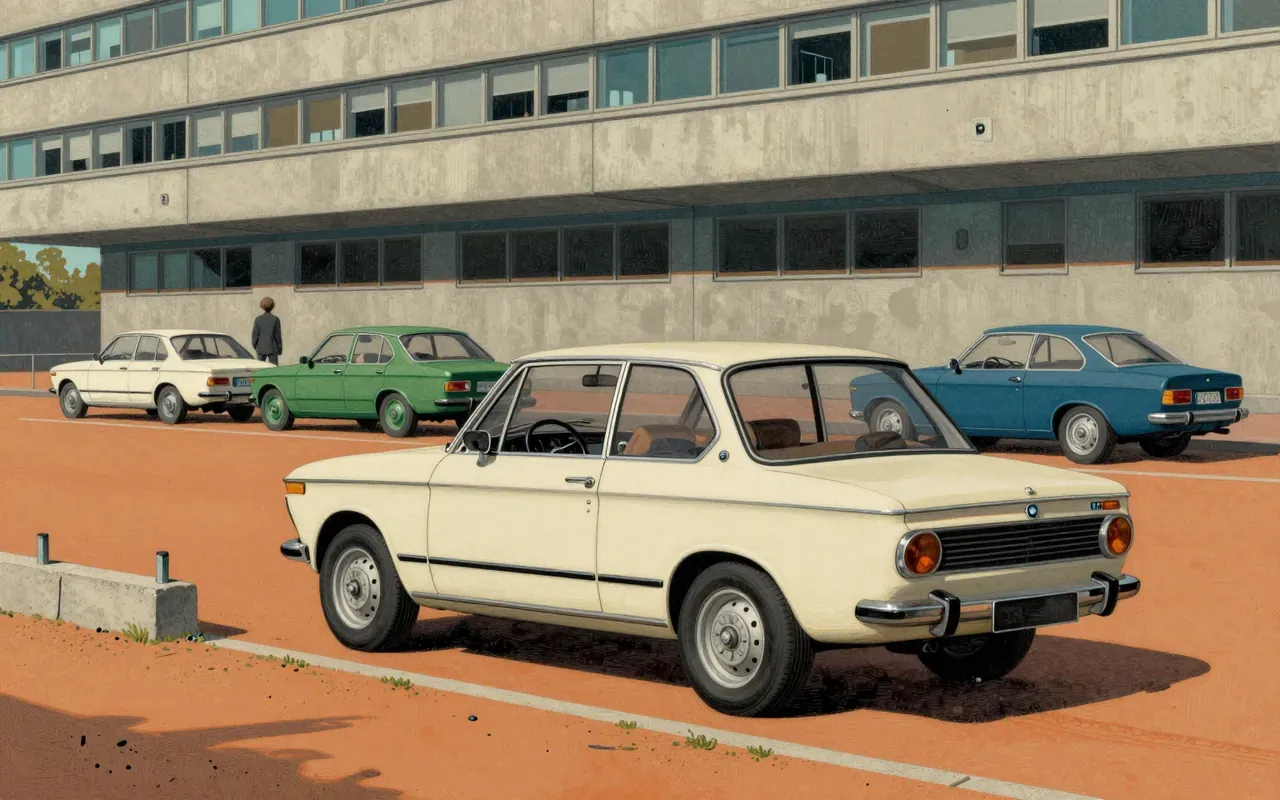
The BMW 2002 went into production in January 1968 as the larger-engined derivative of the 1966 1600-2, itself a shortened New Class saloon. It used a two-litre version of the M10 engine, and the range grew to include the fuel-injected tii, the Touring hatchback, a Baur TopCabriolet and, in 1973, Europe's first turbocharged production car.