Lamborghini Estoque
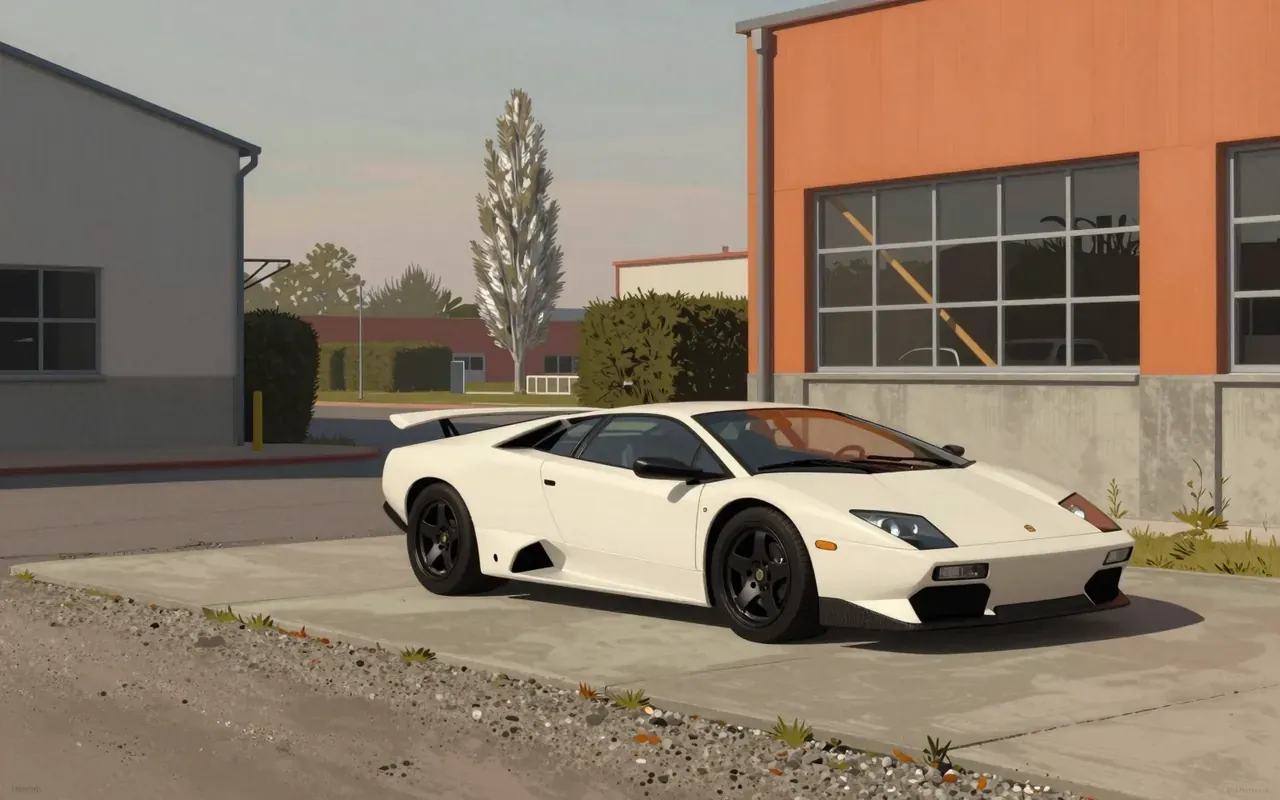
The Estoque is a speculative, non-production sedan that tested whether Lamborghini could stretch its brand into four-door territory without abandoning its core engine layout or visual aggression.
The brief is enough. Save the hours.
2 briefs · 19 min
The Estoque is a speculative, non-production sedan that tested whether Lamborghini could stretch its brand into four-door territory without abandoning its core engine layout or visual aggression.

The S-Class is Mercedes-Benz’s flagship luxury sedan and coupé series, introduced in 1972 as the W116. It has debuted key safety innovations — including the first seatbelt pretensioners — and remains the world’s best-selling luxury sedan. Paul Bracq did not design it. His confirmed work at Mercedes-Benz ended with the W114/W115 series and related coupés — all completed before 1972.

The Alfetta is a front-engine saloon and fastback coupé produced from 1972 to 1987. It used a rear transaxle and De Dion tube rear suspension to improve weight distribution and handling. Coupé models featured a central tachometer. All models left the factory with Pirelli Cinturato 165HR14 tyres.

The BAT series is a focused, documented exercise in aerodynamic research—not styling, not engineering for power, not market readiness. It is a rare case where form follows one measurable physical constraint, iterated across three years, with no deviation from that brief.

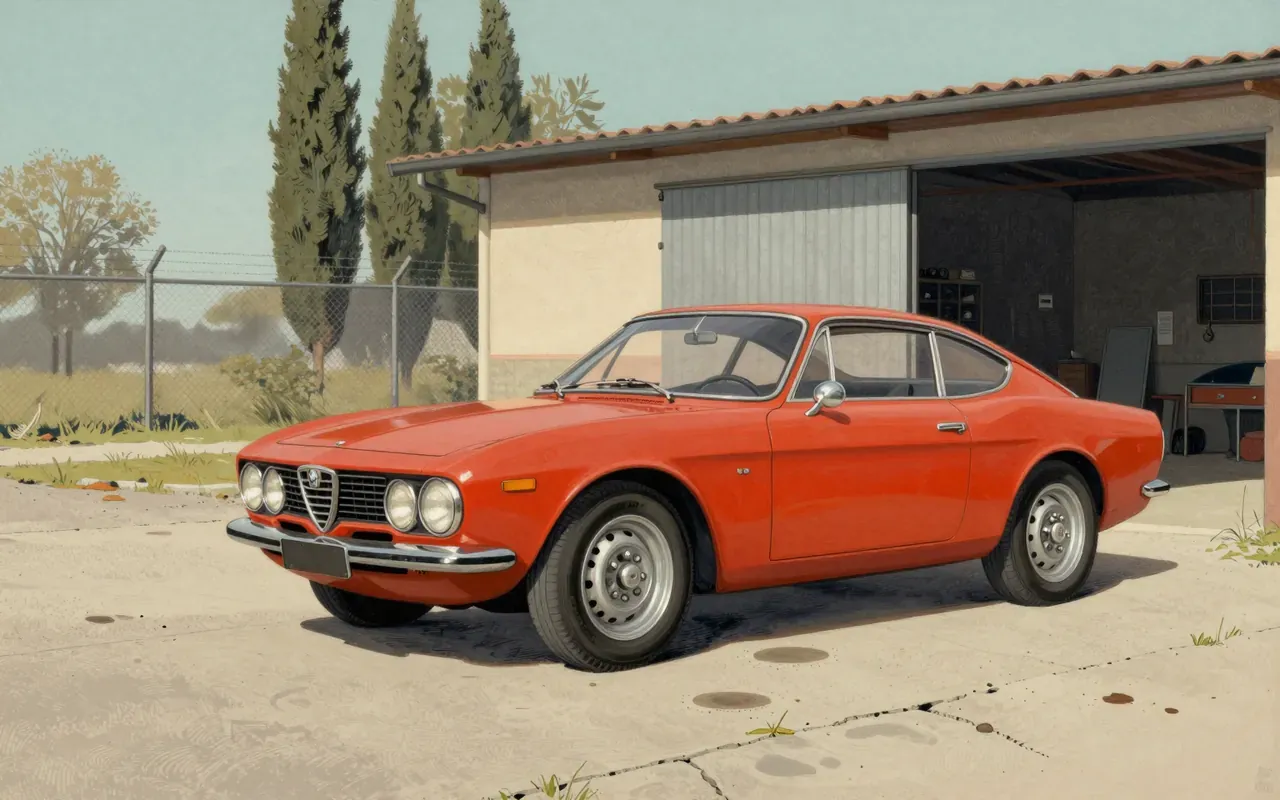
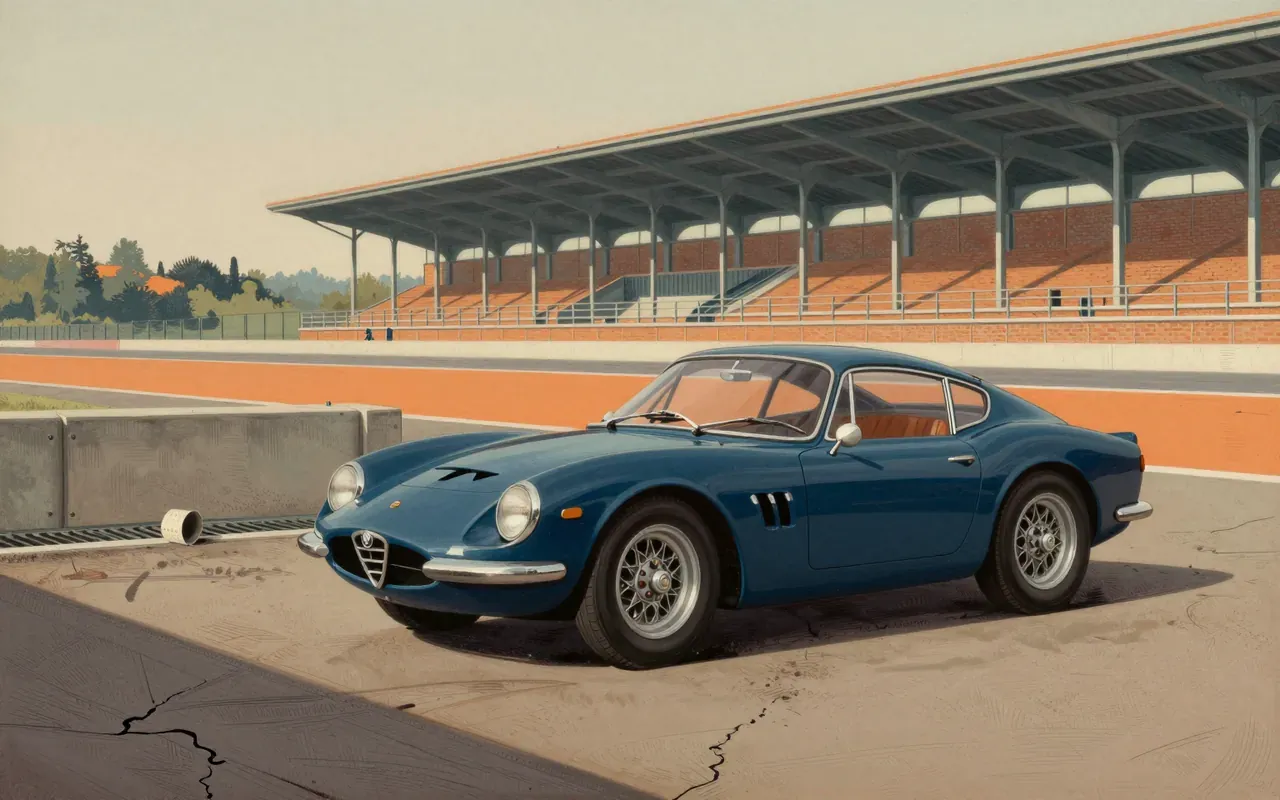
The Alfa Romeo 105/115 Series Coupés are foundational Giugiaro — not as a stylistic endpoint, but as a working method: take a proven platform, impose a strong, arched silhouette, and let coachbuilders extend it. They are compact, alloy-engined, live-axle sports coupés that prioritise form coherence over mechanical innovation. Their legacy is visual, not technical.

The Alfa Romeo Giulia Type 105 redefined what a four-door saloon could do—without electronics, without weight, without apology.