automotivebriefs
9:24in productionCh. 1 · The Architectural Pivot/ 9:24 · ceiling 15 min
Saloons & estates · Touring cars

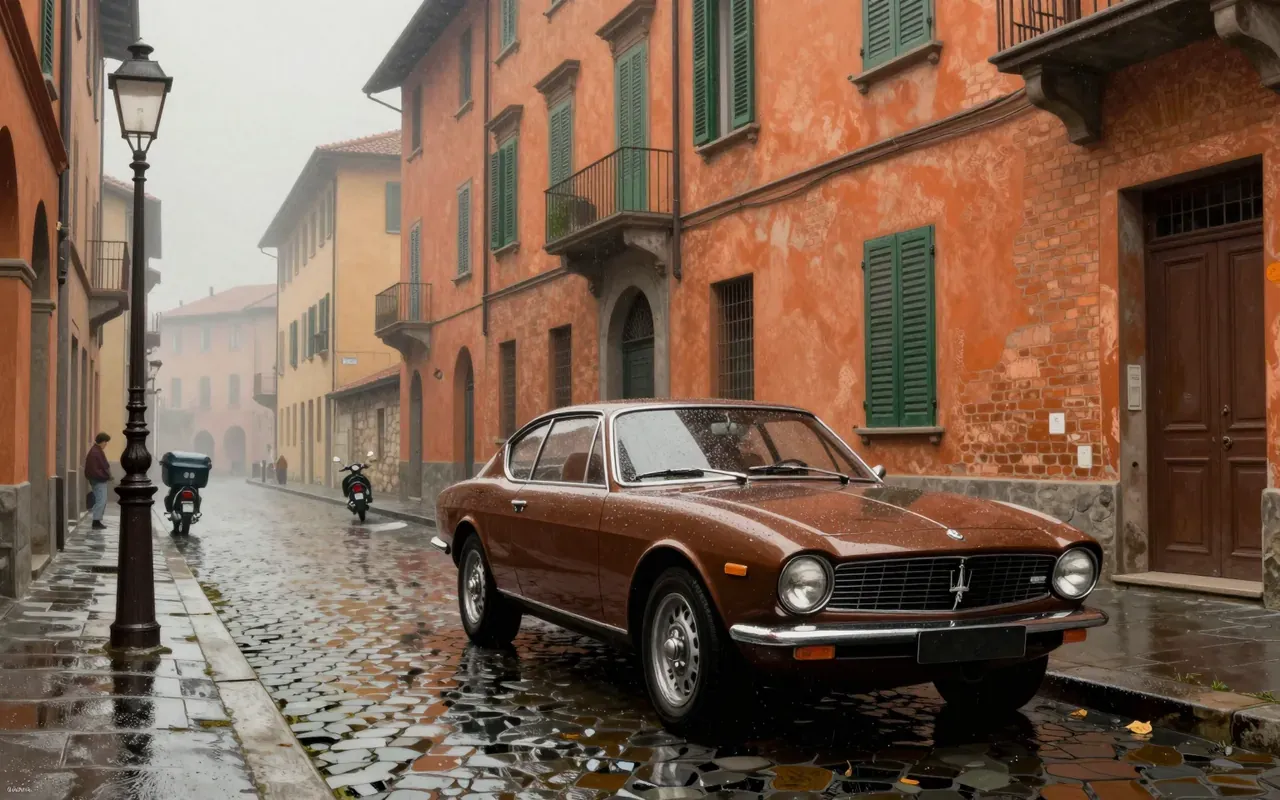
Maserati Biturbo

A car that built Maserati’s future on a foundation it could not trust.

The Maserati Biturbo is a foundational but flawed machine: a compact, turbocharged executive coupé that reshaped Maserati’s entire output for sixteen years — yet failed to deliver on durability, credibility, or track results.

Chapters & takeaways5
  1. 0:55
    The Architectural Pivot

    Pierangelo Andreani designed a new kind of Maserati: compact, turbocharged, and built for volume.

  2. 2:02
    The Prestige Play

    It was smaller than the BMW 3 Series, luxurious inside, and sold 40,000 units — a commercial breakthrough.

  3. 3:38
    The Reliability Collapse

    Its reputation for poor quality eroded sales — fast.

  4. 4:28
    The Platform That Stuck

    Every Maserati from 1981 to 1997 rode on a version of this car’s chassis.

  5. 5:48
    The Track Failure

    It raced in two major touring series — and vanished from the results.

Worth your time?

No. The brief is enough.

2.5/ 5
What works
  • architectural scalability
  • prestige distribution at volume
  • executive coupé packaging
What does not
  • reliability
  • motorsport credibility
  • long-term ownership value
Drive it if
  • platform historians
  • design students studying Giugiaro influence
Skip it if
  • daily drivers
  • collectors seeking mechanical integrity
  • racing enthusiasts
The written brief1 min read

What the car is and where it came from

The Maserati Biturbo is an executive grand tourer designed by Pierangelo Andreani and produced by Maserati from 1981 to 1994.

How it works, in terms someone would actually use

It is a front-engined, front-wheel-drive executive grand tourer with a two-litre twin-turbo V6 and unibody steel construction.

What it gets right

It brought Italian prestige to a wide audience. It sold about 40,000 units. Its notchback coupé form — smaller than the contemporary BMW 3 Series — established a new scale for Maserati’s mass-market ambition.

What it does not

It does not deliver reliability. It gained a reputation for poor quality. It did not succeed in motorsport, competing without notable success in the World and European Touring Car Championships in 1987 and 1988.

What it changed

It changed Maserati’s entire product line: every model from 1981 to 1997 used a variant of its architecture, including the Shamal, Ghibli II, and the 1994 Quattroporte.

Who it is for, and who it is not

It is for historians of automotive platform strategy. It is not for drivers seeking reliability, performance credibility, or long-term ownership confidence.

Is it worth your time

It is not worth your time unless you are studying how platform architecture spreads across a brand — or how reputational collapse accelerates.
Same garage · Saloons & estates4 of 78
Up next in Automotive

Maserati Bora

Giorgetto Giugiaro · 1971 · 9:16

The Bora wasn’t Maserati’s fastest car—but it was the first to prove their future wouldn’t be built around the front axle.

9:16