automotivebriefs
8:58in productionCh. 1 · Shared Bones/ 8:58 · ceiling 15 min
Electric

Canoo Lifestyle Vehicle

A modular EV platform that shipped—then vanished with the company.

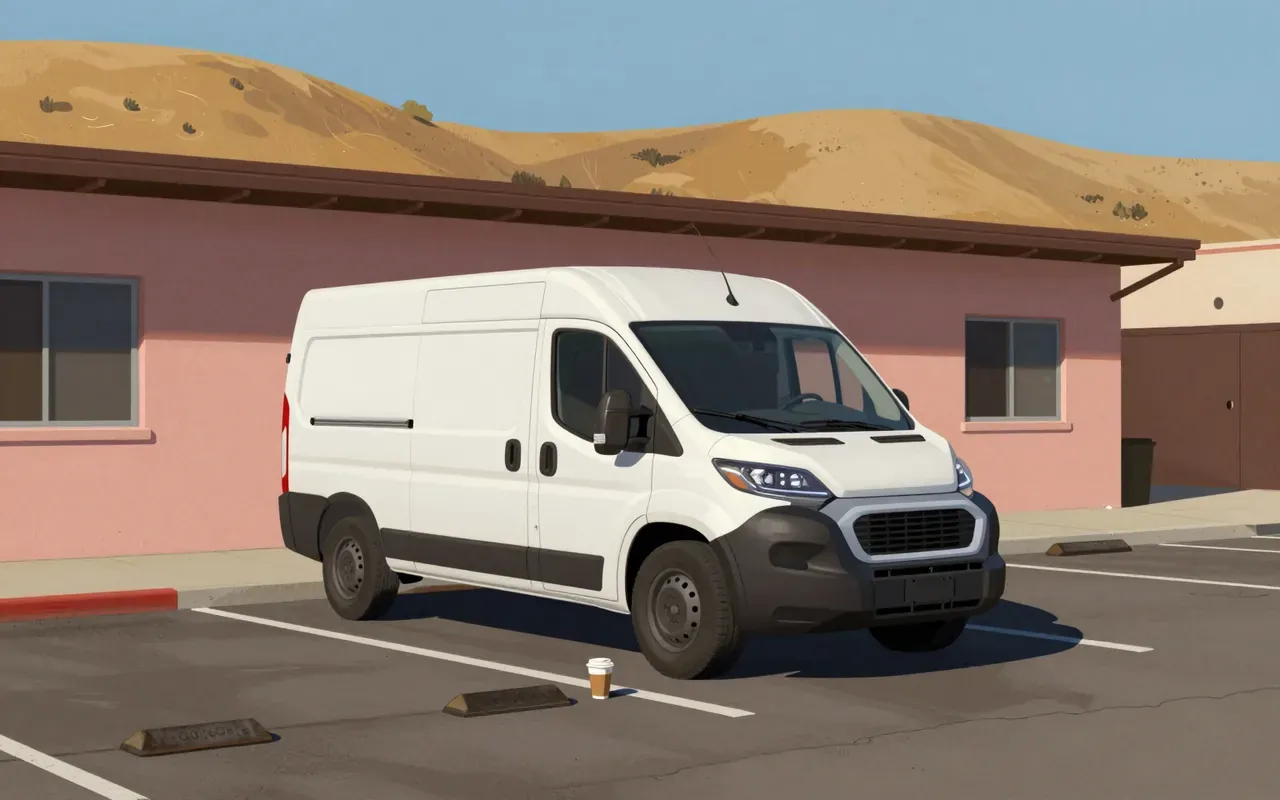
The Canoo Lifestyle Vehicle was a battery electric vehicle with multiple body styles sharing a common platform, including minivan, cargo van, and pickup truck, manufactured by Canoo.

Chapters & takeaways4
  1. 0:57
    Shared Bones

    One skateboard platform powered three distinct body styles: minivan, cargo van, and pickup truck.

  2. 2:35
    Real-World Deployment

    Only two variants reached real-world use: the Lifestyle Delivery Vehicle in production, and the Light Tactical Vehicle with the U.S. Army.

  3. 4:13
    Uniform Range

    All variants shared a single range figure: 400 km (250 mi).

  4. 5:22
    Bankruptcy Endpoint

    Canoo filed for bankruptcy in January 2025—ending development, support, and production.

Worth your time?

Yes. Drive the whole thing.

3/ 5
What works
  • separates battery architecture from body form
  • delivers identical range estimates across variants
  • ships functional variants to real users
What does not
  • survive as an operating company
  • support private buyers with warranty or service networks
  • deliver more than two variants into real-world use
Drive it if
  • fleet operators evaluating modular EV platforms
  • military procurement teams testing light tactical mobility
Skip it if
  • private buyers seeking warranty support
  • private buyers seeking service networks
  • private buyers seeking resale value
The written brief1 min read

What the car is and where it came from

The Canoo Lifestyle Vehicle is a battery electric vehicle launched in 2019. Richard Kim led its design. It was built on a shared skateboard platform. It offered minivan, cargo van and pickup truck body styles. Canoo declared bankruptcy in January 2025.

How it works, in terms someone would actually use

It uses a rear-mounted traction motor to drive the rear wheels. It shares one skateboard platform across minivan, cargo van and pickup truck body styles. The cargo van variant entered production in 2023. The Light Tactical Vehicle was delivered to the U.S. Army for evaluation.

What it gets right

It gets right the separation of battery architecture from body form. It gives each variant identical range estimates: 400 km (250 mi). It delivers functional variants to real users: delivery fleets and the U.S. Army.

What it does not

It does not deliver sustained production beyond the LDV. It does not offer all-wheel drive outside the LTV variant. It does not survive as an operating company.

What it changed

It demonstrated how a single skateboard platform could underpin multiple commercial and tactical body styles—minivan, cargo van, pickup truck, and light tactical vehicle—without mechanical re-engineering.

Who it is for, and who it is not

It is for fleet operators evaluating modular EV platforms and military procurement teams testing light tactical mobility. It is not for private buyers seeking warranty support, service networks or resale value.

Is it worth your time

Yes—if you need a modular electric van platform that reached limited production before its maker collapsed. No—if you seek a functioning, supported vehicle or long-term ownership proposition.
Same garage · Electric4 of 14
9:19
Lucid AirDerek Jenkins · 2021The Lucid Air is a battery electric four-door luxury sedan, Lucid Motors' first production car, announced in December 2016 and launched in 2021. It highlights its record-setting EPA range (up to 520 miles for the Dream Edition), aerodynamic efficiency (Cd=0.21 pre-production, Cd=0.20 production), performance capabilities (e.g., 0–60 mph in 2.5 seconds, 235 mph top speed), and technical features including its 924-volt architecture, bidirectional charging, and DreamDrive ADAS with 32 sensors. The Air Pure, Touring, Grand Touring, and Dream Edition trims are detailed, along with battery capacities (88–112 kWh), power outputs (430–1,111 hp), and production milestones including commencement in late 2021 and deliveries beginning October 30, 2021. Design leadership is attributed to Derek Jenkins, and the vehicle is positioned against the Tesla Model S and German luxury models.
10:11
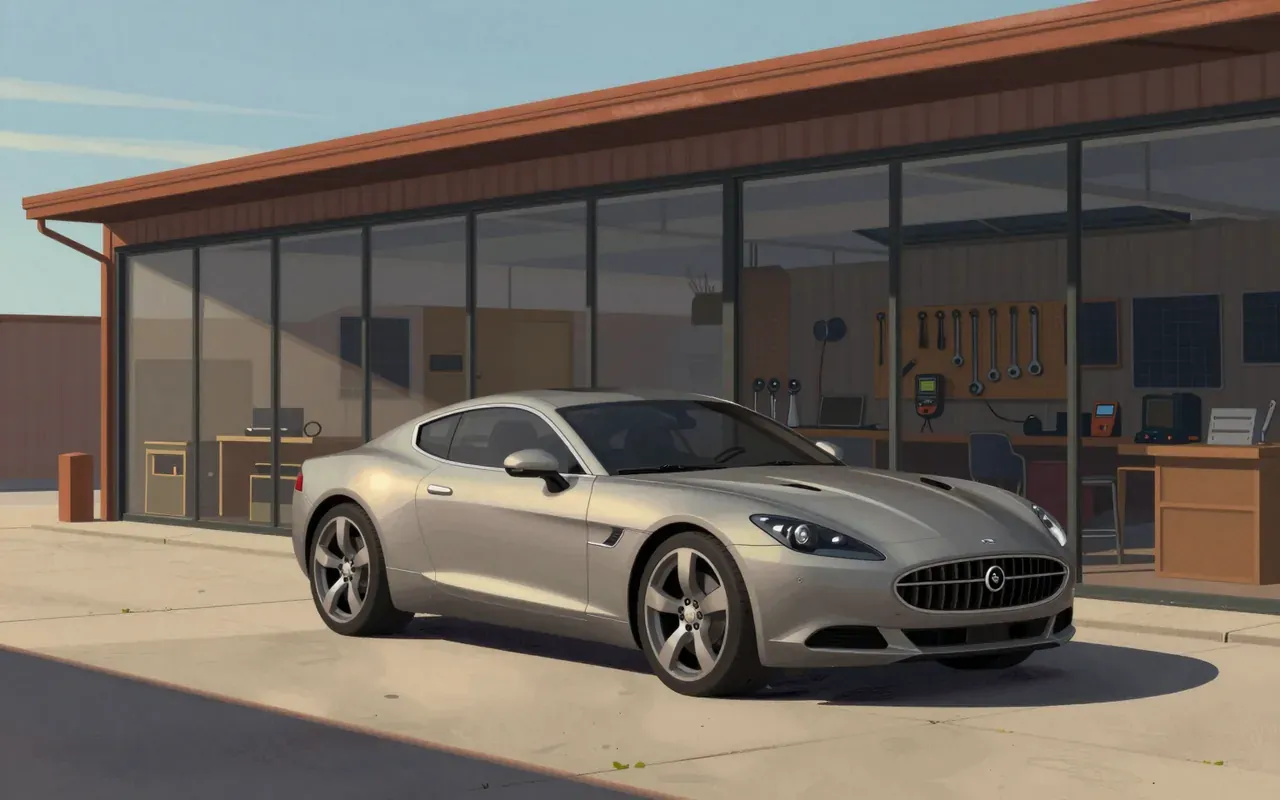
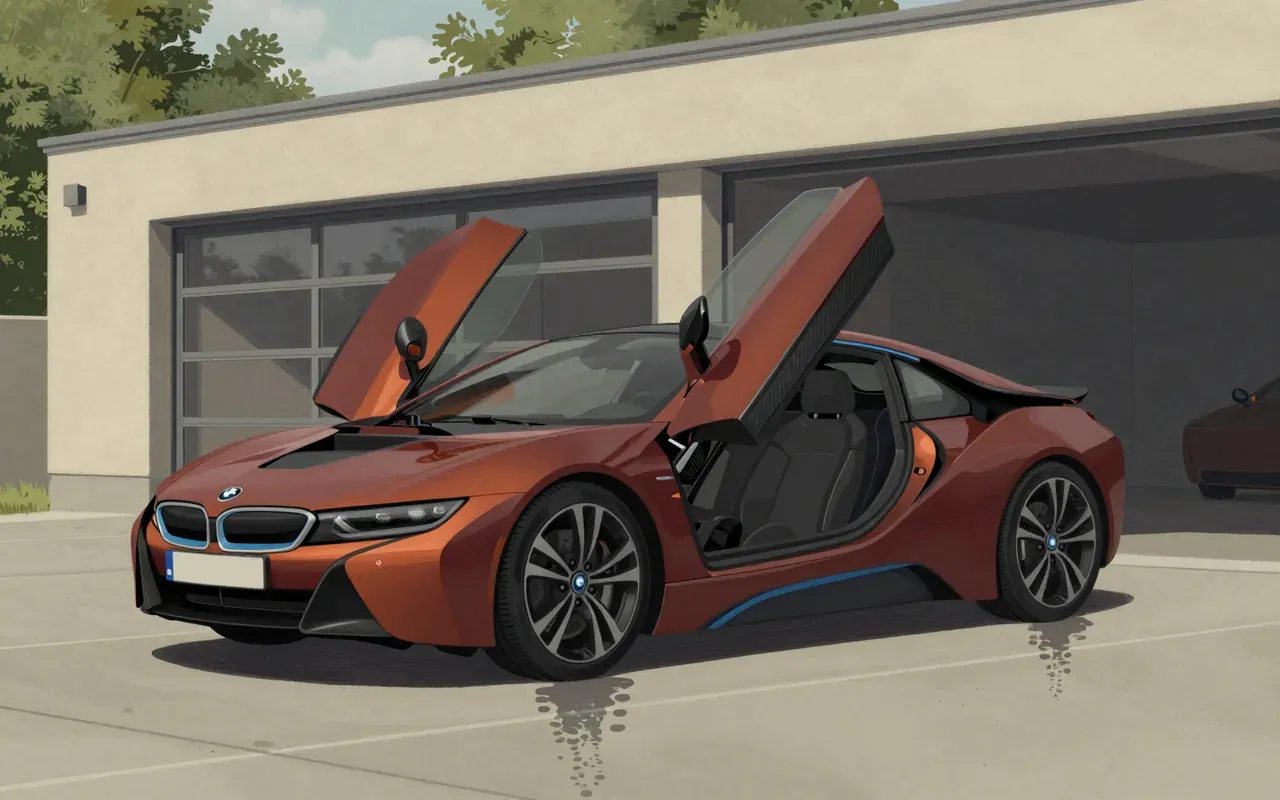
BMW i8Benoit Jacob · 2014The BMW i8 is a plug-in hybrid sports car designed by Benoit Jacob and marketed under the BMW i sub-brand. It was unveiled at the 2013 Frankfurt Motor Show and released in Germany in June 2014. U.S. deliveries began in August 2014. A roadster variant launched in May 2018. Production ended in June 2020. The 2015 i8 accelerated from 0 to 100 km/h in 4.4 seconds. It had a 7.1-kWh lithium-ion battery pack and an all-electric range of 37 km under the New European Driving Cycle. The plug-in hybrid system comprised a three-cylinder, 1.5-litre BMW TwinPower Turbo gasoline engine.
10:28
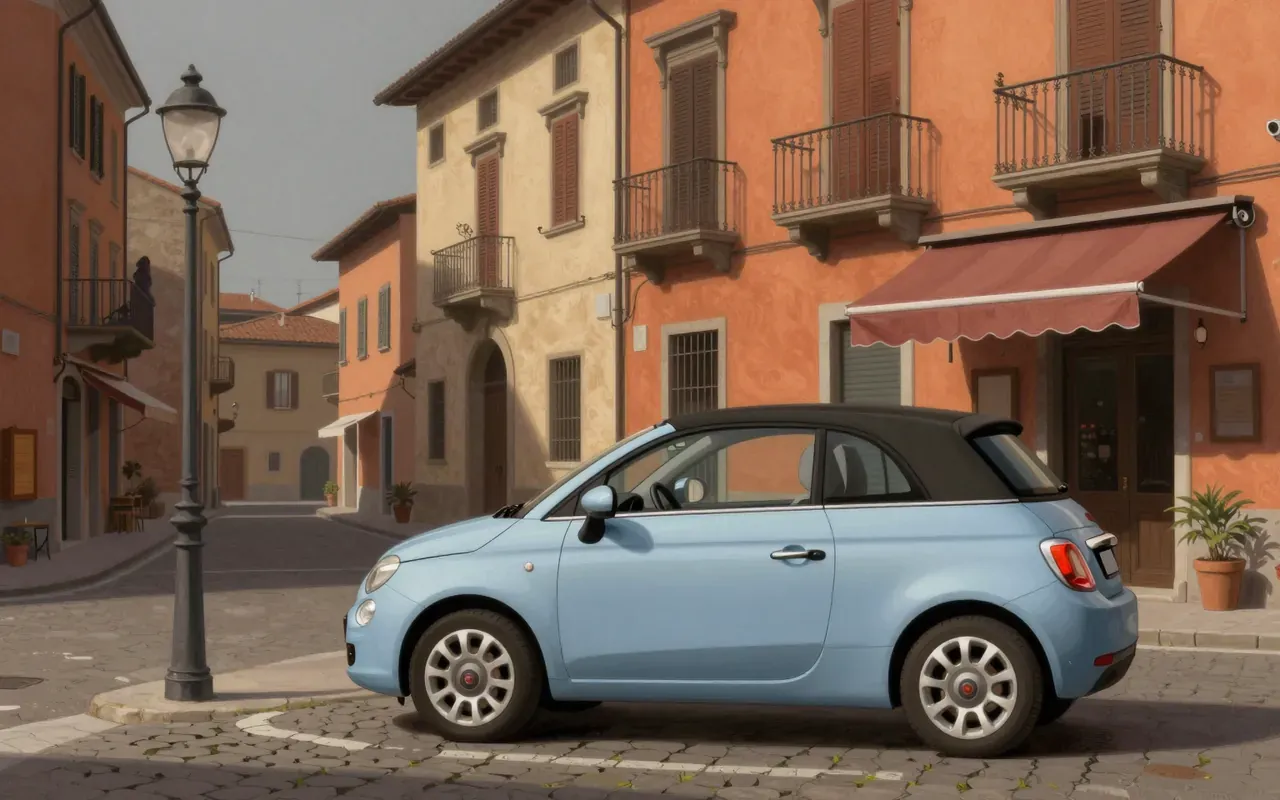
Fiat 500eFCA Centro Stile · 2012The Fiat 500e is an electric city car that redefines the 500 lineage without abandoning its visual language. It trades engine noise for immediacy, space for charm, and range for urban precision.
10:43
Fisker KarmaHenrik Fisker · 2011The Fisker Karma is a luxury plug-in range-extended electric sports sedan produced by Fisker Automotive between 2011 and 2012. It was manufactured by Valmet Automotive in Finland. The EPA rated its all-electric range at 32 mi (51 km), and its fuel economy at 52 mpg‑US equivalent in all-electric mode and 20 mpg‑US in gasoline-only mode. It was priced from US$102,000 in the U.S., and around 1,800 units were delivered in North America and Europe through December 2012. Approximately 2,450 Karmas were built before production ceased in November 2012.
Up next in Automotive

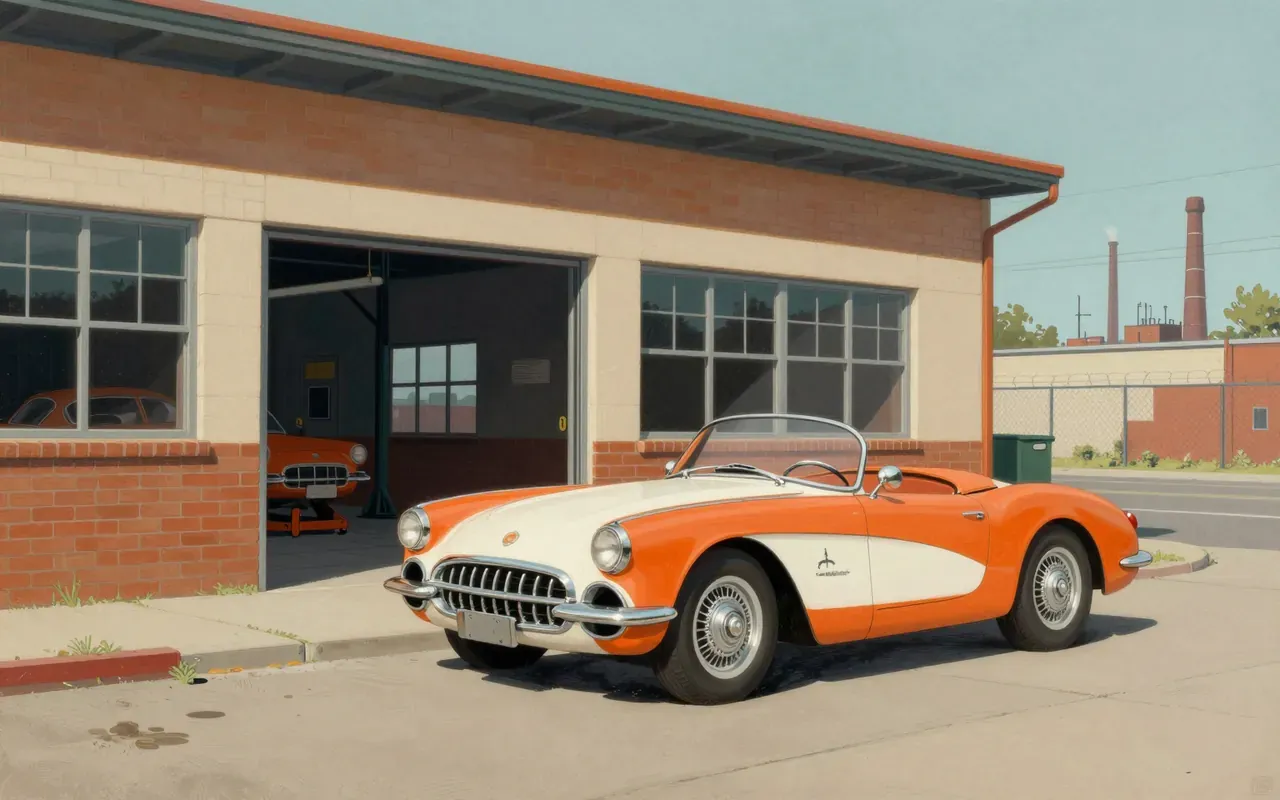
Chevrolet Corvette (C1)

Harley Earl · 1953 · 11:37

America’s first postwar sports car was a styling exercise masquerading as engineering—brilliantly flawed, deliberately incomplete.

11:37