Saved
Electric · Off-road

Tesla Cybertruck

A stainless steel wedge that dented under a sledgehammer—and still redefined what a pickup looks like.

Worth your time?3.5/5Yes.Drive the whole thing.What works, what does not, who it is for ↓
9:45in productionCh. 1 · What it is/ 9:45 · ceiling 15 min
6 chapters · 9:45Ceiling 15:00

The brief is written and checked. The video joins this page when it is cut.6 chapters · 1 min read · 9:45 planned

Read the brief

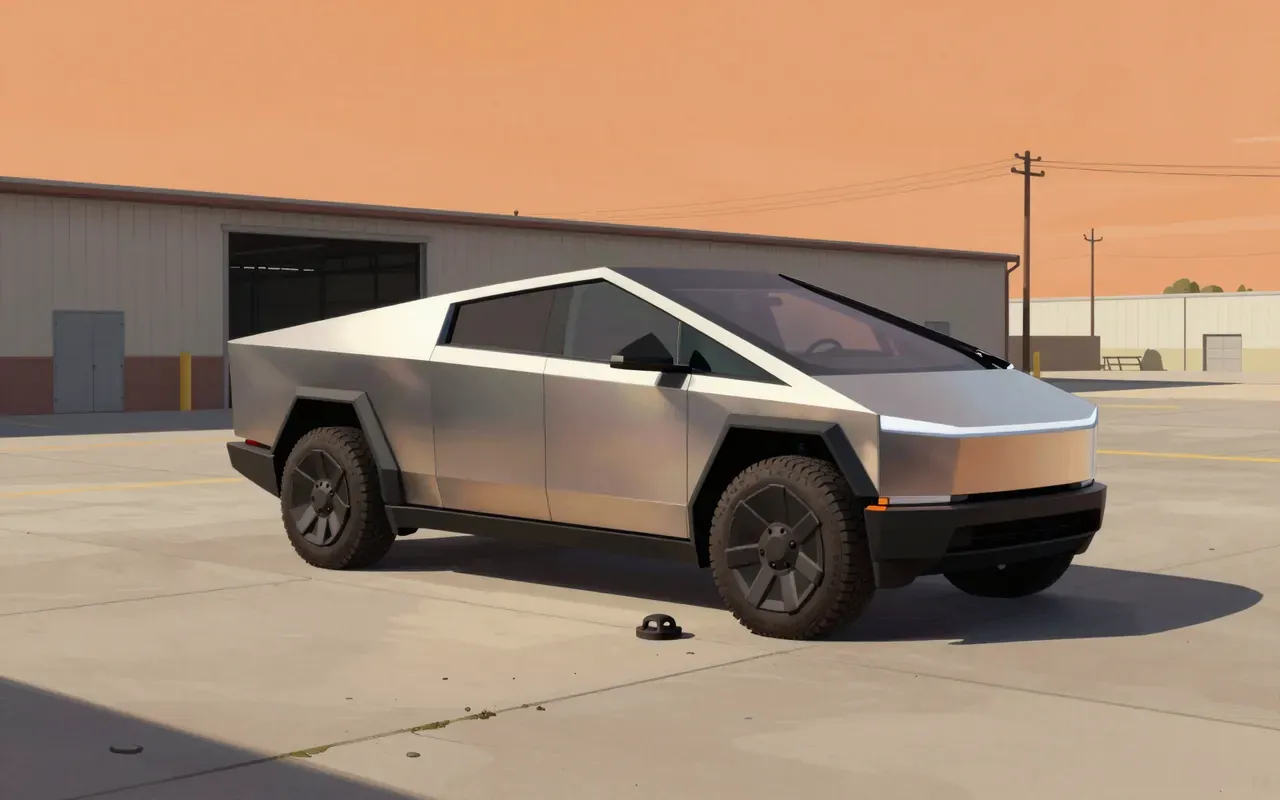
The Tesla Cybertruck is a battery-electric full-size pickup truck designed by Franz von Holzhausen and unveiled as a prototype in November 2019. Its flat, unpainted stainless steel body panels form sharp angles reminiscent of low-polygon computer models. During its 2019 unveiling, Elon Musk struck its side with a sledgehammer—and it dented. It entered limited production at Gigafactory Texas in 2023, with customer deliveries beginning in November 2023. As of 2026, two variants are available: a tri-motor AWD 'Cyberbeast' and a dual-motor AWD model.

Chapters & takeaways6
  1. 0:46
    What it is

    It is a battery-electric full-size pickup truck, first shown as a prototype in November 2019.

  2. 1:52
    How it looks

    Its flat, unpainted stainless steel panels form sharp angles—like low-polygon computer models.

  3. 3:12
    What it promised

    Elon Musk struck its side with a sledgehammer during the 2019 unveiling—and it dented.

  4. 4:12
    When it arrived

    It entered limited production at Gigafactory Texas in 2023, with deliveries starting in November 2023.

  5. 5:32
    What’s on sale

    As of 2026, only two variants exist: a tri-motor AWD 'Cyberbeast' and a dual-motor AWD model.

  6. 6:23
    Who made it happen

    Franz von Holzhausen led both the Cybertruck’s design and its high-profile 2019 unveiling event.

3 more chaptersFewer chapters
Worth your time?

Yes. Drive the whole thing.

3.5/ 5
What works
  • commits to a singular, uncompromising form language
  • rejects traditional automotive surfacing with flat stainless steel panels
  • establishes a new visual category for mass-market vehicles
What does not
  • delivers on indestructibility claims
  • offers more than two variants as of 2026
  • uses painted bodywork or curved sheet metal
Drive it if
  • buyers who prioritise statement over subtlety
  • buyers who value material novelty over finish
  • buyers who accept concept clarity over ergonomic convention
Skip it if
  • buyers requiring proven service infrastructure
  • buyers needing conventional cabin ergonomics
  • buyers expecting bodywork that resists denting
Who should drive it, and who should skipHide who it is for
The written brief1 min read

What the car is and where it came from

The Tesla Cybertruck is a battery-electric full-size pickup truck. Franz von Holzhausen led its design. It was unveiled as a prototype in November 2019. It entered limited production at Gigafactory Texas in 2023. Customer deliveries began in November 2023.

How it works, in terms someone would actually use

It is a battery-electric full-size pickup truck. It uses electric motors for propulsion. It has all-wheel drive in both available variants. It carries cargo in an open bed. Its flat, unpainted stainless steel body panels form sharp angles.

What it gets right

It gets right the commitment to a singular, uncompromising form language. Its flat stainless steel panels reject traditional automotive surfacing. Its angular geometry establishes a new visual category for mass-market vehicles.

What it does not

It does not deliver on its 2019 promise of near-indestructibility—the side dented when struck with a sledgehammer. It does not offer more than two variants as of 2026. It does not use painted bodywork or curved sheet metal.

What it changed

It changed expectations of what an electric pickup could look like—and how much attention a prototype could command before production. It shifted the conversation from range and payload to material honesty and geometric provocation.

Who it is for, and who it is not

It is for buyers who prioritise statement over subtlety, material novelty over finish, and concept clarity over ergonomic convention. It is not for buyers who require proven service infrastructure, conventional cabin ergonomics, or bodywork that resists denting.

Is it worth your time

Yes—if you want to understand how industrial design can provoke, delay, and polarise before it delivers. No—if you need a functional tool, proven durability, or conventional utility cues.
Same garage · Electric4 of 28
10:49
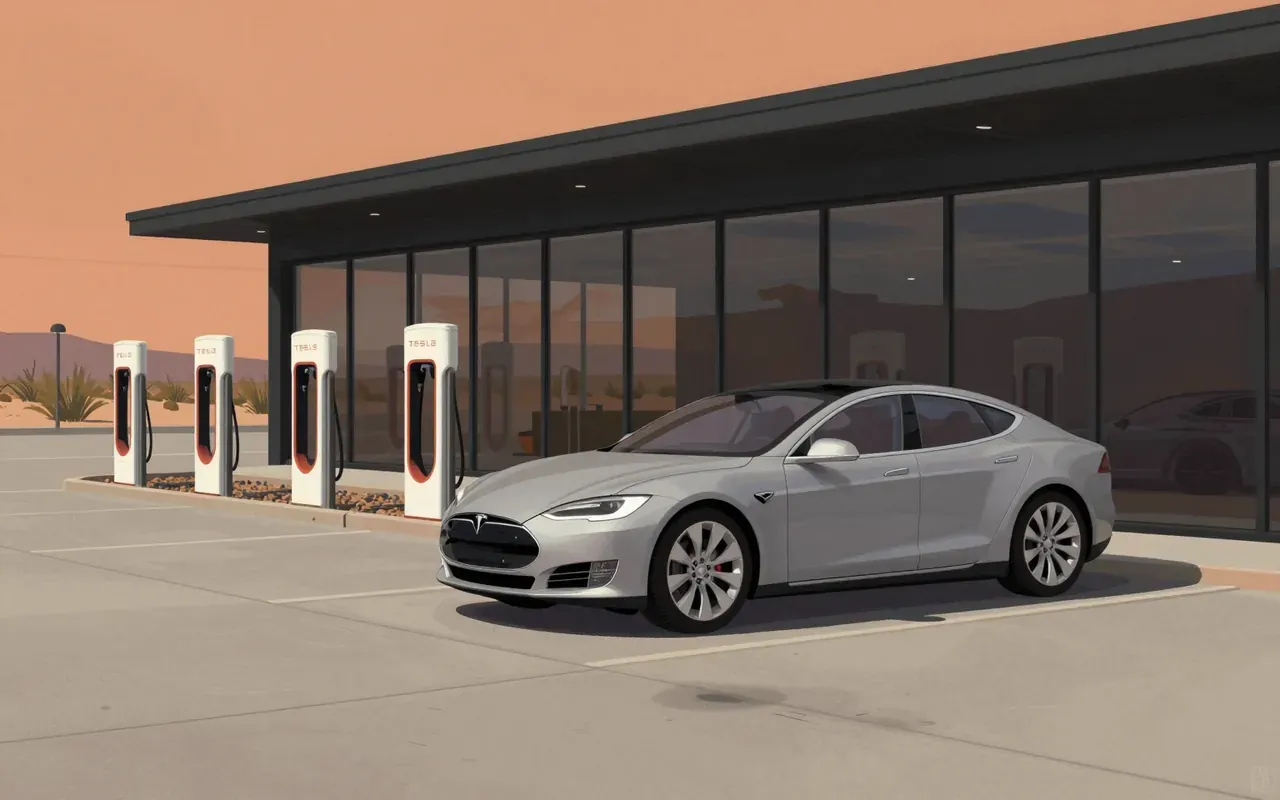
Tesla Model SFranz von Holzhausen · 2012The Tesla Model S (2012) is a battery-electric, four-door full-size sedan — Tesla’s second vehicle — designed by Franz von Holzhausen and produced from 2012 to 2026. It established electric propulsion as viable for mainstream saloons, winning Motor Trend Car of the Year in 2013.
9:26
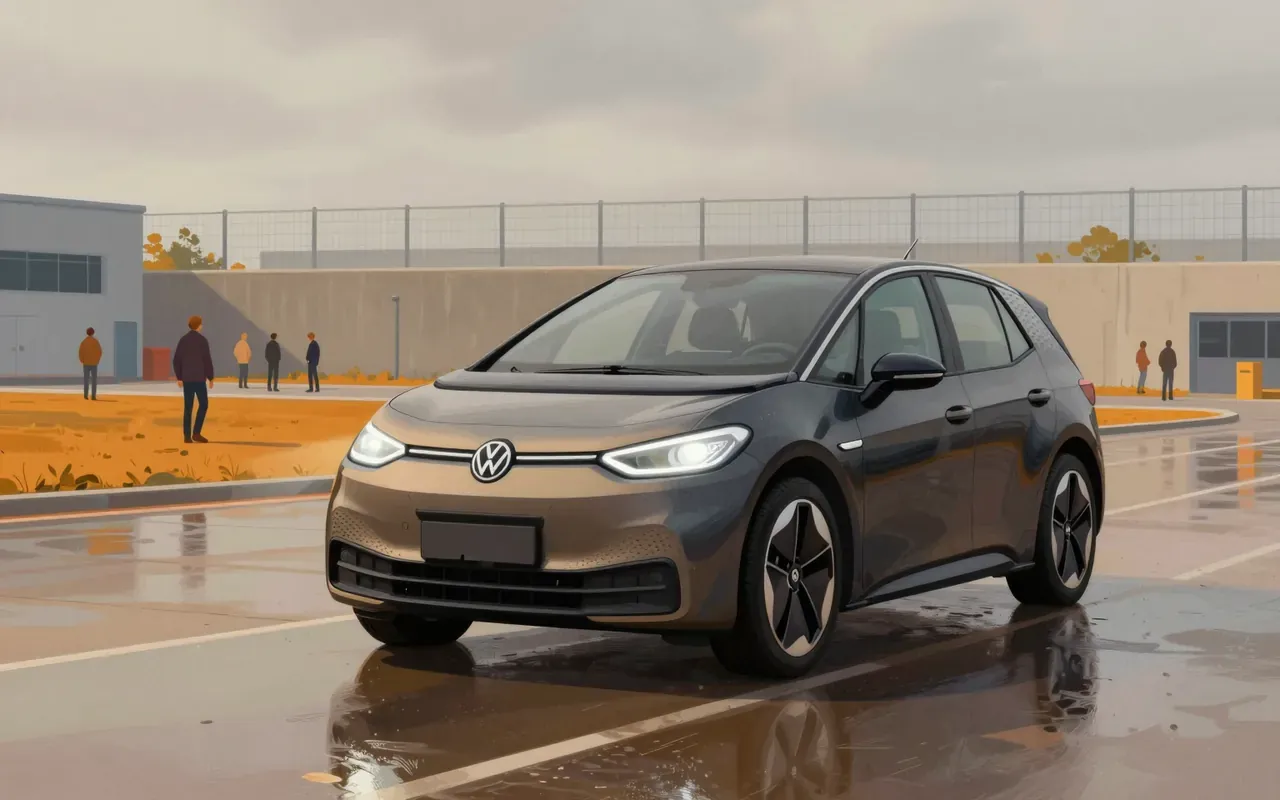
Volkswagen ID.3Klaus Zyciora · 2019The Volkswagen ID.3 is a battery electric small family car. It launched in 2019 as the first production vehicle on Volkswagen Group’s MEB platform. It set the template for scale, software integration, and factory conversion — but missed its own software delivery targets.
9:57
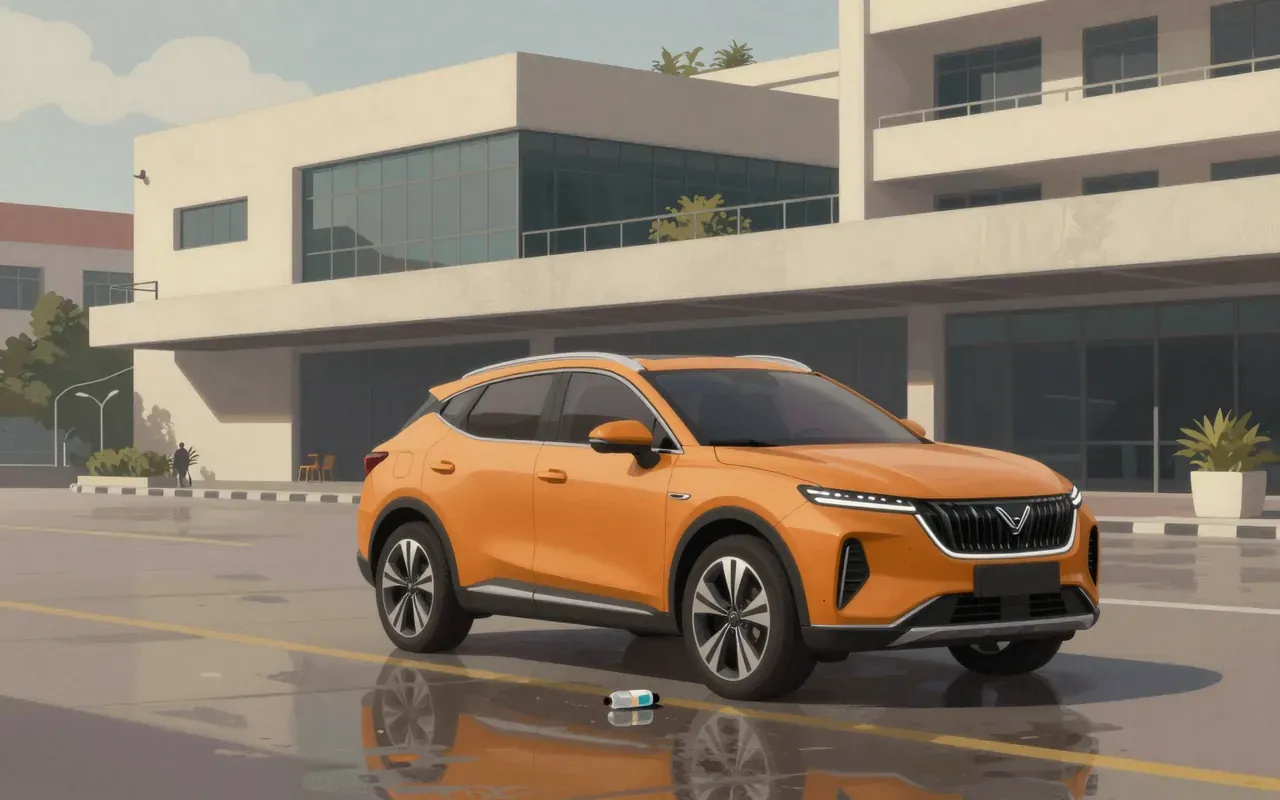
VinFast VF 8Pininfarina · 2022The VinFast VF 8 is a battery electric mid-size SUV styled by Pininfarina and launched by VinFast in 2022. It features dual-motor all-wheel drive, round proportions, chrome ornamentation, and a double-strip headlamp layout. Its dashboard uses a two-colour aesthetic with physical driving mode switches and a large multimedia touchscreen. Early reception highlighted poor build quality, ride, handling, braking, and driver assistance systems — alongside praise for infotainment, warranty, and range.
10:46
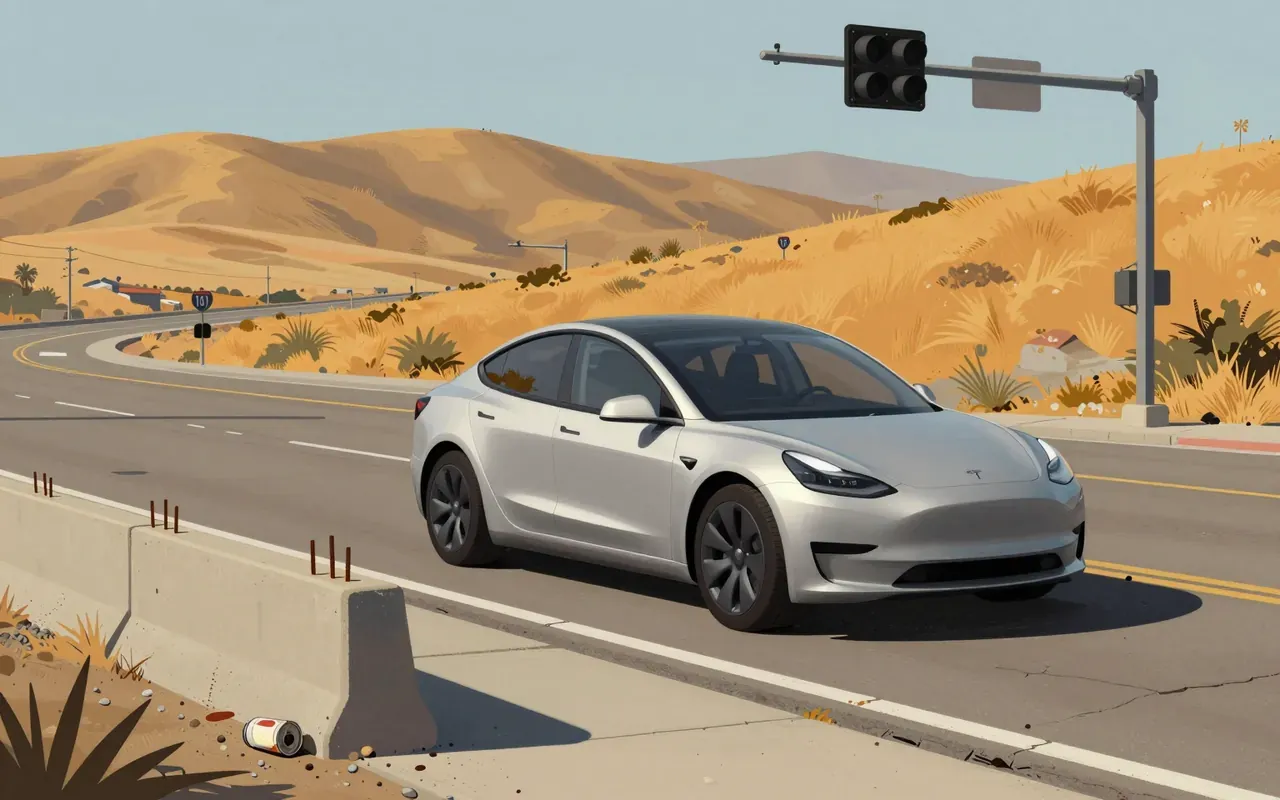
Tesla Model 3Franz von Holzhausen · 2017The Tesla Model 3 is a battery electric mid-size sedan with a fastback body style introduced in 2017. Franz von Holzhausen led its design. It was marketed as a more affordable, mass-market family car relative to earlier Tesla models. It became the world’s top-selling plug-in electric car from 2018–2020 and the first electric car to reach 1 million global sales in June 2021. It features a five-passenger capacity, front and rear trunks, EPA-rated range of 215 miles for the Standard Range version, sports-car acceleration, and a drag coefficient of Cd=0.225 (later improved to 0.219). A major design refresh — codenamed 'Project Highland' — was introduced in late 2023/early 2024, bringing revised styling, improved range, new hardware (including HW4), and structural changes. The car was designed under Franz von Holzhausen and described as targeting the Audi A4/BMW 3 Series/Mercedes-Benz C-Class segment.
Up next in Automotive

Tesla Model 3

Franz von Holzhausen · 2017 · 10:46

The Model 3 didn’t just sell cars — it sold the idea that electric sedans belong in every driveway.

10:46