automotivebriefs
10:32in productionCh. 1 · Origin Story/ 10:32 · ceiling 15 min
Electric · Saloons & estates

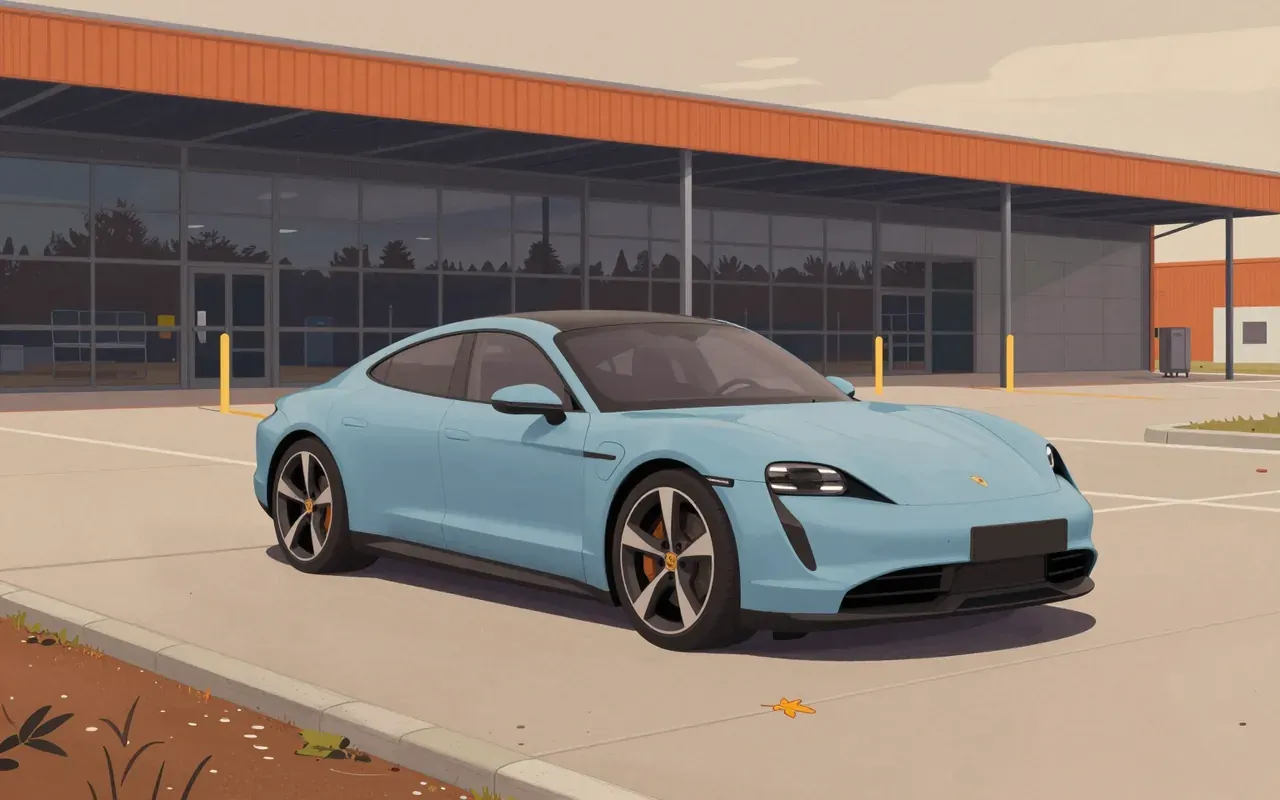
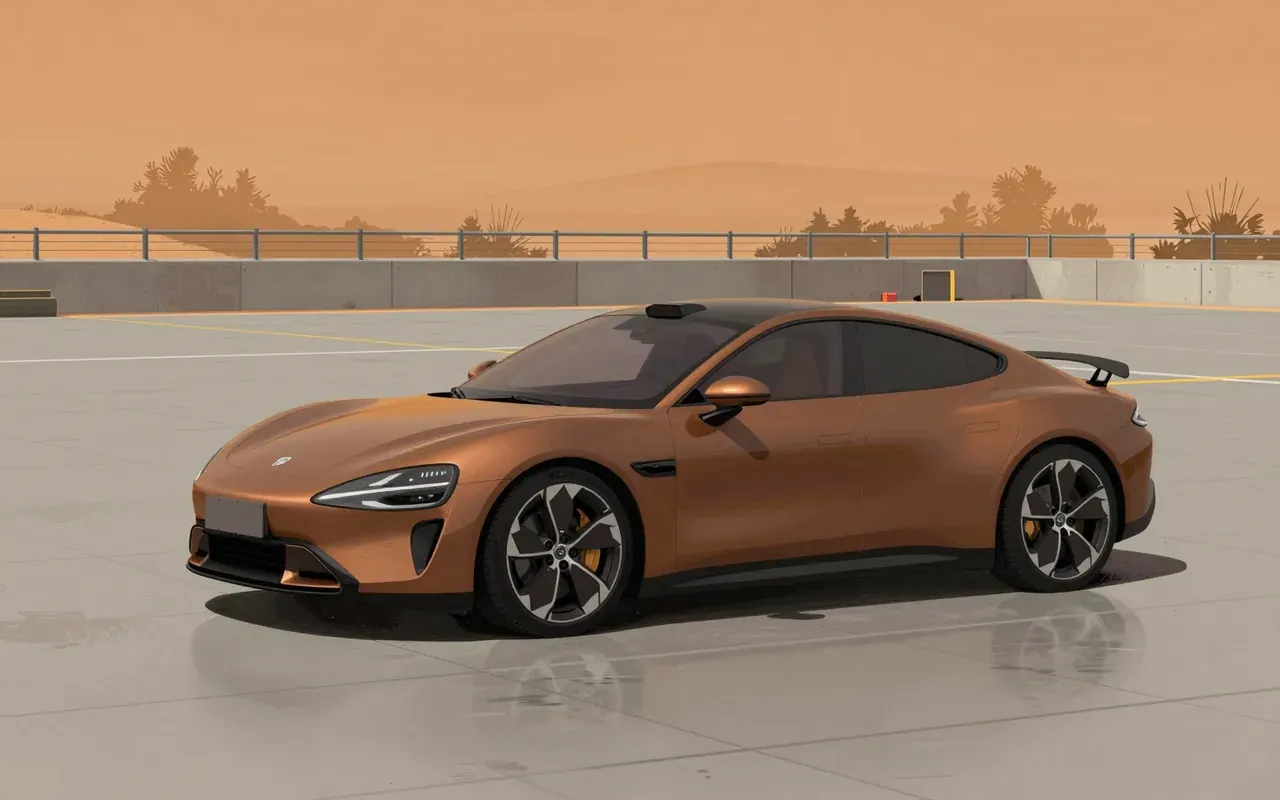
Porsche Taycan

Porsche’s first EV isn’t a compromise—it’s a recalibration of what electric driving feels like behind the wheel.

The Taycan redefines Porsche’s electric identity—not by chasing range alone, but by engineering for responsiveness, thermal resilience, and driver feedback. It is not a stopgap. It is the first proof that Porsche’s steering, weight distribution, and longitudinal control could translate to battery power without mimicry.

Chapters & takeaways4
  1. 1:08
    Origin Story

    The Taycan is Porsche’s first series-production electric car—and it arrived in 2019 as a direct evolution of the 2015 Mission E concept.

  2. 2:31
    Platform & Body

    It is a luxury sports sedan and shooting brake built on the shared J1 platform—not a bespoke Porsche-only architecture.

  3. 5:20
    Name & Meaning

    ‘Turbo’ means more power—not forced induction. ‘Taycan’ honours Stuttgart’s coat of arms and Turkish words for ‘lively colt’.

  4. 6:38
    Engineering Priorities

    It is engineered for repeatable performance: 800-volt architecture, dual-side charging, Cd=0.22, and Euro NCAP five stars.

Worth your time?

Yes. Drive the whole thing.

4.5/ 5
What works
  • delivers immediate torque response
  • integrates aerodynamics tightly (Cd=0.22)
  • maintains Porsche’s driver-centric cockpit philosophy
  • achieves Euro NCAP five stars
What does not
  • offer front-wheel drive
  • use a Porsche-exclusive platform
  • include turbochargers
Drive it if
  • drivers who prioritise steering feel and repeatable acceleration in an EV
  • buyers accepting trade-offs in rear space and charging ecosystem flexibility
Skip it if
  • those needing maximum practicality in a luxury EV
  • budget-conscious buyers seeking lowest TCO
The written brief1 min read

What the car is and where it came from

Porsche’s first series-production battery-electric vehicle. It evolved directly from the 2015 Mission E concept. It launched in 2019 at the Frankfurt Motor Show.

How it works, in terms someone would actually use

It is a battery-electric luxury sports sedan and shooting brake. It uses an 800-volt architecture. It has dual-motor all-wheel drive, with some rear-wheel-drive variants. Charging ports are on both sides. It accepts CCS and NACS via adapter.

What it gets right

It delivers immediate torque response and precise regenerative braking calibration. Its aerodynamics are tightly integrated—Cd=0.22 for Turbo models. Its digital interior is driver-focused, not cluttered. It earned Euro NCAP five stars.

What it does not

It does not offer a single-motor front-wheel-drive layout. It does not use a bespoke platform—it shares the J1 architecture with the Audi e-tron GT. It does not have turbochargers, despite ‘Turbo’ badging.

What it changed

It proved Porsche could build a series-production electric car without abandoning its core layout or driving character. It shifted the brand’s engineering focus to high-voltage systems and thermal management for repeated performance.

Who it is for, and who it is not

For drivers who expect Porsche steering feel and longitudinal control from an EV—and who accept compromises in rear headroom, boot flexibility, and charging ubiquity for that priority. Not for those needing maximum cargo volume, ultra-low cost of ownership, or city-focused compactness.

Is it worth your time

Yes—if you need a fast, digitally focused electric saloon that prioritises driver engagement over range pragmatism or cargo utility.
Same garage · Electric4 of 14
9:19
Lucid AirDerek Jenkins · 2021The Lucid Air is a battery electric four-door luxury sedan, Lucid Motors' first production car, announced in December 2016 and launched in 2021. It highlights its record-setting EPA range (up to 520 miles for the Dream Edition), aerodynamic efficiency (Cd=0.21 pre-production, Cd=0.20 production), performance capabilities (e.g., 0–60 mph in 2.5 seconds, 235 mph top speed), and technical features including its 924-volt architecture, bidirectional charging, and DreamDrive ADAS with 32 sensors. The Air Pure, Touring, Grand Touring, and Dream Edition trims are detailed, along with battery capacities (88–112 kWh), power outputs (430–1,111 hp), and production milestones including commencement in late 2021 and deliveries beginning October 30, 2021. Design leadership is attributed to Derek Jenkins, and the vehicle is positioned against the Tesla Model S and German luxury models.
10:11
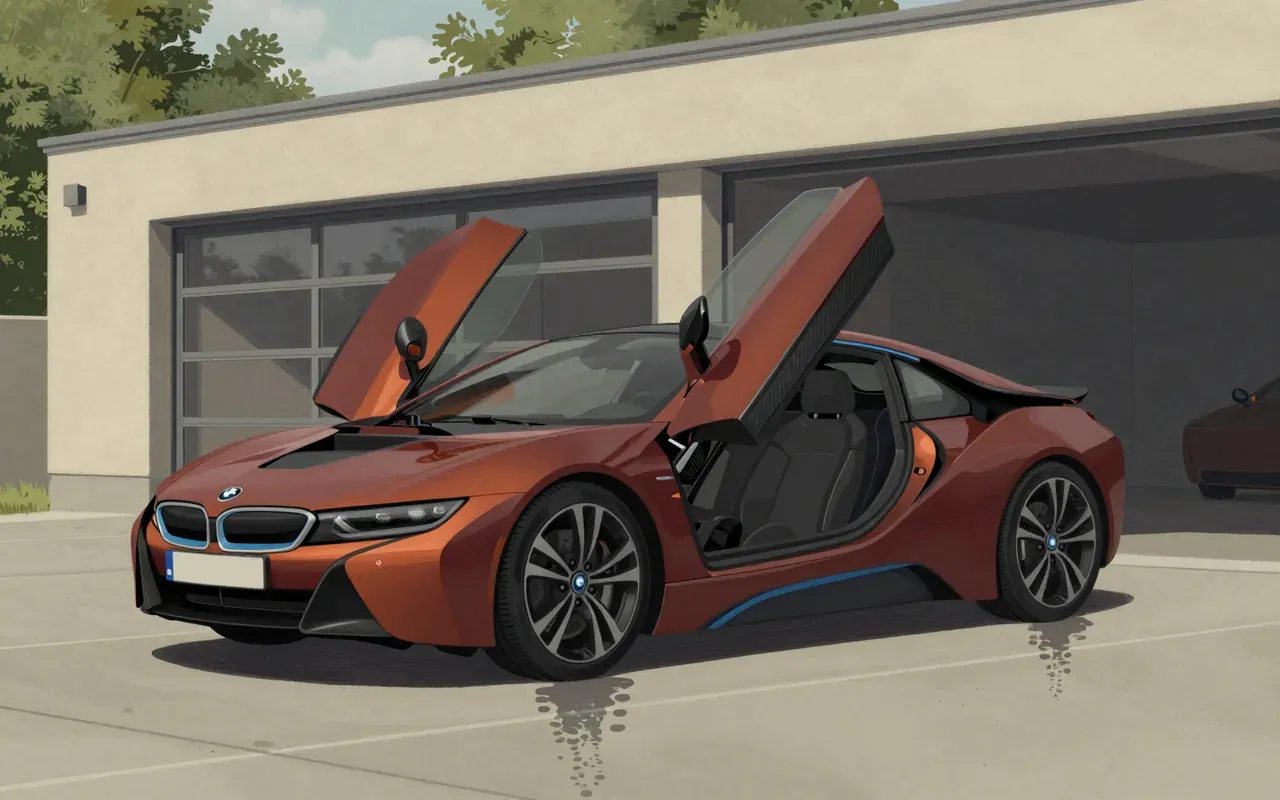
BMW i8Benoit Jacob · 2014The BMW i8 is a plug-in hybrid sports car designed by Benoit Jacob and marketed under the BMW i sub-brand. It was unveiled at the 2013 Frankfurt Motor Show and released in Germany in June 2014. U.S. deliveries began in August 2014. A roadster variant launched in May 2018. Production ended in June 2020. The 2015 i8 accelerated from 0 to 100 km/h in 4.4 seconds. It had a 7.1-kWh lithium-ion battery pack and an all-electric range of 37 km under the New European Driving Cycle. The plug-in hybrid system comprised a three-cylinder, 1.5-litre BMW TwinPower Turbo gasoline engine.
8:58
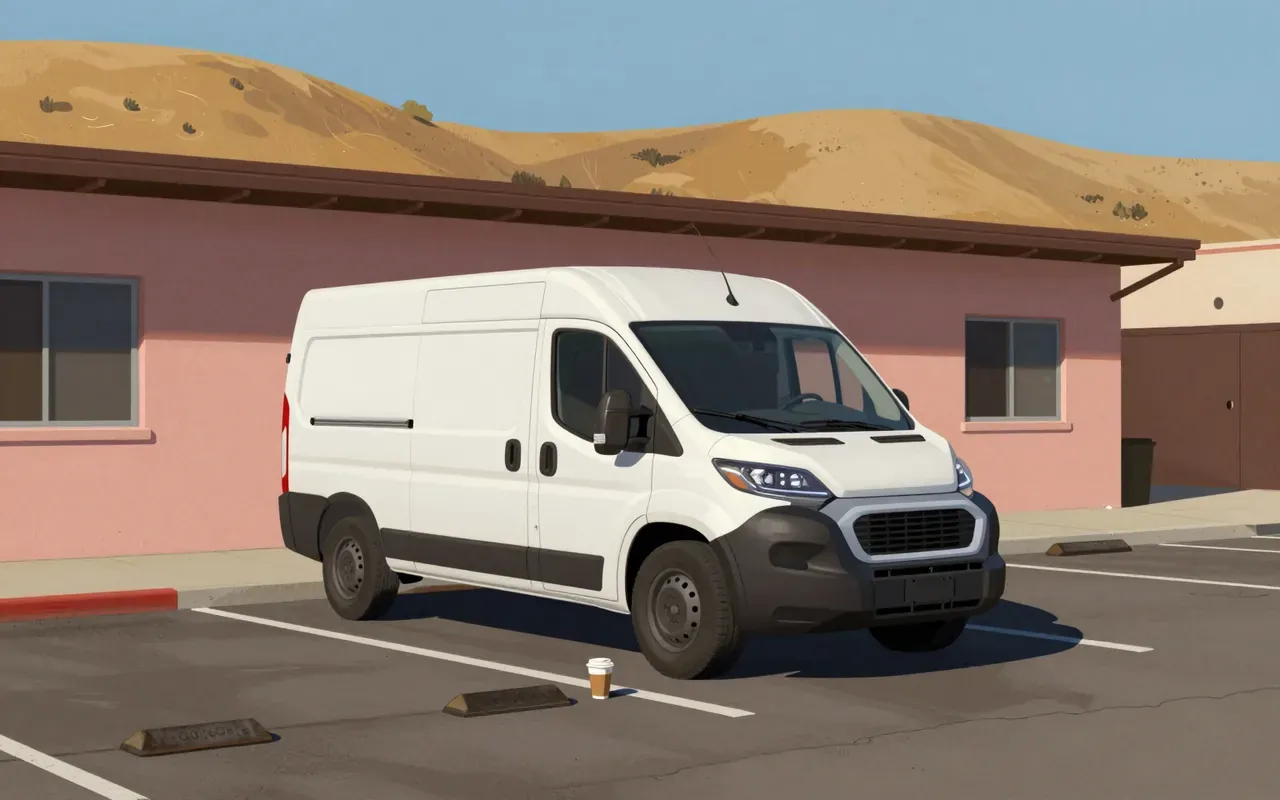
Canoo Lifestyle VehicleRichard Kim · 2019The Canoo Lifestyle Vehicle was a battery electric vehicle with multiple body styles sharing a common platform, including minivan, cargo van, and pickup truck, manufactured by Canoo.
10:28
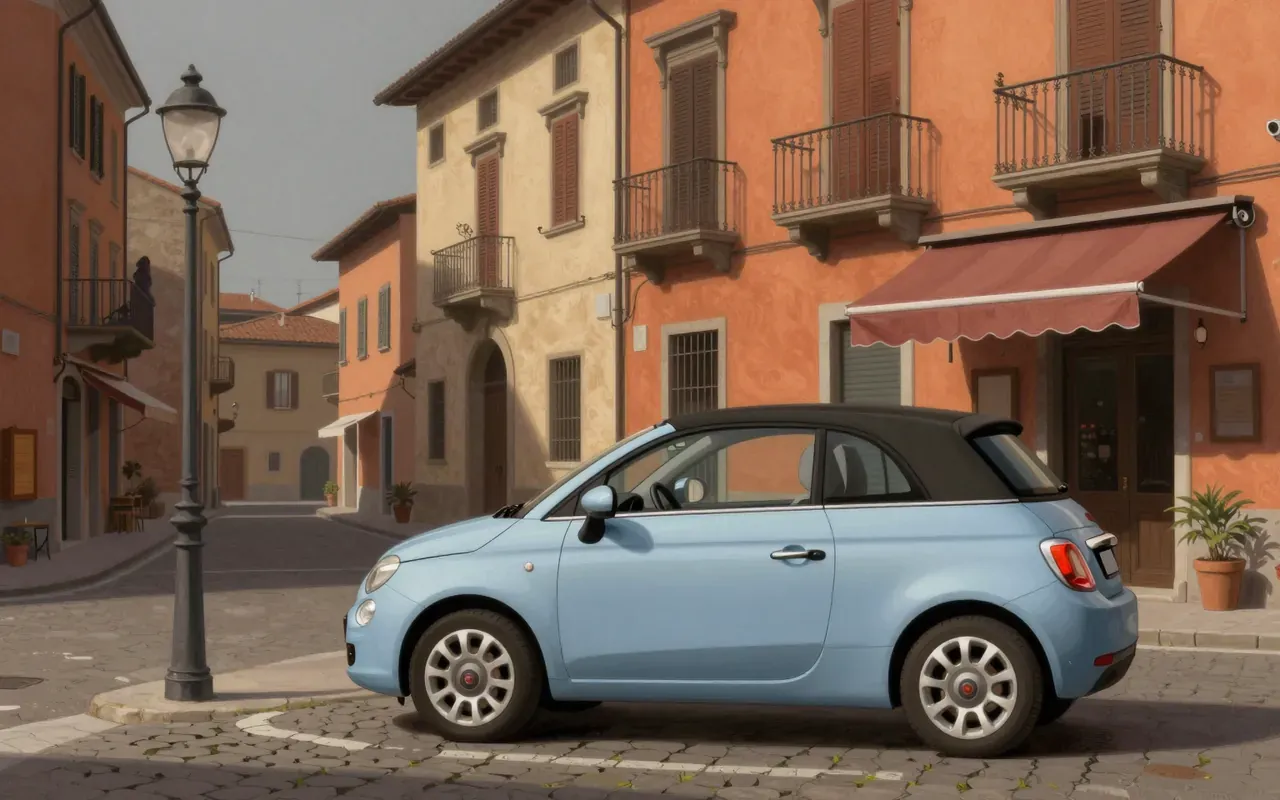
Fiat 500eFCA Centro Stile · 2012The Fiat 500e is an electric city car that redefines the 500 lineage without abandoning its visual language. It trades engine noise for immediacy, space for charm, and range for urban precision.
Up next in Automotive

Renault 5

Michel Boué · 1972 · 8:41

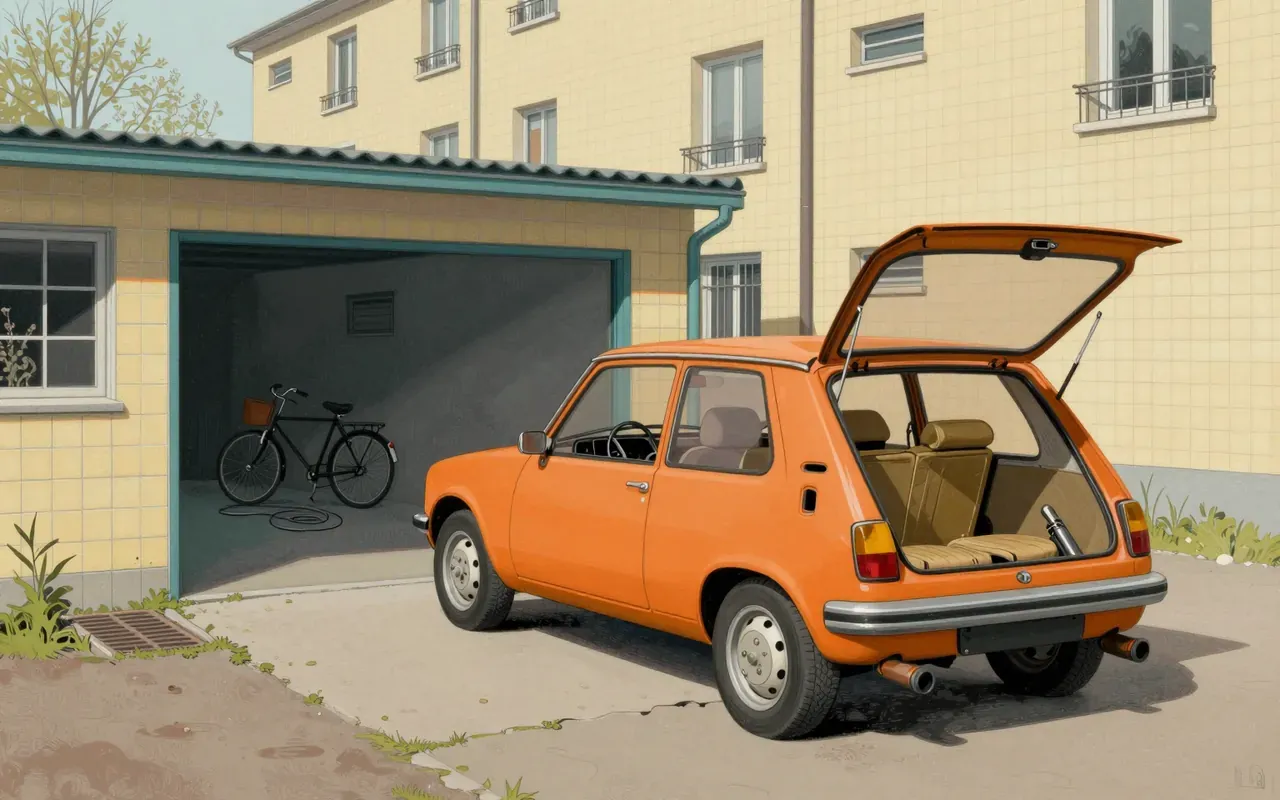
A spare-time sketch that outsold every French car for 15 years — and killed its designer before he saw it succeed.

8:41