automotivebriefs
Road

Supercars

64
briefs
9:35
average
614 min
in total
49
designers
All briefs64
9:20

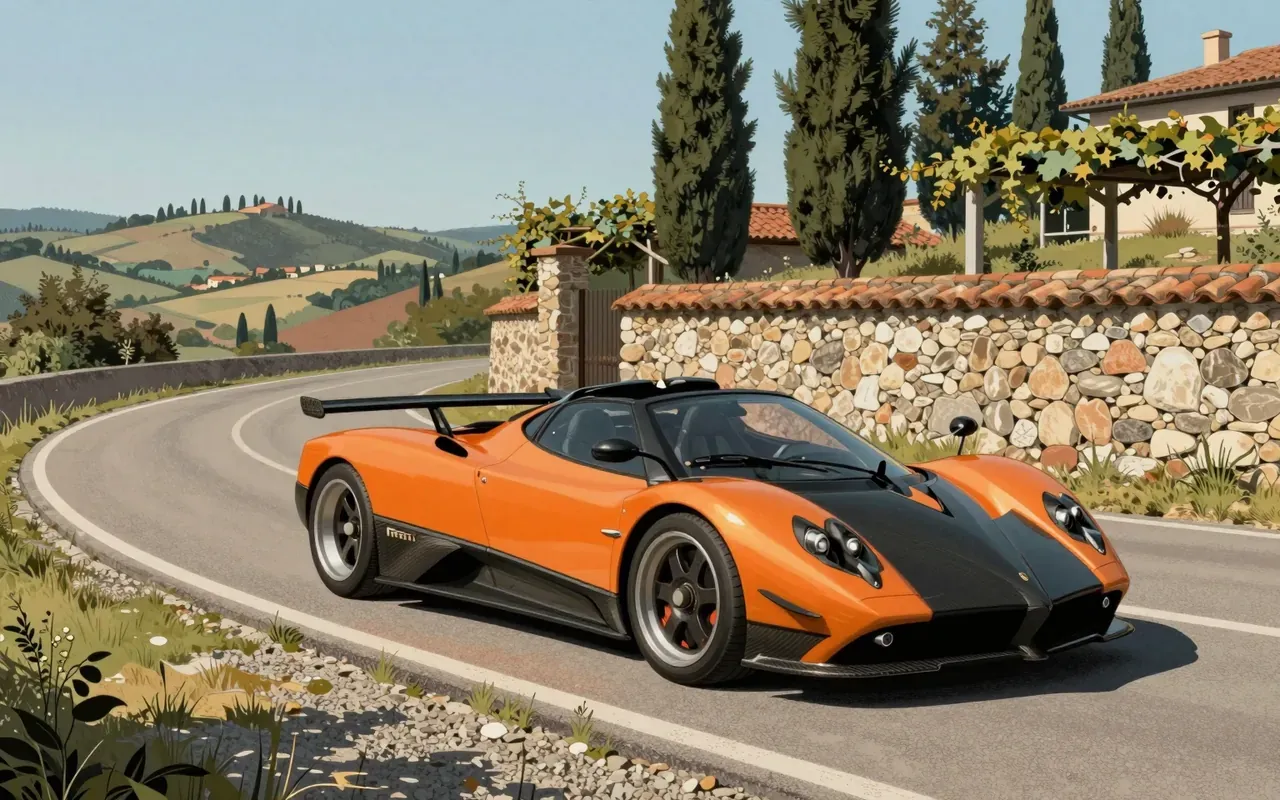
Pagani Zonda C12

Horacio Pagani · 1999

The Zonda C12 was the first car from Pagani, shown at the 1999 Geneva Motor Show. It put a 6.0 L Mercedes-Benz M120 V12 behind the driver in a mainly carbon-fibre car with a five-speed manual gearbox. Only five cars were built with the 6.0 L engine before the 7.0 L C12 S arrived in 2002.

10:20

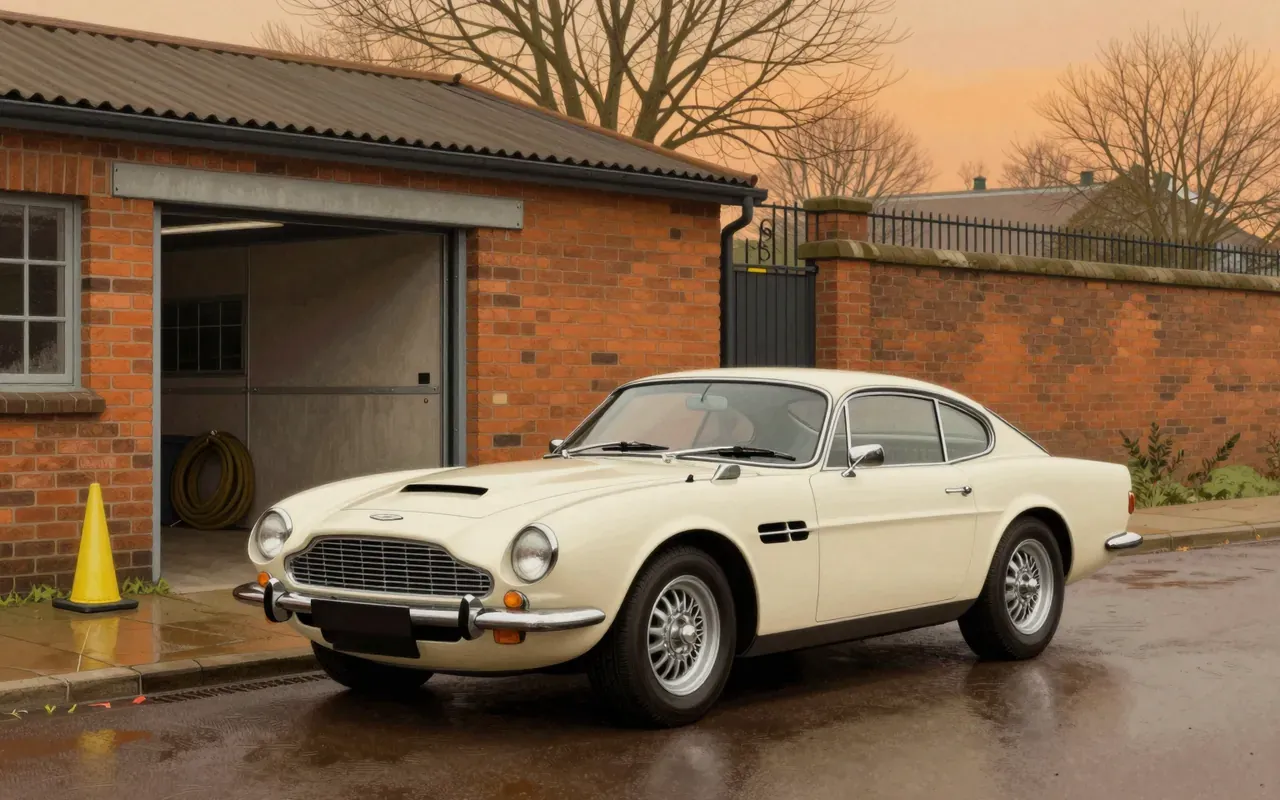
Aston Martin V8 Vantage (1977)

William Towns · 1977

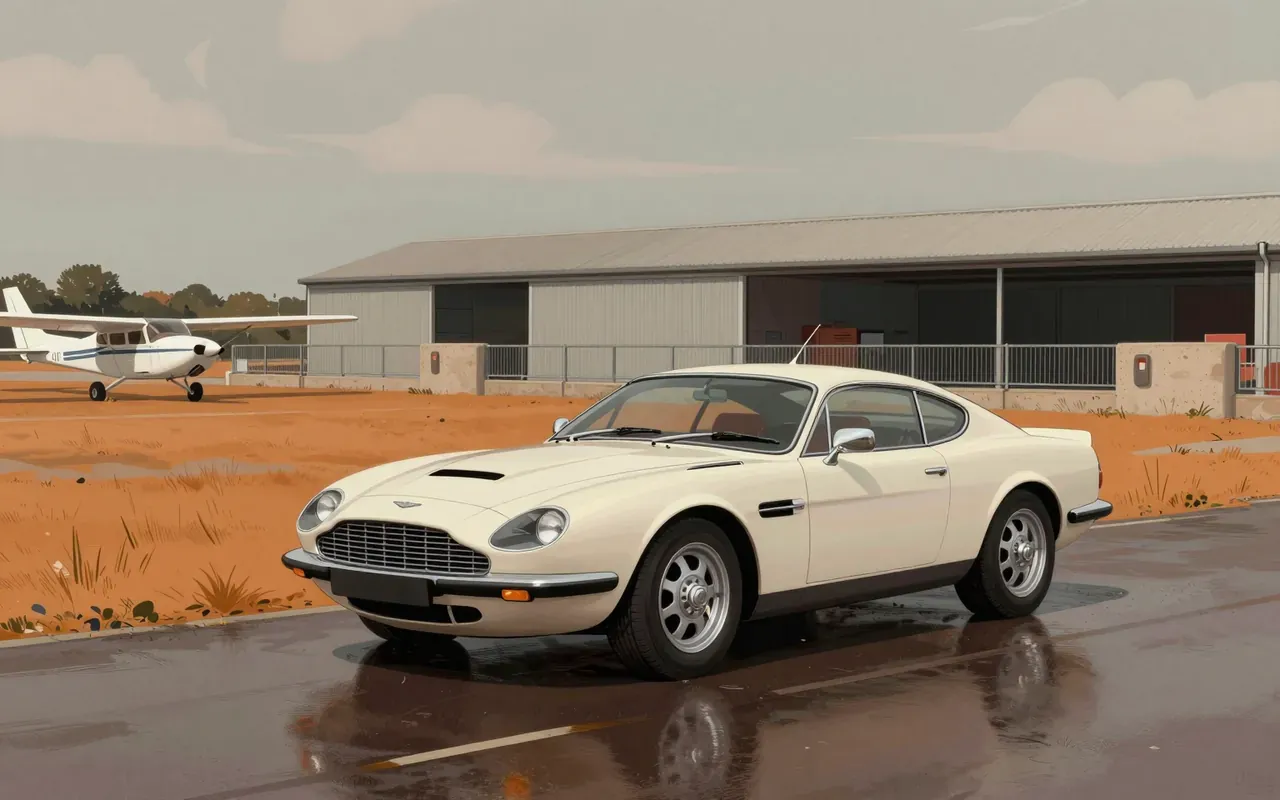
The Aston Martin V8 Vantage (1977) is a British grand tourer and high-performance variant of the Aston Martin V8. It was launched as 'Britain's First Supercar', citing 170 mph top speed and 0–60 mph in 5.3 seconds. Its engine shares architecture with the Lagonda but adds high-performance camshafts, increased compression, larger inlet valves, and bigger Weber carburettors. Early models produced 380 bhp. William Towns did not design it — he left Aston Martin in 1977.

9:38

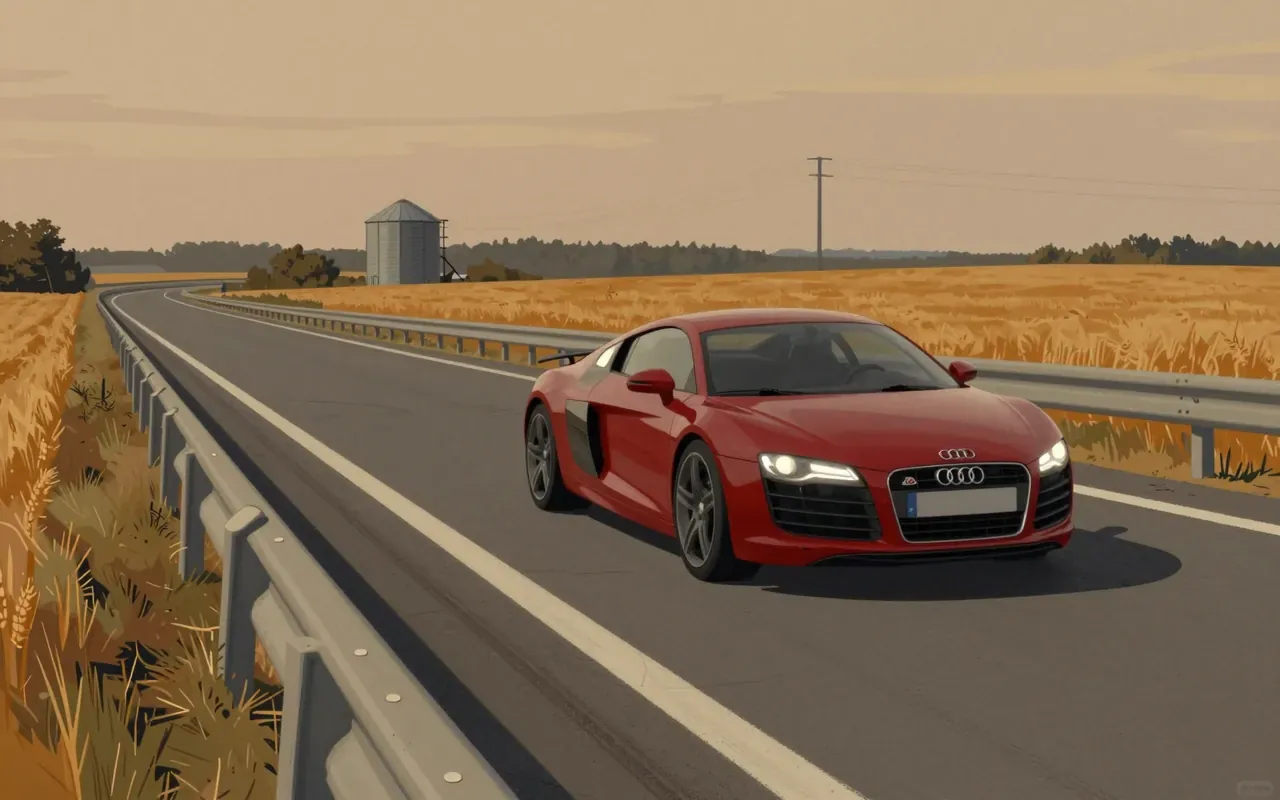
Audi R8

Walter de Silva · 2006

The Audi R8 is a mid-engine, two-seater sports car with quattro all-wheel drive. Introduced by Audi AG in 2006, it was built exclusively by Audi Sport GmbH at Neckarsulm, Germany, using an aluminium monocoque based on the Audi Space Frame. At launch, it was the first production car with full-LED headlamps.

9:46

Pininfarina Battista

Pininfarina · 2022

The Pininfarina Battista is not a revival—it is a declaration. It replaces combustion with four wheel-mounted motors. It replaces tradition with a carbon monocoque built for mass reduction. It replaces volume with 150 units. It is the first Pininfarina-branded car. And it arrives not as a concept, but as a production machine built in Cambiano.

9:40

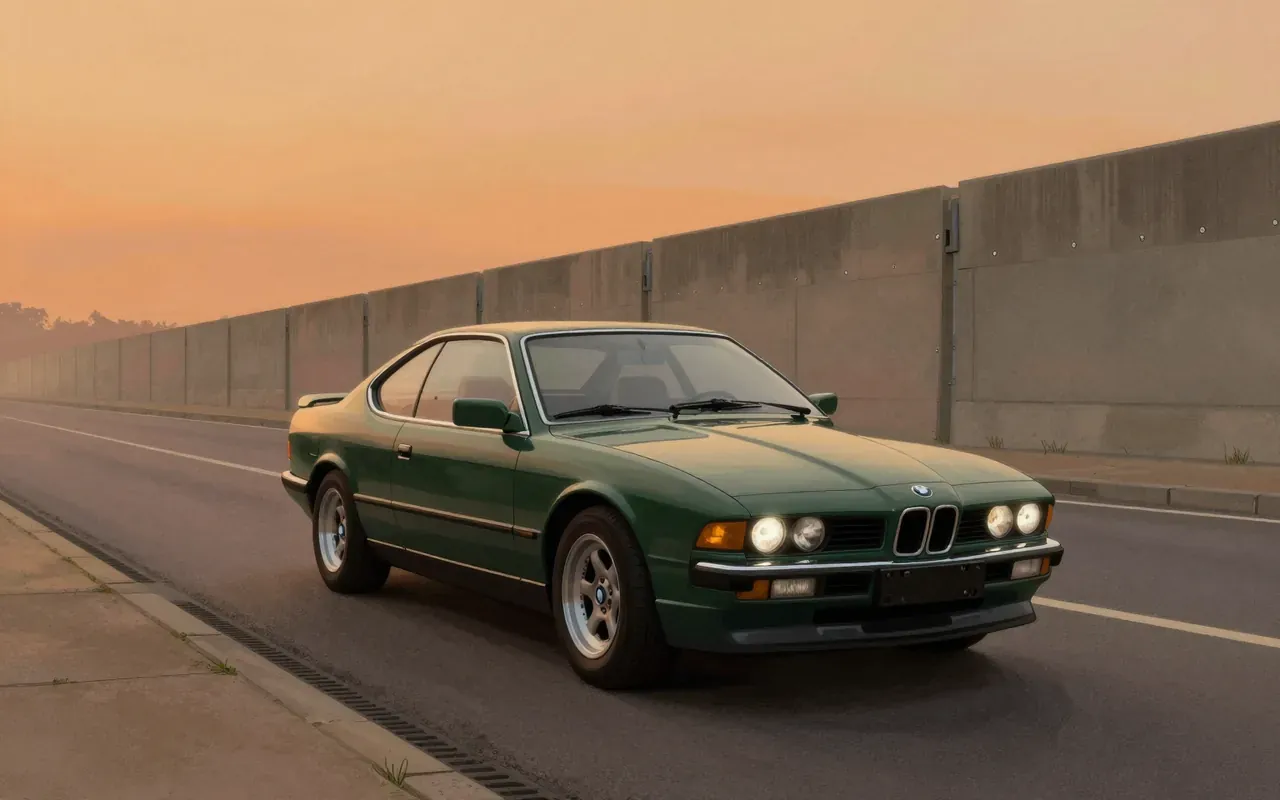
BMW 8 Series (E31)

Klaus Kapitza · 1989

The BMW 8 Series (E31) is a two-door grand tourer built by BMW from 1990 to 1999. It uses a front-engine, rear-wheel-drive layout. It is powered by either a V8 or V12 engine. Development began in July 1981 and concluded in 1986. It debuted at the Frankfurt Motor Show in early September 1989. BMW used CAD tools to design its all-new body. Its drag coefficient is Cd=0.29. It replaced the E24 6 Series but was not a direct successor. Total production was 30,609 units.

9:00

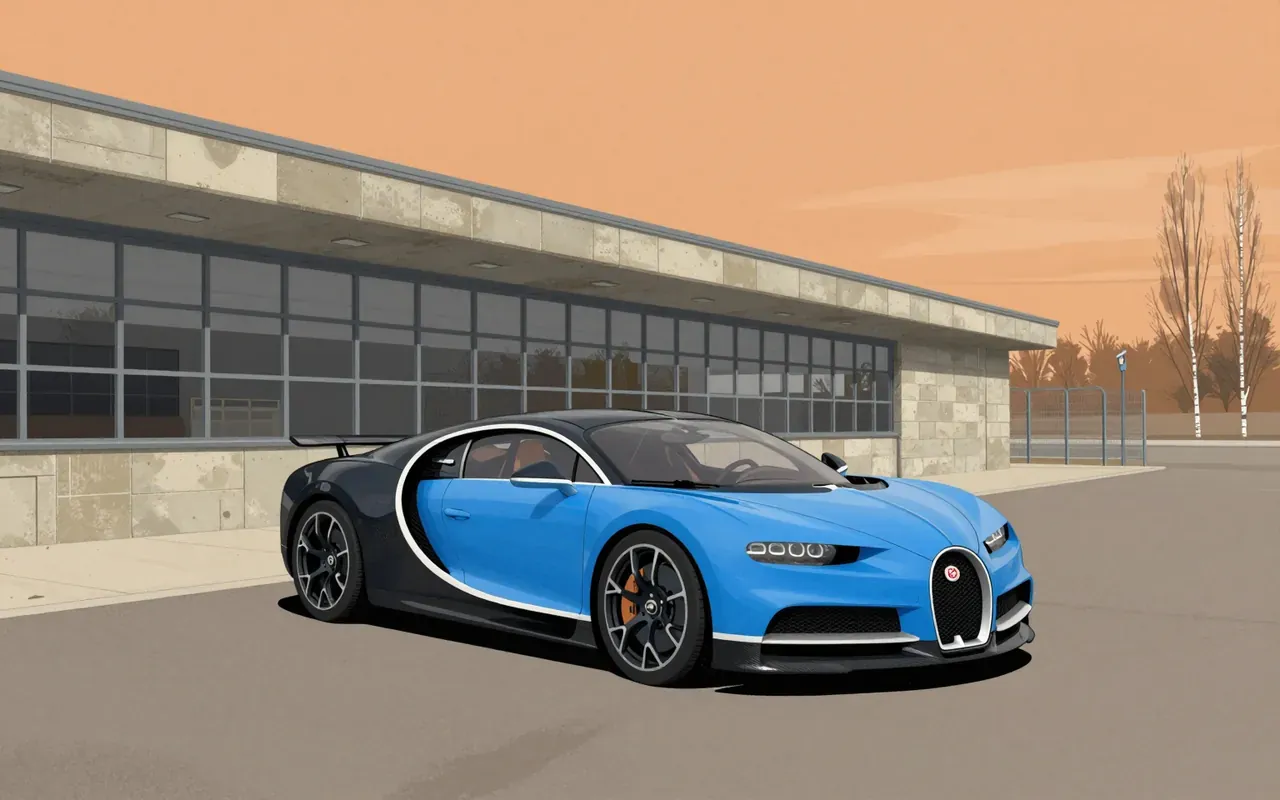
Bugatti Chiron

Achim Anscheidt · 2016

The Bugatti Chiron is a mid-engine, two-seater sports car designed and developed in Germany. It was manufactured in Molsheim, France. It succeeded the Veyron. It debuted at the 2016 Geneva Motor Show. Its design was previewed with the Vision Gran Turismo concept. It is named after Louis Chiron. It uses a heavily updated 8.0 L quad-turbocharged W16 engine producing 1,103 kW and 1,600 N⋅m. It has a carbon fibre body, independent suspension, and Haldex all-wheel drive.

9:14

Czinger 21C

Dave O'Connell · 2021

The Czinger 21C is a 3D-printed, tandem-seat, rear-wheel-drive hybrid sports car with a central V8 and front electric motors. Eighty units will be built, beginning in 2021. It rethinks structural integration — fusing brake and suspension functions — but sacrifices cabin space, all-wheel capability, and service maturity.

8:38

Ferrari 288 GTO

Leonardo Fioravanti · 1984

The Ferrari 288 GTO is a homologation-special berlinetta, developed from the 308 GTB between 1984 and 1987 in Maranello. Its name stands for Gran Turismo Omologata. It was built to satisfy FIA Group B requirements.

9:44

Ferrari 458

Pininfarina · 2009

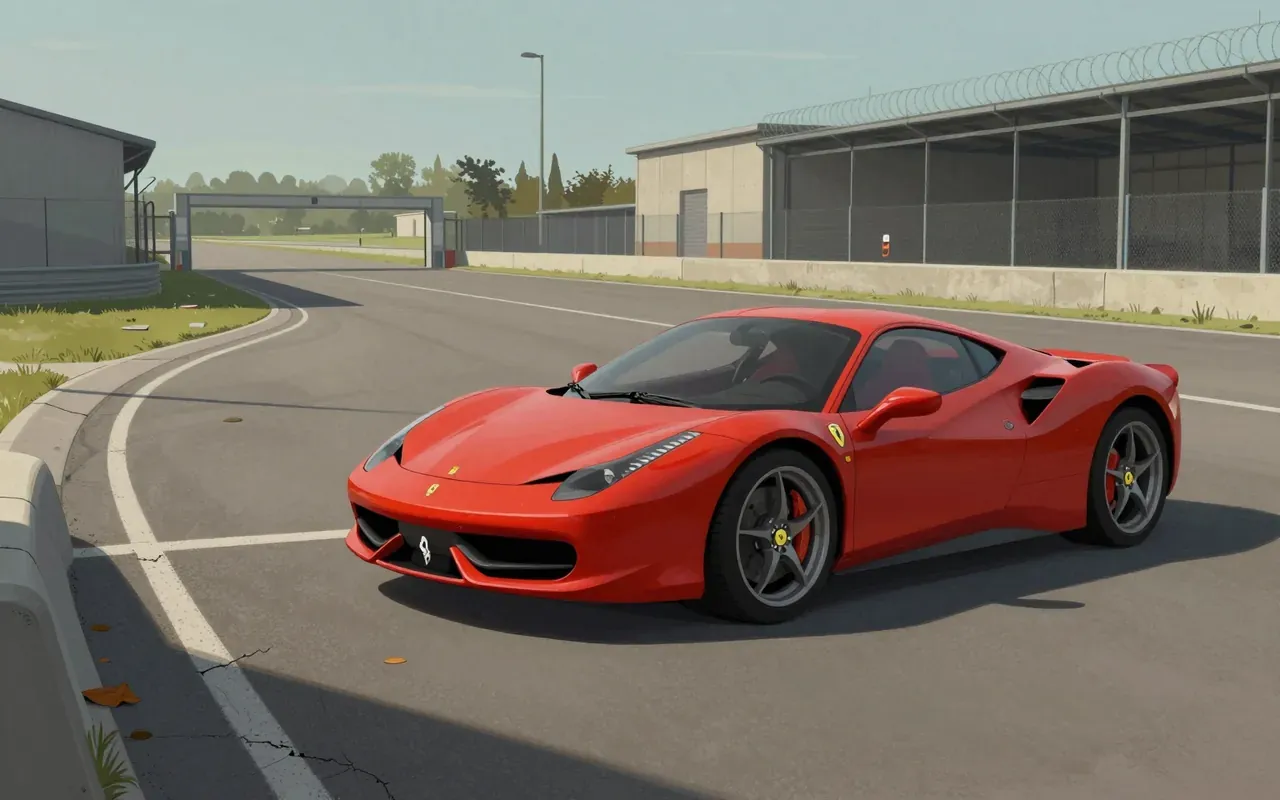
The Ferrari 458 Italia is a mid-engine sports car. It launched in 2009 as a clean-sheet replacement for the F430. It uses a 4.5 L V8 with direct fuel injection — the first such setup in a Ferrari mid-engine road car — and a 7-speed dual-clutch automatic transmission. No manual option exists. Magneti Marelli developed its body computer system. Pininfarina designed it under Donato Coco, with Carlo Palazzani as lead designer.

10:01

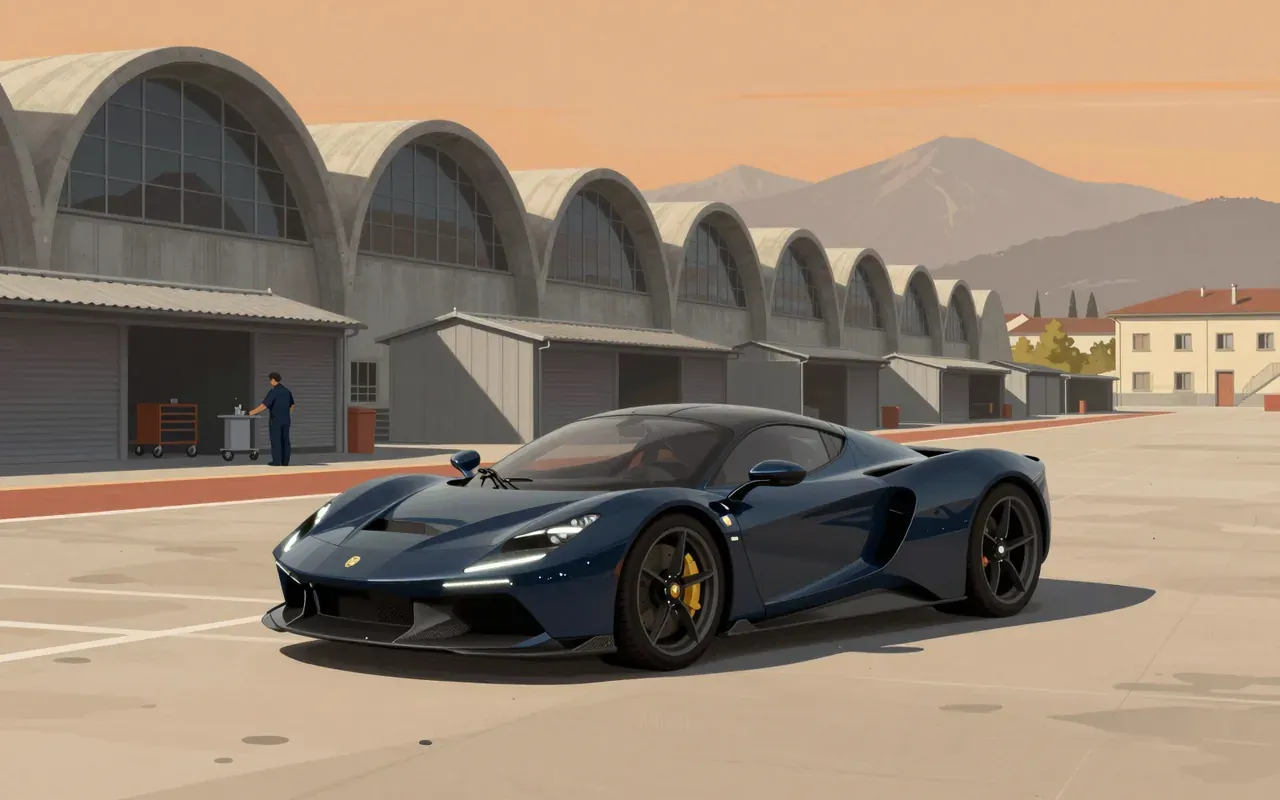
Ferrari Daytona SP3

Flavio Manzoni · 2021

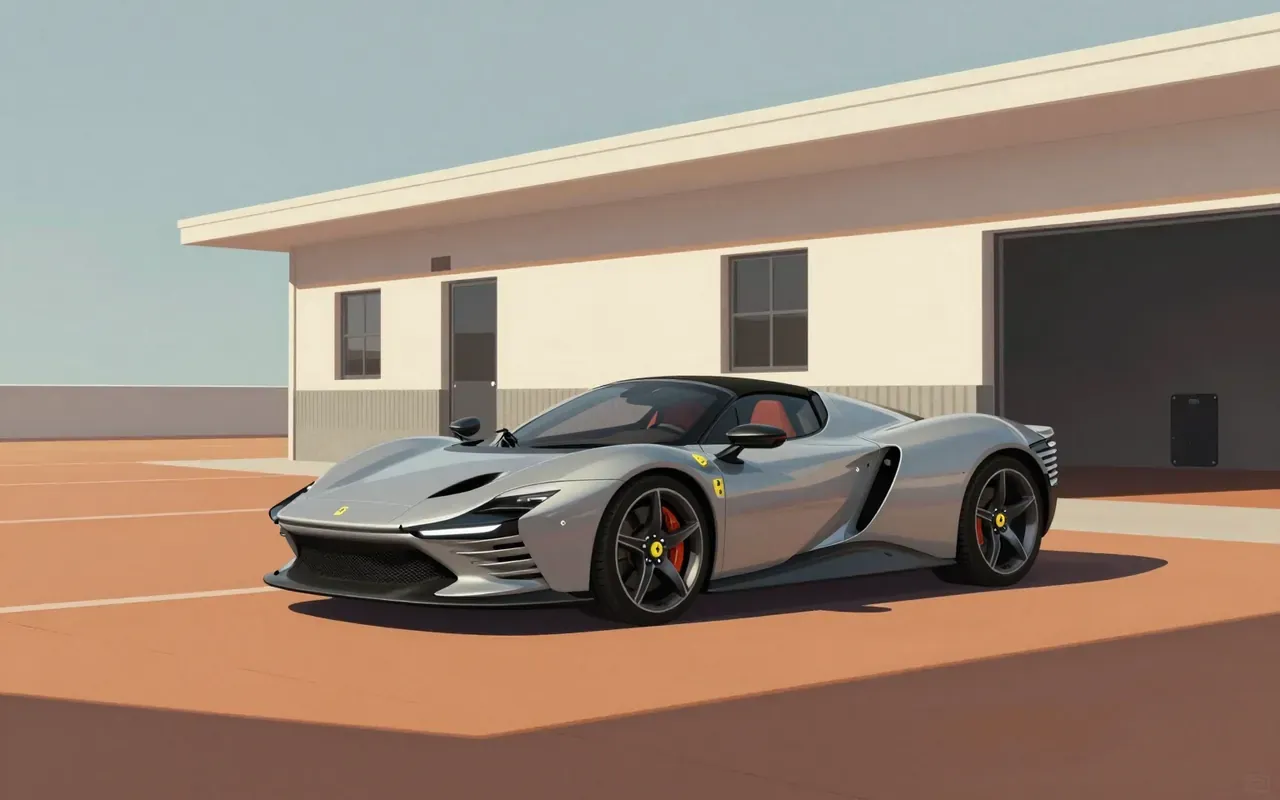
The Ferrari Daytona SP3 is a mid-engine, naturally aspirated V12 road car launched in 2021 as part of Ferrari’s Icona series. It draws directly from the 1967-winning 330 P4. It uses a 6.5 L F140 HC V12. It shares its chassis with the LaFerrari Aperta. It was produced in 599 units from 2022, all pre-sold at $2.25 million each. It is Ferrari’s final non-hybrid, mid-mounted V12 road car.

8:30

Ferrari F50

Lorenzo Ramaciotti · 1995

The Ferrari F50 is a 1995–1997 limited-run targa-top supercar. Its 4.7 L V12 came from Formula One. Its shape grew from the 1989 Mythos concept and borrowed F1 front-end cues. It uses a rear mid-engine, rear-wheel-drive layout. Only 349 were built.

9:10

Ferrari Roma

Flavio Manzoni · 2019

The Ferrari Roma is a front mid-engine, rear-wheel-drive grand touring coupé with a twin turbocharged V8 and 2+2 seating. It succeeds the Portofino and sits below the F8. Named after Rome, it launched online on 13 November 2019 and was unveiled in Rome the next day. Flavio Manzoni led its design, which won five major international design awards — including Most Beautiful Supercar of the Year in Paris.

8:42

LaFerrari

Flavio Manzoni · 2013

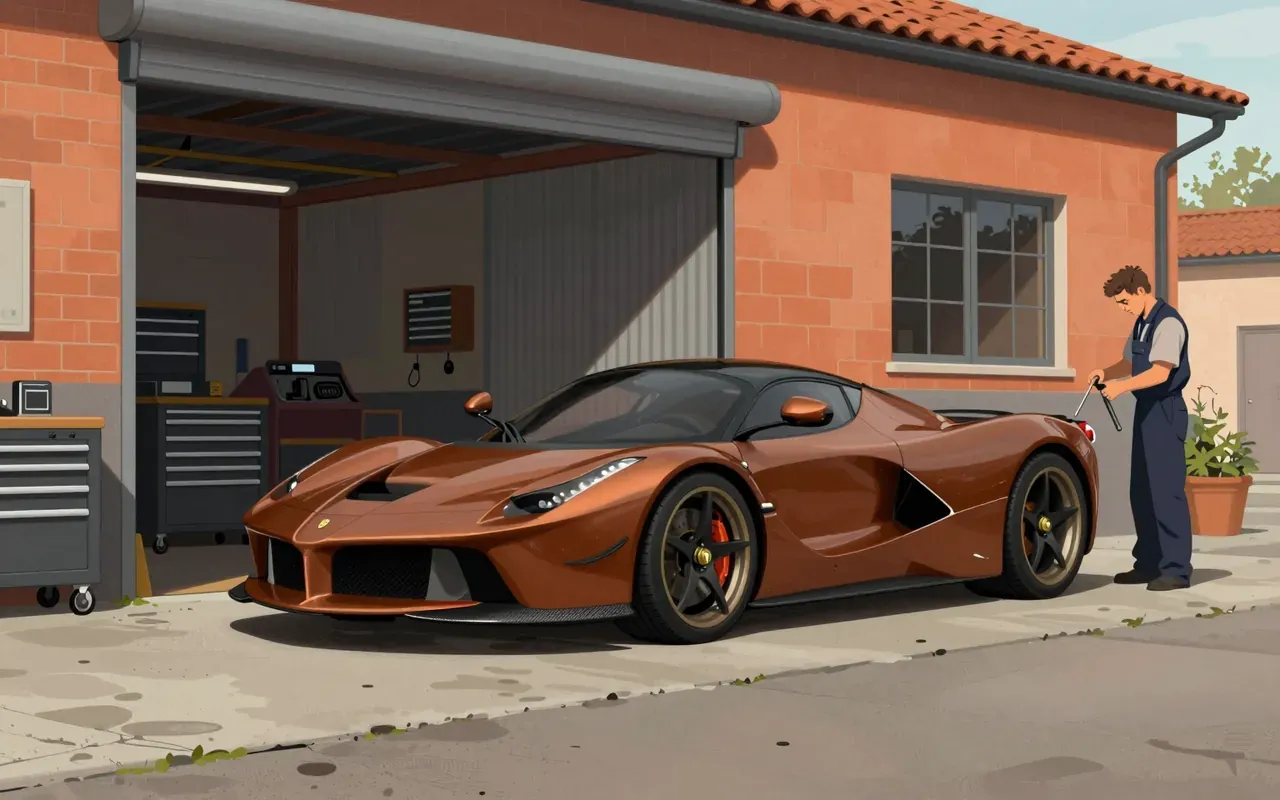
LaFerrari is Ferrari’s first hybrid road car and definitive V12 flagship. It is a limited-production mid-engine sports car developed under Flavio Manzoni. Its design follows the 2011 Manta concept. It draws on FXX prototype testing and Millechili Project research. Only 499 units were built between 2013 and 2016.

10:25

Lamborghini Huracán

Filippo Perini · 2014

The Lamborghini Huracán is a mid-engine, two-seater sports car made by Lamborghini from 2014 to 2024. Its name is inspired by a Spanish fighting bull. It retains the 5.2-litre naturally aspirated Audi/Lamborghini V10 engine of the facelifted Gallardo. To ensure its balance and performance, the car is mid-engined. The engine has both direct fuel injection and multi-point fuel injection. It combines the benefits of both systems; it is the first time this combination has been used in a V10 engine. The drag coefficient of Cd=0.39 was undisclosed until 2021. With a kerb weight of 1,553 kg (3,424 lb), the Huracán LP 610-4 has a power-to-weight ratio of 2.55 kg (5.62 lb) per horsepower.

9:15

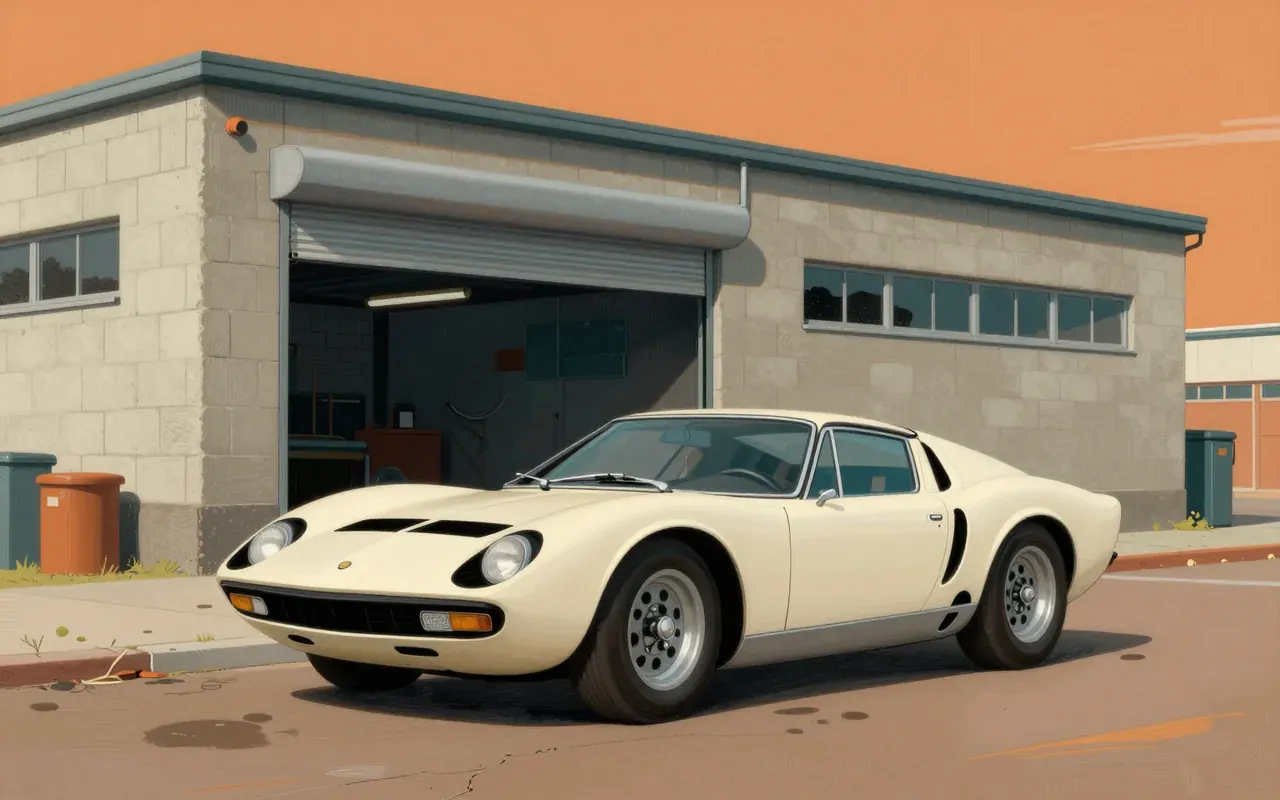
Lamborghini Miura

Marcello Gandini · 1966

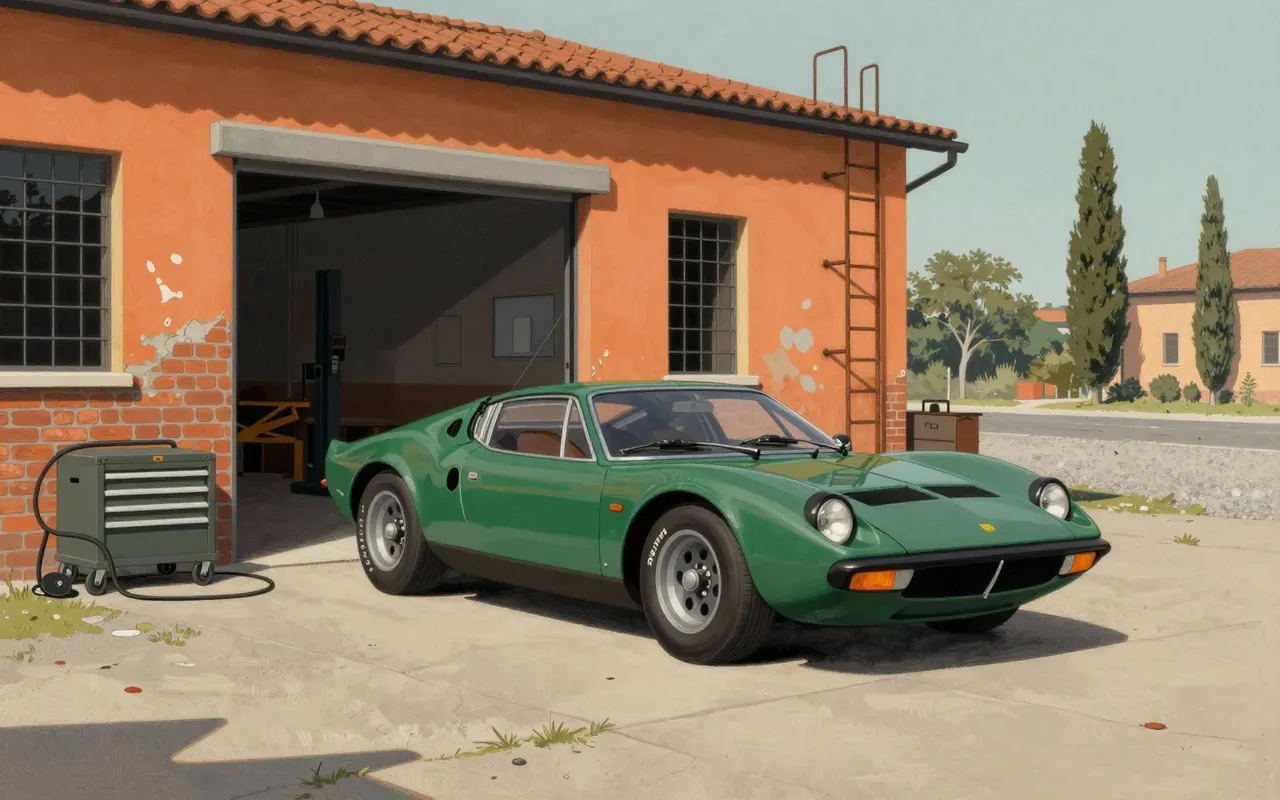
The Lamborghini Miura is the first high-performance production road car with a rear mid-engine, rear-wheel-drive layout. Conceived secretly by engineers in 1965, it debuted at the 1966 Geneva Motor Show. Marcello Gandini designed it in three months. It held the title of world’s fastest production car at launch. It remained Lamborghini’s flagship until 1973.

9:23

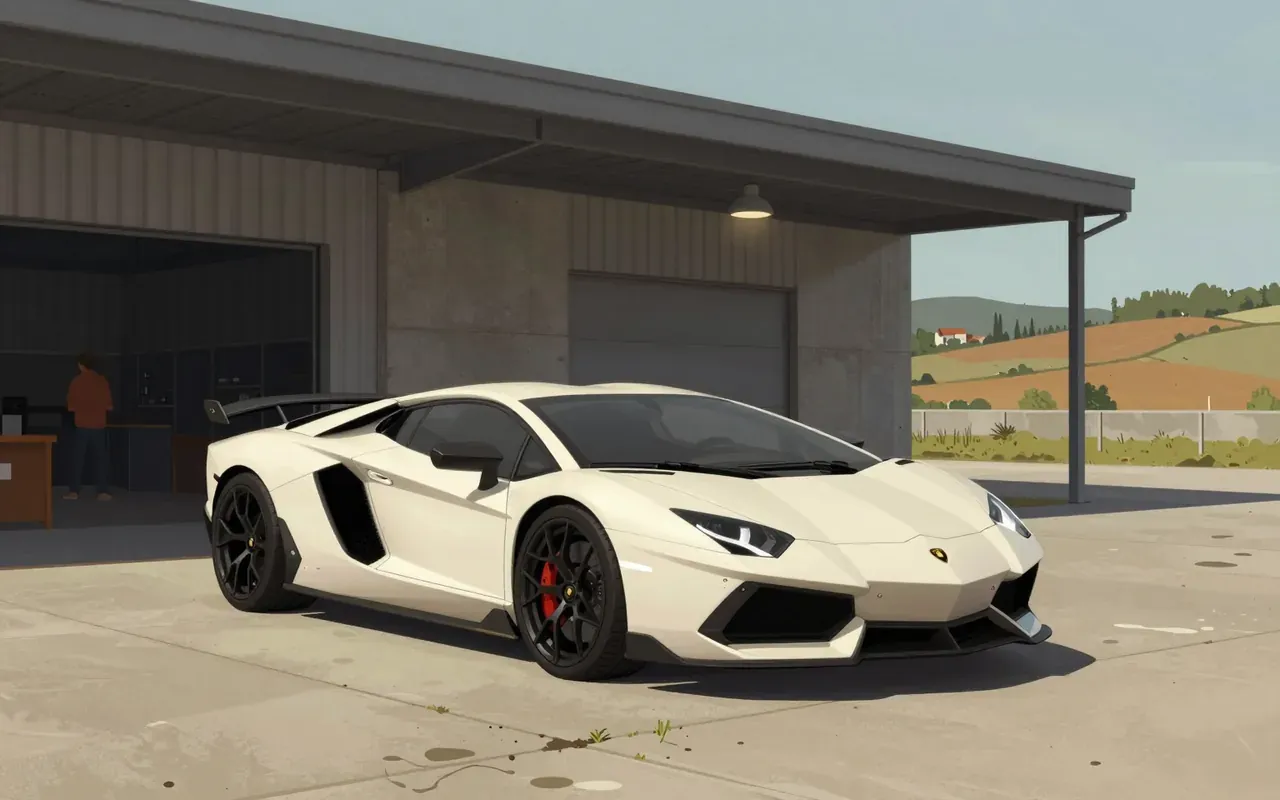
Lamborghini Revuelto

Mitja Borkert · 2023

The Lamborghini Revuelto is Lamborghini’s first plug-in hybrid sports car. It replaces the Aventador. It uses a mid-engine layout, a 6.5-litre V12, three electric motors, Y-shaped daytime running lights, active aerodynamics, and a carbon-fibre monocoque. Production began in July 2023. First deliveries were in Q4 2023.

10:20

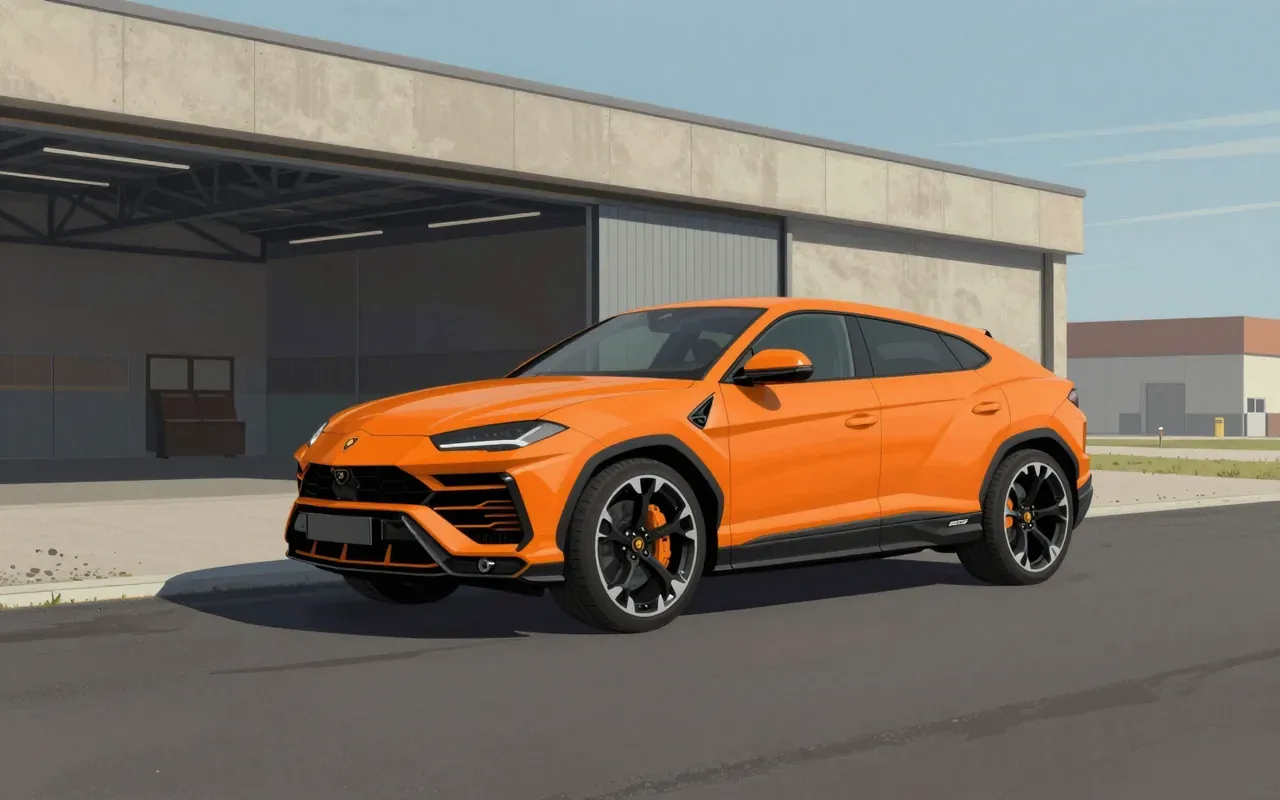
Lamborghini Urus

Mitja Borkert · 2018

The Lamborghini Urus is a high-performance luxury SUV. It is Lamborghini’s first SUV under Volkswagen ownership and its second ever, after the LM002. Introduced in December 2017 as a 2018 model, it is built on the Volkswagen Group MLB Evo platform and shares components with the Audi Q7, Bentley Bentayga, Porsche Cayenne, and Volkswagen Touareg. Its name derives from urus, the aurochs. The production model uses a modified 4.0-litre twin-turbo V8 — not the concept’s 5.2-litre V10 — and features a front-engine, all-wheel-drive layout. With a top speed of 312 km/h, the Urus SE is the fastest production SUV in the world. It is Lamborghini’s best-selling model, reaching 20,000 units by 2022.
9:12

Lotus Evija

Russell Carr · 2019

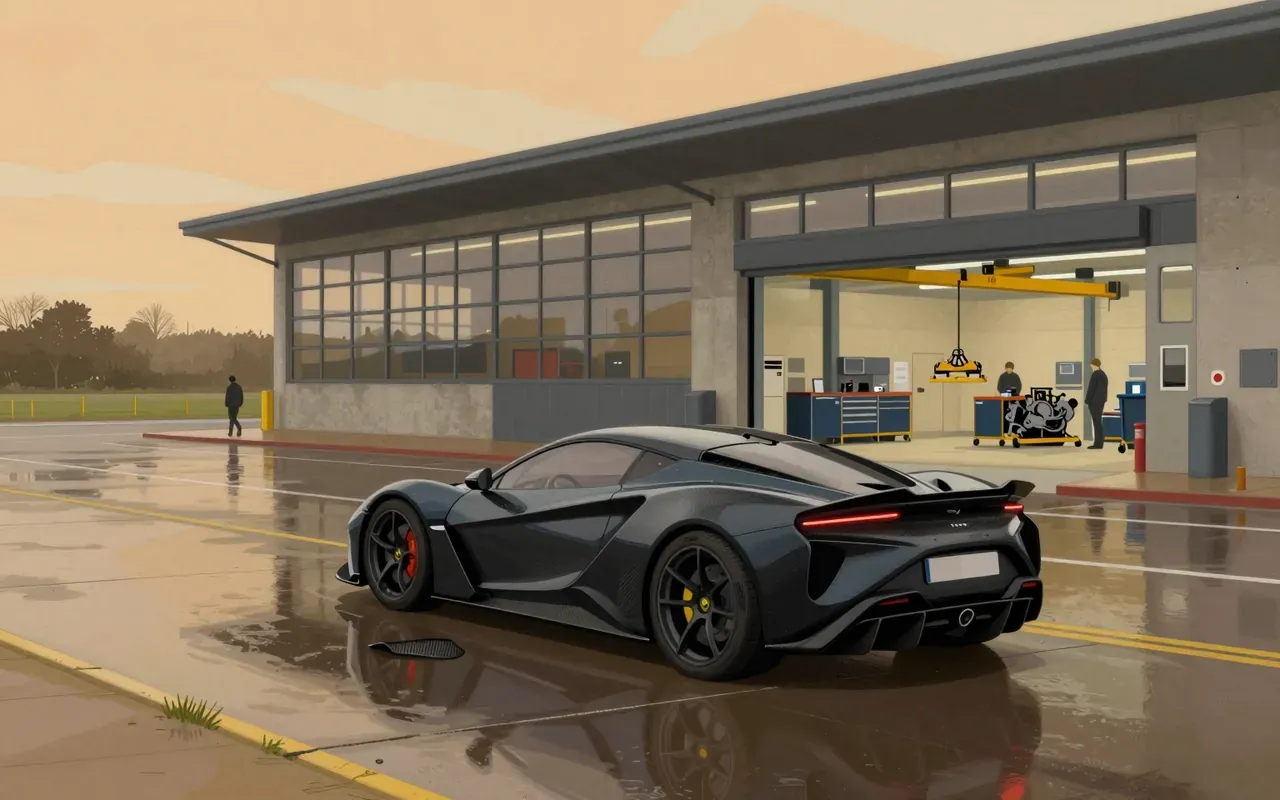
The Lotus Evija is a limited-production, all-electric, all-wheel-drive sports car — Lotus Cars’ first EV — unveiled in July 2019. It is built by the British automaker Lotus Cars, owned by the Chinese company Geely. Production is capped at 130 units. Its base price is US$2.3 million, before options and taxes. Four wheel-mounted motors deliver 1,500 kW total power. A 93 kWh battery supplies energy. It achieves 0–100 km/h in under 3 seconds and a top speed of 349 km/h. A prototype underwent high-speed testing in November 2019. A video was released on 21 November 2019 ahead of its debut later that day at the Guangzhou Auto Show. Lotus planned thousands of miles of further road testing on European circuits and at its Hethel track. The name Evija derives from 'Eve' and means 'alive' or 'living' in Biblical Hebrew.

8:53

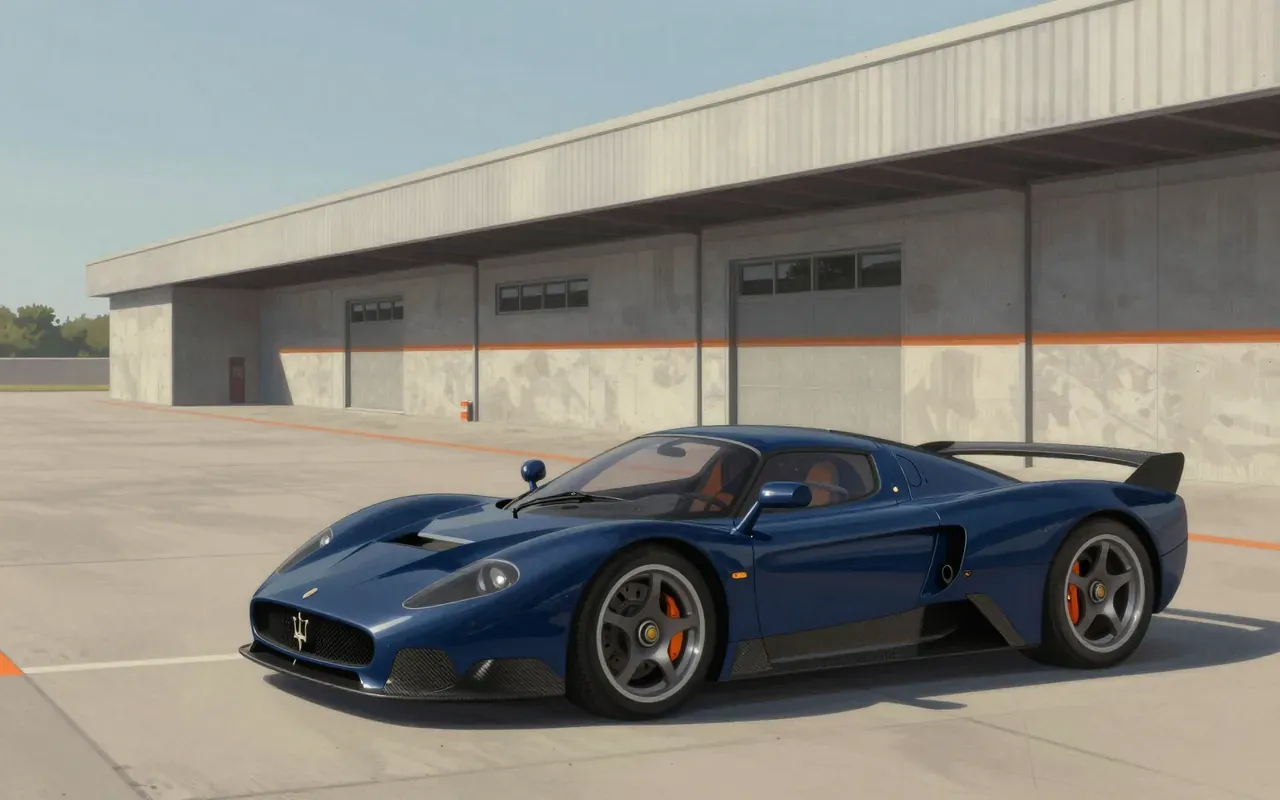
Maserati MC20

Maserati Centro Stile · 2020

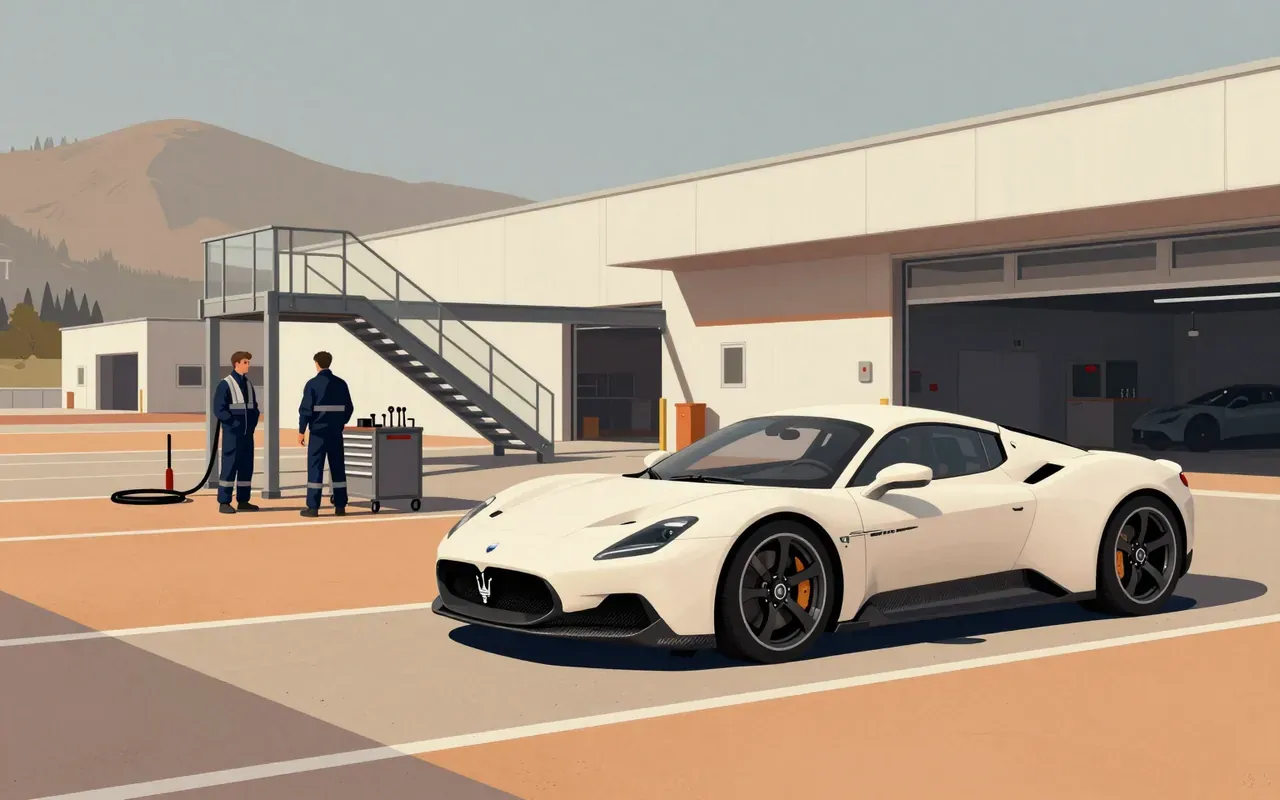
The MC20 is Maserati’s first in-house sports car since the Bora. It is not a revival. It is a declaration: no more borrowed engines, no more compromised layouts, no more waiting for permission to be a manufacturer. It launched in Modena in 2020 with a bespoke V6, then expanded into open-top, track, racing, and (briefly) electric forms—before being renamed MCPura in 2025.

8:34

McLaren 12C

Frank Stephenson · 2011

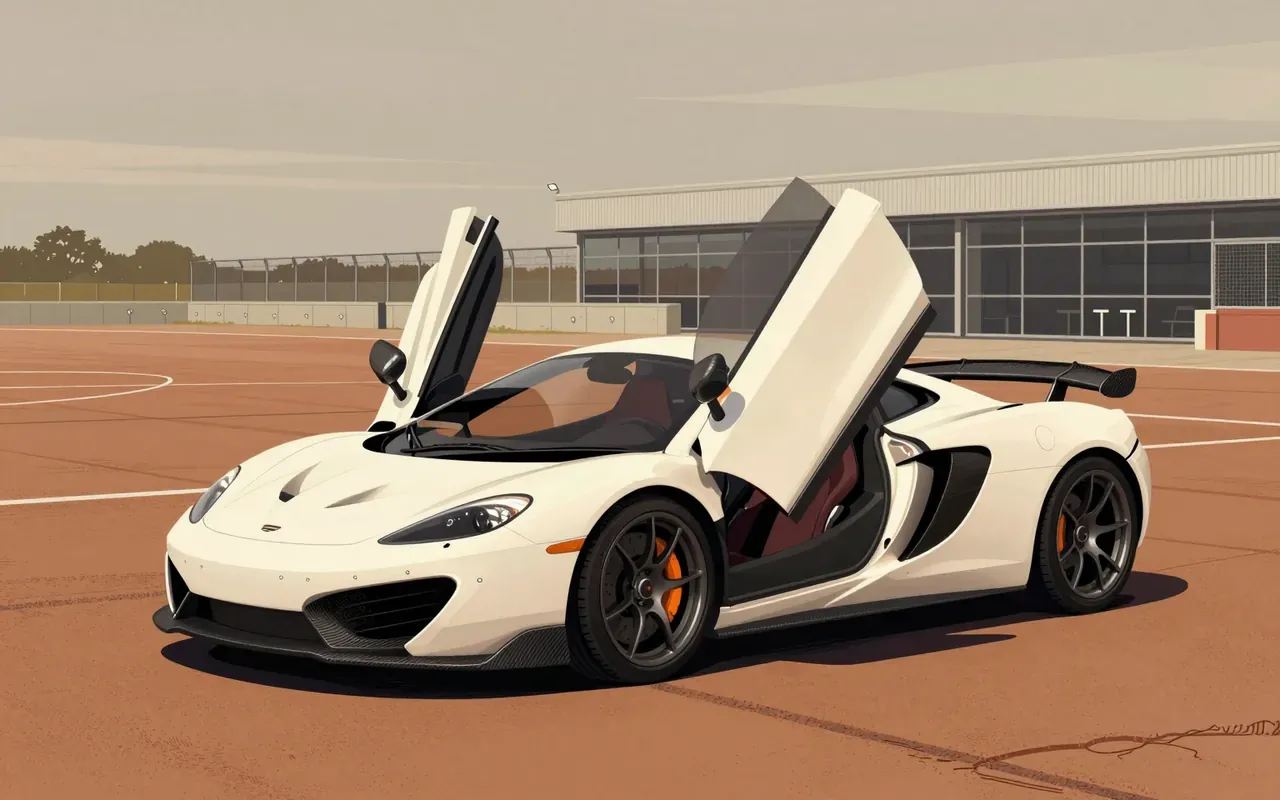
The McLaren 12C is a British sports car produced by McLaren Automotive from 2011 to 2014. It marked McLaren’s return to production car sales after 1998. Development began in 2005. Series manufacturing started in February 2011 in Woking, Surrey. Over 3,400 units were built. Frank Stephenson served as Design Director and oversaw its design. It was succeeded by the 650S, with which it shares most components.

9:39

Mercedes-Benz CLK GTR

Gerhard Leiska · 1997

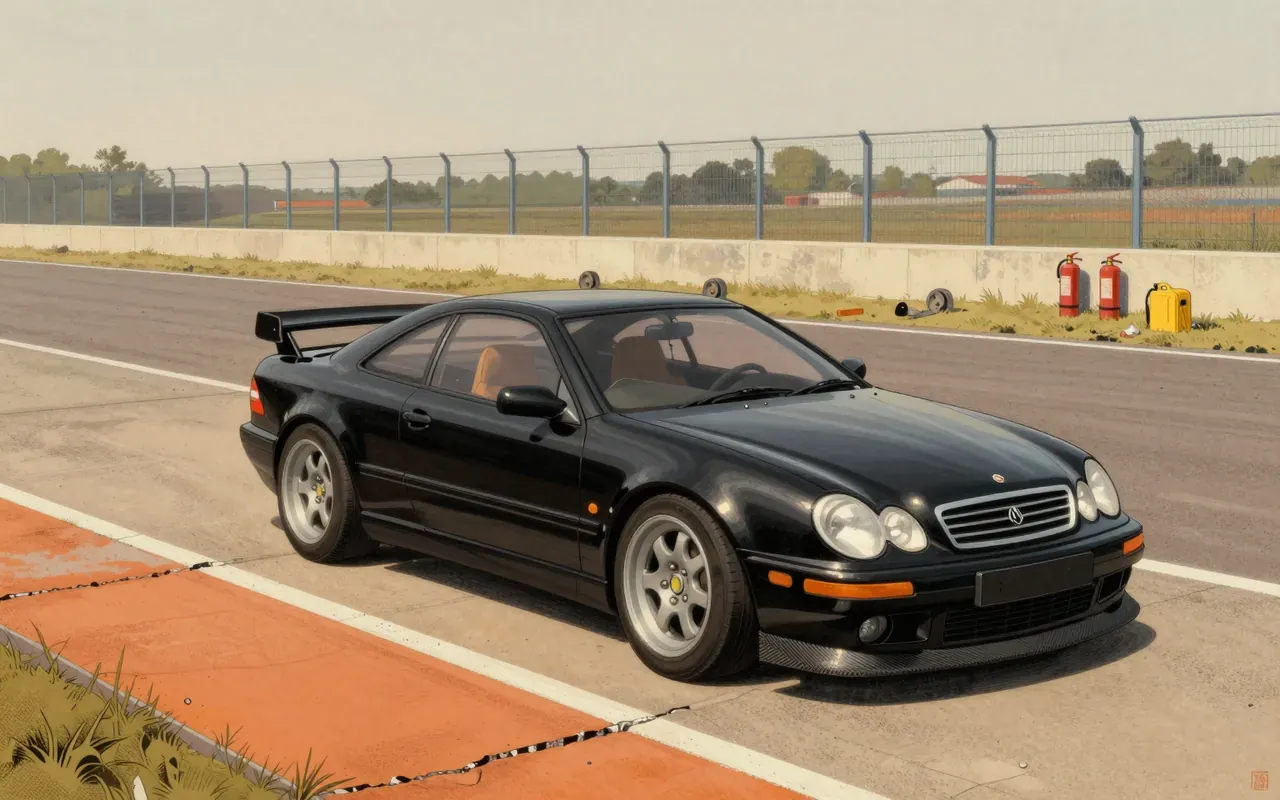
The CLK GTR is a 1997 Mercedes-Benz and AMG GT1 homologation special built for the FIA GT Championship. It uses a Lola Composites carbon-fibre monocoque and a modified M120 V12 engine. Road-car production was secondary to racing eligibility. Twenty-eight units were built between 1997 and 1999.

9:02

Porsche Carrera GT

Harm Lagaay · 2003

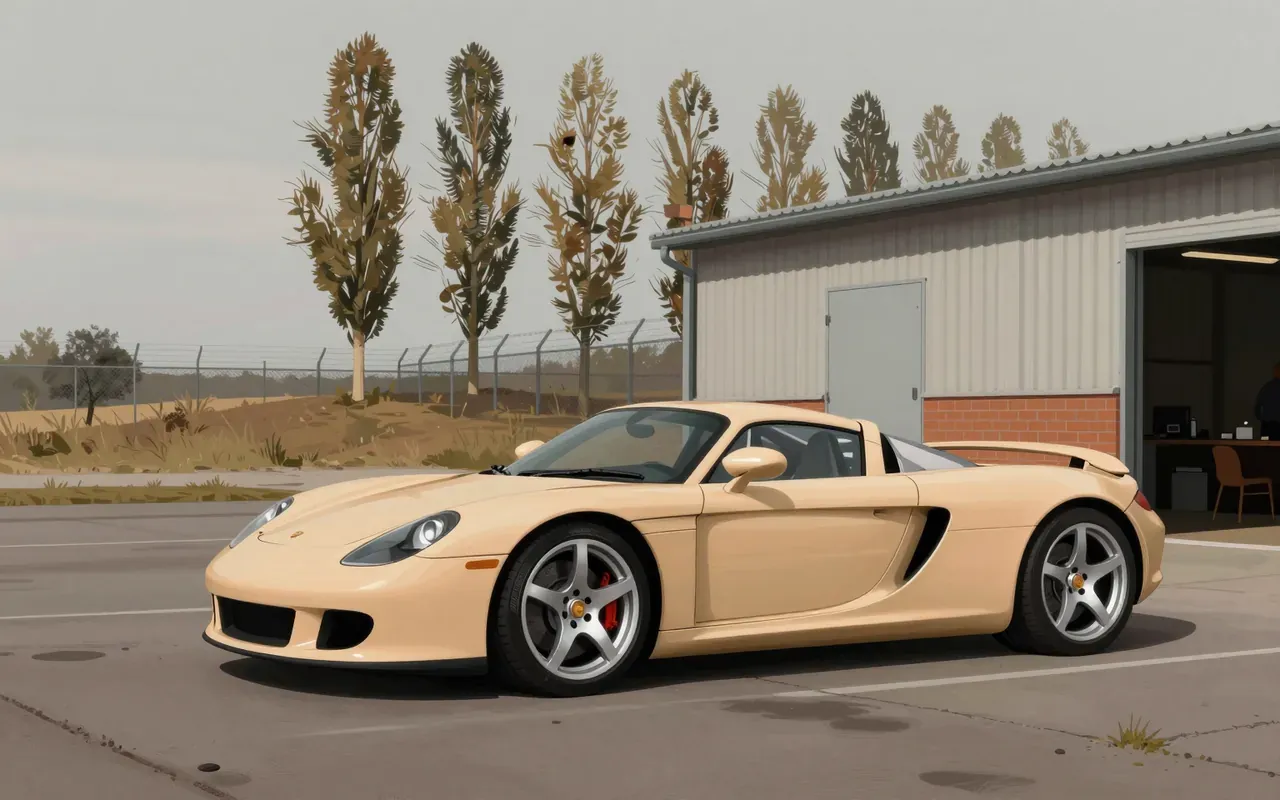
The Porsche Carrera GT is a mid-engine, rear-wheel-drive sports car manufactured by Porsche from 2003 to 2006. Its development traces back to the 911 GT1 and LMP1-98 racing cars. A concept version with a 5.5 L V10 debuted at the 2000 Paris Motor Show. Revenue from the Cayenne helped Porsche decide to produce a road-legal version in Leipzig. Production began in 2004 and ended on 6 May 2006 after 1,270 units were built. The production model uses a 5.7 L V10 engine producing 450 kW and accelerates from 0–60 mph in 3.5 seconds.

10:20

Rimac Nevera

Adriano Mudri · 2021

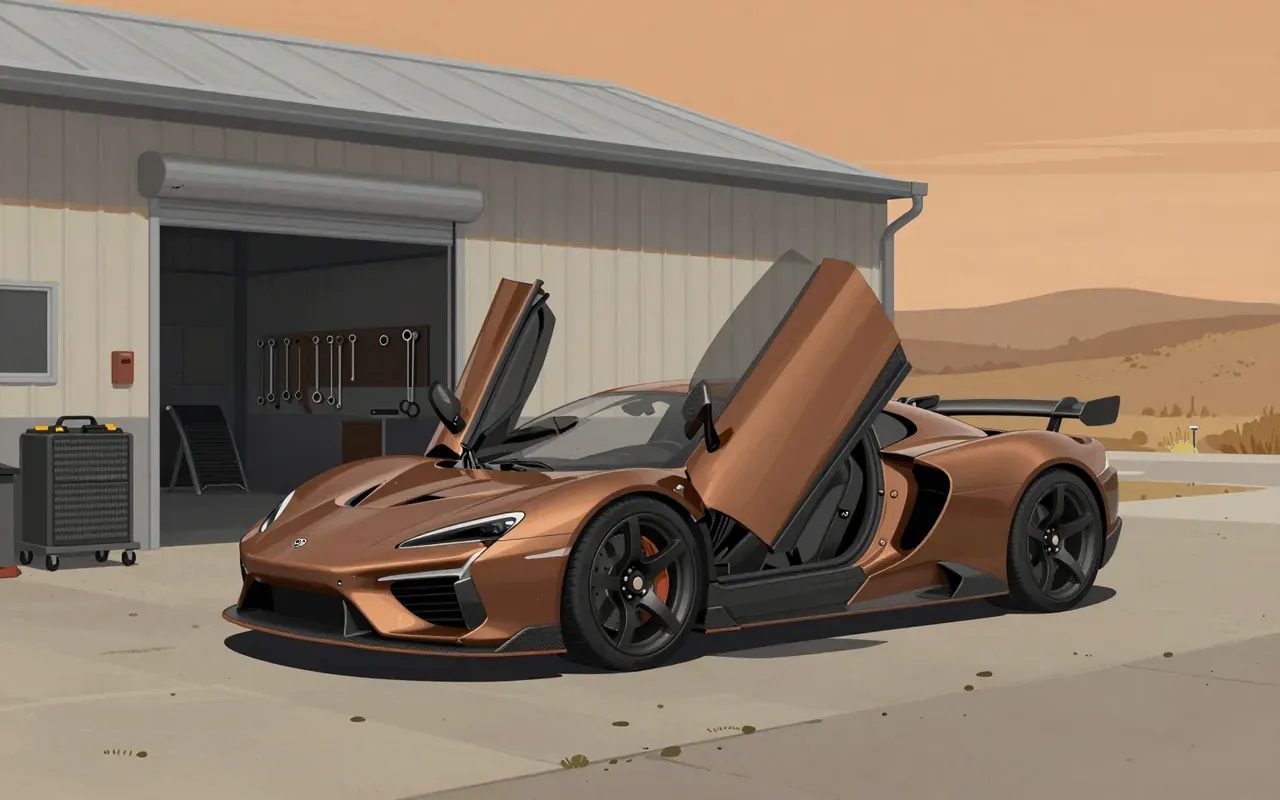
The Rimac Nevera is an all-electric sports car designed and manufactured by the Croatian automotive manufacturer Rimac Automobili. It uses four independently driven carbon-sleeve permanent-magnet electric motors — one per wheel — each connected via a single-speed gearbox. It features butterfly doors instead of conventional doors. It produces 1,914 PS and 2,360 N⋅m of torque. On May 17, 2023, it set 23 performance records in a single day, including 0–97 km/h in 1.74 s and 0–400–0 km/h in 29.93 s. Production is limited to 150 vehicles.

9:56

Venturi 400

Gérard Godfroy · 1994

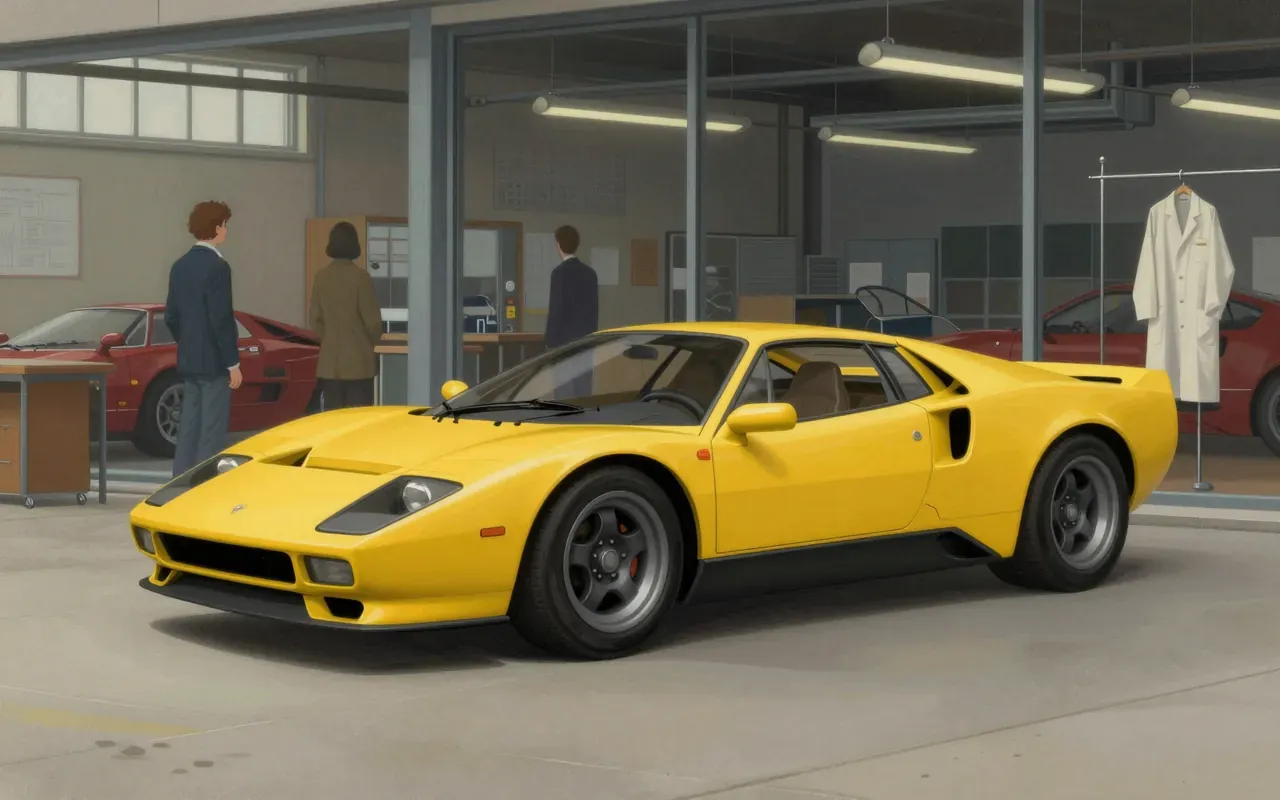
The Venturi 400 GT is a French-built, mid-1990s supercar designed around a race-proven V6 biturbo engine. Only about 15 were made for the road. Its styling deliberately echoes the Ferrari F40. It is rare, uncompromising, and unapologetically track-focused.

9:57

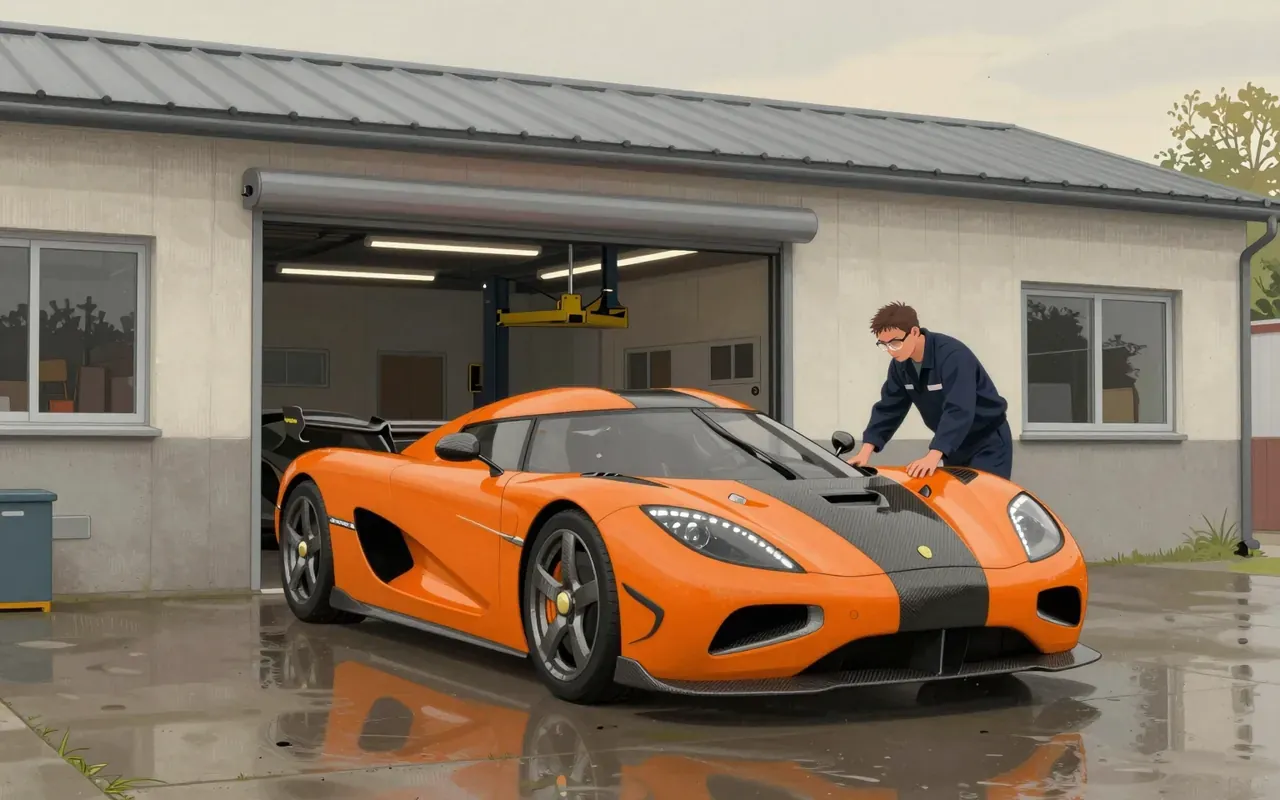
Koenigsegg CC8S

Christian von Koenigsegg · 2002

The CC8S is the first production car from Koenigsegg Automotive. It is a mid-engine, rear-wheel-drive targa top sports car built from 2002 to 2004 in six units. It introduced the dihedral synchro-helix doors and front-trunk roof stowage. It won the Guinness World Record for Most Powerful Production Engine and design awards from Red Dot and Utmärkt Svensk Form. It was developed from the CC prototype after eight years of research and development beginning in 1994. Chassis, suspension, brakes and other components were designed in-house. The pre-production car debuted at the 2000 Paris Auto Show. Its unique features include the front-trunk roof storage (unlike the Ferrari F50), the dihedral synchro-helix doors, and a central free-flowing exhaust based on the 'Rocket Cat Principle'. Christian von Koenigsegg and David Crafoord co-created the design concept.

8:58

Saleen S7

Phil Frank · 2000

The Saleen S7 is an American hand-built, high-performance sports car. It debuted on August 19, 2000, at the Monterey Historic Races. It was the first fully proprietary car produced by Saleen. Phil Frank contributed the body and interior CAD design and development. Its all-aluminium engine is a bored-and-stroked derivative of Ford's 351 Windsor small block with Cleveland-style canted valve heads. It is not based on the FE big-block. It produces 550 hp (410 kW) at 6,400 rpm.

9:26

Volkswagen W12

Giorgetto Giugiaro · 1997

The Volkswagen W12 was a series of five mid-engined concept cars developed by Volkswagen Passenger Cars between 1997 and 2001 in collaboration with Italdesign and Giorgetto Giugiaro, featuring a 5.6 L W12 engine and designed to showcase Volkswagen Group's supercar and high-performance engine capabilities; variants included the W12 Syncro Coupé (AWD), W12 Roadster (RWD), and W12 Nardò Coupé/Record Car (high-speed variant), with the latter setting a 24-hour endurance speed record at the Nardò Ring in 2002.
9:59

Alfa Romeo 8C Competizione

Wolfgang Egger · 2007

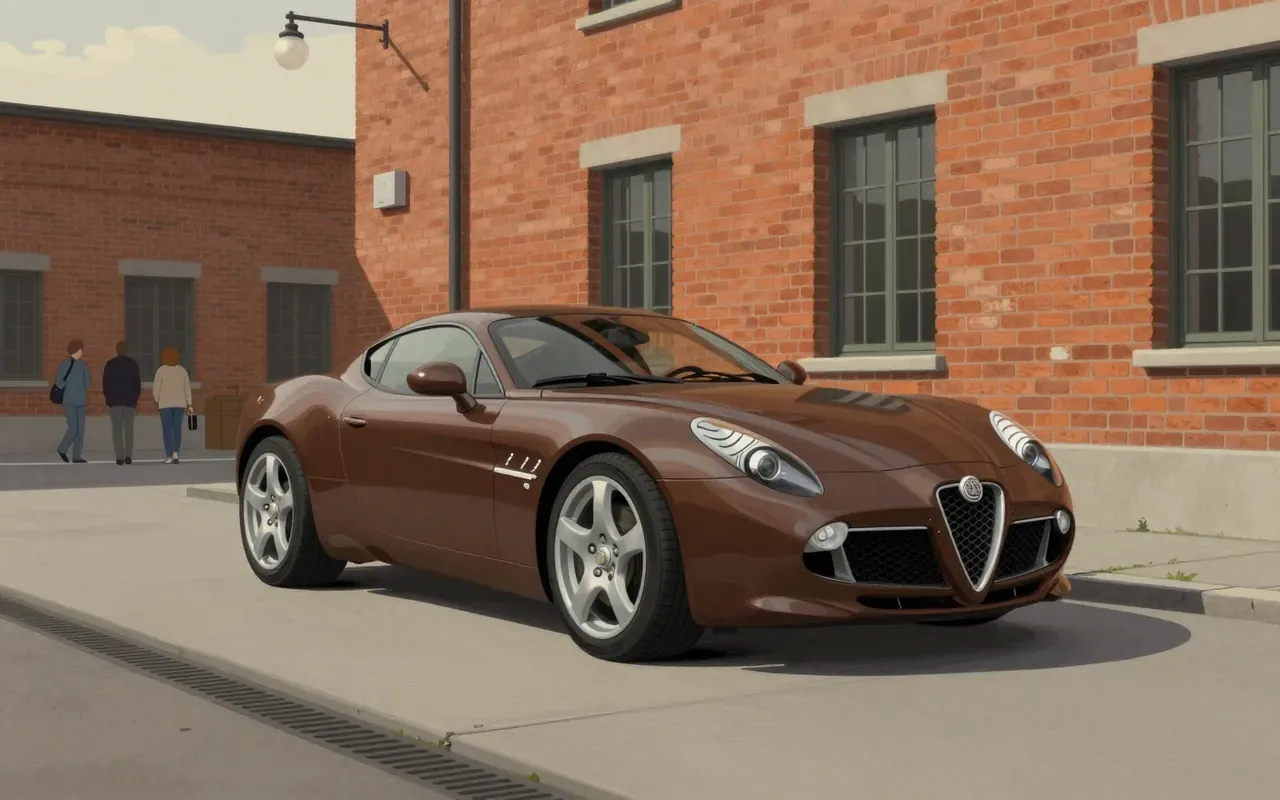
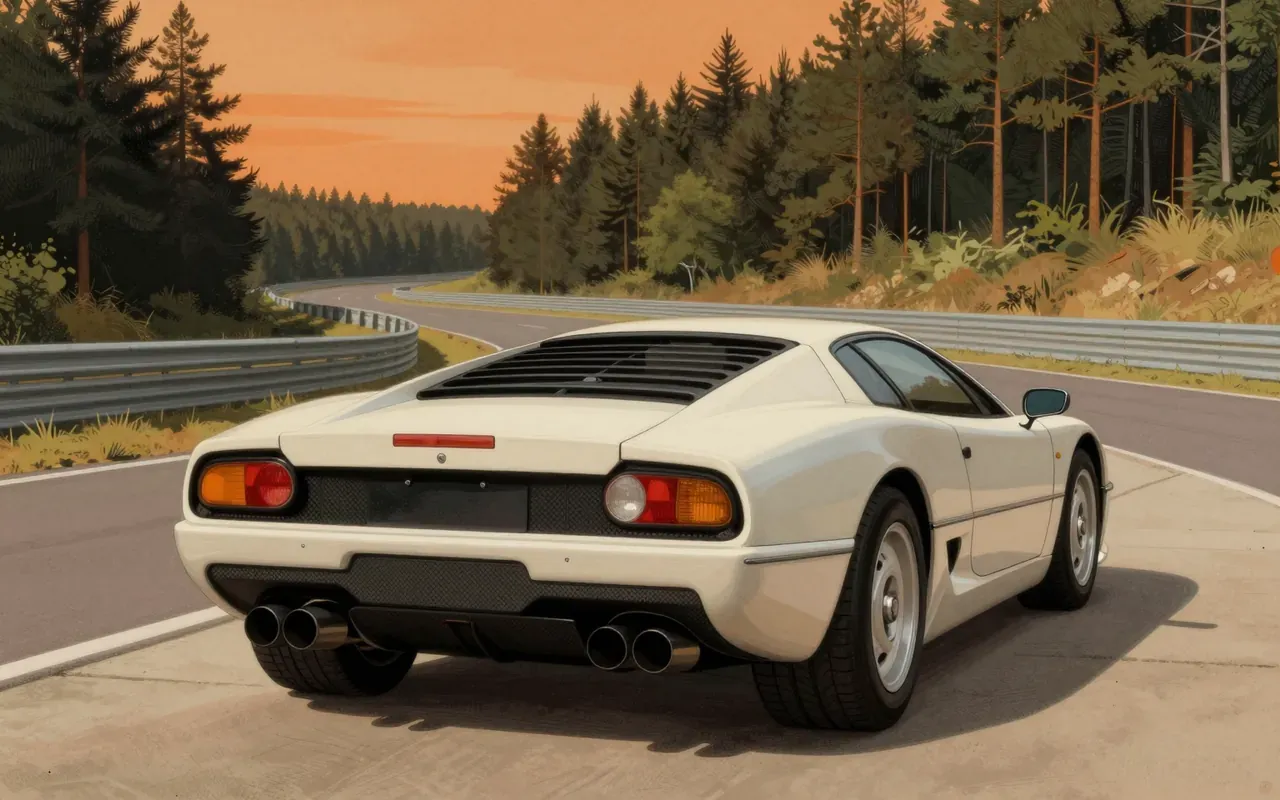
The Alfa Romeo 8C Competizione is a limited-production sports car developed by Alfa Romeo between 2007 and 2010. It was first shown as a concept at the 2003 Frankfurt Motor Show. Its name refers to its eight-cylinder engine and Alfa Romeo's racing pedigree. Maserati engineers created the production version using components from both Maserati and Ferrari. Development proceeded in parallel with the GranTurismo, and production coincided with the global crisis. Over 1,400 orders were received, but only 500 coupés and 329 spiders were delivered. It was designed by Wolfgang Egger and Daniele Gaglione at Centro Stile Alfa Romeo, echoing styling from Alfa Romeo automobiles of the 1950s and 1960s.
10:51

Aston Martin Vanquish

Ian Callum · 2001

The 2001 Aston Martin Vanquish is Ian Callum’s definitive statement on Aston Martin’s early-2000s direction: a V12 coupé evolved without deviation from his 1998 Project Vantage concept, styled with DB4 GT Zagato aggression, and built as the last all-new car at Newport Pagnell.

13:32

Bentley Continental R

John Heffernan · 1991

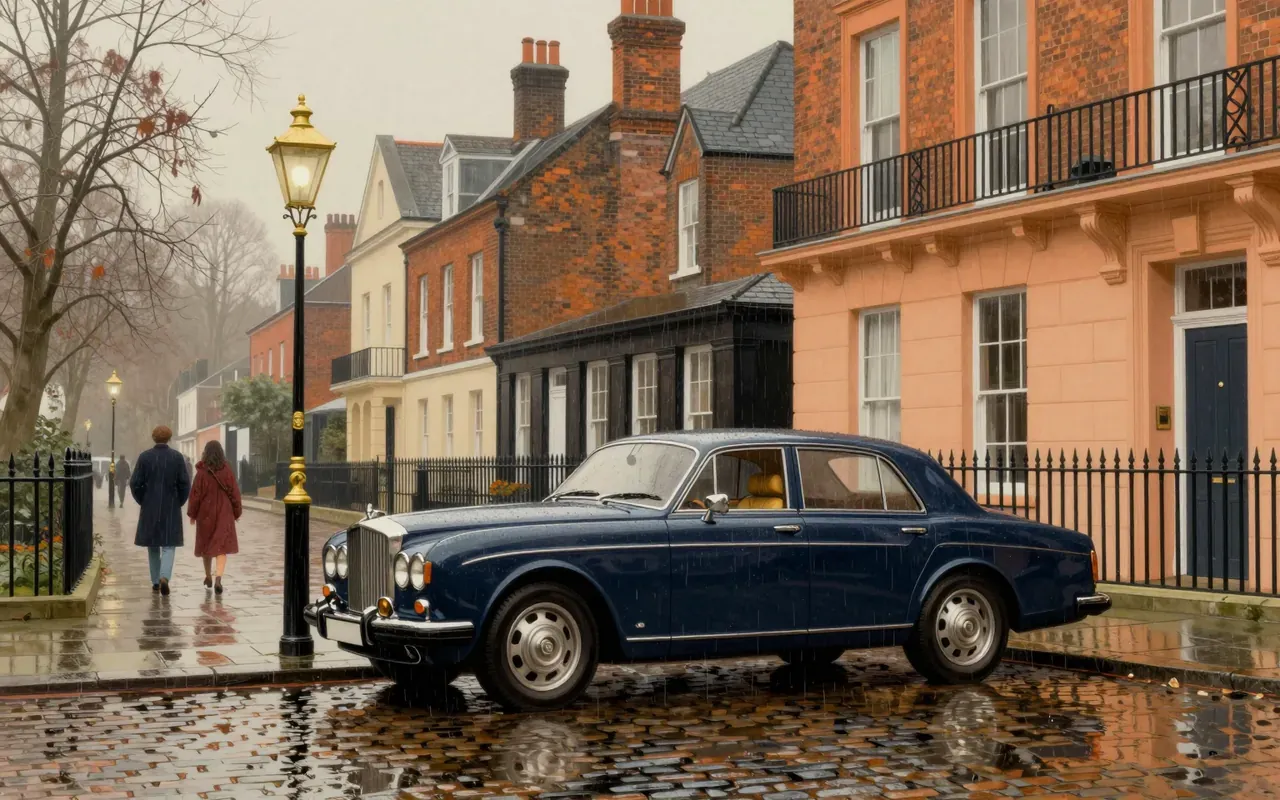
The Bentley Continental R is a luxury coupé built from 1991 to 2003 on the Rolls-Royce SZ platform, featuring a unique non-Rolls-Royce body, a 6.75 L turbocharged V8 engine, front-engine RWD layout, Cd=0.37 aerodynamics, roof-cut door frames, and a subtle rear spoiler. It was the fastest, most expensive, and most powerful Bentley of its day—and the most expensive production car in the world at launch.

11:19

Bugatti Veyron

Jozef Kabaň · 2005

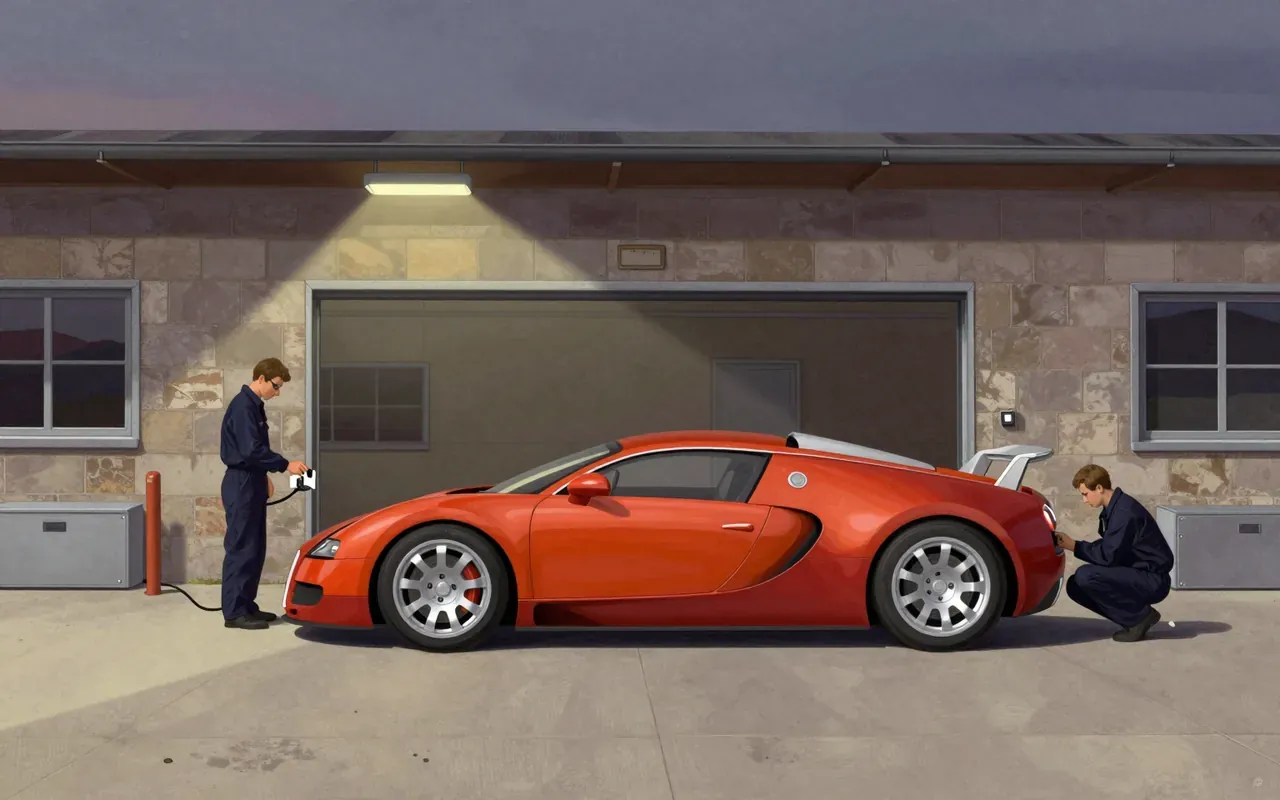
The Bugatti Veyron is a mid-engine, all-wheel-drive sports car with an 8.0 L quad-turbocharged W16 engine, designed by Jozef Kabaň (exterior) and Hartmut Warkuß (chief designer), produced from 2005 to 2015 in a total of 450 units. It features a seven-speed dual-clutch direct-shift automatic transmission built by Ricardo and permanent all-wheel drive using the Haldex Traction system. Multiple variants — standard, Super Sport, Grand Sport, and Grand Sport Vitesse — achieved verified top speeds up to 431.072 km/h.

10:21

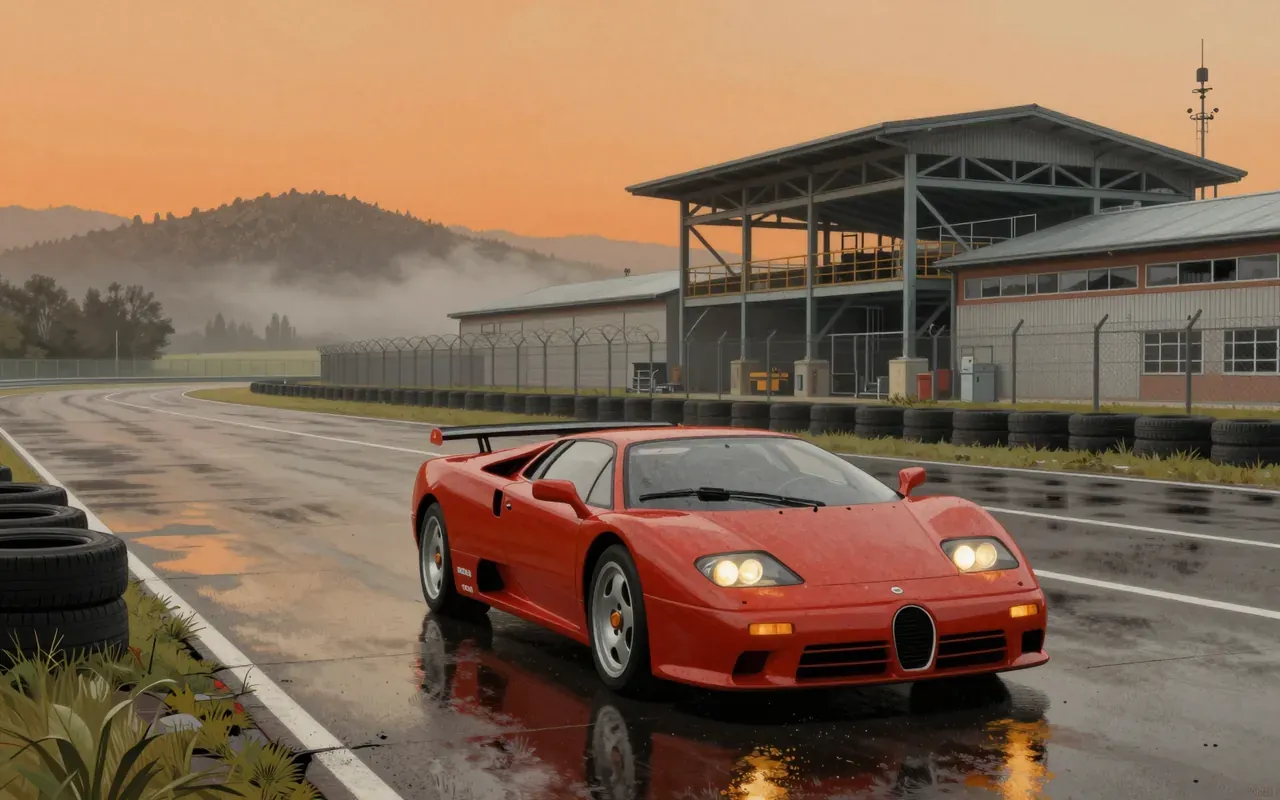
Cizeta-Moroder V16T

Marcello Gandini · 1991

The Cizeta-Moroder V16T is a self-contained argument in sheet metal and alloy: that a car’s reason for being can be singular, uncompromising, and entirely divorced from utility.

9:45

De Tomaso Pantera

Tom Tjaarda · 1971

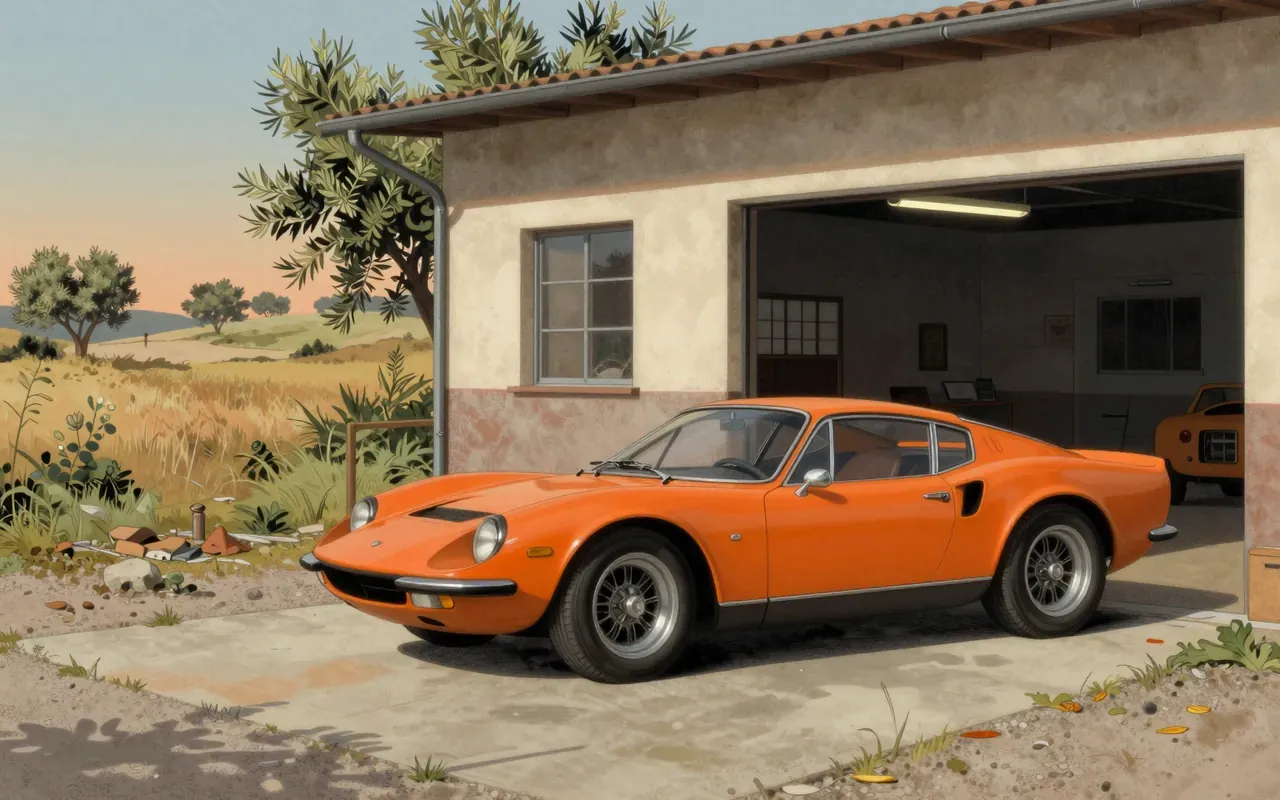
The De Tomaso Pantera is a mid-engine, rear-wheel-drive sports car designed by Tom Tjaarda at Ghia in 1970 and built by Italian manufacturer De Tomaso from 1971 to 1992. Its steel monocoque chassis was the brand’s first use of that construction. Over 7,000 units were produced—the most of any De Tomaso—with more than three quarters sold through Lincoln-Mercury dealers in the US between 1972 and 1975.

8:29

Ferrari Enzo

Ken Okuyama · 2002

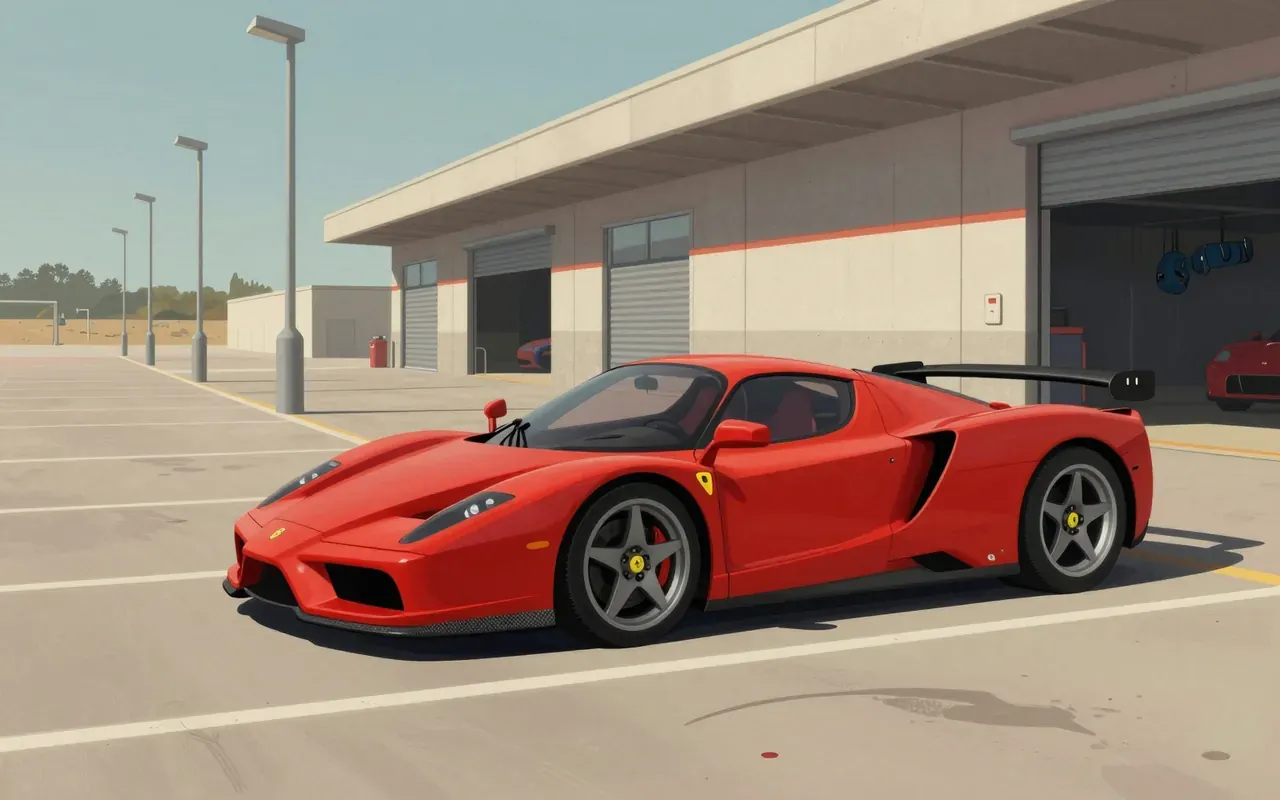
The Ferrari Enzo is a mid-engine sports car developed by Ferrari in 2002, named after Enzo Ferrari, and designed by Ken Okuyama while at Pininfarina. It uses a naturally aspirated 65° V12 engine, rear mid-engine/rear-wheel-drive layout, and an automated manual F1 gearbox. Production spanned 2002–2004 with 498 units built. It was developed using Formula One technology including a carbon-fibre body, automated-shift manual transmission, ceramic composite disc brakes, and active aerodynamics. Its F140 B V12 engine was the first of a new generation for Ferrari. It was announced at the 2002 Paris Motor Show with a limited production run of 399 units, later increased to 498. Ken Okuyama designed and supervised its design at Pininfarina before becoming Creative Director there in 2004. In 2022, he was arrested for speeding in an Enzo at 88 km/h over the limit.

9:07

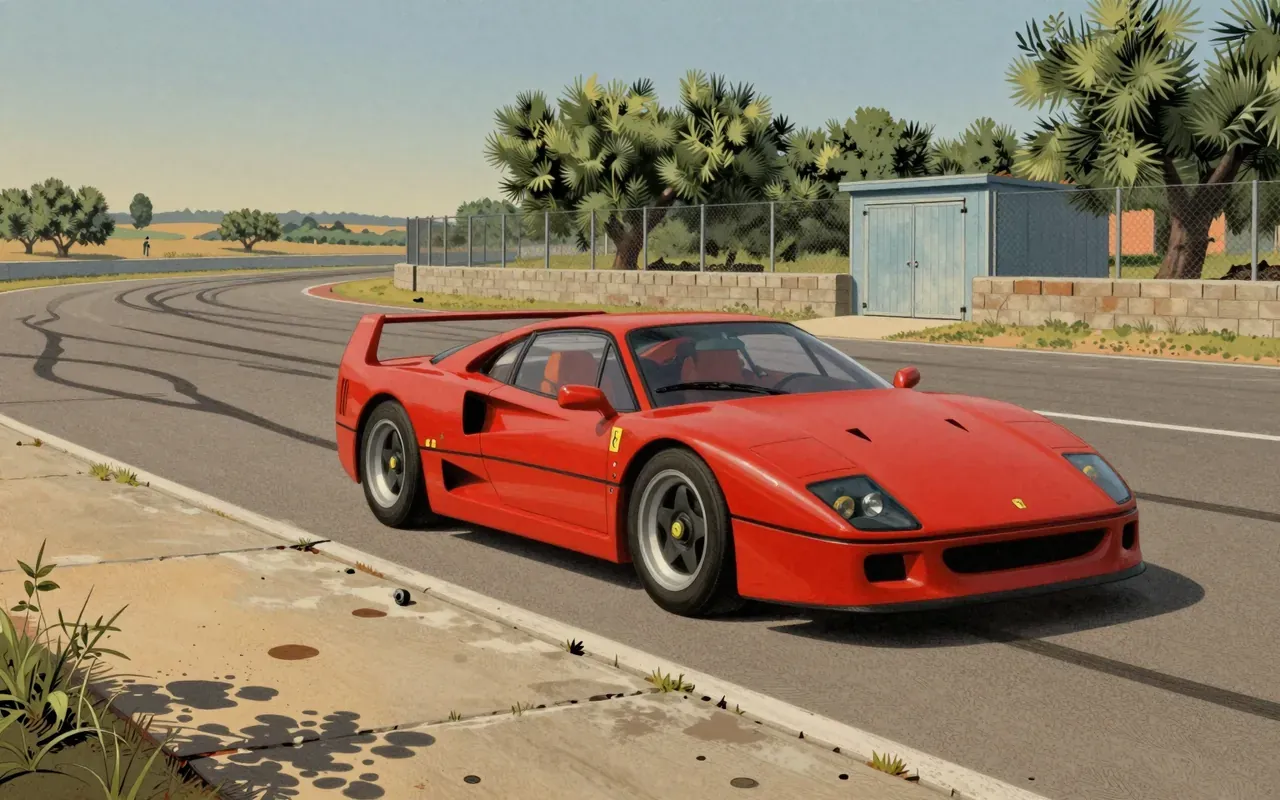
Ferrari F40

Pietro Camardella · 1987

The Ferrari F40 is a mid-engine, rear-wheel drive sports car designed by Pietro Camardella under Pininfarina, powered by a 2.9 L twin-turbocharged and intercooled V8, produced from 1987 to 1993 in 1,311–1,315 units, all originally in Rosso Corsa and left-hand drive, and that it was Ferrari's final forced induction engine until 2014.

9:43

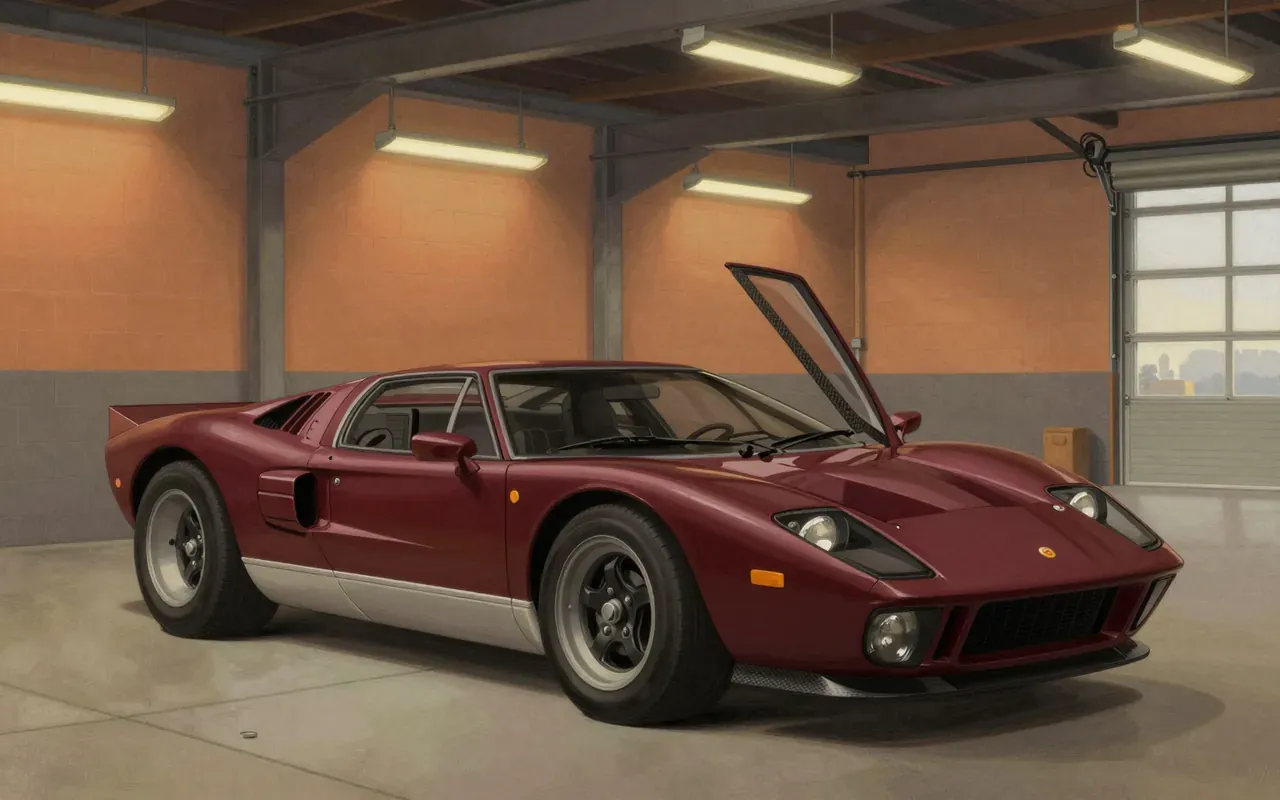
Ford GT90

John Coletti team · 1995

The Ford GT90 is a 1995 concept car that launched Ford’s 'New Edge' design language. It uses a carbon-fibre body over an aluminium monocoque, and mounts a 5.9-litre V12 mid-ship. It shares only roof-cutting doors with the GT40. It was never intended for production or racing. As of 2025, it resides in the Hajek Motorsports Museum.

8:09

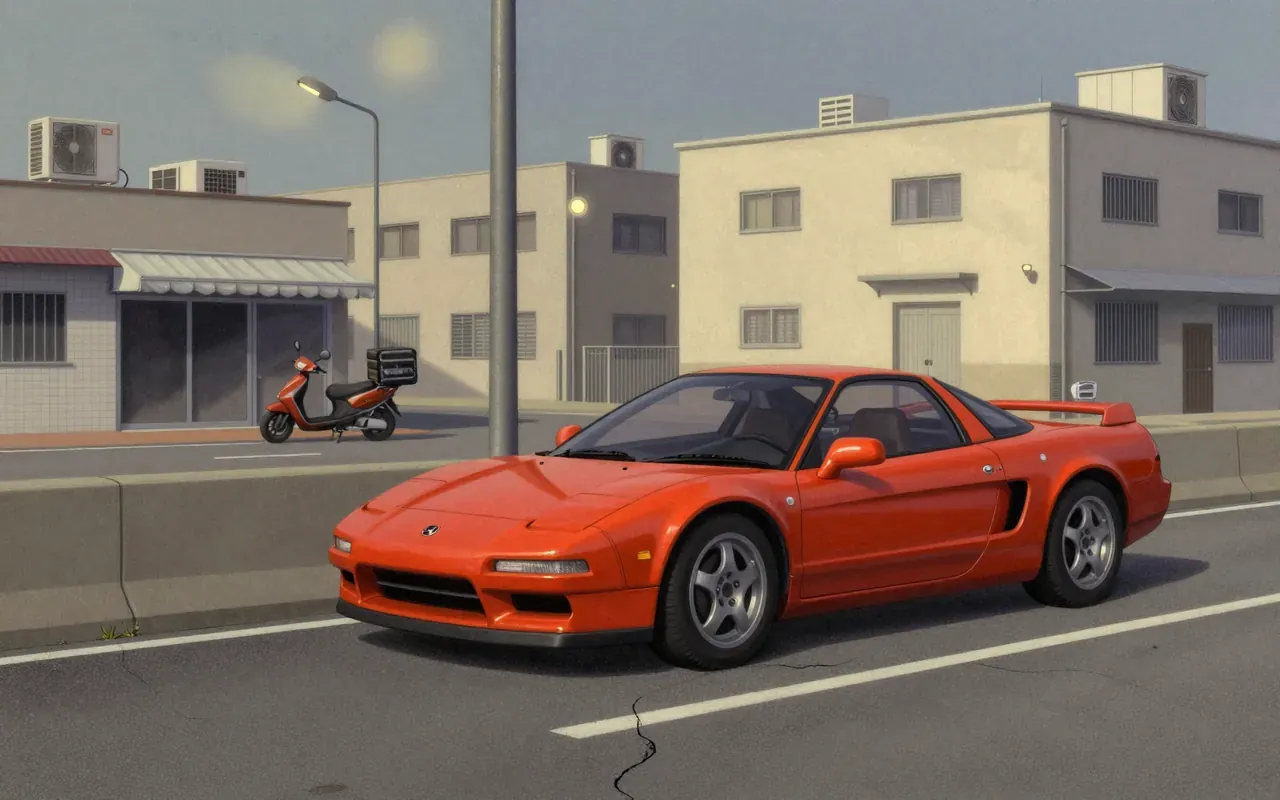
Honda NSX

Masahito Nakano · 1990

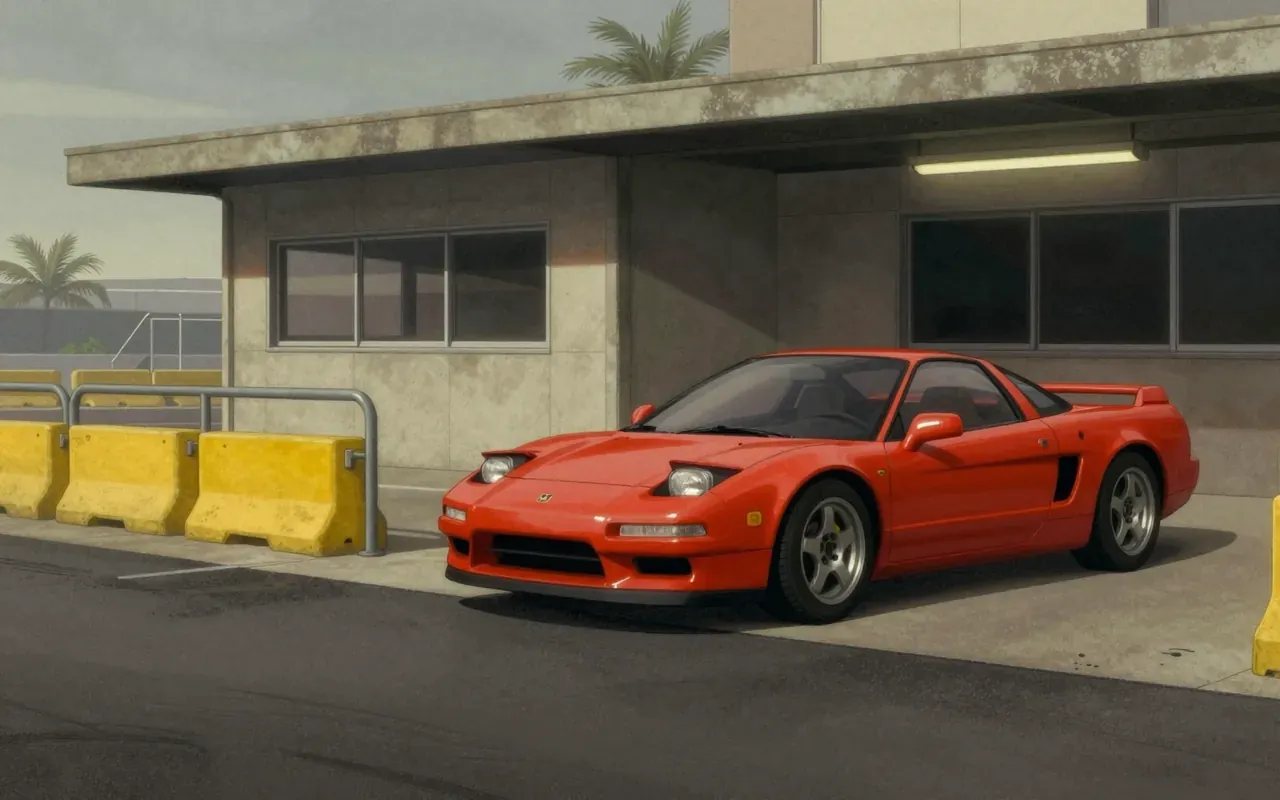
The Honda NSX (1990) is a two-seater sports car manufactured by Acura. Masahito Nakano was Chief Designer of the first generation, produced from 1990 until 2006. It launched as a two-door coupé, later adding a targa top variant. It has a rear mid-engine, rear-wheel-drive layout and a transversely-mounted naturally-aspirated V6 engine.

9:38

Honda NSX (first generation)

Honda · 1992

The first-generation Honda NSX is a Japanese-built, mid-engine, two-seater sports car introduced in 1991. It was the first production car with an all-aluminium semi-monocoque, using a revolutionary extruded aluminium alloy frame and suspension components. This construction saved nearly 200 kg over steel in the body and 20 kg in the suspension. It featured an independent 4-channel ABS, electric power steering, and a suspension compliance pivot that maintained near-zero wheel alignment change. Its 3.0 L V6 engine was DOHC 24-valve and non-VTEC in early production, later upgraded to VTEC.

10:21

Jaguar XJ220

Keith Helfet · 1992

A mid-engine, rear-wheel drive two-seat supercar produced by Jaguar from 1992 to 1994 in collaboration with Tom Walkinshaw Racing. Developed from a V12, 4WD concept by Jaguar employees working in their spare time — the 'Saturday Club' — to revive Jaguar’s Le Mans legacy for FIA Group B. Final production version used a 3.5 L twin-turbo V6, achieved 217 mph at Nardo (catalytic converter removed), and set a Nürburgring lap time of 7:46.36 in 1991 — faster than any prior production car. Made use of engineering from Jaguar’s then-current racing car family. Unveiled publicly at the 1988 British International Motor Show in Birmingham.

9:10

Koenigsegg Agera

Christian von Koenigsegg · 2010

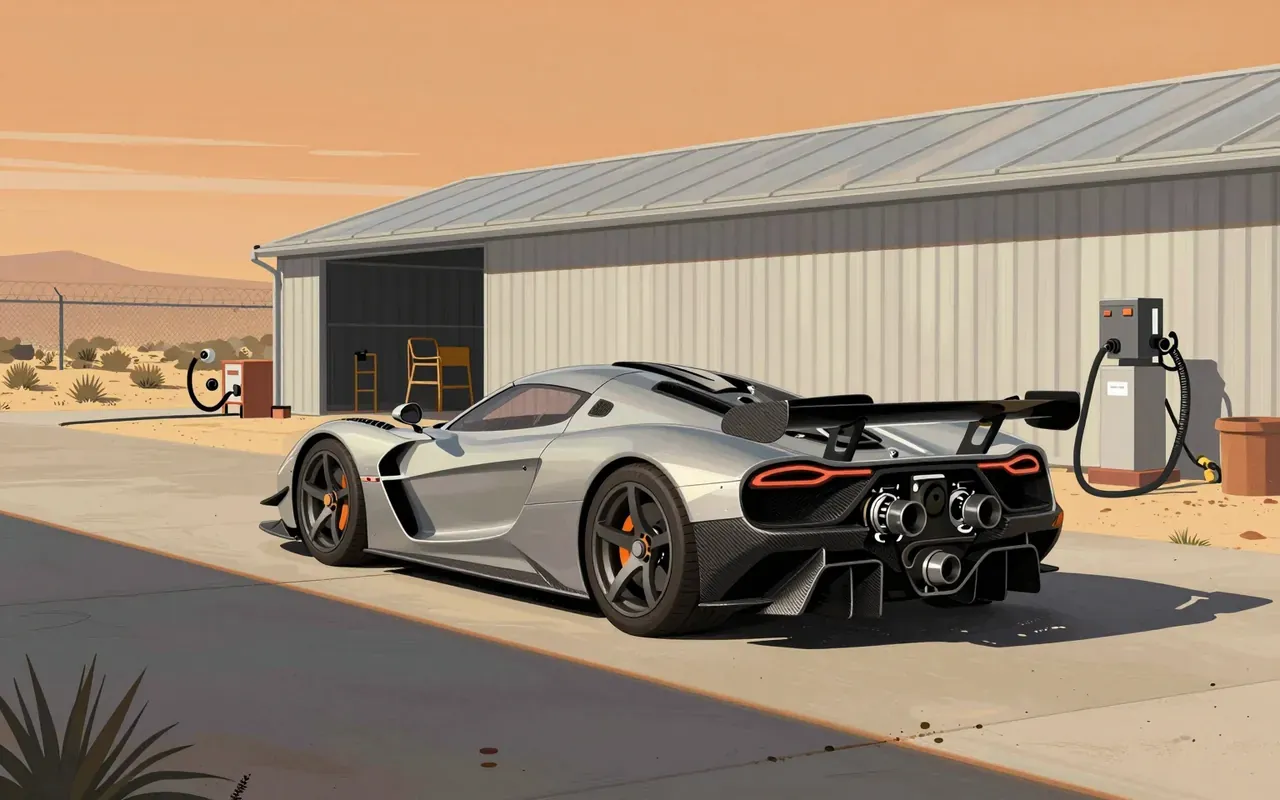
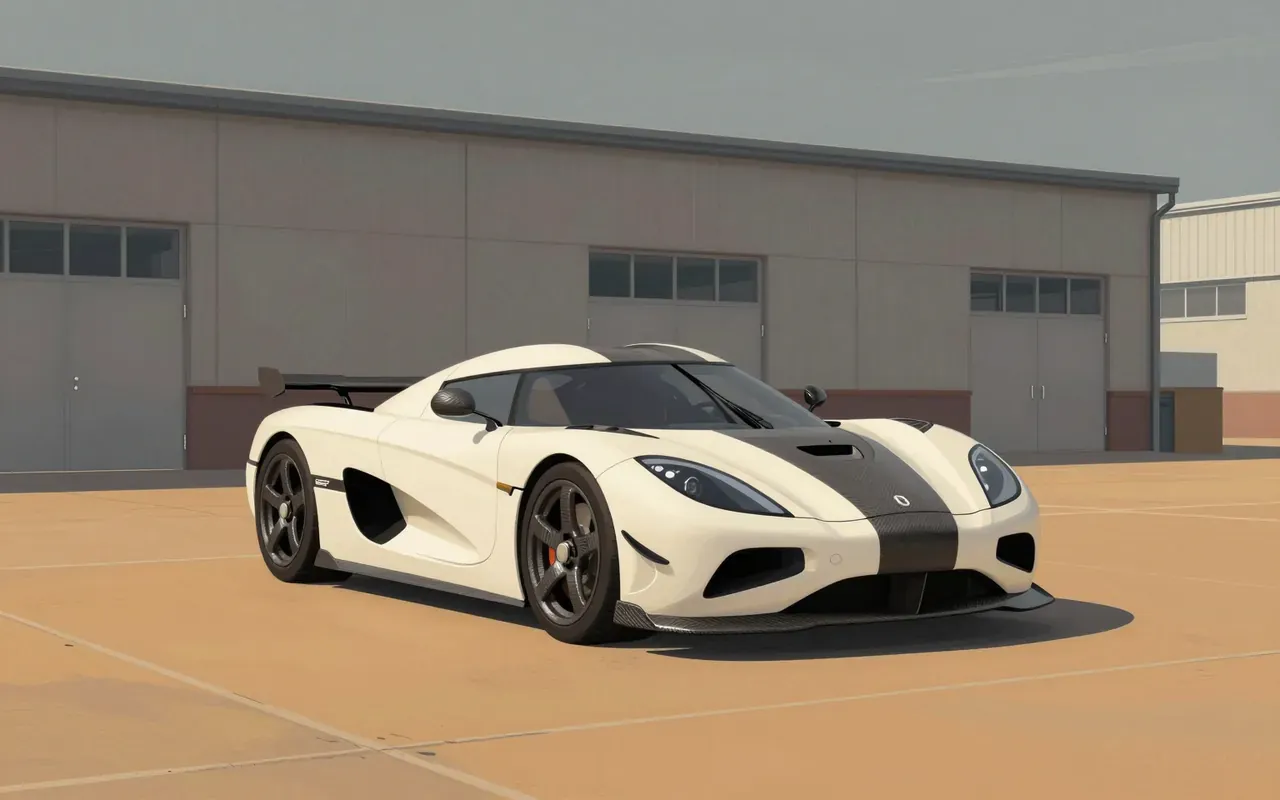
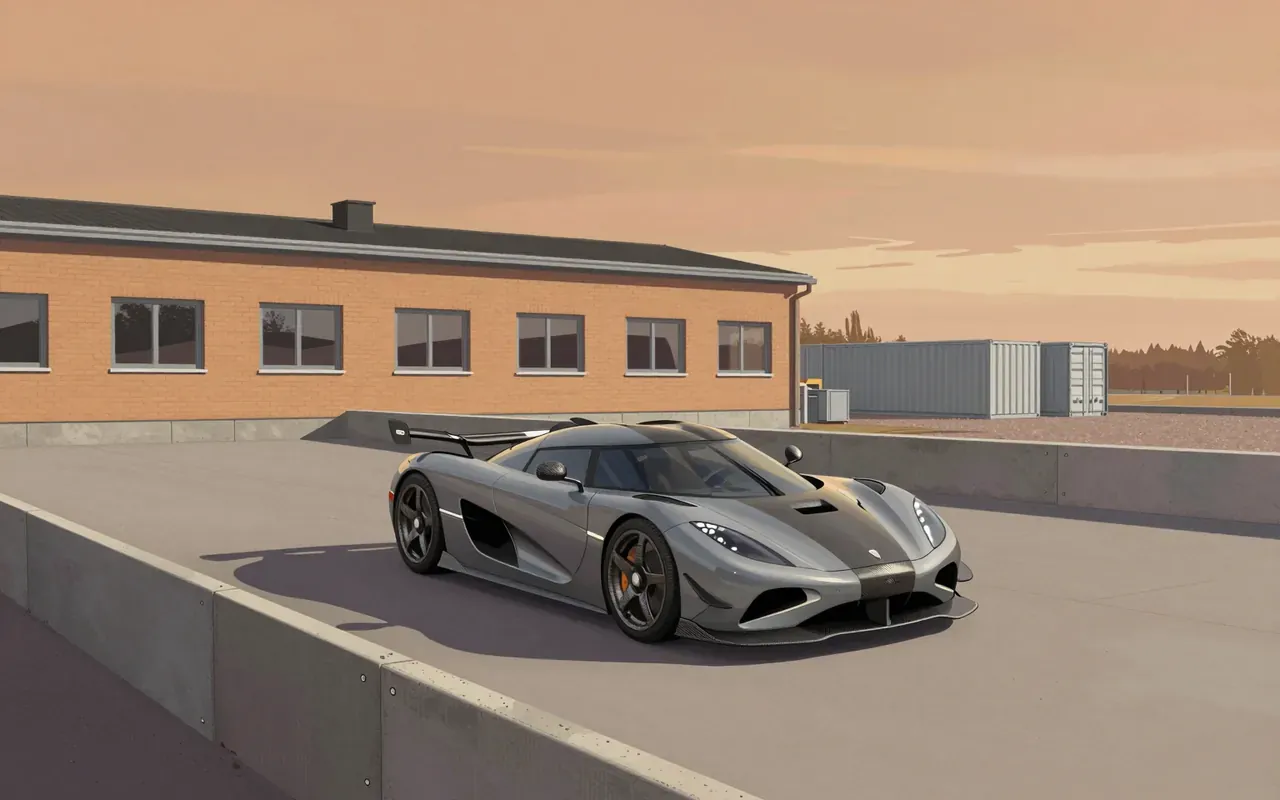
The Koenigsegg Agera is a Swedish mid-engine sports car produced by Koenigsegg Automotive AB. It succeeded the CCX/CCXR and was named Hypercar of the Year in 2010. Its Agera RS variant became the world's fastest production car in 2017. Production ceased in July 2018 and it was succeeded by the Jesko in 2019. It uses an in-house developed 5.0-litre V8 engine with twin-turbochargers and a specially developed CIMA 7-speed dual-clutch transmission with paddle shifters.

9:48

Koenigsegg Jesko

Christian von Koenigsegg · 2019

The Koenigsegg Jesko is a limited-production mid-engine sports car made by Koenigsegg Automotive AB. It succeeded the Agera and was named after Christian von Koenigsegg’s father. It debuted at the 2019 Geneva Motor Show and sold out before the show ended. It features a redeveloped 5.1 L twin-turbocharged V8 engine with a flat-plane crankshaft, increased redline, and dual-fuel capability. The car has three variants — Absolut, Attack, and Sadair's Spear — differing in aerodynamics, suspension, and purpose. Production is capped at 125 units, built between 2019 and 2023.

9:02

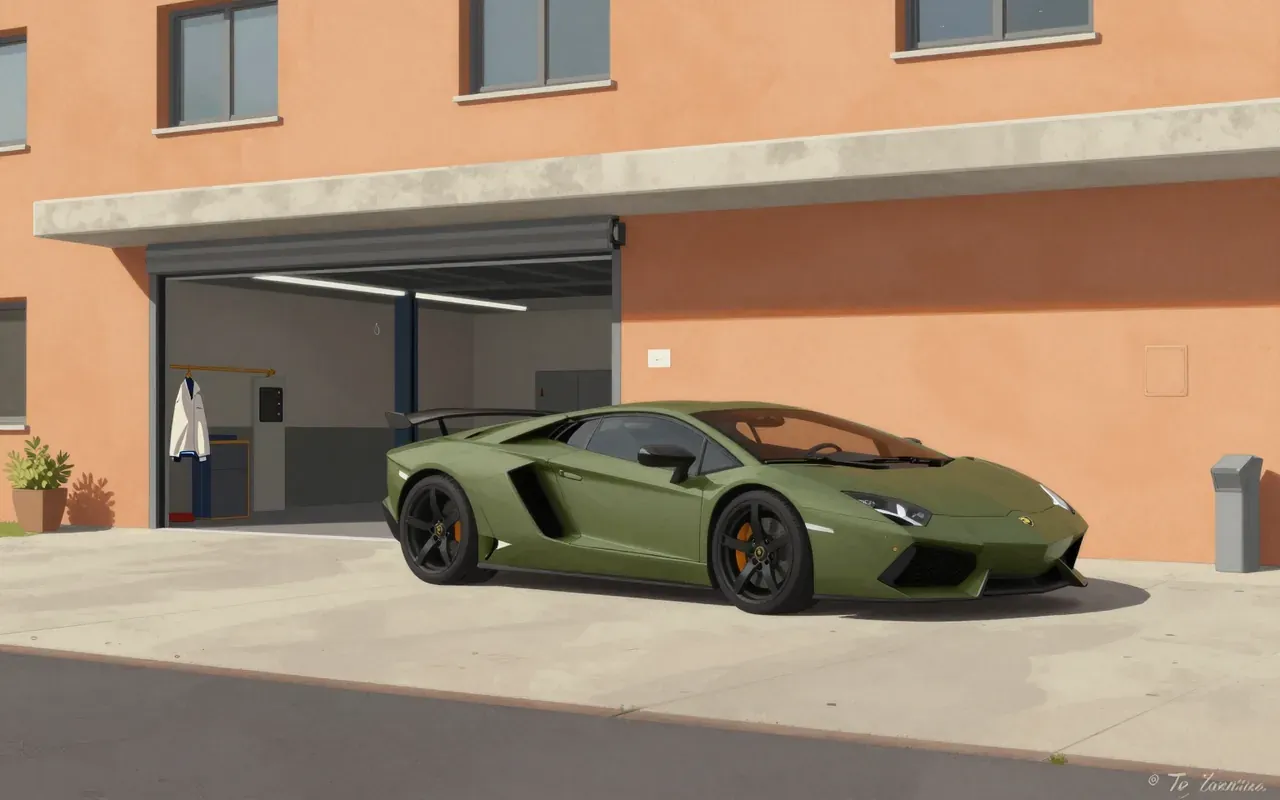
Lamborghini Aventador

Filippo Perini · 2011

The Lamborghini Aventador is a mid-engine, two-seater sports car designed by Filippo Perini and launched at the 2011 Geneva Motor Show. It uses a 6.5 L V12 engine and was named after a Spanish fighting bull from 1993. It succeeded the Murciélago and was replaced by the Revuelto in 2023.

10:40

Lamborghini Countach

Marcello Gandini · 1974

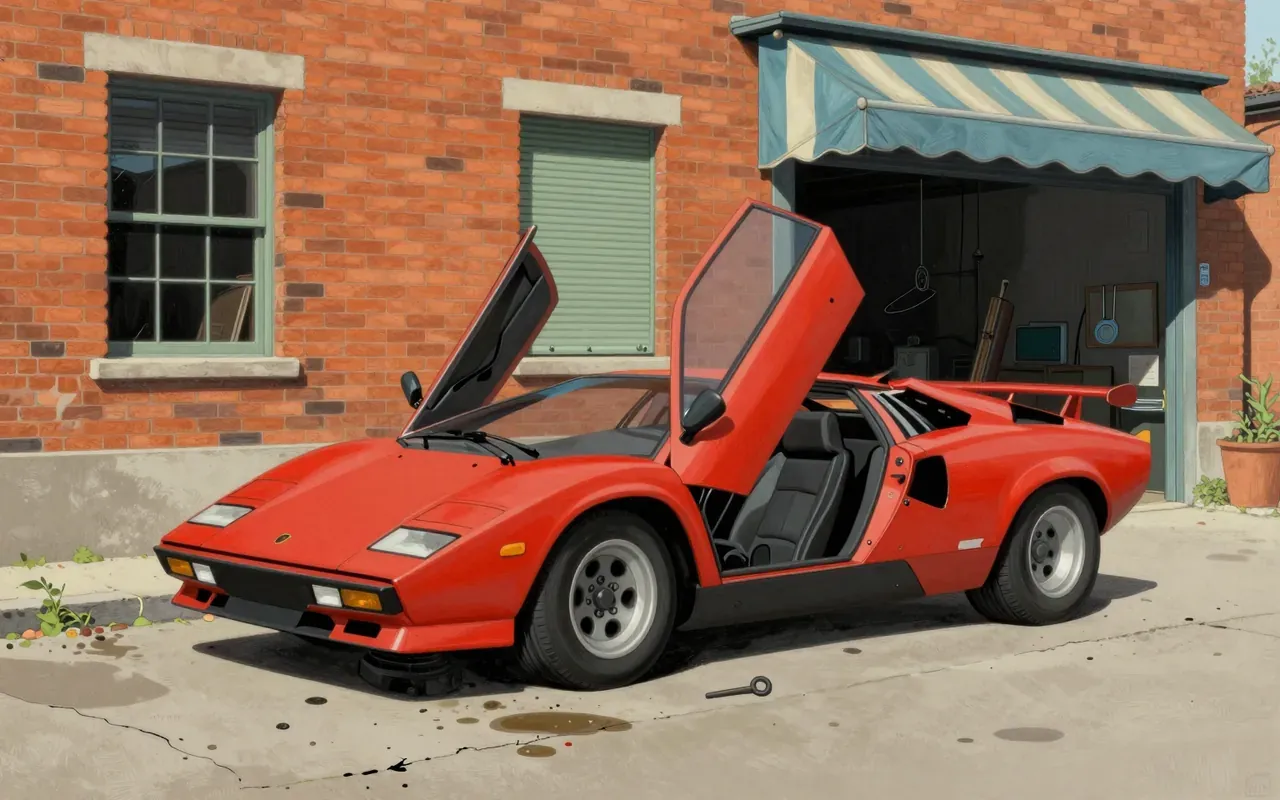
The Countach is a rear mid-engine, rear-wheel-drive sports car developed by Lamborghini as a successor to the Miura, with Marcello Gandini of Bertone as lead designer. It debuted as the LP500 concept at the 1971 Geneva Motor Show and entered production in 1974. Its design pioneered the 'Italian Wedge' style, building on Gandini's earlier work like the Lancia Stratos Zero and Alfa Romeo Carabo. The car retained the Miura’s layout but introduced major innovations including scissor doors, a full tubular spaceframe chassis, and progressive aerodynamic refinements over its 16-year production run ending in 1990, with 1,983 units built.

9:46

Lamborghini Diablo

Marcello Gandini · 1990

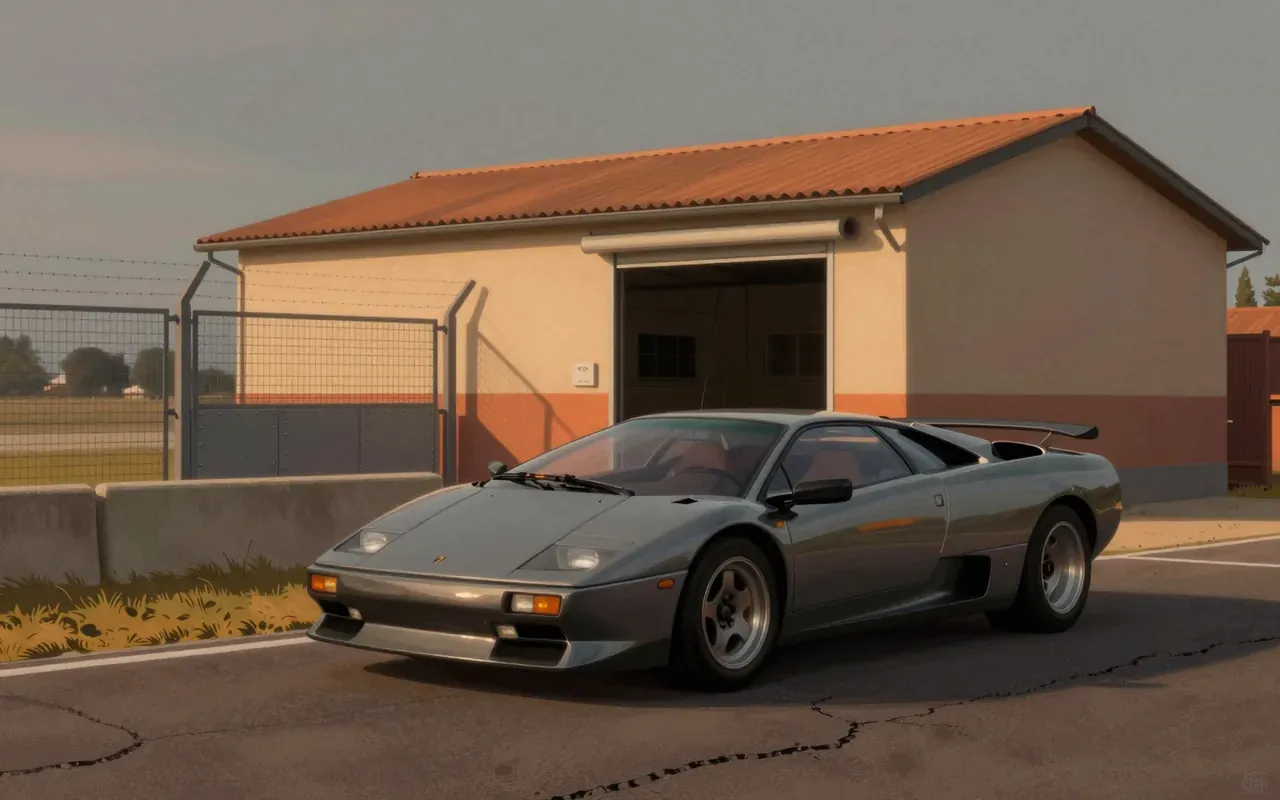
The Lamborghini Diablo is a longitudinal, mid-engined V12 sports car built from 1990 to 2001. It was Lamborghini’s first production car over 200 mph, first AWD model (VT, 1993), and first open-top V12 (roadster, 1995). Marcello Gandini created the original design proposal. Its 5.7 L V12 produced 492 PS and 580 N⋅m, achieving 325 km/h and 0–100 km/h in 4.5 seconds. It prioritises top-speed capability over agility, refinement or usability.

8:51

Lamborghini Gallardo

Luc Donckerwolke · 2003

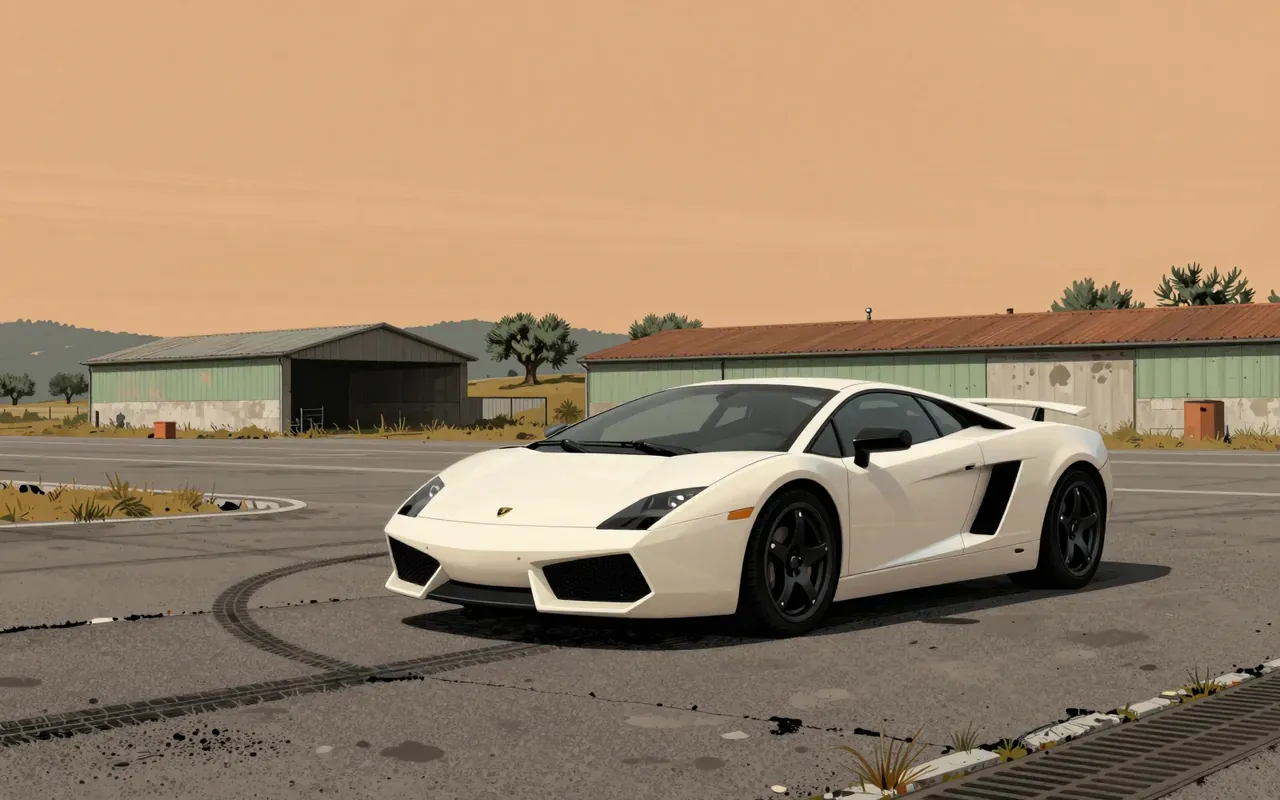
The Lamborghini Gallardo is a V10-powered sports car designed by Luc Donckerwolke and built by Lamborghini from 2003 to 2013. It was developed under Volkswagen Group ownership, based on the 1995 Calà concept. Named after a famous breed of fighting bull, it served as Lamborghini’s entry-level and best-selling model, with 14,022 units built. It preceded the Huracán and ended production on 25 November 2013.

9:34

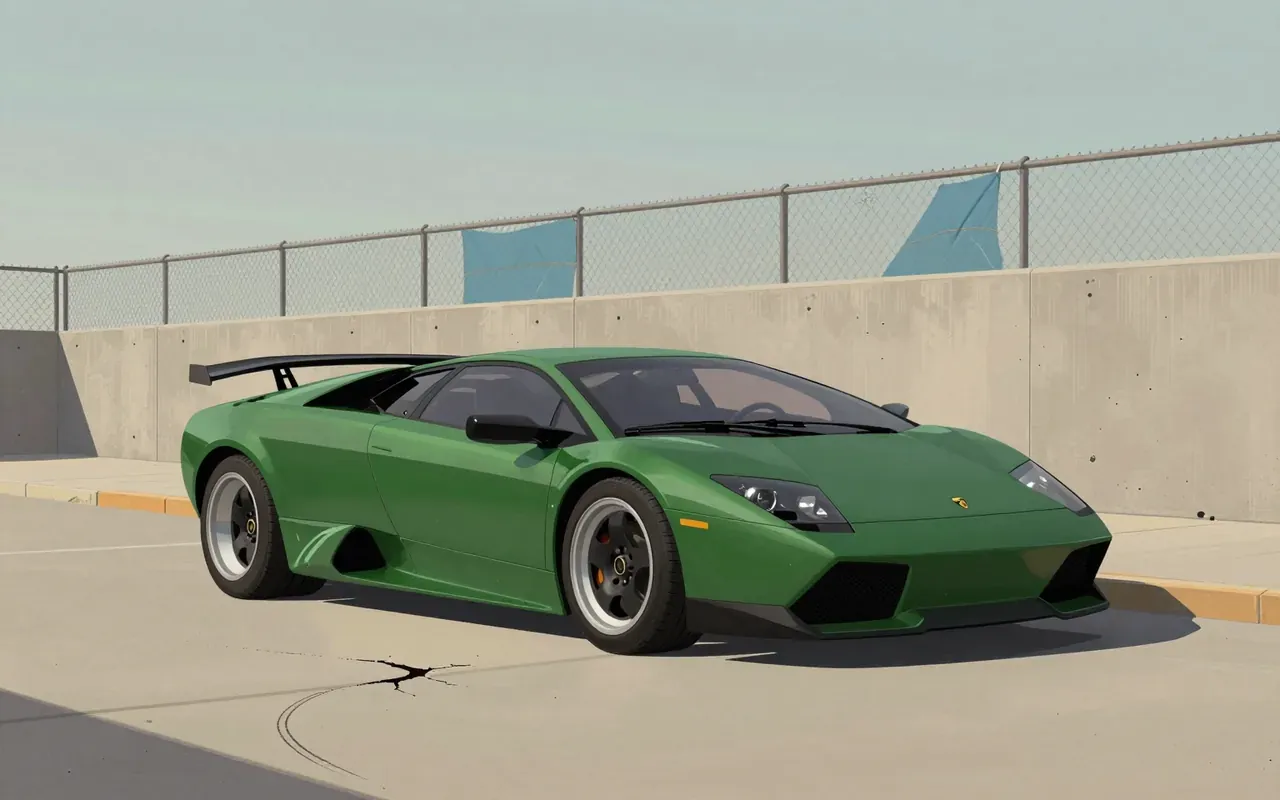
Lamborghini Murciélago

Luc Donckerwolke · 2001

The Lamborghini Murciélago is a mid-engine, all-wheel drive sports car produced from 2001 to 2010. Designed by Luc Donckerwolke, it was Lamborghini’s first new design in eleven years—and its first under Audi ownership. The first-generation model used a 6.2 L naturally aspirated V12 engine. A total of 4,099 units were built.

10:16

Lexus LFA

Kengo Matsumoto · 2010

The Lexus LFA is a rare, self-contained argument against automotive trend-chasing: no hybrid system, no forced induction, no digital mediation. It exists to deliver a specific sensory contract—between driver, engine and road—and nothing else.

9:49

Lotus Carlton

Lotus · 1990

The Lotus Carlton is a high-performance sports saloon developed by Lotus from the Vauxhall Carlton/Opel Omega A, designated Type 104. Its engine was enlarged to 3.6 L and fitted with twin Garrett T25 turbochargers; it uses a ZF 6-speed manual transmission driving the rear wheels via a limited-slip differential. Exterior upgrades include a rear spoiler, bonnet cooling vents, Lotus badges, a body kit, and widened wheel arches. Rear suspension was modified with a new arm and revised bushings, and self-leveling suspension and Servotronic power steering were borrowed from the Opel Senator. It was sold only as a saloon, with a front-engine, rear-wheel-drive layout, and 950 units were produced between 1990 and 1992.

9:48

Maserati MC12

Frank Stephenson · 2004

The Maserati MC12 is a homologation special built to return Maserati to FIA GT racing. Designed by Frank Stephenson on the Ferrari Enzo’s chassis, it is longer, wider, taller, and more aerodynamically efficient. Its mid-rear V12 layout prioritises balance over packaging. Only 62 were built: 50 road cars and 12 racers. It is uncompromising, specific, and historically consequential — but not versatile.

10:49

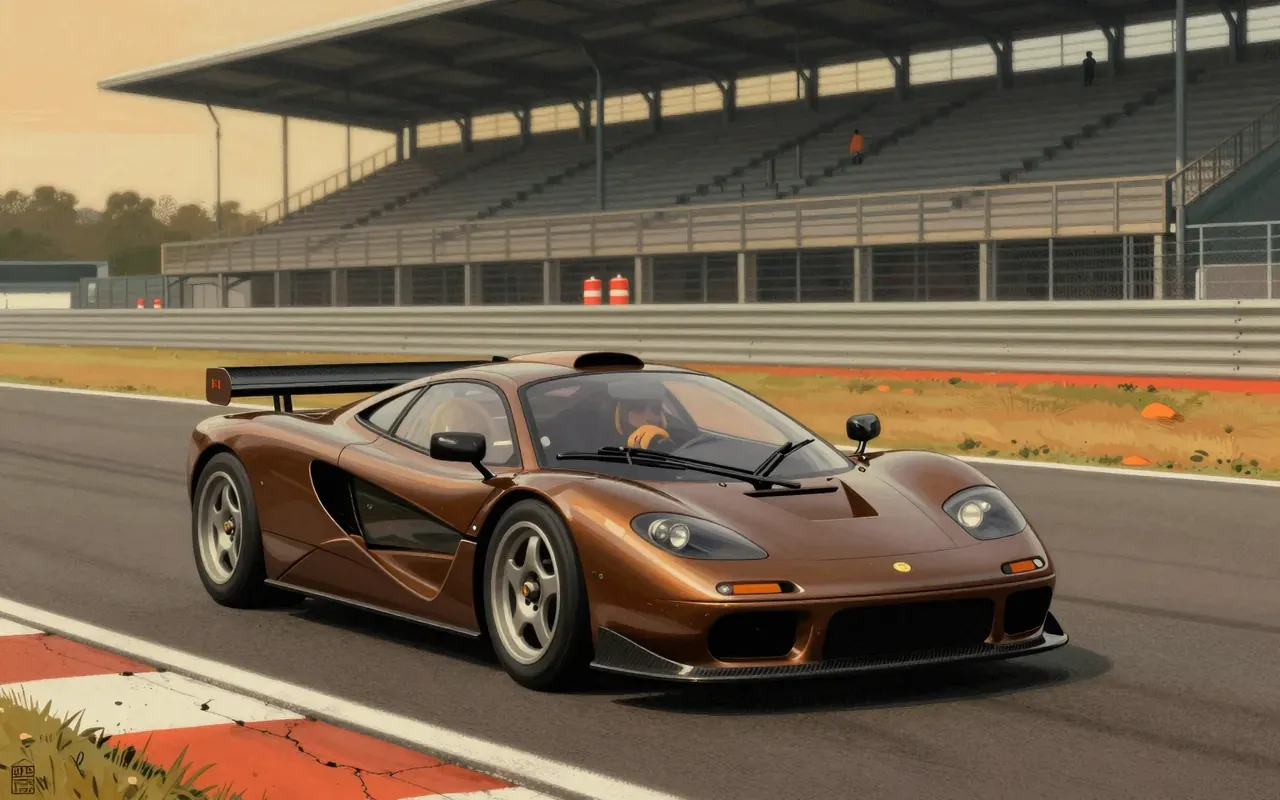
McLaren F1

Gordon Murray · 1992

The McLaren F1 is the first road-going car manufactured by McLaren. Gordon Murray conceived it as 'the ultimate road-going sportscar'. It used a full carbon-fibre monocoque, a central driving position, and a bespoke BMW V12. It won Le Mans outright in 1995 in LM specification. Only 106 were built between 1992 and 1998.

10:54

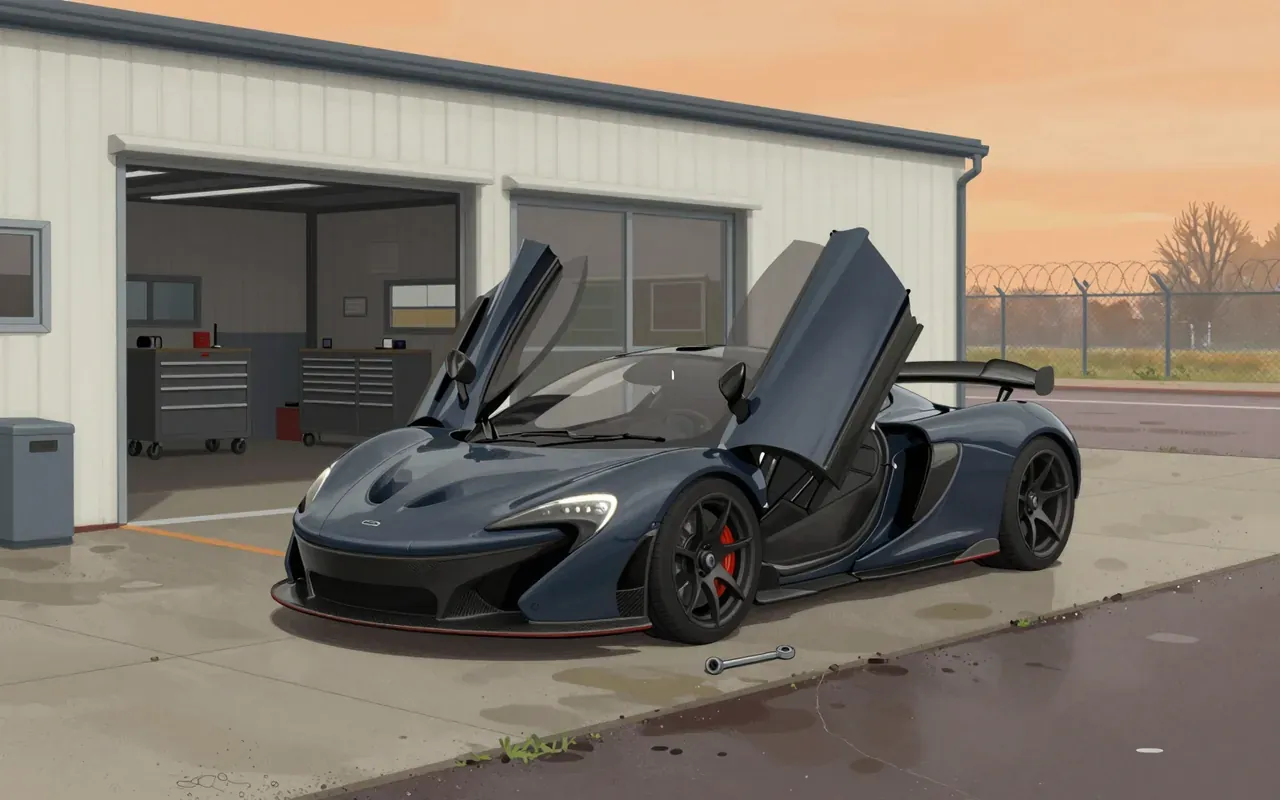
McLaren P1

Frank Stephenson · 2013

The McLaren P1 is a mid-engined, rear-wheel-drive hybrid supercar styled by Frank Stephenson. It is the second model in McLaren’s Ultimate Series and a spiritual successor to the F1. Production ran from 2013 to 2015, limited to 375 units. Its design draws partial inspiration from a sailfish. It shares the F1’s carbon fibre monocoque and mid-engine layout. It debuted at the 2013 Geneva Motor Show after a concept reveal at the 2012 Paris Motor Show. It is one of the first high-performance sports cars to incorporate hybrid technology.

9:59

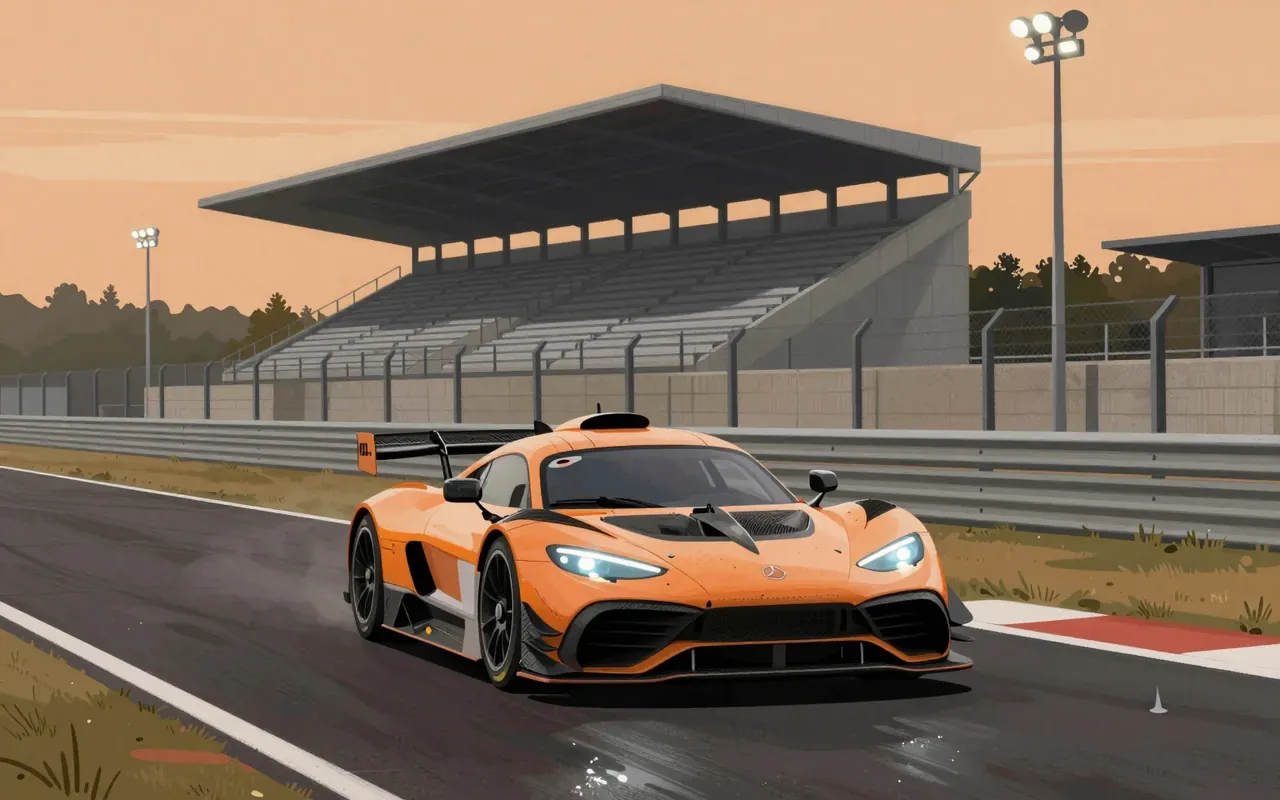
Mercedes-AMG One

Gorden Wagener team · 2022

The Mercedes-AMG One is a production reality — not a show car — built to prove F1 hybrid technology can function on public roads. Its layout, powertrain and aerodynamics are derived directly from contemporary Formula One. It sacrifices usability for fidelity. It is not a supercar for driving. It is a rolling validation of a racing specification.

10:28

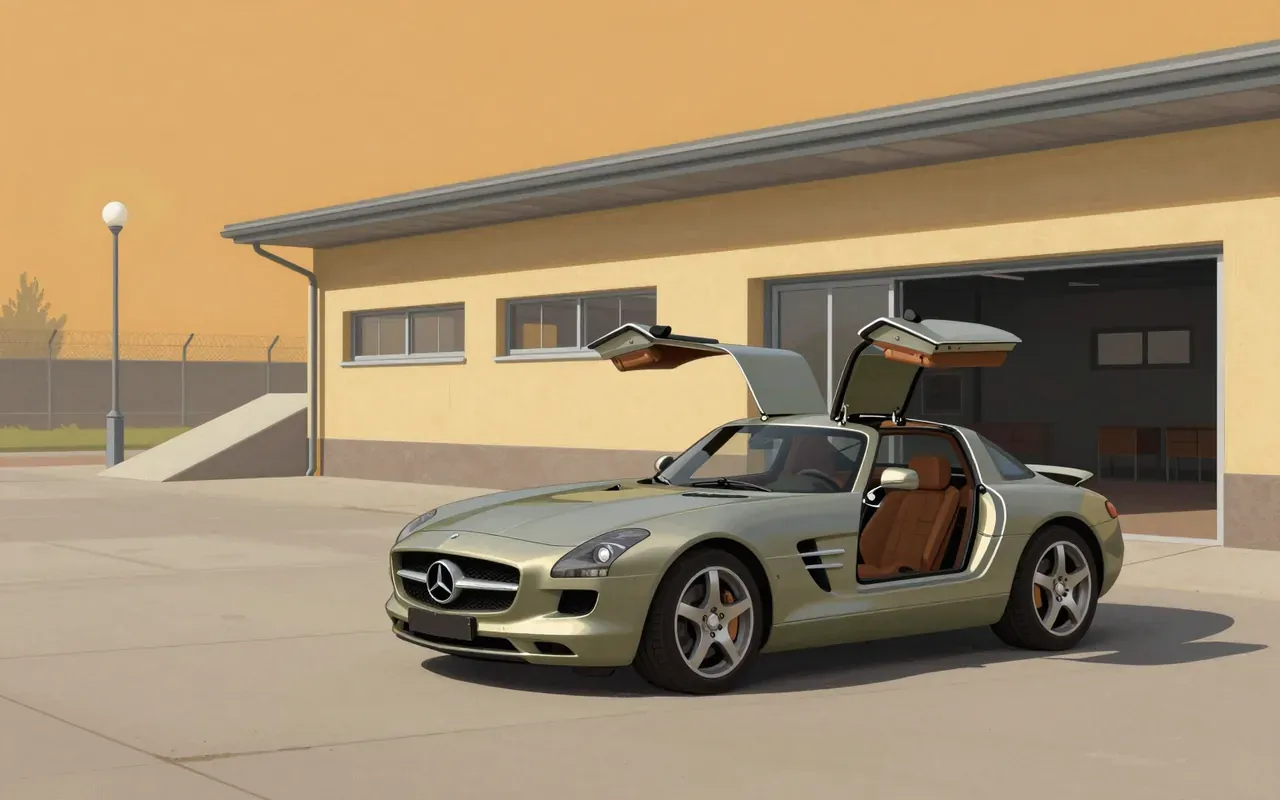
Mercedes-Benz SLS AMG

Mark Fetherston · 2010

The SLS AMG is a decisive, uncompromising statement: AMG’s first self-contained supercar, lighter and faster on track than the SLR McLaren, powered by the most potent naturally aspirated V8 in series production at launch.

10:35

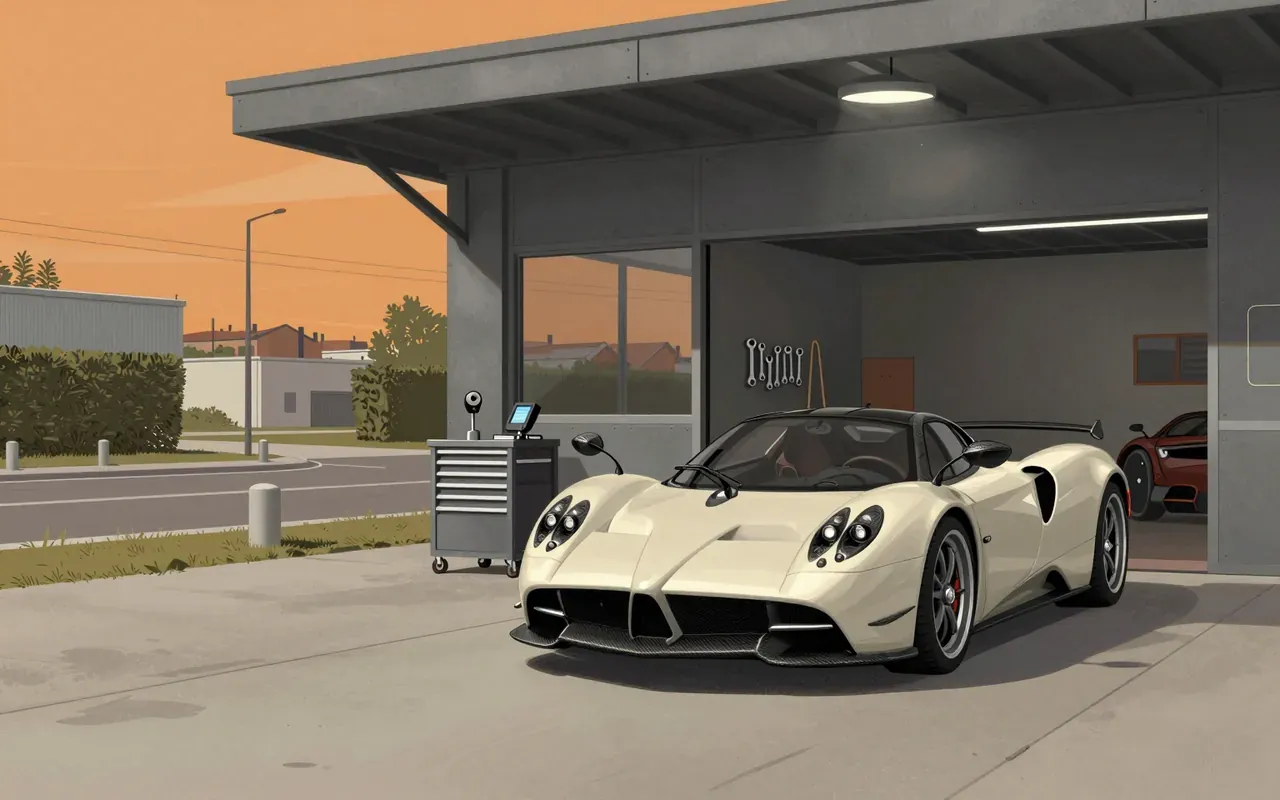
Pagani Huayra

Horacio Pagani · 2011

The Pagani Huayra is a mid-engine sports car produced by Italian sports car manufacturer Pagani from 2011 to 2015. It was limited to 100 units. It uses a 6.0 L twin-turbocharged V12 engine. It is named after Wayra Tata, the Quechua wind god. It was named 'The Hypercar of the Year 2012' by Top Gear. It sold out on 11 February 2015. It has a top speed of about 383 km/h and accelerates from 0 to 97 km/h in 2.8 seconds.

10:36

Porsche 959

Helmuth Bott · 1986

The Porsche 959 is a homologation special turned benchmark: the first pure high-performance sports car with all-wheel drive and sequential twin-turbos. It redefined what a street-legal performance car could do—and forced Porsche to adopt those systems across its turbo range.

9:45

SSC Ultimate Aero

Jerod Shelby · 2006

The SSC Ultimate Aero is a mid-engined sports car built by SSC North America from 2004 to 2013. It held the Guinness World Records production car speed record from 2007 until 2010. Jerod Shelby stated the early design philosophy was to make it a driver's car where throttle input could influence steering. The Aero features butterfly doors similar to those on the McLaren F1 and Ferrari Enzo. Carbon fibre and titanium are used throughout the car.

9:47

Toyota 2000GT

Satoru Nozaki · 1967

The Toyota 2000GT is a landmark Japanese sports car: a limited-production, front mid-engine, rear-wheel-drive fastback coupé developed by Toyota with Yamaha, launched in 1965 and built from 1967 to 1970. It featured a 2.0 L straight-6 engine, re-engineered by Yamaha for performance, and was hailed internationally as a world-class GT—shifting global perception of Japanese automotive capability. Its legacy includes racing success, cultural prominence (notably in You Only Live Twice), and status as the first seriously collectible Japanese car.

9:56

Vector W8

Gerald Wiegert · 1989

The Vector W8 is a 1989–1993 American supercar built by Vector Aeromotive Corporation. Designed by Jerry Wiegert and refined by David Kostka, it evolved from the W2 prototype shown publicly in 1976. Inspired by the Alfa Romeo Carabo and fighter jets, it used aerospace materials and ‘Aeromotive Engineering’. It passed DOT crash and emissions tests before production. Conceived as America’s answer to Ferrari, Lamborghini, and Porsche, it remains a singular demonstration of ambition over execution.

9:03

Bugatti EB 110

Giampaolo Benedini · 1992

The Bugatti EB 110 is a mid-engine, all-wheel-drive supercar with a carbon fibre monocoque and active aerodynamics. It was produced from 1991 to 1995. Its name commemorates Ettore Bugatti’s 110th birthday. 139 units were built. It uses a 3.5 L quad-turbocharged V12 engine.

1:15

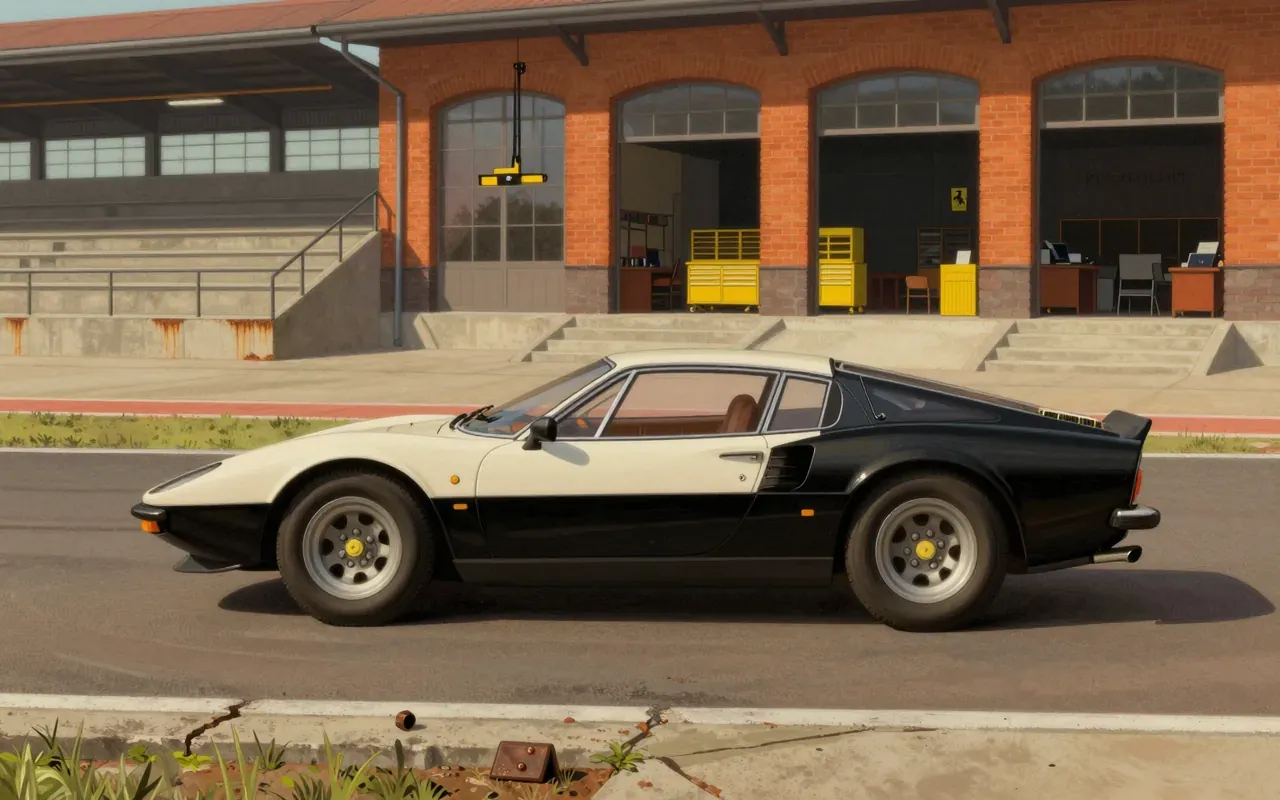
Ferrari 512 BB

Leonardo Fioravanti · 1976

The Ferrari 512 BB replaced the 365 GT4 BB in 1976. It belongs to the Berlinetta Boxer family, but this carburetted model should be distinguished from the later fuel-injected 512 BBi.

9:25

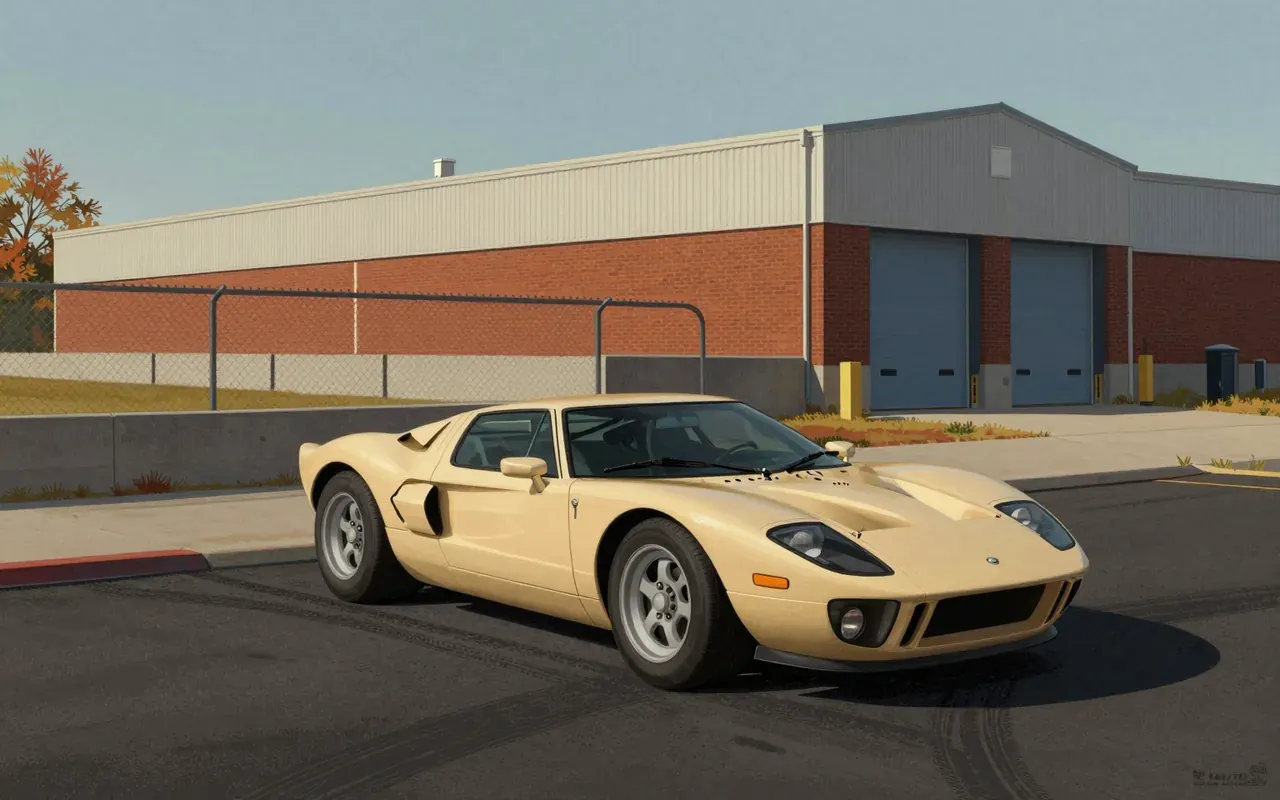
Ford GT

Camilo Pardo · 2005

The Ford GT (2005) is a mid-engine two-seater designed by Camilo Pardo as a modern homage to the GT40, launched for Ford’s centenary. It recalls the GT40’s Le Mans legacy but shares no structural lineage. It is bigger, wider, and 4 in (100 mm) taller than the original — a deliberate recalibration, not a replication.

8:35

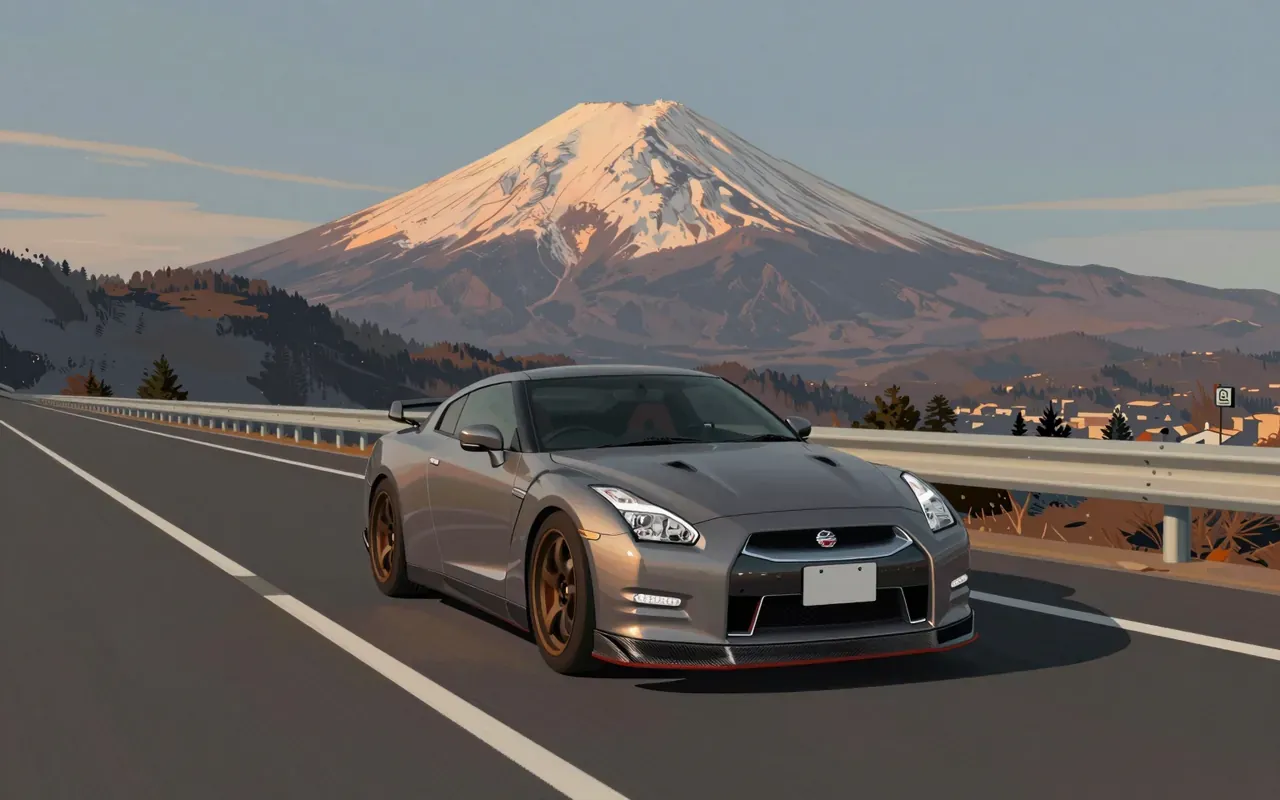
Nissan GT-R

Shiro Nakamura · 2007

The Nissan GT-R (R35) is a Japanese sports car and grand tourer produced from 2007 to 2025. It features a front-mid mounted 3.8 L V6 engine and all-wheel drive, built on the PM platform — a derivative of the FM platform — and was developed over seven years as part of the Nissan Revival Plan to deliver world-beating performance.

9:56

Peugeot Onyx

Gilles Vidal · 2012

The Peugeot Onyx is a 2012 concept car designed by Gilles Vidal. It uses a 3.7 L V8 diesel hybrid powertrain. Its body combines hand-beaten untreated copper and carbon fiber. Copper panels oxidise from mirror to blue-green. It features a double bubble roof, three-claw taillights, Cd 0.30, recycled interior materials—including felt, compressed newspaper-resin 'wood', blown crystal, and aluminum controls—and a 100 kg carbon fiber chassis in 12 parts.

9:39

Porsche 918 Spyder

Michael Mauer · 2013

The Porsche 918 Spyder is a limited-production, mid-engine, plug-in-hybrid sports car manufactured by Porsche. It is powered by a mid-mounted naturally aspirated 4.6 L V8 engine and two electric motors. It has a 6.8 kWh lithium-ion battery pack providing 12 mi (19 km) all-electric range per EPA testing. Production began on 18 September 2013 and ended in June 2015. It was first shown as a concept at the 80th Geneva Motor Show in March 2010. The production version was unveiled at the September 2013 Frankfurt Motor Show. It was the second plug-in hybrid car manufactured by Porsche. It has been subject to half a dozen recalls for issues including front and rear control arms breaking and seat belts.