Saved
Supercars

Lamborghini Aventador

Lamborghini stopped pretending the V12 supercar could be polite—and made something that demanded attention just by existing.

Worth your time?4.5/5Yes.Drive the whole thing.What works, what does not, who it is for ↓
9:02in productionCh. 1 · What it is/ 9:02 · ceiling 15 min
4 chapters · 9:02Ceiling 15:00

The brief is written and checked. The video joins this page when it is cut.4 chapters · 1 min read · 9:02 planned

Read the brief

The Lamborghini Aventador is a mid-engine, two-seater sports car designed by Filippo Perini and launched at the 2011 Geneva Motor Show. It uses a 6.5 L V12 engine and was named after a Spanish fighting bull from 1993. It succeeded the Murciélago and was replaced by the Revuelto in 2023.

Chapters & takeaways4
  1. 0:48
    What it is

    Filippo Perini designed a mid-engine, two-seater sports car that redefined Lamborghini’s visual and structural language.

  2. 2:39
    When it arrived

    It launched at the 2011 Geneva Motor Show, with deliveries beginning in the second half of 2011.

  3. 4:18
    What it chose

    Named after a 1993 Spanish fighting bull, it used a 6.5 L V12 engine—a deliberate, unapologetic rejection of forced induction or hybridisation.

  4. 5:23
    How long it lasted

    It reached 5,000 units by March 2016 and was succeeded by the Revuelto in 2023.

1 more chapterFewer chapters
Worth your time?

Yes. Drive the whole thing.

4.5/ 5
What works
  • visual and acoustic intensity
  • functional aerodynamic bodywork
  • driver isolation reinforced by physical connection to chassis
  • naming rooted in Lamborghini’s lineage of combative identity
What does not
  • hybrid power
  • dual-clutch transmission
  • ride comfort
  • visibility
Drive it if
  • buyers who want a mechanically uncompromised, visually declarative V12 supercar built for presence and performance theatre
Skip it if
  • those who prioritise ease of entry, rear visibility, low-speed manoeuvrability, or electrified drivetrains
Who should drive it, and who should skipHide who it is for
The written brief1 min read

What the car is and where it came from

A mid-engine, two-seater sports car designed by Filippo Perini. Built in Sant’Agata Bolognese. Launched at the 2011 Geneva Motor Show. Named after a bull that fought in Zaragoza, Aragón, in 1993.

How it works, in terms someone would actually use

The Aventador places the driver behind a 6.5 L V12 engine mounted mid-ship. It uses a 7-speed ISR automated manual transmission. The layout forces a low, narrow cabin with tight ingress and egress. The steering is direct and unassisted by electric boost. The suspension is pushrod-actuated, tuned for rigidity over compliance.

What it gets right

It delivers visual and acoustic intensity without abstraction. Its bodywork channels airflow with functional precision. Its cockpit isolates the driver while reinforcing physical connection to the chassis. Its naming—after a 1993 Spanish fighting bull—anchors it in Lamborghini’s lineage of combative identity.

What it does not

It does not offer hybrid power. It does not use a dual-clutch transmission. It does not prioritise ride comfort or visibility. It does not accommodate more than two people.

What it changed

It replaced the Murciélago. It established Lamborghini’s post-2010 design language: sharp, angular, aerodynamically aggressive. It shifted production focus from hand-finished aluminium to carbon fibre monocoque construction at scale.

Who it is for, and who it is not

It is for buyers who want a mechanically uncompromised, visually declarative V12 supercar built for presence and performance theatre. It is not for those who prioritise ease of entry, rear visibility, low-speed manoeuvrability, or electrified drivetrains.

Is it worth your time

Yes—if you need to understand how Lamborghini resolved the tension between raw mechanical presence and modern supercar expectations. No—if you seek efficiency, daily usability, or electric propulsion.
Same garage · Supercars4 of 63
9:15
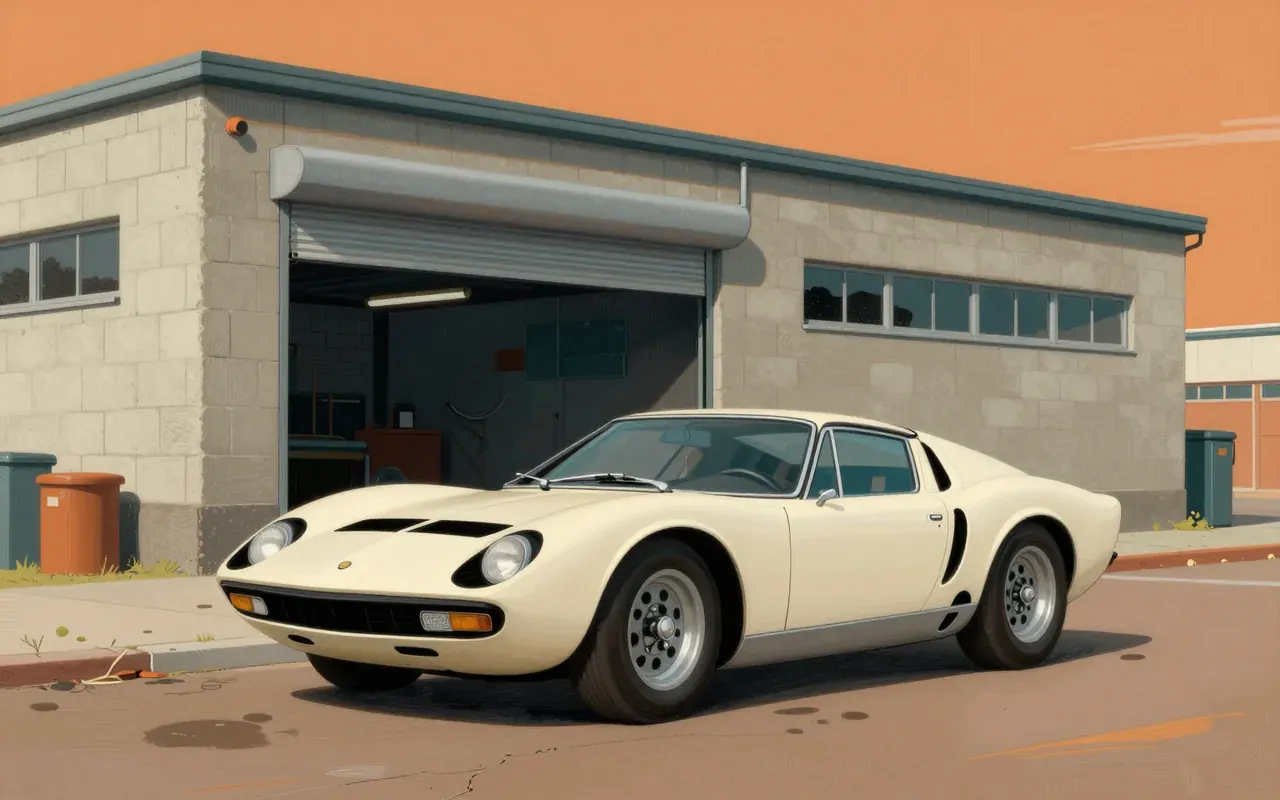
Lamborghini MiuraMarcello Gandini · 1966The Lamborghini Miura is the first high-performance production road car with a rear mid-engine, rear-wheel-drive layout. Conceived secretly by engineers in 1965, it debuted at the 1966 Geneva Motor Show. Marcello Gandini designed it in three months. It held the title of world’s fastest production car at launch. It remained Lamborghini’s flagship until 1973.
8:51
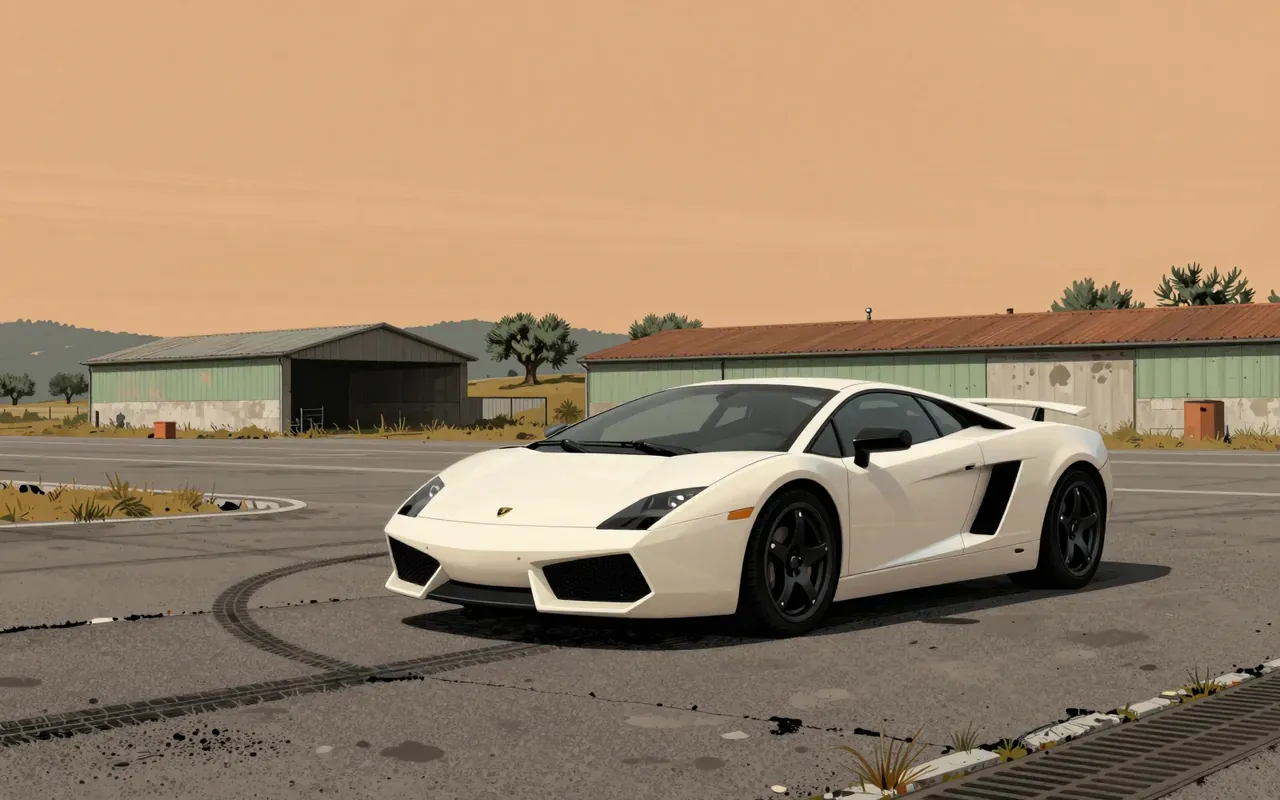
Lamborghini GallardoLuc Donckerwolke · 2003The Lamborghini Gallardo is a V10-powered sports car designed by Luc Donckerwolke and built by Lamborghini from 2003 to 2013. It was developed under Volkswagen Group ownership, based on the 1995 Calà concept. Named after a famous breed of fighting bull, it served as Lamborghini’s entry-level and best-selling model, with 14,022 units built. It preceded the Huracán and ended production on 25 November 2013.
9:34
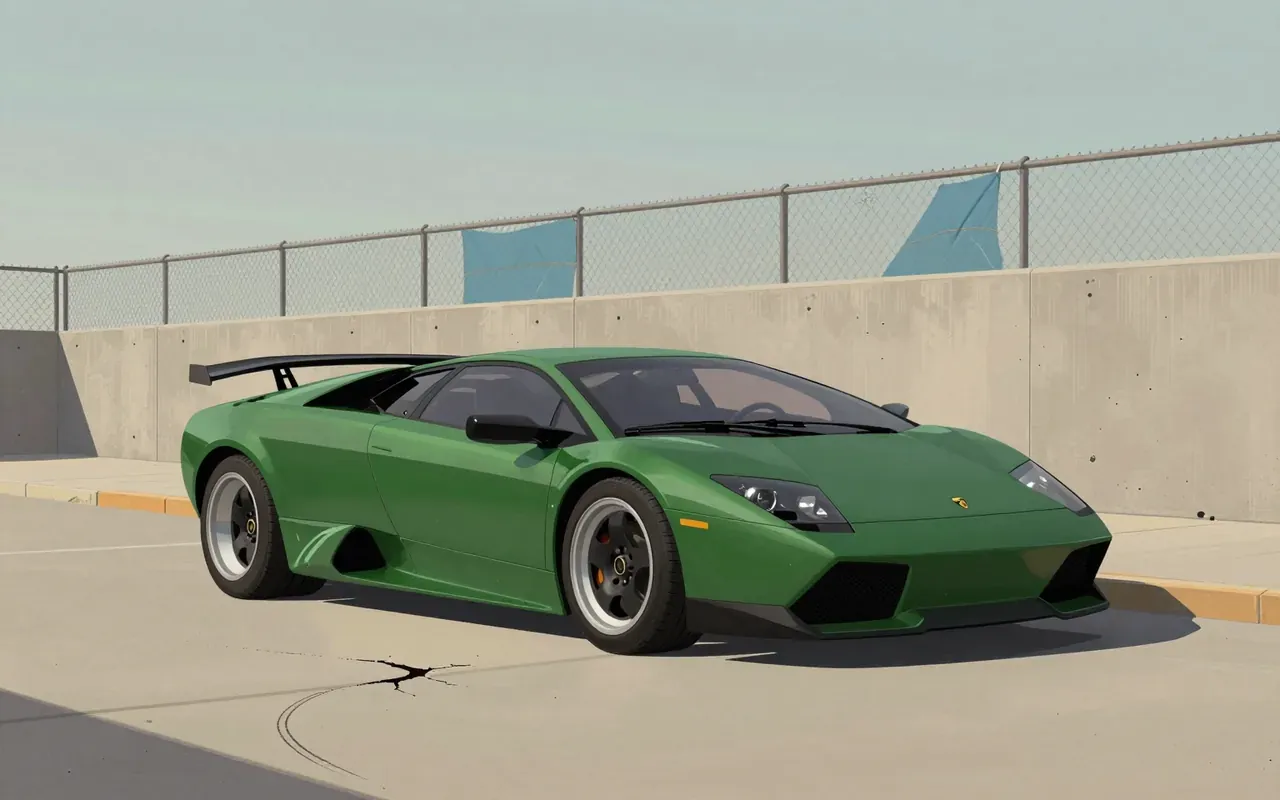
Lamborghini MurciélagoLuc Donckerwolke · 2001The Lamborghini Murciélago is a mid-engine, all-wheel drive sports car produced from 2001 to 2010. Designed by Luc Donckerwolke, it was Lamborghini’s first new design in eleven years—and its first under Audi ownership. The first-generation model used a 6.2 L naturally aspirated V12 engine. A total of 4,099 units were built.
9:46
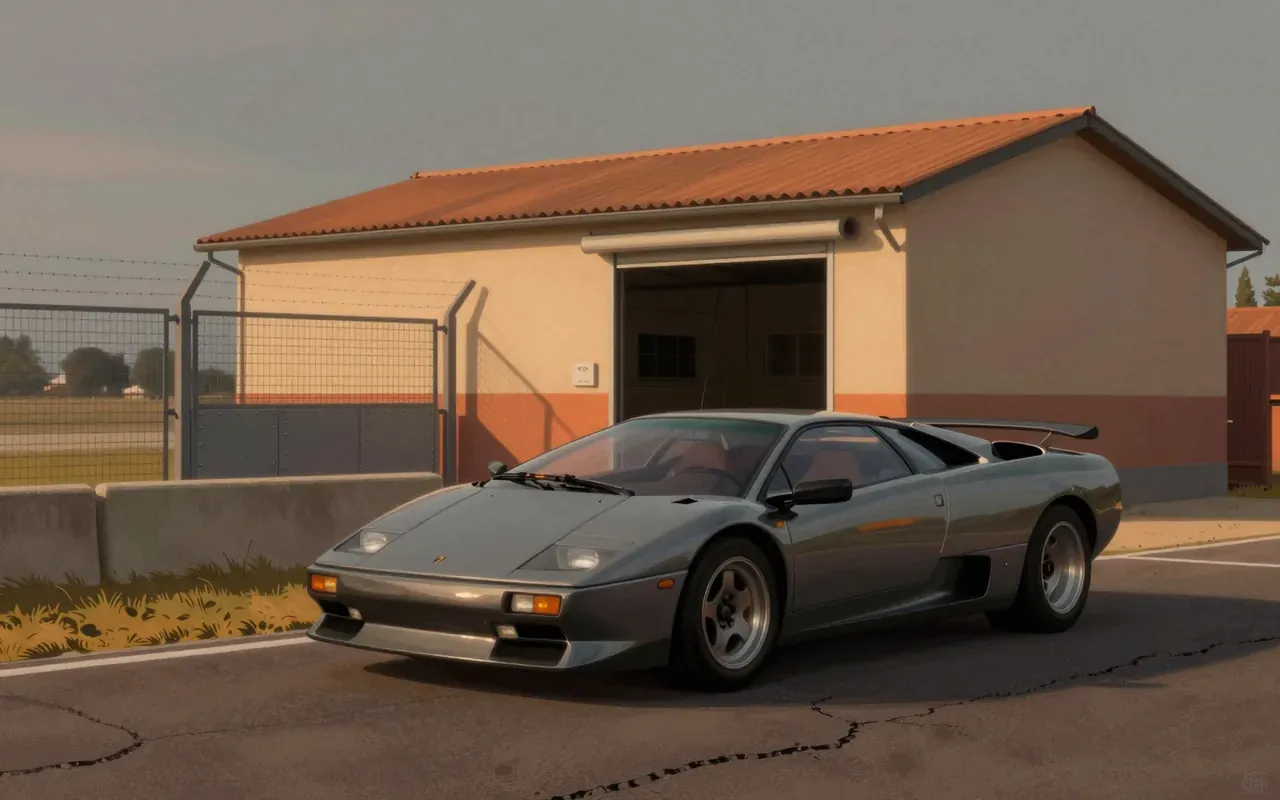
Lamborghini DiabloMarcello Gandini · 1990The Lamborghini Diablo is a longitudinal, mid-engined V12 sports car built from 1990 to 2001. It was Lamborghini’s first production car over 200 mph, first AWD model (VT, 1993), and first open-top V12 (roadster, 1995). Marcello Gandini created the original design proposal. Its 5.7 L V12 produced 492 PS and 580 N⋅m, achieving 325 km/h and 0–100 km/h in 4.5 seconds. It prioritises top-speed capability over agility, refinement or usability.
Up next in Automotive

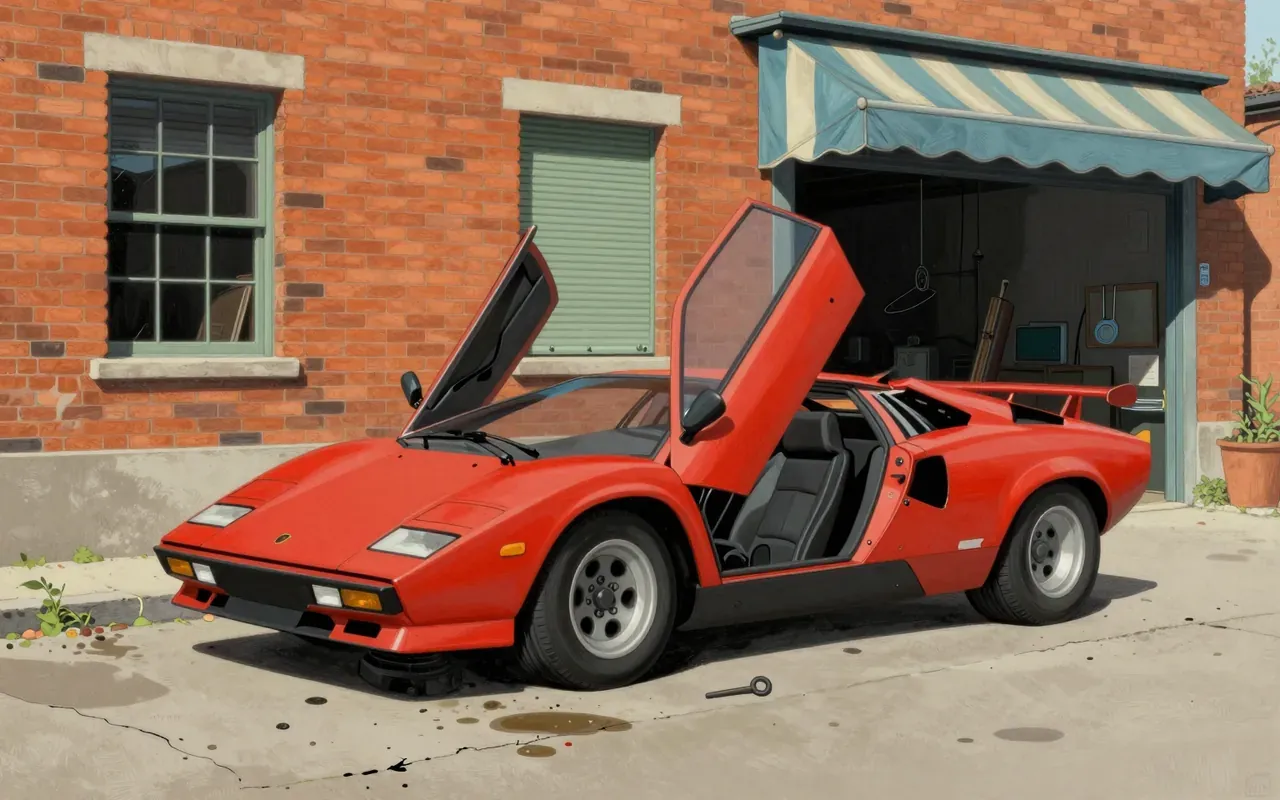
Lamborghini Countach

Marcello Gandini · 1974 · 10:40

The Countach is not a car that looks fast—it is a car that had to look this way to work at all.

10:40