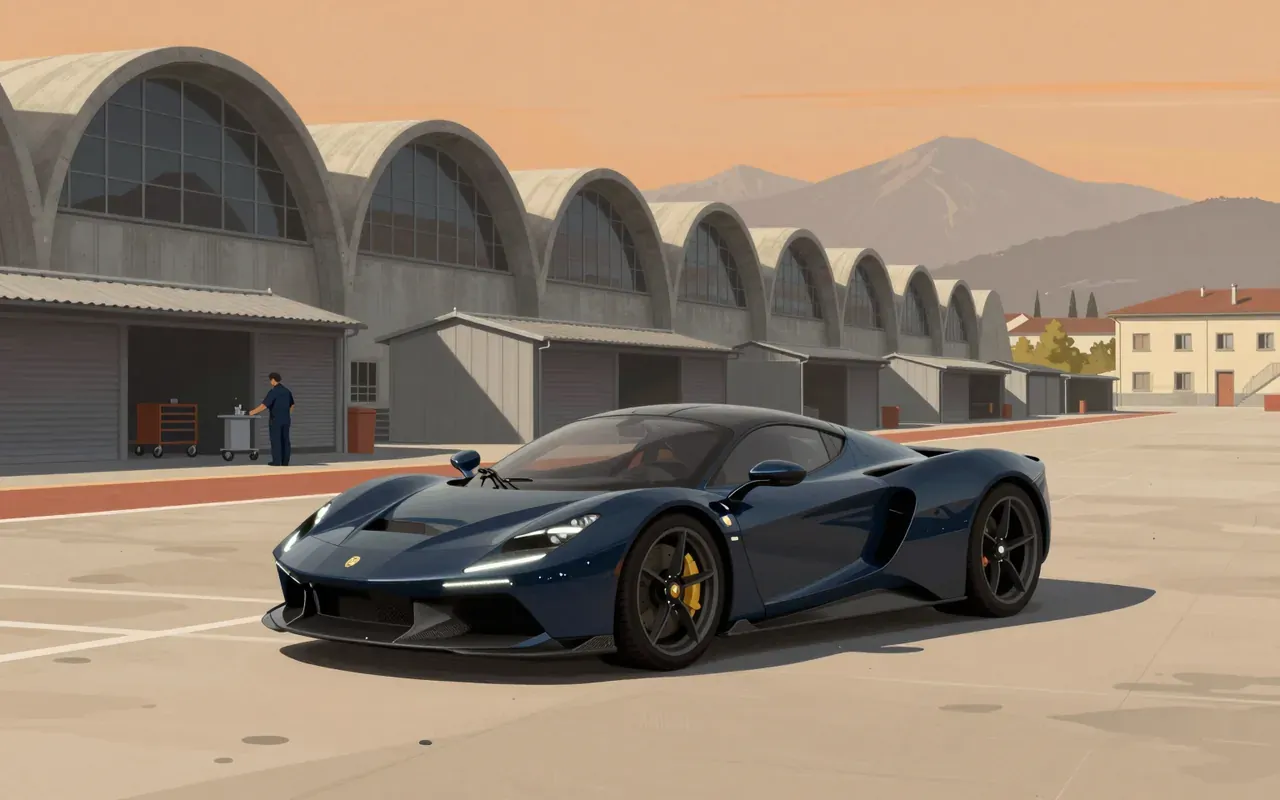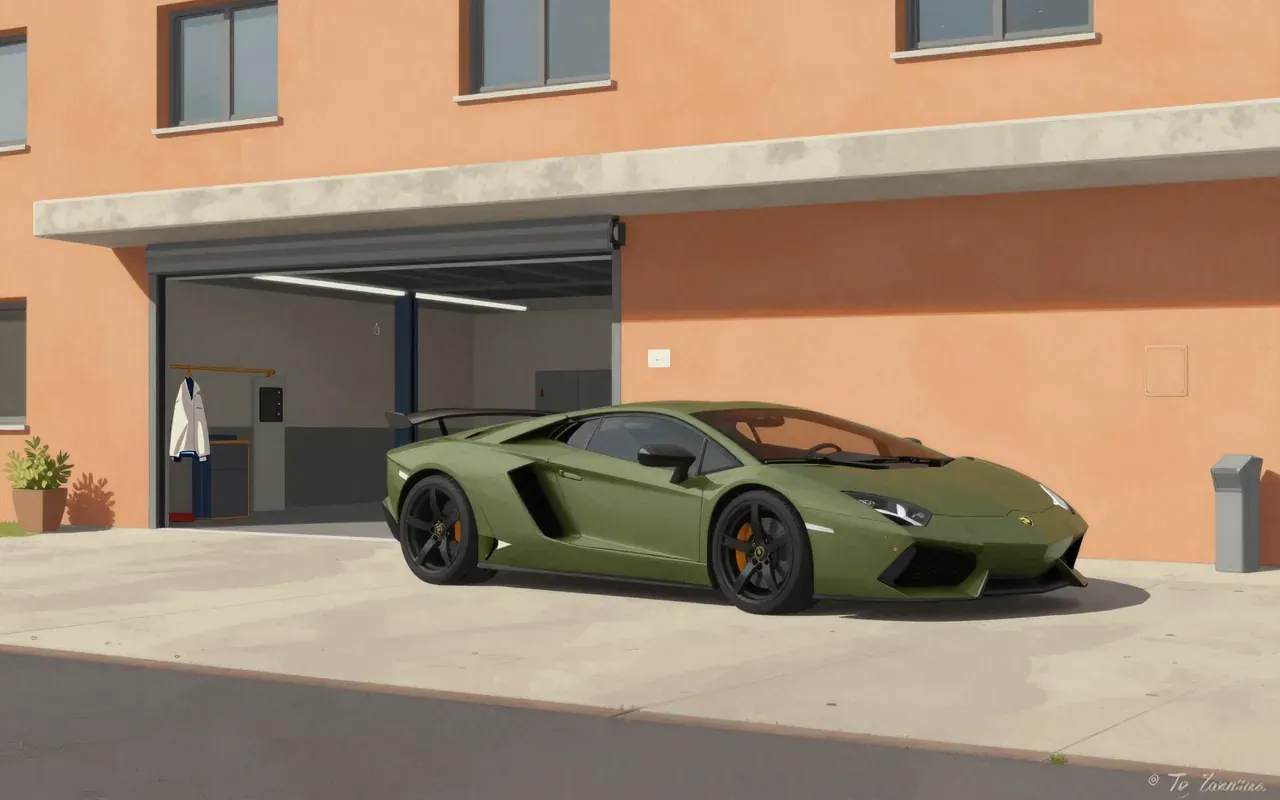
What the car is and where it came from
The Lamborghini Huracán is a mid-engine, two-seater sports car made by Lamborghini from 2014 to 2024. Its name is inspired by a Spanish fighting bull. It retains the 5.2-litre naturally aspirated Audi/Lamborghini V10 engine of the facelifted Gallardo.
How it works, in terms someone would actually use
The Huracán places the driver behind a 5.2-litre naturally aspirated V10 engine mounted mid-ship. It uses both direct and multi-point fuel injection — the first V10 to do so. The layout ensures balance and performance. All-wheel drive variants send power to all four wheels; rear-wheel drive versions do not. Aerodynamics are tuned for downforce and efficiency, with a drag coefficient of Cd=0.39.
What it gets right
It gets right the integration of a high-revving V10 into a compact, balanced chassis. Its dual-injection system delivers both responsiveness and efficiency. Its mid-engine layout delivers predictable handling. Its drag coefficient reflects deliberate aerodynamic tuning.
What it does not
It does not use forced induction. It does not adopt electric propulsion. It does not abandon the naturally aspirated V10 in favour of hybrid or turbocharged alternatives during its production run.
What it changed
It replaced the Gallardo as Lamborghini’s entry-level V10 model and introduced dual-injection V10 architecture to the segment. It expanded Lamborghini’s portfolio into off-road (Sterrato) and open-top (Spyder) forms while retaining the core mid-engine, two-seater layout.
Who it is for, and who it is not
It is for drivers who prioritise naturally aspirated engine character, mid-engine balance, and mechanical clarity over electrification or packaging compromise. It is not for those seeking daily usability, low running costs, or emissions compliance beyond its era.
Is it worth your time
Yes. It is a definitive mid-engined sports car built around a distinctive, naturally aspirated V10, with clear engineering intent and measurable trade-offs. Its production run, body variants, and motorsport derivatives confirm its functional versatility and sustained relevance.