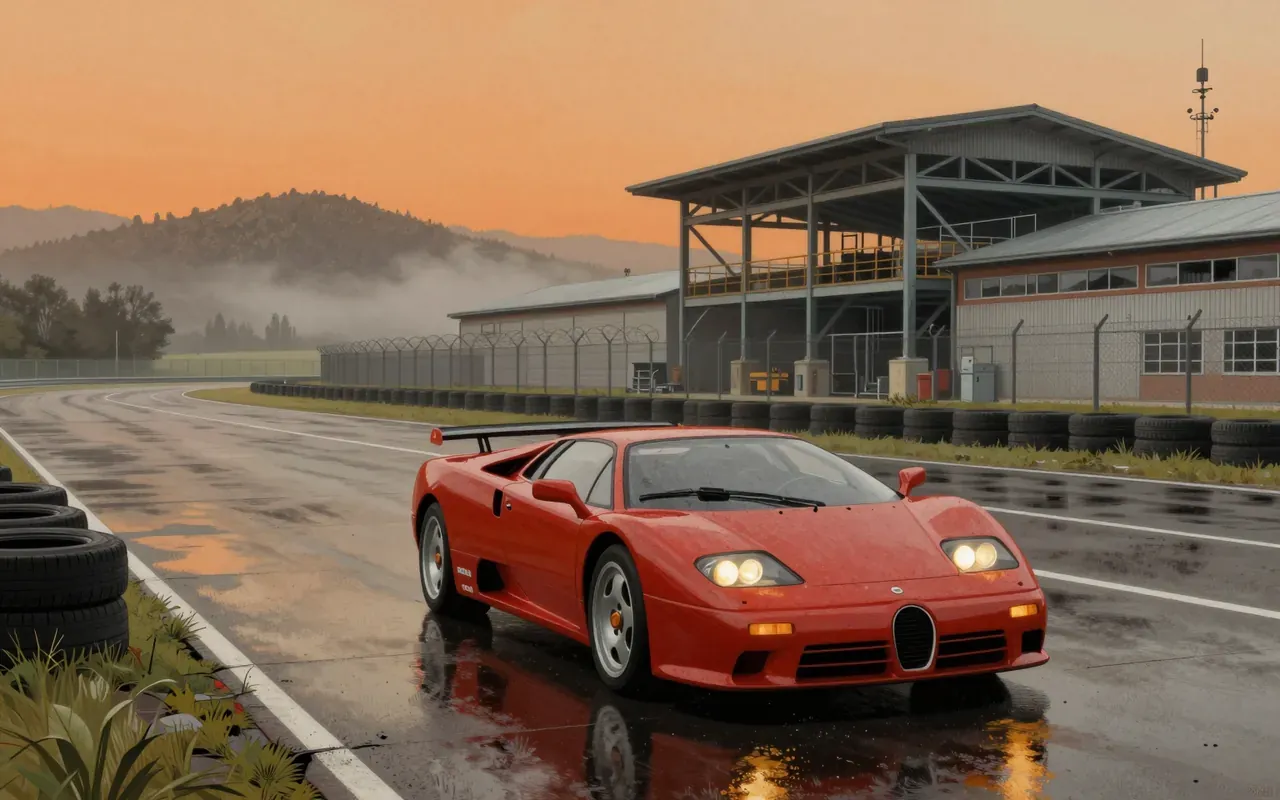
What the car is and where it came from
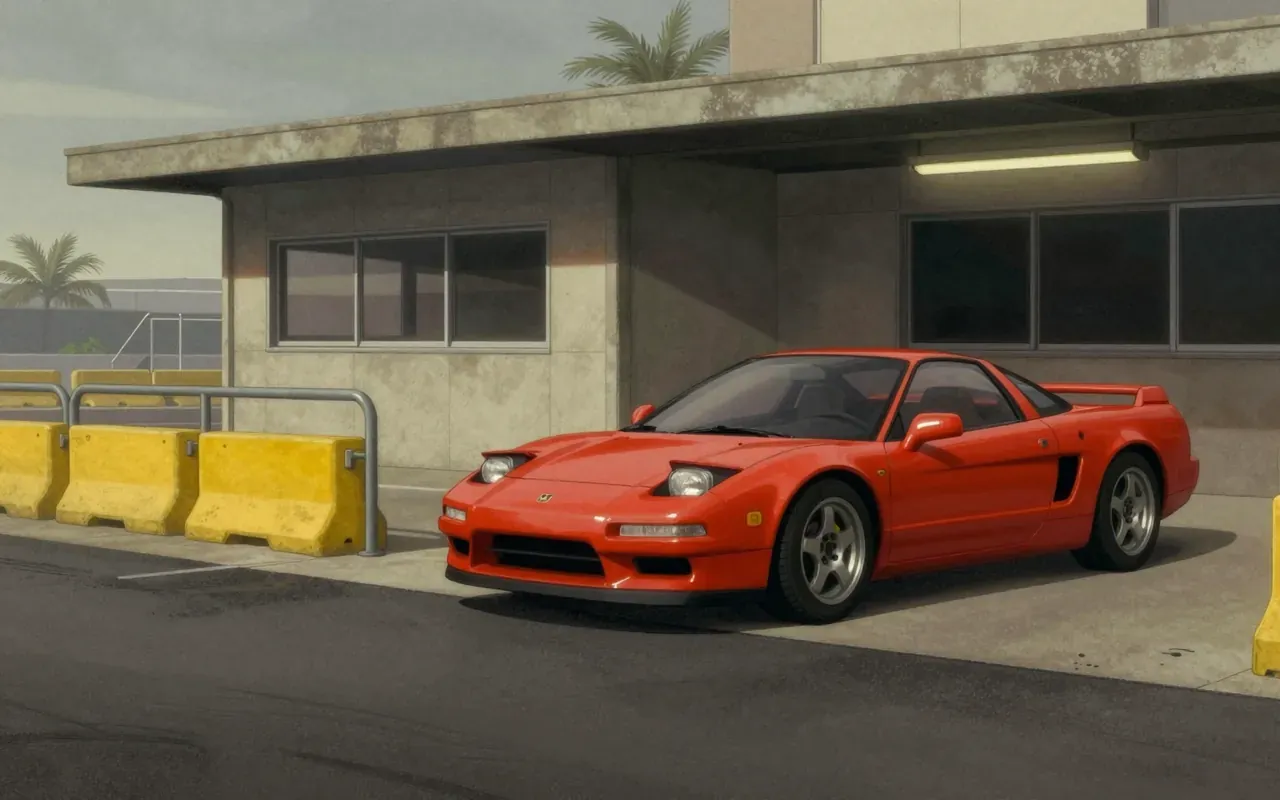
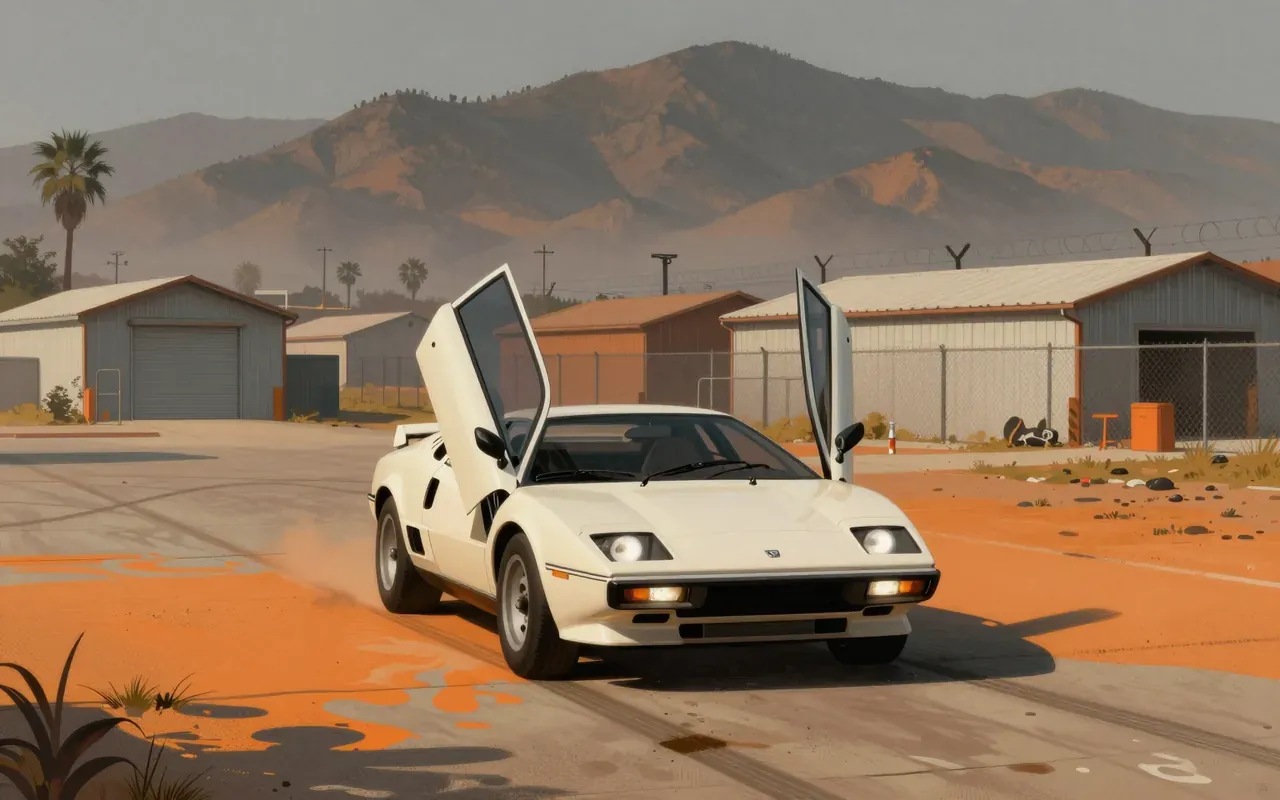
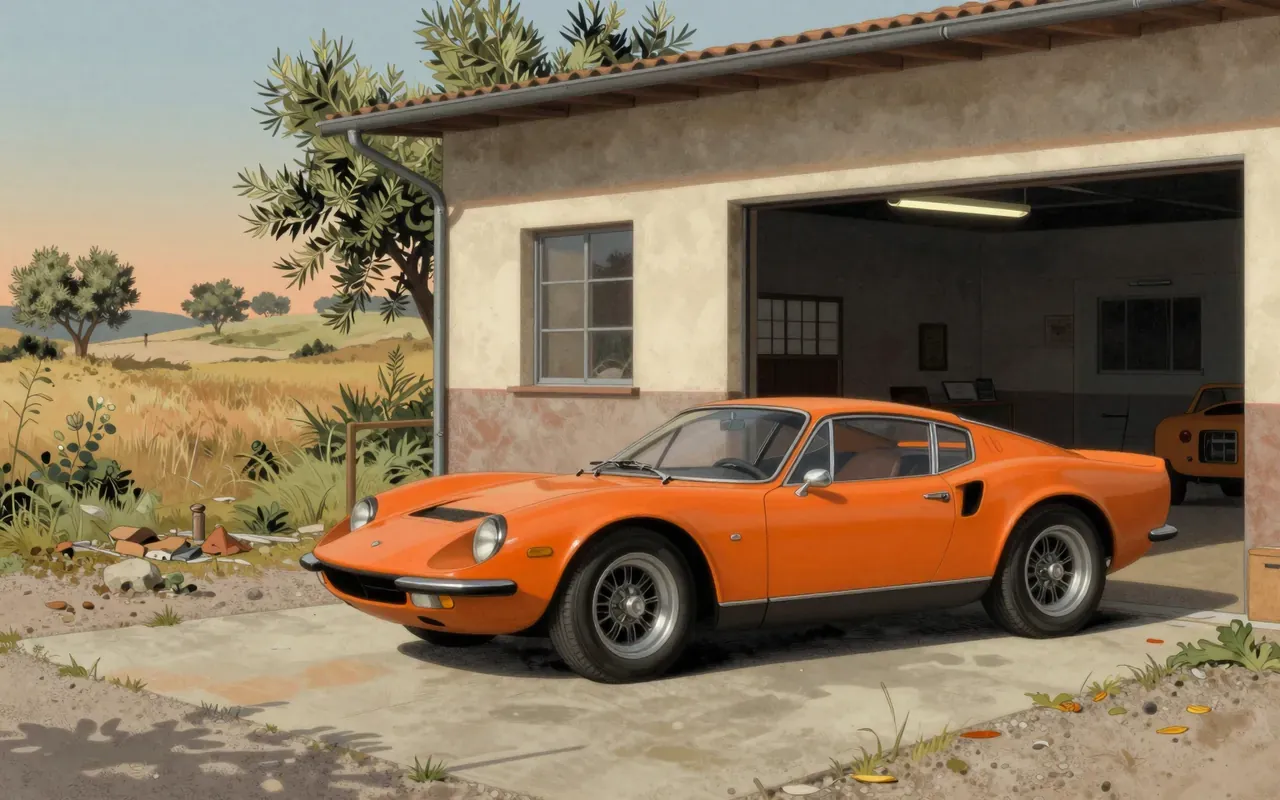
The EB 110 is a mid-engine sports car conceived by Paolo Stanzani in the mid-1980s and produced by Bugatti Automobili S.p.A. from 1991 to 1995. Its name honours Ettore Bugatti’s 110th birthday. 139 units were built before the company liquidated.
How it works, in terms someone would actually use
The EB 110 routes power from its quad-turbocharged V12 through a six-speed manual to all four wheels. Its carbon fibre monocoque chassis carries double wishbone suspension. Active aerodynamics adjust front and rear elements to manage downforce and drag.
What it gets right
It gets structural rigidity right: the carbon fibre–aluminium honeycomb monocoque delivers stiffness without relying on steel spaceframes. It gets mechanical honesty right: no drive modes, no torque vectoring—just turbo boost, AWD traction and active wings.
What it does not
It does not deliver accessible throttle response. The quad-turbo V12’s lag and all-wheel-drive heft make it unyielding at low speeds. It does not prioritise driver feedback over absolute output.
What it changed
It proved carbon fibre monocoques and active aerodynamics could be production-ready in the early 1990s. It reasserted Bugatti as a name tied to technical ambition—not just heritage.
Who it is for, and who it is not
It is for engineers, material nerds and collectors who value pre-digital supercar architecture. It is not for daily drivers, track-day enthusiasts seeking agility, or buyers expecting modern ergonomics or service infrastructure.
Is it worth your time
Yes—if you care about how mid-1990s engineering tackled extreme performance without electronics or hybrid systems. It is not a benchmark for usability, comfort or resale logic.