Saved
Topic

Materials

Every era is named after one, which should be a clue.

18
in automotive
9:18
average
167 min
in total
138
across the network
Materials across the network →
All briefs18
8:12

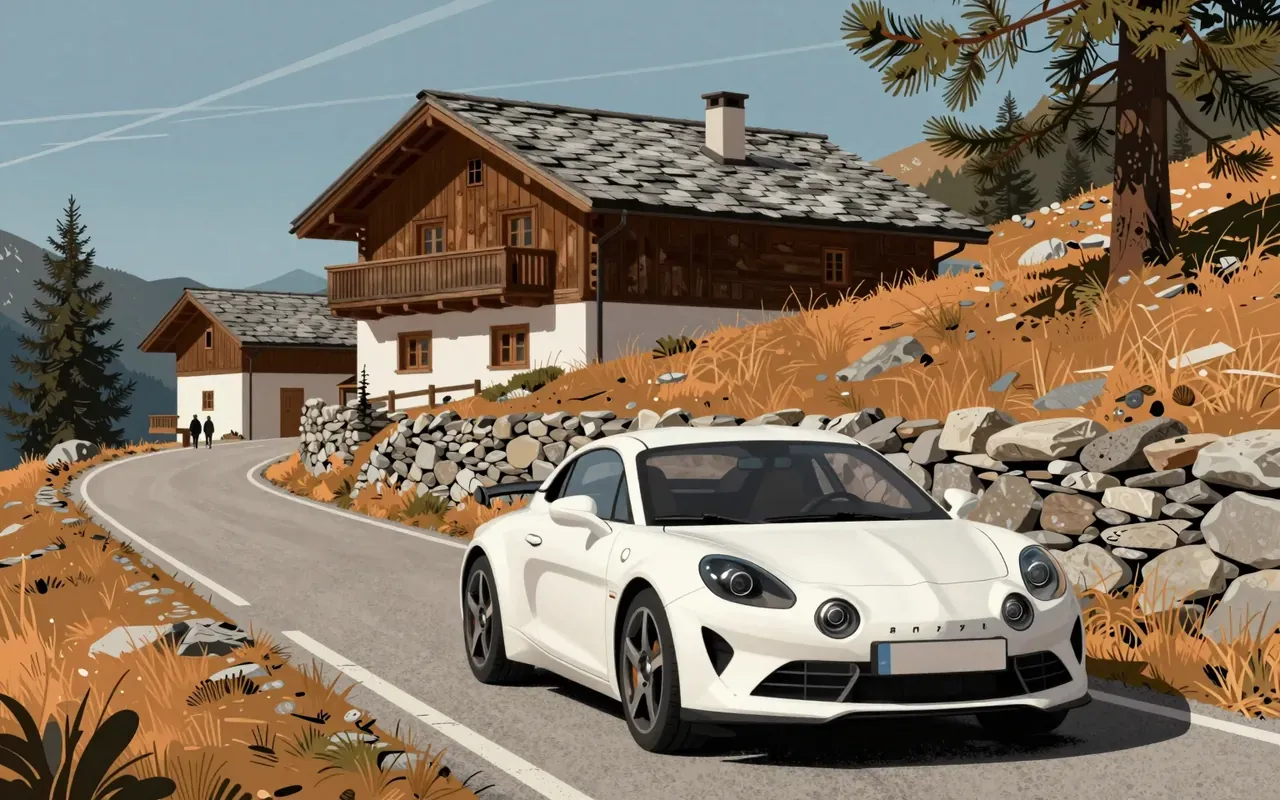
Alpine A110 (2017)

Antony Villain · 2017

The Alpine A110 (2017) is a rear mid-engine, rear-wheel-drive sports car built on an all-aluminium chassis and powered by a Nissan-derived 1.8-litre turbocharged inline-four engine. It debuted at the 2017 Geneva Motor Show. Production ended in June 2026.

9:25

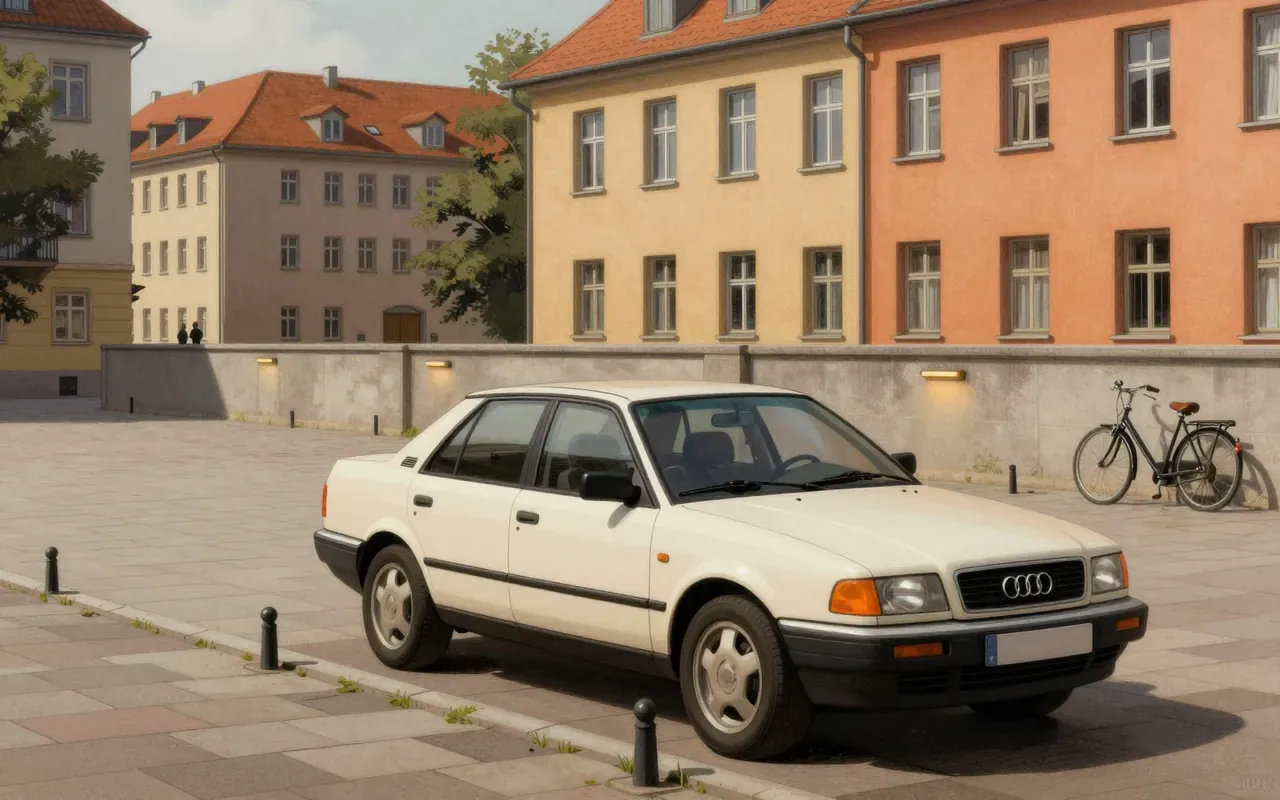
Audi A2

Luc Donckerwolke · 1999

The Audi A2 is a compact MPV-styled supermini produced by Audi from November 1999 to August 2005. Luc Donckerwolke designed both its 1997 Al2 concept and production form. It uses aluminium spaceframe construction, resulting in an average weight of 830 kg and class-leading efficiency — including the 3L diesel variant, Europe’s first five-door under-3 L/100 km. Built on a dedicated aluminium line in Neckarsulm, it featured advanced aerodynamics (Cd 0.25–0.29), a service hatch, and start-stop. Despite innovation and praise for design, it incurred €7,530 loss per unit and sold only 176,377 examples before discontinuation.
10:20

BMW i3 (hatchback)

Richard Kim · 2013

The BMW i3 (hatchback) is BMW’s first mass-produced zero-emissions vehicle. Styled by Richard Kim, it uses a carbon-fibre reinforced polymer passenger module on an aluminium chassis. It is rear-wheel drive. It has four doors, including rear clamshell doors. It debuted as a concept in 2011 and entered production in 2013. It was the first mass production car with most of its internal structure and body made of carbon-fibre reinforced plastic. It won the 2014 World Green Car and World Car Design of the Year awards.

9:46

BMW Vision Neue Klasse

Domagoj Dukec · 2023

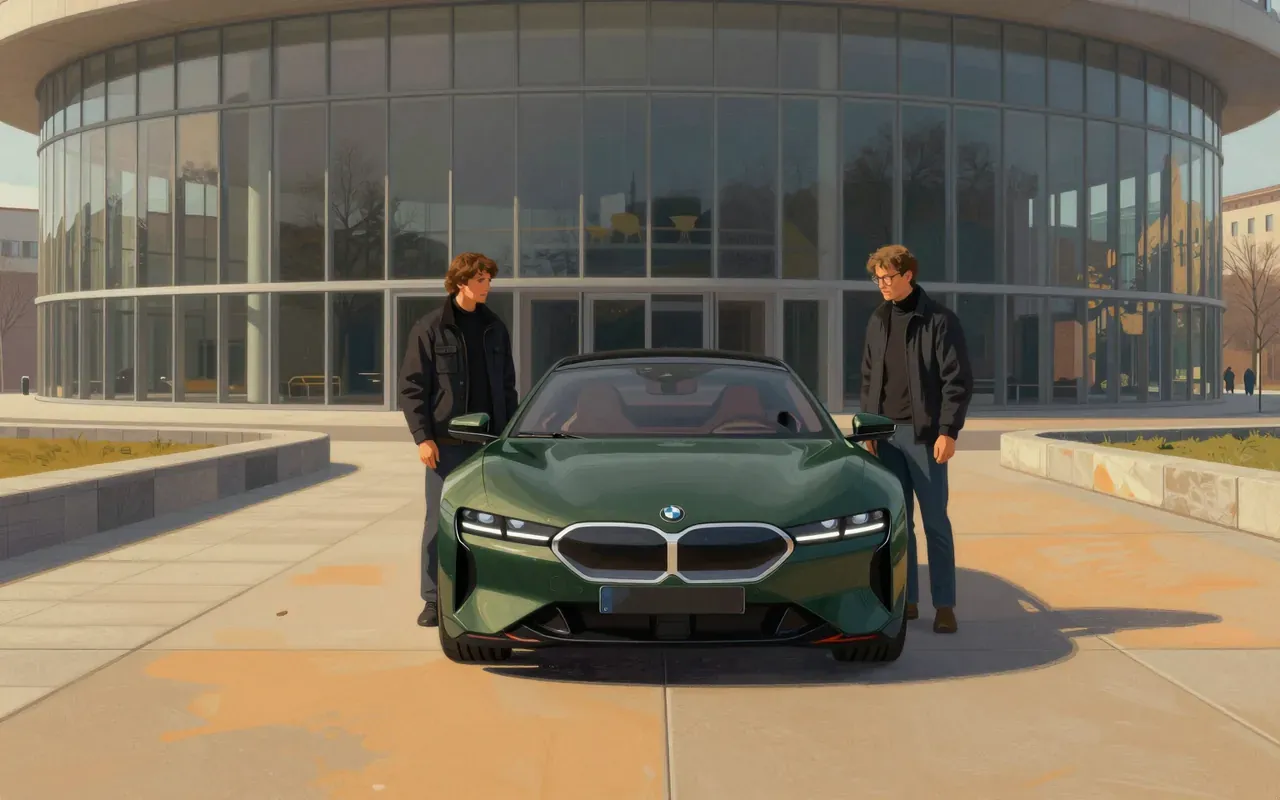
The BMW Vision Neue Klasse is an electric concept car unveiled at IAA Mobility 2023. It previews next-generation BMW design. Its linear body features a tilted-forward 'shark nose', 21-inch aerodynamic wheels, and sensor-activated doors. Headlights integrate into the kidney grille. Taillights use 3D-printed light elements. The interior omits chrome and leather, includes BMW Panoramic Vision on the windshield, a square center display, and operable steering wheel controls. It uses the sixth-generation eDrive system and a newly developed cylindrical-cell battery — improving charging efficiency and driving range by up to 30% each.

8:21

Citroën Méhari

Jean-Louis Barrault · 1968

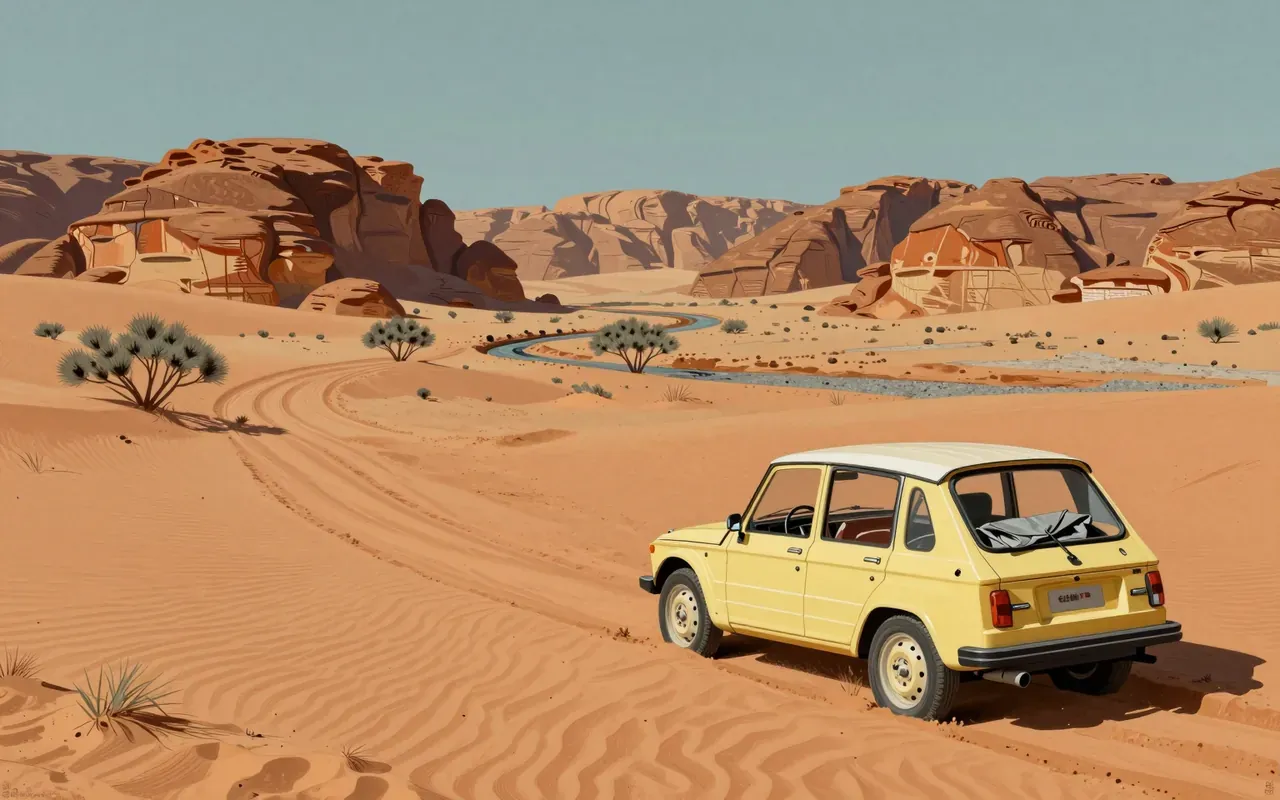
The Citroën Méhari is a lightweight recreational and utility vehicle made by Citroën from 1968 to 1988. It was designed by Roland de la Poype. It used the Dyane 6 chassis and a 602 cc flat twin engine. It was named after a fast-running dromedary camel.

8:32

Lotus Exige

Russell Carr · 2000

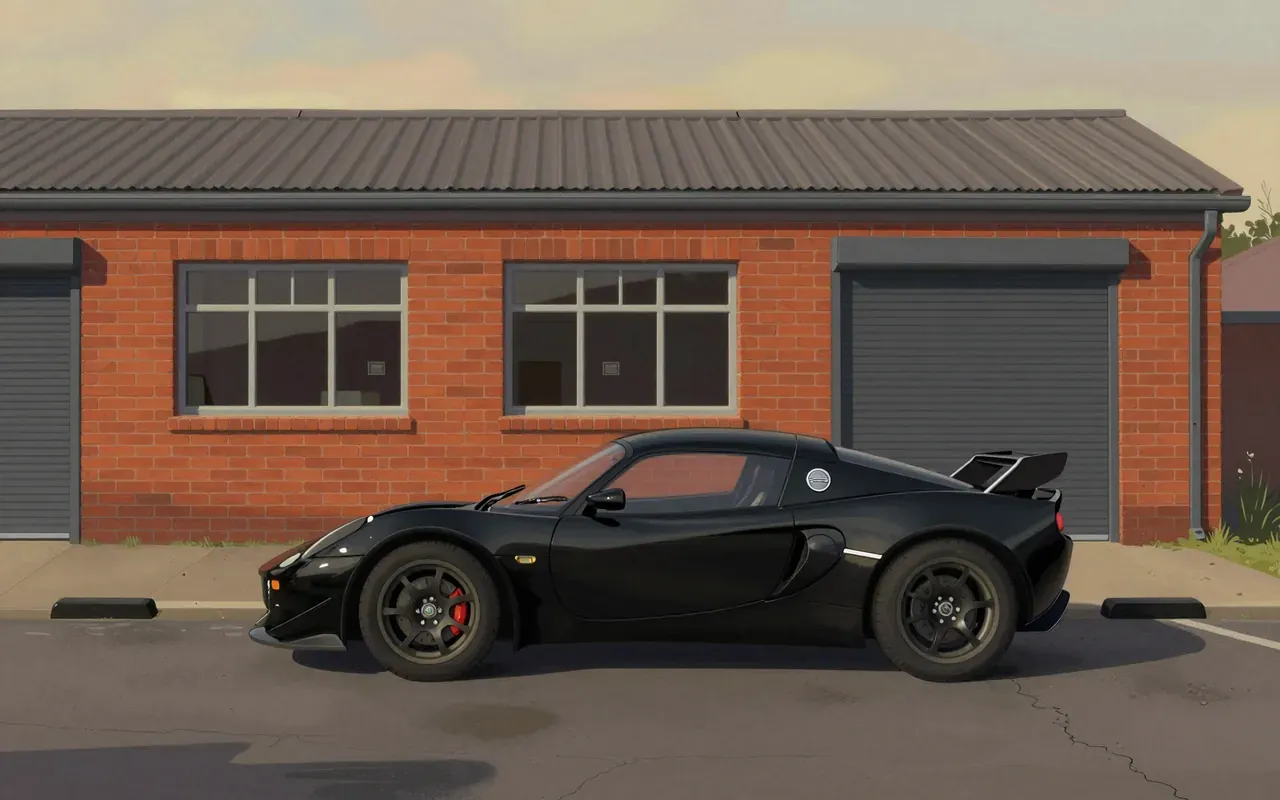
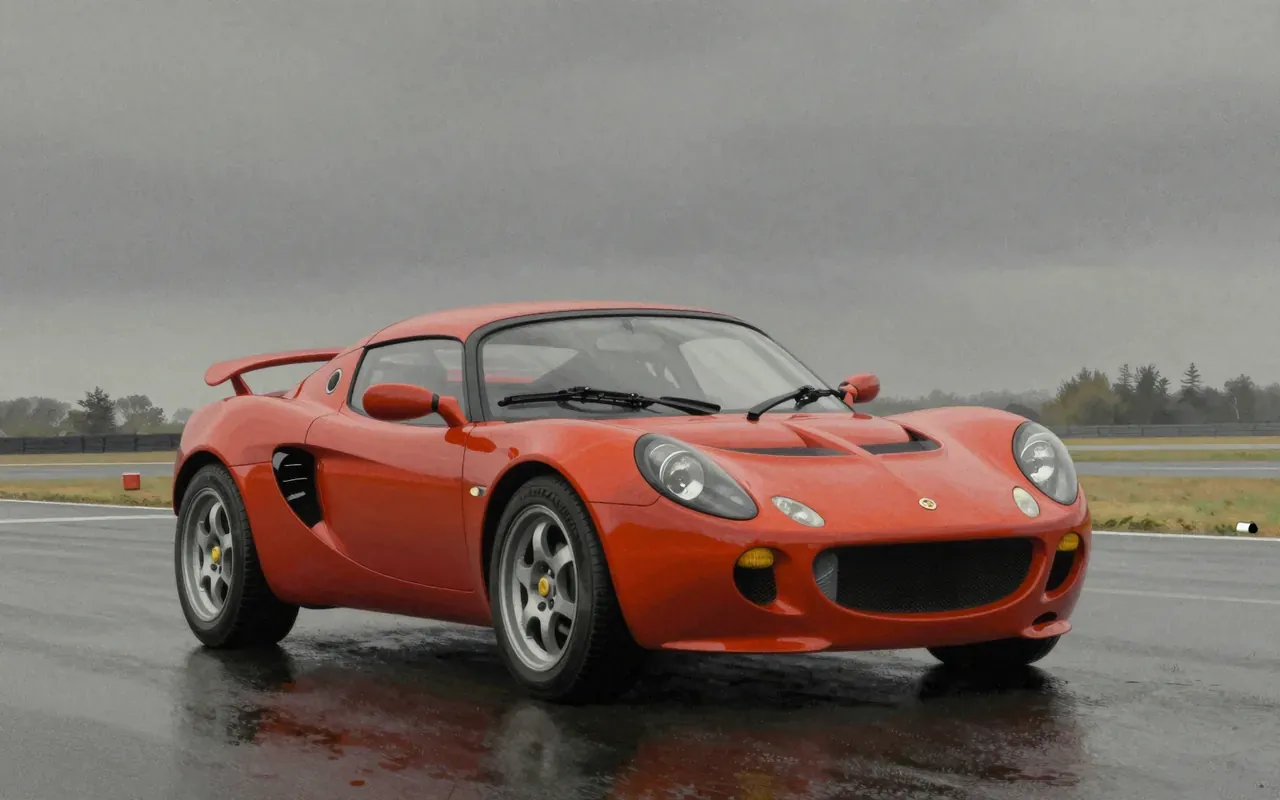
The Lotus Exige is a British sports car produced from 2000 to 2021. It began as a hardtop coupé derivative of the Elise roadster. Its name means 'demand' or 'require' in French. The original 2000 model used a naturally aspirated 1.8 L Rover K-Series inline-four. Series 2 (2004) switched to a naturally aspirated 1.8 L Toyota/Yamaha 2ZZ-GE. Series 3 (2012) adopted a supercharged 3.5 L V6 from the Evora S. All generations featured mid-engine, rear-wheel-drive layout, non-removable hardtop, kamm-tail rear bodywork, and a pylon-mounted rear wing.

9:08

TVR Griffith

Peter Wheeler · 1991

The TVR Griffith (1990–2002) is a lightweight, fiberglass-bodied, 2-door, 2-seat sports car with a V8 engine, designed and built by TVR. It used a 4.0 L Rover V8 engine, optionally upgraded to 4.3 L. A new generation presented in 2017 never entered production.

10:16

Volkswagen XL1

Volkswagen Design · 2013

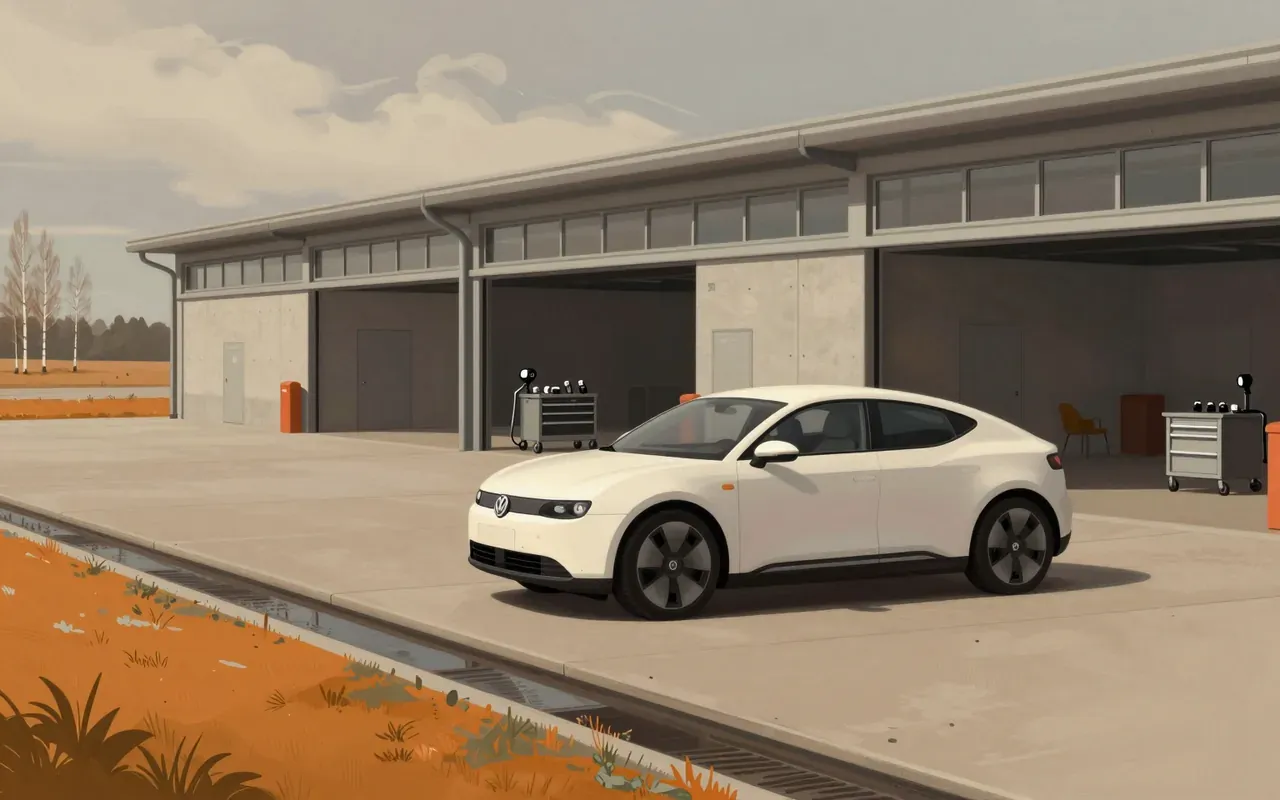
The Volkswagen XL1 is a two-seat, diesel-electric plug-in hybrid built to prove that extreme efficiency belongs on the road—not just in labs. It uses lightweight materials, a streamlined body, and an economy-optimised powertrain to achieve 0.9 L/100 km under NEDC when charged. Only 250 were made. It sells only in Europe. It starts at €111,000. Retail deliveries began in Germany in June 2014.

9:33

Alfa Romeo 4C

Marco Tencone · 2013

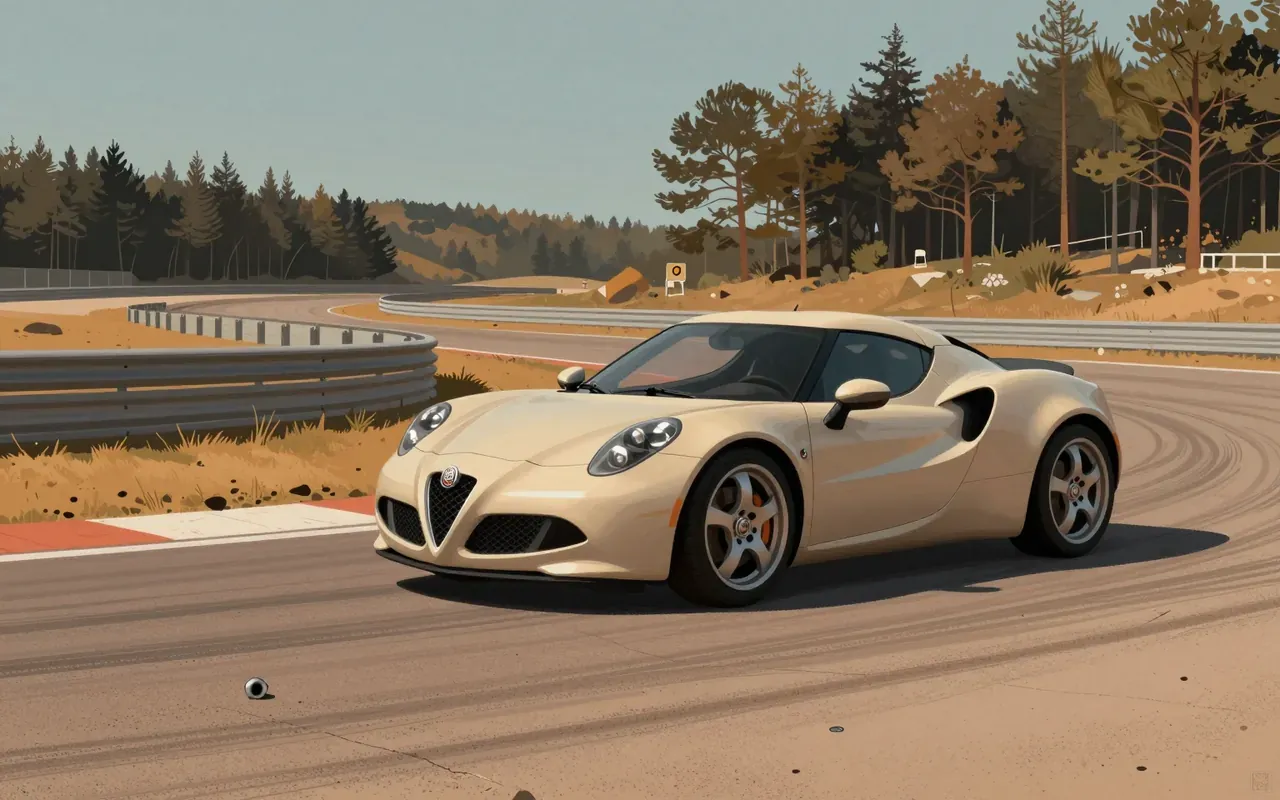
The Alfa Romeo 4C is a focused, uncompromising expression of mid-engined sports car logic—light, stiff, direct. It sacrifices isolation and utility to sharpen the connection between driver and road. Its design solves for feedback, not comfort.

9:05

Aston Martin DB9

Henrik Fisker · 2004

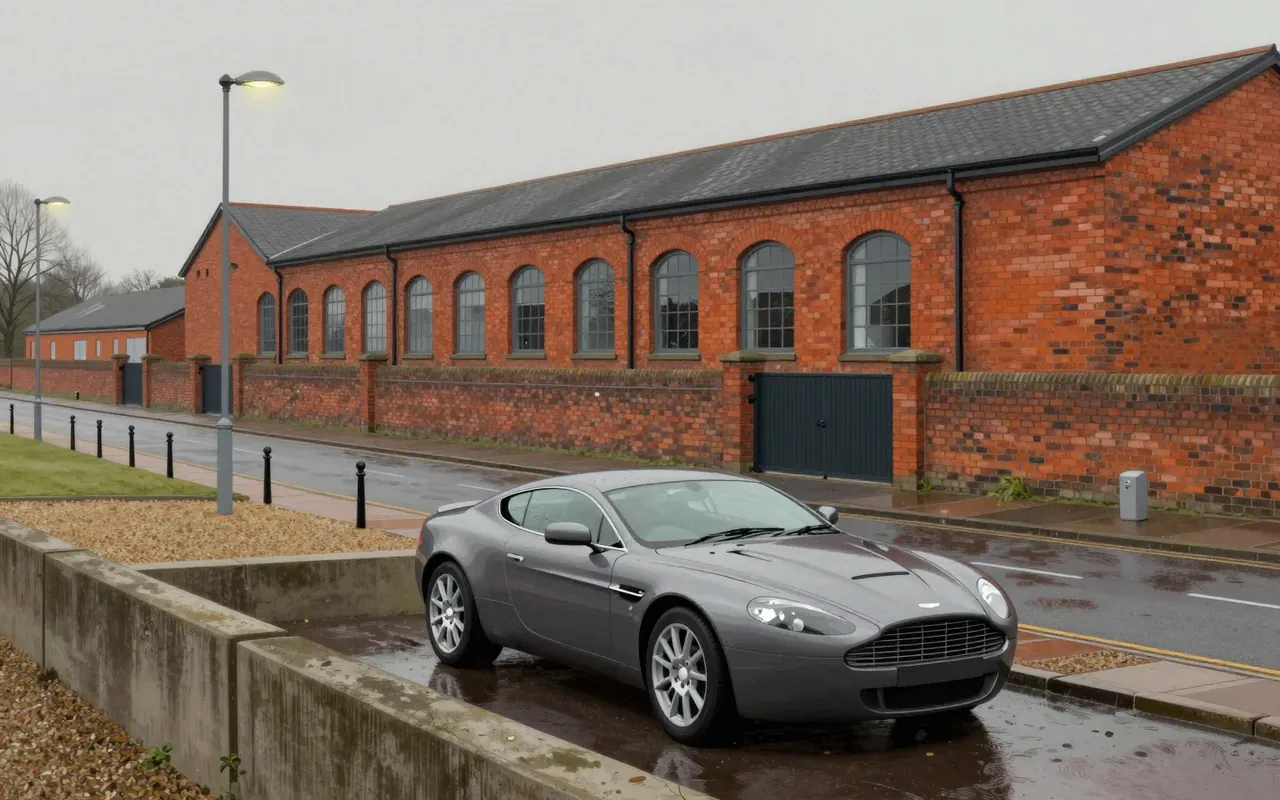
The DB9 is a two-door grand tourer designed by Ian Callum and Henrik Fisker. It was built in Gaydon, Warwickshire. Production ran from 2004 (coupé) to 2016, with the Volante convertible added in 2005. It uses aluminium and composites on a vertical/horizontal platform, with a front mid-engine, rear-wheel drive layout. It features a 5.9 L V12 engine. Henrik Fisker led its production design, drawing on Aston Martin’s heritage while enabling scalable manufacturing.

9:38

Honda NSX (first generation)

Honda · 1992

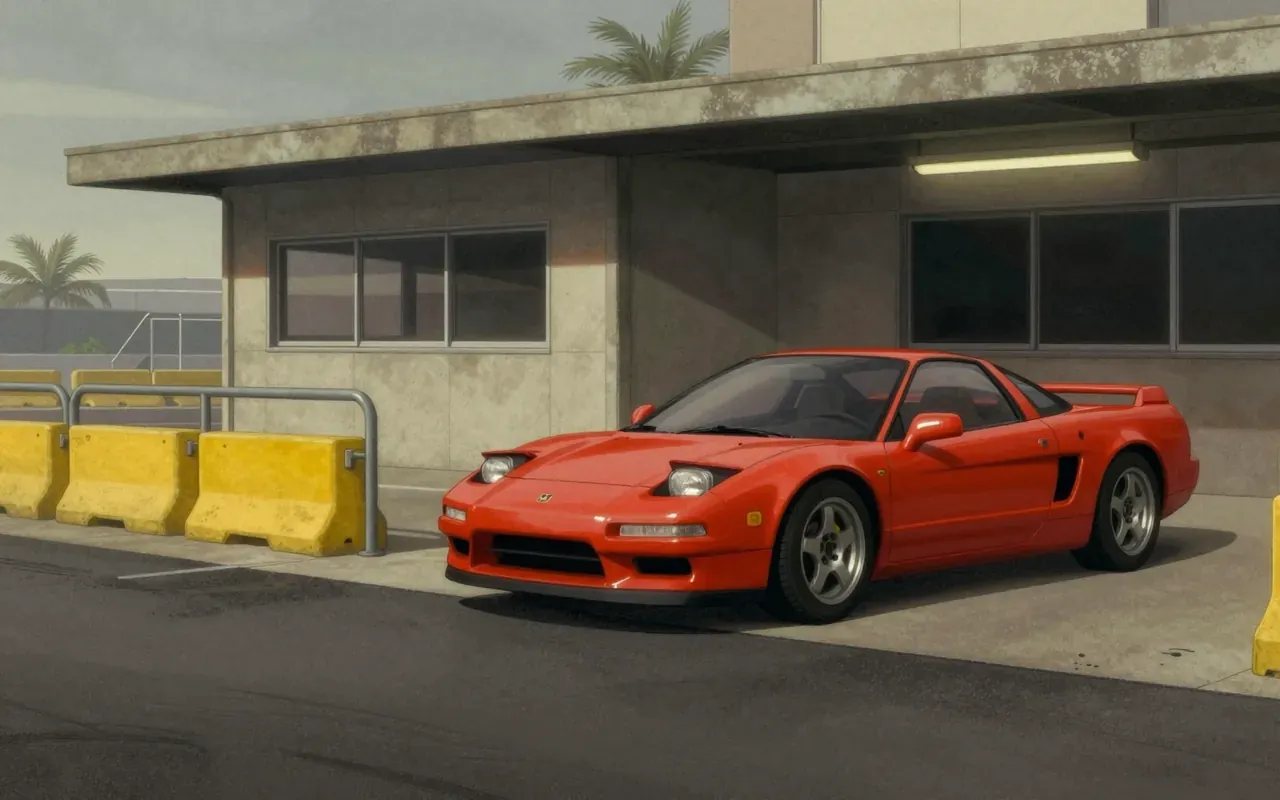
The first-generation Honda NSX is a Japanese-built, mid-engine, two-seater sports car introduced in 1991. It was the first production car with an all-aluminium semi-monocoque, using a revolutionary extruded aluminium alloy frame and suspension components. This construction saved nearly 200 kg over steel in the body and 20 kg in the suspension. It featured an independent 4-channel ABS, electric power steering, and a suspension compliance pivot that maintained near-zero wheel alignment change. Its 3.0 L V6 engine was DOHC 24-valve and non-VTEC in early production, later upgraded to VTEC.

10:16

Lexus LFA

Kengo Matsumoto · 2010

The Lexus LFA is a rare, self-contained argument against automotive trend-chasing: no hybrid system, no forced induction, no digital mediation. It exists to deliver a specific sensory contract—between driver, engine and road—and nothing else.

8:08

Lotus Elise

Julian Thomson · 1996

The 1996 Lotus Elise redefined sports-car priorities by making mass the primary engineering target. Its bonded aluminium chassis and fibreglass body achieved 725 kg — enabling sharp responses and direct feedback without high power. Designed by Julian Thomson and Richard Rackham, it launched in September 1996 and remained in production until 2021.

9:05

Lotus Elite

Peter Kirwan-Taylor · 1957

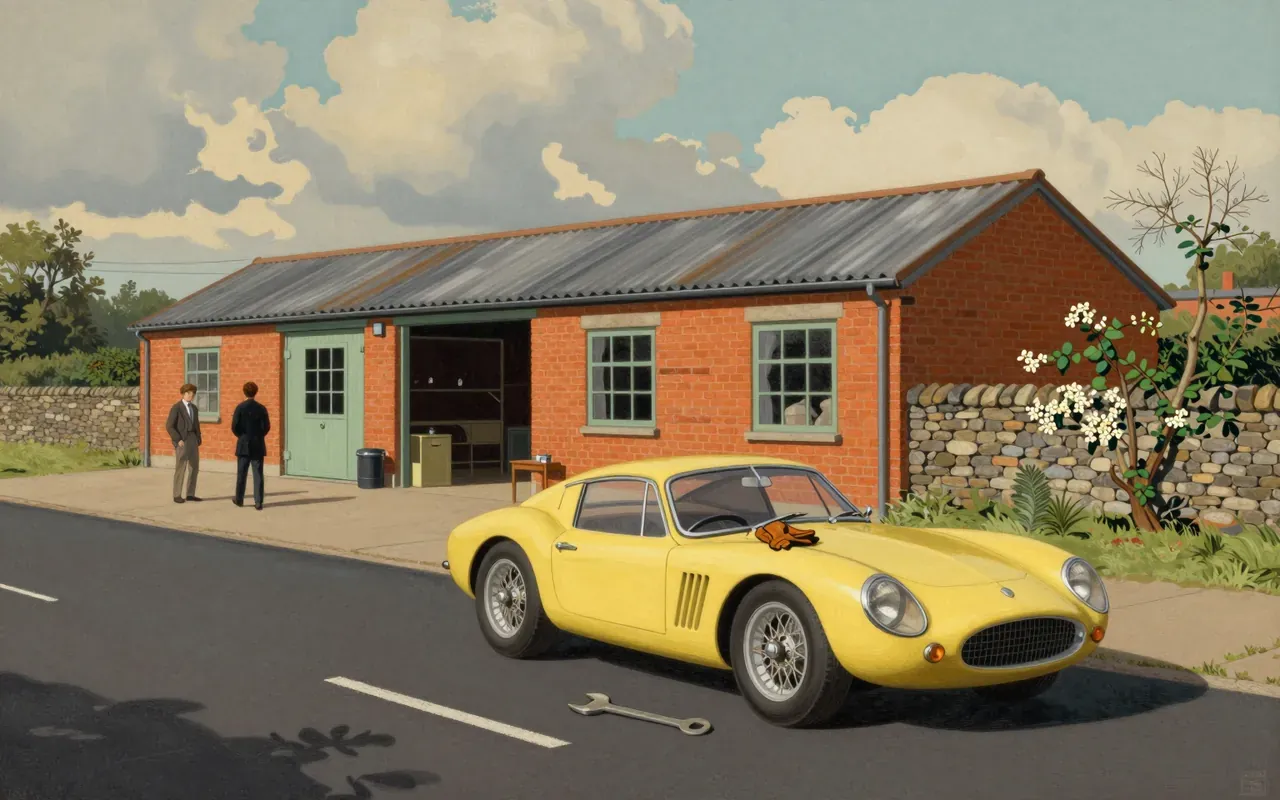
The Lotus Elite Type 14 redefined what a production car’s structure could be — but exposed the gap between material ambition and mechanical reality.

8:44

Matra Murena

Antonis Volanis · 1980

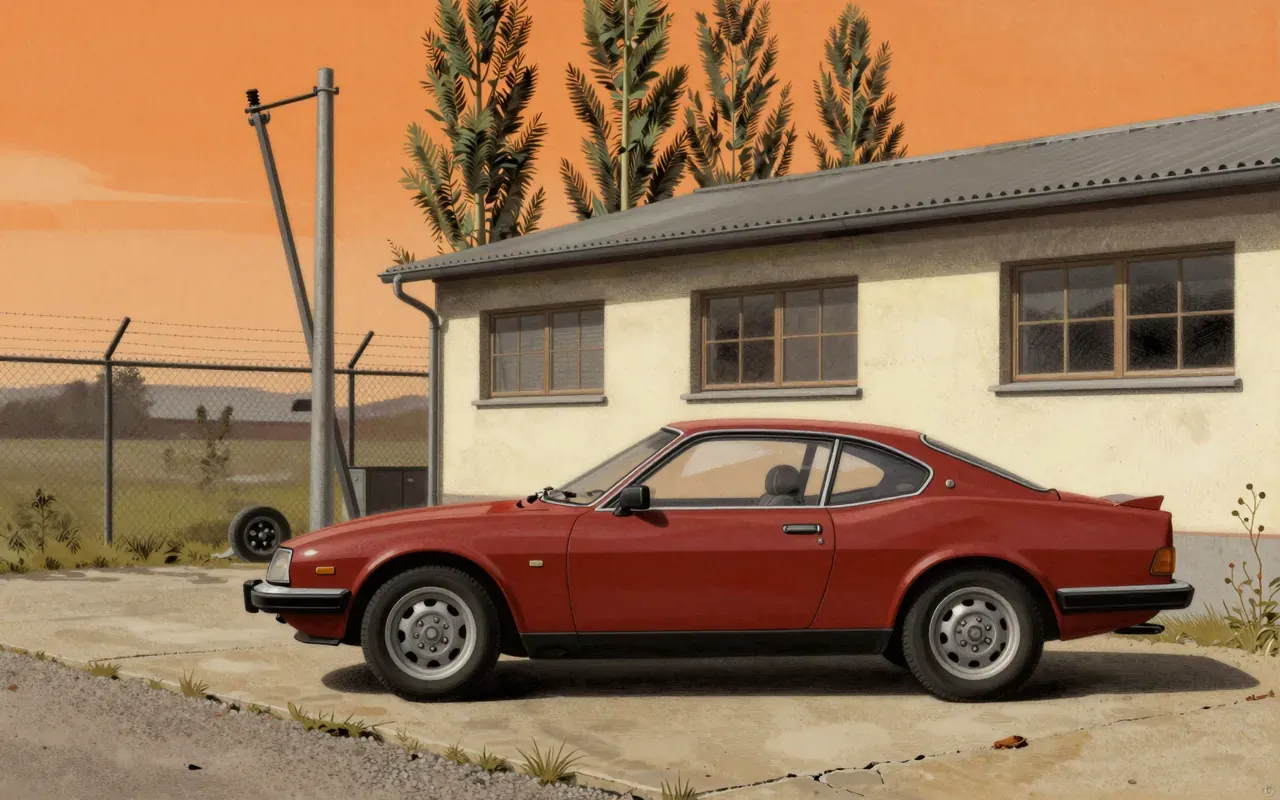
The Matra Murena is a mid-engined, rear-wheel-drive hatchback sports car produced from 1980 to 1983. It inherited the Bagheera's layout but introduced a new galvanised steel chassis—the first production car to do so—and used fibreglass-epoxy for its twelve major body panels. It featured three separate seats in one row and a 5-speed manual transaxle. Total production was 10,680 units.

9:56

Vector W8

Gerald Wiegert · 1989

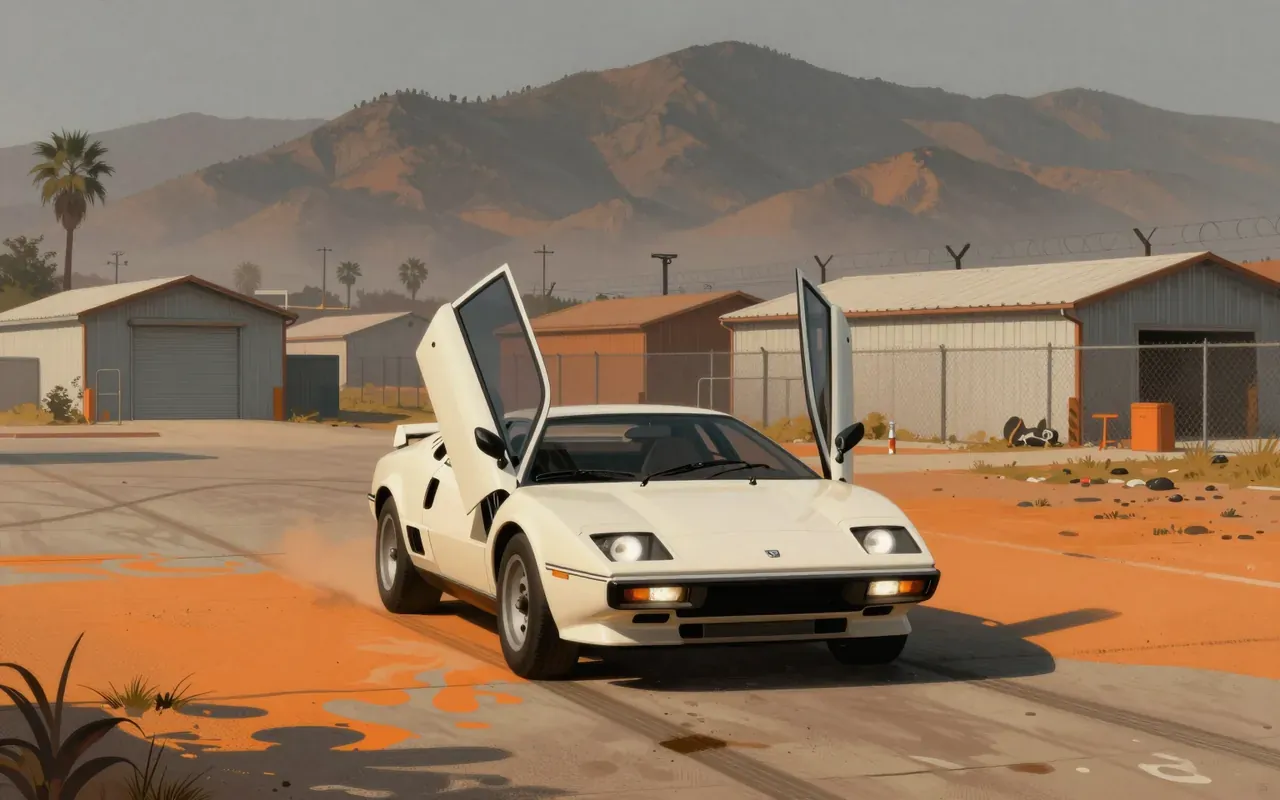
The Vector W8 is a 1989–1993 American supercar built by Vector Aeromotive Corporation. Designed by Jerry Wiegert and refined by David Kostka, it evolved from the W2 prototype shown publicly in 1976. Inspired by the Alfa Romeo Carabo and fighter jets, it used aerospace materials and ‘Aeromotive Engineering’. It passed DOT crash and emissions tests before production. Conceived as America’s answer to Ferrari, Lamborghini, and Porsche, it remains a singular demonstration of ambition over execution.

9:03

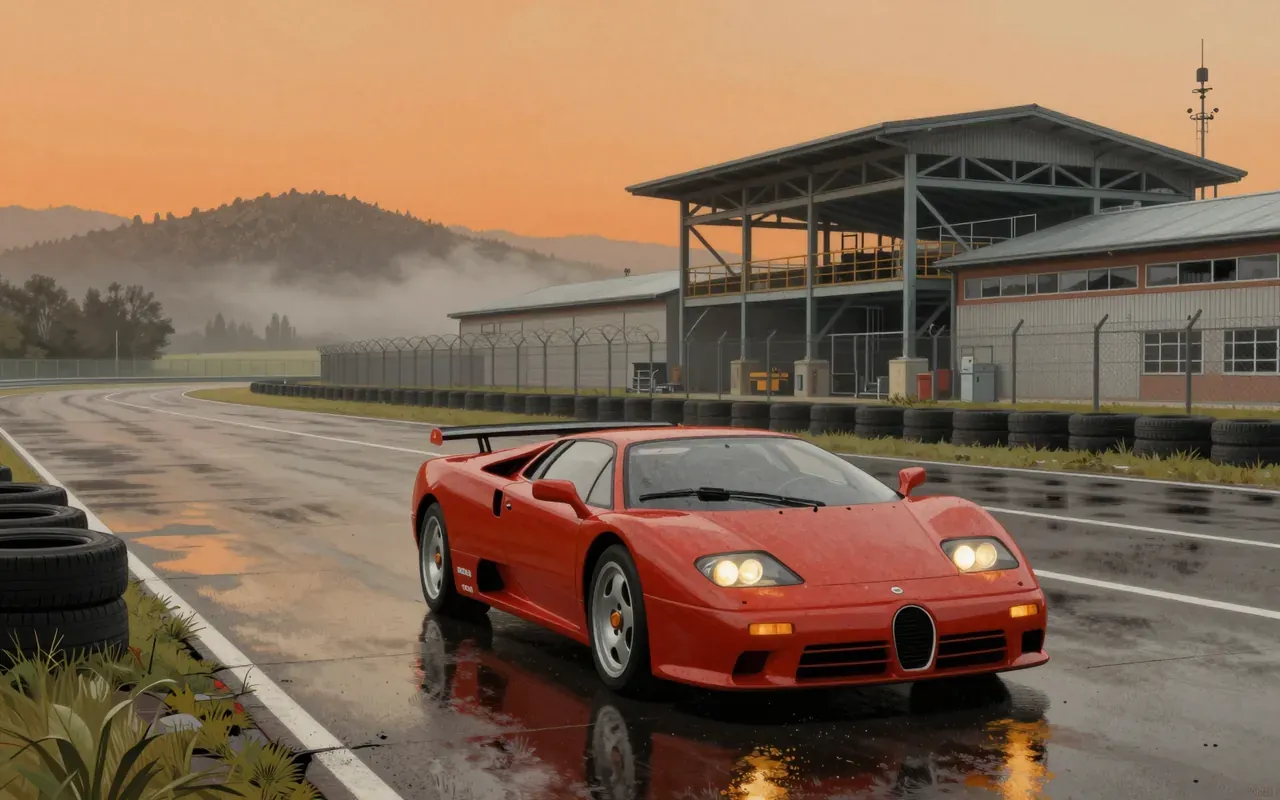
Bugatti EB 110

Giampaolo Benedini · 1992

The Bugatti EB 110 is a mid-engine, all-wheel-drive supercar with a carbon fibre monocoque and active aerodynamics. It was produced from 1991 to 1995. Its name commemorates Ettore Bugatti’s 110th birthday. 139 units were built. It uses a 3.5 L quad-turbocharged V12 engine.

9:56

Peugeot Onyx

Gilles Vidal · 2012

The Peugeot Onyx is a 2012 concept car designed by Gilles Vidal. It uses a 3.7 L V8 diesel hybrid powertrain. Its body combines hand-beaten untreated copper and carbon fiber. Copper panels oxidise from mirror to blue-green. It features a double bubble roof, three-claw taillights, Cd 0.30, recycled interior materials—including felt, compressed newspaper-resin 'wood', blown crystal, and aluminum controls—and a 100 kg carbon fiber chassis in 12 parts.