automotivebriefs
9:25in productionCh. 1 · What It Is/ 9:25 · ceiling 15 min
Microcars · Road

Audi A2

A car that bet everything on aluminium — and lost money on every unit sold.

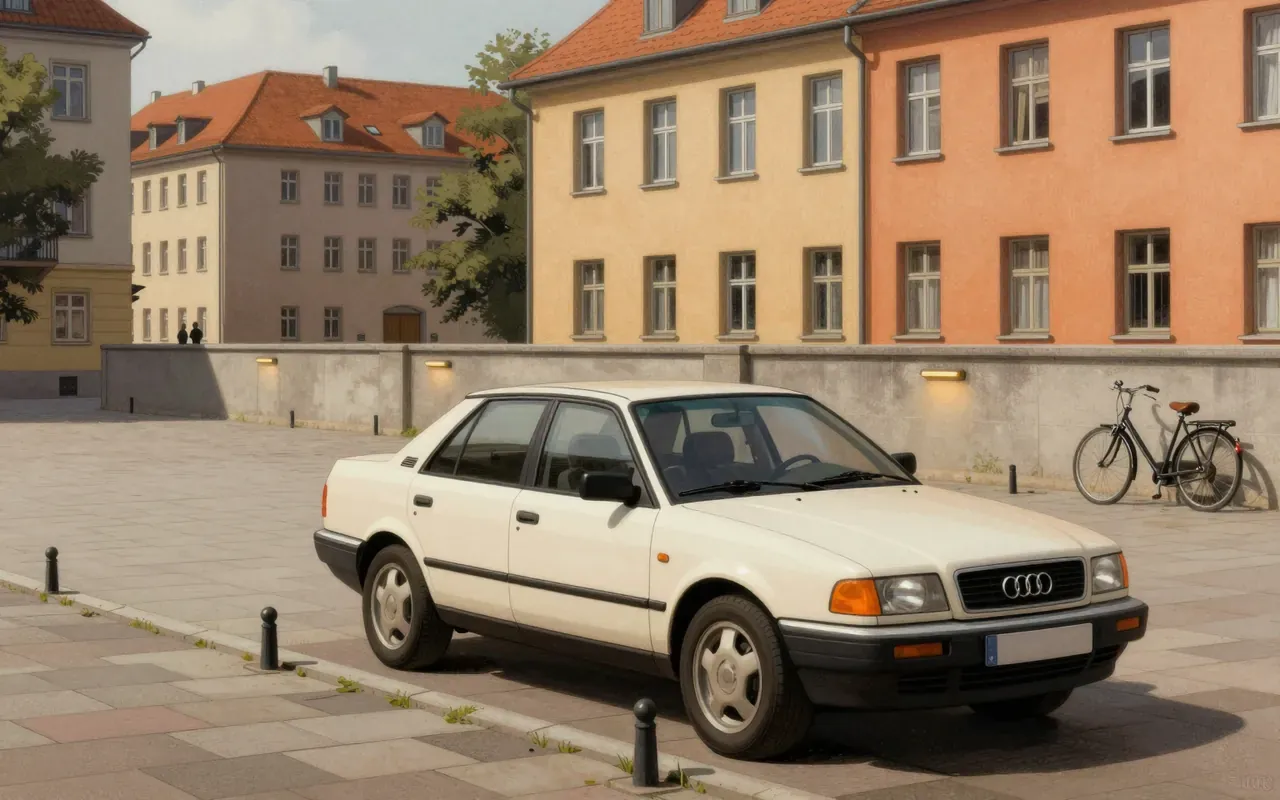
The Audi A2 is a compact MPV-styled supermini produced by Audi from November 1999 to August 2005. Luc Donckerwolke designed both its 1997 Al2 concept and production form. It uses aluminium spaceframe construction, resulting in an average weight of 830 kg and class-leading efficiency — including the 3L diesel variant, Europe’s first five-door under-3 L/100 km. Built on a dedicated aluminium line in Neckarsulm, it featured advanced aerodynamics (Cd 0.25–0.29), a service hatch, and start-stop. Despite innovation and praise for design, it incurred €7,530 loss per unit and sold only 176,377 examples before discontinuation.

Chapters & takeaways4
  1. 0:47
    What It Is

    A five-door hatchback built as a compact MPV — not a city car, not a saloon, but a space-maximising supermini.

  2. 2:19
    How It’s Built

    Aluminium spaceframe construction enabled low weight and high efficiency — but required a dedicated plant in Neckarsulm.

  3. 3:53
    How It Saves Fuel

    The 3L variant was Europe’s first five-door under-3 L/100 km — achieved through narrow tyres, stop-start, and reduced power.

  4. 5:18
    Why It Ended

    Donckerwolke’s design was innovative and ahead of its time — yet the car was discontinued after six years with 176,377 units and heavy losses.

Worth your time?

Yes. Drive the whole thing.

3.5/ 5
What works
  • integration of aerodynamics
  • interior volume
  • low weight in a supermini footprint
What does not
  • deliver mainstream affordability
  • offer broad market appeal
  • achieve financial viability
Drive it if
  • engineers
  • materials specialists
  • policy-facing designers
Skip it if
  • buyers seeking practicality
  • buyers seeking resale value
  • buyers seeking cost-effective ownership
The written brief1 min read

What the car is and where it came from

The Audi A2 is a compact MPV-styled supermini produced by Audi from November 1999 to August 2005. Luc Donckerwolke designed both its 1997 Al2 concept and production form.

How it works, in terms someone would actually use

It is a five-door hatchback with four or five seats. It uses an aluminium spaceframe construction, making it lightweight and fuel-efficient. Its 3L version features a stop-start system, automatic gearbox, and narrower tyres to achieve under-3 L/100 km consumption.

What it gets right

It gets right the integration of aerodynamics (Cd 0.25–0.29), interior volume, and low weight (average 830 kg) in a supermini footprint. Its service hatch and aluminium-dedicated production line were functional innovations.

What it does not

It does not deliver mainstream affordability, service simplicity, or broad market appeal. Its high production cost led to €7,530 loss per vehicle.

What it changed

It proved aluminium monocoques could be scaled for compact production cars — influencing later lightweighting efforts across the industry, though not immediately adopted by Audi’s own successors.

Who it is for, and who it is not

It is for engineers, materials specialists, and policy-facing designers studying efficiency-led packaging. It is not for buyers seeking practicality, resale value, or cost-effective ownership.

Is it worth your time

Yes — as a documented case of radical material strategy applied to mass-market packaging, not as a benchmark for usability or value.
Same garage · Microcars4 of 25
10:20
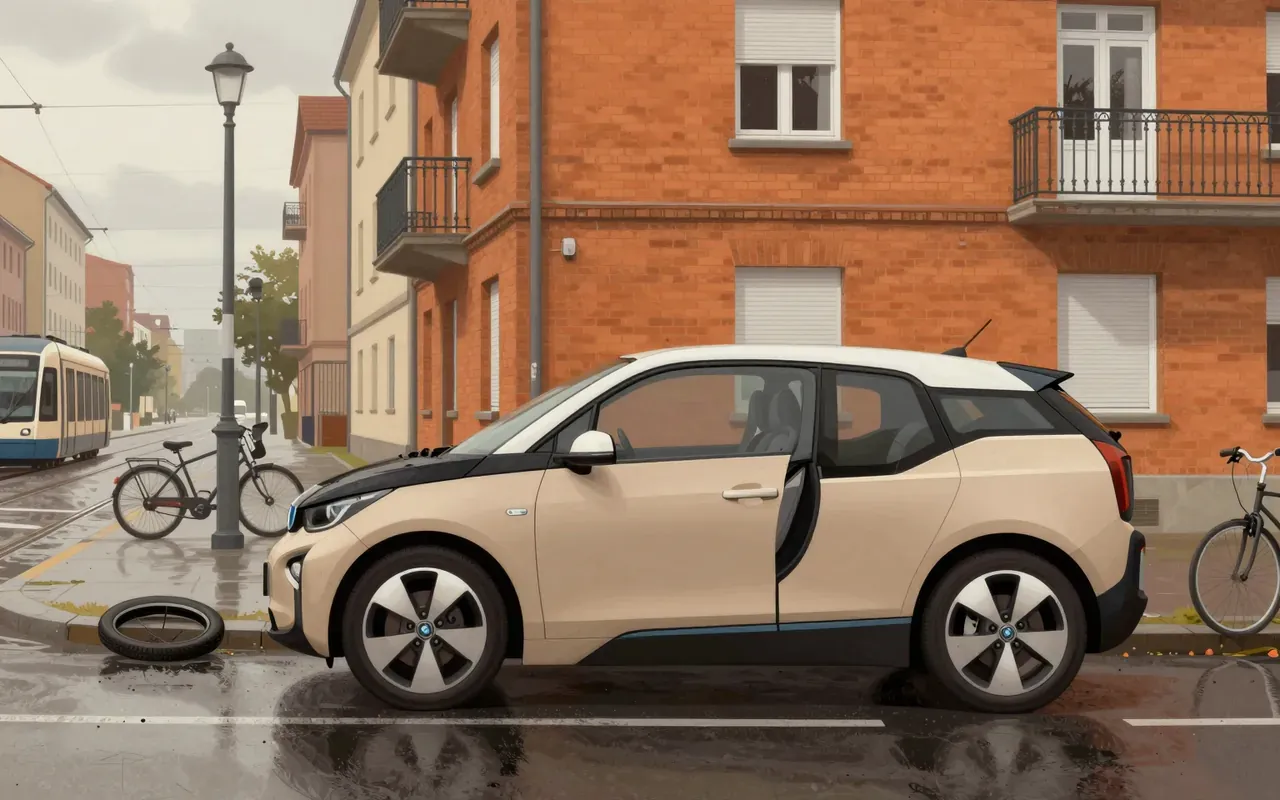
BMW i3 (hatchback)Richard Kim · 2013The BMW i3 (hatchback) is BMW’s first mass-produced zero-emissions vehicle. Styled by Richard Kim, it uses a carbon-fibre reinforced polymer passenger module on an aluminium chassis. It is rear-wheel drive. It has four doors, including rear clamshell doors. It debuted as a concept in 2011 and entered production in 2013. It was the first mass production car with most of its internal structure and body made of carbon-fibre reinforced plastic. It won the 2014 World Green Car and World Car Design of the Year awards.
8:21
Citroën MéhariJean-Louis Barrault · 1968The Citroën Méhari is a lightweight recreational and utility vehicle made by Citroën from 1968 to 1988. It was designed by Roland de la Poype. It used the Dyane 6 chassis and a 602 cc flat twin engine. It was named after a fast-running dromedary camel.
9:37
Honda S500Honda · 1963The Honda S500 is Honda’s first passenger automobile and first production sports car. Launched in October 1963, it followed the T360 truck by four months. It used a 531 cc DOHC straight-4 engine producing 44 hp at 8000 rpm, a four-speed manual transmission, and four-wheel independent suspension with chain-driven rear wheels. It exceeded kei car regulations in dimensions and displacement. 1,363 units were built between October 1963 and September 1964. It was priced at $1,275 in 1963.
9:05
Lancia YpsilonLancia Centro Stile · 2024The Lancia Ypsilon is a supermini car. It launched in 1995 as a larger, more expensive replacement for the Y10. It is now in its fourth generation. As of 2024, it is Lancia’s only model.
Up next in Automotive

Audi e-tron GT

Marc Lichte · 2021 · 9:18

Audi didn’t reinvent the EV sedan — it restated the Taycan’s proposition in Ingolstadt’s voice, and did it with zero visual compromise.

9:18