automotivebriefs
Topic

Japan

Craft, restraint and reinvention, from the Edo workshop to the Tokyo studio.

18
in automotive
9:43
average
175 min
in total
114
across the network
Japan across the network →
All briefs18
10:32

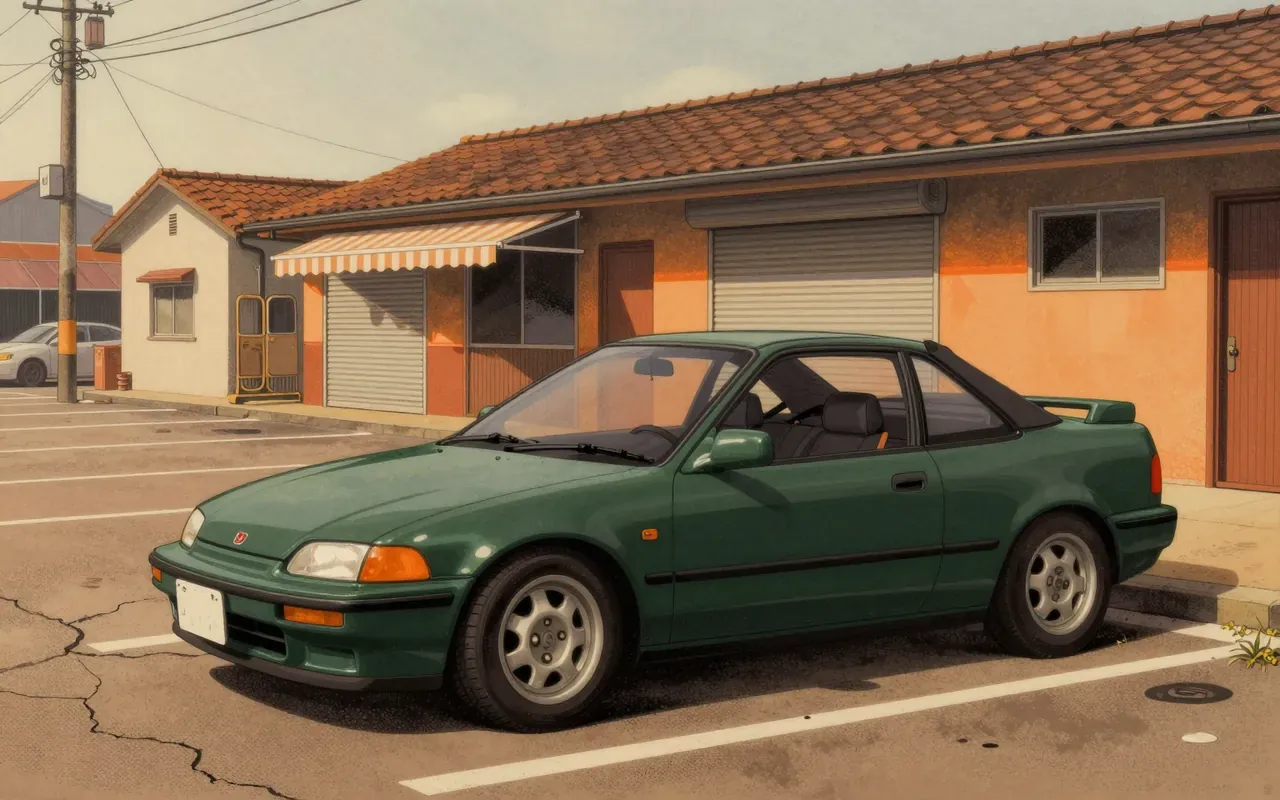
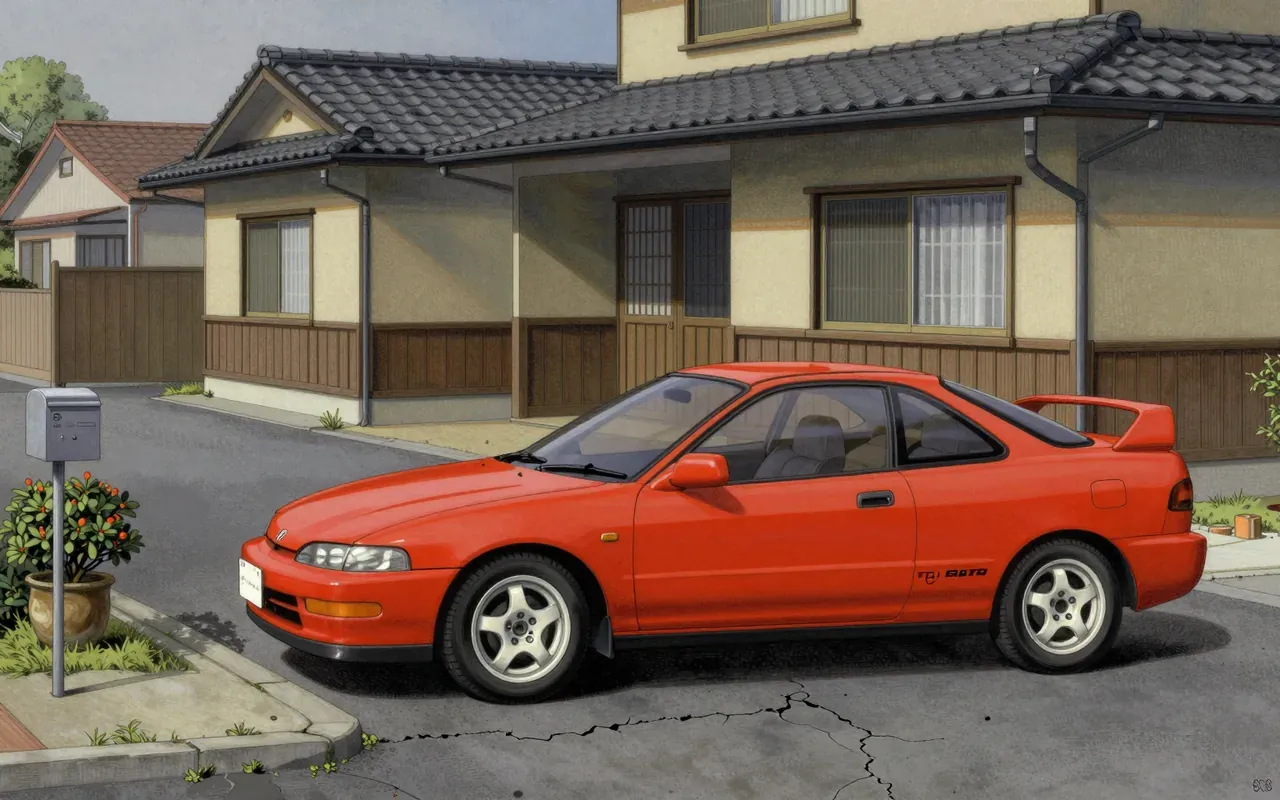
Honda Integra Type R DC2

Honda · 1995

Honda introduced the first Integra Type R to the Japanese market in 1995 and built the DC2 through 2001. It took the B18C VTEC engine, a close-ratio five-speed gearbox and a limited-slip differential, then cut equipment and added chassis stiffening. Journalists rated it among the best front-wheel-drive cars made.

9:57

Nissan 300ZX Z32

Toshio Yamashita · 1989

The Z32 is the second-generation Nissan 300ZX, sold in Japan as the Fairlady Z from 1989 to 2000 and in the US from 1990 to 1996. Isao Sono and Toshio Yamashita designed it, with a 3.0 L V6 offered naturally aspirated or with twin turbochargers, and Nissan drove it up-market, faster, more advanced and dearer than the Z31 it replaced. Car and Driver named it to its Ten Best list seven years running.

8:29

Nissan Skyline GT-R KPGC10

Shinichiro Sakurai · 1970

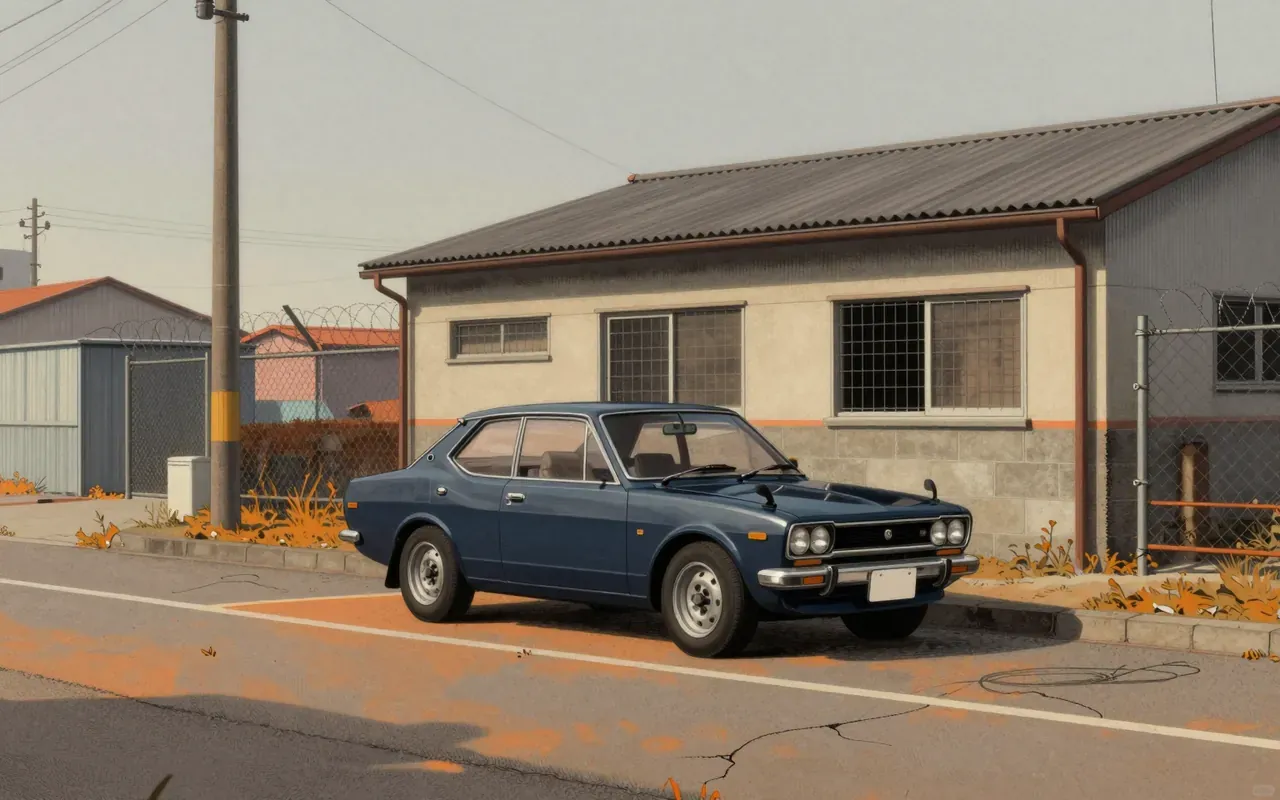
The KPGC10 is the two-door hardtop coupé version of the first Skyline GT-R, added in October 1970 to the four-door PGC10 that launched in 1969. It carried the same 2.0 L S20 four-valve inline-six, sat on a wheelbase 70 mm shorter, and was built in 1,197 units until 1972. Together with the PGC10 it won 49 consecutive Japanese touring car races.

10:43

Nissan Skyline R30

Nissan · 1981

The R30 Skyline launched in August 1981 on the Laurel platform as a coupé, sedan, Liftback and wagon. Its most famous version was the DR30 RS, powered by the FJ20 four-valve twin-cam four, turbocharged from 1983 and given the Tekkamen front end that year. The RS is credited with rejuvenating the Skyline brand and paved the way for the return of the GT-R badge.

10:12

Subaru Impreza 555

Subaru · 1993

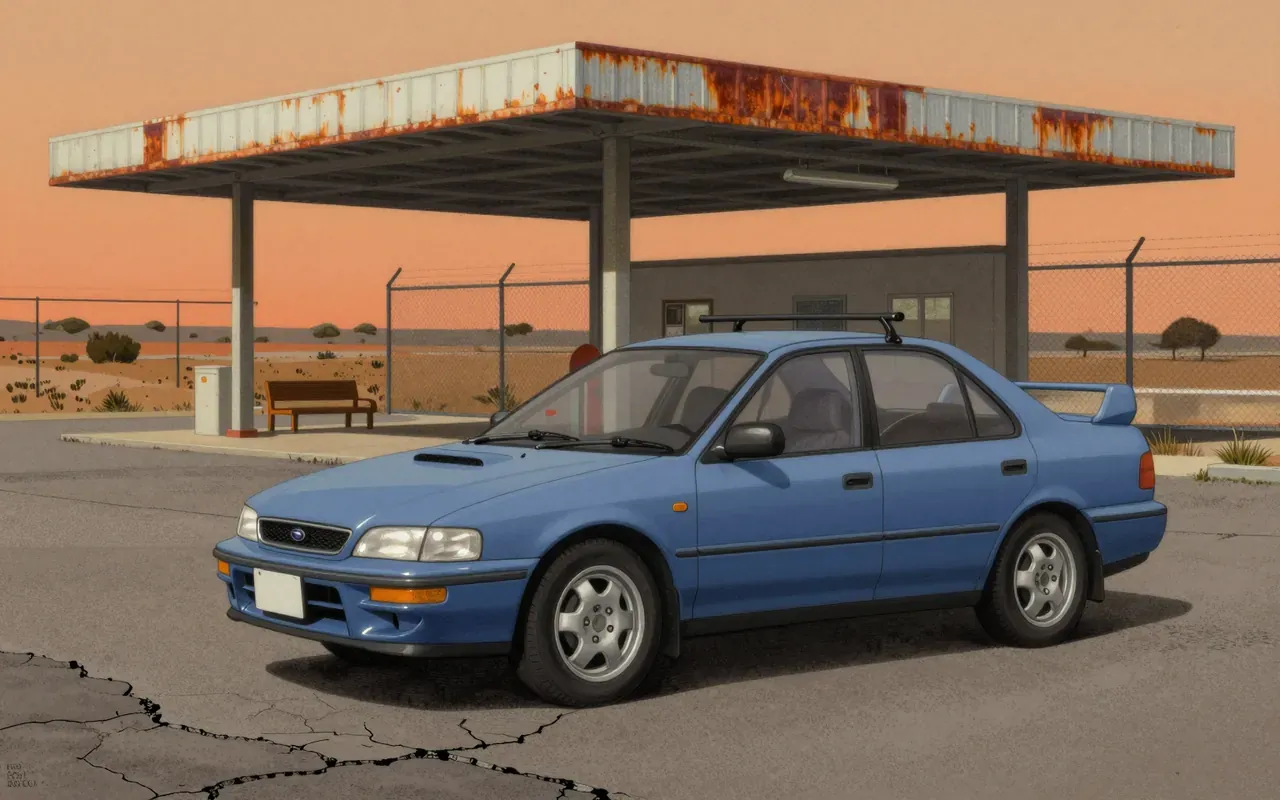
The Impreza 555 is the Prodrive-developed Group A rally car that Subaru's World Rally Team debuted at Rally Finland in 1993. Driven by Colin McRae and Carlos Sainz in 1995, it won the team its first manufacturers' title and gave McRae the drivers' championship; the Impreza went on to win the 1996 and 1997 manufacturers' titles too.

9:12

Toyota MR2 AW11

Seiichi Yamauchi · 1984

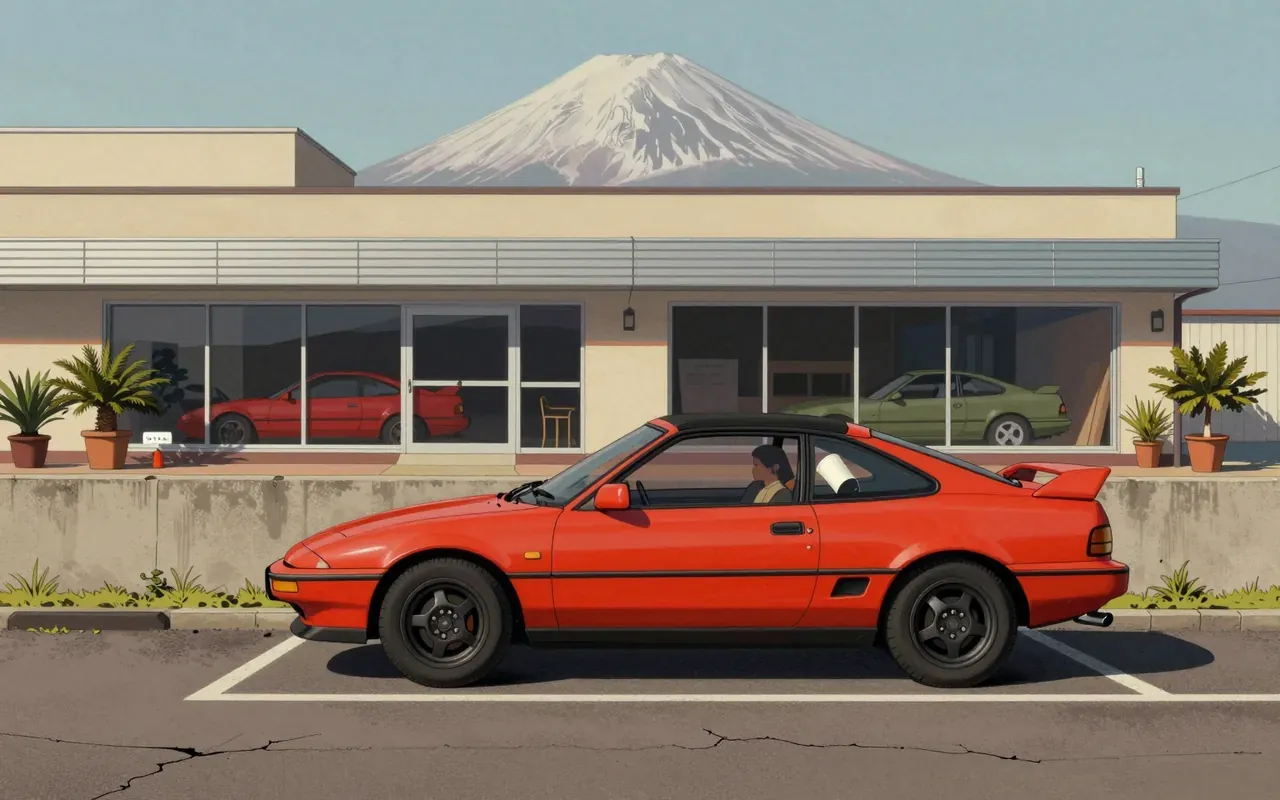
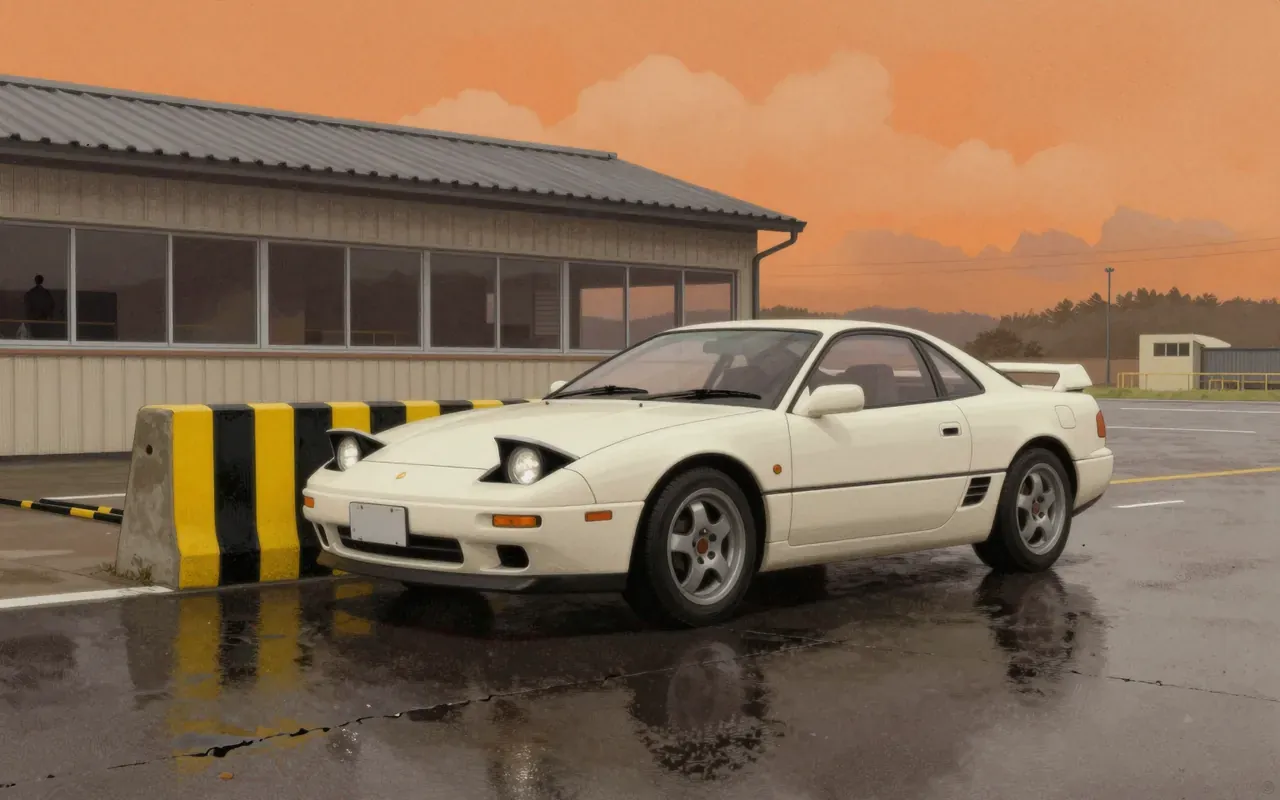
The first-generation Toyota MR2 arrived in 1984 as Japan's first rear-mid-engine, rear-wheel-drive production car. It grew out of a 1976 project for an enjoyable, economical car, and handling help from Lotus engineer Roger Becker shaped how it drives. The AW11 is the 1.6-litre 4A-GE version, later joined by a supercharged model.

9:06

Nissan Pulsar GTI-R

Nissan · 1990

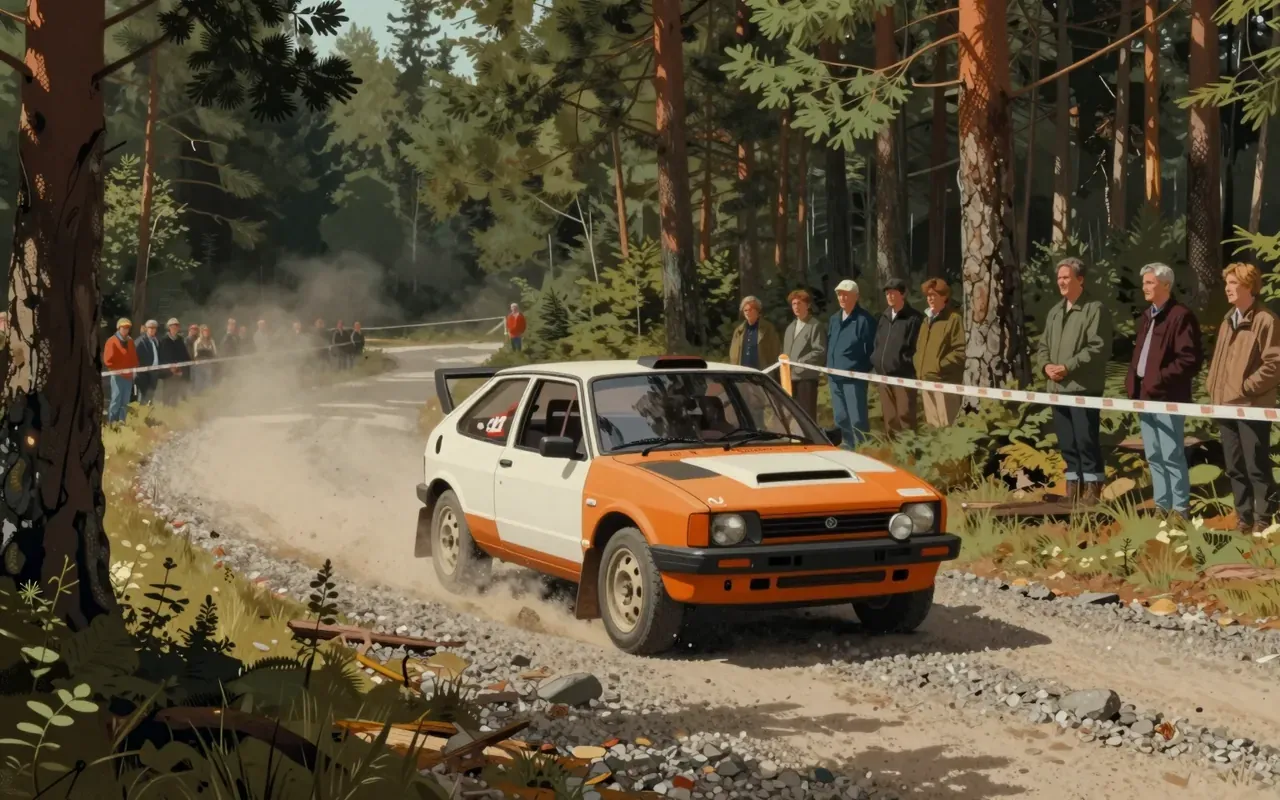
The Nissan Pulsar GTI-R was a homologation special, a road-going version of the N14 hatchback sold as a Pulsar in Japan and a Sunny in Europe. It paired a turbocharged 2.0-litre SR20DET with ATTESA all-wheel drive. The works rally programme never won a Group A round, but the car did well in production-class rallying.

9:24

Mitsubishi 3000GT

Masaru Suzuki · 1990

The Mitsubishi 3000GT is a front-engine, all-wheel/front-wheel drive grand touring/sports car built in Nagoya, Japan, from 1990 to 2000. It uses a transverse-mounted 3-litre, 24-valve V6 and shares mechanical underpinnings with the Sigma/Diamante. It was manufactured in a three-door hatchback coupé body style. Approximately 86,151 units were produced.

8:32

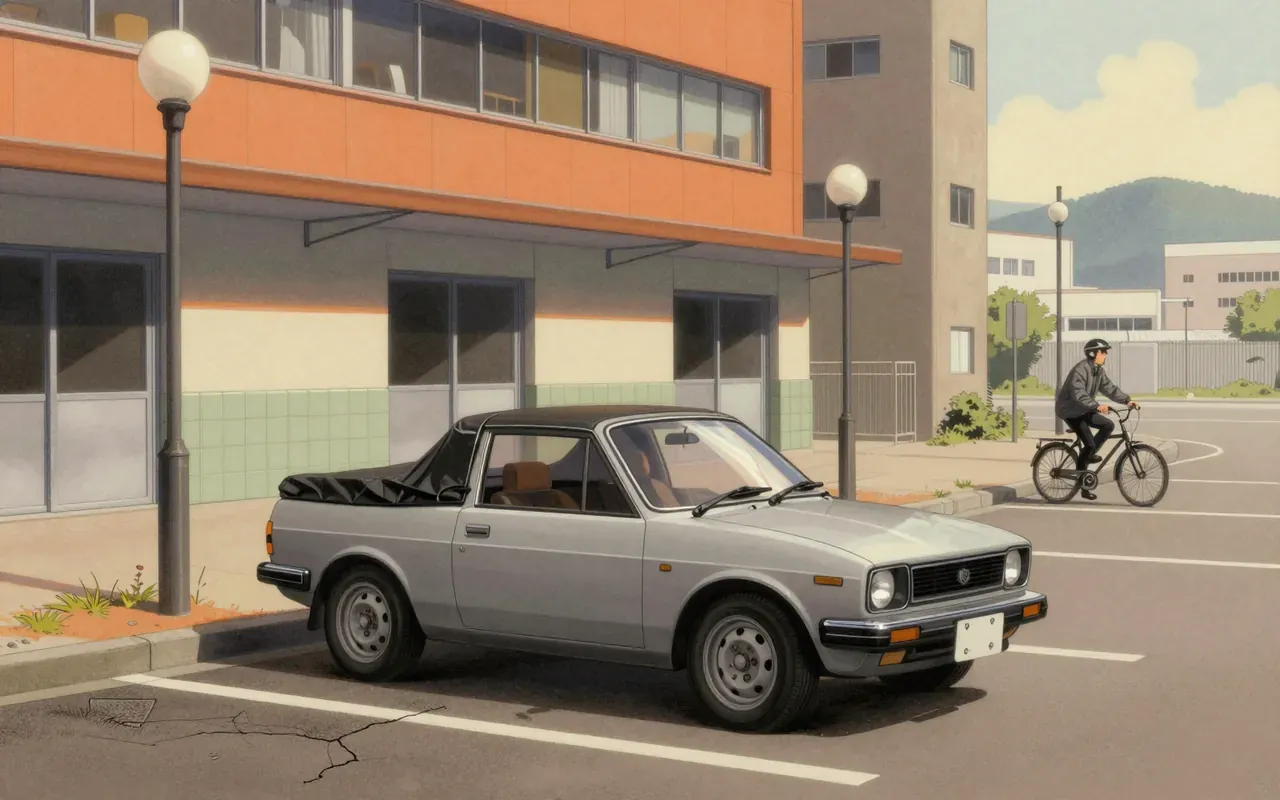
Nissan Figaro

Naoki Sakai · 1991

The Nissan Figaro is a 1991 Japanese-market, right-hand-drive, fixed-profile convertible built by Aichi Machine Industry (later Pike Factory) on the first-generation Nissan March/Micra platform. It is one of four Pike cars, conceived as part of a design strategy borrowed from personal electronics marketing.

8:19

Toyota Century

Kenya Nakamura · 1967

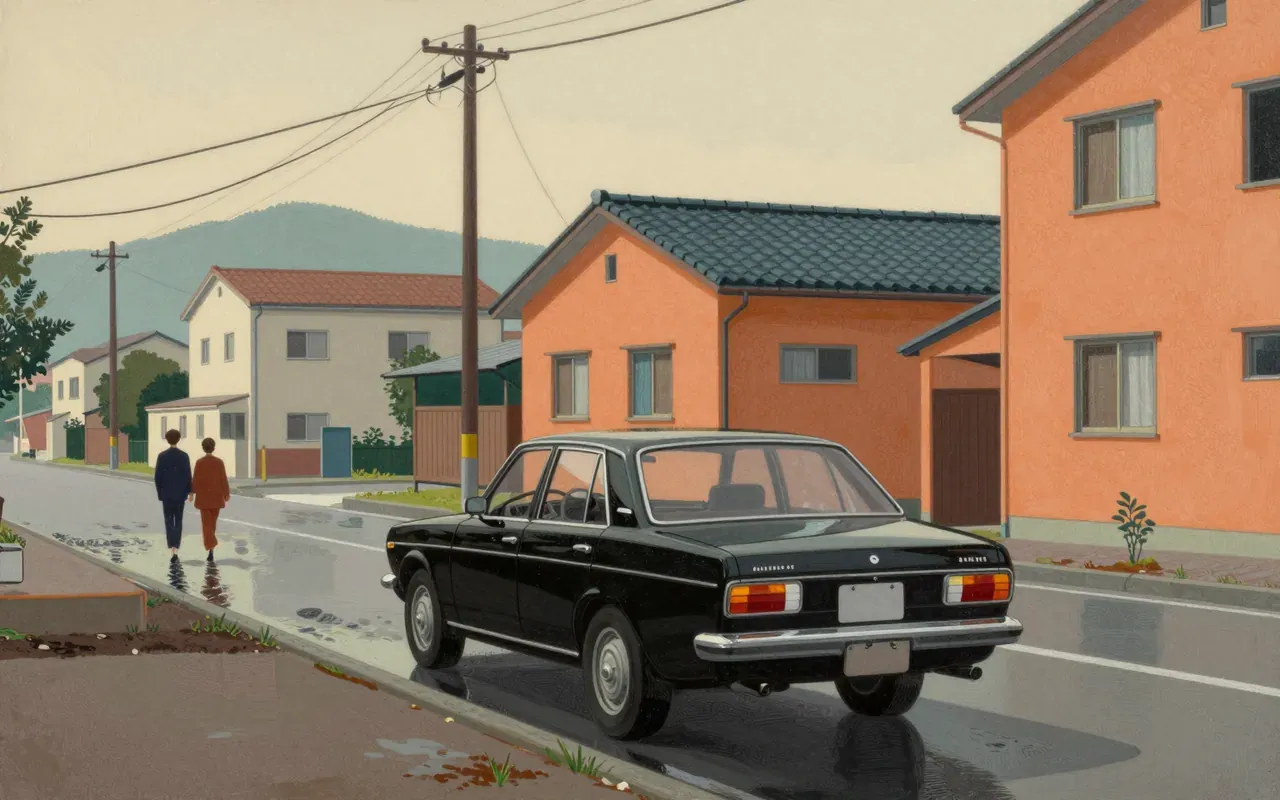
The Toyota Century is not a luxury car designed for global appeal. It is a domestic instrument — engineered for quiet authority, rear-seat sovereignty, and continuity. Its 1967 debut marked a deliberate departure from export logic. Its design solves for discretion, not dynamism. Its powertrain — a V8 — was one of only three post-war Japanese-built sedans so equipped. Its users are institutions, not individuals. Its branding omits Toyota’s oval entirely. Its value lies in what it refuses.

10:11

Nissan 180SX

Nissan · 1989

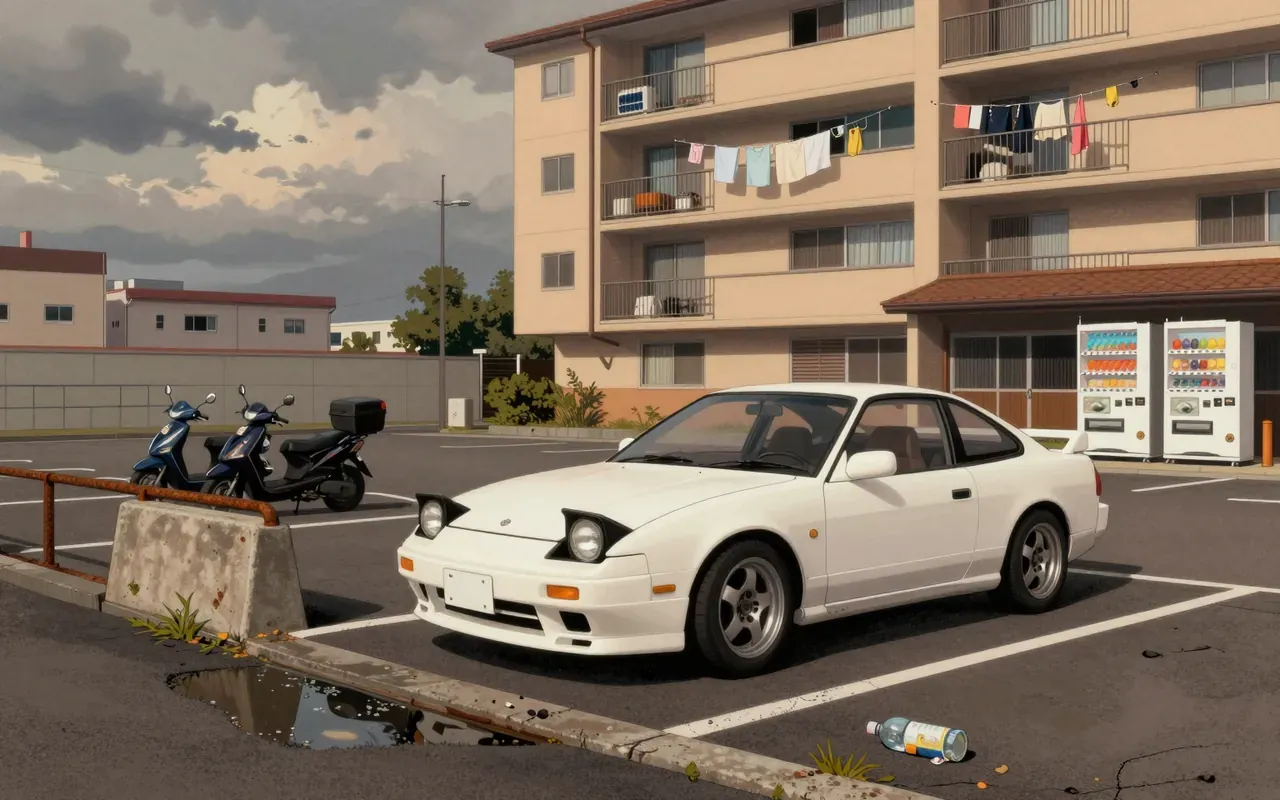
The Nissan 180SX is a Japanese-market fastback built from 1988 to 1998 on the S13 platform. It featured pop-up headlights and a liftgate. It launched in March 1989 and was sold exclusively through Nissan Prince Stores alongside the Skyline and Silvia. It used the CA18DET turbo engine initially, then upgraded to the SR20DET in 1991 and added the SR20DE in 1996.

8:50

Autozam AZ-1

Toshiko Hirai · 1992

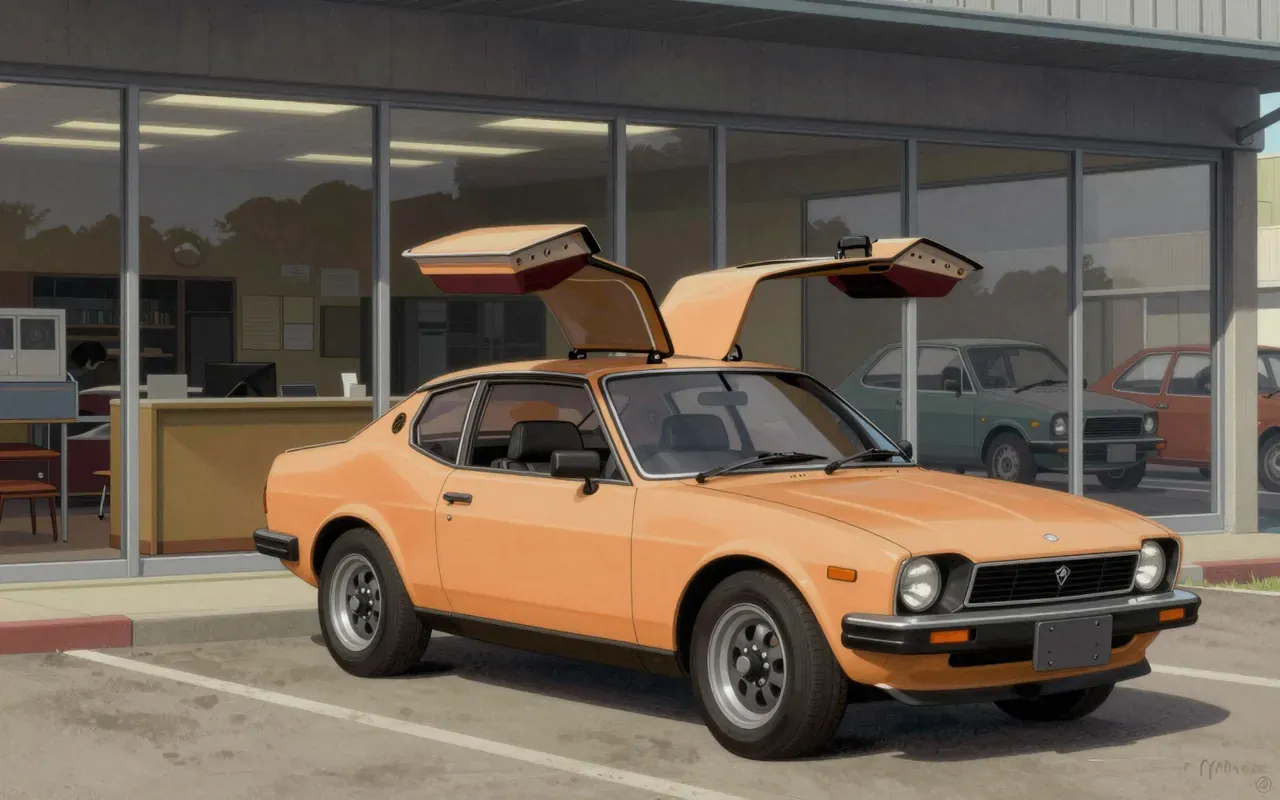
The Autozam AZ-1 is a tightly packaged, rear mid-engine kei sports car built by Mazda between October 1992 and October 1994. It uses a Suzuki-sourced 657 cc turbocharged engine and features gullwing doors. Its design prioritises driver engagement and compact agility over practicality or comfort.

11:31

Honda Beat

Pininfarina · 1991

The Honda Beat is a kei-class, two-seater roadster with rear mid-engine, rear-wheel-drive layout, designed by Pininfarina and produced by Honda from May 1991 to February 1996; approximately 33,600 units were built. It features a 656 cc three-cylinder engine with MTREC technology, a 5-speed manual transmission, disc brakes on all four wheels, and was marketed exclusively in Japan as 'Midship Amusement'.

10:08

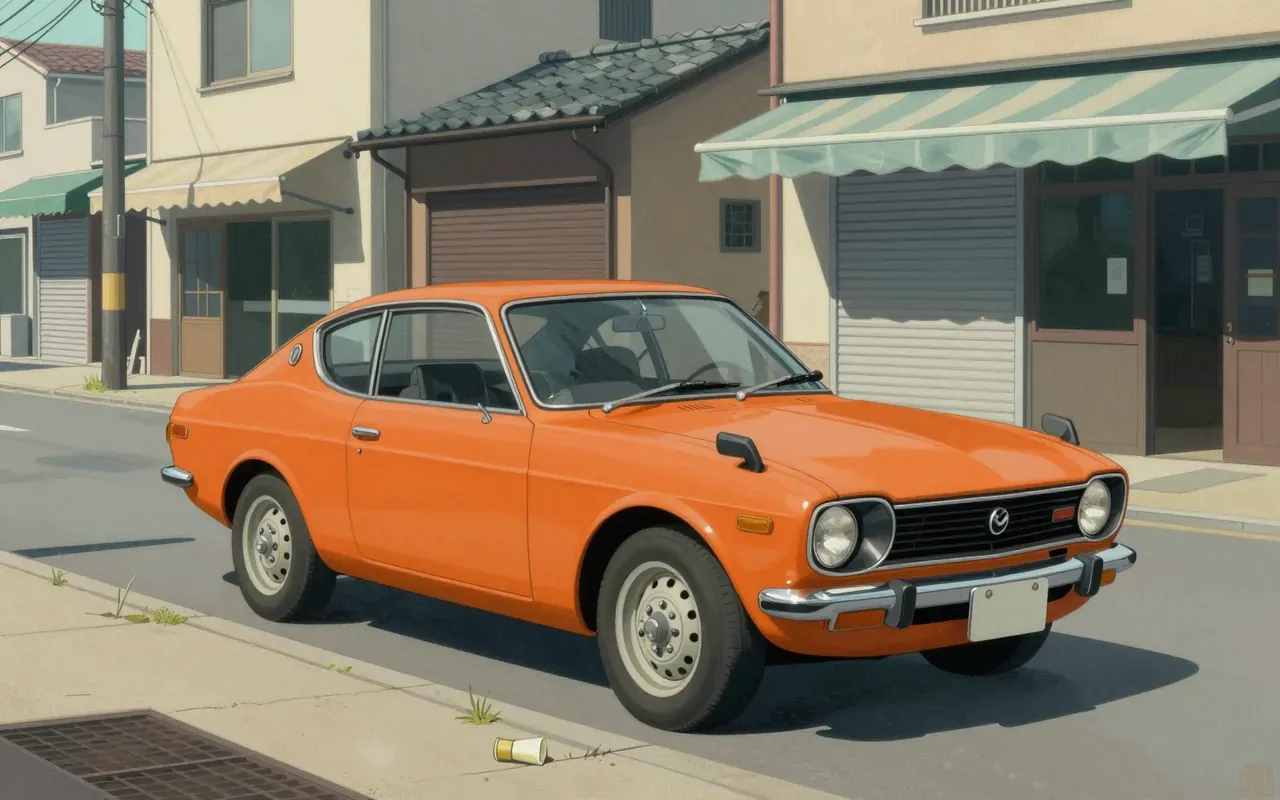
Mazda RX-3

Mazda · 1971

The RX-3 is what the world outside Japan called the Mazda Savanna, the rotary version of the Grand Familia. It came as a coupé, sedan and station wagon, started on the 10A rotary and moved to the larger 12A. It was the most popular of the rotary cars Mazda built before the RX-7, and it raced successfully in Japan, Australia, New Zealand and North America.

9:06

Suzuki Cappuccino

Suzuki · 1991

The Suzuki Cappuccino is a 1991–1998 Japanese two-seater roadster designed to meet Kei car regulations. It features a turbocharged 657 cc DOHC inline-three engine, front mid-engine layout, rear-wheel drive, and adaptable roof configurations (closed coupé, T-top, targa, full convertible). Its dimensions—3,295 mm long and 1,395 mm wide—comply with Kei limits. Front-rear weight distribution is 50/50% with both seats occupied.

9:50

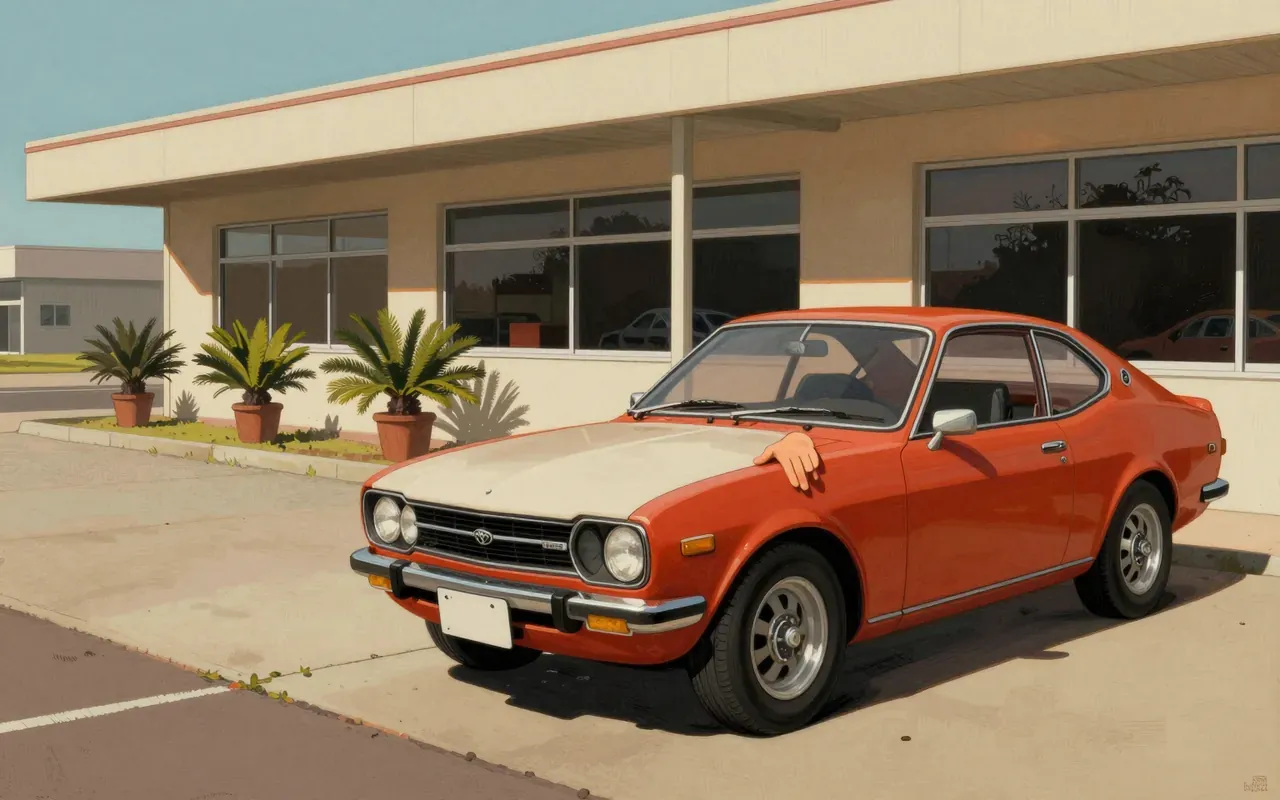
Toyota Celica

Toyota Design · 1970

The Toyota Celica (1970) is a rear-wheel-drive coupe built on the Toyota Carina’s platform. It uses four-cylinder R-series engines in early North American models. Toyota coined 'liftback' in 1973 for its fastback hatchback. It was exclusive to Japan’s Toyota Corolla Store chain. Drive layout switched to front-wheel drive in August 1985.

10:36

Honda S800

Honda · 1966

The Honda S800 is a 1965 sports car built to prove Honda could engineer a high-revving, lightweight, chain-driven automobile capable of 100 mph. It replaced the S600 as Honda’s image car. It was available as a roadster or coupe. Early units used chain drive and independent rear suspension. Just 994 chain-drive examples were built. Its 791 cc straight-4 produced 70 hp at 8,000 rpm and revved to 10,000 rpm.

10:21

Mazda RX-7

Akio Uchiyama · 1985

The Mazda RX-7 is a Japanese sports car made by Mazda from 1978 to 2002. It uses a front mid-engine, rear-wheel-drive layout and a compact, lightweight Wankel rotary engine. The first generation is a two-seater coupé with a rear hatchback. Later generations added 2+2 and convertible options, but the core two-seater coupé remained. More than 800,000 were built, including 471,018 first-generation units.