What the car is and where it came from
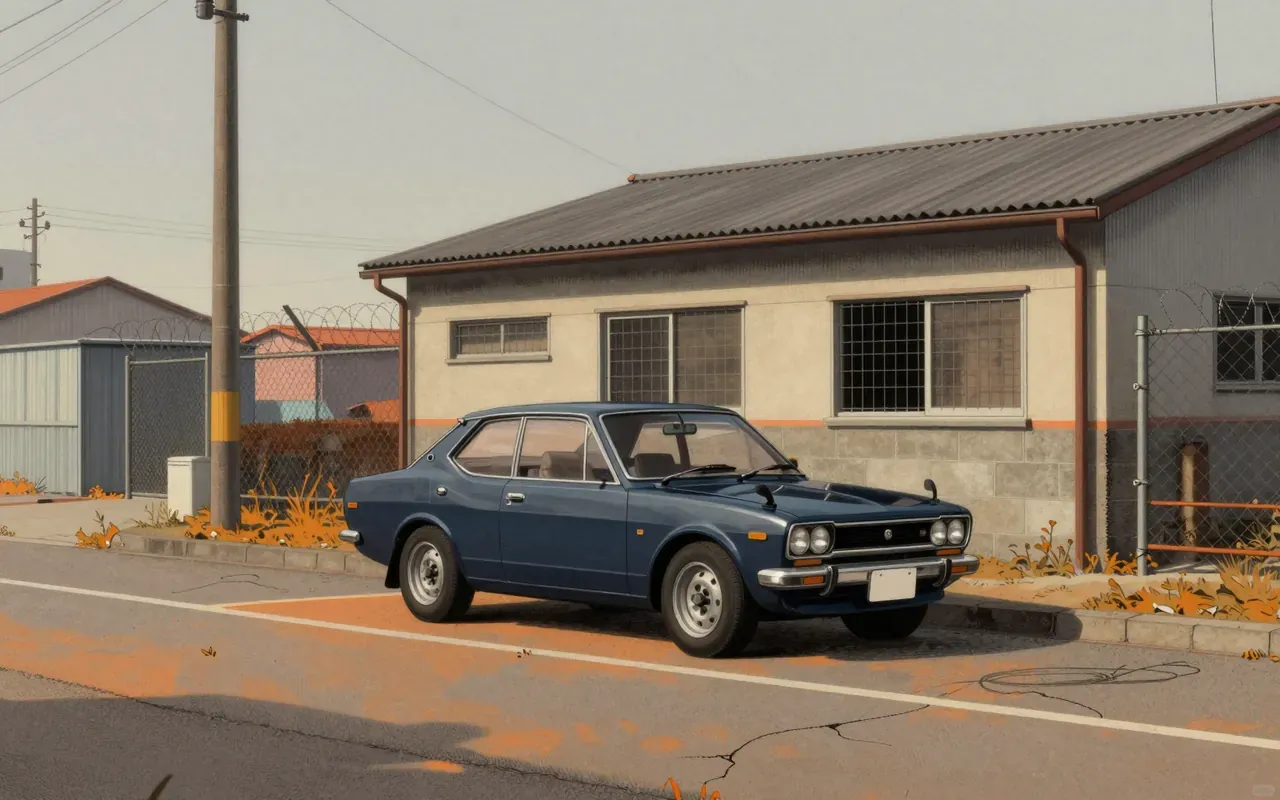
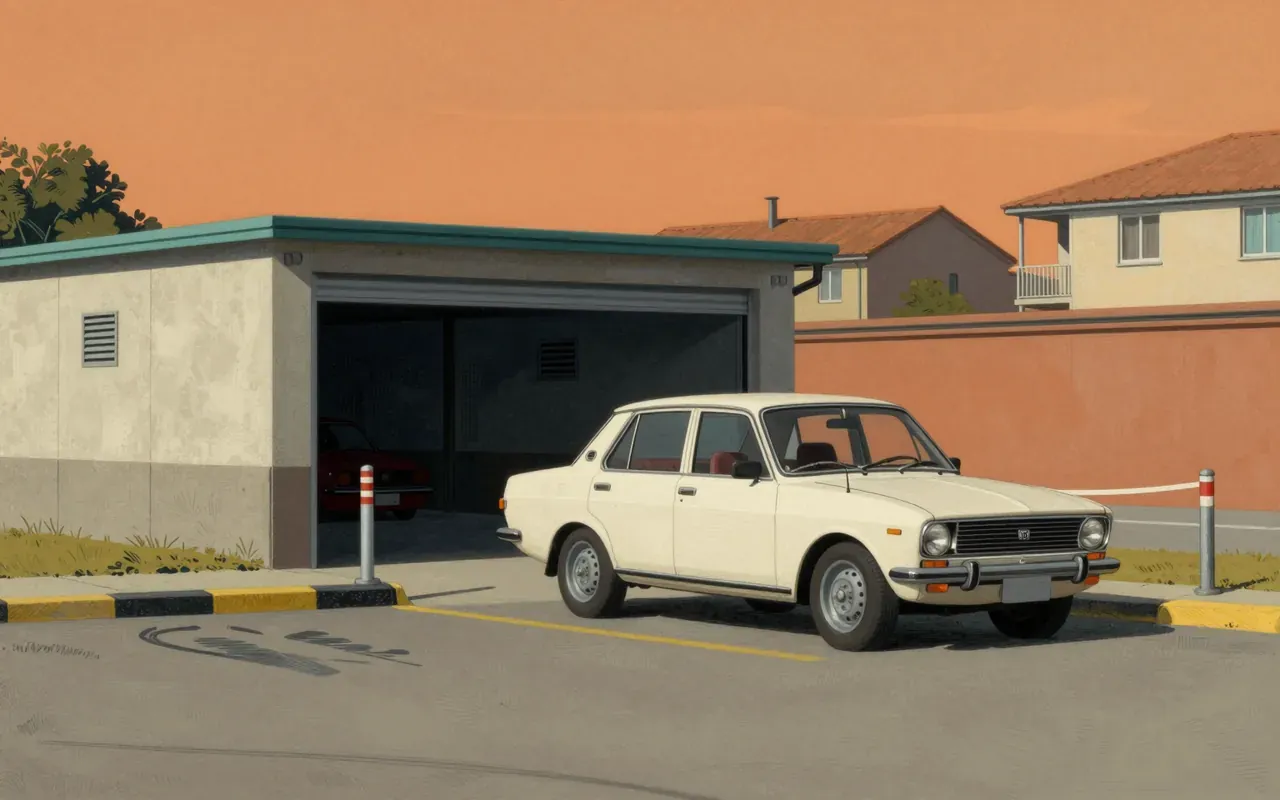
The KPGC10 is the two-door coupé version of the first Skyline GT-R. The four-door PGC10 was introduced on 4 February 1969 and sold only through Nissan Prince Store dealerships, after a public debut at the October 1968 Tokyo Motor Show as the Skyline 2000GT. In October 1970 a minor change to the base Skyline added a two-door coupé body, and the GT-R coupé took the chassis code KPGC10. GT-R stands for Gran Turismo–Racing. The cars are popularly known as the Hakosuka, from the Japanese words for box and Skyline.
How it works, in terms someone would actually use
The engine was the 2.0 L DOHC S20 inline-six, rated at 119 kW (160 hp) at 7,000 rpm. Power went to the rear wheels through a five-speed manual gearbox and a limited-slip differential. The first GT-R had semi-trailing arm suspension, disc brakes at the front and drums at the rear. The coupé rode on a wheelbase 70 mm shorter than the sedan. Beyond the body, its changes were black FRP overfenders at the rear wheel arches, Talbot-shaped mirrors and a redesigned grille.
What it gets right
The S20 was a revised production version of the engine from the R380 racing car, with four valves per cylinder, two overhead camshafts and mostly triple Mikuni-Solex carburettors. It was the first mass-produced Japanese engine with more than two valves per cylinder. The heads were ported and polished by hand, and each engine was bench tested. The cabin was basic, with racing bucket seats, a three-spoke steering wheel and wood inserts.
What it does not
The S20 was small and complex next to the simpler two-valve L-series sixes, and the L-series became one of the favoured engines in motorsport and tuning. In the 1970 All-Japan Fuji 1000 km race an L24-powered Fairlady Z beat six S20-powered Z432R cars, despite less power. Only 1,197 KPGC10 coupés were built, against 832 PGC10 sedans.
What it changed
The KPGC10 joined the racing sedans at the All Japan Suzuka Automobile Race in March 1971. The PGC10 and KPGC10 went on to win 49 consecutive touring car races at Fuji, Suzuka, Tsukuba and Hokkaido. The streak ended on 10 October 1971, and the GT-R won its next race, the 50th victory, on 20 March 1972 at Fuji. The successor KPGC110 appeared in 1973 with the same S20, in 197 cars. The GT-R name then returned in 1989 with the BNR32.
Who it is for, and who it is not
It is for readers who want to see where the GT-R started: a racing-derived engine in a Skyline body. It is not for those who expect the all-wheel-drive and four-wheel-steering technology that came with the later cars.
Is it worth your time
Yes, if you want to know how a 1970 coupé with a basic cabin and a four-valve racing-derived engine started the GT-R line.