automotivebriefs
9:16in productionCh. 1 · Duration, not debut/ 9:16 · ceiling 15 min
Road

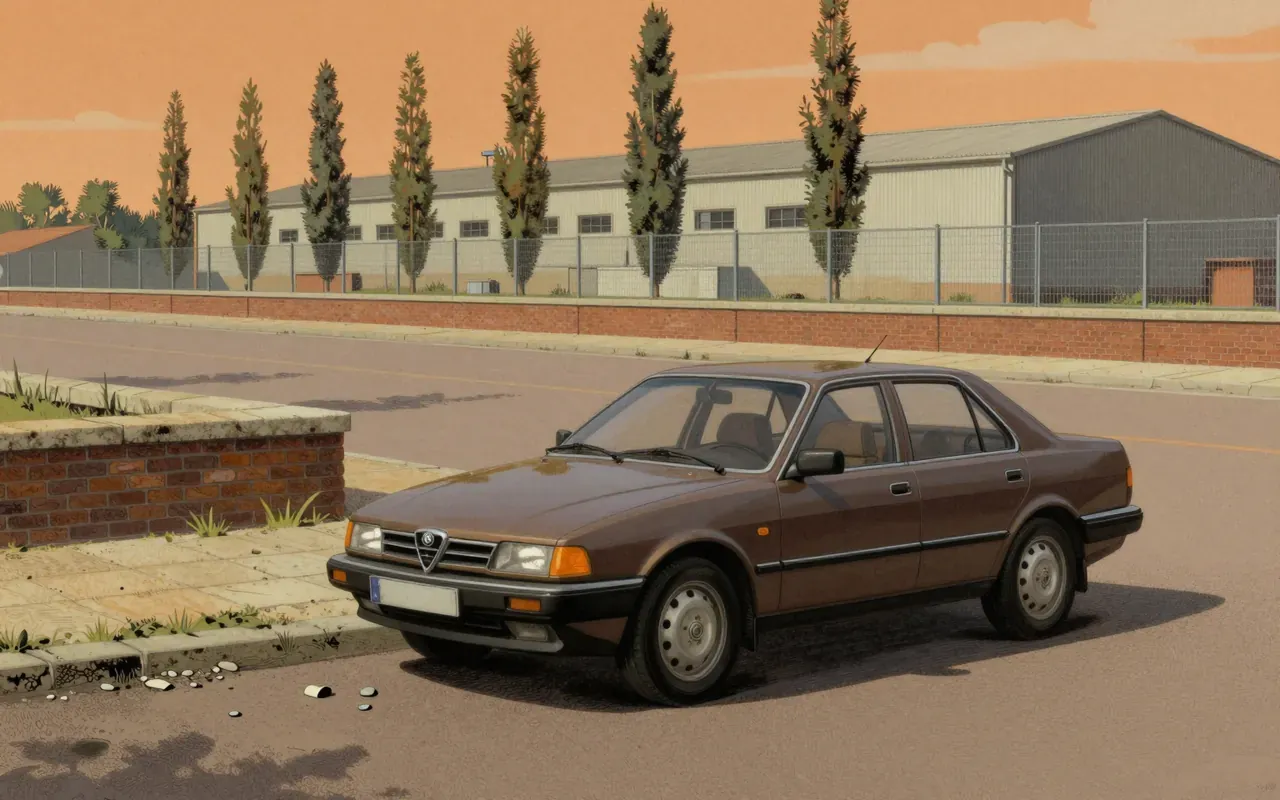
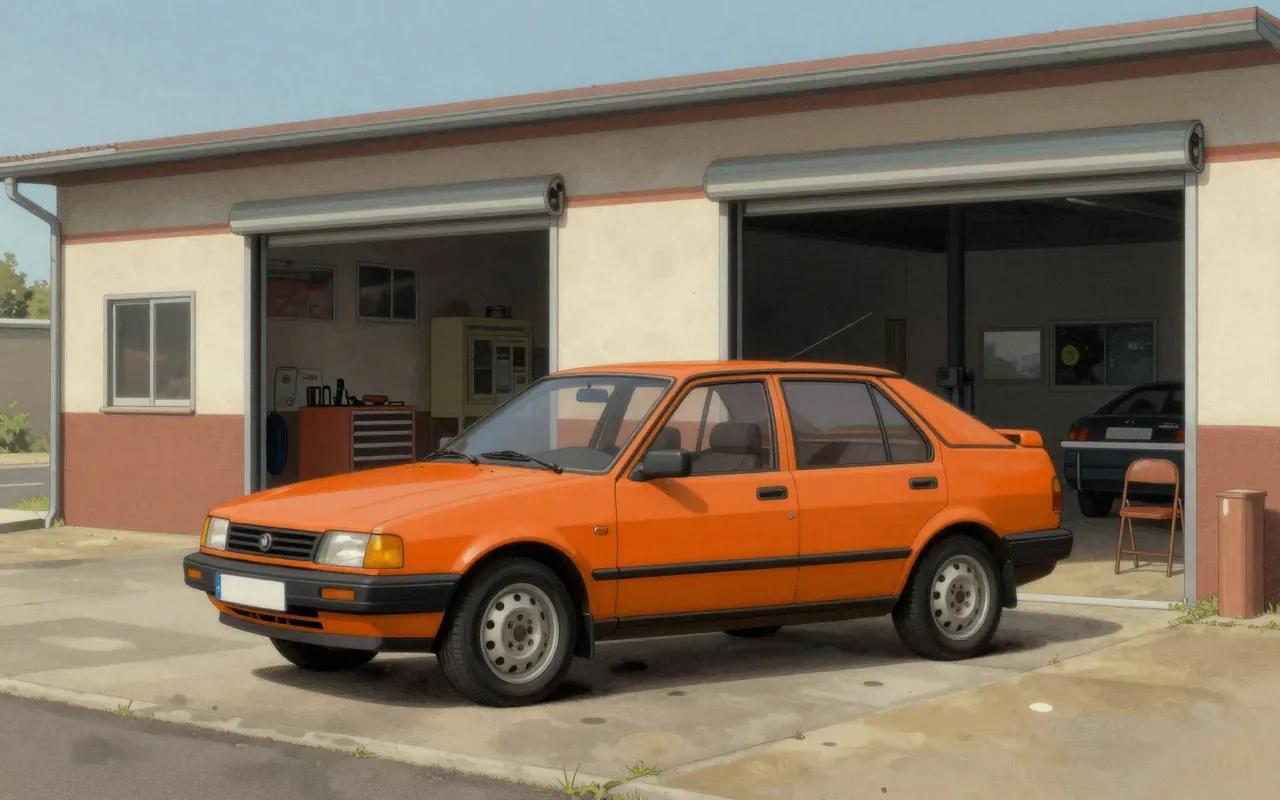
Nissan Pulsar

A hatchback defined not by what it did, but by where it was allowed to be sold.

The Nissan Pulsar (1990) is a front-wheel-drive five-door hatchback sold exclusively through Nissan Cherry Store in Japan. It occupied a defined slot between the Violet and Cherry models. Its significance lies in its role within Nissan’s domestic sales architecture—not in mechanical distinction, performance, or design innovation. It offered no verifiable technical differentiation beyond layout and dealer exclusivity. The name was later reused globally on unrelated platforms.

Chapters & takeaways4
  1. 0:59
    Duration, not debut

    The Pulsar was a production line—not a moment—that ran for 22 years in Japan.

  2. 2:14
    A car shaped by showroom geography

    It existed only where Nissan Cherry Store existed—and only as the larger hatchback between Violet and Cherry.

  3. 3:24
    Layout as default, not choice

    Front-wheel drive was standard. Four-wheel drive was optional—on select international models only.

  4. 5:02
    Pulsar is a label, not a lineage

    The name outlived the original car—reused across continents, platforms, and decades without continuity.

Worth your time?

Yes. Drive the whole thing.

3/ 5
What works
  • as a structural node in Nissan’s 1990 dealership hierarchy
  • as a clear example of platform-based segmentation
What does not
  • establish engineering distinction
  • define a new segment
  • deliver measurable performance advantage
  • offer unique driver feedback
Drive it if
  • readers studying Japanese automotive retail strategy
  • historians of badge engineering
Skip it if
  • enthusiasts seeking driving dynamics
  • collectors assessing rarity or specification
The written brief1 min read

What the car is and where it came from

A front-wheel-drive five-door hatchback produced by Nissan in Japan from 1978 to 2000. Launched as an intermediate model between the Violet and Cherry, sold exclusively at Nissan Cherry Store.

How it works, in terms someone would actually use

Front-wheel drive. Five-door hatchback layout. Sold exclusively through Nissan Cherry Store in Japan. Positioned between the Violet and Cherry models.

What it gets right

It fills a precise gap: a larger five-door hatchback alternative to the Cherry, sold where the Cherry was sold—but differentiated by size, positioning, and dealer exclusivity.

What it does not

It does not establish performance credentials, engineering innovation, or driver engagement. It offers no technical specifications, no powertrain details beyond layout, and no evidence of mechanical distinction from contemporaries.

What it changed

It established a dedicated sales channel (Nissan Cherry Store) for a front-wheel-drive hatchback positioned between two existing models—shifting how Nissan segmented its domestic retail hierarchy.

Who it is for, and who it is not

For readers tracking how Japanese automakers structured their domestic sales networks—and how badge engineering and platform sharing operated before global consolidation. Not for those seeking driving character, rarity, or technical novelty.

Is it worth your time

Yes—if you need a concise, verified account of a mid-tier Japanese hatchback’s role in Nissan’s 1990 dealership architecture and platform strategy.
Same garage · Road4 of 82
8:59
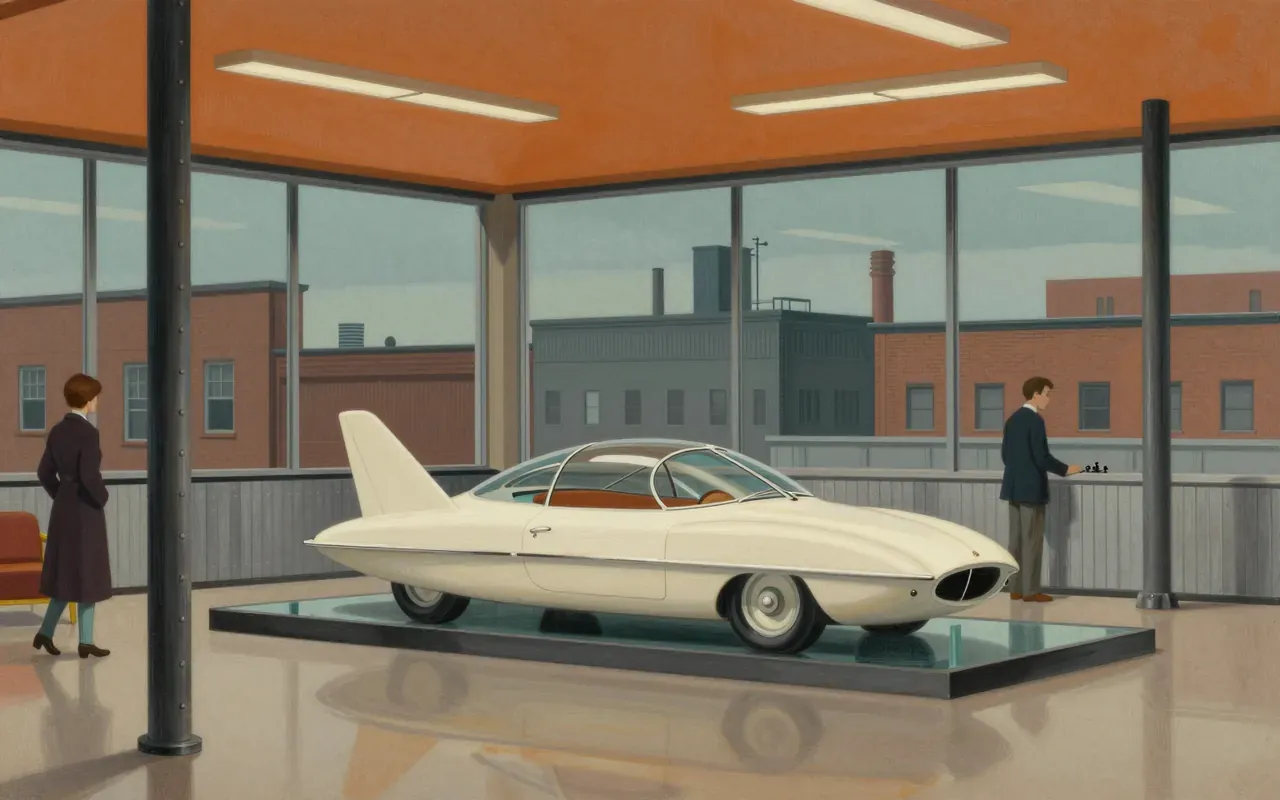
General Motors FirebirdHarley Earl · 1953The Firebird I is a 1953 GM concept car designed by Harley Earl. It was the first gas turbine-powered car tested in the United States. It features a single-seat cockpit under a bubble canopy, a bullet-shaped fiberglass fuselage, short wings, and a vertical tail fin. It was built for the 1953 Motorama show. GM never intended it for production.
9:57
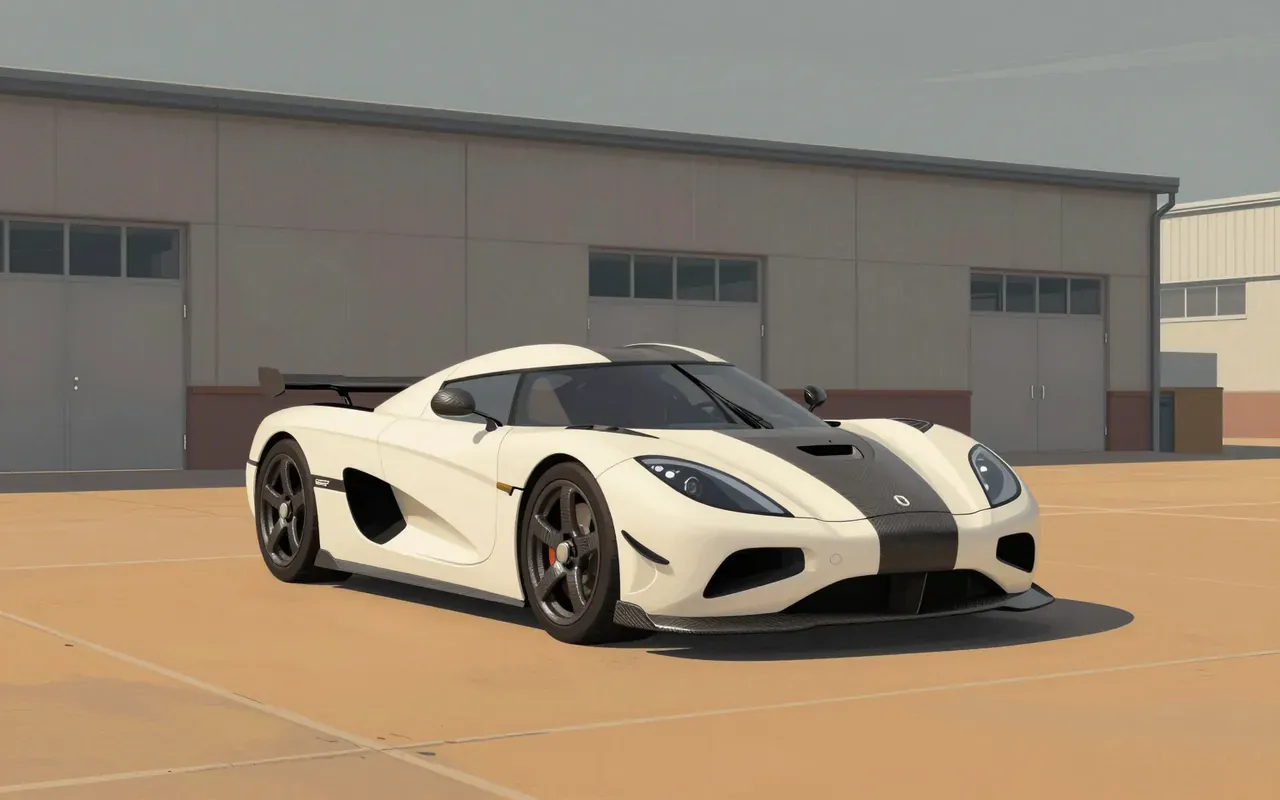
Koenigsegg CC8SChristian von Koenigsegg · 2002The CC8S is the first production car from Koenigsegg Automotive. It is a mid-engine, rear-wheel-drive targa top sports car built from 2002 to 2004 in six units. It introduced the dihedral synchro-helix doors and front-trunk roof stowage. It won the Guinness World Record for Most Powerful Production Engine and design awards from Red Dot and Utmärkt Svensk Form. It was developed from the CC prototype after eight years of research and development beginning in 1994. Chassis, suspension, brakes and other components were designed in-house. The pre-production car debuted at the 2000 Paris Auto Show. Its unique features include the front-trunk roof storage (unlike the Ferrari F50), the dihedral synchro-helix doors, and a central free-flowing exhaust based on the 'Rocket Cat Principle'. Christian von Koenigsegg and David Crafoord co-created the design concept.
10:57
Alfa Romeo 156Walter de Silva · 1997The Alfa Romeo 156 is a compact executive car introduced at the 1997 Frankfurt Motor Show to replace the 155. Designed by Walter de Silva, it won the 1998 European Car of the Year award. It was produced from 1996 to 2007 in saloon, Sportwagon, and Crosswagon bodystyles. Assembly occurred in Pomigliano d'Arco, Italy and Rayong, Thailand. 673,435 units were built.
9:33
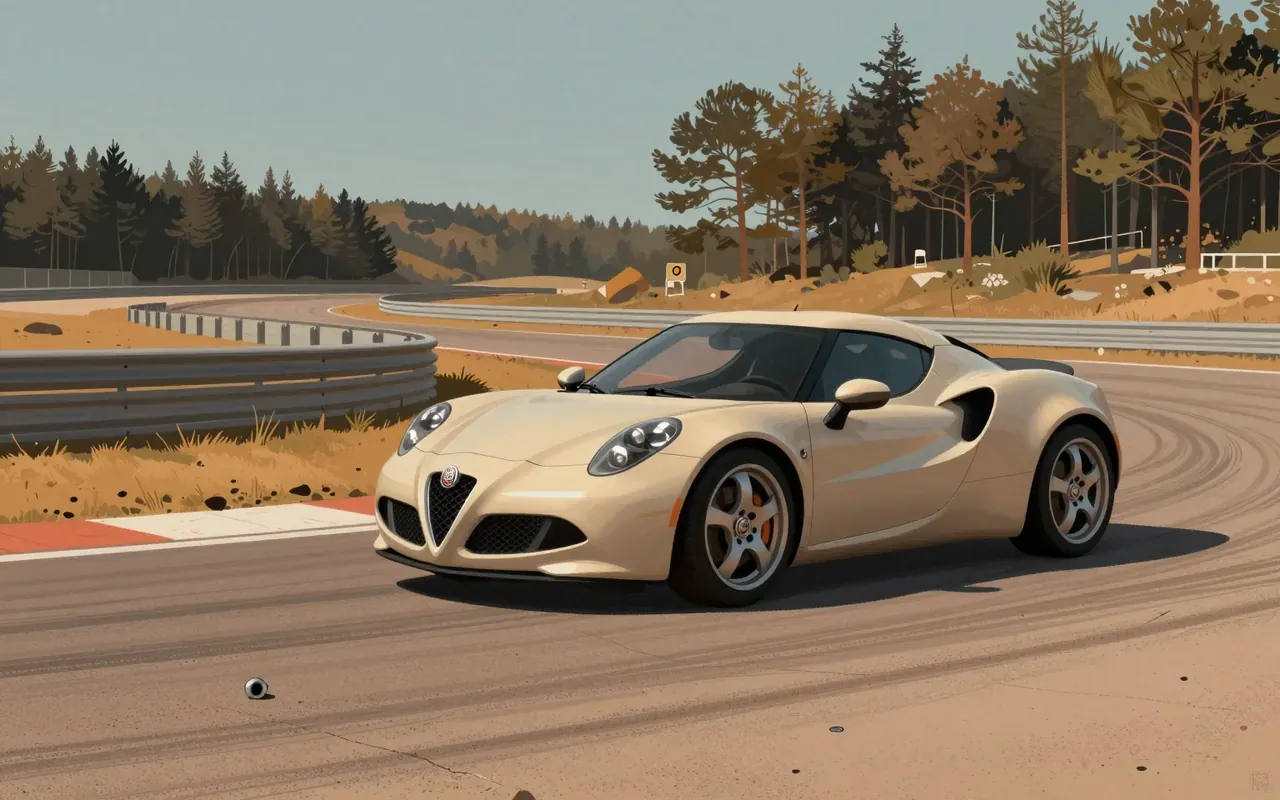
Alfa Romeo 4CMarco Tencone · 2013The Alfa Romeo 4C is a focused, uncompromising expression of mid-engined sports car logic—light, stiff, direct. It sacrifices isolation and utility to sharpen the connection between driver and road. Its design solves for feedback, not comfort.
Up next in Automotive

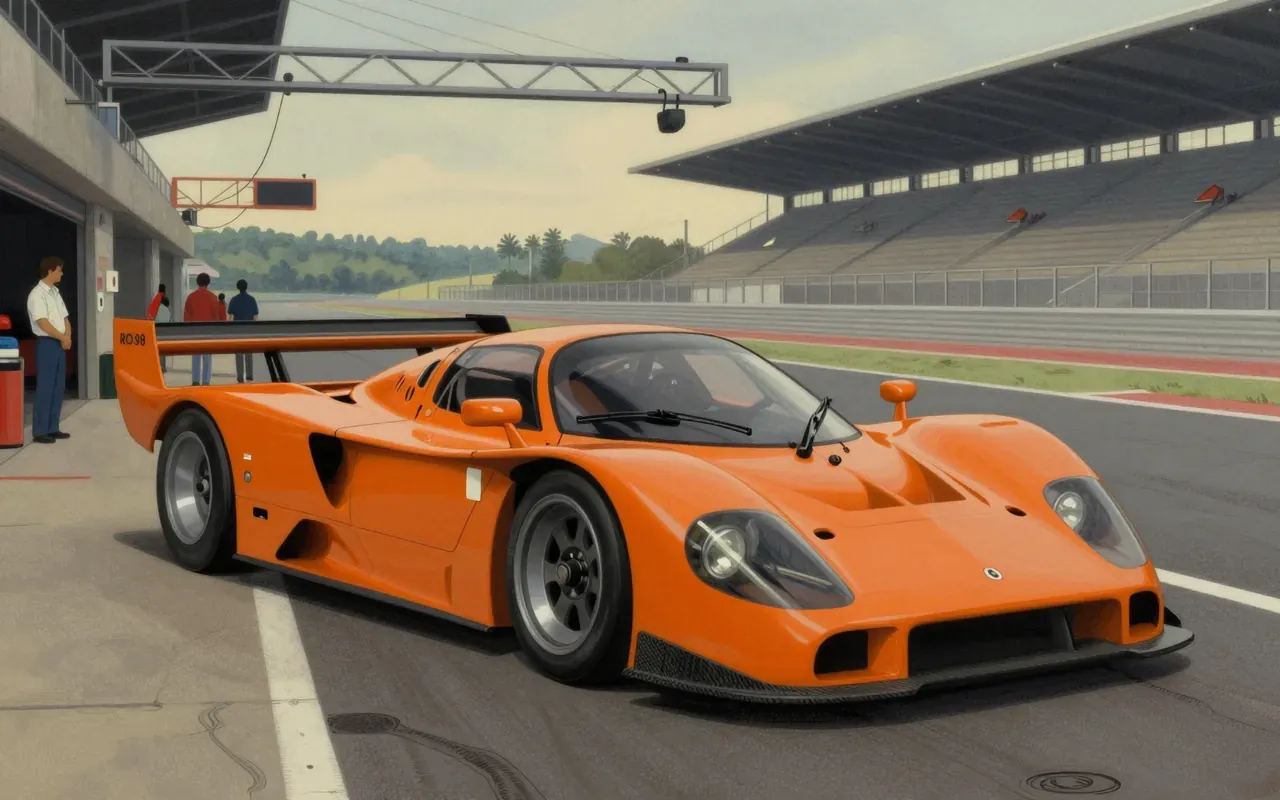
Nissan R390 GT1

Ian Callum · 1997 · 10:51

One road car. Eight racers. A homologation fiction made real.

10:51