What the car is and where it came from
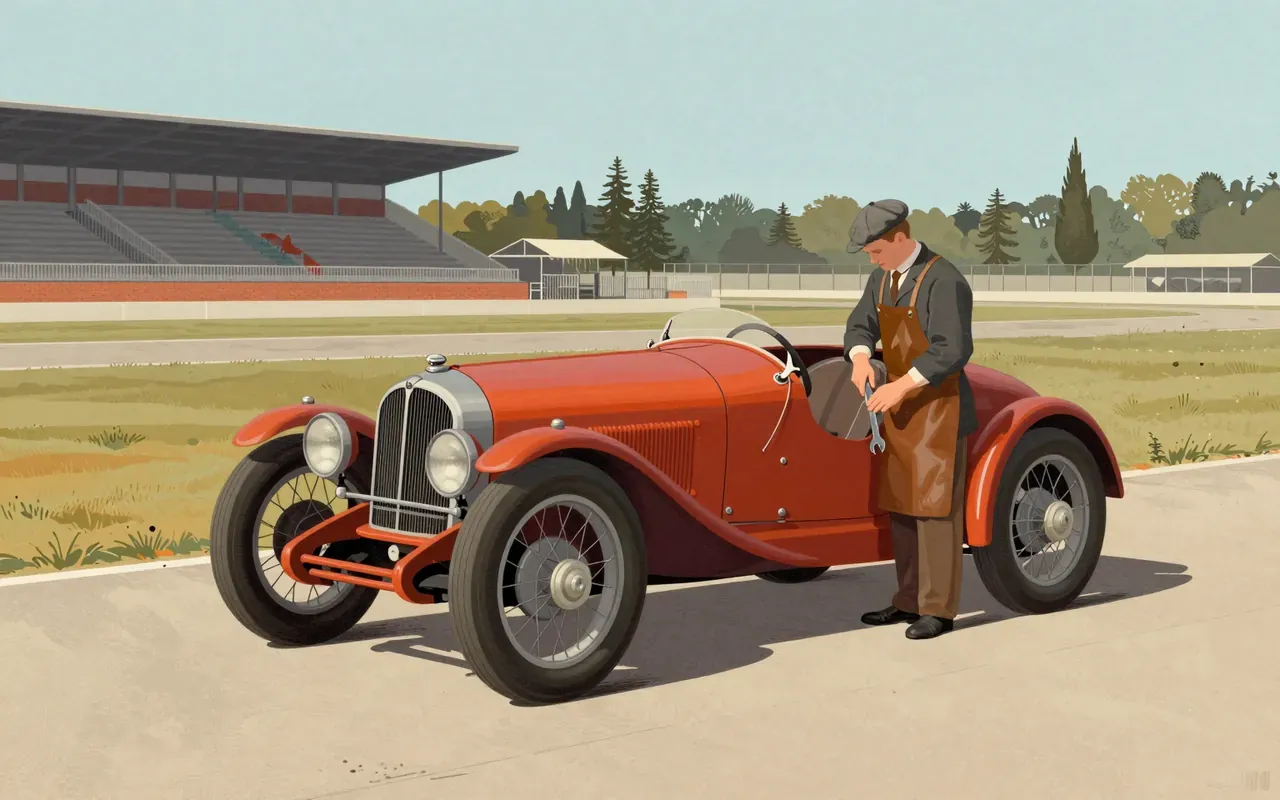
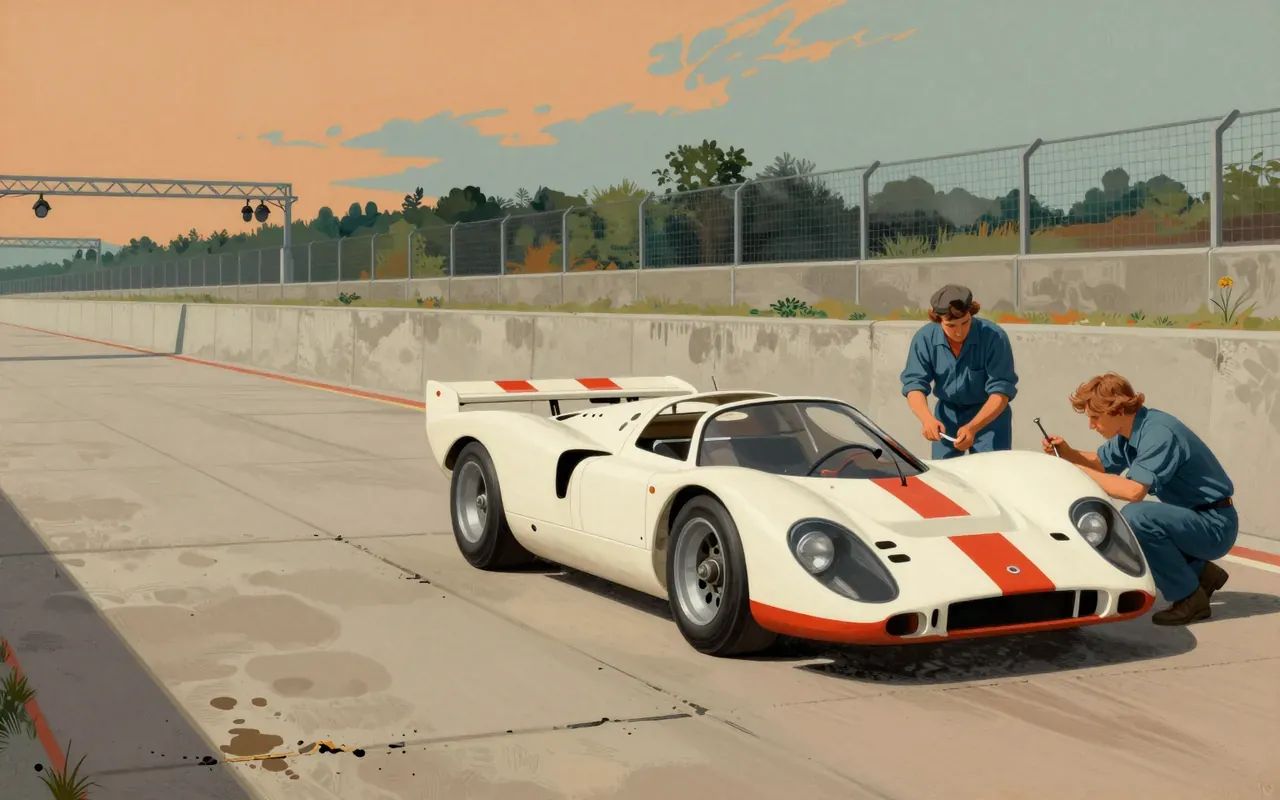
The Auto Union racing car is a series of four Grand Prix machines (Types A–D), built from 1934 to 1939 by Auto Union GmbH — an amalgamation of Audi, DKW, Horch, and Wanderer formed in 1932. Ferdinand Porsche designed the original P-Wagen Project, which Auto Union acquired in 1932 for 75,000 ℛ︁ℳ︁.
How it works, in terms someone would actually use
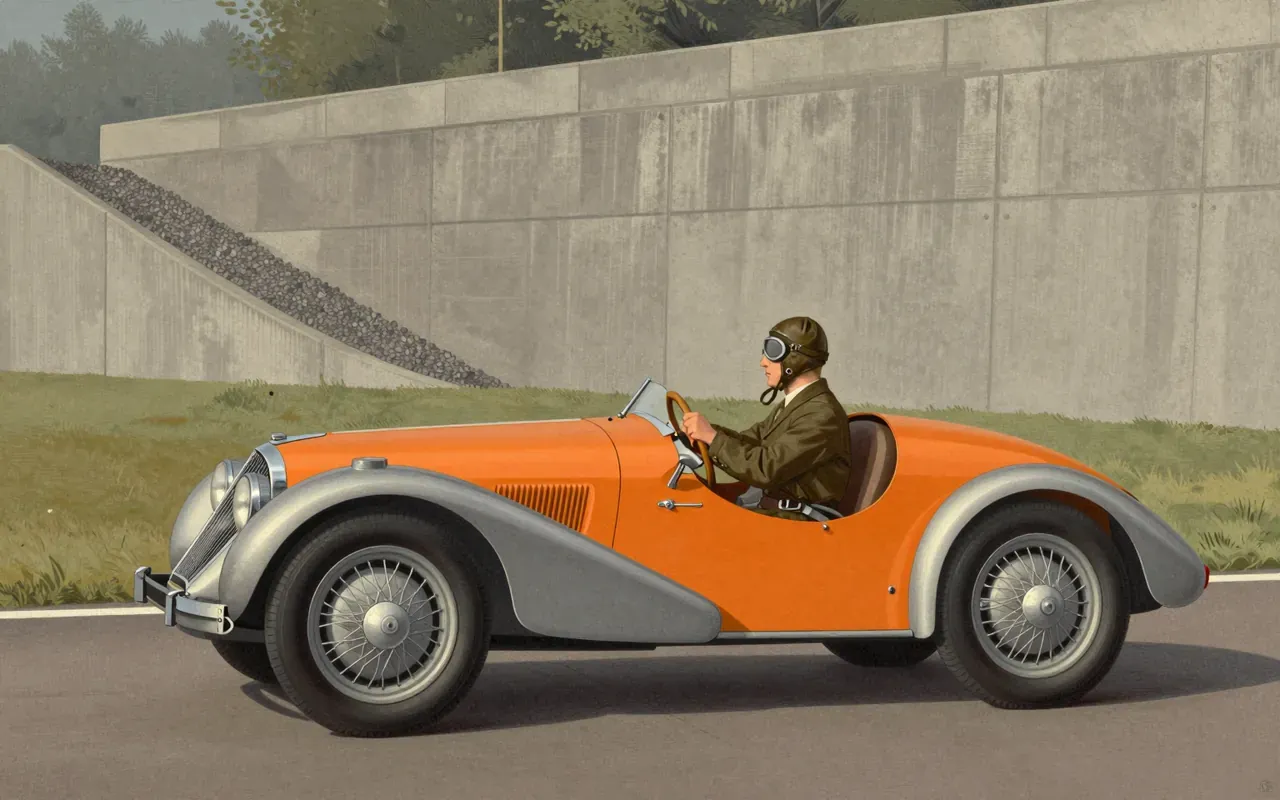
The driver sits far forward in a narrow cockpit. The engine sits behind them, mid-mounted and rear-wheel drive. Fuel is carried centrally, just behind the seat, to keep weight distribution stable as the tank empties.
What it gets right
It gets weight distribution right. It gets torque delivery right — supercharged engines tuned for low-end response. It gets driver positioning right for visibility and control in a high-power, narrow-chassis car.
What it does not
It does not offer road usability. It was never intended for public roads. It does not represent independent innovation — it was built under state mandate with direct Nazi funding.
What it changed
It proved rear mid-engine layout could dominate Grand Prix racing. It set the template for fuel-tank placement in open-wheel cars — a solution still used today.
Who it is for, and who it is not
It is for engineers, motorsport historians, and students of interwar industrial policy. It is not for collectors seeking drivable classics, nor for enthusiasts of production-based performance cars.
Is it worth your time
Yes — if you care about how racing engineering solved real problems before modern computing, or how state power shaped automotive design.