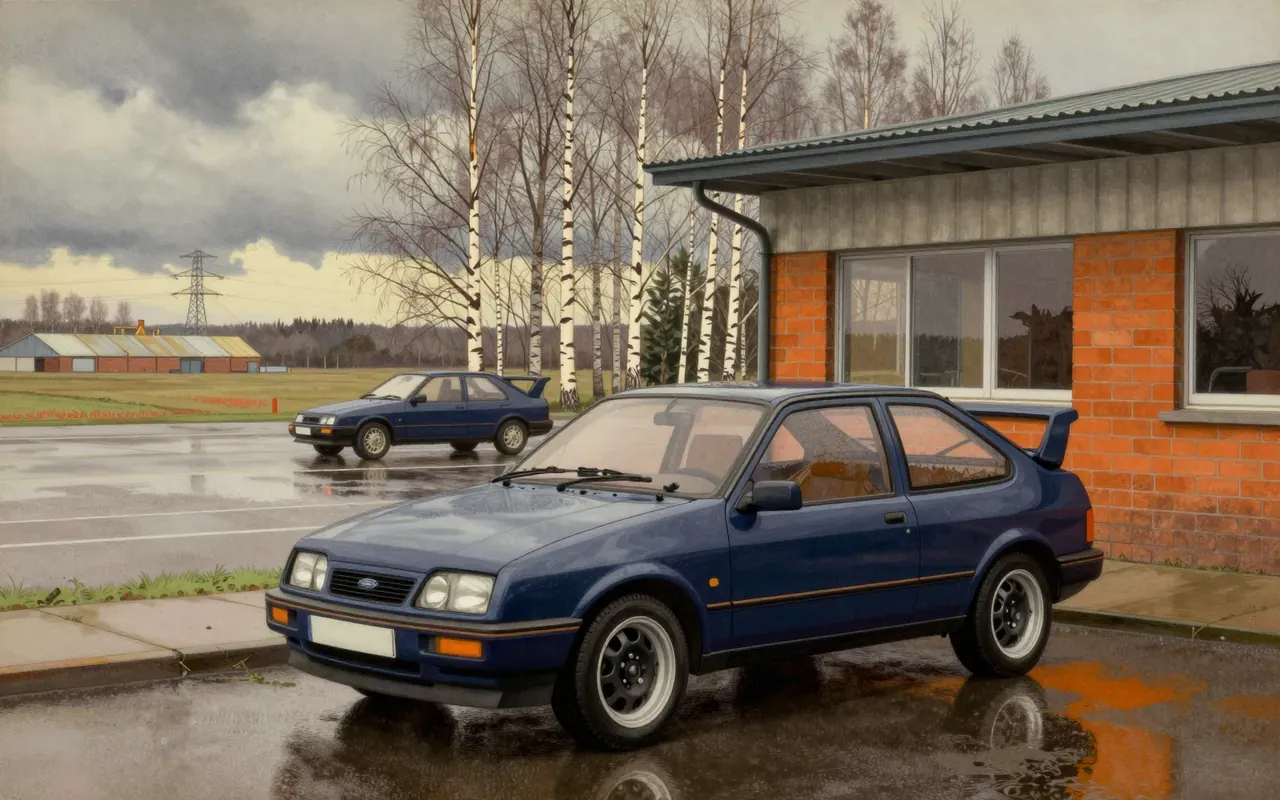
What the car is and where it came from
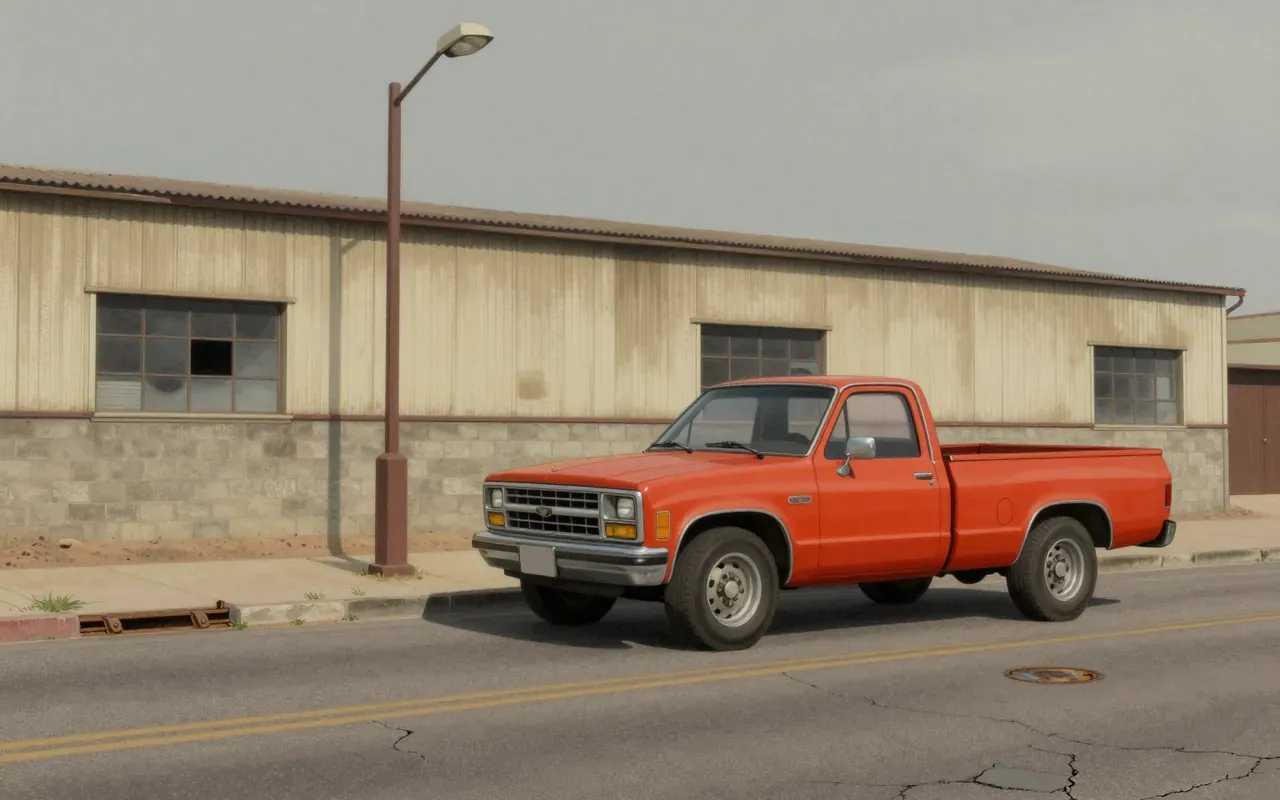
A high-performance, rear-wheel-drive homologation special built by Ford Europe between 1986 and 1992, developed by Ford Motorsport to win Group A racing in Europe.
How it works, in terms someone would actually use
It is a rear-wheel-drive saloon with a turbocharged inline-four engine and bodywork shaped for high-speed stability. The driver feels the mechanical grip of rear-wheel drive, the torque surge of forced induction, and the aerodynamic downforce from its extended front spoiler and tall rear wing.
What it gets right
It gets right the integration of wind-tunnel-tested bodywork with a race-derived powertrain, delivering high-speed composure and mechanical feedback through the steering wheel.
What it does not
It does not offer modern driver aids, cabin refinement, or ergonomic comfort. It was not designed to be easy, quiet, or forgiving.
What it changed
It proved that a production saloon could be engineered from first principles for Group A racing dominance — and that aerodynamic stability at speed mattered more than visual convention.
Who it is for, and who it is not
It is for engineers, motorsport historians, and drivers who value unfiltered mechanical communication. It is not for commuters, collectors seeking investment, or those who prioritise usability over intent.
Is it worth your time
Yes — if you care about how motorsport engineering reshaped mainstream design, not as nostalgia but as a working case study in purpose-built form.