Saved
Hot hatches · Road

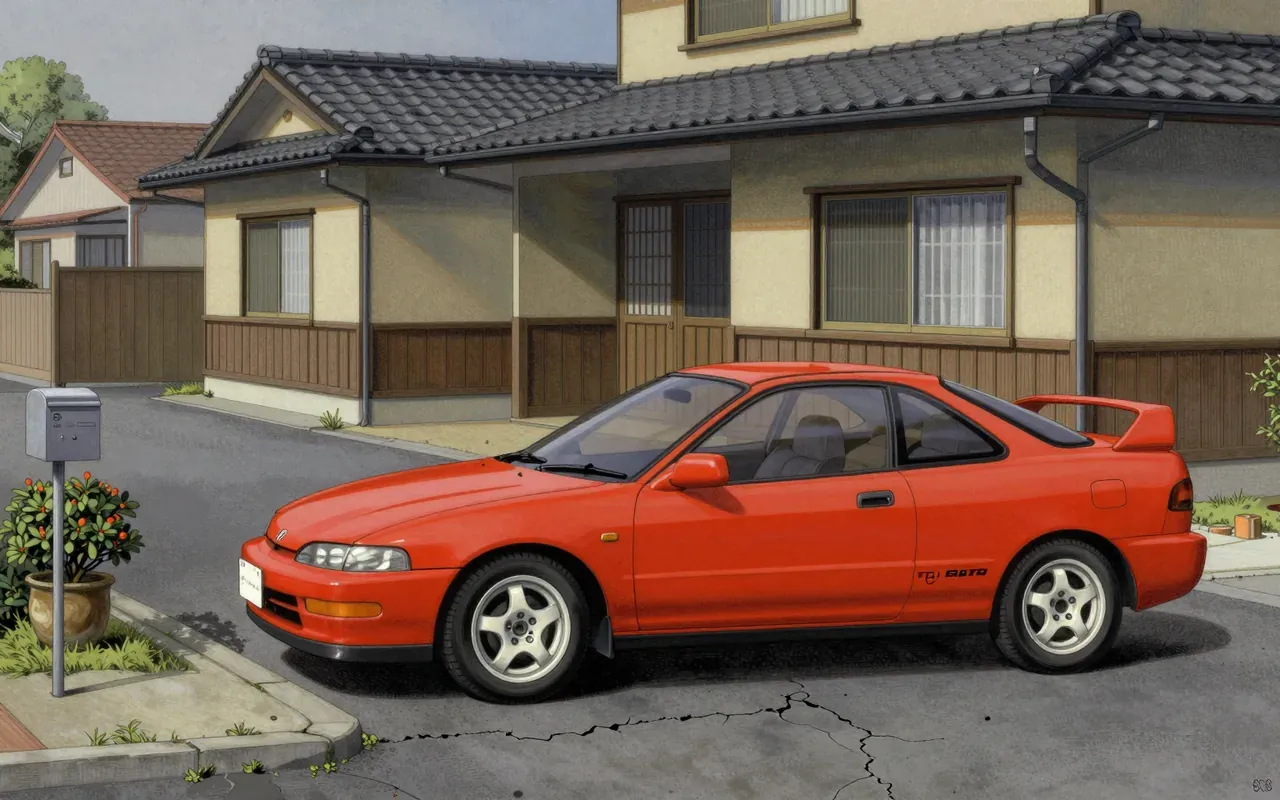
Honda Integra Type R DC2

The DC2 is the first Integra Type R, a 1995 Japanese-market liftback built around a hand-built 1.8-litre VTEC engine and a stiffened, lightened body.

Worth your time?4.5/5Yes.Drive the whole thing.What works, what does not, who it is for ↓
10:32in productionCh. 1 · First Integra Type R/ 10:32 · ceiling 15 min
4 chapters · 10:32Ceiling 15:00

The brief is written and checked. The video joins this page when it is cut.4 chapters · 3 min read · 10:32 planned

Read the brief

Honda introduced the first Integra Type R to the Japanese market in 1995 and built the DC2 through 2001. It took the B18C VTEC engine, a close-ratio five-speed gearbox and a limited-slip differential, then cut equipment and added chassis stiffening. Journalists rated it among the best front-wheel-drive cars made.

Chapters & takeaways4
  1. 1:03
    First Integra Type R

    Honda introduced its first Integra Type R to the Japanese market in 1995, on the third-generation Integra, and it stayed in production until 2001.

  2. 2:24
    The B18C and its gearbox

    A 1.8-litre DOHC VTEC four-cylinder made 200 PS in Japan, paired with a close-ratio five-speed manual and a helical limited-slip differential.

  3. 4:46
    Lighter, stiffer, plainer

    Honda strengthened the chassis, thinned the glass, cut sound insulation and deleted the moonroof, cruise control and rear wiper.

  4. 6:58
    Reputation and rarity

    Evo called it the greatest front-wheel-drive performance car ever, and US production was limited to 320 cars in 1997, its first US year.

1 more chapterFewer chapters
Worth your time?

Yes. Drive the whole thing.

4.5/ 5
What works
  • high-revving VTEC engine with close-ratio gearing
  • chassis stiffening and weight reduction
  • sustained praise from motoring journalists
What does not
  • save much weight in its US form
  • carry the same specification in every market
Drive it if
  • readers interested in 1990s Japanese performance cars
  • anyone who wants to see how a front-wheel-drive car was stripped down for speed
Skip it if
  • buyers who want comfort equipment as standard
  • readers looking for one single set of figures across markets
Who should drive it, and who should skipHide who it is for
The written brief3 min read

What the car is and where it came from

The DC2 is the Integra Type R built from 1995 to 2001, and Honda introduced it as its first Integra Type R. It is a version of the third-generation Integra, which Honda debuted in Japan in 1993 at its Honda Verno dealerships. The top model of that generation used a B18C VTEC engine, and shortly after the late-1994 facelift, in 1995, Honda released a Type R to the Japanese market. In the US the Type R was sold only as a liftback.

How it works, in terms someone would actually use

The engine is a 1.8-litre DOHC VTEC in-line four, the B18C. In Japan it makes 200 PS at 8,000 rpm. American cars make 195 hp at 8,000 rpm. Japanese and other international cars have an 11:1 compression ratio, against 10.6:1 in the US. The extra power over the GS-R came mainly from higher compression, a larger throttle body, high-lift camshafts and a high-volume exhaust manifold.

The gearbox is a close-ratio five-speed manual with a helical limited-slip differential. First gear and the final drive match the GS-R, but second to fourth are spaced much closer. The tachometer reads to 10,000 rpm with an 8,400 rpm redline, and the shift knob is titanium.

What it gets right

The focus of the Type R was to minimise weight while adding rigidity. The chassis gained extra spot welds and thicker metal around the rear shock towers and lower subframe. It also gained larger strut tower bars, rear performance rods, revised springs and dampers, and larger sway bars. The windscreen is ten percent thinner, sound insulation was reduced and the wheels are lighter. Honda deleted the moonroof, vanity mirrors, cruise control and rear wiper, and made air conditioning an option.

What it does not

It did not save much weight in American form. The extra metal and cross-bracing cancel much of the reduction, leaving only 33 lb between the American Type R and the GS-R. Nor was there one car. Japanese, American and UK versions differ in output, compression and final drive, and the four-headlight front end was sold in Europe, Australia and New Zealand.

What it changed

The Type R drew praise worldwide. Evo magazine named it the greatest front-wheel-drive performance car ever, and TheAutoChannel.com called it the best-handling front-wheel-drive car. In Japan the TV show Best Motoring pitted it against the Nissan Skyline GT-R and the Subaru WRX STI. Realtime Racing used the Type R and later the RSX Type-S in SCCA World Challenge, winning six consecutive titles from 1997 to 2002.

Who it is for, and who it is not

It is for drivers who want a stripped-down front-wheel-drive car and accept a plainer cabin. In the US it arrived as a 1997 Acura, the only Type R sold in North America with the Acura badge, and air conditioning was the only option. American production was limited to 320 cars in 1997, 1,000 in 1998, 1,350 in 2000 and 1,158 in 2001, with none for 1999. It is not for buyers wanting a moonroof or cruise control, which Honda removed.

Is it worth your time

Yes, if you care about how Honda built a performance car by subtraction. The DC2 pairs a high-revving VTEC four with close gearing and a stiffened body, and the praise it drew is on record. The 2002 DC5 Type R, sold only in Japan, moved to a 2.0-litre K20A engine.
Same garage · Hot hatches4 of 10
10:10
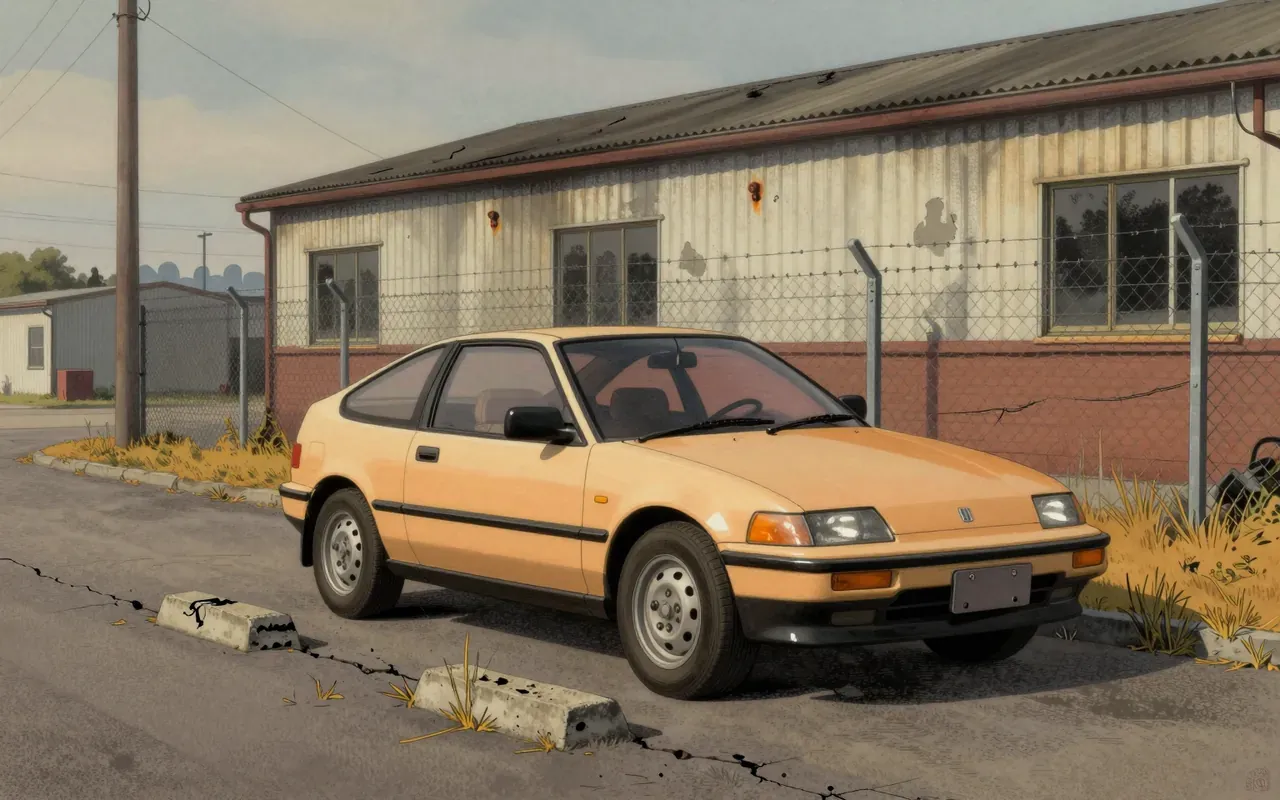
Honda CR-XHonda · 1983The Honda CR-X (1983) redefined what a compact front-wheel-drive car could do — not by adding power or luxury, but by removing mass and complication. It was never a sports car in form or intent. It was a Civic sharpened for feedback, visibility, and agility. Its global variations — two-seat in North America, 2+2 elsewhere — show Honda’s willingness to tailor packaging without fragmenting engineering. It changed expectations for economy cars: they could be fun to drive, not just efficient to own.
8:34
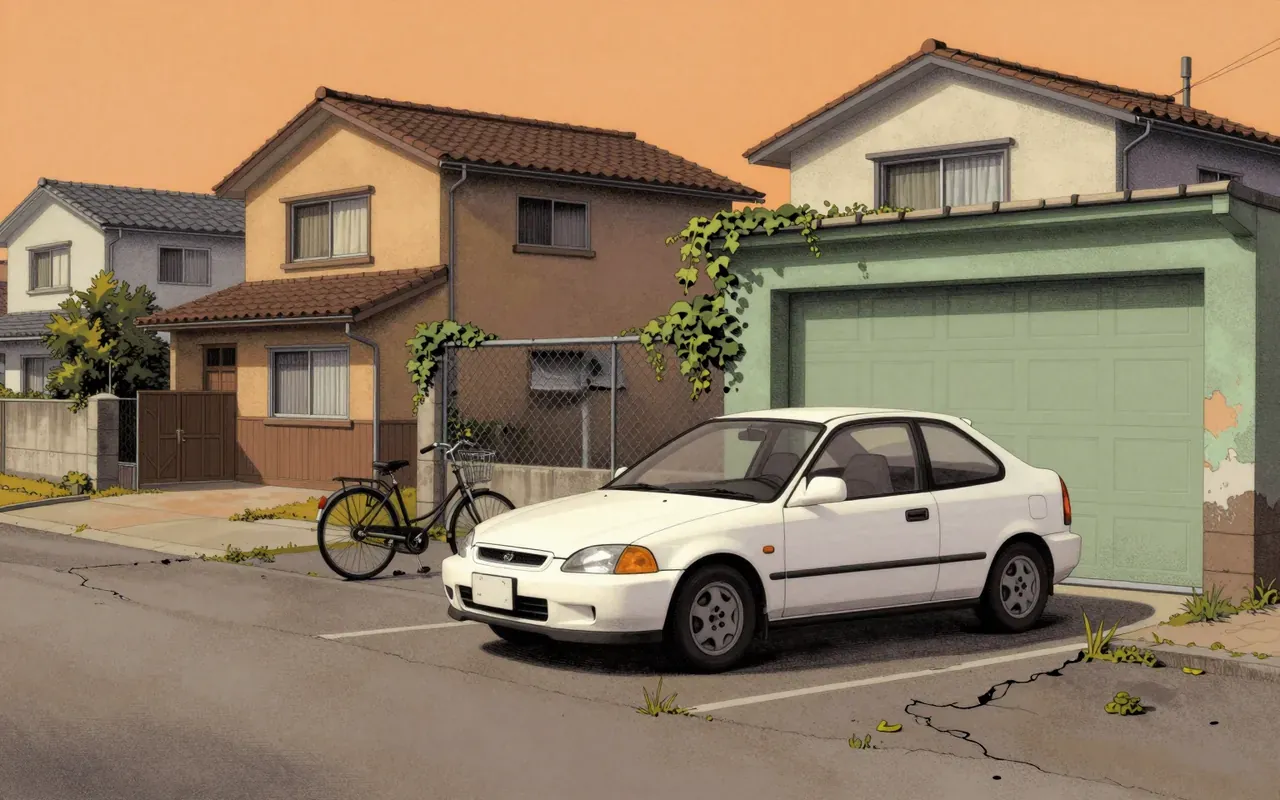
Honda Civic Type R EK9Honda · 1997The 1997 Honda Civic Type R (EK9) is the origin point of Honda’s Type R line — a JDM-only, naturally aspirated, front-wheel-drive hot hatch built on the sixth-generation Civic platform. It introduced the core Type R principles: weight reduction, chassis stiffening, engine tuning, upgraded brakes and suspension, manual-only transmission, and red Honda badging. Produced in 16,000 units between 1997 and 1999, it used a hand-ported 1.6 L DOHC VTEC B16B engine, seam-welded monocoque, helical LSD, and Recaro seats.
10:38
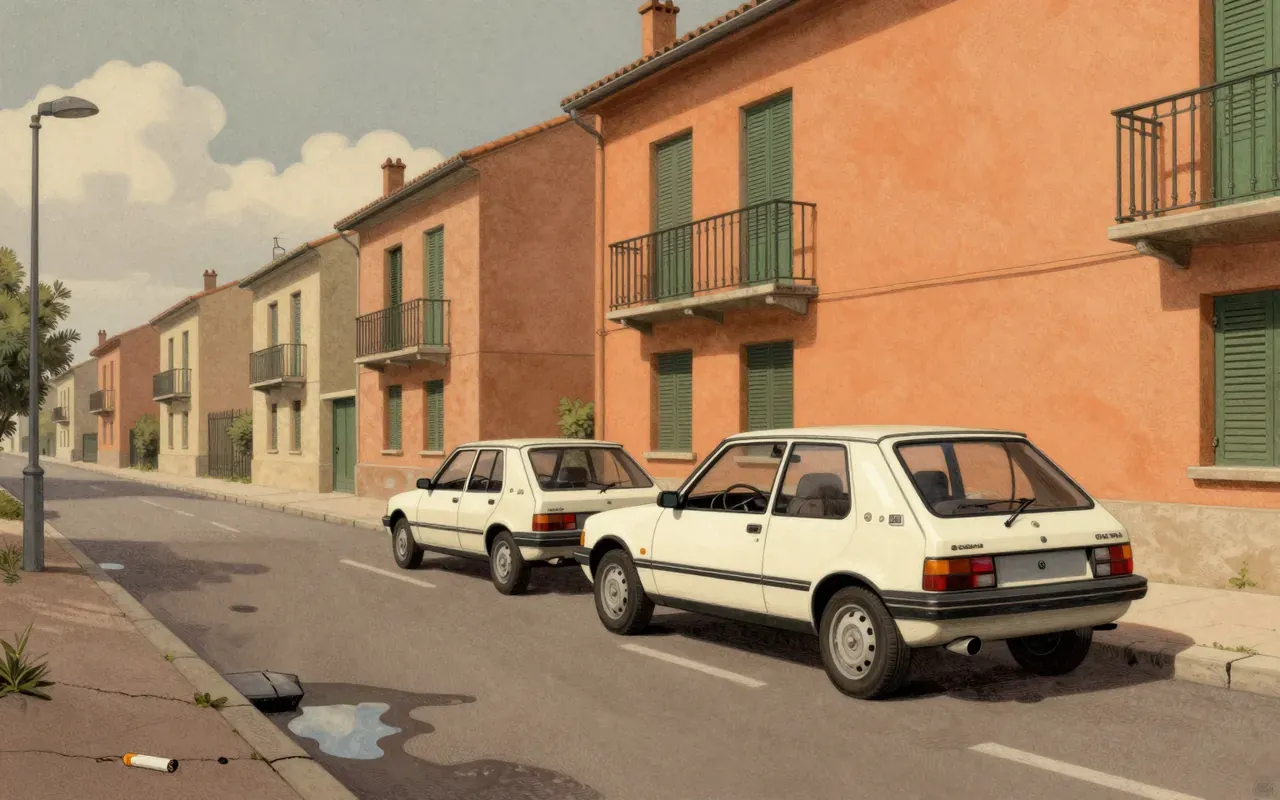
Peugeot 205Gérard Welter · 1983The Peugeot 205 is a supermini developed from Projet M24 and launched on 25 February 1983. It replaced the Peugeot 104 and Talbot Samba. Its styling is an in-house design by Gérard Welter — not Pininfarina, who only styled the Cabriolet. It used MacPherson struts at the front and trailing arms with torsion bars at the rear. The rear suspension was designed to minimise intrusion into the boot, giving a wide flat loadspace while providing excellent ride and handling. It won What Car?'s Car of the Year for 1984 and was declared 'car of the decade' by CAR Magazine in 1990. It is often credited as the car that turned Peugeot's fortunes around.
8:57
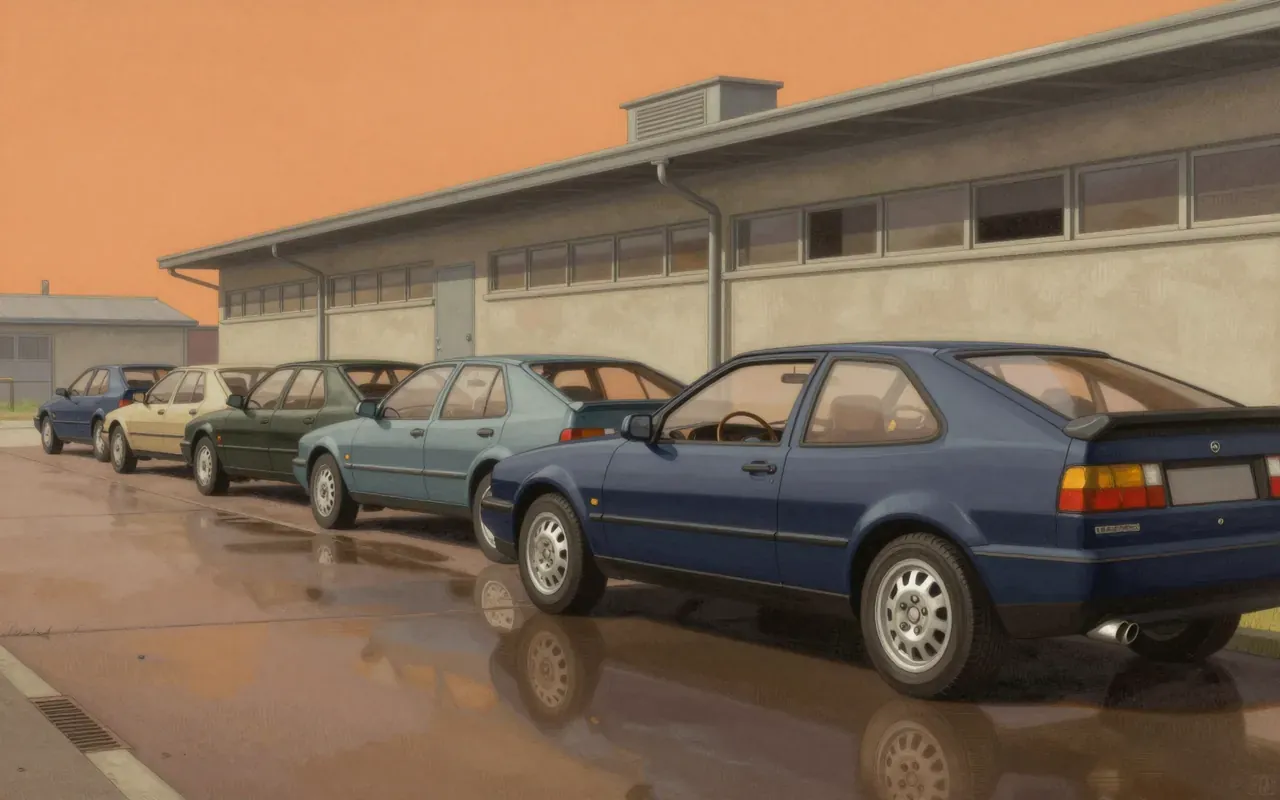
Volkswagen CorradoHerbert Schäfer · 1988The Corrado is a front-wheel-drive sport compact coupé designed by Herbert Schäfer and built by Karmann in Osnabrück from 1988 to 1995. It uses the Volkswagen Group A2 platform—the same as the Golf Mk2—with flush-mounted windows and an active rear spoiler that deploys above 100 km/h. It seats four in a 2+2 layout and is a three-door liftback. 97,521 units were produced.
Up next in Automotive

Jeep CJ

Willys engineering · 1945 · 9:00

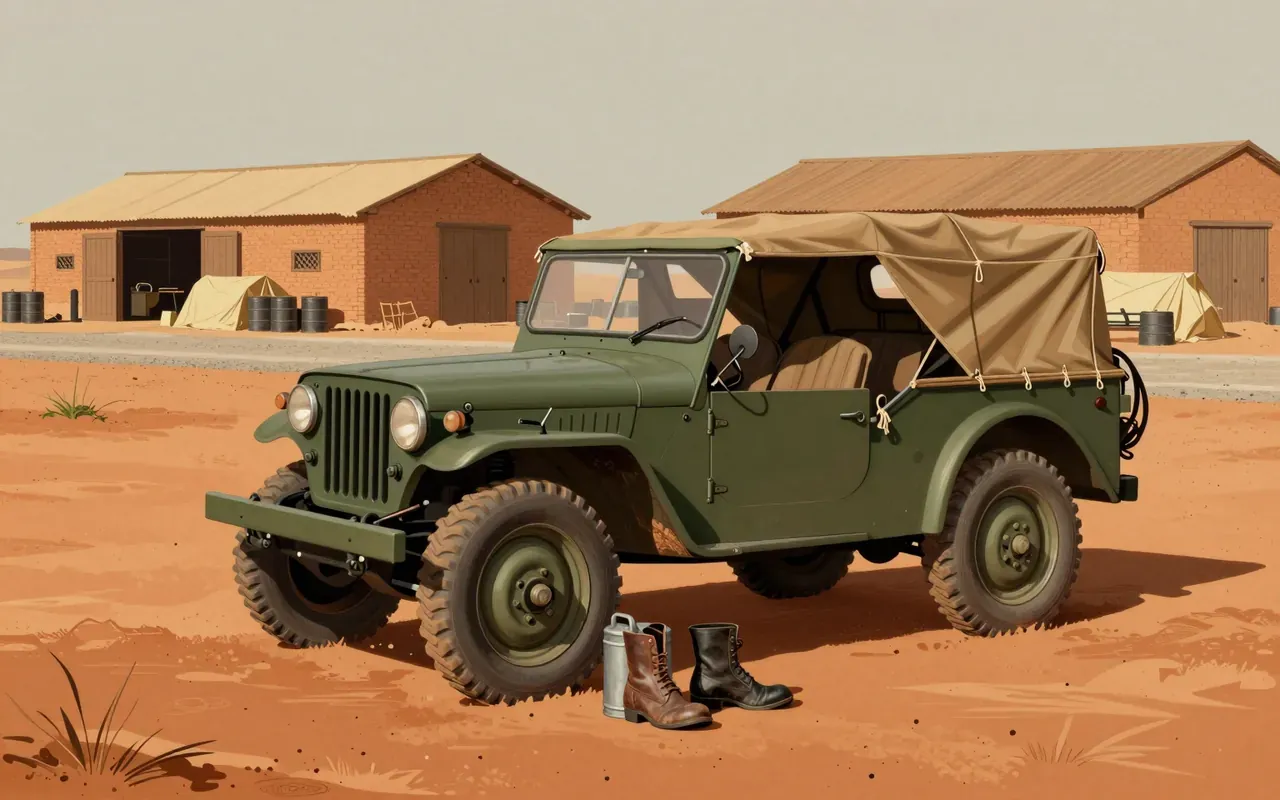
The CJ, short for civilian Jeep, is the open-bodied four-wheel-drive line that began at Willys as a civilian version of the wartime Jeep and ran from 1945 to 1986 across several owners.

9:00