automotivebriefs
8:32in productionCh. 1 · Coupé by necessity/ 8:32 · ceiling 15 min
Sports cars · Racing

Lotus Exige

The Exige doesn’t ask for your attention — it demands it.

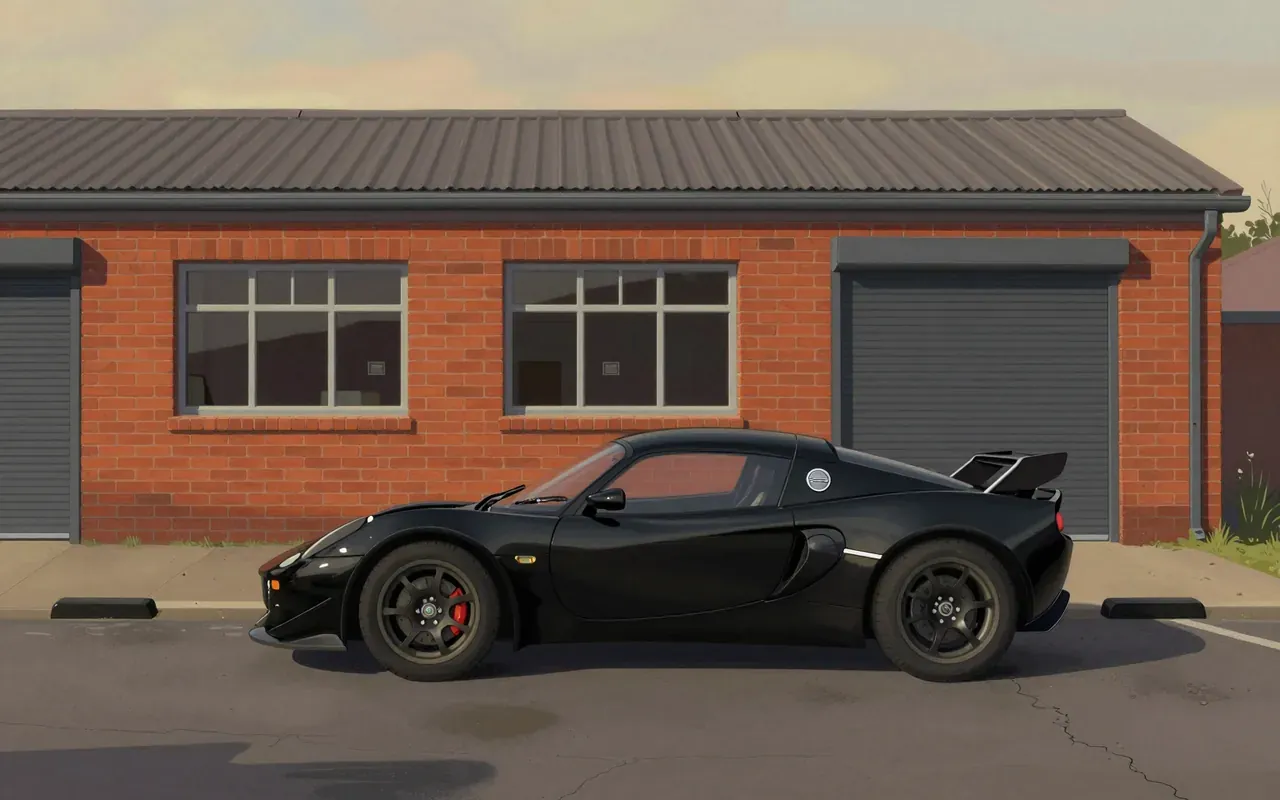
The Lotus Exige is a British sports car produced from 2000 to 2021. It began as a hardtop coupé derivative of the Elise roadster. Its name means 'demand' or 'require' in French. The original 2000 model used a naturally aspirated 1.8 L Rover K-Series inline-four. Series 2 (2004) switched to a naturally aspirated 1.8 L Toyota/Yamaha 2ZZ-GE. Series 3 (2012) adopted a supercharged 3.5 L V6 from the Evora S. All generations featured mid-engine, rear-wheel-drive layout, non-removable hardtop, kamm-tail rear bodywork, and a pylon-mounted rear wing.

Chapters & takeaways4
  1. 0:54
    Coupé by necessity

    The Exige began as a fixed-roof Elise — not a clean-sheet design, but a purposeful evolution.

  2. 1:50
    Engine progression

    Three engines across three series: Rover K-Series, Toyota 2ZZ-GE, then Evora S V6 — each step raised the performance ceiling without abandoning lightness.

  3. 3:18
    Form follows downforce

    The kamm-tail, fixed roof, and pylon wing weren’t styling flourishes — they were functional additions to increase downforce and rigidity.

  4. 4:50
    Built on Elise bones

    Series 1 Exige bodywork shared its base with the 1996–2000 Elise — proving that even early Exiges were built on proven architecture.

Worth your time?

Yes. Drive the whole thing.

4.5/ 5
What works
  • downforce generation
  • driver feedback
  • power-to-weight progression
What does not
  • comfort
  • practicality
  • refinement
Drive it if
  • track-focused drivers
  • lightweight enthusiasts
  • mechanical purists
Skip it if
  • daily commuters
  • families
  • long-distance cruisers
The written brief1 min read

What the car is and where it came from

The Lotus Exige is a British sports car launched in 2000 as a hardtop coupé derivative of the Elise roadster. Its name means ‘demand’ or ‘require’ in French.

How it works, in terms someone would actually use

The Exige is a mid-engine, rear-wheel-drive sports car with a non-removable hardtop and kamm-tail rear bodywork. It uses a transparent engine cover and pylon-mounted rear wing. The driver sits low, close to the centreline, with direct mechanical feedback through the wheel.

What it gets right

It gets right the balance of minimal weight, high downforce, and progressive power delivery — especially in Series 2 and 3, where the Toyota 2ZZ-GE and Evora S V6 engines delivered sharp throttle response and linear torque curves.

What it does not

It does not offer comfort, space, or daily usability. There is no boot space to speak of, no sound insulation, and no concession to ergonomics beyond the driver’s seat.

What it changed

It shifted the Elise family from roadster-first to a dual-track hierarchy: the Exige became the larger-engined, more aggressive variant, culminating in the V6-powered Series 3.

Who it is for, and who it is not

It is for drivers who prioritise mechanical honesty, lateral grip, and driver engagement over refinement or practicality. It is not for commuters, families, or those who value cabin quiet or luggage capacity.

Is it worth your time

Yes — if you want a focused, lightweight, track-capable British sports car defined by its rigidity, aerodynamic intent, and escalating engine choices across three series.
Same garage · Sports cars4 of 140
8:12
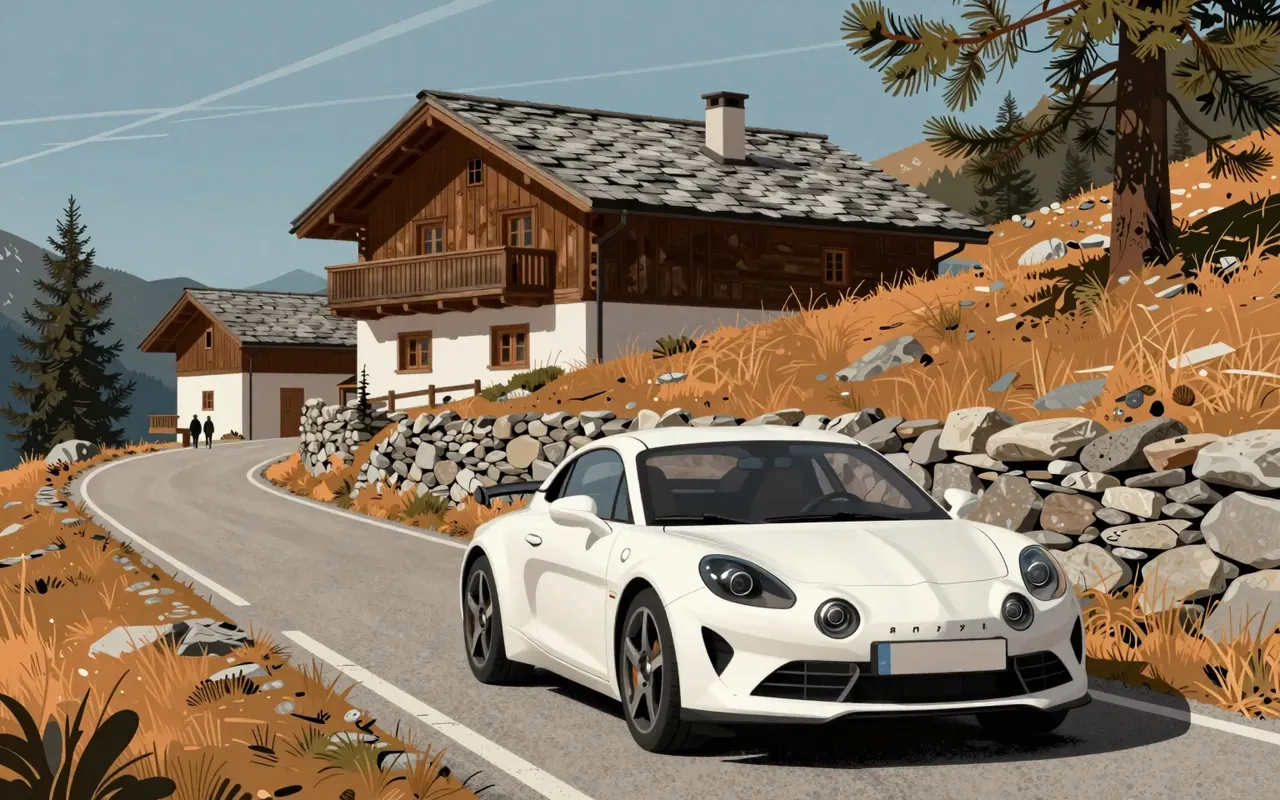
Alpine A110 (2017)Antony Villain · 2017The Alpine A110 (2017) is a rear mid-engine, rear-wheel-drive sports car built on an all-aluminium chassis and powered by a Nissan-derived 1.8-litre turbocharged inline-four engine. It debuted at the 2017 Geneva Motor Show. Production ended in June 2026.
8:32
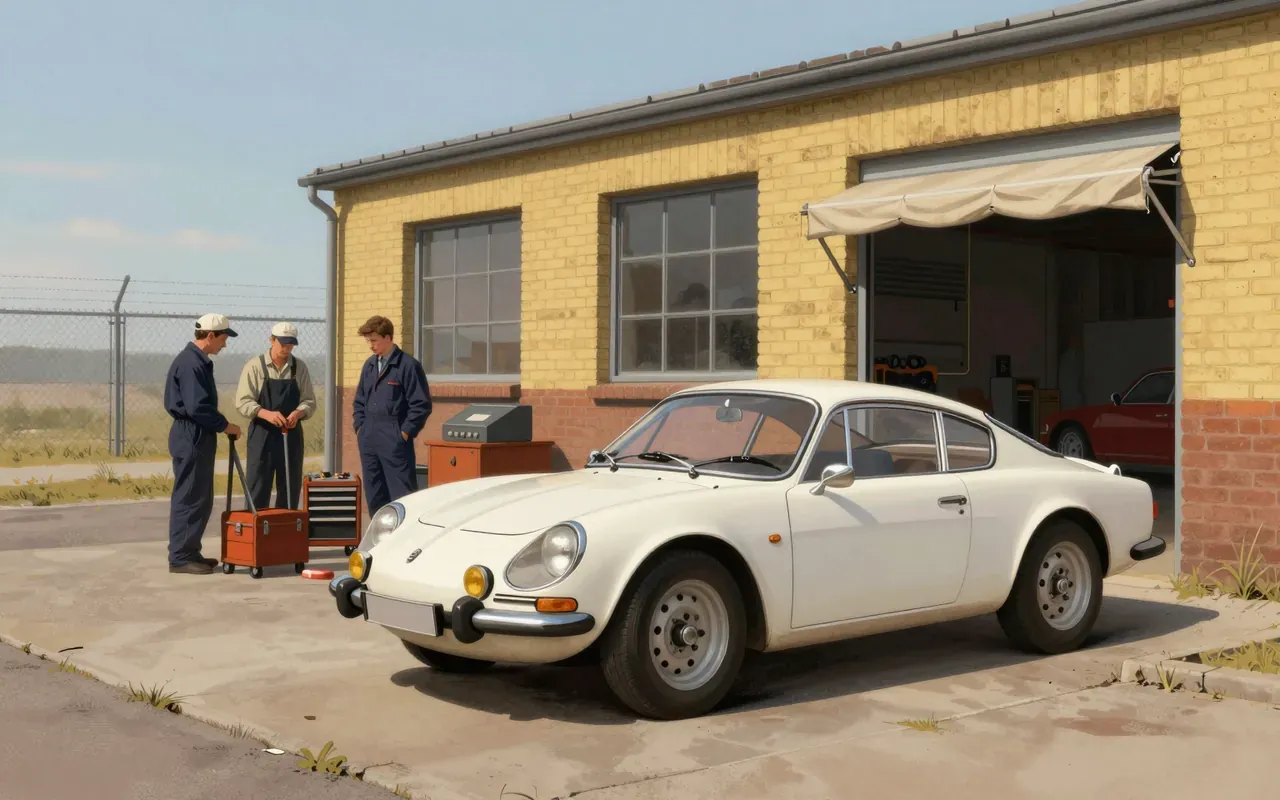
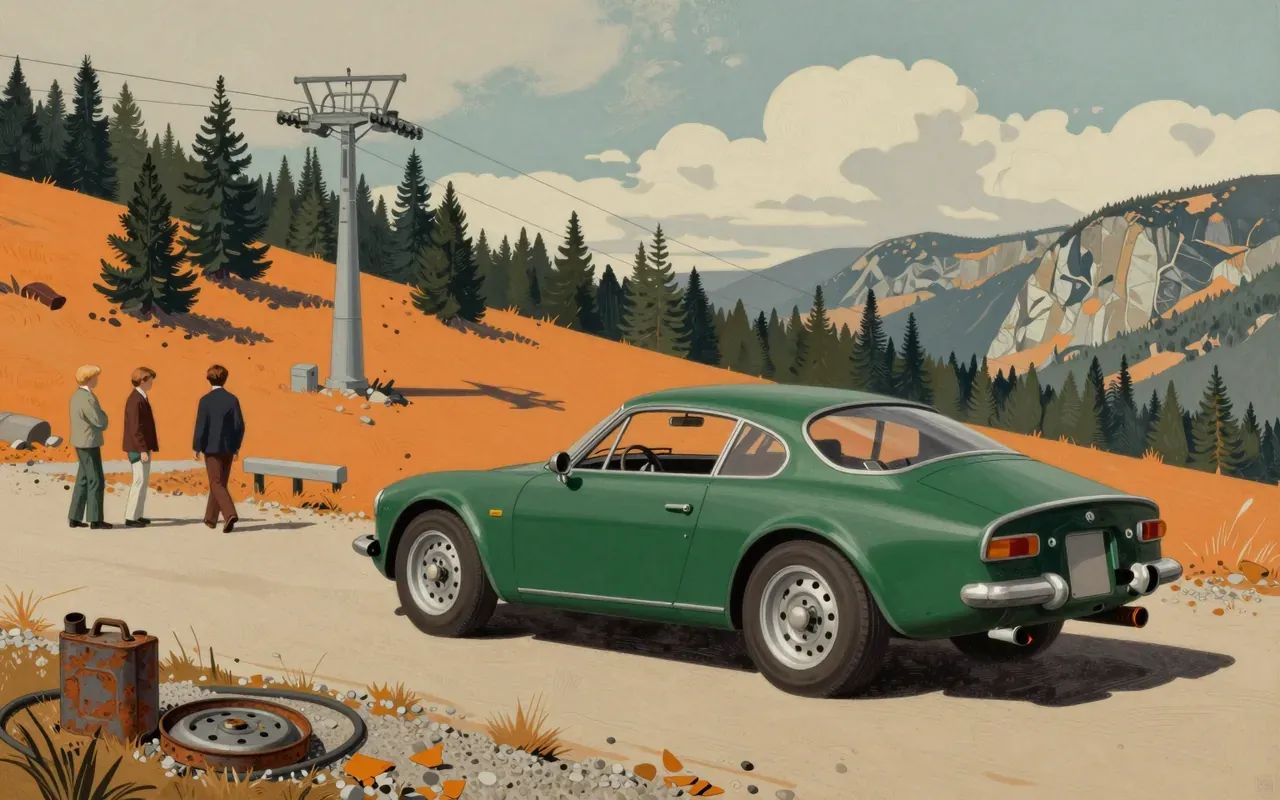
Alpine A310Michel Beligond · 1971The Alpine A310 is a French sports car, launched in 1971 as Jean Rédélé’s final Alpine model. It debuted at the 1971 Geneva Motor Show. It used a tubular steel backbone chassis and a one-piece fiberglass body. Its engine was mounted longitudinally in the rear and drove the rear wheels via a five-speed manual gearbox. The driving position was low and sporty, with footwells angled toward the car’s centre.
9:14
Renault Alpine GTA/A610Heuliez · 1984The Renault Alpine GTA is a rear-engined sports coupé launched in 1985 by Alpine under full Renault ownership. It replaced the A310, sharing its layout and V6 PRV engine. Marketed as the Alpine V6 GT or V6 Turbo in Europe—and as the Renault GTA in Britain—it featured aerodynamic design (Cx 0.28–0.30), lightweight composite body panels, and a steel backbone chassis. Production spanned 1984–1995, totalling ~7,300 units across both GTA and A610 models.
9:40
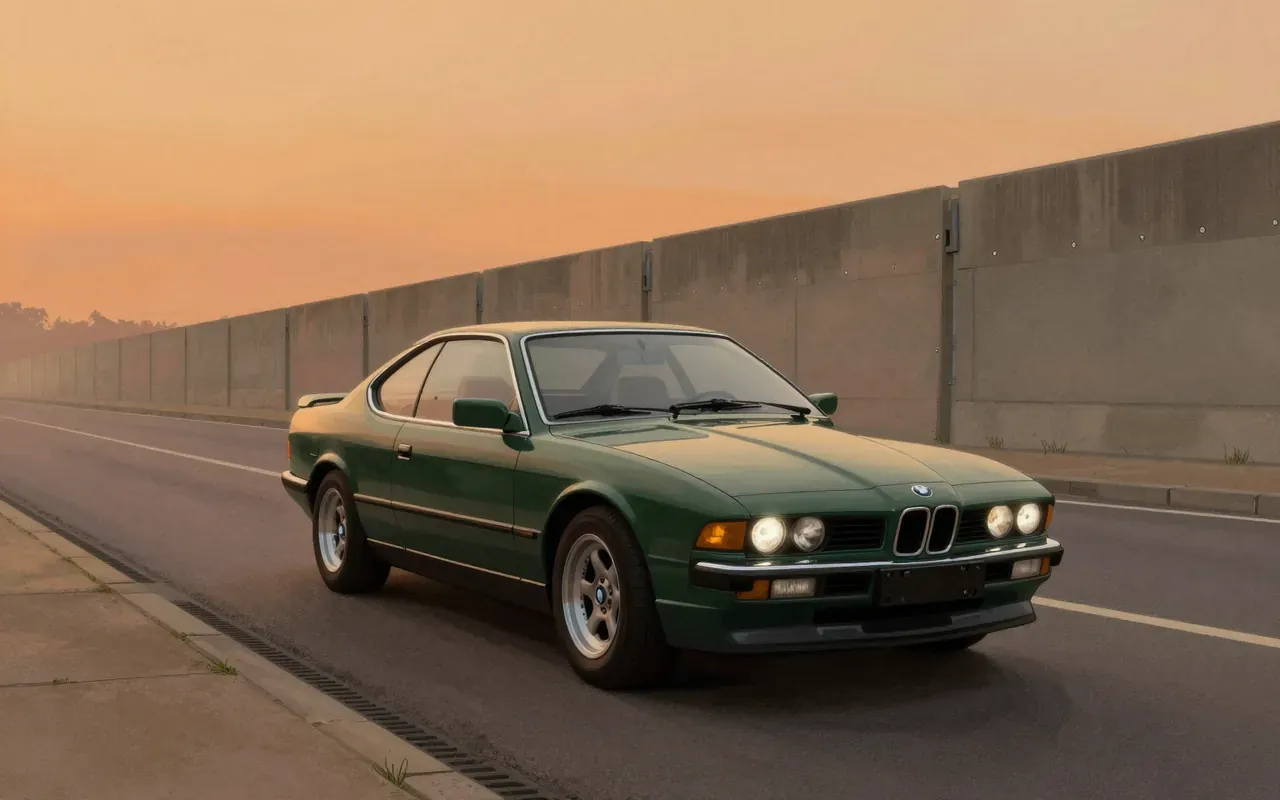
BMW 8 Series (E31)Klaus Kapitza · 1989The BMW 8 Series (E31) is a two-door grand tourer built by BMW from 1990 to 1999. It uses a front-engine, rear-wheel-drive layout. It is powered by either a V8 or V12 engine. Development began in July 1981 and concluded in 1986. It debuted at the Frankfurt Motor Show in early September 1989. BMW used CAD tools to design its all-new body. Its drag coefficient is Cd=0.29. It replaced the E24 6 Series but was not a direct successor. Total production was 30,609 units.
Up next in Automotive

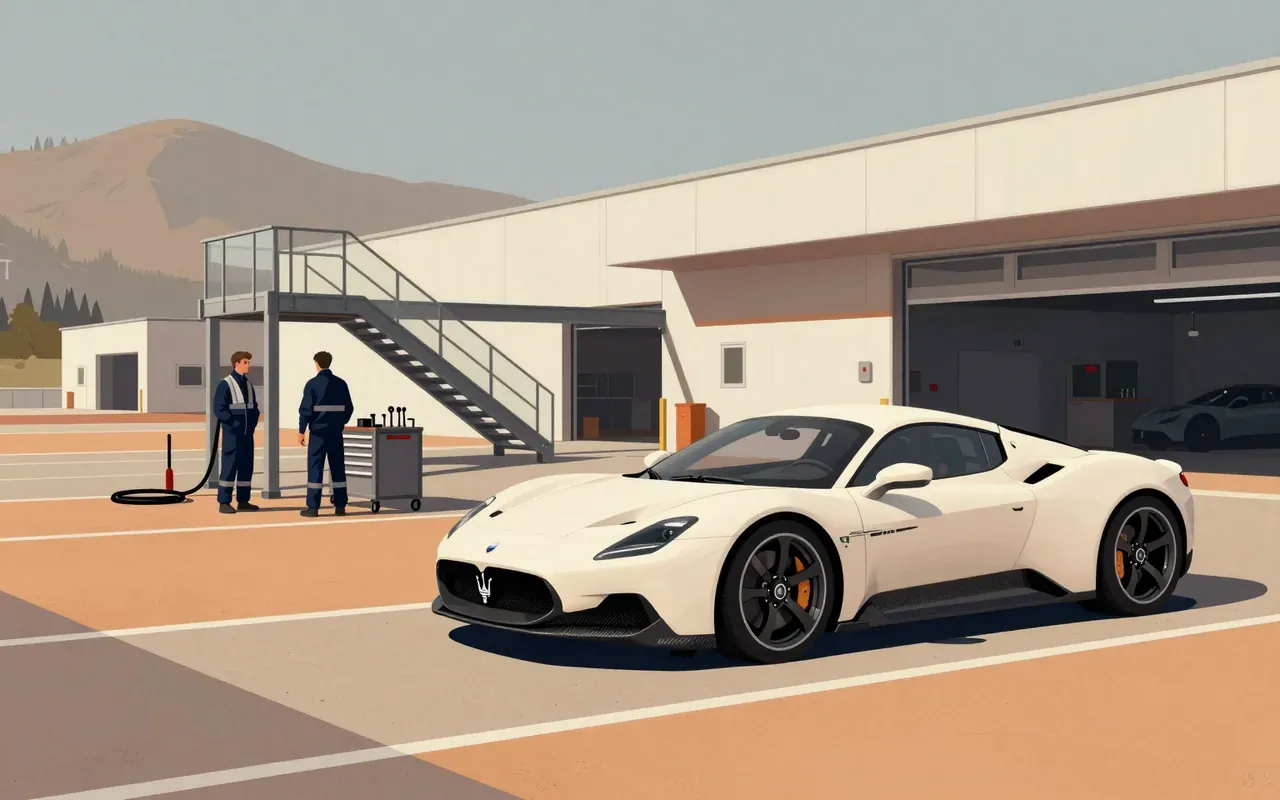
Maserati MC20

Maserati Centro Stile · 2020 · 8:53

Maserati stopped outsourcing engines—and started building a family of machines around one.

8:53