Saved
Sports cars · Supercars

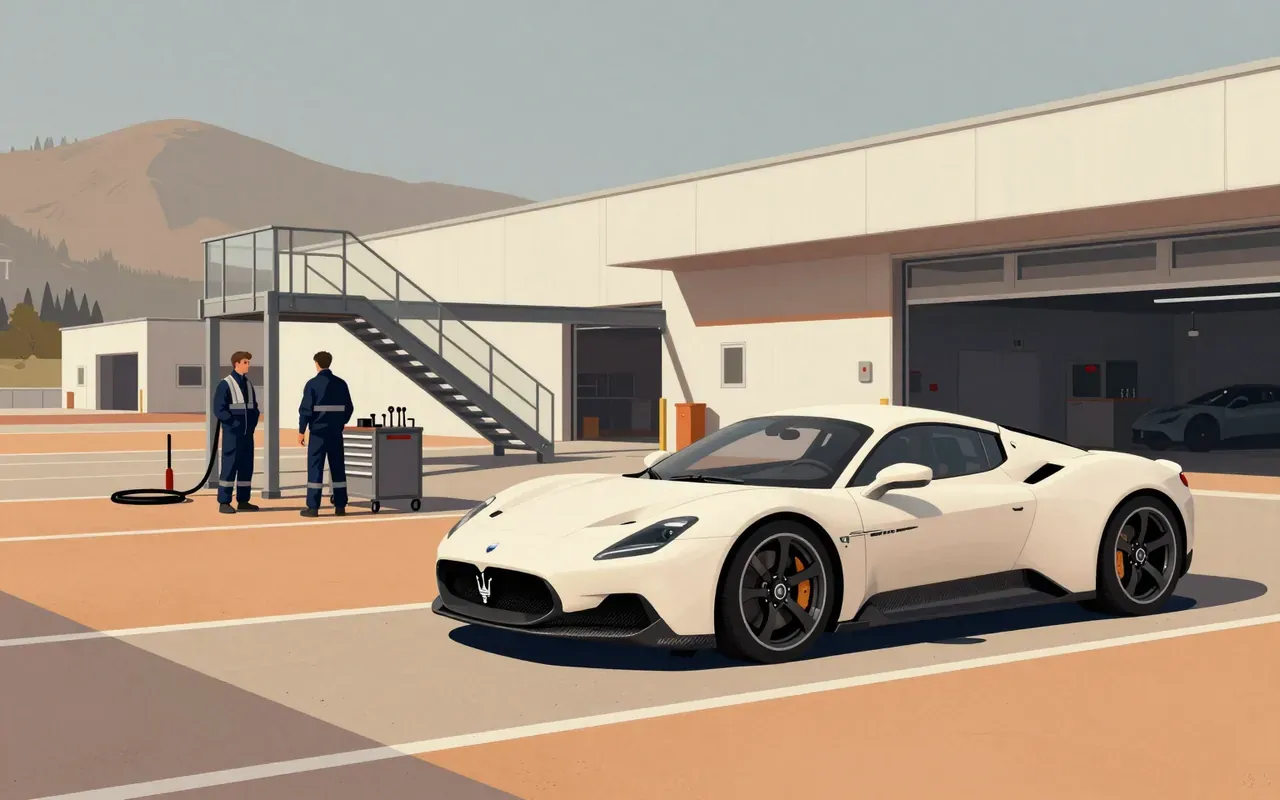
Maserati MC20

Maserati stopped outsourcing engines—and started building a family of machines around one.

Worth your time?4/5Yes.Drive the whole thing.What works, what does not, who it is for ↓
8:53in productionCh. 1 · The Reset/ 8:53 · ceiling 15 min
4 chapters · 8:53Ceiling 15:00

The brief is written and checked. The video joins this page when it is cut.4 chapters · 1 min read · 8:53 planned

Read the brief

The MC20 is Maserati’s first in-house sports car since the Bora. It is not a revival. It is a declaration: no more borrowed engines, no more compromised layouts, no more waiting for permission to be a manufacturer. It launched in Modena in 2020 with a bespoke V6, then expanded into open-top, track, racing, and (briefly) electric forms—before being renamed MCPura in 2025.

Chapters & takeaways4
  1. 0:52
    The Reset

    A clean-sheet, rear-mid-engine sports car launched in Modena in 2020 as Maserati’s new technical foundation.

  2. 2:08
    The Engine

    The Nettuno is a bespoke 2,992 cc V6 with pre-chamber ignition—not a carryover or rebadged unit.

  3. 3:39
    The Family

    One platform generated four distinct derivatives: Cielo (2022), MCXtrema (2023), GT2 (2023), and Folgore (canceled 2025).

  4. 5:05
    The Pivot

    The MC20 was rebranded as MCPura in 2025—and its electric variant was abandoned the same year.

1 more chapterFewer chapters
Worth your time?

Yes. Drive the whole thing.

4/ 5
What works
  • distinct design language
  • driver-forward cockpit
  • lightweight, mid-engined architecture
What does not
  • all-wheel drive
  • V8 or V12 engine
  • electric production
  • long-run production
Drive it if
  • buyers who prioritise mechanical distinctness over brand lineage
  • buyers who value variant-specific purpose
Skip it if
  • collectors seeking long-run production
  • daily usability seekers
  • electrification seekers
Who should drive it, and who should skipHide who it is for
The written brief1 min read

What the car is and where it came from

The MC20 is a two-seater, rear-mid-engine sports car produced by Maserati. It debuted in September 2020 in Modena. Its internal code is M240. MC stands for Maserati Corse 2020.

How it works, in terms someone would actually use

It places the driver behind a 90-degree, 2,992 cc twin-turbo V6 named Nettuno. The engine uses pre-chamber ignition and a dry sump. The layout is rear-mid-engine. The cabin is two-seater only.

What it gets right

It establishes a distinct design language for Maserati’s modern era. It delivers a focused, driver-forward cockpit. It commits to a lightweight, mid-engined architecture without compromise on structural rigidity.

What it does not

It does not offer all-wheel drive. It does not use a V8 or V12. It does not retain the MC20 name beyond 2025. It does not deliver electric powertrain production.

What it changed

It reset Maserati’s technical direction with an in-house V6 after years of Ferrari-sourced engines. It launched a modular platform that spawned open-top, track-only, racing, and (briefly) electric derivatives.

Who it is for, and who it is not

It is for buyers who prioritise mechanical distinctness over brand lineage, and who value variant-specific purpose—open-air (Cielo), track (MCXtrema), or racing (GT2). It is not for collectors seeking long-run production, daily usability, or electrification.

Is it worth your time

Yes—if you want a contemporary Italian sports car built around a bespoke V6 and a clear hierarchy of variants. No—if you need practicality, electric propulsion, or heritage continuity beyond 2020.
Same garage · Sports cars4 of 157
9:16
Maserati BoraGiorgetto Giugiaro · 1971The Maserati Bora is a pivotal machine: the first mid-engined street car and first with four-wheel independent suspension from Maserati. Designed by Giorgetto Giugiaro at Italdesign in the late 1960s, it launched in 1971 under Citroën ownership and ended production in 1978 after De Tomaso’s acquisition. Its 0.30 drag coefficient and ‘gentle bends’ reflect a transitional moment in automotive design—between organic curves and hard-edged modernism. Named after the Bora wind of Trieste, it redefined what a Maserati grand tourer could be: technically current, aerodynamically advanced, and architecturally coherent.
9:56
Maserati GhibliGiorgetto Giugiaro · 1967The 1967 Maserati Ghibli AM115 is Giugiaro’s final full expression of arched, flowing form — a front-engine, RWD, 2+2 fastback coupé defined by its shark nose, steel body, and 4.7 L V8. It launched as a 2-seater concept at Turin in 1966. Production ran 1967–1973. Variants followed in 1969: Spyder and SS. Total output: 1,295 units. It predates Giugiaro’s angular shift — the Bora arrived in 1971.
9:05
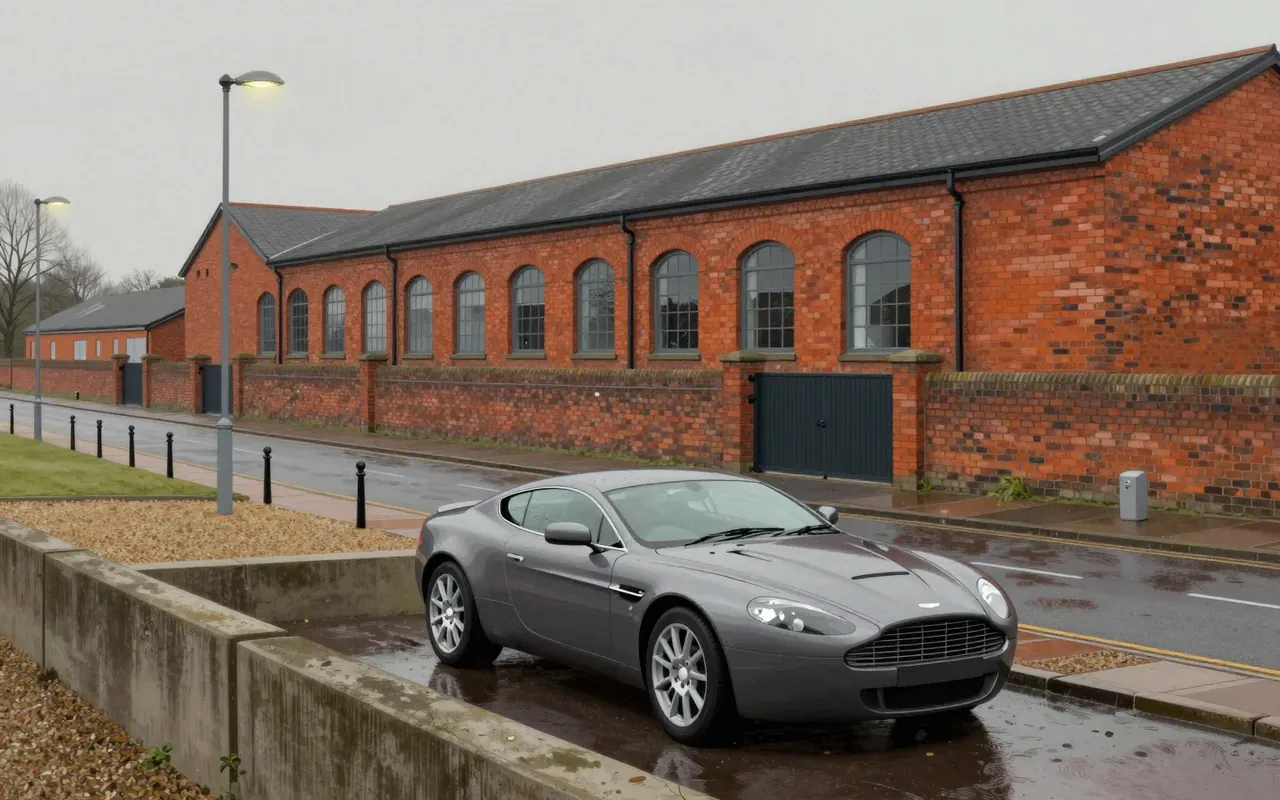
Aston Martin DB9Henrik Fisker · 2004The DB9 is a two-door grand tourer designed by Ian Callum and Henrik Fisker. It was built in Gaydon, Warwickshire. Production ran from 2004 (coupé) to 2016, with the Volante convertible added in 2005. It uses aluminium and composites on a vertical/horizontal platform, with a front mid-engine, rear-wheel drive layout. It features a 5.9 L V12 engine. Henrik Fisker led its production design, drawing on Aston Martin’s heritage while enabling scalable manufacturing.
9:29
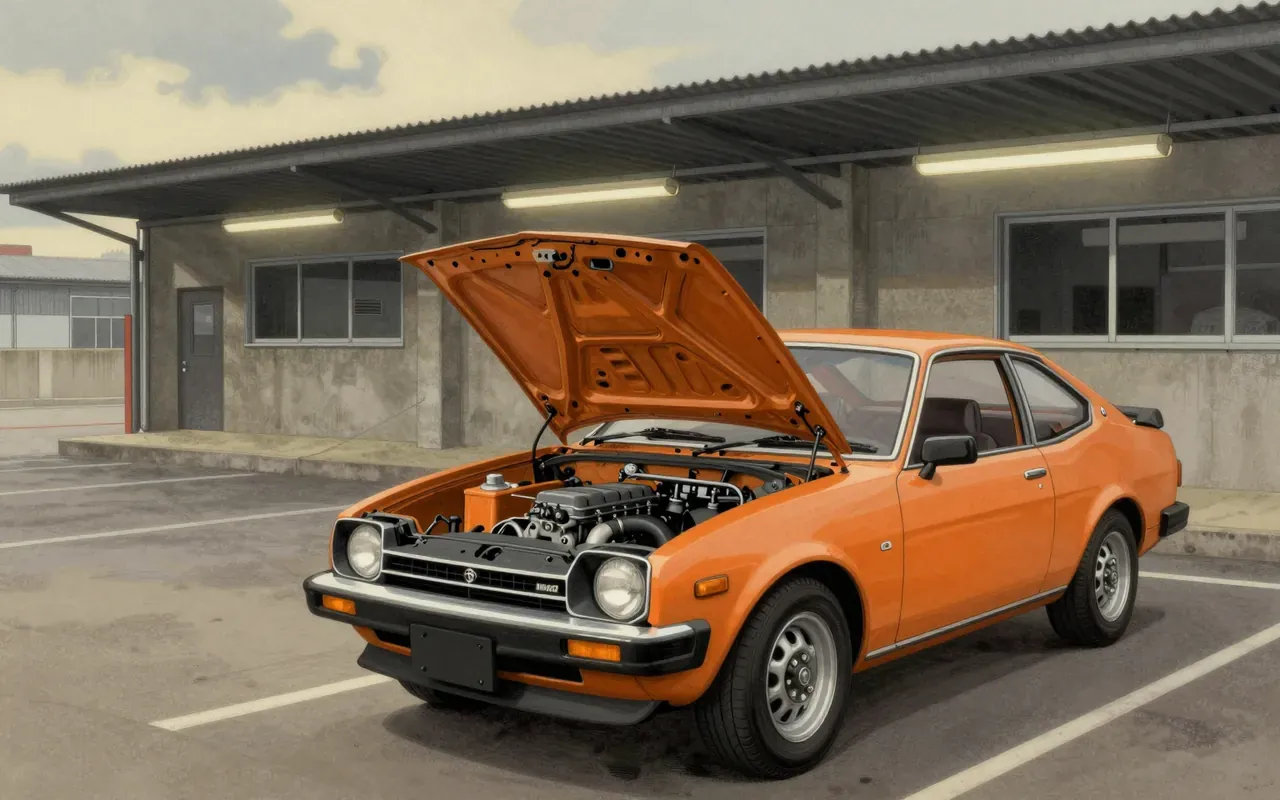
Toyota SupraToyota Design · 1978The 1978 Toyota Supra is a purpose-built response to dealer demand: a longer, six-cylinder Celica liftback engineered to match the Datsun 280Z. It is neither radical nor revolutionary—just a calibrated evolution of existing parts, packaging, and powertrain. Its value lies in continuity, not disruption.
Up next in Automotive

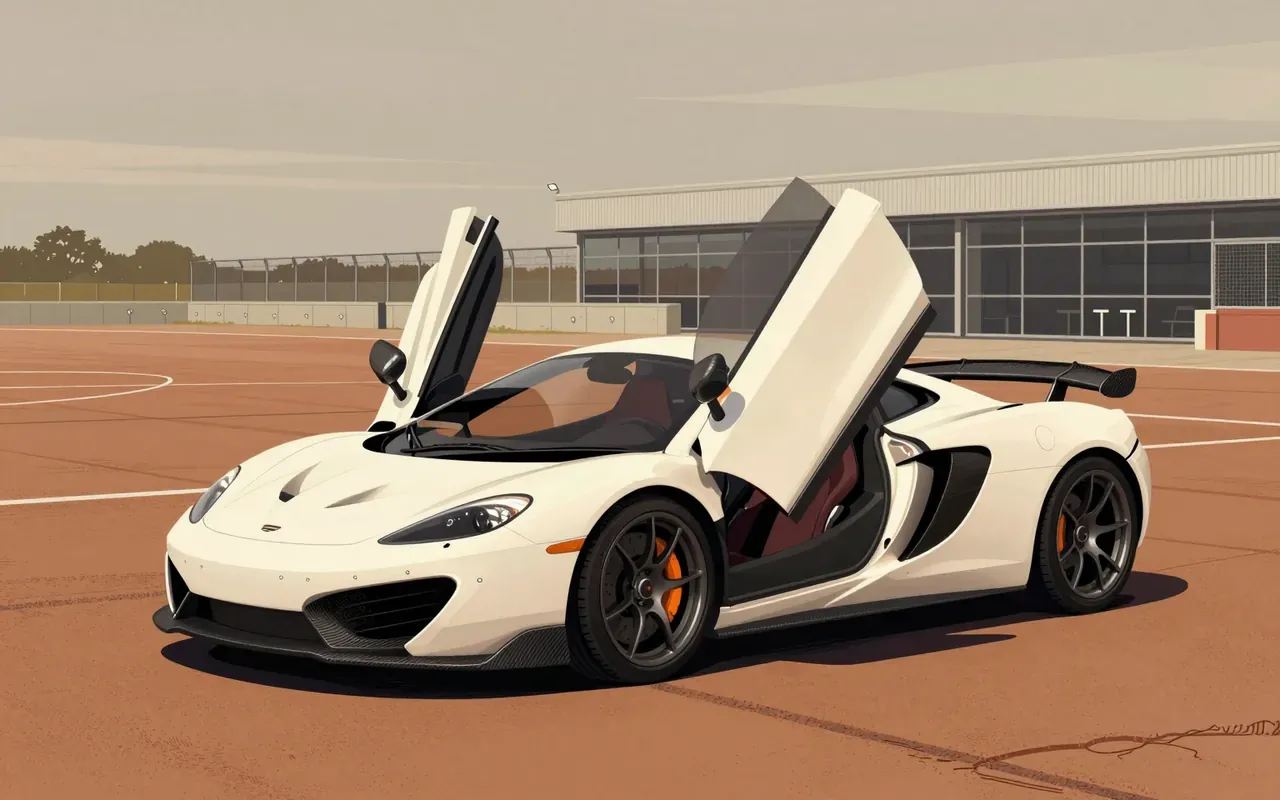
McLaren 12C

Frank Stephenson · 2011 · 8:34

McLaren didn’t reinvent the supercar with the 12C — it rebuilt itself around one.

8:34