automotivebriefs
9:46in productionCh. 1 · A Name, Not a Signature/ 9:46 · ceiling 15 min
Supercars · Electric

Pininfarina Battista

An electric hypercar that swaps gears for g-force—and trades driver involvement for uncompromising physics.

The Pininfarina Battista is not a revival—it is a declaration. It replaces combustion with four wheel-mounted motors. It replaces tradition with a carbon monocoque built for mass reduction. It replaces volume with 150 units. It is the first Pininfarina-branded car. And it arrives not as a concept, but as a production machine built in Cambiano.

Chapters & takeaways4
  1. 0:45
    A Name, Not a Signature

    It is the first car to carry the Pininfarina name—not as a design house, but as a manufacturer.

  2. 2:20
    No Engine Bay, Just Electrons

    Four wheel-mounted motors, a Rimac battery, and 1900 horsepower define its propulsion—not revs, gears, or exhaust.

  3. 3:49
    Mass As a Design Parameter

    A carbon fibre monocoque with aluminium crash structures and carbon body panels keep mass low—by material choice, not compromise.

  4. 5:44
    Timing, Location, Quantity

    Unveiled in 2019. Built from 2022. Limited to 150 units—all hand-assembled in Cambiano.

Worth your time?

Yes. Drive the whole thing.

4.5/ 5
What works
  • integration of extreme power into a lightweight carbon fibre monocoque with aluminium crash structures
  • placement of four motors for instant torque delivery and directional control
  • commitment to limited production—150 units—as a structural constraint, not a marketing afterthought
What does not
  • offer driver-adjustable regenerative braking modes
  • use a dual-clutch or manual transmission
  • have a spare wheel, a boot large enough for luggage, or a rear seat
Drive it if
  • collectors who prioritise technical specification, Italian design provenance, and exclusivity over daily usability or long-distance comfort
  • drivers seeking analogue feedback, mechanical simplicity, or service accessibility
Skip it if
  • drivers seeking analogue feedback, mechanical simplicity, or service accessibility
The written brief1 min read

What the car is and where it came from

The Pininfarina Battista is the first car branded by Automobili Pininfarina GmbH. It is an electric performance car, unveiled at the 2019 Geneva Motor Show. It is named after founder Battista Pininfarina. Production began in 2022 in Cambiano, Italy.

How it works, in terms someone would actually use

Four individual wheel-mounted electric motors deliver torque to each corner. A 120 kW⋅h Rimac-supplied battery powers them. The driver engages acceleration with a single pedal. There is no gearbox, no clutch, no exhaust note.

What it gets right

It gets right the integration of extreme power into a lightweight carbon fibre monocoque with aluminium crash structures. It gets right the placement of four motors for instant torque delivery and directional control. It gets right the commitment to limited production—150 units—as a structural constraint, not a marketing afterthought.

What it does not

It does not offer driver-adjustable regenerative braking modes. It does not use a dual-clutch or manual transmission. It does not have a spare wheel, a boot large enough for luggage, or a rear seat.

What it changed

It changed the expectation for what a new Italian automotive brand could launch with: not a combustion-engine grand tourer or sports car, but an all-electric hypercar built around torque vectoring, carbon fibre mass reduction, and Rimac-derived powertrain architecture.

Who it is for, and who it is not

It is for collectors who prioritise technical specification, Italian design provenance, and exclusivity over daily usability or long-distance comfort. It is not for drivers seeking analogue feedback, mechanical simplicity, or service accessibility.

Is it worth your time

Yes—if you are assessing how far electric drivetrains can push performance boundaries in a hand-built, low-volume sports car. No—if you need evidence of real-world usability, service infrastructure, or driving engagement beyond acceleration.
Same garage · Supercars4 of 61
10:20
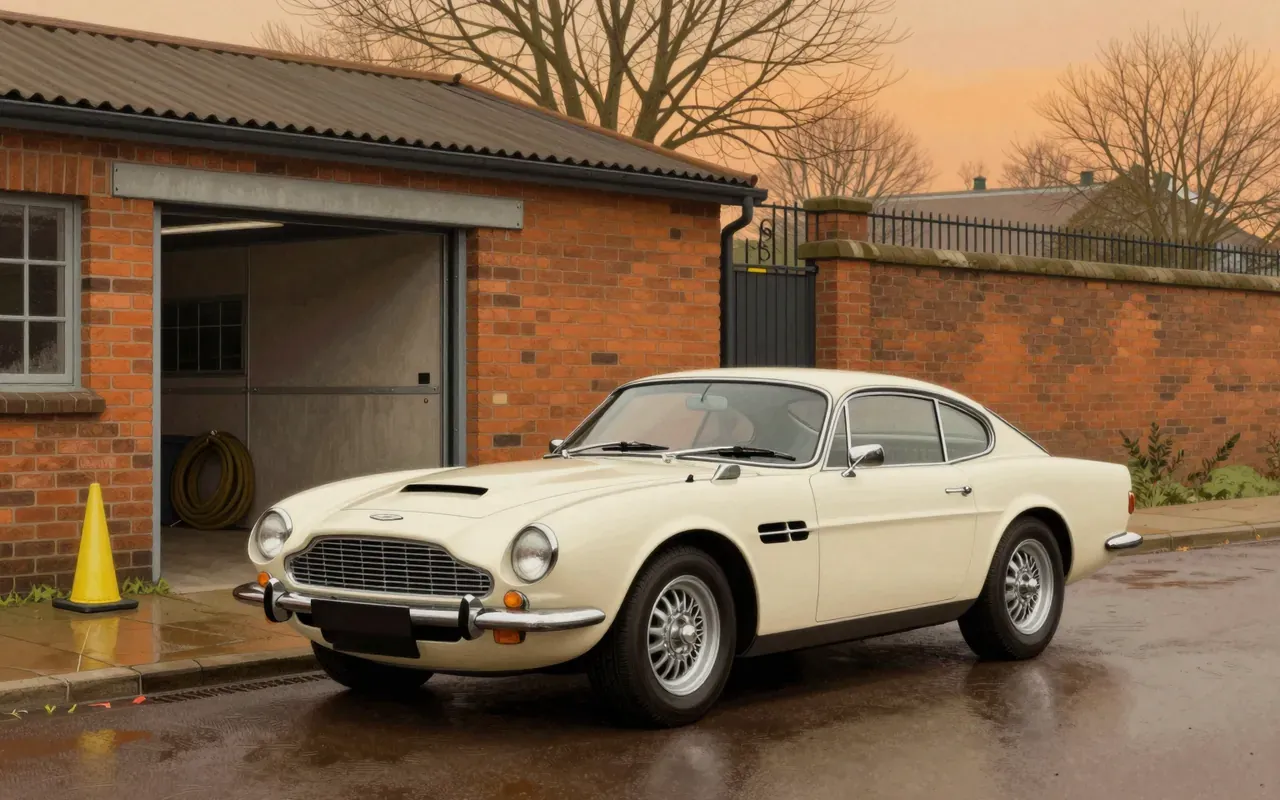
Aston Martin V8 Vantage (1977)William Towns · 1977The Aston Martin V8 Vantage (1977) is a British grand tourer and high-performance variant of the Aston Martin V8. It was launched as 'Britain's First Supercar', citing 170 mph top speed and 0–60 mph in 5.3 seconds. Its engine shares architecture with the Lagonda but adds high-performance camshafts, increased compression, larger inlet valves, and bigger Weber carburettors. Early models produced 380 bhp. William Towns did not design it — he left Aston Martin in 1977.
9:38
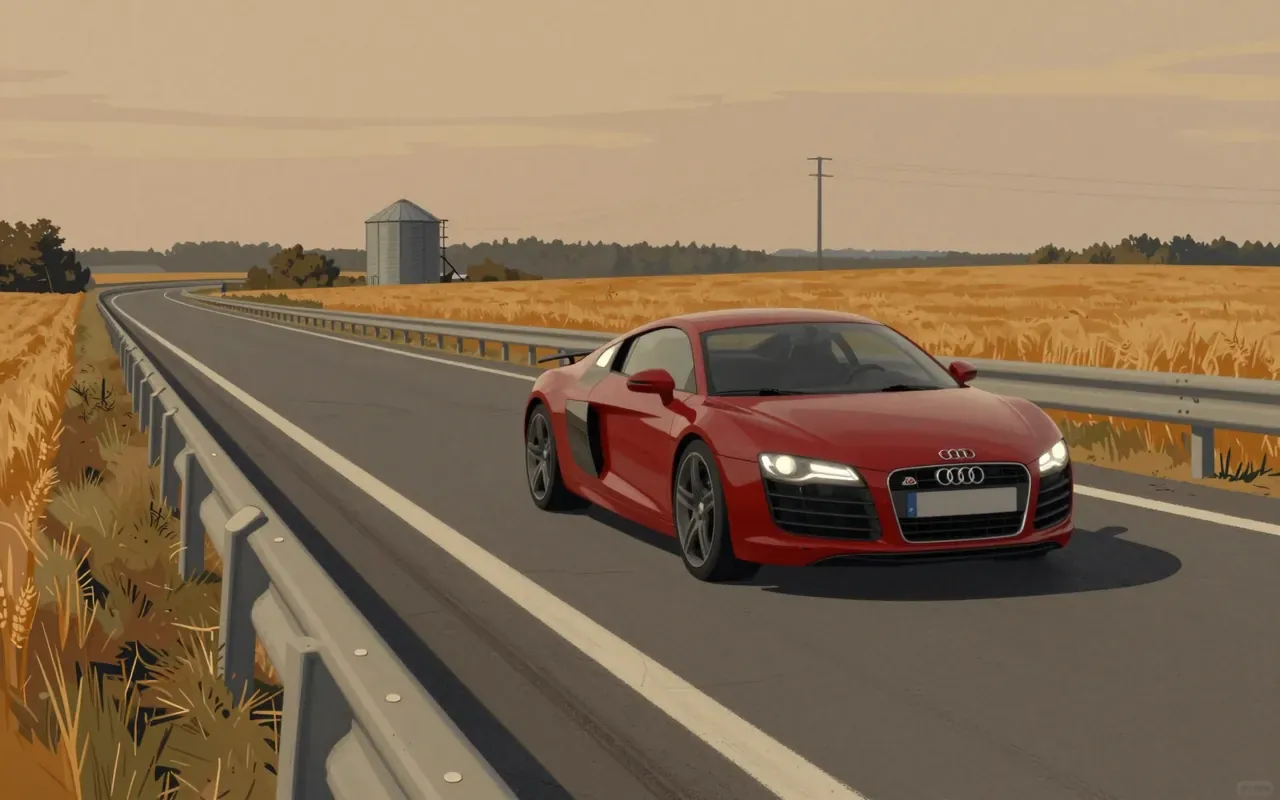
Audi R8Walter de Silva · 2006The Audi R8 is a mid-engine, two-seater sports car with quattro all-wheel drive. Introduced by Audi AG in 2006, it was built exclusively by Audi Sport GmbH at Neckarsulm, Germany, using an aluminium monocoque based on the Audi Space Frame. At launch, it was the first production car with full-LED headlamps.
9:40
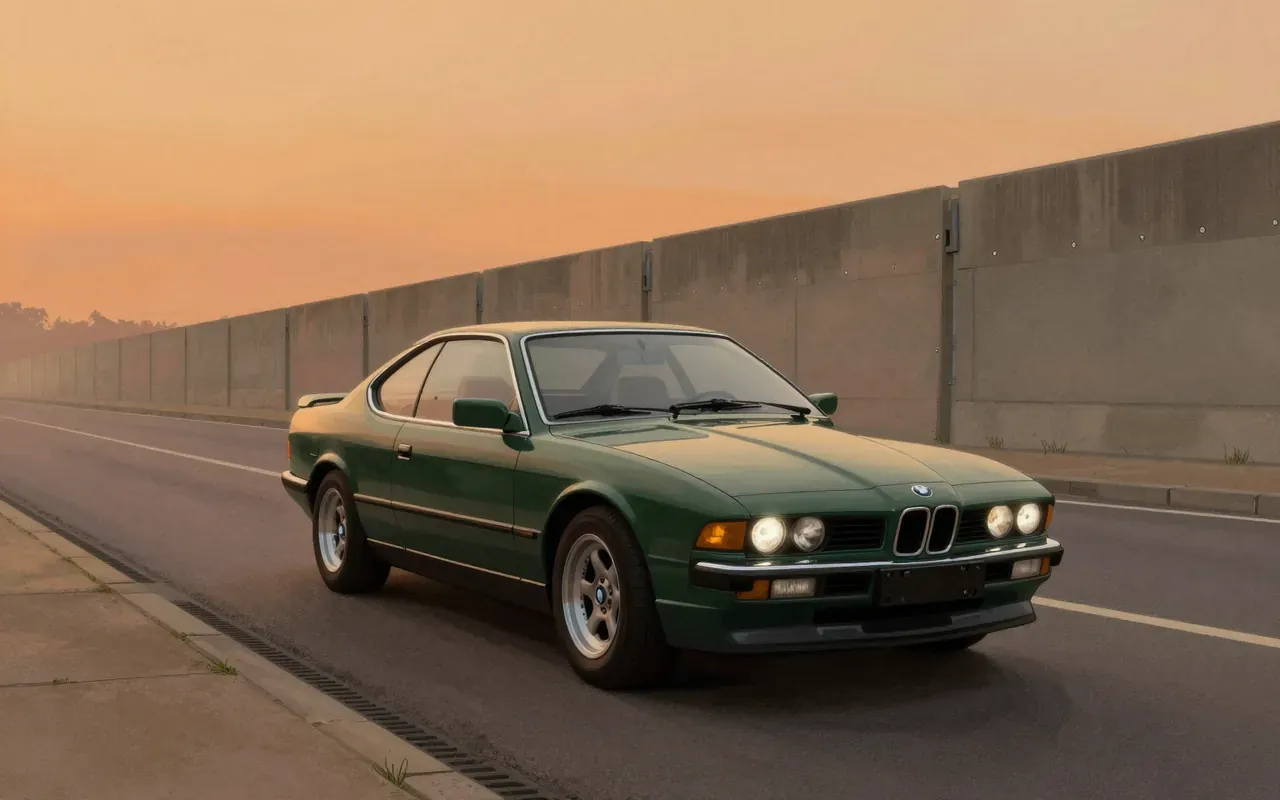
BMW 8 Series (E31)Klaus Kapitza · 1989The BMW 8 Series (E31) is a two-door grand tourer built by BMW from 1990 to 1999. It uses a front-engine, rear-wheel-drive layout. It is powered by either a V8 or V12 engine. Development began in July 1981 and concluded in 1986. It debuted at the Frankfurt Motor Show in early September 1989. BMW used CAD tools to design its all-new body. Its drag coefficient is Cd=0.29. It replaced the E24 6 Series but was not a direct successor. Total production was 30,609 units.
9:00
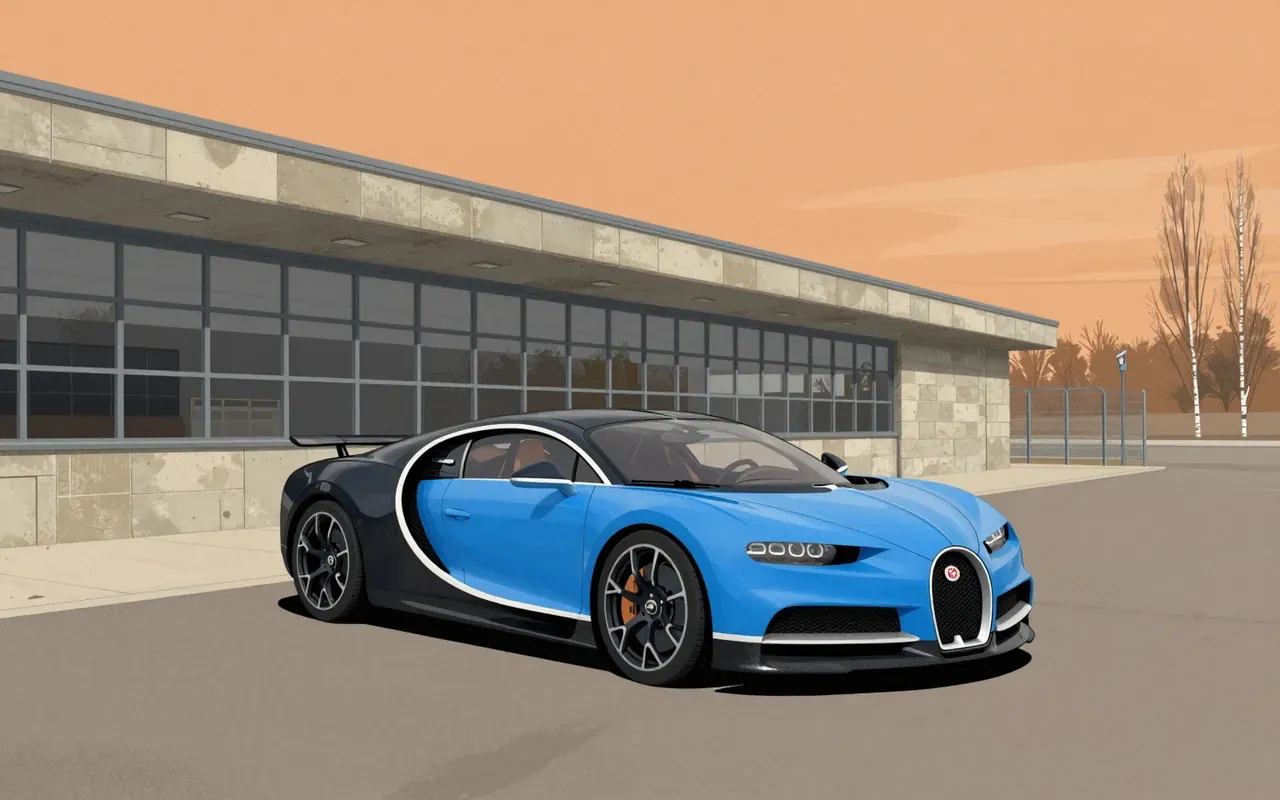
Bugatti ChironAchim Anscheidt · 2016The Bugatti Chiron is a mid-engine, two-seater sports car designed and developed in Germany. It was manufactured in Molsheim, France. It succeeded the Veyron. It debuted at the 2016 Geneva Motor Show. Its design was previewed with the Vision Gran Turismo concept. It is named after Louis Chiron. It uses a heavily updated 8.0 L quad-turbocharged W16 engine producing 1,103 kW and 1,600 N⋅m. It has a carbon fibre body, independent suspension, and Haldex all-wheel drive.
Up next in Automotive

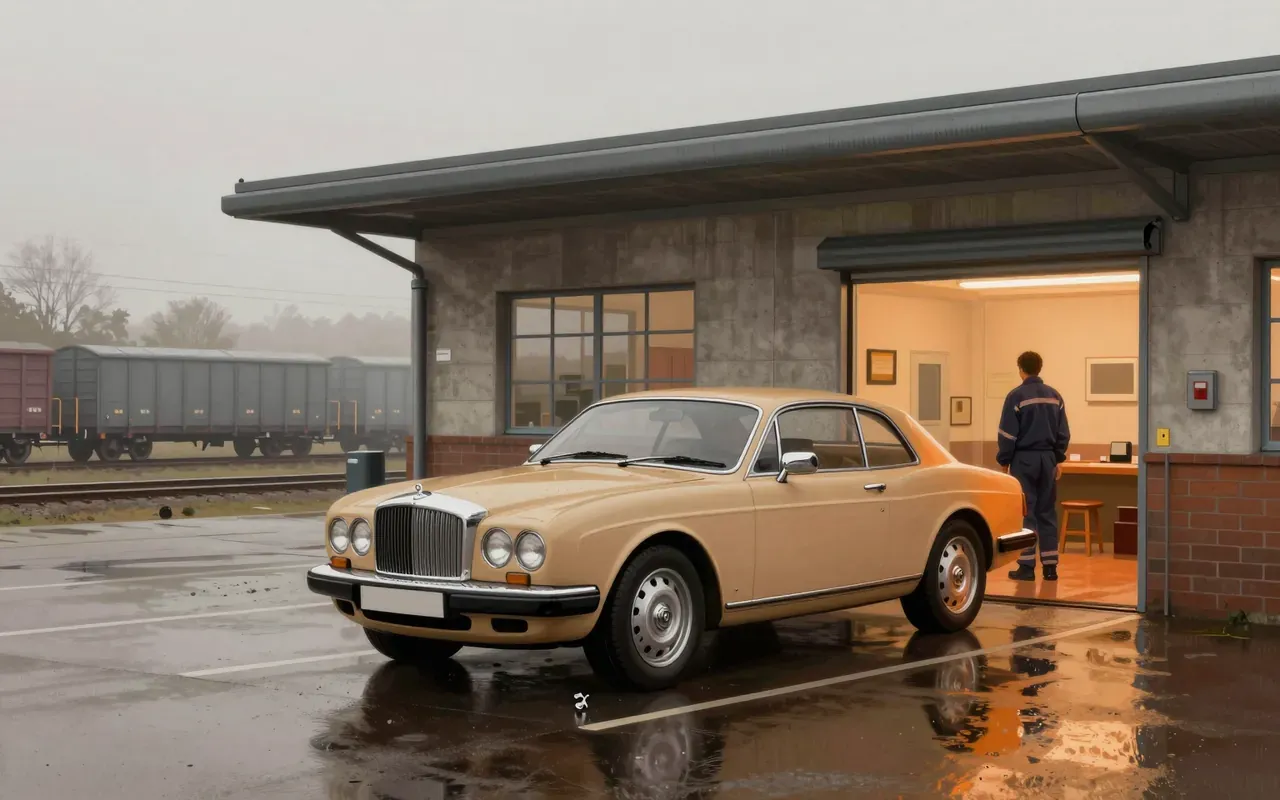
Bentley Continental GT

Dirk van Braeckel · 2003 · 11:27

The Continental GT didn’t revive Bentley — it replaced it with something bigger, faster, and built to sell.

11:27