Saved
Road

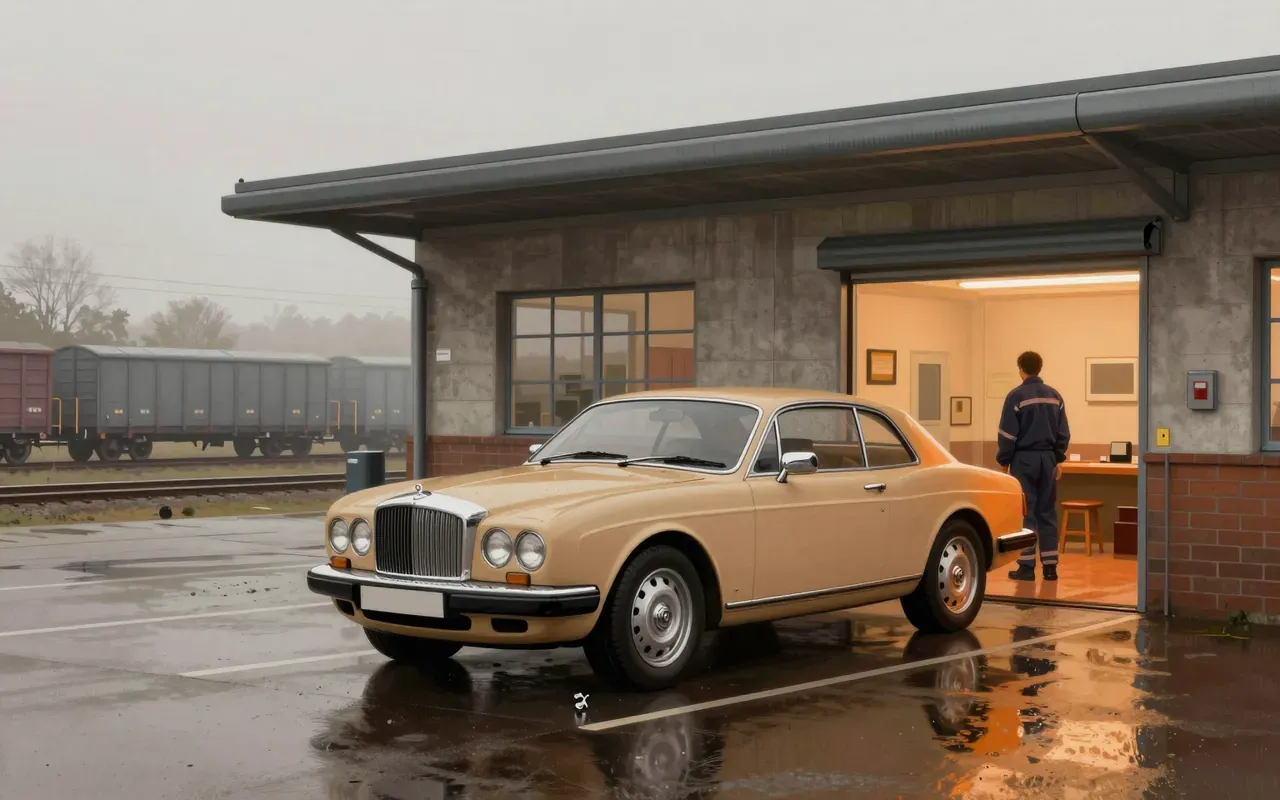
Bentley Continental GT

The Continental GT didn’t revive Bentley — it replaced it with something bigger, faster, and built to sell.

Worth your time?4.5/5Yes.Drive the whole thing.What works, what does not, who it is for ↓
11:27in productionCh. 1 · A new Bentley/ 11:27 · ceiling 15 min
4 chapters · 11:27Ceiling 15:00

The brief is written and checked. The video joins this page when it is cut.4 chapters · 1 min read · 11:27 planned

Read the brief

The 2003 Bentley Continental GT is a grand touring car. It launched after Volkswagen AG acquired Bentley in 1998. It was the first Bentley built using mass production techniques. It uses a 6.0 litre twin-turbocharged W12 engine and Torsen-based permanent four-wheel drive. The coupé has no B-pillar and fixed front quarter glass. Dirk van Braeckel designed it to outsell the Arnage. It sold 5,983 units in 2004 — 62% above forecast.

Chapters & takeaways4
  1. 0:54
    A new Bentley

    It was Bentley’s first mass-produced model — and its first under Volkswagen ownership.

  2. 2:23
    How it moves and looks

    Its W12 engine, permanent four-wheel drive, and pillarless coupé body defined its mechanical and visual grammar.

  3. 4:44
    Designed for volume

    Van Braeckel designed it to outsell the Arnage — and it did, by 62% in its first year.

  4. 7:06
    A shape that stuck

    The pillarless coupé silhouette and fixed front quarter glass became generation-defining signatures.

1 more chapterFewer chapters
Worth your time?

Yes. Drive the whole thing.

4.5/ 5
What works
  • It delivers volume, engineering coherence, and brand clarity where none existed before.
  • It balances presence and proportion: long bonnet, short overhangs, wide track, and an uninterrupted roofline.
  • It proves a luxury GT can scale without abandoning core mechanical and stylistic signatures.
What does not
  • It does not offer rear-seat access via a conventional B-pillar.
  • It does not use naturally aspirated engines or rear-wheel drive in its original specification.
Drive it if
  • It is for buyers who want a four-seat, all-weather grand tourer with W12 urgency and four-wheel drive assurance.
  • It is not for those who prioritise lightweight agility, driver engagement above comfort, or minimalist cabin architecture.
Skip it if
  • It is not for those who prioritise lightweight agility, driver engagement above comfort, or minimalist cabin architecture.
Who should drive it, and who should skipHide who it is for
The written brief1 min read

What the car is and where it came from

The Bentley Continental GT is a grand touring car introduced by Bentley Motors in 2003. It was the first new Bentley released after Volkswagen AG’s 1998 acquisition and the first Bentley to use mass production manufacturing techniques.

How it works, in terms someone would actually use

It is a grand touring car with a 6.0 litre twin-turbocharged W12 engine and Torsen-based permanent four-wheel drive. It seats four. The coupé has no B-pillar and fixed front quarter glass.

What it gets right

It gets right the balance of presence and proportion: long bonnet, short overhangs, wide track, and a roofline that flows uninterrupted from A-pillar to boot lid. It establishes grand touring as physically imposing but habitable.

What it does not

It does not offer rear-seat access via a conventional B-pillar. It does not use naturally aspirated engines or rear-wheel drive in its original specification.

What it changed

It changed Bentley from a low-volume, hand-built marque into a mass-production automotive brand under Volkswagen AG. It proved a luxury GT could scale without abandoning core mechanical and stylistic signatures.

Who it is for, and who it is not

It is for buyers who want a four-seat, all-weather grand tourer with W12 urgency and four-wheel drive assurance. It is not for those who prioritise lightweight agility, driver engagement above comfort, or minimalist cabin architecture.

Is it worth your time

Yes. It redefined Bentley’s commercial and design trajectory. It delivered volume, engineering coherence, and brand clarity where none existed before.
Same garage · Road4 of 110
10:16
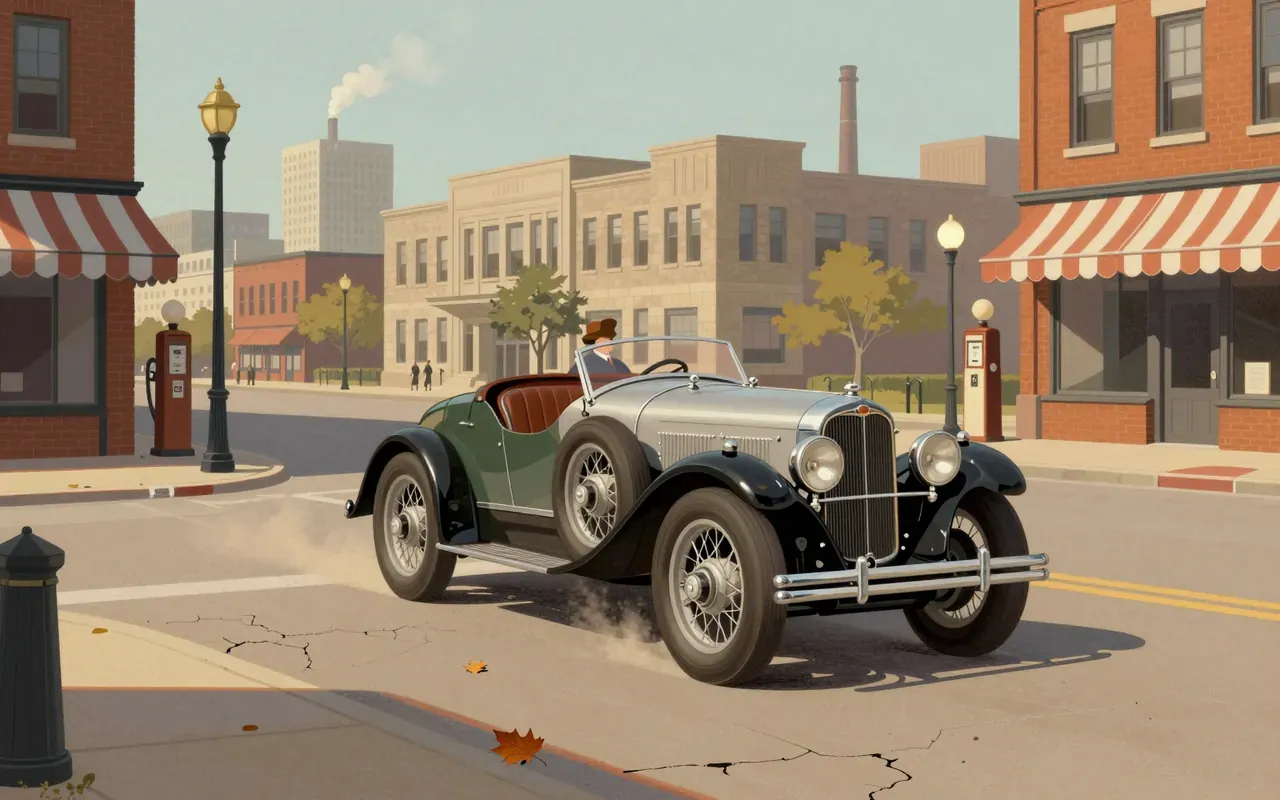
Duesenberg Model JGordon Buehrig · 1928The Duesenberg Model J is a luxury automobile made by Duesenberg, debuting in 1928 and offered for ten years. Gordon Buehrig, aged 25 and chief body designer for Duesenberg, designed it. Its 420 cu in straight-eight engine produced 265 horsepower in normally aspirated form, surpassing all larger-engined rivals. It achieved 116 mph top speed and 89 mph in second gear — making it both the fastest and most expensive American automobile on the market. It was intended to compete with the most luxurious and powerful cars in the world, launching the year before the 1929 stock market crash. Duesenberg Motors Company went bankrupt in 1937. Only the chassis and engine were factory-made; bodies were custom-built by third-party coachbuilders. Of 481 Model Js produced, about 378 survive.
9:06
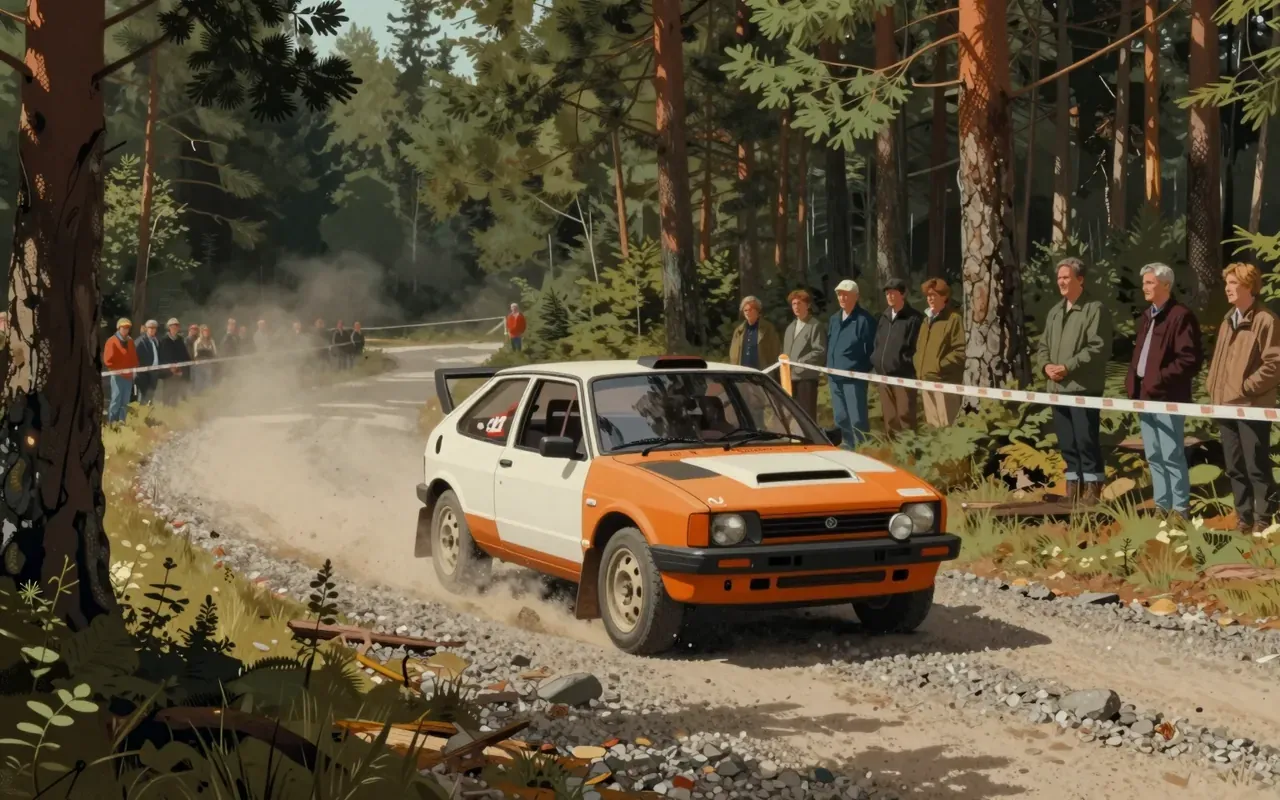
Nissan Pulsar GTI-RNissan · 1990The Nissan Pulsar GTI-R was a homologation special, a road-going version of the N14 hatchback sold as a Pulsar in Japan and a Sunny in Europe. It paired a turbocharged 2.0-litre SR20DET with ATTESA all-wheel drive. The works rally programme never won a Group A round, but the car did well in production-class rallying.
9:10
Ferrari RomaFlavio Manzoni · 2019The Ferrari Roma is a front mid-engine, rear-wheel-drive grand touring coupé with a twin turbocharged V8 and 2+2 seating. It succeeds the Portofino and sits below the F8. Named after Rome, it launched online on 13 November 2019 and was unveiled in Rome the next day. Flavio Manzoni led its design, which won five major international design awards — including Most Beautiful Supercar of the Year in Paris.
12:05
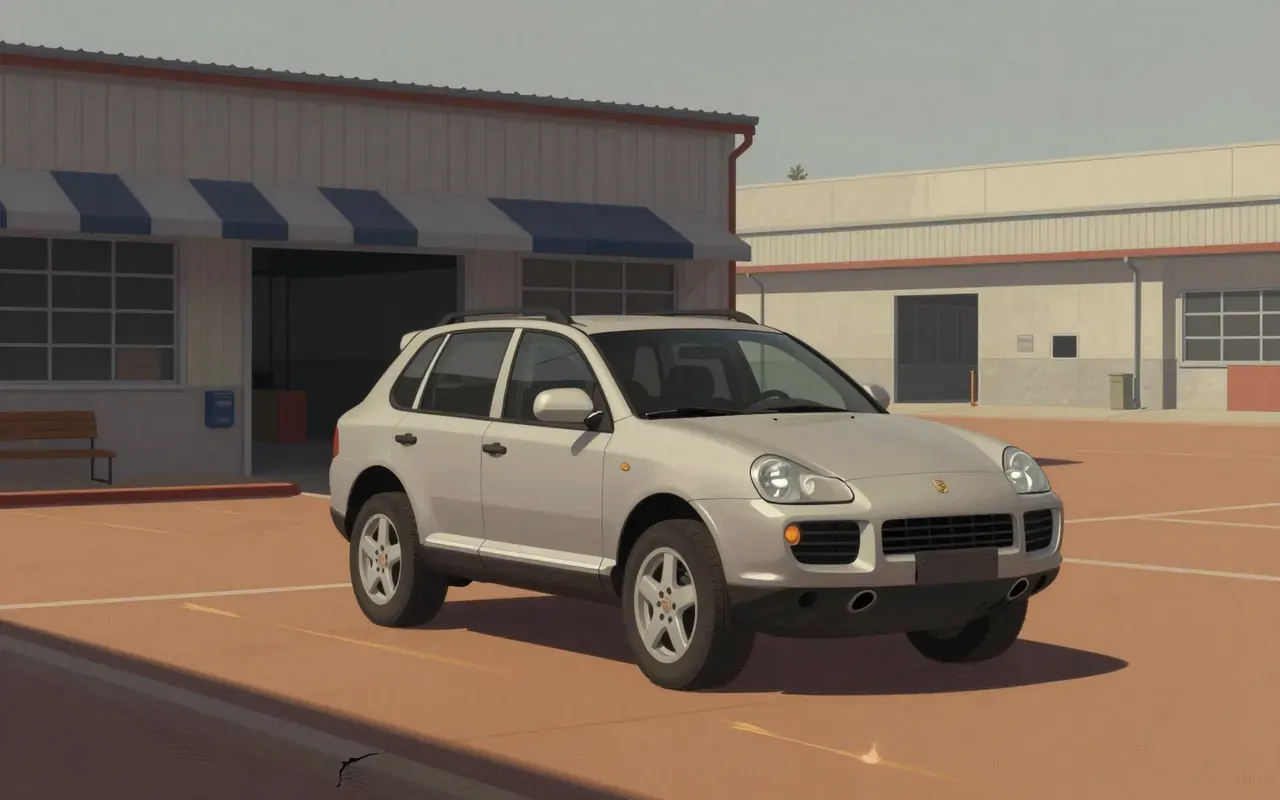
Porsche CayenneHarm Lagaay · 2002The Porsche Cayenne (2002) is Porsche’s first four-door production car and first V8-powered model since 1995. It is an E-segment luxury crossover SUV. It shares its platform, body frame, doors, and electronics with the Volkswagen Touareg and Audi Q7. It marked Porsche’s return to off-road vehicles after its 1950s tractors.
Up next in Automotive

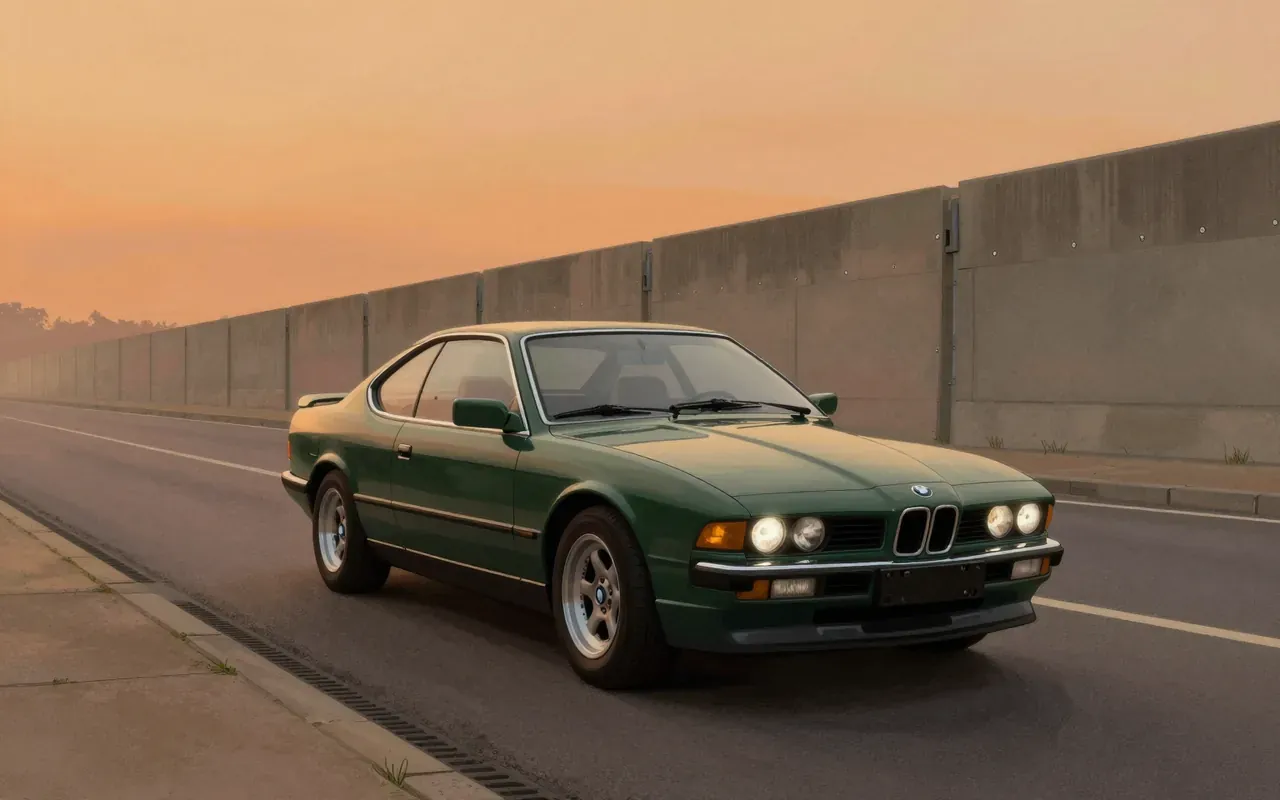
BMW 8 Series (E31)

Klaus Kapitza · 1989 · 9:40

A CAD-born grand tourer that redefined BMW’s ambition—and its balance sheet.

9:40