automotivebriefs
13:32in productionCh. 1 · Not a Rolls-Royce in disguise/ 13:32 · ceiling 15 min
Supercars

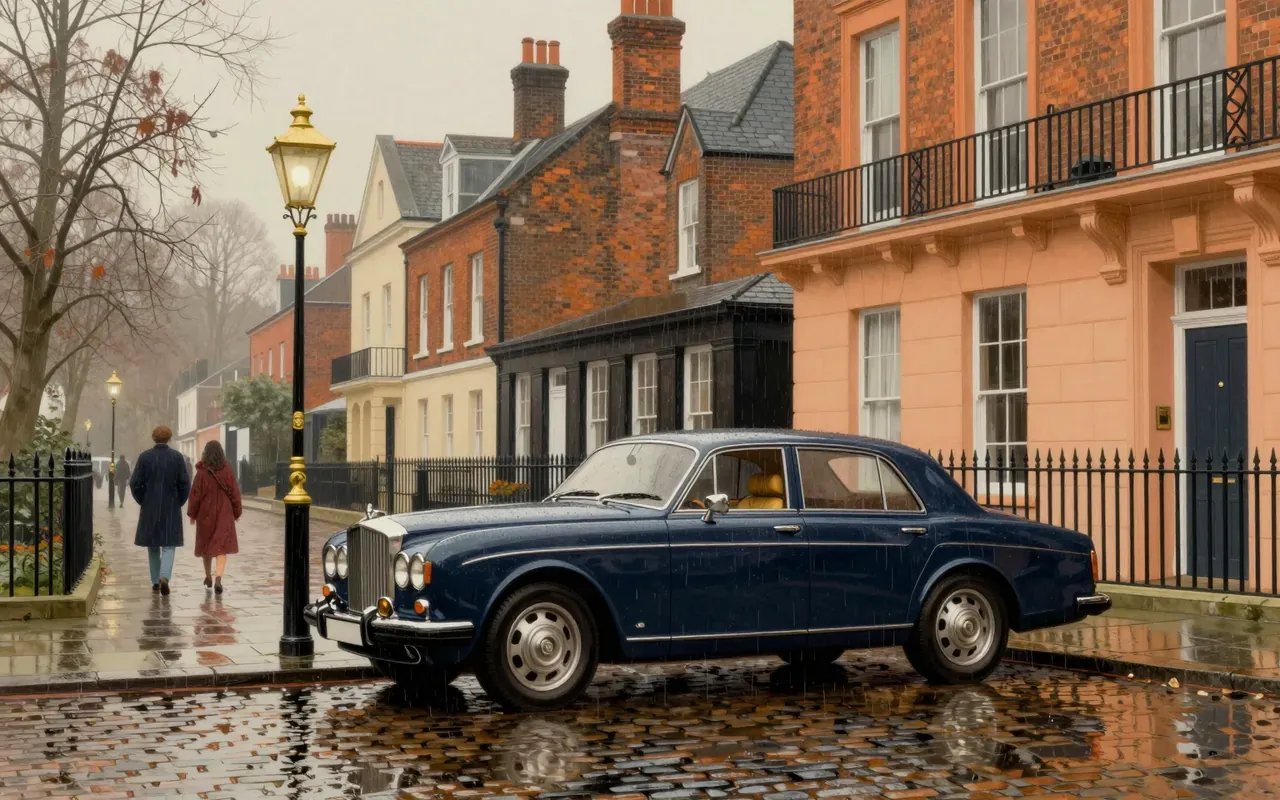
Bentley Continental R

Bentley finally stopped hiding behind Rolls-Royce—and charged the world more for it.

The Bentley Continental R is a luxury coupé built from 1991 to 2003 on the Rolls-Royce SZ platform, featuring a unique non-Rolls-Royce body, a 6.75 L turbocharged V8 engine, front-engine RWD layout, Cd=0.37 aerodynamics, roof-cut door frames, and a subtle rear spoiler. It was the fastest, most expensive, and most powerful Bentley of its day—and the most expensive production car in the world at launch.

Chapters & takeaways4
  1. 0:56
    Not a Rolls-Royce in disguise

    It is a luxury coupé built on Rolls-Royce’s SZ platform—but with a body all its own.

  2. 2:52
    The break from symmetry

    It was Bentley’s first unique body since the 1965 S3 Continental.

  3. 4:43
    Aerodynamics you can see and use

    Cd=0.37, roof-cut doors, and a subtle rear spoiler define its functional form.

  4. 6:11
    Price as statement

    It launched as the most expensive production car in the world.

Worth your time?

Yes. Drive the whole thing.

3.5/ 5
What works
  • as a statement of independence from Rolls-Royce
  • as a demonstration of aerodynamic intent within constraints
  • as a benchmark for pricing ambition in 1991
What does not
  • offer driving impressions
  • state power figures
  • give kerb weight
  • cite top speed
Drive it if
  • buyers who value brand distinction over mechanical disclosure
  • collectors focused on marque milestones
Skip it if
  • drivers seeking tactile feedback or dynamic analysis
  • engineers looking for chassis or suspension detail
The written brief1 min read

What the car is and where it came from

A luxury coupé built by Bentley Motors from 1991 to 2003. Based on the Rolls-Royce SZ platform. First Bentley since the 1965 S3 Continental with a body not shared with a Rolls-Royce.

How it works, in terms someone would actually use

It uses a front-engine, rear-wheel-drive layout. The GM 4L80-E transmission sends power from the 6.75 L turbocharged V8 to the rear wheels. Roof-cut door frames ease entry into the lower-slung cabin. Its Cd=0.37 shape cuts drag more effectively than the slab-sided SZ saloons.

What it gets right

It delivers a coherent luxury coupé proposition: lower roofline, improved aerodynamics, easier access via roof-cut door frames, and visual distinction from Rolls-Royce. The subtle rear spoiler and Cd=0.37 confirm intentional aerodynamic intent.

What it does not

It does not share its body with any Rolls-Royce. It does not inherit the four-door SZ saloon’s roofline or aerodynamic compromises. It does not offer performance data, chassis details, or driving impressions beyond what the source states.

What it changed

It broke Bentley’s decades-long reliance on shared Rolls-Royce bodies. It reasserted Bentley as a standalone marque with distinct design language and market positioning—starting with the first unique body since the 1965 S3 Continental.

Who it is for, and who it is not

It is for buyers who require the highest-tier British luxury coupé status at launch—and who accept that ‘most expensive production car in the world’ comes with no technical elaboration beyond platform, engine size, transmission, and drag coefficient. It is not for those seeking driving dynamics, modularity, or documented feedback from the wheel.

Is it worth your time

Yes—if you need proof that luxury coupés can diverge from Rolls-Royce without losing authority. No—if you expect engineering transparency, driver engagement, or documentation of how it actually drives.
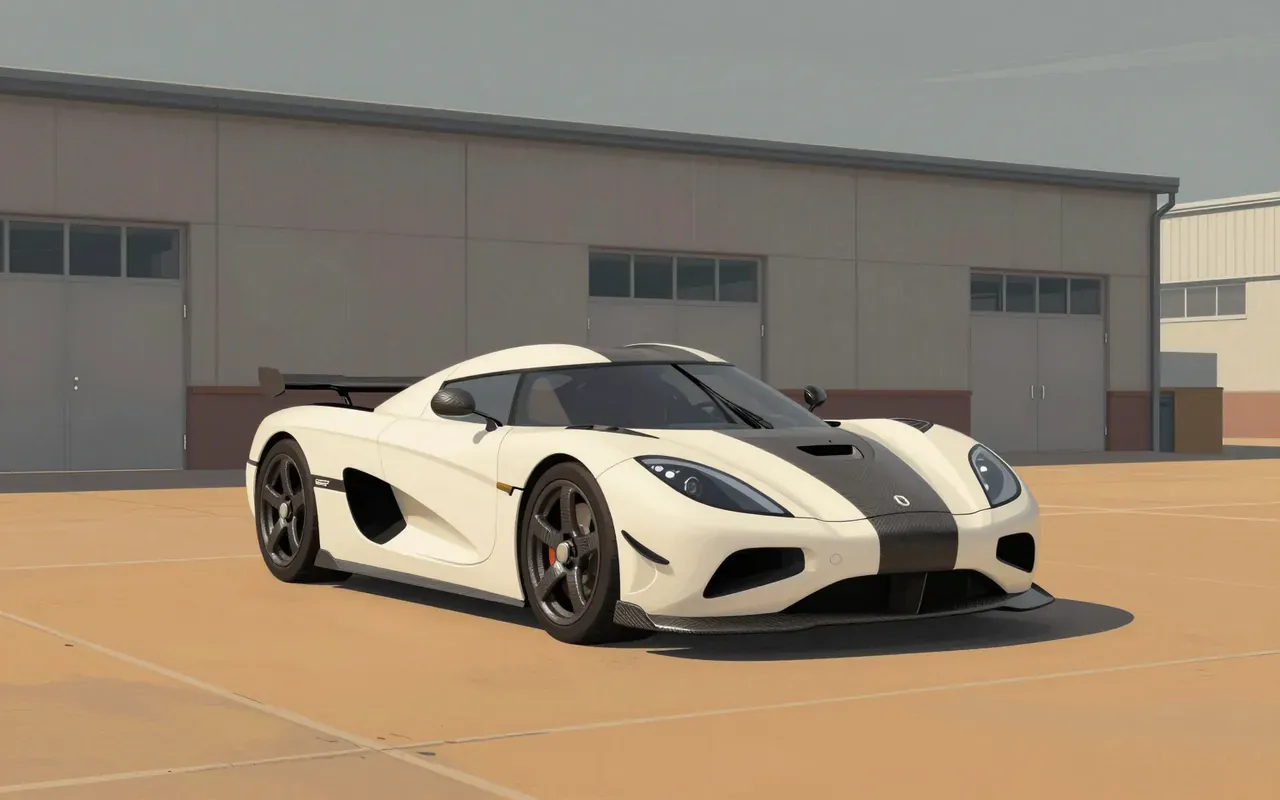
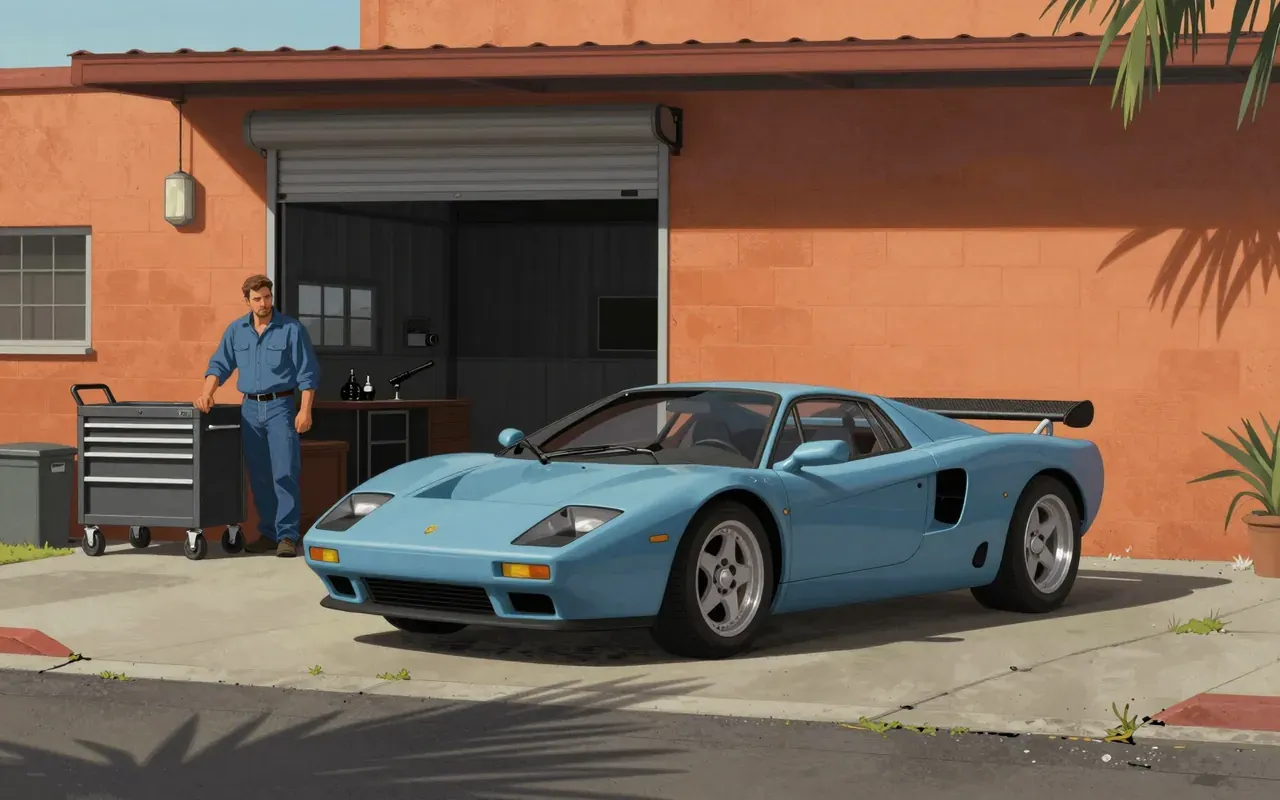
Same garage · Supercars4 of 28
9:57
Koenigsegg CC8SChristian von Koenigsegg · 2002The CC8S is the first production car from Koenigsegg Automotive. It is a mid-engine, rear-wheel-drive targa top sports car built from 2002 to 2004 in six units. It introduced the dihedral synchro-helix doors and front-trunk roof stowage. It won the Guinness World Record for Most Powerful Production Engine and design awards from Red Dot and Utmärkt Svensk Form. It was developed from the CC prototype after eight years of research and development beginning in 1994. Chassis, suspension, brakes and other components were designed in-house. The pre-production car debuted at the 2000 Paris Auto Show. Its unique features include the front-trunk roof storage (unlike the Ferrari F50), the dihedral synchro-helix doors, and a central free-flowing exhaust based on the 'Rocket Cat Principle'. Christian von Koenigsegg and David Crafoord co-created the design concept.
8:58
Saleen S7Phil Frank · 2000The Saleen S7 is an American hand-built, high-performance sports car. It debuted on August 19, 2000, at the Monterey Historic Races. It was the first fully proprietary car produced by Saleen. Phil Frank contributed the body and interior CAD design and development. Its all-aluminium engine is a bored-and-stroked derivative of Ford's 351 Windsor small block with Cleveland-style canted valve heads. It is not based on the FE big-block. It produces 550 hp (410 kW) at 6,400 rpm.
9:26
Volkswagen W12Giorgetto Giugiaro · 1997The Volkswagen W12 was a series of five mid-engined concept cars developed by Volkswagen Passenger Cars between 1997 and 2001 in collaboration with Italdesign and Giorgetto Giugiaro, featuring a 5.6 L W12 engine and designed to showcase Volkswagen Group's supercar and high-performance engine capabilities; variants included the W12 Syncro Coupé (AWD), W12 Roadster (RWD), and W12 Nardò Coupé/Record Car (high-speed variant), with the latter setting a 24-hour endurance speed record at the Nardò Ring in 2002.
9:59
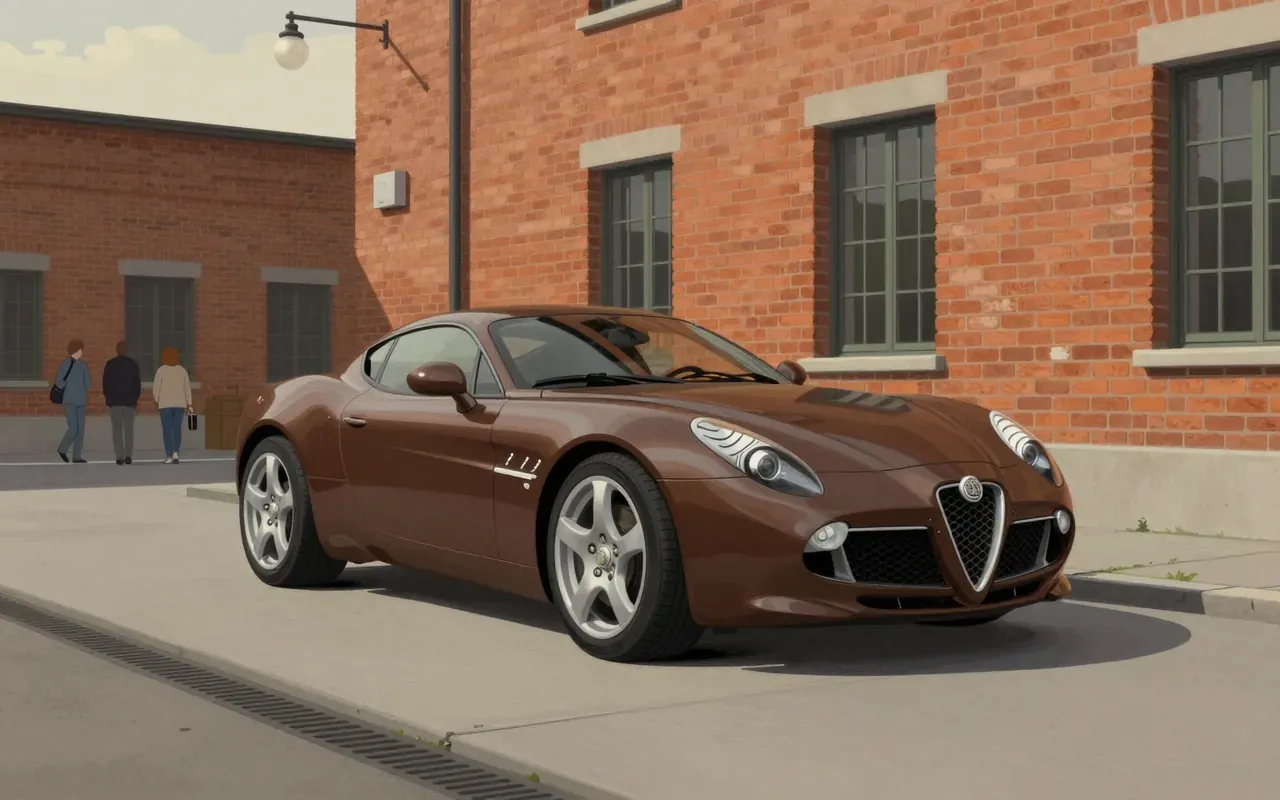
Alfa Romeo 8C CompetizioneWolfgang Egger · 2007The Alfa Romeo 8C Competizione is a limited-production sports car developed by Alfa Romeo between 2007 and 2010. It was first shown as a concept at the 2003 Frankfurt Motor Show. Its name refers to its eight-cylinder engine and Alfa Romeo's racing pedigree. Maserati engineers created the production version using components from both Maserati and Ferrari. Development proceeded in parallel with the GranTurismo, and production coincided with the global crisis. Over 1,400 orders were received, but only 500 coupés and 329 spiders were delivered. It was designed by Wolfgang Egger and Daniele Gaglione at Centro Stile Alfa Romeo, echoing styling from Alfa Romeo automobiles of the 1950s and 1960s.
Up next in Automotive

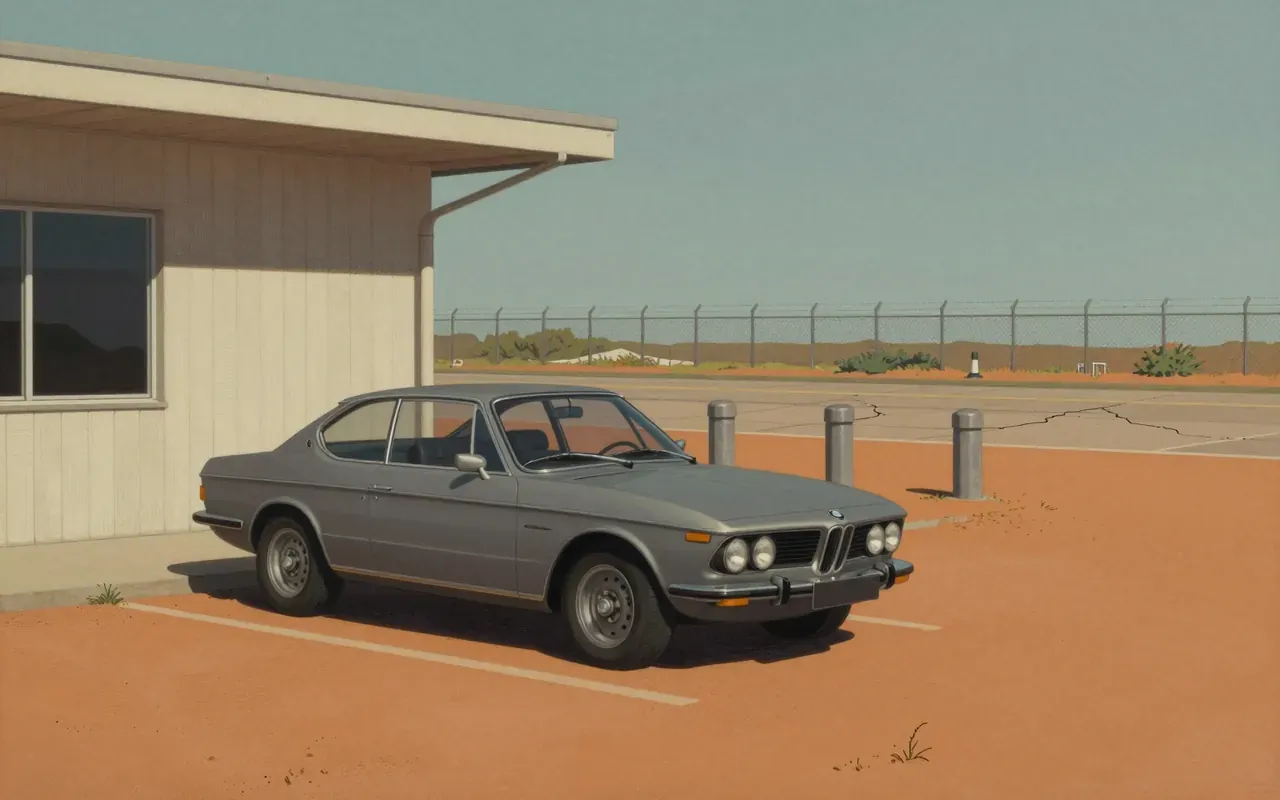
BMW E9

BMW · 1972 · 9:58

BMW’s first six-cylinder coupé wasn’t born of ambition—it was an enlargement of what already worked.

9:58