automotivebriefs
9:59in productionCh. 1 · Not a prototype/ 9:59 · ceiling 15 min
Supercars · Formula One

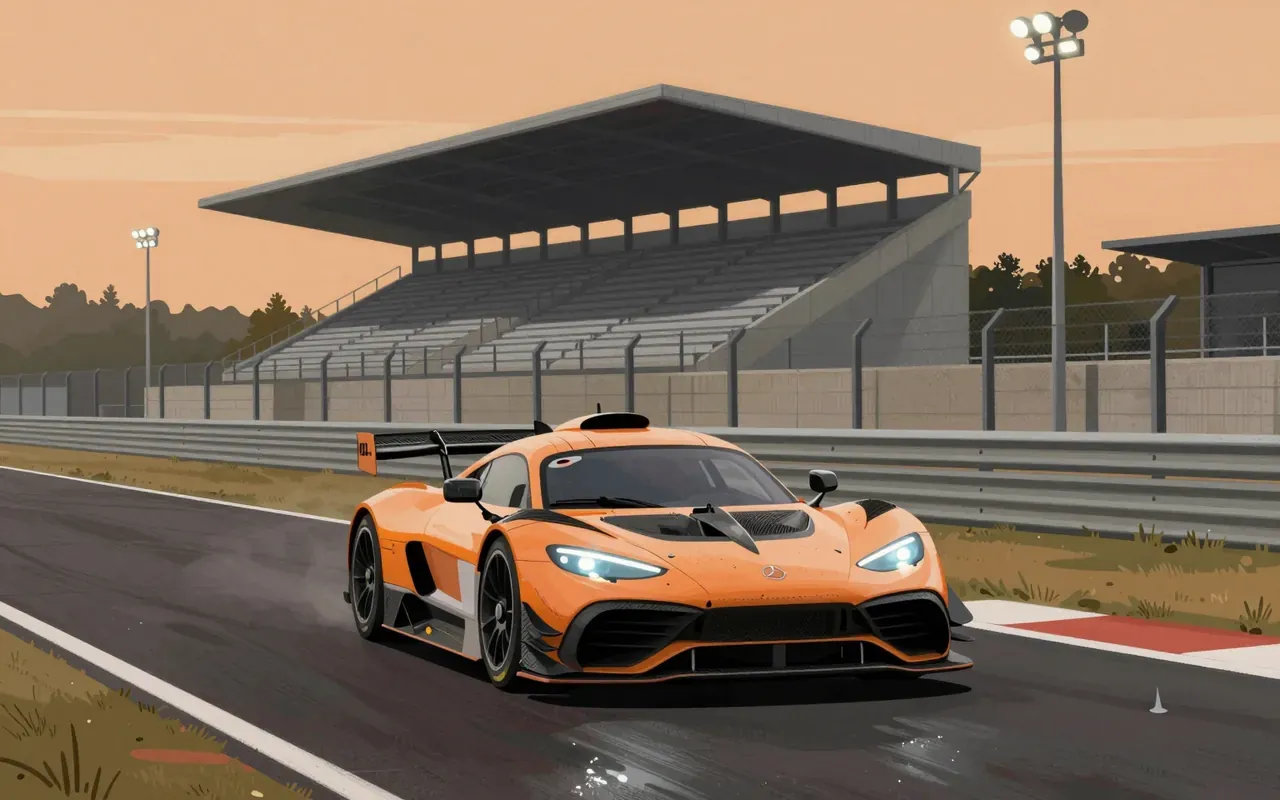
Mercedes-AMG One

A road car that refuses to pretend it is one.

The Mercedes-AMG One is a production reality — not a show car — built to prove F1 hybrid technology can function on public roads. Its layout, powertrain and aerodynamics are derived directly from contemporary Formula One. It sacrifices usability for fidelity. It is not a supercar for driving. It is a rolling validation of a racing specification.

Chapters & takeaways4
  1. 0:56
    Not a prototype

    It is not a concept — it is a hand-built, road-legal production car with F1 DNA.

  2. 2:16
    F1 under the skin

    Its 1.6 L V6 and four-motor hybrid system share architecture with current F1 power units.

  3. 4:24
    Exclusivity by design

    Only 275 were built — deliberately scarce, despite demand exceeding supply fourfold.

  4. 6:21
    First delivery

    The first delivery occurred on 16 January 2023, marked by an F1-inspired livery.

Worth your time?

Yes. Drive the whole thing.

4/ 5
What works
  • as a technical benchmark
  • as a demonstration of hybrid energy recovery on road
  • as a record-setting machine
What does not
  • deliver accessible performance
  • offer daily usability
  • prioritise driver feedback over system compliance
Drive it if
  • engineers
  • F1 historians
  • hypercar collectors
Skip it if
  • enthusiasts seeking emotional connection
  • drivers needing practicality
  • buyers expecting refinement
The written brief1 min read

What the car is and where it came from

It is a limited-production, Formula One–derived plug-in dual hybrid sports car. It was developed by Mercedes-AMG using a modified version of the Mercedes-Benz PU106B Hybrid engine.

How it works, in terms someone would actually use

It uses a mid-mounted 1.6 L turbocharged 90-degree V6 engine paired with four electric motors — including MGU-K and MGU-H — driving all four wheels through a 7-speed single-clutch automated manual transmission.

What it gets right

It gets aerodynamic integration right. Its body is shaped for downforce and cooling without add-on wings or ducts. It holds sub-6:30 Nürburgring Nordschleife lap records as a road-legal car.

What it does not

It does not deliver usable low-end torque or drivability in everyday conditions. Its single-clutch automated manual transmission and F1-derived engine calibration make it uncompromising at low speeds.

What it changed

It redefined the upper limit of road-legal hybrid complexity by bringing MGU-H and MGU-K systems into a production vehicle.

Who it is for, and who it is not

It is for collectors who value engineering provenance over usability. It is not for drivers seeking engagement, comfort or daily flexibility.

Is it worth your time

Yes, if you need proof that F1 powertrains can be adapted to road use — but only as a technical document, not as a driver’s car.
Same garage · Supercars4 of 28
9:57
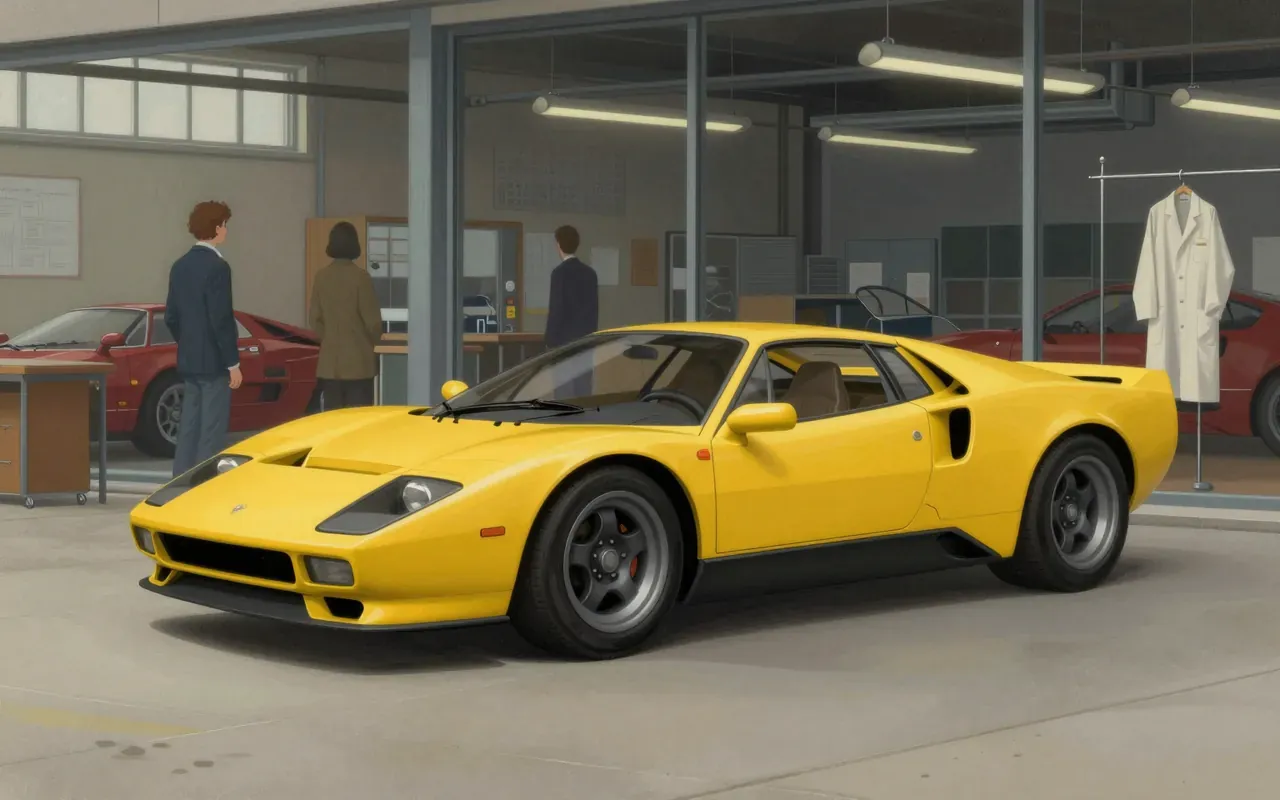
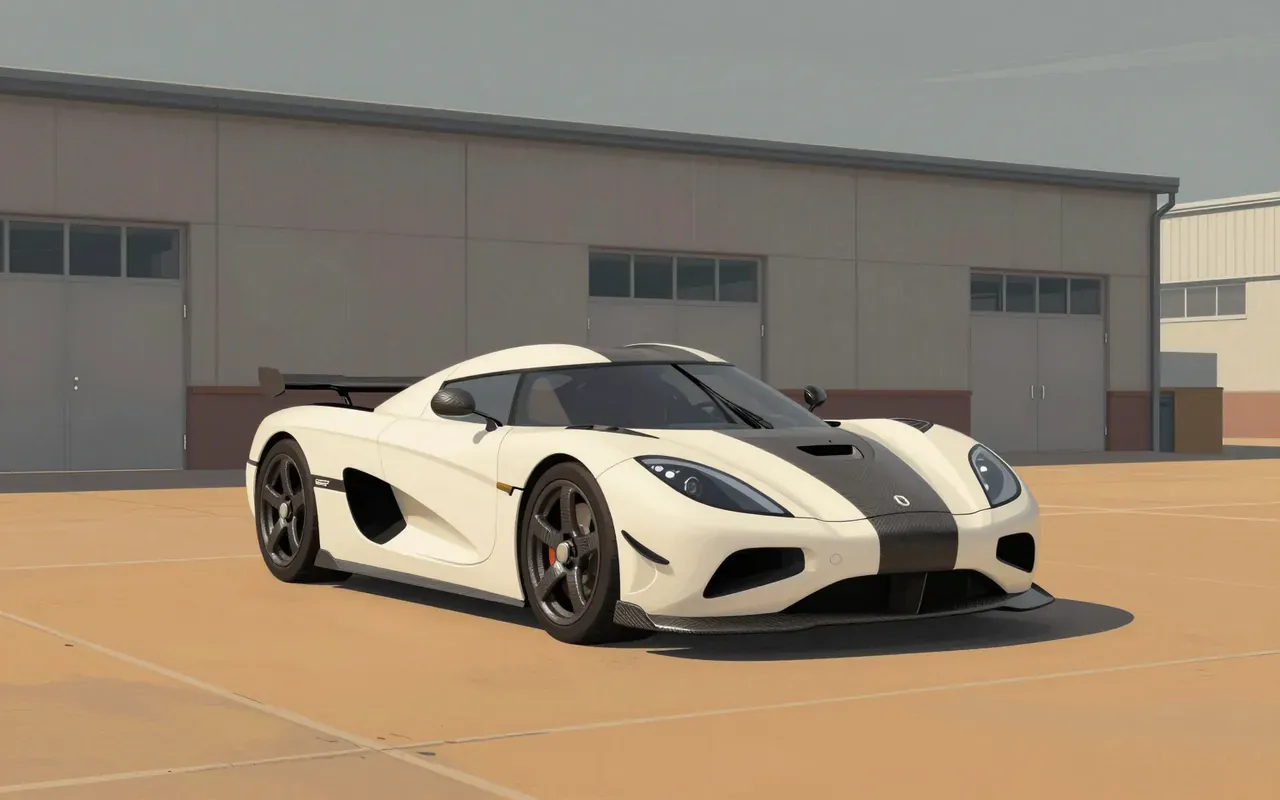
Koenigsegg CC8SChristian von Koenigsegg · 2002The CC8S is the first production car from Koenigsegg Automotive. It is a mid-engine, rear-wheel-drive targa top sports car built from 2002 to 2004 in six units. It introduced the dihedral synchro-helix doors and front-trunk roof stowage. It won the Guinness World Record for Most Powerful Production Engine and design awards from Red Dot and Utmärkt Svensk Form. It was developed from the CC prototype after eight years of research and development beginning in 1994. Chassis, suspension, brakes and other components were designed in-house. The pre-production car debuted at the 2000 Paris Auto Show. Its unique features include the front-trunk roof storage (unlike the Ferrari F50), the dihedral synchro-helix doors, and a central free-flowing exhaust based on the 'Rocket Cat Principle'. Christian von Koenigsegg and David Crafoord co-created the design concept.
8:58
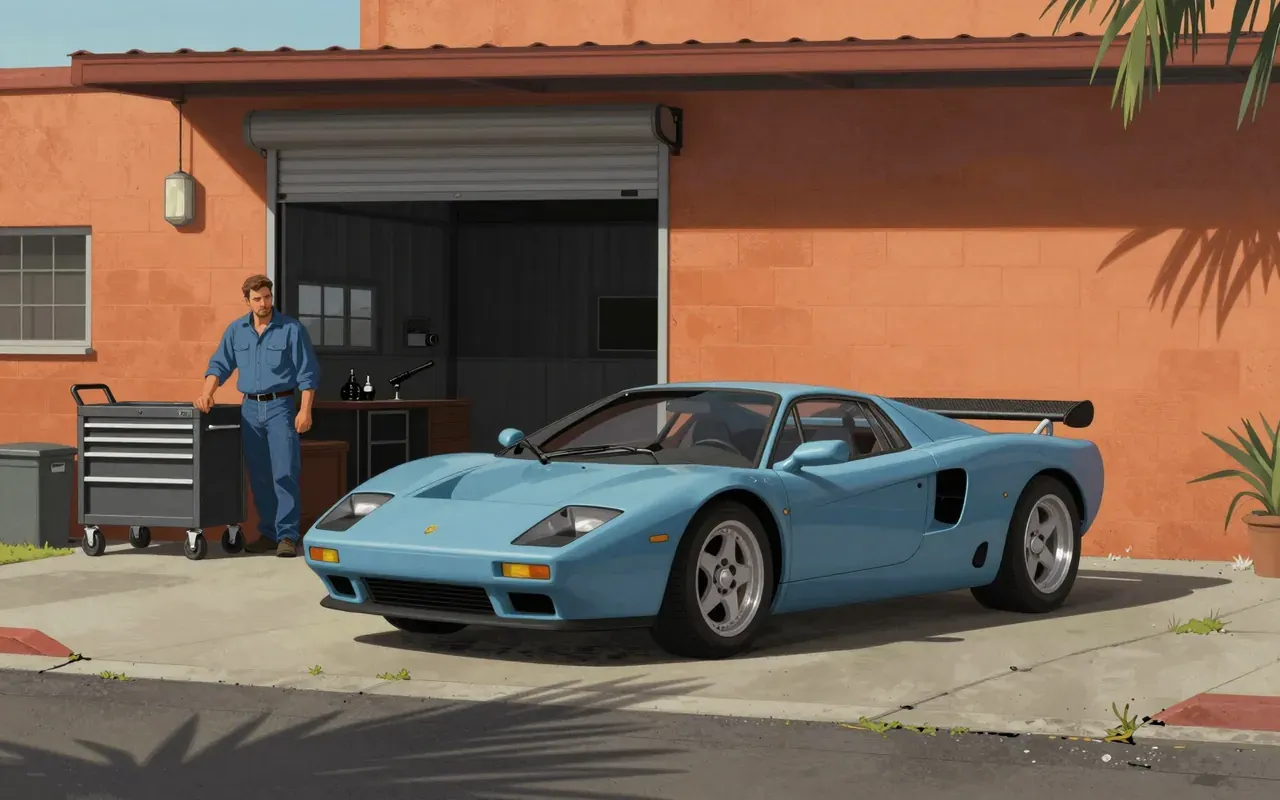
Saleen S7Phil Frank · 2000The Saleen S7 is an American hand-built, high-performance sports car. It debuted on August 19, 2000, at the Monterey Historic Races. It was the first fully proprietary car produced by Saleen. Phil Frank contributed the body and interior CAD design and development. Its all-aluminium engine is a bored-and-stroked derivative of Ford's 351 Windsor small block with Cleveland-style canted valve heads. It is not based on the FE big-block. It produces 550 hp (410 kW) at 6,400 rpm.
9:26
Volkswagen W12Giorgetto Giugiaro · 1997The Volkswagen W12 was a series of five mid-engined concept cars developed by Volkswagen Passenger Cars between 1997 and 2001 in collaboration with Italdesign and Giorgetto Giugiaro, featuring a 5.6 L W12 engine and designed to showcase Volkswagen Group's supercar and high-performance engine capabilities; variants included the W12 Syncro Coupé (AWD), W12 Roadster (RWD), and W12 Nardò Coupé/Record Car (high-speed variant), with the latter setting a 24-hour endurance speed record at the Nardò Ring in 2002.
9:59
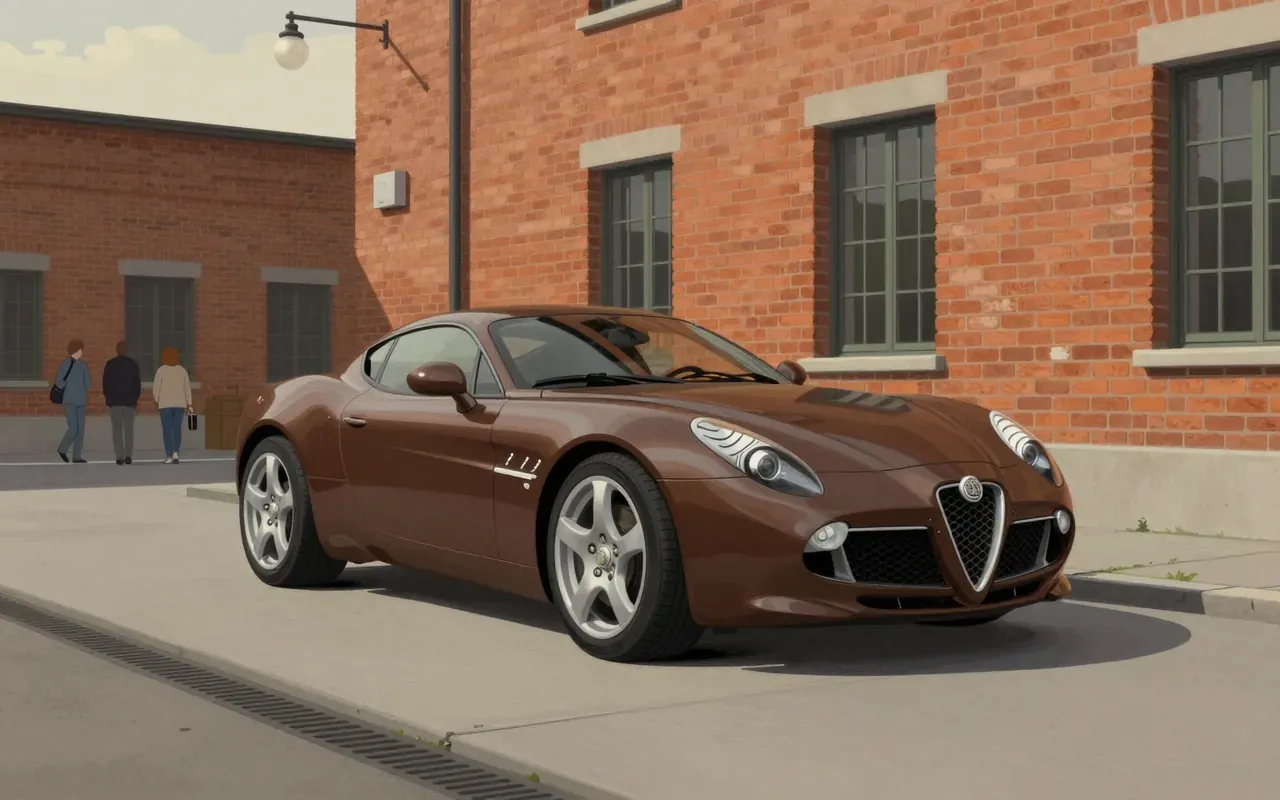
Alfa Romeo 8C CompetizioneWolfgang Egger · 2007The Alfa Romeo 8C Competizione is a limited-production sports car developed by Alfa Romeo between 2007 and 2010. It was first shown as a concept at the 2003 Frankfurt Motor Show. Its name refers to its eight-cylinder engine and Alfa Romeo's racing pedigree. Maserati engineers created the production version using components from both Maserati and Ferrari. Development proceeded in parallel with the GranTurismo, and production coincided with the global crisis. Over 1,400 orders were received, but only 500 coupés and 329 spiders were delivered. It was designed by Wolfgang Egger and Daniele Gaglione at Centro Stile Alfa Romeo, echoing styling from Alfa Romeo automobiles of the 1950s and 1960s.
Up next in Automotive

Mercedes-Benz W201

Bruno Sacco · 1982 · 9:44

Mercedes didn’t shrink the S-Class—it built a compact car that forced every luxury brand to rethink safety, structure and scale.

9:44