Ferrari 250 GT SWB
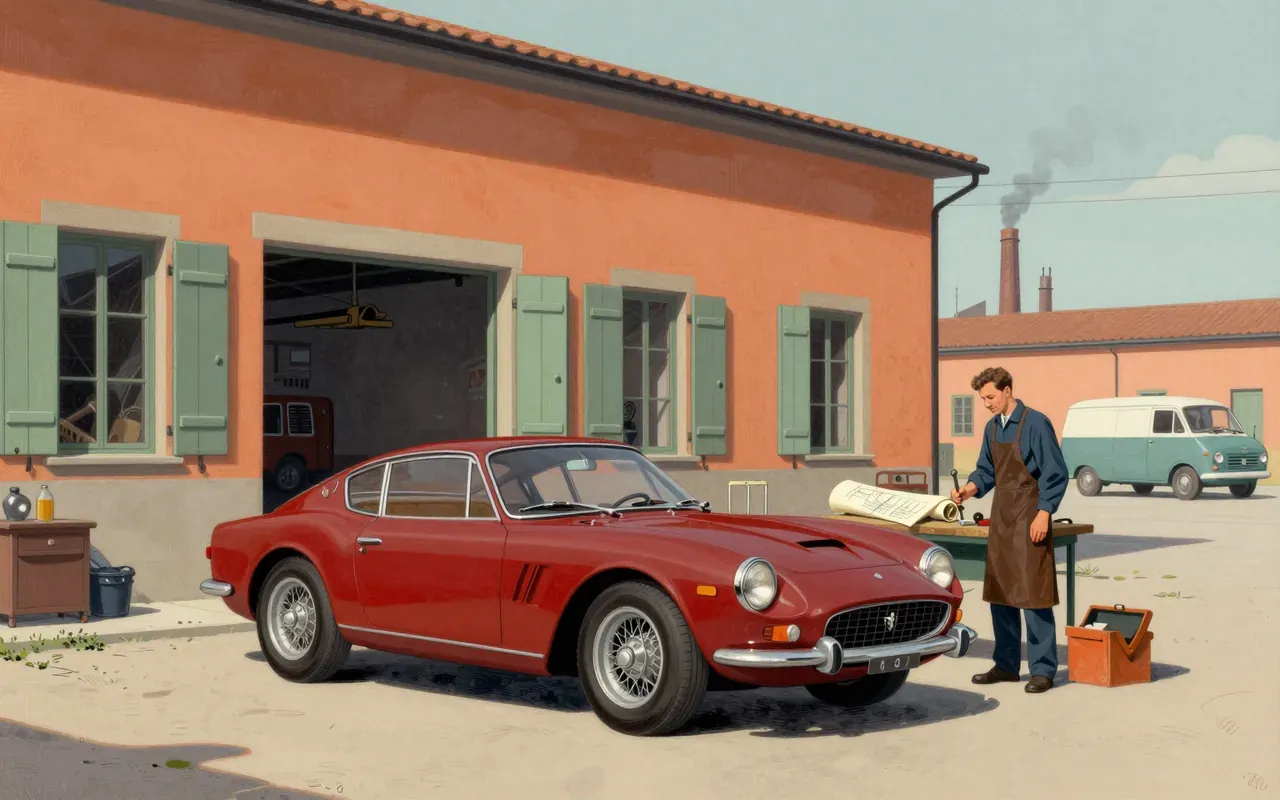
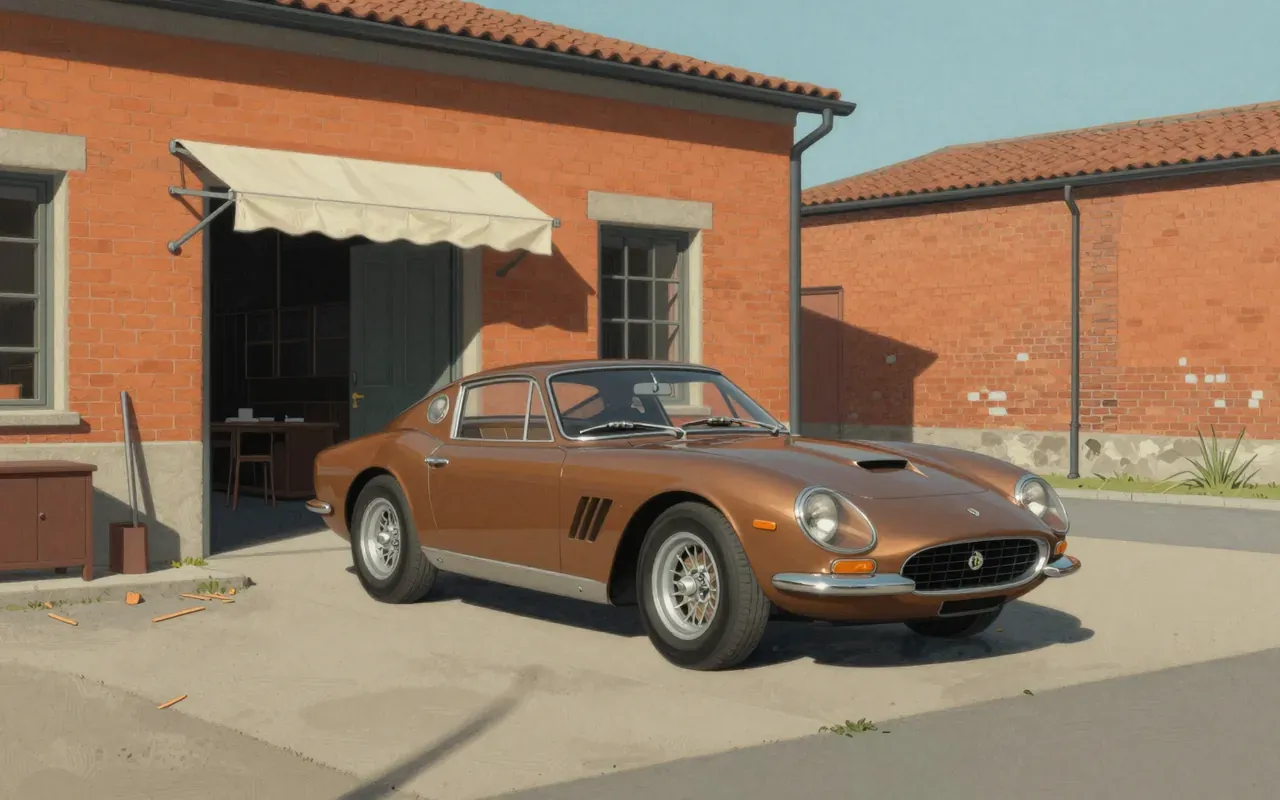
The 250 GT Berlinetta SWB is the 1959 Ferrari that shortened the 250 GT wheelbase from 2,600 mm to 2,400 mm for better handling. 176 were built, in road and racing trims, with 240 to 280 PS from the 3.0 L Colombo V12.


The 250 GT Berlinetta SWB is the 1959 Ferrari that shortened the 250 GT wheelbase from 2,600 mm to 2,400 mm for better handling. 176 were built, in road and racing trims, with 240 to 280 PS from the 3.0 L Colombo V12.

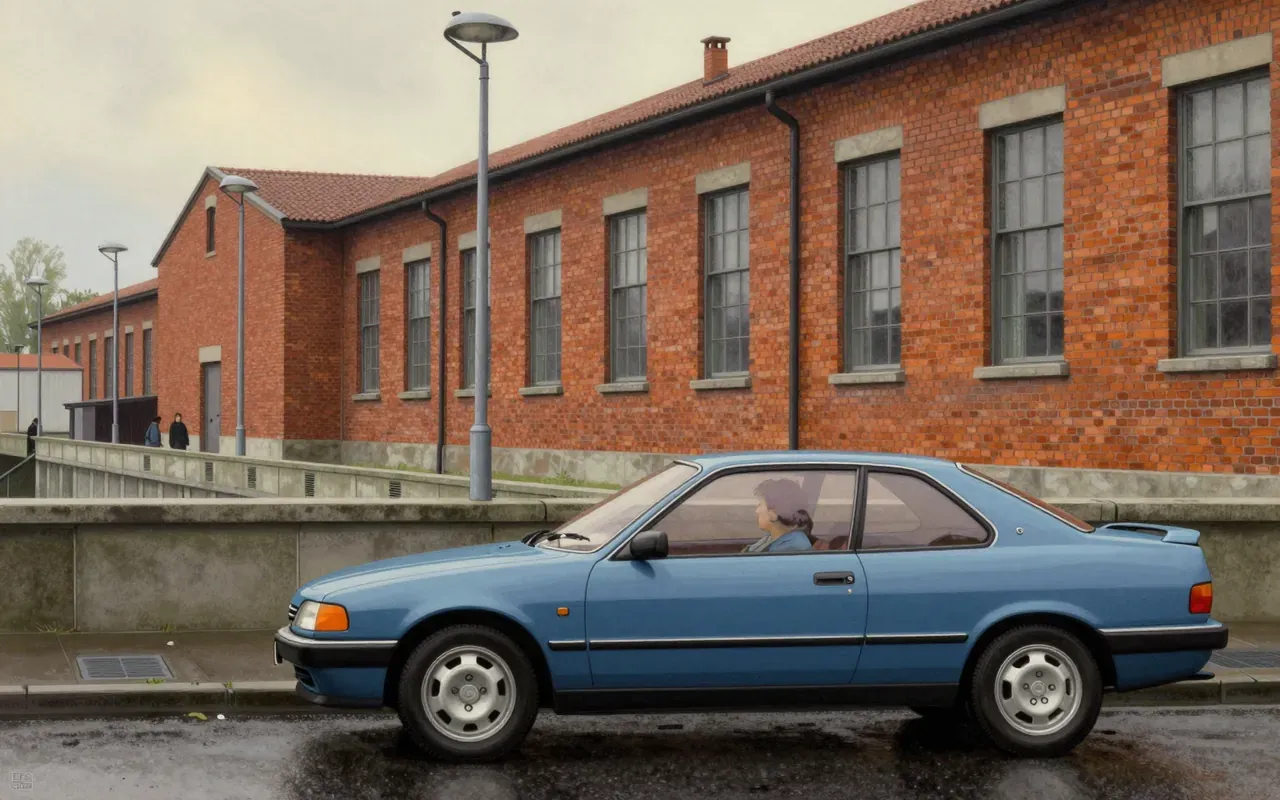
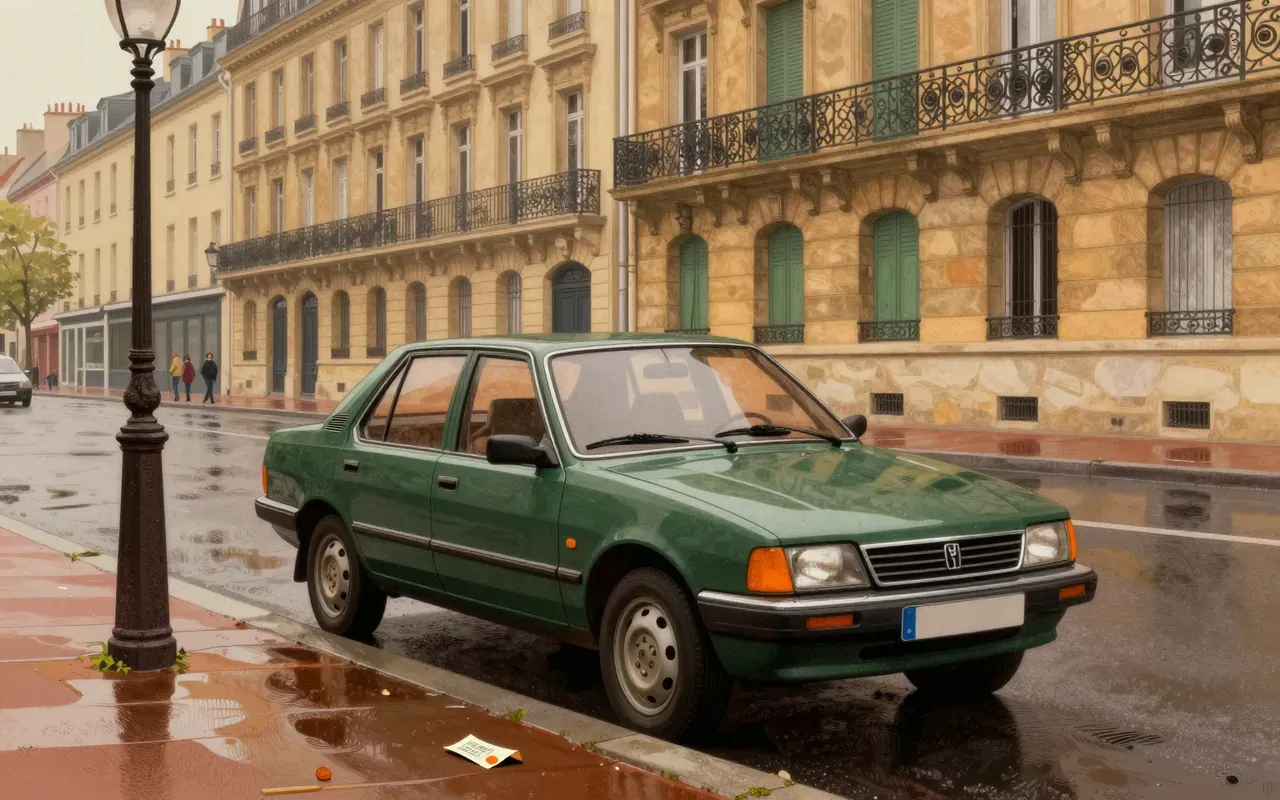
The Peugeot 406 Coupé is a front-wheel-drive large family car designed and built by Pininfarina. It shares its platform with the saloon and estate. Davide Arcangeli led its design. 107,633 were made. It succeeded in UK fleet sales, won 1997 What Car? Car of the Year, and set a world fuel-efficiency record in 2002.

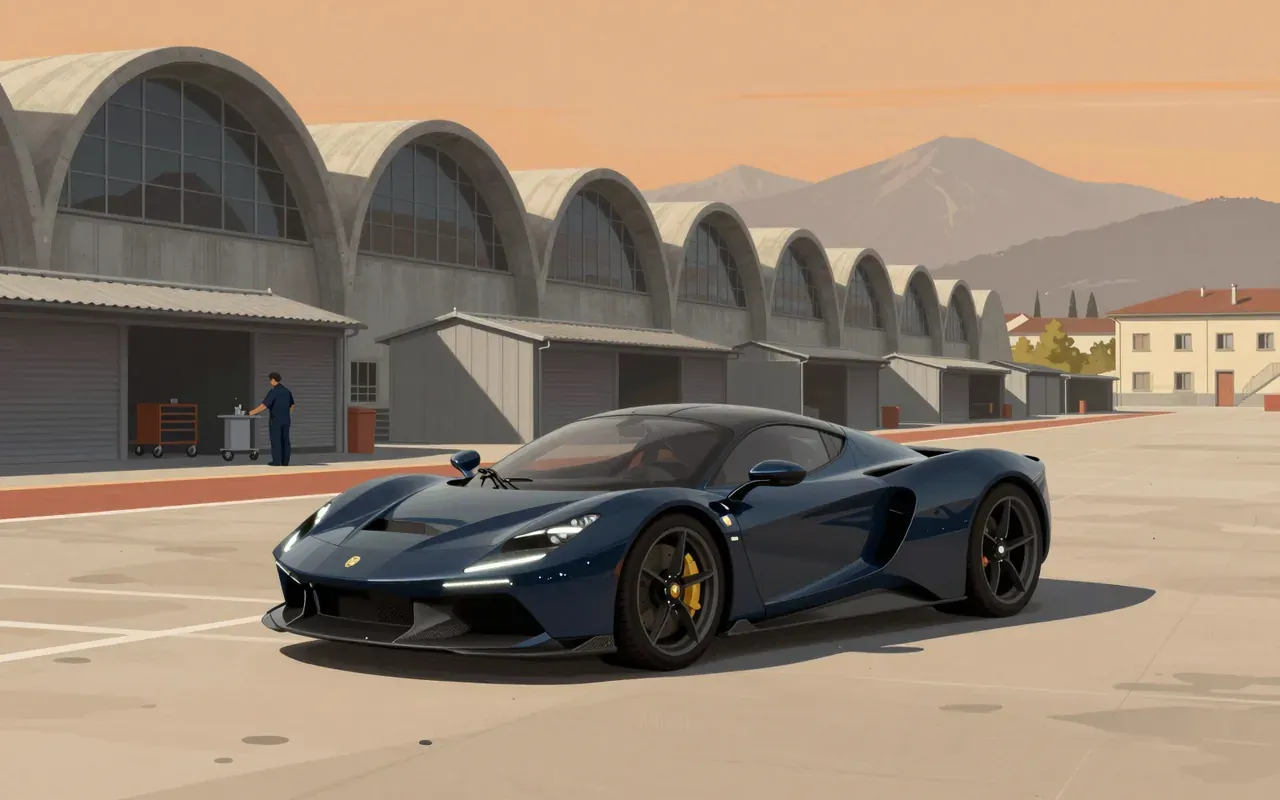
The Pininfarina Battista is not a revival—it is a declaration. It replaces combustion with four wheel-mounted motors. It replaces tradition with a carbon monocoque built for mass reduction. It replaces volume with 150 units. It is the first Pininfarina-branded car. And it arrives not as a concept, but as a production machine built in Cambiano.

The Ferrari 250 GT California Spyder is a front-engine, rear-wheel-drive convertible sports car designed by Sergio Scaglietti and produced by Carrozzeria Scaglietti from 1957 to 1963 in approximately 100 units. It is a convertible version of the contemporary Berlinetta. It is powered by the traditional Ferrari V12 engine. It is presented by the brand as Ferrari 250 Gran Turismo Spyder California or simply Ferrari 250 California. It was designed by Pininfarina as part of its exclusive design partnership with Ferrari beginning in 1951. It gained considerable recognition following its appearance in the 1986 film Ferris Bueller's Day Off.

The Ferrari 275 is a front-engined V12 grand tourer designed by Pininfarina and produced from 1964 to 1968. It introduced the transaxle and independent rear suspension to Ferrari road cars. The GTB and GTS were two-seat coupé and spider variants. The GTB/4 and GTS/4 NART Spyder closed the series. The GTB Competizione Speciale was intended to succeed the 250 GTO in GT racing. Francesco Salomone led Pininfarina’s studio during its design.

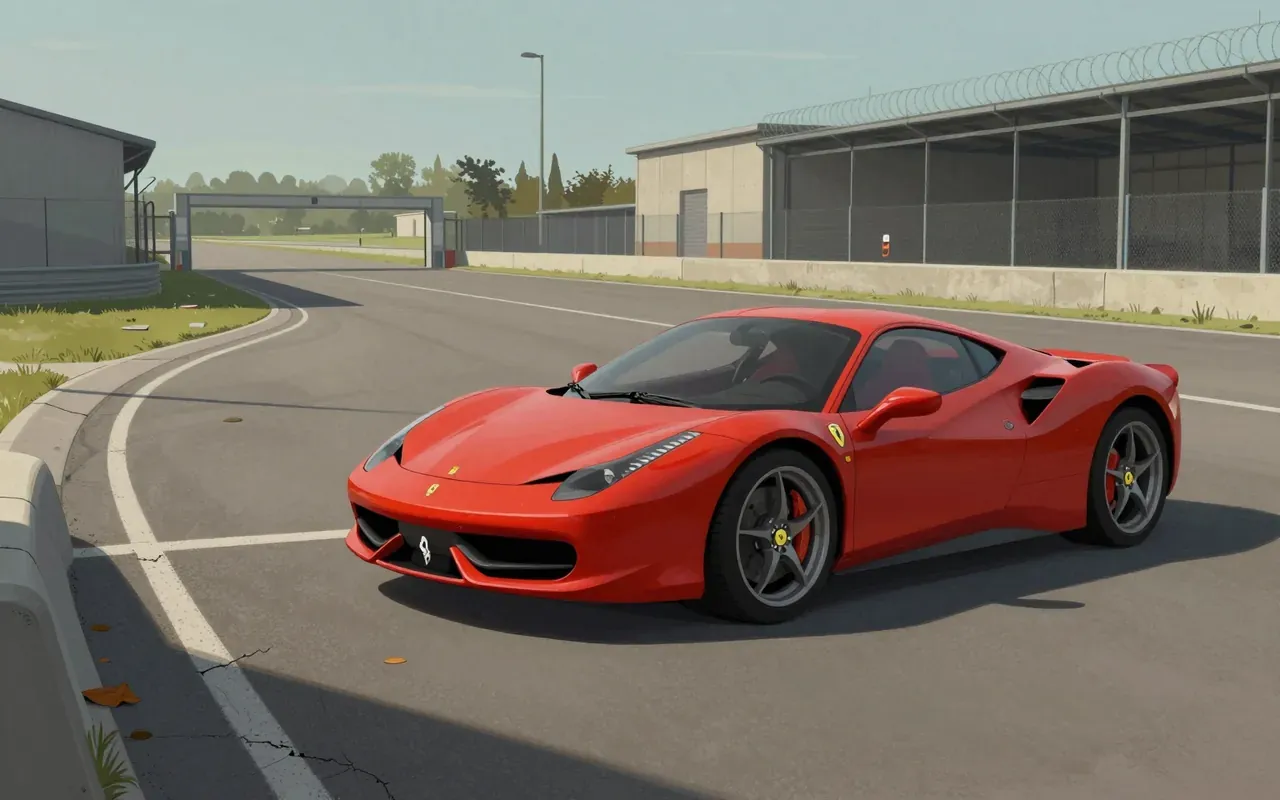
The Ferrari 458 Italia is a mid-engine sports car. It launched in 2009 as a clean-sheet replacement for the F430. It uses a 4.5 L V8 with direct fuel injection — the first such setup in a Ferrari mid-engine road car — and a 7-speed dual-clutch automatic transmission. No manual option exists. Magneti Marelli developed its body computer system. Pininfarina designed it under Donato Coco, with Carlo Palazzani as lead designer.

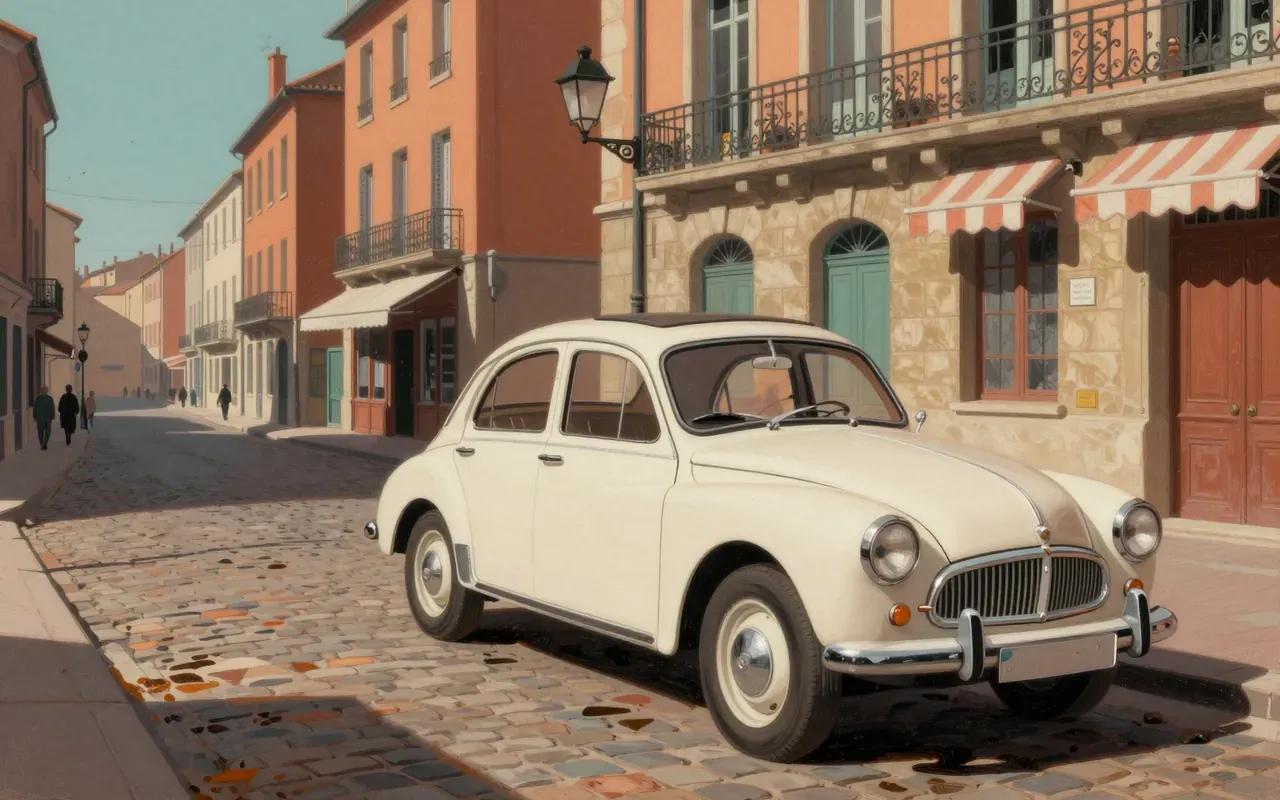
The Peugeot 403 is a mid-size saloon launched by Peugeot in April 1955 and styled by Pininfarina. It used a front-engine, rear-wheel drive layout and a 4-speed manual transmission. Its 1468 cc pushrod straight-four engine produced 58 hp, later increased to 65 hp. It featured ponton, three-box styling and a metal sunroof on most models. Over 1.2 million were built — the first Peugeot to exceed one million sales. The collaboration with Pininfarina marked the start of a fifty-year design partnership. A diesel estate debuted in autumn 1958.

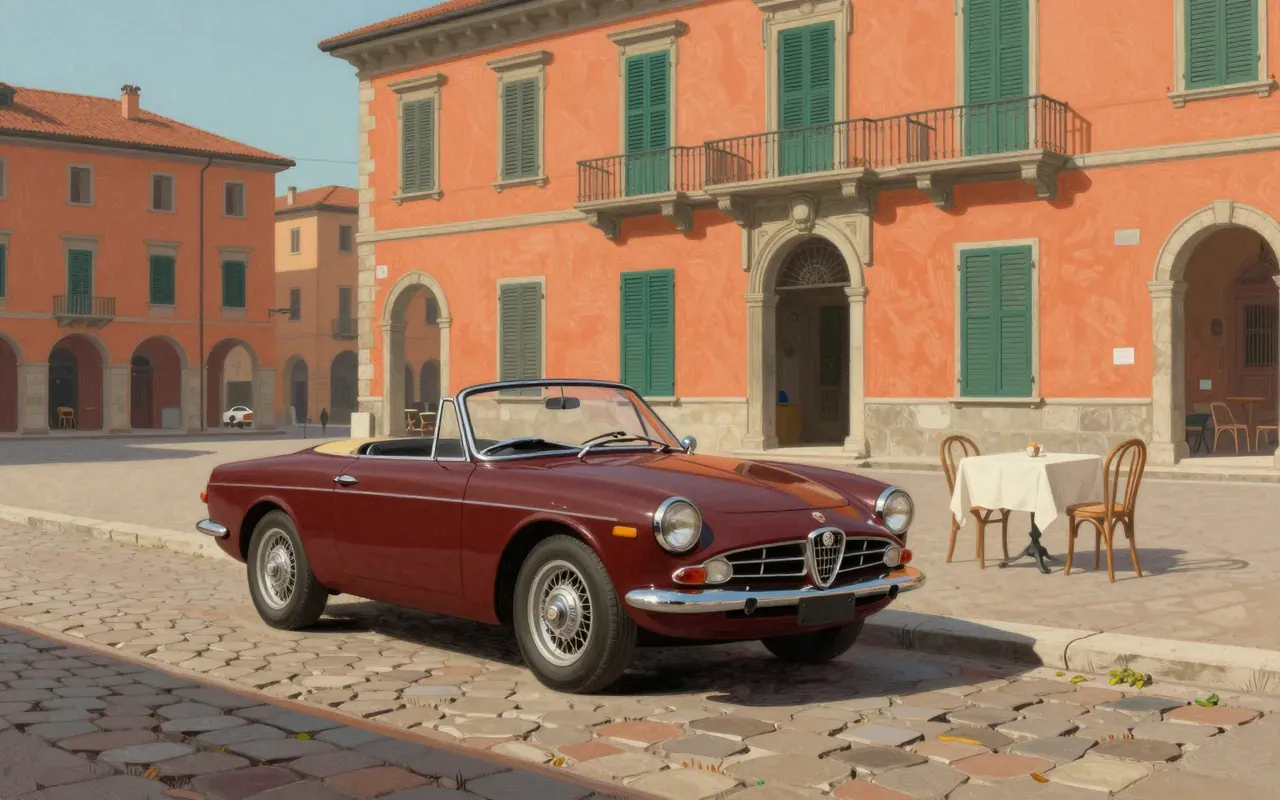
The Alfa Romeo Spider (1955) was the first vehicle Pininfarina produced in large numbers. Designed and assembled by Pininfarina in Grugliasco, it was a front-engined, rear-drive roadster that launched in 1958 with 1,025 units and scaled to over 4,000 in 1959. It remained in production across four series until April 1993. Its success cemented Pininfarina’s role as Alfa Romeo’s long-term Spider partner—and proved coachbuilding could be industrial.

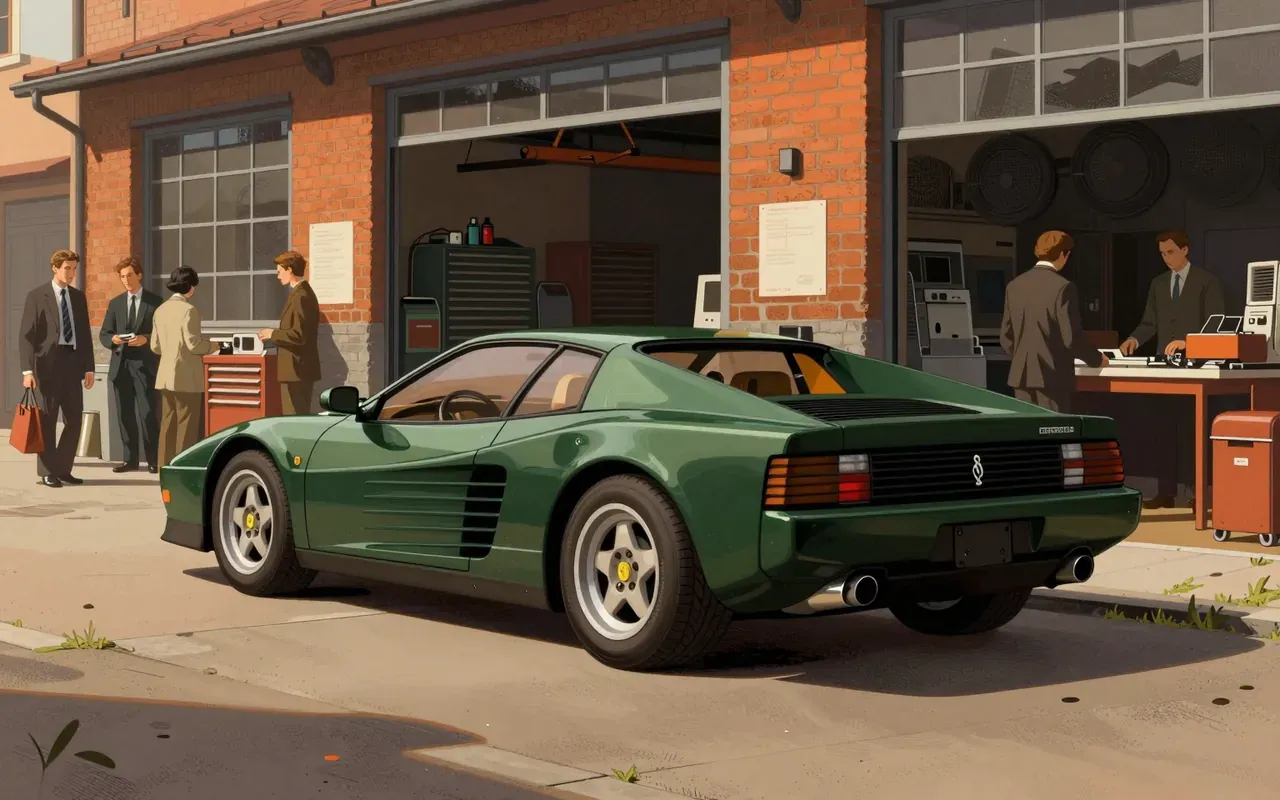
The Testarossa is a Pininfarina-designed, two-door coupé introduced in 1984 as the successor to the Berlinetta Boxer. It features a 4.9 L flat-12 engine and rear mid-engine/RWD layout. Production ran from 1984 to 1991, followed by the 512 TR and F512 M until 1996. Nearly 10,000 Testarossa-series cars were produced. It was developed to resolve thermal and packaging issues of the 512 BBi and is distinguished by its side strakes, twin rear radiators, and aerodynamic efficiency. Designers included Diego Ottina, Guido Campoli, Ian Cameron, and Emanuele Nicosia. It is a cultural icon of the 1980s, popularised by Miami Vice and Out Run.

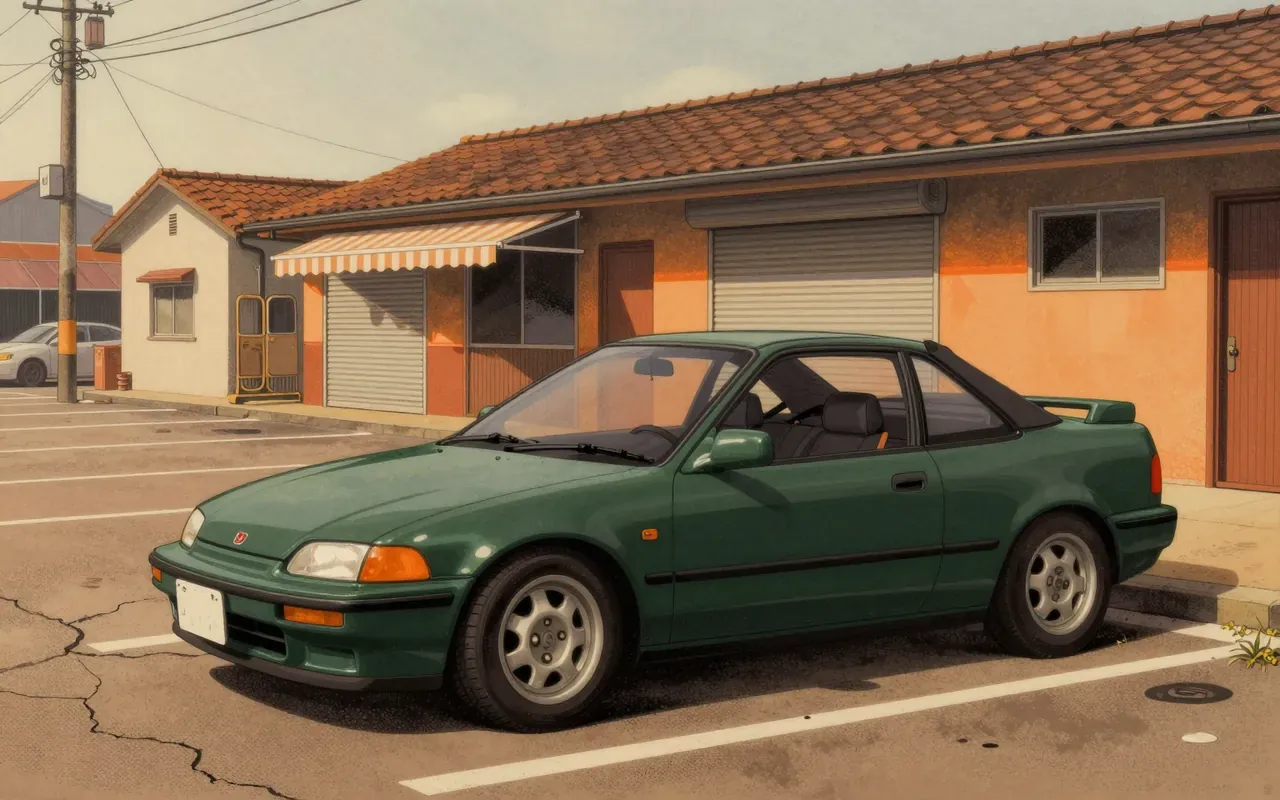
The Honda Beat is a kei-class, two-seater roadster with rear mid-engine, rear-wheel-drive layout, designed by Pininfarina and produced by Honda from May 1991 to February 1996; approximately 33,600 units were built. It features a 656 cc three-cylinder engine with MTREC technology, a 5-speed manual transmission, disc brakes on all four wheels, and was marketed exclusively in Japan as 'Midship Amusement'.

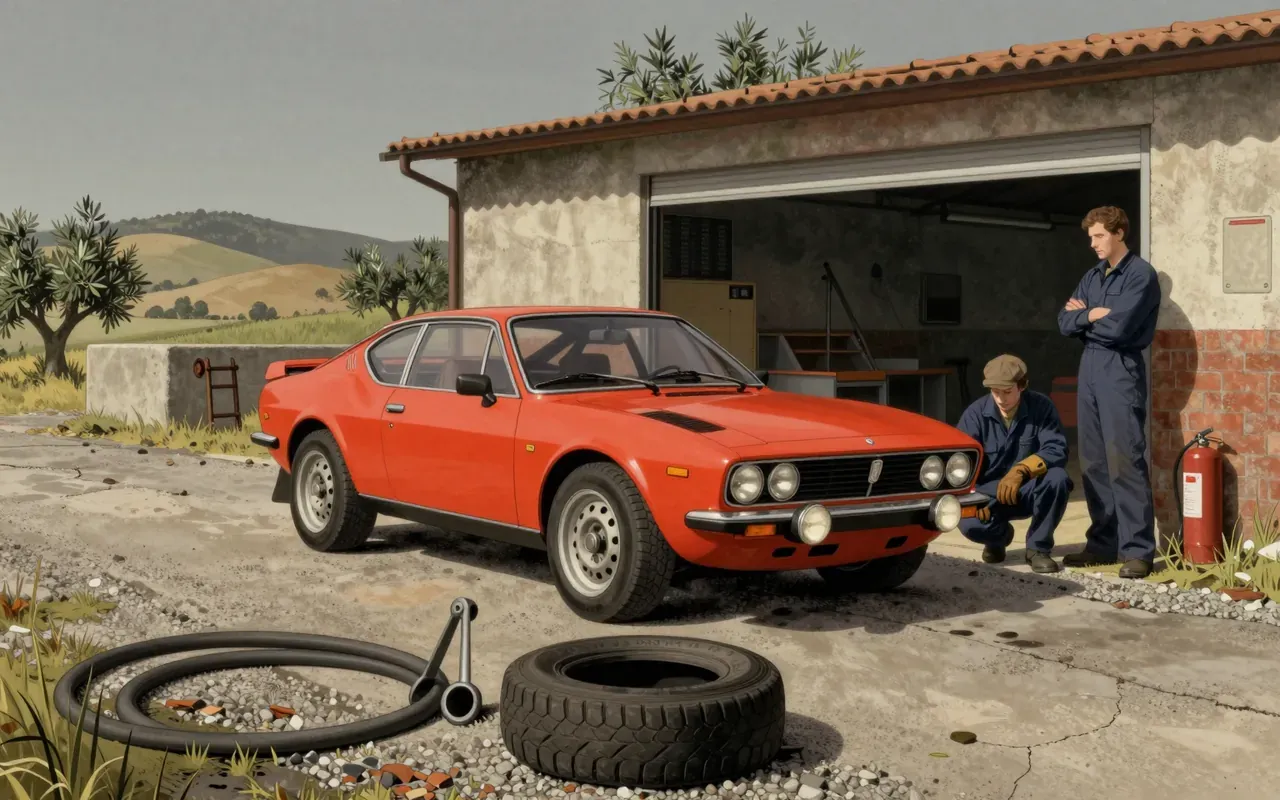
The Lancia Rally 037 is a mid-engine, rear-wheel-drive rally car built by Lancia in the early 1980s for FIA Group B competition. It won the 1983 World Rally Championship Manufacturers' title and remains the last rear-wheel-drive car to do so. To meet homologation rules, 200 road-going examples — later confirmed as 207 units — were built between 1982 and 1984. Its engine is a longitudinally mounted 2.0-litre (later 2.1-litre) supercharged straight-four, developed by Abarth. The car debuted in 1982 and was succeeded by the Delta S4 in 1985.

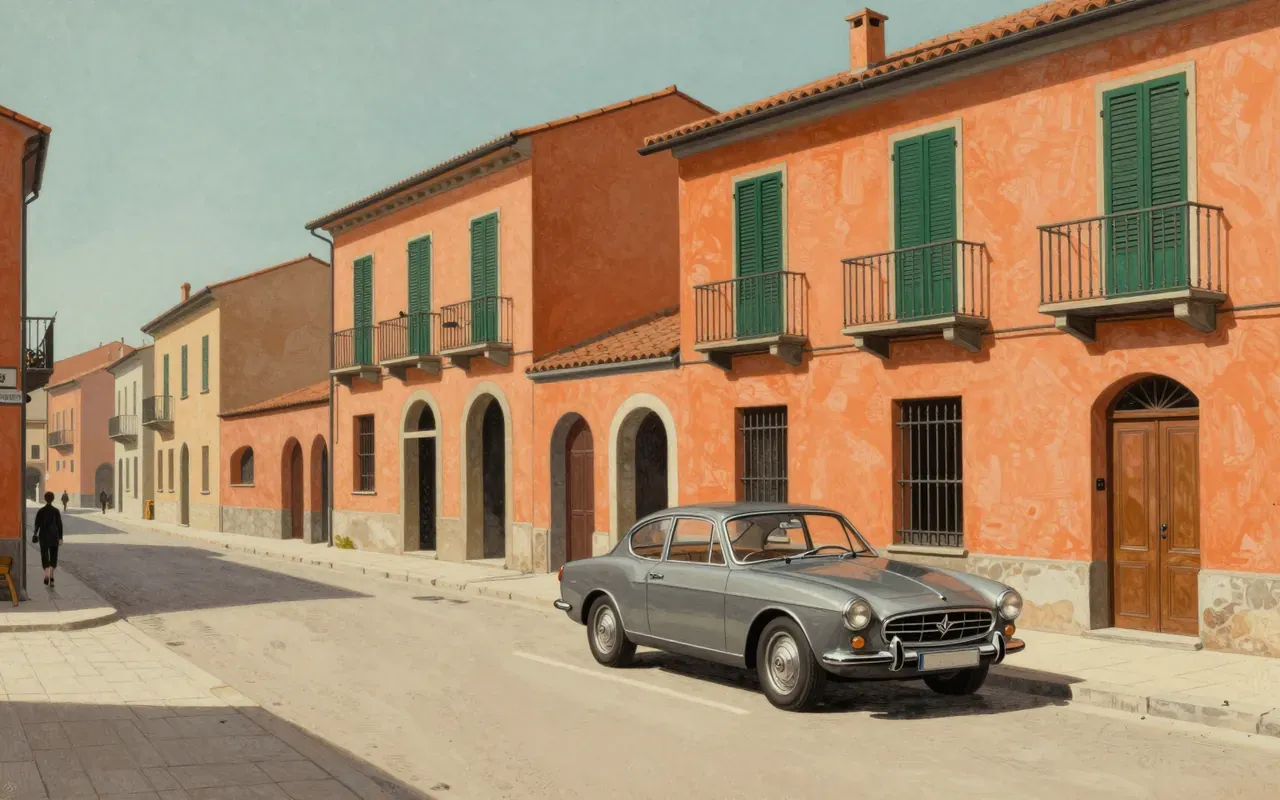
A 1957–1970 Italian luxury car, Lancia’s flagship successor to the Aurelia. Built in saloon, coupé, and cabriolet forms — with the two open-top variants exclusively coachbuilt by firms including Pininfarina.

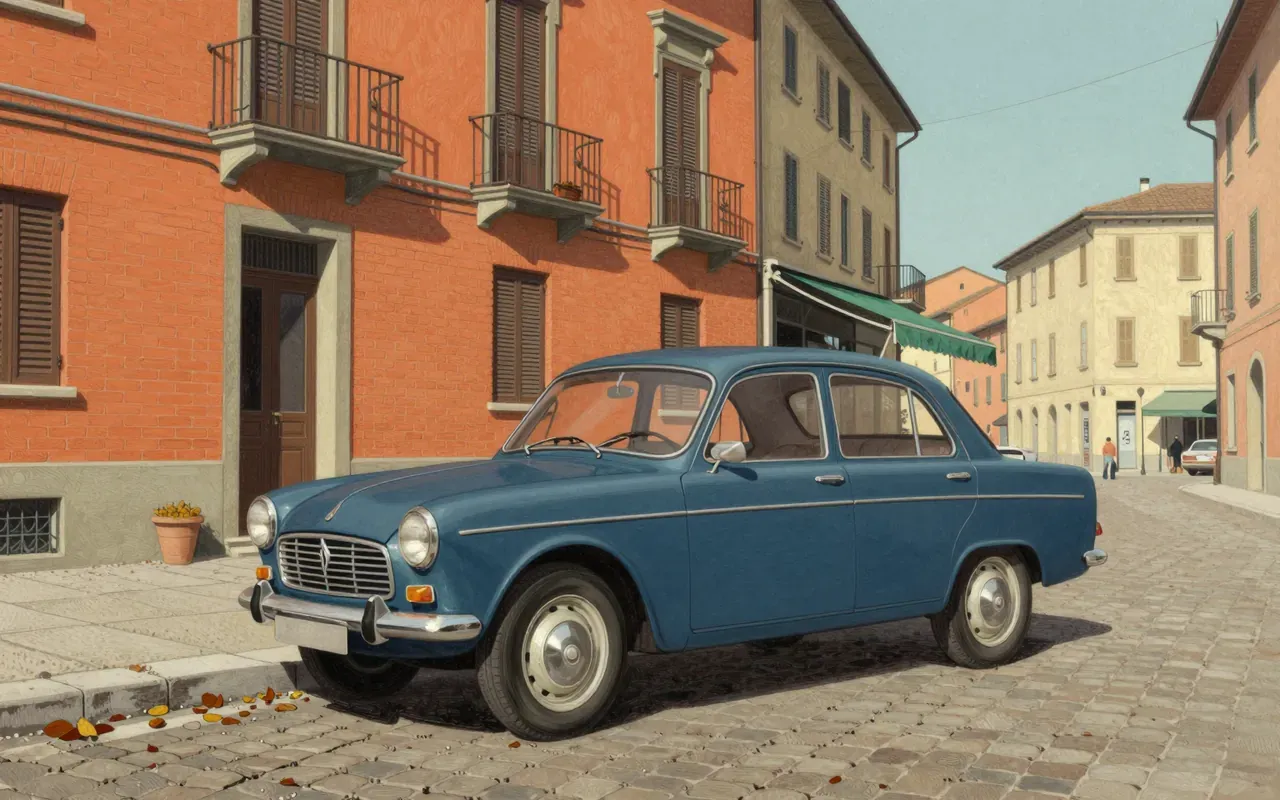
The Peugeot 404 is a large family car produced by Peugeot from 1960 to 1975. Styled by Pininfarina, it launched as a saloon, estate, and pickup. A convertible arrived in 1962; a coupé in 1963. It used a 1.6 litre petrol engine (Solex carburetor or Kugelfischer fuel injection) or a 1.9 litre diesel. A 3-speed ZF automatic was optional. It gained fame as a taxicab and earned a reputation for durability and value. Its bodyshell closely resembles that of the 1959 Austin Westminster.

The Peugeot 405 is a large family car designed by Peugeot and styled by Pininfarina, produced from 1987 to 1997 in Europe and under license in Iran until 2020. It shares its floorpan with the Citroën BX but lacks hydropneumatic suspension except on 4x4 variants. It was voted European Car of the Year for 1988 by the largest number of votes in the history of the contest. About 2.5 million vehicles have been sold worldwide, both in left and right drive versions, as a saloon and estate. In early 2020, the 33-year production run of the Peugeot 405 was counted as the 'twentieth most long-lived single generation car in history'. Its appearance is similar to the Alfa Romeo 164, launched the same year and also styled by Pininfarina.

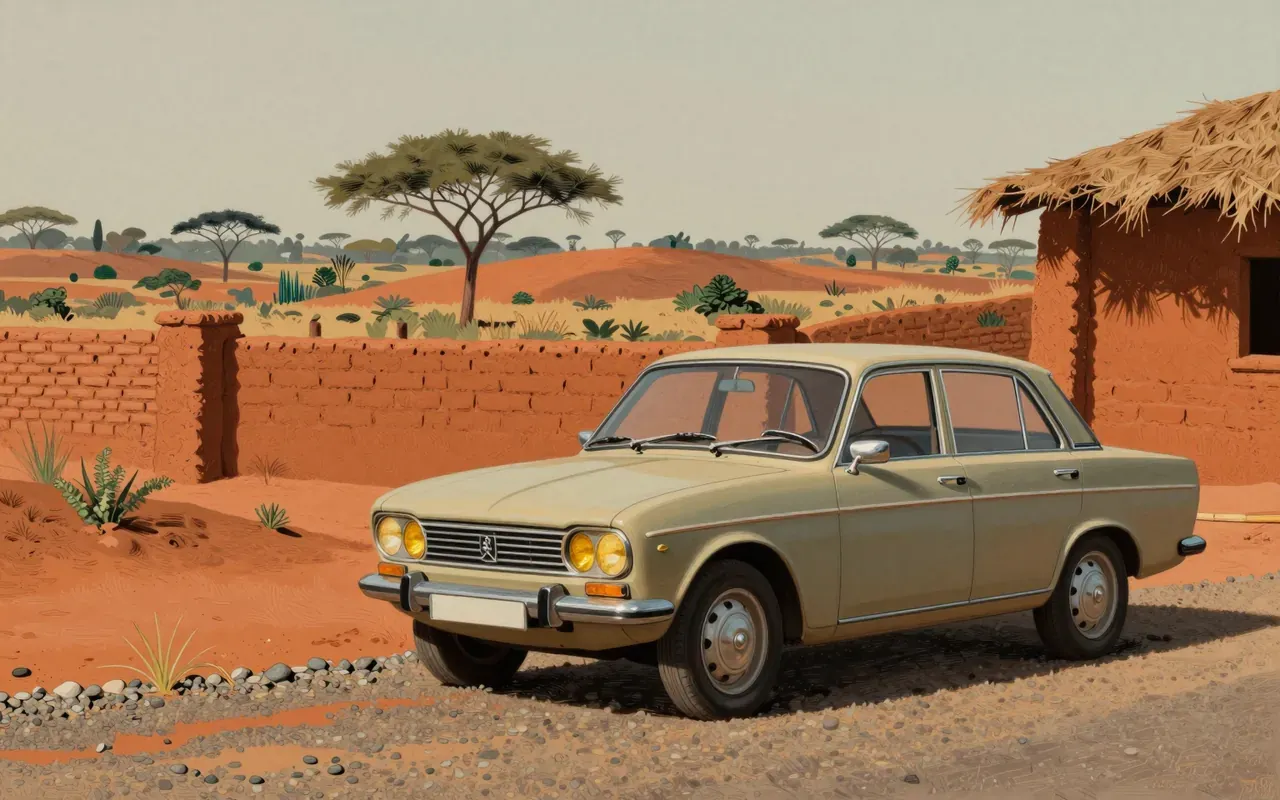
The Peugeot 504 is a durable, mechanically coherent saloon built for longevity over novelty. Its design solves for resilience — not agility, comfort or style.

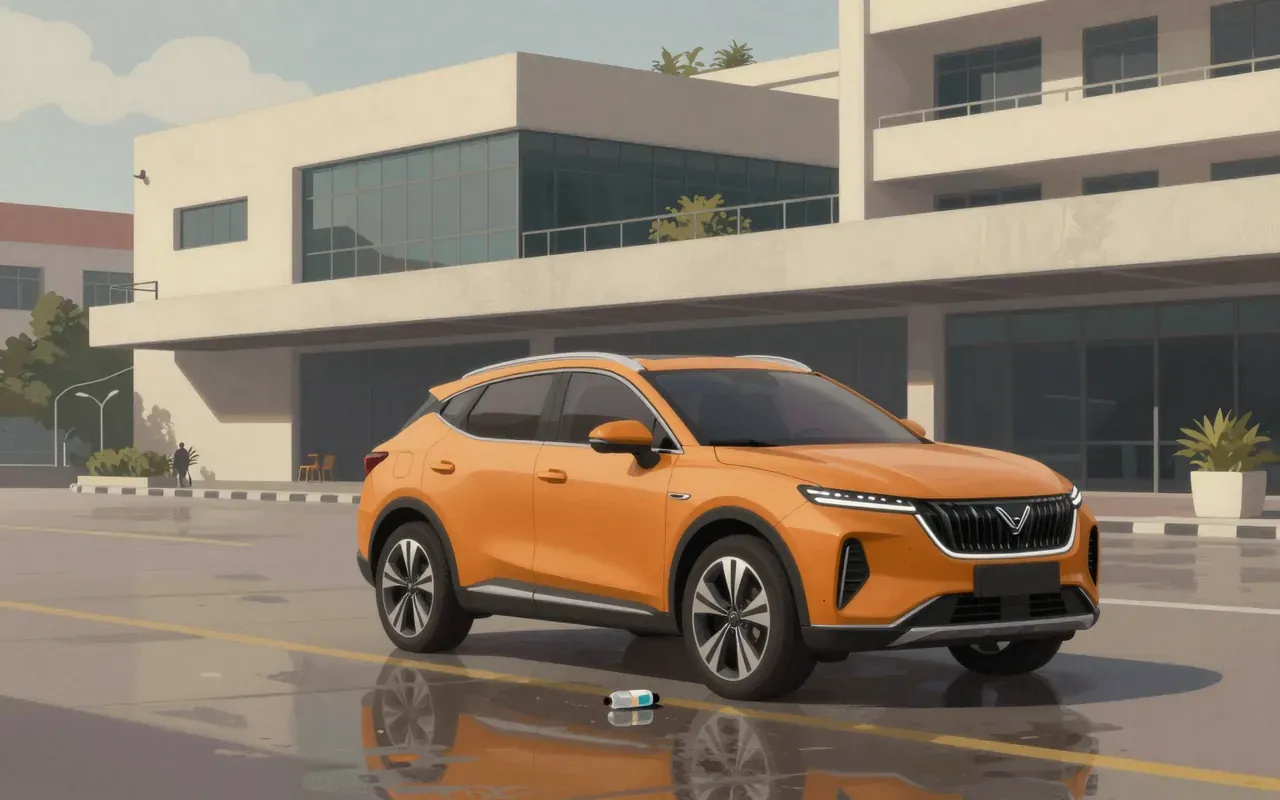
The VinFast VF 8 is a battery electric mid-size SUV styled by Pininfarina and launched by VinFast in 2022. It features dual-motor all-wheel drive, round proportions, chrome ornamentation, and a double-strip headlamp layout. Its dashboard uses a two-colour aesthetic with physical driving mode switches and a large multimedia touchscreen. Early reception highlighted poor build quality, ride, handling, braking, and driver assistance systems — alongside praise for infotainment, warranty, and range.