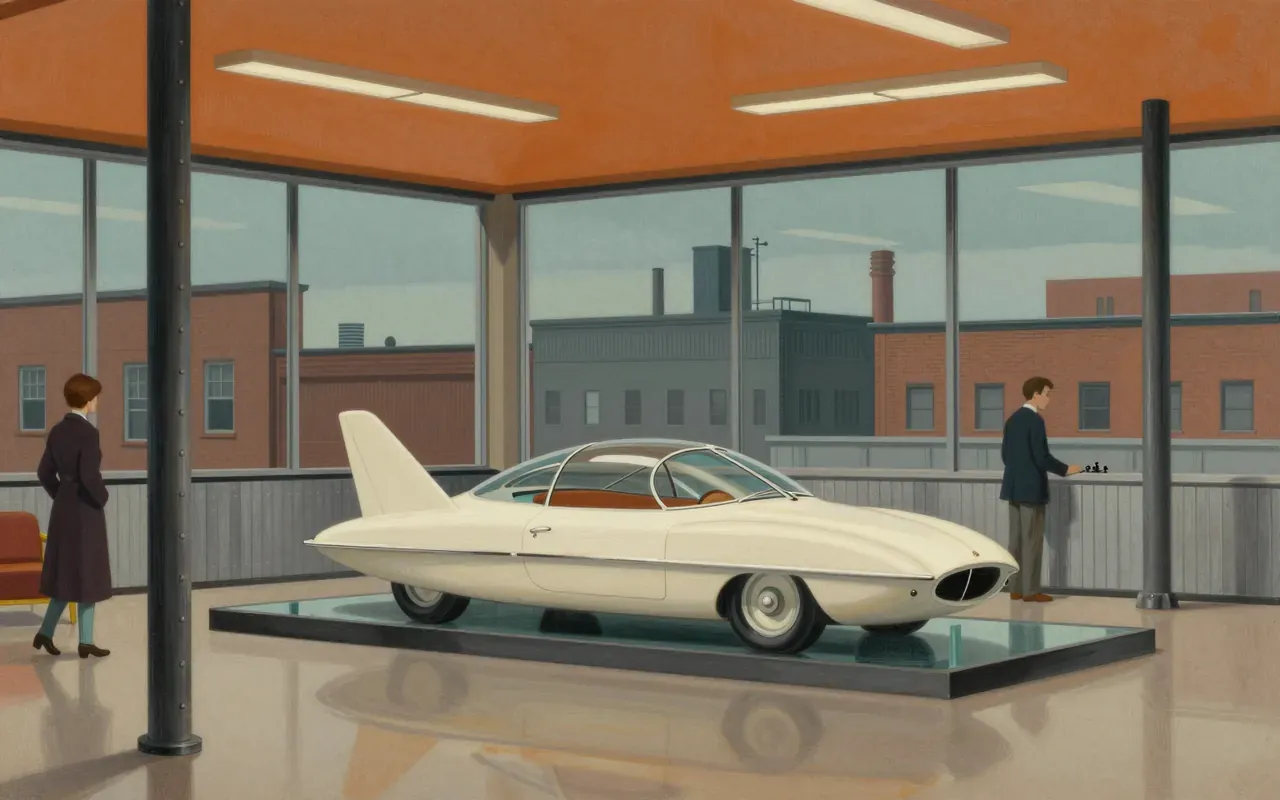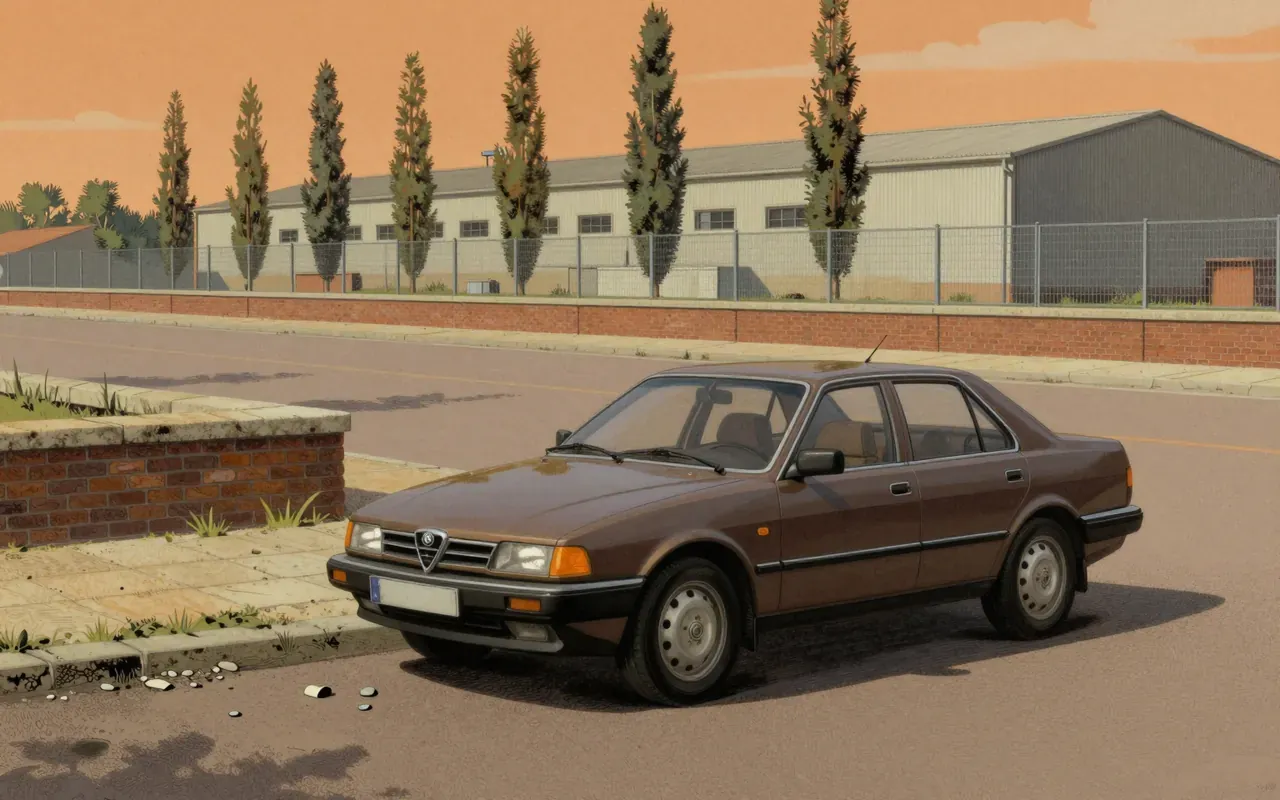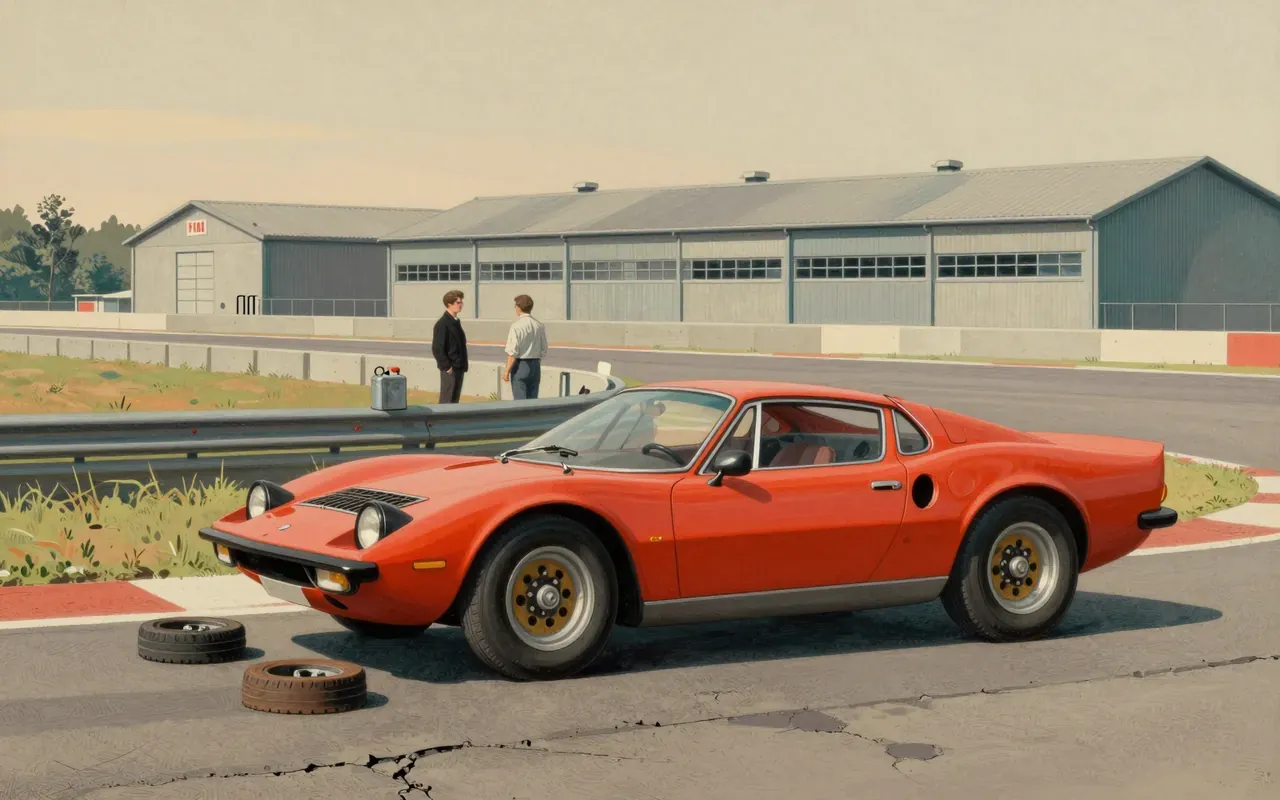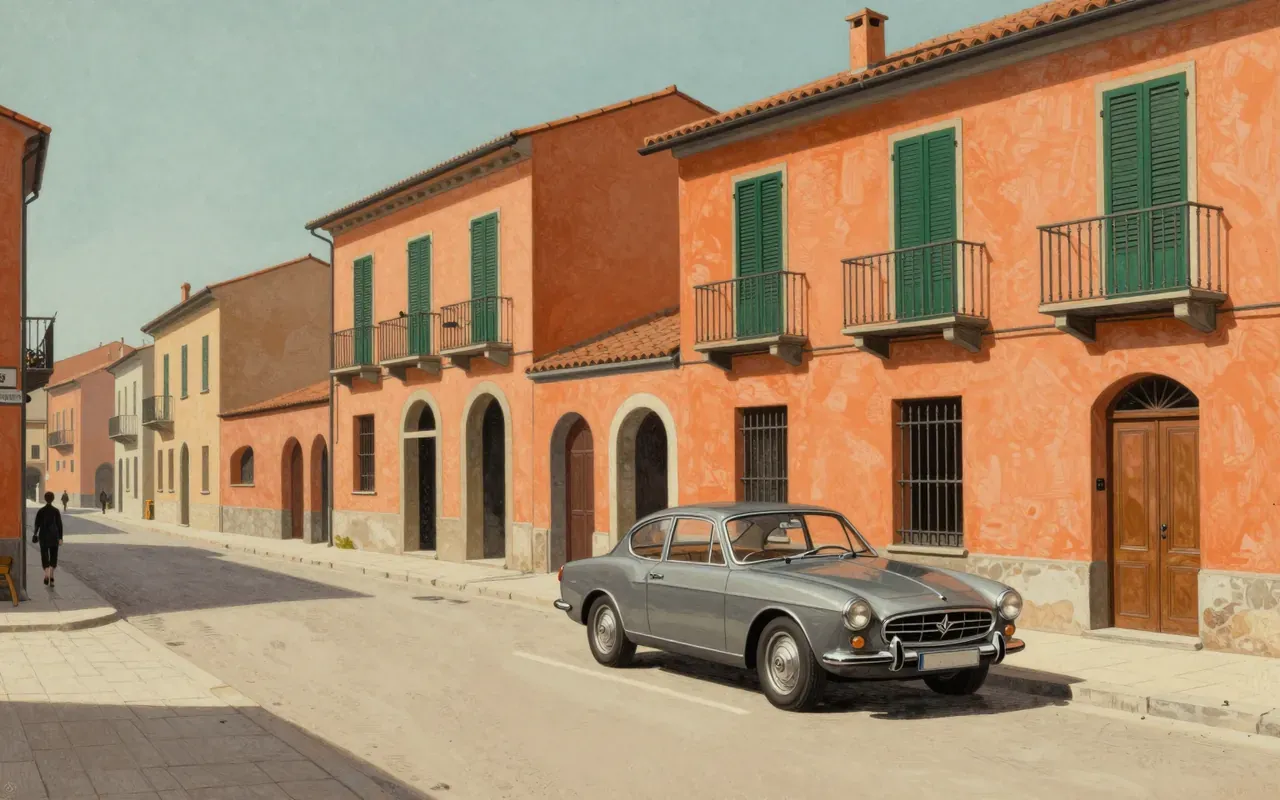
What the car is and where it came from
A 1957–1970 Italian luxury car, Lancia’s flagship successor to the Aurelia. Built in saloon, coupé, and cabriolet forms — with the two open-top variants exclusively coachbuilt by firms including Pininfarina.
How it works, in terms someone would actually use
It is a rear-wheel-drive luxury car with a longitudinal engine layout. The Pininfarina-bodied coupé and cabriolet are coachbuilt — meaning each body was hand-fitted to the chassis, not stamped from a shared press tool.
What it gets right
It positions the coupé as the emotional flagship: more expensive, less practical, yet outselling the saloon. That reversal signals a shift in luxury buyer priorities — towards form, exclusivity, and Italian design authority.
What it does not
It does not offer technical specifications, performance figures, or driving impressions — none appear in the source material.
What it changed
It confirmed that coachbuilt bodies could coexist with Lancia’s monocoque architecture — a direct extension of Pininfarina’s pioneering work on unibody construction dating to the mid-1930s.
Who it is for, and who it is not
It is for readers interested in post-war Italian industrial relationships — specifically how Lancia’s structural innovation and Pininfarina’s bodywork practice converged. It is not for readers seeking driving dynamics, engineering deep dives, or ownership advice.
Is it worth your time
Yes — if you care about how Italian coachbuilding evolved alongside unibody engineering, and why buyers paid more for a coupé than a saloon in the late 1950s.