automotivebriefs
10:24in productionCh. 1 · What it is/ 10:24 · ceiling 15 min
Sports cars · Road

Ferrari 275

Ferrari’s first transaxle road car wasn’t built to win races — it was built to stop losing balance.

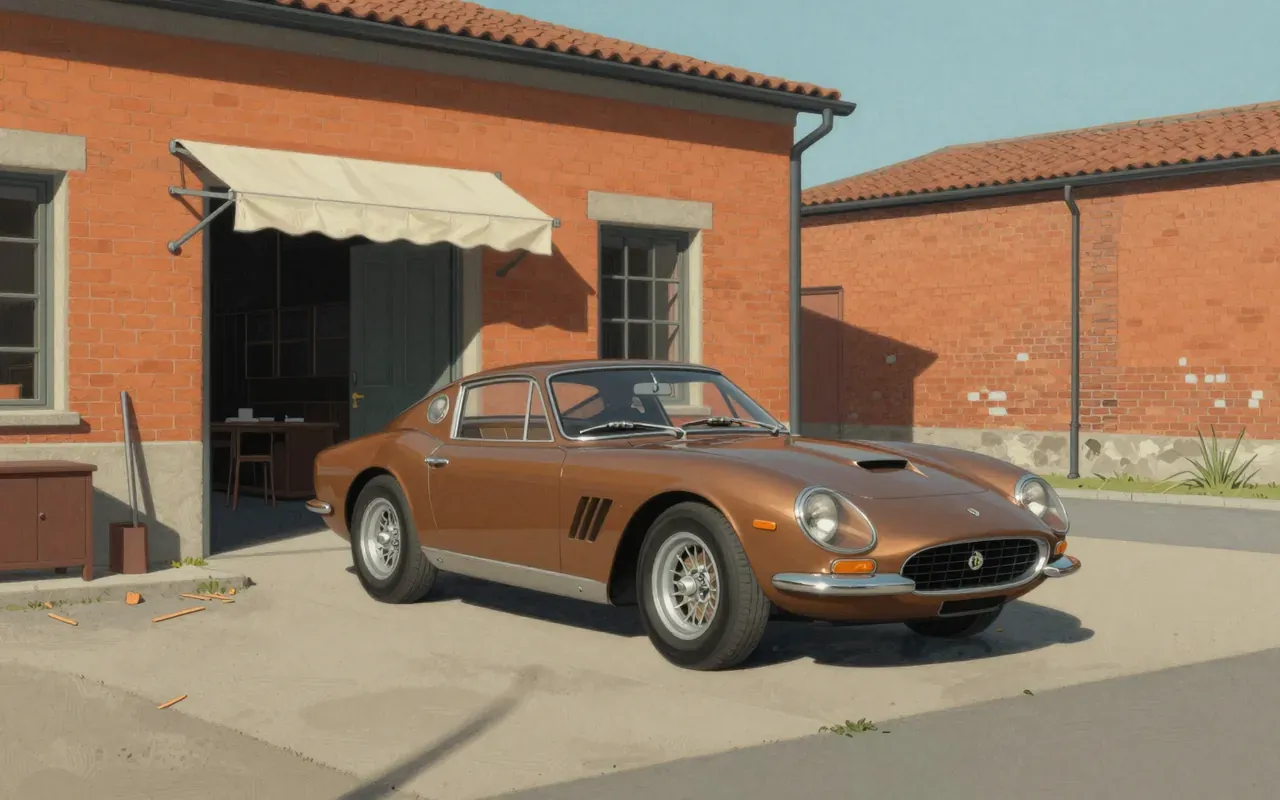
The Ferrari 275 is a front-engined V12 grand tourer designed by Pininfarina and produced from 1964 to 1968. It introduced the transaxle and independent rear suspension to Ferrari road cars. The GTB and GTS were two-seat coupé and spider variants. The GTB/4 and GTS/4 NART Spyder closed the series. The GTB Competizione Speciale was intended to succeed the 250 GTO in GT racing. Francesco Salomone led Pininfarina’s studio during its design.

Chapters & takeaways4
  1. 0:57
    What it is

    A front-engined V12 grand tourer, built for two, in coupé or spider form.

  2. 2:32
    How it works

    The first Ferrari road car with transaxle and independent rear suspension — and rubber-isolated engine mounts.

  3. 4:02
    Who shaped it

    Pininfarina designed its body; Francesco Salomone led that studio during its creation.

  4. 6:21
    Where it ended

    Its final models were the GTB/4 and NART Spyder; its competition variant aimed to replace the 250 GTO.

Worth your time?

Yes. Drive the whole thing.

4/ 5
What works
  • introduces transaxle and independent rear suspension to Ferrari road cars
  • balances front-engine tradition with improved weight distribution
  • shows Pininfarina’s discipline in two-seat proportion and airflow
What does not
  • deliver the visceral feedback of a pure racer
  • offer the isolation of a later GT
  • stand alone as a finished statement
Drive it if
  • someone who values engineering transition over polished outcome
  • a student of layout, not a collector of trophies
Skip it if
  • someone seeking a definitive GT experience
  • a buyer prioritising rarity or provenance over architecture
The written brief1 min read

What the car is and where it came from

The Ferrari 275 is a front-engined V12 grand touring automobile produced from 1964 to 1968 in coupé and spider forms, designed by Pininfarina under Francesco Salomone.

How it works, in terms someone would actually use

The 275 is a front-engined V12 grand tourer with transaxle and independent rear suspension — the first Ferrari road car to use both. Its engine mounts at four points, insulated by rubber pads in road versions.

What it gets right

It gets right the proportion of a two-seat coupé or spider shaped for speed and elegance, with Pininfarina’s hand visible in clean surfaces and functional airflow.

What it does not

It does not deliver the visceral feedback of a pure racer or the isolation of a later GT. It compromises — deliberately — between track discipline and touring comfort.

What it changed

It changed Ferrari’s chassis architecture: the transaxle shifted weight rearward, improving balance without abandoning front-engine tradition.

Who it is for, and who it is not

It is for someone who values engineering transition over polished outcome — a student of layout, not a collector of trophies.

Is it worth your time

Yes, if you care about how Ferrari moved from race-derived rigidity to road-going balance — but only as a pivot point, not a destination.

Same garage · Sports cars4 of 157
9:13
Ferrari 250 GT California SpyderPininfarina · 1957The Ferrari 250 GT California Spyder is a front-engine, rear-wheel-drive convertible sports car designed by Sergio Scaglietti and produced by Carrozzeria Scaglietti from 1957 to 1963 in approximately 100 units. It is a convertible version of the contemporary Berlinetta. It is powered by the traditional Ferrari V12 engine. It is presented by the brand as Ferrari 250 Gran Turismo Spyder California or simply Ferrari 250 California. It was designed by Pininfarina as part of its exclusive design partnership with Ferrari beginning in 1951. It gained considerable recognition following its appearance in the 1986 film Ferris Bueller's Day Off.
9:36
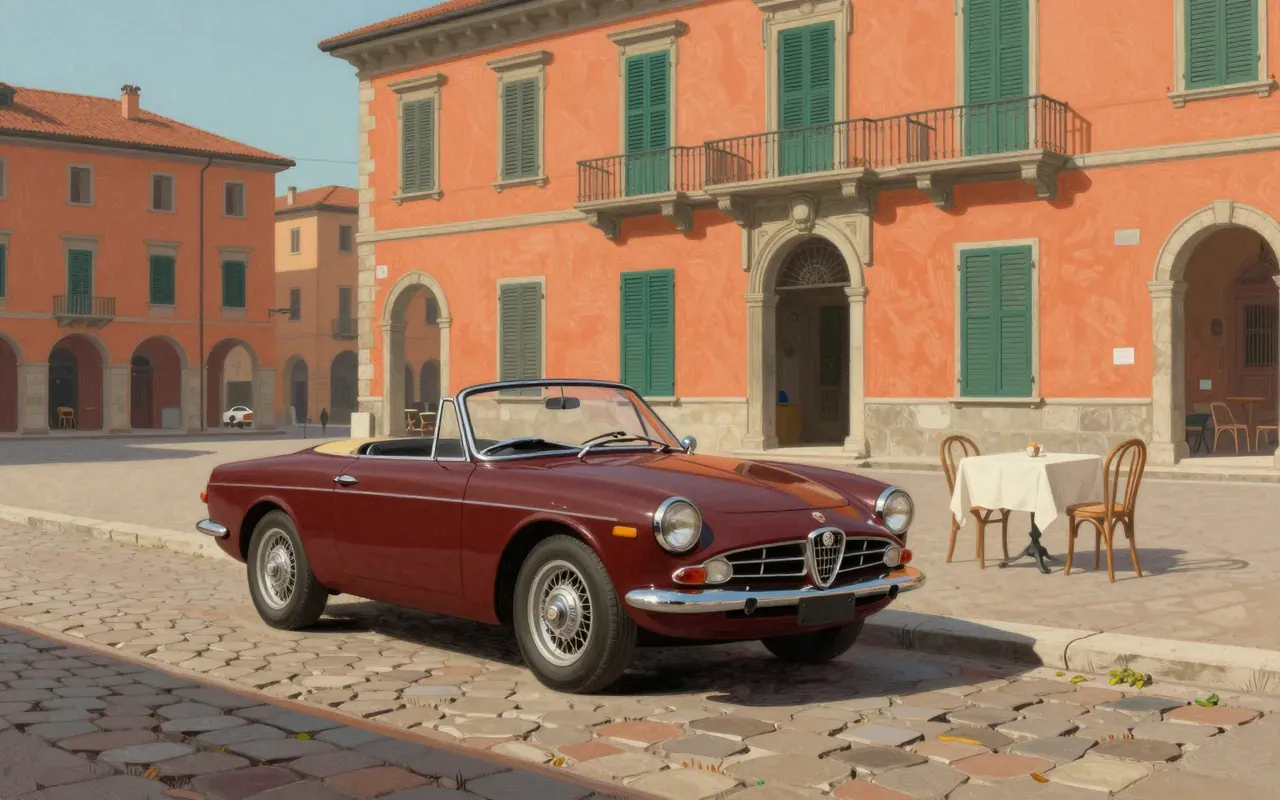
Alfa Romeo SpiderPininfarina · 1955The Alfa Romeo Spider (1955) was the first vehicle Pininfarina produced in large numbers. Designed and assembled by Pininfarina in Grugliasco, it was a front-engined, rear-drive roadster that launched in 1958 with 1,025 units and scaled to over 4,000 in 1959. It remained in production across four series until April 1993. Its success cemented Pininfarina’s role as Alfa Romeo’s long-term Spider partner—and proved coachbuilding could be industrial.
10:25
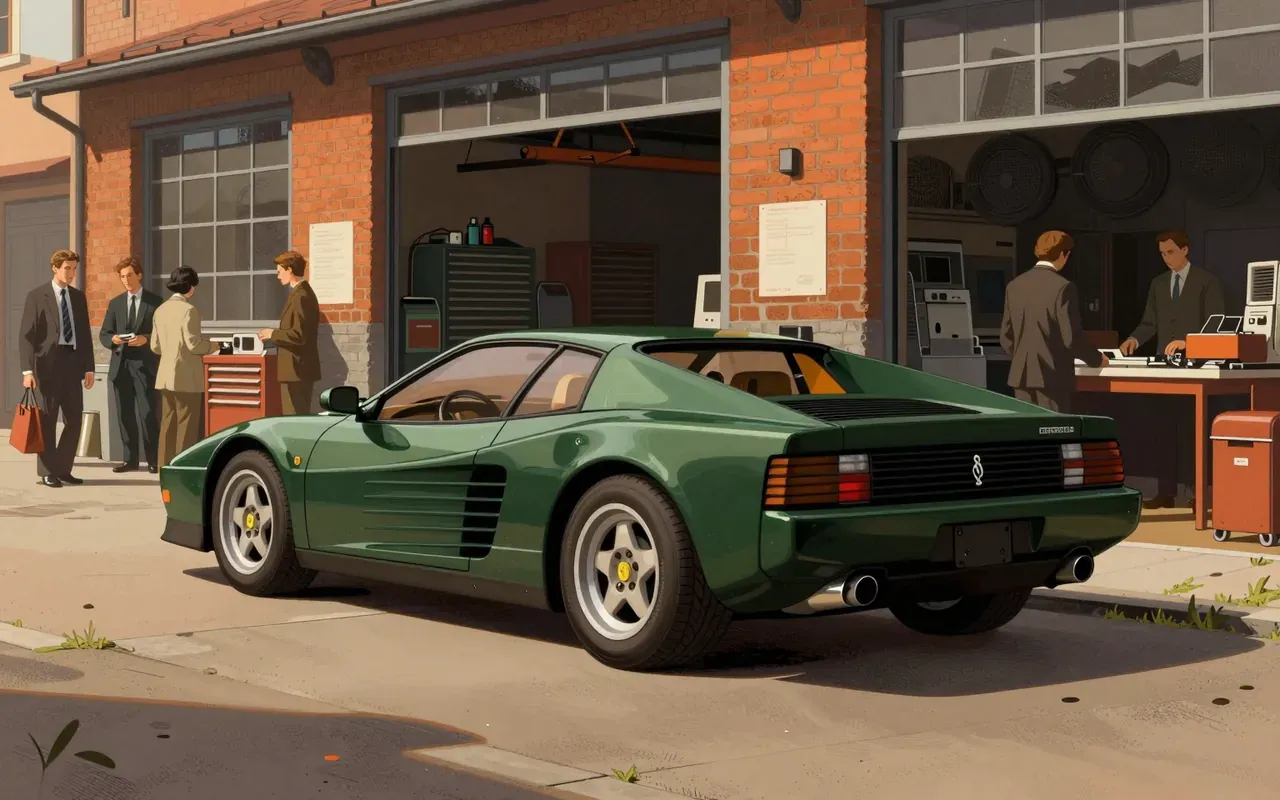
Ferrari TestarossaPininfarina · 1984The Testarossa is a Pininfarina-designed, two-door coupé introduced in 1984 as the successor to the Berlinetta Boxer. It features a 4.9 L flat-12 engine and rear mid-engine/RWD layout. Production ran from 1984 to 1991, followed by the 512 TR and F512 M until 1996. Nearly 10,000 Testarossa-series cars were produced. It was developed to resolve thermal and packaging issues of the 512 BBi and is distinguished by its side strakes, twin rear radiators, and aerodynamic efficiency. Designers included Diego Ottina, Guido Campoli, Ian Cameron, and Emanuele Nicosia. It is a cultural icon of the 1980s, popularised by Miami Vice and Out Run.
9:44
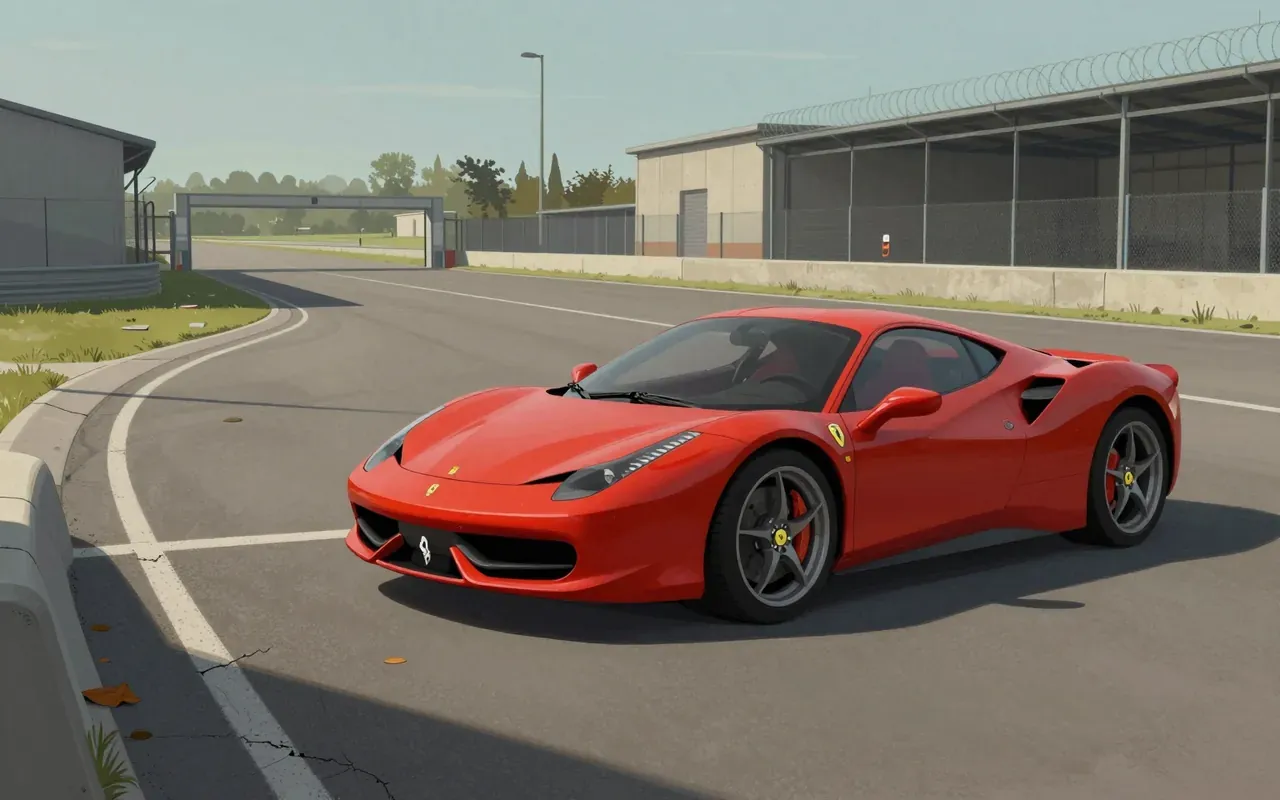
Ferrari 458Pininfarina · 2009The Ferrari 458 Italia is a mid-engine sports car. It launched in 2009 as a clean-sheet replacement for the F430. It uses a 4.5 L V8 with direct fuel injection — the first such setup in a Ferrari mid-engine road car — and a 7-speed dual-clutch automatic transmission. No manual option exists. Magneti Marelli developed its body computer system. Pininfarina designed it under Donato Coco, with Carlo Palazzani as lead designer.
Up next in Automotive

Ferrari 288 GTO

Leonardo Fioravanti · 1984 · 8:38

The 288 GTO isn’t a race car — it’s the moment Ferrari stopped pretending road cars had to follow the same rules as showroom models.

8:38